
The Pacific Northwest is not just a haven for towering evergreens and volcanic landscapes. It also holds some of the richest fossil records in North America. This region’s varied terrain and geologic activity over millions of years have helped preserve an incredible array of prehistoric life. Fossils found in Oregon and Washington tell the story of vast environmental changes and species evolution.
Fossils in the Pacific Northwest range from petrified trees and leaf imprints to enormous mammals like mammoths and rhinos. Certain areas provide an unparalleled look into the past, complete with visitor centers and public dig opportunities. Volcanic eruptions and ancient lakes have helped preserve these remnants in exceptional detail so that visitors can learn, even centuries later.
Today, Seattle Travel will unearth all of the major fossil discoveries once hidden in the Pacific Northwest. We’ll also include locations with significant fossil findings and prehistoric evidence. Let’s dig into these fossil spots now.
John Day Fossil Beds (Oregon)
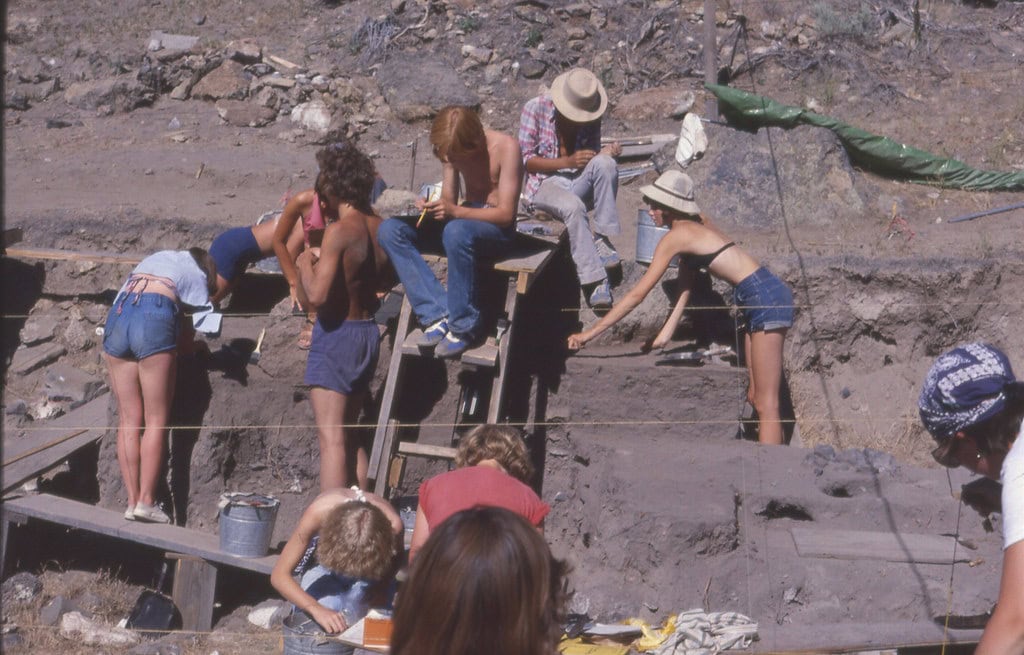
©"Archaeological excavations at a prehistoric American Indian site in the John Day Fossil Beds National Monument, north-central Oregon (USA)" by gbaku is licensed under BY-SA 2.0. - Original / License
The John Day Fossil Beds in central Oregon are among the richest fossil sites in the United States. Spanning over 40 million years of prehistoric life, the formations preserve an extensive record of plants, mammals, and ecosystems. The Painted Hills unit reveals layers of red, gold, and black volcanic ash that have helped scientists reconstruct ancient climates. The Thomas Condon Paleontology Center offers visitors even more information.
Mammoth Tusk in Seattle Construction Site
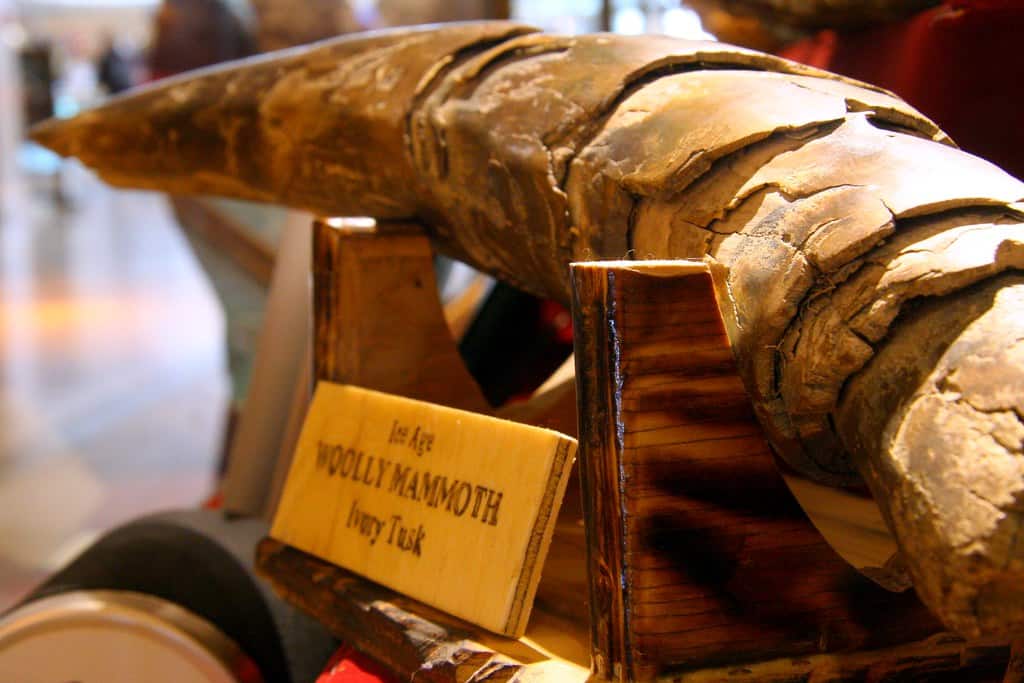
©"Woolly mammoth tusk" by sfllaw is licensed under BY-SA 2.0. - Original / License
In 2014, construction workers in Seattle’s South Lake Union neighborhood unearthed a mammoth tusk dating back at least 16,000 years. The tusk, later nicknamed ‘LuLu,’ provided valuable information about Ice Age fauna in the region. Paleontologists carefully extracted the fossil for preservation and study. The find underscored how much prehistoric material still lies hidden beneath modern urban centers.
The Fossil Forest of Ginkgo Petrified Forest State Park (Washington)
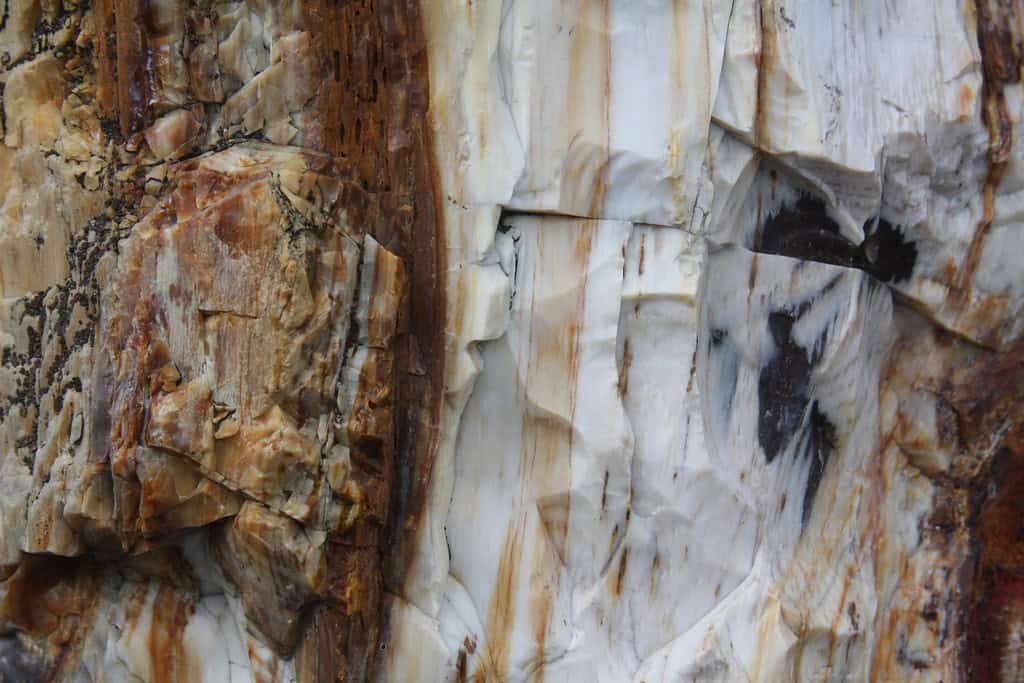
©"Ginkgo Petrified Forest" by brx0 is licensed under BY-SA 2.0. - Original / License
Ginkgo Petrified Forest near Vantage, Washington is home to one of the most unusual fossil forests in the world. Here, ancient trees were buried in volcanic ash and transformed into stone over millions of years. Dozens of species have been identified, including ginkgo, redwood, and Douglas fir.
Clarno Unit Fossils (John Day, Oregon)
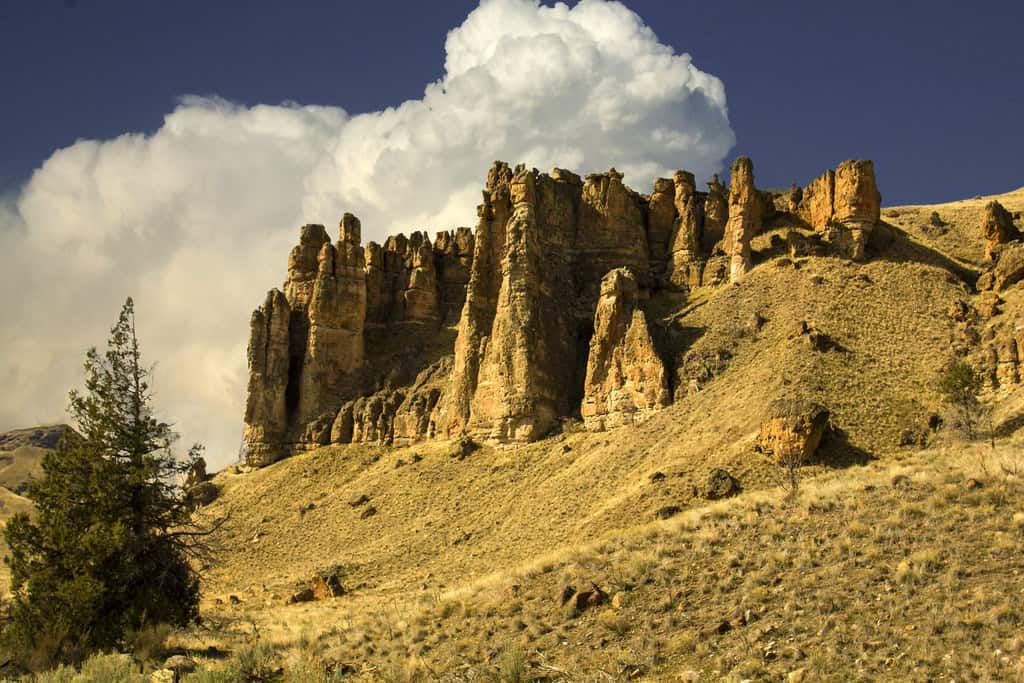
©"Clarno Unit, John Day National Monument, Oregon" by Bonnie Moreland (free images) is licensed under PDM 1.0. - Original / License
The Clarno Unit of the John Day Fossil Beds preserves an environment dominated by subtropical forests from around 44 million years ago. Fossils include crocodile teeth, palm leaves, and ancient fruits and seeds. These remnants give us a glimpse into Oregon’s hot and wet prehistoric past. The site is particularly important for studying early mammals and plant evolution.
Willapa Hills Fossil Sites (Washington)
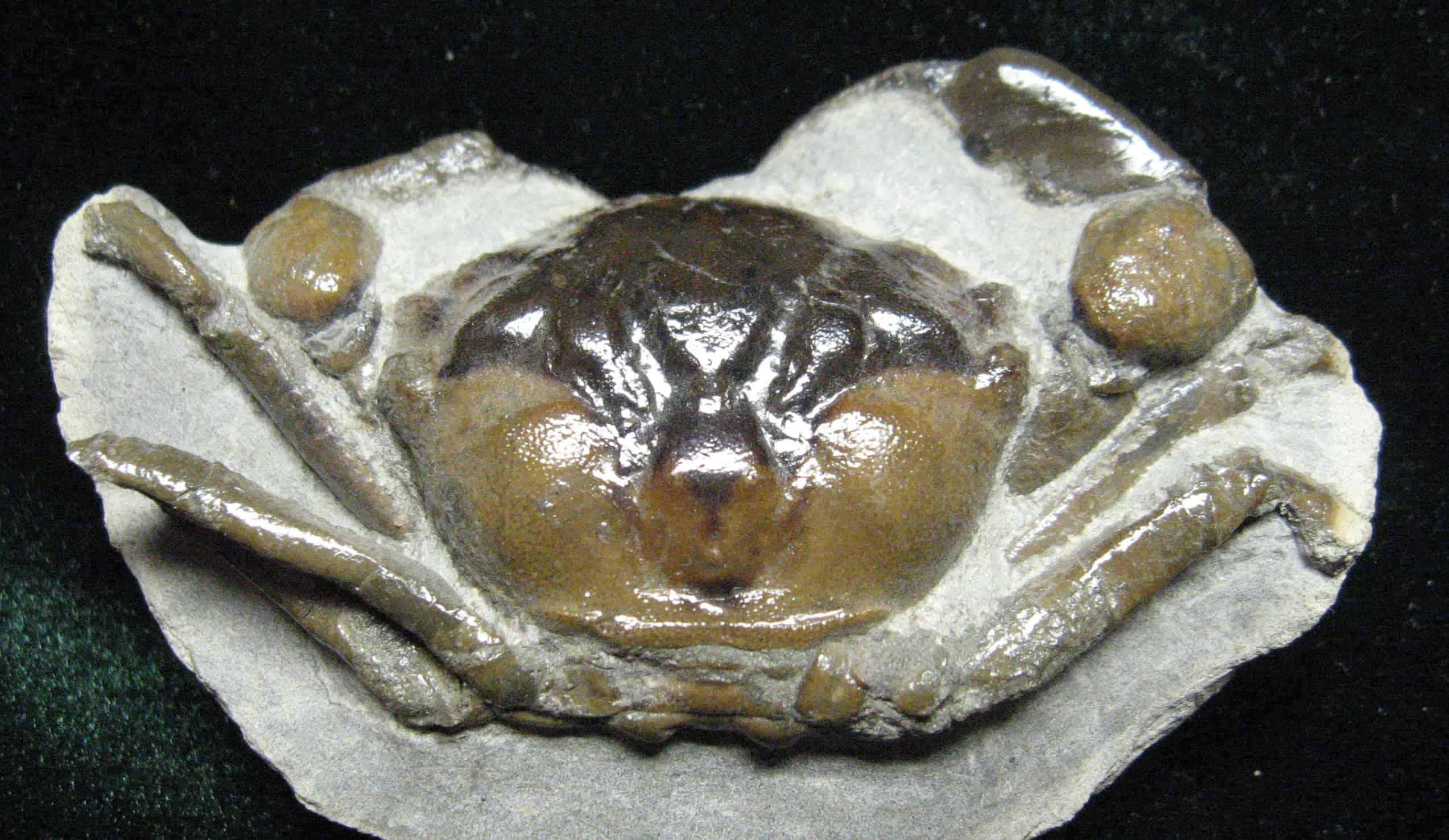
©"Pulalius vulgaris 02a" by Kevmin is licensed under BY-SA 3.0. - Original / License
The Willapa Hills in southwest Washington are known for fossilized marine life, including clams, snails, and crabs. These organisms lived in shallow seas during the Eocene epoch. Fossils are often found in sandstone layers and provide evidence of shifting coastlines and marine biodiversity.
Fossils at Stonerose Interpretive Center (Republic, Washington)
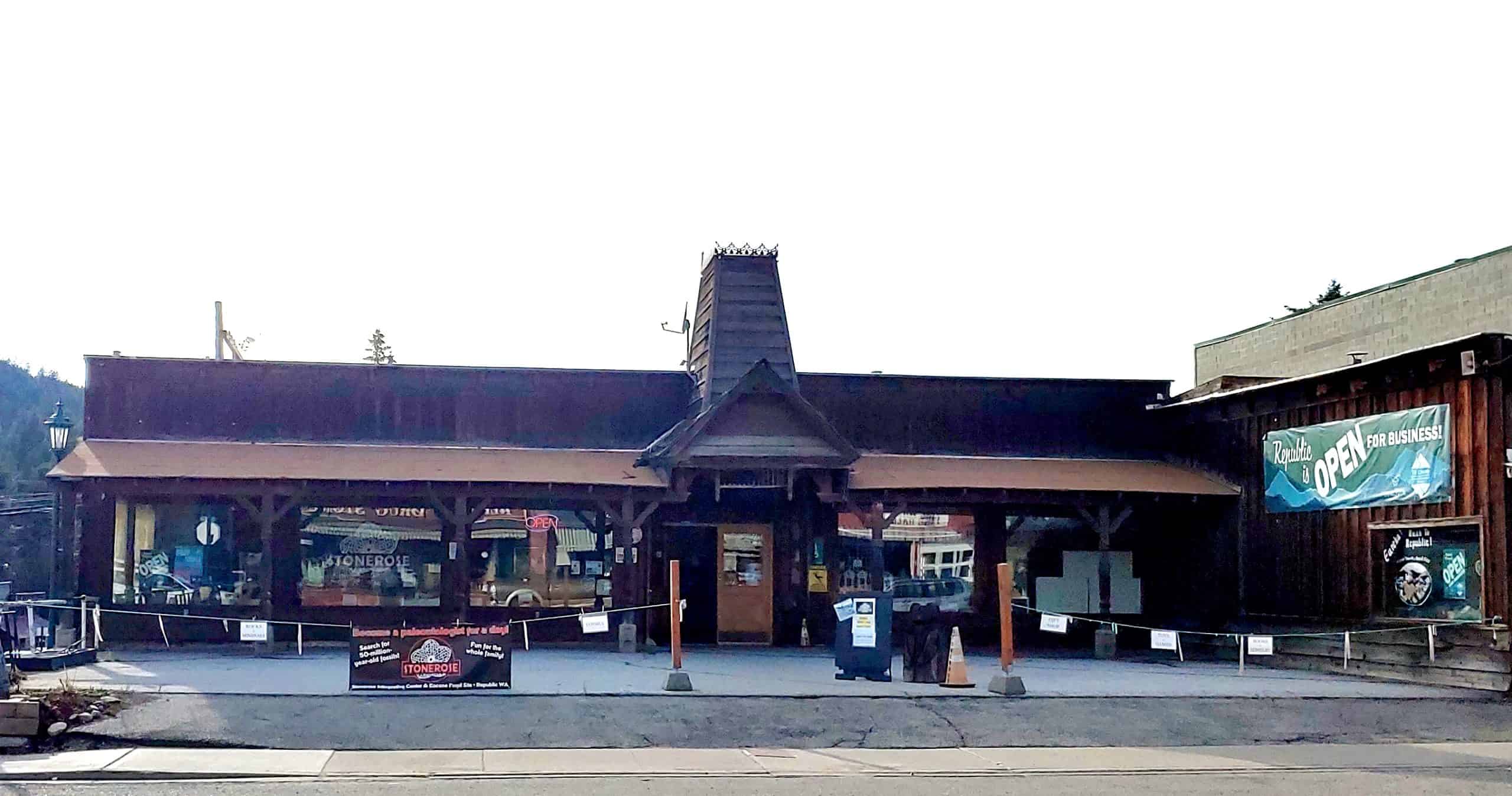
©"Stonerose Interpretive Center 2021 new building on Clark Ave" by Kevmin is licensed under BY-SA 4.0. - Original / License
Stonerose Fossils in Republic, Washington allow visitors to dig for their own fossils in a 49-million-year-old lakebed. The site is famous for exceptionally well-preserved leaves, insects, and fish from the Eocene epoch. It’s one of the few places where the public can collect real fossils under the supervision of experts.
The Marine Fossils of Oregon’s Coast Range
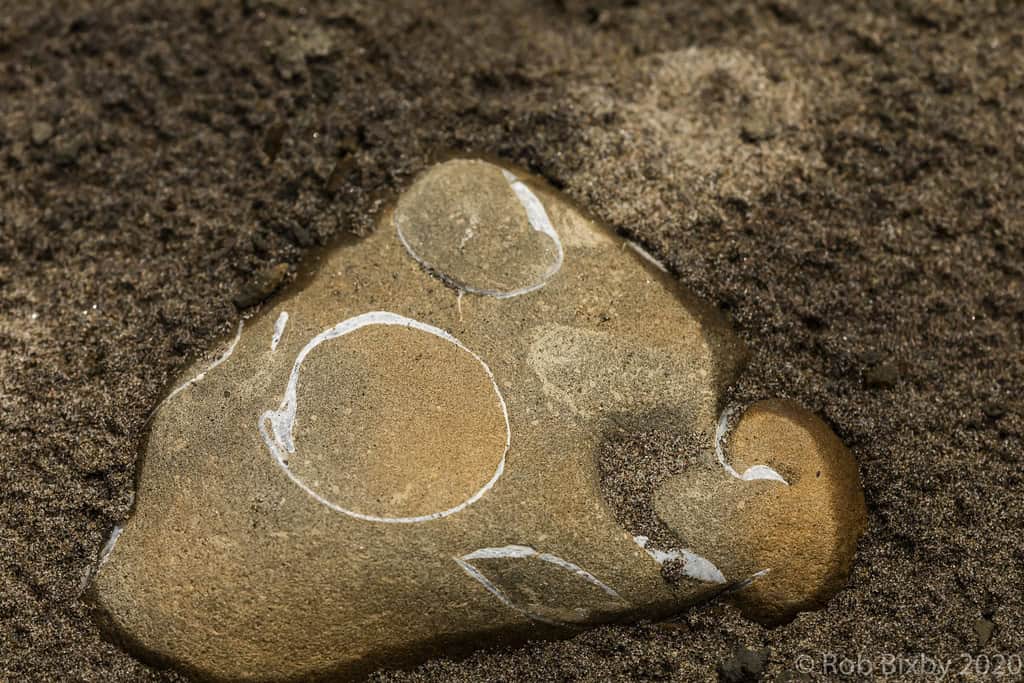
©"Oregon2020_BeverlyBeach-7306" by RobBixbyPhotography is licensed under BY 2.0. - Original / License
Oregon’s Coast Range harbors rich fossil beds that tell the story of ancient ocean life. Marine sediments contain the remains of whales, dolphins, mollusks, and even giant sharks dating from the Eocene to Miocene epochs. The area shows how Oregon’s landmass has shifted from undersea environments to coastal mountains.
The Blue Lake Rhino (Grant County, Washington)
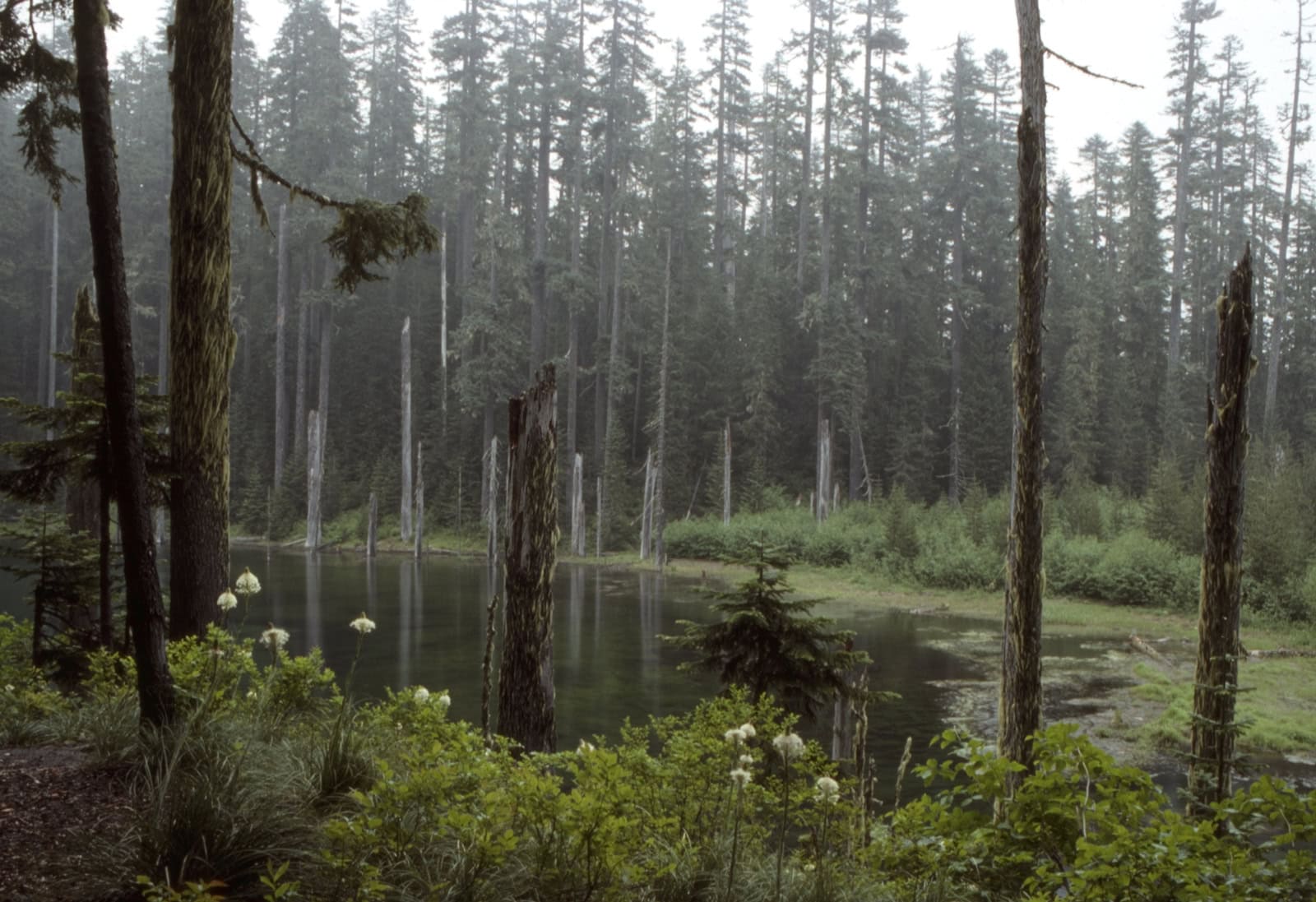
©"Blue Lake - Washington State - USA" by Tequask is licensed under BY-SA 4.0. - Original / License
A fossilized rhino skeleton was discovered near Blue Lake in Washington, preserved in basalt lava. This rare find, dating back 15 million years, revealed that lava flows from the Columbia River Basalt Group had engulfed the animal, creating a natural mold. The cast is one of the few known examples of such preservation, providing an extraordinary look at volcanic fossilization processes.
Fossilized Palm Leaves at Fossil, Oregon
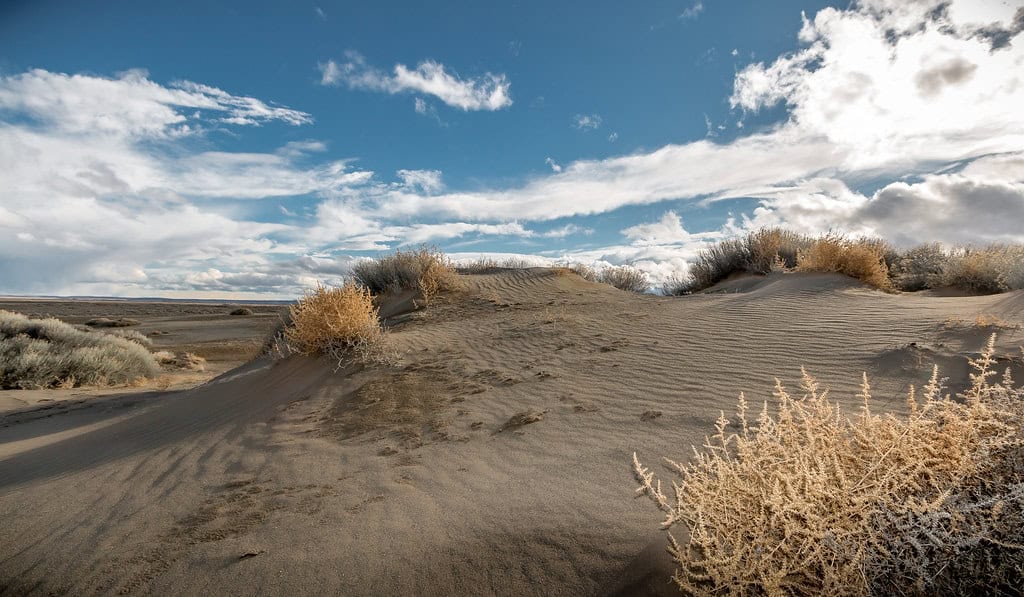
©"Fossil Lake" by BLM Oregon & Washington is licensed under BY 2.0. - Original / License
The town of Fossil, Oregon is aptly named for the ancient plant fossils found in the area. At the Fossil High School’s public dig site, visitors can unearth palm fronds, ancient ferns, and deciduous leaves. These fossils are from a time when central Oregon was much warmer and wetter.
The Saber-Toothed Salmon of Oregon
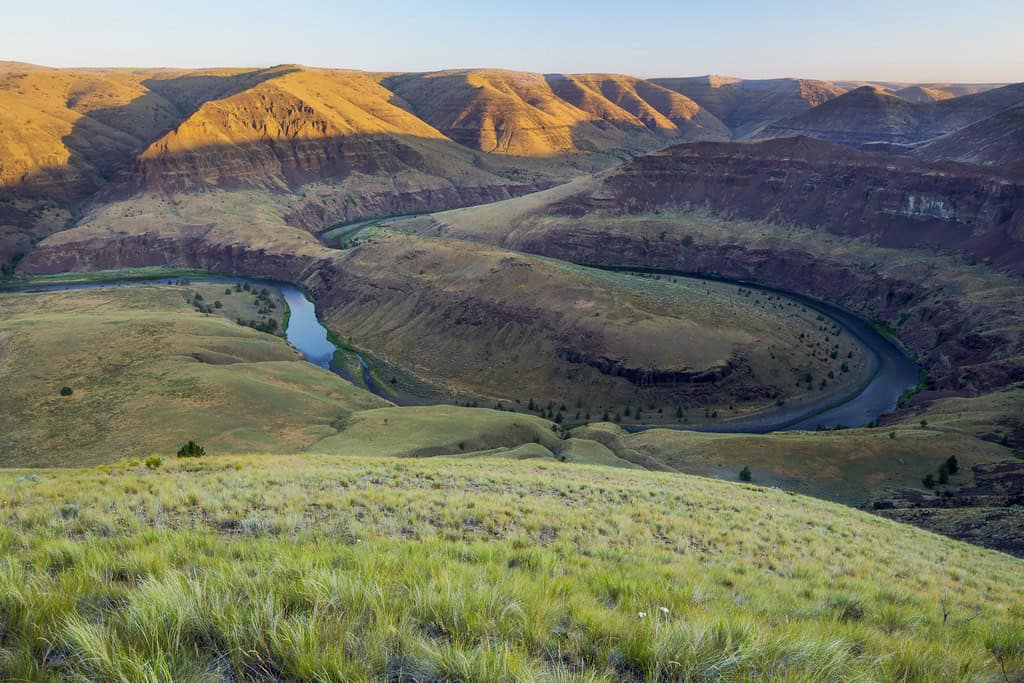
©"John Day River" by BLM Oregon & Washington is licensed under BY 2.0. - Original / License
A prehistoric salmon with fangs, known as the saber-toothed salmon, once swam the waters of ancient Oregon. Fossils of this unusual fish have been found near Madras and Fossil. The creature could grow over 9 feet long and had two protruding teeth from its upper jaw.
Fossil Beds at Beverly, Washington
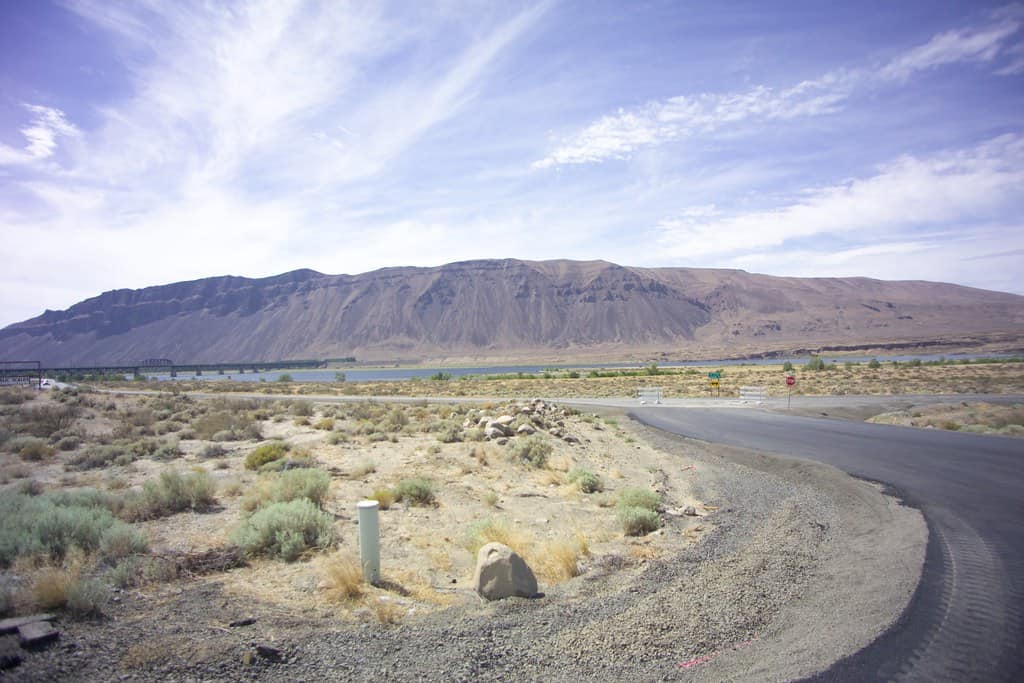
©"Beverly, Washington" by afiler is licensed under BY-SA 2.0. - Original / License
Beverly, Washington is known for Miocene-era fossil beds that include diverse plant material and some vertebrates. These fossils paint a picture of a temperate forest landscape dominated by deciduous trees and shrubs. The fossils are well-preserved in volcanic ash layers. The site is an important part of understanding how the Columbia Plateau evolved.
Prehistoric Whale Fossils in the Astoria Formation (Oregon)
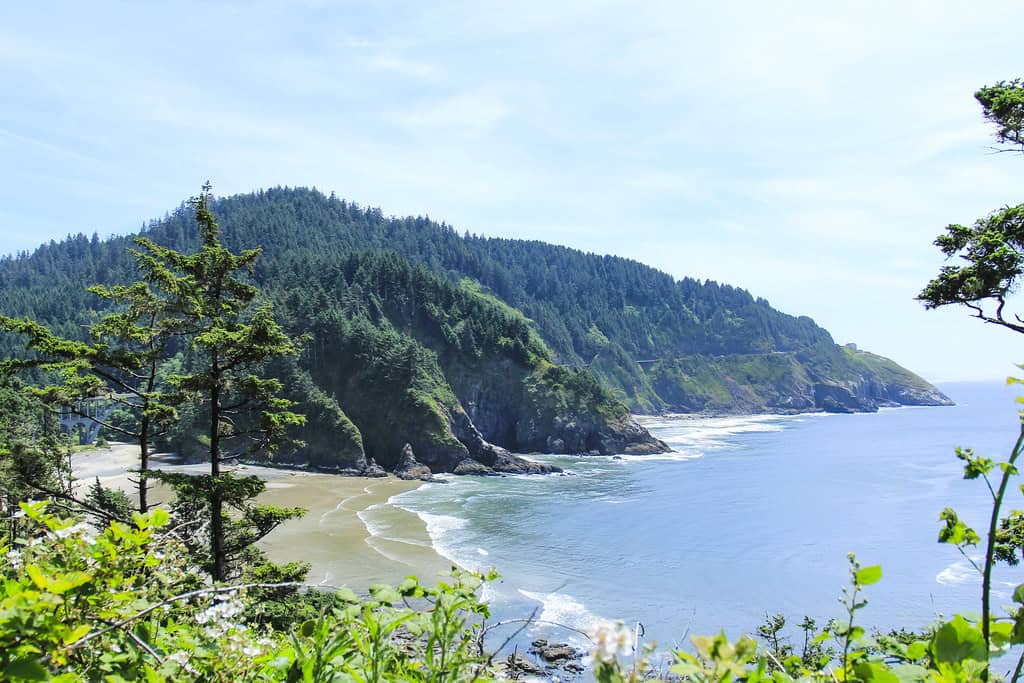
©"Coastal Scenic Byway, Oregon" by Bonnie Moreland (free images) is licensed under CC0 1.0. - Original / License
The Astoria Formation along the northern Oregon coast is known for yielding fossils of ancient whales and dolphins. These marine mammals lived during the Miocene epoch, approximately 15 to 20 million years ago. Some fossils include partial skeletons and vertebrae embedded in Astoria’s gorgeous coastal cliffs.
Latah Formation Fossils (Eastern Washington)
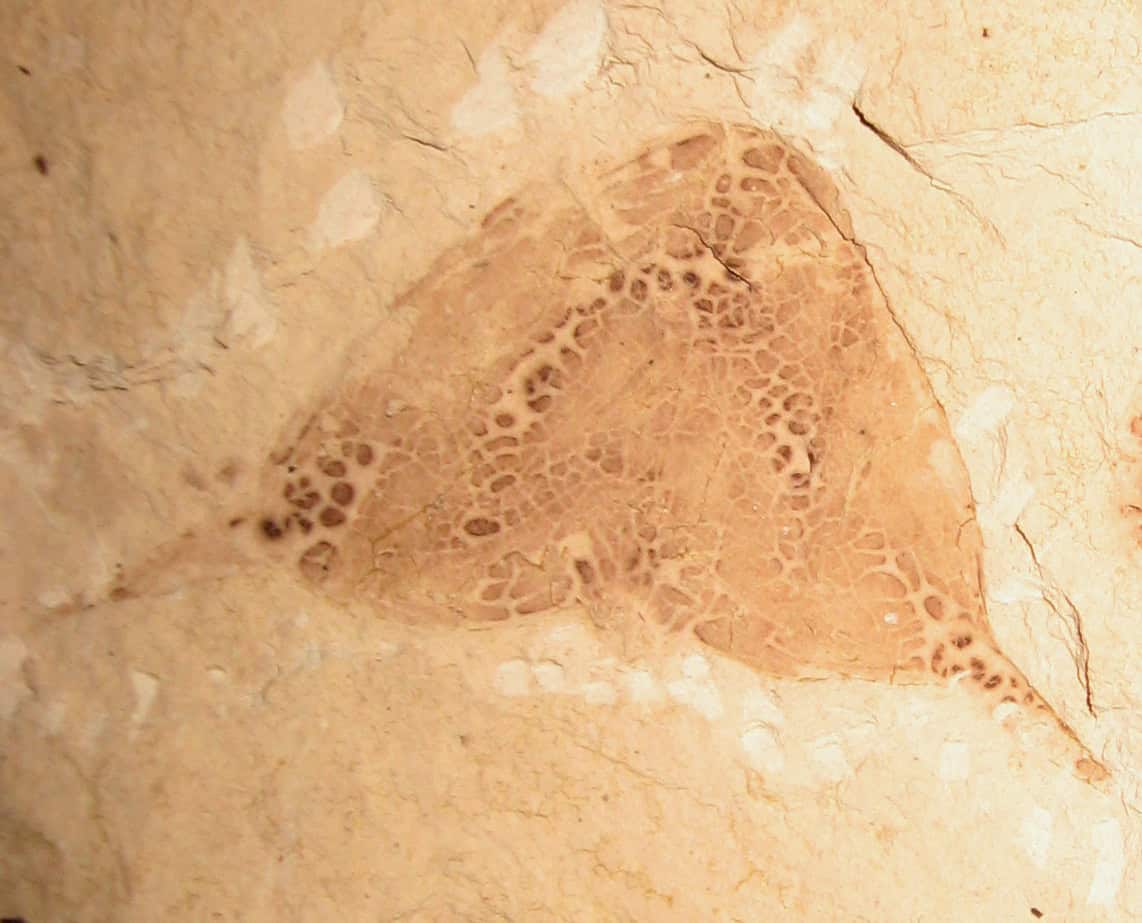
©"Trapa americana SRUI SRDU img01" by Kevmin is licensed under BY 4.0. - Original / License
The Latah Formation in eastern Washington contains a diverse fossil record from ancient lakes and forests. Fossils include insects, fish, and beautifully preserved leaves (thanks to volcanic ash) from the Miocene. These fossils provide vital data about inland ecosystems before modern climate shifts.
Ancient Horses of the Fossil Beds (Oregon)
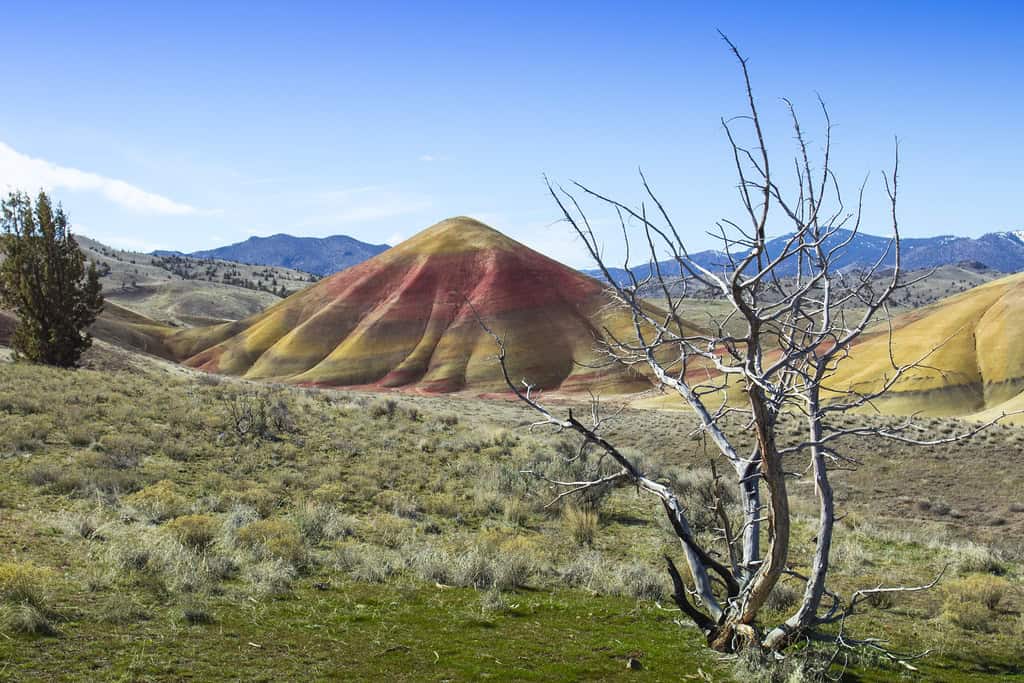
©"Painted Hills, Oregon" by Bonnie Moreland (free images) is licensed under CC0 1.0. - Original / License
The John Day Fossil Beds have yielded numerous skeletons of early horses, some with three toes. These horses lived millions of years ago and were adapted to wooded environments. Studying their teeth and bone structure gives insight into evolutionary trends in diet and habitat. They are among the most iconic fossils of prehistoric Oregon.
Clarkia Fossil Beds (Idaho Border Region)
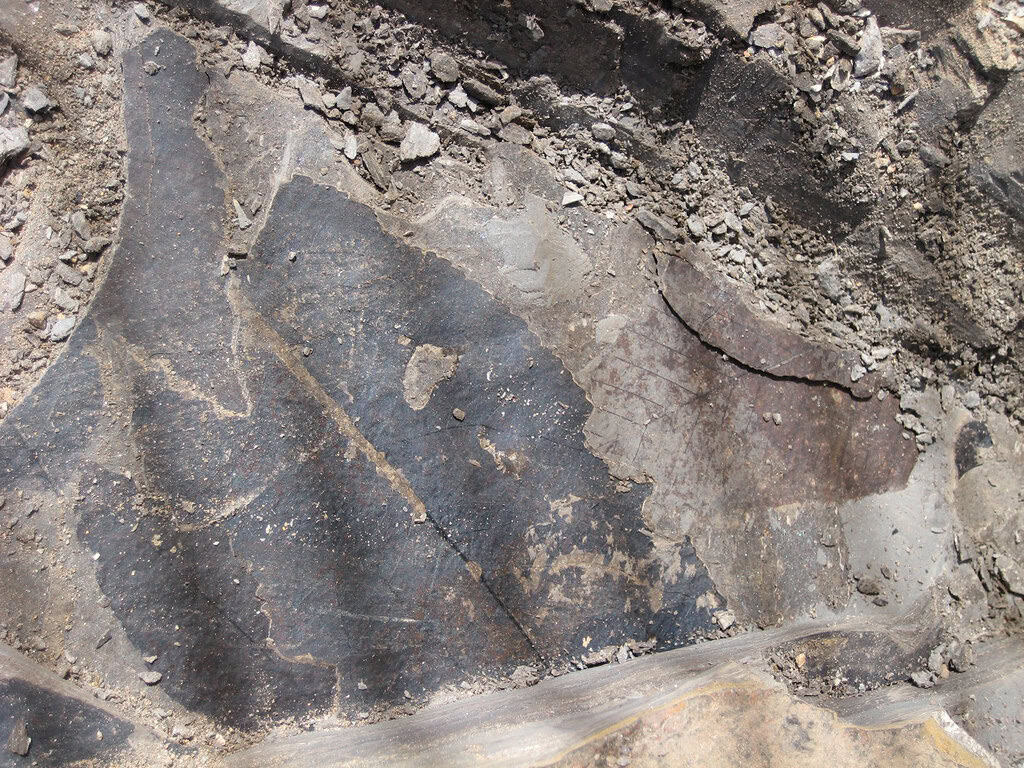
©"fossils" by c'estbonne is licensed under BY 2.0. - Original / License
The Clarkia beds near the Washington-Idaho border are scientifically significant. These beds contain Miocene lake fossils that are often preserved in stunning color. Leaves, insects, and fish are visible in astonishing detail due to oxygen-depleted sediments. The site bridges the ecological history of both states.
Fossilized Birds of the Juntura Formation (Oregon)
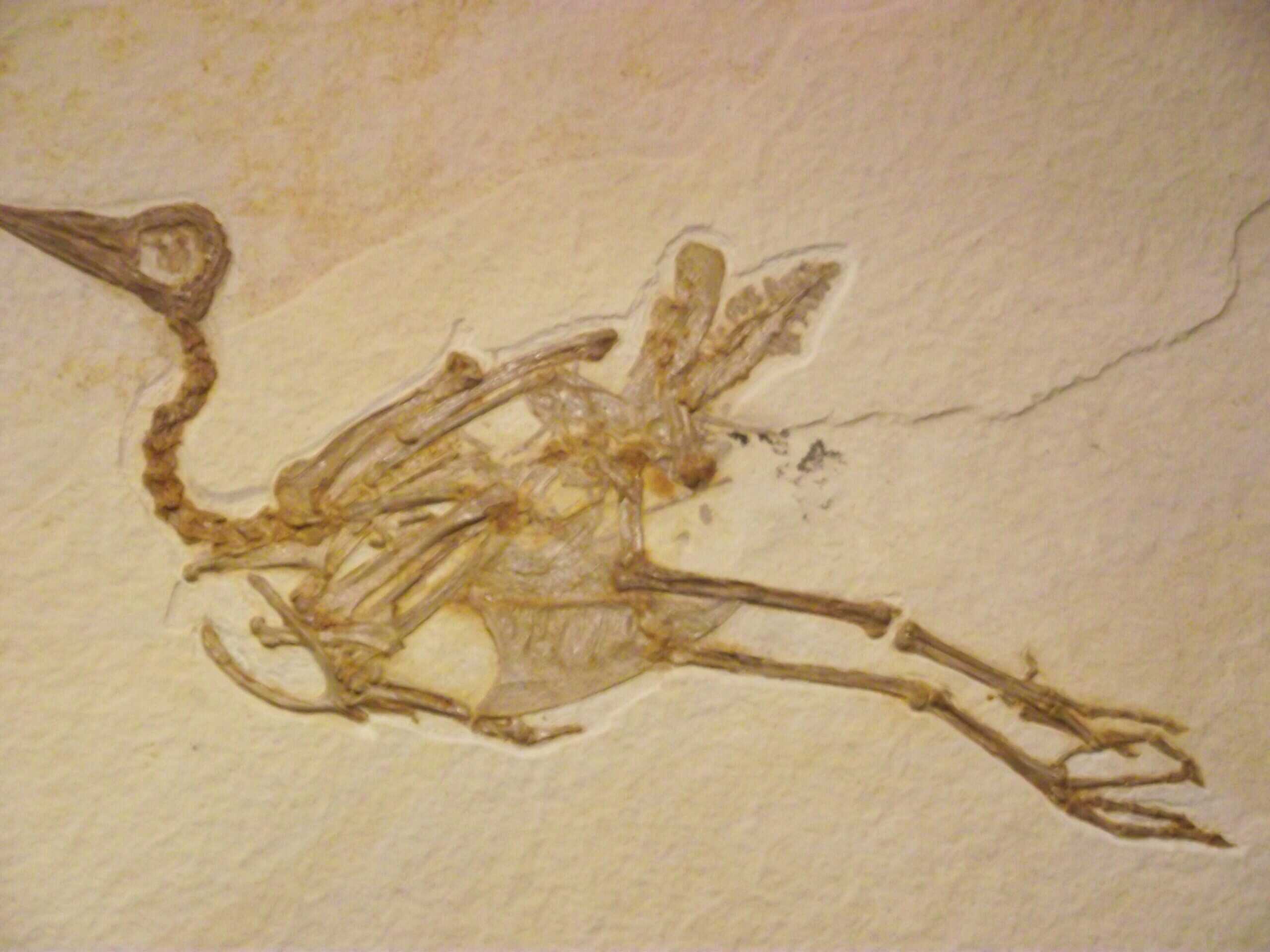
©"Bird fossil in Canada" by Daniel Thornton is licensed under BY 2.0. - Original / License
The Juntura Formation in eastern Oregon has yielded fossils of prehistoric birds dating back over 10 million years. Fossils include bones of ducks, shorebirds, and possible ancestral cranes. The remains offer clues into avian migration patterns and environmental conditions.
Paleosols and Trace Fossils at Hancock Field Station
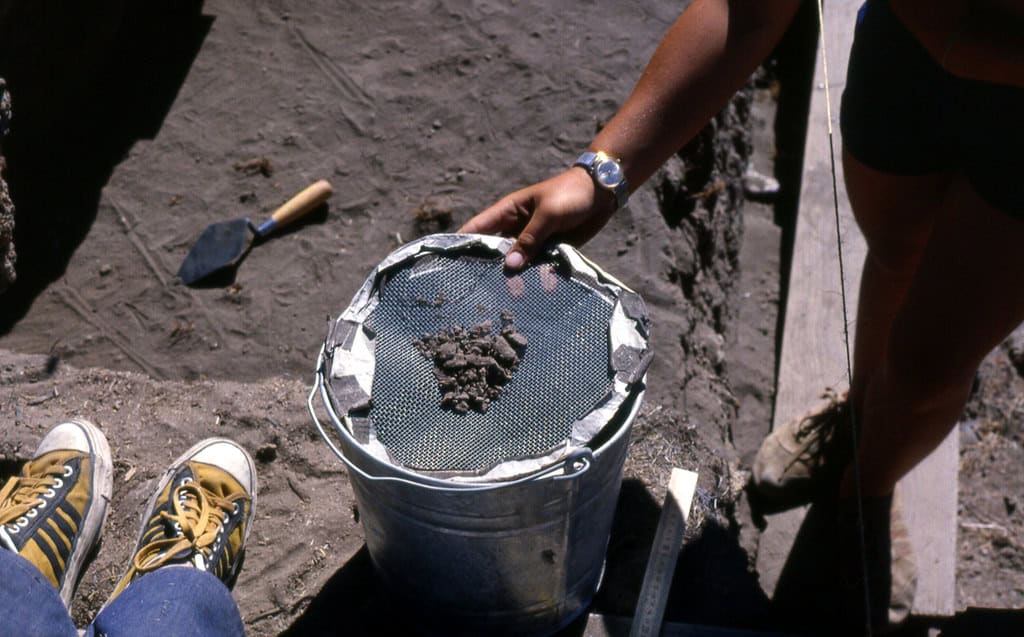
©"Archaeological Excavations in the Clarno Basin near the Hancock Field Station, north-central Oregon (USA) 1977" by gbaku is licensed under BY-SA 2.0. - Original / License
Located near the Clarno Unit, the Hancock Field Station is rich in paleosols and trace fossils. These are not body fossils but impressions of roots, burrows, and ancient soils. They help researchers reconstruct paleoenvironments and ecological interactions. The site is also used as an outdoor classroom for geology education.

