
The Pacific Northwest has no shortage of places to unwind, but a natural hot spring can make a road trip feel like a real escape. Some are tucked into old-growth forests, while others overlook snowy mountains or wide-open desert. You'll find quiet wilderness pools reached by long hikes, historic bathhouses with centuries of stories, and polished resorts where the most difficult decision is which pool to try first. The trick is knowing what kind of experience you're actually booking.
This guide looks at 27 hot springs in Washington, Oregon, Idaho, and destinations farther afield. We've grouped the Pacific Northwest entries first and kept related locations together, then branched out across the West and beyond. Expect practical details on reservations, seasonal access, clothing policies, and the difference between primitive soaking spots and managed facilities. A beautiful photograph is not always an accurate picture of the effort involved in getting there.
One important caveat: warm water can feel relaxing, but claims that mineral springs cure diseases or remove toxins are not well established. Untreated natural pools can also be extremely hot or contain harmful microorganisms. Check land-manager alerts and resort policies before visiting, test water carefully, keep your head above natural geothermal water, and never enter a closed area. Prices, hours, and conditions can change, especially at remote sites.
1. Goldmyer Hot Springs – Washington
©"Hiking - Goldmyer Hot Springs" by hundertmorgen_ is licensed under BY 2.0. - Original / License
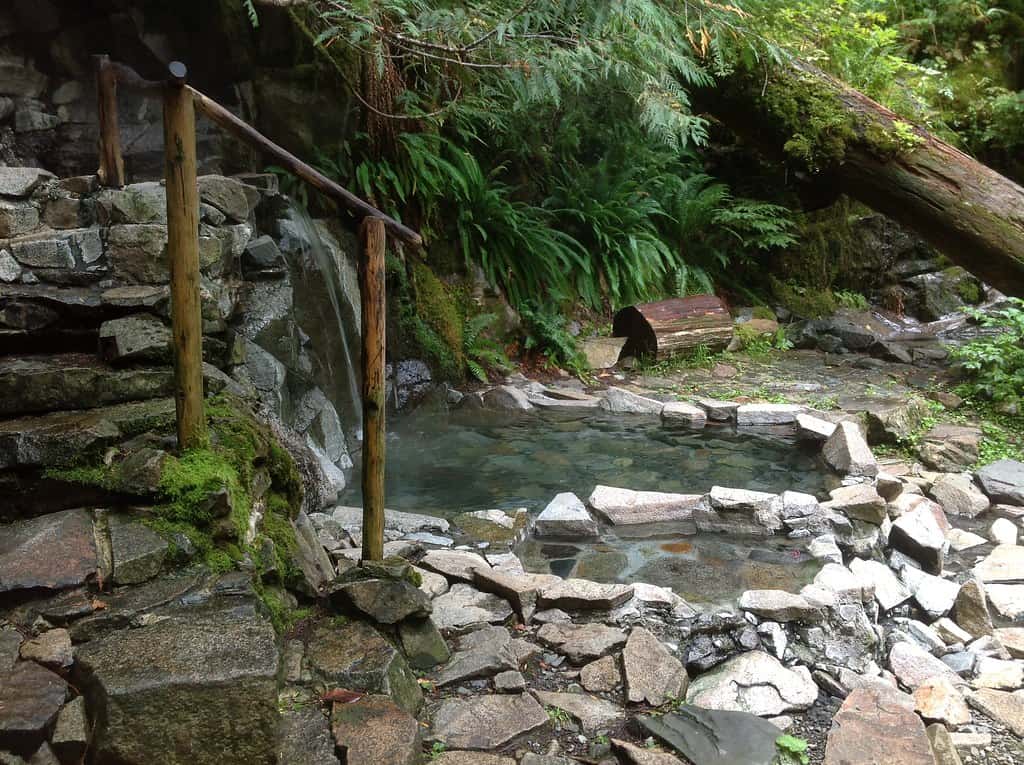
For a hot-springs trip that feels genuinely removed from civilization, Goldmyer is hard to beat. The nonprofit-run retreat sits deep in the Middle Fork Snoqualmie Valley, east of Seattle, among old-growth trees and rushing water. Visitors generally hike about 4.5 miles each way from the Dingford Creek trailhead, and the access road is rough enough that a high-clearance vehicle is strongly recommended. This is not a place to decide to visit on a whim.
Goldmyer limits the number of visitors to protect its small wilderness property, and reservations are strongly recommended. There are simple campsites, but no drinking water, restaurant, or hotel comforts waiting at the end of the trail. The soaking area is clothing-optional, and hikers should check road, snow, and creek conditions before setting out. It is a memorable escape for prepared travelers, not a casual afternoon spa appointment.
2. Olympic Hot Springs – Washington
©"Olympic Hot Spring" by theslowlane is licensed under BY 2.0. - Original / License
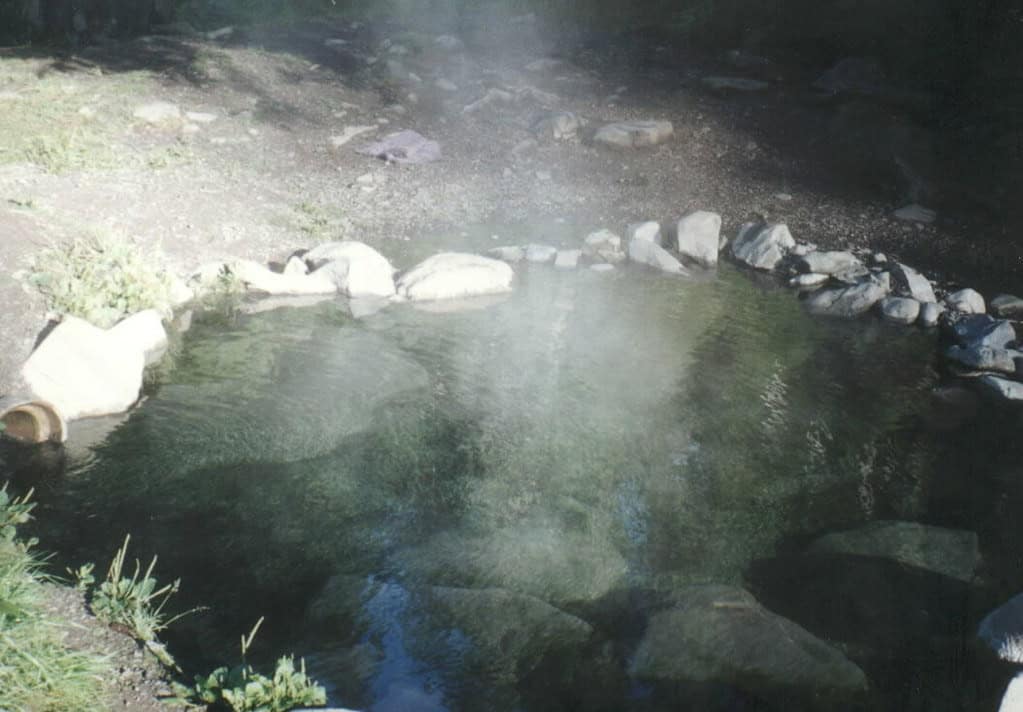
Olympic Hot Springs offers a dramatically different experience from a developed resort: natural, unmaintained pools hidden in Olympic National Park's Elwha Valley. The scenery is lovely, but reaching the springs has become a serious undertaking. A long-standing washout keeps the Olympic Hot Springs Road closed to vehicles beyond the Madison Falls parking area. From there, travelers face roughly eight miles to the Boulder Creek trailhead, plus another hike to the pools.
The road approach may be traveled on foot or by bicycle where permitted, but bicycles cannot continue on the final trail to the springs. Anyone planning this trip needs to check the National Park Service's current road and trail conditions and allow far more time than an ordinary day outing. A simple online photo of a steamy pool does not tell the full story of the effort required to get there.
2. Olympic Hot Springs – Washington (continued)
©iStock.com/Jeremy Janus
There is another reason to approach Olympic Hot Springs cautiously: the National Park Service does not treat or routinely test the water. The agency specifically warns that the pools may contain harmful bacteria. Visitors should keep their heads above untreated hot-spring water, avoid swallowing it, and reconsider soaking if they have open wounds or other concerns. A wilderness setting can be beautiful without automatically being safe.
There are no resort-style facilities at the springs, and backcountry camping requires following park wilderness rules and obtaining the appropriate permit. Carry drinking water or a reliable treatment method, pack out trash, and protect food from wildlife. This is better framed as an advanced backcountry destination than a convenient stop for families driving around the Olympic Peninsula.
3. Umpqua Hot Springs – Oregon
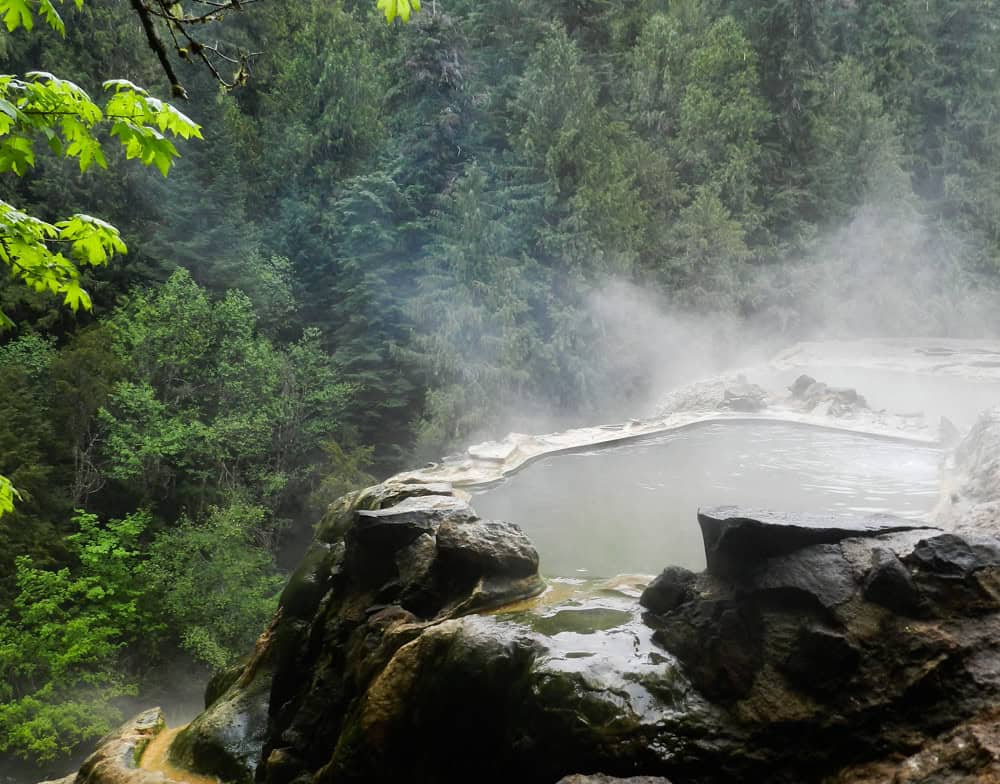
©"Umpqua Tokatee Hot Springs" by Forest Service Pacific Northwest Region is licensed under PDM 1.0. - Original / License
Umpqua Hot Springs is one of Oregon's most recognizable soaking spots, with small, naturally heated pools perched on a wooded slope above the North Umpqua River. Reaching the springs involves a short but steep trail from the parking area near Toketee. The beautiful forest setting is the real draw: steam rising through the trees and river scenery below. Like many well-known natural springs, though, it can feel much less secluded on a busy weekend.
The area is managed by the U.S. Forest Service, and visitors should not confuse it with a staffed spa. The pools are undeveloped, temperatures vary, and nudity is not unusual. There is a day-use parking fee or accepted recreation pass. Check the Umpqua National Forest's current access information before making the drive, especially after storms or when snow is possible.
3. Umpqua Hot Springs – Oregon (continued)
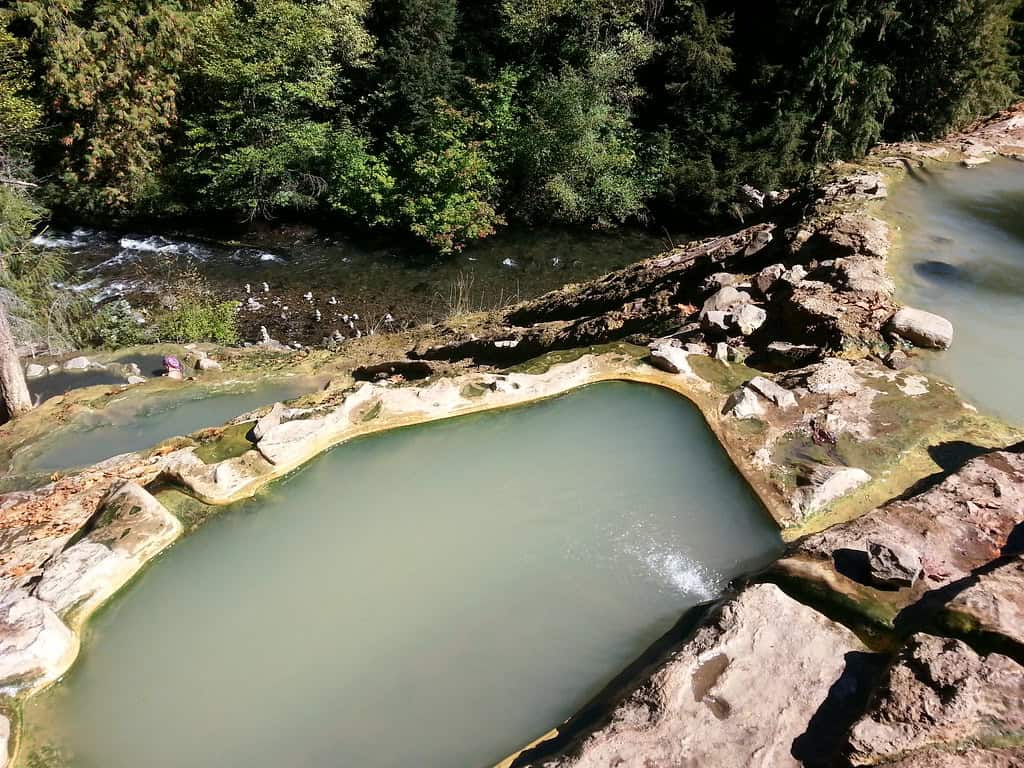
©"Umpqua Hot Springs, Oregon" by mjfmjfmjf is licensed under BY 2.0. - Original / License
The timing of an Umpqua visit matters almost as much as the destination itself. The Forest Service reopened the road after winter storm damage in March 2026, a reminder that a route shown on a navigation app is not always usable. Winter snow can force visitors to cover additional miles on foot, skis, or snowshoes. The steep final stretch also demands care when icy or muddy, particularly on the walk back downhill.
Umpqua Hot Springs is designated for day use only, so visitors should not plan to camp beside the pools or stay there after sunset. Pack water, sturdy footwear, and a towel, and give yourself time to explore nearby viewpoints and waterfalls without racing the daylight. The soaking is lovely when conditions cooperate, but it is worth checking the rules before leaving home rather than after arriving at the trailhead.
4. McCredie Hot Springs – Oregon
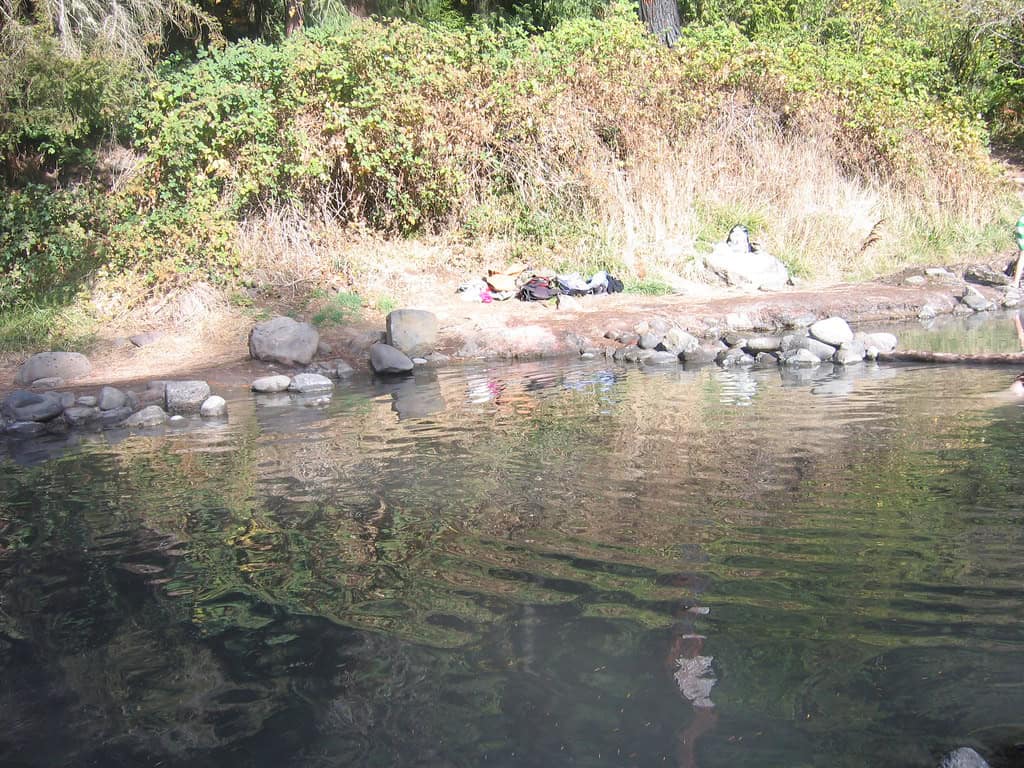
©"McCredie Hot Springs, Oregon" by mjfmjfmjf is licensed under BY 2.0. - Original / License
McCredie Hot Springs is one of the more primitive geothermal stops in Oregon, set along Salt Creek near Highway 58 east of Oakridge. Instead of a developed bathhouse, visitors find naturally heated water collected in informal rock-lined pools near the creek. The water temperature can change significantly from one spot to another as hot spring water mixes with cooler creek water, so never assume a pool is safe simply because someone else has soaked there.
The setting is scenic but facilities are limited, and the springs are not monitored like a commercial swimming pool. There is no overnight camping at the springs, and forest use restrictions may limit access after dark. Bring shoes suitable for slippery rock, respect the creek, and carry out everything you bring. Anyone hoping for changing rooms, a reservation desk, and guaranteed water conditions should choose a developed resort instead.
5. Burgdorf Hot Springs – Idaho
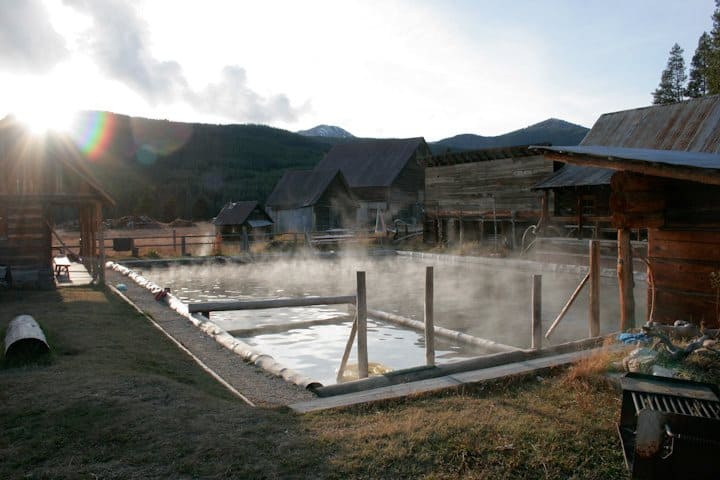
©"Burgdorf Hot Springs Pool" by Evan Jones is licensed under BY-SA 3.0. - Original / License
Burgdorf Hot Springs has the kind of old-school Idaho character that newer resorts spend a fortune trying to recreate. North of McCall in the Payette National Forest, it features historic log-sided pools and rustic cabins surrounded by mountains. The larger soaking pool is complemented by smaller, hotter pools near the geothermal source. The resort operates on a reservation system, so showing up unannounced is likely to end in disappointment.
Day-use soaking sessions must be booked in advance, and the same goes for overnight cabin stays. Burgdorf is remote enough that visitors should bring appropriate clothing, water, and the essentials they would need for a backcountry trip. Although the pools are inviting, children require close supervision, and the spring source can be much hotter than an ordinary bath. Think mountain outpost, not conventional hotel spa.
5. Burgdorf Hot Springs – Idaho (continued)
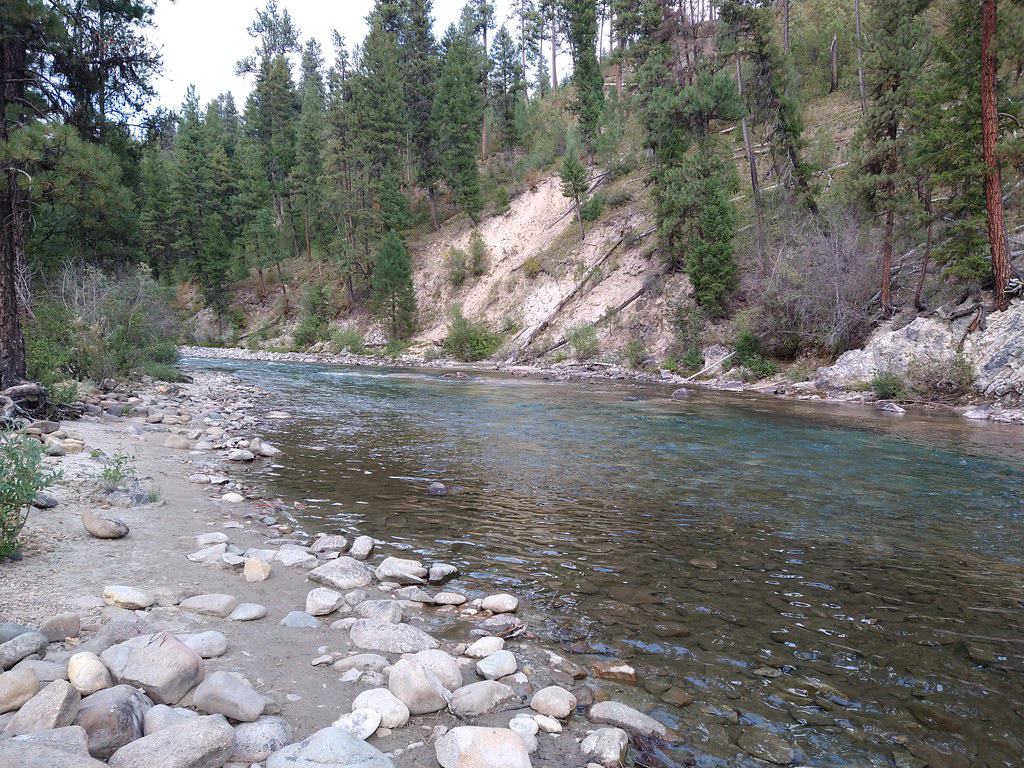
©"Edge of the North fork of the Payette River Boise National Forest Idaho" by amanderson2 is licensed under BY 2.0. - Original / License
Part of Burgdorf's appeal is how much the experience changes with the seasons. In warmer months, visitors can generally reach the property by car on Warren Wagon Road. During winter, snowmobile access is the norm, and there are transitional periods in spring and late fall when the resort closes because access becomes difficult. Check the operating calendar rather than assuming that a year-round hot spring means year-round road access.
The cabins are charming but deliberately basic: no running water or electricity, with wood stoves for heat and beds that require guests to bring their own bedding. In return, overnight visitors get a peaceful setting and a chance to soak outside the normal daytime sessions. It's a wonderful option for travelers who appreciate rustic lodging, but packing for it requires a little more thought than tossing a swimsuit into an overnight bag.
6. Weir Creek Hot Springs – Idaho
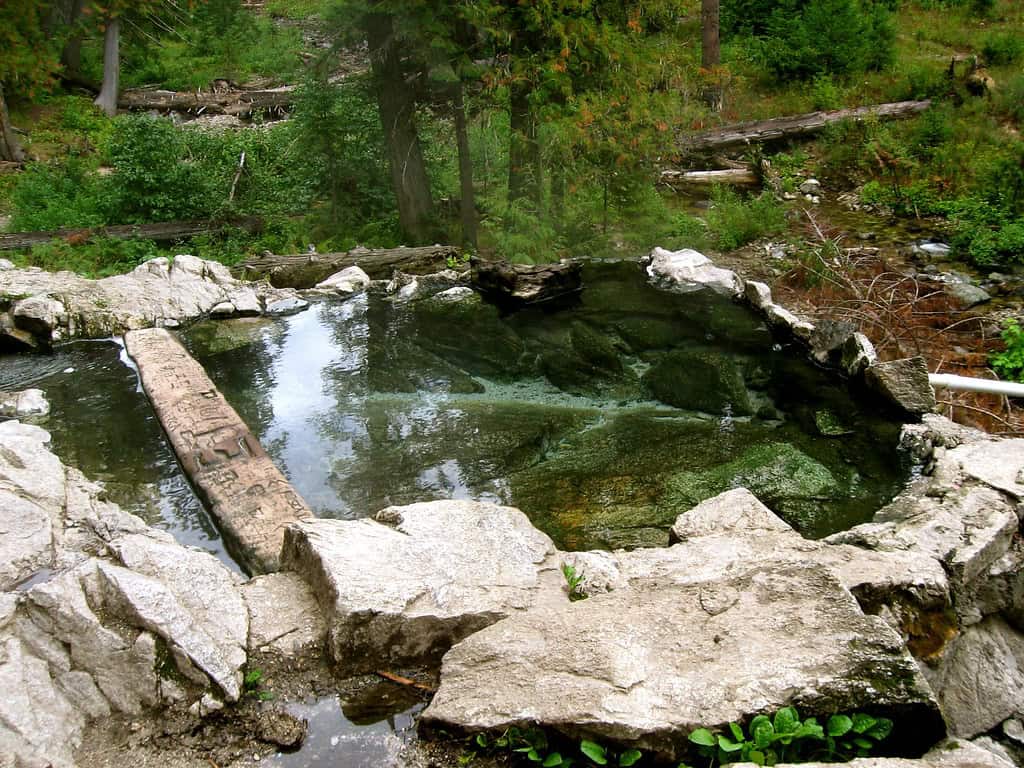
©"therapeutic waters" by Los Paseos is licensed under BY-SA 2.0. - Original / License
Weir Creek Hot Springs is a small, forested soaking area off U.S. Highway 12 in north-central Idaho, known for a short walk into the trees and a naturally heated pool near the creek. Its quiet appearance in older travel photos is understandably tempting. Unfortunately, access is the first issue to check: the regional tourism organization has reported that this area was closed until further notice because visitors failed to follow recreation rules.
I could not independently confirm a current reopening notice from the managing national forest, so this should not be treated as an assured open destination. Contact the Nez Perce-Clearwater National Forests or check current official alerts before traveling, and respect any closure signs on site. For trip planning, keep a confirmed alternative in mind. A secluded spring only stays worth visiting if people follow land-management rules and leave the area as they found it.
7. Chena Hot Springs – Alaska
©joojoob27/Shutterstock.com
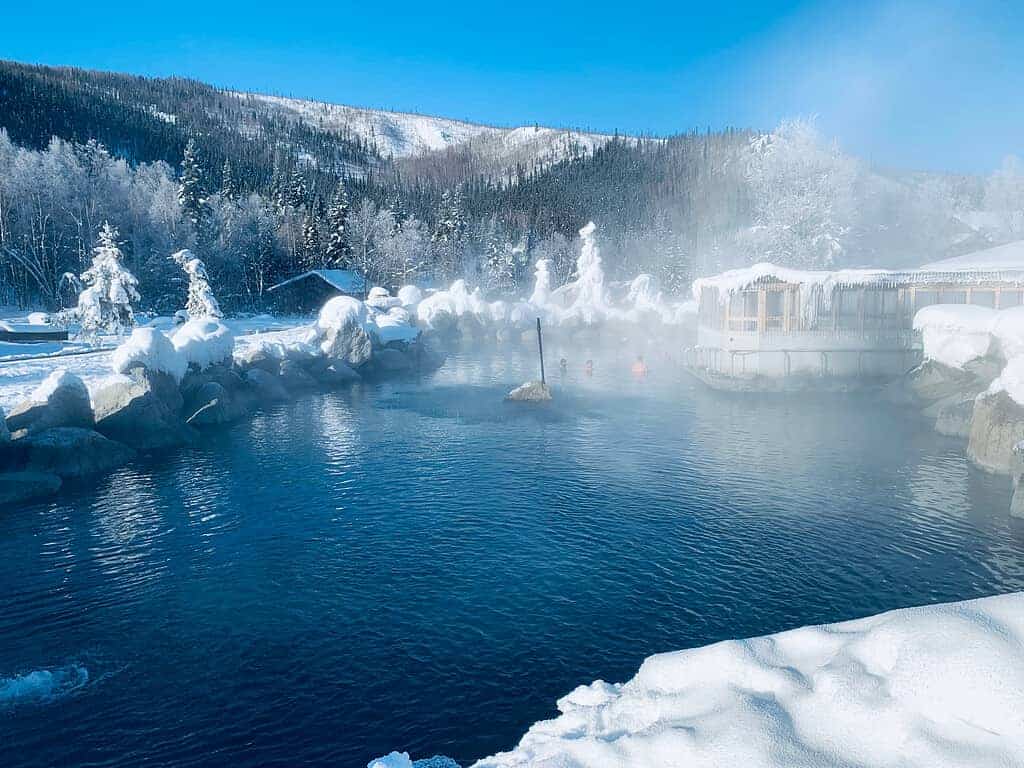
Soaking in steaming water while snow piles up around you is a classic Alaska experience, and Chena Hot Springs delivers that contrast about an hour's drive northeast of Fairbanks. The resort's outdoor geothermal Rock Lake is open year-round and can be especially atmospheric on cold winter evenings. If conditions cooperate during the darker months, you might even see the northern lights; no resort can guarantee an aurora sighting, of course.
There is one important age restriction: the outdoor natural hot-springs lake is for guests ages 18 and older. Families with younger children can use the resort's designated indoor pool and other age-appropriate facilities instead. Lodging and other attractions help turn a soak into an overnight trip, but check pool policies, winter driving conditions, and the aurora forecast before making plans.
8. Yellowstone Hot Springs – Montana
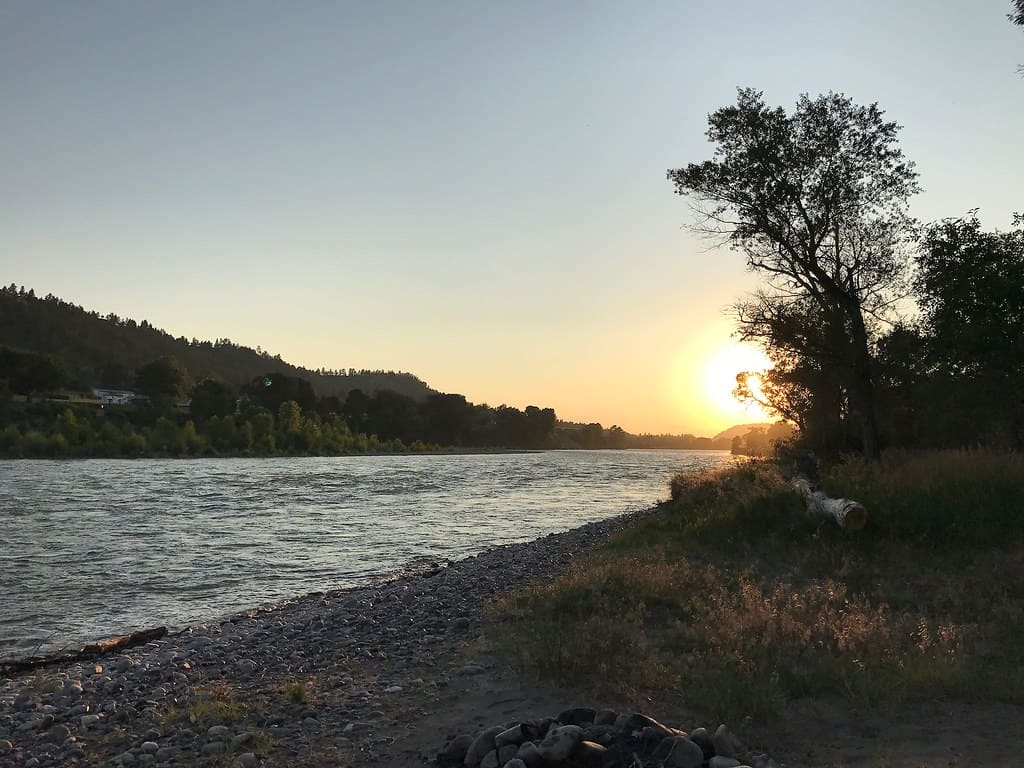
©"Sunset over the Yellowstone River, Columbus, MT" by dvs is licensed under BY 2.0. - Original / License
Yellowstone Hot Springs sounds like an attraction inside Yellowstone National Park, but it's actually a commercial soaking facility in Montana, near Gardiner and the park's North Entrance. That difference matters because soaking in Yellowstone's natural thermal features is prohibited. Here, visitors can relax in purpose-built pools filled with geothermal water while enjoying views of the surrounding mountains and Paradise Valley.
The facility typically offers pools at different temperatures, making it easier to alternate between warm soaking and cooler breaks. It is a good add-on to a Yellowstone itinerary, particularly after long days of walking, but don't count on finding lodging or a campground directly attached to the pools. Gardiner and other nearby communities offer places to stay. Confirm current opening days and admission details before heading out from the park.
9. Hot Springs State Park – Wyoming
©"File:2003-08-16 Hot Springs State Park across Big Horn River 2.jpg" by Ildar Sagdejev (Specious) is licensed under BY-SA 4.0. - Original / License
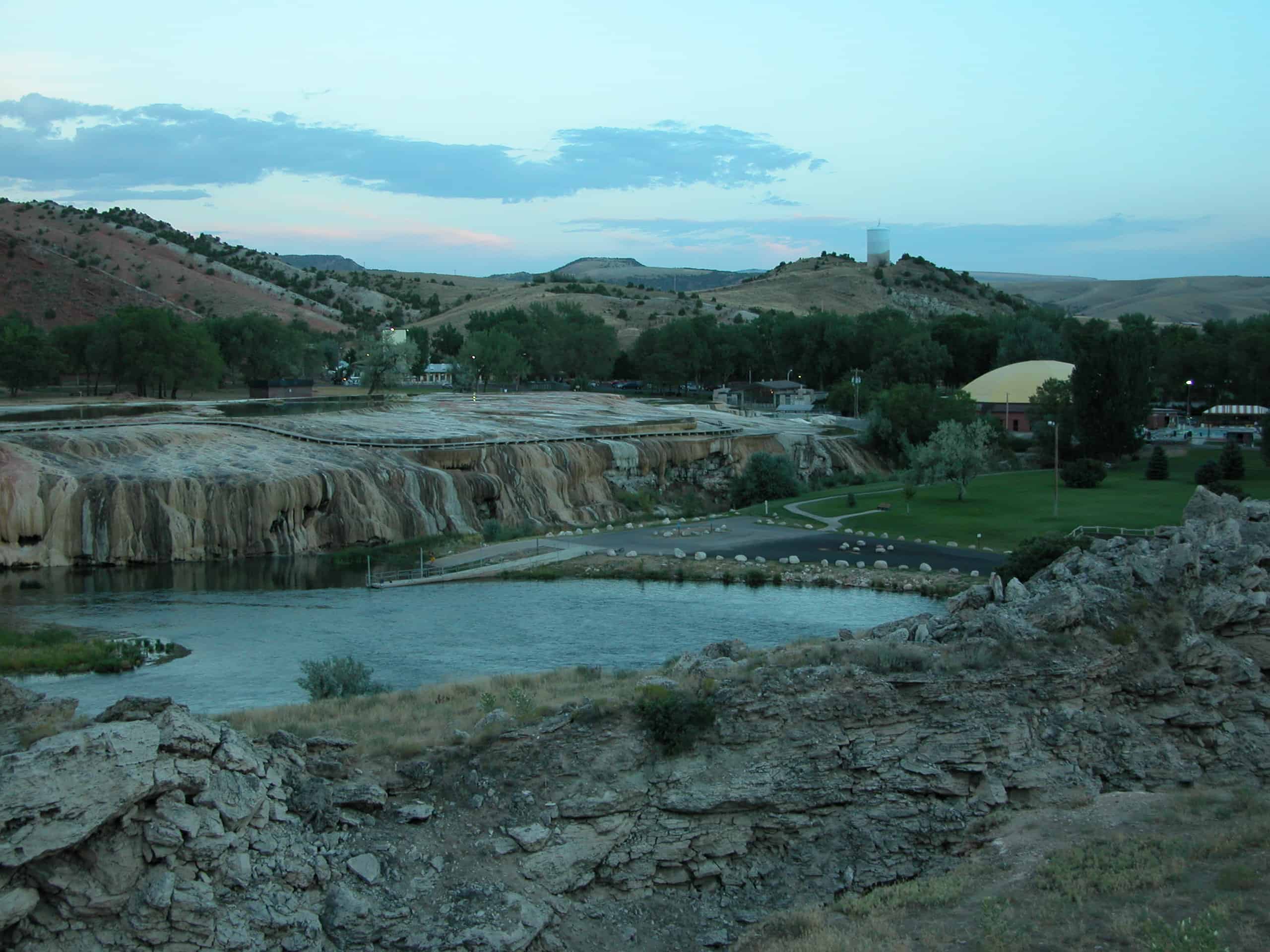
In Thermopolis, Hot Springs State Park is an unusually accessible way to experience Wyoming's geothermal landscape. Mineral terraces, riverside paths, a swinging bridge over the Bighorn River, and views of the park's bison herd make it worth more than a quick dip. Unlike the boiling thermal features of Yellowstone, the park has a designated State Bath House where the water is maintained around 104 degrees Fahrenheit for public soaking.
Admission to the State Bath House has traditionally been free, with a time limit on each soak to keep the experience available to more visitors. Check the park's latest bathhouse schedule before arrival, since operations and maintenance can change. Stay on signed paths around geothermal features, and observe bison only from a safe distance. The surrounding town has hotels and restaurants for travelers who want to spend the night.
10. Granite Hot Springs – Wyoming
©"Migratory elk cross Granite Creek, Bridger-Teton National Forest, Wyoming" by WyomingMigrationInitiative is licensed under BY 2.0. - Original / License
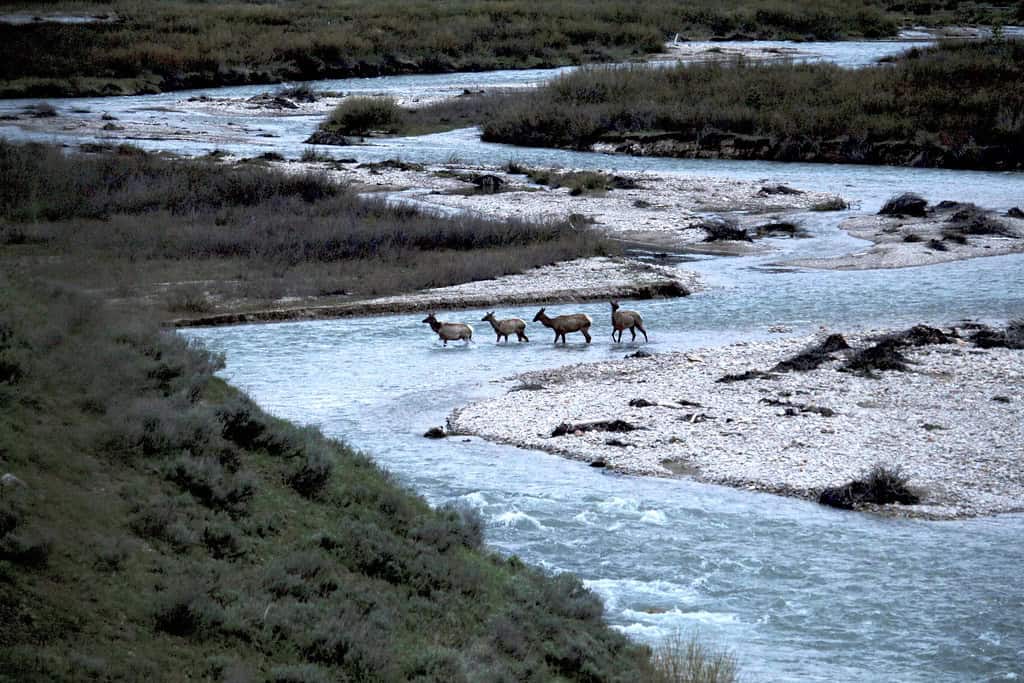
Granite Hot Springs, sometimes confused with nearby Granite Falls, is a developed soaking pool beside Granite Creek in Wyoming's Bridger-Teton National Forest. The mountain setting feels wonderfully remote, even though the pool itself is a constructed swimming and soaking facility rather than a collection of wild rock basins. It lies between the Jackson and Pinedale areas and makes a scenic outing when the access road is clear.
The pool follows seasonal operating periods. Visitors can usually drive in during the summer season, while winter access generally requires a snowmobile, skis, or another suitable over-snow method. There is an admission fee, and drinking water and mobile service are limited or unavailable at the site. Check operating dates and road conditions in advance, particularly during shoulder seasons when melting snow can turn a manageable trip into a difficult one.
11. Calistoga Spa Hot Springs – California
©"Calistoga Spa Hot Springs" by Doug Letterman is licensed under BY 2.0. - Original / License
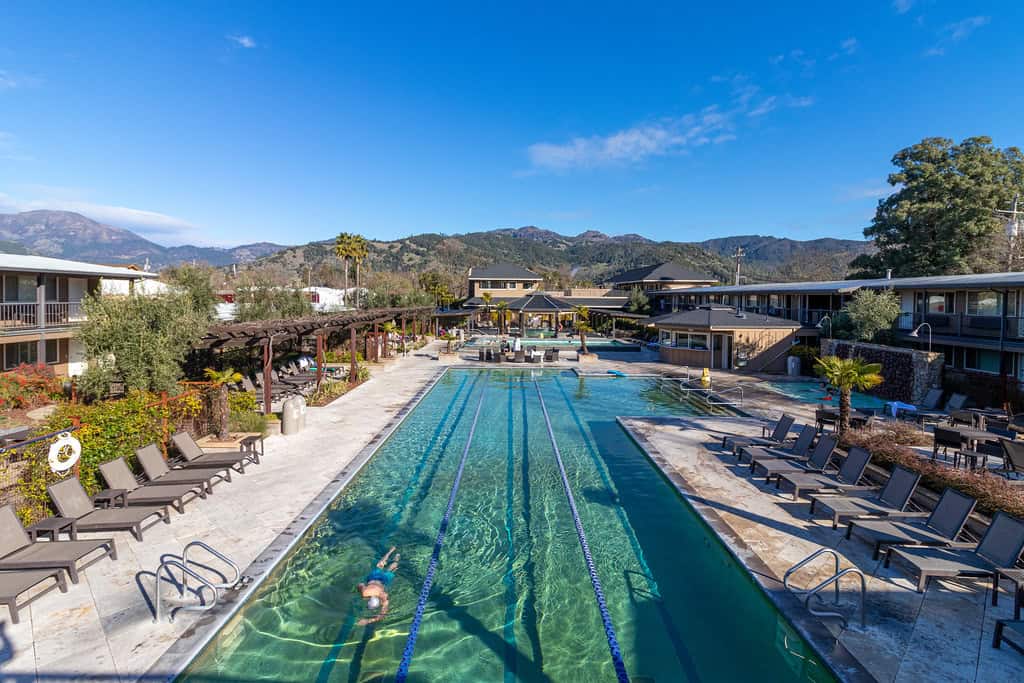
Calistoga Spa Hot Springs brings a more polished version of geothermal soaking to Napa Valley. Located in the town of Calistoga, the resort uses naturally heated mineral water in four outdoor pools, including a warmer soaking pool and a swimming pool. Travelers can make the springs part of a wine-country getaway without giving up hotels, restaurants, and the other comforts that come with staying in town.
The pools are intended primarily for hotel guests and eligible spa visitors, rather than unlimited walk-in public use. The property also offers spa treatments that draw on Calistoga's long tradition of volcanic ash mud baths. Those treatments may feel relaxing, but claims that they remove toxins or cure medical problems deserve skepticism. Check the resort's pool-access policies before booking a treatment just for the chance to soak.
11. Calistoga Spa Hot Springs – California (continued)
©"DSC02769, Golden Haven Spa and Motel, Napa Valley, California, USA" by jimg944 is licensed under BY 2.0. - Original / License
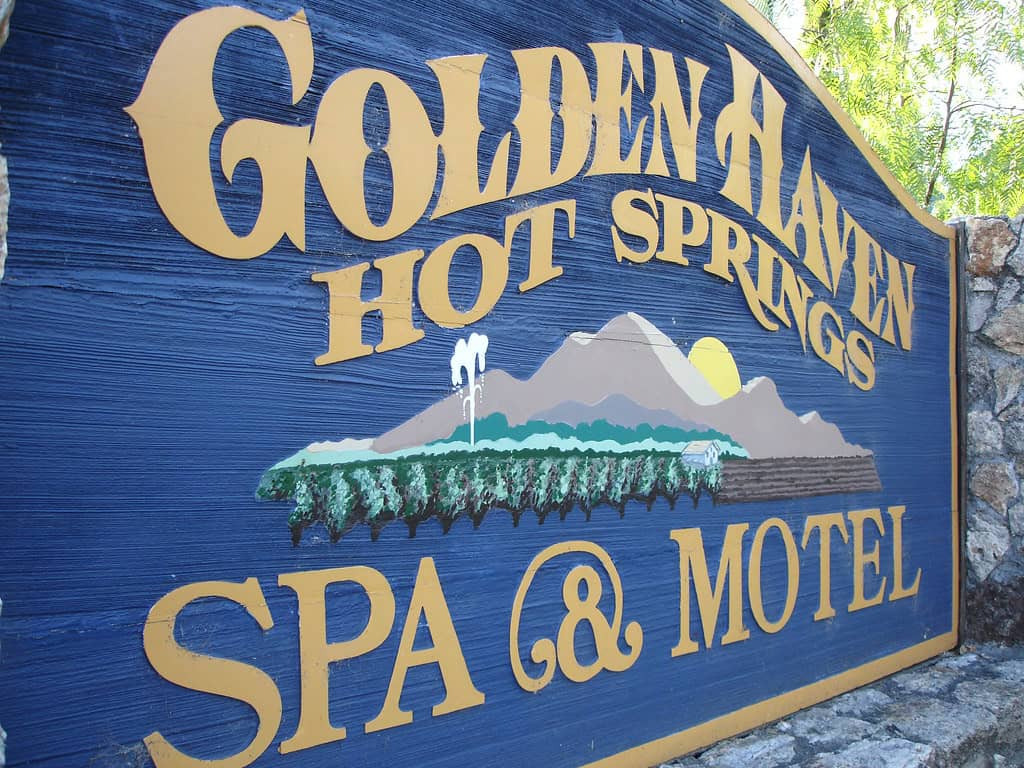
A full visit to Calistoga can be as much about slowing down as it is about the springs themselves. You can spend the morning exploring the town, soak in the afternoon, and enjoy a leisurely dinner afterward. The resort's water comes from geothermal sources, but the pools are managed amenities with posted rules and temperature ranges rather than unpredictable wilderness pools. That makes them a more comfortable choice for many first-time visitors.
Be aware that spa treatment reservations and pool access are not necessarily the same purchase. Some treatment guests can add a pool pass, while overnight guests have their own access arrangements. Prices and entry rules can change, so confirm the details with the property in advance. This is a good destination for travelers who want the hot-springs experience with clean facilities and a proper bed at the end of the day.
12. Sierra Hot Springs – California
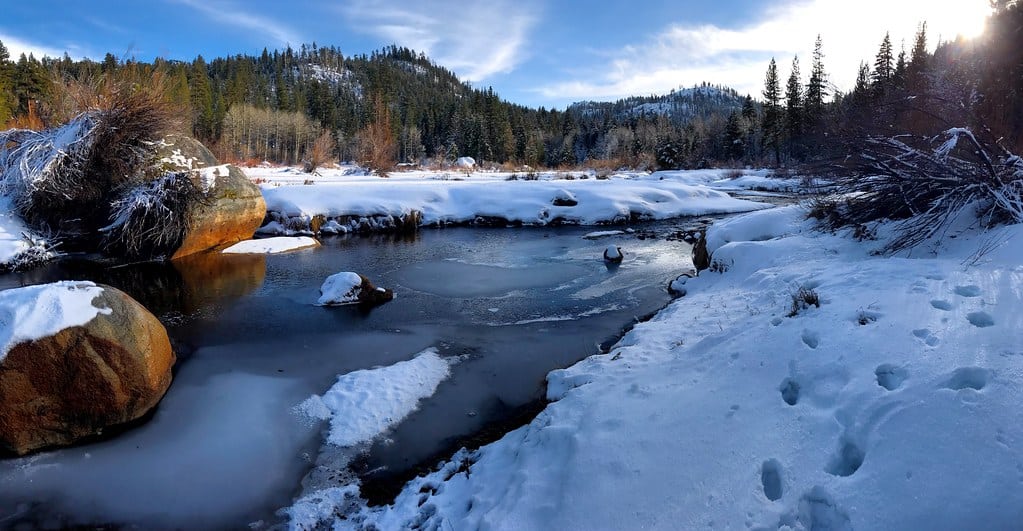
©"South Upper Truckee River South Lake Tahoe, California Lake Tahoe Basin Management Unit National Forest System Lands" by jcookfisher is licensed under BY 2.0. - Original / License
Sierra Hot Springs is a nonprofit retreat near Sierraville, north of Lake Tahoe, where the pace is slower than at a conventional resort. Its soaking areas include a hot pool beneath a geodesic dome, a larger warm pool, and quieter outdoor soaking spaces. The surrounding land offers room for walking and fresh air, making the property feel more like a mountain retreat than a busy swimming complex.
Visits require advance reservations, and at least one member of each party needs the retreat's membership. Clothing is optional in the designated bathing areas, so travelers should understand that policy before arriving. The resort also has specific rules about quiet spaces, photography, alcohol, and pets. It's an appealing destination for people seeking stillness, though it may not suit everyone looking for a casual family pool day.
12. Sierra Hot Springs – California (continued)
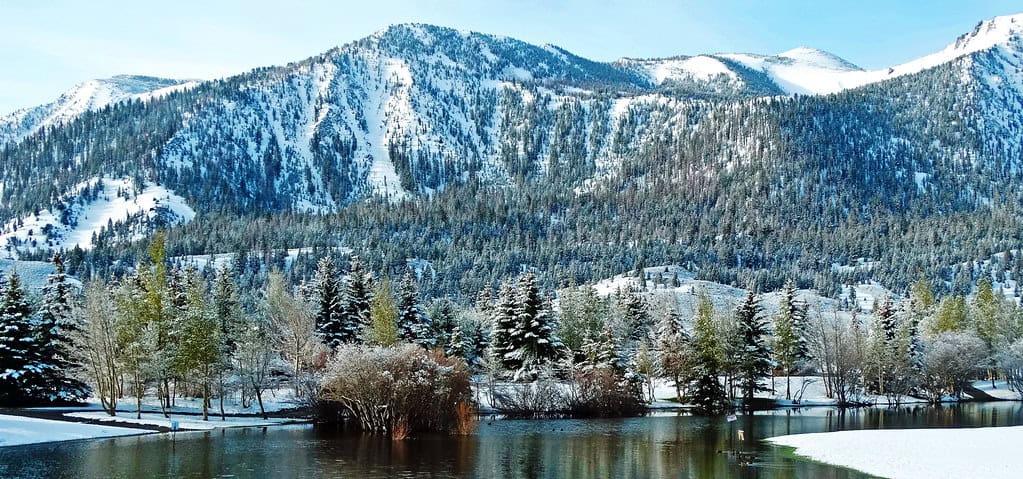
©"Spring Snow, Old Mammoth, Sierra Nevada Range, CA 2017" by inkknife_2000 (11.5 million views) is licensed under BY-SA 2.0. - Original / License
Part of what separates Sierra Hot Springs from a day spa is the range of overnight options, including rooms and camping when available. Reservations are still essential, and the property has days when it is closed for cleaning. Visitors planning a weekend around a particular soaking session should check the current schedule, because the daytime and evening access windows are not identical.
The soaking pools also have different temperatures and age rules, with some areas reserved for adults and others available to families at designated times. Leave the camera away from the bathing areas, where privacy is a major part of the experience. In winter, allow extra time for mountain weather and road conditions. Come for an unhurried soak and the Sierra scenery, not for a crowded resort atmosphere.
13. Wilbur Hot Springs – California
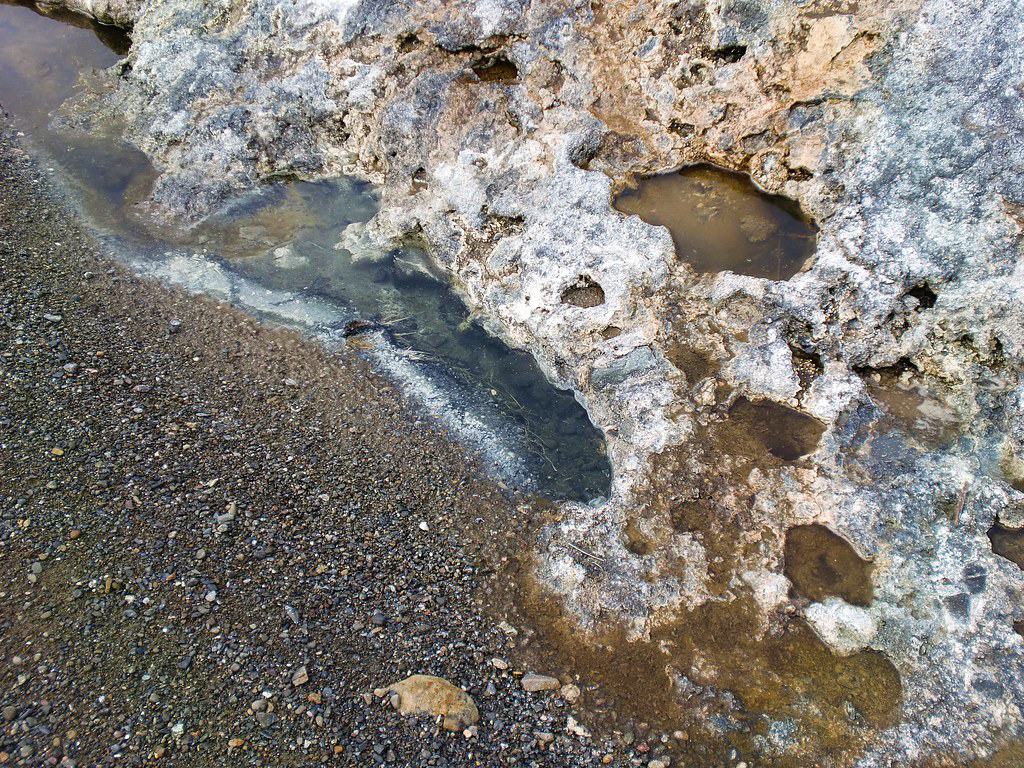
©"Wilbur Hot Springs 8" by Squirrelly Sue is licensed under BY-ND 2.0. - Original / License
Wilbur Hot Springs is an off-grid retreat in Northern California, surrounded by a large protected natural landscape. The focus here is on mineral-water soaking, quiet time, and getting away from the steady noise of ordinary life. Visitors can choose from day use and overnight lodging options, with walking trails through the property's nature preserve adding another reason to linger beyond the pools.
Confirmed reservations are required for both overnight stays and day visits, and the resort does not accept walk-ins. Bathing is clothing-optional, and the property emphasizes a peaceful atmosphere rather than nightlife or a packed activity schedule. Bring what you need for a rural getaway and read the visitor guidelines before arriving. While some guests describe the water as restorative, it should be presented as a relaxation experience rather than a proven medical treatment.
14. Travertine Hot Springs – California
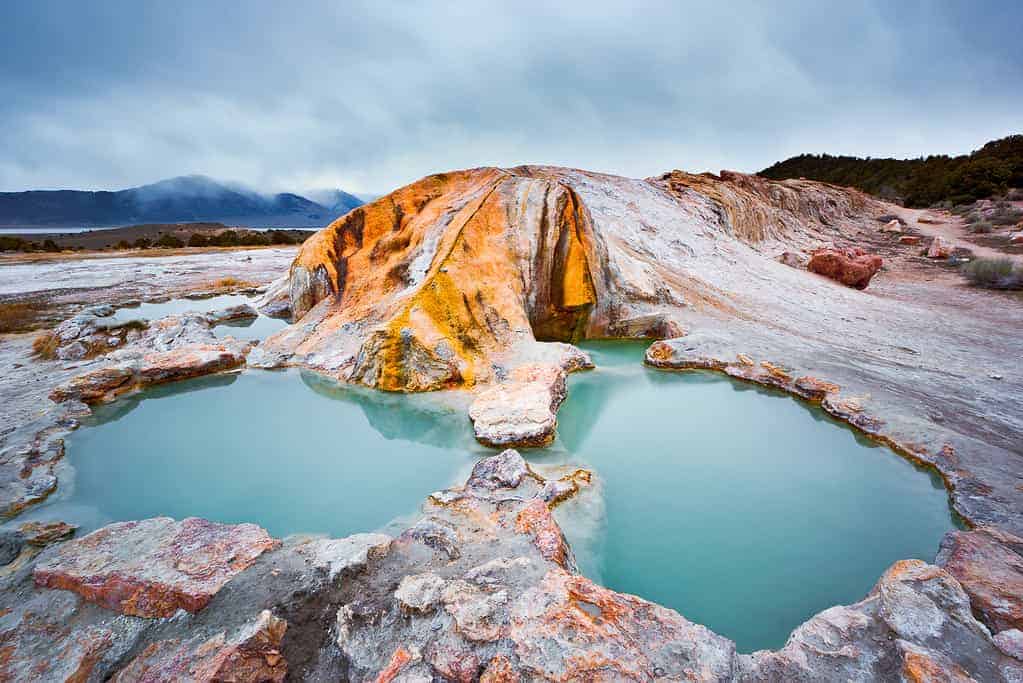
©jared ropelato/Shutterstock.com
Near Bridgeport on California's eastern Sierra, Travertine Hot Springs is a collection of natural soaking pools surrounded by mineral formations and broad mountain views. The exposed landscape makes sunrise and sunset particularly appealing, but it also means little protection from wind or summer sun. These are primitive pools, not a resort, so the temperature, cleanliness, and overall experience can vary substantially from one visit to the next.
Access is managed on public land, and visitors should check Bureau of Land Management notices for any temporary restrictions or ceremonial closures. The surrounding roads can be rough or muddy, and facilities are minimal. Bring water and footwear for uneven ground, respect other visitors' privacy, and avoid overcrowding the small soaking areas. For travelers comfortable with the basics, the view is as much of the attraction as the water.
14. Travertine Hot Springs – California (continued)
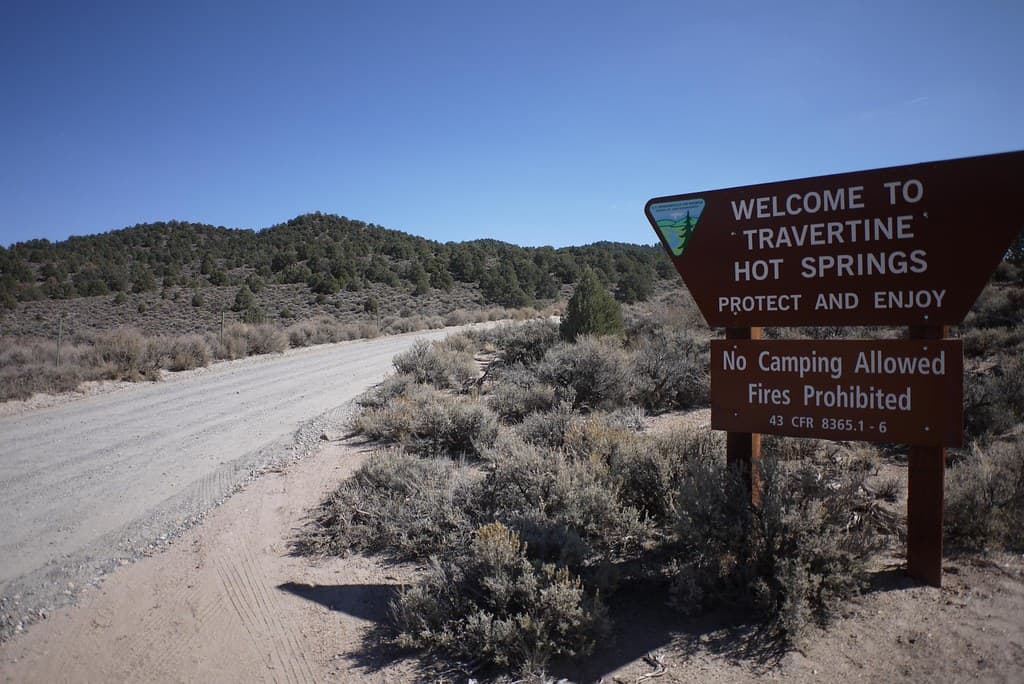
©"Welcome to Travertine Hot Springs, Bridgeport" by kawanet is licensed under BY 2.0. - Original / License
Travertine is often described as one of the easiest natural hot springs to add to an Eastern Sierra road trip, especially when exploring Bridgeport, Mono Lake, and nearby mountain passes. That's true compared with a long backcountry hike, but it doesn't eliminate the need for common sense. The road and trails are exposed, the pools may have slippery edges, and hot water can vary sharply from one basin to another.
Clothing-optional use is sometimes encountered at natural springs in this region, so keep that in mind if traveling with children. Leave soaps and bath products out of the water, and never treat a clear-looking pool as proof that it is sanitary. Daylight visits are easier to manage, and checking public-land restrictions beforehand is smarter than relying on an old social media post for access information.
15. Wild Willy's Hot Springs – California
©"Wild Willy's Hot Springs" by Leng Cheng is licensed under BY 2.0. - Original / License
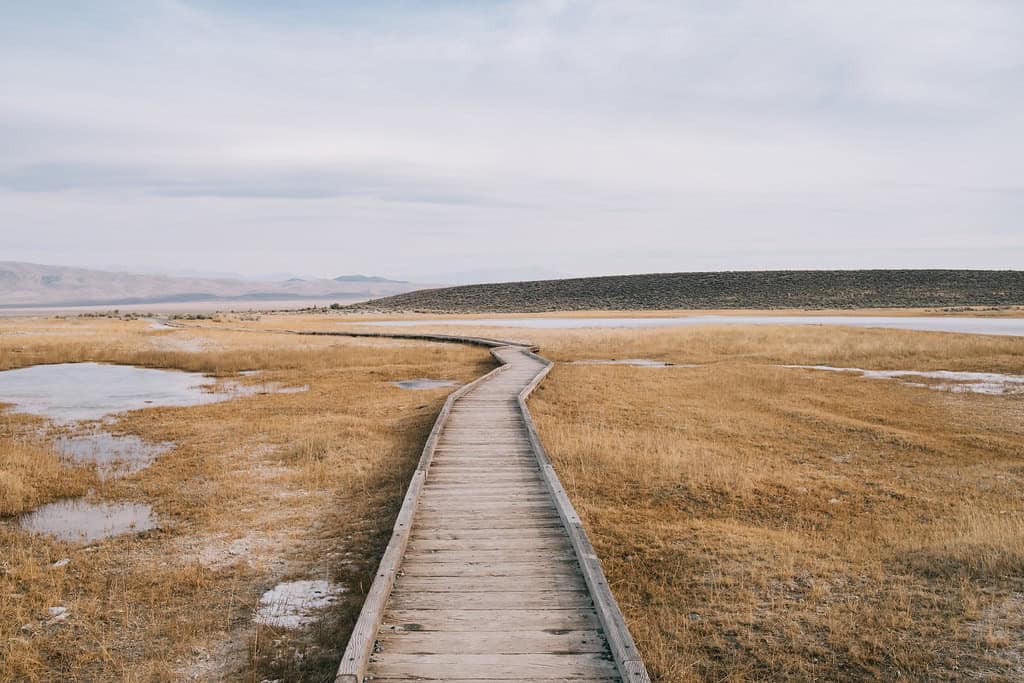
Wild Willy's Hot Springs, also called Crowley Hot Springs, is a favorite stop near Mammoth Lakes for travelers who enjoy open landscapes as much as warm water. After a drive across the Long Valley area, a relatively short boardwalk or trail leads toward natural pools amid sagebrush and dramatic views of the eastern Sierra. It feels remote, yet it is often popular enough that visitors should not count on having a pool to themselves.
The approach road can be rough and may become difficult after storms or during winter. There are no spa attendants regulating each natural pool, so test water temperature cautiously, keep your head out of untreated hot water, and leave the site cleaner than you found it. Bring a towel and drinking water, and be respectful of others using the soaking areas. This is a place for a simple outdoor soak, not resort amenities.
16. Mono Hot Springs – California
©"File:Mono Hot Springs.jpg" by Vlad Butsky is licensed under BY 2.0. - Original / License
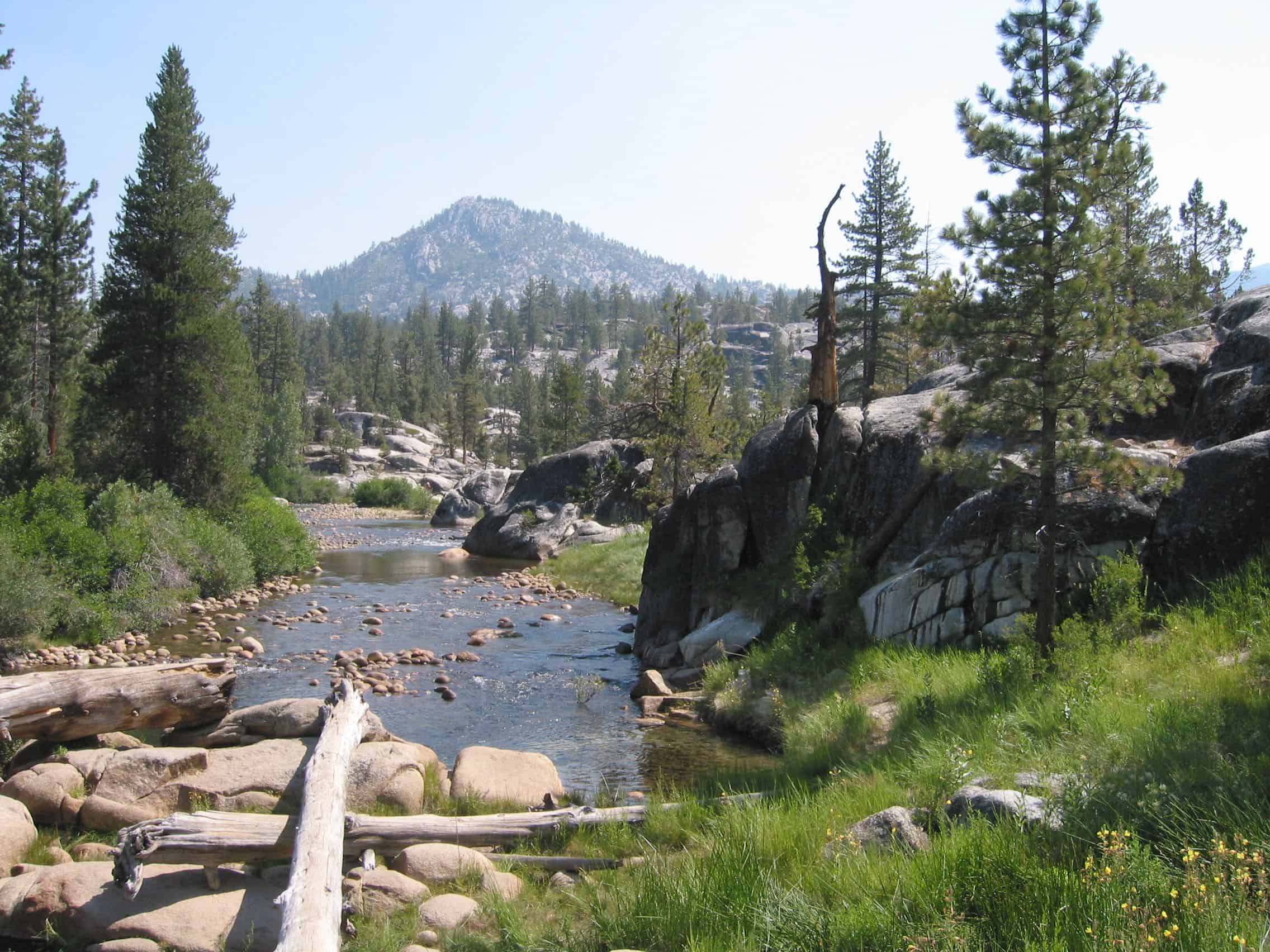
Mono Hot Springs combines a genuine backcountry setting with some welcome comforts. In the Sierra National Forest, the resort offers rustic cabins, mineral baths, and access to nearby natural springs, along with opportunities for hiking, fishing, and exploring the High Sierra. It is a particularly good fit for travelers who like the outdoors but would prefer an actual cabin and a warm meal at the end of the day.
The road is a major planning detail. Reaching the resort involves the narrow, winding Kaiser Pass route, and operations are seasonal because winter snow closes access. The resort's posted 2026 season ran from late May into late October, so travelers should confirm the next season's opening dates before planning. Cabins and campsites need advance arrangements, and drivers should be comfortable with steep, remote mountain roads.
17. Deep Creek Hot Springs – California
©"Deep Creek Hot Springs 44" by Levi Clancy is licensed under BY-SA 4.0. - Original / License
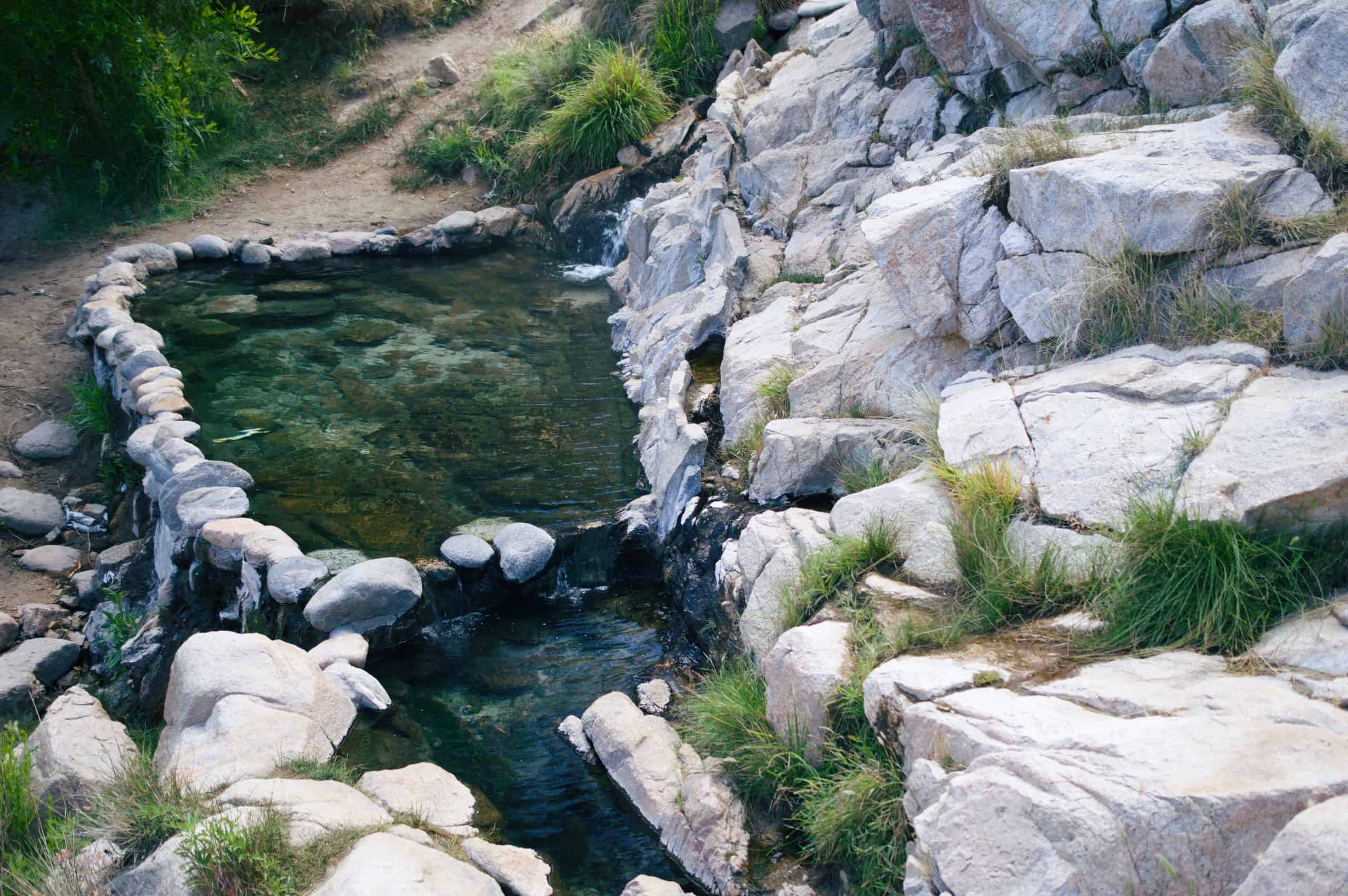
Deep Creek Hot Springs lies in the San Bernardino Mountains of Southern California, where naturally heated pools meet the creek in a rugged canyon. The setting can be striking, but this destination calls for more caution than the typical travel roundup suggests. Routes can involve steep hiking, summer heat, little shade, and potentially dangerous water crossings. It is not a quick roadside soak, and there are no lifeguards or staffed facilities.
More importantly, the San Bernardino National Forest has had a closure order affecting portions of the Deep Creek corridor, certain roads, and trailheads through June 2027. Visitors must verify that their intended approach is legally open before traveling. Natural warm freshwater may also carry microorganisms, so keep your head above water and never assume untreated pools are safe. If access is restricted, skip the trip rather than attempting an unofficial route.
18. Mystic Hot Springs – Utah
©gary powell/Shutterstock.com
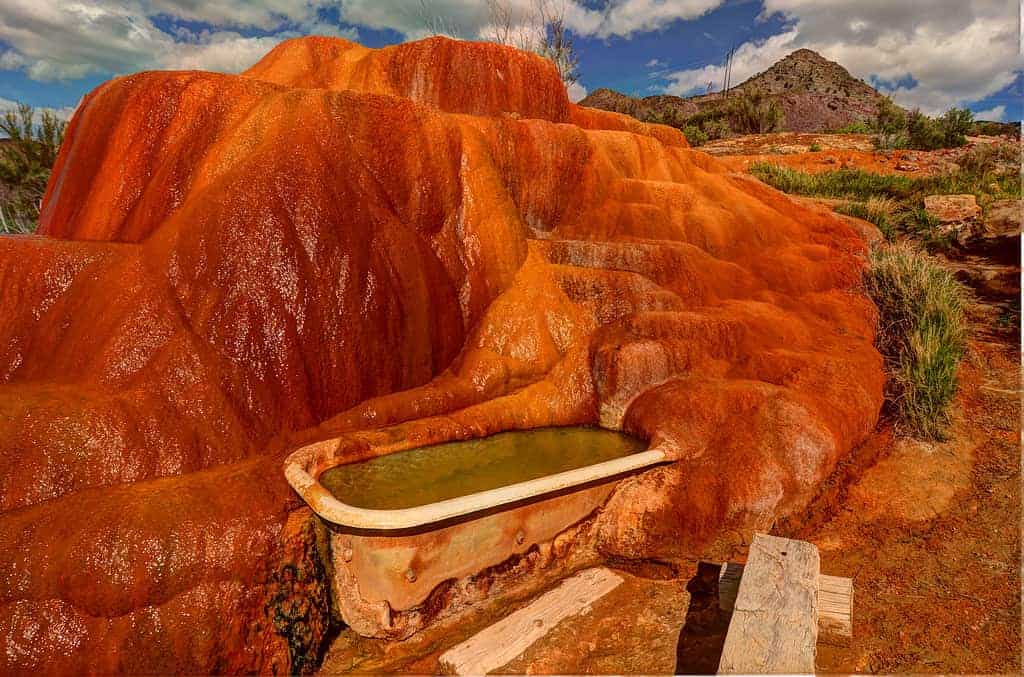
Mystic Hot Springs, in Monroe, Utah, has a personality all its own. Rather than a sleek modern pool complex, visitors find steaming mineral water flowing into vintage cast-iron bathtubs and a pair of pools beneath mineral-stained rock. Watching the sun set over the surrounding hills from an outdoor tub is the kind of quirky road-trip moment that tends to stay with people long after the vacation ends.
Soaking is offered in reserved time slots rather than as an unlimited drop-in experience, and visitors share the bathing area with other ticket holders. The property also has unconventional lodging, including converted vintage buses and camping options. Live music sometimes happens there, but it is not guaranteed on every visit. Confirm your soaking time, bring your own towel and water, and make sure the unusual atmosphere is the kind of getaway you're looking for.
19. Fifth Water Hot Springs – Utah
©"Uinta National Forest sign, Diamond Fork, Mar 2017" by An Errant Knight is licensed under BY-SA 4.0. - Original / License
Fifth Water Hot Springs, also known as Diamond Fork Hot Springs, sits in Utah's Uinta-Wasatch-Cache National Forest. A hiking trail follows the canyon toward a set of colorful pools and waterfalls, making it one of the region's most recognizable natural soaking destinations. Reaching the pools involves a multi-mile round-trip hike, and snow, ice, or seasonal road access can make that journey substantially harder than it looks in warm-weather photos.
There is an important health warning to understand before including this spring in an itinerary. In 2026, the Utah Department of Environmental Quality reported possible harmful bacteria and cases of severe rashes and blisters after visitors soaked here. Travelers should consult the state's latest recreational-water notices rather than assuming the water is safe because the pools look clear. The scenery may be beautiful, but this destination requires informed caution.
19. Fifth Water Hot Springs – Utah (continued)
©"Hot Springs Delta, Utah" by A J Cole is licensed under BY 2.0. - Original / License
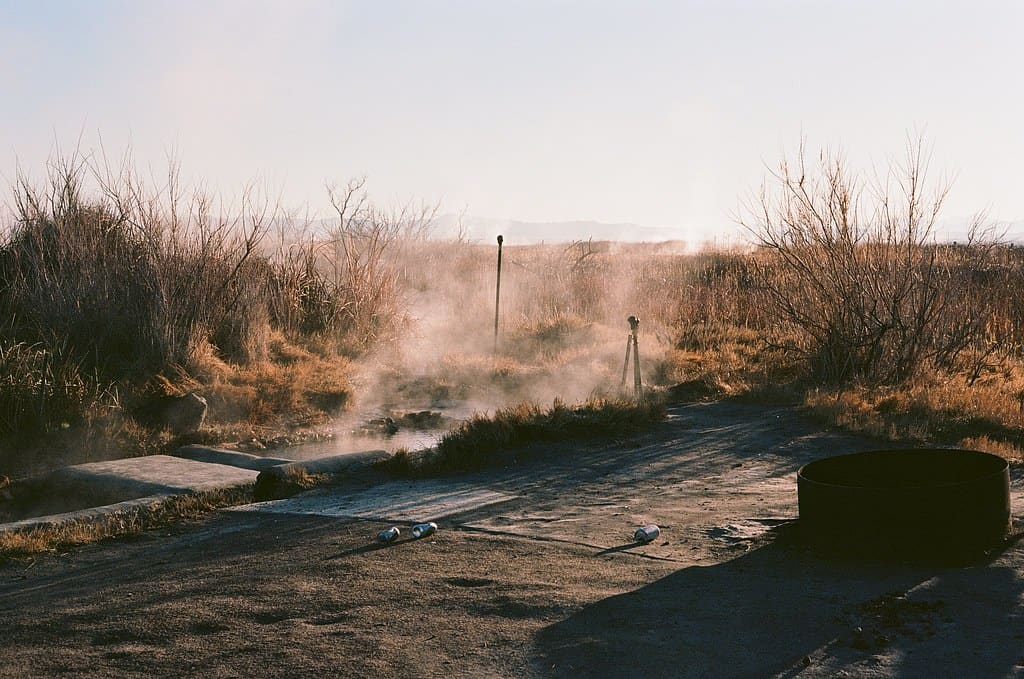
If you are considering a Fifth Water visit, treat the state's public-health guidance as part of the travel planning, not fine print to ignore. Utah officials have advised visitors to avoid swallowing the water, keep their heads out of the pools, stay away from algae on pool surfaces, dry off thoroughly afterward, and shower promptly. Those precautions matter especially at natural springs that are not operated like a disinfected commercial swimming pool.
The canyon hike itself also deserves preparation: bring drinking water, appropriate footwear, and enough daylight to return comfortably. Do not assume the winter trail is suitable for inexperienced hikers just because photographs show steam rising from the snow. Check forest access, trail conditions, and the latest health updates before setting out. If current advisories or conditions make the trip questionable, there are plenty of other geothermal stops worth exploring.
20. Castle Hot Springs – Arizona
©"Sunset on Castle Hot Springs Rd" by etzel42 is licensed under BY 2.0. - Original / License
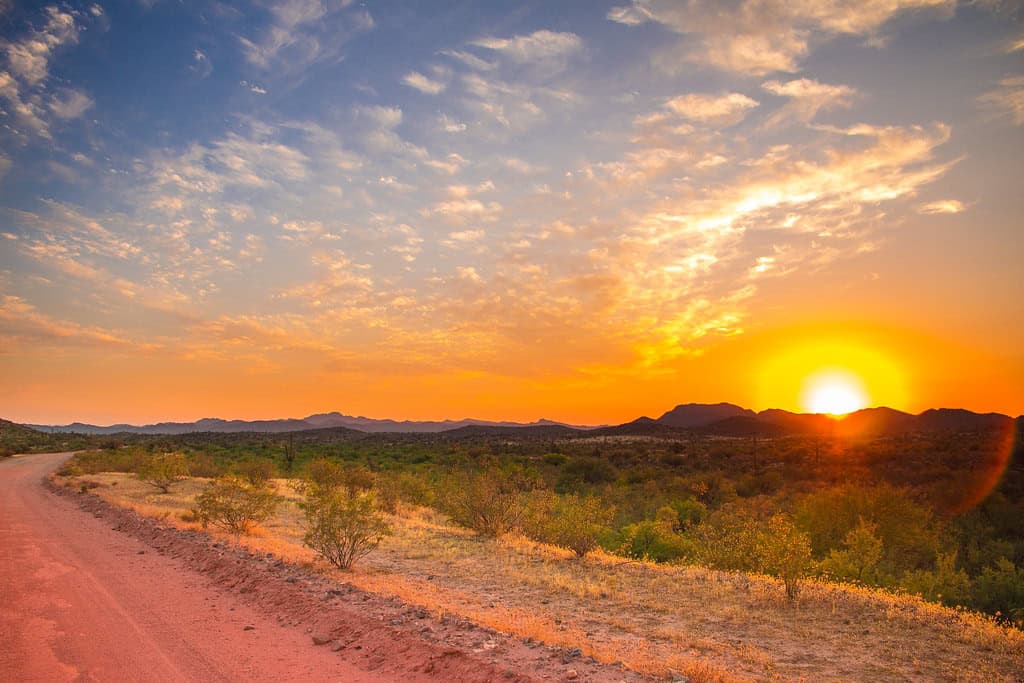
Castle Hot Springs is the luxury end of the geothermal spectrum. This secluded resort in Arizona's Bradshaw Mountains combines naturally heated mineral pools with desert scenery, farm-to-table meals, and organized outdoor activities. Instead of hiking into an unmaintained spring, guests check into a private resort where the soaking areas are part of an overnight retreat. It is a memorable setting, but it comes with a very different budget from a public-land pool.
Access to the hot springs is reserved for registered overnight guests, and the resort is for adults ages 18 and older. That means it is not a place where travelers can simply stop, buy a day pass, and take a quick soak. Activities may include guided hikes and other resort experiences, but the original article's suggestion of on-site golfing was not substantiated and has been removed. Confirm package inclusions and road directions when booking.
21. Glenwood Hot Springs – Colorado
©Kristi Blokhin/Shutterstock.com
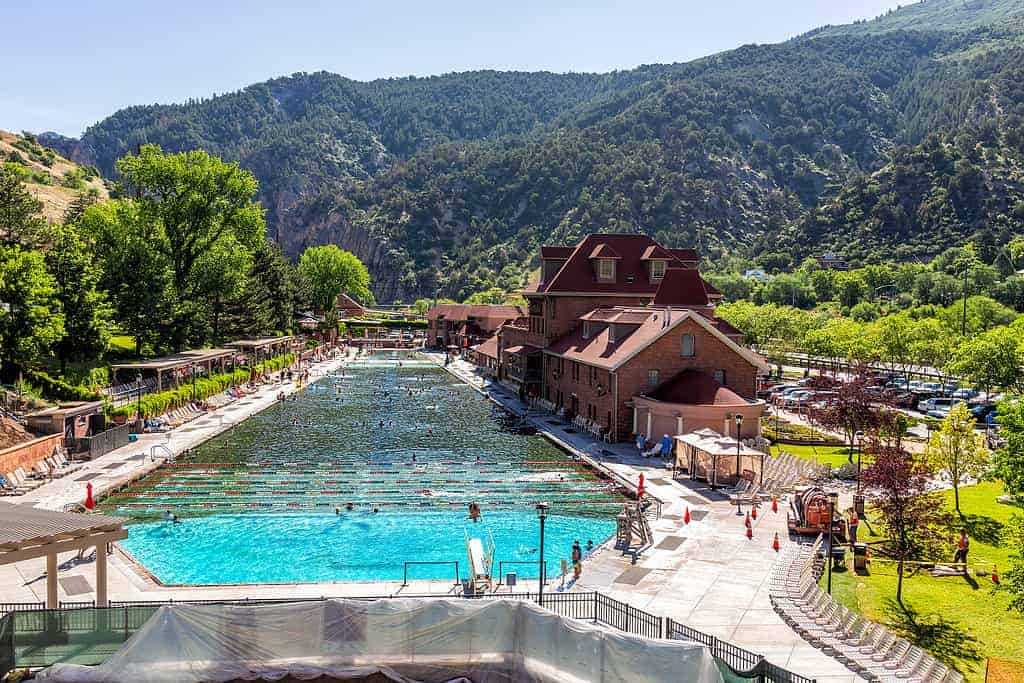
Glenwood Hot Springs Resort is a Colorado classic, welcoming visitors since 1888. Its signature Grand Pool is promoted as the world's largest outdoor mineral hot-springs pool, and the sheer scale is impressive even before you step into the water. The sprawling pool is maintained at a comfortable swimming temperature, while a separate Therapy Pool offers a warmer soak. With mountain scenery surrounding the property, this is a geothermal destination that doesn't require a backcountry hike.
The resort offers daily pool access and lodging, making it practical for families and road-trippers traveling through Glenwood Springs. However, the busy atmosphere is closer to a popular recreation destination than a secluded wilderness retreat. Peak days can bring crowds, and some recreational features are seasonal. Check the current pool schedule, maintenance notices, and admission options before planning your visit around a particular attraction.
21. Glenwood Hot Springs – Colorado (continued)
©"Glenwood Springs, Hot Springs and Spa, I-70 (6002856901)" by inkknife_2000 (7.5 million views +) is licensed under BY-SA 2.0. - Original / License
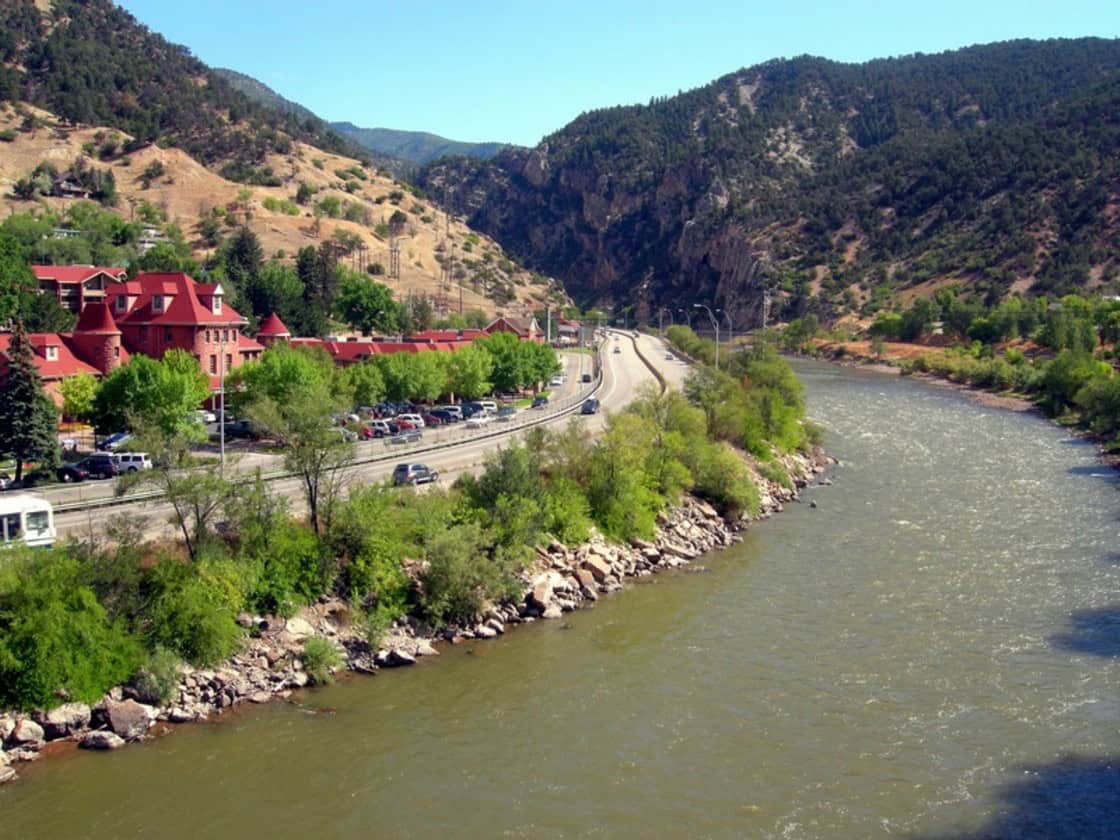
There is enough to do around Glenwood Springs to make this more than a one-pool vacation. The town's pedestrian-friendly core, nearby trails, and outdoor recreation options give visitors plenty of ways to fill a long weekend. Glenwood Caverns Adventure Park is another local attraction, although it is separate from the hot-springs resort and requires its own admission. Visitors can also explore river activities when conditions and guided operators allow.
Keep expectations realistic about the water itself. The pools use naturally heated mineral water, but the resort manages the temperatures for swimmers and soakers rather than letting guests step into water straight from the source. The appeal is the combination of warm water, mountain views, and a well-equipped property. Calling it a guaranteed cure for aches or illnesses would be a leap the evidence does not support.
22. Conundrum Hot Springs – Colorado
©"Conundrum Hot Springs" by bartlec is licensed under BY 2.0. - Original / License
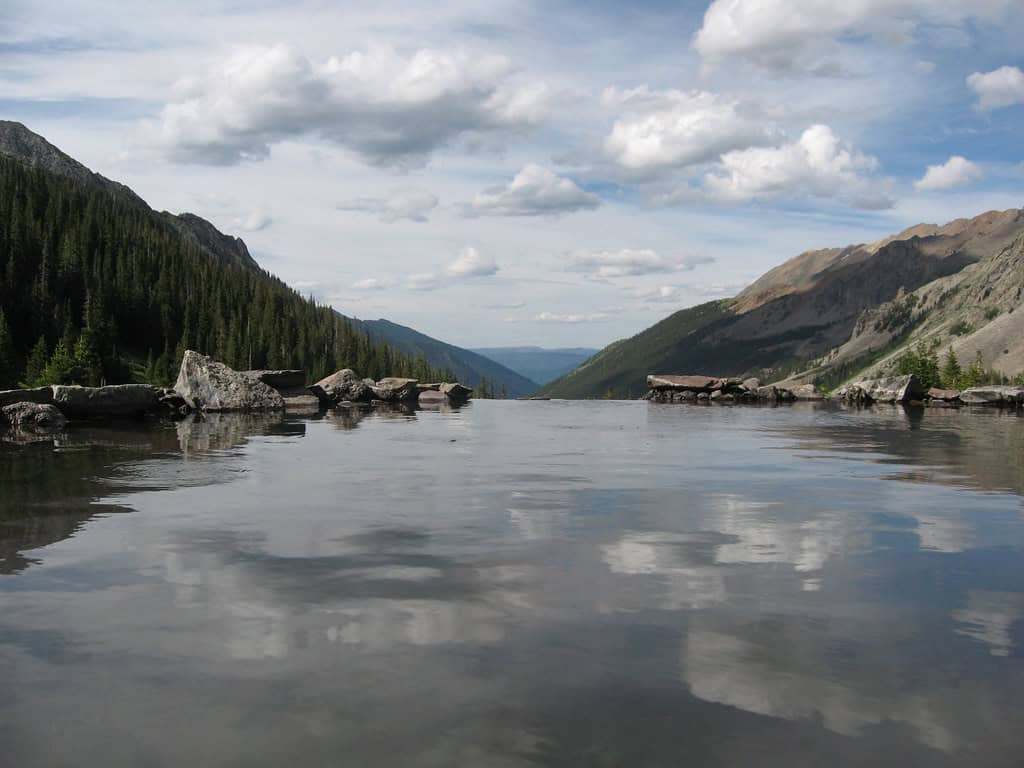
Conundrum Hot Springs sits high in Colorado's Maroon Bells-Snowmass Wilderness, near Aspen, and reaching it is a serious backpacking experience. The standard route is roughly 17 miles round trip, with substantial elevation gain, stream crossings, and fast-changing mountain weather. The scenery is spectacular, but visitors should not underestimate the physical demands or the challenges of traveling at high elevation.
Anyone planning to camp overnight in the Conundrum Hot Springs zone needs an advance wilderness permit and must use the designated campsite assigned by that permit. Bear-resistant food storage is required, and there are restrictions on dogs and campfires. Summer generally offers the best access; snow and avalanche hazards can persist across much of the rest of the year. This belongs on an experienced hiker's itinerary, not a casual list of easy soaking spots.
23. Dunton Hot Springs – Colorado
©"At around 7000 ft in the San Juan mountains of Southwestern Colorado heading to Ouray." by Ronald Douglas Frazier is licensed under BY 2.0. - Original / License
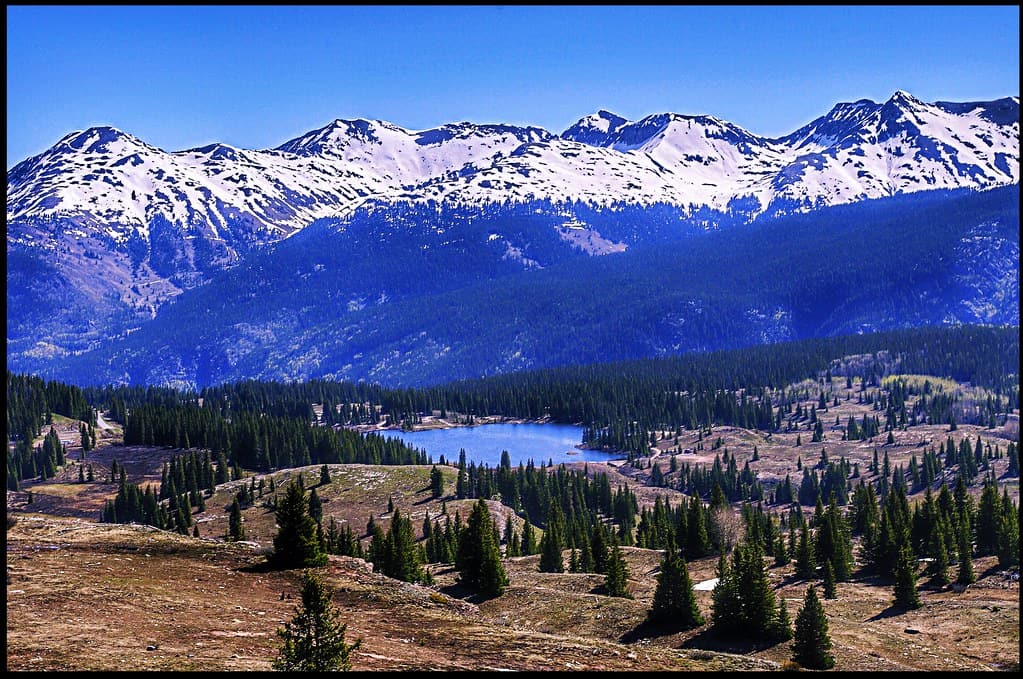
Dunton Hot Springs is a restored 19th-century mining settlement in southwestern Colorado's San Juan Mountains, reimagined as a high-end, private retreat. Original-style cabins, mountain scenery, and mineral-water soaking give it a distinctive atmosphere. It's the kind of place where the setting and lodging are as much a part of the experience as the hot springs themselves, and the pricing reflects that all-inclusive, luxury approach.
Rather than assuming this is a public hot spring, travelers should check the resort's available accommodations and guest access before making a trip. The property is remote and well suited to travelers seeking a quiet stay with meals and activities arranged as part of their visit. It is not simply 'across from Telluride,' as the old copy suggested, and the historic mining-town setting deserves a more accurate geographic description.
24. Valley View Hot Springs – Colorado
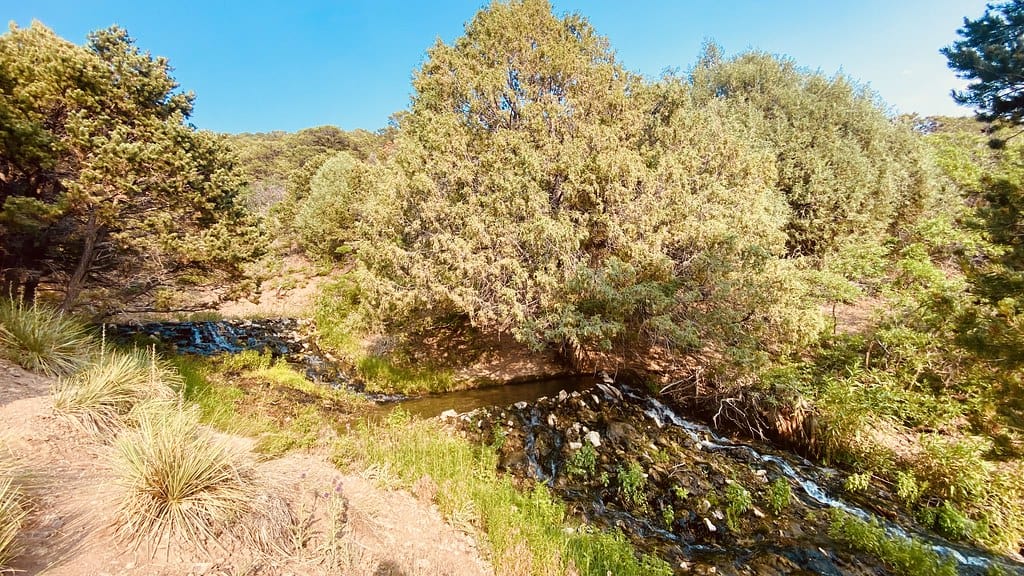
©"Valley View Hot Springs, Crestone, Colorado" by lamblukas is licensed under BY 2.0. - Original / License
Valley View Hot Springs is a nonprofit conservation retreat operated by Orient Land Trust in Colorado's San Luis Valley. Rather than one large swimming pool, visitors find natural soaking areas, simple accommodations, and an emphasis on protecting the surrounding landscape. People come for quiet, dark skies, hiking, and the chance to spend time outdoors with fewer distractions than at a conventional resort.
This is a clothing-optional property throughout its grounds, including family-friendly areas, so read the guidelines carefully before arriving. Visitor numbers are limited, reservations are strongly recommended, and the rules differ for short-notice visitors and supporting members. Some accommodations are intentionally rustic, and the elevation can bring cold weather even when lower valleys feel warm. Plan the trip around the property's actual access rules rather than assuming an open-gate spa.
25. Langford Hot Springs – Texas
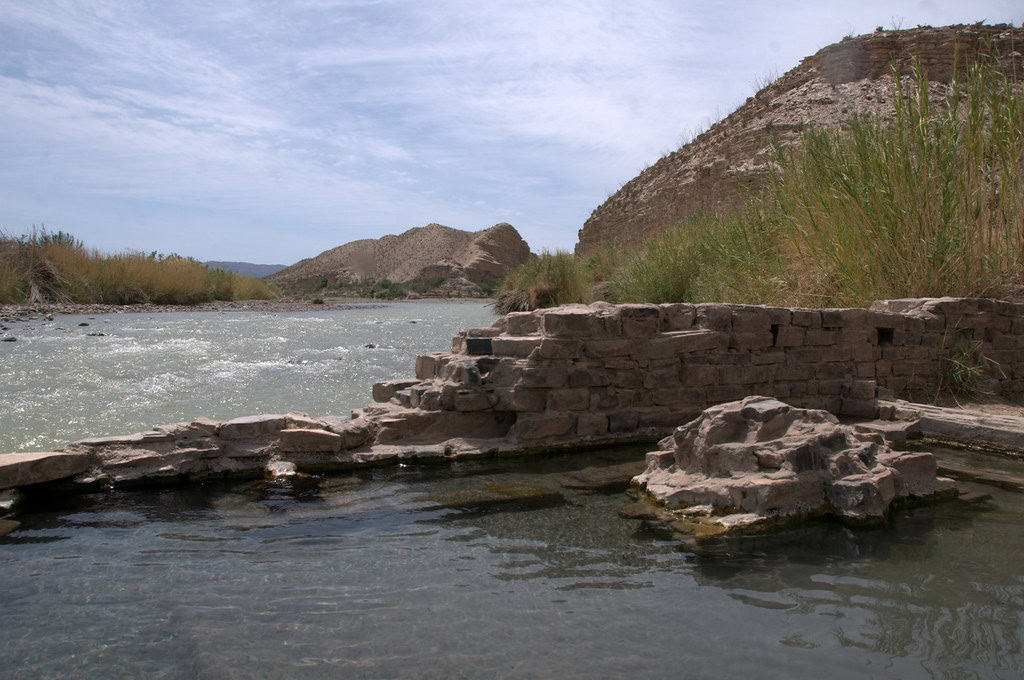
©"DSC_0935.NEF" by Bird Brian is licensed under BY 2.0. - Original / License
Langford Hot Springs, also called the Hot Springs Historic District, is one of the more unusual places to soak in Big Bend National Park. The hot water rises along the Rio Grande beside the remnants of an early 20th-century bathhouse, giving visitors a dramatic desert-and-river setting. The old building is gone, but the foundation forms the recognizable soaking basin. Its appeal is equal parts scenery and history, not hotel amenities.
Access can change after flooding. As of November 2026, the National Park Service lists a closure on Hot Springs Road beyond the overflow parking area, so check conditions before driving and be prepared for an added walk or a changed route. Never enter during flooding or swift river conditions, and remember that this is untreated natural water. Pack drinking water and sun protection, and leave the historic structures undisturbed.
26. Hot Springs National Park – Arkansas
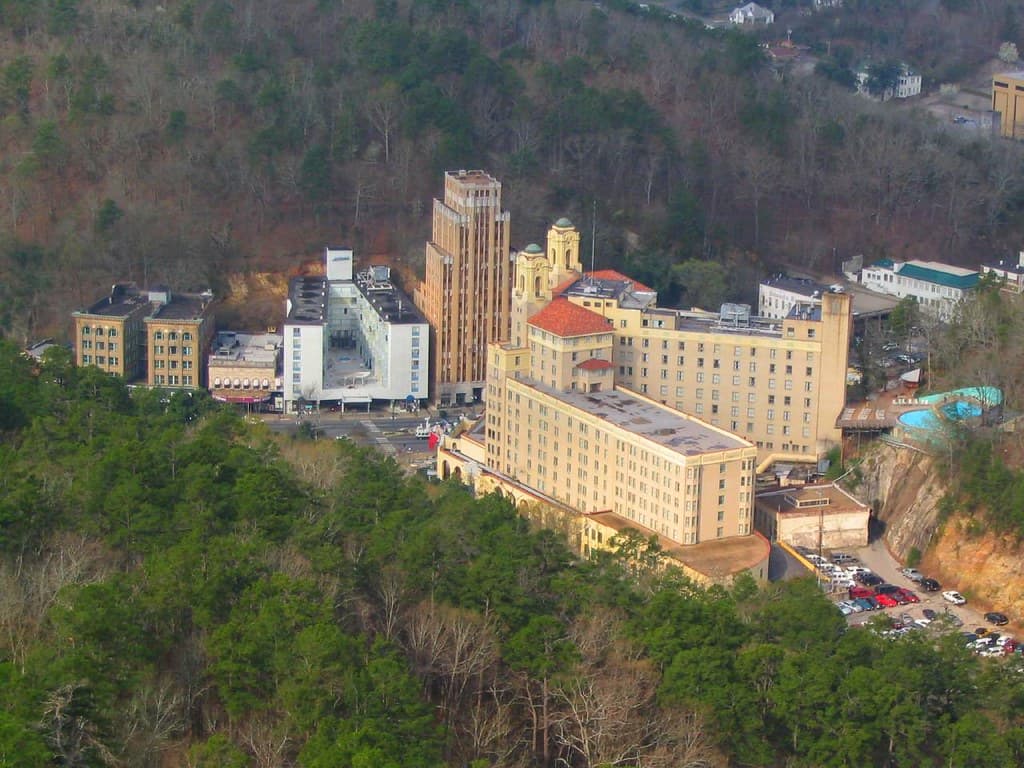
©"Arlington Resort Hotel & Spa, as Seen from Hot Springs Mountain Tower, Hot Springs National Park, Arkansas." by Ken Lund is licensed under BY-SA 2.0. - Original / License
Hot Springs National Park is unusual because the hot springs are woven directly into downtown Hot Springs, Arkansas, rather than hidden in a remote canyon. Bathhouse Row preserves an important chapter of America's spa history, with impressive early 20th-century buildings alongside shops and city streets. Visitors can learn about the thermal water, tour historic spaces, and enjoy nearby trails without needing specialized hiking gear.
The key distinction is that visitors cannot simply climb into the park's outdoor spring outlets. Soaking in the geothermal water is allowed only at designated operating bathhouses, and services may require advance planning. The park itself is a fascinating historic destination, but travelers seeking an undeveloped rock pool beside a river should know that this is a very different kind of hot-springs experience.
26. Hot Springs National Park – Arkansas (continued)
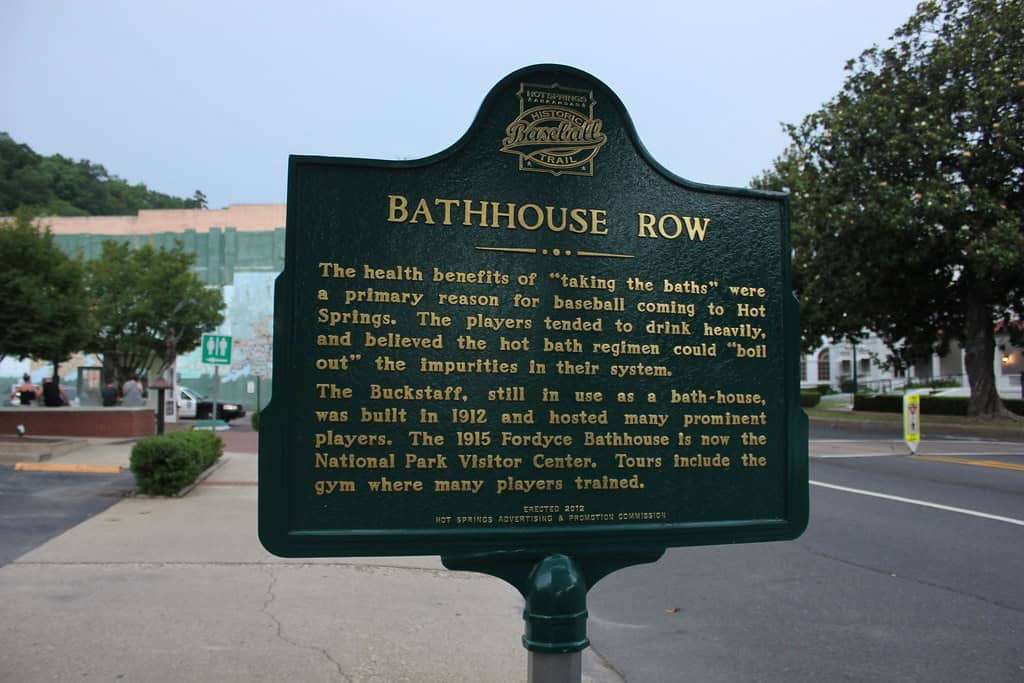
©"Bathhouse Row, Hot Springs, Arkansas Historical Marker" by TexasExplorer98 is licensed under BY 2.0. - Original / License
Two Bathhouse Row businesses currently provide the park's established soaking experiences: the Buckstaff Bathhouse and Quapaw Baths & Spa. Buckstaff preserves a more traditional bathing routine, while Quapaw offers thermal pools and spa services in a historic building. Both use naturally heated spring water, but the facilities, entry procedures, and services are different, so check each operator before making reservations.
There is plenty to explore outside the soaking rooms, too. The Fordyce Bathhouse serves as the park's visitor center and museum, and the surrounding hills have walking paths and overlooks. Downtown restaurants and hotels make this one of the easier destinations on the list to build into a weekend. You get the hot-springs history without having to spend the night in a remote forest.
27. Warm Springs Pools – Virginia
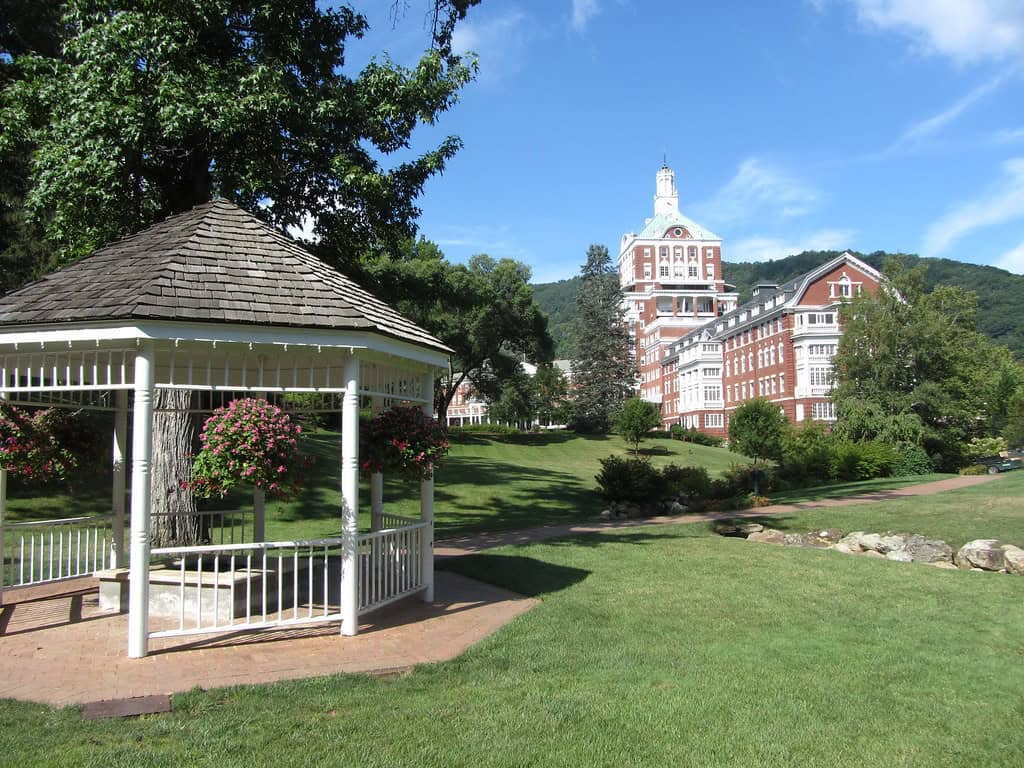
©"The Homestead, Hot Springs, Va" by jeannetteyvonne is licensed under PDM 1.0. - Original / License
Virginia's historic Warm Springs Pools offer a more accurate geothermal experience than the old entry's focus on the Allegheny Springs water park at The Omni Homestead Resort. The restored bathhouses sit in Warm Springs, about five miles from the main resort, and hold naturally warm mineral water at a remarkably steady temperature. Their 19th-century architecture makes the visit feel like a step into an earlier era of American spa travel.
These are reserved soaking sessions, not an open-access amusement park. The resort publishes specific hours for family, adult, and clothing-optional sessions, with policies that vary by time of day and bathhouse. Check the current schedule and booking requirements before leaving the hotel. Travelers should also understand that the separate Allegheny Springs water park offers a completely different experience, even though both are associated with the same resort.
27. Warm Springs Pools – Virginia (continued)
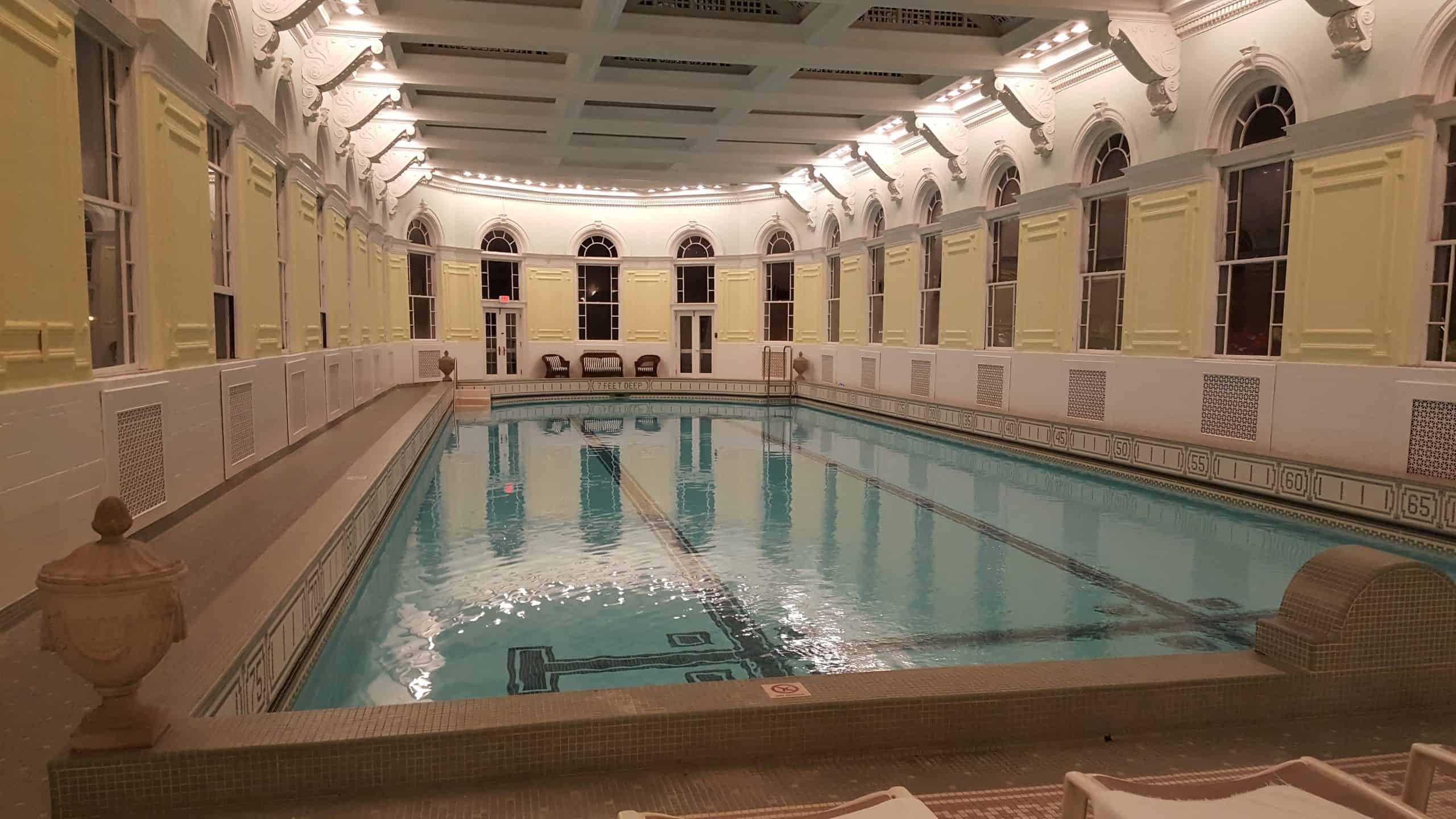
©"Indoor pool" by LlDayo is licensed under BY-SA 4.0. - Original / License
The Warm Springs Pools are especially appealing to travelers interested in history. One of the site's original bathing basins dates to the 18th century, and the restored structures preserve a long tradition of visitors coming to the area for mineral-water bathing. You do not need to believe that the water cures medical conditions to appreciate the architecture, the scenery, or the simple pleasure of a quiet soak.
For a longer visit, The Omni Homestead Resort provides lodging, dining, golf, and other activities at its main property. Just be sure to distinguish resort amenities from the Warm Springs Pools themselves, which are several miles away and operate on their own reservation schedule. It is a good finish to this list because it shows how varied America's hot springs can be: from rugged backcountry seeps to carefully restored historic bathhouses.

