
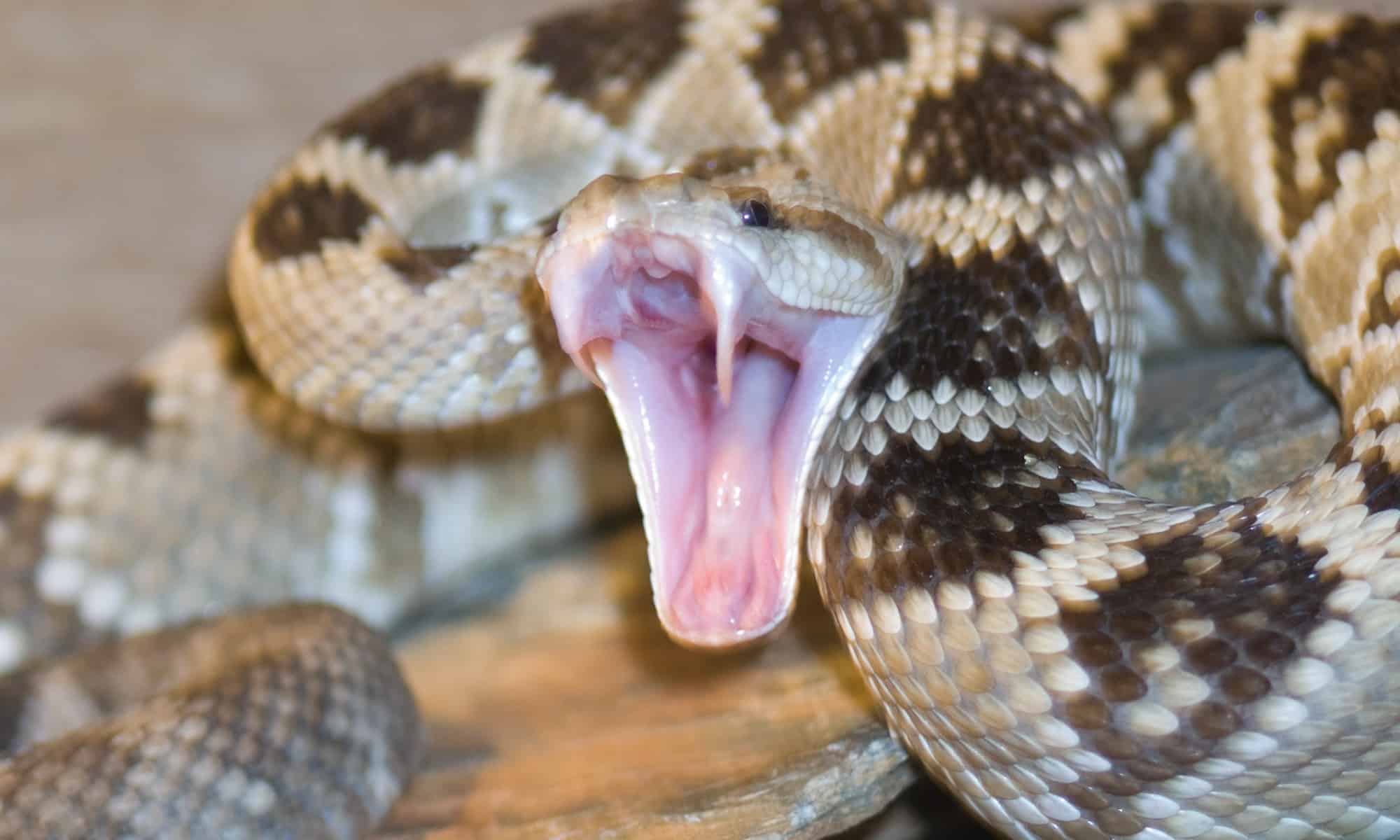
The Pacific Northwest is not exactly famous for snakes, which is part of what makes spotting one feel so unexpected. But from the dry side of Washington and Oregon to rocky trails, river corridors, grasslands, and even a few places surprisingly close to major cities, there are plenty of spots where snakes are very much part of the landscape.
These 13 snake hotspots are places where hikers, campers, anglers, and road-trippers have a better-than-average chance of crossing paths with one. Some species are harmless, others deserve a little more space, and none are a reason to panic. They are simply part of the wild side of the Pacific Northwest that most travelers never think about until something starts moving in the grass.
Puget Sound Lowlands, Washington
©US Geological Service
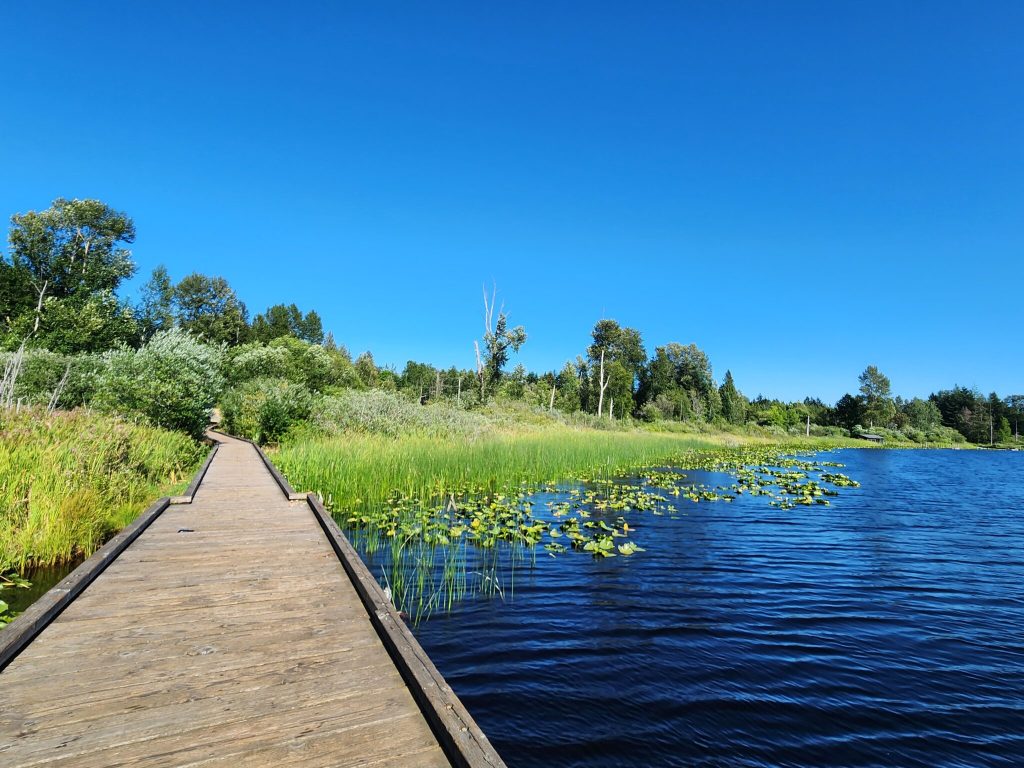
Western Washington is not rattlesnake country, but it is definitely not snake-free. The northwestern garter snake is common west of the Cascades, including the Puget Trough, and it is comfortable in places people actually use: grassy openings, forest edges, suburban yards, and city parks. Washington wildlife officials even note that female garter snakes can gather in open grassy areas around lower Puget Sound. Northwestern garters are on the smaller side, rarely topping about two feet, and they specialize in slugs and earthworms. So yes, the snake most likely to surprise you around Seattle or Tacoma may also be doing free pest control. Not exactly the monster under the bed, but still enough to make you look twice before grabbing that garden hose.
Columbia River Gorge, Washington and Oregon
©The Gorge Guide
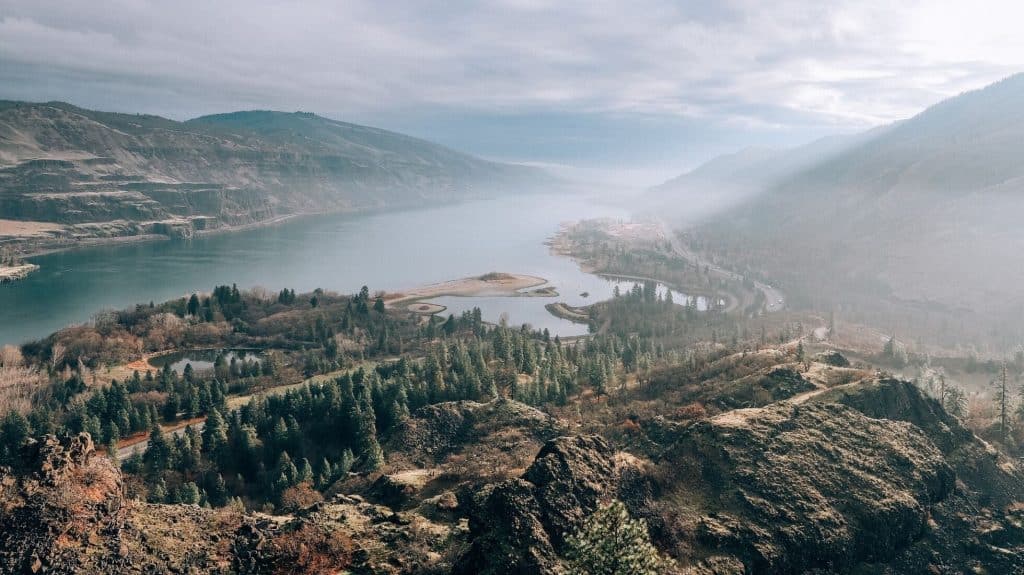
The Columbia River Gorge is where the Pacific Northwest changes personality fast. Wet forests give way to sunnier, drier slopes, exposed rock, and basalt cliffs, creating habitat for several kinds of snakes. One of the more secretive is the ring-necked snake. Washington wildlife records place its main distribution along the east slope of the Cascades south to the Columbia Gorge and west toward Longview. These small snakes spend much of their time hidden under rocks, woody debris, or other cover, so spotting one is mostly a matter of luck. The Gorge also reaches western rattlesnake range on its drier side. In other words, this is one of those places where the scenery changes quickly and the reptile lineup changes right along with it.
Yakima River Canyon, Washington

The Yakima River Canyon runs for about 27 miles between Ellensburg and Yakima, cutting through dry hills and towering basalt cliffs. That landscape is a pretty good clue that you have entered snake country. Western rattlesnakes are widespread in eastern Washington and favor shrub-steppe, talus, and basalt outcrops, including rocky crevices used for overwintering. The canyon has plenty of that habitat along with river edges that attract prey. Most rattlesnakes would much rather avoid you than fight you, but this is still a place to watch where you put your hands and feet around rocks. The good news is that the view is spectacular. The less comforting news is that some of those sun-warmed rocks already have tenants.
Hanford Reach, Washington
©US Park Service
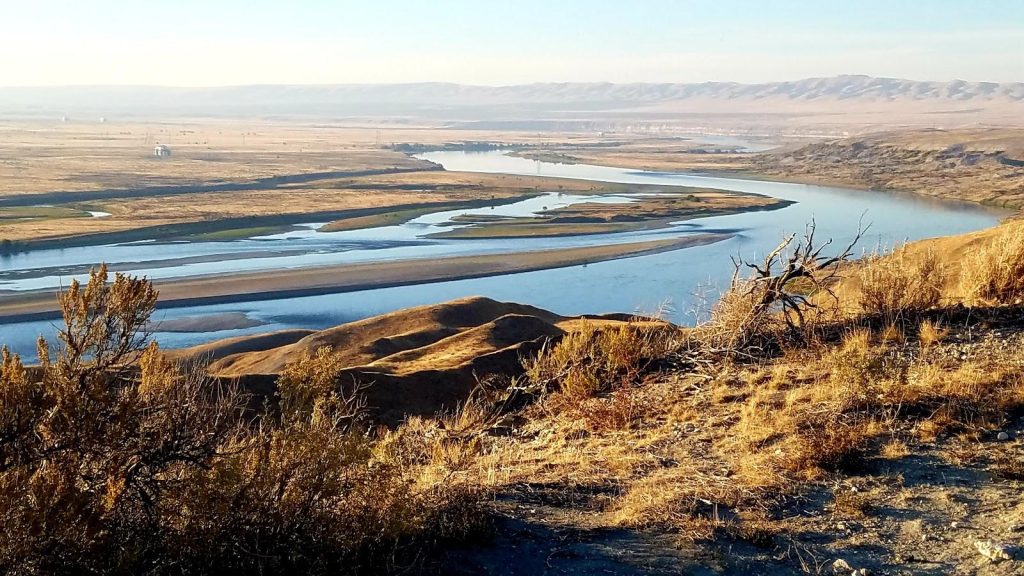
Hanford Reach protects a huge swath of dry Columbia Basin habitat, and the U.S. Fish and Wildlife Service specifically warns visitors that Pacific rattlesnakes occur here. The agency describes them as rare and very shy, which is worth remembering before imagining a snake behind every sagebrush. Still, this is classic rattlesnake terrain: open shrub-steppe, rocky ground, hot summers, and plenty of small mammals. Some parts of the monument, including the Rattlesnake Unit and the Arid Lands Ecology Reserve, are closed to general public access, so this is not an invitation to go wandering into restricted habitat looking for one. Stick to areas open to visitors, watch your footing, and appreciate the fact that a landscape this stark can support a surprisingly busy food web.
Grant County Coulee Country, Washington
©US Park Service
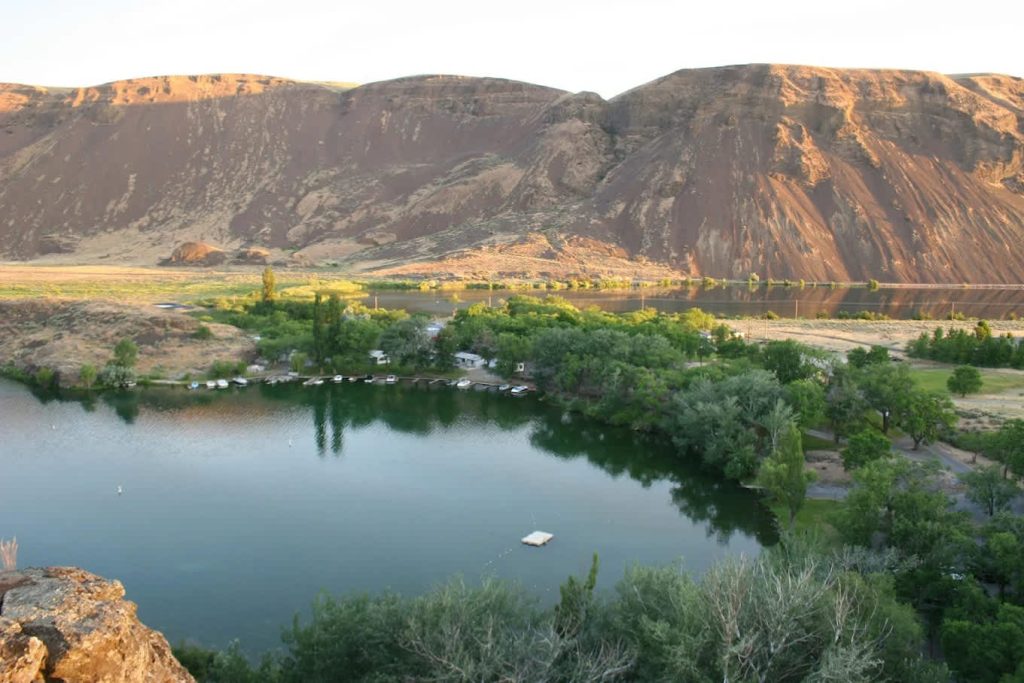
Grant County gets a spot for one of Washington’s strangest snake stories. The desert striped whipsnake is extremely rare in the state, and Washington wildlife officials say the species is currently known from only two areas in Grant County. That makes this a hotspot in a very specific sense: the snake is hard to find anywhere in Washington, but this is where its remaining known strongholds are. Striped whipsnakes are nonvenomous, fast-moving predators tied closely to shrub-steppe habitat. They hunt lizards and other small prey and can grow surprisingly long and slender. The exact locations of sensitive wildlife populations are not something to go trampling through, obviously. The takeaway is simpler: central Washington’s coulee and shrub-steppe country hides far more reptile diversity than the roadside sagebrush suggests.
Methow Valley, Washington
©"Sun Mountain Lodge Washington view of Methow Valley" by bucci1 is licensed under BY-ND 2.0. - Original / License
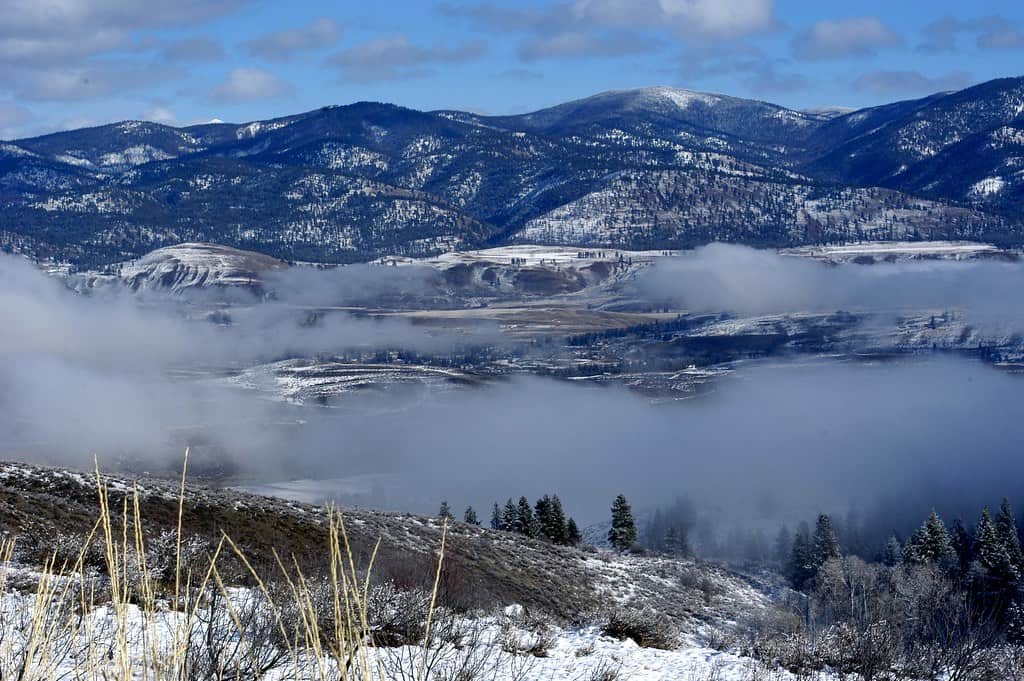
The Methow Valley has the dry grasslands, shrub-steppe, open pine country, and sunny slopes that gopher snakes like. Washington wildlife officials describe gopher snakes as common and widespread in eastern Washington, and the agency has documented them in the Methow Wildlife Area. They are big, nonvenomous constrictors that can put on a surprisingly convincing rattlesnake impression when they feel threatened. A gopher snake may hiss, coil up, flatten its head, and vibrate its tail against dry vegetation. There is just one important detail: it has no rattle and no venom. That bluff probably works wonderfully on predators. It also works pretty well on hikers who only get half a second to process a large blotched snake suddenly making angry snake noises beside the trail.
Turnbull National Wildlife Refuge, Washington
©US Park Service
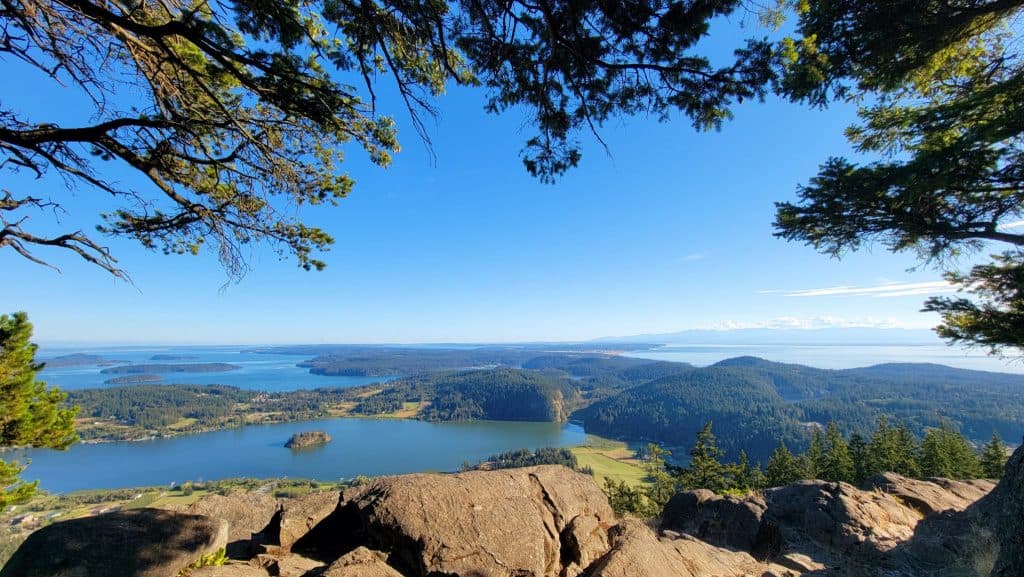
About 40 minutes from Spokane, Turnbull National Wildlife Refuge packs wetlands, prairie, ponderosa pine forest, and exposed basalt into one landscape. That variety matters. The U.S. Fish and Wildlife Service says five snake species occur on the refuge and specifically highlights the rubber boa, one of the Pacific Northwest’s most unusual reptiles. Rubber boas are small constrictors with smooth-looking skin and a blunt tail that can make the front and back ends look oddly similar at first glance. They spend plenty of time around cover such as rotten logs and moist forest habitat, so they are easy to miss even where they live. Turnbull is a good reminder that a snake hotspot does not have to look like a desert, and not every native snake is built to scare the daylights out of you.
Lower Deschutes River, Oregon
©"Deschutes River, Oregon" by Bonnie Moreland (free images) is licensed under PDM 1.0. - Original / License
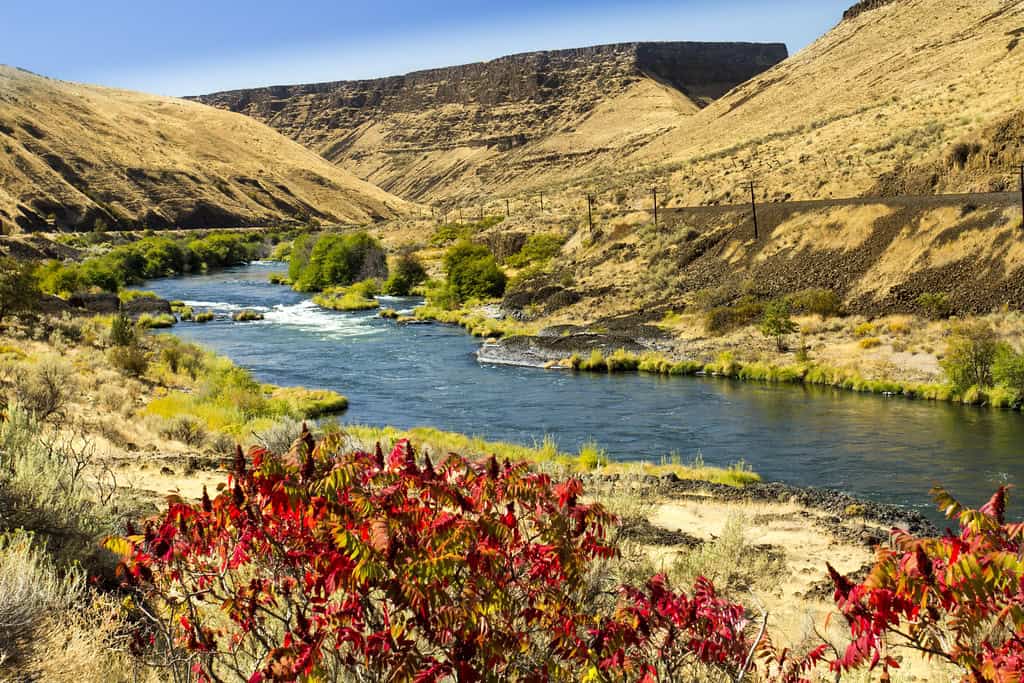
The lower Deschutes cuts through some of Oregon’s driest canyon country, with sun-baked slopes, rocky ledges, and open grassland rising above the river. Oregon State Parks does not dance around the subject either: its page for the Deschutes River State Recreation Area confirms that rattlesnakes are present. That does not mean every hike turns into a reptile obstacle course. Rattlesnakes generally want space, and bites are most likely when a snake is threatened, handled, or accidentally stepped on. Still, warm trails and rocky canyon edges are exactly the places where paying attention matters. Give any snake room, keep dogs leashed where required, and resist the very human urge to move closer for a better phone video. The zoom button was invented for a reason.
Smith Rock State Park, Oregon
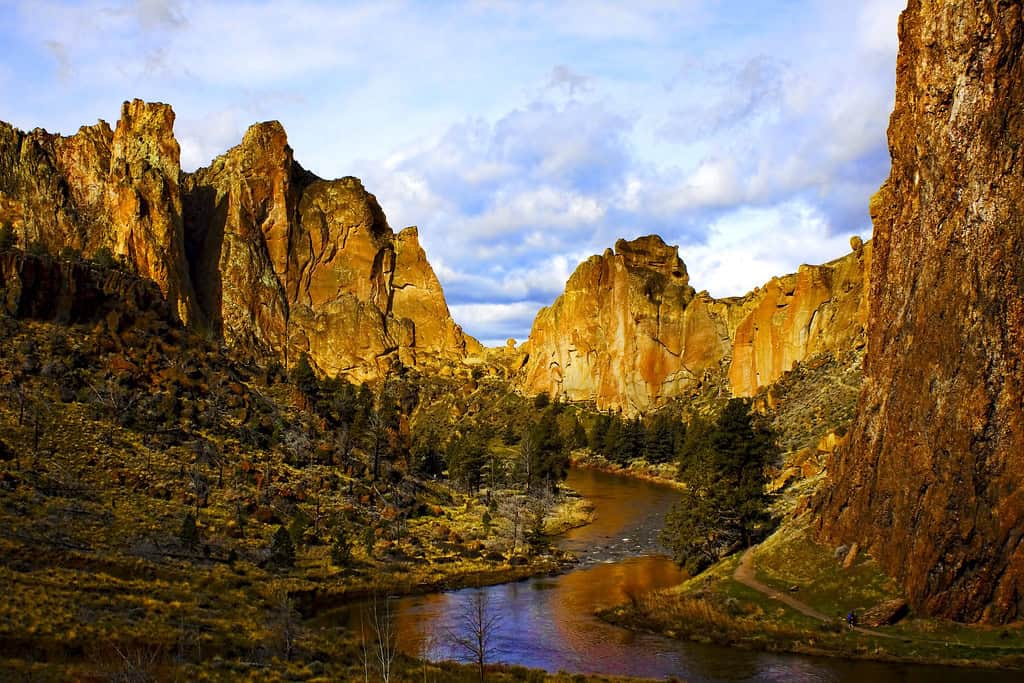
©"Smith Rock" by stokes rx is licensed under BY-ND 2.0. - Original / License
Smith Rock is famous for towering cliffs and rock climbing, but Oregon State Parks casually slips another attraction into its visitor advice: rattlesnakes. The agency actually recommends the cooler off-season as a way to beat both the crowds and the snakes. That tells you quite a bit about warmer months in this high-desert canyon. Rocky slopes, open terrain, and plenty of sun make good reptile habitat, while the Crooked River below adds a ribbon of water through an otherwise dry landscape. Stay on established trails, give wildlife space, and look before stepping over rocks or reaching into crevices. Smith Rock is spectacular enough without turning a hike into an unscheduled test of your reaction time.
John Day Fossil Beds, Oregon
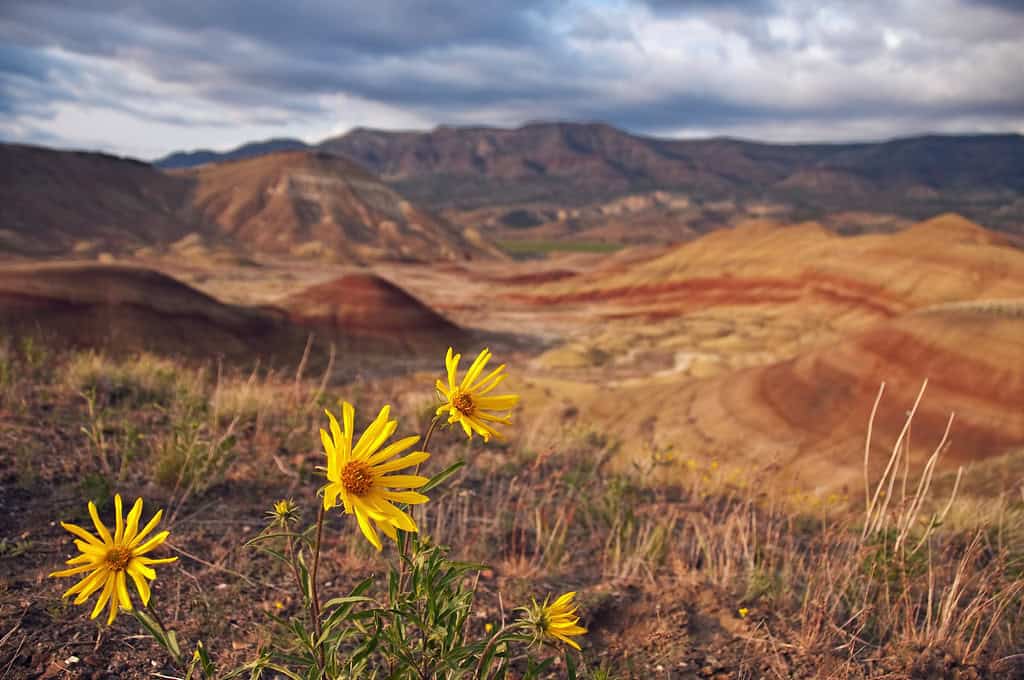
©"Painted Hills - John Day Fossil Beds NM OR - 11" by samiamx is licensed under BY 2.0. - Original / License
The colorful badlands at John Day Fossil Beds look like rattlesnake country because, according to the National Park Service, they are. Rangers warn visitors to use caution around snakes, although the park notes that a snake you encounter is more likely to be a nonvenomous bull snake or garter snake. That is a useful reality check. Eastern Oregon has plenty of intimidating-looking snakes that are not dangerous to people. The park’s dry grasslands, rocky slopes, and stream corridors support several snake species, and the safest approach is the same for all of them: stay on the trail and give them room. You came here for painted hills and millions of years of fossil history. There is no bonus prize for identifying a snake from six inches away.
Steens Mountain, Oregon
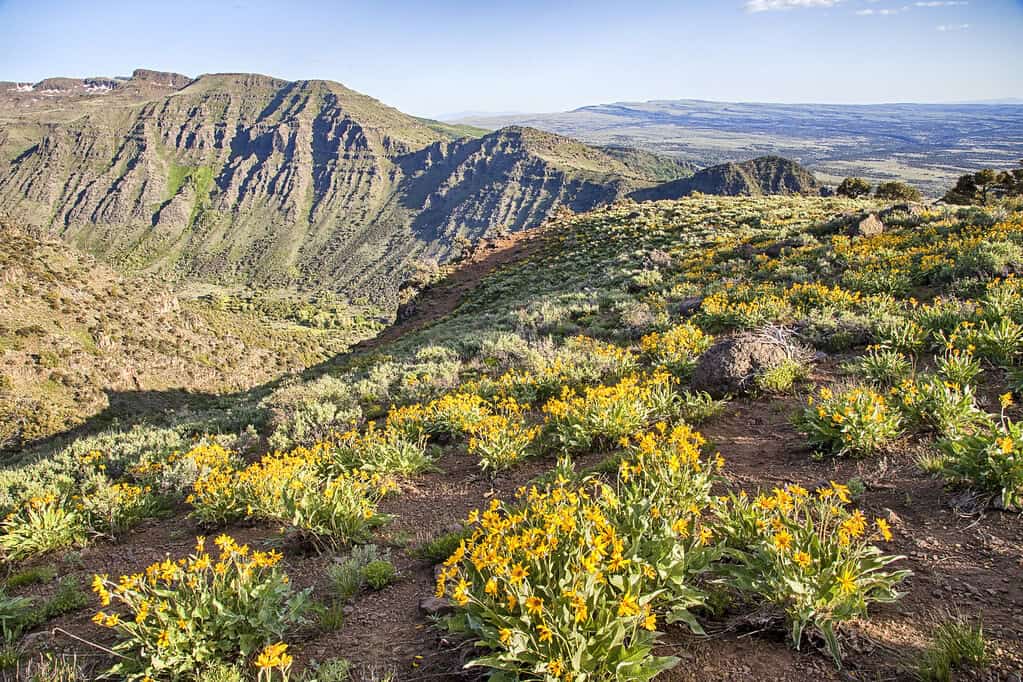
©"#conservationlands15 Social Media Takeover, Sept 15th, Steens Mountain Wilderness in Oregon" by mypubliclands is licensed under BY 2.0. - Original / License
Steens Mountain rises dramatically out of southeastern Oregon’s high desert, and the lower, warmer portions of the landscape are very much reptile territory. The Bureau of Land Management specifically warns visitors about rattlesnakes in certain areas during spring and summer, including around campgrounds and backcountry routes. Elevation changes quickly here, which means you can move from hot sagebrush country toward much cooler high-elevation terrain in a relatively short distance. Snake activity changes with those conditions too. The smart move is simple: watch where you step around rocks and brush, use a light if you are moving around camp after dark, and leave any snake exactly where you found it. Steens is remote enough already. Nobody needs to add an avoidable snakebite to the itinerary.
Willamette Valley, Oregon
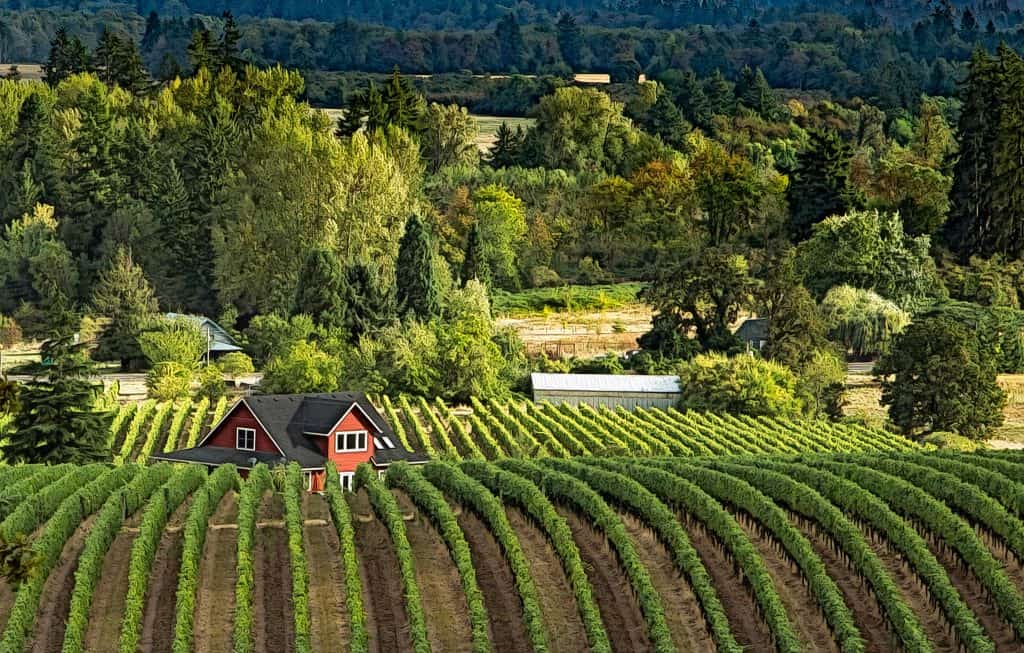
©"Willamette Valley Wine Country (25134584933)" by Sheila Sund from Salem, United States is licensed under BY 2.0. - Original / License
If your mental image of snake habitat is all dust, cliffs, and desert, the Willamette Valley would like a word. Oregon wildlife officials say northwestern garter snakes occur in wooded areas on the valley floor and are commonly found in suburban areas and city parks. They favor meadows, forest clearings, dense vegetation, and sunny places where they can warm up. They also eat plenty of slugs and earthworms, which makes western Oregon’s damp climate less of a problem and more of a buffet. These snakes are small, quick, and easy to overlook until one darts through the grass. So yes, Portland-area green space can absolutely qualify as snake country. The snakes are just considerably less dramatic about it than their cousins east of the Cascades.
Rogue, Illinois and Applegate River Canyons, Oregon
©"Rogue River Trail - 51235037475" by BLM Oregon & Washington is licensed under BY 2.0. - Original / License
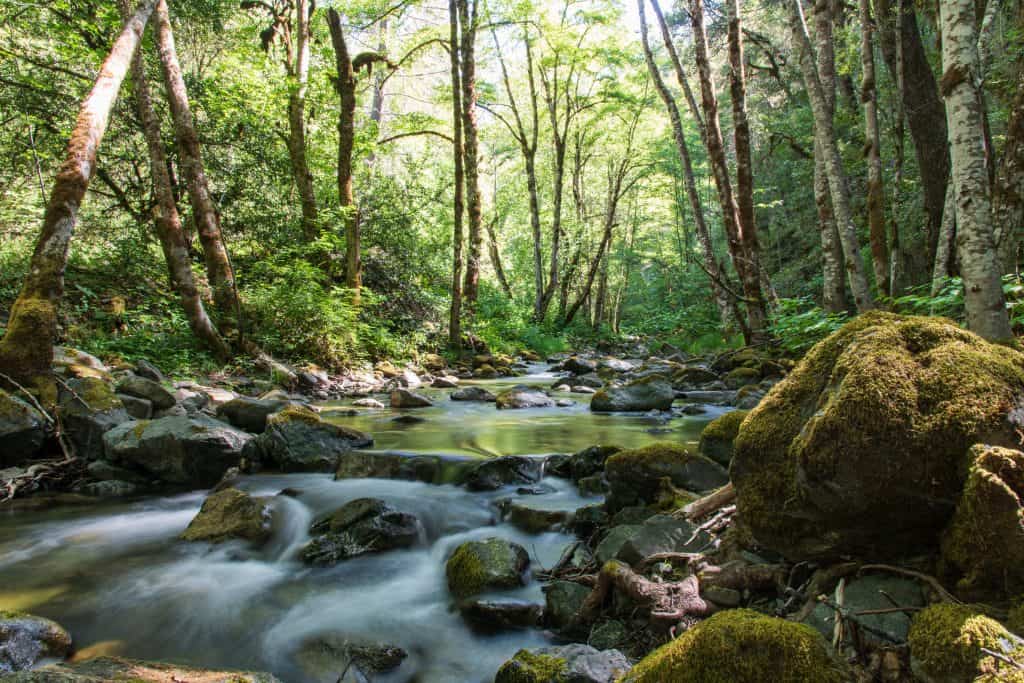
Southwestern Oregon saves one of the best-looking snakes on this list for last. U.S. Forest Service survey work found numerous California mountain kingsnake records in the Applegate, Illinois, and lower Rogue River canyons, suggesting relatively strong populations in those areas. The species is nonvenomous and instantly recognizable when you get a good look at it, with bold red, black, and pale bands that look almost too polished to be real. Oregon wildlife officials place these kingsnakes in pine forest, oak woodland, and chaparral, often near logs and streams. They prey on other snakes, lizards, birds, eggs, and small mammals. Just admire one where it is. A snake this photogenic does not need your help posing for the camera.

