

The Wild West was never quite the place Hollywood taught us to imagine. The years between the Civil War and the 1890 census are often treated as a tidy frontier era, but dime novels, Wild West shows and generations of movies turned a complicated period into a familiar set of heroes, villains and high-noon gunfights.
Some frontier communities really were dangerous, and some famous stories have solid historical cores. The myths usually begin when an exception becomes the rule. Here are 15 popular ideas that still shape how people picture the American West—and what the record actually supports.
Every Cowboy Wore the Hollywood-Style Hat
©Militarist/Shutterstock.com
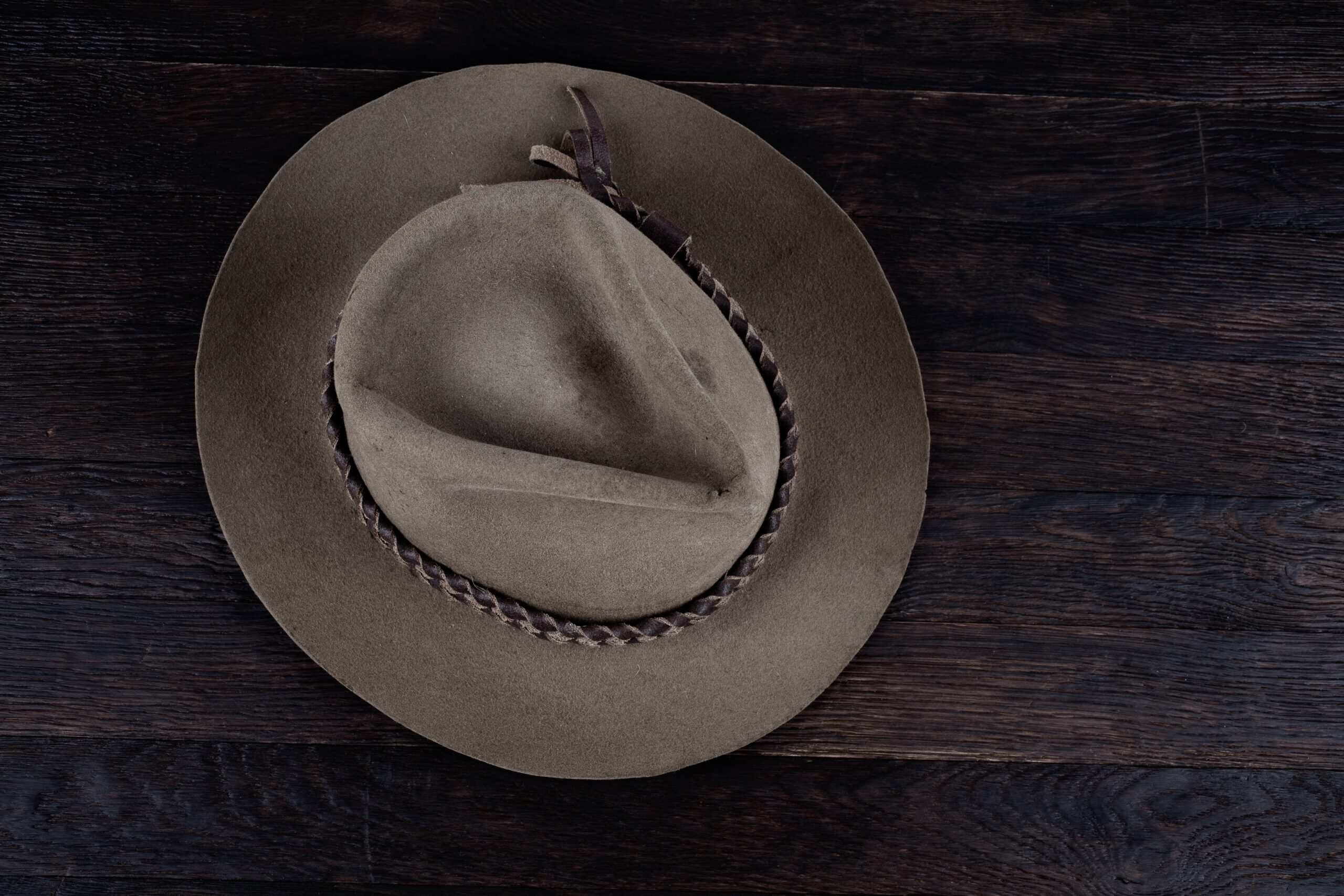
Cowboys certainly wore wide-brimmed hats, but there was no frontier uniform. Period photographs show bowlers, slouch hats, sombrero-influenced styles and whatever else a working hand could afford. John B. Stetson’s “Boss of the Plains,” introduced in the late 1860s, had a high open crown and broad, mostly flat brim. Owners shaped those hats for weather and personal preference. Wild West performers and Hollywood costume departments later turned one branch of that family tree into the standard curled-brim cowboy hat. The real West had plenty of Stetsons—just not one identical silhouette on every head.
The Wild West Was Constantly Violent
©WOSUNAN/Shutterstock.com
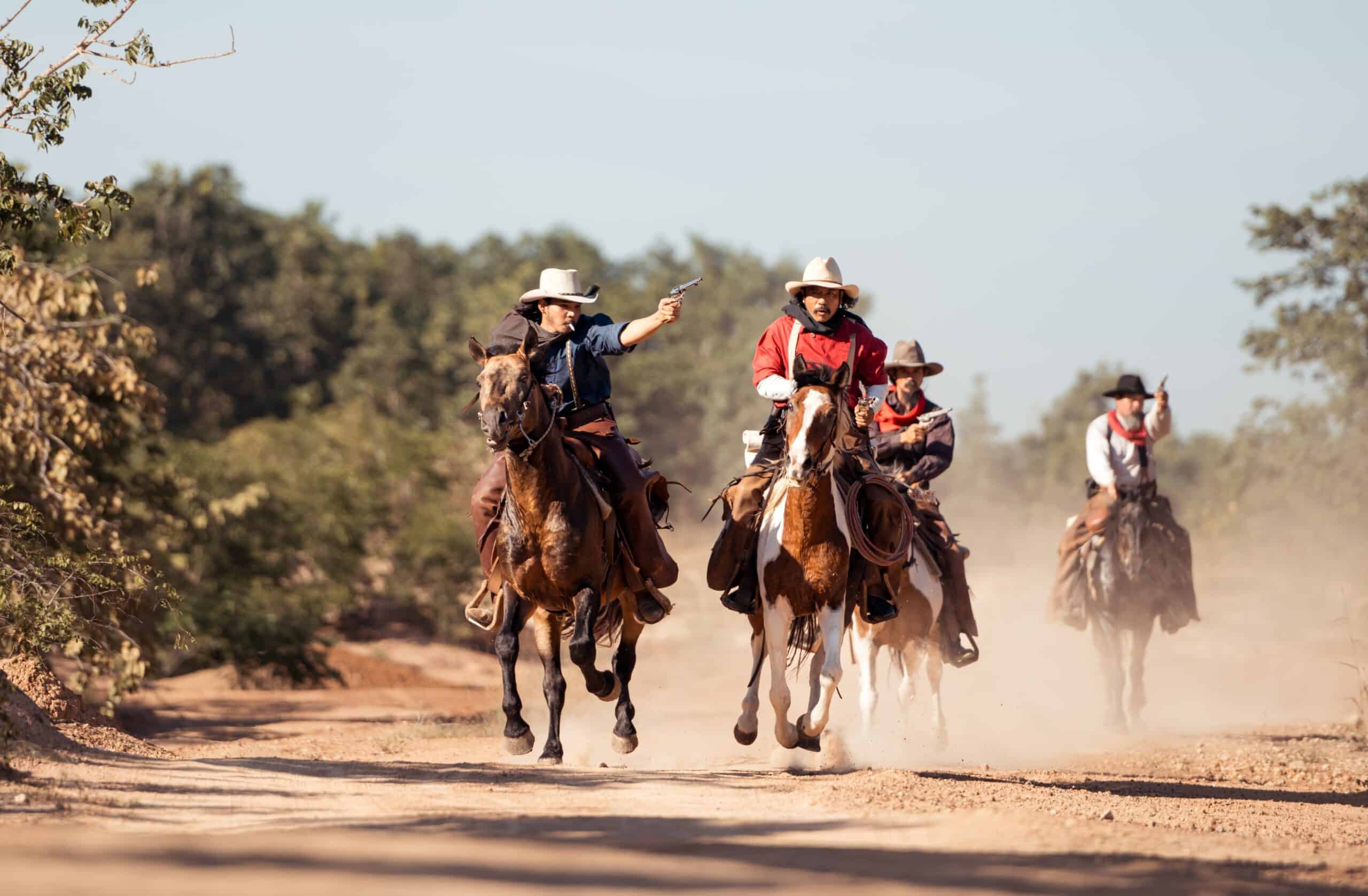
Frontier violence was real, but it was not a gunfight on every corner. Historian Robert Dykstra’s work on established Kansas cattle towns found that Dodge City averaged about 1.5 homicides a year during its decade as a cattle center. Its worst year recorded five killings. Tombstone also recorded five homicides in 1881, three of them in the famous gunfight near the O.K. Corral. Those totals could still produce alarming per-capita rates because the towns were tiny, and incomplete records call for caution. Mining camps, range conflicts and campaigns against Native nations add other kinds of violence to the picture. The correction is not that the West was peaceful; it is that daily life was not a nonstop shootout.
Frontier Towns Had No Gun Laws
©Sopotnicki/Shutterstock.com
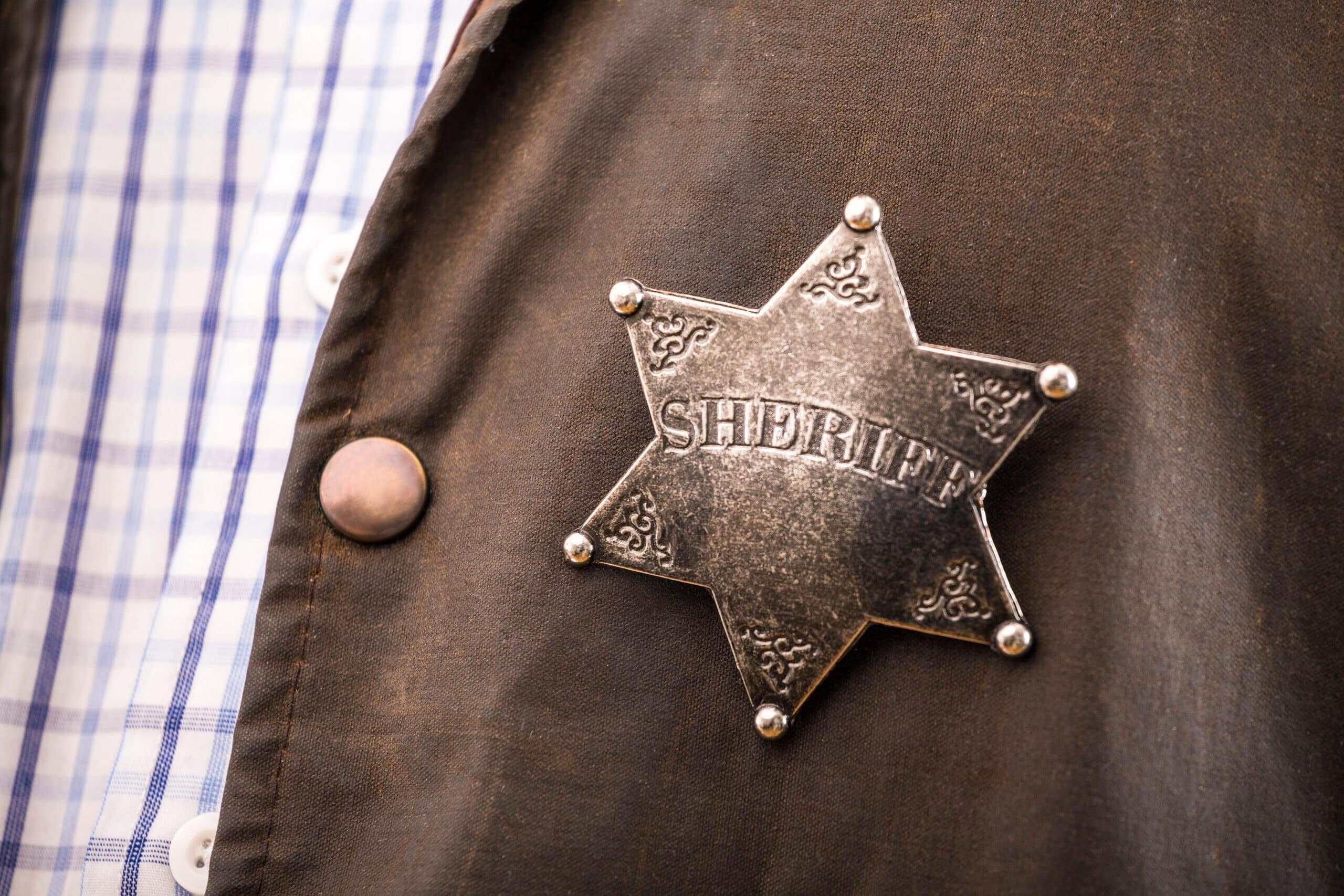
Gun rules varied, but prominent cattle and mining towns did regulate weapons. Dodge City adopted an 1875 ordinance against carrying concealed pistols and other deadly weapons, and later restricted firearms north of the railroad “deadline.” Tombstone required people entering town to leave deadly weapons at a corral, hotel or saloon unless they had permission to carry them. Marshal Virgil Earp’s attempt to enforce that ordinance helped produce the confrontation near the O.K. Corral. One correction matters here: Ike Clanton was fined $25 for carrying weapons that morning, and he survived the later gunfight. The three men killed were Billy Clanton and Tom and Frank McLaury.
Bank Robbery Was a Frontier Staple
©APChanel/Shutterstock.com
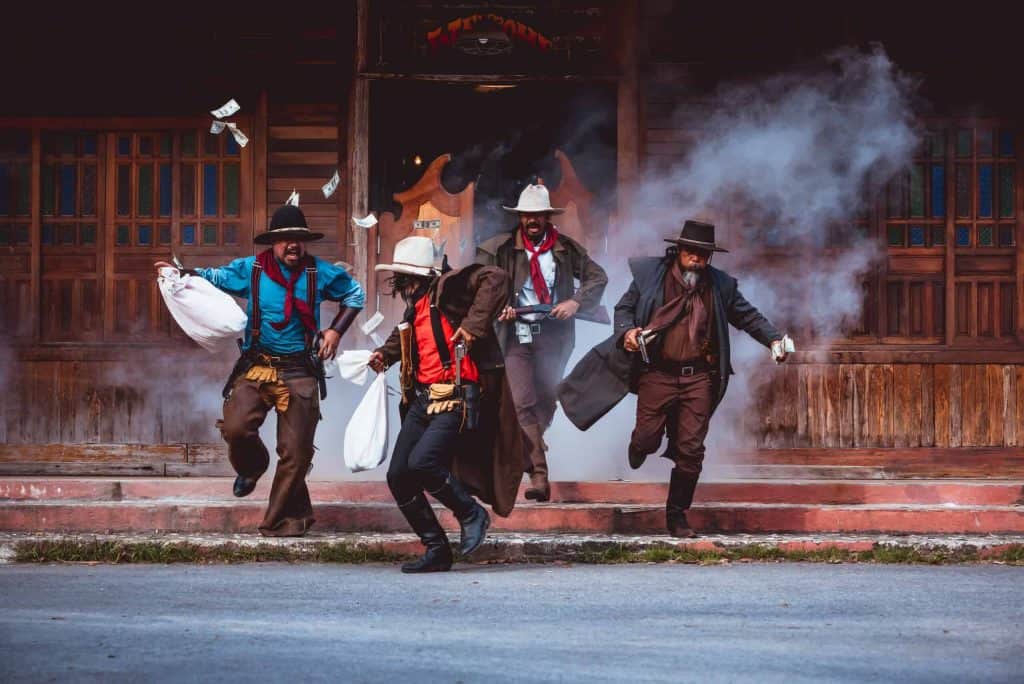
Western outlaws did rob banks—the James-Younger Gang and Butch Cassidy’s Wild Bunch supplied famous examples—but the masked raid on the town vault was not a weekly frontier ritual. Many small settlements had no bank, cash reserves could be modest and a robbery in the middle of town exposed a gang to armed resistance. Trains, stagecoaches, payroll shipments and express offices could offer richer or more isolated targets. An older study famously counted fewer than 10 confirmed bank robberies across 15 frontier states, but digitized newspapers have since shown that figure was too low. The sound conclusion is narrower: bank robberies happened, but Westerns made them look far more routine than they were.
Cowboys Were White
©Tanison Pachtanom/Shutterstock.com
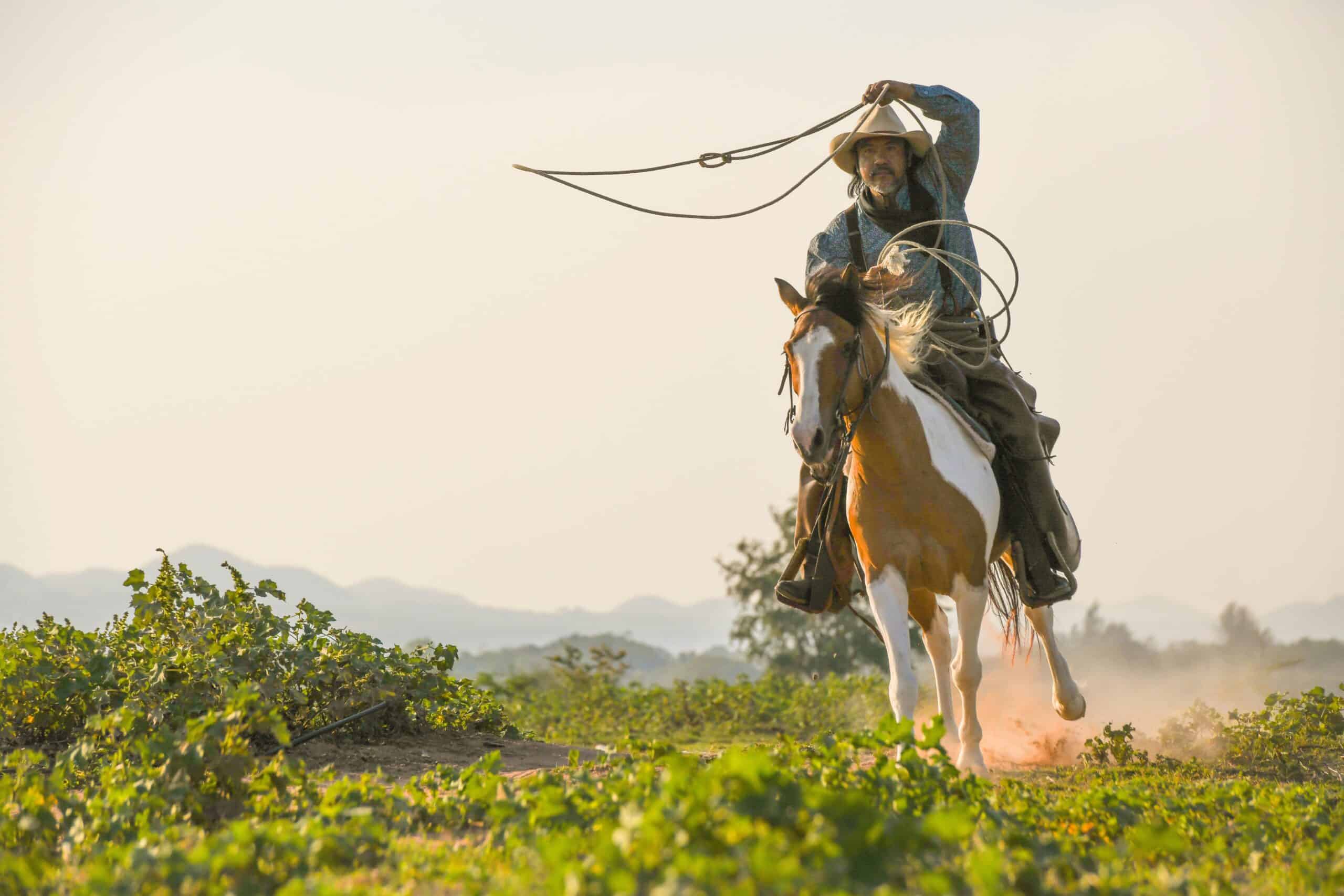
The white cowboy who dominated classic Westerns never represented the whole workforce. Historians commonly estimate that roughly one in four cowboys was Black, including formerly enslaved men who entered ranch work after the Civil War. The job could offer wages and mobility unavailable in many other fields, although Black cowboys still faced discrimination on the trail and in town.
Long before the U.S. cattle-drive era, Indigenous riders and Mexican vaqueros had developed ranching, roping and horsemanship traditions across the West. American cowboy culture adopted their equipment, methods and vocabulary. “Rodeo,” “lasso,” “ranch” and “stampede” all have Spanish roots. The cowboy story is multicultural at its foundation, even if the movies rarely cast it that way.
The Pony Express Was a Pillar of the Frontier
©Joseph Sohm/Shutterstock.com
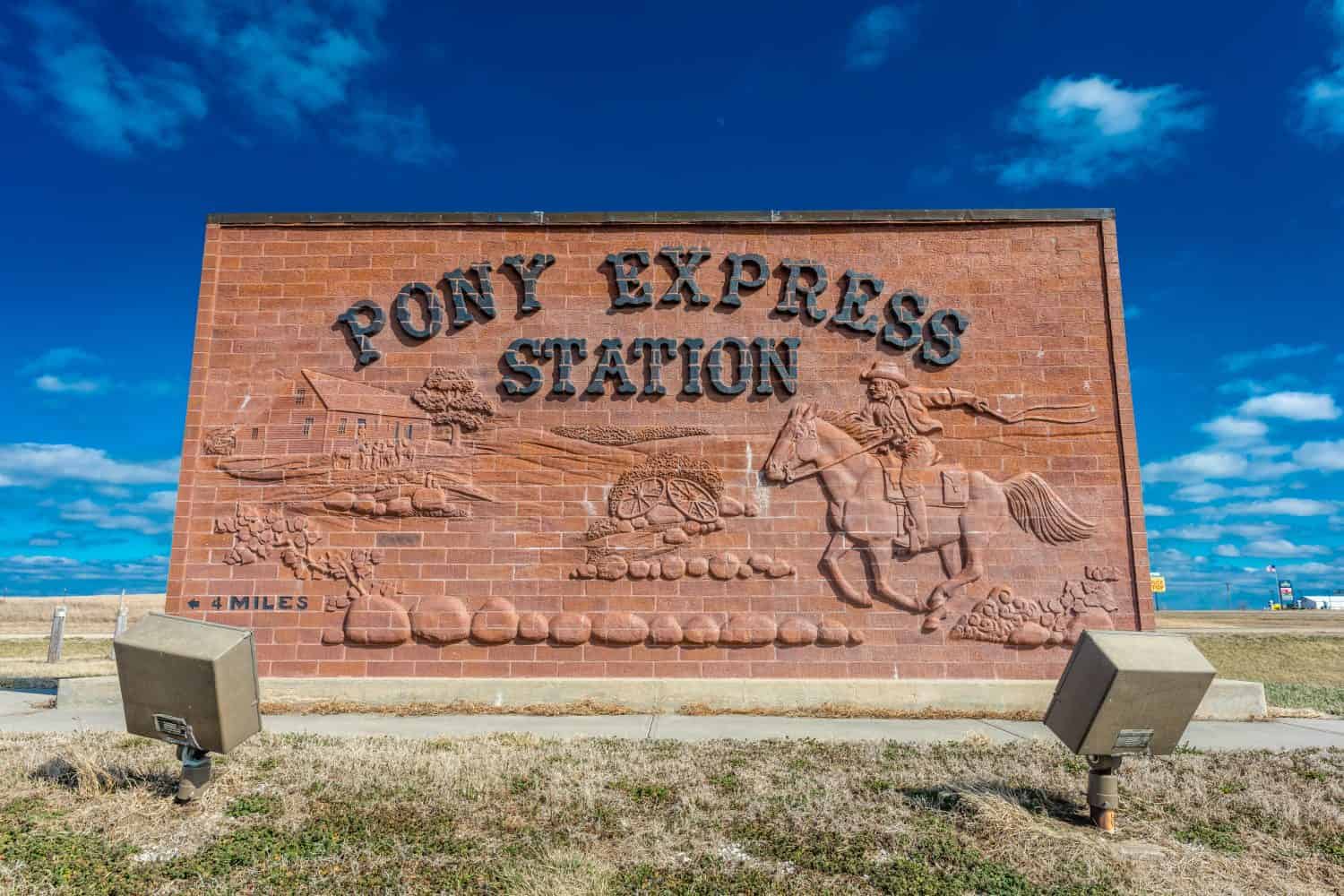
The Pony Express became an enduring symbol, but the service lasted only about 18 months—from April 3, 1860, to October 26, 1861. Relay riders carried mail roughly 1,966 miles between St. Joseph, Missouri, and Sacramento, with connections taking it onward to San Francisco. That is not the same as riding coast to coast. The fastest schedules approached 10 days, an extraordinary achievement, but the private operation was financially unsuccessful. Completion of the transcontinental telegraph in October 1861 made the relay obsolete almost immediately. Its legend is much larger than its lifespan.
The O.K. Corral Was a Heroic Standoff
©Tanison Pachtanom/Shutterstock.com
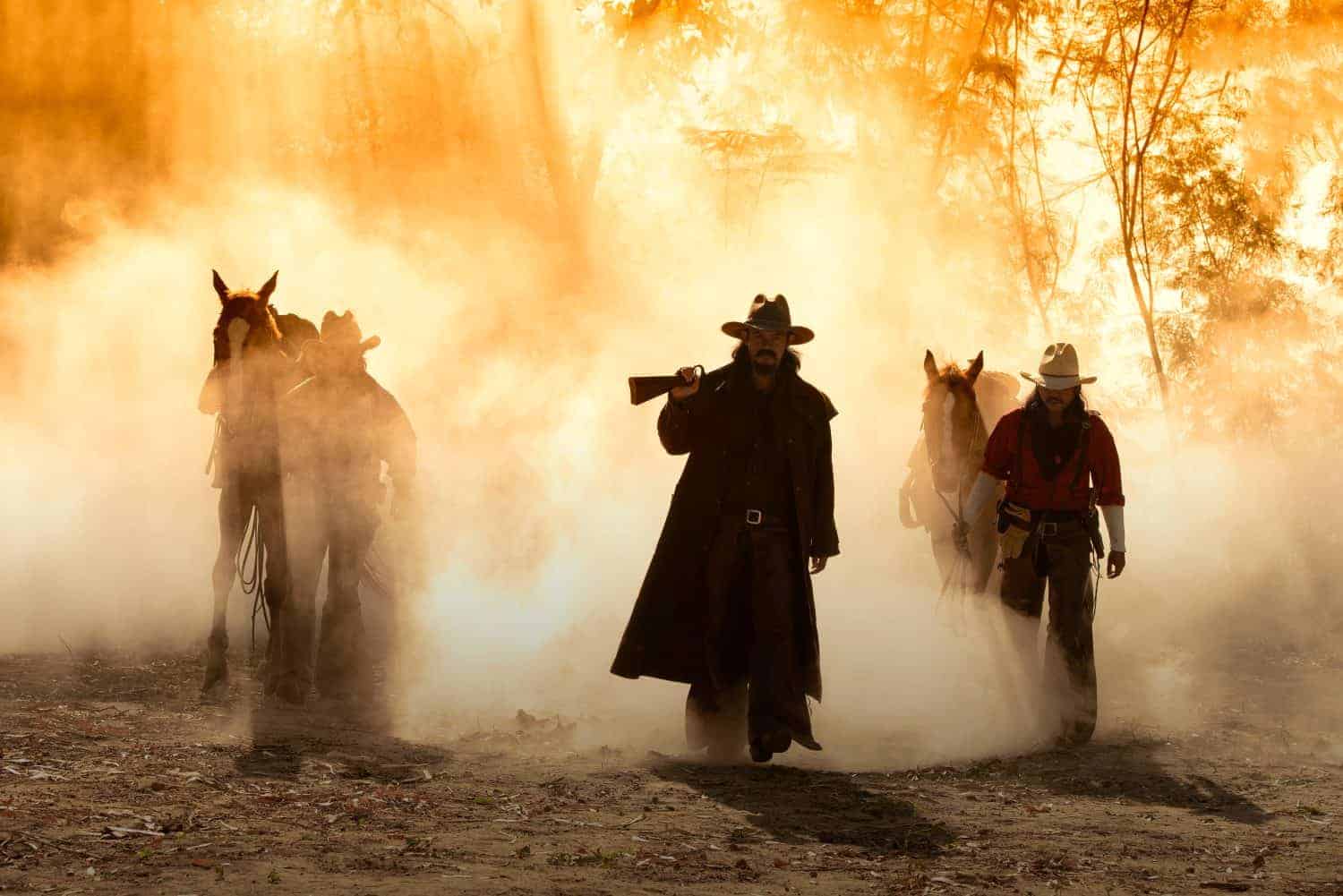
The famous fight did not happen inside the O.K. Corral. It began in a narrow vacant lot beside C.S. Fly’s photography studio and boarding house, near the corral’s rear entrance. Roughly 30 shots were fired in about 30 seconds. Billy Clanton and Tom and Frank McLaury died; Virgil and Morgan Earp were wounded. Ike Clanton then filed murder complaints against Wyatt Earp and Doc Holliday, leading to a lengthy preliminary hearing. Justice Wells Spicer ultimately found insufficient grounds to send the defendants to trial. The episode was a messy collision of law, politics and personal hostility—not a clean movie showdown—and Stuart Lake’s highly romanticized 1931 Earp biography helped cement the heroic version.
Billy the Kid Killed 21 Men
©Everett Collection/Shutterstock.com
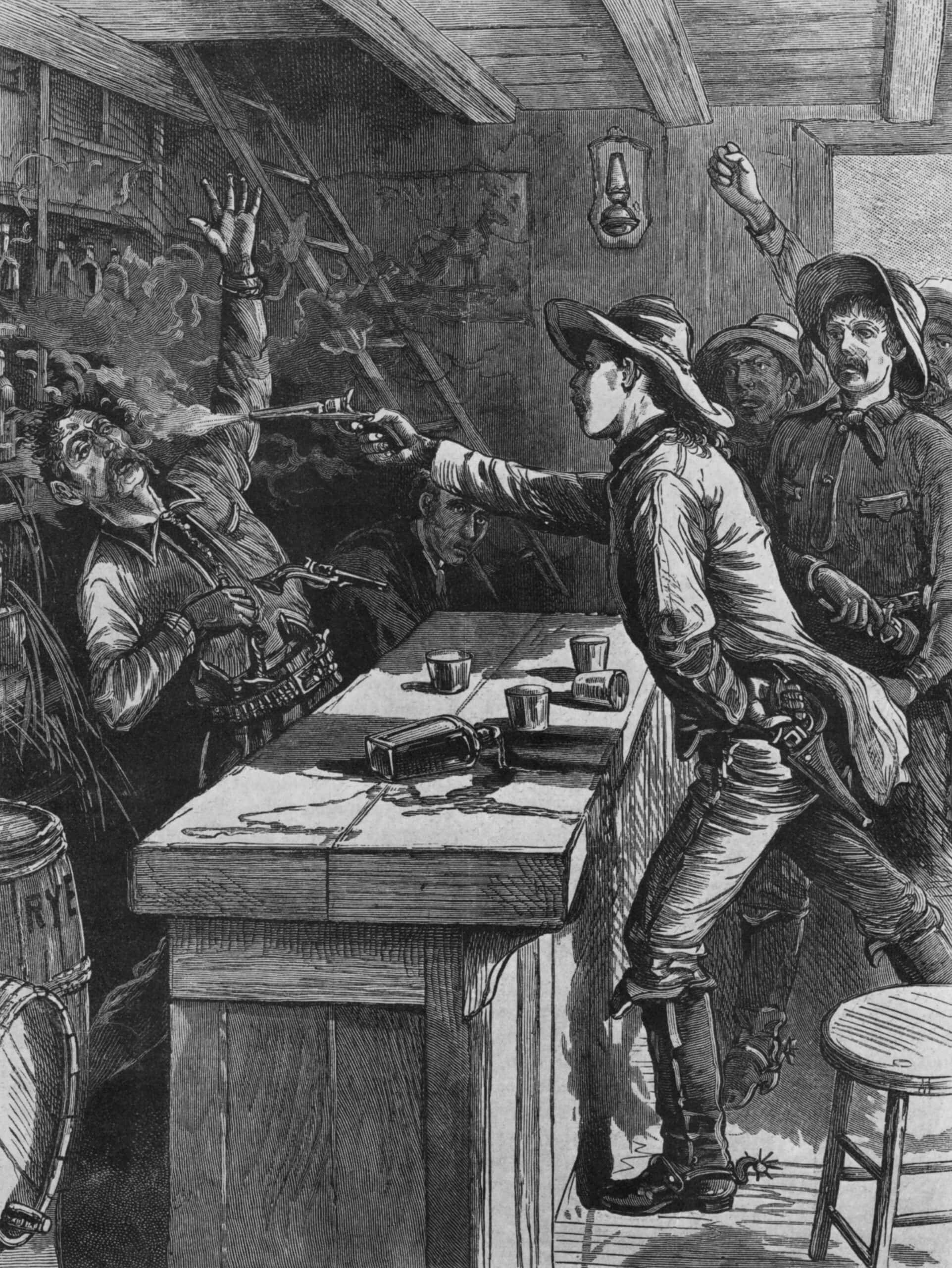
The tidy legend says Billy the Kid killed one man for every year of his short life. The evidence does not. Historians generally hold him personally responsible for four killings and place him alongside other gunmen in roughly five or six more. Several deaths occurred during the Lincoln County War, where rival factions and confused testimony made individual responsibility difficult to establish. Even the claim that Billy personally boasted of 21 victims rests on later reports rather than a secure first-person record. He was a dangerous outlaw, but the body count grew because newspaper writers and biographers preferred a memorable number.
Every Saloon or Dance-Hall Woman Was a Prostitute

©Fer Gregory/Shutterstock.com
Frontier labels were slippery. Women worked as dancers, musicians, actresses, servers and “percentage girls” paid to encourage customers to buy drinks. Some also sold sex; others did not. In places such as Dodge City, the dance-hall and prostitution economies clearly overlapped, so it is just as misleading to insist that the occupations were completely separate as it is to treat every female employee as a sex worker. Pay, working conditions and personal freedom varied sharply by town and establishment. The safest correction is the least cinematic one: these women did several kinds of labor, and surviving records do not support a single description for all of them.
The Wild West Era Lasted for Generations
©Giovani Dressler/Shutterstock.com
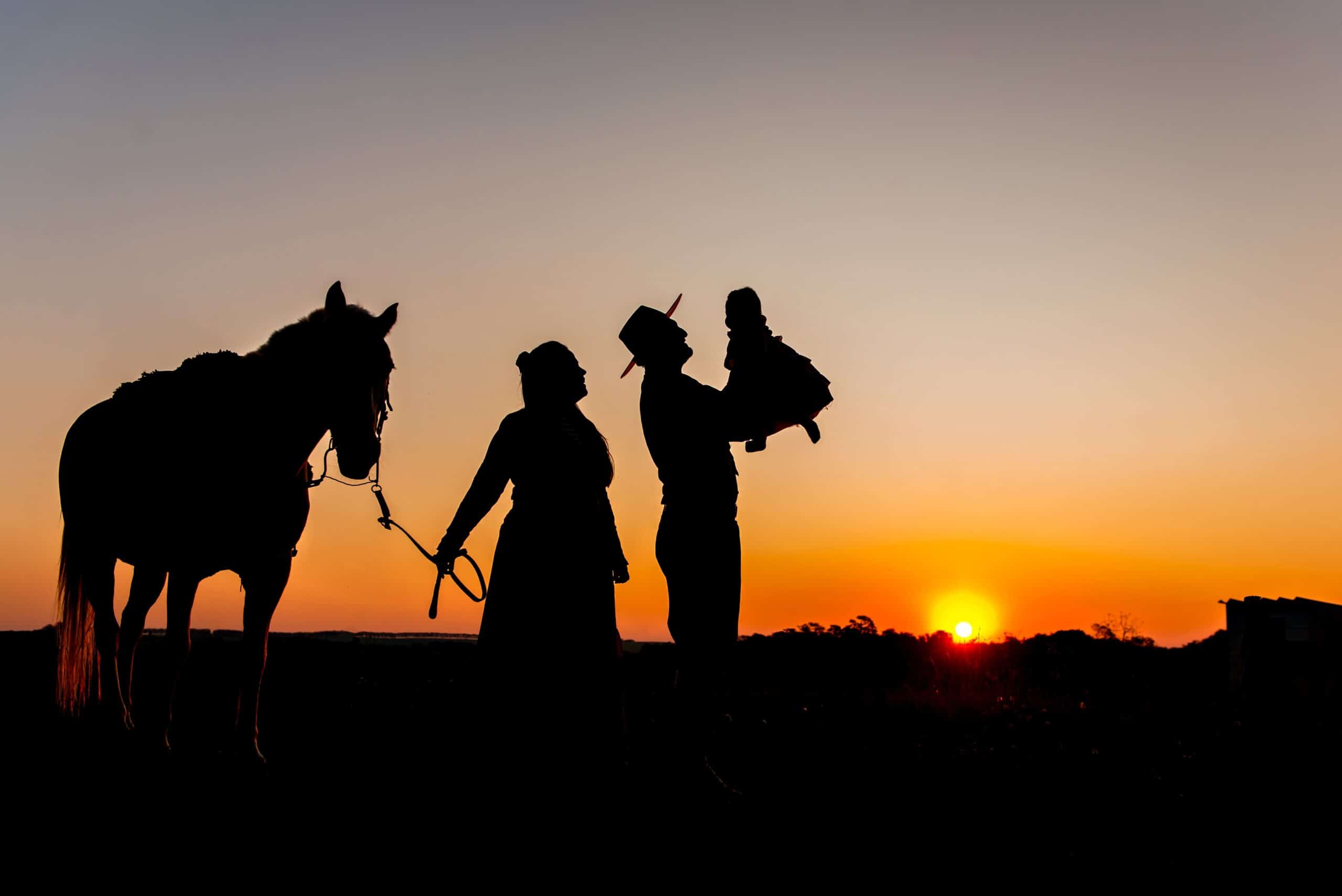
Using 1865 to 1890 as the “Wild West” gives writers a convenient 25-year frame, not a hard historical border. The 1890 census did not formally close the West. It reported that settlement had become so scattered that a distinct frontier line could no longer be drawn. Expansion, dispossession, ranching and armed conflict did not suddenly stop. What did happen was a transition from lived experience to mass entertainment. “The Great Train Robbery,” one of the earliest influential Western films, appeared in 1903. John Ford’s “Stagecoach” followed in 1939, and television Westerns peaked much later. The popular West has now lasted several times longer than the era it claims to depict.
Cowboys Were Lone Gunslingers
©PeopleImages/Shutterstock.com
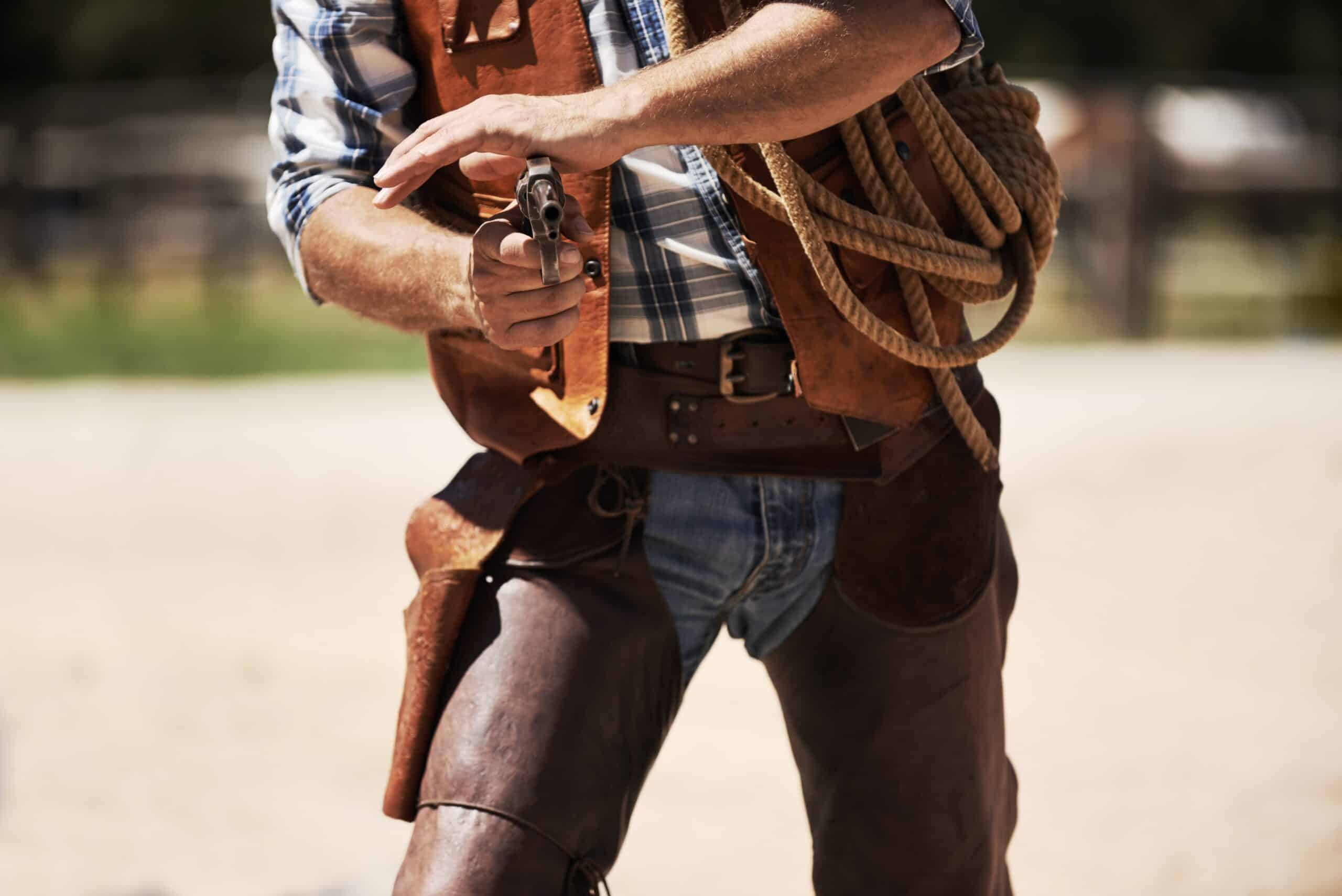
The cowboy was usually an agricultural wage worker, not an outlaw with a personal code. Ranch hands worked in organized crews with defined responsibilities: herding, roping, branding, night watch, horse care and, increasingly, fence repair. Long drives imposed their own hierarchy, with a trail boss, cook and riders assigned to positions around the herd. The hours were long, the wages modest and the work seasonal. Many cattle outfits discouraged or punished fighting, gambling and drunkenness because an injured hand or scattered herd cost money. Cowboys could be armed and some became famous gunmen, but gunfighting was not the job description.
Quick-Draw Duels Were a Regular Occurrence
©ISSARET YATSOMBOON/Shutterstock.com
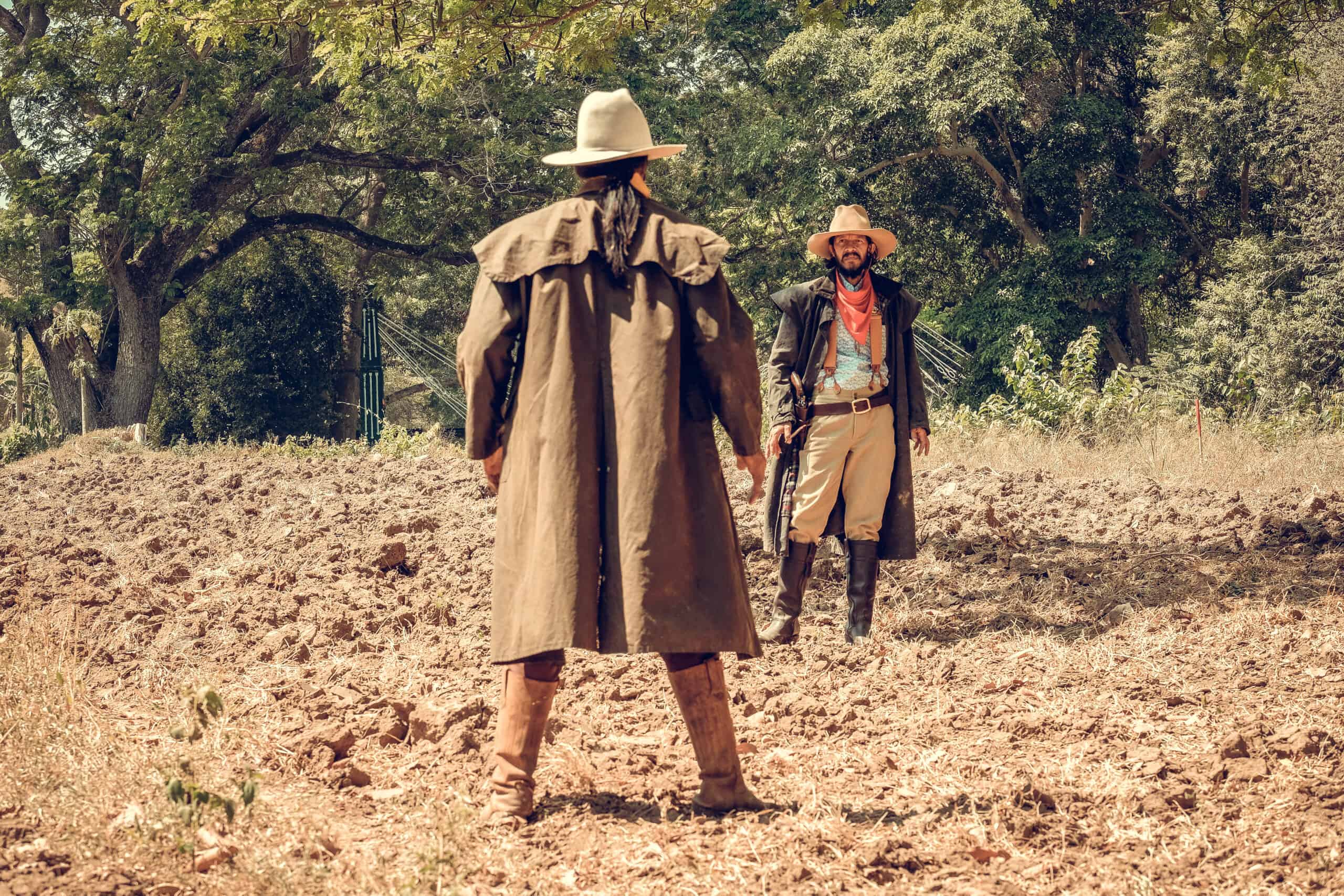
Two opponents waiting in the street for the clock to strike high noon is one of the Western’s cleanest inventions. The 1865 confrontation between Wild Bill Hickok and Davis Tutt in Springfield, Missouri, is often cited as the first documented quick-draw gunfight in the American West. It became famous precisely because such face-to-face encounters were unusual. Most shootings grew from arrests, ambushes, feuds, robberies or arguments that escalated without a formal ritual. Hickok and Tutt supplied a useful prototype; fiction added the synchronized draw, empty street and moral certainty.
Native Americans Were a Unified Hostile Force
©Rawpixel.com/Shutterstock.com
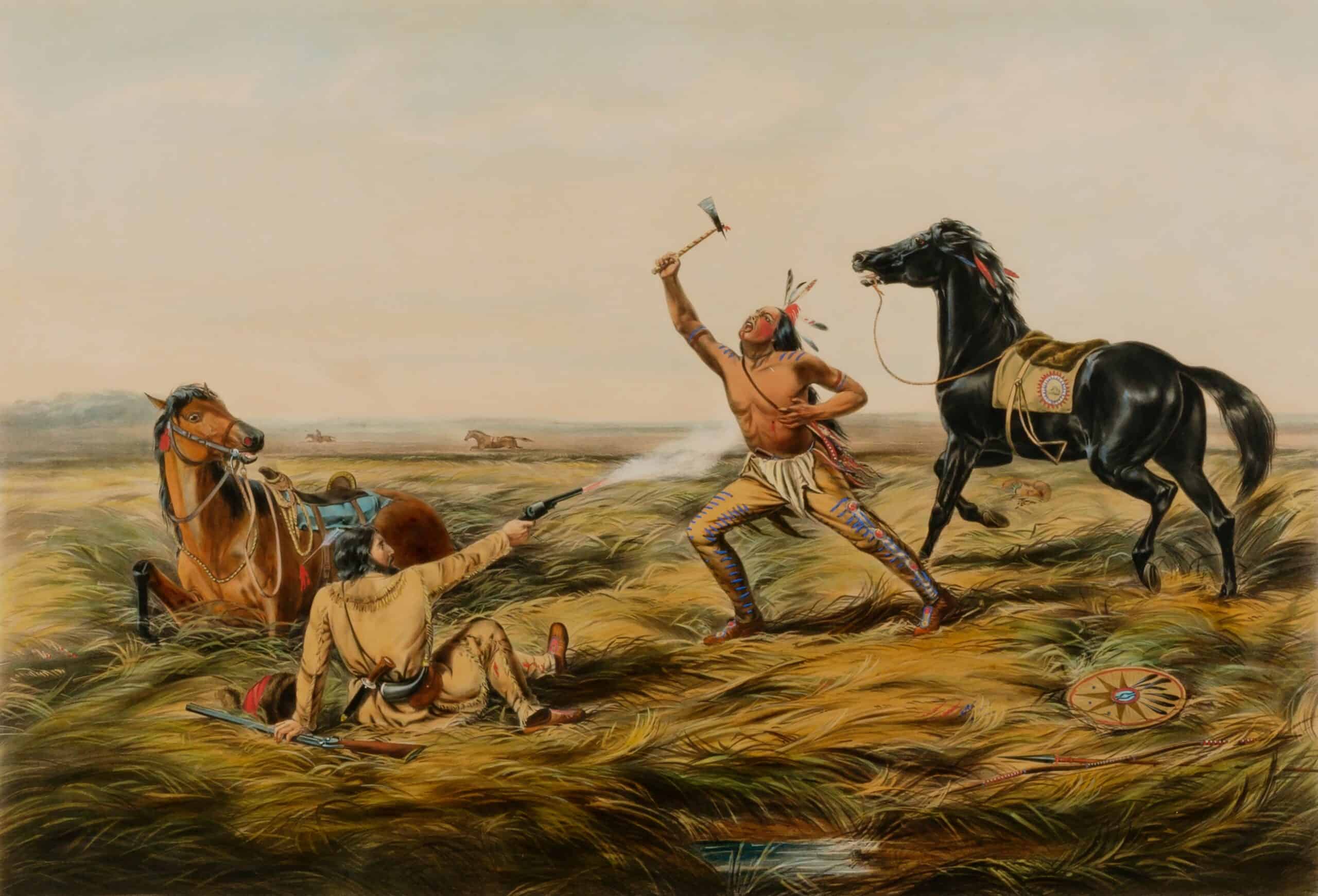
Westerns compressed hundreds of sovereign Native nations, languages and political traditions into one anonymous enemy. Actual relationships included trade, diplomacy, intermarriage, military alliances, ranch work, scouting and warfare—among Native nations as well as with newcomers. Conflict cannot be separated from U.S. expansion, broken treaties, forced removal, reservation confinement and campaigns that destroyed Native food sources and seized land. Native people resisted, negotiated and adapted in different ways according to their own interests. Hollywood did more than simplify that history: it often made settler conquest the default point of view and cast Indigenous resistance as unprovoked aggression.
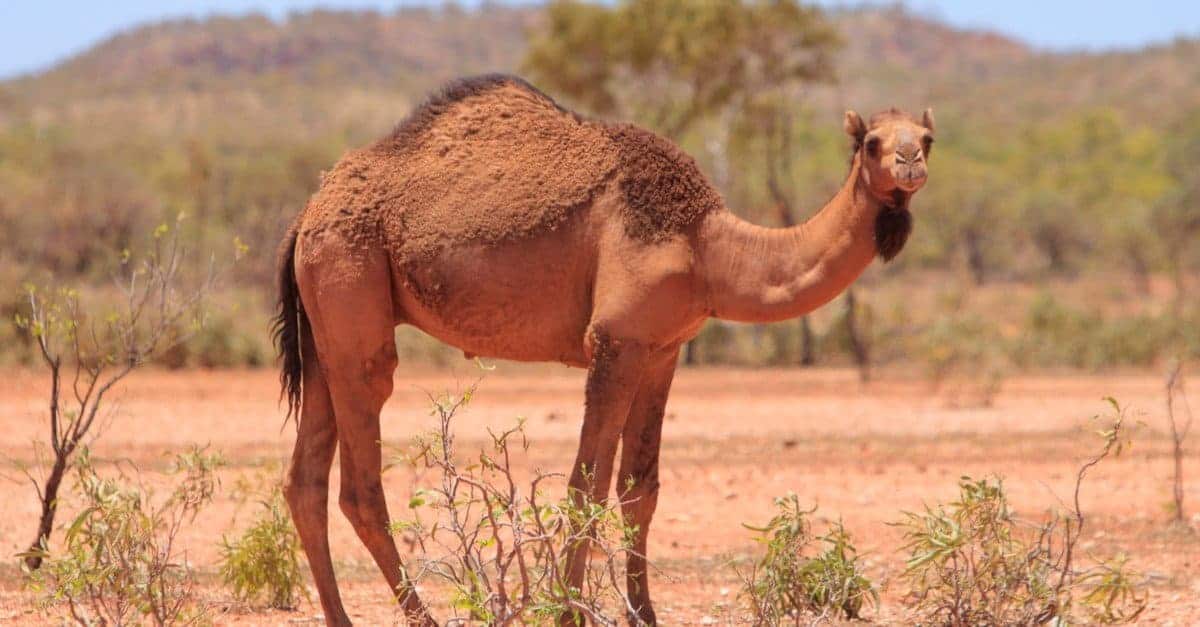
The U.S. Army Never Had a Camel Corps
©Chris Ison/Shutterstock.com
“Camel Corps” is the popular name for a real U.S. Army experiment. Congress funded it in 1855, and the first buying mission acquired 33 camels in the eastern Mediterranean. A calf born during the voyage meant 34 animals landed in Texas in 1856. A second shipment added 41, bringing the total to 75—not 66. Tests showed that camels could carry heavy loads and travel difficult, dry terrain, but the Army never built them into a lasting combat force. The Civil War scattered attention and personnel, and surviving animals were eventually auctioned. Later reports of stray camels mix documented survivors with frontier folklore.
Wyatt Earp Was a Straight-Arrow Frontier Lawman
©Sue Smith/Shutterstock.com
Wyatt Earp genuinely served as a law officer in Wichita, Dodge City and Tombstone, but law enforcement was only one part of a long, restless career. He also worked in and around saloons, gambling rooms, mining ventures and prizefighting. His reputation during his lifetime was mixed rather than uniformly heroic. Stuart Lake’s bestselling 1931 biography, “Wyatt Earp: Frontier Marshal,” transformed him into the definitive Western lawman, but Lake later acknowledged inventing quotations and historians regard much of the book as fictionalized. The historical Earp was neither the spotless hero of the book nor a simple fraud. He was a sometimes-lawman whose complicated life made excellent raw material for a national legend.

