
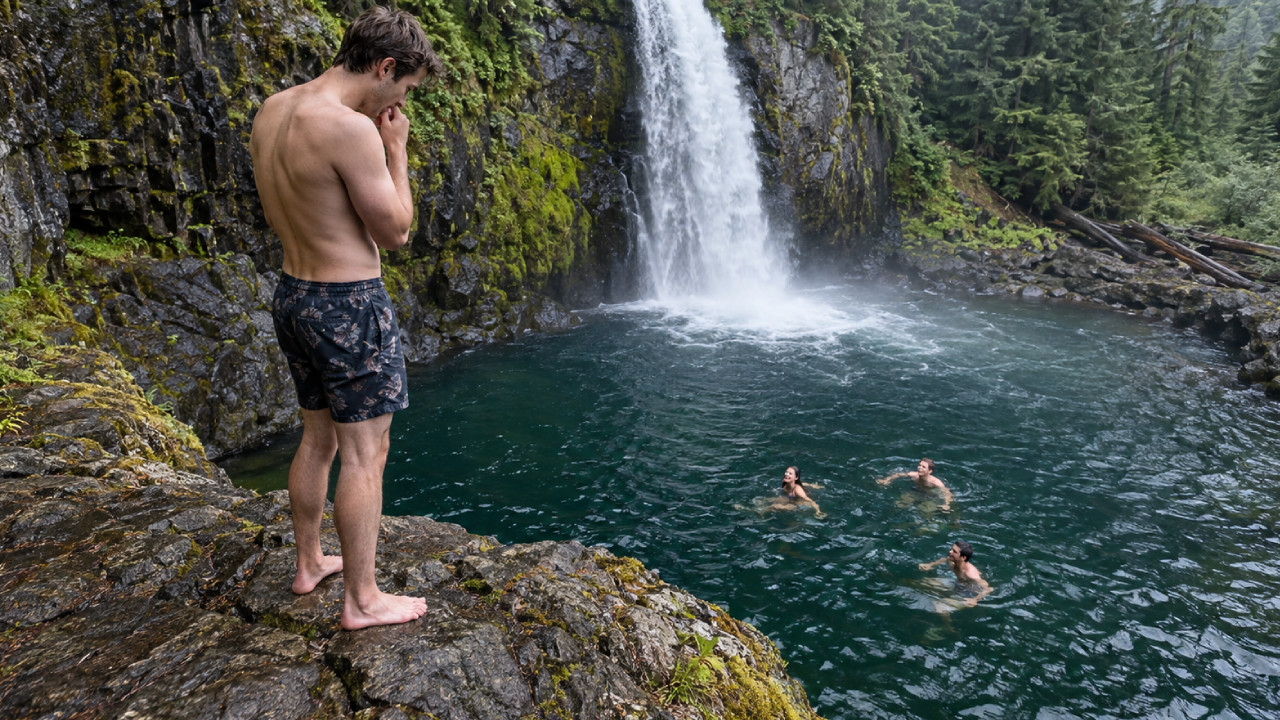
While the PNW’s clear lakes, river pools, and saltwater beaches look like one big invitation to jump in, the catch is that cold water, strong currents, sudden drop-offs and submerged wood often stay hidden from shore. This is not a list of places to avoid forever. It is a guide to what park, weather and rescue agencies say can go wrong, plus the checks worth making before anyone gets wet.
Eagle Falls, Washington: The Current Is the Story
©American's Waterfalls Guide
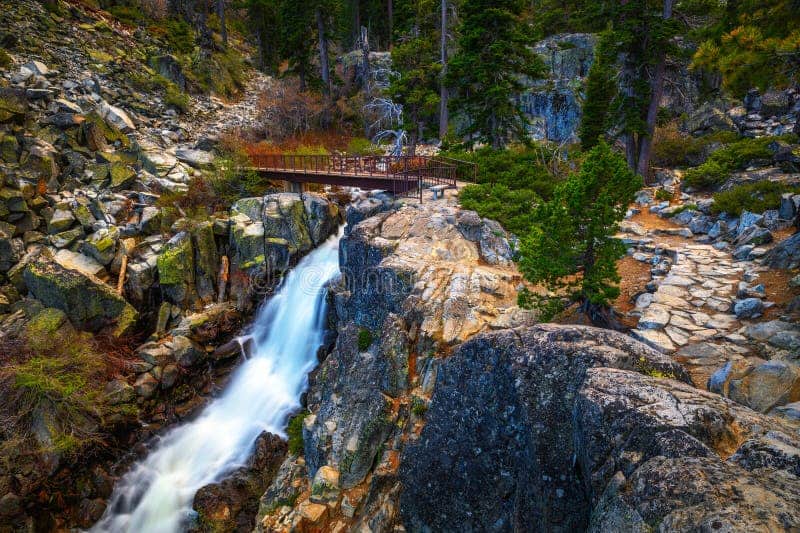
Eagle Falls on the Skykomish River is compact, photogenic and very much moving water. In June 2020, the Snohomish County Sheriff’s Office reported that a swimmer died after being pulled under while trying to cross the water. Another man had been pulled under the day before and was revived. The agency warned that local creek and river currents can be swift, the water can remain very cold, and shoreline rocks and logs are slippery. Wear a life jacket and skip the dive.
Diablo Lake, Washington: Glacial Water Changes the Equation
©Anna Abramskaya/Shutterstock.com
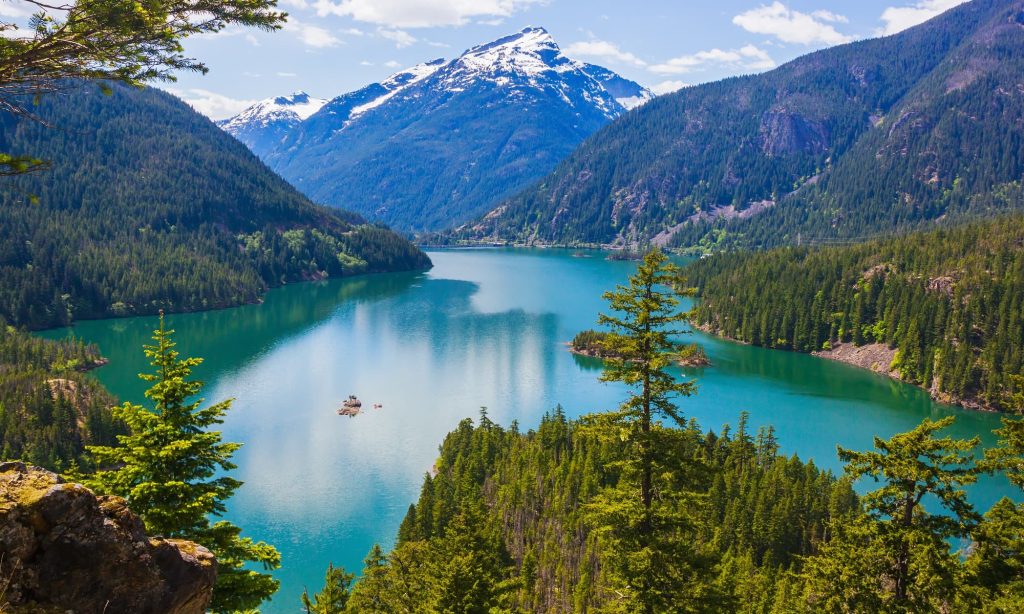
Diablo Lake’s glacier-green water is the postcard. The temperature is the part the postcard leaves out. The National Park Service says water across the North Cascades complex seldom rises above 50°F, and Diablo is especially cold because glacial meltwater feeds it. Reservoir levels can move 1 to 5 feet in a day, and strong winds are common. NPS advice is simple: wear a properly fitted life jacket, check the forecast and current conditions, and have a self-rescue plan.
Deception Pass, Washington: Swim Area and Saltwater Are Not the Same Thing
©Denise Lett/Shutterstock.com
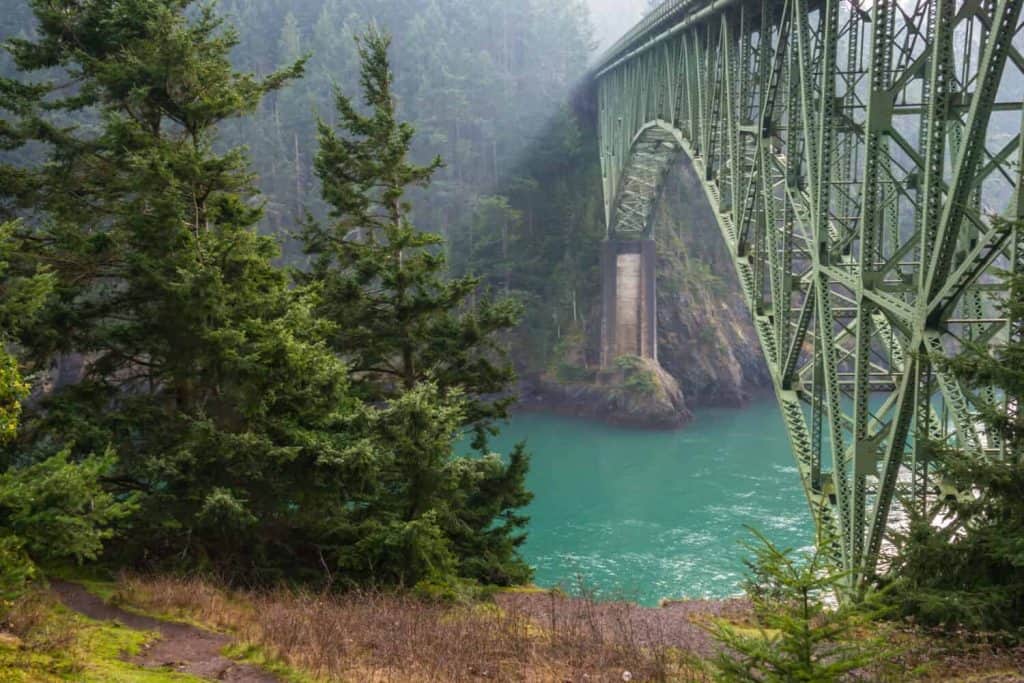
Deception Pass includes a designated swimming area at Cranberry Lake, but the saltwater beneath and around the bridges is a different animal. Washington State Parks calls the pass and nearby bays extremely dangerous because of strong currents, wind and waves entering from the Strait. The park allows swimming only in designated areas. In practical terms, a beach near the water is not automatically a swim beach. Follow the map, the signs and any current closures.
Moulton Falls, Washington: Calm-Looking Water Can Still Move Fast
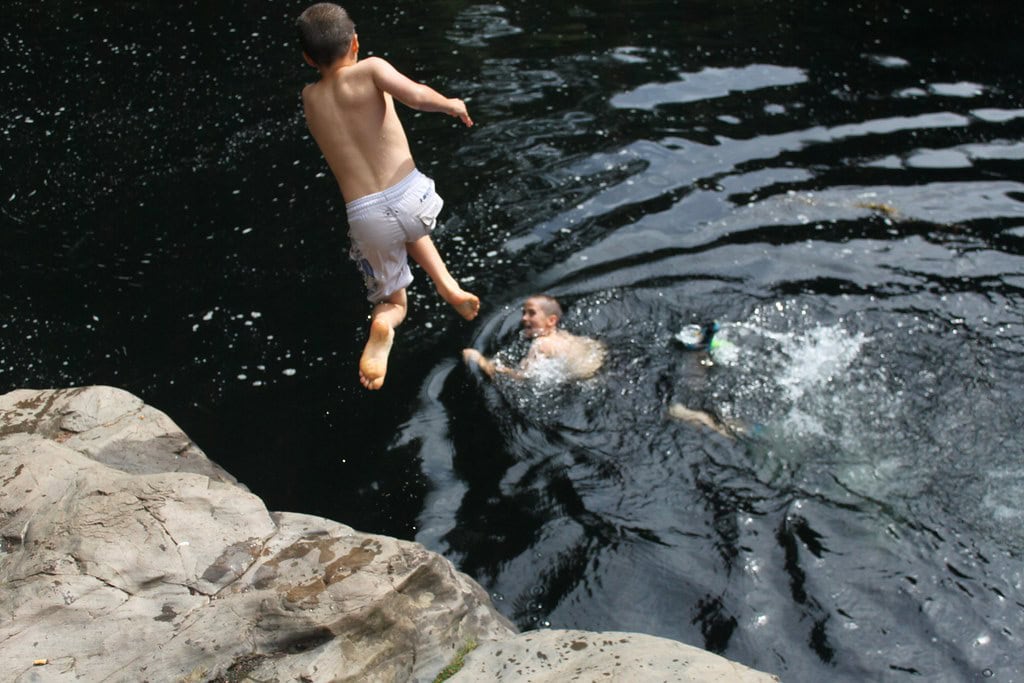
©"Portland: Playing at Moulton Falls" by eliduke is licensed under BY-SA 2.0. - Original / License
Swimming is allowed at Moulton Falls Regional Park, but Clark County is blunt: there are no lifeguards and visitors swim at their own risk. The East Fork Lewis River can have swift currents and changing depth, with sudden drop-offs, underwater hazards, rocks and floating debris. The county also prohibits diving or jumping from the arch bridge and notes that people have been seriously injured doing it. Wear a life jacket and keep the bridge in the photo, not in the launch plan.
Dabney State Recreation Area, Oregon: The Hazard Is Under the Surface
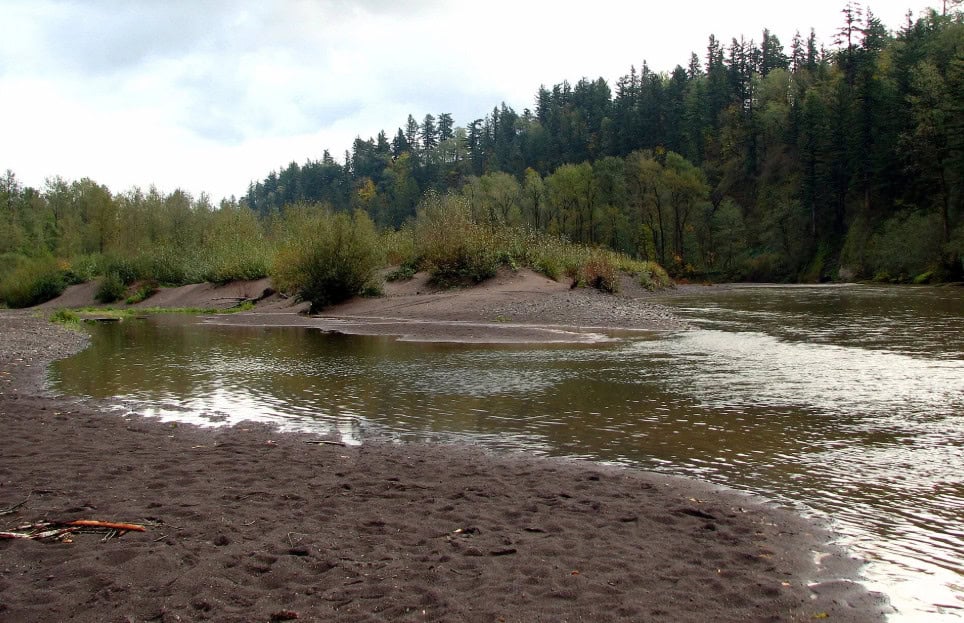
©US Park Service
Dabney’s beach on the Sandy River is a popular summer stop near Portland, and Oregon State Parks puts the warning near the top of its visitor page. Swift currents and hidden obstructions can sit beneath an ordinary-looking surface. The agency says not to swim, float, paddle or boat without a properly fitted life jacket. If you forgot one, the park has two loaner stations. That is useful backup, not a reason to arrive unprepared.
High Rocks Park, Oregon: Lifeguards Are Not Always on Duty
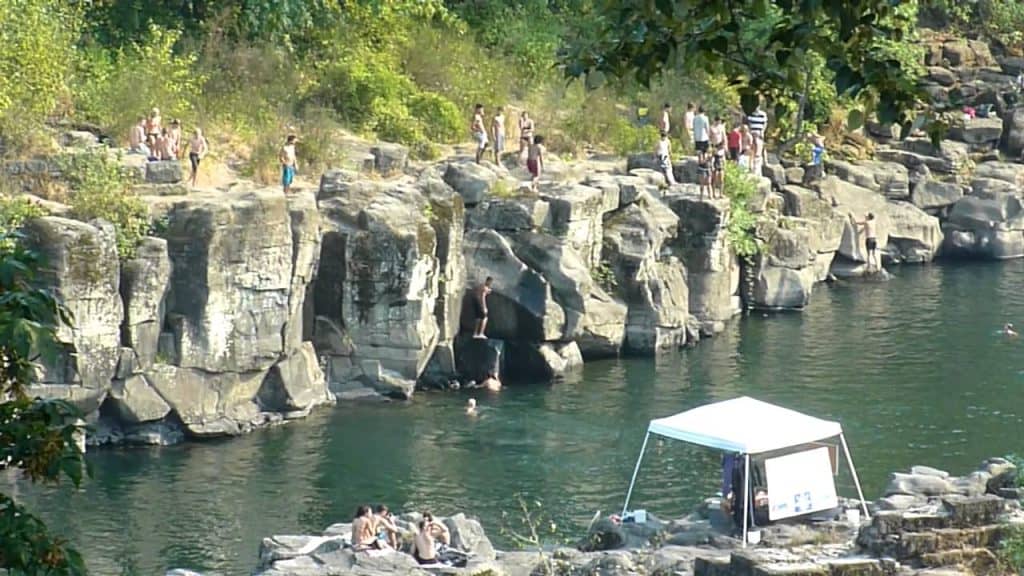
©Youtube
High Rocks is not a standard city swim beach. Gladstone says the lower area floods every year, river conditions can be very hazardous and swimming is not recommended. Clackamas County’s 2026 safety notice said the water was still in the 40s in late June, with strong, fast currents. It also listed lifeguard coverage only on holiday weekends and selected high-heat days. Check the current schedule, and never assume somebody is watching just because it is summer.
Tamolitch Blue Pool, Oregon: The Cold Is Immediate
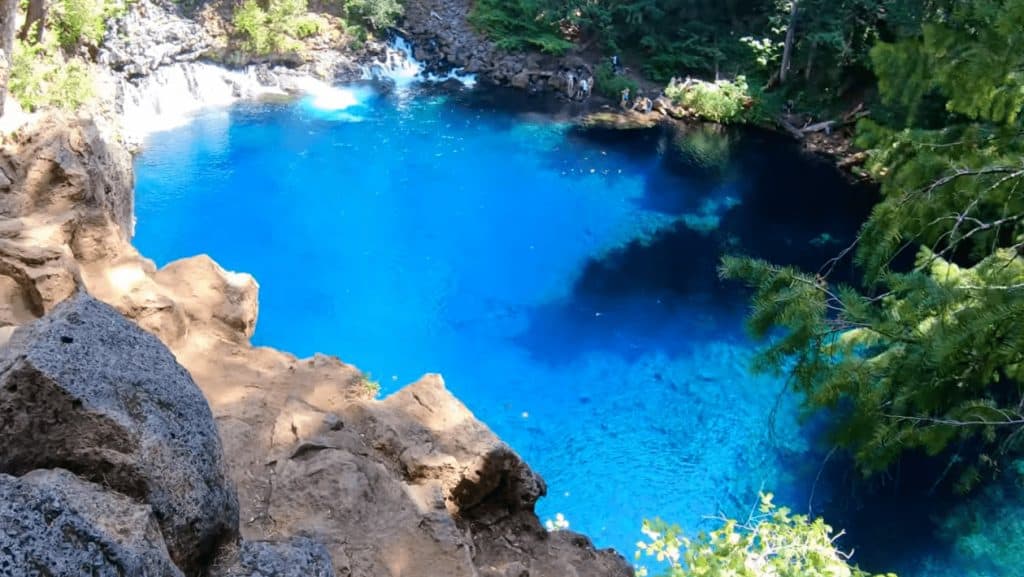
©US Park Service
Tamolitch Blue Pool looks almost artificial. Its cold is very real. In June 2026, the Linn County Sheriff’s Office reported that a visitor died after jumping into the pool and struggling while trying to swim toward shore. The office says the water averages 37°F, cliffs around the pool rise 10 to 60 feet, cell service is minimal to nonexistent and a trip to a hospital can take hours after an injury. This is a place to admire, not a place to test your tolerance.
Youngs River Falls, Oregon: A Waterfall Pool Is Not a Diving Well
©TwoWanderingSouls.com
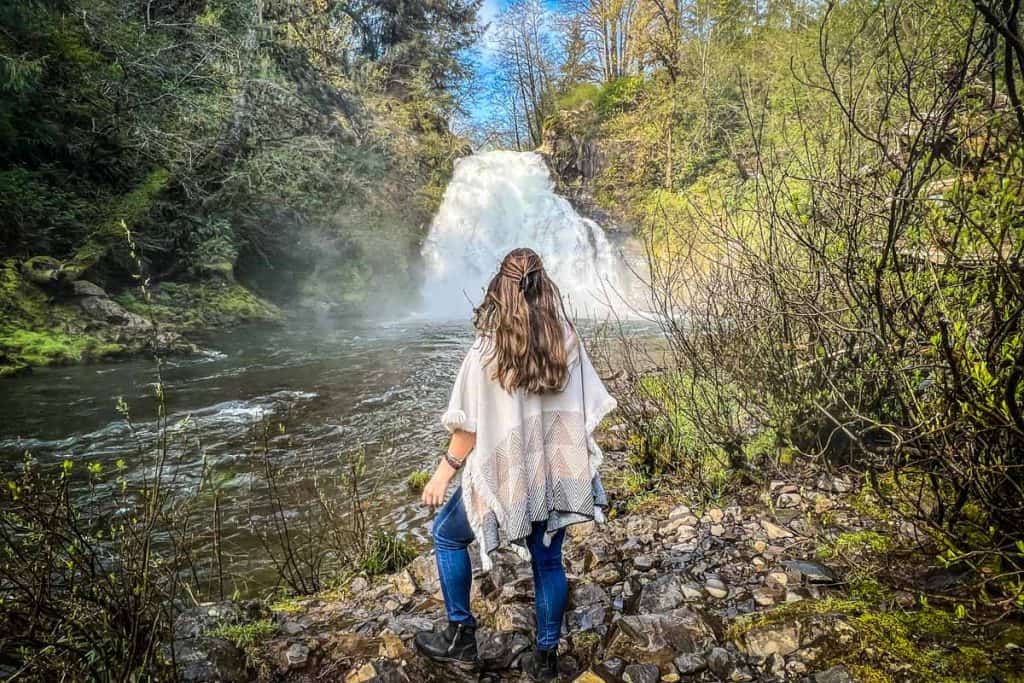
Youngs River Falls drops 54 feet into a pool that the National Park Service says is only 5 to 7 feet deep at its deepest point. That gap between what the scene suggests and what the water actually offers is the whole warning. The site is used for summer swimming, but climbing and cliff jumping are prohibited. Follow that rule. A waterfall plunge pool is not a diving well, no matter how convincing it looks from the trail.
Cold Shock Can Start Before You Can Adjust
©qingqing/Shutterstock.com
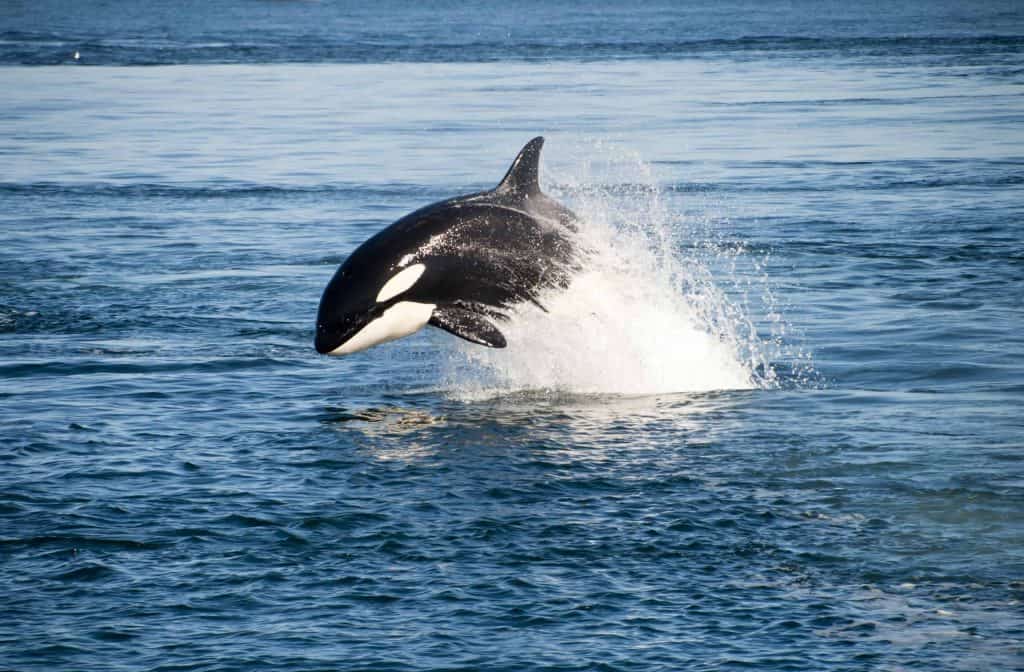
Cold water danger does not begin with a slow case of hypothermia. The National Weather Service says sudden immersion can cause an involuntary gasp, rapid breathing, panic and loss of muscle control. It also says cold shock at 50 to 60°F can be just as severe as at 35°F. Wear a life jacket, dress for the water rather than the air, and check the water temperature before you go. A hot forecast does not warm a glacier-fed river on command.
Five Questions to Ask Before Anybody Gets In
©Lake Crystal
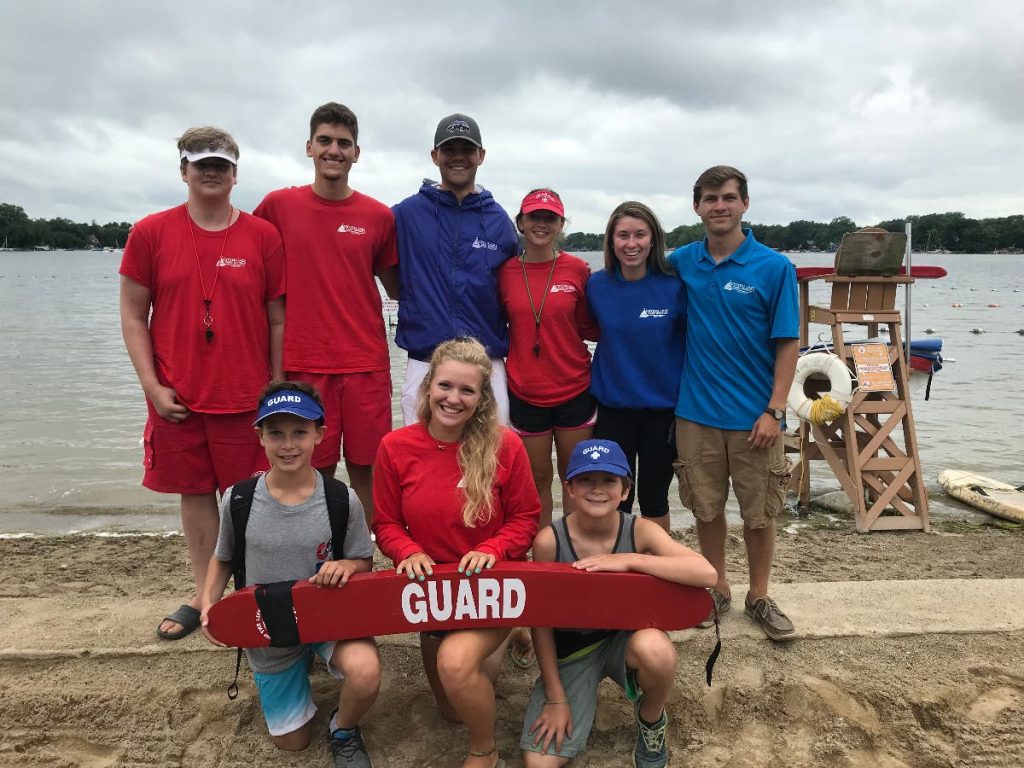
Ask five questions before anyone gets in. Is swimming allowed? Is a lifeguard actually on duty? What are the water temperature and current? Can everyone enter and exit without climbing? Are there alerts for flow, water quality, weather or closures? If any answer is unclear, pause. If someone is in trouble, call 911 and throw something that floats if you can do so safely. The National Park Service warns untrained rescuers not to jump in because they can become victims too.
Keep the View. Skip the Bad Bet.
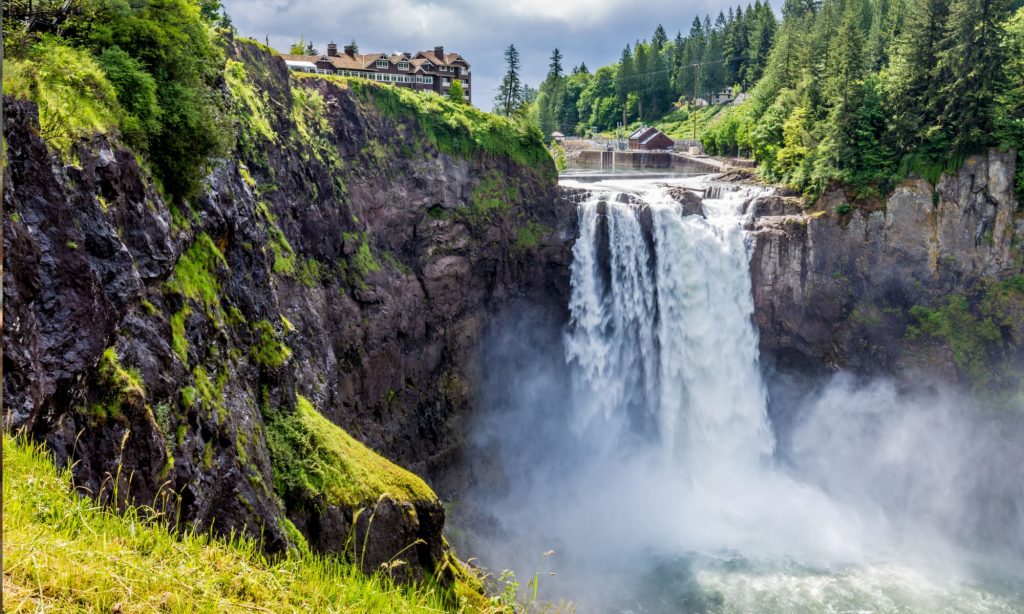
Several places on this list allow swimming in specific areas, but permission is not a promise that conditions are safe today. Wear a properly fitted life jacket around moving or very cold water, obey every no-swim and no-jump sign, and check the managing agency’s alerts before leaving home. If the water looks higher, faster or rougher than expected, believe what you see and change the plan. The view will still be there.

