
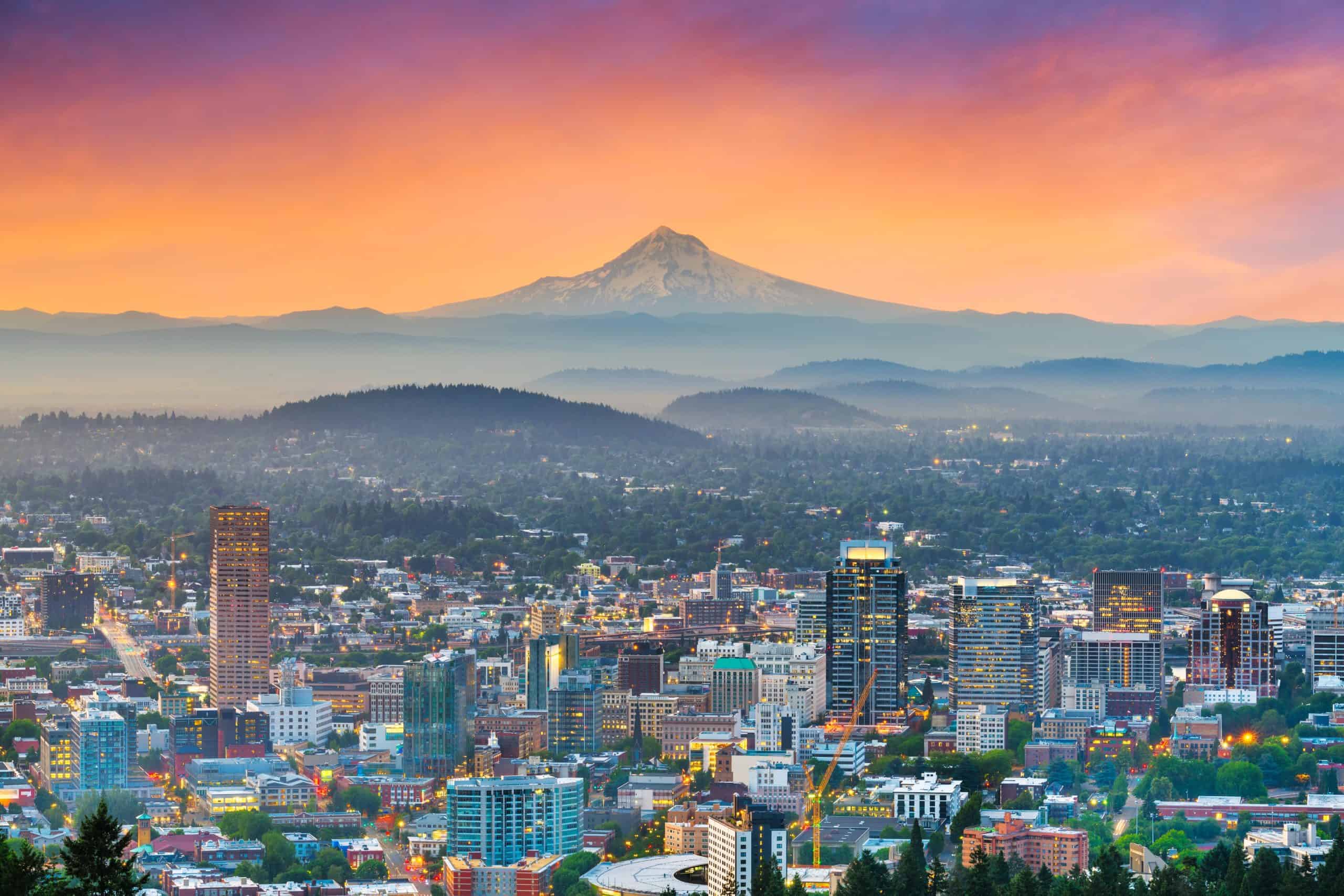
Living out West comes with some pretty obvious perks: mountains, coastline, national parks, great cities, and in many places, easy access to the outdoors. The tradeoff is that none of it comes particularly cheap.
Washington residents already know how quickly housing, groceries, transportation, and everyday expenses can add up, especially around Seattle and the Puget Sound. But the Evergreen State is hardly alone. Several of its western neighbors rank among the most expensive places in the country for a single adult trying to do more than simply cover the bills.
SmartAsset estimated how much a single adult with no children would need to earn to live comfortably in every state in 2026. The study starts with basic-needs costs from the MIT Living Wage Calculator and applies the popular 50/30/20 budgeting framework: 50% for necessities, 30% for discretionary spending, and 20% for savings or debt repayment.
The numbers make for an interesting Western comparison. Hawaii and California sit near the very top of the national list, while Washington and Oregon are separated by barely $500 a year. Even Idaho, often thought of as a more affordable Pacific Northwest alternative, comes surprisingly close to a six-figure income under this definition of comfortable living.
Why “Living Comfortably” Matters

There is a big difference between being able to pay the bills and actually feeling financially comfortable. When nearly every dollar is already spoken for, an unexpected car repair, medical bill, rent increase, or flight home can quickly become stressful. Having some room in the budget also makes it easier to save, travel, enjoy a night out, or simply handle the surprises that come with everyday life. The numbers in this slideshow are not meant to define what everyone needs, but they offer a useful way to compare how far the same income can stretch in different parts of the West.
Hawaii: $129,002
©okimo/iStock.com
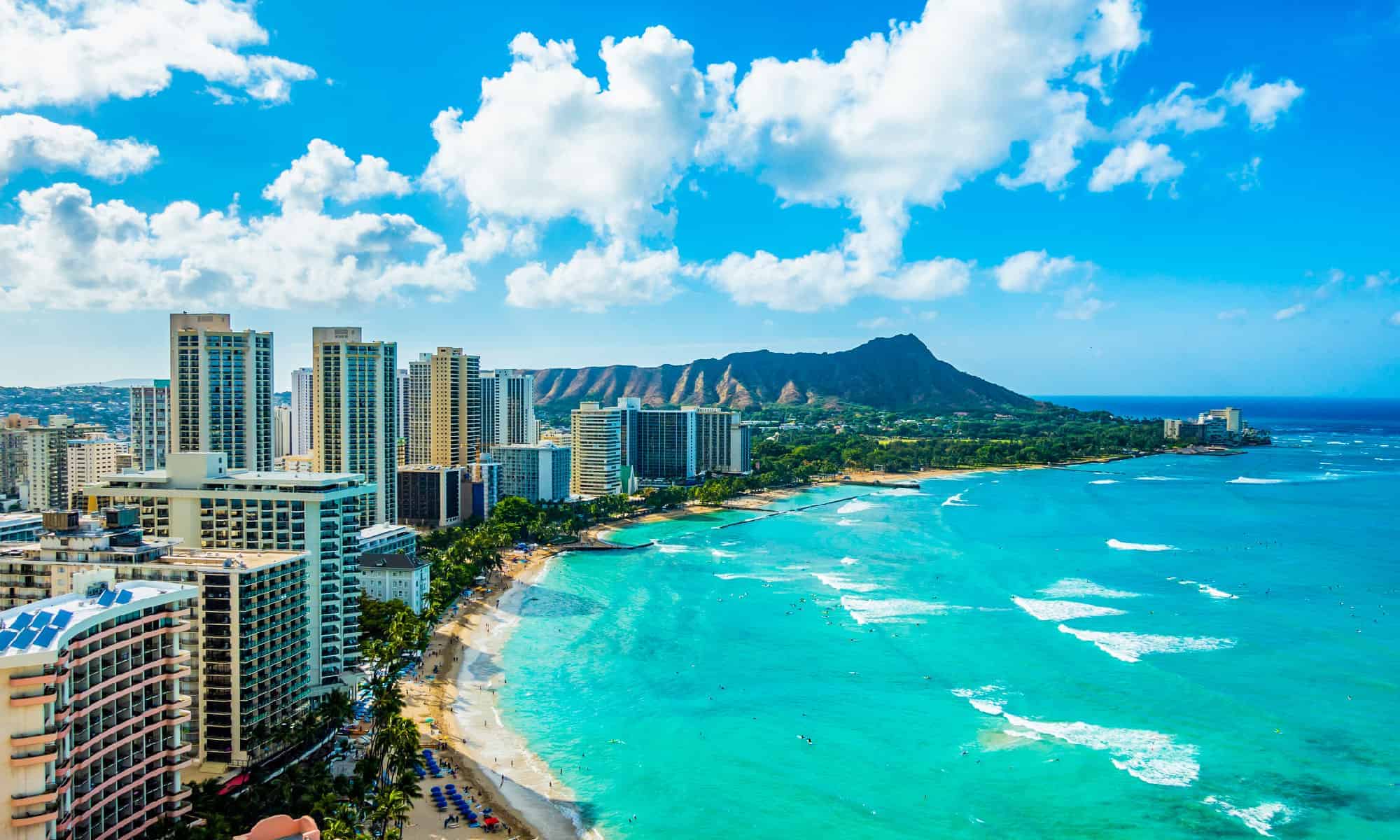
Paradise comes with a price tag. SmartAsset estimates that a single adult with no children would need about $129,002 in pre-tax income to live comfortably in Hawaii in 2026, the highest figure of any state in the country. Anyone who has priced a trip to the islands will recognize part of the reason: housing is expensive, and many everyday goods cost more after being shipped across the Pacific. This figure goes beyond simply paying the bills, though. The 50/30/20 model also leaves room for dining out, travel, hobbies, savings, and other expenses that make life feel a little less paycheck-to-paycheck.
Hawaii

©"View of Honolulu from Diamond Head Crater, Oahu, Hawaii" by Ken Lund is licensed under BY-SA 2.0. - Original / License
Hawaii became the 50th U.S. state in 1959, but its history stretches back centuries before statehood. Polynesian voyagers settled the Hawaiian Islands long before Europeans arrived, and the islands were unified under King Kamehameha I in the early 19th century. Hawaii later became an independent kingdom before being annexed by the United States in 1898. Today, the state is known for its volcanic landscapes, distinctive Native Hawaiian culture, surfing, tropical beaches, and some of the most dramatic scenery anywhere in the Pacific.
California: $126,797
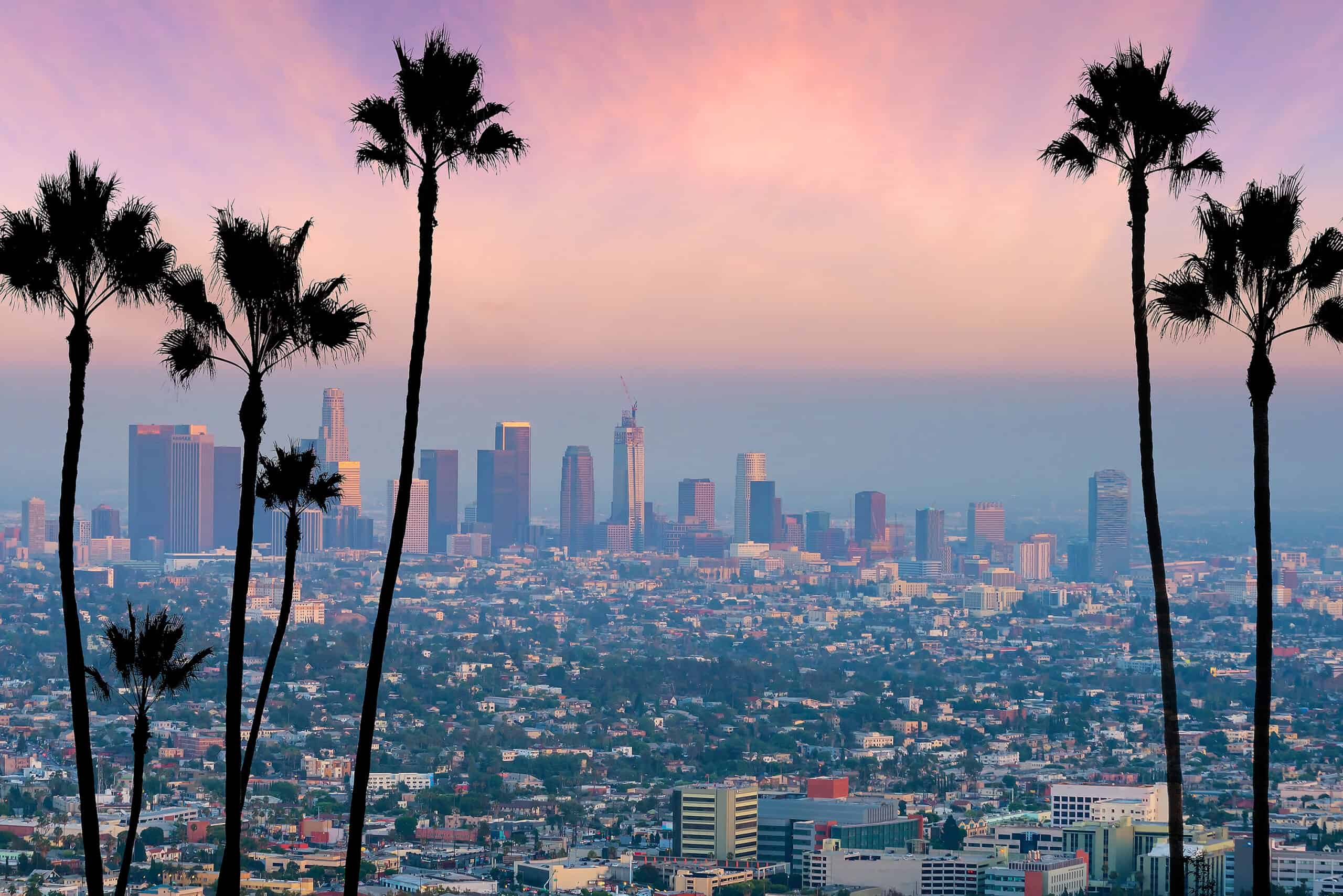
California’s beaches, mountains, national parks, and famous cities make it one of the West’s most appealing places to live, but affordability remains a major hurdle. SmartAsset estimates that a single adult would need about $126,797 before taxes to fit its definition of comfortable living in 2026. That puts California third-highest nationally. Of course, California is enormous, and a salary that feels tight in San Francisco or Los Angeles could stretch considerably further somewhere inland. The statewide figure is best viewed as a broad benchmark rather than a guarantee of how far the same paycheck will go in every California community.
California

©Robert Harding Video / Shutterstock.com - Original / License
California became the 31st state in 1850, just two years after the discovery of gold at Sutter’s Mill helped trigger the California Gold Rush. That influx of newcomers transformed San Francisco and other settlements almost overnight. Over time, California became a center of agriculture, movies, aerospace, technology, and international trade. It is also home to an extraordinary range of landscapes, from the redwoods and Sierra Nevada to Death Valley and hundreds of miles of Pacific coastline. Few states have played a larger role in shaping the popular image of the American West.
Washington: $110,614

©"Mount Rainier, Washington State" by Harold Litwiler, Poppy is licensed under BY-ND 2.0. - Original / License
Washington lands surprisingly high on the national list. SmartAsset estimates that one adult with no children needs about $110,614 in annual pre-tax income to live comfortably here in 2026, the sixth-highest figure in the country. Seattle-area housing costs certainly play a role in how expensive life can feel, but Washington also varies enormously once you leave Puget Sound. Spokane, Yakima, the Tri-Cities, and smaller communities can look very different from Seattle or Bellevue. Still, the statewide estimate reinforces something longtime residents already know: earning six figures in Washington no longer automatically means feeling wealthy.
Washington

©LoweStock / iStock via Getty Images
Washington became the 42nd state in 1889 and takes its name from George Washington, making it the only state named for a U.S. president. Long before statehood, the region was home to numerous Indigenous nations whose cultures remain an important part of the Pacific Northwest. Timber, fishing, shipping, and agriculture helped build the state’s early economy, while Boeing, Microsoft, Amazon, and other companies later helped turn the Seattle area into a global business and technology center. Washington is equally famous for Mount Rainier, Puget Sound, the Olympic Peninsula, the Cascades, and a landscape that can shift from rainforest to high desert in a matter of hours.
Oregon: $110,074
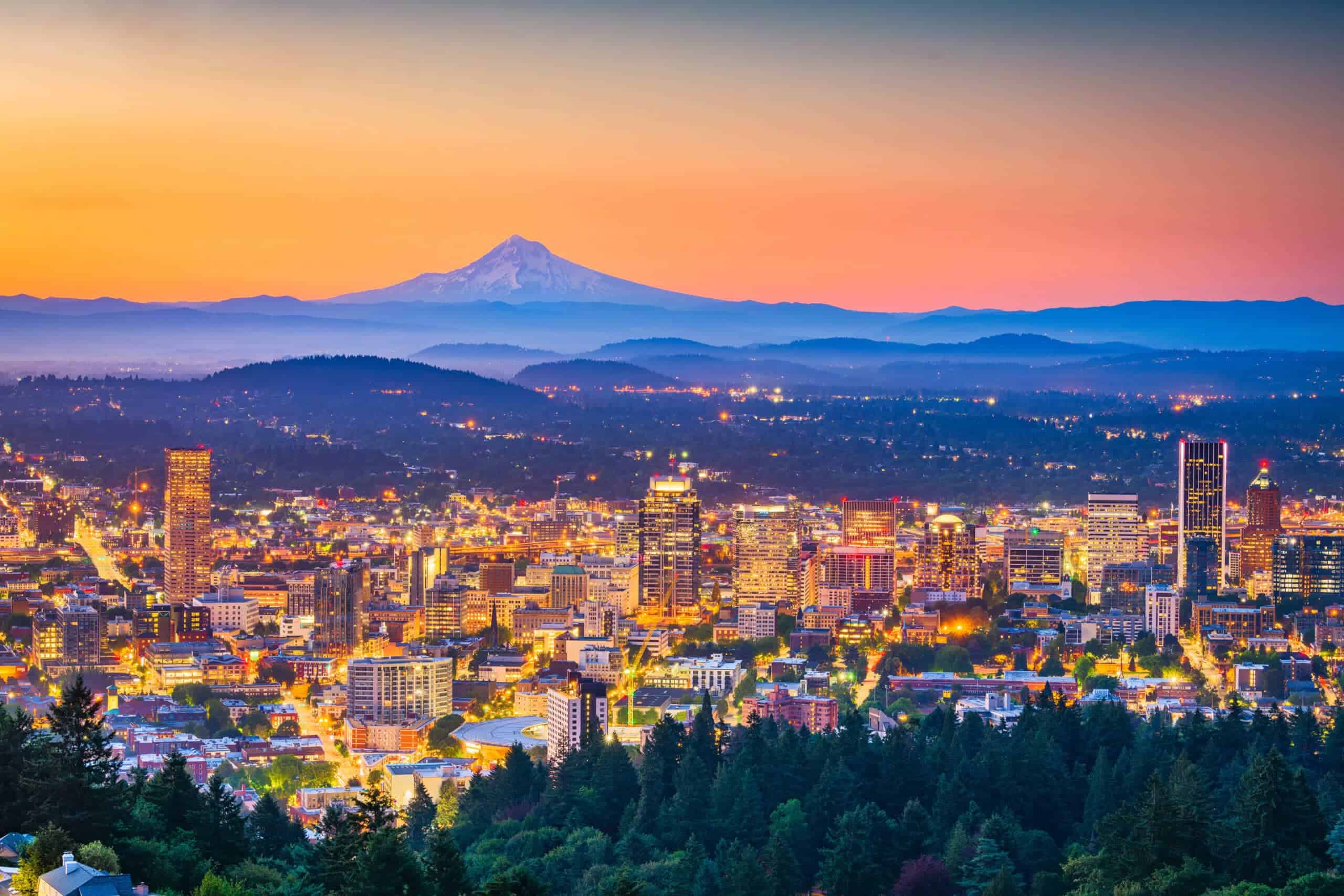
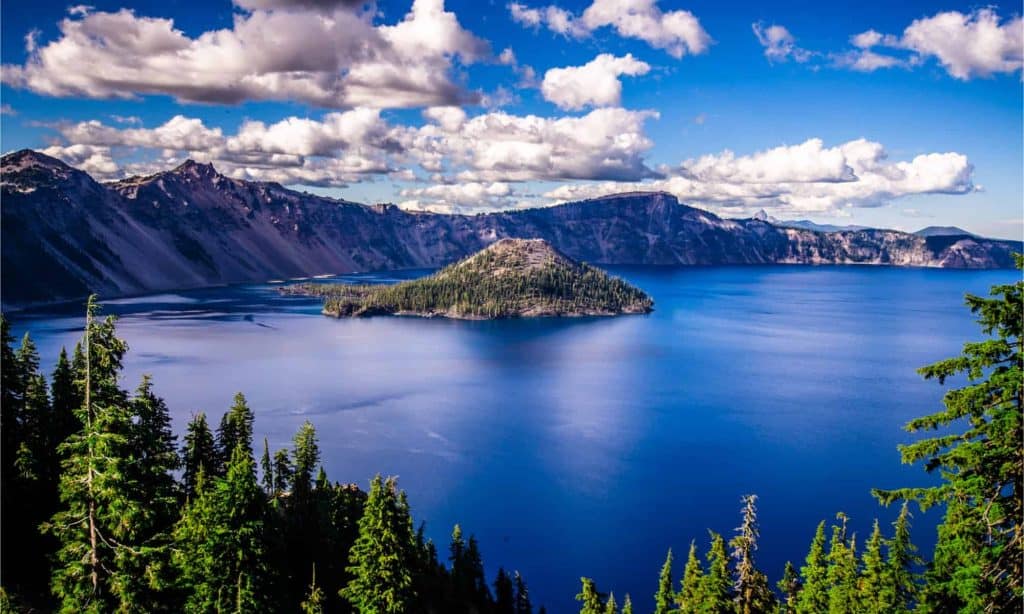
Washington and Oregon are practically tied. SmartAsset puts Oregon’s comfortable-living threshold at about $110,074 for a single adult, only $540 below Washington’s estimate. That makes Oregon seventh-highest nationally. Portland may get most of the attention when people talk about Oregon’s cost of living, but housing and everyday expenses can vary significantly between the Willamette Valley, the coast, Central Oregon, and the state’s smaller communities. For Washington residents considering a move south, the takeaway is pretty simple: crossing the Columbia River does not automatically mean leaving high living costs behind.
Oregon
©Pung/Shutterstock.com
Oregon entered the Union as the 33rd state in 1859 after decades of migration along the Oregon Trail. Thousands of settlers traveled west during the 1840s and 1850s, although Indigenous peoples had lived throughout the region for thousands of years before their arrival. Timber, agriculture, fishing, and shipping became major parts of Oregon’s economy, while Portland grew into the state’s largest city and a major Pacific Northwest port. Today, Oregon is known for its rugged coastline, Crater Lake, the Columbia River Gorge, the high desert east of the Cascades, and a particularly strong reputation for outdoor recreation.
Alaska: $103,917
©TripWalkers/Shutterstock.com
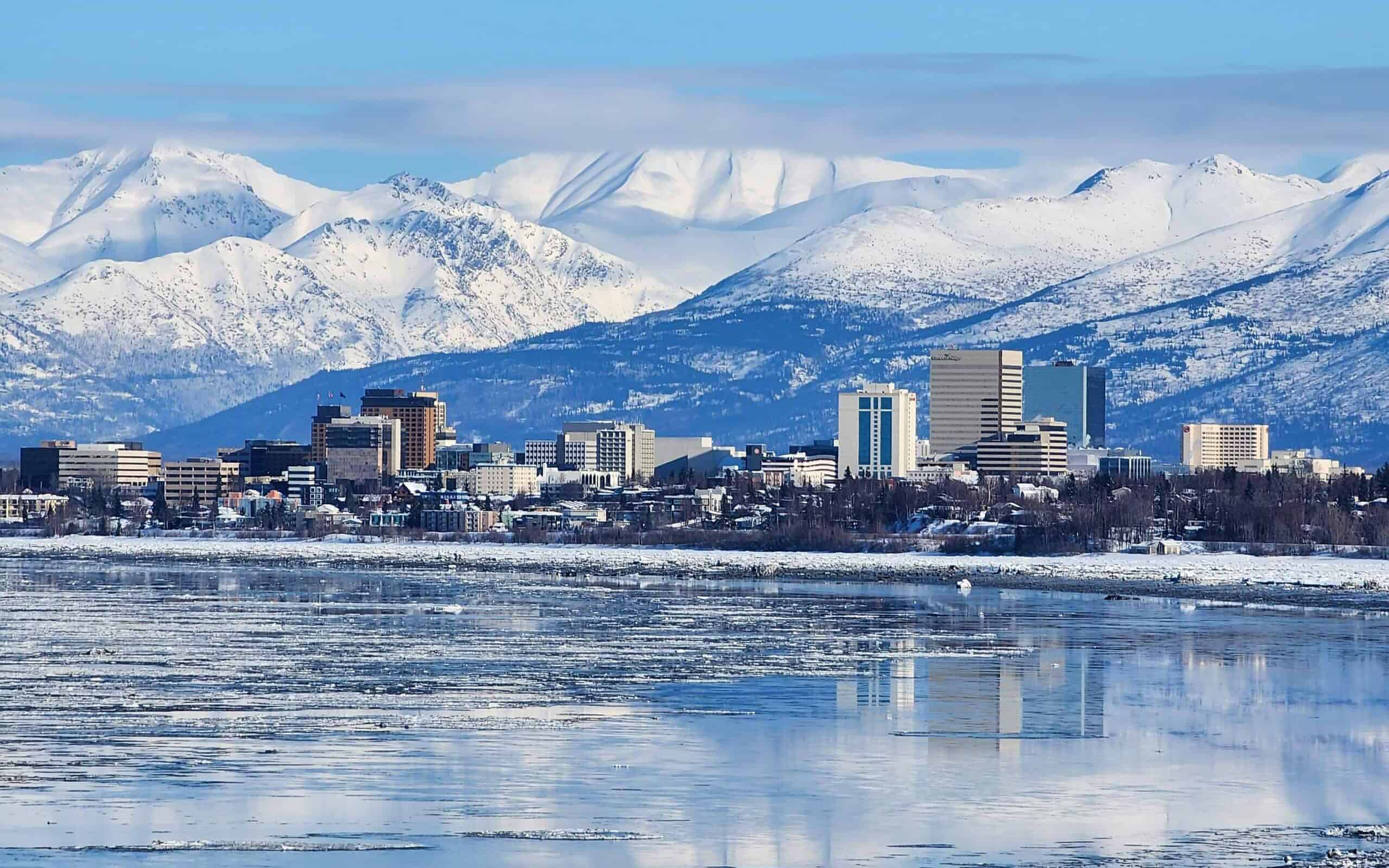
Alaska has always had a complicated relationship with cost of living. There is plenty of space, but getting food, fuel, building materials, and other necessities to remote communities can make everyday expenses unusually high. SmartAsset estimates that a single adult would need about $103,917 before taxes to live comfortably in the state in 2026. That puts Alaska 14th nationally. As with every state on this list, location matters enormously. Life in Anchorage or Juneau is very different from life in a rural Alaska community where transportation and basic supplies can require far more planning, and often far more money.
Alaska
©iStock.com/N8tureGrl
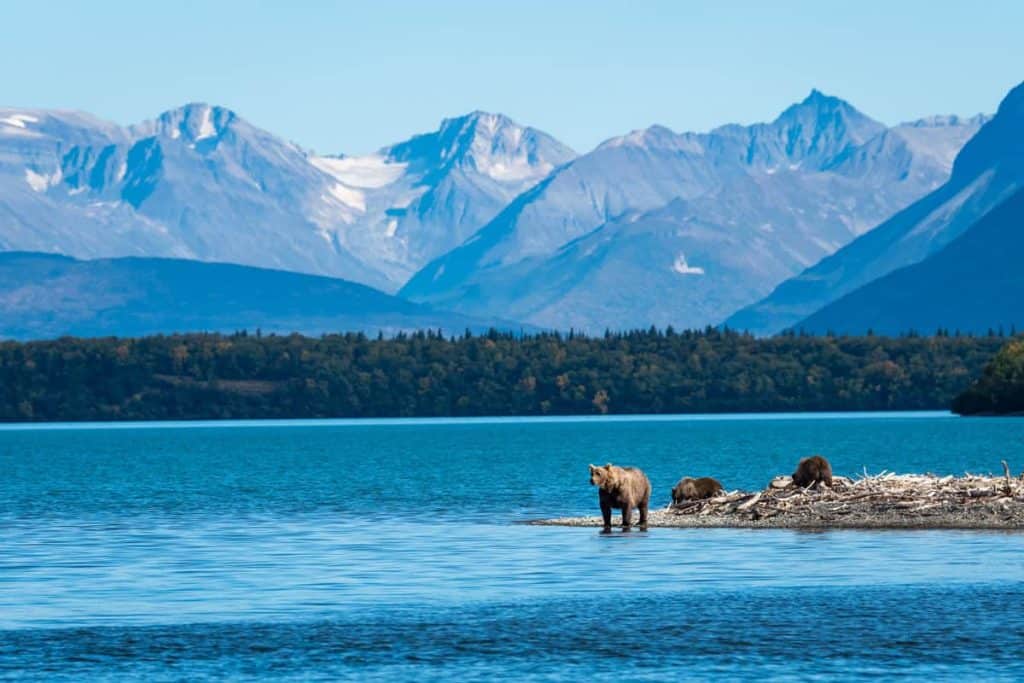
Alaska became the 49th state in 1959, just months before Hawaii. The United States purchased the territory from Russia in 1867 for $7.2 million, a deal that critics initially mocked but that became far more valuable after discoveries of gold, oil, and other natural resources. Alaska is by far the largest U.S. state by area, yet it remains one of the least densely populated. Its landscape includes enormous glaciers, mountain ranges, tundra, forests, and thousands of miles of coastline. Denali, the highest mountain in North America, is perhaps its most famous natural landmark.
Idaho: $98,176
©Rotorhead 30A Productions / Shutterstock.com - Original / License
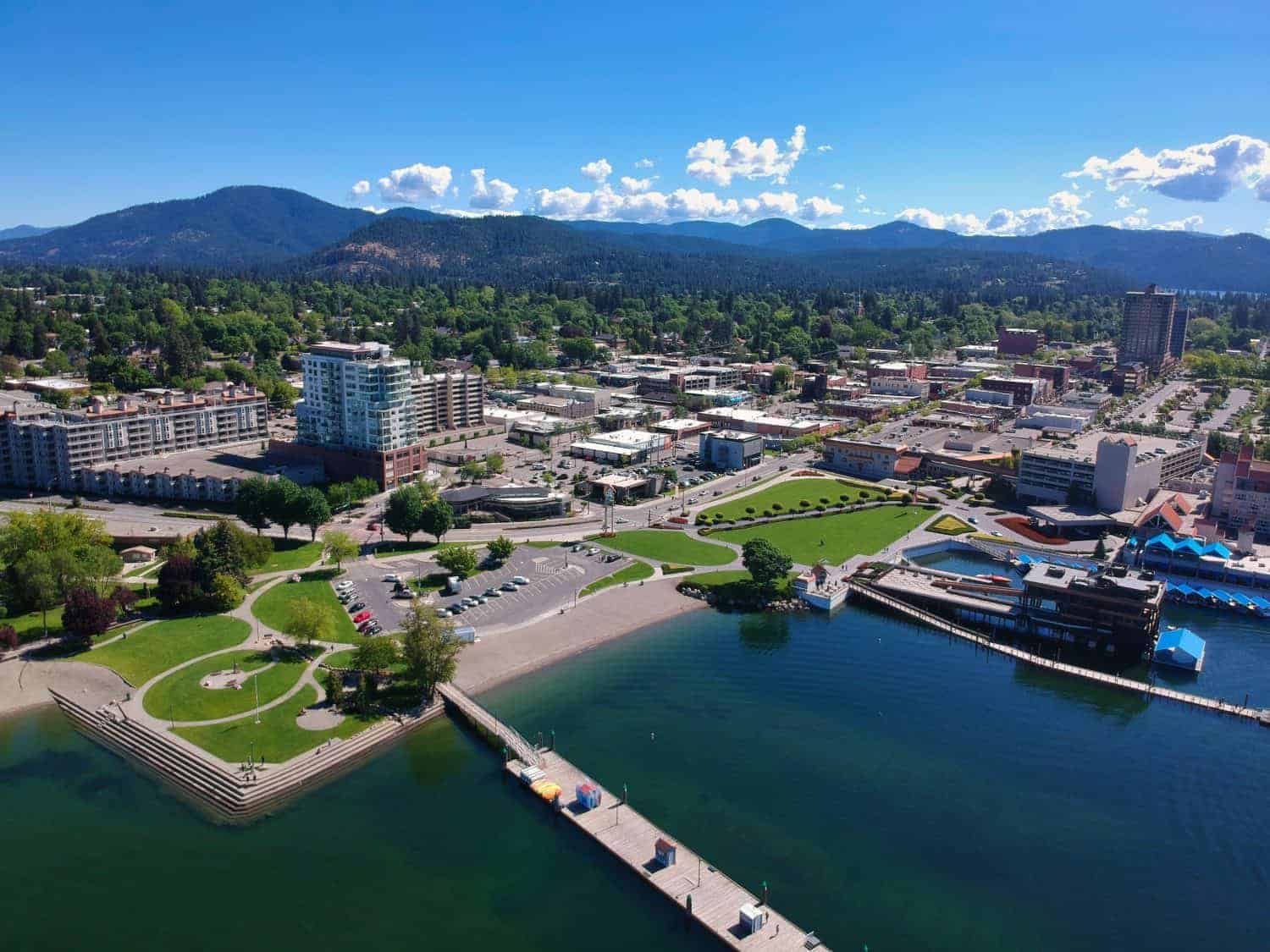
Idaho is the least expensive state in this group, but the number may still surprise anyone who thinks of it as the Pacific Northwest’s budget option. SmartAsset estimates that a single adult needs about $98,176 in pre-tax income to live comfortably there in 2026. That’s roughly $12,400 less than Washington, but it is still close to six figures. Boise and other fast-growing parts of the state have seen major changes in housing costs over the past decade, while smaller communities can be considerably cheaper. For people thinking about leaving Western Washington in search of affordability, Idaho may offer some breathing room, but it is not necessarily the bargain it once seemed.
Idaho

©Benny Marty/Shutterstock.com
Idaho became the 43rd state in 1890 after growing from a sparsely populated Western territory shaped by mining, agriculture, and migration. Gold discoveries brought waves of newcomers during the 1860s, while farming later became one of the state’s defining industries. Idaho may be synonymous with potatoes in popular culture, but its geography is far more varied than that reputation suggests. Much of the state is mountainous and heavily forested, with major outdoor destinations including the Sawtooth Range, Hells Canyon, and stretches of the Salmon River. Boise has also grown rapidly into one of the inland Northwest’s major population and business centers.

