
Seattle is a pretty forgiving city for first-time visitors, but there are a few ways to reveal yourself as a tourist almost immediately. Say “Pike’s Place,” stop in the middle of a protected bike lane, or confidently announce that something is “only six blocks away” without checking which direction the hill goes, and the disguise is pretty much over.
None of these are serious offenses, of course. Most are just little Seattle quirks that locals learn without thinking about them. Knowing them ahead of time can make getting around easier, save you some unnecessary frustration, and help you look slightly less lost while you figure out where that coffee shop Google Maps swears is right in front of you.
Calling It ‘Pike’s Place’
©"Pike Place Market" by Kirt Edblom is licensed under BY-SA 2.0. - Original / License
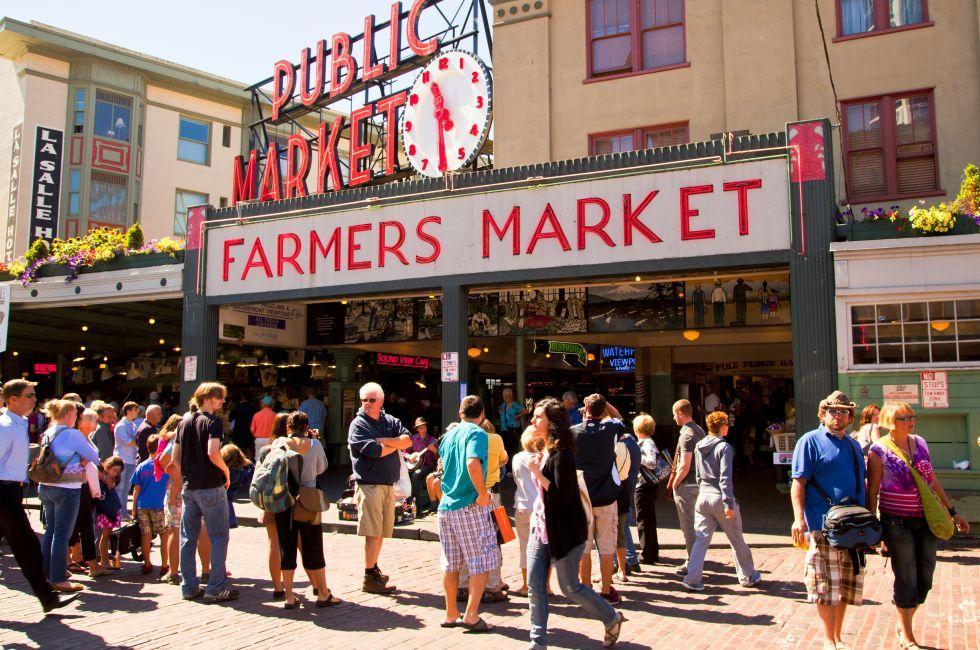
This is probably the quickest way to announce that Seattle is not home. It is Pike Place Market, not “Pike’s Place.” The name comes from Pike Place, the street where the public market opened in 1907. There is no possessive, no extra S, and no local secret pronunciation to rescue it. To be fair, plenty of visitors make the mistake because “Pike’s Place” sounds natural when you say it out loud. Locals will still know exactly what you mean. They may also know, immediately, that you are visiting. If you want to blend in, just remember the big red sign over the entrance already gives you the answer.
Trying to Drive Through Pike Place at Peak Time
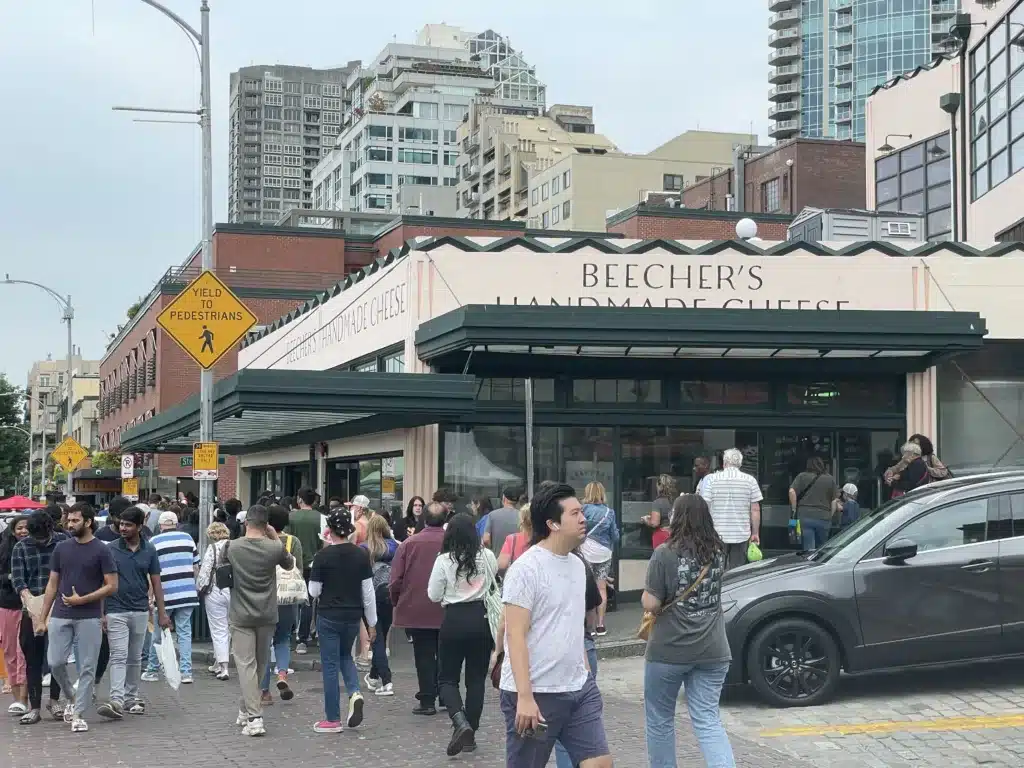
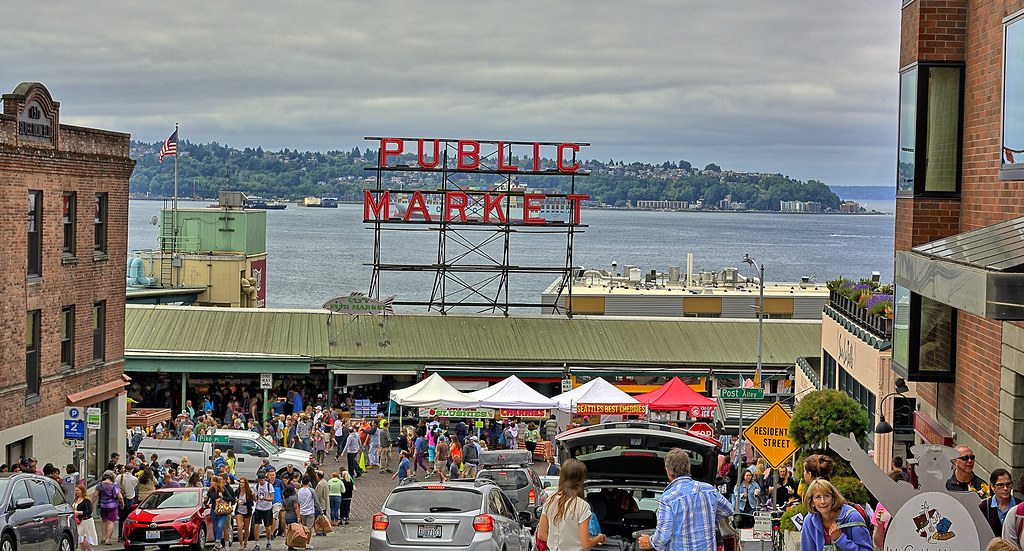
Pike Place is a real street running through a working market, which can make first-time visitors think driving straight through it is a perfectly reasonable shortcut. It usually is not. The Market has been limiting nonessential vehicle access during busy periods, partly to reduce conflicts in one of Seattle’s most crowded pedestrian areas. As of the fall and winter 2026 schedule, regular vehicles can use Pike Place Monday through Thursday, while access is limited to authorized vehicles on Fridays through Sundays from 11 a.m. to 4 p.m. Even when the street is open, drivers share it with heavy foot traffic and must yield to pedestrians. Parking nearby and walking in is usually the less stressful move for everyone involved.
Calling the Pike Place Starbucks the Exact First Store
©"Starbucks Seattle Latte" by morebyless is licensed under BY 2.0. - Original / License
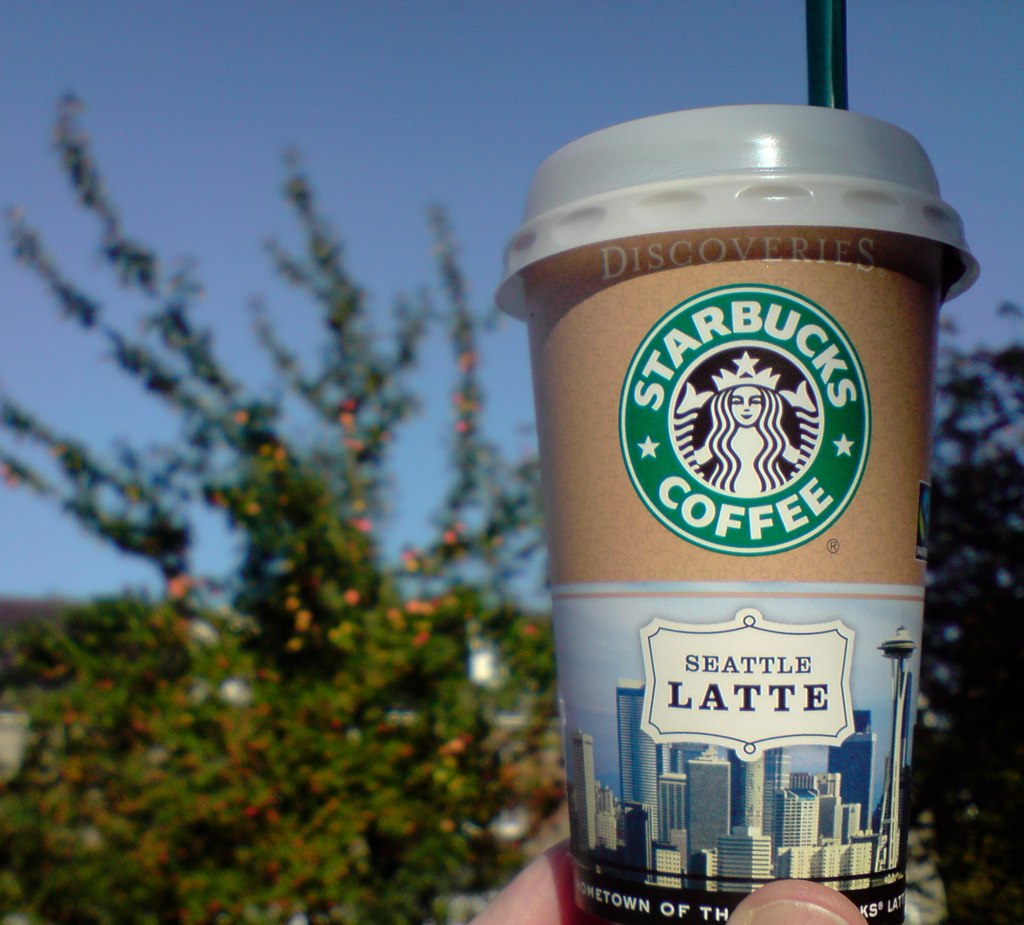
The Starbucks at 1912 Pike Place is historic, famous, and absolutely worth seeing if coffee history is your thing. But there is a small bit of Seattle trivia hiding behind the line outside. Starbucks originally opened in 1971 at 2000 Western Avenue, just north of the Market. That original building was later torn down, and the flagship moved to 1912 Pike Place in 1976. Starbucks itself treats the Pike Place shop as its original store, and it preserves much of the early brand’s look and history. Still, the storefront tourists photograph today is not the exact physical location where the company first opened its doors. That distinction is the kind of tiny fact Seattle locals and coffee nerds love having ready.
Dressing for a Monsoon Every Time It Rains

Seattle deserves its rainy reputation, but the rain is often more persistent than dramatic. NOAA’s 1991 to 2020 climate normals for Seattle-Tacoma International Airport show about 39.34 inches of precipitation in a typical year, spread across roughly 156 days with at least 0.01 inch. Only about 23 days average at least half an inch. That helps explain one of the classic visitor tells: gearing up for a full tropical downpour when the forecast is basically drizzle. An umbrella is perfectly fine if you want one, despite the local jokes. But a light waterproof jacket with a hood is often more practical when the weather is misty, breezy, and changing by the hour.
Underestimating Seattle’s Hills
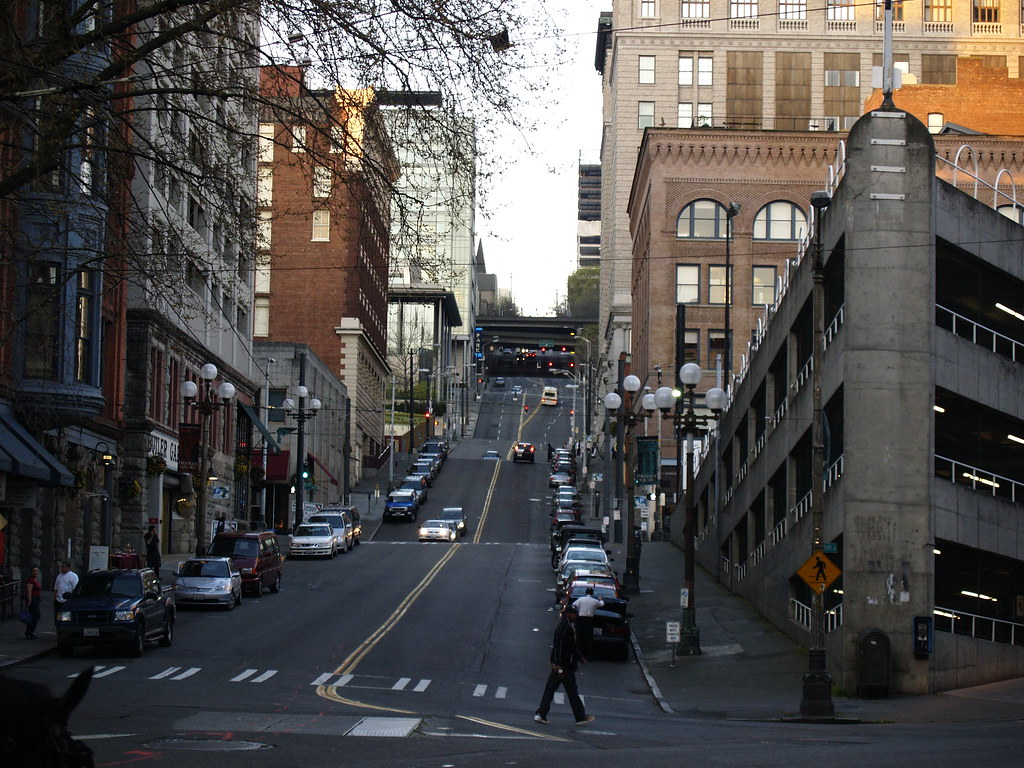
©"Seattle hills" by chrisostermann is licensed under BY 2.0. - Original / License
A map can make downtown Seattle look wonderfully compact. Your calves may have a different opinion. The city rises sharply away from the waterfront, and Seattle planning documents note that some downtown east-west streets have grades exceeding 12 percent. The city’s own walking maps even flag steeper streets so people can choose easier routes.This is why a visitor who confidently says, “It’s only six blocks,” can look much less confident three blocks later. The rebuilt waterfront has improved connections, including Overlook Walk between the waterfront and Pike Place Market, but Seattle is still a city where distance alone does not tell you how hard a walk will be. Check the elevation, not just the mileage.
Blocking the Left Side of the Escalator
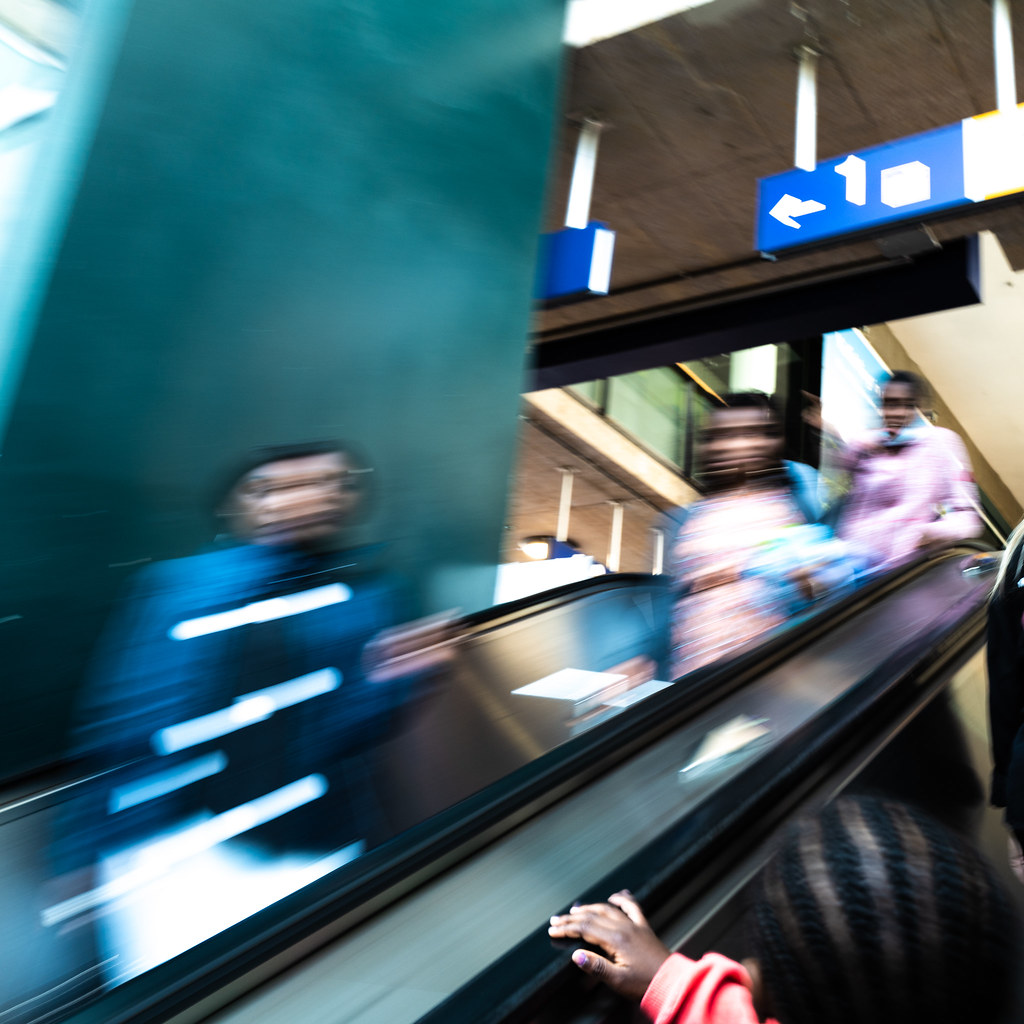
©"Escalator" by Mondo79 is licensed under BY 2.0. - Original / License
Seattle transit has its own little rhythm, and visitors can disrupt it without realizing they are doing anything wrong. Sound Transit specifically advises riders who want to stand on an escalator to keep right so other people can pass. It also asks passengers to let riders exit trains before boarding, move away from doors, and keep luggage from taking over seats or aisles. None of this is uniquely Seattle, of course, but it becomes very noticeable at busy Link stations when people are commuting or moving through downtown. If you are visiting, the easy rule is simple: stand right, walk left, let people get off first, then board. You will look like you have done this before, even if you have not.
Standing in a Bike Lane Without Looking
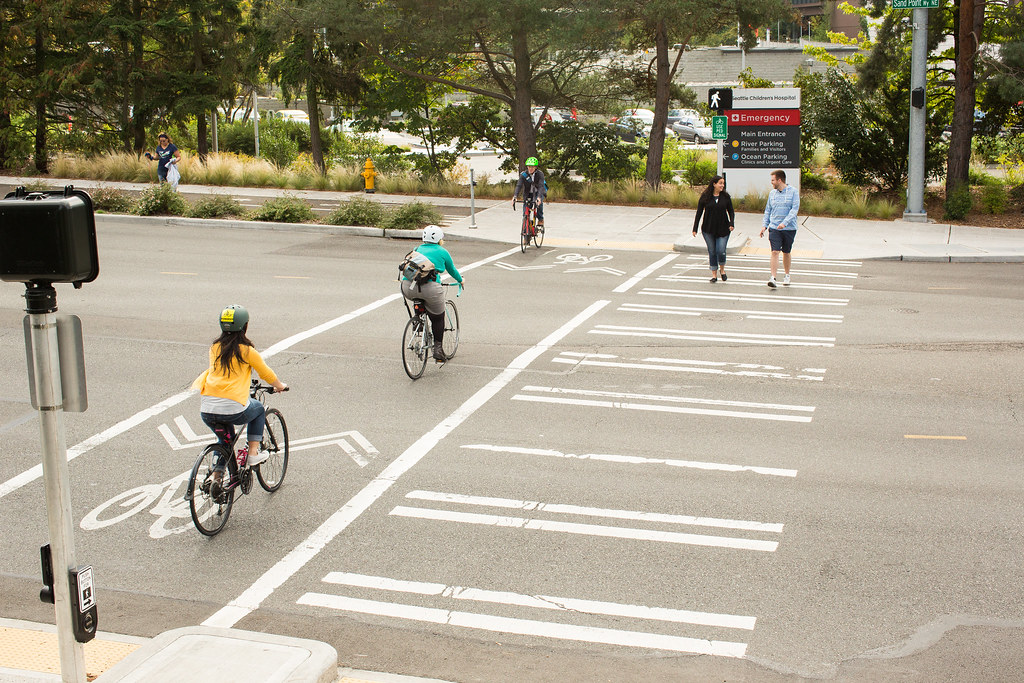
©"crossbike and crosswalk childrens hospital protected bike lane seattle" by Green Lane Project is licensed under PDM 1.0. - Original / License
Downtown Seattle has a growing network of protected bike lanes, and some of them carry riders in both directions. To someone focused on a map, a photo, or the next coffee stop, that strip beside the sidewalk can look like harmless extra pavement. It is not. Seattle’s transportation department tells pedestrians to watch and listen for bike-lane users traveling from either direction and to cross protected lanes at crosswalks. That matters on routes such as 2nd Avenue and other parts of the Center City Bike Network, where bikes and scooters can approach faster than a distracted pedestrian expects. Before stepping sideways for that perfect skyline shot, look both ways first.
Treating a Ferry Departure Like a Bus Stop
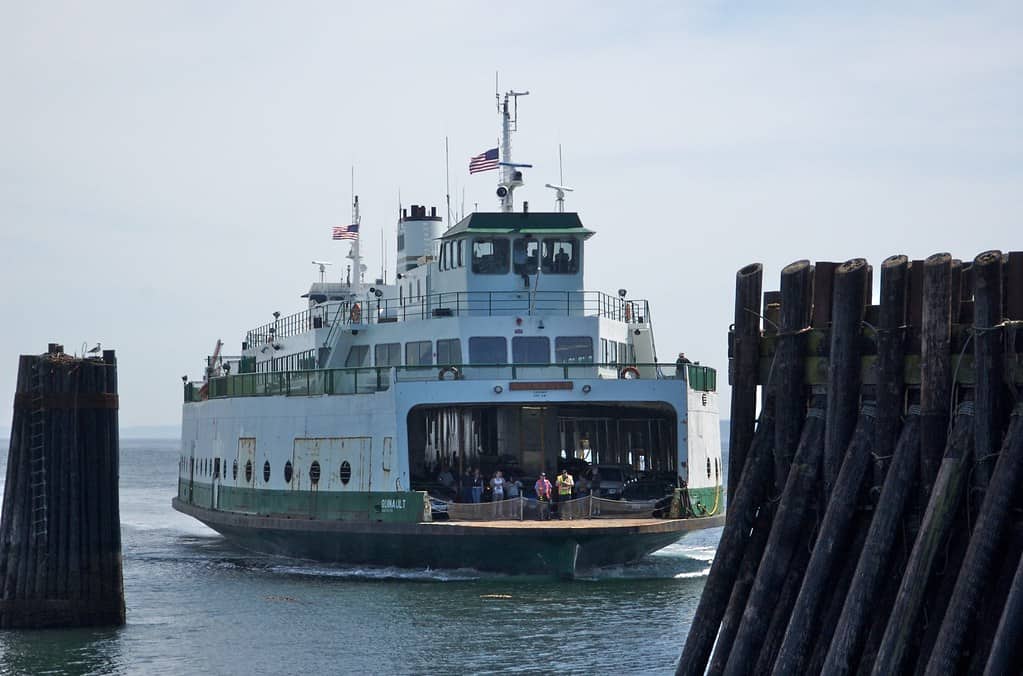
©"Washington State Ferry at Whidbey Island" by A.Davey is licensed under BY 2.0. - Original / License
A Washington State ferry ride is one of the easiest ways to turn transportation into part of the sightseeing. The catch is that a ferry is not something you want to approach with a casual “we’ll get there at departure time” strategy, especially if you are bringing a car. Washington State Ferries recommends that walk-on passengers be aboard at least five minutes before departure. For most routes, drivers should plan to be in the tollbooth line at least 20 minutes before sailing, and reservation routes can require even earlier arrival. Ferries can fill, traffic can back up, and loading takes time. Get there early, then enjoy the view instead of watching your boat pull away without you.
Calling Capitol Hill “Capital Hill”

©Wikimedia Commons
This one is small, harmless, and incredibly effective at outing a visitor. Seattle’s neighborhood is Capitol Hill, with an O, not “Capital Hill.” The City of Seattle uses Capitol Hill throughout its official neighborhood planning documents, and the district sits directly east of downtown.
It is an understandable mistake. “Capital” sounds right when you are talking about a major city, while “capitol” usually makes people think of a government building. Still, switch that one vowel and a Seattle local will probably know you are not from around here before you finish the sentence. If you are headed for Broadway, Cal Anderson Park, or the Pike/Pine area, remember: Capitol Hill.
Assuming the Monorail Goes Everywhere
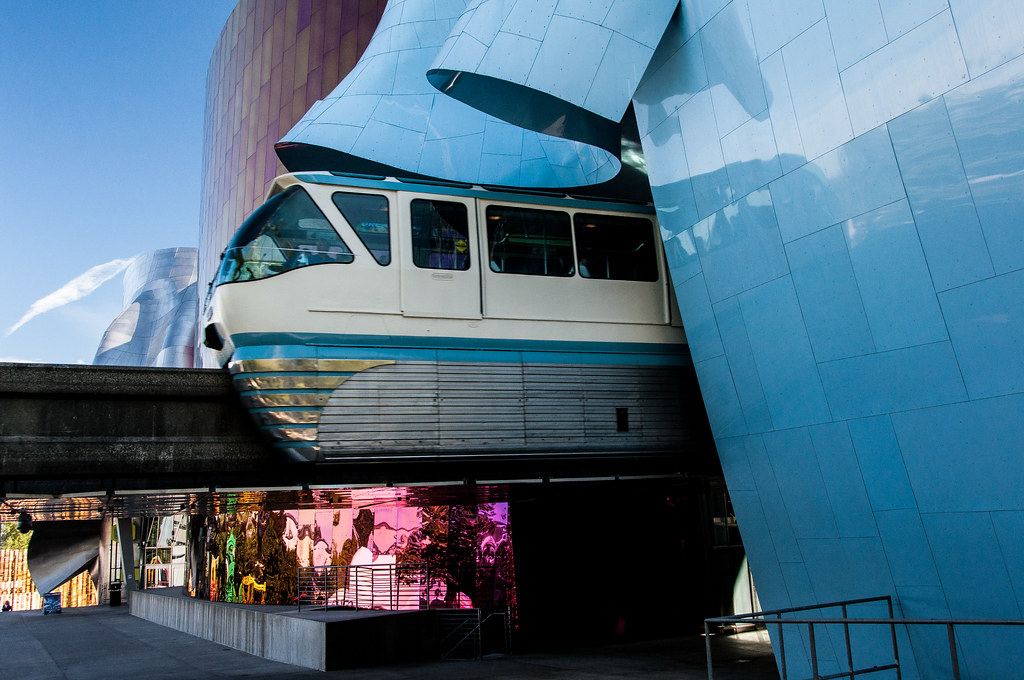
©"Seattle Monorail" by Mark Fischer is licensed under BY-SA 2.0. - Original / License
The Seattle Center Monorail looks like the sort of transit system that should whisk you all over the city. Then you look at the route map. There are exactly two stations: Seattle Center and Westlake Center. That is it. No airport stop, no Capitol Hill branch, and no secret extension running all over town.
The Monorail is genuinely useful if you are moving between downtown and attractions around Seattle Center, including the Space Needle and Museum of Pop Culture. It also connects with Link light rail at Westlake. Just do not treat it like Seattle’s version of a full subway system. If you are heading to Sea-Tac Airport, Link light rail is the transit option you are looking for.
Stopping in the Middle of a Busy Sidewalk
©jewhyte / iStock Editorial via Getty Images
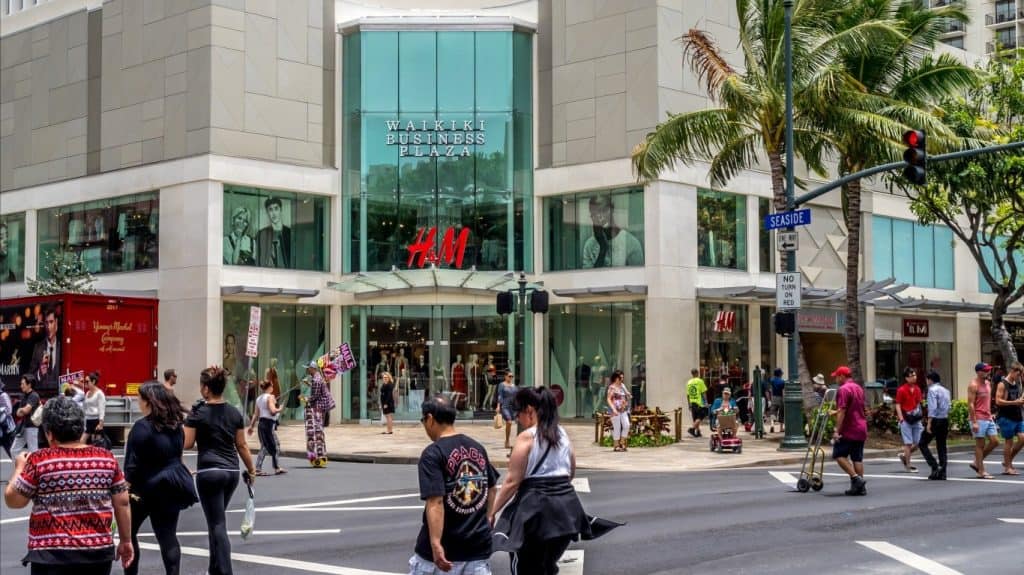
Everyone gets turned around in a new city. The tourist move is realizing it while walking with three other people and having the entire group stop dead in the middle of the sidewalk. Around Pike Place Market, the waterfront, Westlake, and other busy parts of central Seattle, that can turn into a human traffic jam remarkably fast.
There is also a practical reason to keep the path clear beyond annoying the person trying to get around you. Seattle transportation guidance emphasizes keeping pedestrian routes accessible for people walking and using mobility devices. If you need to check a map, take a photo, or hold an emergency committee meeting about where lunch is happening, move to the side first. It takes two seconds and saves everyone behind you an unnecessary obstacle course.
Assuming Seattle Center Means Downtown Seattle
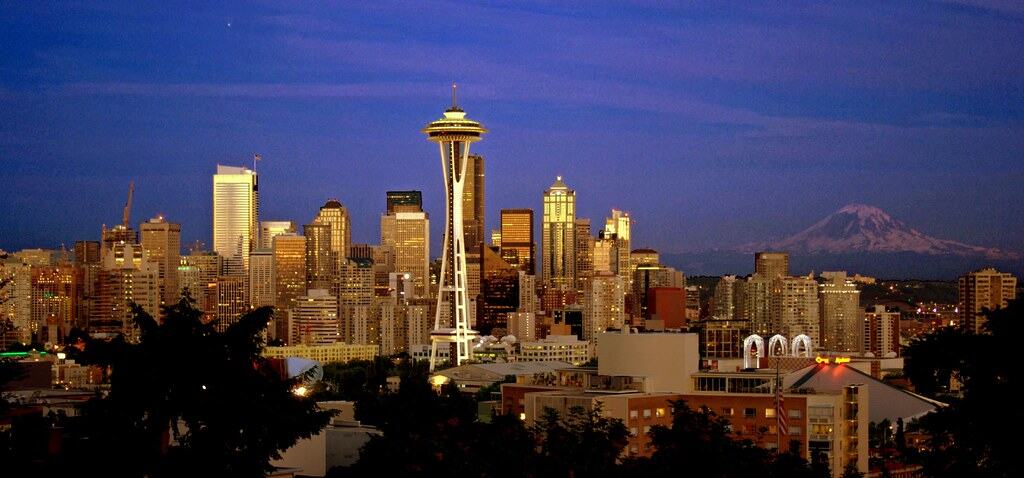
©"Seattle Center Dusk + Mt. Rainier" by Andrew E. Larsen is licensed under BY-ND 2.0. - Original / License
The name makes this mistake almost inevitable. Seattle Center sounds like it should mean the geographic center of downtown Seattle. It does not. Seattle Center is a specific 74-acre civic, arts, and cultural campus in the Uptown area, home to attractions including the Space Needle, Museum of Pop Culture, Climate Pledge Arena, Pacific Science Center, and International Fountain.
Downtown is farther south, and the two areas are connected by the Monorail between Seattle Center and Westlake Center. So when someone says they are “staying by Seattle Center downtown,” locals can usually tell what happened. Think of Seattle Center as an attraction-filled district of its own rather than another name for downtown. Your mental map of the city gets a lot easier once that distinction clicks.

