
Travel has a funny way of revealing the little social habits we barely notice at home. Americans visiting Japan often come back talking about spotless public spaces, quiet trains, orderly lines, and the almost automatic consideration people show toward those around them. But the contrast works in the other direction, too.
When Japanese travelers visit the United States, some of the everyday habits they bring with them can stand out almost immediately. No culture is universally polite or perfectly orderly, of course, and individual travelers are individuals. Still, many common Japanese etiquette norms can look surprisingly deliberate from an American perspective. Here are 15 travel habits Americans may notice first.
They Tend to Respect the Line
©"Kita Railway Station, Osaka" by szeke is licensed under BY-SA 2.0. - Original / License
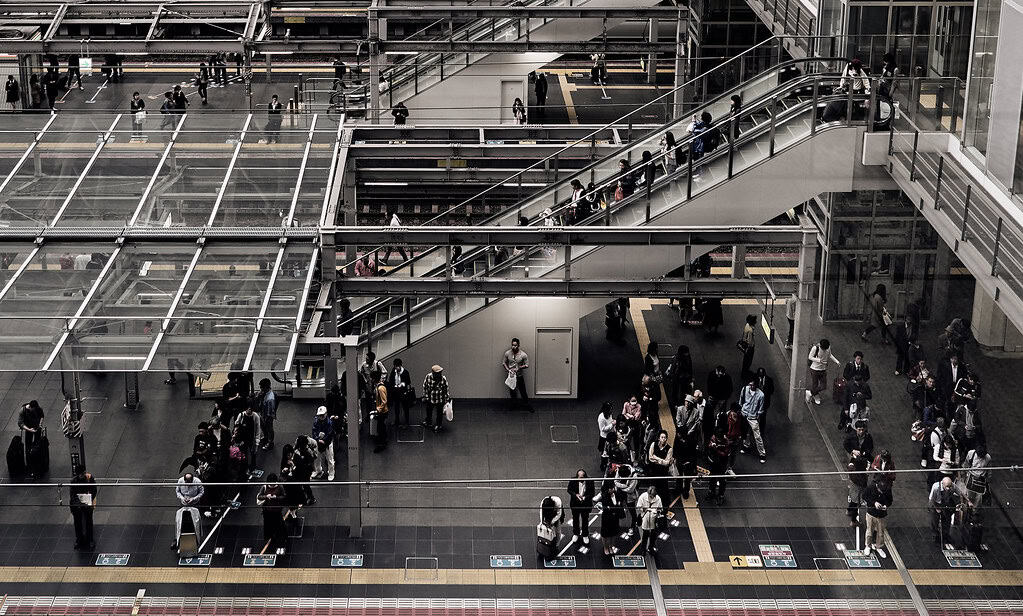
Orderly queuing is deeply ingrained in everyday life in Japan, particularly at train stations, elevators, shops, and other crowded public places. Many Japanese travelers carry that habit abroad, waiting their turn rather than trying to squeeze ahead or create a second unofficial line. In busy American airports and attractions, that kind of patience can be surprisingly noticeable.
They Often Keep Their Voices Down
©"京王線 #東京 #Tokyo #Japan #train" by naitwo2 is licensed under BY 2.0. - Original / License
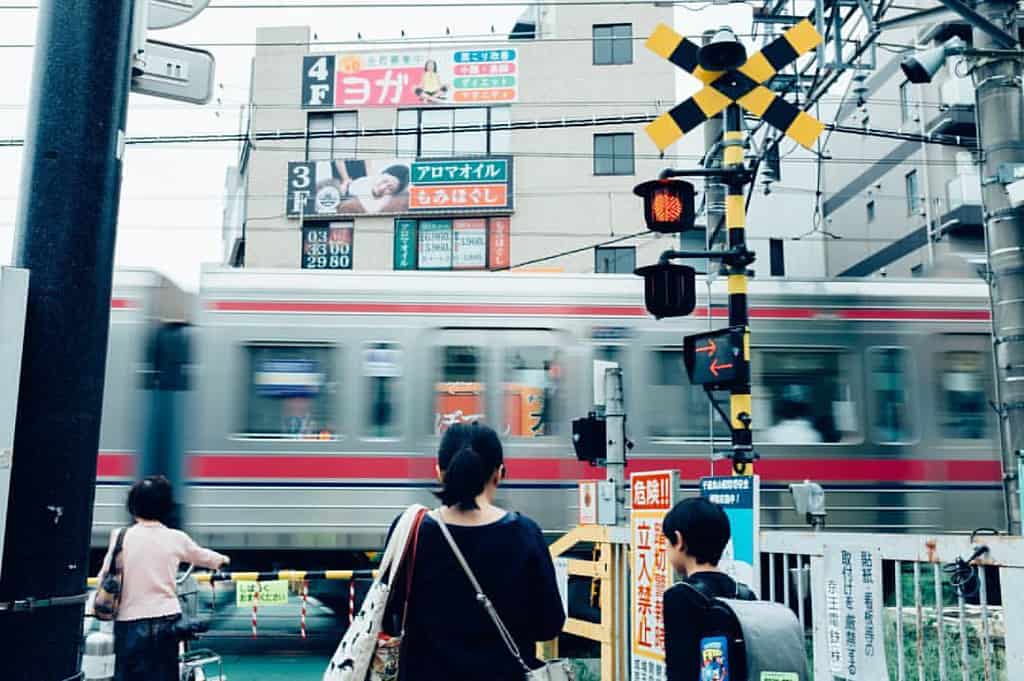
Japanese public transportation is famous for being relatively quiet, with phone calls discouraged on many trains and passengers generally expected not to disturb everyone around them. Travelers accustomed to those norms may continue speaking softly on buses, trains, hotel elevators, and other shared spaces overseas. Compared with the louder atmosphere Americans sometimes accept as normal, the difference can be striking.
They Usually Step Aside Before Stopping
©"Shibuya Shopping" by Danny Choo is licensed under BY-SA 2.0. - Original / License
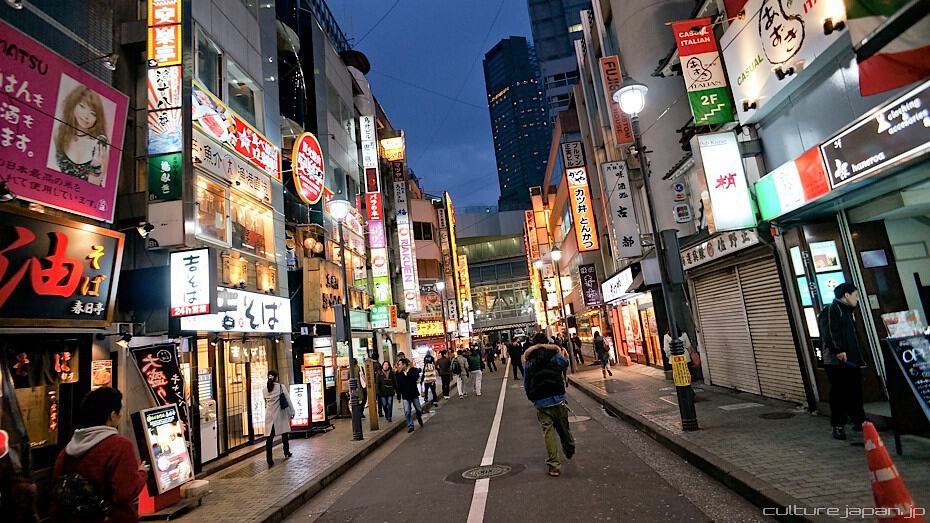
Anyone who has walked through a crowded American tourist district knows the frustration of someone suddenly stopping in the middle of the sidewalk to check a map. Japanese city life places a strong emphasis on keeping pedestrian traffic moving smoothly, so many travelers are accustomed to moving off to the side before stopping. It is a tiny habit, but in a packed station or shopping district it makes a noticeable difference.
They Actually Look for the Right Trash Bin
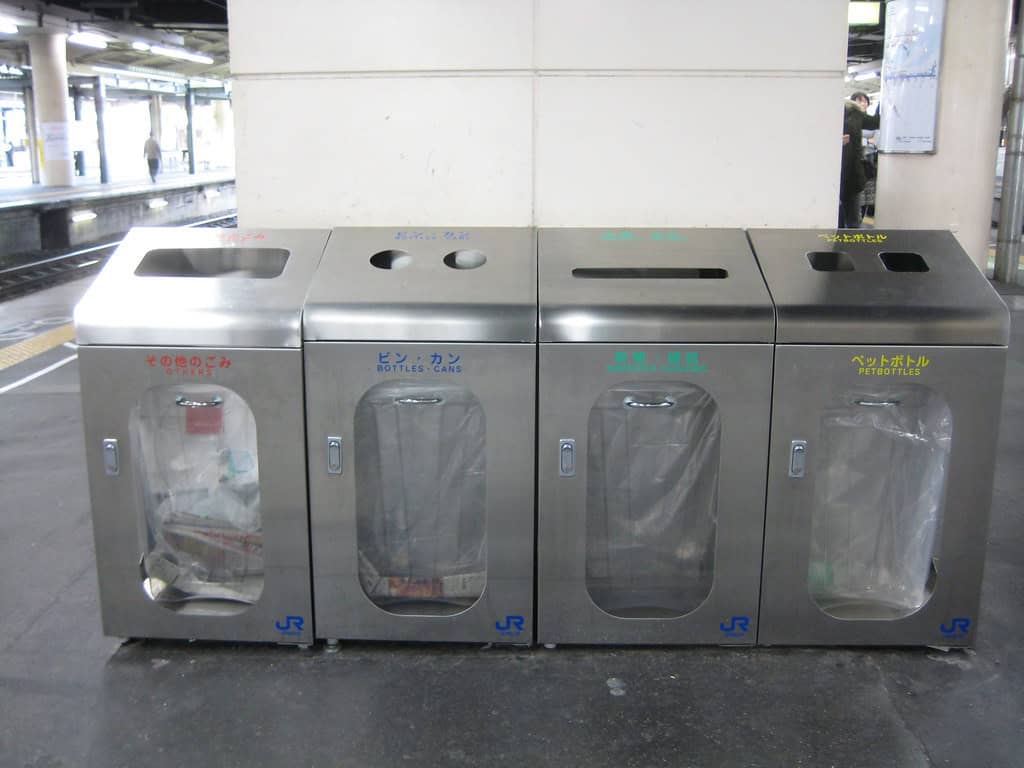
©"Japanese Recycling Bins" by Wootang01 is licensed under BY-ND 2.0. - Original / License
Japan’s waste-sorting rules can get remarkably specific, with separate categories for bottles, cans, plastics, burnable trash, and other materials. That can make Japanese travelers unusually attentive to the labels on American recycling and garbage bins. Rather than tossing everything into the closest opening, they may stop for a second to figure out where it actually belongs.
They May Think Twice Before Photographing Strangers
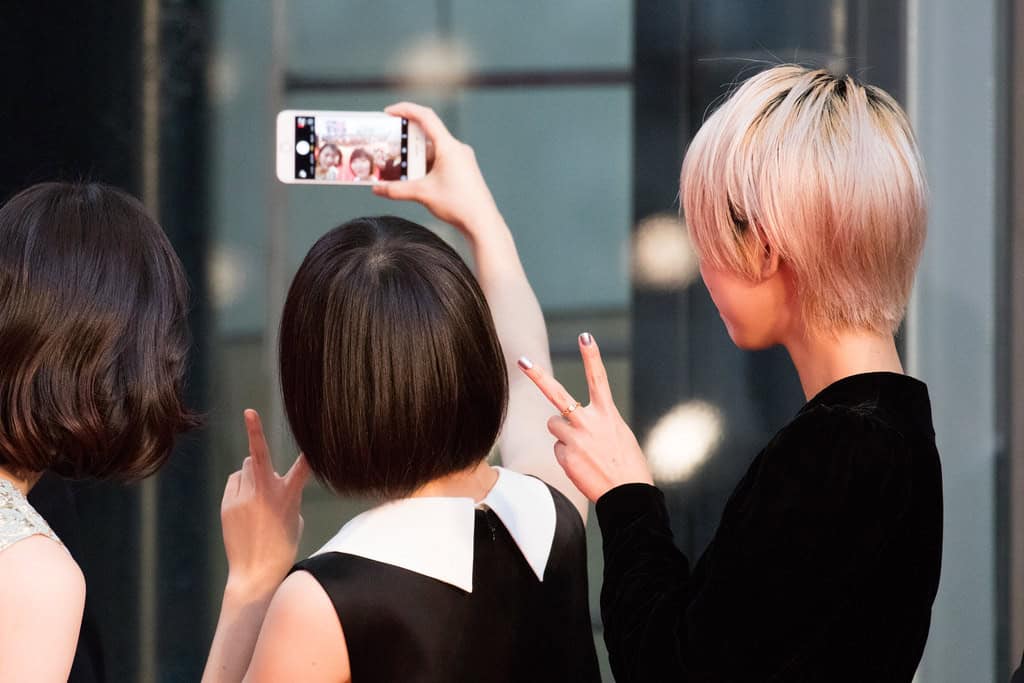
©"Koike Arisa, Ririka & Fuwa Kaname from 'flowering' at Opening Ceremony of the Tokyo International Film Festival 2016" by Dick Thomas Johnson is licensed under BY 2.0. - Original / License
Japanese etiquette tends to place a high value on avoiding unnecessary intrusion into someone else’s space. While tourists everywhere take plenty of pictures, many Japanese travelers are accustomed to paying attention to photography restrictions and the privacy of strangers. That can mean waiting for people to clear the frame, checking posted rules, or asking before making someone else the subject of a photo.
Wearing a Mask While Sick Doesn’t Seem Strange
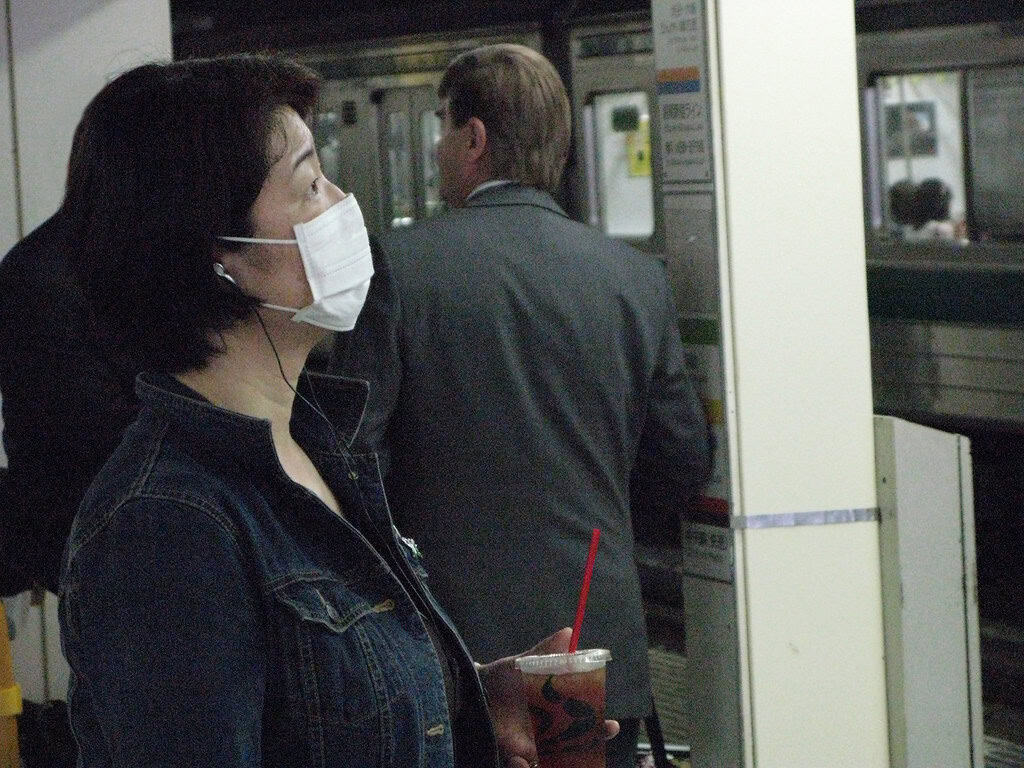
©"Masked Woman in the Tokyo Metro" by DavidDennisPhotos.com is licensed under BY-SA 2.0. - Original / License
Long before the COVID-19 pandemic, masks were already a familiar sight in Japan during cold, flu, and allergy seasons. One reason people wear them is consideration for those around them when they are coughing or feeling sick. Japanese visitors may therefore put on a mask in an airport, hotel, or crowded attraction without treating it as a major statement. To Americans who still associate masks primarily with the pandemic, that casual approach can stand out.
They Often Treat Sacred Places Like Sacred Places
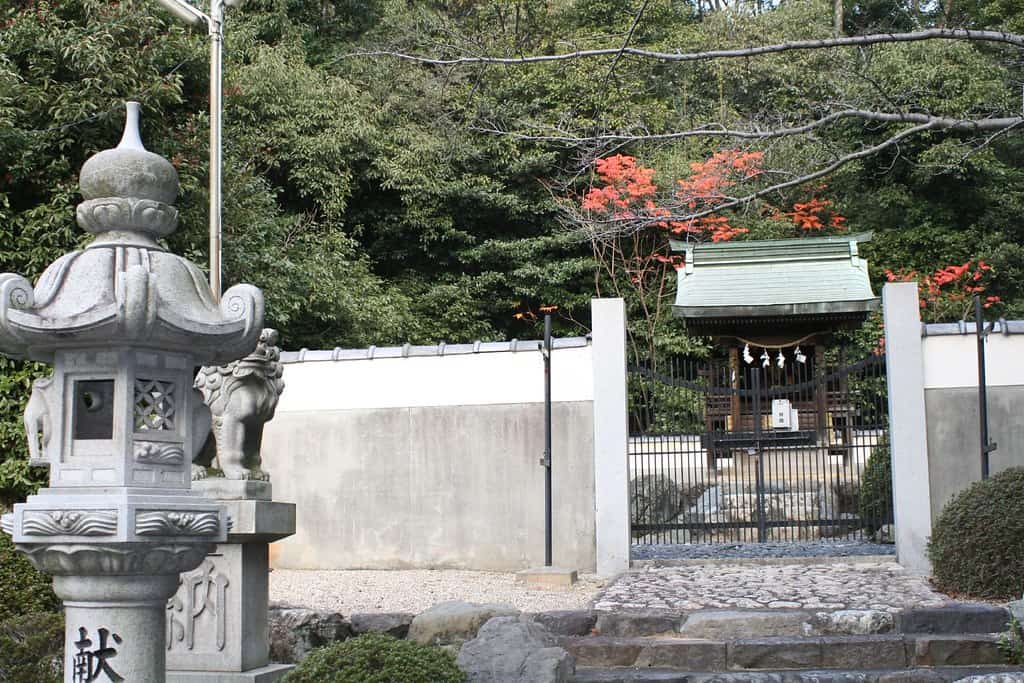
©"Midori-ku Nagoya Japan, shrine" by Steve-kun is licensed under BY-SA 2.0. - Original / License
Japan is filled with working shrines and temples where visitors are expected to remember that they are entering an active religious space, not simply another sightseeing stop. Travelers used to those expectations may instinctively lower their voices, pay attention to restricted areas, and follow posted rules when visiting churches, memorials, cemeteries, or other sacred places abroad.
They May Ask Whether Shoes Come Off
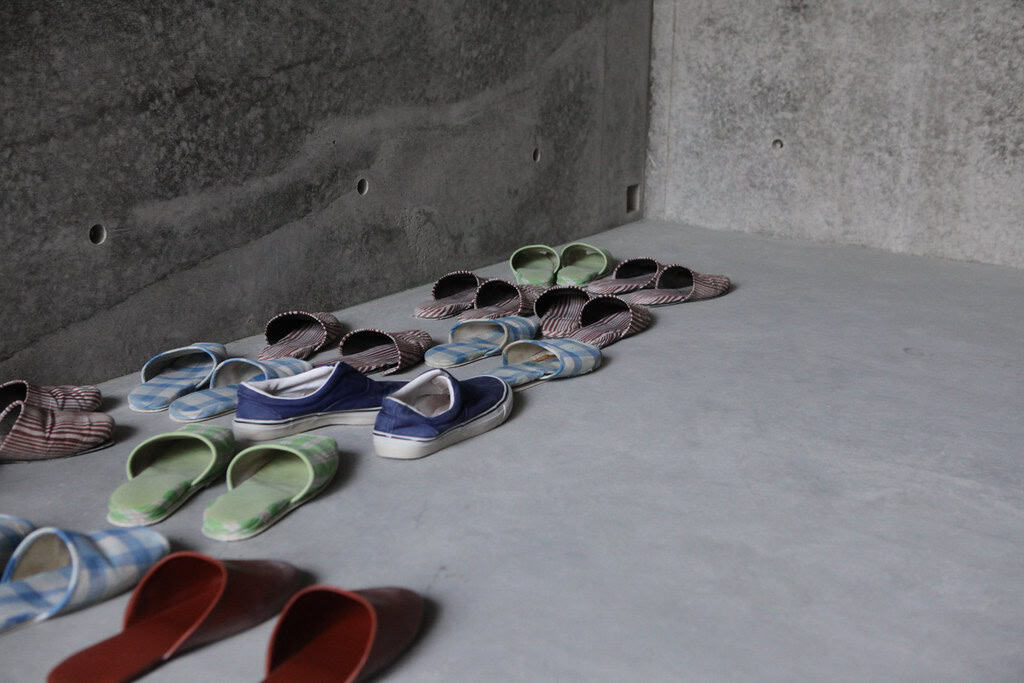
©"construction worker slippers" by Paul Keller is licensed under BY 2.0. - Original / License
Removing shoes before entering homes is standard practice in Japan, and the rule also appears in some traditional accommodations, restaurants, schools, temples, and other spaces. Americans hosting Japanese guests may notice them checking the doorway or asking whether shoes should come off even when the host never thought to mention it. What feels automatic in Japan can seem unusually considerate in an American home.
They Often Make an Effort With Basic English
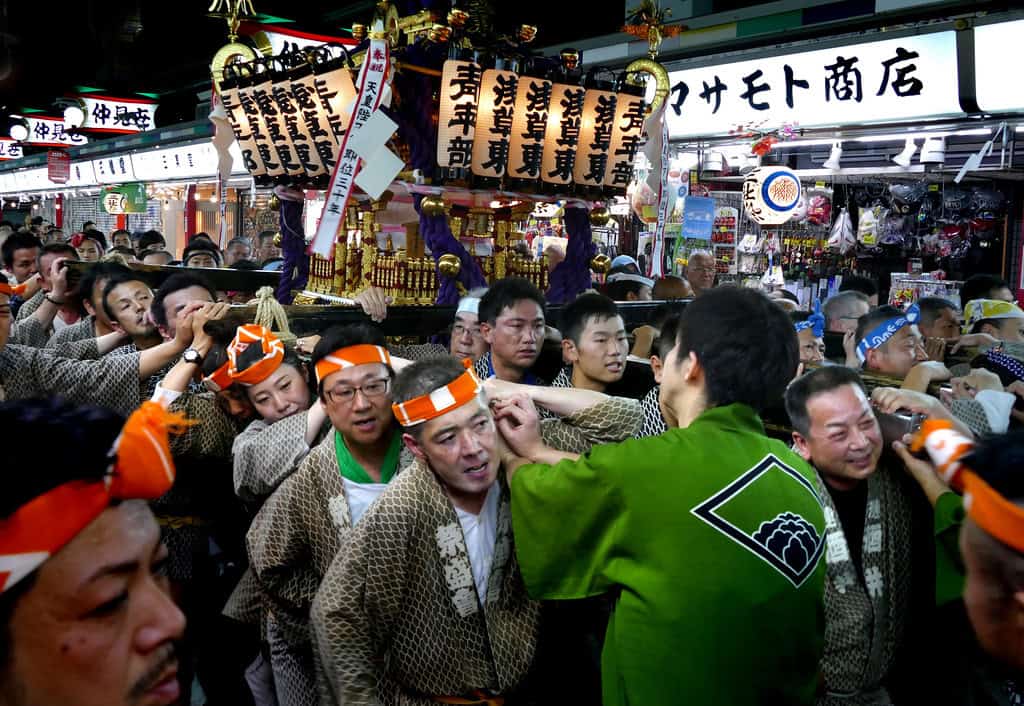
©"Sanja Festival participant.Asakusa." by Bernard Spragg is licensed under CC0 1.0. - Original / License
Japanese travelers are no more guaranteed to speak fluent English than Americans visiting Japan are guaranteed to speak Japanese. What can stand out is the effort. Simple phrases such as “thank you,” “excuse me,” and “sorry” are frequently used even when the rest of the conversation requires translation apps, gestures, or a patient exchange between both sides.
Mealtime Can Look Surprisingly Deliberate
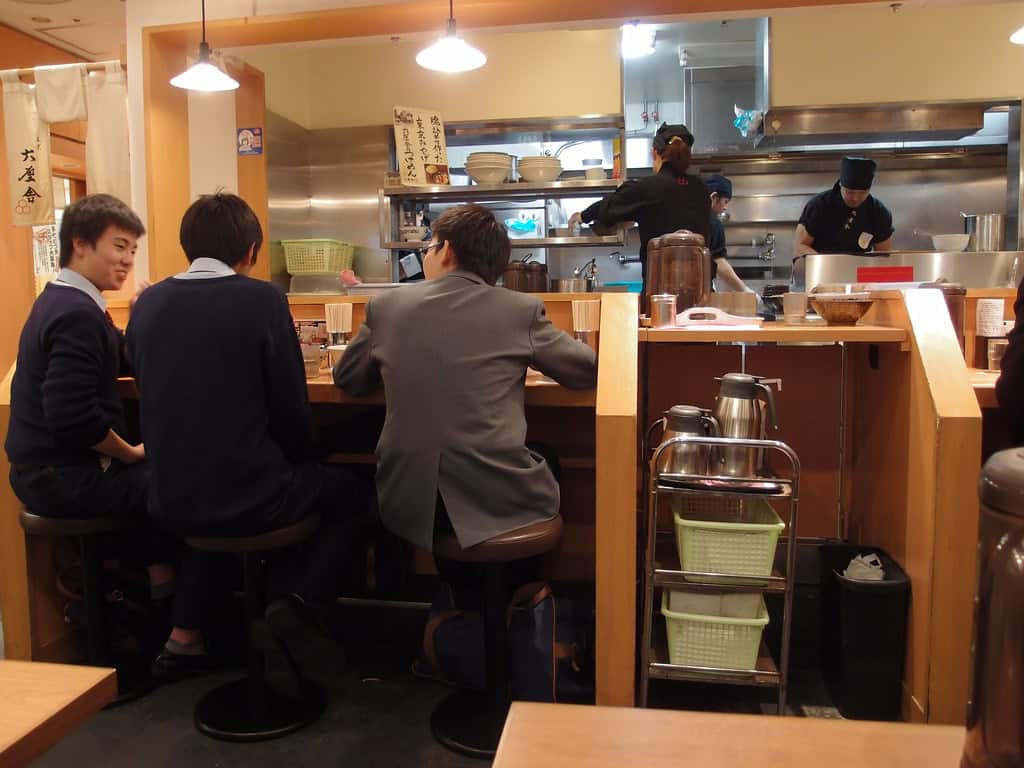
©"Rokurinsha @ Tokyo Ramen Street" by *_* is licensed under BY 2.0. - Original / License
Japanese dining culture comes with plenty of small etiquette habits, from the way dishes are handled to the phrases traditionally used before and after eating. Travelers do not abandon those manners the moment they board a flight. Americans dining with Japanese visitors may notice that meals feel a little more structured, with greater attention paid to shared dishes, utensils, and the people eating around them.
Even Chopsticks Come With Rules
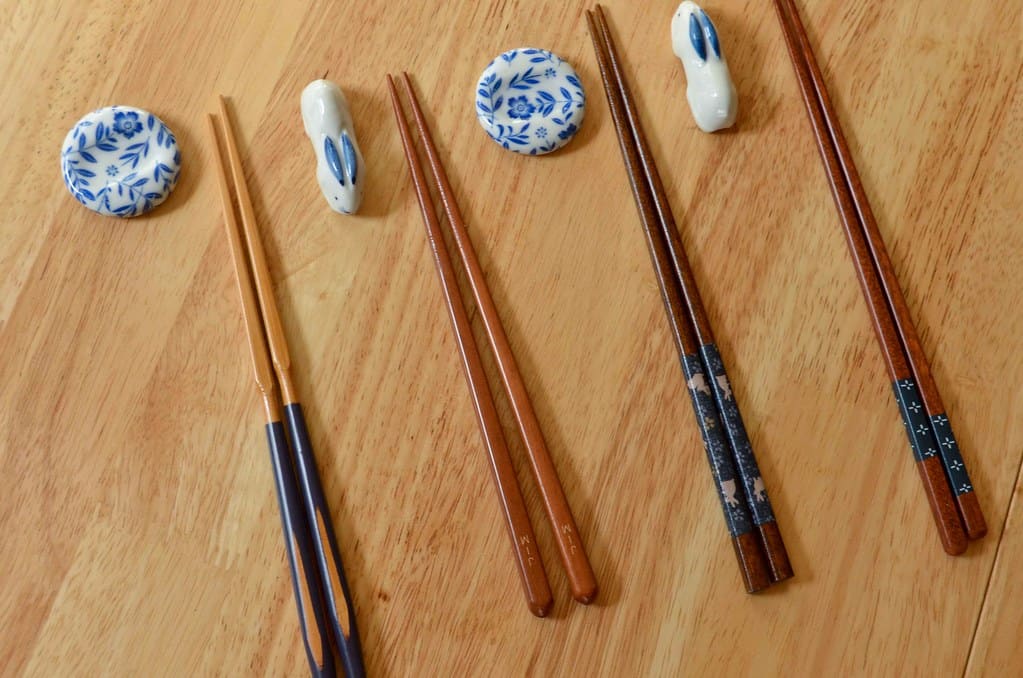
©"Chopsticks & Rests" by osiristhe is licensed under BY-ND 2.0. - Original / License
Japanese diners grow up with chopstick conventions that many Americans encounter only when somebody explains them. Sticking chopsticks upright into rice and passing food directly from one pair of chopsticks to another are avoided because of their association with funeral practices. To someone accustomed to that etiquette, watching chopsticks used casually as pointers or left sticking out of a bowl can be genuinely surprising.
They May Gesture Less Directly
©Japan Culture Blog
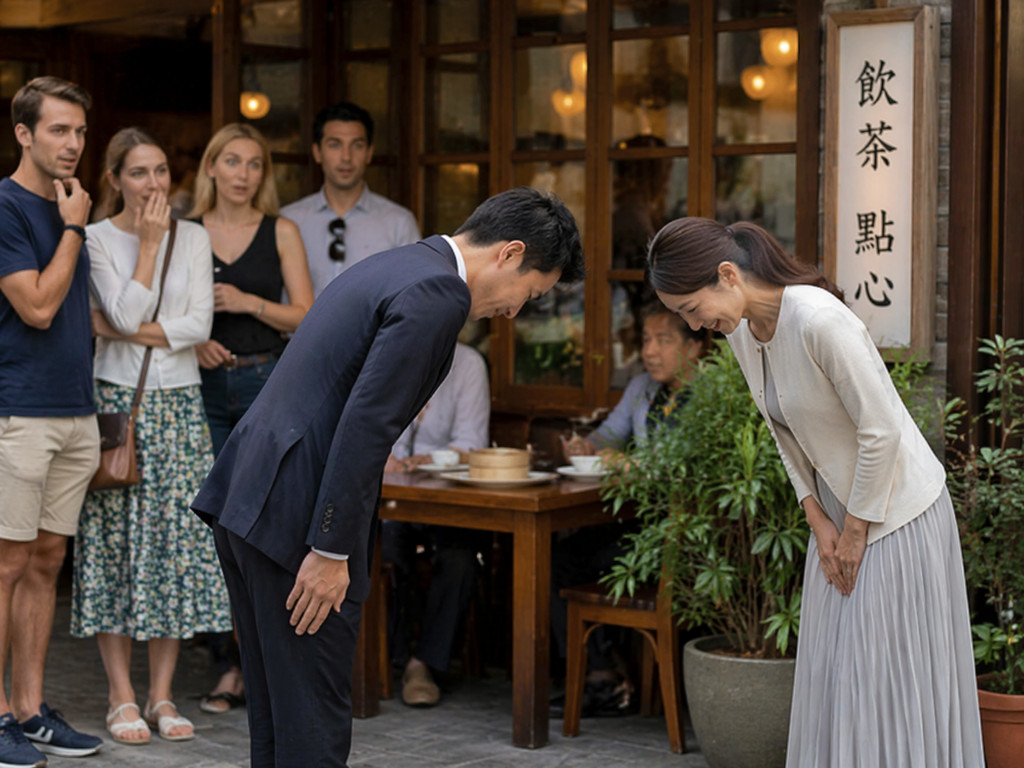
Pointing directly at another person can feel overly blunt in Japanese social etiquette. An open hand, subtle gesture, or nod in someone’s direction may be preferred instead. Japanese visitors in the United States may therefore seem less physically direct when indicating a person, place, or object, another small contrast that is easy to overlook until you start watching for it.
America’s Tipping Culture Can Be a Whole New Rulebook
©"brazil cafe tri-tip sandwich with jalapeños" by permanently scatterbrained is licensed under BY 2.0. - Original / License
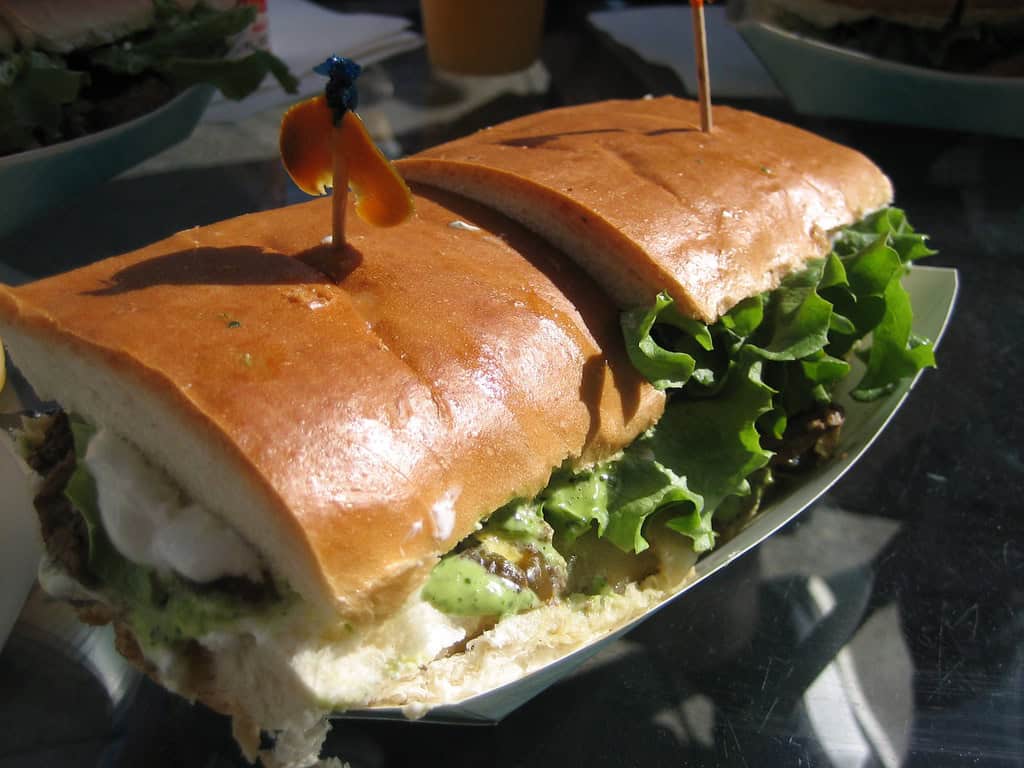
Japan generally does not have the same tipping culture as the United States, where gratuities are expected in many restaurants and service industries. Japanese travelers visiting America can therefore find themselves studying receipts, asking what percentage is appropriate, or double-checking whether a service charge has already been included. The interesting part is how seriously many travelers take getting an unfamiliar custom right once they know it exists.
Following the Posted Rules Can Be Almost Automatic
©"Shakotan Onsen 'MISAKI NO YU'" by mizoguchi.coji is licensed under BY 2.0. - Original / License
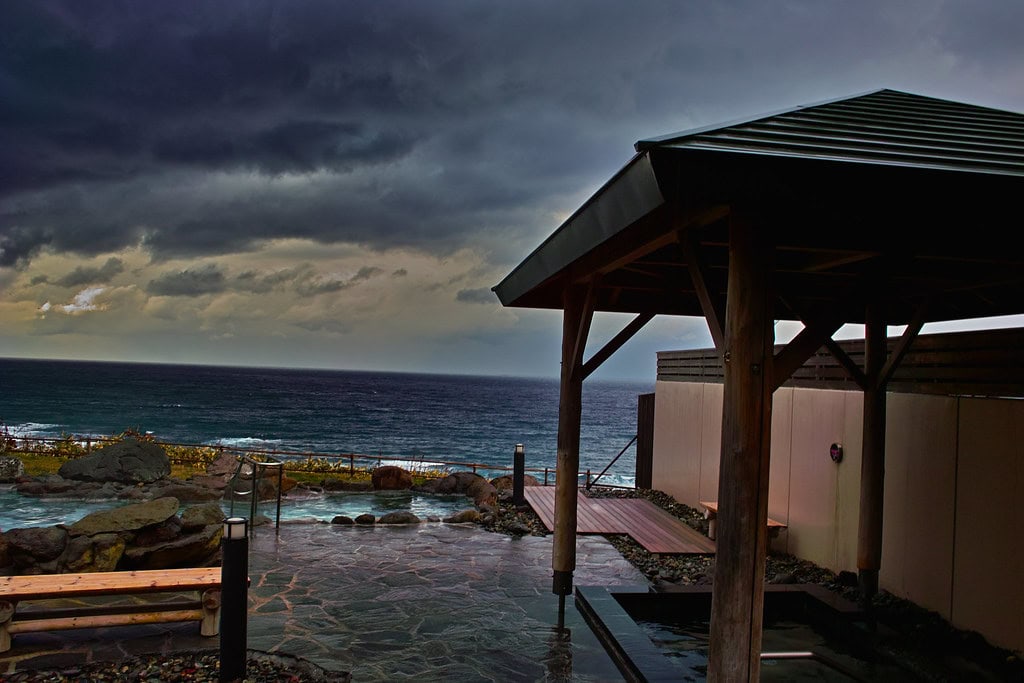
Japanese onsen etiquette is a good example of how detailed rules can become second nature. Bathers wash thoroughly before entering the communal water, follow restrictions around towels, and pay attention to instructions posted by the facility. That habit of looking for the procedure first can carry into travel, whether the unfamiliar rules involve an American hotel, museum, public attraction, or another shared space.
They May Be More Patient About Language Barriers
©"Sapporo Festival. (2008)" by MIKI Yoshihito. (#mikiyoshihito) is licensed under BY 2.0. - Original / License
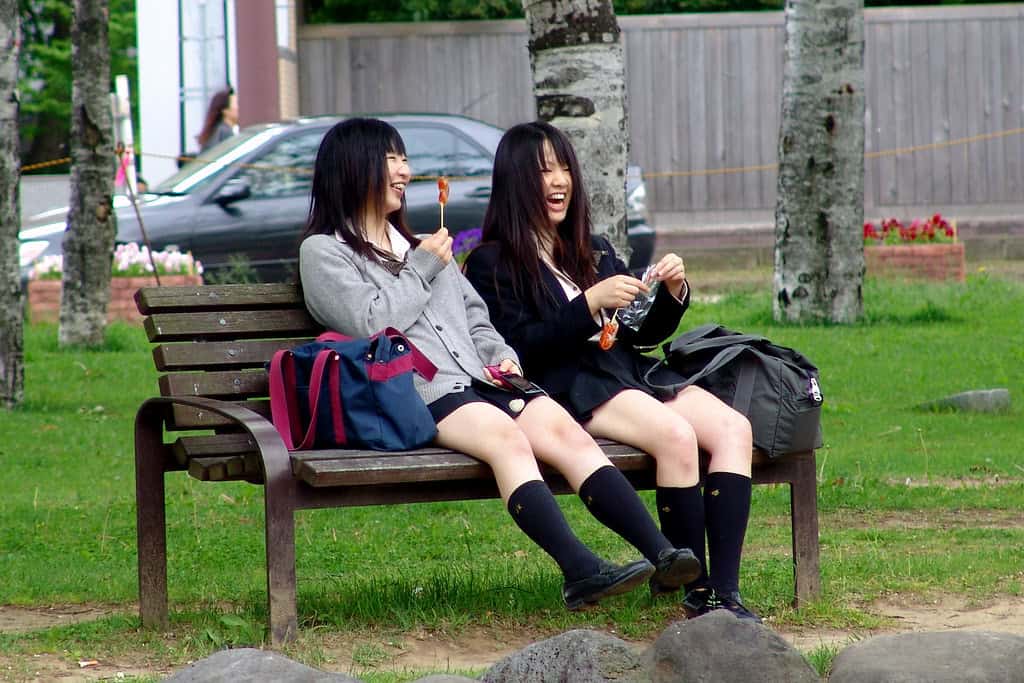
Plenty of Japanese visitors arrive in the United States knowing their English will not be perfect, which can make them very aware of what it feels like to navigate another country in a second language. Instead of assuming communication will be effortless, many come prepared with translation apps, written addresses, screenshots, or memorized phrases. That preparation can turn an awkward language gap into a surprisingly smooth interaction.

