
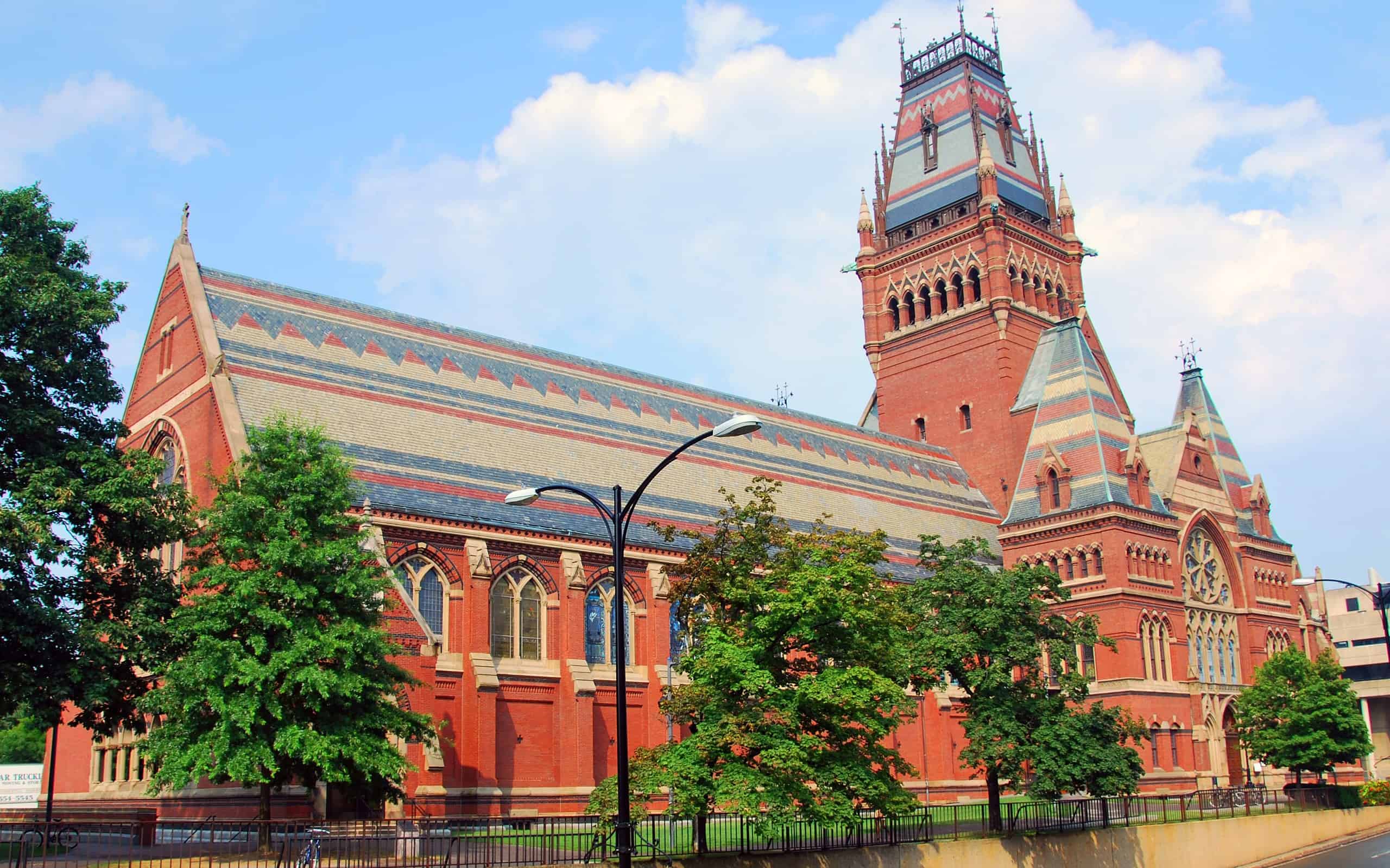
For Pacific Northwest travelers, a college campus can be much more than a place you visit during move-in weekend or graduation. Some American universities sit on so much land that exploring them can feel more like visiting a park, military installation, working ranch, or small town than taking a stroll around the quad.
Comparing campus sizes gets tricky because universities count their land differently. Some figures include forests, agricultural fields, research ranches, or military training grounds far beyond the academic core. So rather than pretending there is one perfect national ranking, we found 10 U.S. campuses whose sheer size is part of what makes them worth seeing.
Berry College: 27,000 Acres of Campus
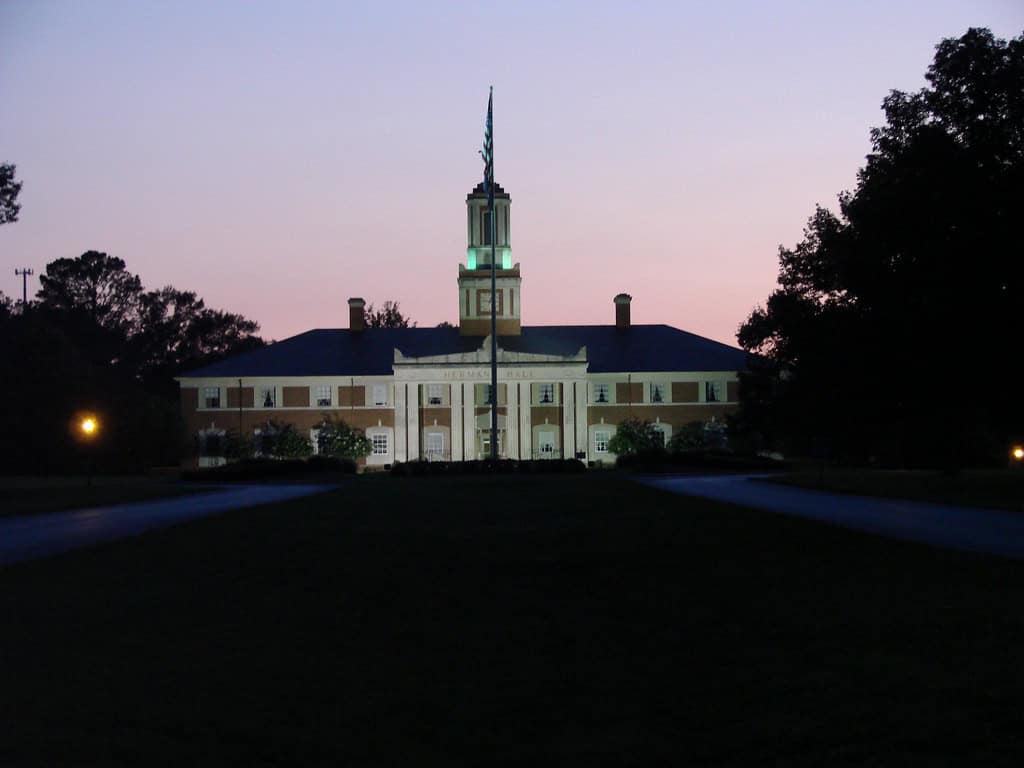
©"HERMANN HALL, BERRY COLLEGE" by lovecatz is licensed under BY-SA 2.0. - Original / License
Berry College near Rome, Georgia, is the place to start because the numbers are almost hard to believe. Berry says its 27,000 contiguous acres make it the world’s largest college campus. Yet the school itself is relatively intimate, with roughly 2,250 undergraduate students. Most of those acres are not covered with residence halls and lecture buildings. The property stretches through forests, fields, streams, wetlands, farms, and the Appalachian foothills, giving Berry the feel of a college tucked inside its own enormous nature preserve.
Berry Feels More Like a Preserve Than a Campus
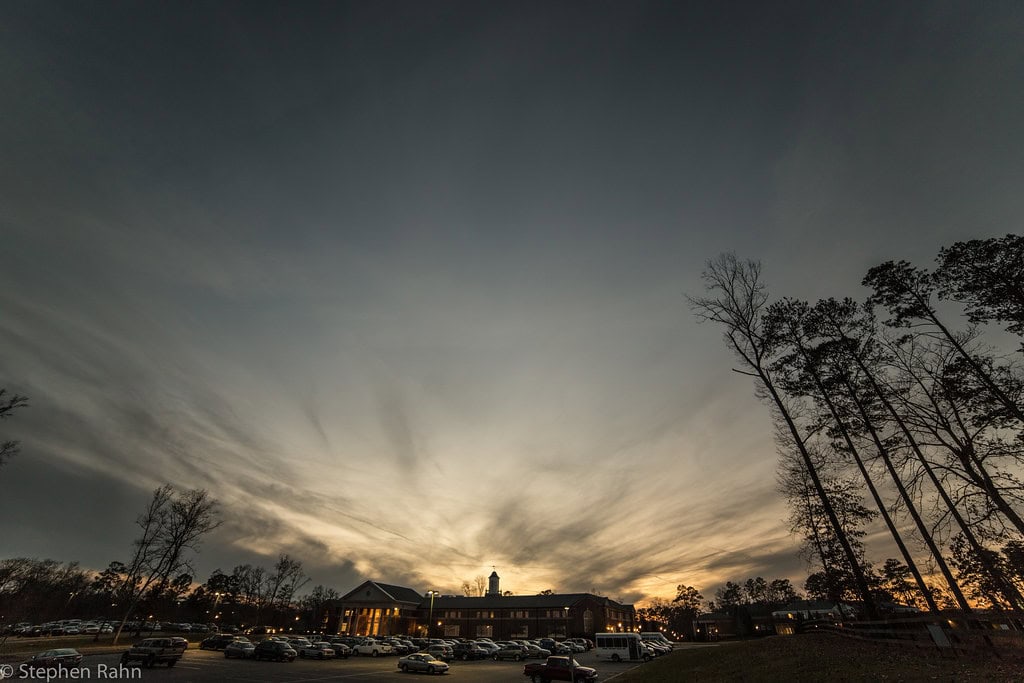
©"Sunset at Berry College" by StephenGA is licensed under CC0 1.0. - Original / License
All that space is not simply sitting unused. Berry describes the property as a massive outdoor classroom and research laboratory, with multiple ecosystems and roughly 88 miles of trails for hiking, biking, and horseback riding. The college also welcomes recreational visitors to designated areas, although you’ll need to stop at the Welcome Center when entering campus and current access rules should be checked before setting out. If you’re used to a compact urban university, this is about as different as a campus visit gets.
Air Force Academy: 18,500 Acres Below the Rockies
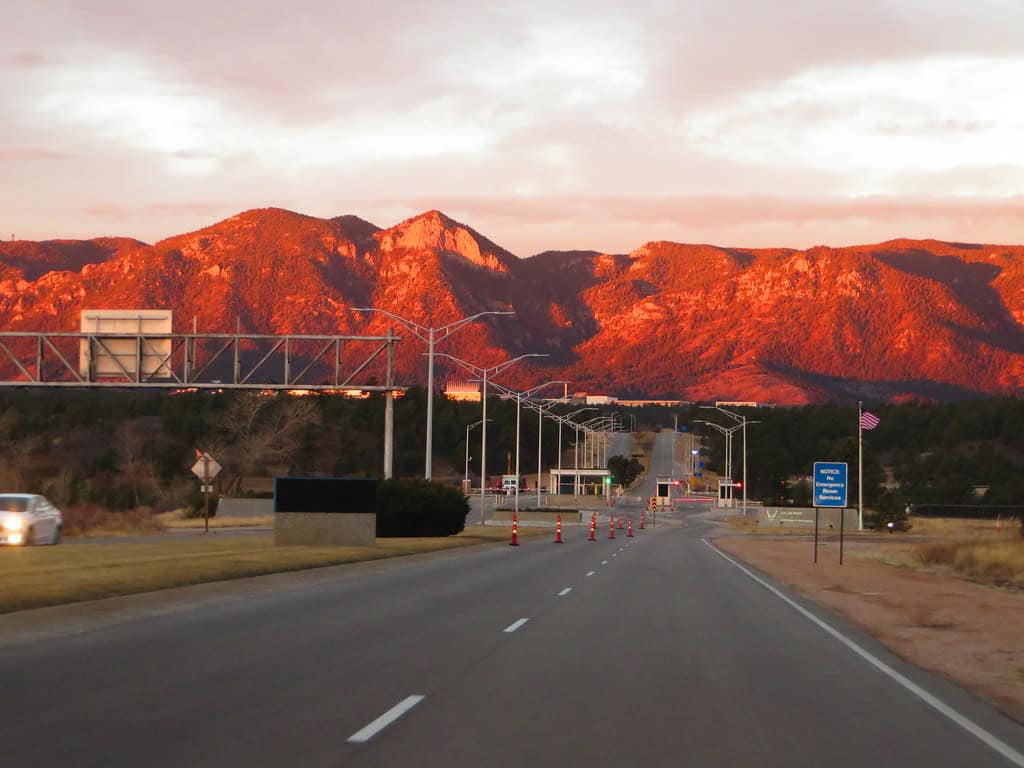
©"United States Air Force Academy, Colorado Springs, Colorado" by Ken Lund is licensed under BY-SA 2.0. - Original / License
The U.S. Air Force Academy occupies about 18,500 acres along Colorado’s Front Range, immediately north of Colorado Springs. Roughly 4,000 cadets train here, which means there is an extraordinary amount of land relative to the student population. The size makes more sense once you remember that this is not a conventional university. Academic buildings share the property with athletic facilities, military training areas, airfield operations, hiking routes, and large stretches of undeveloped landscape beneath the Rocky Mountains.
The Academy Just Made Visiting Easier

©"The United States Air Force Academy Graduation Ceremony" by The White House is licensed under PDM 1.0. - Original / License
There’s a timely reason to put this one on a Colorado itinerary. The new Hosmer Visitor Center opened in May 2026 just outside the Academy’s North Gate. The 34,000-square-foot facility is free, does not require base access, and uses interactive exhibits to explain cadet life, training, academics, and Air Force history. Visitors who want to continue onto the installation need to follow current base-access procedures, but even the visitor center delivers enormous Front Range views and a good introduction to what happens across those 18,500 acres.
West Point: Roughly 16,000 Acres on the Hudson
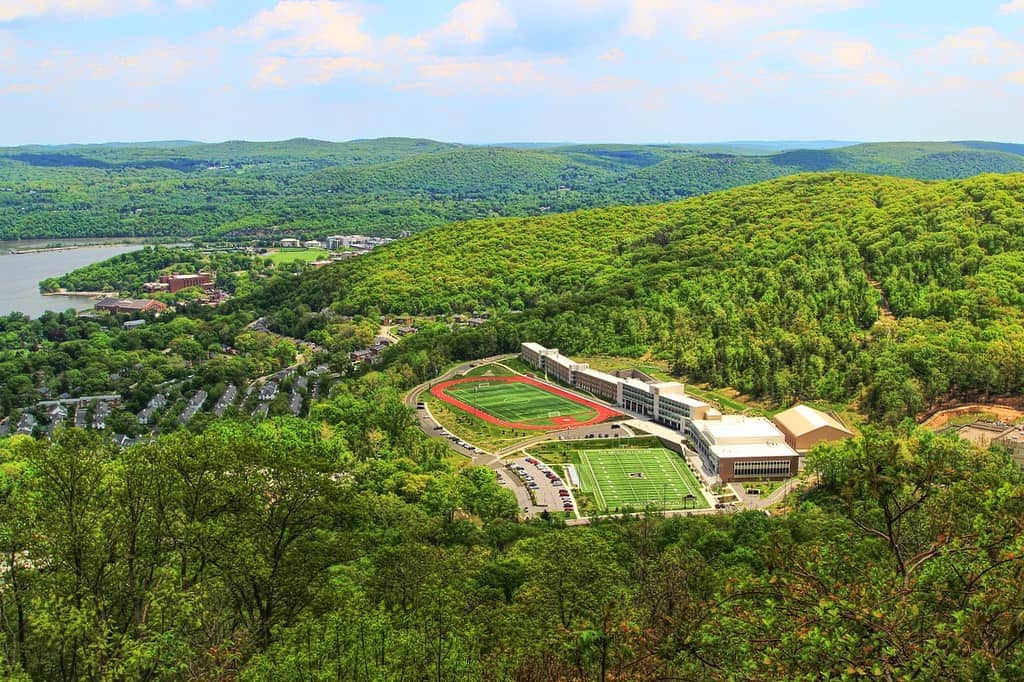
©"United States Military Academy Preparatory School (USMAPS)" by Forsaken Fotos is licensed under BY 2.0. - Original / License
The United States Military Academy sits on roughly 16,000 acres along one of the most dramatic bends of New York’s Hudson River. Only about 4,000 cadets make up the student body, but the reservation has a much larger job than simply housing classrooms and dormitories. More than 14,000 acres have historically been available for field training, ranges, and related military use, which explains how a four-year academy ends up occupying a property this enormous.
Part College Campus, Part Military Training Ground
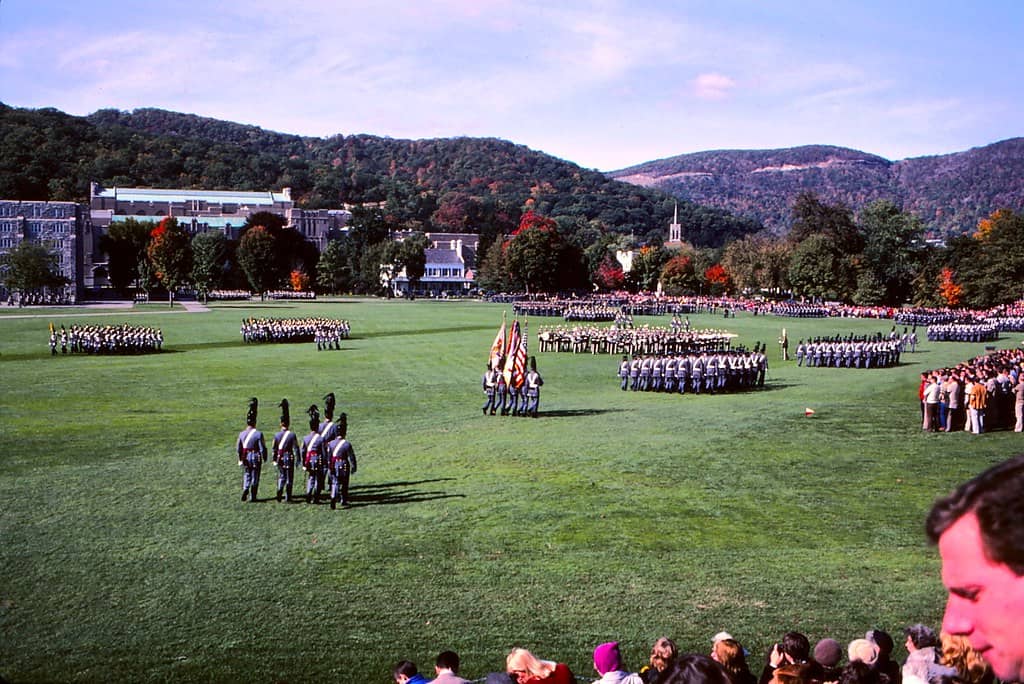
©"New York - West Point - United States Military Academy - John's 15 Year Reunion - 22 October 1983" by Ladycliff is licensed under BY 2.0. - Original / License
West Point’s location also makes the trip worthwhile for people with no connection to the military. The historic academy overlooks the Hudson Highlands, and the surrounding reservation includes forest, lakes, trails, training grounds, and historic sites dating back to the Revolutionary War. Access is understandably more controlled than at a normal university, so visitors should check current security and tour requirements before arriving. Prospective cadets can book official academy tours, while other visitors can also explore public-facing attractions in the West Point area.
Sewanee: A 13,000-Acre Campus Called the Domain
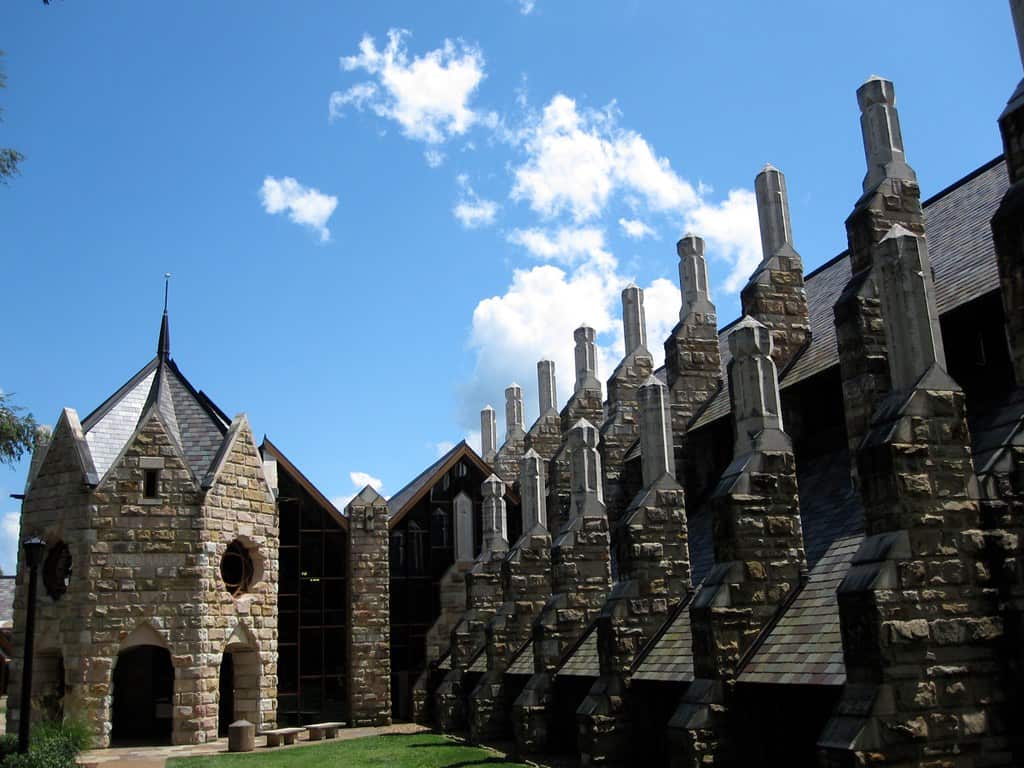
©"McClurg Hall, Sewanee - The University of the South" by rexhammock is licensed under BY-SA 2.0. - Original / License
The University of the South in Sewanee, Tennessee, does not even like calling its 13,000 acres a conventional campus. It calls the property “the Domain,” which makes considerably more sense once you see it. Only about 1,735 undergraduates attend the College of Arts and Sciences, yet the university sits amid forests, bluffs, caves, lakes, meadows, and the dramatic landscape of the Cumberland Plateau. The result feels more like a mountain community with a university tucked inside it.
You Can Hike for Miles Without Leaving Sewanee
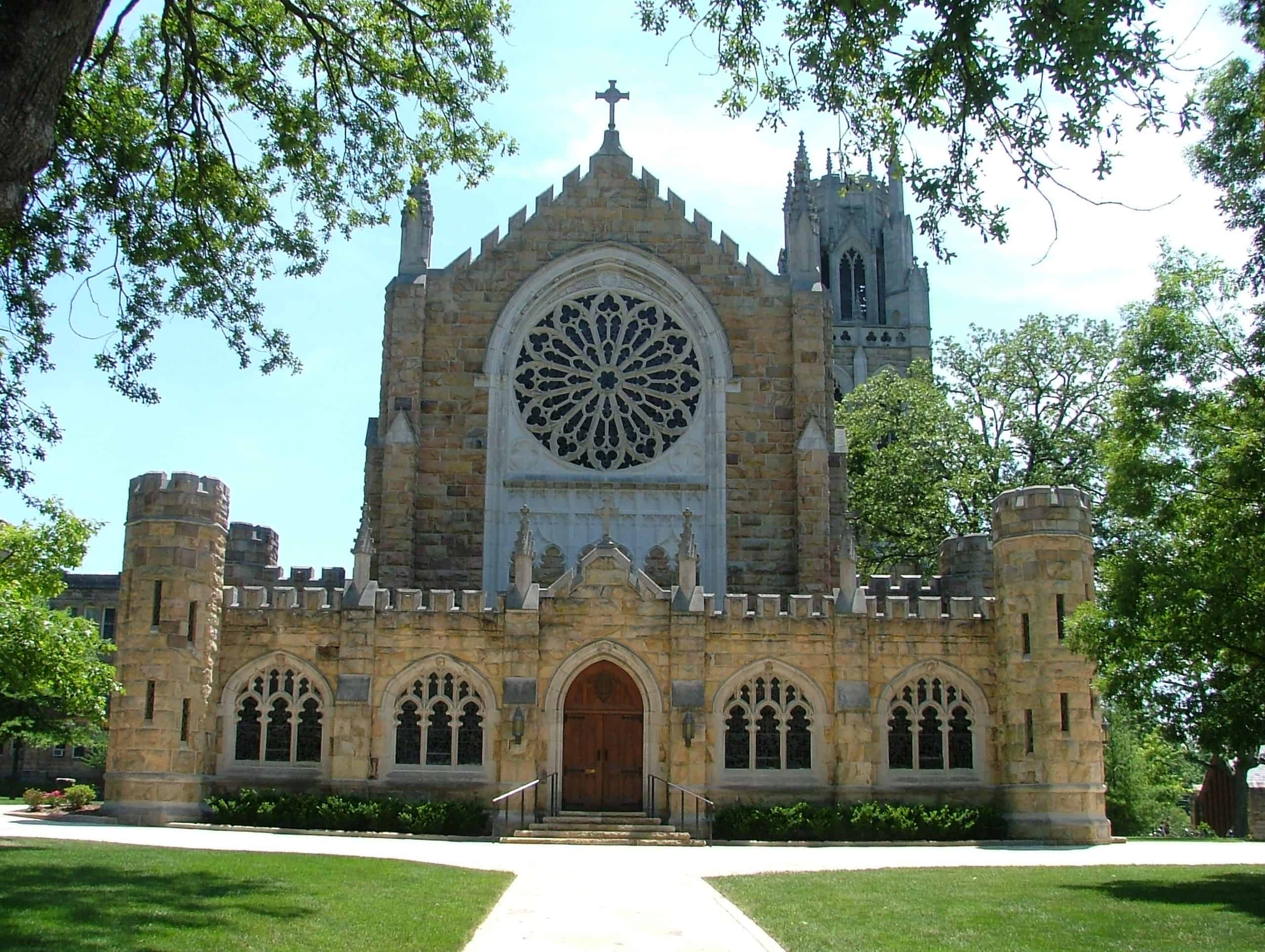
©"All Saints' Chapel, The University of the South" by Amanda is licensed under BY 2.0. - Original / License
What makes Sewanee especially interesting for travelers is how much of the Domain can be experienced outdoors. The university maintains more than 65 miles of hiking trails and fire lanes, including the roughly 20-mile Perimeter Trail looping around much of the property. Day visitors can reach trailheads near locations including Lake Cheston, Green’s View, the University Gates, and Sewanee Village, although this remains private university property and current access rules apply. Add the Gothic architecture of All Saints’ Chapel and you have a campus visit that can easily become an entire day outdoors.
Cal Poly: Nearly 6,000 Acres at Its Main Campus
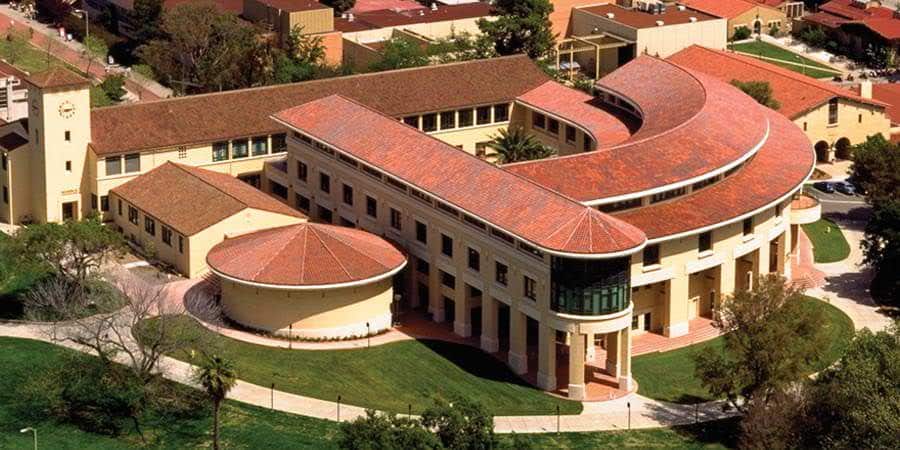
©"Cal Poly Business School" by Indefiarch is licensed under BY-SA 3.0. - Original / License
Older campus rankings often list Cal Poly San Luis Obispo at 9,178 acres, but that number needs context. The university says its main San Luis Obispo campus covers nearly 6,000 acres, while additional university properties include agricultural land and the 3,200-acre Swanton Pacific Ranch in Santa Cruz County. Even using the more useful main-campus figure, this is still an enormous place. Cal Poly enrolled 23,245 students in fall 2025, its highest enrollment on record at the time.
At Cal Poly, the Ranches Are Part of the Classroom
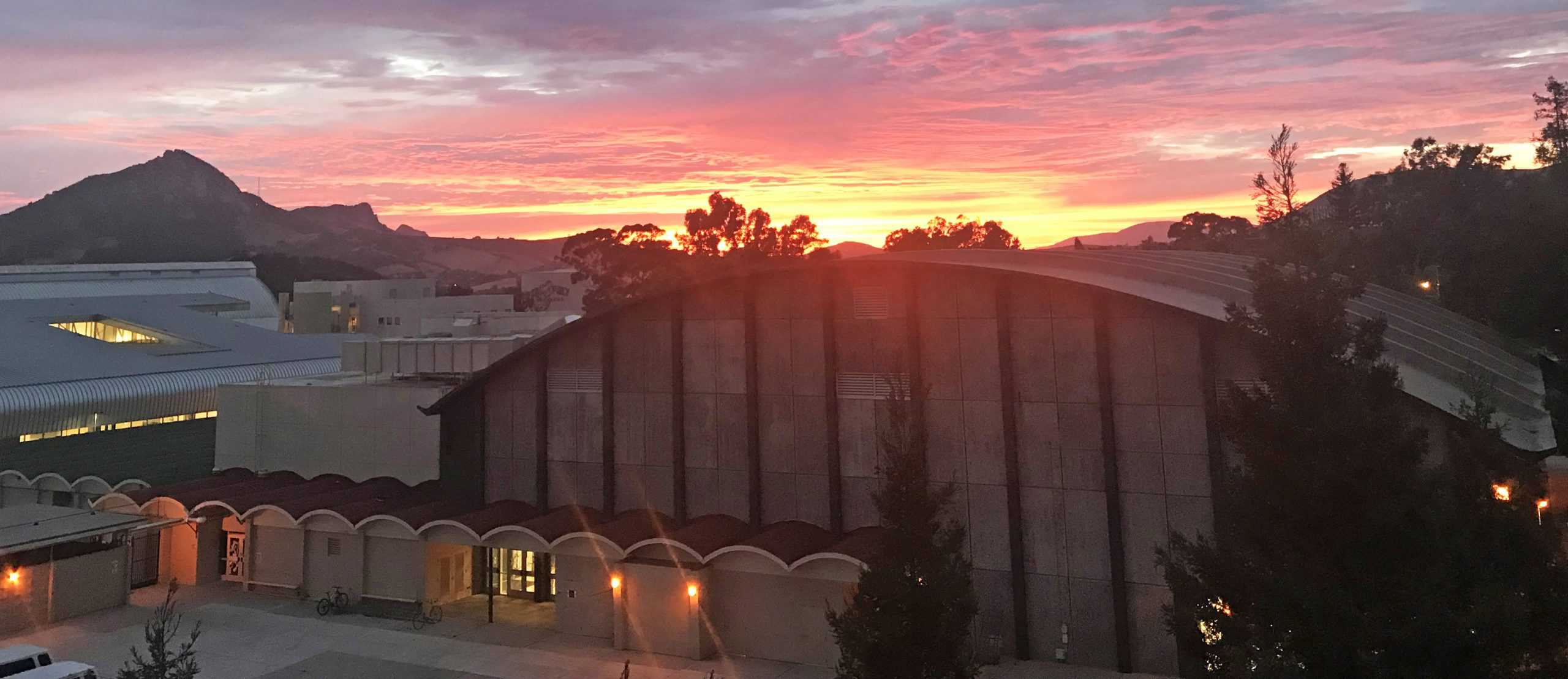
©"CalPolyMottAthleticsCenterExterior2018" by AlmanacHobbyist is licensed under BY-SA 4.0. - Original / License
The acreage makes more sense when you look at Cal Poly’s “Learn by Doing” philosophy. University land supports cattle, horses, sheep, crops, vineyards, forestry work, environmental research, and other hands-on programs. Travelers do not need to cover thousands of acres to get a feel for the school, of course. Cal Poly offers both student-led and self-guided visits to the main campus, and San Luis Obispo itself makes an easy addition to a Central Coast road trip between the Bay Area and Southern California.
Duke: 8,693 Acres If You Count the Forest
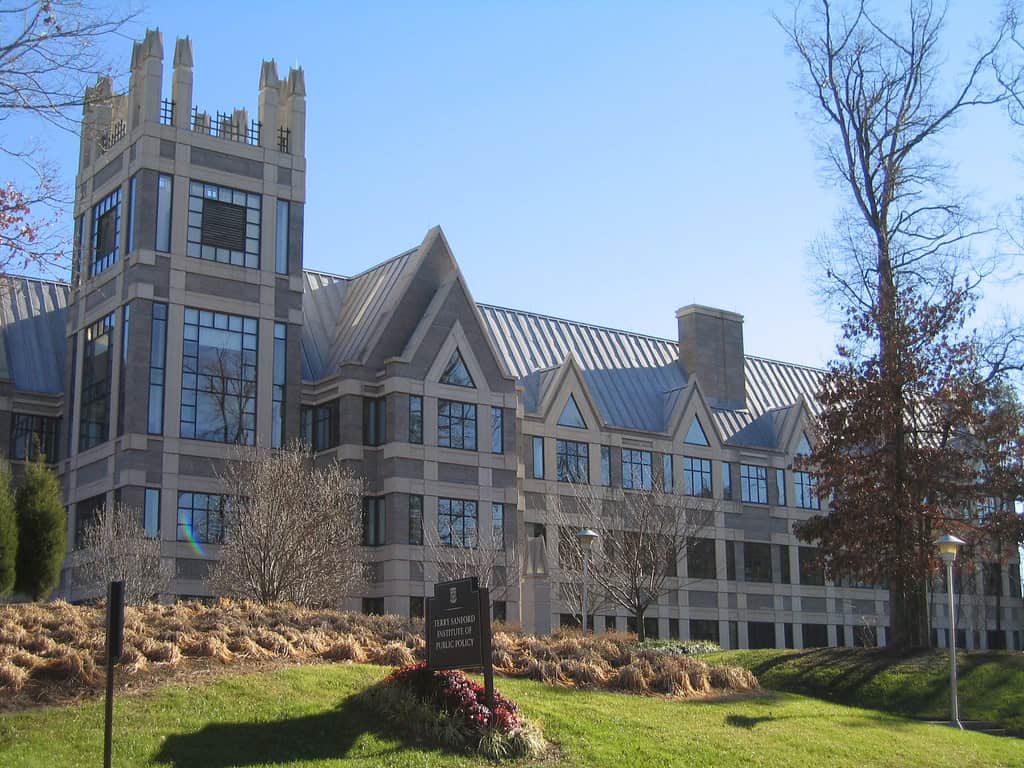
©"Duke University" by Brian's Eye is licensed under BY-SA 2.0. - Original / License
Duke University’s official property total comes to 8,693 acres, but this is another perfect example of why campus-size rankings get messy. More than 7,000 of those acres belong to Duke Forest, a teaching and research forest rather than the central campus students cross between classes. The academic, medical, residential, garden, and athletic areas occupy a much smaller share. Still, having thousands of acres of managed forest attached to one of the country’s best-known universities is impressive in its own right.
The Part of Duke Visitors See Is Spectacular
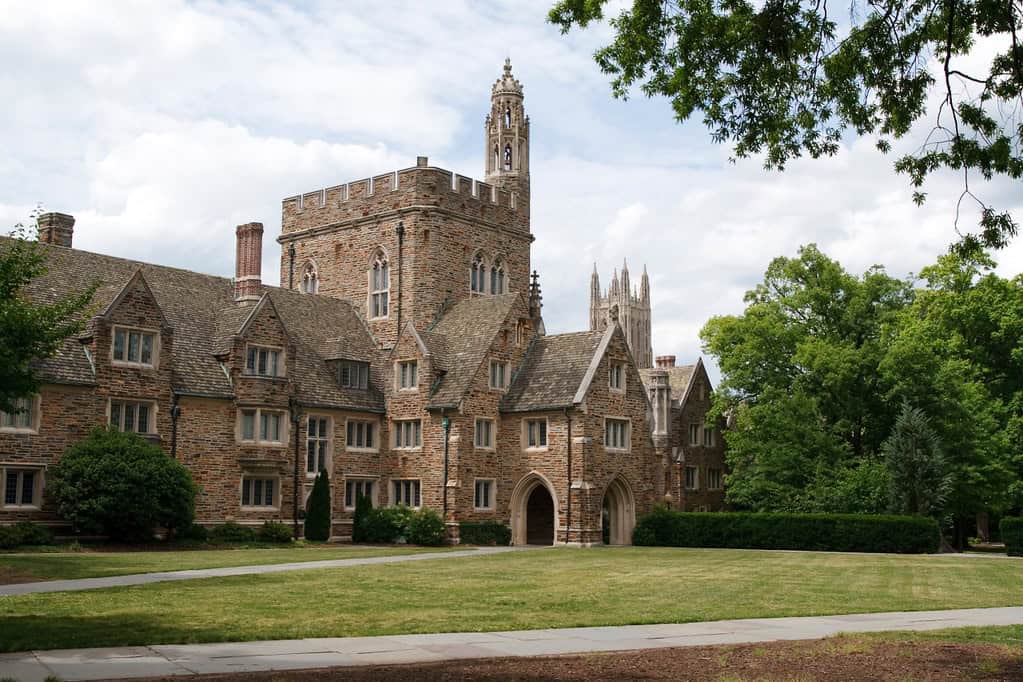
©"Duke University" by Kobetsai is licensed under BY-ND 2.0. - Original / License
You do not need access to Duke Forest to make the Durham campus worth visiting. Duke Chapel anchors the university’s Gothic West Campus and is generally open to the public, while the nearby Sarah P. Duke Gardens offers 55 acres of landscaped grounds and five miles of paths with free admission. Together, the chapel, gardens, stone architecture, and wooded setting make Duke one of those college campuses that works perfectly well as a travel stop even if nobody in your family is filling out an application.
Penn State: University Park Is Nearly 7,000 Acres
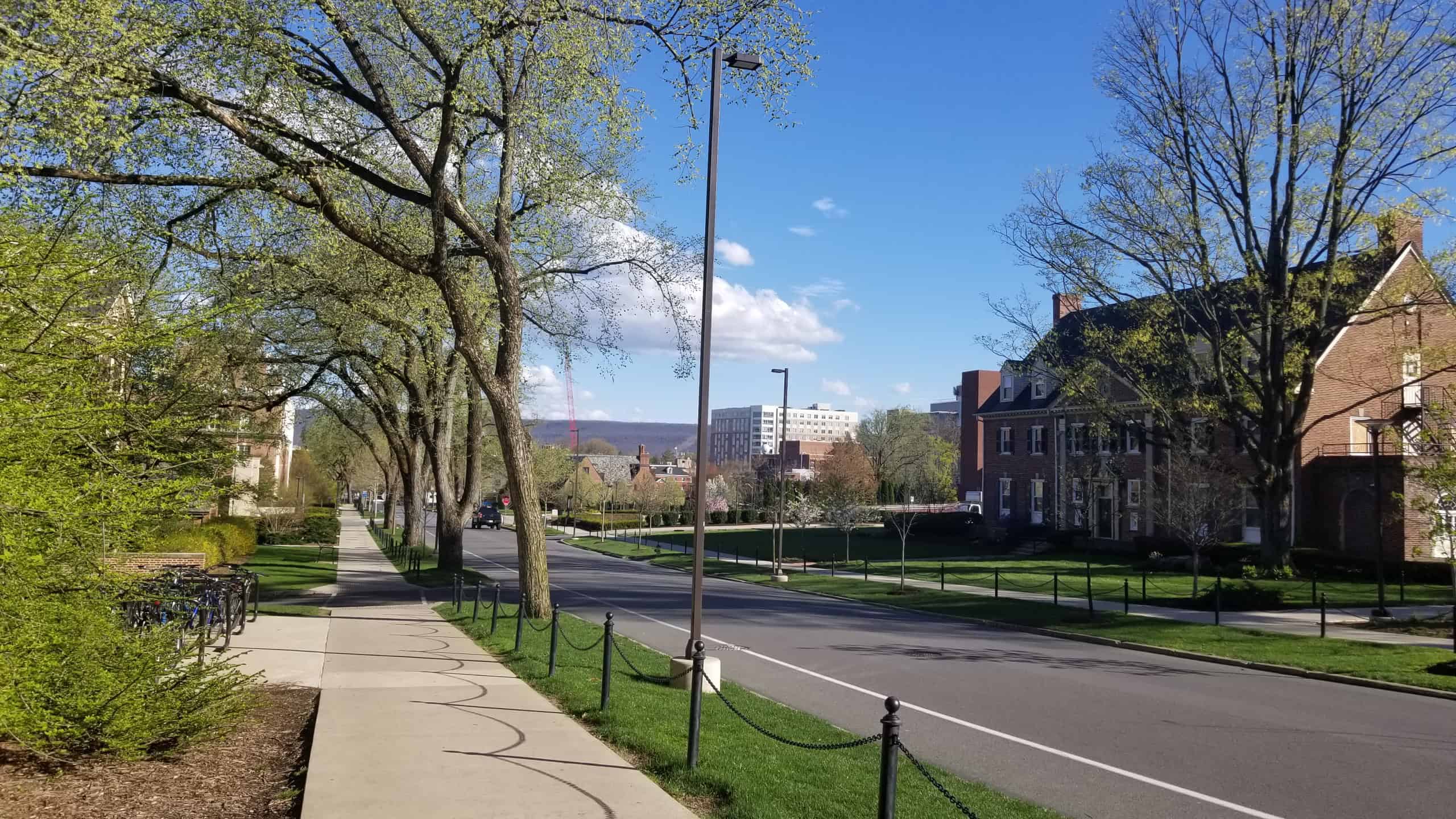
©"Penn State Campus" by Goonsnick is licensed under BY-SA 4.0. - Original / License
Penn State’s University Park campus has sometimes been listed at more than 8,500 acres, but the university’s current master-planning documents use a figure of approximately 7,000 acres. That is still enormous. The campus includes about 600 buildings and more than 20 million gross square feet of space. Fall 2025 also brought a record 42,822 residential undergraduate students to University Park, so unlike some places on this list, the scale of the student body comes much closer to matching the scale of the property.
Penn State Feels More Like a Small City
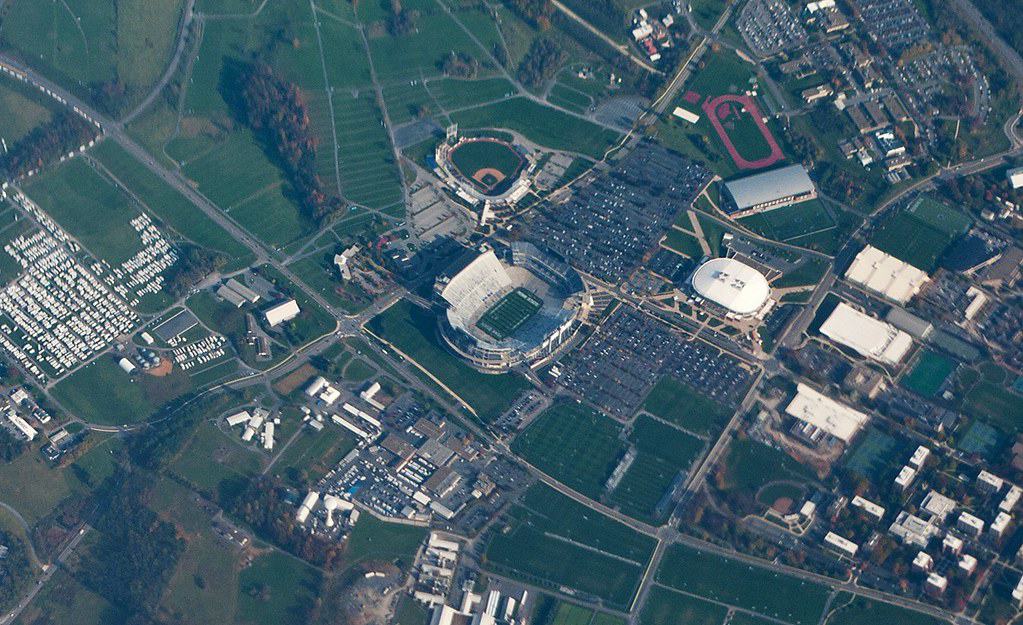
©"Penn State" by kla4067 is licensed under BY 2.0. - Original / License
University Park is the kind of campus where getting from one side to another requires a little planning. Fortunately, Penn State provides an interactive map, its Penn State Go navigation app, and a self-guided walking-tour route for visitors. Campus landmarks sit directly beside downtown State College, so a visit can move easily from university lawns and historic buildings to restaurants and shops. On football weekends, that already enormous campus can feel even more like a city of its own.
Stanford: 8,353 Acres in Silicon Valley
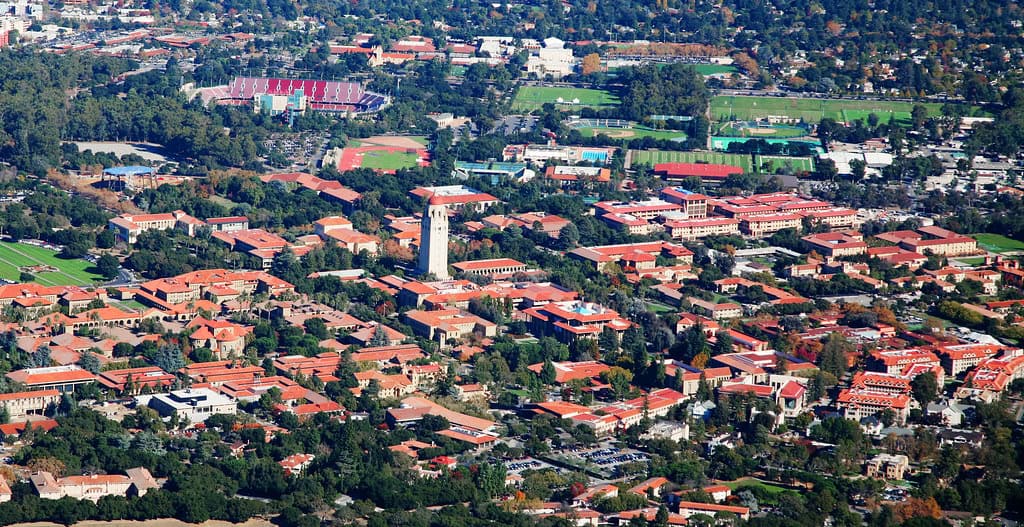
©"Hoover Tower at Stanford University" by jitze is licensed under BY 2.0. - Original / License
Stanford’s current official figure is 8,353 acres, making “The Farm” one of the country’s most expansive university properties. The land stretches across multiple local jurisdictions on the San Francisco Peninsula and includes far more than the famous Main Quad. Stanford lists 630 buildings, 26,000 trees, reservoirs, an educational farm, research facilities, residential areas, and open foothill landscapes within its broader holdings. It is one of the rare places where an 8,000-acre figure still feels enormous even after you account for what is actually there.
Stanford’s Size Goes Far Beyond the Main Quad
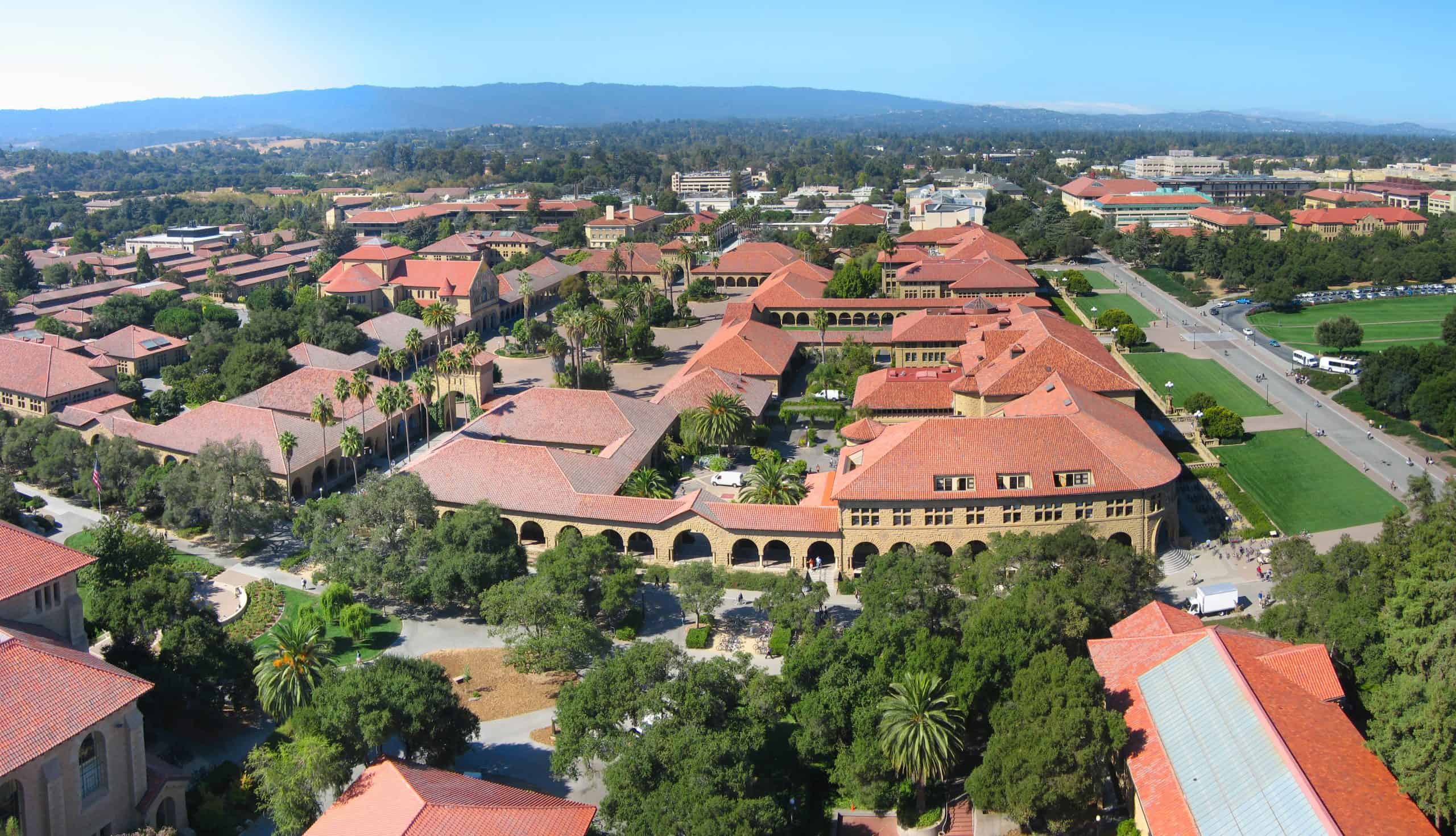
©"Stanford University campus from above" by Jawed Karim. is licensed under BY-SA 3.0. - Original / License
Stanford is also one of the easiest campuses on this list to experience as an ordinary traveler. Self-guided routes cover the Main Quad, public art, gardens, architecture, and athletics, while Hoover Tower provides one of the clearest views across the property and surrounding Bay Area when its observation platform is open. Most visitors will only see a fraction of those 8,353 acres, but the aerial view makes the scale difficult to miss.
Liberty University: More Than 7,000 Acres
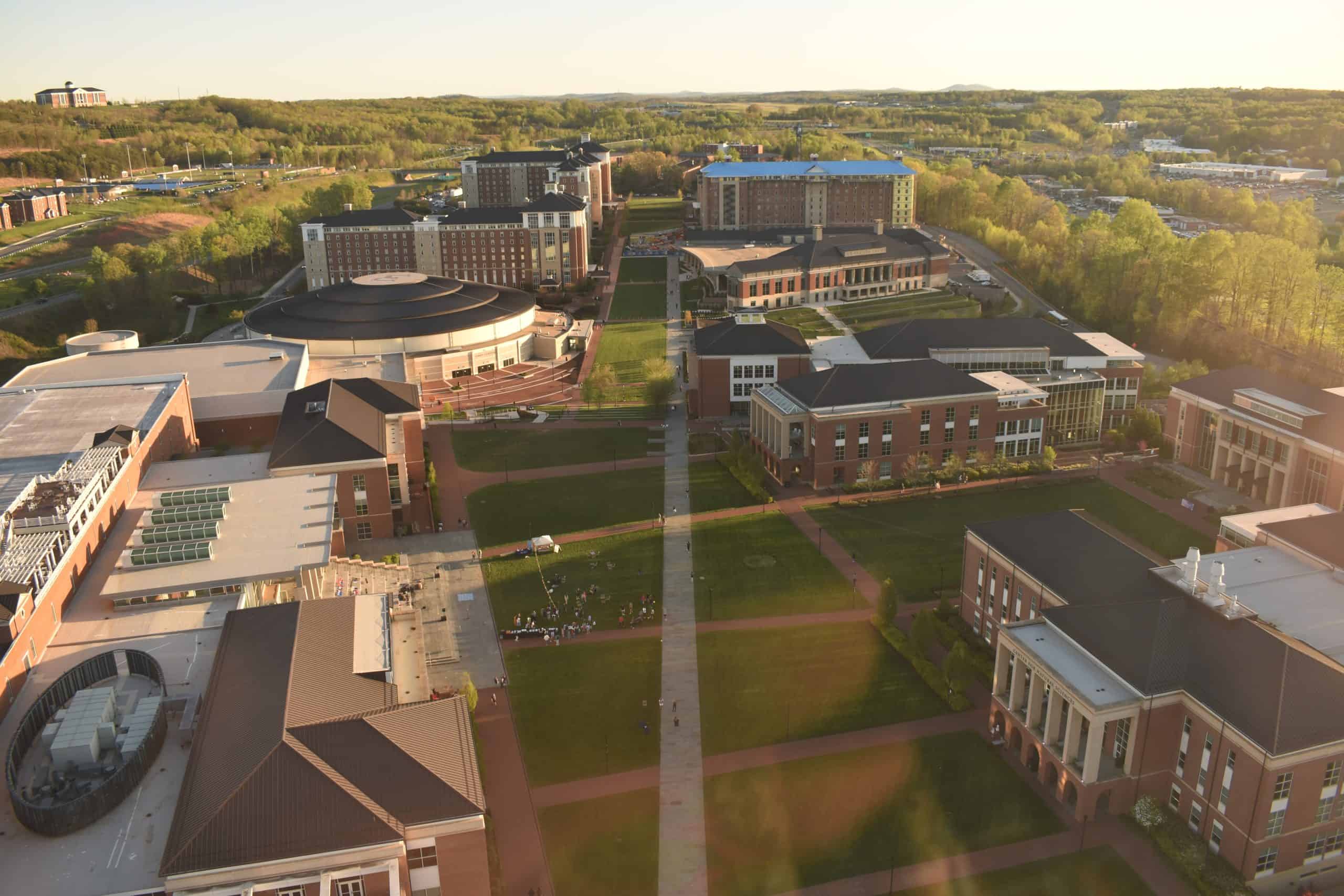
©"Liberty University South Campus" by Northern-Virginia-Photographer is licensed under CC0 1.0. - Original / License
Liberty University has expanded dramatically since its founding in 1971 and now controls more than 7,000 acres around Lynchburg, Virginia. The property includes more than 195 buildings and structures along with large undeveloped and recreational areas around the Blue Ridge foothills. Liberty’s overall enrollment numbers can be misleading when you’re trying to picture the physical campus, because most of its students study online. The school says more than 16,000 students are attending residentially in fall 2026, still enough to make this a substantial campus community.
The Blue Ridge Setting Is Part of Liberty’s Appeal

©"Liberty University" by taberandrew is licensed under BY 2.0. - Original / License
Liberty’s scale becomes more obvious when a campus visit combines walking and driving. The school offers regular tours that take in academic buildings, residence halls, dining facilities, athletics, and recreation. Freedom Tower rises above the central campus, while the surrounding hills and Blue Ridge Mountains keep the setting from feeling like a typical urban university. Lynchburg itself also offers a useful jumping-off point for Blue Ridge road trips and nearby historic sites.
Michigan State: 5,239 Contiguous Acres
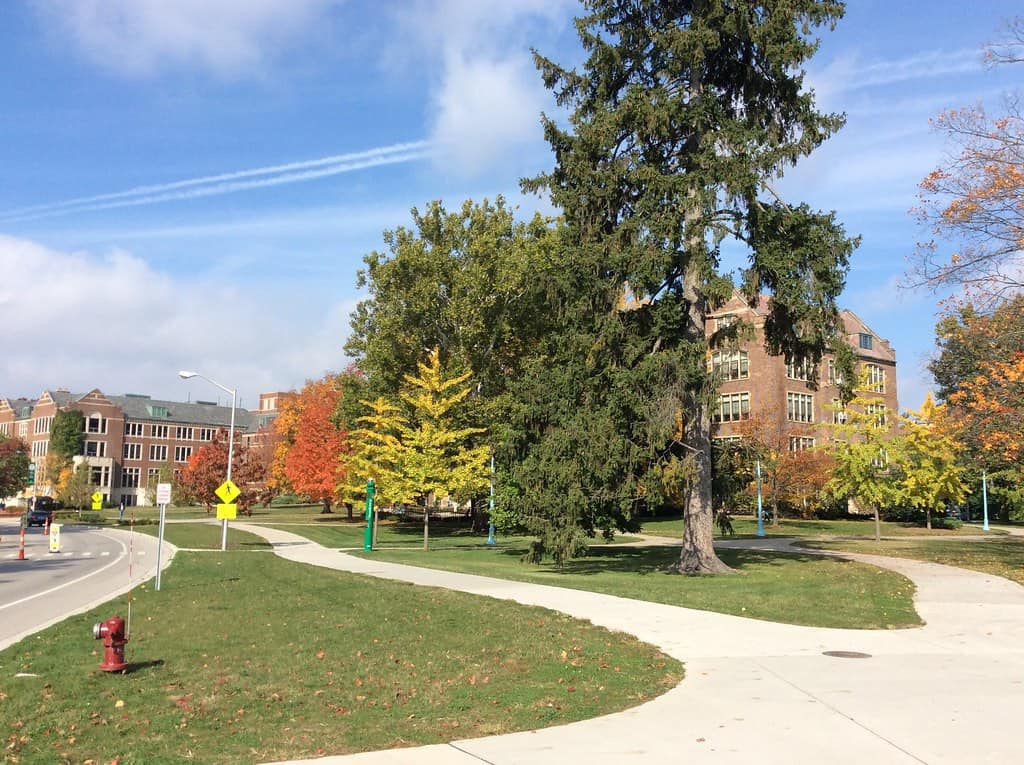
©"Michigan State University campus, East Lansing" by Infrogmation is licensed under BY 2.0. - Original / License
Michigan State University occupies 5,239 contiguous acres in East Lansing, a figure that includes both the developed campus and thousands of acres used for experimental farms, research facilities, natural areas, and recreation. The university reported 41,415 undergraduate students in fall 2025, so this is one of the busiest campuses on the list as well as one of the largest. The combination of historic buildings, open lawns, research land, and agricultural roots reflects MSU’s history as one of America’s pioneering land-grant universities.
The Red Cedar River Runs Through the Heart of MSU
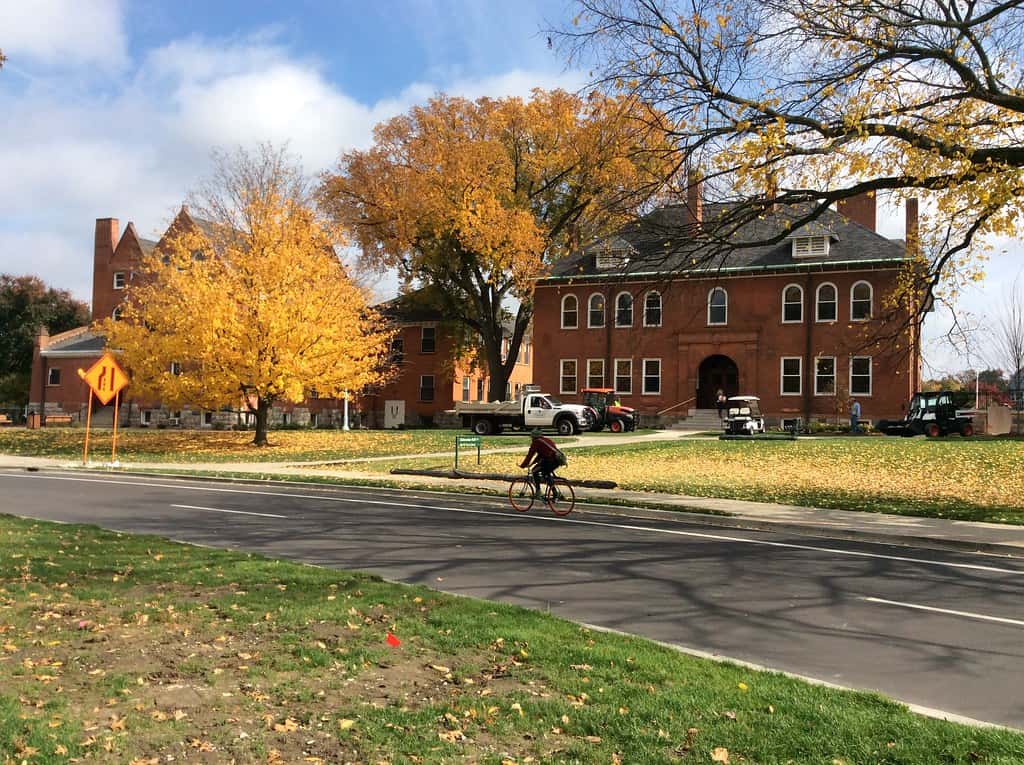
©"Michigan State University campus, East Lansing" by Infrogmation is licensed under BY 2.0. - Original / License
Size is not the only reason Michigan State works as a travel stop. The Red Cedar River cuts directly through campus, and mature trees, gardens, pathways, and green spaces soften what could otherwise feel like an enormous institutional complex. Visitors can pick up or download a self-guided walking-tour map and explore at their own pace. Pair the campus with downtown East Lansing and it becomes an easy stop on a broader Michigan road trip rather than something only prospective students would enjoy.

