
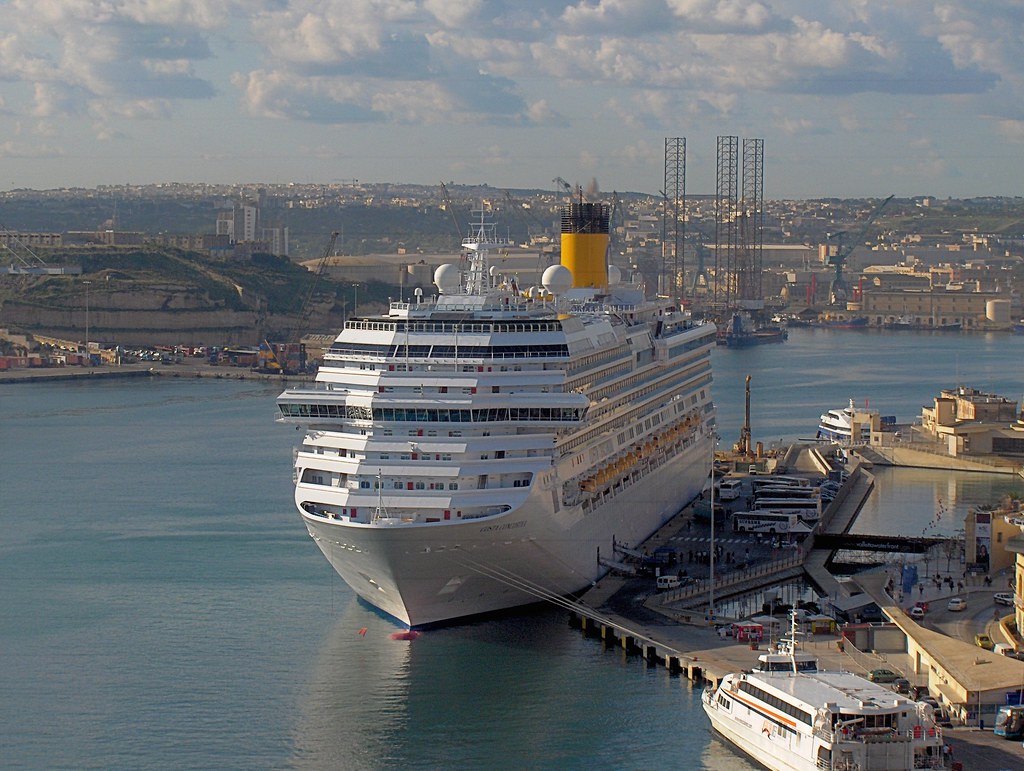
Cruises are supposed to be about open water, good food, and getting away from it all. But when trouble starts at sea, a vacation can become an emergency very quickly. Fires, collisions, groundings, equipment failures, and violent weather have all turned ordinary voyages into dangerous situations, sometimes with heavy loss of life and sometimes with passengers escaping by only a narrow margin.
The disasters on this list stretch across decades and include ocean liners, expedition vessels, and river cruises from around the world. Some prompted major safety changes. Others became infamous because of chaotic evacuations, difficult rescue efforts, or decisions that made an already serious situation even worse.
This is not simply a ranking by death toll. Seattle Travel looked at 15 major cruise ship disasters based on the number of lives lost, the scale of the emergency, the difficulty of the evacuation, and how close some incidents came to becoming even more catastrophic. If you already have a cruise booked, maybe save this one for after you get home.
RMS Titanic — North Atlantic, 1912
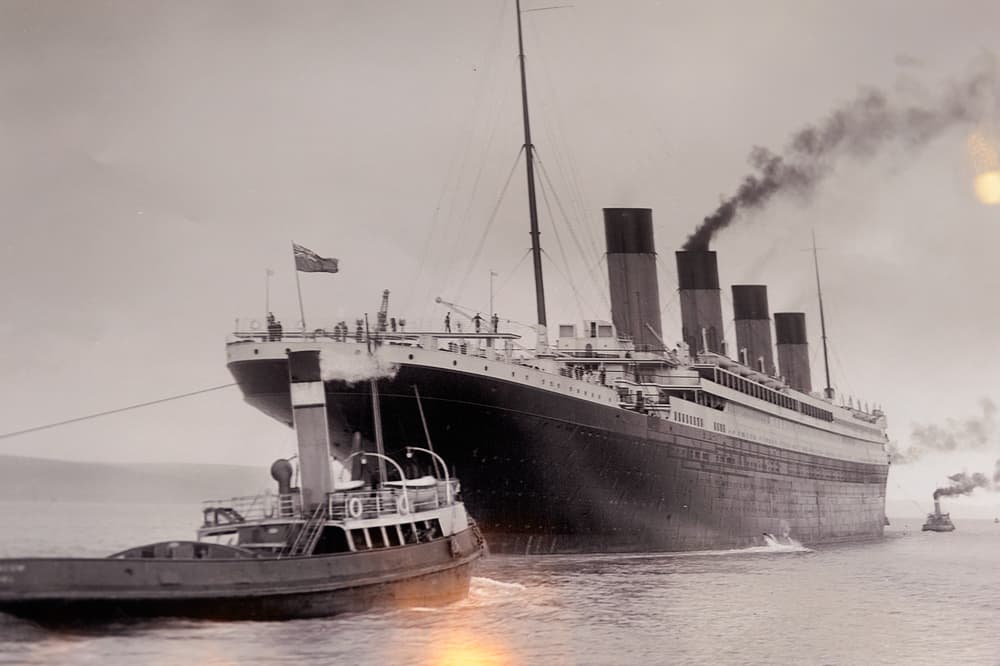
©Robert John Welch (1859-1936), official photographer for Harland & Wolff / public domain - Original / License
RMS Titanic struck an iceberg in the North Atlantic late on April 14, 1912, during its maiden voyage from Southampton to New York, and sank in the early hours of April 15. More than 1,500 passengers and crew died, making it one of the deadliest peacetime maritime disasters in history. Although Titanic was technically an ocean liner rather than a modern cruise ship, the catastrophe transformed international maritime safety rules, including requirements involving lifeboats, emergency communications, and continuous radio watches.
Lakonia — Atlantic Ocean, 1963
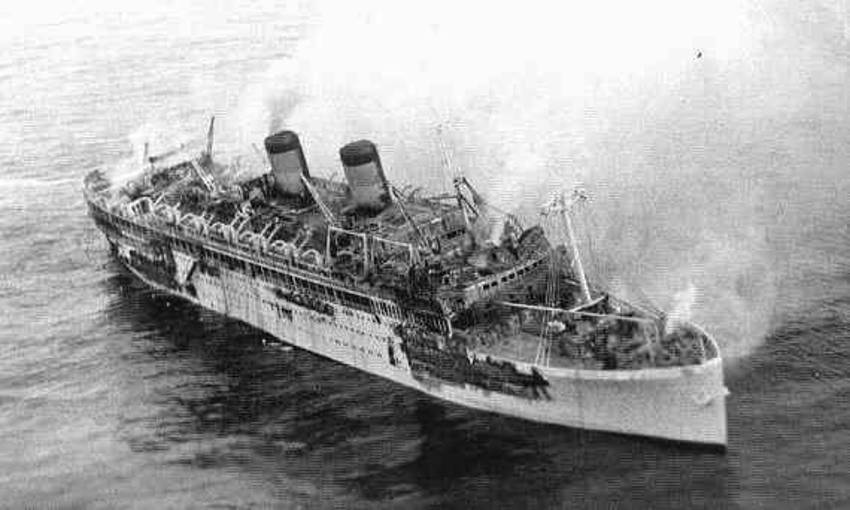
©Wikipedia
Lakonia was on a Christmas cruise from Southampton when a fire broke out north of Madeira in December 1963. The blaze overwhelmed the ship and the evacuation was complicated by lifeboat problems and confusion. The disaster ultimately killed 128 passengers and crew before the burned-out vessel later sank under tow.
Yarmouth Castle — Bahamas, 1965
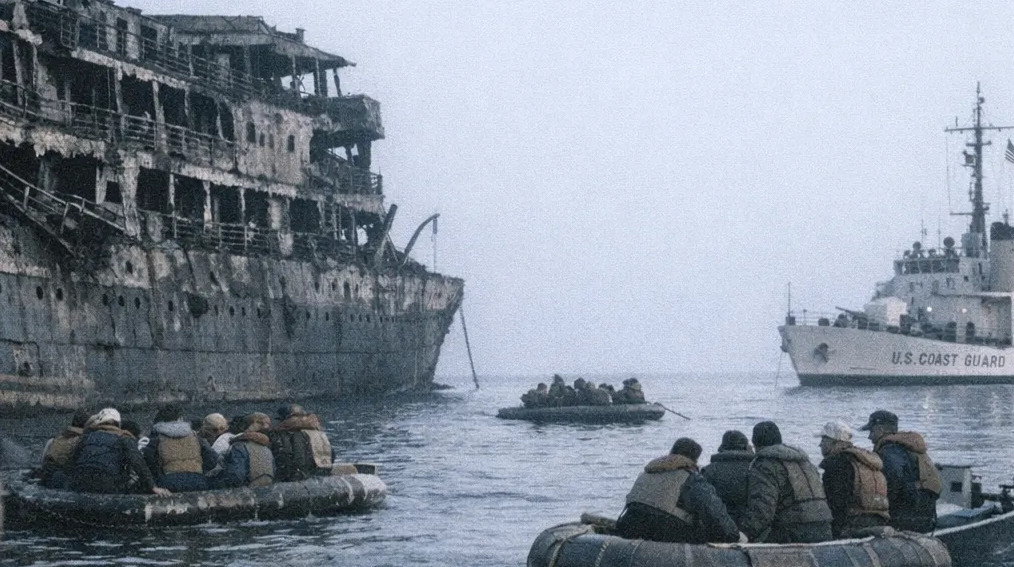
©Wikimedia Commons
A fire tore through Yarmouth Castle while the cruise ship was sailing from Miami to Nassau in November 1965. The vessel eventually sank and 90 people died. A U.S. Coast Guard investigation found serious problems involving fire detection, combustible construction materials, and the ship’s ability to contain the blaze.
Prinsendam — Gulf of Alaska, 1980
©Wikimedia Commons
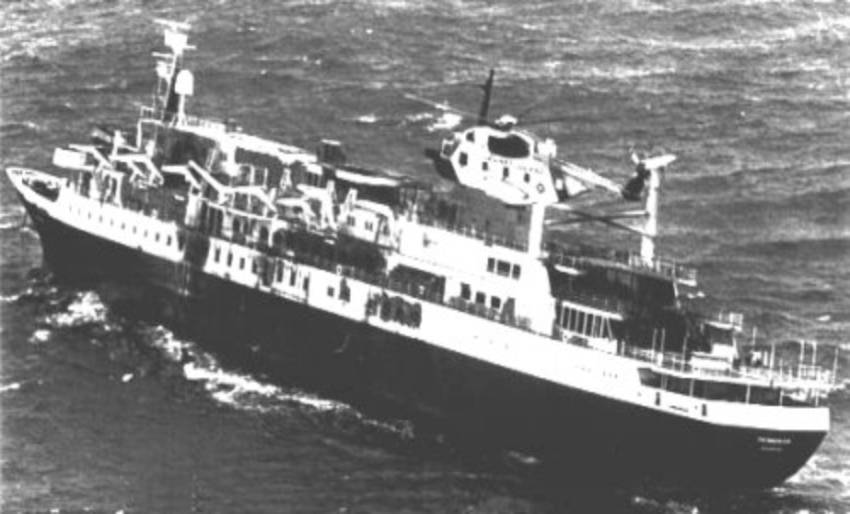
An engine-room fire crippled Holland America’s Prinsendam in the Gulf of Alaska in October 1980, triggering a huge international rescue in cold, rough seas. All 519 people aboard were saved without loss of life. The badly damaged cruise ship continued to deteriorate and sank about a week later.
Jupiter — Greece, 1988
©Wikimedia Commons
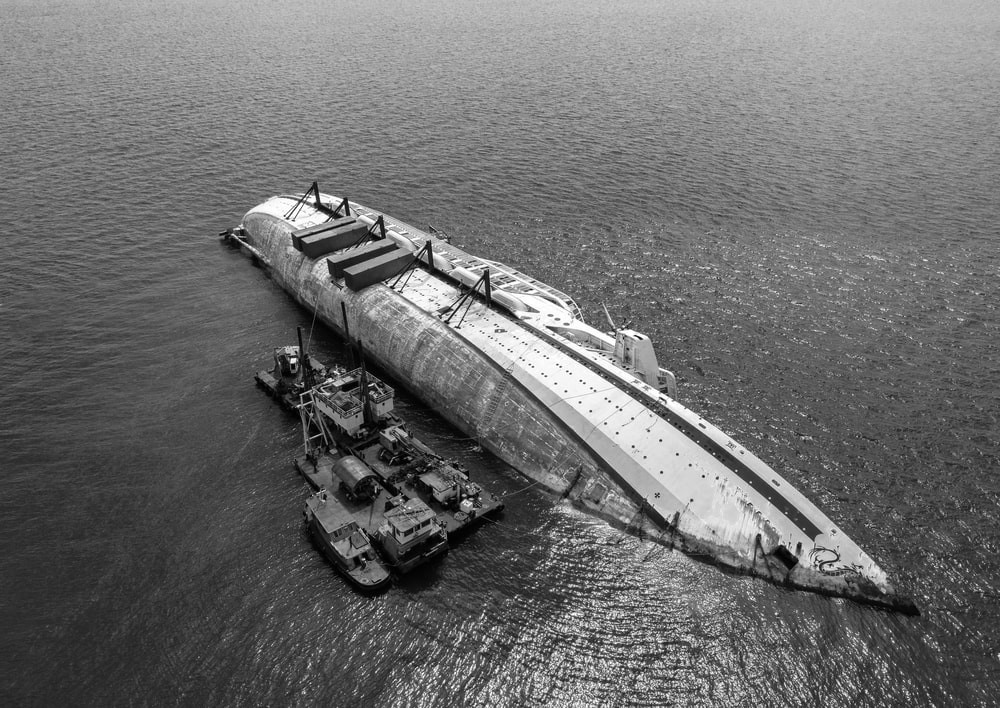
The cruise liner Jupiter had hundreds of British schoolchildren aboard when it collided with a freight ship shortly after leaving Piraeus in October 1988. The ship sank in roughly 40 minutes. Most people escaped, but four died, including a student and a teacher, while dozens more were injured.
Oceanos — South Africa, 1991
©Youtube
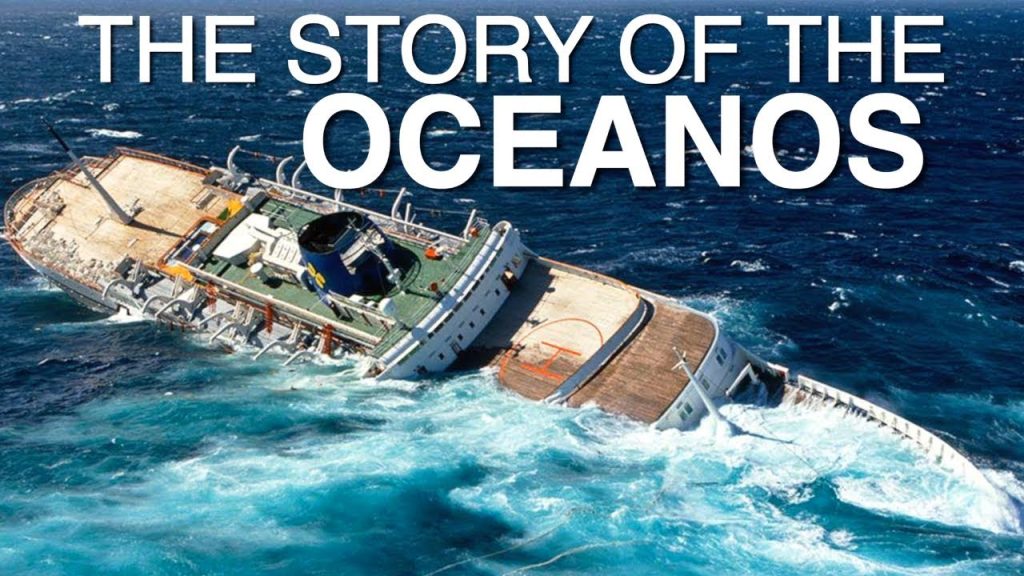
Oceanos began taking on water in heavy seas off South Africa in August 1991 and eventually sank. All 571 people aboard survived after a dramatic air-and-sea rescue. The incident became infamous because passengers accused senior crew members of leaving before the evacuation was finished, while entertainers helped organize people still aboard.
Royal Pacific — Strait of Malacca, 1992
©Boating Life Archives
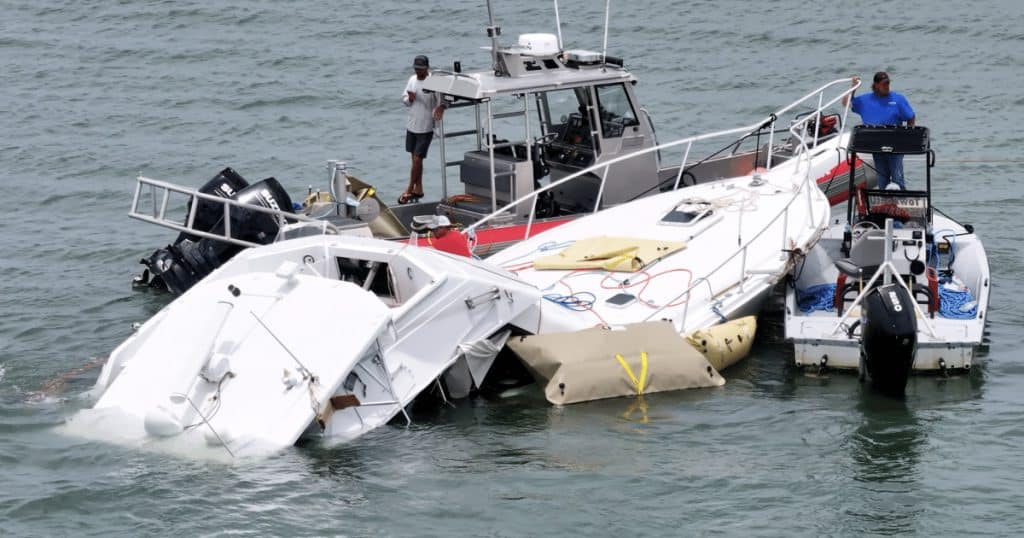
Royal Pacific was returning from a short pleasure cruise when it collided with a fishing vessel in the Strait of Malacca in August 1992. The collision caused uncontrollable flooding and the cruise ship sank. A Bahamas Maritime Authority casualty record lists nine lives lost in the disaster.
S/S Norway — Miami, 2003
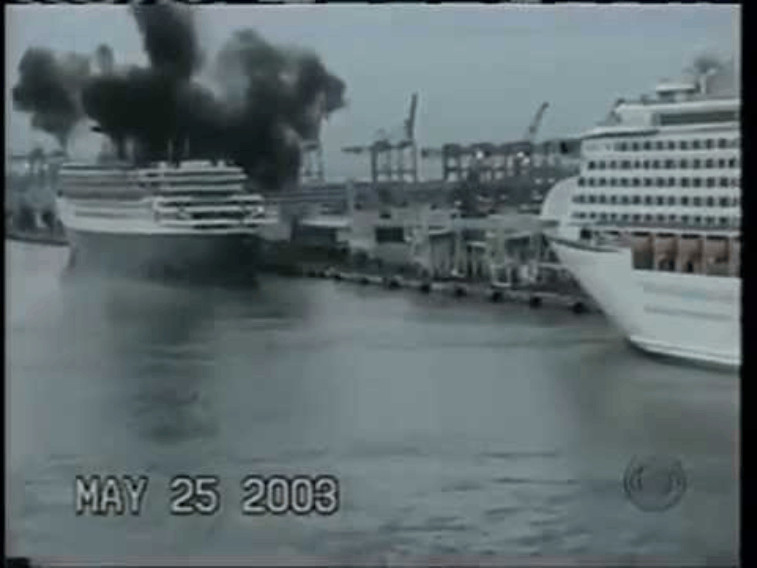
©CBS Archives
S/S Norway had just returned to Miami from a Caribbean cruise when a boiler ruptured on May 25, 2003. Eight crew members were killed, 10 suffered serious injuries, and seven had minor injuries; no passengers were hurt. The NTSB later cited deficient boiler operation, maintenance, and inspection practices.
Star Princess — Caribbean, 2006
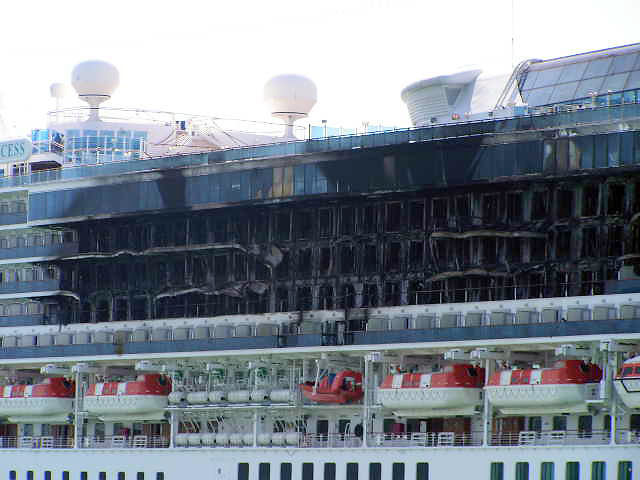
©Wikimedia Commons
A fire that began on a passenger balcony aboard Star Princess spread across the exterior of the ship off Jamaica in March 2006. One person died, and the damage affected numerous cabins. The investigation prompted urgent cruise-industry attention to balcony materials, fire detection, passenger warnings, and firefighting procedures.
Explorer — Antarctica, 2007
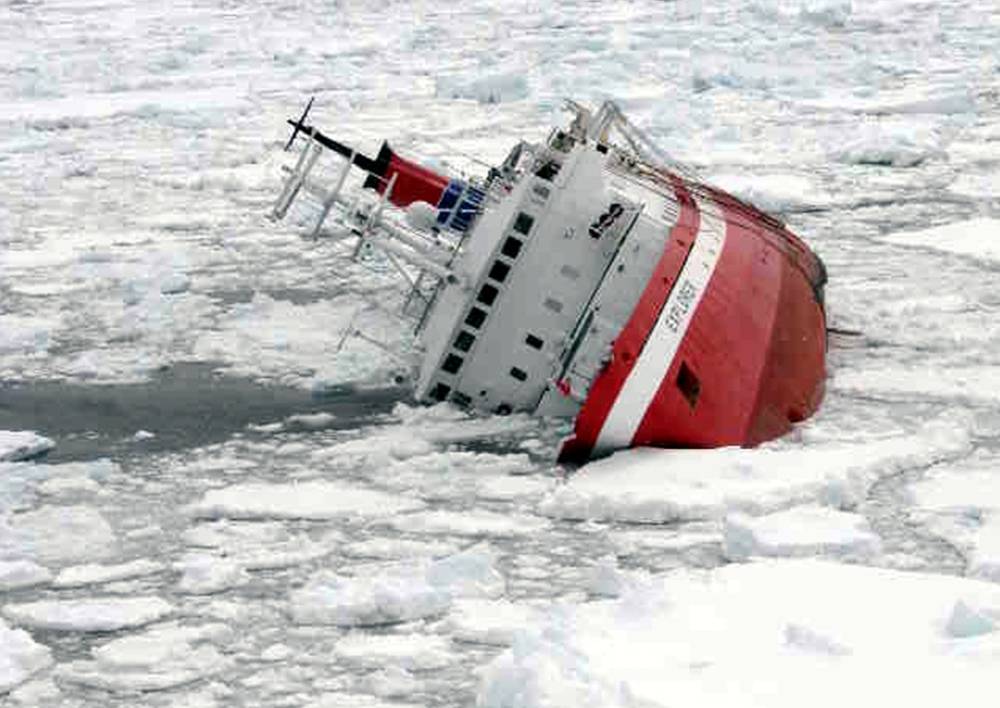
©Wikimedia Commons
The expedition cruise ship Explorer was damaged by ice in the Bransfield Strait near Antarctica in November 2007 and began taking on water. All 154 passengers, crew, and staff abandoned ship safely, spending hours in lifeboats and inflatable boats before another cruise ship reached them. Explorer later sank.
Sea Diamond — Santorini, 2007
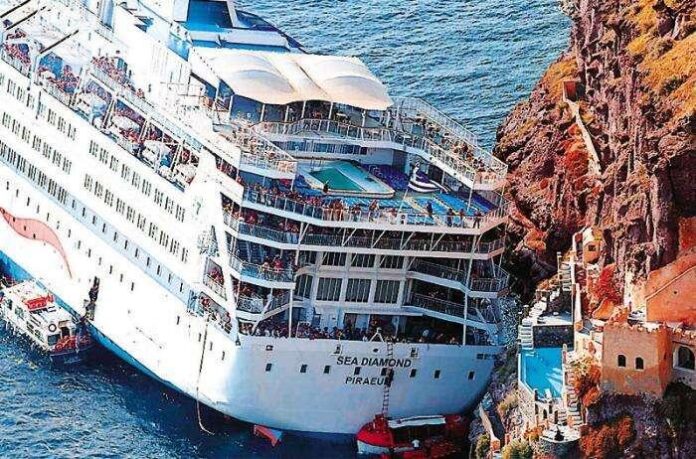
©Wikimedia Commons
Sea Diamond struck a rock while approaching Santorini in April 2007, took on water, and sank the following morning. More than 1,500 passengers and crew were evacuated, but two French passengers were never found and were presumed dead. The wreck remains beneath the waters of the caldera.
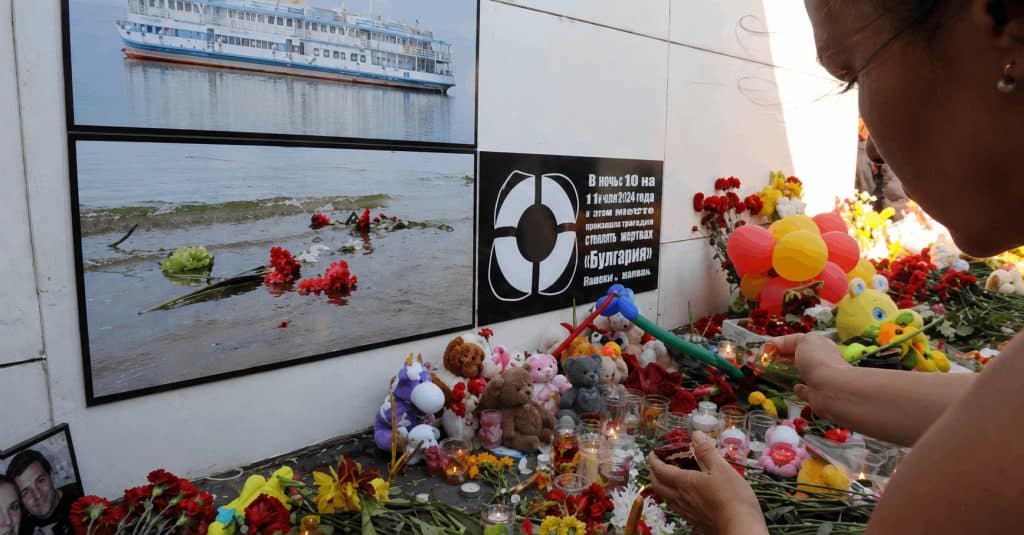
Bulgaria — Russia, 2011
©Wikimedia Commons
The river cruise ship Bulgaria sank in minutes on the Volga River system in July 2011 during stormy weather. Authorities reported 122 deaths and 79 survivors. The scale of the loss was especially shocking because the vessel went down so quickly, leaving passengers and crew little time to escape.
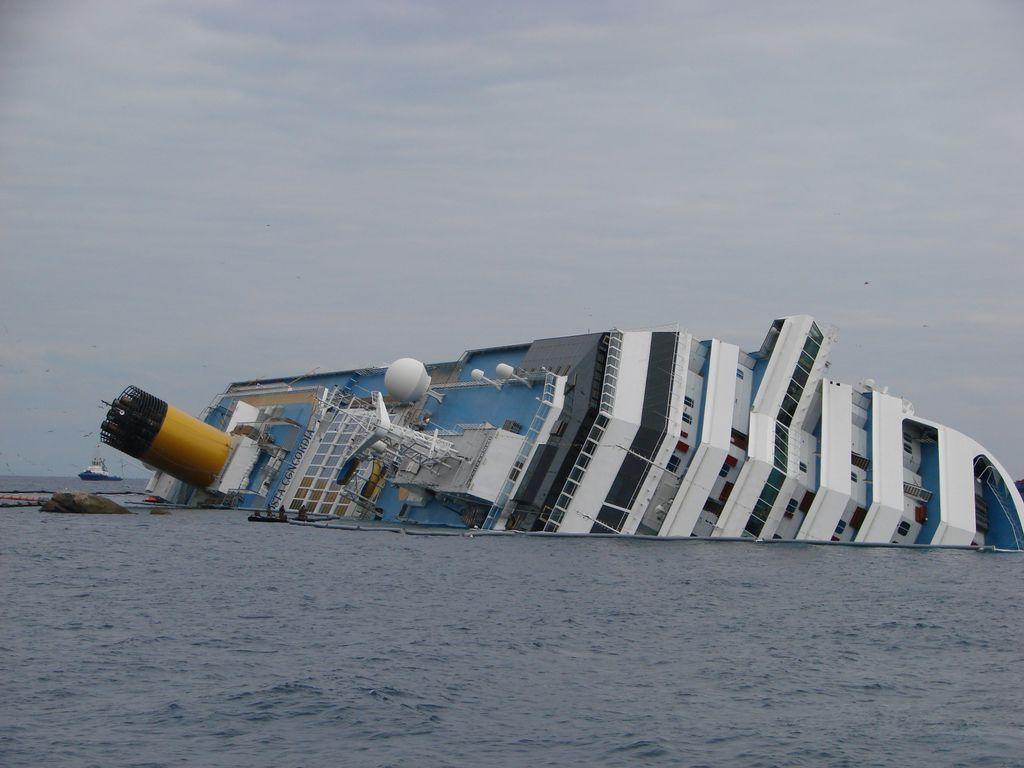
Costa Concordia — Italy, 2012
©"Striking pictures from the Costa Concordia accident, Giglio, Italy 2012, February" by EU Civil Protection and Humanitarian Aid is licensed under BY-ND 2.0. - Original / License
Costa Concordia struck rocks near the Italian island of Giglio on Jan. 13, 2012, then listed heavily and partially capsized close to shore. The disaster killed 32 people and became one of the defining cruise-ship accidents of the modern era, putting evacuation procedures and bridge decision-making under intense scrutiny.
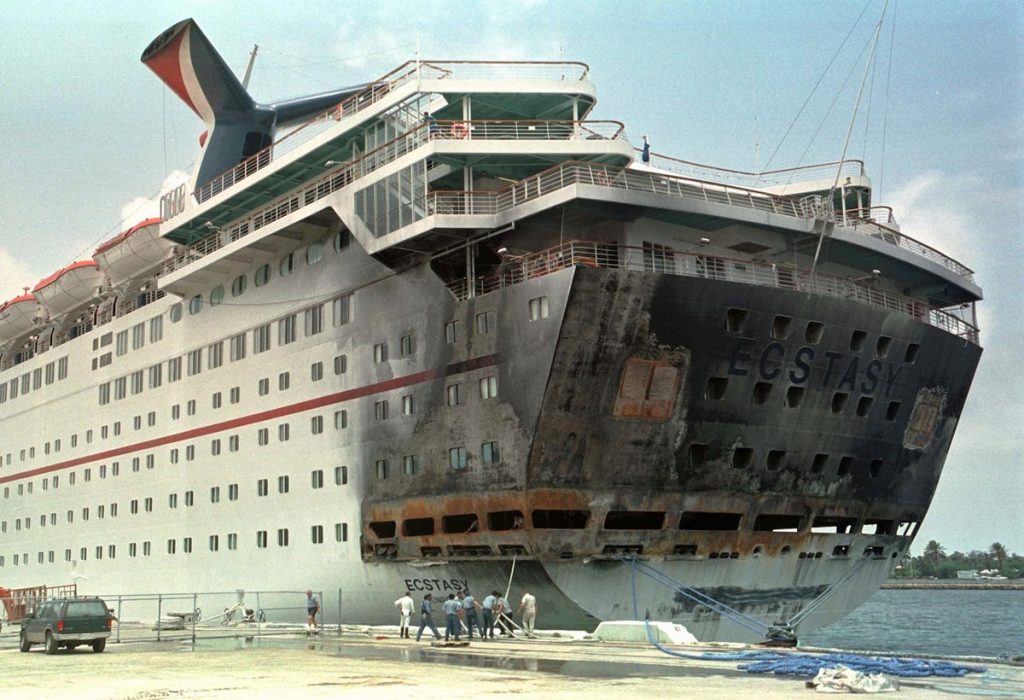
Carnival Triumph — Gulf of Mexico, 2013
©Wikimedia Commons
An engine-room fire knocked Carnival Triumph out of service in the Gulf of Mexico in February 2013. The fire was extinguished, but the ship lost propulsion and many normal hotel services, leaving 3,141 guests aboard for days as tugboats slowly brought the vessel to Mobile, Alabama. No one was seriously injured in the fire.
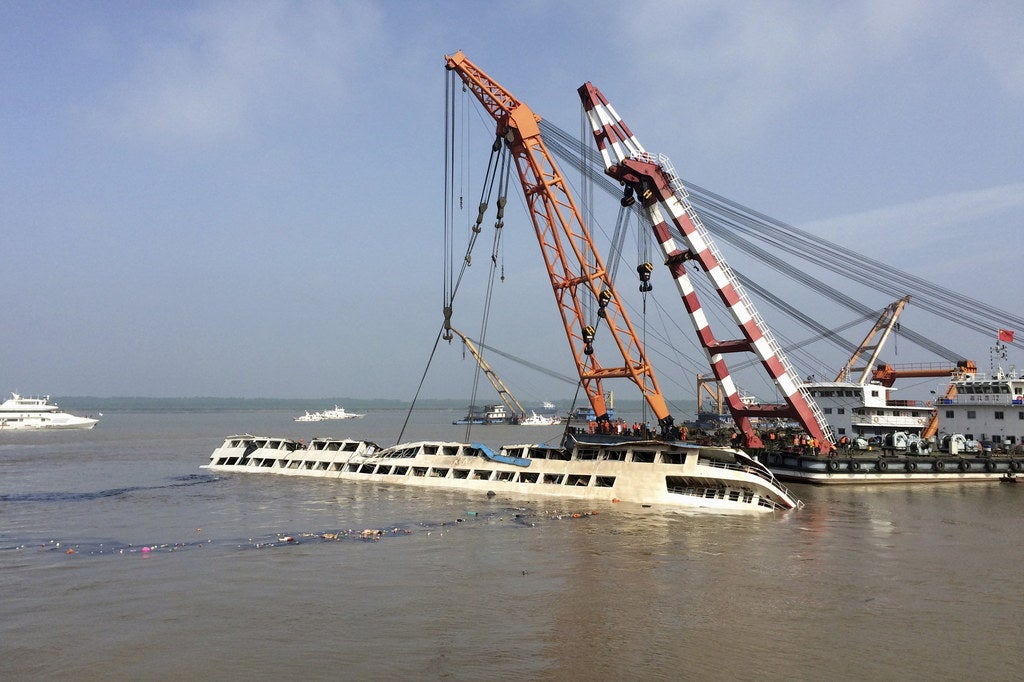
Eastern Star — China, 2015
©Wikimedia Commons
The river cruise ship Eastern Star capsized on the Yangtze River during severe weather on June 1, 2015. Of the 454 people aboard, only 12 survived and 442 died, making it one of the deadliest passenger-vessel disasters of the 21st century. China’s official investigation blamed a rare, intense weather event for the catastrophe.
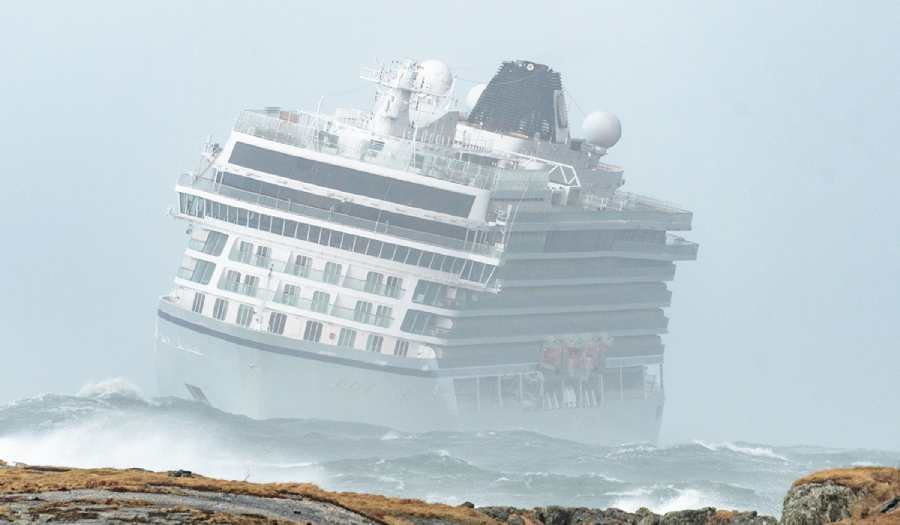
Viking Sky — Norway, 2019
©Public Domain / Wikimedia Commons
Viking Sky lost propulsion and steering during a storm off Norway in March 2019 with 1,374 people aboard. Investigators later concluded the ship came within roughly a ship’s length of running aground, and 479 passengers were evacuated by helicopter before propulsion was restored. The final investigation called the potential consequences extraordinarily severe.

