

These cities draw travelers for good reasons, and their appeal does not disappear at sunset. But after dark, familiar streets can feel very different, public transportation options may narrow, and a wrong turn can carry more risk.
An official travel advisory does not mean every visit ends badly. It does mean recurring problems deserve attention. Across the destinations below, government guidance repeatedly flags nighttime risks around beaches, transportation hubs, nightlife areas, isolated streets, and unfamiliar neighborhoods. The useful question is not whether a whole city is “safe” or “dangerous,” but what changes after dark and how a visitor should respond.
Johannesburg, South Africa
©"South Africa-Johannesburg-Hillbrow001" by NJR ZA is licensed under BY-SA 3.0. - Original / License
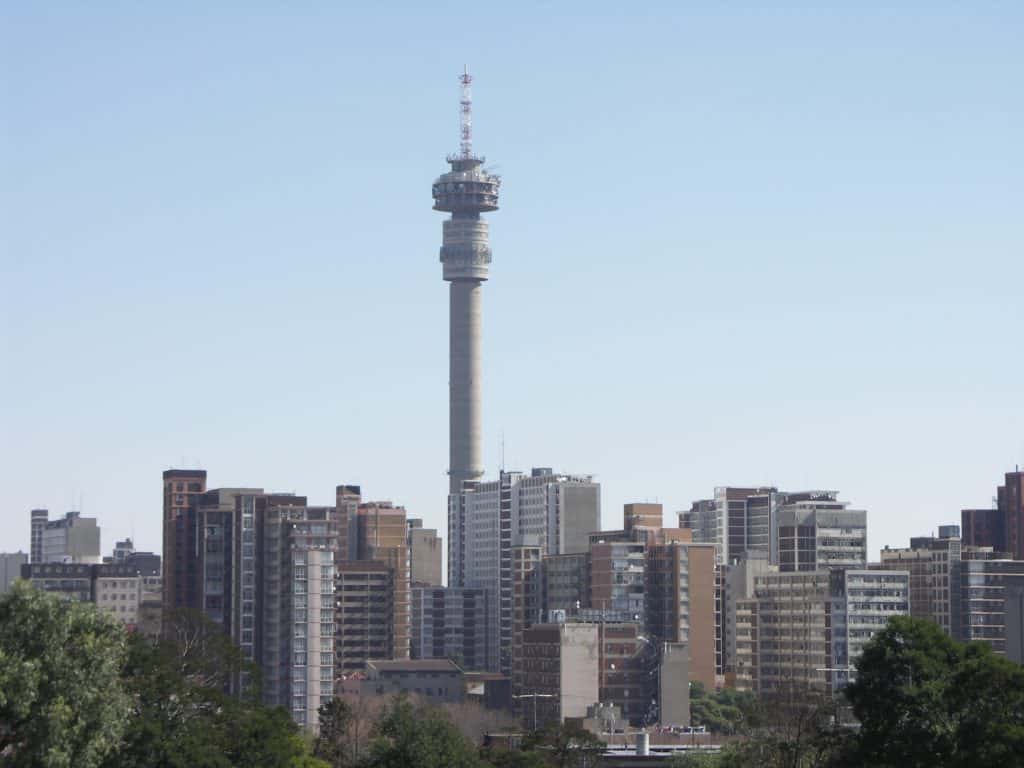
Johannesburg is a common arrival point for visitors continuing to other South African destinations. It is also a city where transportation choices matter after dark. The practical advice is straightforward: do not walk around at night, and arrange a reliable ride instead. British guidance lists internationally recognized ride-hailing apps, hotel airport shuttles, and researched private-hire services among the more reliable options.
Official advisories describe a high crime rate across South Africa and say the threat of violent crime is greater after dark, including in some city centers. They also warn about express kidnappings—short, opportunistic abductions intended to extract money from a victim, sometimes over several days. Around Johannesburg, keep valuables out of sight, stay on main routes, and confirm the car and driver in the app before getting in.
Rio de Janeiro, Brazil
©iStock.com/Yuri de Mesquita Bar
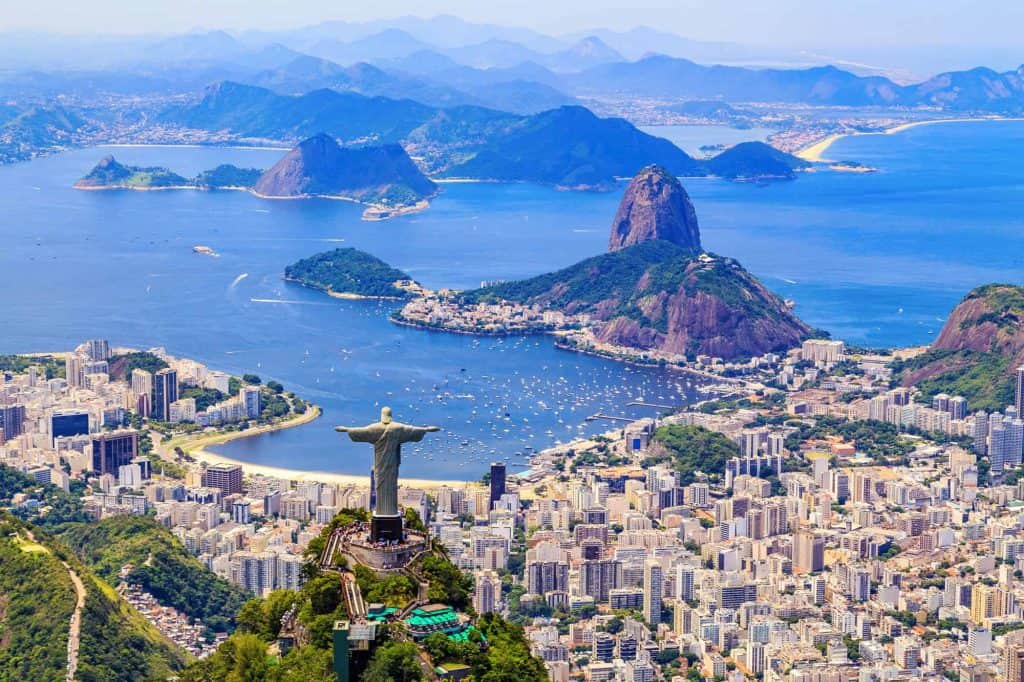
Rio’s appeal does not stop at sunset, but official guidance draws a bright line around some nighttime activities. Britain’s Foreign, Commonwealth & Development Office tells travelers not to go onto city beaches after dark. That includes the celebrated shoreline visitors may otherwise treat as familiar territory.
Canada’s advisory says robberies can occur in Rio’s tourist areas, including Copacabana Beach, Lapa, and Santa Teresa. Attackers may be armed, and official guidance says not to resist. The useful takeaway is not to carry “payoff money.” Limit the valuables you take out, keep your phone out of sight on the street, avoid city beaches at night, and use an authorized taxi or a verified ride-hailing account.
Naples, Italy
©bluejayphoto/ via Getty Images
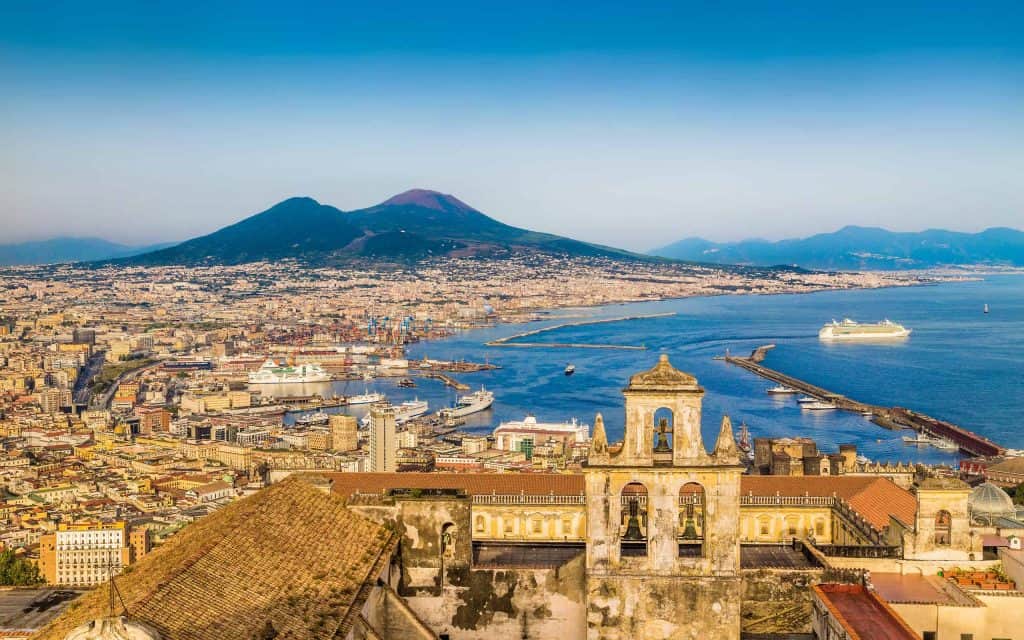
Naples is arguably one of Europe’s most misunderstood major cities. The food is extraordinary, the street energy is unlike anything in the more polished cities farther north, and Italy’s overall crime level is generally low. For visitors, the more common concern is opportunistic theft rather than a blanket nighttime threat across entire neighborhoods.
British guidance warns about bag-snatching and pickpocketing in Italian city centers, at major attractions, on public transportation, and around main train and metro stations. In Naples, that makes the central-station area and crowded services used to reach Pompeii places to keep bags closed and in sight. Specific street conditions can change, so ask your hotel or local authorities for current advice instead of relying on an old forum post or an arbitrary cutoff time.
La Boca, Buenos Aires, Argentina
©"Buenos Aires, la ciudad contada. / The city to be told." by hernanpba is licensed under BY-SA 2.0. - Original / License
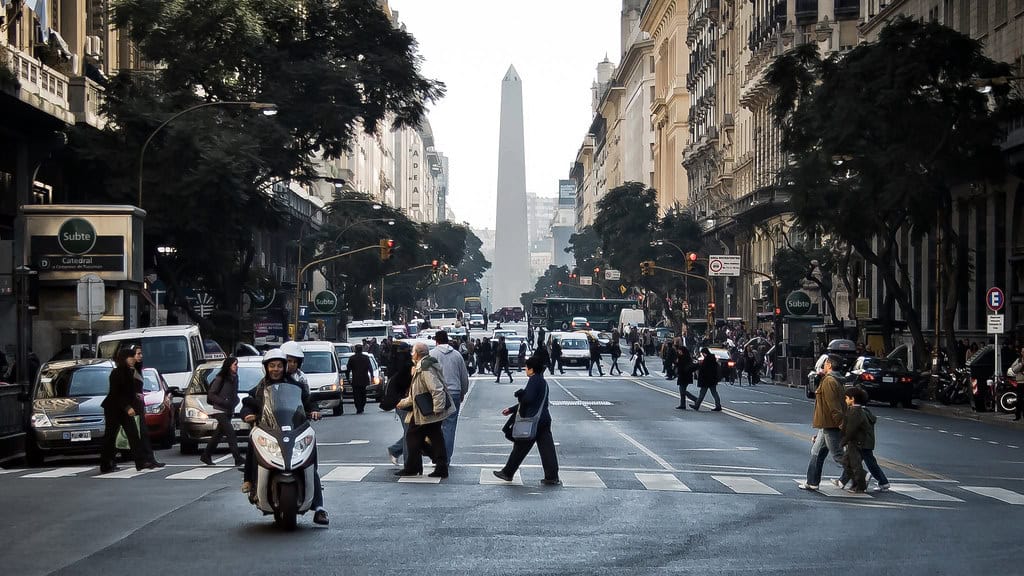
La Boca is one of Buenos Aires’ best-known visitor stops. The brightly painted buildings and tango performances along Caminito are the draw, but official guidance treats the tourist strip and the surrounding streets very differently.
Canada tells visitors to remain on Caminito Street, warns that violent thefts often occur on neighboring streets, and says to avoid the area after dark. The UK similarly advises visitors to stay in the designated Caminito tourist area, where police patrols are more visible. This is a daytime stop best handled with a clear route in and out, not a neighborhood to explore casually once the crowds thin.
Marseille, France
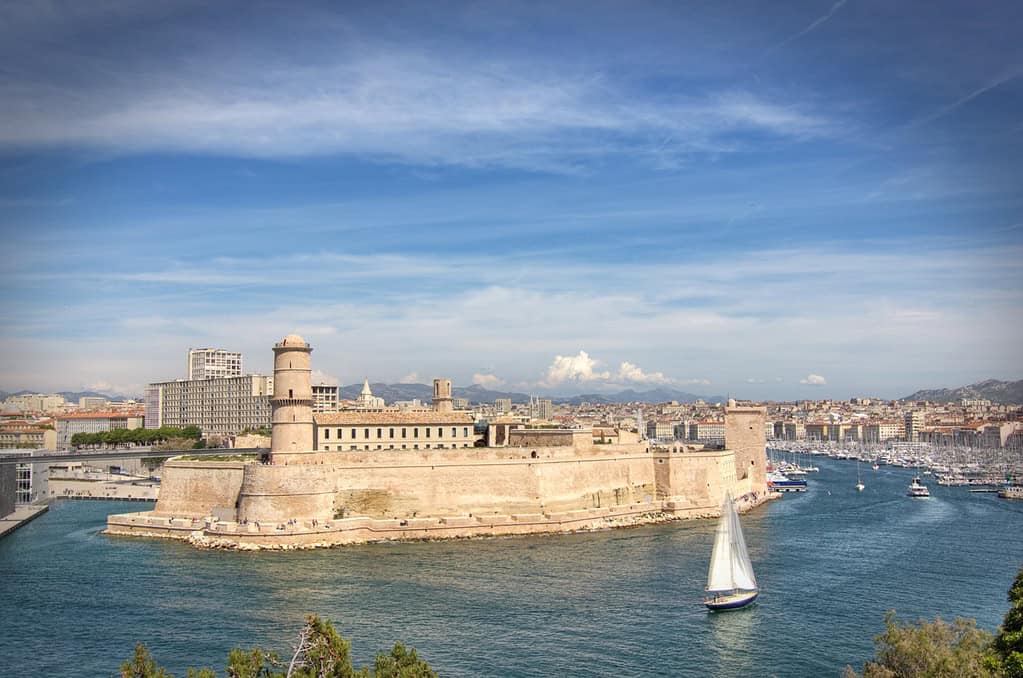
©"Fort St Jean Marseille, France" by decar66 is licensed under BY 2.0. - Original / License
Marseille is France’s second-largest city by municipal population, a Mediterranean port with excellent food and a character all its own. It also calls for the ordinary precautions that matter in a large, busy city. Government advisories warn that pickpocketing and bag and phone snatching occur frequently in French cities and crowded places, including stations and public transportation.
Around Gare Saint-Charles, keep bags zipped and phones out of sight, especially when it is crowded or late. Drivers should be equally disciplined. Canada’s travel advisory says theft from parked cars is particularly common in tourist areas of southern France, and rental vehicles are frequent targets. Use secure parking, lock the vehicle, and leave nothing visible inside.
Manila, Philippines
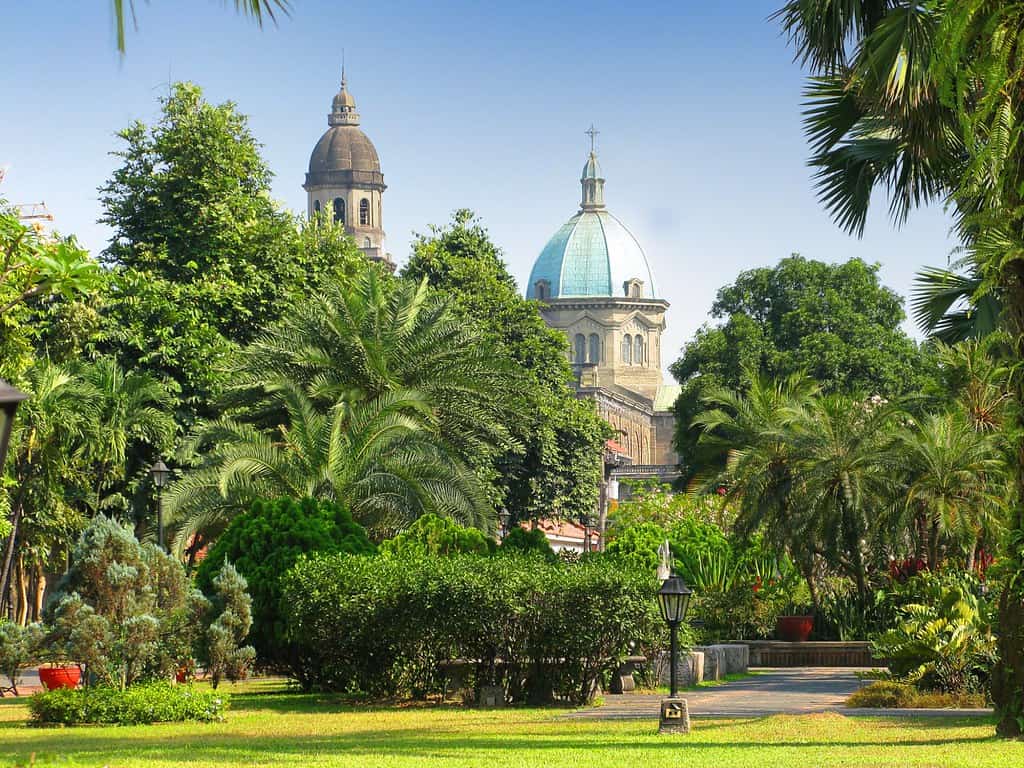
©"Manila Cathedral" by Ray in Manila is licensed under BY 2.0. - Original / License
Metro Manila is vast. The Philippine Statistics Authority counted 14,001,751 residents in the National Capital Region on July 1, 2024. Popular stops such as historic Intramuros still call for the same citywide precautions: watch your belongings, plan the route before setting out, and do not assume a short distance is an easy walk after dark.
The U.S. State Department says pickpocketing, scams, card fraud, and violent crimes occur in the Philippines. It also notes that travelers have been robbed shortly after leaving Ninoy Aquino International Airport. Its guidance recommends ride-hailing apps or reliable taxis called by a hotel, restaurant, or business. Australia likewise advises using government-accredited ride-share providers or hotel cars, especially at airports. Ask lodging staff for current local advice before walking into an unfamiliar district.
Mexico City, Mexico
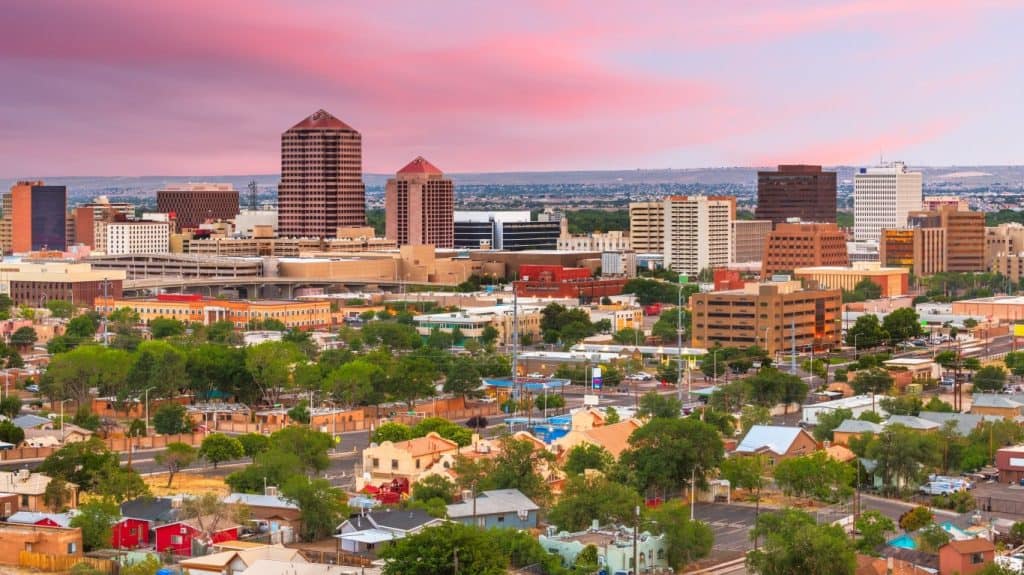
©Sean Pavone / iStock via Getty Images
Mexico City is one of the great capital cities of the world. Polanco, Roma Norte, and Condesa can remain lively well into the evening. The broader safety picture is more complicated, though, and official advice calls for extra caution at night outside the popular tourist areas where police patrol more frequently.
Express kidnappings are documented in government travel guidance for Mexico. In these short abductions, criminals—sometimes posing as taxi drivers—force victims to withdraw money and may hold them overnight for another withdrawal. The U.S. State Department rates Mexico City Level 2, “Exercise Increased Caution,” because of terrorism and crime. Do not hail a taxi on the street. Use a regulated taxi stand or trusted app, then verify the license plate and vehicle before getting in.
Bangkok, Thailand
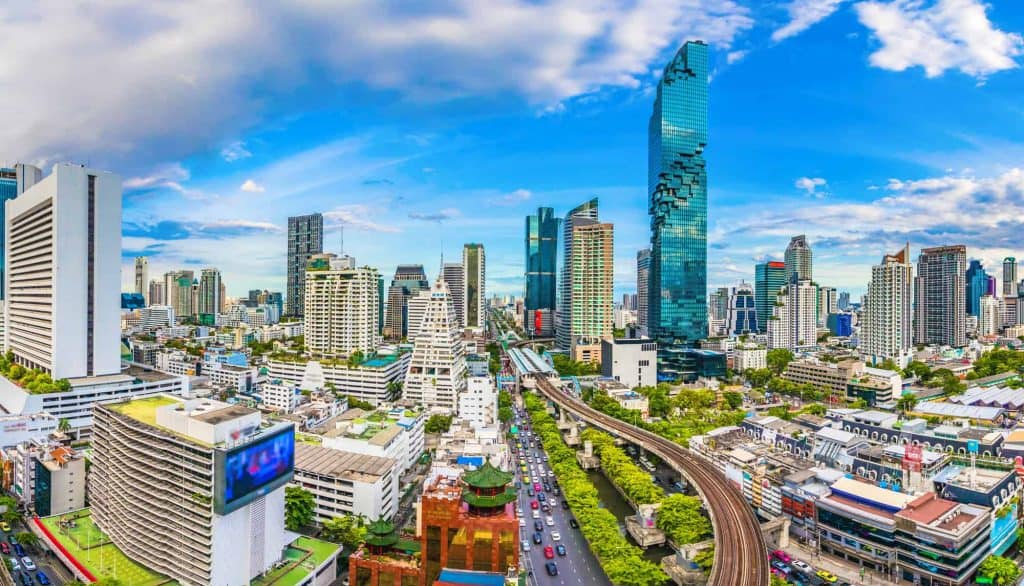
©apiguide/Shutterstock.com
Bangkok is built for late nights, and many visitors find it easy to navigate. In nightlife areas, however, the margin for error narrows. Crowds, alcohol, unfamiliar transportation, and an unattended drink can turn an ordinary evening into a serious problem.
The UK’s Foreign, Commonwealth & Development Office says drink spiking and drug-assisted sexual assault occur in tourist areas across Thailand, with both male and female victims. It also warns that attacks can happen near bars late at night and advises against walking alone through isolated areas after dark. Those warnings apply broadly and are not limited to Khao San Road or Sukhumvit.
Watch your drink, accept nothing from strangers, and arrange the ride home before going out. If something feels wrong, move to a staffed public place and call Thailand’s Tourist Police at 1155. Bangkok may feel effortless by day, but after midnight, a little planning matters.
Nairobi, Kenya
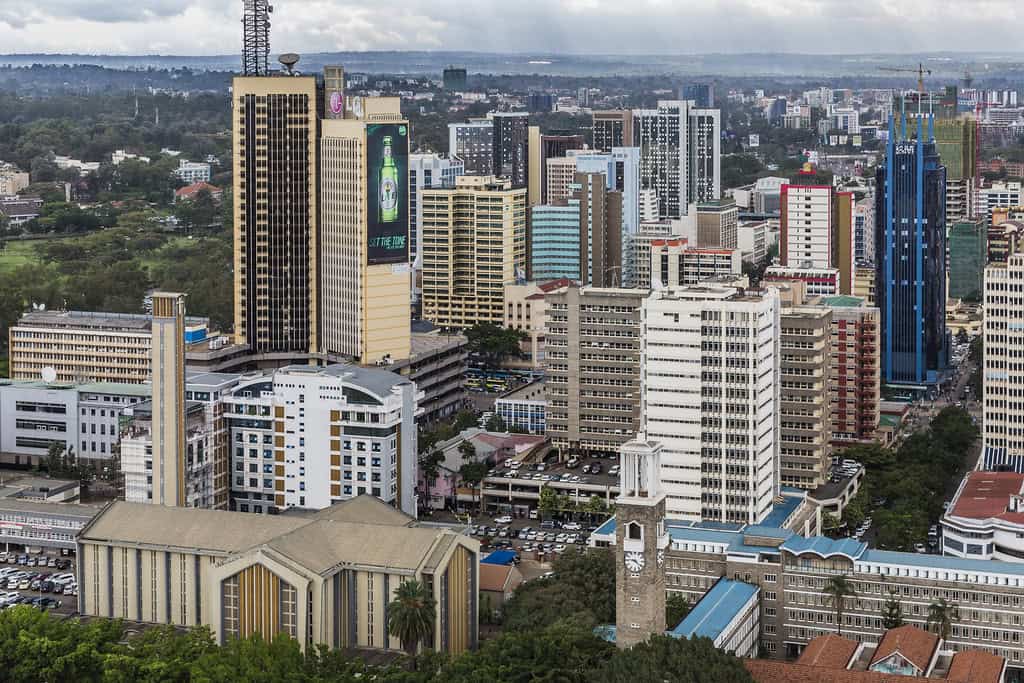
©"Y1A0823 Nairobi" by Ninara is licensed under BY 2.0. - Original / License
Nairobi is a gateway to Kenya’s safari and wildlife destinations, with an international airport, major hotels, and tour operators serving visitors headed across the country. That tourism infrastructure does not erase the need for careful route planning in the city, particularly after dark.
The UK government identifies Nairobi’s Central Business District, Eastleigh, Mathare, Kibera, and informal settlements as areas where crime risks are higher, and says violent crime can occur even in daylight. The U.S. advisory places Eastleigh and Kibera at Level 4, “Do Not Travel,” because of crime and kidnapping. Avoid walking alone in isolated areas, use caution at night, and arrange reputable transportation rather than assuming every established hotel or restaurant district is equally secure.
Guatemala City, Guatemala
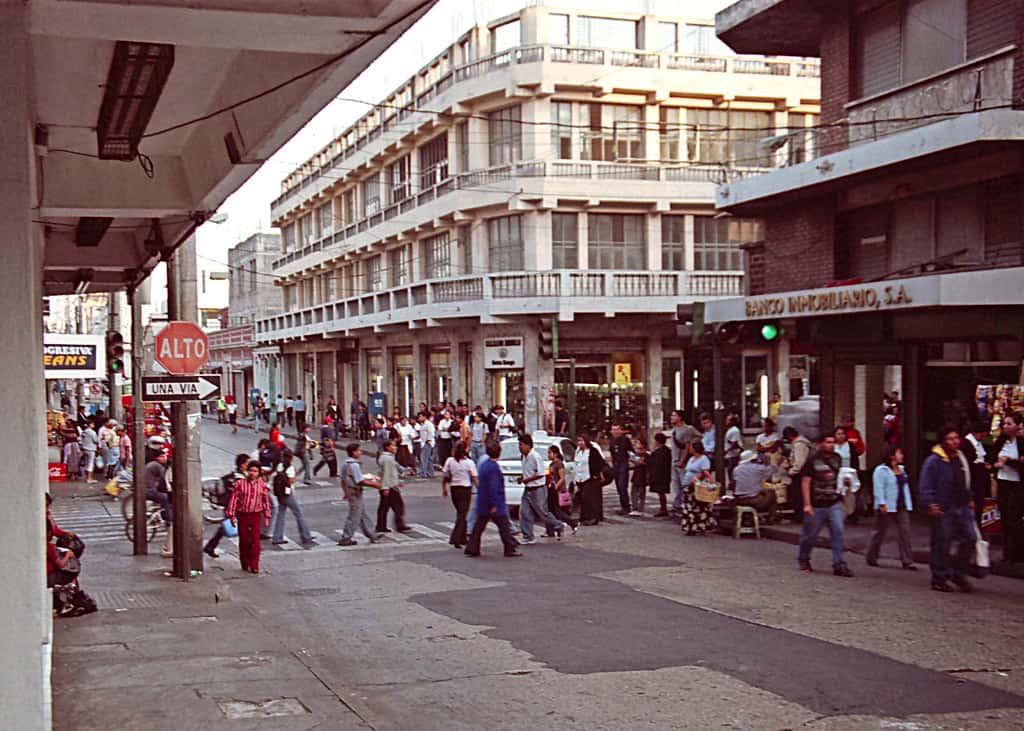
©"Guatemala City Z.1" by vaticanus is licensed under BY 2.0. - Original / License
La Aurora International Airport is the arrival point for many travelers continuing to Antigua, Lake Atitlán, Tikal, or other parts of Guatemala. If the capital is part of the itinerary, it deserves its own transportation plan rather than a hurried decision after landing.
As of March 12, 2026, the U.S. Department of State rates Guatemala Level 3, “Reconsider Travel,” because of crime and terrorism. Zone 18 in Guatemala City is Level 4, “Do Not Travel.” The advisory permits U.S. government employees to visit other parts of the city, including at night, but bars them from public transportation and white taxis. It recommends approved airport taxis, trusted taxi services, hotel taxis, or vetted private drivers.
Canada’s guidance is more restrictive. It advises against nonessential travel to Zones 1, 3, 5 through 7, 18, and 21, and tells travelers to avoid isolated areas and road travel after dark. A booked airport transfer and current advice from a reputable hotel are more useful than treating Zona Viva—or any other district—as a hard security boundary.

