

Many dog owners know that swallowing an infected flea can give a pet a common tapeworm. The parasite now raising concern in western Washington is different. Echinococcus multilocularis cycles primarily between wild canids and rodents, and it can also infect dogs and, more rarely, people. Human infections remain uncommon, but the parasite can cause a severe and potentially fatal disease called alveolar echinococcosis. Its discovery in Puget Sound coyotes gives Seattle-area pet owners a reason to understand the risk without panicking.
Dangerous Tapeworm Confirmed in Western Washington
Echinococcus multilocularis has long been recognized in Europe, Asia, Arctic Alaska, and parts of north-central North America. In recent years, European-type lineages of the parasite have appeared beyond that historical range, including in Canada and several U.S. states. Washington recorded five infections in domestic dogs beginning in 2023, but researchers had not confirmed an established cycle among the region’s wildlife.

©JayPierstorff/Shutterstock.com
A study published in March 2026 in PLOS Neglected Tropical Diseases confirmed the presence of the parasite in coyotes from the Puget Sound Lowlands. It was the first documented infection in a wild host on the West Coast of the contiguous United States. Genetic testing linked the Washington specimens to a strain previously found in British Columbia, suggesting the parasite’s western range is larger than researchers once realized.
Why This Tapeworm Is Compared to Cancer
Adult E. multilocularis tapeworms can live in a coyote’s or dog’s intestine without causing obvious illness. Those animals may still shed microscopic eggs in their feces, however, allowing the parasite to spread through the environment. Dogs can occasionally develop the more dangerous larval form of the infection as well.
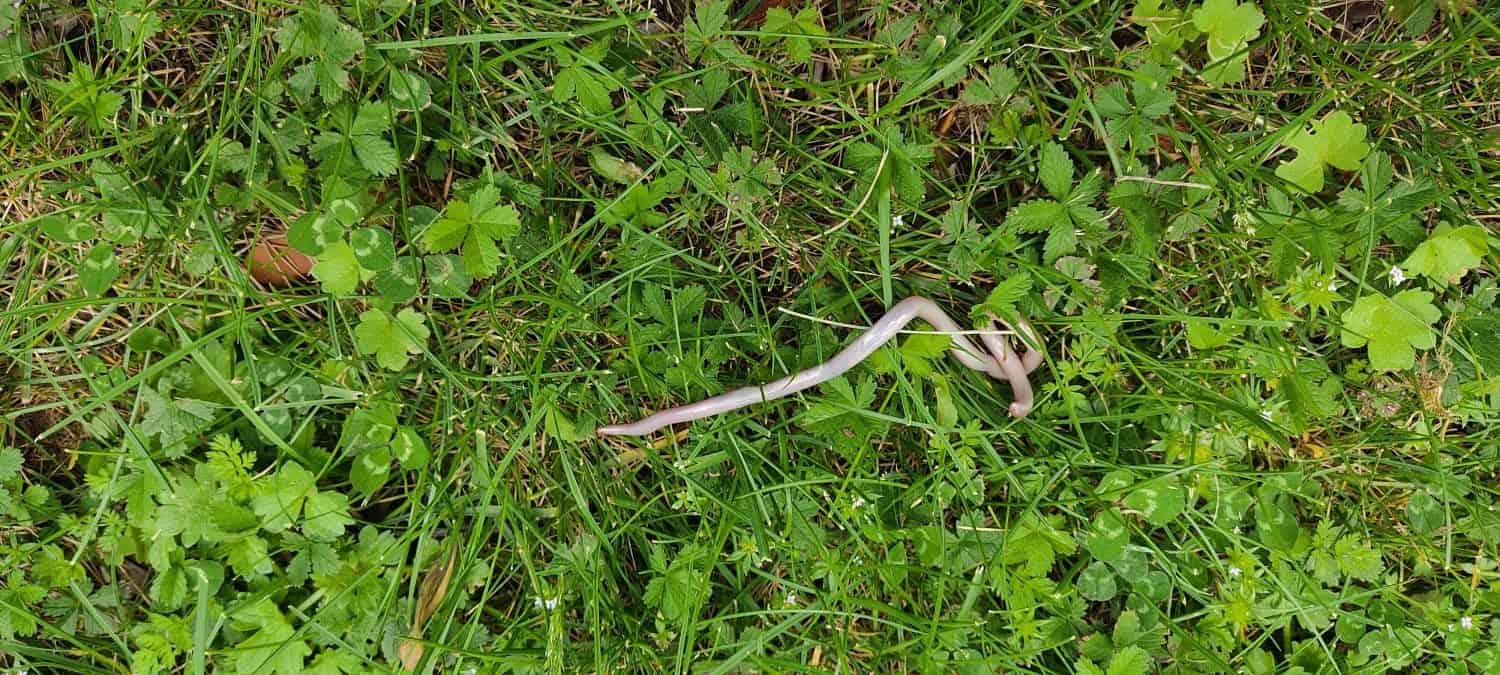
In people and some dogs, the parasite can cause invasive, tumor-like lesions that usually begin in the liver.
©FAZLI YURTSEVER/Shutterstock.com
People become infected by accidentally swallowing the parasite’s eggs, not by eating an infected flea or simply being near a coyote. Eggs may be transferred through contaminated soil, water, produce, animal feces, or fur. Once inside a person, the larvae can cause alveolar echinococcosis, which produces infiltrating, tumor-like lesions that usually begin in the liver and may spread to other organs.
The disease develops slowly. According to the World Health Organization, symptoms may not appear for five to 15 years. By then, the infection can resemble liver cancer and cause abdominal pain, weight loss, weakness, or signs of liver failure. Untreated alveolar echinococcosis can be fatal, although human cases in North America remain rare.
How Coyotes Keep the Tapeworm’s Life Cycle Going
Coyotes don’t acquire E. multilocularis from fleas. They usually become infected after eating a rodent carrying larval cysts. Adult tapeworms then develop inside the coyote and release eggs through its feces. Rodents swallow the eggs while feeding, coyotes eat the infected rodents, and the cycle begins again.
The Washington study examined carcasses and field-collected scat representing 100 coyotes sampled between 2021 and 2024. Thirty-seven tested positive through a combination of molecular testing and physical identification of adult worms. Positive coyotes were found on Whidbey Island and in Everett, Burlington, Seattle, Sammamish, Issaquah, Auburn, Bothell, and Anacortes.

Researchers detected
E. multilocularisin 37 of the 100 Puget Sound coyotes represented in the study.
©Kelly vanDellen/Shutterstock.com
“The fact that we found it here in one-third of our coyotes was surprising,” lead author Yasmine Hentati said in a University of Washington news release. All 37 positive results came from the 81 coyote carcasses researchers examined. None of the field-collected scat samples tested positive, but the researchers cautioned that fecal testing can miss infections.
The finding doesn’t mean 37% of every coyote population in Washington is infected. The study covered a specific group of animals from the Puget Sound region, with many of the positive samples concentrated in its northern portion. It does show that the parasite has established a local wildlife cycle and may have been circulating unnoticed for several years.
How Seattle-Area Dog Owners Can Reduce the Risk
Flea control remains an important part of routine pet care, but it doesn’t specifically prevent E. multilocularis. The most effective precautions focus on keeping dogs away from rodents, carcasses, wildlife feces, and contaminated soil. Dogs that hunt, scavenge, eat feces, or roam freely face a greater chance of exposure.

Flea prevention helps control flea-borne tapeworms, but preventing
E. multilocularisrequires different precautions.
©Pixel-Shot/Shutterstock.com
Guidance from the CDC and the Companion Animal Parasite Council recommends several practical steps:
- Keep dogs leashed or closely supervised so they can’t hunt rodents or scavenge carcasses.
- Don’t allow dogs to eat wildlife feces, soil, or unidentified animal remains.
- Pick up dog feces promptly and dispose of it securely.
- Avoid touching coyotes, other wild canids, carcasses, or wildlife feces without gloves.
- Wash hands with soap and warm water after handling pets or cleaning up feces, and before preparing food.
- Wash wild-picked berries, greens, and other produce carefully before eating them.
- Tell a veterinarian if a dog hunts rodents, scavenges, eats feces, or has other behaviors that may increase its exposure.
Veterinarians can determine whether testing or a praziquantel-based deworming schedule is appropriate. Standard fecal examinations may miss E. multilocularis, and its eggs can’t be distinguished visually from those of some other tapeworms, so specialized PCR testing may be needed. Dog owners also shouldn’t assume that every flea, heartworm, or general deworming product covers this parasite. The active ingredients and treatment schedule matter.
The discovery doesn’t mean people should avoid Puget Sound parks or fear every neighborhood coyote. Human infection remains rare. Keeping dogs from hunting or scavenging, cleaning up feces, washing hands, and discussing individual risk with a veterinarian can substantially reduce the chance of exposure.

