
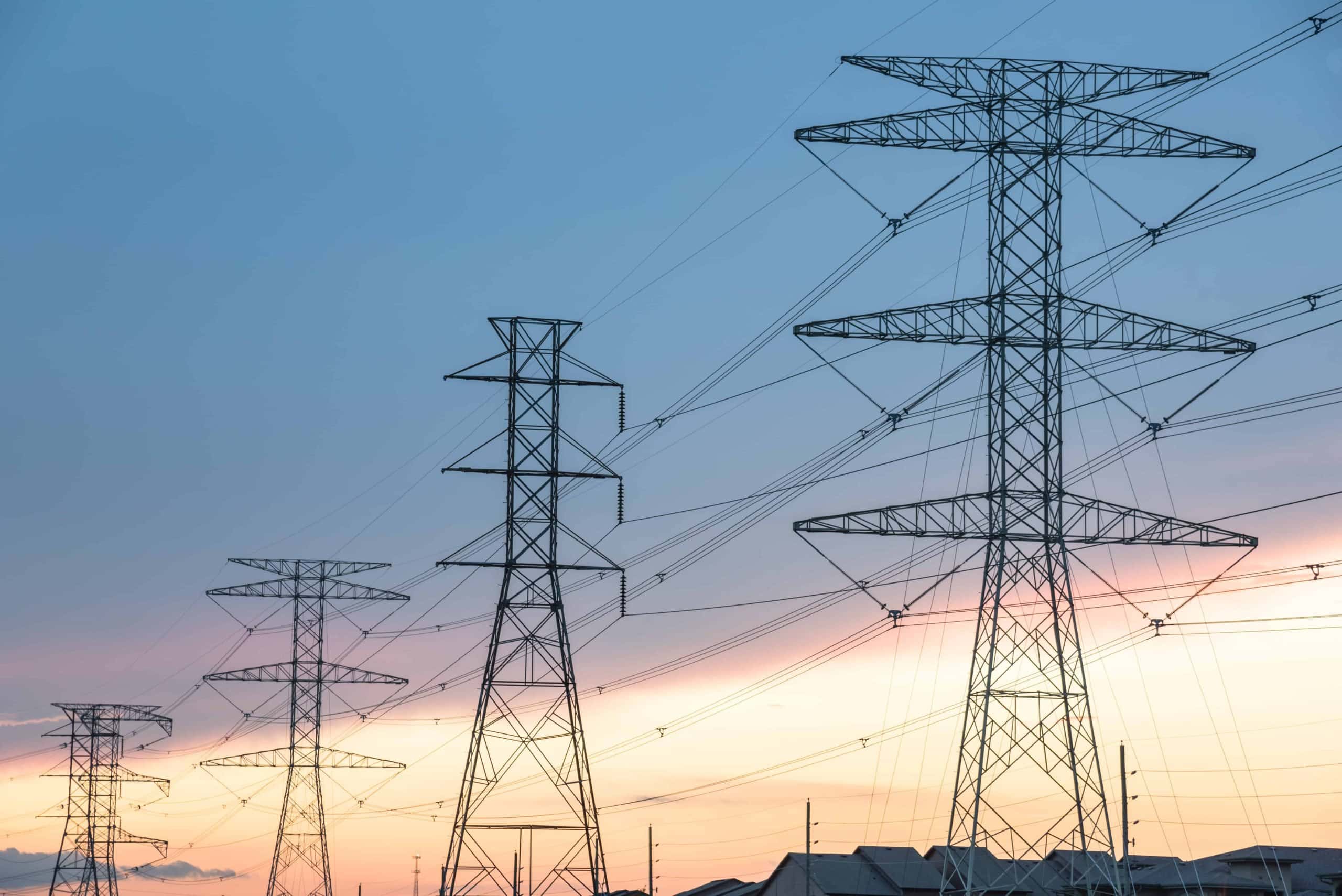
Washington is famous for enormous hydroelectric dams, but one of the state’s most important power plants uses a very different source of energy. Columbia Generating Station, located north of Richland on leased land within the federal Hanford Site, is Washington’s only operating commercial nuclear power plant and the only commercial nuclear energy facility in the Pacific Northwest.
The plant began commercial operation in 1984 and can generate enough electricity for more than one million homes, according to its operator. It is also preparing for a major expansion expected to increase its output by 2031. Using current information from Energy Northwest, the U.S. Nuclear Regulatory Commission, the U.S. Energy Information Administration, the Bonneville Power Administration, Washington state agencies, and the U.S. Fish and Wildlife Service, Seattle Travel is taking a closer look at the surprising history, location, technology, and future of Washington’s only nuclear power plant.
Washington’s Only Operating Nuclear Power Plant

©"Mount Rainier, Washington State" by Harold Litwiler, Poppy is licensed under BY-ND 2.0. - Original / License
Columbia Generating Station is the only operating nuclear power plant in Washington and the only commercial nuclear energy facility in the Pacific Northwest. Energy Northwest, a public power joint operating agency, owns and operates the station. The plant produces electricity around the clock except during refueling, maintenance, or unplanned outages.
Calling it Washington’s largest power plant would be inaccurate. Several of the state’s major hydroelectric dams have greater generating capacity. However, the U.S. Energy Information Administration reported that Columbia was Washington’s second-largest source of electricity generation in 2024 and supplied all of the state’s nuclear-generated electricity.
It Sits North of Richland on the Hanford Site
©"Steampunk Fusion" by jurvetson is licensed under BY 2.0. - Original / License
Columbia Generating Station is in Benton County, roughly 10 to 12 miles north of Richland, depending on the route and reference point used. Richland is one of the Tri-Cities, along with Kennewick and Pasco. The plant occupies about 1,089 acres of land leased from the U.S. Department of Energy within the much larger Hanford Site.
The location sometimes causes confusion. Columbia is a commercial electricity-generating plant, not one of Hanford’s historic weapons-production reactors. It shares the federal reservation’s broader landscape but has a separate mission, operator, regulatory system, and operating history.
The Plant Was Originally Known as WNP-2
©"Nuclear Power Plant" by Lennart Tange is licensed under BY 2.0. - Original / License
Columbia Generating Station began as Washington Nuclear Project No. 2, commonly shortened to WNP-2. It was developed by the Washington Public Power Supply System, the organization now known as Energy Northwest. The agency pursued five nuclear projects during an era of rapidly rising electricity forecasts, but WNP-2 was the only one completed and placed into commercial operation.
The plant produced its first electricity in May 1984 and entered commercial operation that December. In 2000, the facility’s name was officially changed from WNP-2 to Columbia Generating Station.
It Uses a Boiling Water Reactor
©"Kernkraftwerk (nuclear power plant)" by hkanins is licensed under BY 2.0. - Original / License
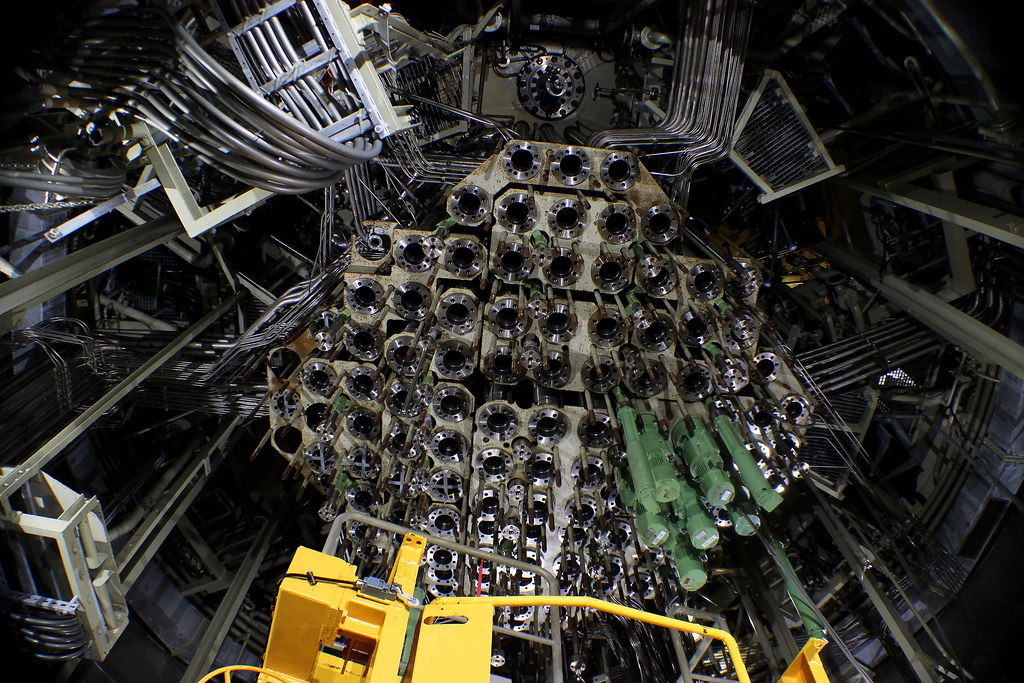
Columbia Generating Station is a General Electric boiling water reactor, not a pressurized water reactor. That distinction changes how the plant creates steam. Inside a boiling water reactor, heat from nuclear fission boils water within the reactor vessel. The resulting steam travels directly to the turbine, which turns a generator to produce electricity.
After leaving the turbine, the steam is cooled, condensed back into water, and reused. Control rods regulate the nuclear chain reaction, while multiple engineered systems are designed to shut down and cool the reactor when required.
Its Output Can Power More Than One Million Homes
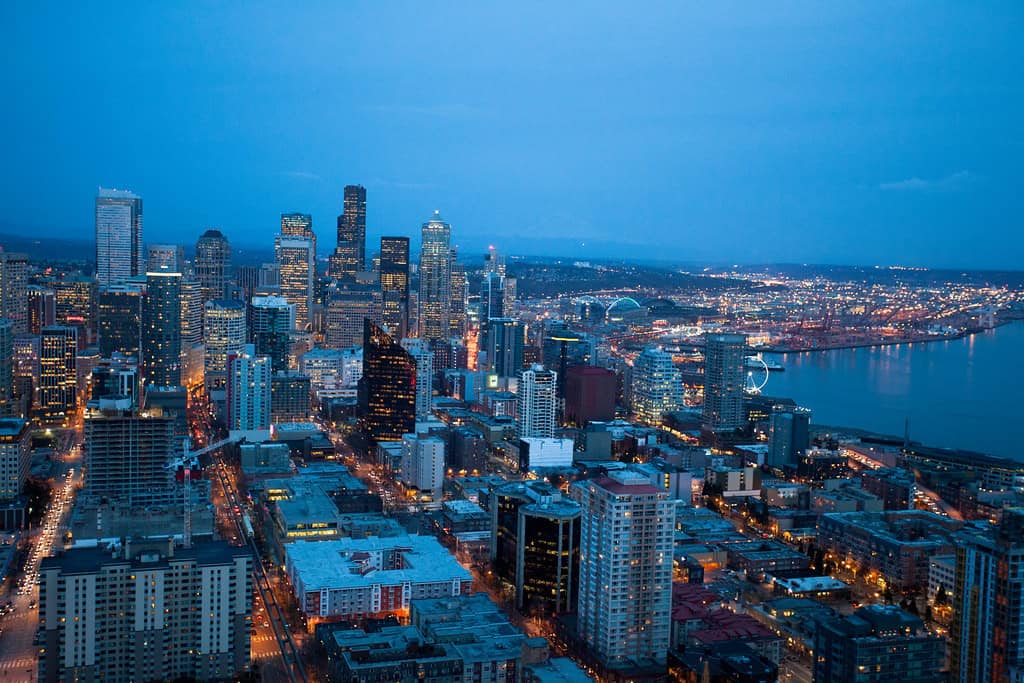
©"City of Seattle : Two" by Tregoning is licensed under BY 2.0. - Original / License
Energy Northwest lists Columbia Generating Station at 1,207 megawatts of gross electrical generation. Gross capacity measures electricity produced by the generator before subtracting the power used by the plant’s own pumps, cooling equipment, controls, and other systems, so net figures published by other agencies may be lower.
The operator says the station can provide enough electricity for more than one million homes. The U.S. Energy Information Administration reported that nuclear power, all generated at Columbia, accounted for about 7% of Washington’s in-state electricity generation in 2024.
The Bonneville Power Administration Receives Its Output
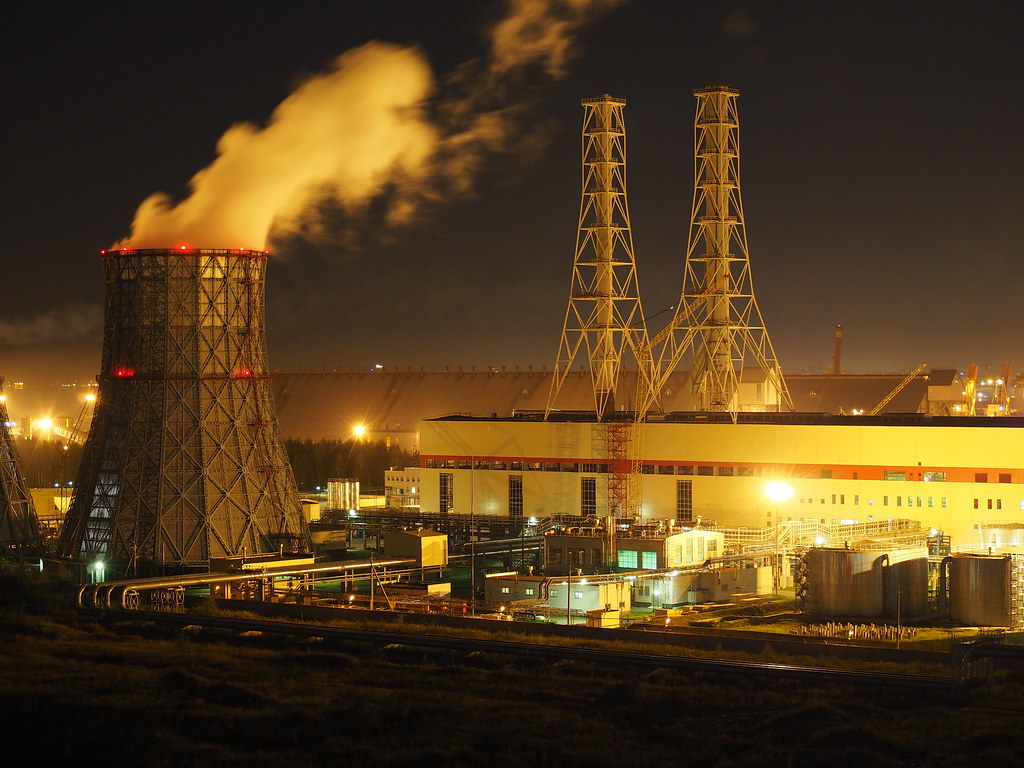
©"Power plant" by skochkarev is licensed under PDM 1.0. - Original / License
Although Energy Northwest owns and operates Columbia Generating Station, the plant’s electricity is delivered into the regional system through the Bonneville Power Administration. Washington’s Energy Facility Site Evaluation Council says the station’s entire output is dispatched to BPA, which markets wholesale electricity to public utilities and other customers across the Northwest.
This arrangement makes Columbia part of a regional energy portfolio dominated by hydroelectric power. Nuclear generation adds a steady source of electricity that is not directly dependent on river flows, wind, or sunshine.
The Cooling Towers Release Water Vapor
©"Cooling Towers Drax Selby North Yorkshire #dailyshoot #drax" by Leshaines123 is licensed under BY 2.0. - Original / License
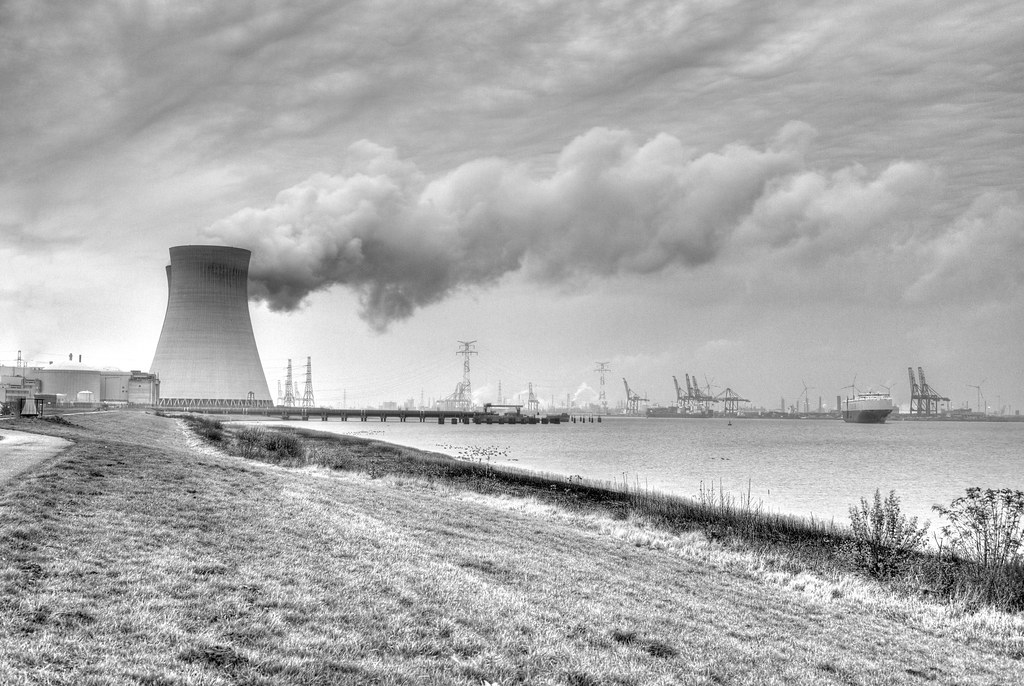
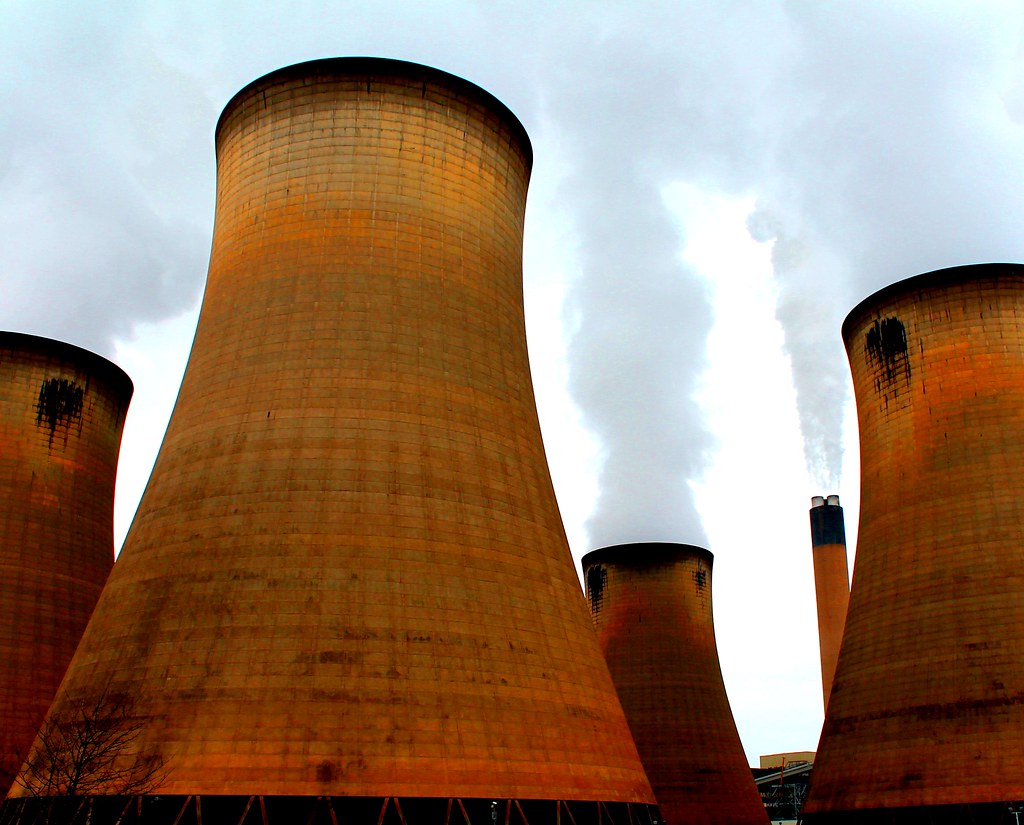
The large white plume visible above Columbia Generating Station’s cooling towers is primarily water vapor, not smoke. The plant uses a closed-cycle cooling system that withdraws water from the Columbia River. Most of that water circulates through the cooling system or is lost through evaporation, while a smaller amount is returned to the river under a regulated discharge permit.
Energy Northwest says the cooling system withdraws approximately 20 million gallons from the river each day and returns about 2 million gallons. Discharges are regulated under a National Pollutant Discharge Elimination System permit with monitoring and water-quality limits.
The Plant Refuels About Every Two Years
©"NRC Chairman visits Darlington Nuclear Plant in Canada" by NRCgov is licensed under BY 2.0. - Original / License
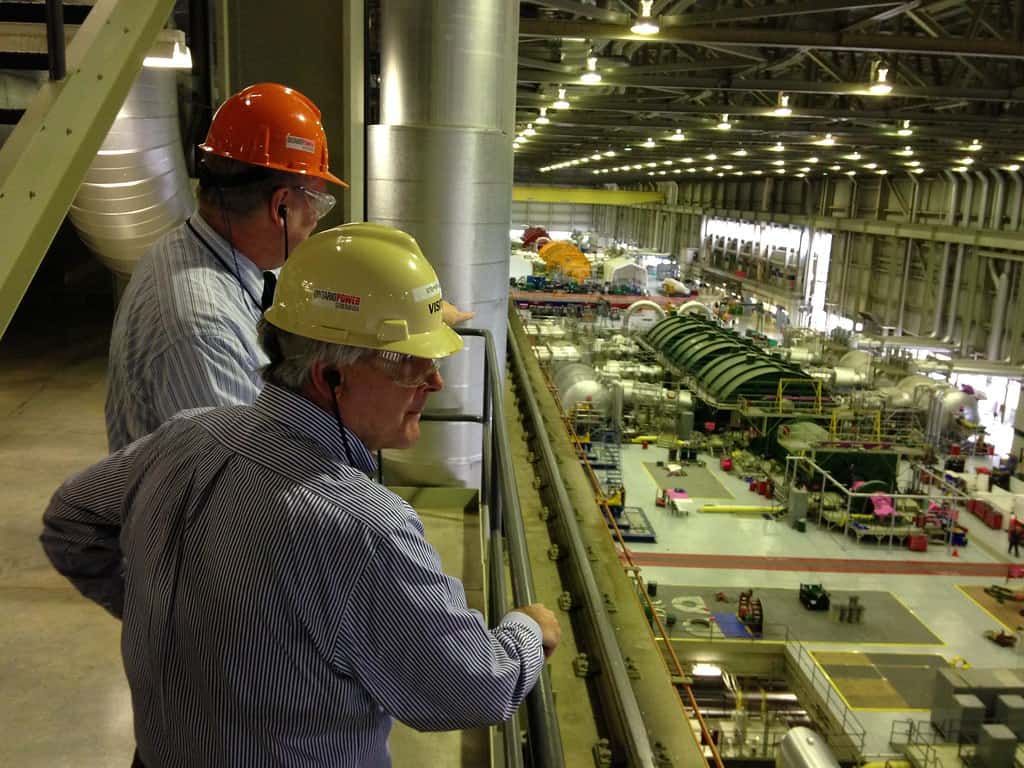
Columbia Generating Station normally shuts down for planned refueling and maintenance about once every two years. During each outage, workers replace roughly one-third of the reactor’s fuel assemblies and complete inspections, repairs, and equipment upgrades that cannot be performed while the unit is producing power.
These outages bring large numbers of specialized temporary workers to the Tri-Cities region. Energy Northwest has scheduled future refueling outages for 2027, 2029, and 2031, with several planned power-plant upgrades timed to coincide with those shutdowns.
Its Current Federal License Runs Through 2043
©"paperwork (021/365)" by Tim Pierce is licensed under BY 2.0. - Original / License
The U.S. Nuclear Regulatory Commission issued Columbia’s original operating license in the 1980s and renewed it in 2012. The current license expires on December 20, 2043, allowing the plant to operate for 20 years beyond its original 40-year license period, provided it continues to meet federal requirements.
The NRC oversees the facility through resident inspectors, routine inspections, performance indicators, enforcement actions, and public reports. In its assessment of the plant’s 2025 performance, the NRC concluded that overall performance preserved public health and safety. The agency also maintained additional regulatory attention related to two inspection findings.
Emergency Plans Are Practiced Regularly
©"District gets state-of-the-art emergency response vehicle" by U.S. Army Corps of Engineers Los Angeles District is licensed under BY-ND 2.0. - Original / License
Commercial nuclear plants must maintain detailed emergency plans and coordinate with government agencies. The Washington State Department of Health says state emergency managers, local and regional agencies, and Energy Northwest participate in regular exercises connected to Columbia Generating Station.
Nuclear emergencies are classified in four levels, ranging from an unusual event to a general emergency. State officials say the public would be alerted with instructions if an event at the plant required protective action. These plans are reviewed alongside the NRC’s federal oversight and emergency-preparedness requirements.
Environmental Monitoring Is Publicly Reported
©"environmental monitoring systems" by Acronet Paradigm is licensed under BY-SA 2.0. - Original / License
Columbia Generating Station is subject to environmental requirements involving air, water, radiological releases, and waste management. Energy Northwest submits annual environmental and radioactive-effluent reports, and the NRC maintains a public archive of those documents. Washington regulators also oversee the plant’s water-discharge permit.
The original version of this story made broad claims about minimal effects on wildlife and plant life without identifying specific studies. A more accurate description is that environmental effects are monitored through permits, sampling, inspections, and required reports, with results evaluated by state and federal regulators.
Hanford Reach National Monument Is Nearby
©"Commercial Low-Level Waste Site in Washington – 1991" by NRCgov is licensed under BY 2.0. - Original / License
The industrial landscape around the plant is bordered by one of southeastern Washington’s most distinctive protected areas. Hanford Reach National Monument covers roughly 196,000 acres and protects shrub-steppe habitat, wildlife, cultural resources, and a long free-flowing section of the Columbia River.
Public areas of the monument offer opportunities for hiking, wildlife watching, fishing, boating, and viewing the White Bluffs. Travelers should use official monument maps because access varies by area, and parts of the broader Hanford Site remain closed or restricted. The national monument, rather than the operating power plant, is the appropriate visitor destination.
A Major Expansion Is Planned for 2031
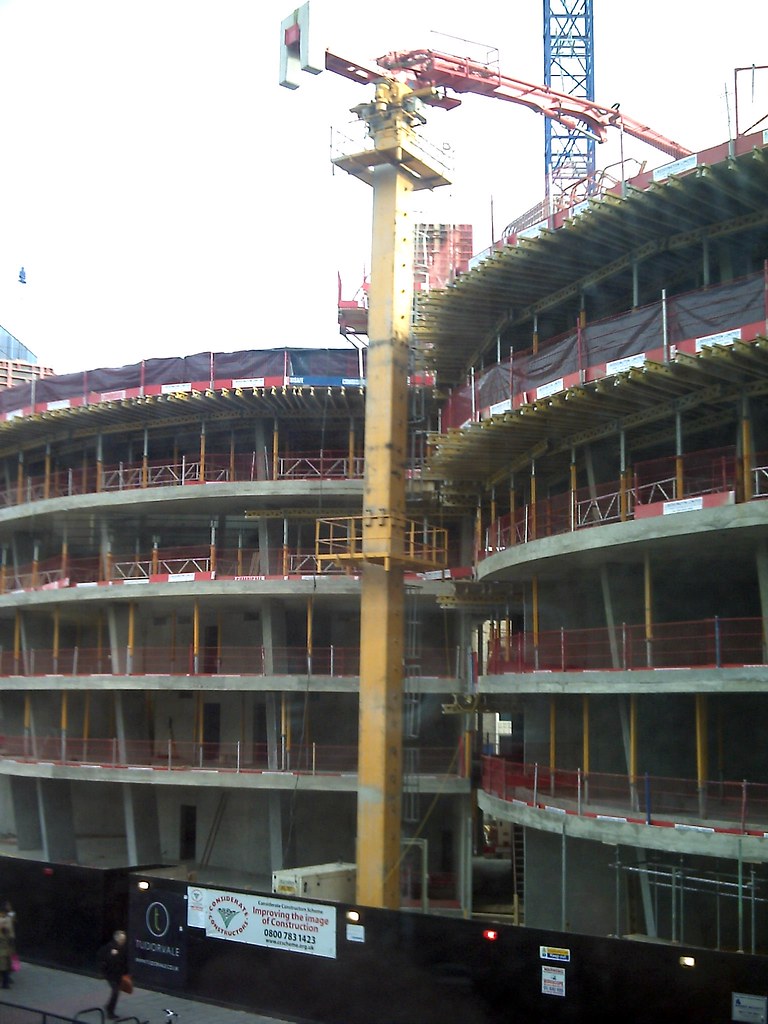
©"concrete pump on building construction site" by fsse8info is licensed under BY-SA 2.0. - Original / License
In 2025, the Bonneville Power Administration approved an approximately $700 million extended power uprate for Columbia Generating Station. The project is designed to increase electrical output by 162 megawatts through upgrades to equipment such as turbines, heat exchangers, pumps, motors, and the generator.
Additional efficiency projects planned during the 2027, 2029, and 2031 refueling outages are expected to add another 24 megawatts. If completed as planned, the combined increase would total 186 megawatts by 2031. BPA estimates the main 162-megawatt uprate alone could supply enough electricity for approximately 125,000 additional homes.

