
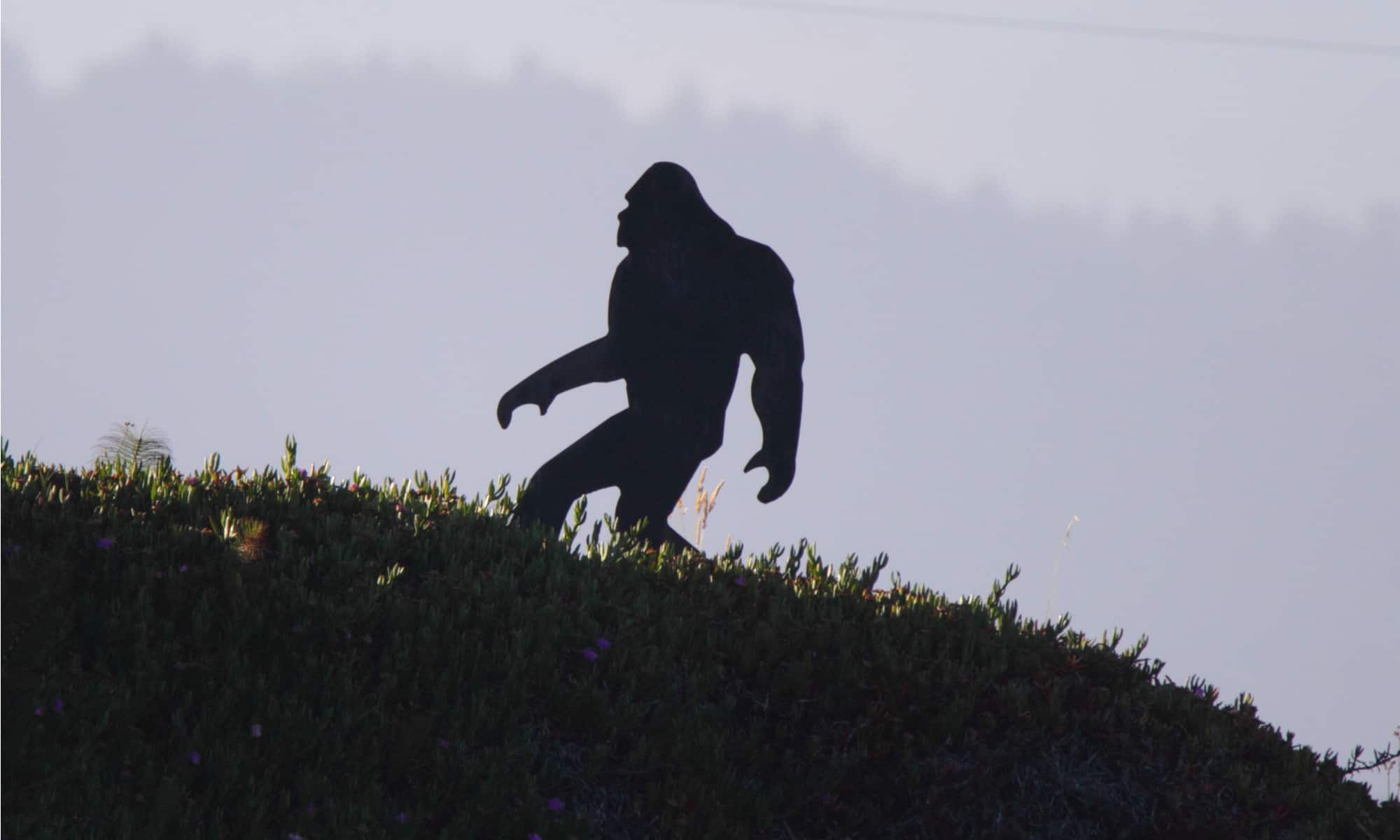
Bigfoot may or may not be roaming the forests of Washington, but Skamania County decided it was better not to take any chances. After the famous Patterson-Gimlin film surfaced in 1967, researchers, curiosity seekers, and armed hunters poured into the wilderness hoping to find proof of the legendary creature. County officials became concerned that someone searching for Sasquatch might accidentally shoot a person, so they responded with one of the strangest wildlife laws in American history.
In 1969, Skamania County passed Ordinance No. 69-01, making it a felony to deliberately kill any creature matching the description of Bigfoot or Sasquatch. Violators could face up to five years in prison and a $10,000 fine. Because the ordinance was approved on April 1, many people assumed it was an elaborate April Fool’s joke. The law certainly brought the county plenty of attention, but it also addressed a legitimate public-safety concern: armed hunters wandering through the woods in pursuit of a creature no one could prove existed.
Ordinance No. 69-01
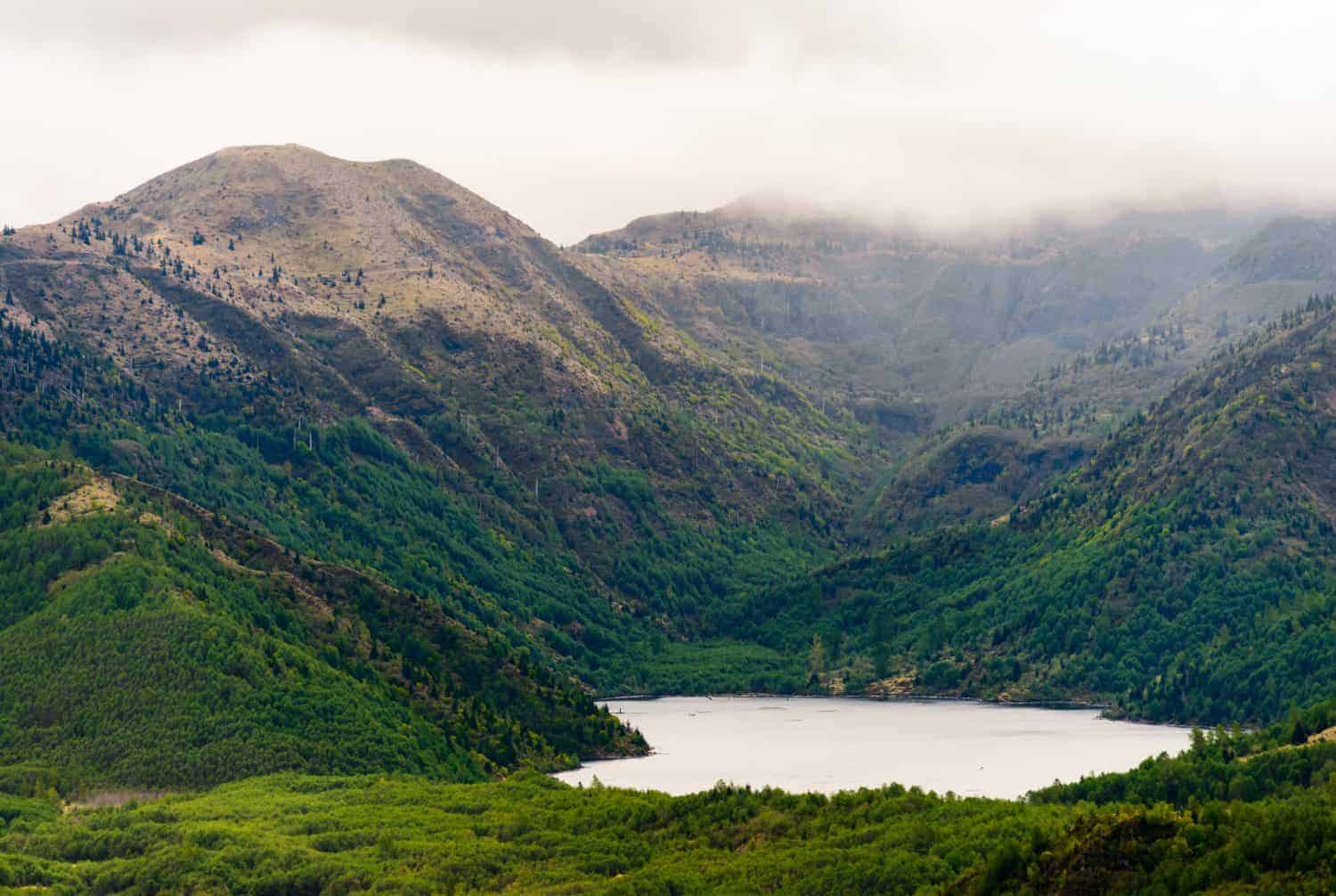
In the late 1960s, Bigfoot fever was spreading across the Pacific Northwest. The Patterson-Gimlin film, recorded in Northern California in 1967, helped turn the mysterious creature into a national obsession. Reported sightings, oversized footprints, and stories from the region’s forests drew researchers, curiosity seekers, and hunters hoping to find definitive proof.
Skamania County, with its rugged mountains and densely forested wilderness, became one of the places associated with the search. According to the county’s own ordinance, the publicity surrounding Bigfoot had attracted scientific investigators and casual hunters, many of whom arrived carrying lethal weapons. County commissioners worried that people wandering through the woods in search of an unidentified creature could endanger residents, visitors, and one another.
On April 1, 1969, the Skamania County Board of Commissioners adopted Ordinance No. 69-01. It declared the “premeditated, willful and wanton slaying” of a creature known as Sasquatch, Bigfoot, Yeti, or Giant Hairy Ape to be a felony. Anyone convicted could theoretically face a fine of up to $10,000, as long as five years in the county jail, or both. The ordinance described the situation as an emergency and took effect immediately.
Approving a Bigfoot law on April Fool’s Day naturally caused some confusion. The ordinance appeared in the Skamania County Pioneer on April 4 and again on April 11. When some readers still suspected a prank, the newspaper’s publisher had an affidavit of publication notarized on April 12. A later edition printed both the ordinance and the affidavit, making it clear that the county was serious.
Skamania County’s action eventually inspired another Washington community, although not immediately. In June 1992, Whatcom County adopted Resolution No. 92-043, declaring itself a “Sasquatch Protection and Refuge Area.” Unlike Skamania County’s ordinance, the Whatcom measure did not establish criminal penalties. It simply asked residents to recognize the county’s new status.
The Purpose of the Ordinance

The Bigfoot language made headlines, but the original ordinance described a surprisingly practical concern. County officials feared that armed visitors hunting an unidentified creature might fire recklessly at movement in the forest. The measure was therefore as much about protecting people from overenthusiastic Bigfoot hunters as it was about protecting Sasquatch itself.
The county did not claim to have proved that Bigfoot existed. Instead, commissioners treated its possible existence as enough reason to discourage armed expeditions and the careless use of firearms. It was an unusual solution to a real public-safety problem: people were entering the wilderness prepared to shoot something they could not reliably identify.
In 1984, Skamania County partially repealed and replaced the original ordinance. The amendment acknowledged that classifying the offense as a felony “may have exceeded” the commissioners’ authority. It then declared Sasquatch an endangered species within the county and designated all of Skamania County as a “Sasquatch Refuge.”
The revised penalties depended on the circumstances. Killing a Sasquatch with “malice aforethought” became a gross misdemeanor punishable by up to one year in county jail, a $1,000 fine, or both. A premeditated, willful, or wanton killing without malice became a misdemeanor carrying up to six months in jail, a $500 fine, or both.
The amendment also anticipated one especially strange legal question. If the county coroner determined that the victim was humanoid, prosecutors were instructed to proceed under existing homicide laws. If the creature was found to be anthropoid, or ape-like, the Bigfoot ordinance would apply instead. It even stated that insanity, diminished capacity, or delusion would not provide a defense to an accused Sasquatch killer. Read the 1984 amendment.
The ordinance never resolved the question of whether Bigfoot exists, but it permanently connected Skamania County to one of the Pacific Northwest’s most enduring legends. It also made the county’s position unmistakably clear: if Sasquatch really is wandering through the Washington wilderness, leave him alone.

