
Rattlesnakes are among the most recognizable reptiles in the American West, thanks to the warning rattle at the end of the tail. California is home to seven rattlesnake species, and they play a useful ecological role by preying on rodents and other small animals.
Their reputation is bigger than their appetite for trouble. Rattlesnakes generally avoid people and usually bite only when they feel threatened, cornered, handled, or accidentally touched. The rattle is a warning meant to create distance.
This feature starts with a roughly six-foot red diamond rattlesnake found in a Santee yard in 2018. From there, we look at California rattlesnake species, where they live, how they hunt, what hunts them, and what residents and visitors should know about safely sharing the landscape with them.
The Nearly 6-Foot Rattlesnake Found In Santee
©Steve Mcsweeny/iStock via Getty Images
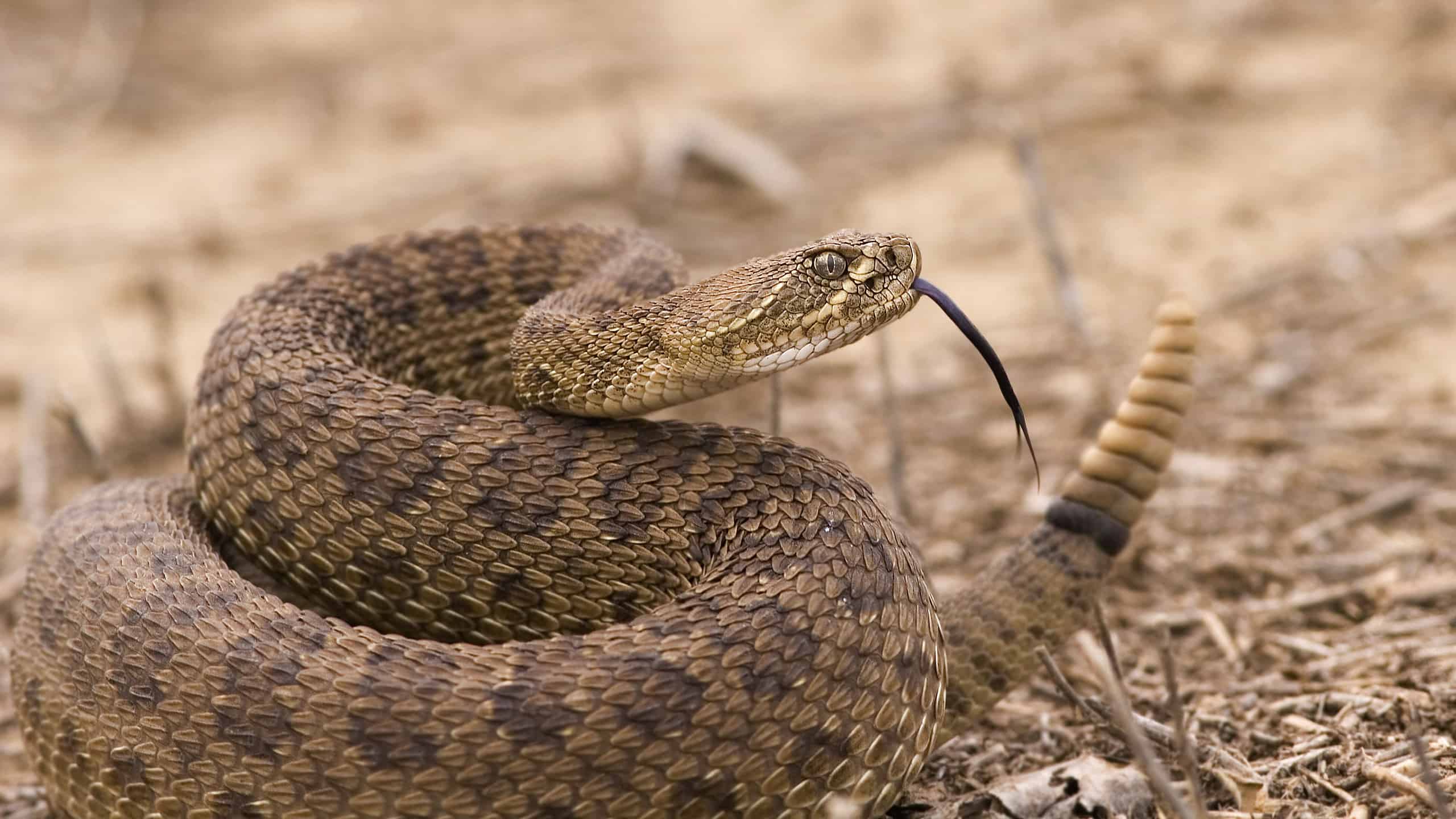
In late July 2018, Willow Godshalk-Gross let her small dog into the yard on the 7100 block of Mariposa Street in Santee when she noticed a rattlesnake nearby. Firefighters responded and found a red diamond rattlesnake that was reported to be about six feet long.
A firefighter removed the snake with tongs, and crews said it was the largest rattlesnake they had personally seen. The animal was taken into the care of a third party, with plans to release it back into the wild.
How Big Can Rattlesnakes Get?
©Chase D'animulls/Shutterstock.com
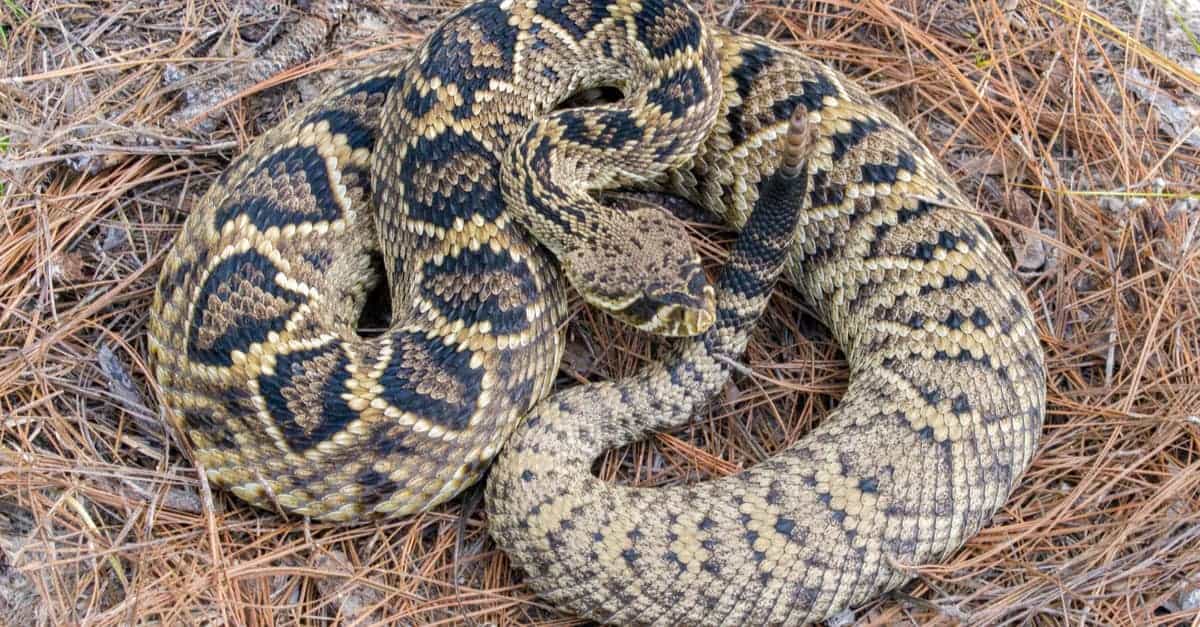
The eastern diamondback rattlesnake (Crotalus adamanteus) is the largest rattlesnake species. The Florida Museum says most adults are about 33 to 72 inches long, while the record length listed for the species is 99 inches, or 8 feet, 3 inches.
About Rattlesnakes
©GoodFocused/Shutterstock.com
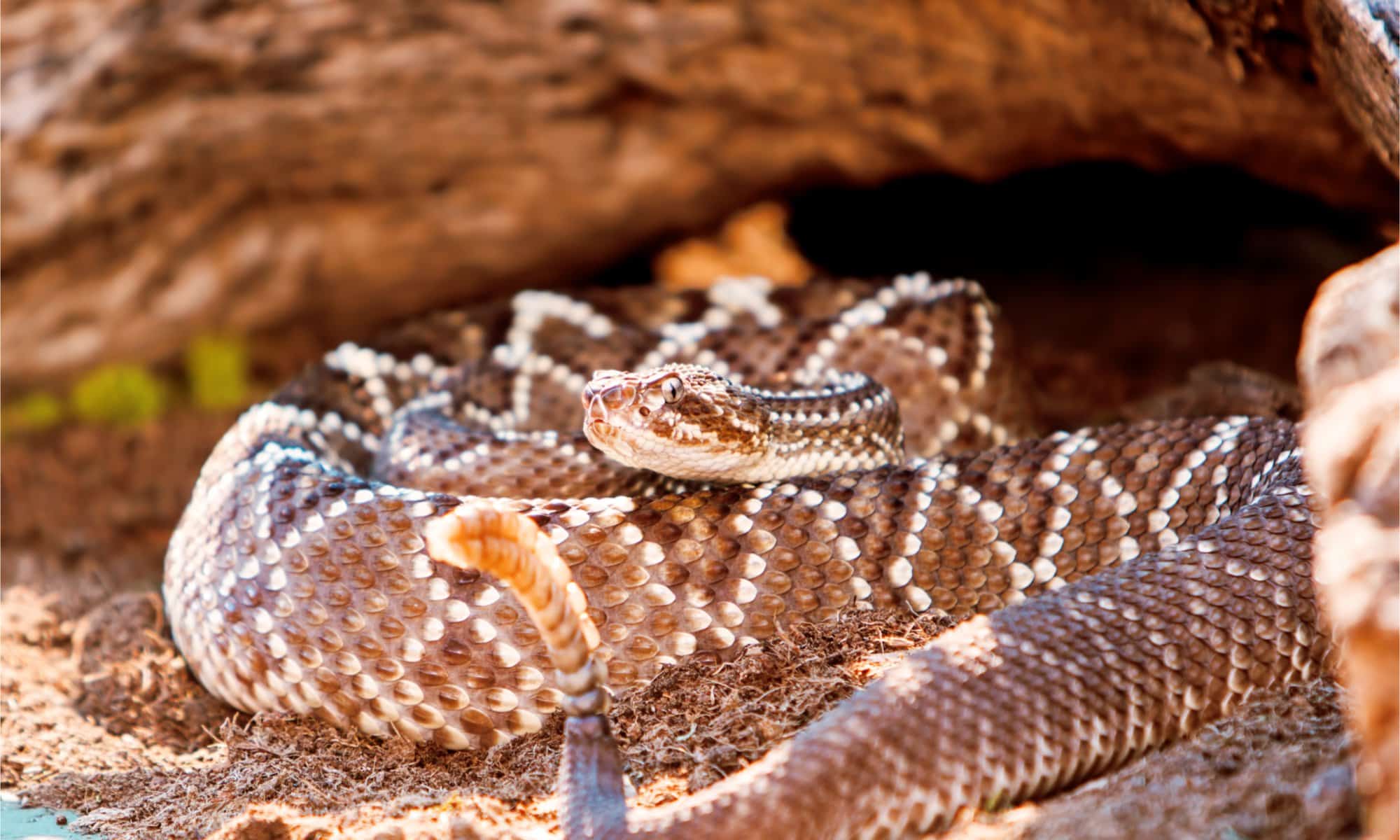
California has seven rattlesnake species under the state’s current classification. Telling them apart can be tricky, especially because color and pattern vary within species, so identification should always be done from a safe distance.
Physical Characteristics
©Ali Iyoob Photography/Shutterstock.com
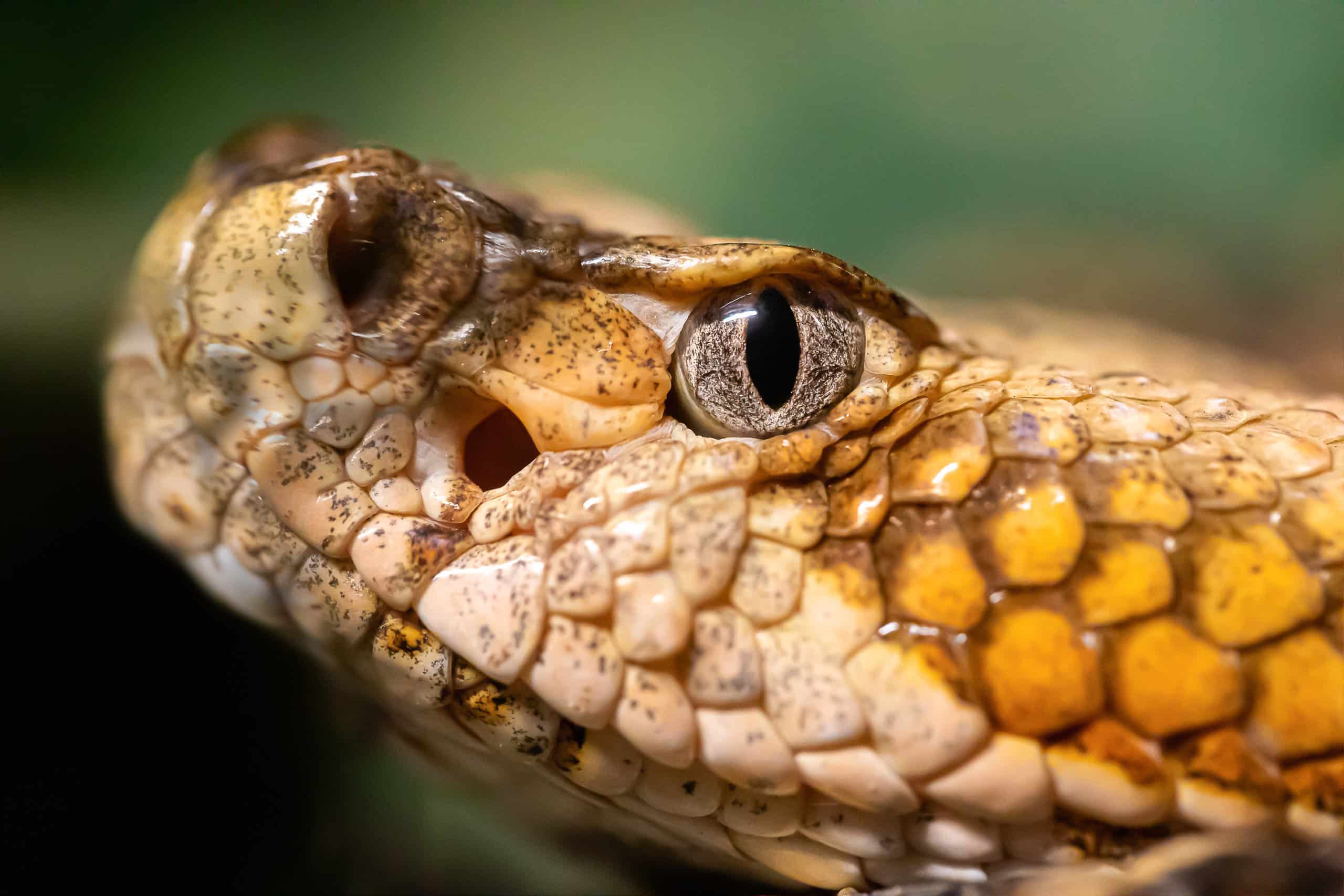
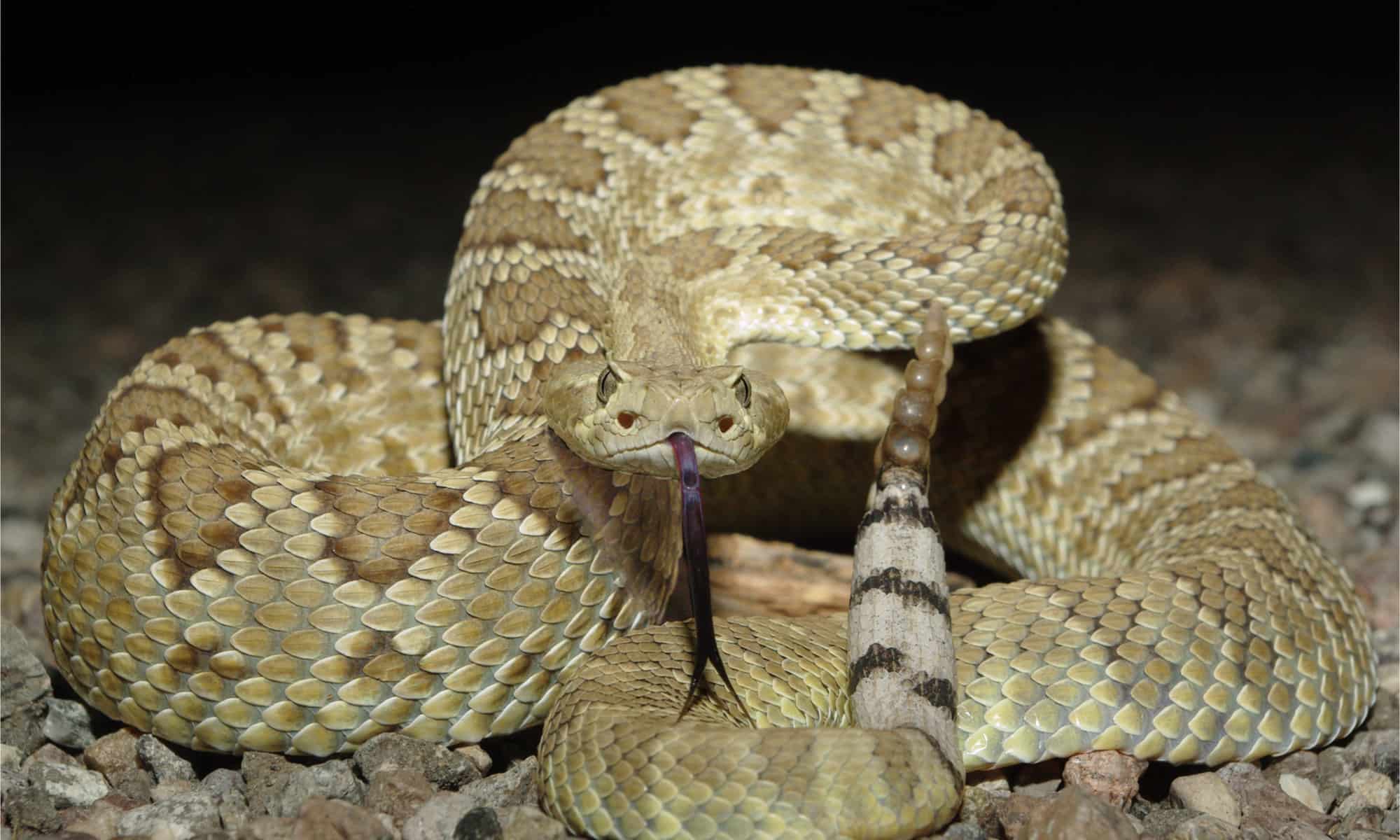
Rattlesnakes are pit vipers. They have heat-sensitive pits between the eyes and nostrils that help them detect warm-blooded prey, and many have broad heads that are distinct from the neck. Head shape alone, however, is not a reliable field test.
Color and pattern vary widely. Western and red diamond rattlesnakes can show obvious diamond or diamond-like markings, while other California species may have blotches, bands, speckles, or subtler patterns.
The rattle itself is made of interlocking keratin segments. Those segments can break or wear down, and some rattlesnakes may stay silent, so the absence of a loud rattle does not prove a snake is harmless.
Identifying Different Rattlesnake Species
©Mark_Kostich/Shutterstock.com
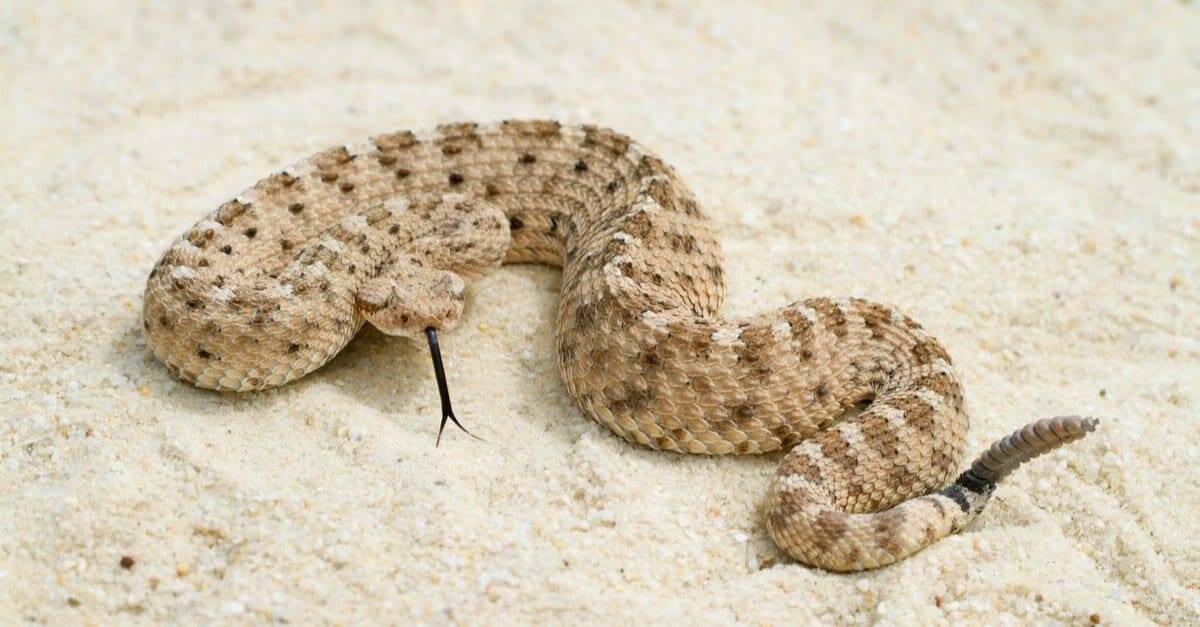
California’s seven rattlesnake species occupy different parts of the state, from coastal chaparral to desert. A few features can help with identification, but the safest approach is simple: look from a distance and never handle a snake just to figure out what it is.
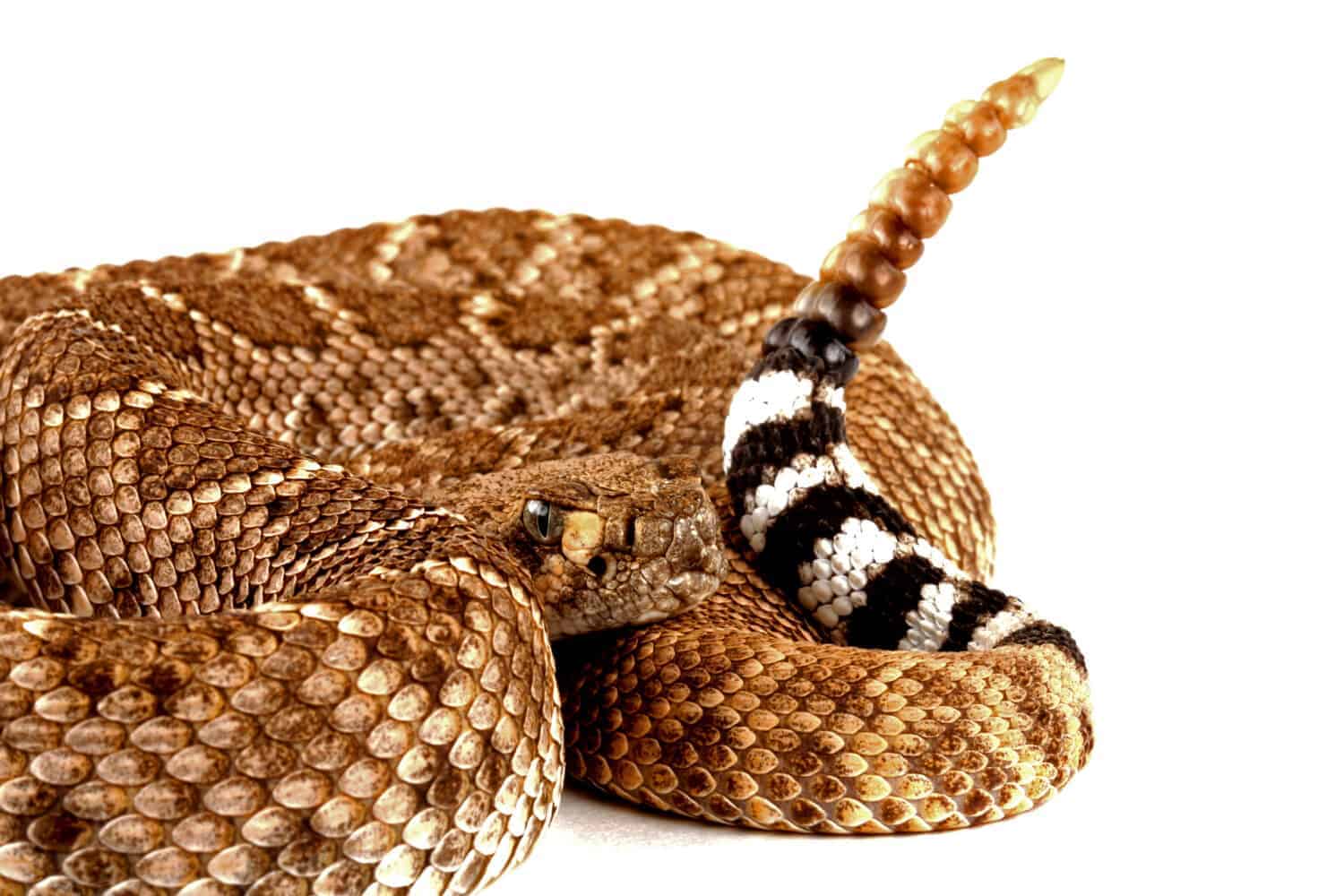
- The western diamondback rattlesnake. It has bold diamond-shaped markings and contrasting black-and-white bands near the tail. In California, it is rare and limited to the far southeastern desert.
- The sidewinder rattlesnake. This small desert species is known for its sideways style of movement and the hornlike scales above its eyes.
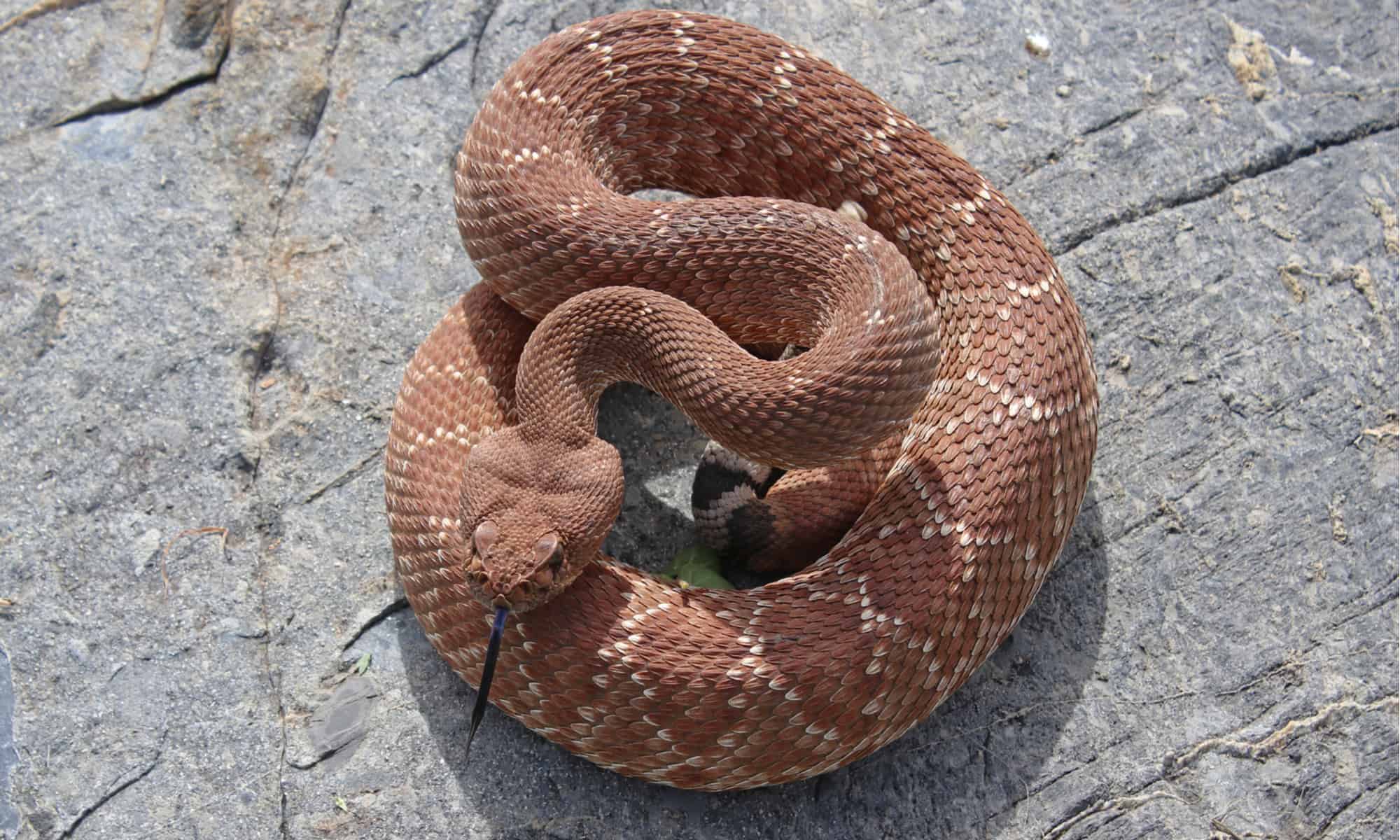
- The red diamond rattlesnake. Found in southwestern California south of Los Angeles, it often has reddish or brownish diamond-shaped blotches. California lists it as a Species of Special Concern.
- The western rattlesnake. It is the most widespread rattlesnake in California. Its regional forms include the Northern Pacific, Southern Pacific, and Great Basin rattlesnakes.
Note: Harmless gopher snakes can flatten their heads and may be mistaken for rattlesnakes. Do not try to handle a snake to confirm its identity.
Distinguishing Rattlesnakes From Non-Venomous Snakes
©Scott Delony/Shutterstock.com
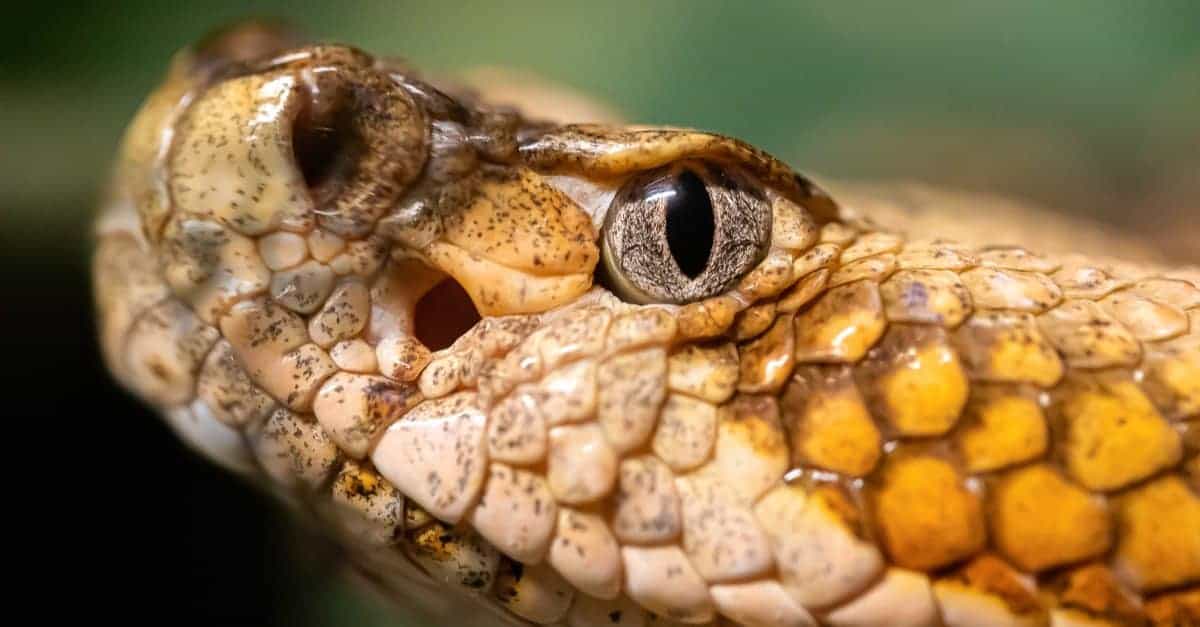
Pupil shape can help trained observers identify snakes, but it is a terrible reason to get closer. Rattlesnakes and other pit vipers have vertically elliptical pupils, yet that feature should never be used as an up-close field test.
Head shape is not foolproof either. Rattlesnakes often have broad, triangular-looking heads, but harmless snakes such as gopher snakes can flatten their heads when threatened and create a similar silhouette.
Rattlesnakes also have heat-sensitive pits between the eyes and nostrils. Those pits are a defining feature of pit vipers, but again, nobody needs to get close enough to inspect them in the wild.
The rattle is the most familiar clue, but it is not perfect. Rattles can break, young snakes begin with only a small button, and some rattlesnakes simply do not rattle before a person notices them.
Rattlesnake Predators
©Jukka Jantunen/Shutterstock.com
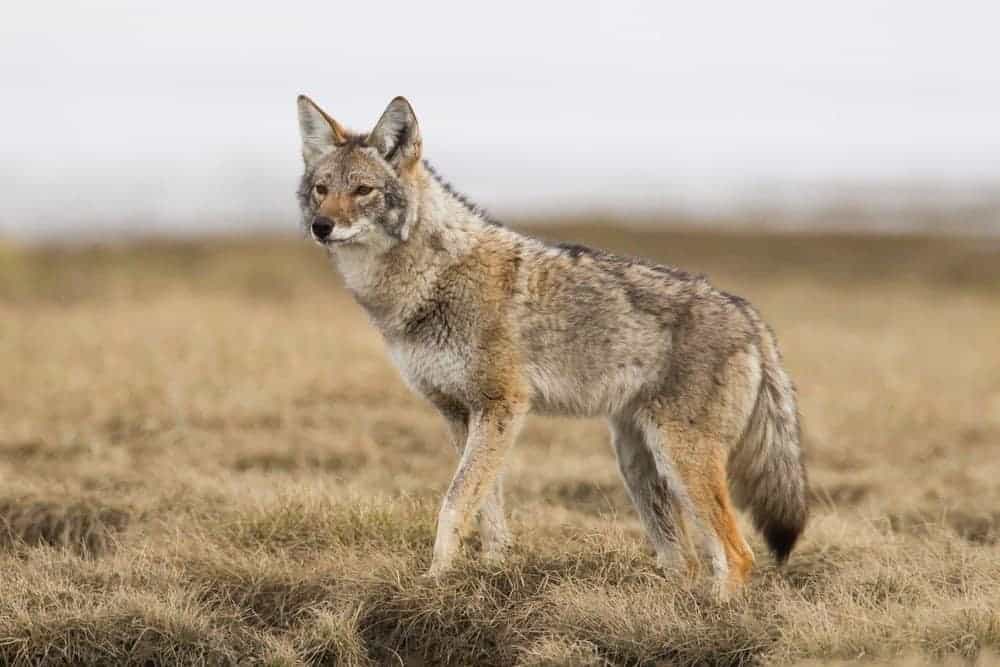
Rattlesnakes are effective predators, but they are also prey. Raptors, mammals, and other snakes can all eat rattlesnakes, depending on the species and habitat.
Birds Of Prey
©Rob McKay/Shutterstock.com
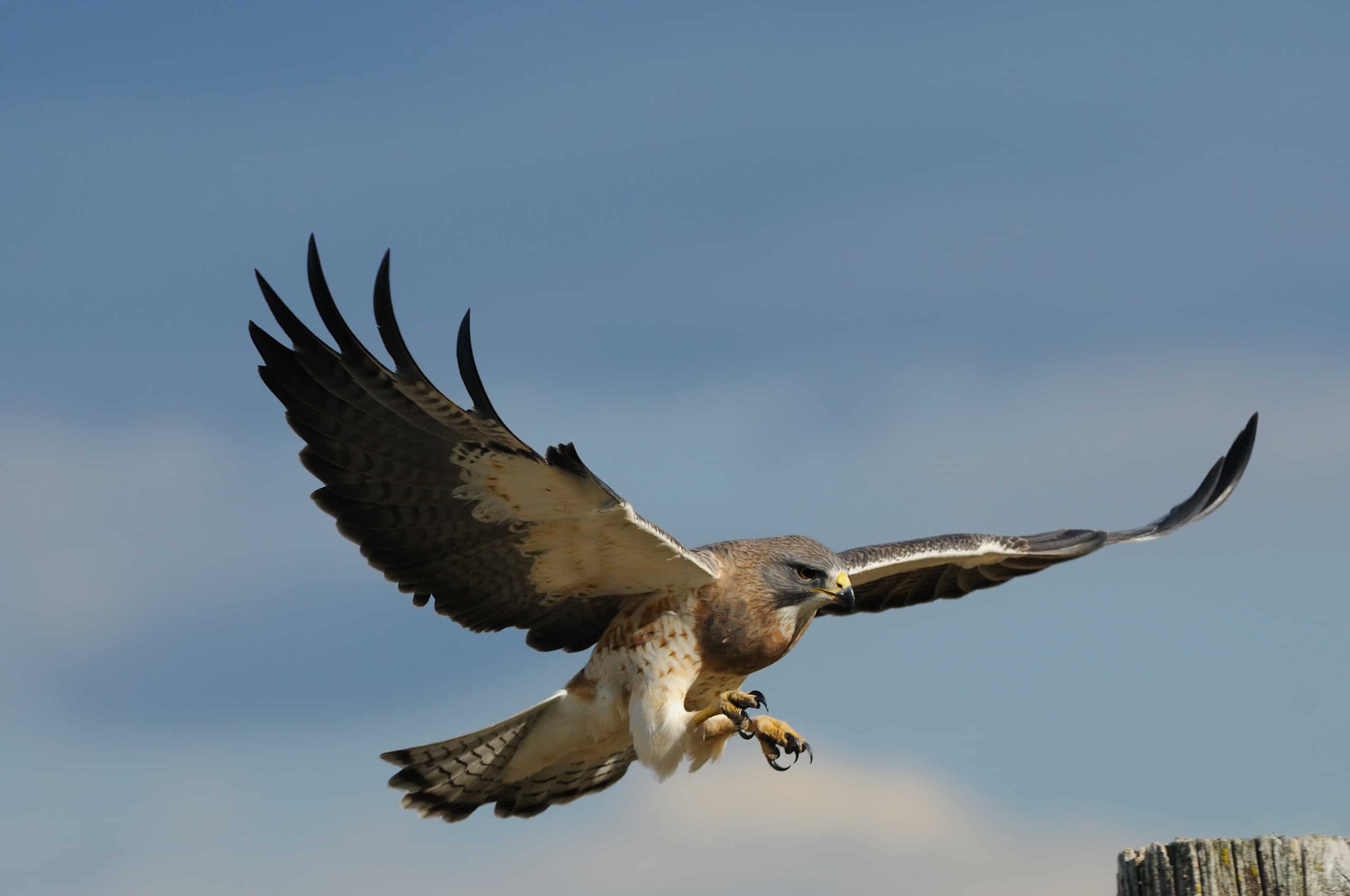
Hawks and other raptors are documented predators of rattlesnakes. Red-tailed hawks, for example, are known to take rattlesnakes along with many other kinds of prey.
Raptors rely heavily on sharp vision to locate prey and use their talons to seize snakes.
Snakes are only one part of a raptor’s diet. Depending on the bird, rodents, rabbits, other reptiles, and smaller animals may make up much more of what it eats.
Bobcats
©Don Mammoser/Shutterstock.com
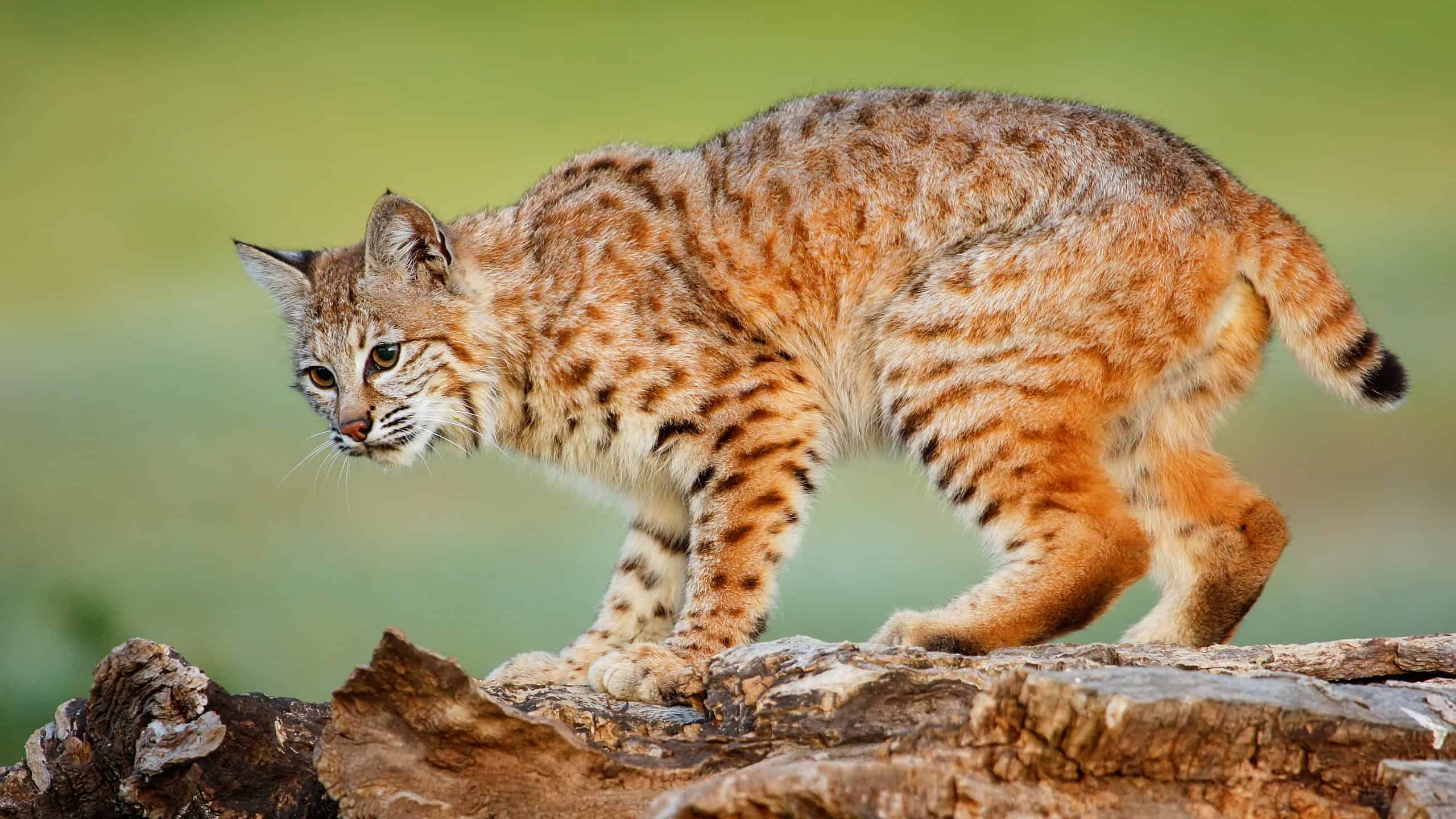
Bobcats are opportunistic carnivores, and reptiles are part of their diet. California wildlife researchers have even documented snakes in bobcat diets, although rabbits and rodents are much more typical prey.
Bobcats hunt by stalking or ambushing prey from the ground and from cover such as rocks, logs, and vegetation. Their stealth and quick pounce let them take a wide range of animals.
That means a snake can end up on the menu, but bobcats are not specialized rattlesnake hunters. They are generalists that take whatever suitable prey is available.
Other Snakes
©Creeping Things/Shutterstock.com
Some snakes regularly prey on other snakes, and California has one particularly good example.
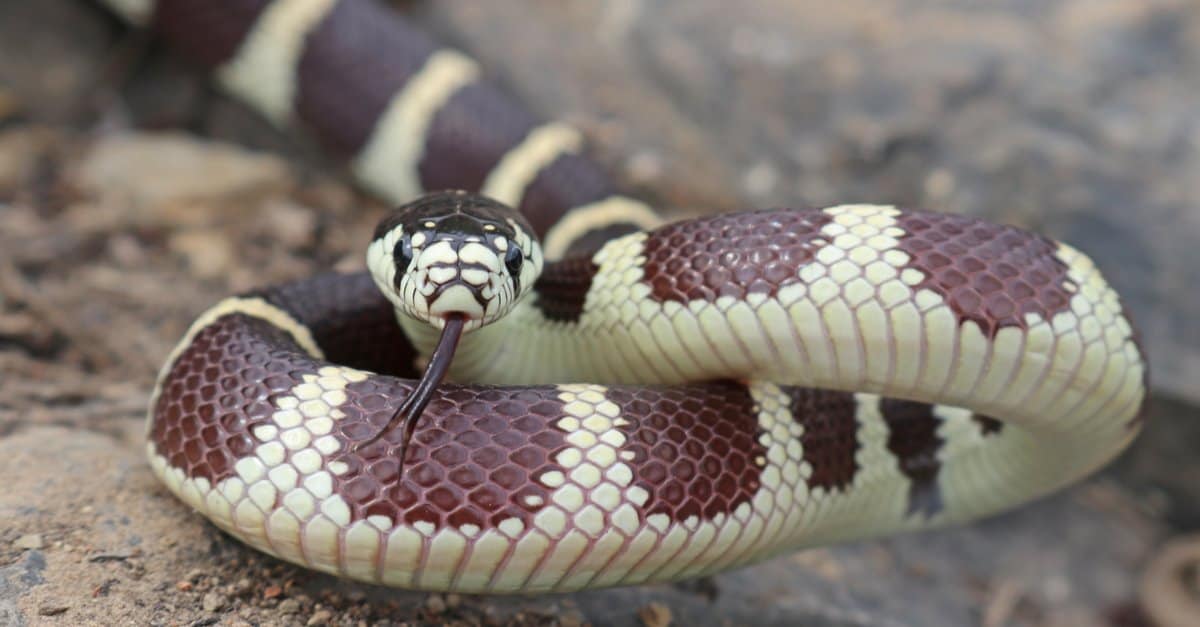
California kingsnakes are nonvenomous constrictors that eat other snakes, including rattlesnakes. They are highly resistant to rattlesnake venom, which is different from being completely immune to it.
Kingsnakes overpower prey by constriction and then swallow it whole. Their ability to eat venomous snakes is one reason they have earned the “king” part of their name.
Humans

©Veronika Oliinyk/iStock via Getty Images
People are not natural rattlesnake predators, but rattlesnakes are sometimes killed when they turn up around homes, yards, or trails.
California wildlife officials generally recommend leaving rattlesnakes alone whenever possible. Many bites happen when people try to handle, move, or kill a snake themselves.
Habitat And Distribution

©Viacheslav Lopatin/Shutterstock.com
California supports rattlesnakes in a wide range of landscapes, from coastal and chaparral country to deserts, grasslands, foothills, and forests.
Where a rattlesnake lives depends on the species. Some California rattlesnakes occur from below sea level to several thousand feet in elevation, while others occupy much narrower geographic and habitat ranges.
Habitat
©Doug Meek/Shutterstock.com
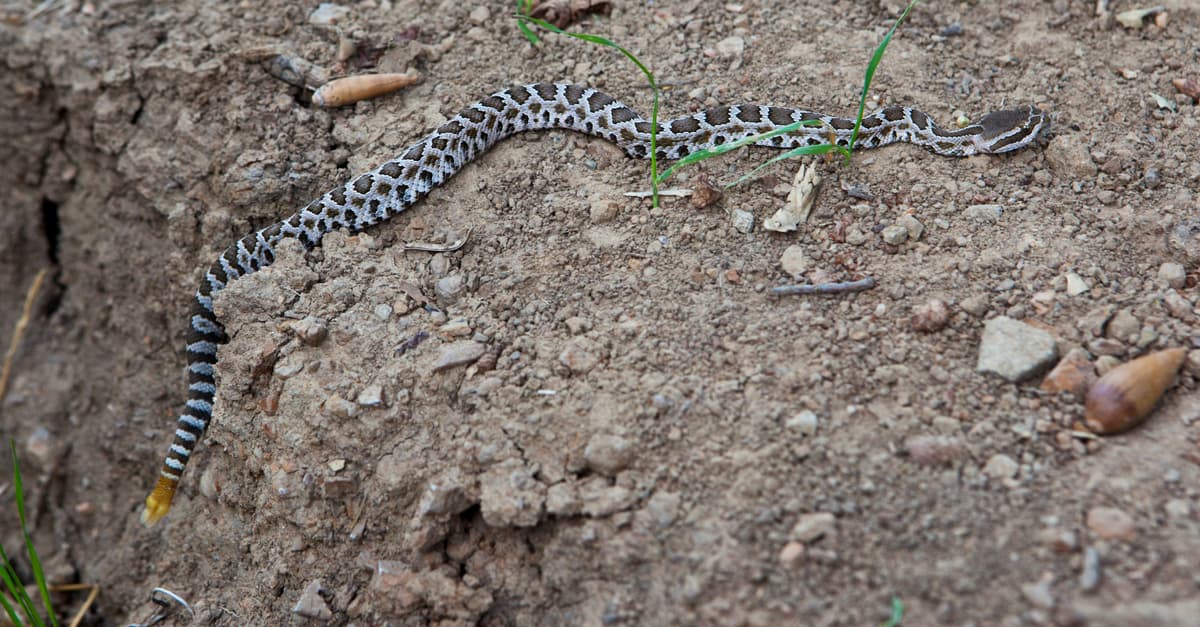
In California, rattlesnakes can be found in habitats including:
- Deserts
- Grasslands
- Chaparral
- Forests
Rocky outcrops, brush, rodent burrows, and other sheltered areas are especially useful because they provide places to hide, hunt, and regulate body temperature.
Sidewinders are especially well adapted to sandy desert environments. Their distinctive sideways locomotion is well suited to moving across loose sand.
Distribution
©reptiles4all/Shutterstock.com
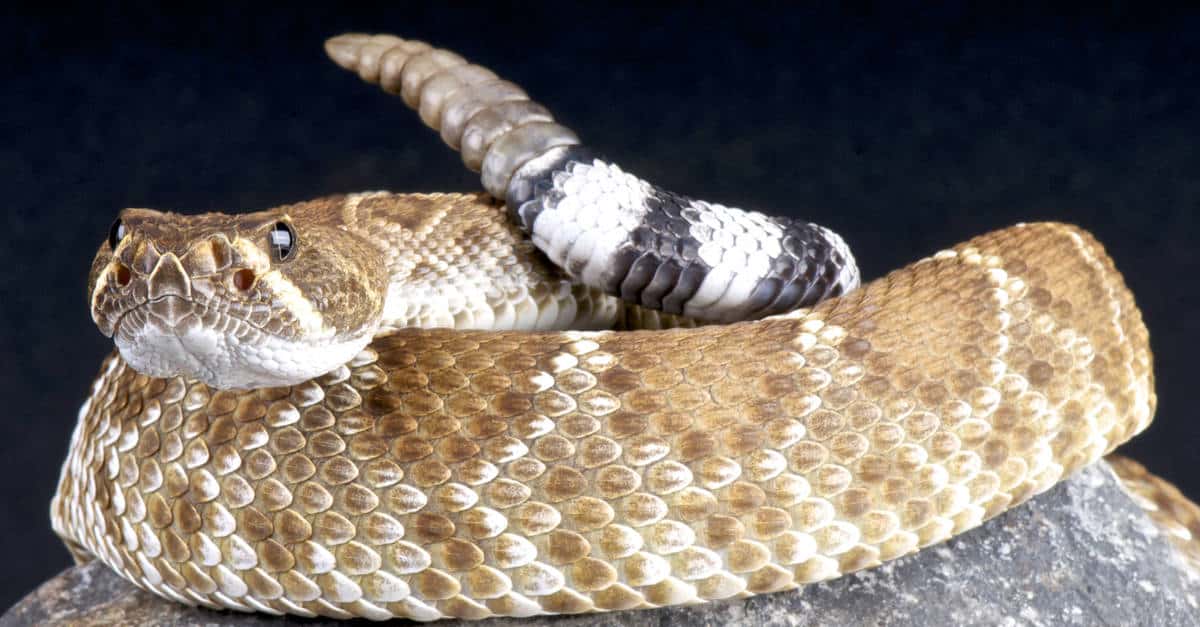
California’s seven rattlesnake species are not spread evenly across the state. Several are concentrated in Southern California and desert regions, while the western rattlesnake is the most widespread.
California species and regional forms include:
- The western diamondback rattlesnake, which is rare in California and found only in the far southeastern desert
- The red diamond rattlesnake, found in southwestern California south of Los Angeles
- The Southern Pacific rattlesnake, a coastal Southern California form of the western rattlesnake
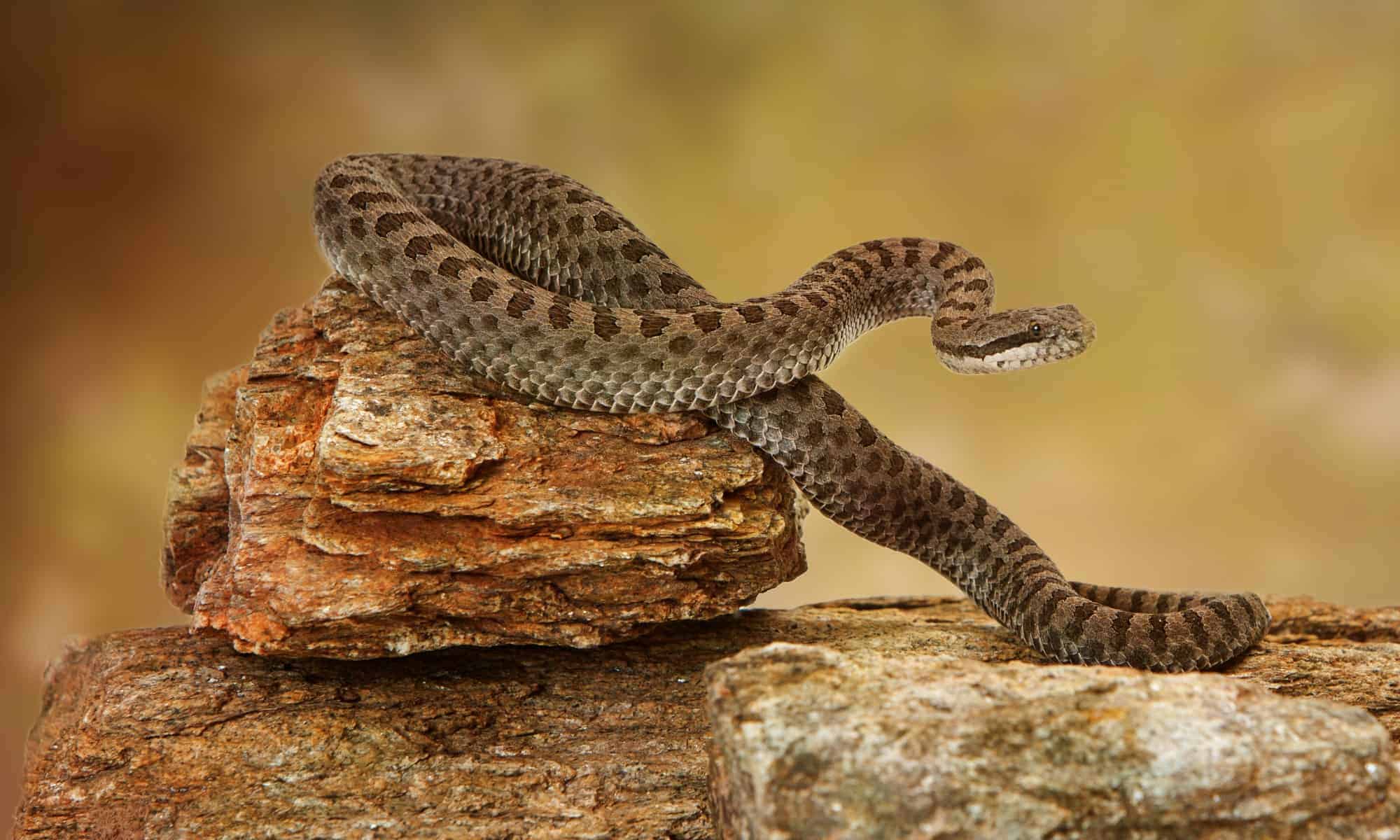
Other California species include the Mojave, sidewinder, speckled, and Panamint rattlesnakes. Northern Pacific and Great Basin rattlesnakes are regional forms of the western rattlesnake found farther north and inland.
Exactly where rattlesnakes occur depends on factors such as:
- Climate
- Habitat
- Human activity
Distribution (cont)
©iStock.com/adogslifephoto
Range maps are useful guides, but they do not mean a rattlesnake will be present everywhere inside a shaded area. Local habitat, elevation, temperature, prey, and development all affect where snakes are actually found.
Habitat loss and fragmentation can also put pressure on some species. For the red diamond rattlesnake, California wildlife officials identify urbanization and habitat fragmentation as primary threats.
For hikers and residents, the practical takeaway is simple: know whether rattlesnakes occur in the area, watch where you put your hands and feet, and give any snake plenty of room.
Protecting connected habitat also helps native snake populations and the larger food web they are part of.
Behavior And Diet
©Harris Motion Photo/Shutterstock.com
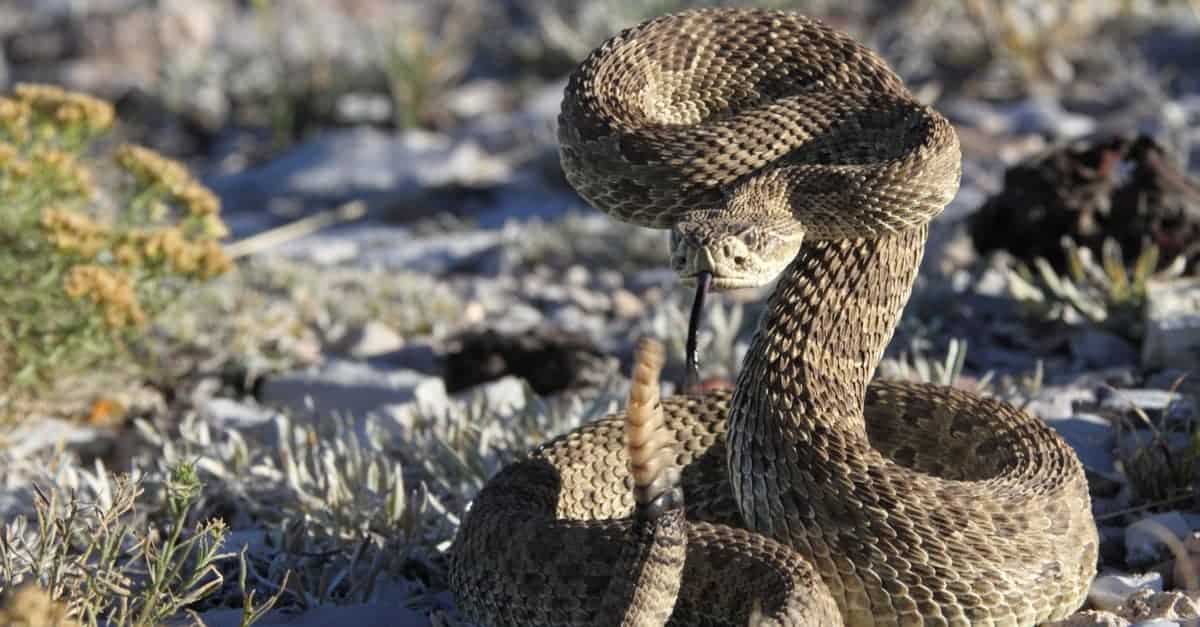
Rattlesnakes are ambush predators whose behavior is strongly shaped by temperature, shelter, and access to prey. Understanding those basics makes encounters less mysterious and easier to handle safely.
Behavior
©Scott Delony/Shutterstock.com
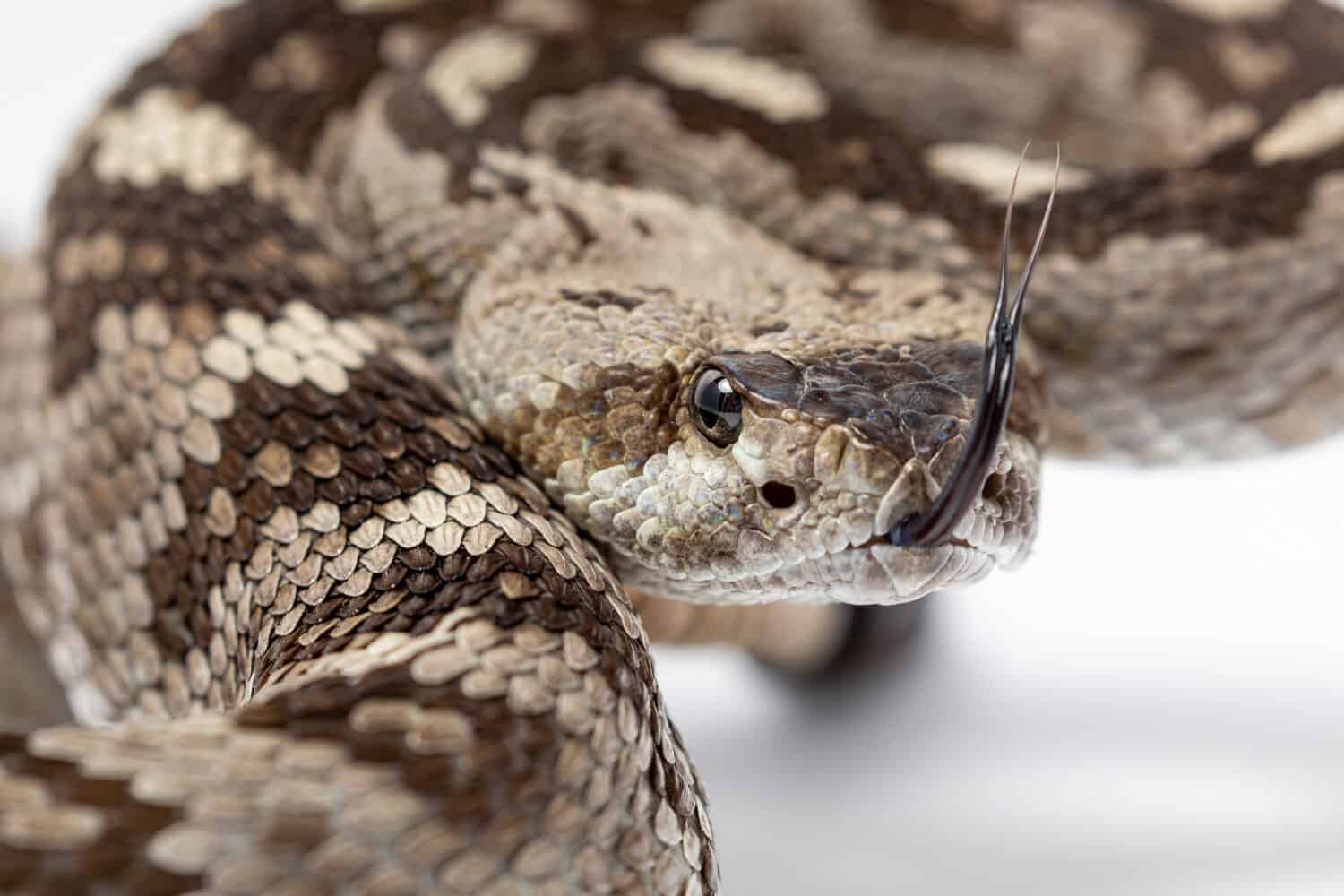
Rattlesnake activity changes with temperature and season. In much of California, activity peaks in spring and summer after snakes emerge from winter dens, while very hot weather can push activity into cooler parts of the day. They are generally solitary, although multiple snakes may use the same denning areas during colder months.
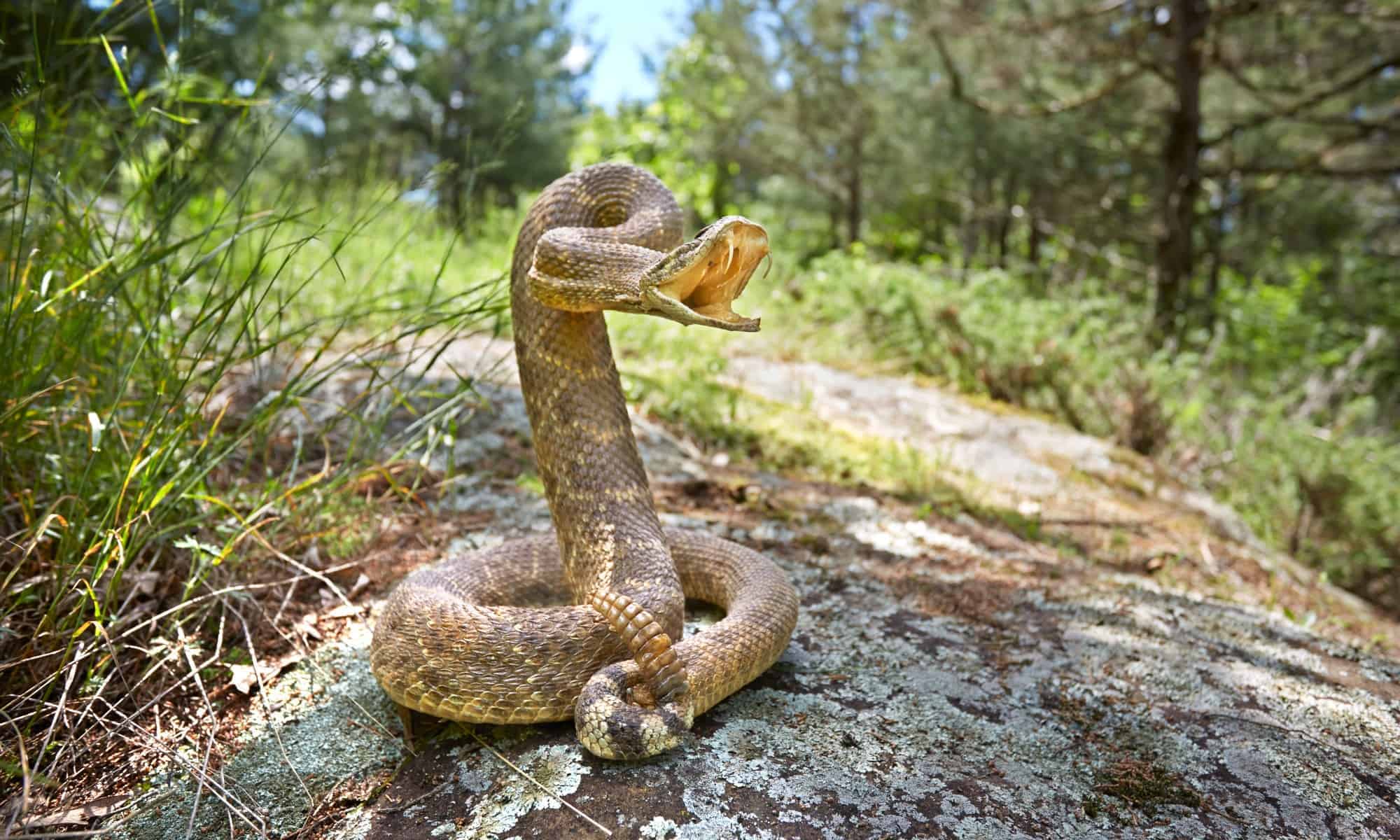
When threatened, a rattlesnake may coil and rattle as a warning. If the threat continues or the snake feels trapped, it may strike and deliver a venomous bite.
That does not make rattlesnakes aggressive animals. California wildlife officials describe them as shy by nature, with retreat and warning behavior usually coming before a defensive strike.
Diet
©IrinaK/Shutterstock.com
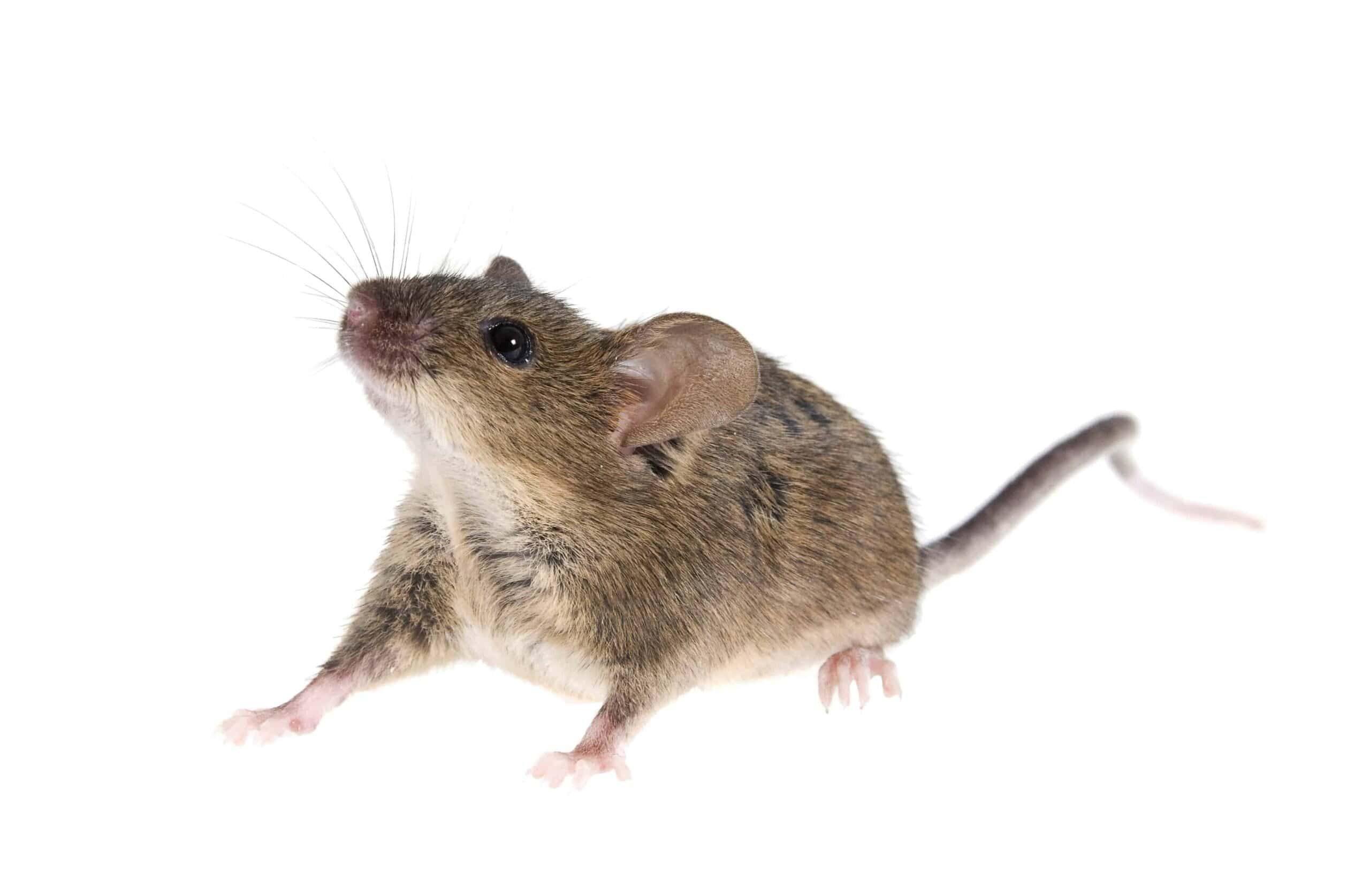
Rattlesnakes are carnivores. Adult California rattlesnakes eat mostly rodents and other small animals, while younger snakes often take lizards and small rodents. Heat-sensitive facial pits and scent help them locate prey. After striking and envenomating prey, a rattlesnake can track it and swallow it whole.
Interactions With Humans
©iStock.com/Tee-roy
Rattlesnakes are important native predators that help keep rodent populations in check. Problems usually begin when people, pets, and snakes end up in the same small space.
Bites
©iStock.com/DaveGartland
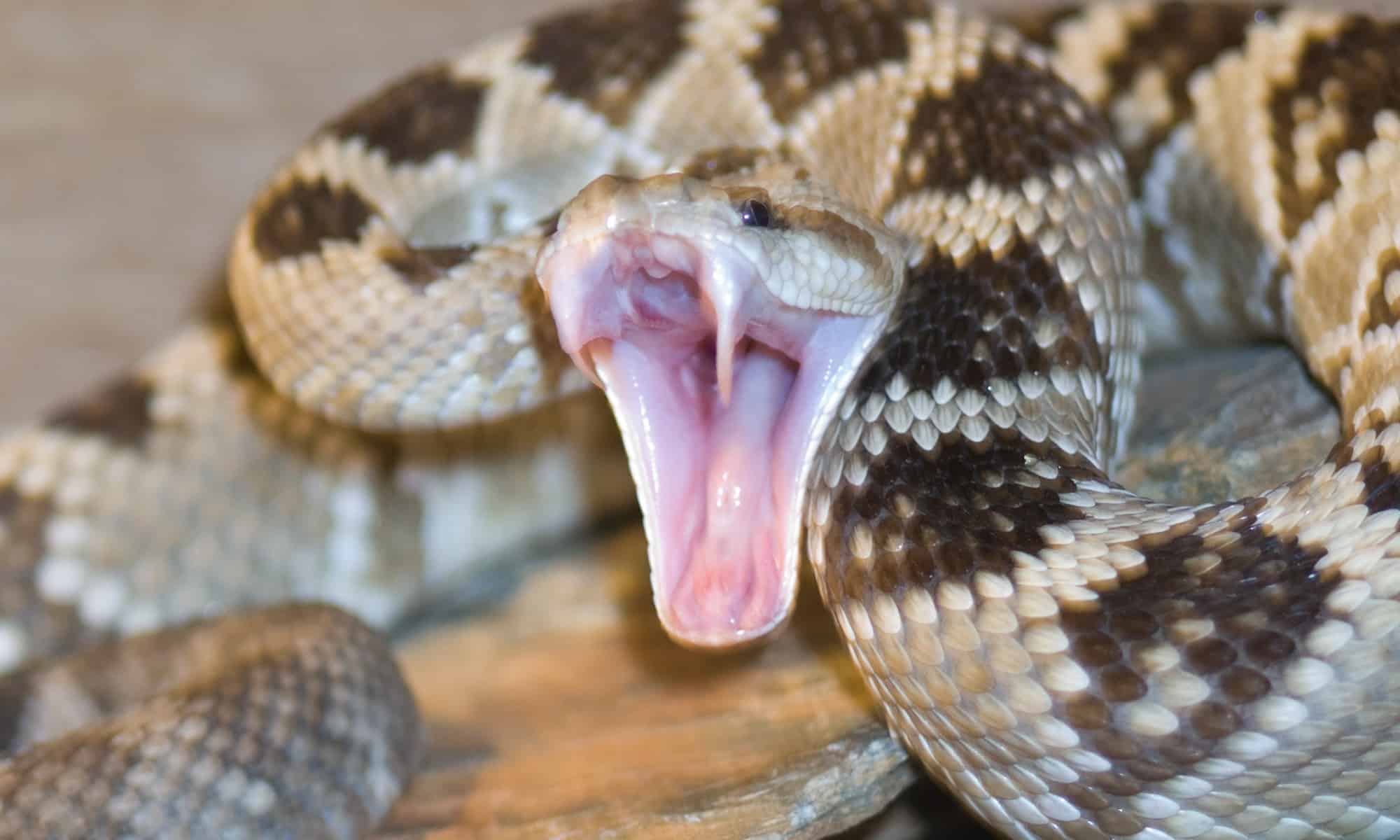
Rattlesnake bites can cause severe symptoms and should always be treated as medical emergencies.
Many bites happen when a rattlesnake is handled, harassed, or accidentally touched while someone is walking or climbing near it.
Symptoms of a rattlesnake bite can include:
- Pain
- Swelling
- Difficulty breathing
Anyone bitten by a rattlesnake should call 911 and seek medical attention immediately. Do not cut the wound, suck out venom, apply ice, or use a tourniquet.
Conservation

©gan chaonan/Shutterstock.com
Rattlesnakes are native predators that contribute to California’s biodiversity and help control rodents and other small prey.
Threats vary by species. For the red diamond rattlesnake, a California Species of Special Concern, state wildlife officials identify urbanization and habitat fragmentation as primary threats.
Protecting habitat, reducing unnecessary killing, and teaching people how to avoid risky encounters can all help rattlesnakes persist while reducing conflict with people.
Public Education
©David Prahl/Shutterstock.com
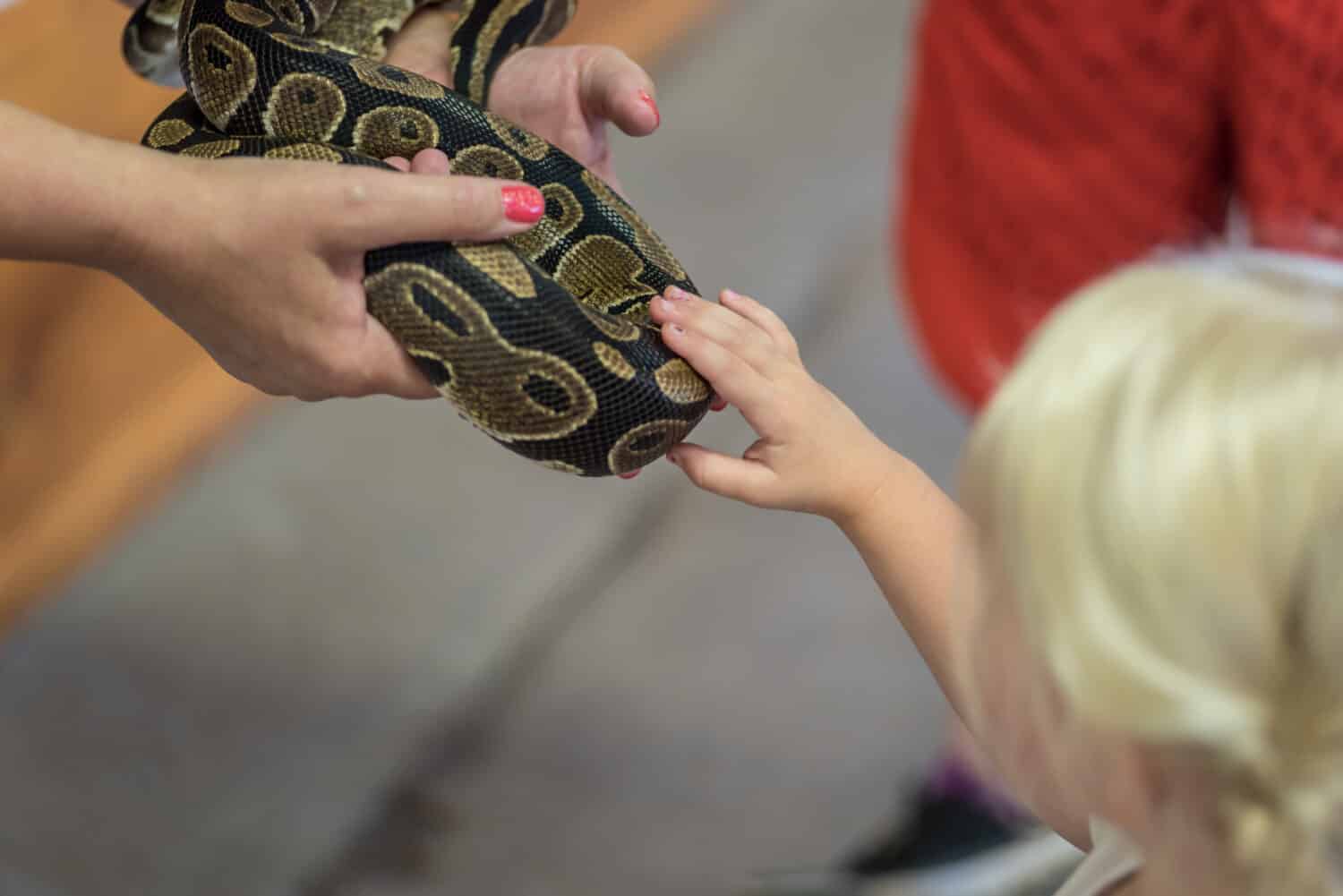
Public education can reduce conflicts between people and rattlesnakes. Learning where snakes hide, watching where you step, and giving them space are far more useful than trying to get close for a better look.
It also helps to understand one very practical point: trying to handle, move, or kill a rattlesnake is a common way people get bitten. Leaving the snake alone is usually the safer choice.
Management
©Eugene Troskie/Shutterstock.com
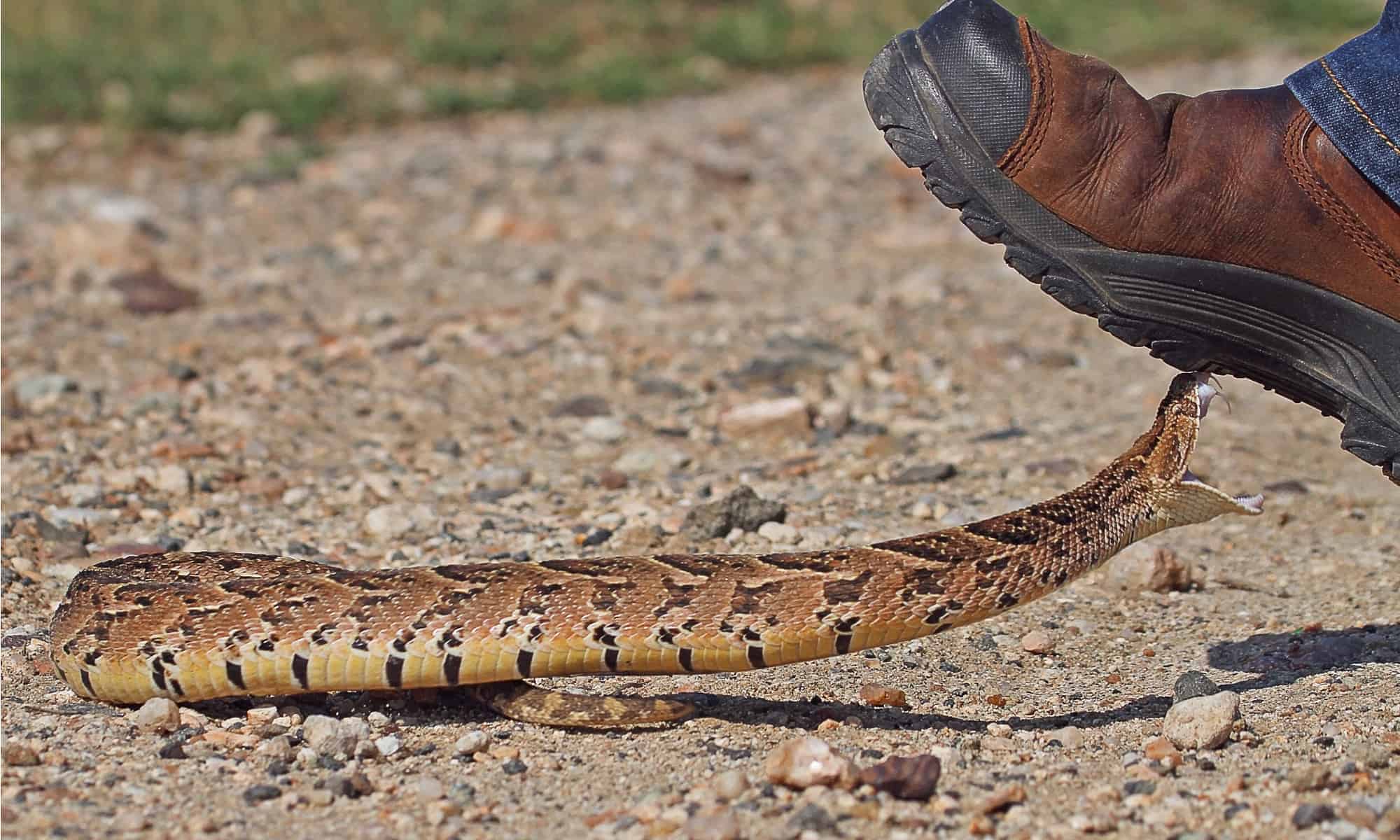
Around homes and yards, the most useful management steps focus on prevention. Removing heavy brush and debris, reducing rodent attractants, sealing gaps around buildings, and installing snake-proof barriers in high-risk areas can make a property less inviting to rattlesnakes.
If a rattlesnake must be removed from a populated area, the safer option is to contact a qualified wildlife or pest-control professional rather than trying to move it yourself.
Conservation And Management
©Audrey Snider-Bell/Shutterstock.com
Good rattlesnake management is mostly about reducing conflict without pretending the animals can be removed from the landscape altogether. Habitat protection, smart exclusion around homes, and safe behavior all matter.
Habitat Protection
©Evelyn D. Harrison/Shutterstock.com
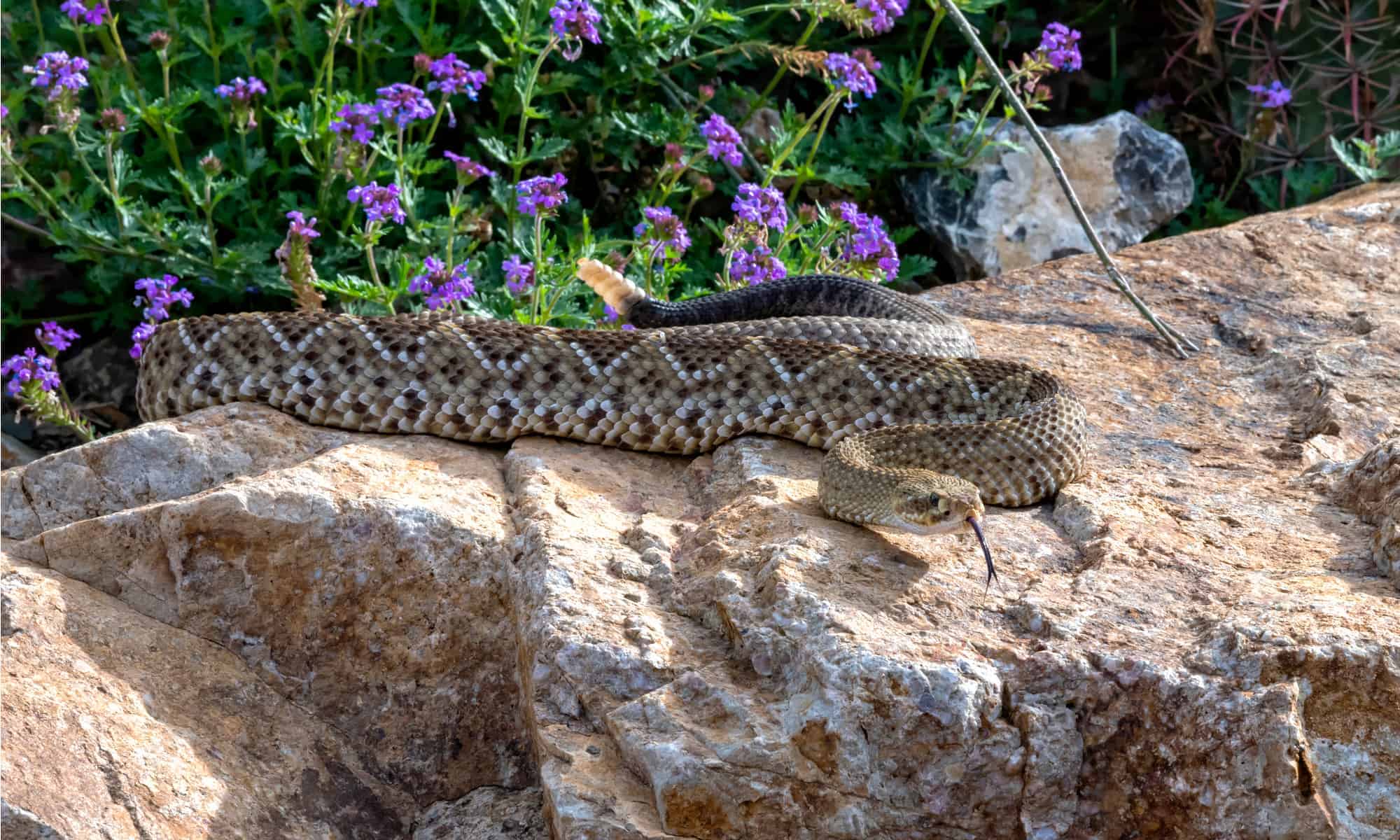
Protecting the habitat rattlesnakes depend on helps maintain healthy native populations. For species such as the red diamond rattlesnake, keeping remaining habitat connected is especially important where development has fragmented the landscape.
Helping Communities Coexist
©Creeping Things/Shutterstock.com
Public education can reduce unnecessary encounters and bites. That includes teaching people:
- How to recognize a possible rattlesnake and respond from a safe distance
- How to reduce attractants and give snakes space around homes and trails
- Why native snakes matter to California ecosystems
Management Strategies
©Max Allen/Shutterstock.com
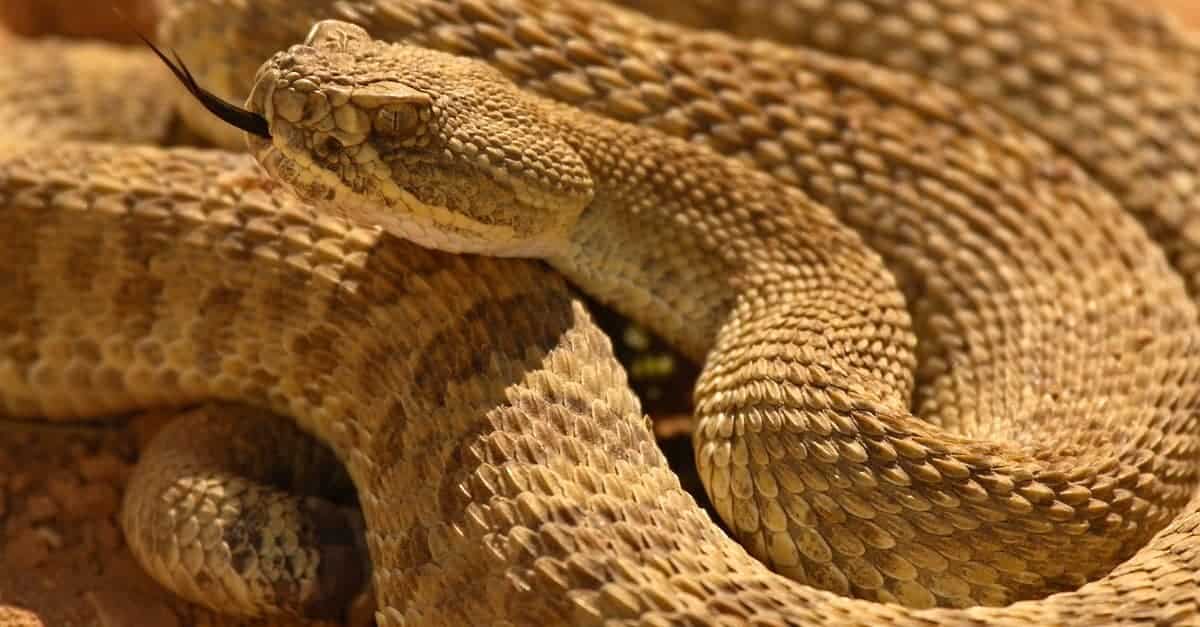
When rattlesnakes and people overlap, practical management can include:
- Calling a qualified wildlife or pest-control professional when a snake must be removed
- Sealing gaps and using snake-proof barriers in high-risk areas
- Keeping dogs leashed on trails and away from brush, rock piles, and other likely snake cover
Research
©aaron007/iStock via Getty Images
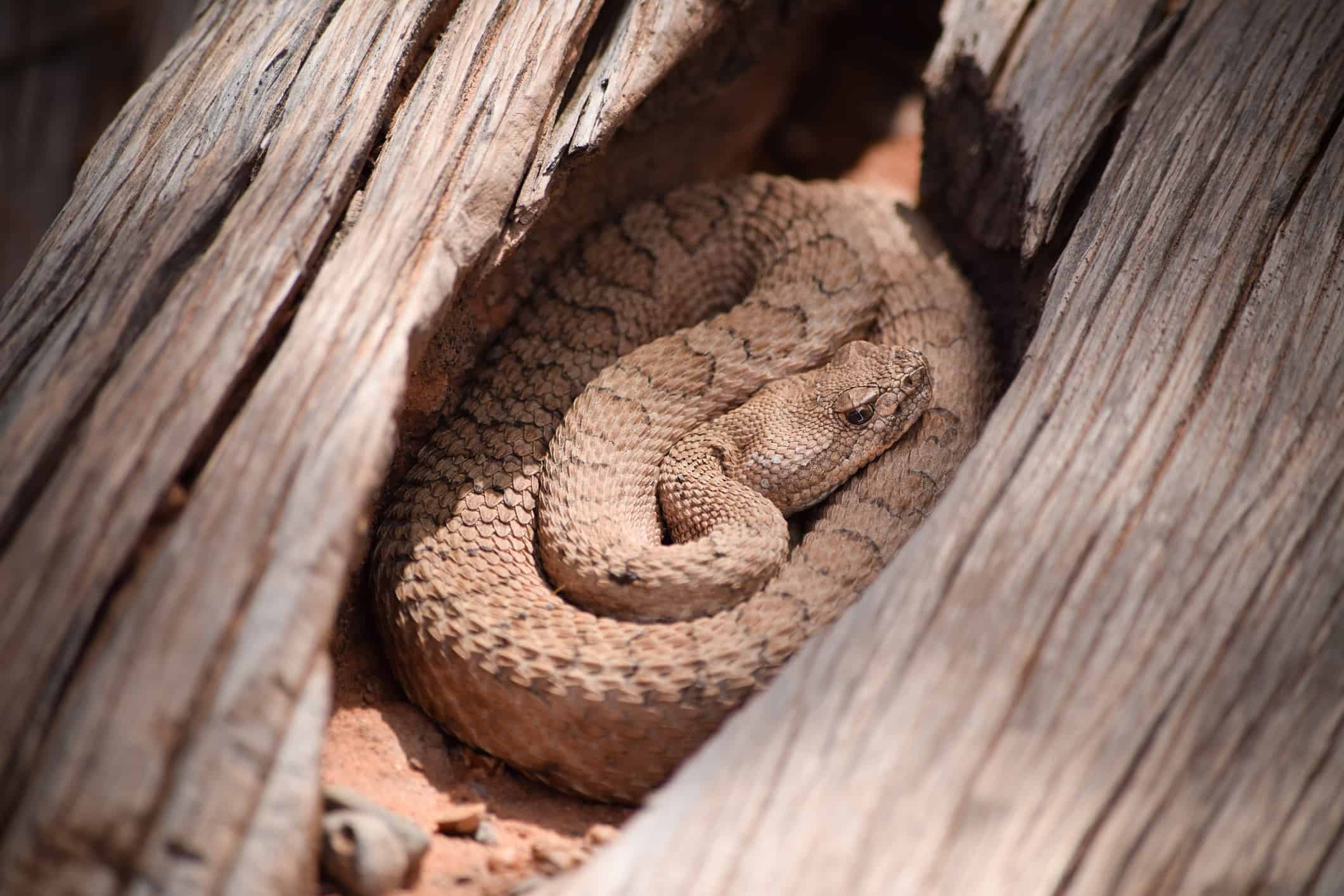
Research on rattlesnake populations and behavior can improve both conservation and public safety. Useful areas of study include:
- Rattlesnake habitat use
- Population dynamics
- The effects of human activities on these animals
Collaboration
©Viktor Loki/Shutterstock.com
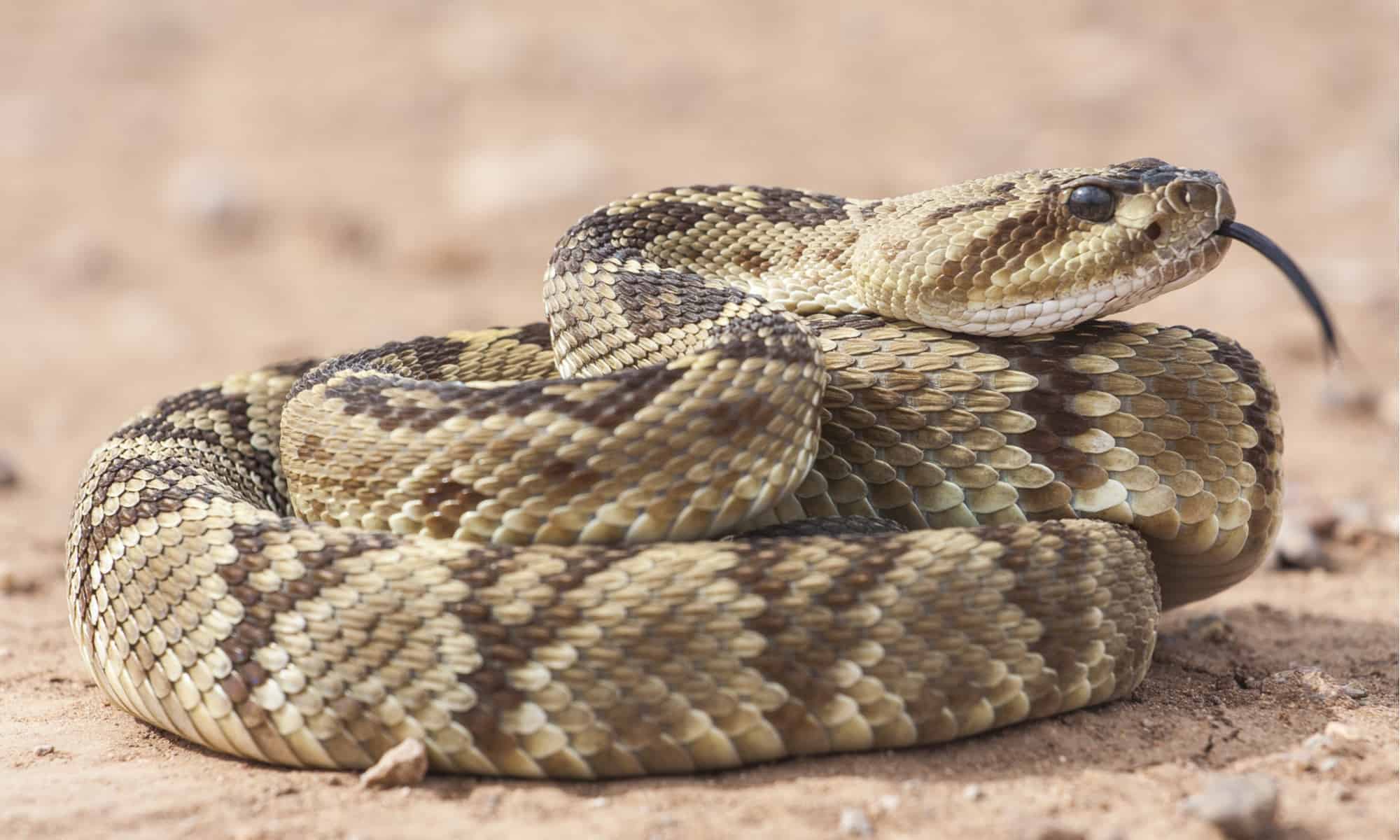
Rattlesnake conservation works best when scientists, wildlife agencies, land managers, and the public are working from the same reliable information.
That cooperation can protect habitat, improve public safety guidance, and reduce unnecessary conflict between people and snakes.
Other Record-Breaking Snakes
©Patrick K. Campbell/Shutterstock.com
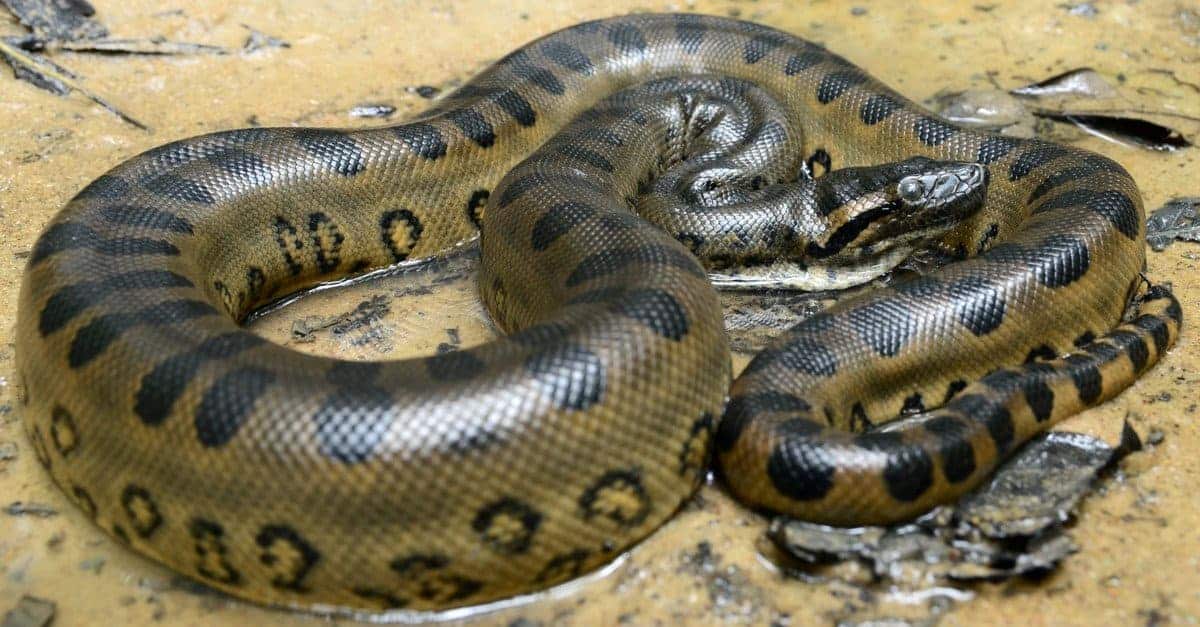
Green anacondas are among the largest snakes alive and are generally recognized as the heaviest living snake species. Their bulk is impressive, but length records belong to a different group of giant constrictors.
Guinness World Records recognizes a female reticulated python in Indonesia, nicknamed Ibu Baron, as the longest verifiably measured wild snake. She measured 7.22 meters, or 23 feet, 8 inches, on January 18, 2026.
For snakes in captivity, Guinness lists Medusa, another reticulated python, as the longest ever measured. She was recorded at 7.67 meters, or 25 feet, 2 inches, in Kansas City in 2011.
That distinction matters with giant-snake stories. Estimated lengths from photos or videos are not the same as a controlled measurement, so the most dramatic claims deserve a little skepticism until they are properly documented.
Key Takeaways
©yhelfman/Shutterstock.com
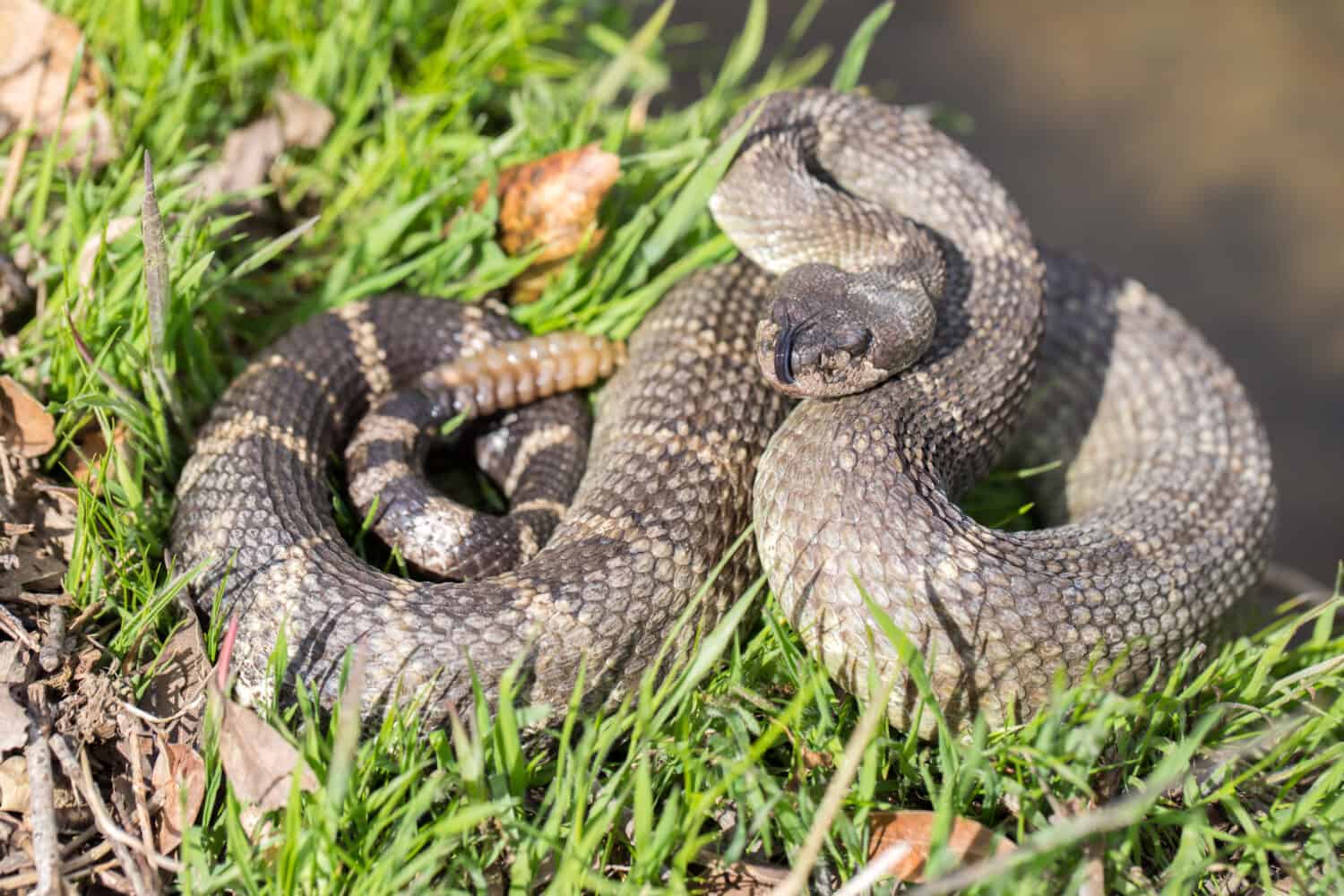
California’s rattlesnakes are important native predators, especially of rodents, and they occupy habitats ranging from deserts and chaparral to forests and foothills. Seven species occur in the state under the current California Department of Fish and Wildlife classification.
The safest way to live around rattlesnakes is not complicated. Give them space, keep yards less attractive to rodents and snakes, watch where you step or place your hands outdoors, and call a professional when a snake truly needs to be removed.
If a bite does happen, treat it as an emergency. Call 911, get medical care quickly, and skip old-school remedies such as cutting the wound, sucking out venom, icing the bite, or applying a tourniquet.
Where Is Santee Located On A Map?
©atm2003/Shutterstock.com
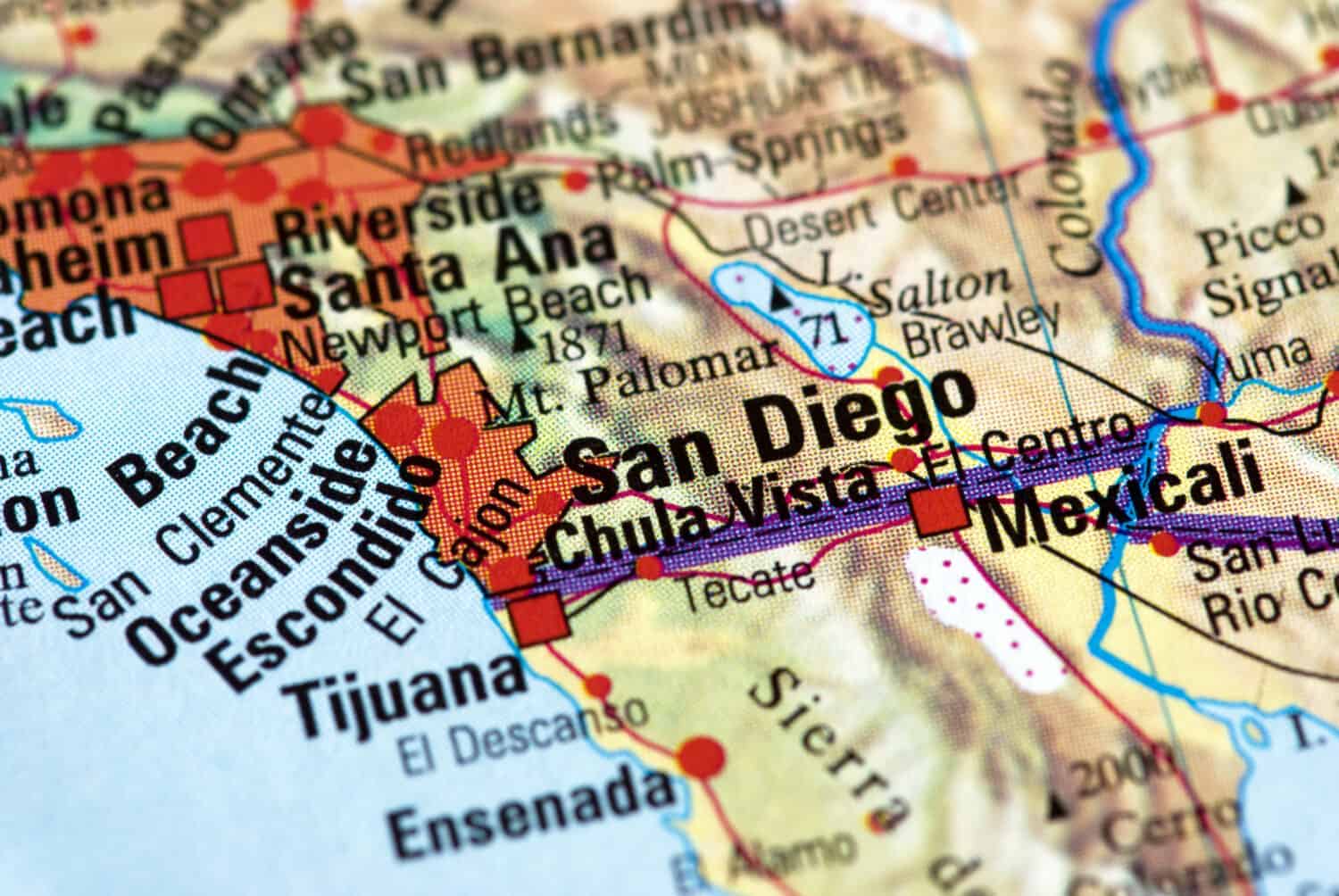
Santee is in central San Diego County, about 18 miles east of downtown San Diego. The city sits between the Pacific coast and the mountains of the Cleveland National Forest, with State Route 52 providing a direct connection west toward the coast.

