
Washington has plenty of grand old homes hiding behind gates, trees, and very convincing “private property” vibes. Fortunately, not all of them are off-limits. From a 1901 Tudor mansion tucked into Seattle’s First Hill to the governor’s actual residence in Olympia and a would-be Columbia Gorge mansion that became an art museum instead, these historic estates still let visitors through the front door. Some are open regularly, while others require reservations or operate seasonally, but every place on this list gives you a real chance to step inside and see how Washington’s wealthiest and most influential residents once lived.
Stimson-Green Mansion, Seattle
©"Stimson Green Mansion" by Michael & Sherry Martin is licensed under BY-ND 2.0. - Original / License
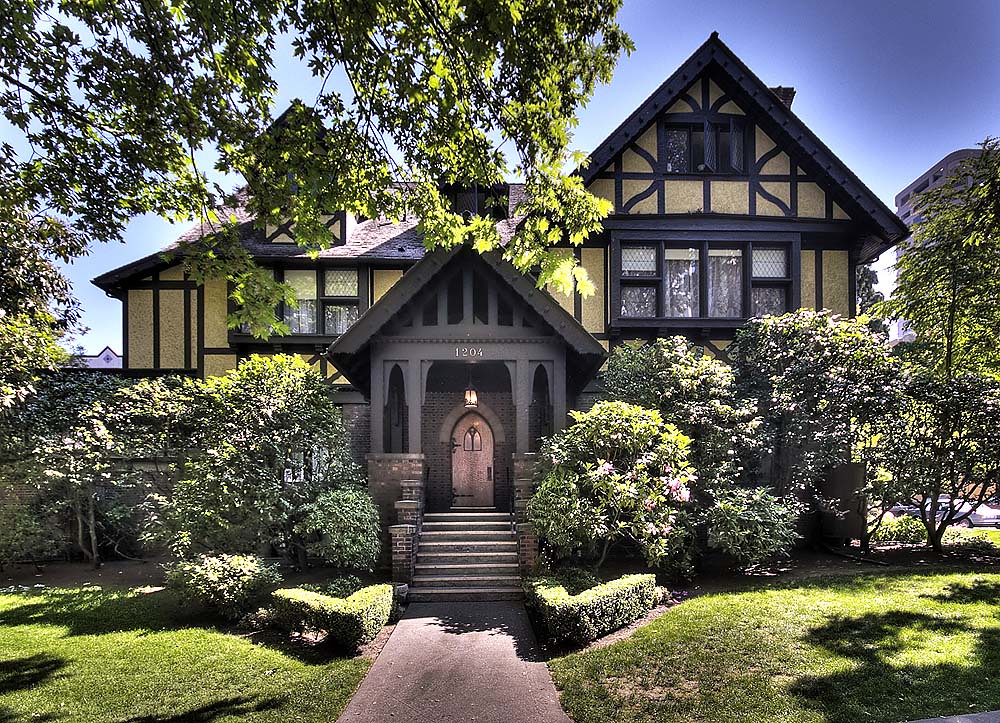
Seattle’s Stimson-Green Mansion is the kind of house that makes you slow down before you even reach the front door. Lumberman and real estate developer C.D. Stimson had the English Tudor-style mansion built in 1901, with noted Spokane architect Kirtland Cutter handling the design. The Washington Trust for Historic Preservation now uses it as its headquarters and offers regular public tours, generally on the fourth Tuesday of the month, along with private group and educational tours.
Stimson-Green Mansion (continued)
©Seattle Travel
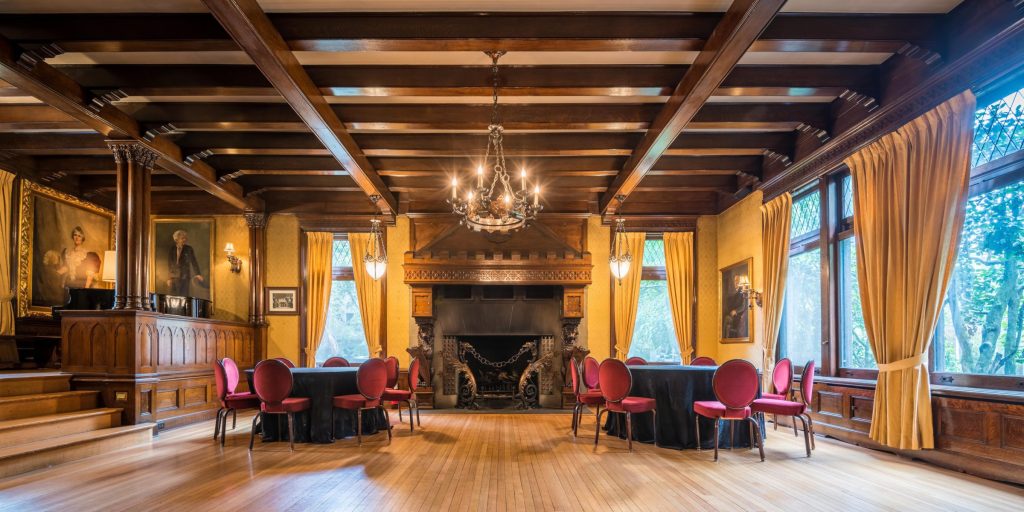
Inside, the tour focuses on the mansion’s architecture, interior details, and the lives of the Stimson and Green families on First Hill. This is not a stare-at-it-from-the-sidewalk situation. You can actually get inside one of Seattle’s best-preserved turn-of-the-20th-century homes, although tour groups are limited and advance tickets are the smart move.
The Residence at Bloedel Reserve, Bainbridge Island
©BeautifulWashington.com
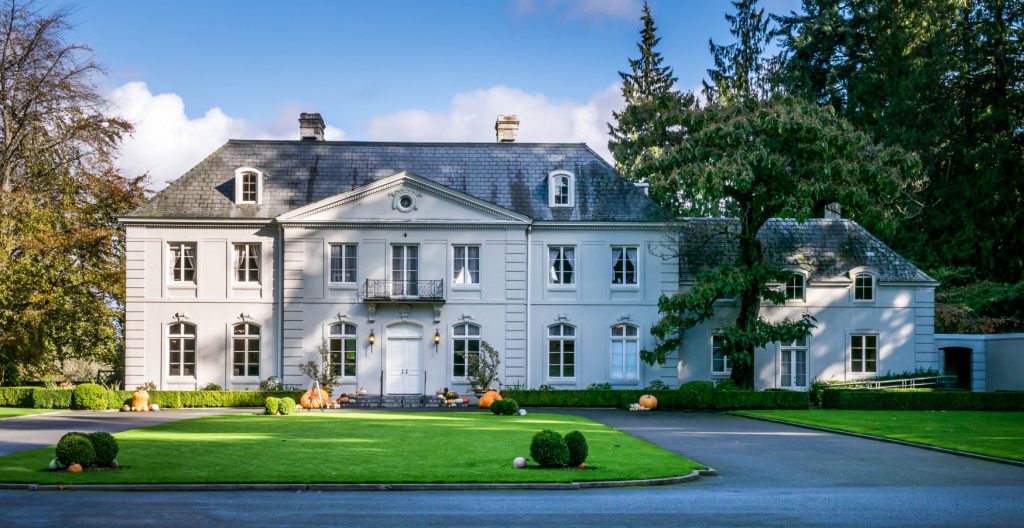
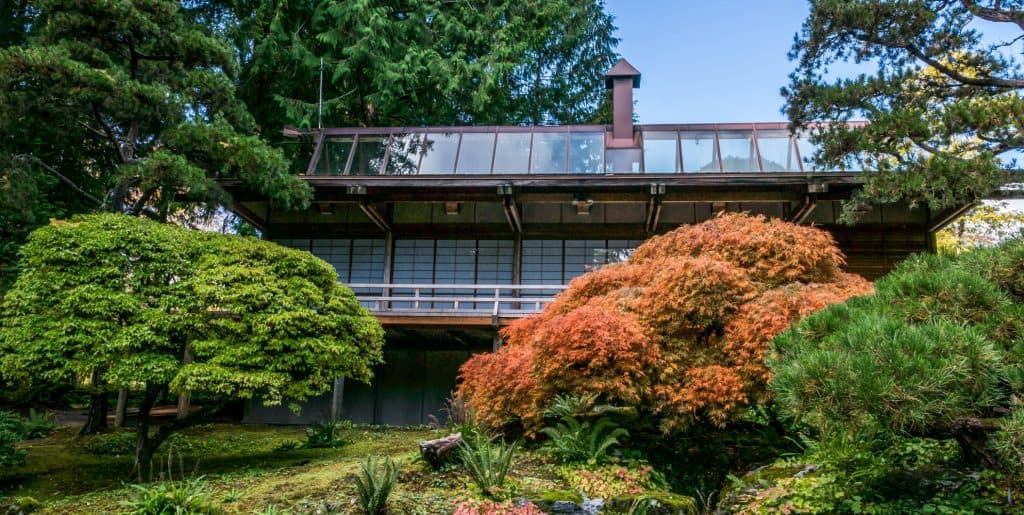
Bloedel Reserve is best known for its gardens, but the former family residence gives the property its grand-estate credentials. Seattle architect J. Lister Holmes designed the house in the 18th-century French tradition, and it later became the home of timber executive Prentice Bloedel and his wife, Virginia. Visitors can normally explore the first-floor dining room, living room, and library during regular Reserve hours, with exhibits explaining the property’s history and the Bloedels’ conservation vision. Step onto the back veranda and the view opens toward Puget Sound before the trail continues into the Birch Garden, Rhododendron Glen, and the rest of the grounds. The Reserve uses timed-entry admission and is open most of the year. The house is only part of the visit, and that is kind of the point.
The Residence at Bloedel Reserve (continued)
©BeautifulWashington.com
Step onto the back veranda and the view opens toward Puget Sound before the trail continues into the Birch Garden, Rhododendron Glen, and the rest of the grounds. The Reserve uses timed-entry admission and is open most of the year. The house is only part of the visit, and that is kind of the point.
Washington Governor’s Mansion, Olympia
©Wikimedia Commons
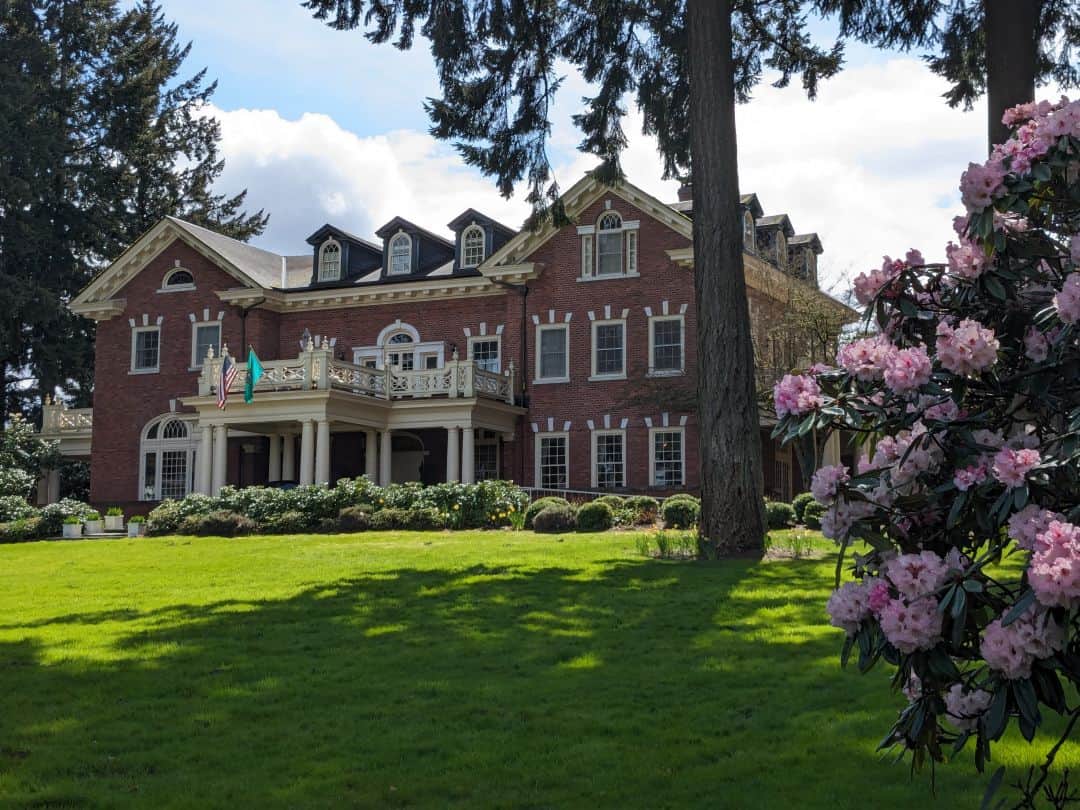
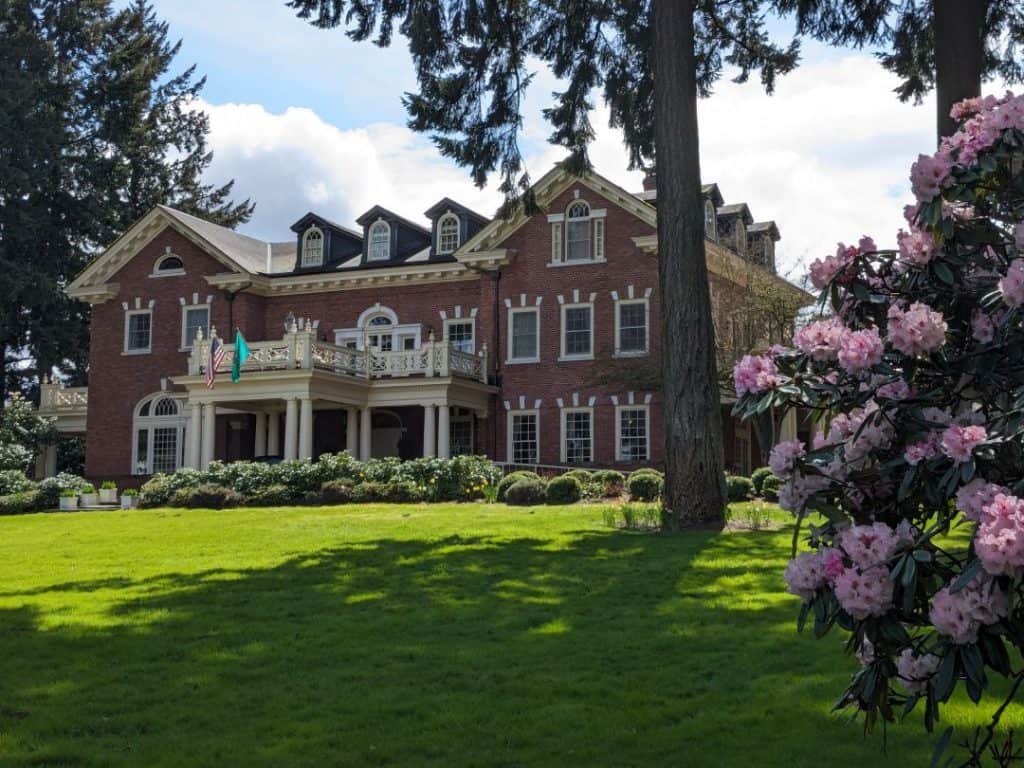
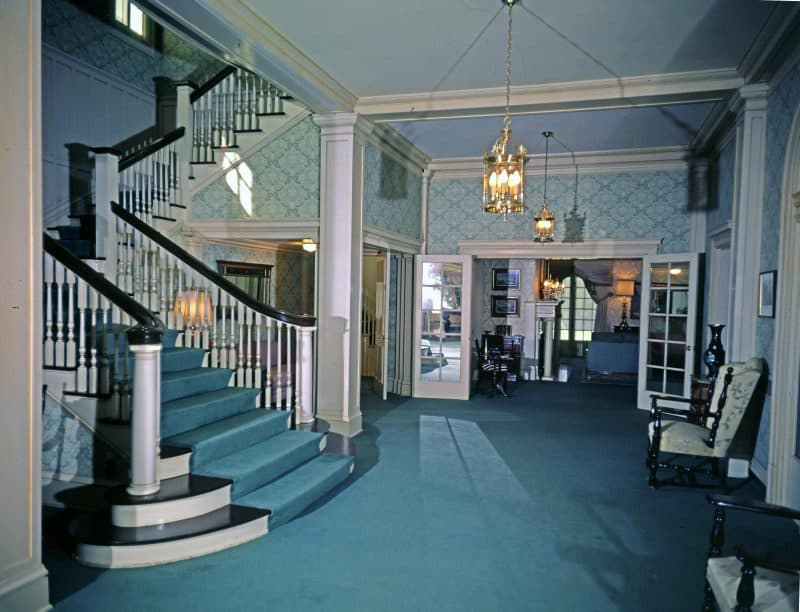
Washington’s Governor’s Mansion is not just ceremonial scenery on the Capitol Campus. Completed in 1909, the red-brick Georgian-style residence is the oldest building on the campus and remains the official home of the governor. The public can tour several of its first-floor rooms, including spaces used for official entertaining, while learning about the artwork, furnishings, library collection, and families that have lived there.
Washington Governor’s Mansion (continued)
©Wikimedia Commons
The Governor’s Mansion Foundation offers free public tours on selected Wednesdays throughout the year, and reservations are required at least 24 hours ahead. Adults also need photo identification at check-in. In other words, you can absolutely get inside, but this is still an active executive residence, not an open-house Sunday where you casually wander in because you saw balloons by the curb.
Meeker Mansion, Puyallup
©"Meeker Mansion, Puyallup WA" by Michael & Sherry Martin is licensed under BY-ND 2.0. - Original / License
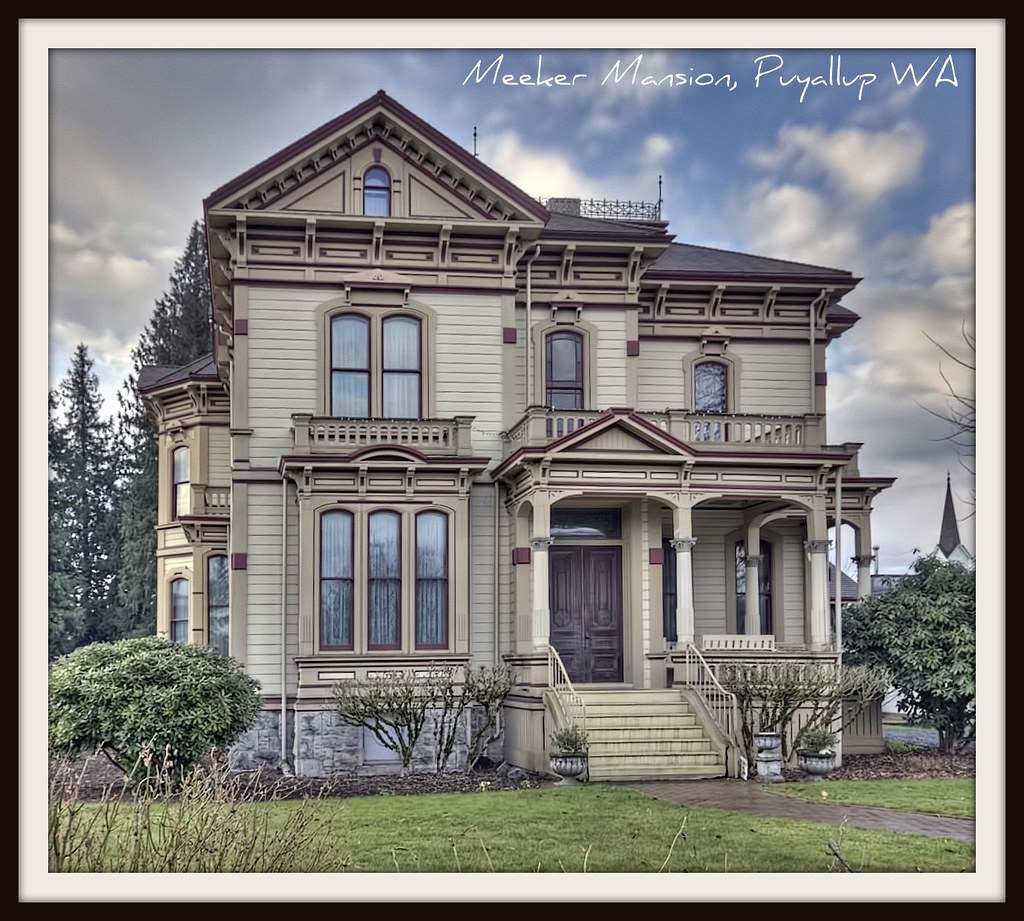
Ezra and Eliza Jane Meeker built their Puyallup mansion in 1890, and it remains one of the easiest historic homes in Washington to actually explore. The restored Italianate Victorian house has six original fireplaces, ornate ceiling paintings and friezes, stained glass, and functioning speaking tubes with nickel-plated mouthpieces. Basically, the 1890 version of texting someone downstairs. The Puyallup Historical Society operates the mansion as a museum, with self-guided tours offered Wednesday through Sunday from noon to 4 p.m. and guided tours available by advance appointment. The Meekers are closely tied to Washington’s pioneer-era history, but the house is worth seeing even if you are more interested in architecture than the Oregon Trail. Give yourself at least an hour if you want to look around without rushing from room to room.
Lakewold Gardens and Wagner House, Lakewood
©Wikimedia Commons
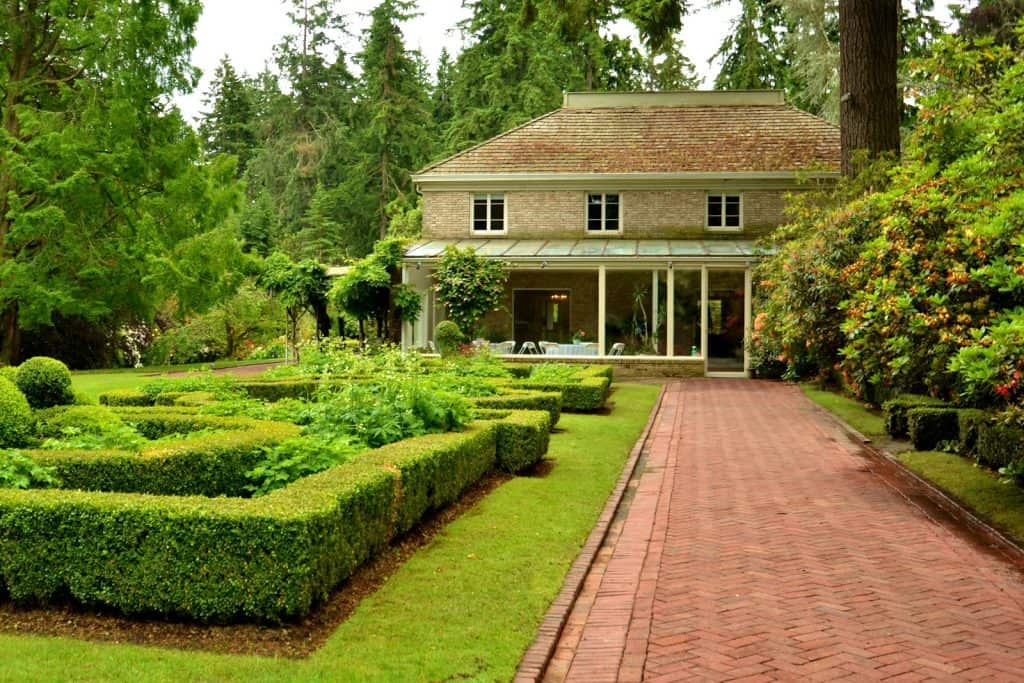
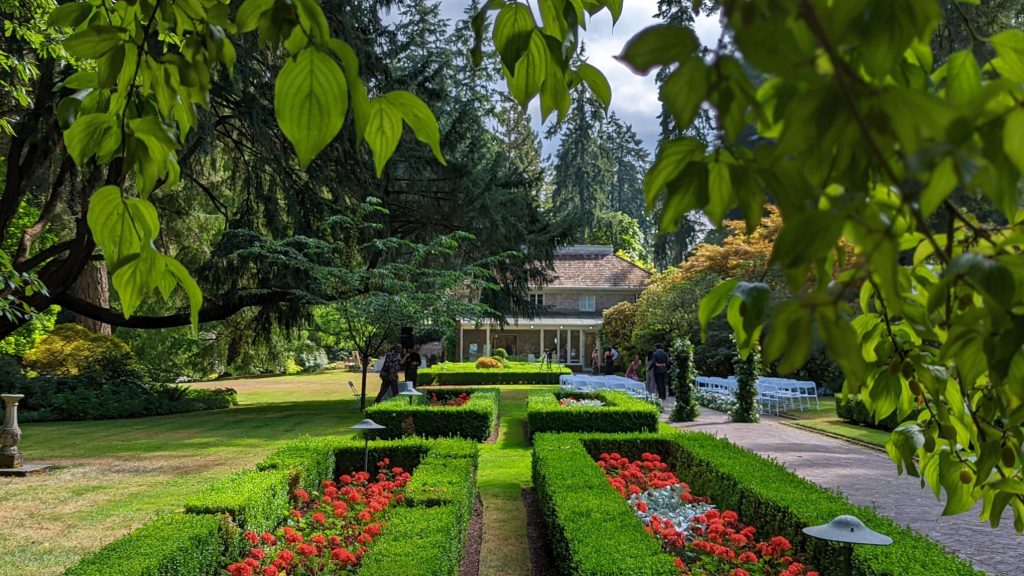
Lakewold is a full historic estate, not just a pretty patch of flowers. The property covers 10 acres along Gravelly Lake, with formal gardens surrounding the Wagner House. The house was built in 1908 and renovated in 1958 in a classic Georgian style, and much of it remains accessible to visitors during regular admission.
Lakewold Gardens and Wagner House (continued)
©Wikimedia Commons
The estate also hosts art exhibitions inside the house, which gives you a reason to look up from the gardens for a while. For a more structured visit, Lakewold offers Friday morning drop-in tours and year-round private group tours that cover the historic property. The gardens are still the headliner, especially when the rhododendrons and other seasonal plantings are showing off, but the Wagner House keeps the place from feeling like just another botanical stop.
Campbell House, Spokane
©Creative Commons
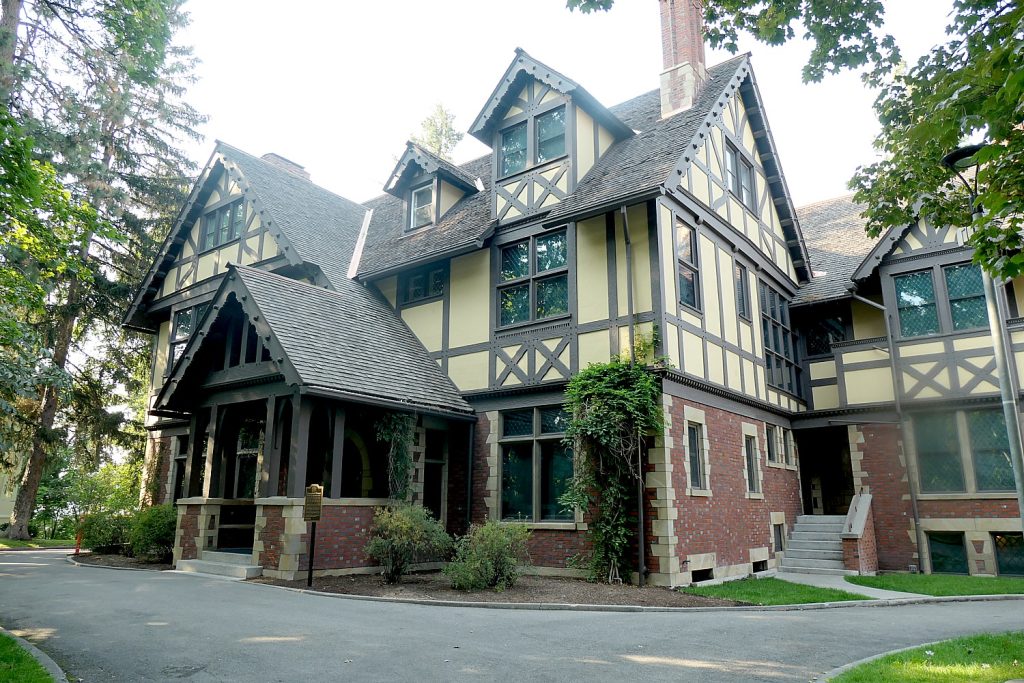
Campbell House sits beside Spokane’s Northwest Museum of Arts and Culture and is one of the best places in the state to see what upper-class life looked like around 1910. Mining investor Amasa Campbell and his wife, Grace, had the house built in 1898, with prominent architect Kirtland Cutter designing the home.
Campbell House (continued)
©Wikimedia Commons
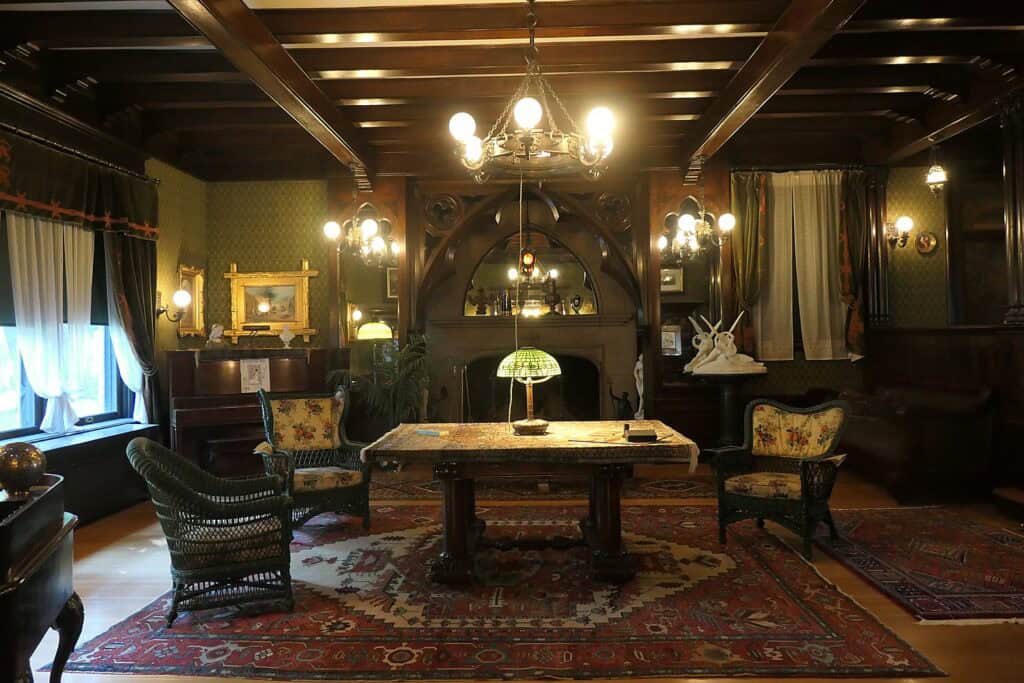
Today it is restored to the period when the Campbell family lived there, right down to spaces that show how servants worked behind the scenes. Regular museum admission includes Campbell House, and self-guided visits are offered Tuesday through Sunday from noon to 4 p.m. The museum also schedules themed guided tours on select dates. Between the family rooms, servant areas, carriage house, and early household technology, it feels less like a velvet-rope mansion and more like somebody hit pause on Spokane’s Gilded Age.
Kirkman House Museum, Walla Walla
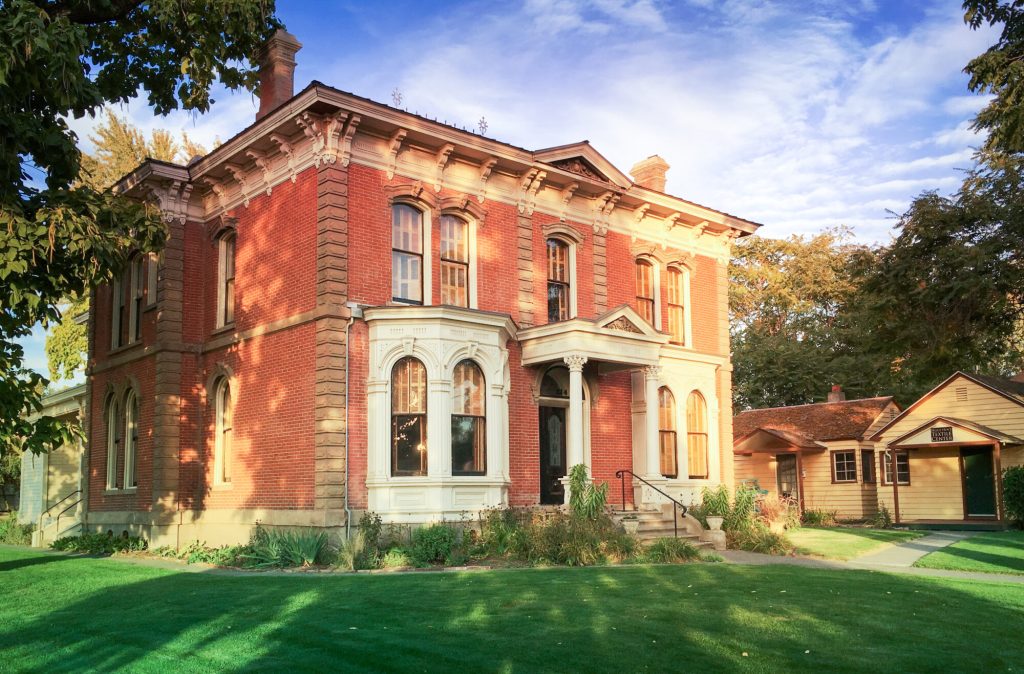
©Wikimedia Commons
William and Isabella Kirkman’s brick Italianate home was built between 1879 and 1880, when Walla Walla was booming and successful ranchers could make a pretty loud architectural statement. The museum describes it as one of the grandest residences of its era in the city, with arched windows, Corinthian columns, and carefully restored Victorian rooms.
Kirkman House Museum (continued)
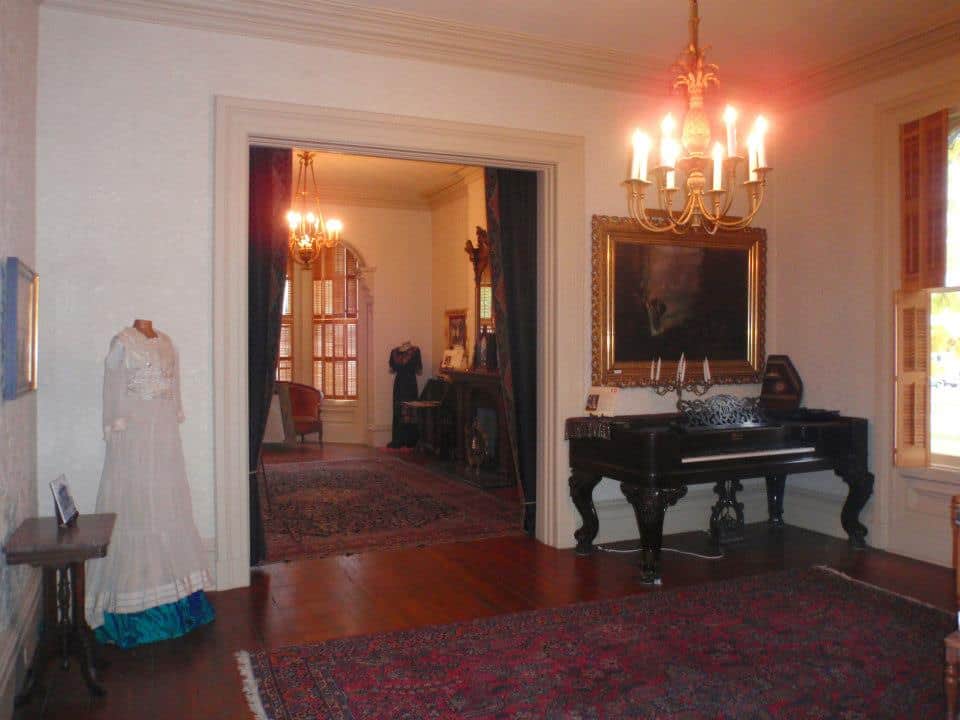
©Wikimedia Commons
The house later served as a Whitman College dormitory from 1920 to 1924 before spending decades divided into apartments, which is a fairly undignified second act for a mansion. Preservationists purchased it in 1977 and brought it back as a house museum. Visitors can now walk through the restored rooms and exhibits during the museum’s seasonal public hours. Since the schedule changes between spring, summer, and fall, check the calendar before making the drive.
Maryhill Museum of Art, Goldendale
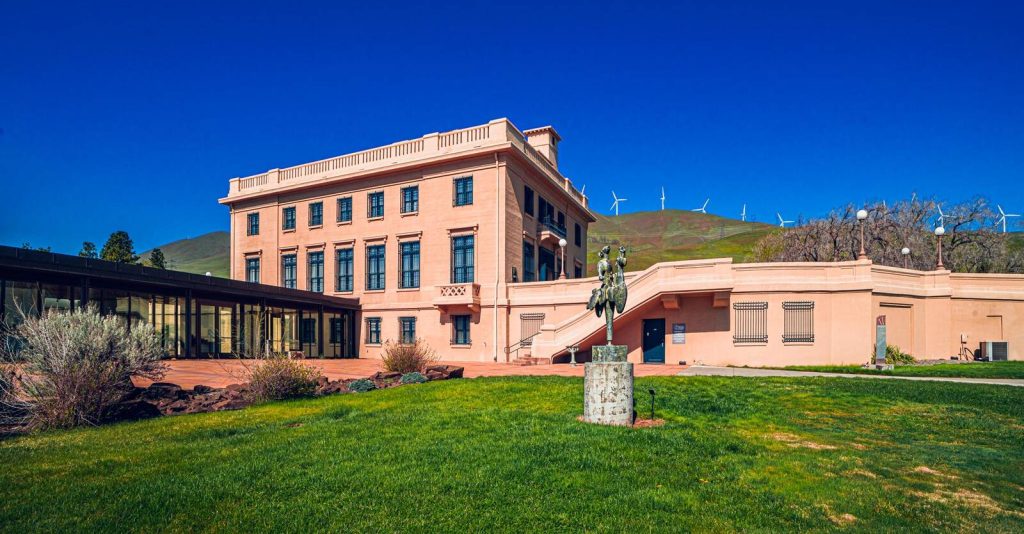
©Wikimedia Commons
Maryhill may be an art museum now, but the building started life as a mansion. Road builder and entrepreneur Sam Hill began construction in 1914 on a three-story Beaux Arts residence overlooking the Columbia River Gorge. The remote site and problems with Hill’s larger development plans stopped construction in 1917, and his friend, dancer Loie Fuller, convinced him to turn the unfinished home into an art museum instead.
Maryhill Museum of Art (continued)
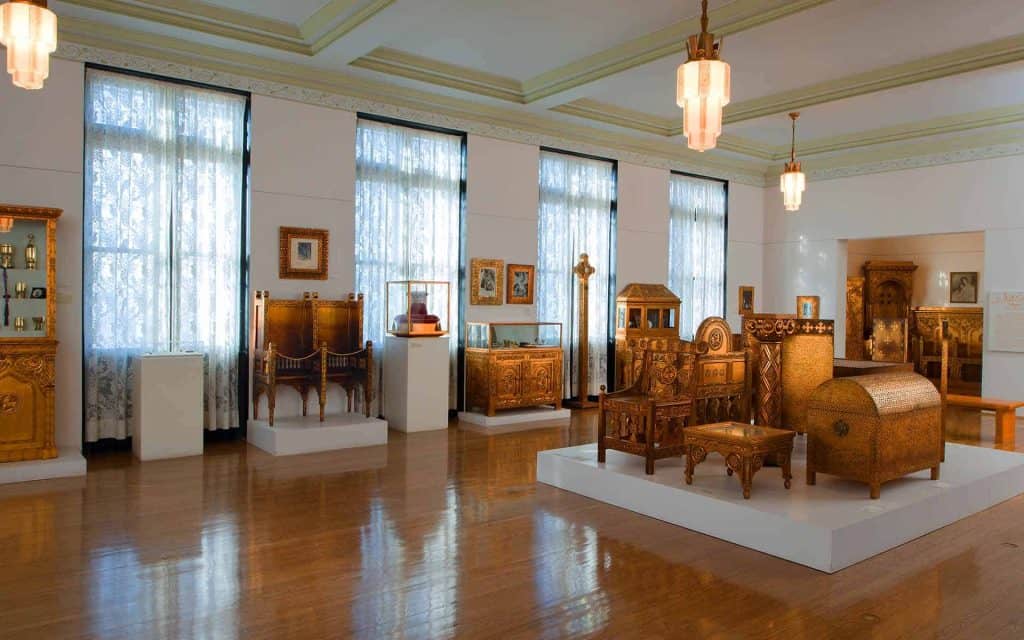
©Wikimedia Commons
Queen Marie of Romania dedicated the building in 1926, and Maryhill opened to the public in 1940. Today visitors can explore the mansion-turned-museum and its collections from March 15 through November 15. The building sits in a 26-acre park-like setting within the museum’s much larger property, so the views across the gorge are nearly as memorable as the story of the house that never actually became a home.

