
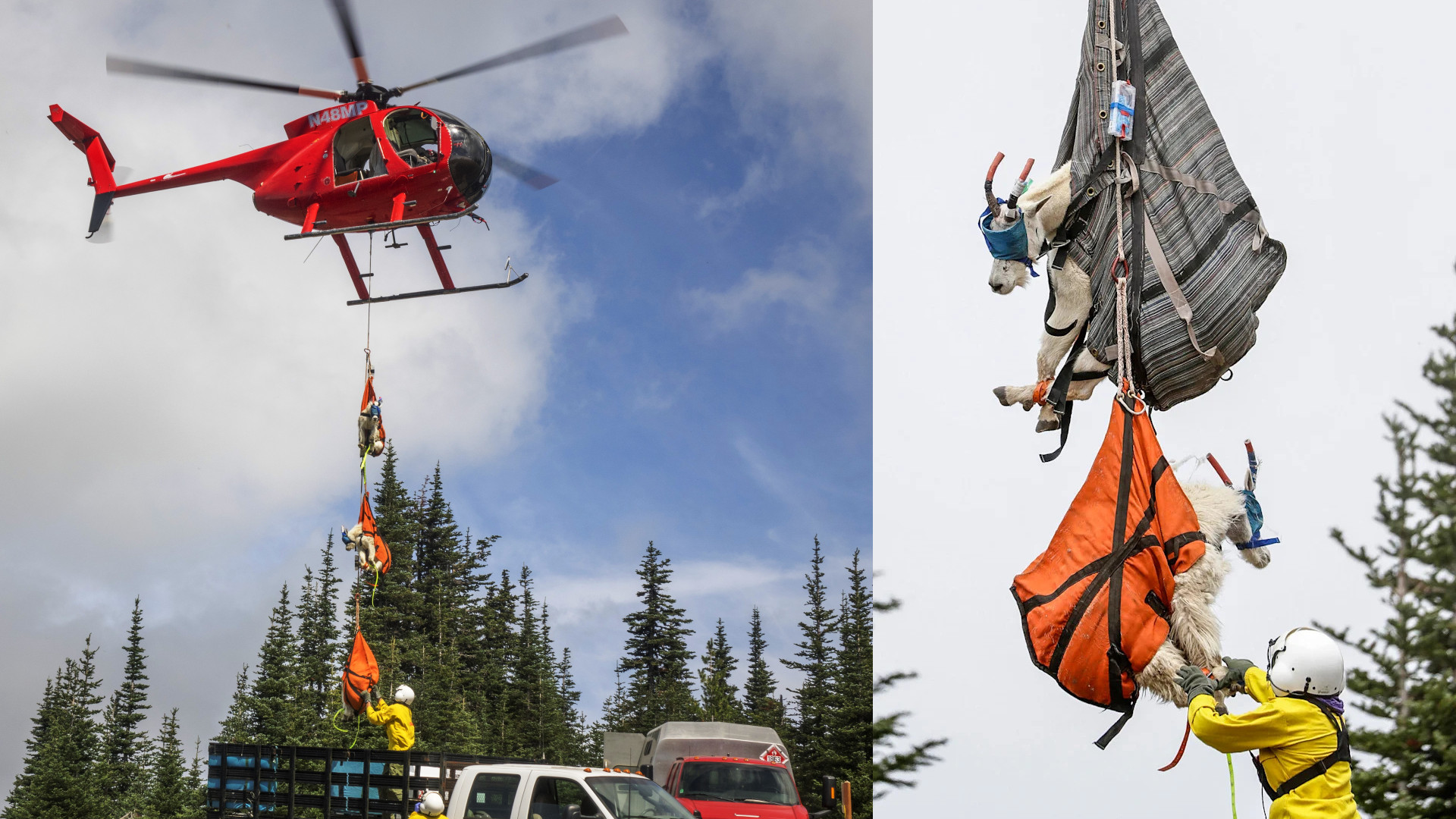
The Pacific Northwest already has a reputation for being a little unusual. The wildlife apparently got the memo. Idaho once dropped beavers from airplanes, Oregon tried to dispose of a dead whale with dynamite, and Washington wildlife crews transported mountain goats through the air beneath helicopters. And those somehow are not even the entire story. Idaho Department of Fish and Game
From salmon-wearing orcas and Seattle crows that remember human faces to a moose trapped in an Idaho basement, these stories sound like local legends somebody embellished over the years. They aren’t. Here are 10 of the strangest animal stories to come out of Washington, Oregon, and Idaho, all with enough documentation to prove the Pacific Northwest really is like this sometimes.
Idaho Once Parachuted Beavers Into the Wilderness
©"friendly cherry blossom beaver - Washington DC - 2014-04-10" by Tim Evanson is licensed under BY-SA 2.0. - Original / License
This one sounds like somebody made it up after three beers, but Idaho Fish and Game really did relocate beavers by airplane and parachute in the late 1940s. The agency needed a practical way to move problem beavers from developed areas into remote backcountry where roads were scarce and pack animals were a poor fit for the job. Wildlife staff designed wooden boxes that would open after landing and used surplus parachutes to lower the animals into their new habitat. An older male beaver nicknamed Geronimo served as the test animal while crews worked out the system. Idaho Fish and Game later rediscovered a film documenting the operation, turning one of the strangest wildlife management ideas in the Northwest into something you can actually watch instead of simply refusing to believe.
Oregon Tried to Dispose of a Dead Whale With Dynamite
©"Sperm Whale" by daryl_mitchell is licensed under BY-SA 2.0. - Original / License
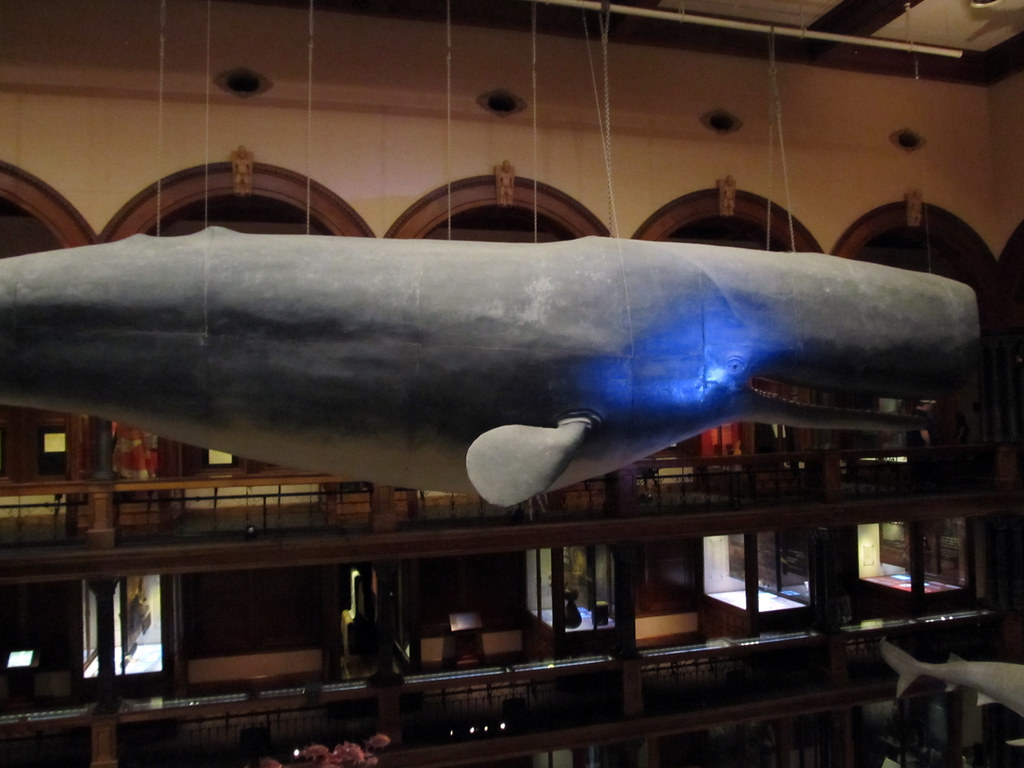
Few stories capture Oregon weirdness better than the exploding whale. In November 1970, a roughly 45-foot sperm whale weighing an estimated eight tons washed ashore near Florence. The Oregon State Highway Division, which was responsible for the beach at the time, decided to break up the carcass with dynamite. On November 12, crews used about half a ton of explosives. The blast did not produce the tidy cleanup anyone had hoped for. Large pieces of whale blubber flew through the air, spectators ran for cover, and one chunk crushed the roof of a parked car. No explosion-related injuries were reported. More than half a century later, the incident remains such a part of local history that Florence has an Exploding Whale Memorial Park.
A Hagfish Spill Turned Highway 101 Into a Slime Zone
©"Slime EELS!!!! AKA Hagfish" by dirtsailor2003 is licensed under BY-ND 2.0. - Original / License
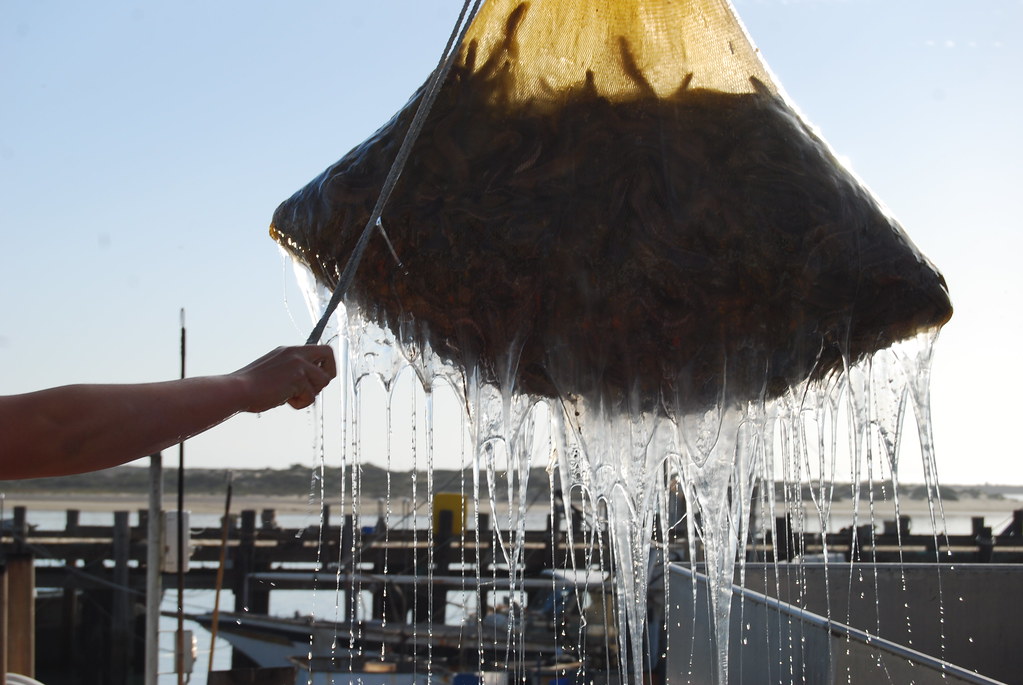
Drivers south of Depoe Bay got a very Pacific Northwest traffic problem on July 13, 2017. A truck carrying 13 containers loaded with about 7,500 pounds of hagfish lost its cargo on U.S. 101. Hagfish are sometimes called slime eels, and when stressed they can produce huge amounts of mucus. The road, several vehicles, and the fish themselves were quickly buried in the stuff. One container struck a vehicle and contributed to a multi-car crash, with minor injuries reported. Crews eventually used heavy equipment and water to clear the highway. Photos released by Oregon State Police looked like a special effect from a creature movie, except commuters were actually trying to drive through it.
Washington Airlifted Mountain Goats Beneath Helicopters
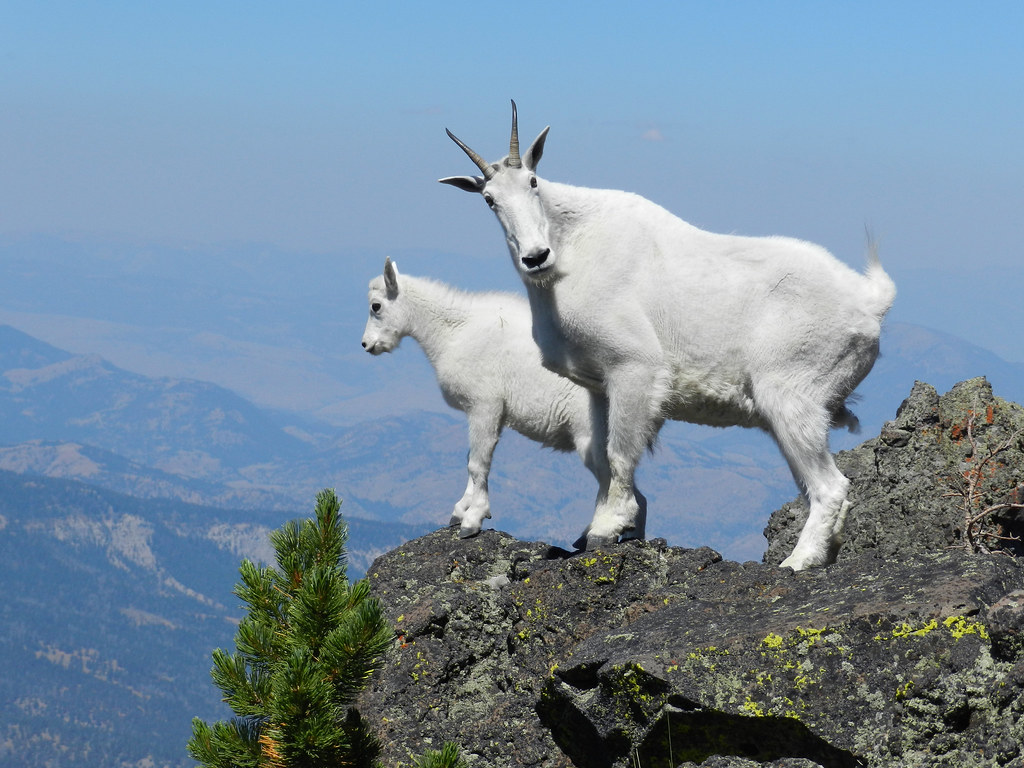
©"Mountain goats on Sepulcher Mountain" by YellowstoneNPS is licensed under PDM 1.0. - Original / License
For several years, visitors to Olympic National Park could look up and see something unexpected hanging beneath a helicopter: a mountain goat. The goats are not native to the Olympic Mountains. They were introduced in the 1920s, and the population eventually grew large enough to damage sensitive alpine habitat. The animals also became attracted to salt from human sweat and urine because natural salt licks are scarce in the Olympics. Beginning in 2018, the National Park Service, Washington Department of Fish and Wildlife, and other partners launched a major relocation effort. Crews captured goats with net guns or immobilizing darts, carried them in specialized slings, checked them with veterinarians, and transported many to the North Cascades. From 2018 through 2020, 325 mountain goats were successfully translocated.
Seattle Crows Learned Exactly Who the Bad Guys Were
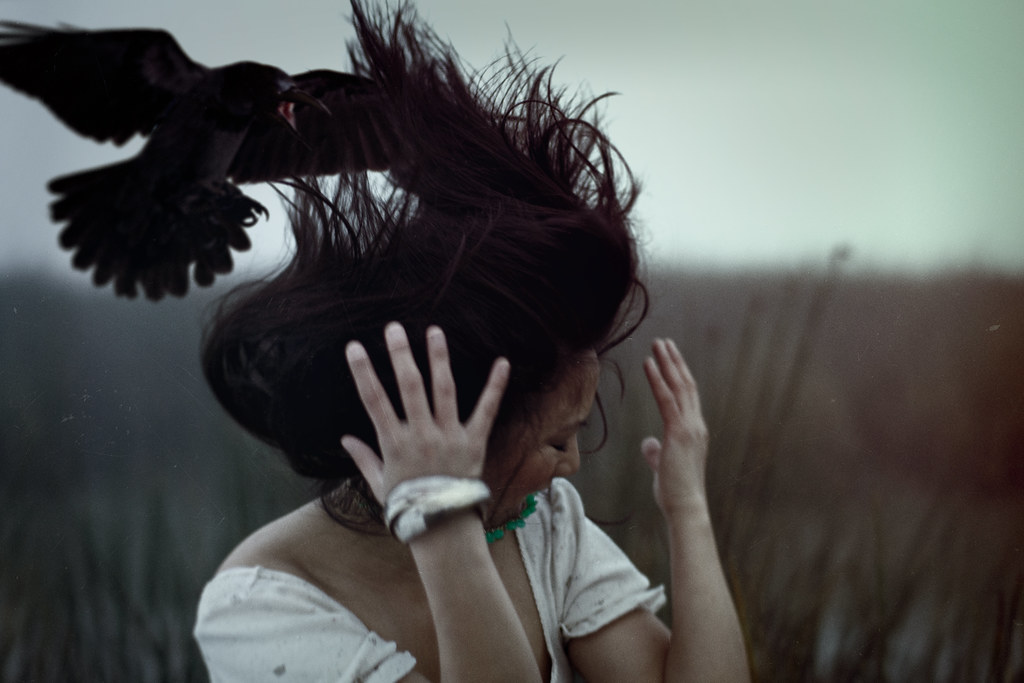
©"One Crow Left of a Murder (#9217)" by mark sebastian is licensed under BY-SA 2.0. - Original / License
Seattle’s crows have a reputation, and University of Washington researchers gave them another reason to have one. In a well-known experiment, researchers wore a distinctive caveman-style mask while capturing and banding seven crows. Later, the same mask triggered scolding and alarm behavior even when it was worn by people who had never handled the birds. The crows continued recognizing the threatening face for years, and the response spread beyond the original birds, providing evidence that crows can learn about dangerous people from one another. Researchers also found that crows can associate specific human faces with negative experiences. So if a Seattle crow seems like it remembers you, there is at least some science behind that uneasy feeling.
Puget Sound Orcas Started Wearing Salmon on Their Heads
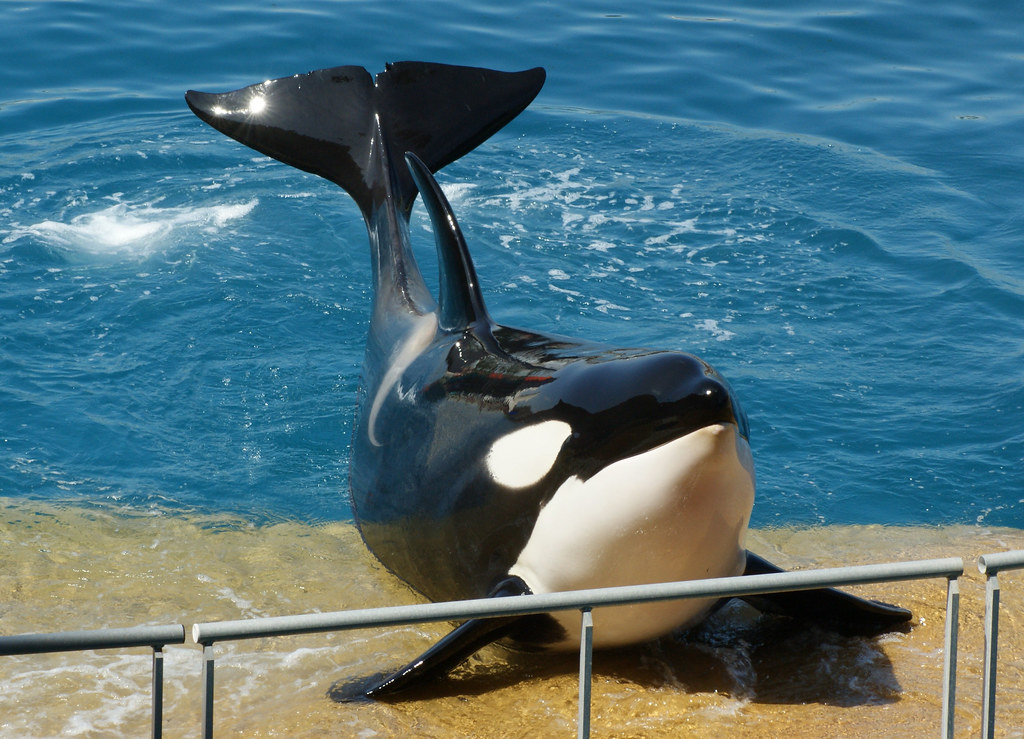
©"Killer Whale (Orcinus Orca), Marineland, Antibes" by spencer77 is licensed under BY 2.0. - Original / License
Southern Resident killer whales have produced one of the strangest animal trends ever documented in Puget Sound: balancing dead salmon on their heads. The behavior was famously observed in 1987, when it spread among members of the J, K, and L pods before fading away. Then, in fall 2024, researchers and whale watchers documented the behavior again in Washington waters. Scientists still do not know exactly why the orcas do it. Possibilities include play, food storage, or some other socially learned behavior. Whatever the explanation, the basic fact is wonderfully strange: a group of highly social whales in the Salish Sea once picked up a salmon-on-the-head habit, dropped it, and decades later appeared to bring it back.
A Washington Woman Called 911 on a Crowd of Raccoons
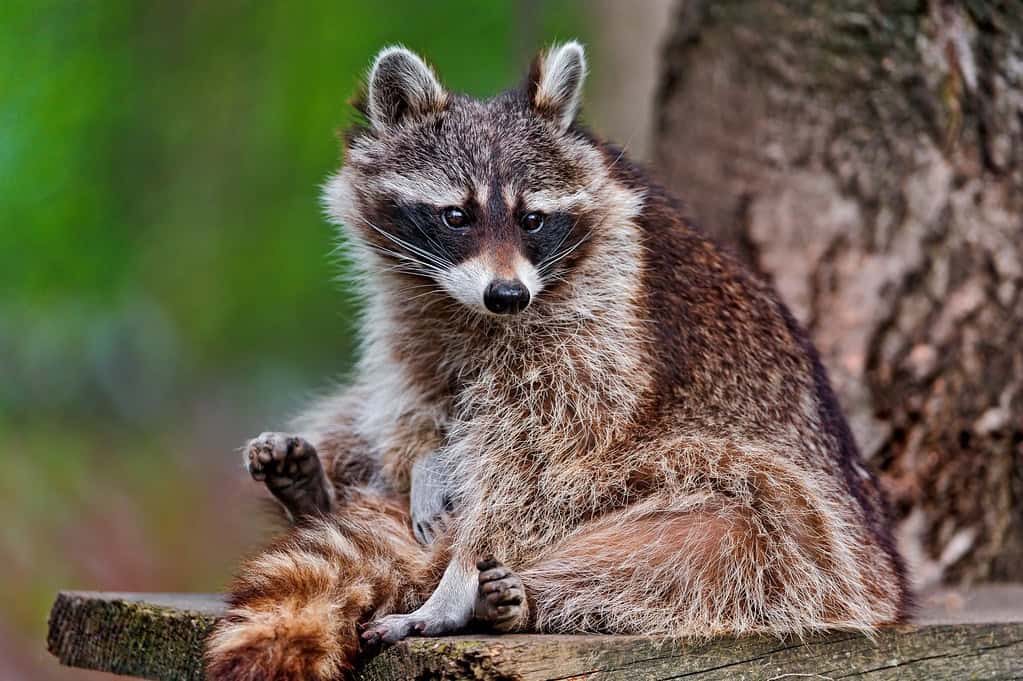
©"Funny grooming raccoon" by Tambako the Jaguar is licensed under BY-ND 2.0. - Original / License
In 2024, a woman near Poulsbo found herself surrounded by a problem that had grown far beyond the occasional backyard raccoon. She had fed raccoons around her property for decades, according to the Kitsap County Sheriff’s Office, but the number visiting her home suddenly ballooned. By the time deputies responded, roughly 50 to 100 raccoons were gathering outside, surrounding her when she went outdoors and scratching at her home and vehicle while looking for food. Authorities determined that no crime had occurred, but wildlife officials advised her to stop feeding them. The episode was a vivid example of why Washington wildlife agencies tell people not to feed wild animals, even when the first few visitors seem harmless.
A Moose Fell Through a Window and Into an Idaho Basement

©Tom Tietz/Shutterstock.com
In January 2017, wildlife officers in Hailey, Idaho, got the kind of call that probably makes everyone ask the dispatcher to repeat it. A cow moose had broken through a basement window well and ended up trapped inside a house. Officers first tried to guide the animal upstairs and out the front door, but the moose was not interested in cooperating and charged at them several times. Idaho Fish and Game eventually sedated her. With help from local law enforcement, the team carried the sleeping moose up the stairs and outside. She woke up on the snowy street, understandably confused, but free. Somehow, the same area had produced a similar incident involving a cow elk the previous winter.
Salem’s ‘Owlcapone’ Started Stealing Joggers’ Hats
©"Barred Owl" by James P. Mann is licensed under BY 2.0. - Original / License
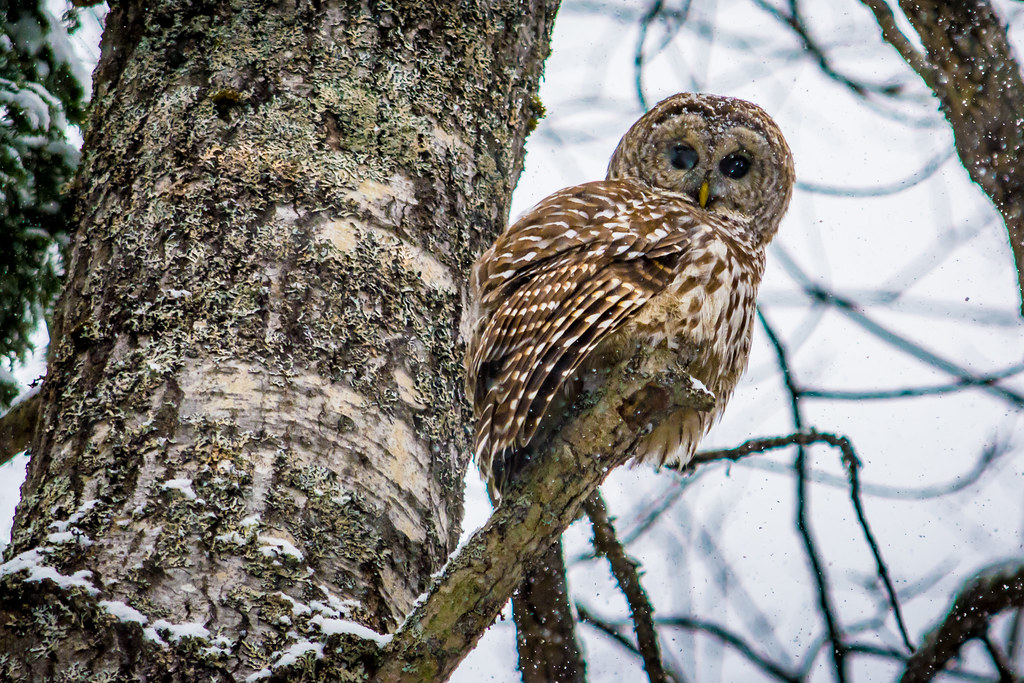
For a stretch in early 2015, runners in Salem’s Bush’s Pasture Park had something more unusual than traffic or bad weather to worry about. A barred owl began swooping at joggers, clipping their heads and, in at least one case, flying away with a hat. At least four attacks were reported. The story became such a local phenomenon that Salem posted 20 specially designed warning signs in the park, and readers of the Statesman Journal voted to give the bird a nickname: Owlcapone. Wildlife experts said the owl was probably defending territory during nesting season. Nobody was seriously hurt, but a routine morning run had briefly turned into a situation where looking up was just as important as looking both ways.
Seattle Sea Lions Kept Coming Back After Being Relocated
©"Sea Lions near Ventura Harbor (4)" by Ken Lund is licensed under BY-SA 2.0. - Original / License
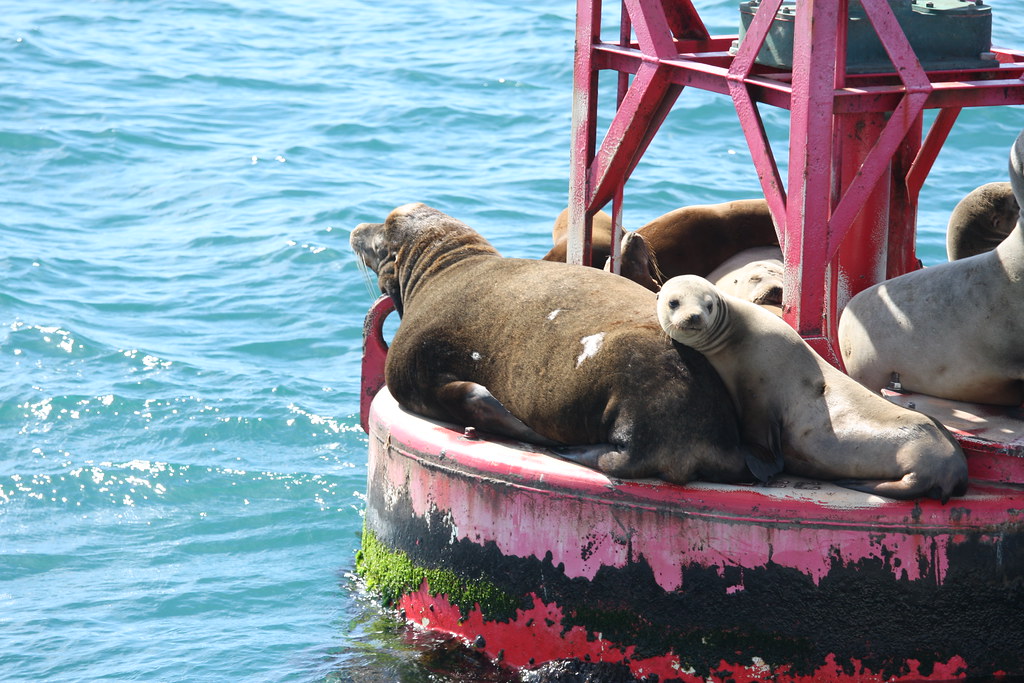
California sea lions discovered that Seattle’s Ballard Locks offered an unusually convenient place to intercept migrating salmon and steelhead, creating a long-running headache for wildlife managers. In 1988 and 1989, officials captured 39 sea lions feeding near the locks and moved them to the outer Washington coast near Long Beach. Within weeks, 29 had returned. Managers then tried a much longer trip, transporting six sea lions to their breeding range off Southern California. Three were back in Puget Sound within 45 days, and a fourth later turned up in the Columbia River. The situation was serious because the animals were feeding on vulnerable fish runs, but their ability to navigate back to the same Seattle buffet was remarkable.

