
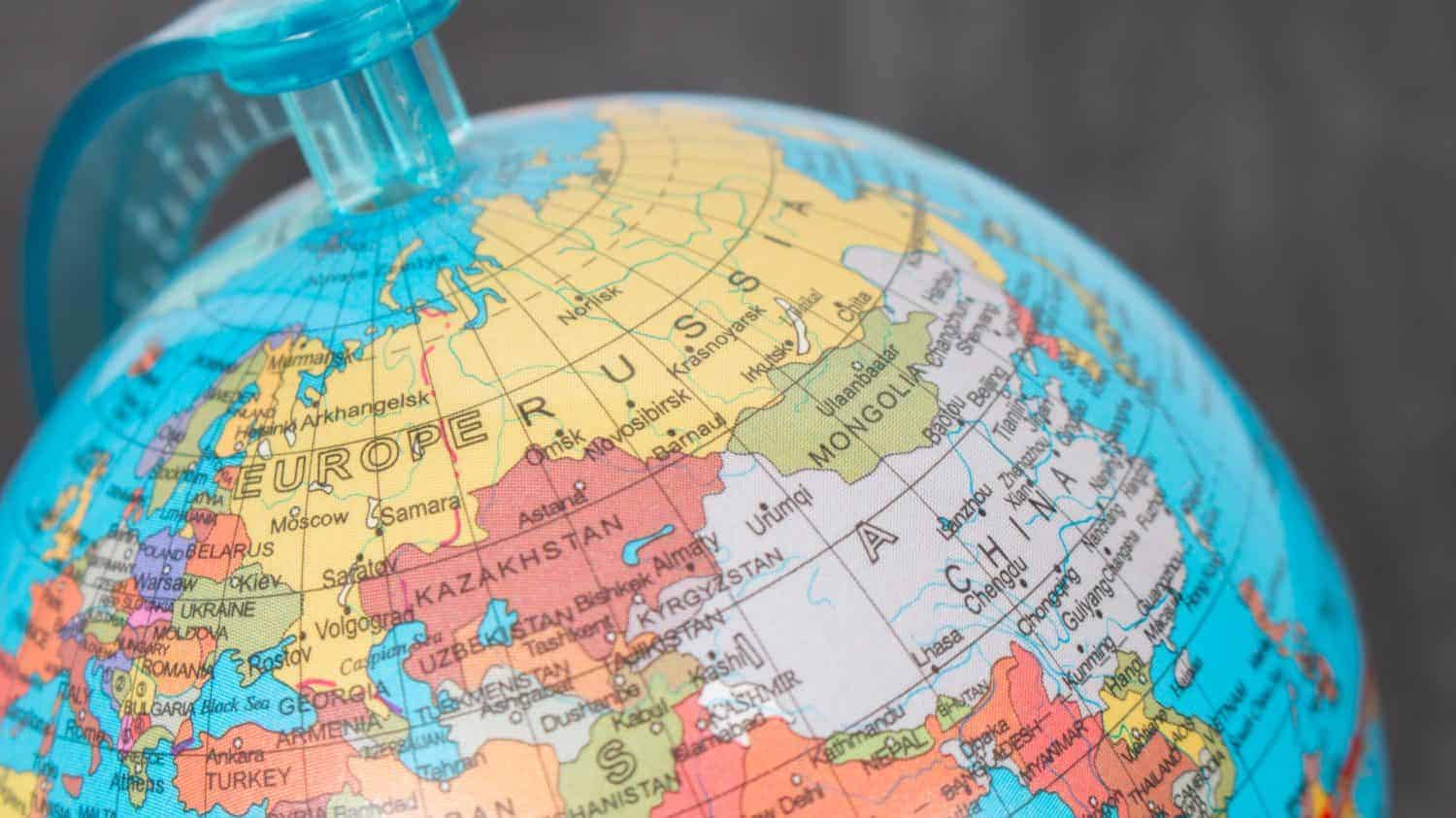
Sanctions have become one of the most common tools governments use when they want to put pressure on another country without going to war. They can freeze assets, restrict trade, block access to financial systems, limit exports of sensitive technology, ban travel, or target specific government officials, companies, banks, vessels, and other entities.
There is one important catch when ranking the world’s most sanctioned countries. A sanctions “designation” usually refers to a person, company, organization, vessel, or other named target, not one blanket punishment against an entire country. This list uses a 2026 compilation of cumulative sanctions designations based on Castellum.AI data. Because those totals are cumulative, they can include historical designations that have since been removed. That distinction matters quite a bit, especially in Syria, where broad U.S. and European sanctions were lifted after the fall of the Assad government.
7. Venezuela: How the Sanctions Built Up
Venezuela has accumulated roughly 861 sanctions designations in a 2026 global tally.
©iStock.com/Vector
Venezuela has accumulated roughly 861 sanctions designations in the 2026 dataset used for this ranking. U.S. restrictions expanded significantly during the 2010s. Measures initially targeted government officials over issues including political repression, corruption, and human rights abuses, before expanding into major parts of the Venezuelan economy.
Financial restrictions were broadened in 2017, and the United States later targeted additional sectors including gold and oil. In January 2019, the U.S. Treasury sanctioned the state-owned oil company Petróleos de Venezuela, better known as PdVSA. Venezuela’s dependence on petroleum exports meant those measures reached directly into one of the country’s most important sources of revenue.
7. Venezuela: The Rules Are Changing in 2026
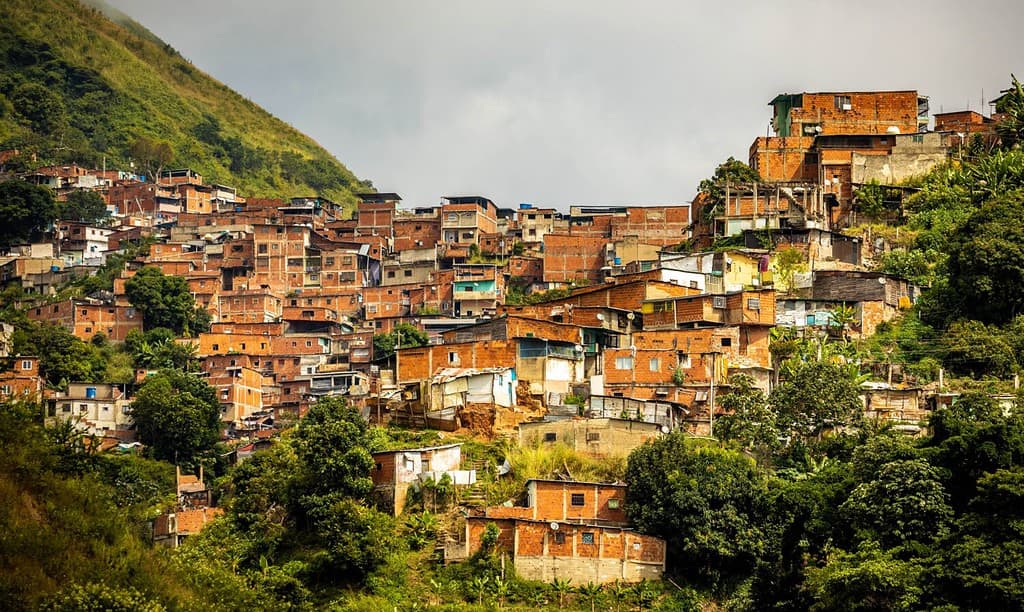
Venezuela remains under U.S. sanctions, although a growing number of transactions have been authorized through general licenses.
©Photo Spirit/Shutterstock.com
Venezuela remains subject to a substantial U.S. sanctions framework, but the situation in 2026 is more complicated than a simple embargo. The Treasury Department has issued a series of general licenses allowing specific transactions involving Venezuelan oil and petrochemical products, natural gas operations, minerals, certain banks, telecommunications, and potential new investments.
Those licenses do not erase the underlying sanctions. They carve out particular activities that would otherwise be restricted and often come with conditions or reporting requirements. The result is a sanctions system that remains extensive while also allowing more legal economic activity than the raw designation count might suggest.
6. Myanmar: Sanctions Surged After the Military Coup
Myanmar has accumulated roughly 1,046 sanctions designations in the 2026 ranking.
©Design_Bank/Shutterstock.com
Myanmar has accumulated roughly 1,046 sanctions designations. The modern wave of restrictions accelerated after February 1, 2021, when Myanmar’s military overthrew the country’s elected civilian government, detained political leaders, and seized power.
The United States responded with sanctions targeting military leaders and military-controlled entities. Other countries and the European Union followed with measures aimed at members of the military government, businesses that provide it with revenue, and people linked to serious human rights abuses. These are primarily targeted sanctions rather than a blanket prohibition on doing business with everyone in Myanmar.
6. Myanmar: Sanctions Remain Firmly in Place
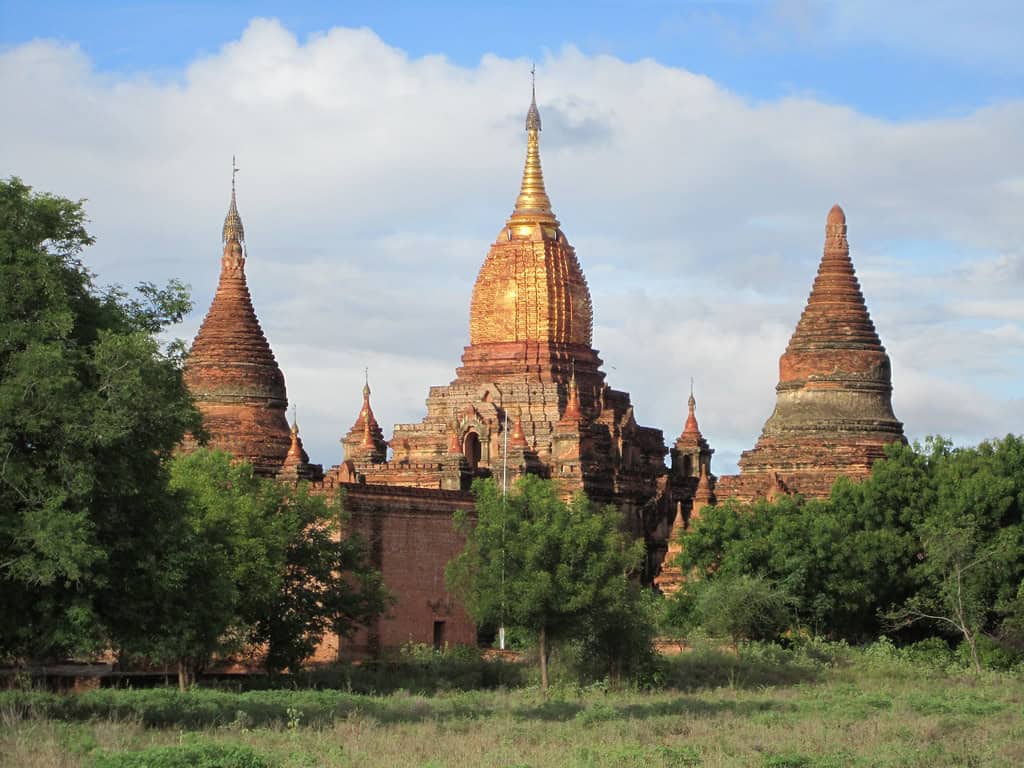
European Union sanctions on Myanmar currently run through April 30, 2027.
©"Myanmar Temple" by eGuide Travel is licensed under BY 2.0. - Original / License
The European Union renewed its Myanmar sanctions in April 2026, extending them through April 30, 2027. The EU’s current list covers 105 individuals and 22 entities, with listed targets facing asset freezes and individuals subject to travel bans.
The restrictions go beyond those named targets. The EU also maintains an arms embargo, limits exports of equipment that could be used for internal repression, restricts certain dual-use goods for the military and border police, and prohibits military training and cooperation with Myanmar’s armed forces. More than five years after the coup, the sanctions regime is very much still active.
5. Belarus: Sanctions Started Before the War in Ukraine
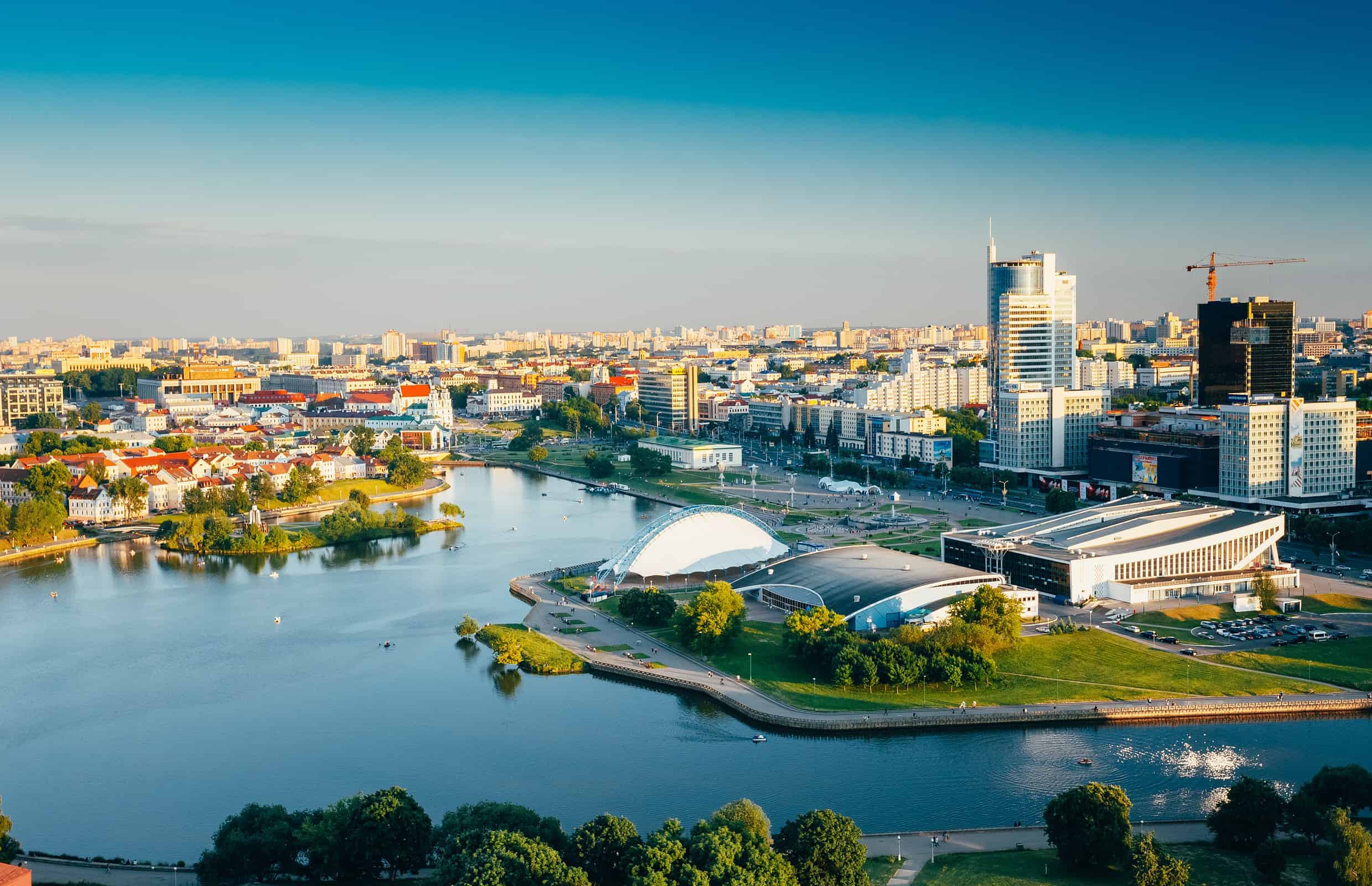
Belarus has accumulated roughly 1,900 sanctions designations in the 2026 ranking.
©Ryhor Bruyeu/iStock via Getty Images
Belarus has accumulated roughly 1,900 sanctions designations, but Russia’s war in Ukraine is only part of the story. The European Union imposed major new restrictions following Belarus’s disputed 2020 presidential election and the government’s subsequent crackdown on protesters, opposition figures, journalists, and civil society.
Sanctions expanded again after Russia launched its full-scale invasion of Ukraine in 2022. Belarus allowed Russian forces to use its territory and has continued providing support connected with the war. The EU responded by adding trade, financial, technology, transportation, and other restrictions alongside sanctions targeting specific people and organizations.
5. Belarus: Some Sanctions Have Eased, Others Have Expanded
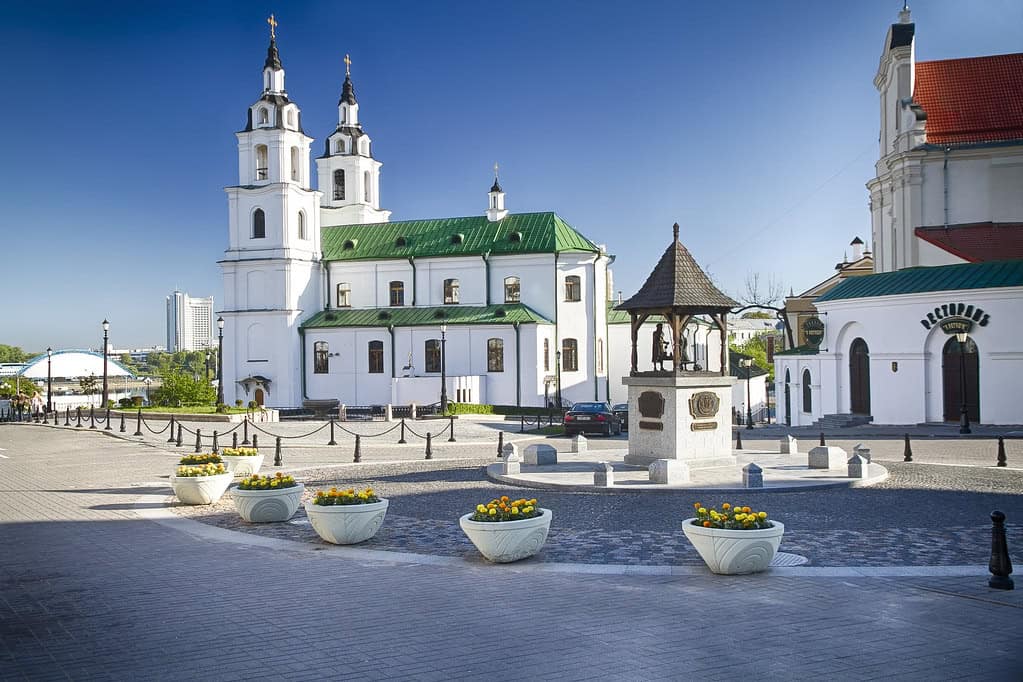
Belarus remains heavily sanctioned, although individual measures have been adjusted during 2026.
©"Minsk, Belarus" by Lex Kravetski is licensed under BY 2.0. - Original / License
Sanctions are rarely frozen in place forever. In March 2026, the U.S. Treasury removed several Belarus-related designations, issued a new general license, and rescinded a directive that had restricted dealings with Belarus’s Ministry of Finance and Development Bank.
The European Union moved in the other direction. It extended its Belarus sanctions through February 28, 2027, and adopted additional restrictions in July 2026 related to Belarus’s support for Russia. Those included tighter controls on military and technology-related goods, additional import restrictions, and measures involving some crypto-asset services. So while parts of the sanctions framework have loosened, Belarus remains one of the world’s most heavily targeted countries.
4. North Korea: Nuclear Testing Brought UN Sanctions
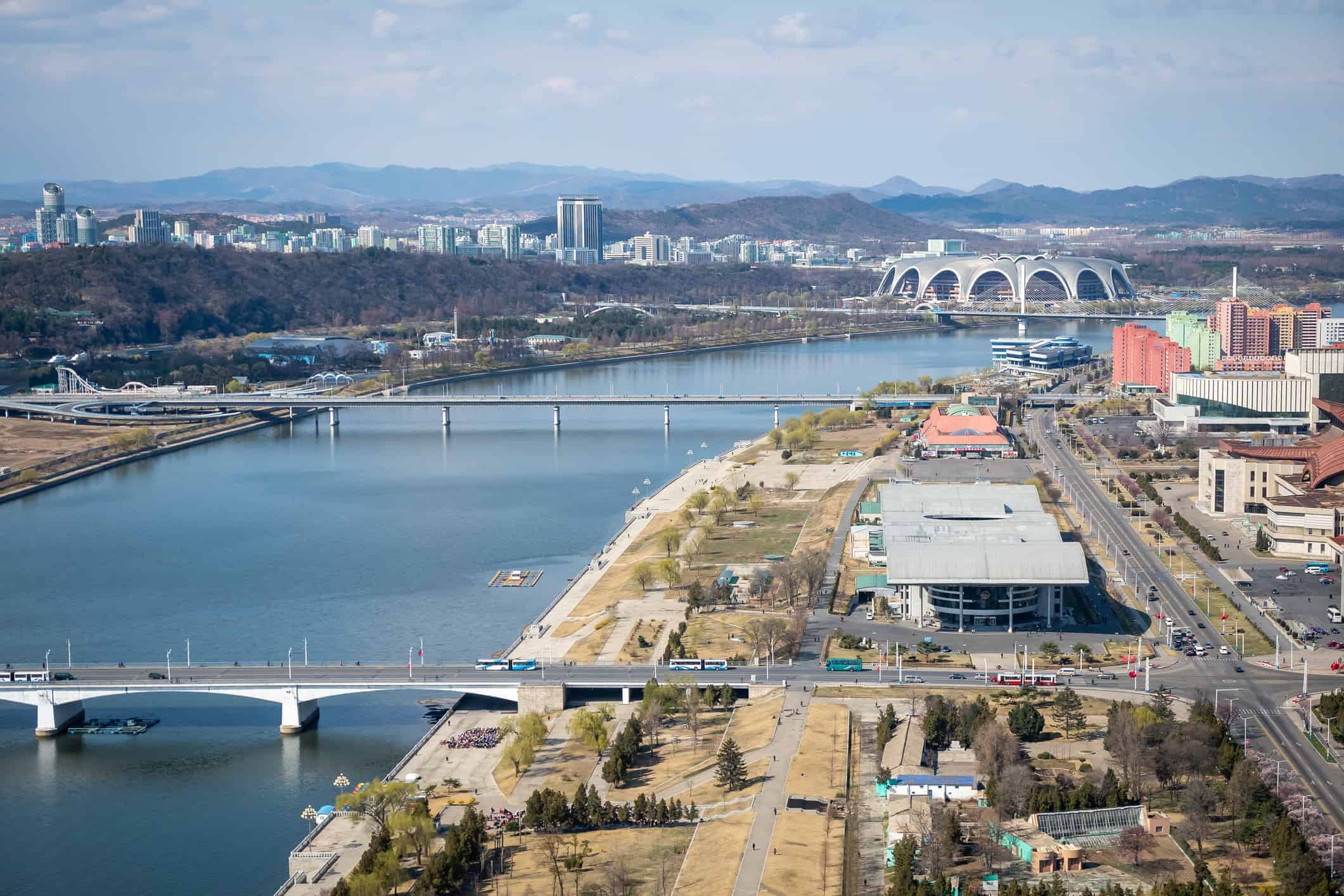
North Korea has accumulated roughly 2,239 sanctions designations in the 2026 ranking.
©iStock.com/Rihui Huang
North Korea has accumulated roughly 2,239 sanctions designations. U.S. restrictions on North Korea have a much longer history, but the current United Nations sanctions regime dates to 2006. After North Korea conducted its first nuclear test, the UN Security Council adopted Resolution 1718 and established a sanctions committee focused on the country’s nuclear, ballistic missile, and other weapons programs.
Additional Security Council resolutions steadily expanded those restrictions as North Korea continued nuclear and missile development. The result is one of the broadest international sanctions systems directed at any country.
4. North Korea: The Restrictions Cover Far More Than Weapons
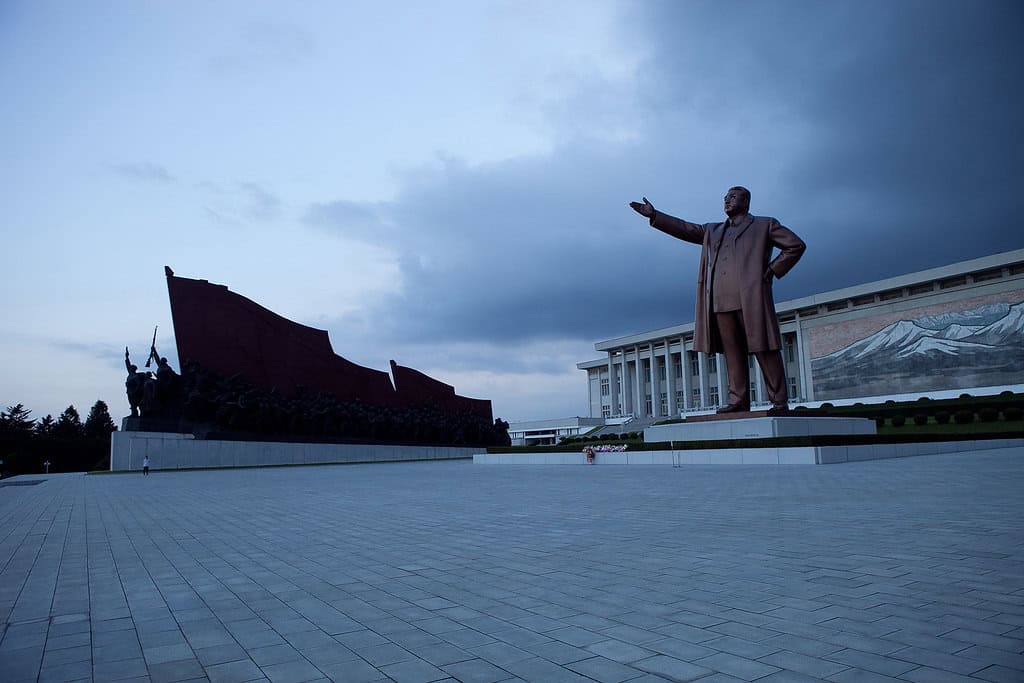
North Korea remains subject to extensive United Nations and U.S. restrictions.
©"North Korea - Kim Il-Sung statue" by Roman Harak is licensed under BY-SA 2.0. - Original / License
Sanctions imposed on North Korea now cover far more than nuclear technology. UN measures include an arms embargo, restrictions on materials connected with weapons programs, a ban on luxury goods, limits on petroleum supplies, and prohibitions involving North Korean exports such as coal, minerals, seafood, and textiles.
The UN sanctions list currently includes 80 individuals and 75 entities. Restrictions also target sanctions evasion, including financial networks, shipping practices, and organizations used to obtain prohibited technology or generate money overseas. North Korea has spent years developing ways around those barriers, which is one reason sanctions enforcement remains an ongoing international effort.
3. Syria: Decades of Sanctions Added Up
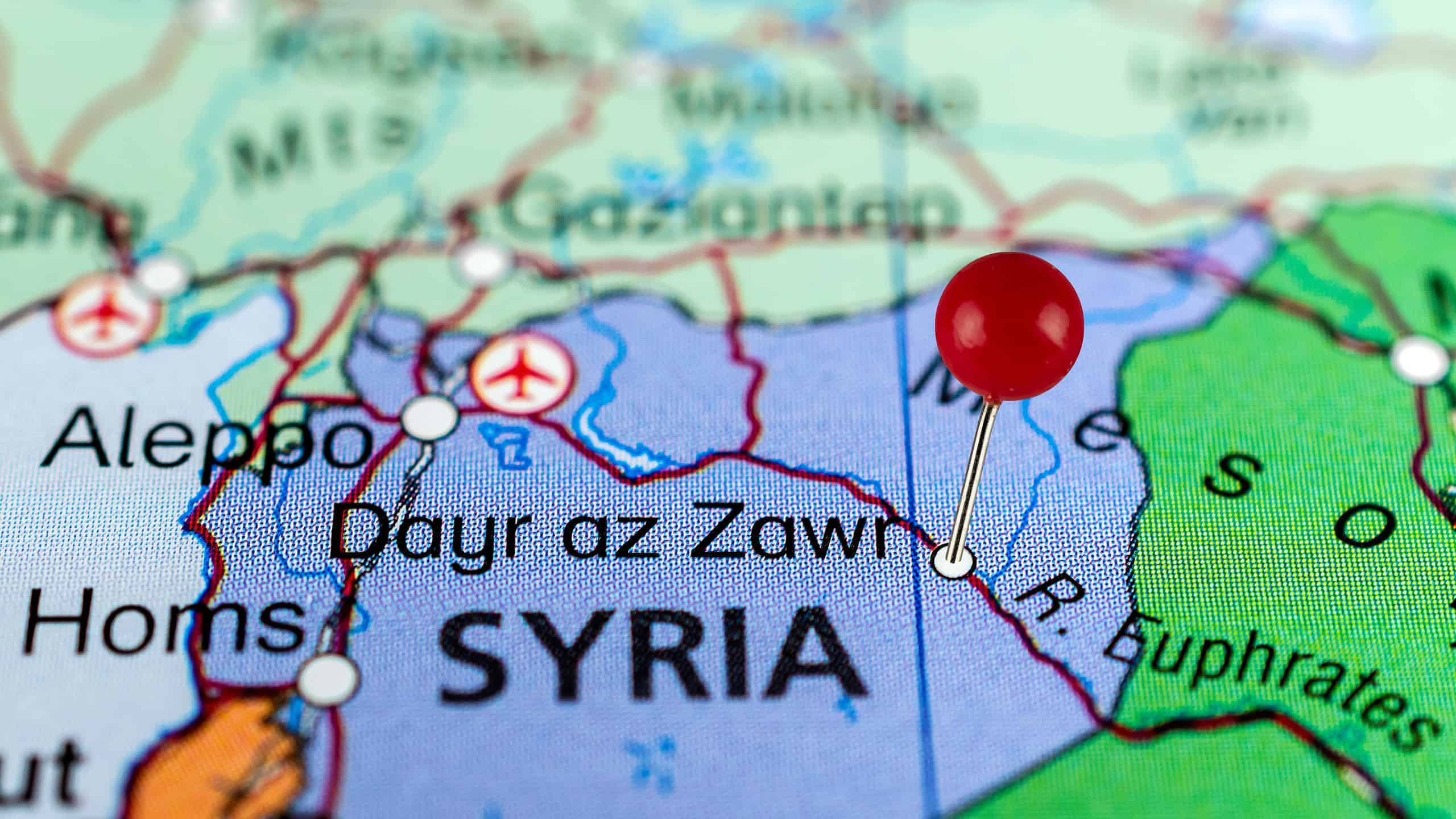
Syria has roughly 2,893 cumulative sanctions designations in the historical 2026 dataset.
©PredragLasica/Shutterstock.com
Syria’s roughly 2,893 cumulative designations put it third in this ranking, but that number now needs a very large asterisk. Much of it reflects sanctions imposed before the dramatic political changes that began with the fall of Bashar al-Assad’s government in December 2024.
The United States and European Union had built extensive sanctions regimes against Syria, particularly after the government violently suppressed protests in 2011 and the country descended into civil war. Restrictions targeted government officials, state institutions, businesses, financial transactions, energy, and other parts of the Syrian economy. The U.S. Caesar Syria Civilian Protection Act later added another layer of pressure on people and companies supporting the Assad government.
3. Syria: Most Broad Economic Sanctions Are Now Gone
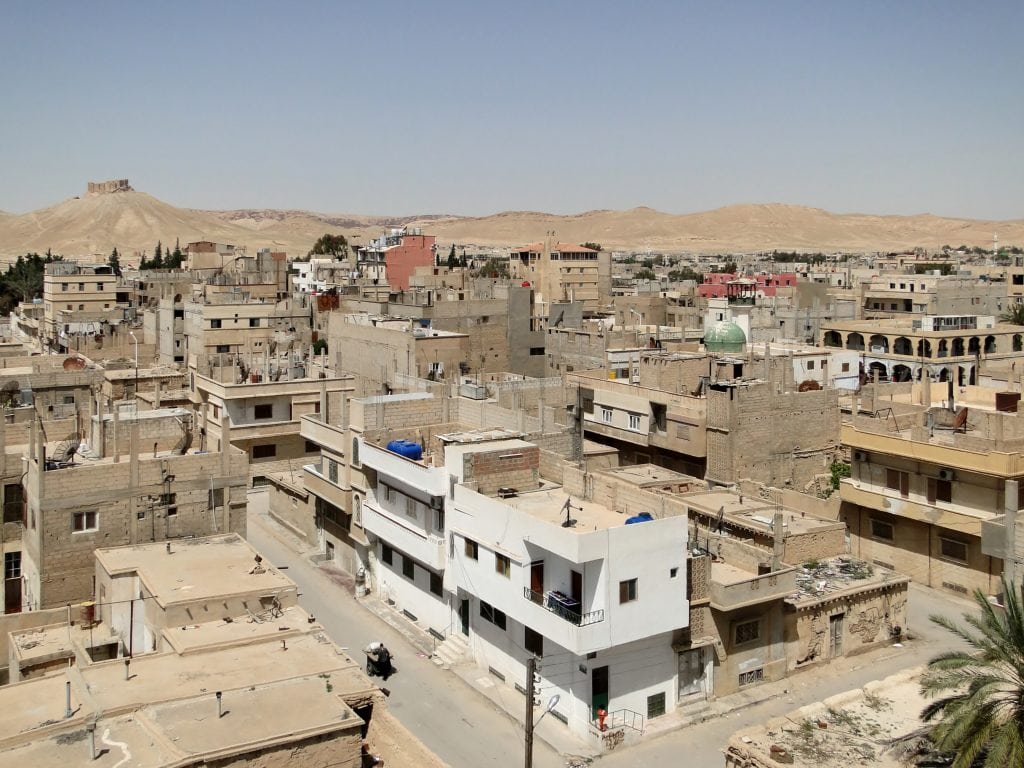
Syria’s historical sanctions total no longer reflects the much narrower restrictions in force today.
©"City of Tadmor, Syria" by Bernard Gagnon is licensed under BY-SA 3.0. - Original / License
This is where a cumulative ranking can become misleading. The European Union lifted its broad economic sanctions on Syria in May 2025. The United States ended its comprehensive Syria sanctions program effective July 1, 2025, and the Caesar Act was repealed later that year.
The U.S. went another step in August 2026 by removing Syria’s designation as a State Sponsor of Terrorism. Targeted sanctions have not vanished completely. Restrictions remain on Bashar al-Assad and associates, certain human rights abusers, Captagon traffickers, people connected with past weapons proliferation, terrorist organizations, and other specified actors. Syria therefore remains No. 3 in the historical designation count, but it is no longer under the sweeping sanctions regime described in older versions of this article.
2. Iran: More Than Four Decades of Sanctions
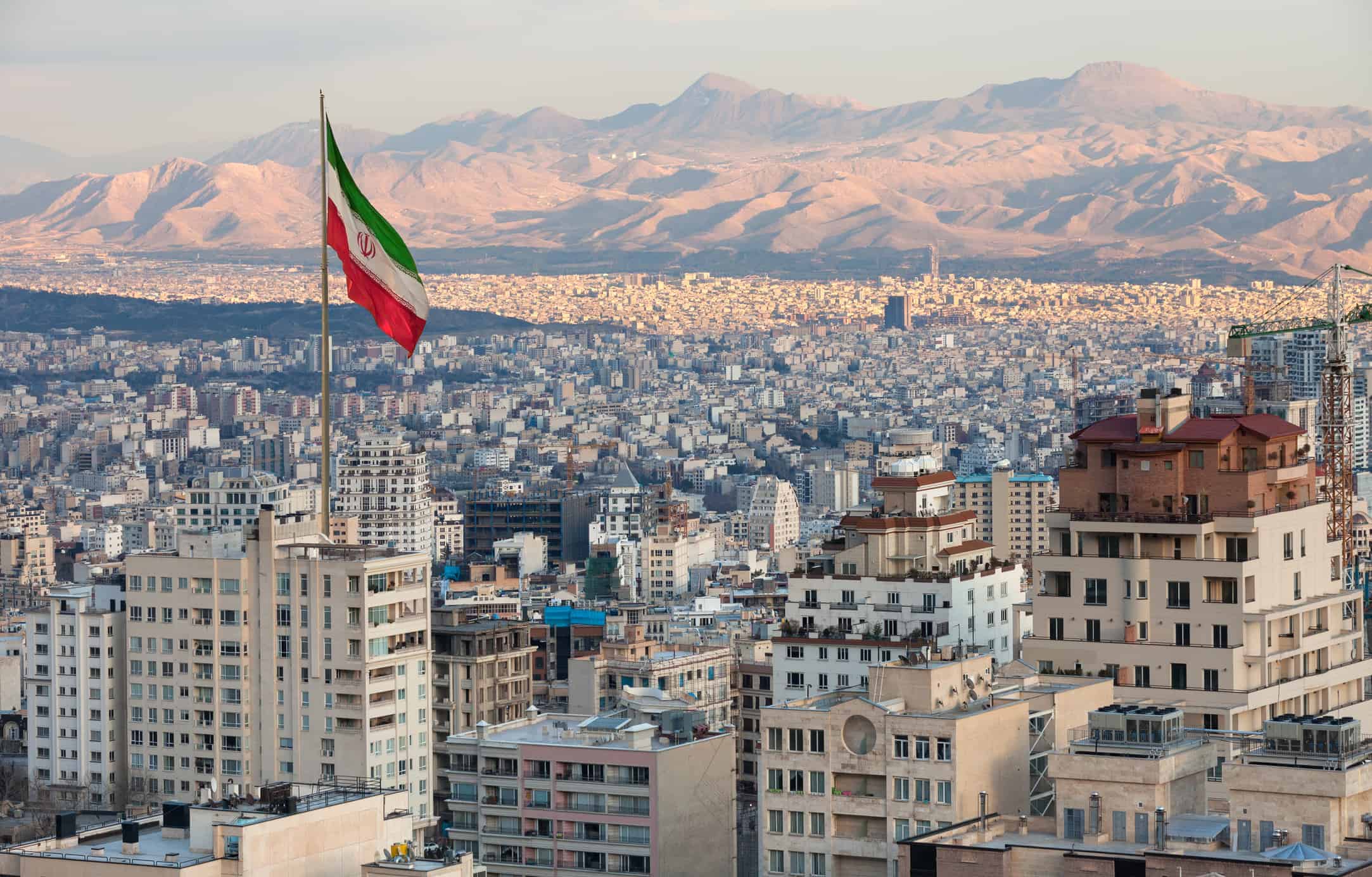
Iran has accumulated roughly 6,027 sanctions designations in the 2026 ranking.
©iStock.com/BornaMir
Iran has accumulated roughly 6,027 sanctions designations, placing it a distant second behind Russia. The modern U.S. sanctions story dates to November 1979, when President Jimmy Carter froze Iranian government assets following the seizure of the U.S. Embassy in Tehran and the taking of American hostages.
Some of those restrictions were revoked as part of the agreements that led to the hostages’ release in January 1981, but sanctions returned and expanded over the following decades. The United States banned Iranian imports in 1987 and imposed additional restrictions involving Iran’s petroleum industry in the 1990s. Later measures focused heavily on the country’s nuclear program, financial system, energy exports, missile development, terrorism-related activity, and human rights abuses.
2. Iran: International Nuclear Sanctions Returned
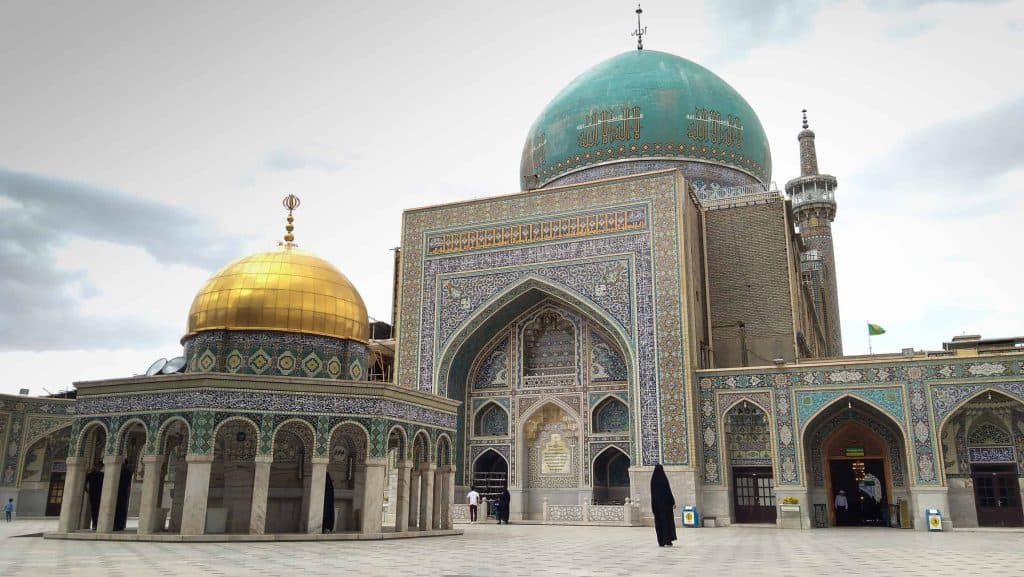
Iran remains subject to extensive U.S. sanctions, while UN nuclear-related measures returned in 2025.
©iStock.com/Pe3check
Iran remains under a large collection of U.S. economic and financial restrictions. Sanctions involving Iran affect areas including oil and petrochemical sales, banking, military procurement, weapons proliferation, and designated individuals and organizations. The U.S. Treasury was still announcing new Iran-related designations in September 2026.
There was also a major international change in 2025. On September 27, a series of earlier UN Security Council resolutions concerning Iran’s nuclear program were re-applied through the mechanism commonly known as “snapback.” The restored UN sanctions list currently contains 43 individuals and 78 entities. That makes Iran one of the clearest examples of a sanctions regime that has repeatedly tightened, loosened, and tightened again as diplomacy and nuclear policy changed.
1. Russia: Sanctions Began Growing Rapidly in 2014
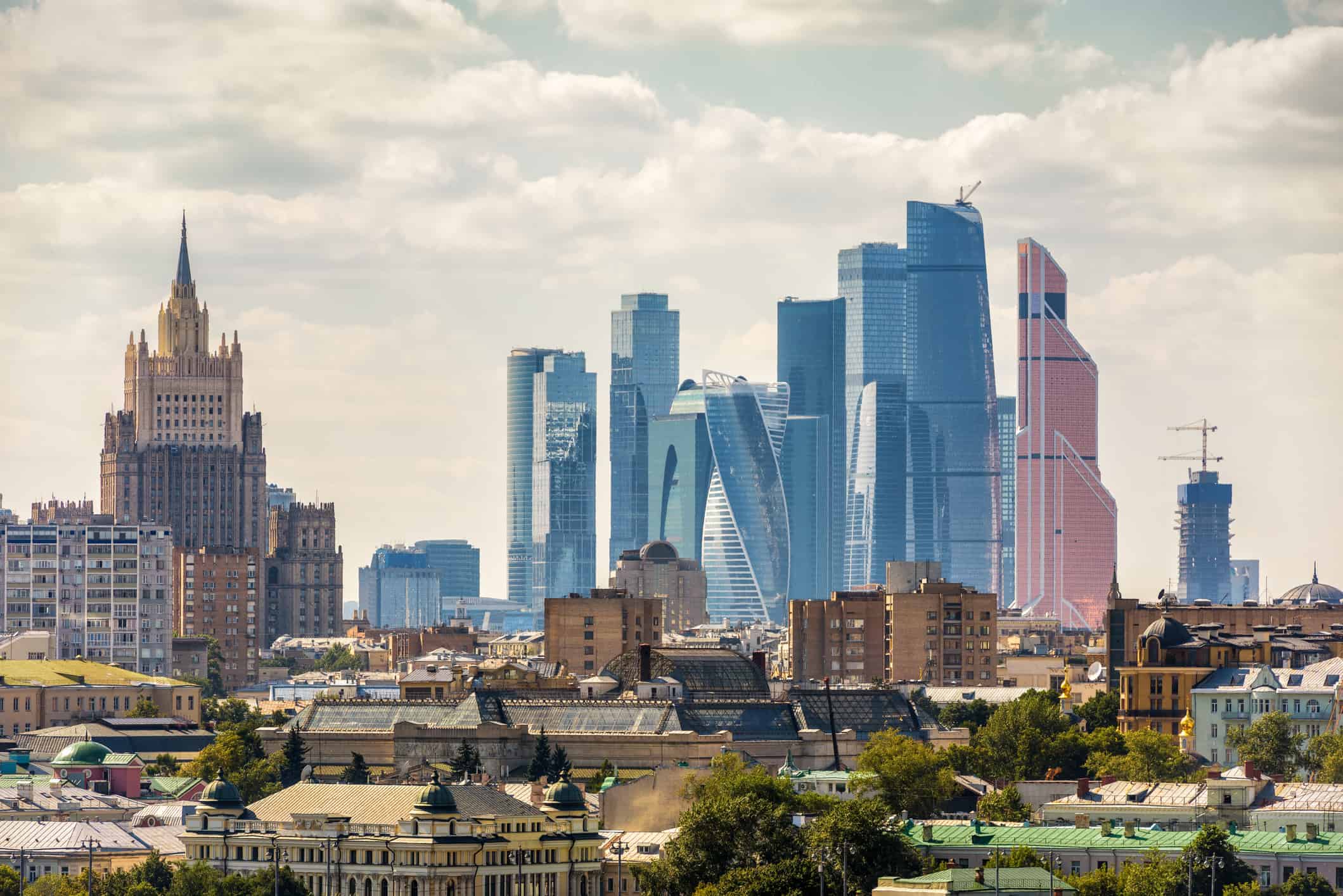
Russia has accumulated roughly 26,655 sanctions designations, by far the largest total in the 2026 ranking.
©scaliger/ via Getty Images
Russia sits in a category of its own, with roughly 26,655 cumulative sanctions designations in the 2026 dataset. That is more than four times Iran’s total. Western sanctions expanded sharply in 2014 after Russia seized and annexed Crimea from Ukraine and supported armed separatists in eastern Ukraine.
The scale changed dramatically again on February 24, 2022, when Russia launched its full-scale invasion of Ukraine. The European Union, United States, United Kingdom, Canada, Japan, Australia, Switzerland, and other governments imposed or expanded sanctions targeting Russian officials, wealthy individuals, banks, companies, military suppliers, energy operations, trade, technology, and access to international financial systems.
1. Russia: The Sanctions Are Still Expanding
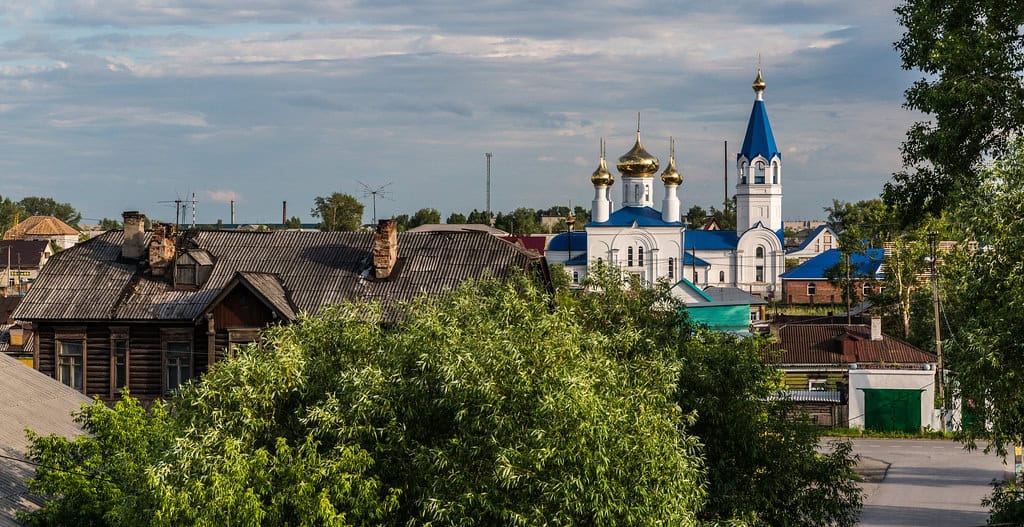
Russia remains the world’s largest target of sanctions designations by a wide margin.
©"4Y1A8602 Barabinsk, Russia" by Ninara is licensed under BY 2.0. - Original / License
Sanctions against Russia are not simply leftover restrictions from the first years of the war. The European Union adopted its 21st sanctions package in July 2026, adding another 48 individuals and 170 entities to its lists. The package also expanded transaction bans to additional financial institutions, targeted more vessels linked to Russia’s so-called shadow fleet, tightened restrictions involving crypto services, and added new export controls.
U.S. sanctions also remain active across multiple Russia-related programs. They target areas ranging from finance and energy to metals, mining, military technology, and companies or financial institutions accused of helping Russia evade existing restrictions. What the sanctions have not produced is the simple “economic downward spiral” described in the older copy. Their economic effects are complicated and have changed over time as Russia redirected trade and sought alternative suppliers and financial channels. What is much easier to measure is the sheer scale of the restrictions. No other country is remotely close to Russia’s cumulative designation total.

