

Living somewhere beautiful in Oregon does not automatically mean paying Portland, Bend, or coastal-resort prices. Housing is expensive across much of the state, but there are still communities where home values remain below Oregon’s overall average while offering access to beaches, mountains, wine country, parks, or small-town downtowns.
For comparison, Zillow put Oregon’s typical home value at about $502,000 in July 2026. Every town on this list came in below that mark, although some offer a much bigger discount than others. Housing markets change constantly, so think of these numbers as a snapshot rather than a promise that the perfect house is waiting around the corner.
1. Coos Bay: The Oregon Coast Without Resort-Town Prices
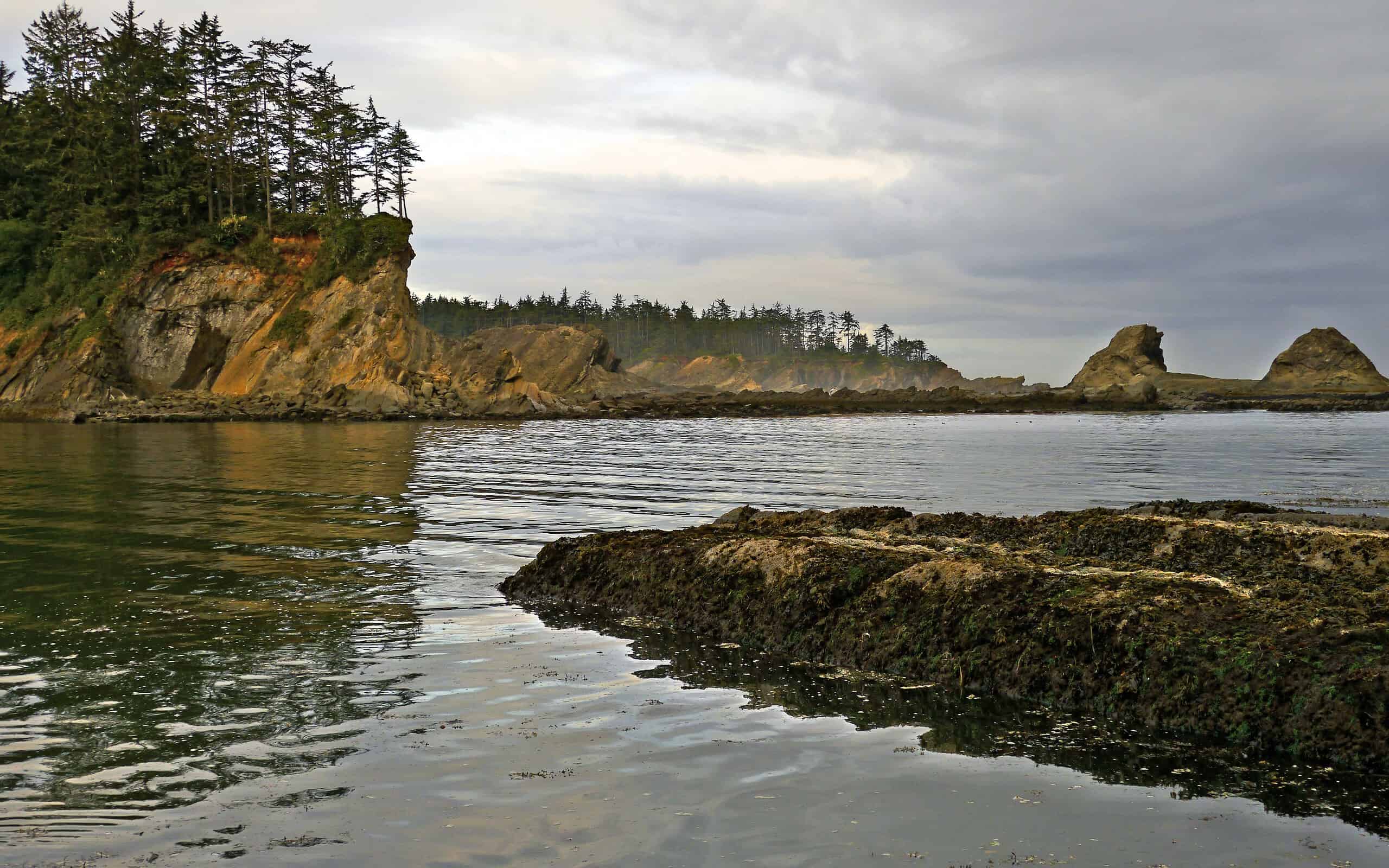
Coos Bay has loads of beautiful scenery and parks.
Coos Bay gives residents something that is getting harder to find on the Oregon Coast: relatively affordable housing within minutes of genuinely spectacular scenery. Nearby Shore Acres, Sunset Bay, and Cape Arago State Park put beaches, cliffs, hiking, wildlife viewing, and ocean overlooks practically in the backyard.
There is plenty inland as well. Mingus Park sits right in town, while the 83,000-acre Elliott State Research Forest begins northeast of Coos Bay. The city also has a waterfront boardwalk and serves as the largest city on the Oregon Coast, giving it more everyday services and shopping than many smaller coastal communities.
2. Coos Bay: What Housing Costs
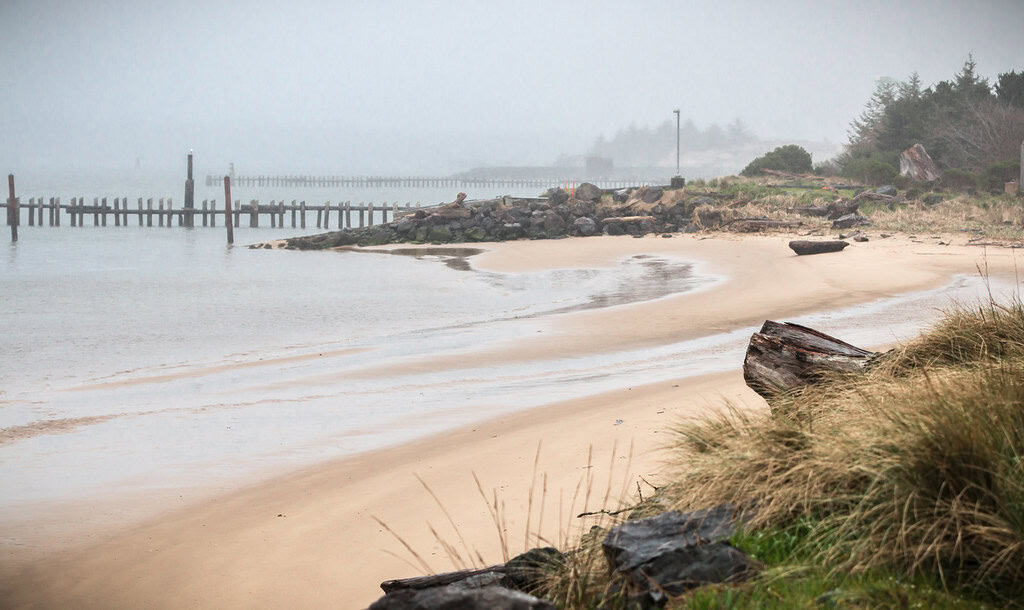
Coos Bay has loads of beautiful scenery and parks.
©"North Spit of Coos Bay" by BLM Oregon & Washington is licensed under BY 2.0. - Original / License
Zillow estimated the typical Coos Bay home value at about $330,000 in July 2026, roughly one-third below Oregon’s statewide figure. Home values were also down about 2% from a year earlier, making Coos Bay one of the more affordable options on this list for buyers.
Renters have some breathing room too. Zillow’s rental data put the average Coos Bay rent at about $1,500 in early September 2026, around 25% below the national average at the time. Add in the Coos Art Museum, Coos History Museum, Oregon Coast Historic Railway Museum, Marshfield Sun Printing Museum, and the waterfront, and this is more than just a cheap place with a nice view.
3. Baker City: History With Mountains on the Horizon
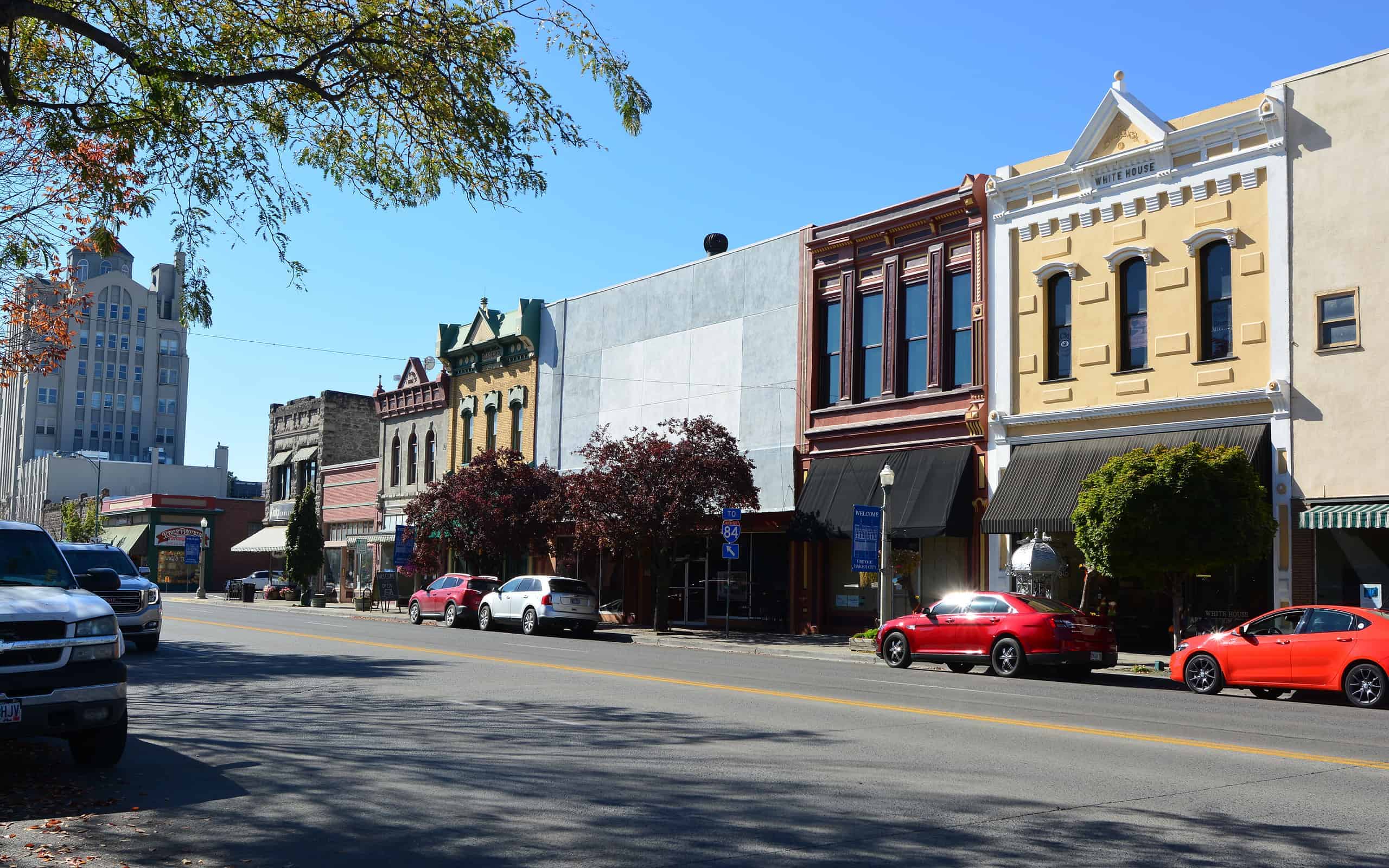
Baker City has tons of “small-town vibes” waiting to show you the secret places only locals know about.
Baker City combines a historic downtown with easy access to some of eastern Oregon’s biggest landscapes. The Baker Heritage Museum covers the area’s mining, ranching, logging, Chinese American history, and other chapters of Baker County’s past. Seven miles outside town, the National Historic Oregon Trail Interpretive Center sits on a 500-acre site where visitors can still see original Oregon Trail wagon ruts.
The scenery goes well beyond town. The Hells Canyon Scenic Byway stretches roughly 218 miles between Baker City and La Grande through mountains, valleys, and communities in northeastern Oregon. About 23 miles southwest of Baker City, the Sumpter Valley Railroad runs historic excursion trains, with its standard trip covering about 12 miles round trip in roughly 2.5 hours.
4. Baker City: One of the Biggest Housing Bargains
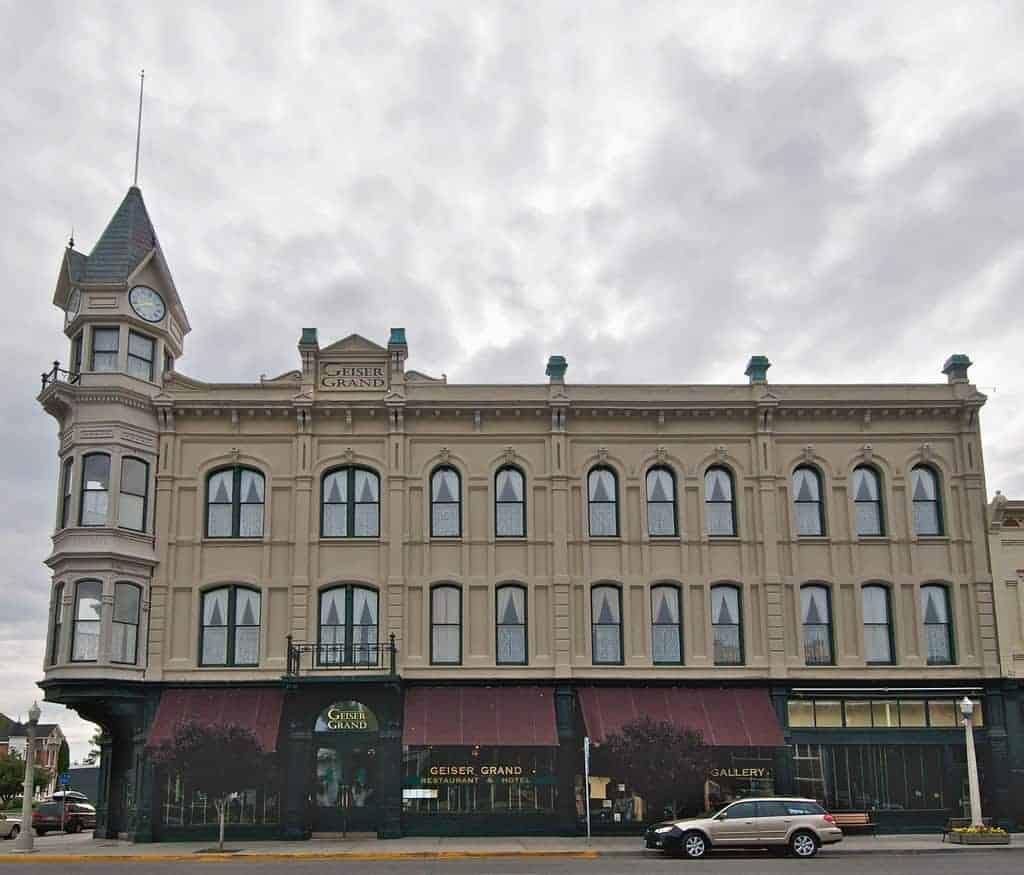
Baker City has tons of “small-town vibes” waiting to show you the secret places only locals know about.
©"Geiser Grand Hotel, Baker City, Oregon" by A.Davey is licensed under BY 2.0. - Original / License
Baker City is the standout bargain of these five communities. Zillow estimated its typical home value at about $269,000 in July 2026. That was roughly 47% below the statewide Oregon figure of about $502,000.
Zillow’s rental data put the average asking rent around $1,580 in early September 2026. Rental inventory in a smaller city like Baker can be limited, so that figure can move around quickly, but the purchase side of the market remains substantially cheaper than Oregon as a whole. For someone who wants mountain scenery and small-town living without a half-million-dollar typical home value, Baker City makes a pretty convincing case.
5. Hermiston: More Amenities Than You Might Expect
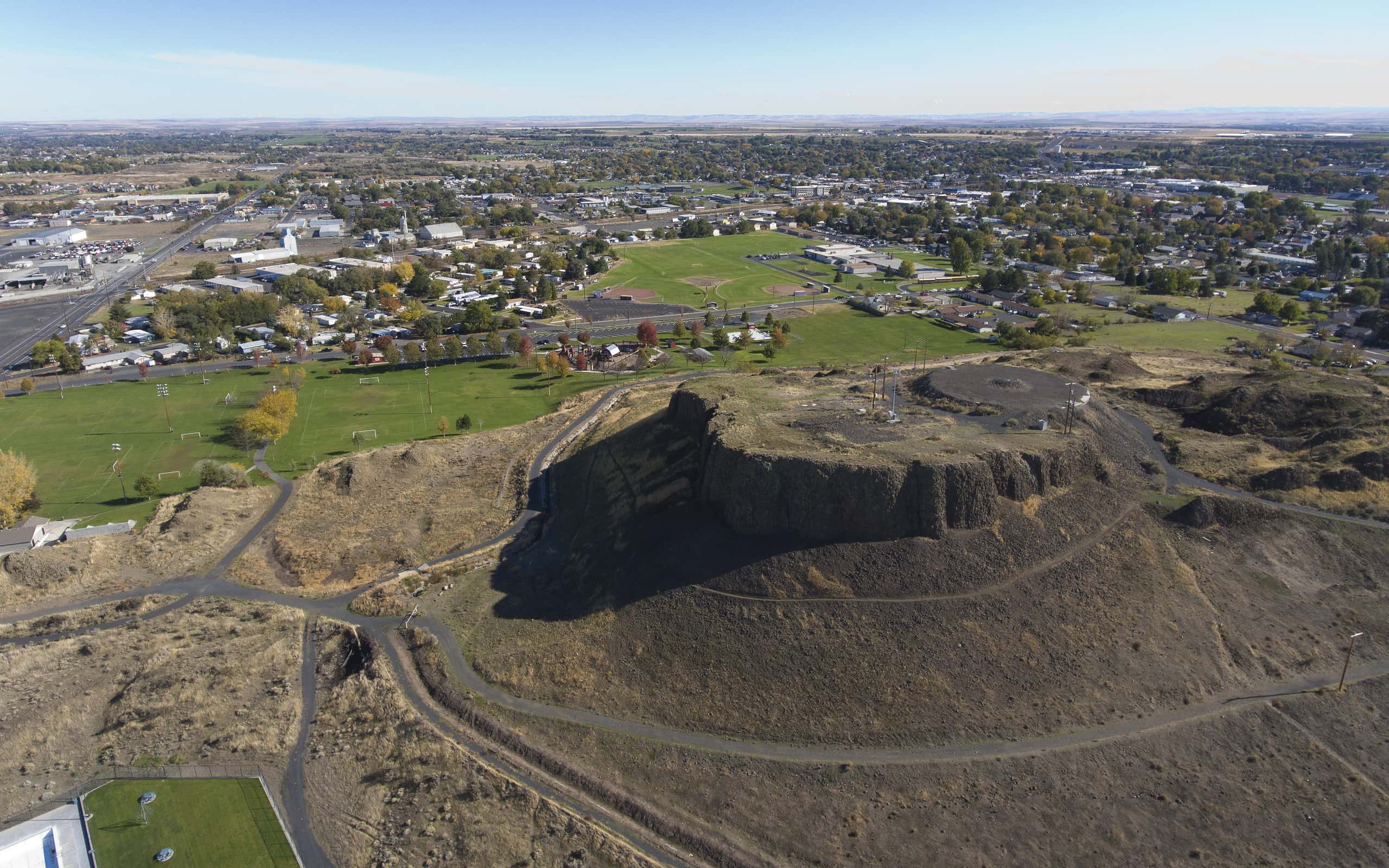
Butte Park is a neat place to check out on a warm day.
Hermiston is one of eastern Oregon’s larger communities, so residents get a broader mix of shopping, restaurants, recreation, and services than they would in many nearby towns. The city maintains more than 20 parks and open spaces covering over 170 acres, along with more than 12 miles of walking, hiking, and biking trails.
Butte Park alone covers more than 40 acres beneath Hermiston Butte and includes soccer fields, trails, a playground, dog park, and spray park. The Columbia River is also close by, and Hat Rock State Park near Umatilla offers fishing, boating, swimming, and views of the distinctive basalt landmark noted by the Lewis and Clark Expedition.
6. Hermiston: Housing Is Still Well Below Oregon’s Average
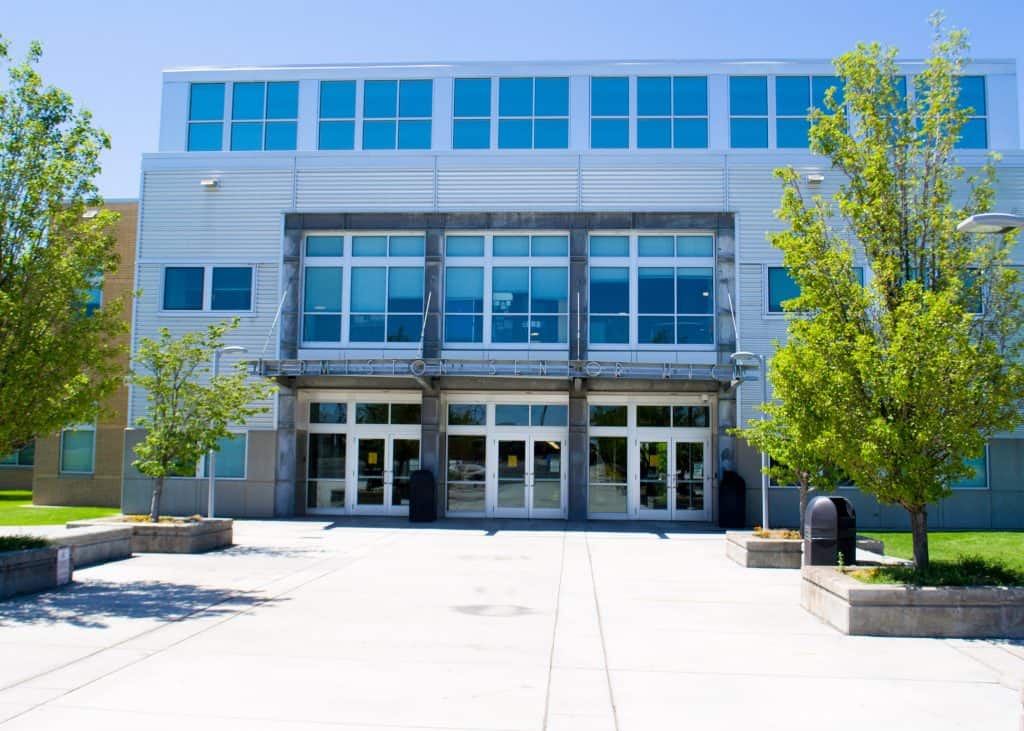
Butte Park is a neat place to check out on a warm day.
©"Hermiston High School" by Visitor7 is licensed under BY-SA 3.0. - Original / License
Zillow estimated Hermiston’s typical home value at roughly $348,000 in July 2026, about 31% below the statewide Oregon figure. Values had increased around 1.3% over the previous year, but the gap between Hermiston and many western Oregon markets remained substantial.
The rental market can be thin, which makes month-to-month averages jump around, but Zillow listed the average rent at about $1,495 in early September 2026. That combination of lower housing costs and a larger-than-average collection of parks and services helps Hermiston stand out for people who like eastern Oregon but do not necessarily want to live somewhere tiny.
7. Dallas: Small-Town Living Near Salem
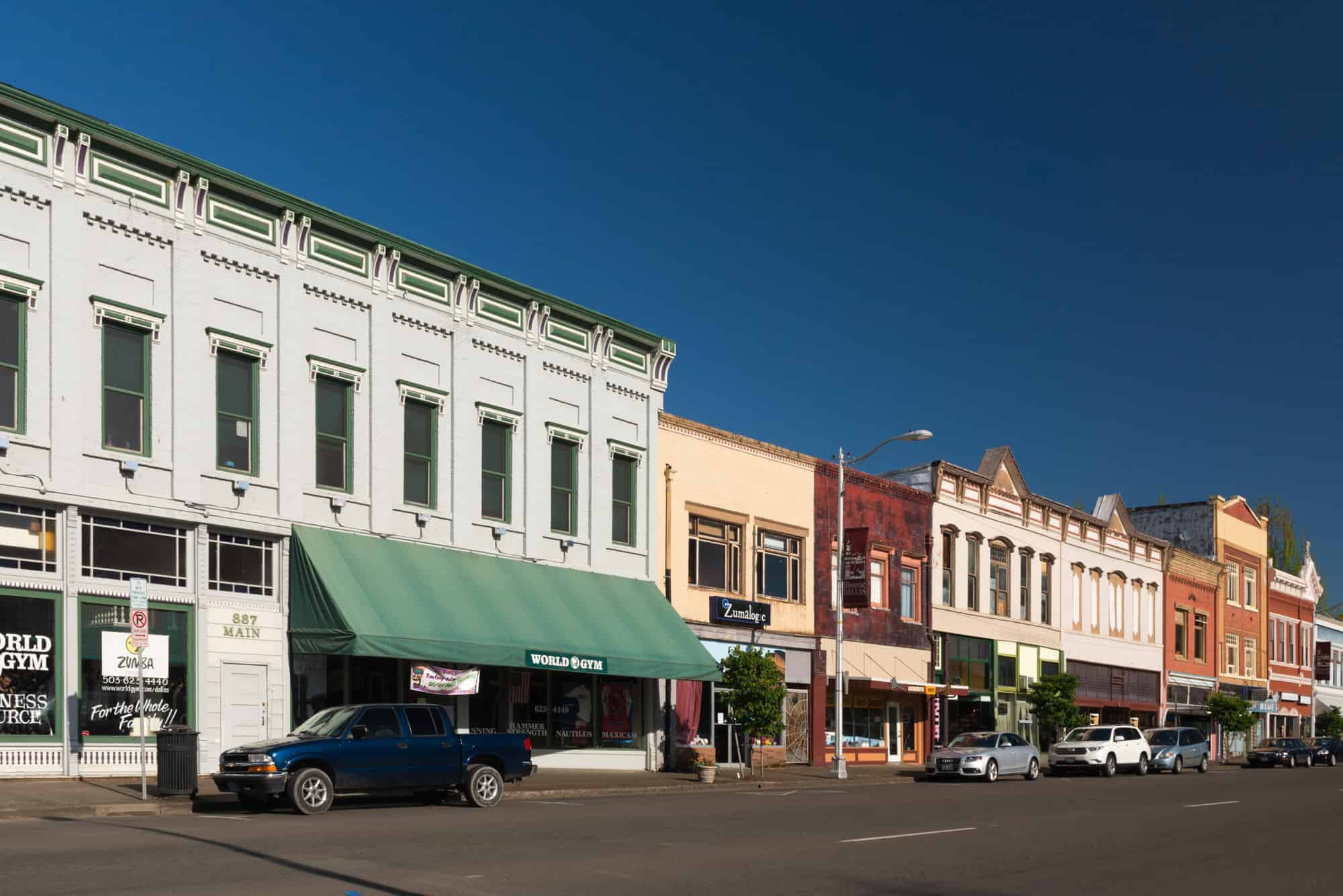
Dallas has an adorable downtown to win anyone’s heart.
Dallas sits west of Salem in the Willamette Valley, close enough to the capital for commuting or bigger-city errands without feeling like another Salem neighborhood. The surrounding area is part of Oregon wine country, with vineyards and tasting rooms around Dallas and the Van Duzer Corridor.
Dallas City Park gives the town an unusually impressive green space for its size. The 35-acre park includes an 18-hole disc golf course, playgrounds, basketball courts, paved trails, an arboretum, and a Japanese garden. For anyone who likes the idea of Willamette Valley living but would rather avoid some of the region’s pricier communities, Dallas deserves a look.
8. Dallas: Affordable, but Only by Oregon Standards
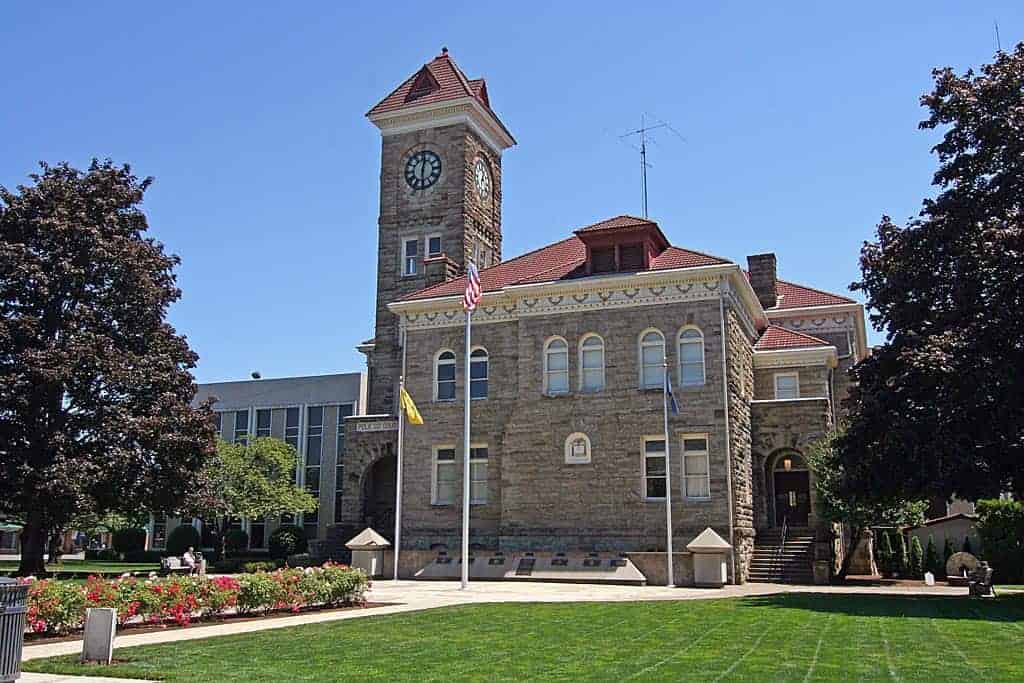
Dallas has an adorable downtown to win anyone’s heart.
©"Polk County Courthouse, Dallas, Oregon (180924761)" by Bruce Fingerhood from Springfield, Oregon, US is licensed under BY 2.0. - Original / License
Dallas needs a little context before anyone calls it cheap. Zillow estimated the typical home value at roughly $481,000 in July 2026. That was still below Oregon’s statewide figure, but only by about 4%, making Dallas the least dramatic bargain on this list.
Renting currently looks more favorable. Zillow put the average asking rent around $1,425 at the end of August 2026. Prices can move quickly, but Dallas may appeal most to someone who wants to remain close to Salem and Willamette Valley wine country while paying somewhat less for a home than the Oregon average.
9. Woodburn: Flowers, Parks, and the Willamette Valley
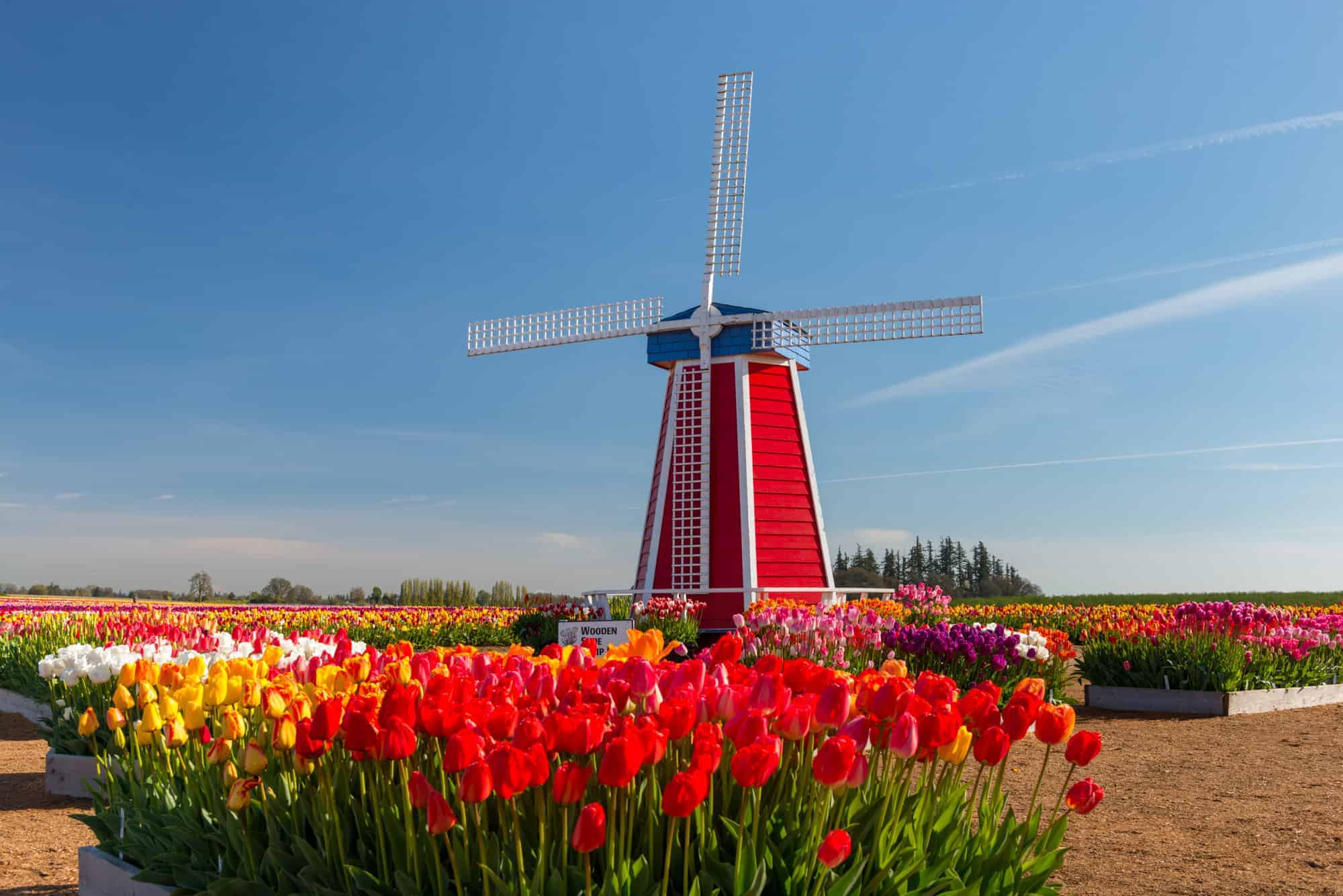
Woodburn is home to a lovely tulip grower, The Wooden Shoe Tulip Farm that is an amazing place to take pictures, purchase tulips or work.
Woodburn sits in the northern Willamette Valley between Salem and the Portland area, giving residents access to both while maintaining its own identity. Its best-known attraction is the Wooden Shoe Tulip Farm, located just outside town. The farm’s annual spring festival fills roughly 40 acres with more than 100 varieties of tulips, often with Mount Hood visible behind the fields.
Woodburn itself maintains more than 135 acres of parks and public grounds. Centennial Park, the city’s largest park, covers 25 acres and includes sports fields, a playground, splash pad, dog park, and other recreation facilities. Farther out, the 1916 Gallon House Covered Bridge near Silverton makes an easy side trip through the surrounding countryside.
10. Woodburn: Buying Looks Better Than Renting
Woodburn is home to a lovely tulip grower, The Wooden Shoe Tulip Farm that is an amazing place to take pictures, purchase tulips or work.
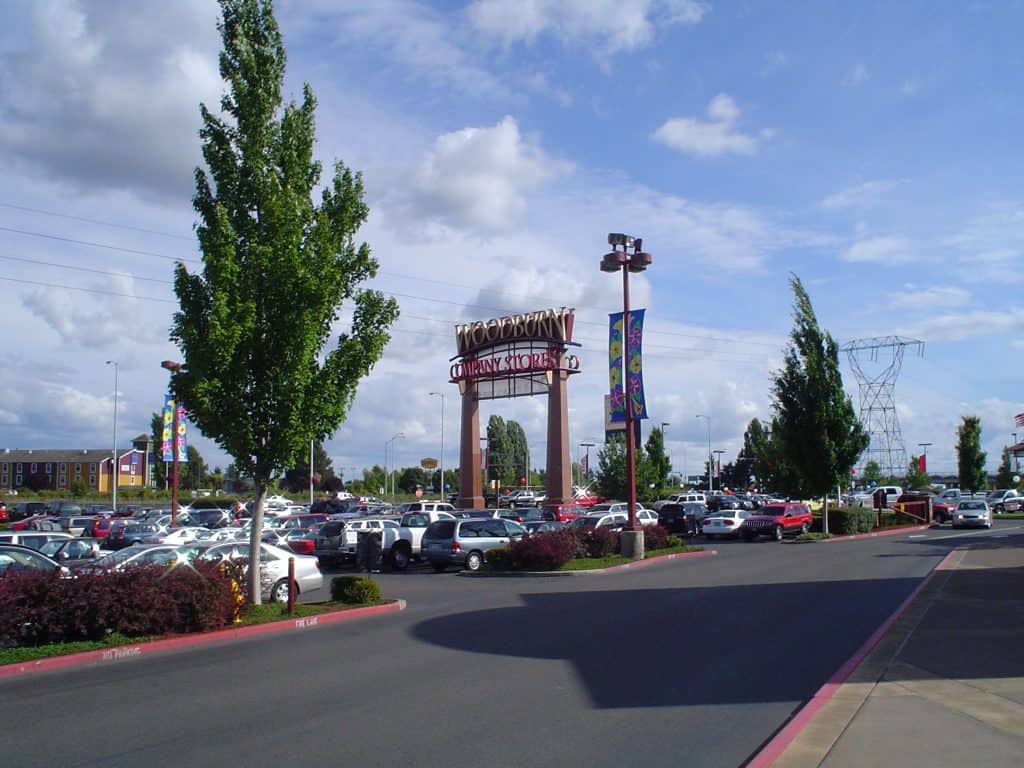
©"Woodburn Company Stores Woodburn, Oregon" by Andrew Parodi at English Wikipedia is licensed under BY-SA 3.0. - Original / License
Woodburn’s housing advantage is most obvious for buyers. Zillow estimated the typical home value at about $430,000 in July 2026, roughly 14% below Oregon’s statewide figure. That is nowhere near Baker City territory, but it is a meaningful difference for someone who wants to stay in the Willamette Valley.
Renters should temper expectations. Zillow’s average Woodburn rent was about $1,999 in early September 2026, essentially even with the national average at the time. So Woodburn belongs on this list more because of its home values and location than because it offers unusually cheap rentals.

