
America’s national parks are home to some of the country’s most spectacular landscapes, remarkable wildlife, and irreplaceable natural treasures. Unfortunately, they’re also home to some truly questionable tourist behavior.
Some visitors seem to think the rules are optional. Others genuinely don’t realize the damage they’re causing. Either way, everything from approaching wildlife for selfies to wandering through protected wildflower meadows can have consequences long after the vacation ends.
And we’re not talking about harmless etiquette violations. Some of these habits damage fragile ecosystems, disturb animals, destroy historical sites, and create dangerous situations for visitors and park staff.
Before your next trip to Yellowstone, Mount Rainier, Olympic National Park, or anywhere else we’ve set aside for protection, here are 16 tourist behaviors that really need to stop.
Getting Too Close to Wildlife for a Selfie
©Tiffany Noel Videography/Shutterstock.com
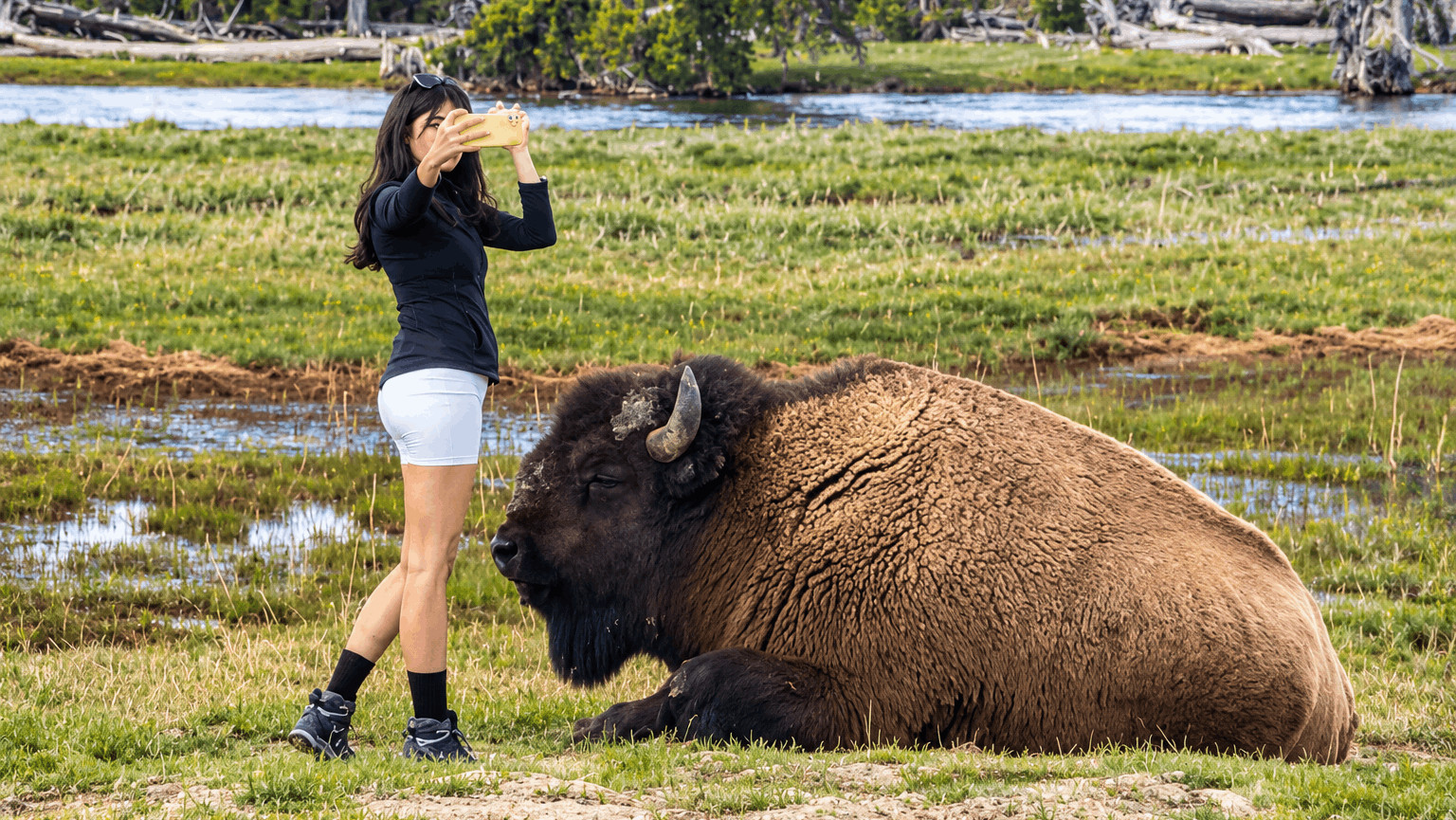
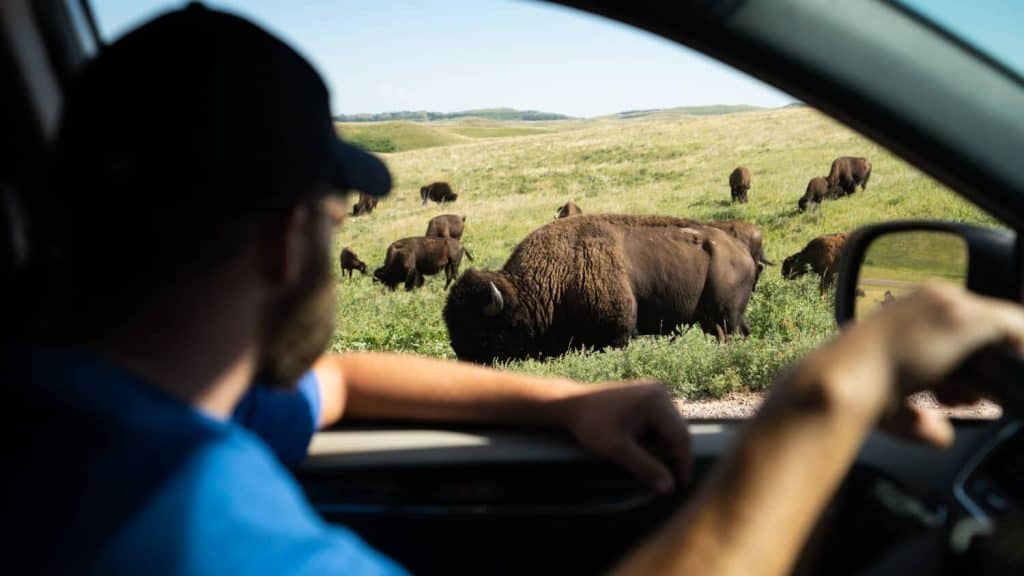
A bison standing beside the road can look remarkably calm, right up until it isn’t. That is why crowding wildlife for a selfie is more than a questionable vacation decision. At Yellowstone, the National Park Service requires visitors to remain at least 25 yards from bison, elk, and other wildlife, and at least 100 yards from bears, wolves, and cougars. Those are Yellowstone’s rules, not universal distances for every protected area, so always check the park you’re visiting. A close approach can cause animals to move, interrupt feeding, or defend their space. It also puts other visitors and responding rangers at risk. If an animal approaches, give it room and back away rather than trying to make the moment last. A zoom lens or binoculars provide the close-up without requiring the subject to cooperate. Frankly, a photograph is not worth turning a wildlife encounter into an emergency.
Feeding Animals Because They Look Hungry
©"Feeding a squirrel" by Tambako the Jaguar is licensed under BY-ND 2.0. - Original / License
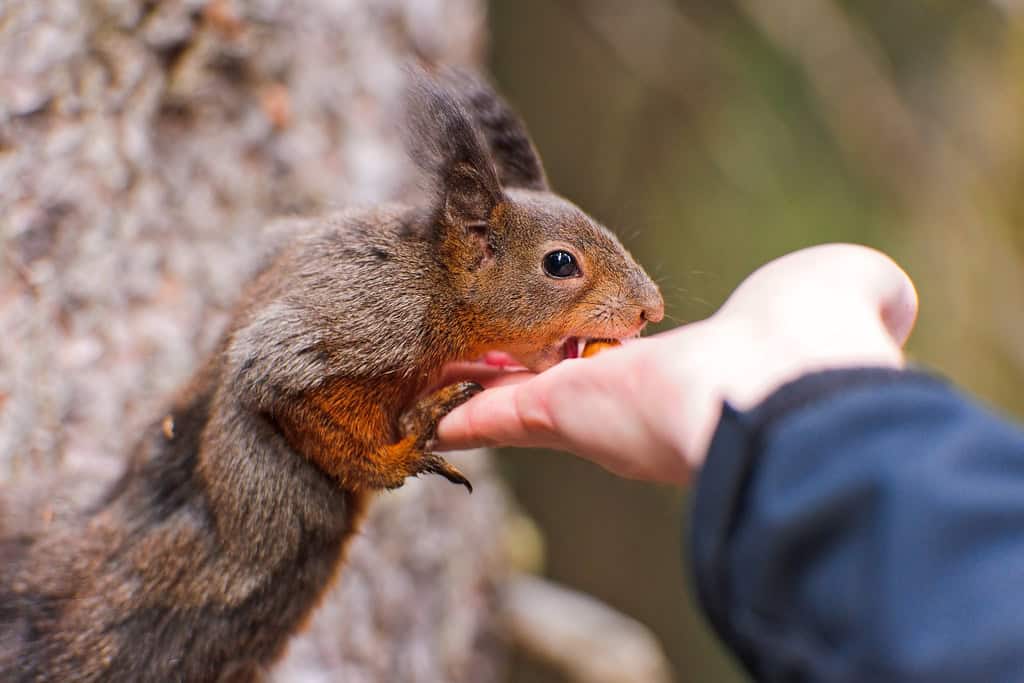
A chipmunk taking a cracker from someone’s hand may look harmless, but feeding wildlife teaches animals to associate people with easy meals. The National Park Service warns that animals accustomed to human food can become aggressive, lose their natural wariness, and create conflicts that put their lives at risk. This applies to birds and squirrels just as much as to larger animals. It also applies when visitors leave an open bag of snacks on a picnic table and walk away. The animal does not distinguish between an intentional handout and an unattended lunch. Natural diets are part of how wildlife survives in its environment, and an occasional tourist snack is not doing it any favors. Keep food secured, clean up crumbs, and admire animals without offering them anything. If a squirrel is bold enough to approach your sandwich, that’s a reason to guard your lunch, not reward the behavior.
Walking Through Wildflower Meadows for Photos
©Emily Marie Wilson/Shutterstock.com
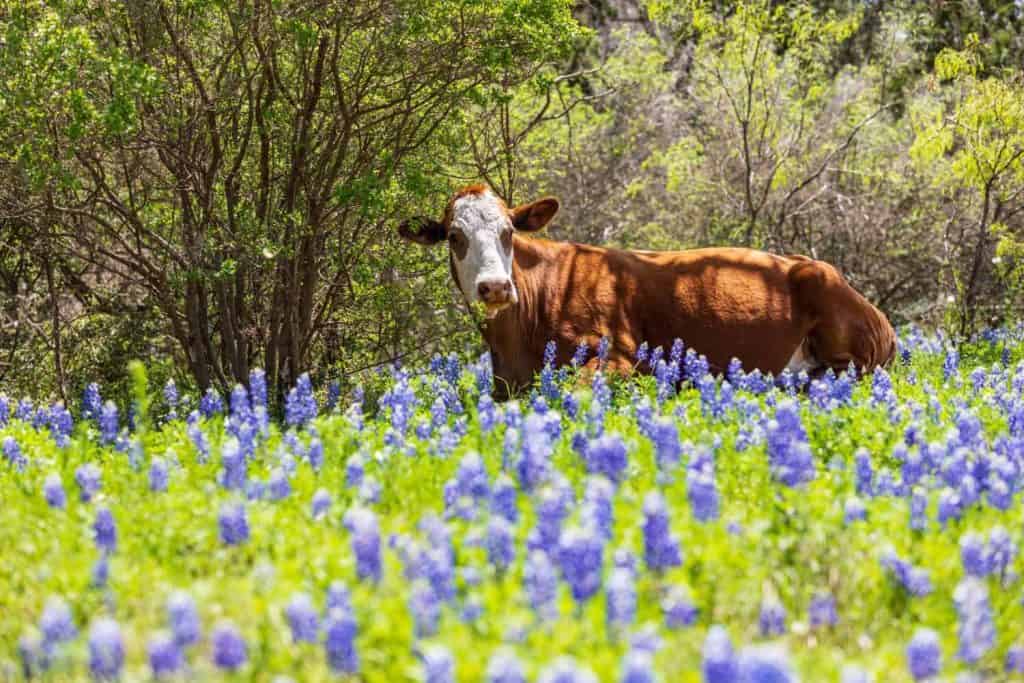
Anyone who has visited Mount Rainier during wildflower season understands the temptation. At Paradise and Sunrise, the meadows can look almost unreal, with bright flowers stretching across the slopes. Unfortunately, taking a few steps off the trail for a better photograph can crush fragile plants and compact the thin soil they depend on. The National Park Service says pedestrian travel must stay on trails in designated meadow areas at Paradise, Sunrise, Reflection Lakes, Tipsoo Lakes, and Ohanapecosh Hot Springs. Those restrictions are there for a reason. Subalpine plants have short growing seasons, and damage from repeated footsteps can interfere with their growth and ability to reproduce. One person’s shortcut may seem trivial, but multiply it by thousands of visitors and the results add up. Use the designated trail, lean on your camera’s zoom, and let the flowers remain part of the landscape rather than part of your photo shoot.
Leaving Food Scraps Because They Are Biodegradable
©Pawel Serafin/Shutterstock.com
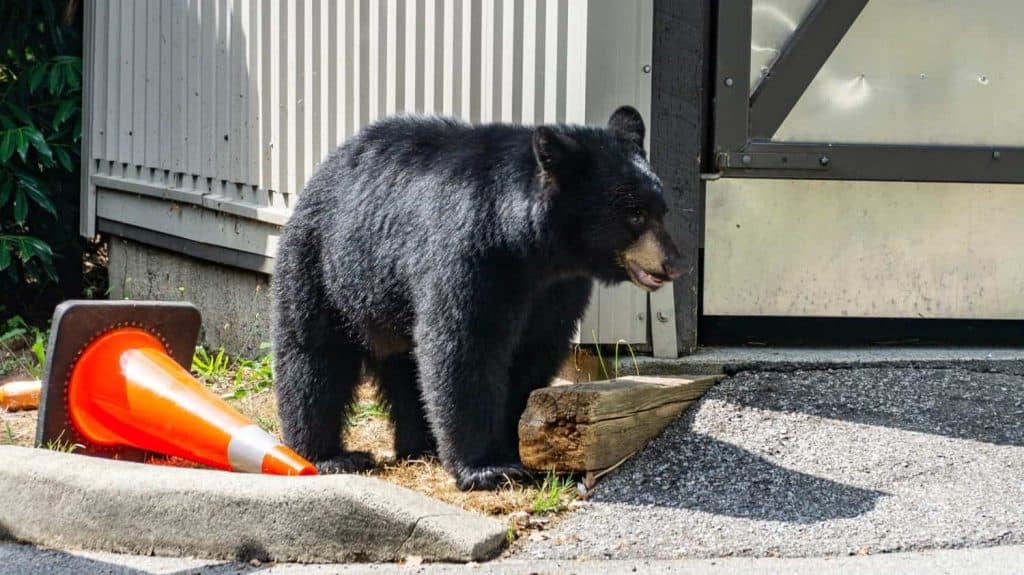
There is a surprisingly persistent idea that tossing an apple core or orange peel into the woods is fine because nature will take care of it. National parks would disagree. Joshua Tree National Park explicitly lists orange peels, apple cores, and pistachio shells as trash, and points out that food waste may break down very slowly in some environments. Even where it decomposes faster, food scraps can attract wildlife to places where people gather, reinforcing the same harmful habits caused by deliberate feeding. Fruit stickers, meanwhile, are not exactly a gift to the ecosystem. This is one of the easiest park problems to prevent, because the solution requires almost no special equipment. Bring a small bag for leftovers and wrappers, check your picnic spot before leaving, and pack out whatever you brought in. If you wouldn’t leave it on your living room floor, there is no reason to leave it beside a mountain trail.
Prying Sea Stars and Other Animals From Tidepools
©"Tidepool Explorers, Children in a World of Wonder" by moonjazz is licensed under PDM 1.0. - Original / License
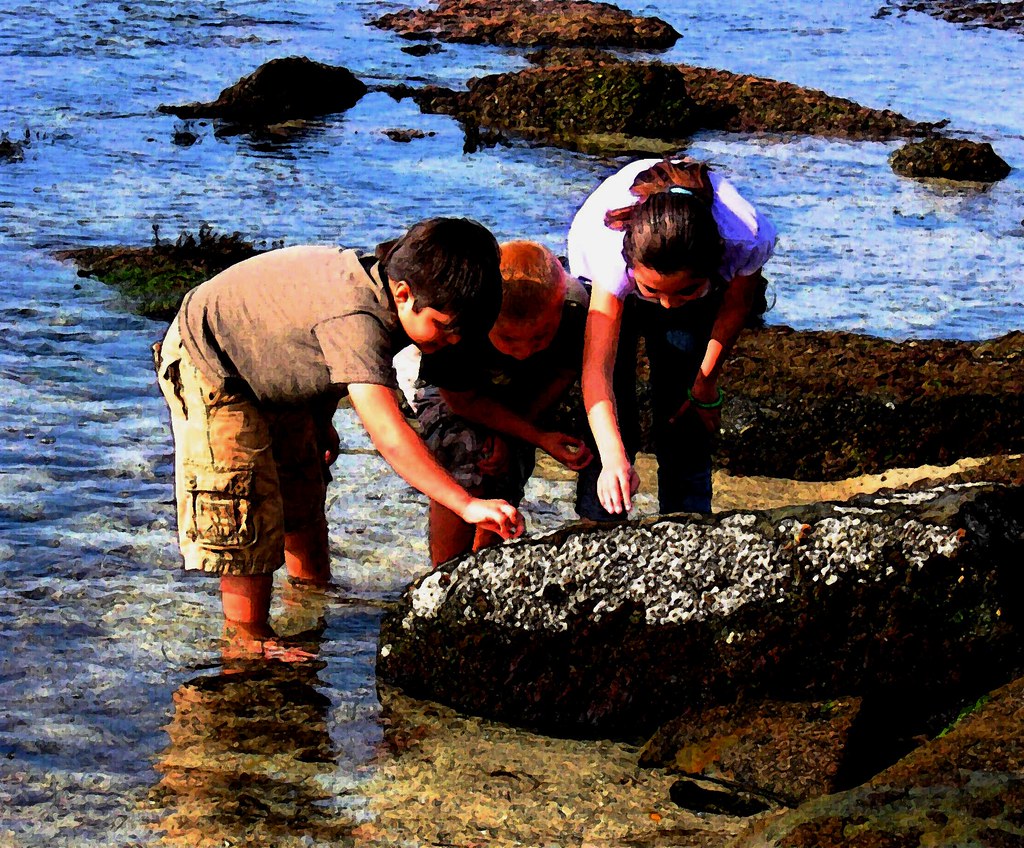
The rocky coastline of Olympic National Park is full of small wonders, from sea stars and anemones to mussels and crabs. Low tide makes these animals easier to see, but not available for handling. The National Park Service advises visitors not to force attached animals off rocks or squeeze them, because rough handling can tear body parts or injure them internally. Even flipping a rock and leaving it overturned can harm the creatures living underneath. On Olympic’s coast, visitors are encouraged to step on bare rock rather than living surfaces and return any carefully moved rocks to their original positions. Places such as Ruby Beach and the tidepools near Rialto Beach are outdoor habitats, not hands-on exhibits. Take photographs, look closely, and keep an eye on the returning tide. The best souvenir is seeing the ecosystem functioning the way it should, with its residents still exactly where you found them.
Carving Names Into Rocks, Trees, or Historic Sites
©"Rock-carved inscription at the entrance of the first tunnel section bears the names Vespasianus and Titus, Seleucia Pieria, Turkey (36329211675)" by Carole Raddato from FRANKFURT, Germany is licensed under BY-SA 2.0. - Original / License
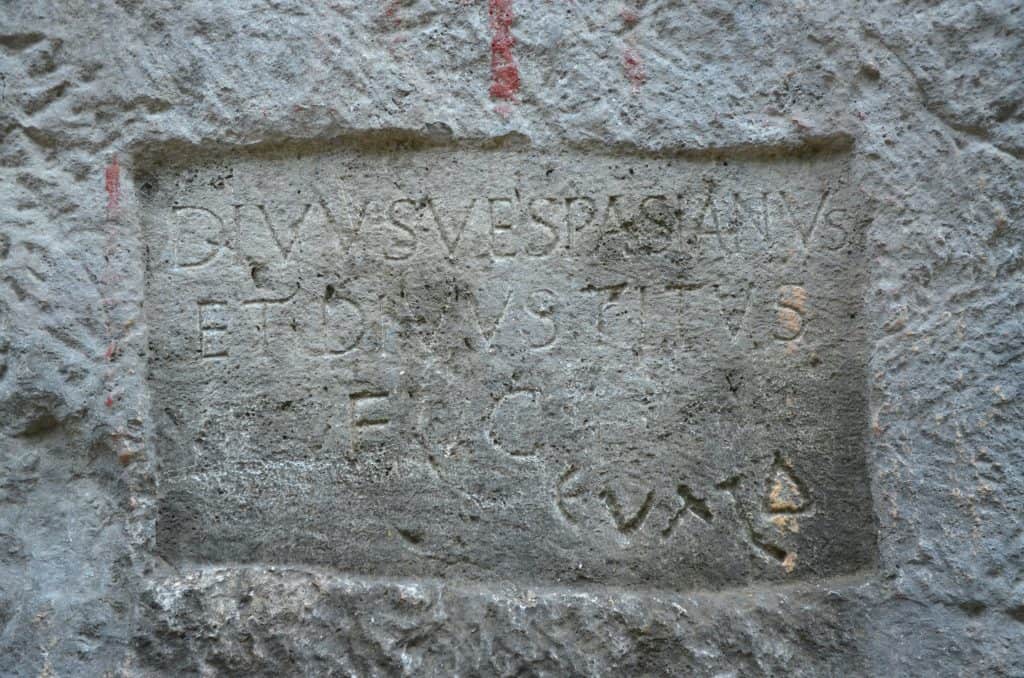
There is nothing wrong with wanting to remember a beautiful place. Scratching your name into a rock or tree is a different matter. The National Park Service identifies carving, painting, and scratching on natural surfaces as graffiti, and these actions can violate park regulations. At places with ancient rock art, the stakes are even higher. Petroglyphs and other cultural resources carry historical and, for some communities, continuing spiritual significance that cannot simply be repaired with a pressure washer. Even touching old rock carvings can disturb the surface that helps preserve them. The initials someone leaves behind may last far longer than their vacation, and removing modern marks can require careful restoration work. If a landscape moves you enough to want a permanent record, take photographs or keep a travel journal. A 300-year-old tree or a rock face that has survived centuries does not need a visitor’s signature to prove they were there.
Building Decorative Rock Stacks Along Trails

©"Rock Cairn 2" by Lexie Stevenson is licensed under BY-ND 2.0. - Original / License
A neat pile of balanced stones may look like a harmless little sculpture. In some national parks, though, cairns are official route markers that hikers depend on to navigate. Adding homemade versions can send people in the wrong direction, while changing a real cairn can make the correct route harder to follow. The National Park Service also warns that moving rocks may disturb vegetation, small-animal habitat, and soil that is vulnerable to erosion. Parks have different practices when it comes to cairns, which is why the safest rule is simple: leave existing stacks alone and do not make new ones without authorization. This matters especially in rocky terrain where a well-placed marker might be the only obvious clue to the path ahead. There are plenty of ways to appreciate a beautiful collection of stones without rearranging them. Take a picture and leave the trail navigation to the people responsible for maintaining it.
Flying Drones for the Perfect Aerial Shot
©"Drone 2" by Michael Khor is licensed under BY 2.0. - Original / License
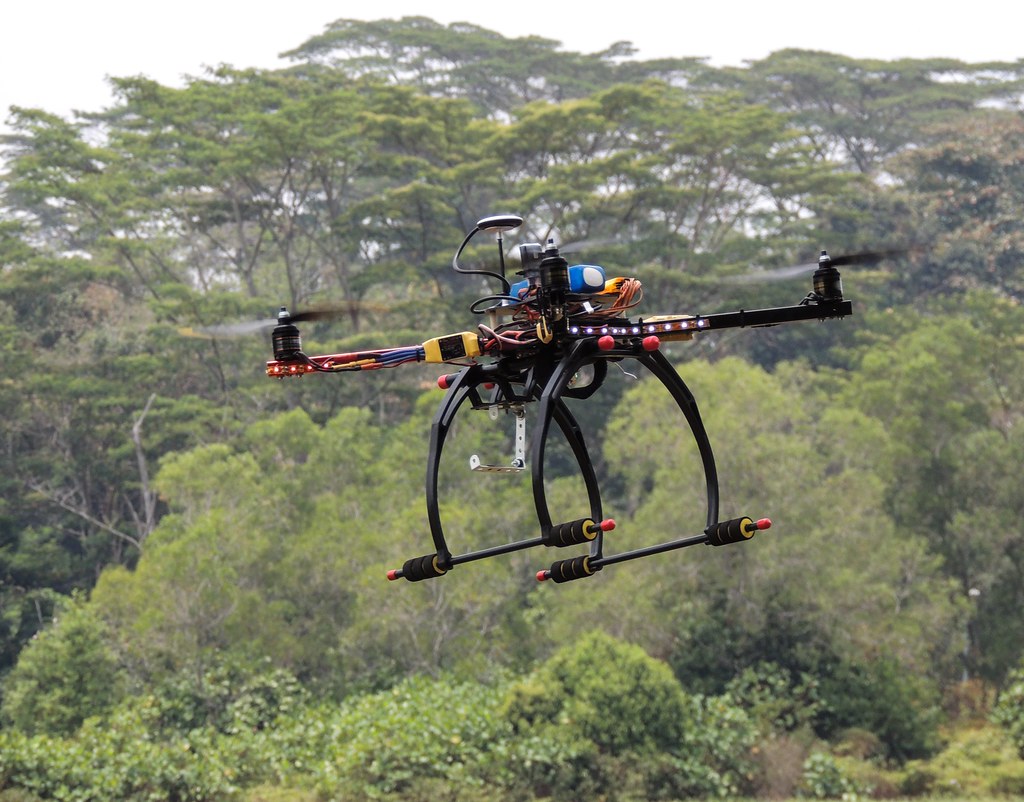
The promise of a dramatic aerial video is easy to understand. The problem is that a national park is not automatically a place to launch a drone. The National Park Service generally restricts launching, landing, and operating uncrewed aircraft from park-managed lands and waters, with limited authorized exceptions. Individual parks publish their own restrictions, and drone operators must also comply with applicable aviation rules. The concerns go beyond annoying other visitors. Aircraft can disturb wildlife, interfere with the quiet that makes these places special, and introduce safety risks in crowded areas. The fact that a drone is small or that the flight will take only a minute does not make it an exception. Before packing one, check the specific park’s rules and any applicable FAA restrictions. Sometimes the responsible way to capture a national park is to keep both feet, and the camera, firmly on the ground.
Letting Dogs Run Loose or Enter Restricted Areas
©"Happy Dog Max" by moonjazz is licensed under PDM 1.0. - Original / License
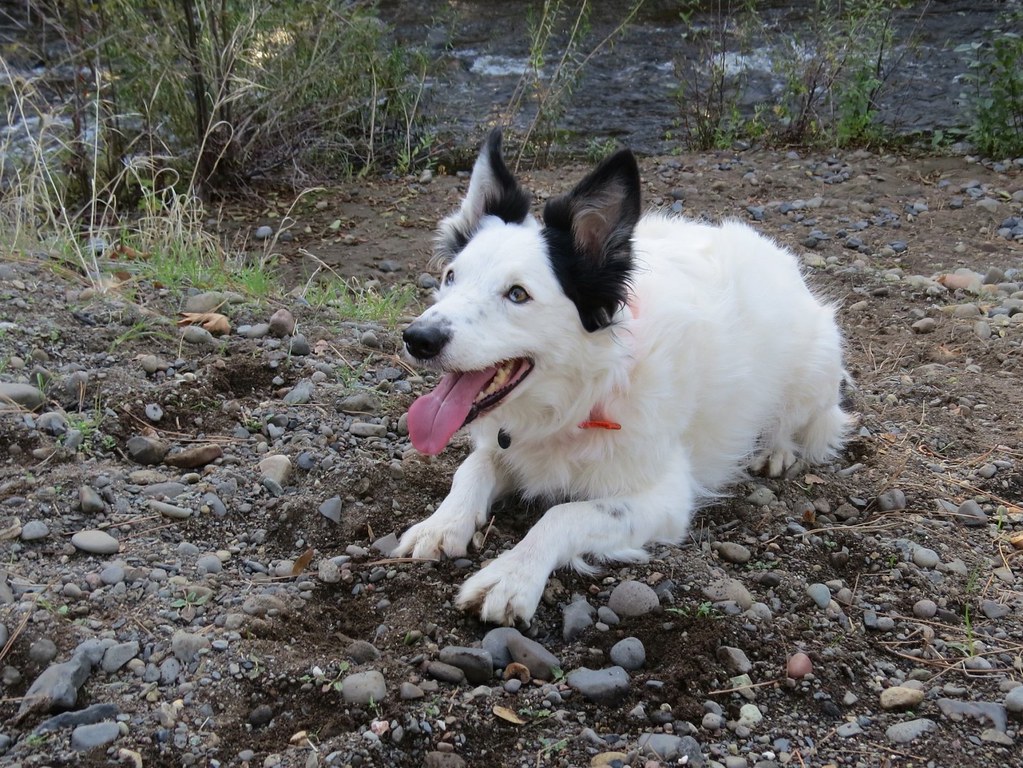
Dogs are excellent travel companions, but not every hiking trail is open to pets. Rules vary by park, and some national parks allow dogs only in developed areas, on roads, or in certain campgrounds. Death Valley, for example, generally restricts pets from hiking trails and wilderness areas and requires a leash no longer than six feet in permitted locations. These rules protect more than the people sharing the path. Off-leash dogs can chase wildlife, disturb nesting animals, and encounter hazards their owners never saw coming. Pet waste can also contaminate the surroundings when it is left behind. Check the destination’s pet policies before heading out, carry waste bags, and choose a dog-friendly trail rather than assuming a national park works like a neighborhood dog park. A good outdoor day with your dog starts with picking a place where the two of you are actually allowed to explore together.
Cutting Switchbacks to Save a Few Minutes
©"Ryan Campground; California Riding and Hiking Trail" by Joshua Tree National Park is licensed under PDM 1.0. - Original / License
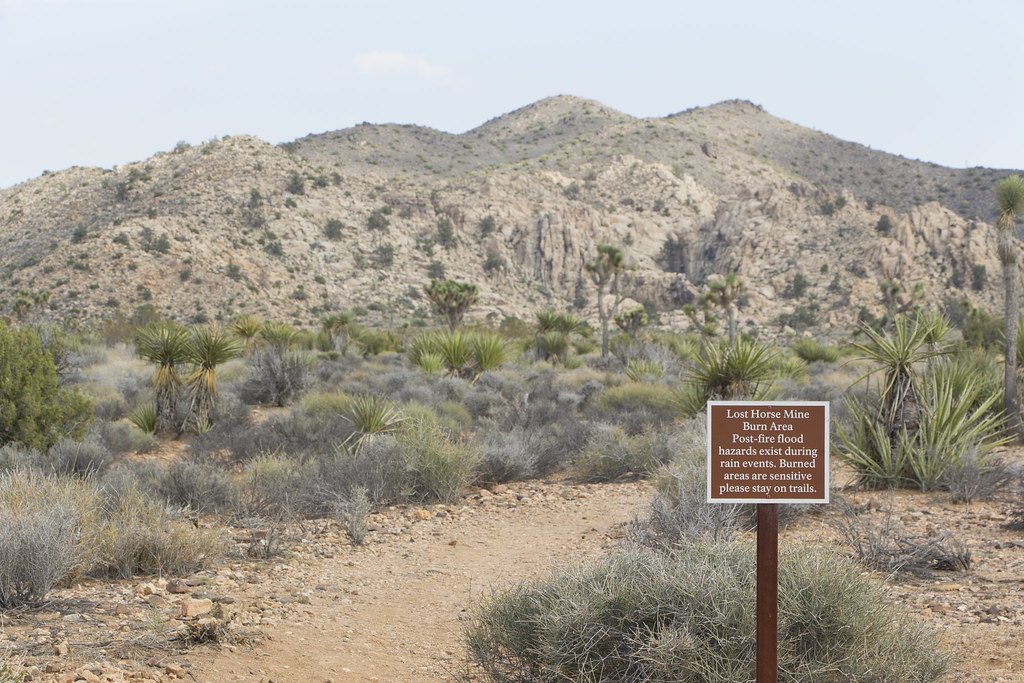
On a steep trail, a winding series of switchbacks can feel unnecessarily long when the destination seems to be right above you. There is a reason the trail takes the scenic route. Switchbacks manage the grade of a climb and help reduce the erosion that occurs when water and feet travel straight down a slope. Cutting across them wears new paths into soil and vegetation, often creating gullies that get worse with repeated use. The National Park Service specifically advises hikers not to widen trails or cut switchbacks in its Leave No Trace guidance for Great Basin National Park. The problem becomes self-reinforcing once an unofficial shortcut starts to look like a legitimate path. Other hikers may follow it without realizing where it leads. Stay on the established route, even if the next bend feels inconveniently close. A few extra minutes of walking are a small price for keeping the trail usable for everyone who comes after you.
Taking Rocks, Wildflowers, or Artifacts Home
©"Wildflower Outbreak" by tdlucas5000 is licensed under BY 2.0. - Original / License
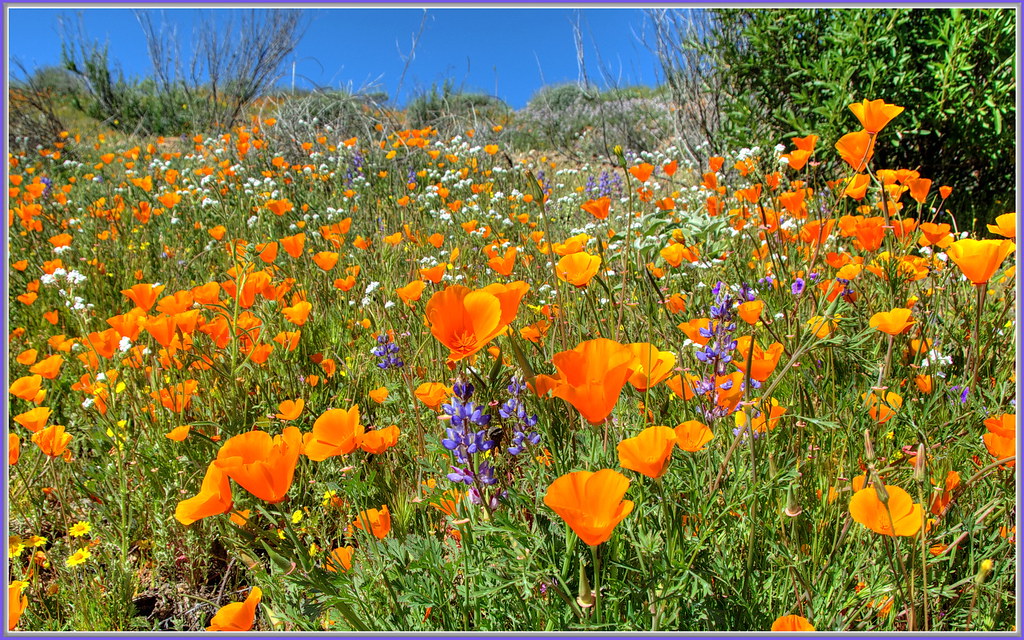
A smooth stone, an interesting fossil, or an old piece of pottery might seem like the perfect free souvenir. In a national park, removing it can be more than a bad habit. The National Park Service generally prohibits collecting rocks, minerals, fossils, plants, and archaeological objects unless a specific park rule or authorization allows an exception. Archaeological finds are particularly important because their location is part of the evidence researchers use to understand the past. The National Park Service’s Fort Vancouver National Historic Site tells visitors who discover an artifact to leave it in place, document its location, and notify staff rather than picking it up. The same common sense applies to wildflowers and other natural features. If everyone took just one interesting thing, the landscape visitors came to see would gradually lose those details. Photograph the discovery, note where it was, and let it remain part of the park’s story.
Blasting Music in Places People Come to Hear Nature
©Sound Bros
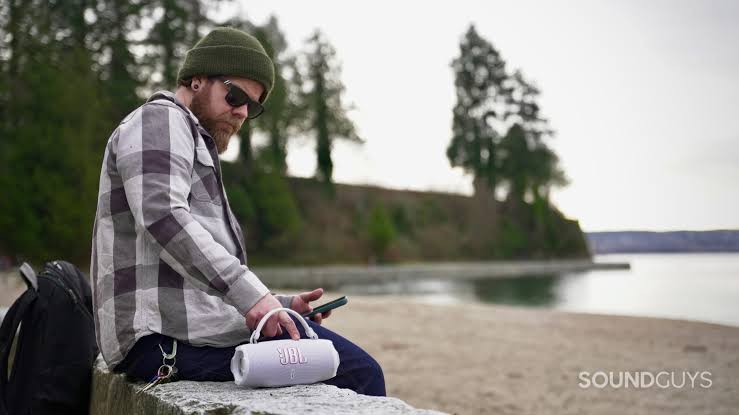
A portable speaker might be perfectly fine at a backyard barbecue. On a quiet forest trail, it is less charming, especially to the people who came to hear birds, wind, and running water. The National Park Service considers natural soundscapes an important part of park resources, and its research explains that human-made noise can interfere with wildlife communication and visitor experiences. That does not mean every conversation or footstep is somehow disrespectful. National parks are shared public places, and ordinary visitor noise comes with the territory. There is a difference, however, between talking with your hiking partner and forcing everyone along a trail to listen to your playlist. Some sites also have enforceable quiet-hour and noise restrictions, so it is worth checking local rules. Headphones, used only where they do not compromise awareness of the surroundings, are a far more considerate alternative to broadcasting music across the canyon.
Leaving Human Waste and Toilet Paper Behind
©"Campsite at Lewis Lake" by YellowstoneNPS is licensed under PDM 1.0. - Original / License
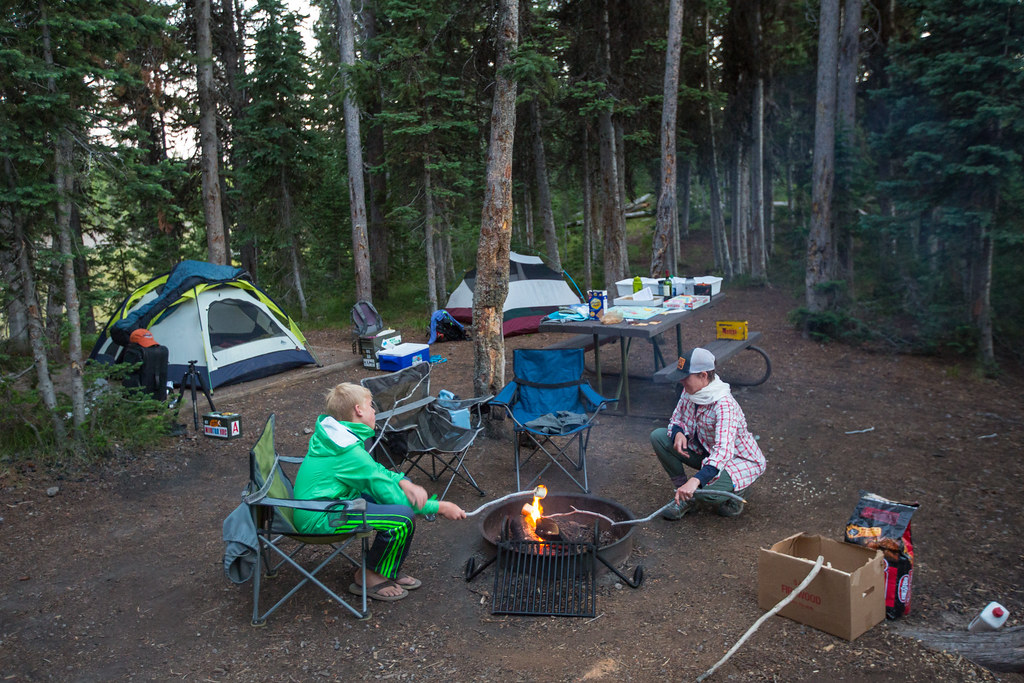
When restrooms are miles away, outdoor bathroom etiquette becomes an environmental issue, not merely an uncomfortable topic. Human waste left exposed can affect water quality and ruin a campsite or trail for the next visitor. Rules differ by landscape, and some popular or fragile areas require visitors to pack out all solid waste. Elsewhere, properly placed catholes may be permitted. Olympic National Park’s wilderness guidance says to use a toilet when one is available; otherwise, it describes burying waste six to eight inches deep, at least 200 feet from water sources and campsites, and packing out used toilet paper. The important part is learning the rules before the need becomes urgent. Carry appropriate supplies, know whether the route requires waste bags, and leave the area clean. Nobody should have to discover someone else’s bathroom break beside a mountain stream.
Ignoring Campfire Rules or Leaving Embers Burning
©"campfire" by mathias-erhart is licensed under BY-SA 2.0. - Original / License
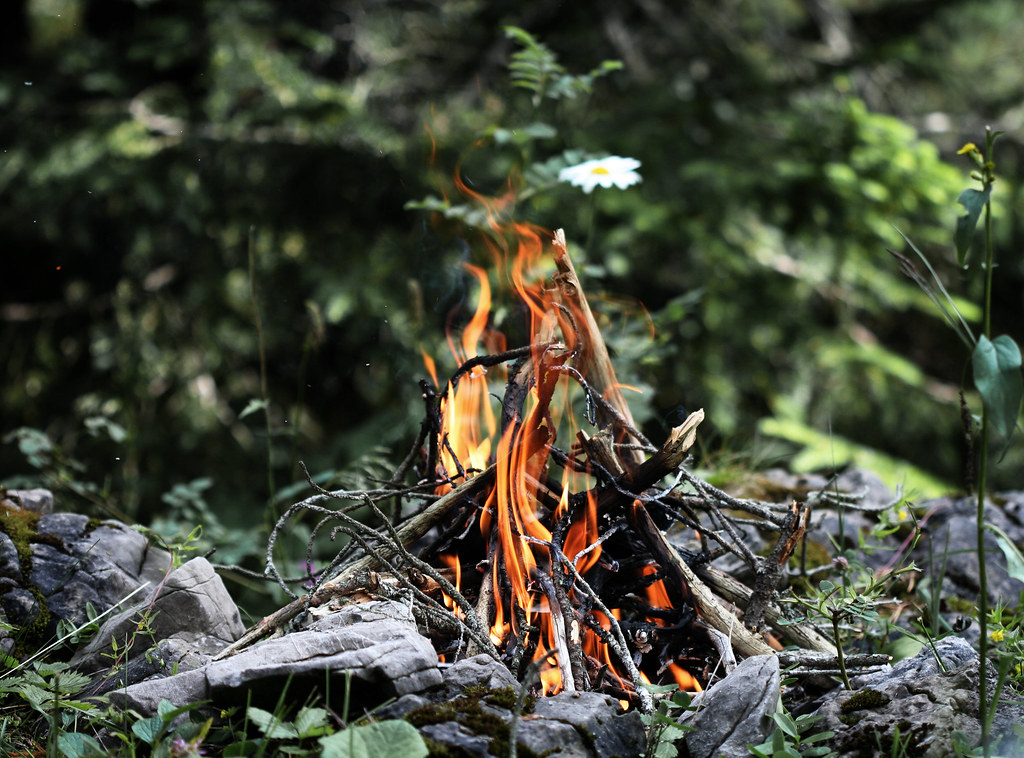
A campfire can be one of the best parts of a night outdoors, but only where conditions and park regulations allow it. Restrictions may change with fire danger, and they can apply to specific types of fires, fuel, or locations. The National Park Service tells visitors at Rocky Mountain National Park to use authorized fire rings, never leave fires unattended, and extinguish them with water while stirring the ashes until no heat or embers remain. The principle applies well beyond Colorado. A campfire that looks extinguished can still contain enough heat to reignite or cause harm. Building an illegal fire also leaves scars and ash in places that may take years to recover. Before striking a match, check the current rules for that particular park and campground. If the rules say no fire, the evening can survive without one. The surrounding forest should get the same opportunity.
Crossing Closures Meant to Protect Nesting Wildlife
©"Trail closed 3/18 3/19 #orange" by Richard Masoner / Cyclelicious is licensed under BY-SA 2.0. - Original / License
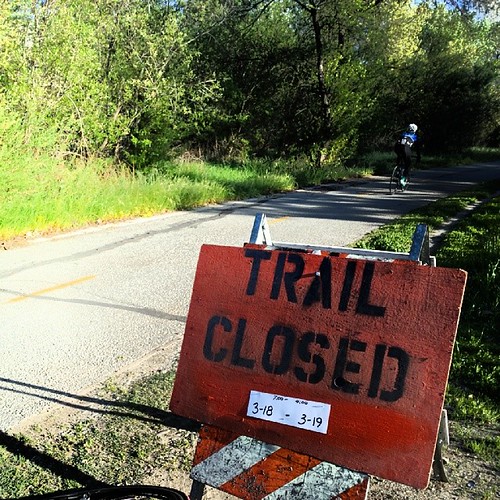
A closed trail or roped-off section of coastline can be frustrating when it blocks a beautiful view. Those barriers are often there to protect more than an inconvenient stretch of ground. Some closures give birds space to nest, protect recovering vegetation, or keep visitors away from dangerous conditions. In 2026, for example, Rocky Mountain National Park announced temporary restrictions around sections of Lumpy Ridge so nesting raptors such as peregrine falcons and golden eagles could breed with less disturbance. The precise areas and dates change, which is why posted signs and current park notices matter more than an old hiking blog. Walking past a closure for one quick photo can disturb wildlife that has no other safe place to raise its young. If a favorite overlook is closed, take the hint and find another one. A temporary disappointment is better than creating a permanent problem for the animals the park exists to protect.
Stepping Off Boardwalks Around Hot Springs
©Framalicious/Shutterstock.com
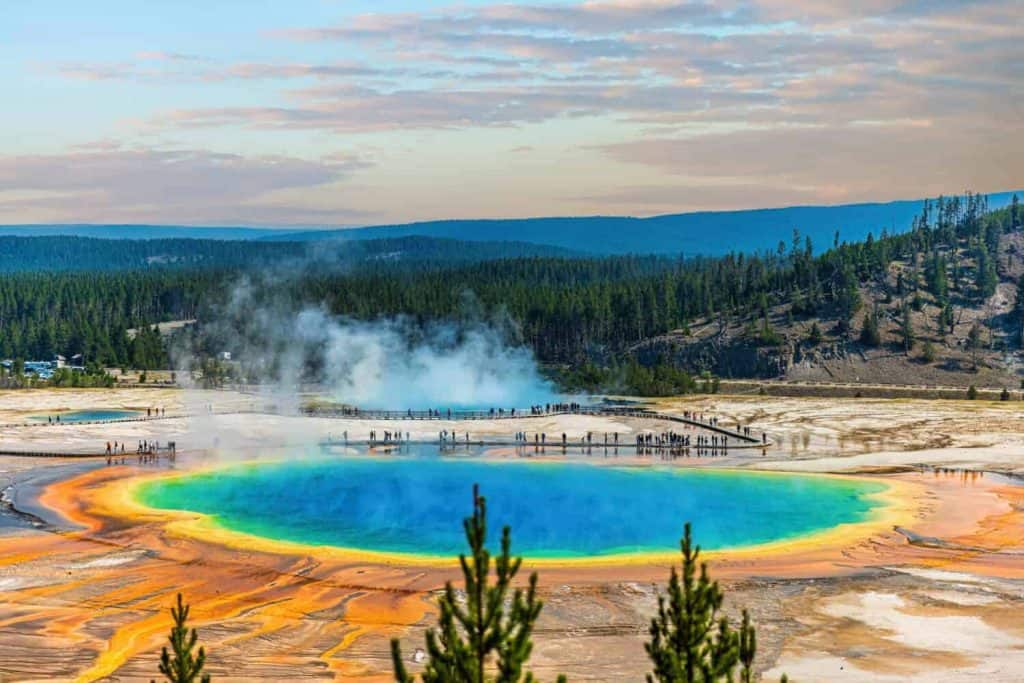
Some rules exist because the ground itself can kill you. Yellowstone’s thermal basins are a striking example. The National Park Service warns that apparently solid ground near hot springs may conceal thin crust over scalding water, and that leaving designated boardwalks and trails can result in severe or fatal burns. These features are also fragile environments, not pools where visitors can toss coins, rinse their hands, or test the temperature. Yellowstone prohibits touching thermal features and throwing objects into them. Yet the urge to get a closer photograph or a less crowded view can make people ignore the barrier directly in front of them. It is an especially dangerous place to treat a posted rule as a suggestion. Stay on the boardwalk, keep children close, and let the landscape be extraordinary from a safe distance. The park’s geothermal wonders do not need help becoming memorable.

