
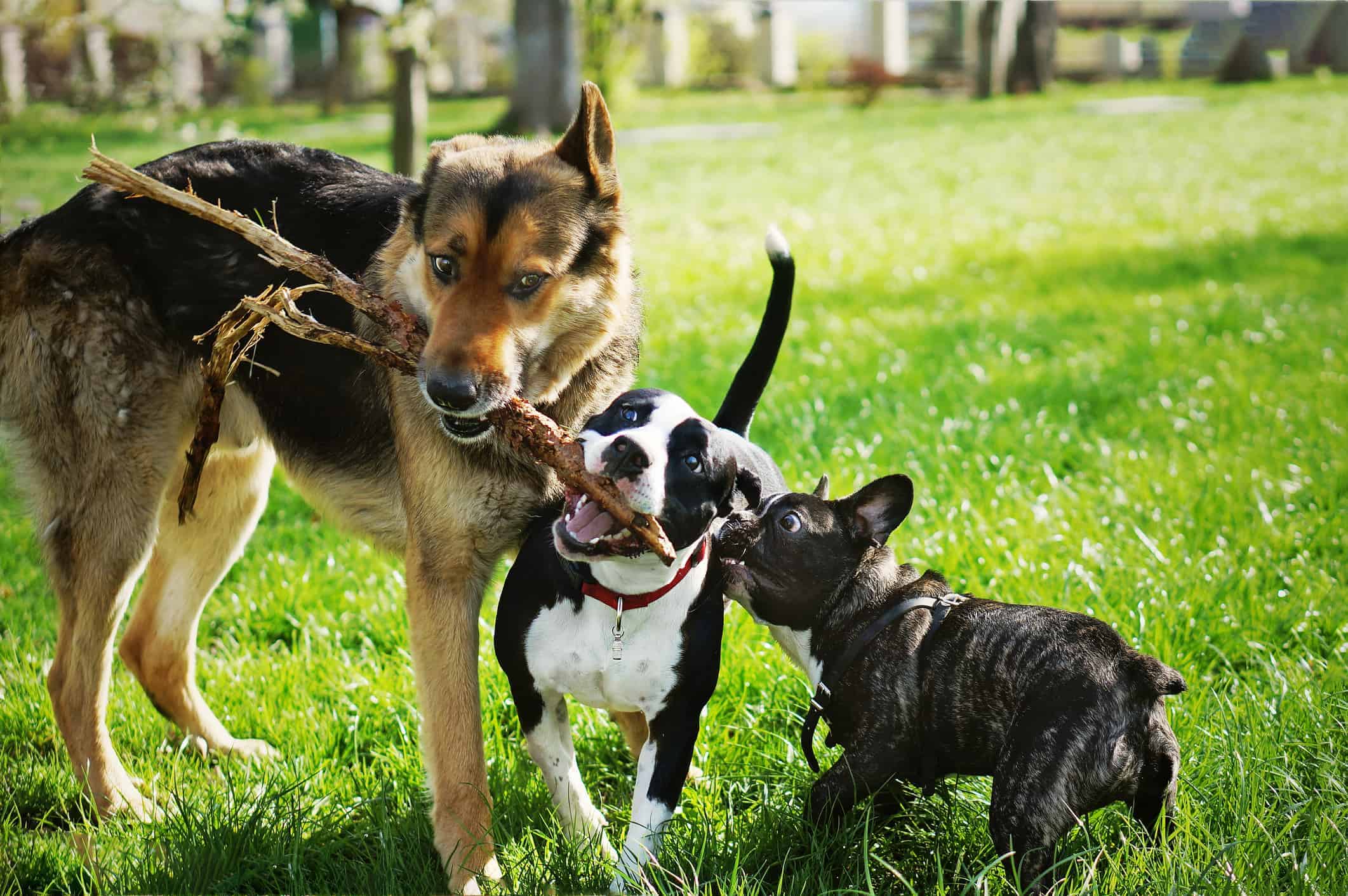
A trip to the dog park sounds simple enough. Grab the leash, load up your four-legged friend, and find somewhere they can run until they’re ready for a nap. Around Seattle and the wider Pacific Northwest, though, a little preparation goes a long way. Rain-soaked ground, busy entry gates, waterfront access, and the usual challenges of mixing unfamiliar dogs can turn an otherwise good outing into a headache.
Fortunately, keeping your dog safer does not mean avoiding every off-leash park. It means knowing the local rules, paying attention to the other dogs, and recognizing when conditions are not right. Whether you’re headed to a neighborhood run in Seattle or exploring a dog-friendly area elsewhere in Washington or Oregon, these 14 tips can make the experience better for everyone.
Know Where Off-Leash Play Is Actually Allowed
©xkunclova/Shutterstock.com
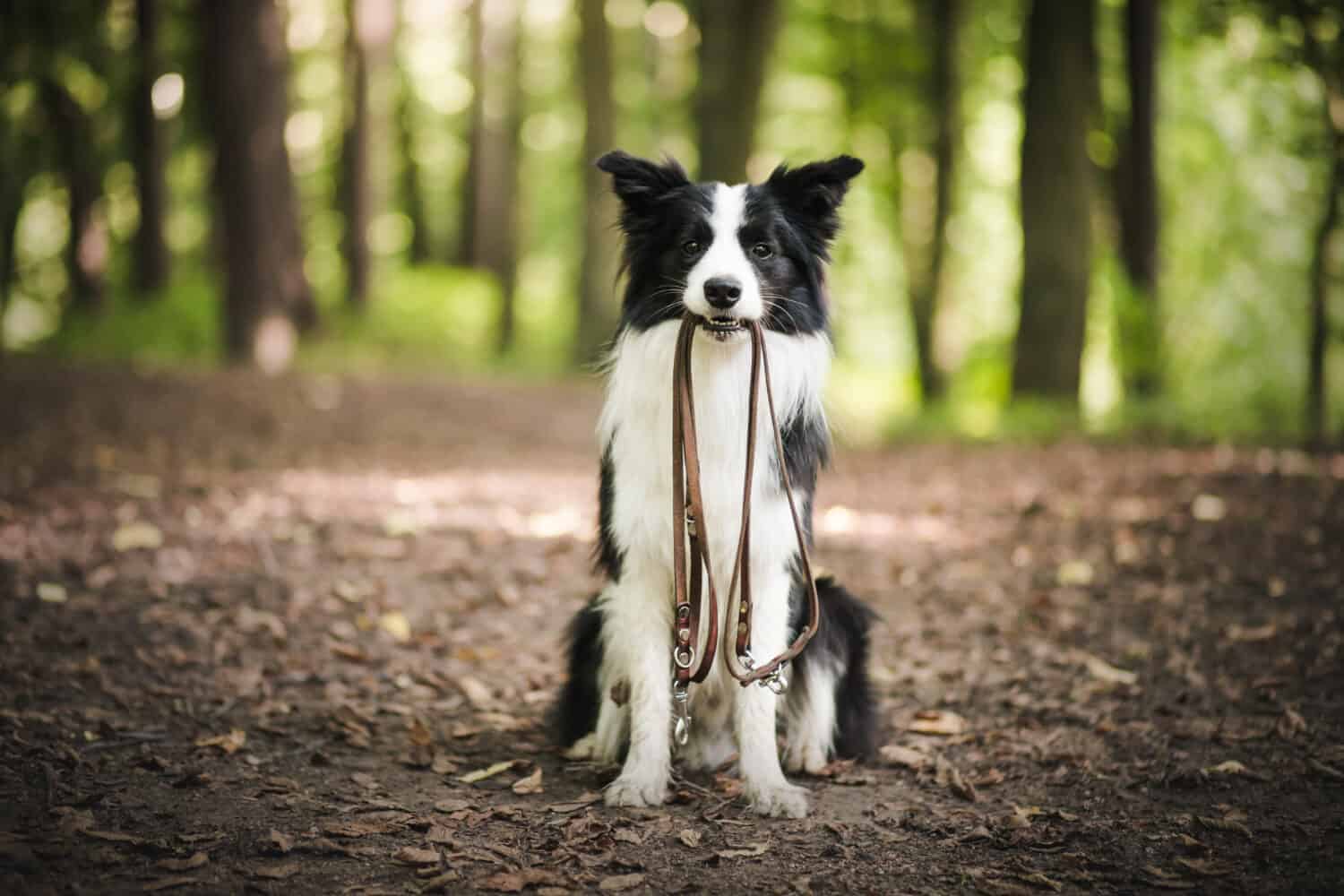
Seattle has no shortage of green space, but that does not mean every grassy patch is a dog park. Under Seattle Parks and Recreation rules, dogs must remain leashed outside designated off-leash areas. Organized athletic fields, children’s play areas, and most park beaches are also off-limits to dogs. Crossing the boundary of a fenced dog run does not make the surrounding trails or parking lot an extension of that off-leash space.
Bring a leash for each dog, keep your pet under control, and clean up immediately. Seattle also requires dogs using its off-leash areas to be licensed and vaccinated, and does not allow puppies younger than four months or females in heat inside. Other cities around the Pacific Northwest have their own regulations, so check the posted signs rather than assuming the rules you know from home apply everywhere.
Watch the Park Before You Open the Gate
©Christian Mueller/Shutterstock.com
A dog park can change from peaceful to chaotic between the time you park and the time you reach the fence. Before heading inside, look at how many dogs are playing, whether owners are supervising them, and whether any one dog is chasing or cornering another. A brief walk around the outside lets your dog settle in while giving you a chance to decide whether this is the right group for your pet.
Pay particular attention to entry gates. In busy Seattle parks, several excited dogs may rush the entrance when a newcomer appears. Use the double-gate area carefully, make sure the outer gate has closed before opening the inner one, and wait for the crowd to move away if needed. A small or nervous dog may do better at a quieter time or in a separate small-and-shy-dog section where the park provides one.
Practice Recall Before Letting Your Dog Loose
©Paya Mona/Shutterstock.com
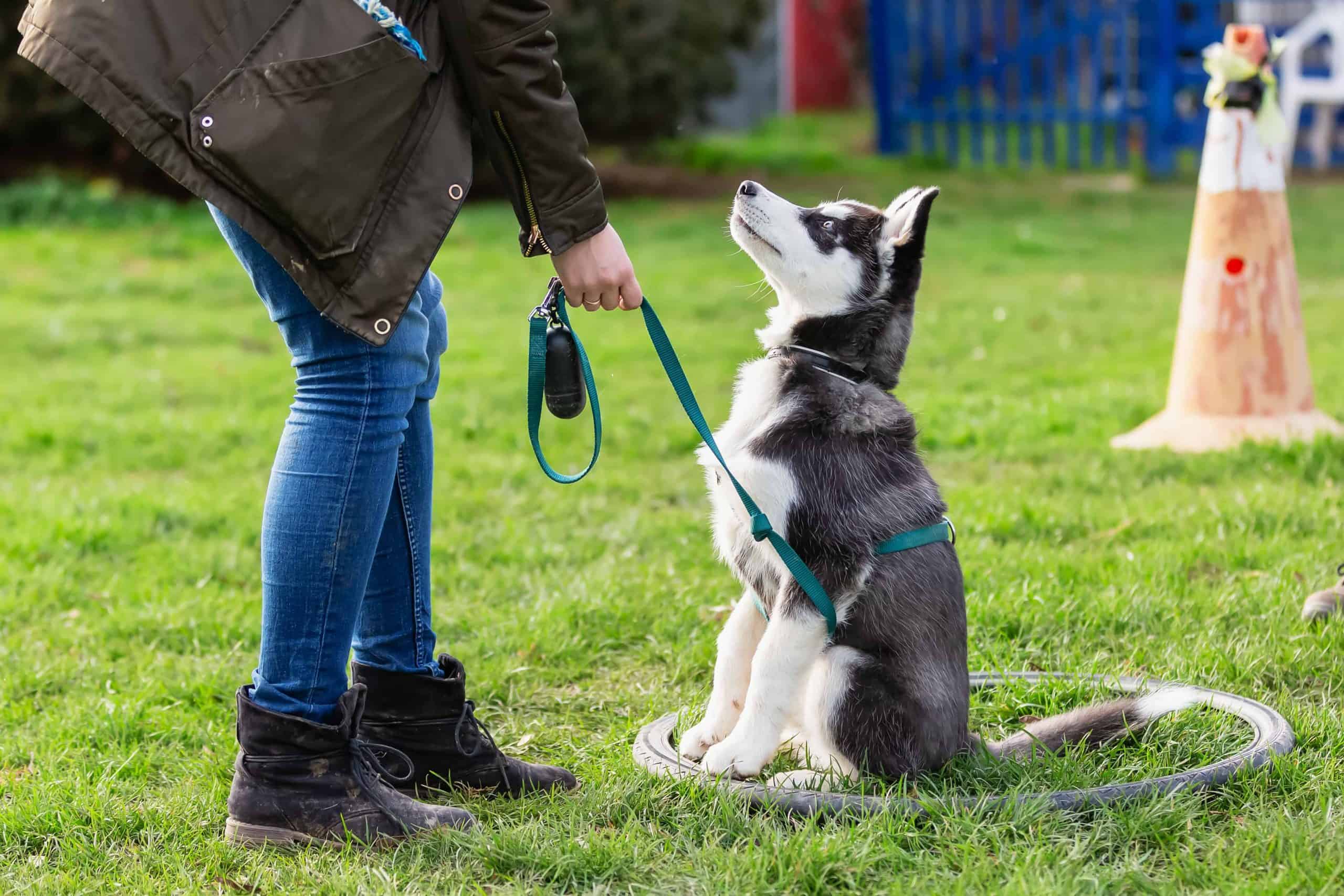
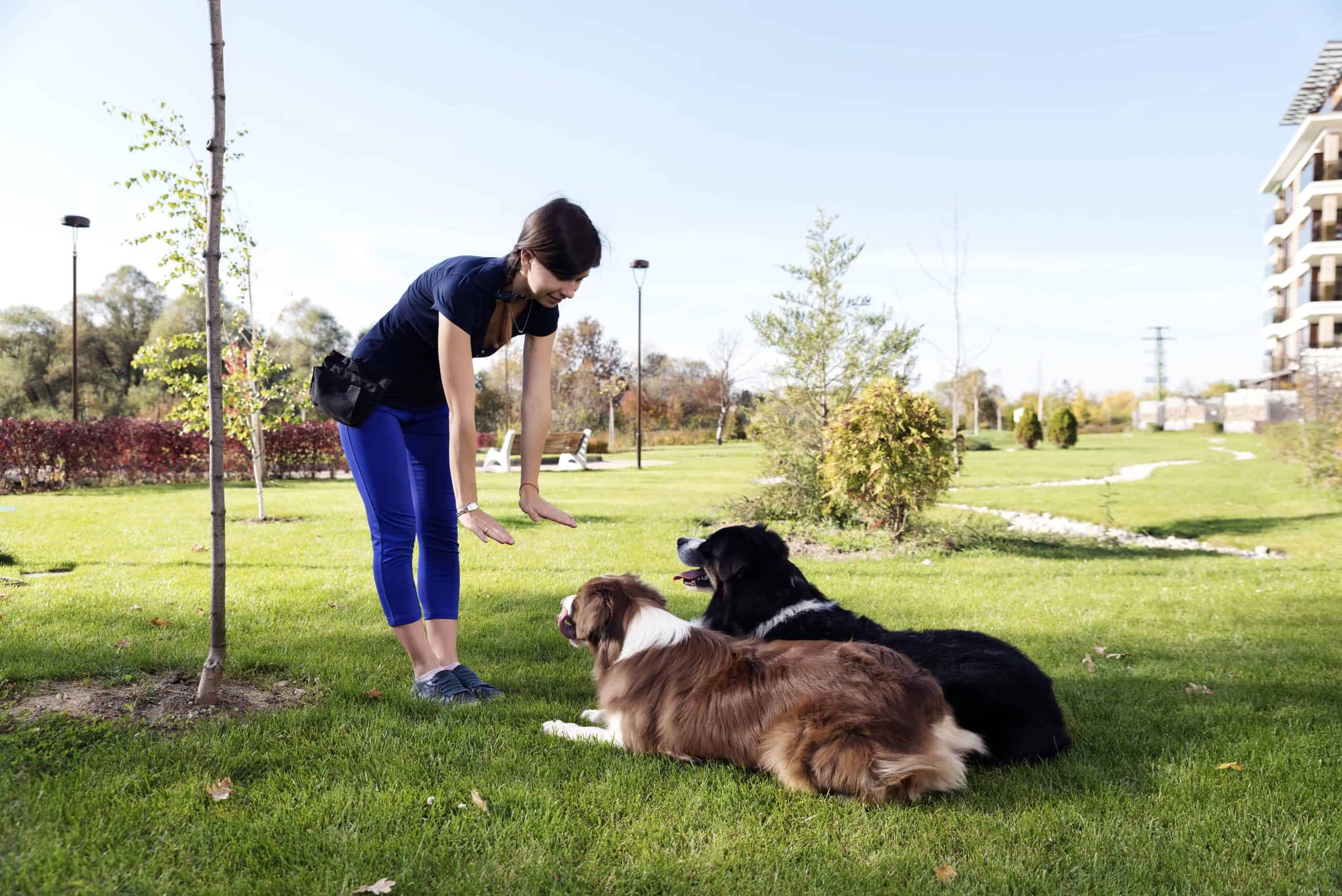
A fenced enclosure is not a substitute for training. Your dog should respond to their name and a reliable “come” cue even when other dogs, people, and squirrels are competing for attention. Practice in controlled spaces first, then gradually add distractions. Commands such as “leave it” and “wait” are useful around dropped snacks, gates, and other dogs’ toys.
You do not need a competition-level obedience champion to visit an off-leash area. You do need a realistic sense of whether your dog will listen when something goes wrong. If your dog is so excited at the entrance that they cannot focus on you, go for a short leashed walk and try again. It is better to miss one park session than discover that your recall only works in the living room.
Check Vaccinations and Skip the Park When Sick
©megaflopp/Shutterstock.com
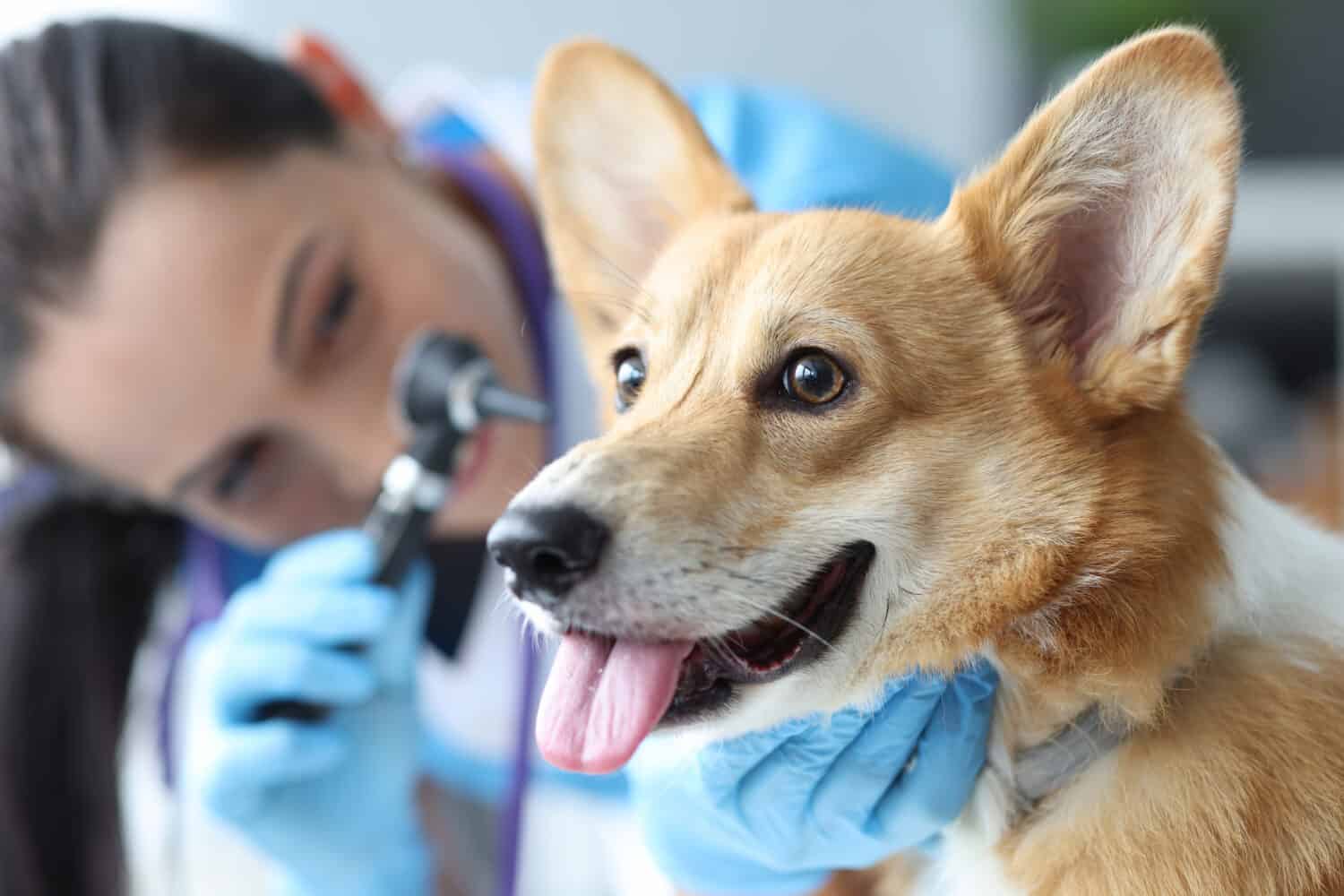
Off-leash parks bring unfamiliar dogs into close contact, which can make it easier for contagious illnesses to spread. Before your trip, make sure your dog is current on veterinarian-recommended vaccinations and parasite prevention. The American Animal Hospital Association identifies distemper, adenovirus, parvovirus, rabies, and leptospirosis among its core vaccine recommendations. Your veterinarian can advise whether Bordetella or canine influenza vaccines make sense for your dog’s level of social exposure.
If your dog is coughing, sneezing repeatedly, vomiting, experiencing diarrhea, or simply acting unusually tired, skip the park and contact your veterinarian when appropriate. The same consideration applies to a dog recovering from surgery, nursing an injury, or struggling with strenuous exercise. A quiet neighborhood sniff walk may be the healthier choice for that day.
Be Careful Around Puddles and Muddy Runoff
©Andrew Clemente
Rain is part of life in the Pacific Northwest, and a muddy dog park is hardly unusual. The concern is not that every puddle is dangerous, but that contaminated water or wet soil can expose dogs to disease. The Washington State Department of Health says leptospirosis bacteria can spread through urine from infected animals and may be present in puddles, streams, lakes, vegetation, and mud, including urban settings.
Do not let your dog drink from puddles or drainage channels. Carry clean water instead, and ask your veterinarian about leptospirosis vaccination if you are unsure of your dog’s status. Mud also hides sharp debris and uneven footing. After a wet visit, wipe paws, check between toes, and watch for cuts or limping. A little dirt is manageable; an unnecessary injury or infection is not.
Check Lake Conditions Before Any Swim
©elbud/Shutterstock.com
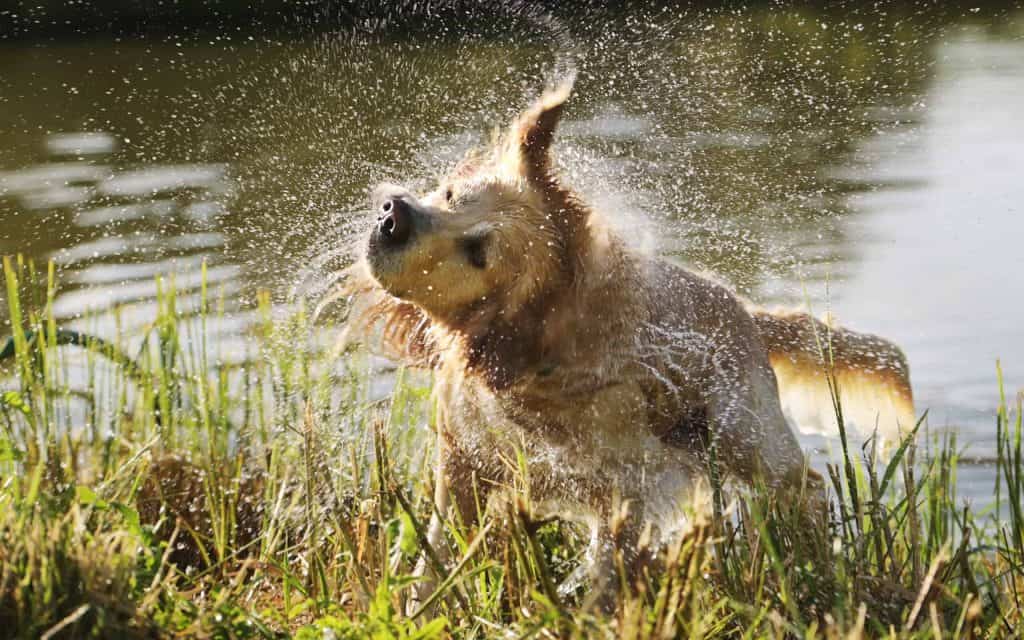
Seattle’s Magnuson Park off-leash area is unusual because it includes designated dog access to the Lake Washington shoreline. That can be a fantastic outing for a water-loving dog, but access does not guarantee safe water. Freshwater lakes and ponds in Washington can experience harmful cyanobacterial blooms, often called blue-green algae. Some blooms produce toxins that can seriously injure or kill pets.
Never allow a dog to swim in or drink water with suspicious green scum, discolored mats, or a posted health warning. Check Washington’s toxic algae monitoring website and local health advisories before visiting, but remember that not every lake is tested and conditions can change. If exposure occurs, prevent your dog from licking its coat, rinse with clean water if you can do so safely, and seek urgent veterinary advice.
Pack Water, Waste Bags, and a Backup Plan
©Bildagentur Zoonar GmbH/Shutterstock.com
Even a quick stop at a nearby Seattle dog run deserves a few basics. Bring a sturdy leash, a well-fitted collar or other appropriate identification, extra waste bags, fresh drinking water, and a portable bowl. Some off-leash areas have drinking fountains, while others do not. Having your own water is especially useful during summer heat or after a long game of chase.
It is also worth keeping a towel, a small first-aid kit, and your veterinarian’s contact information in the car. A towel earns its place the first time a supposedly dry outing becomes a muddy adventure. Check opening notices and park conditions before leaving home, and know how you will get your dog out of the enclosure if they become overwhelmed. Preparation does not need to be elaborate; it just needs to be useful.
Think Twice Before Bringing Toys and Treats
©"Dog Park - Woodland, Ca" by Andrew Zaragoza is licensed under BY-ND 2.0. - Original / License
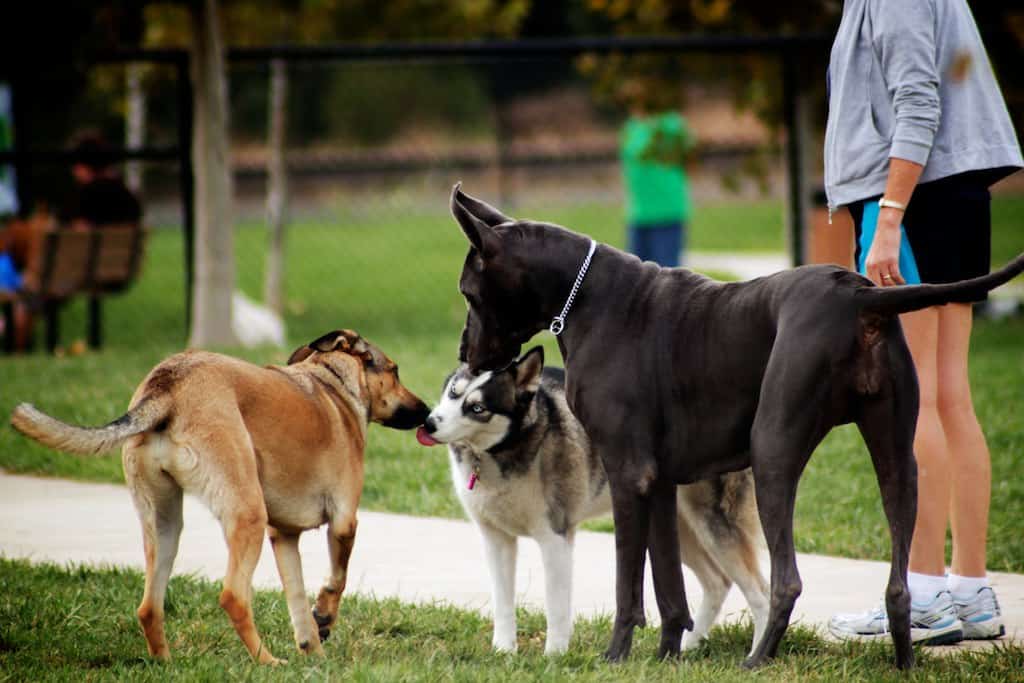
A tennis ball seems like an obvious thing to bring to a dog park, until six dogs decide it belongs to them. Toys, food, and treats can trigger competition or resource guarding in some groups. That does not mean every game of fetch is a problem, but it does mean you should read the room. If dogs are snatching toys, hovering over a ball, or reacting tensely when another dog approaches, put the toy away.
Seattle’s rules say visitors bring food into off-leash areas at their own risk, and individual parks may post additional restrictions. Check signs first. If you carry training treats, keep them secured and avoid distributing food where unfamiliar dogs can crowd around you. A dog that guards prized possessions may enjoy a quieter individual game of fetch more than a shared free-for-all.
Learn the Difference Between Play and Trouble
©iStock.com/Przemysław Iciak
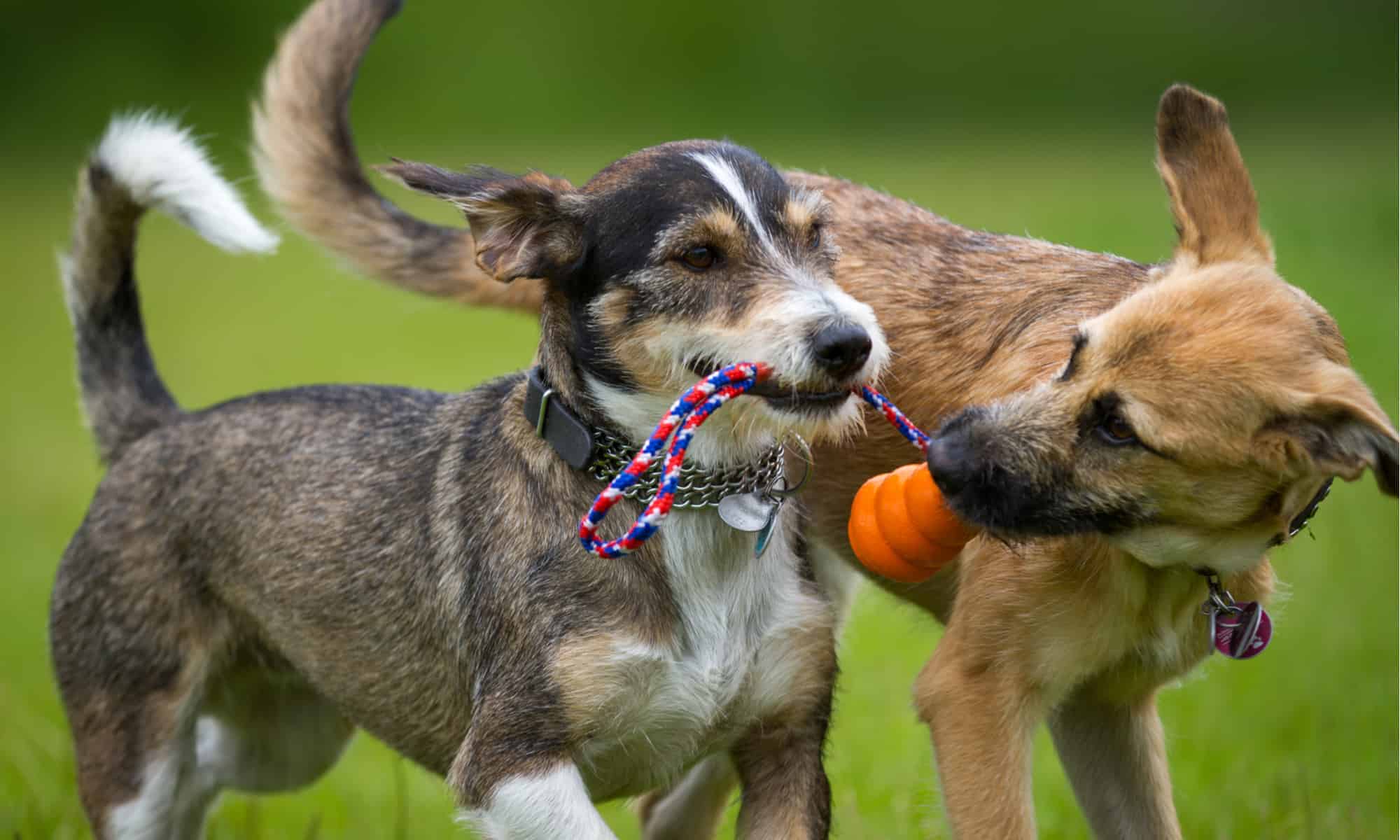
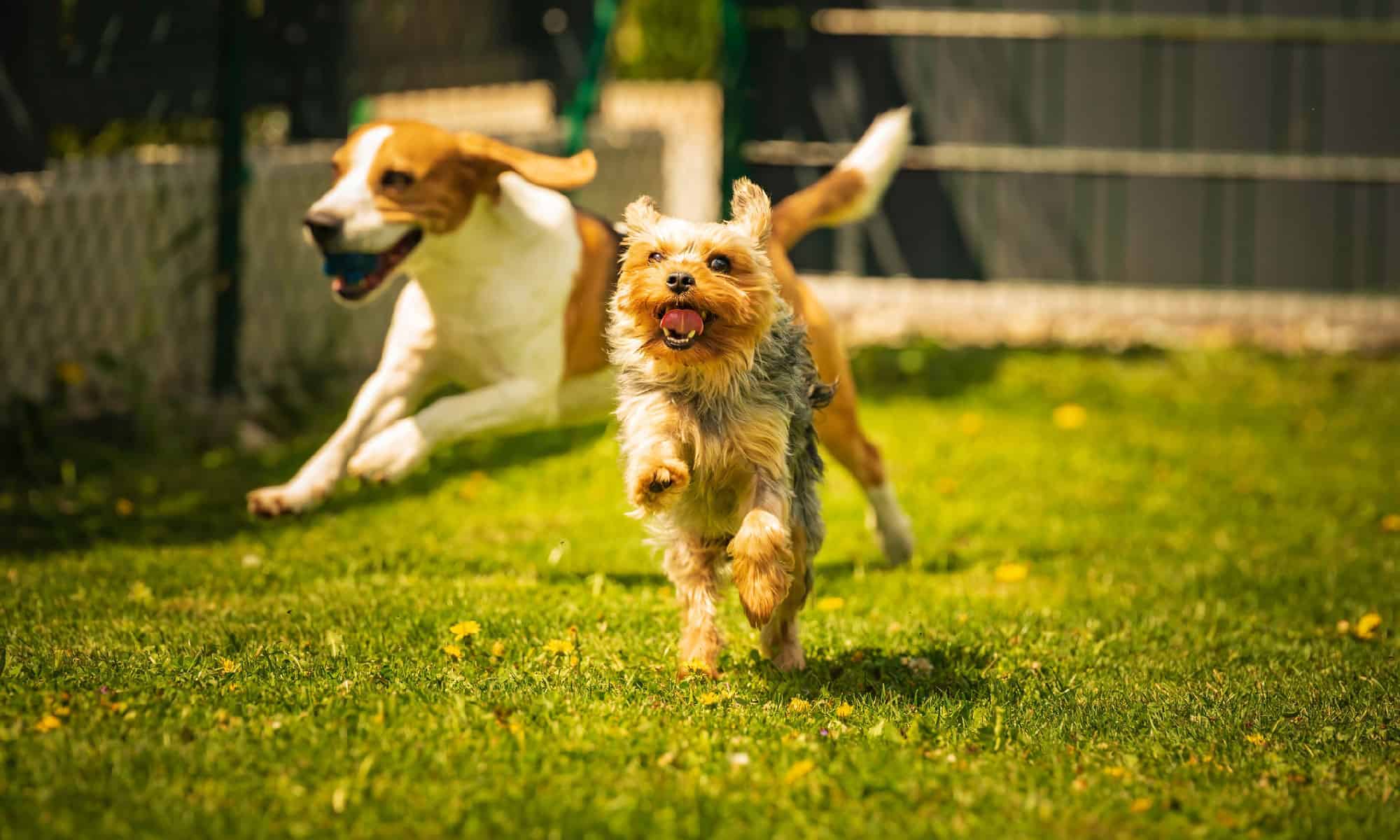
Dog play can look rough to someone unfamiliar with it. Chasing, wrestling, growling, and even brief pauses to catch a breath may all be part of a friendly interaction. The bigger clues are the dogs’ overall body language and whether both animals appear willing participants. Relaxed bodies, play bows, loose movements, and taking turns as the chaser or the chased are generally encouraging signs.
Watch more closely when one dog repeatedly pins, crowds, or pursues another that is trying to escape. A stiff posture, freezing, hard staring, tucked tail, or repeated attempts to hide can signal that the interaction is no longer welcome. No single tail position tells the whole story, so consider the complete situation. Call your dog away early if play is becoming one-sided. Owners stepping in before a fight are far more helpful than owners stepping in after one.
Watch for Ticks, Slippery Ground, and Hidden Debris

©Michael Warwick/Shutterstock.com
The Pacific Northwest’s wet season can leave dog parks slippery, while wooded edges and tall grass can provide habitat for ticks. Even in an urban park, it is worth checking for broken glass, exposed wire, discarded food, holes, and branches before your dog gets up to full speed. Uneven ground can also be hard on older dogs or those with joint problems.
The Washington State Department of Health recommends keeping pets away from tick habitat where practical and discussing appropriate tick-control products with a veterinarian. After a visit, check around your dog’s ears, neck, legs, and toes. If your dog suddenly starts limping or licking the same paw repeatedly, look for a cut, thorn, or damaged nail rather than assuming they are simply tired.
Keep Dogs Away From Wildlife and Washed-Up Fish
©Zheka-Boss/iStock via Getty Images
Dog parks near wooded trails, lakes, and coastal areas can put pets close to wildlife, even when the main play area is fenced. Do not allow your dog to chase ducks, squirrels, or other animals, and keep the leash on when traveling through surrounding habitat where required. In shoreline and streamside areas, avoid letting dogs investigate fish carcasses, bait, or discarded fishing tackle.
This is particularly important in the Pacific Northwest, where dogs can develop salmon poisoning disease after eating infected raw or undercooked salmonid fish. Despite its name, the illness is caused by bacteria carried within a parasite, not by a toxin in the fish itself. It can be life-threatening without treatment. Contact a veterinarian promptly if your dog eats raw fish or becomes ill after a trip near a salmon stream.
Plan for Rain, Warm Pavement, and Cold Water

©"On the train - Helsinki, Finland - Black and white street photography" by Giuseppe Milo (www.pixael.com) is licensed under BY 2.0. - Original / License
Pacific Northwest weather has a talent for keeping dog owners guessing. A morning may begin with drizzle, turn unexpectedly warm, and end with a chilly breeze off the water. In hot conditions, check pavement and gravel before walking your dog across them, seek shade, and take breaks. Dogs can overheat even when the temperature feels tolerable to a person standing still.
Water creates its own risks. Lakes, rivers, and Puget Sound can remain cold even on sunny days, and strong currents or rough water can overwhelm a dog. Stay within designated dog-access areas, avoid forcing a reluctant swimmer into the water, and use appropriate safety gear for boating or other activities. During rainy months, monitor slippery slopes and standing water. A good park visit should suit the dog and the conditions, not just the owner’s schedule.
Know When the Best Move Is to Leave
©kejuliso/Shutterstock.com
Even a great dog park session has an expiration date. Some dogs become irritable when they are exhausted, while others grow overwhelmed by noise and constant attention. If your dog repeatedly tries to leave the play group, hides behind you, ignores familiar cues, or starts picking conflicts, call it a day. The same goes for situations where other owners will not intervene when their dogs are bullying or crowding yours.
Before heading home, clip the leash on in a calm spot and move carefully through the exit gates. Once you are back in the car or at home, do a quick head-to-tail check for ticks, scrapes, torn nails, and sore paws. Contact your veterinarian for puncture wounds, significant injuries, or behavior that suggests pain or illness. Ending a visit while everyone is still having a good time is usually easier than waiting for a problem.
Remember That Not Every Dog Needs a Dog Park
©BearFotos/Shutterstock.com
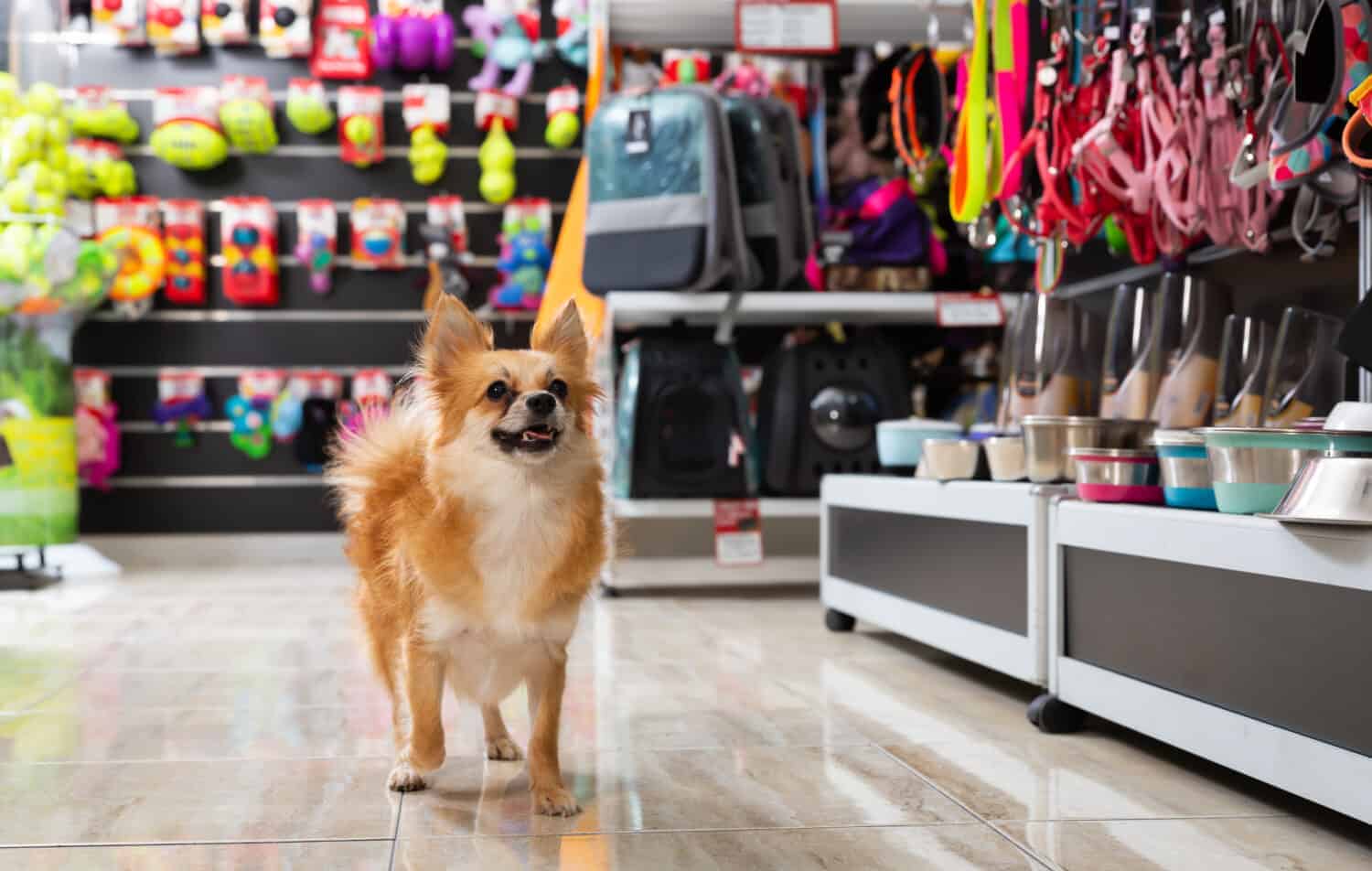
Some dogs love the freedom of an off-leash run. Others would rather sniff a trail, walk beside their favorite person, or play with one trusted canine friend. None of those preferences is a failure of socialization. A nervous puppy, a senior dog with mobility problems, or a dog that dislikes crowded groups may be happier with quieter activities. Smaller, shy-dog sections can help in some parks, but they are not the right answer for every animal.
Seattle and the wider Pacific Northwest offer plenty of alternatives: leashed walks through city parks, appropriately managed hiking trails, training classes, and private enclosed play spaces. Check park-specific leash and wildlife rules before setting out. The best outing is not necessarily the one with the most dogs or the biggest fenced field. It is the one your own dog can enjoy safely and confidently.

