
A lot of vacations look manageable right up until the extra charges start rolling in. The airfare, hotel rate, cruise fare, or rental car quote might get you in the door, but it usually is not the full price of the trip. Resort fees, parking, baggage charges, cleaning fees, cruise gratuities, and even phone roaming costs can quietly turn a decent travel budget into a much more expensive one. This slideshow walks readers through eight of the most common vacation fees, how they work, and why they are worth checking before you book.
The Fees That Blow Up a Travel Budget

Most travelers know vacations cost money. What catches people off guard is how often the advertised price is only the starting point. A hotel room can come with a nightly destination fee and parking charge. A cheap flight can turn expensive once bags are added. A cruise fare may not include the daily gratuities that show up later. Even vacation rentals and phone plans can tack on costs that do not feel huge one by one, but absolutely add up over the course of a trip. Here are eight vacation fees worth watching before you book.
1. Resort and Destination Fees Are Everywhere

©Maridav/Shutterstock.com
Resort fees are no longer limited to beachfront resorts with lazy rivers and cabanas. Many city hotels now charge them too, often under names like destination fee, amenity fee, or urban fee. These charges are usually mandatory and are added on top of the nightly room rate. Hotels typically bundle them with perks like Wi-Fi, bottled water, gym access, or food-and-beverage credits, but that does not change the fact that they raise the real cost of the stay. If you are price-comparing hotels, this is one of the first places where the final bill can drift away from the rate you saw at first glance.
How Resort Fees Add Up

These charges can get expensive fast. Hyatt Centric Times Square New York lists a $40 daily destination fee, while JW Marriott Los Angeles L.A. LIVE says its destination fee is currently $50 a day, excluding tax. Even a five-night stay turns that into an extra $200 to $250 before taxes. The best move is to look at the total cost before booking, not just the room rate. If two hotels look similar, the one with the higher nightly rate may still be the better deal once mandatory fees are factored in.
2. Hotel Parking Can Hit Hard

©alexfan32/Shutterstock.com
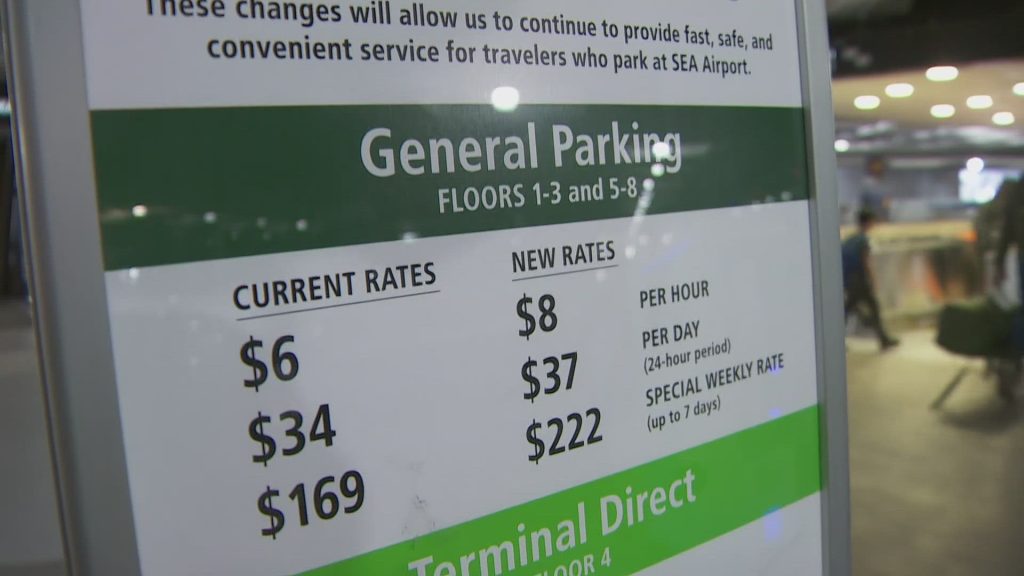
Parking is another charge that travelers often underestimate, especially in cities, at resorts, and at convention-style hotels. A room might feel reasonably priced until you realize self-parking or valet is extra every single night. Unlike a resort fee, parking is easier to skip if you do not have a car, but for road trippers and people mixing flights with rentals, it becomes part of the real lodging cost. This matters even more in places where off-site parking is limited, inconvenient, or not much cheaper.
Hotel Parking Can Quietly Add Hundreds
©Travel Budgeting
The totals can get ugly in a hurry. The Westin Bellevue lists on-site parking at $37 daily and valet at $47. Gaylord National Resort & Convention Center lists daily self-parking at $50 and valet at $75. Four nights of $50 self-parking is $200 before you even think about room rate or meals. If you are trying to trim costs, check nearby garages, look for hotels that include parking, or skip the rental car entirely in walkable destinations.
3. Checked Bag Fees Still Matter
©"'Please report any unattended luggage.'" by ToastyKen is licensed under BY 2.0. - Original / License
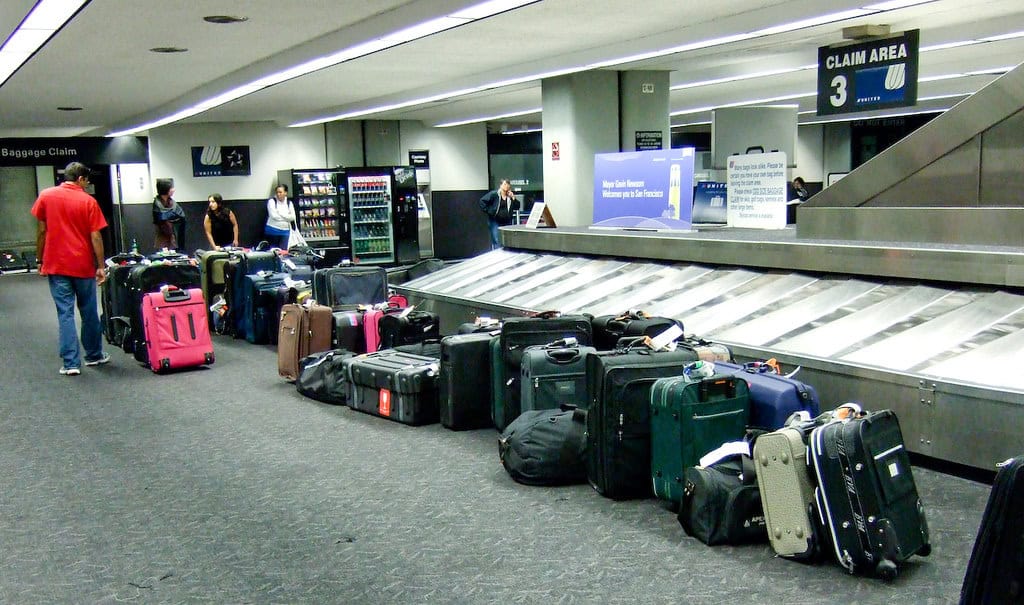
The era of assuming your suitcase is included is long gone for a lot of travelers. Airlines can still offer great fares, but checked bags are one of the easiest ways a cheap ticket becomes a pricier trip. Delta says the first standard checked bag on many domestic itineraries is $45 each way and the second is $55. American says the first checked bag is $50 at the airport, or $45 if paid online, and the second is $60 at the airport, or $55 online, on many domestic and nearby international routes.
Bag Fees Multiply Faster Than People Expect
©Delta
The reason these fees hurt is simple math. A family of four checking one standard bag each on a round-trip flight could be looking at $360 on Delta at $45 each way, or $400 on American at airport pricing. Add a second checked bag for a couple of travelers and the total climbs again. If you want to keep flight costs under control, pack lighter, prepay online when the airline offers a discount, and check whether your credit card or airline status includes free checked bags.
4. Overweight and Oversize Bags Are a Different Problem

©Tactical Travel Bags
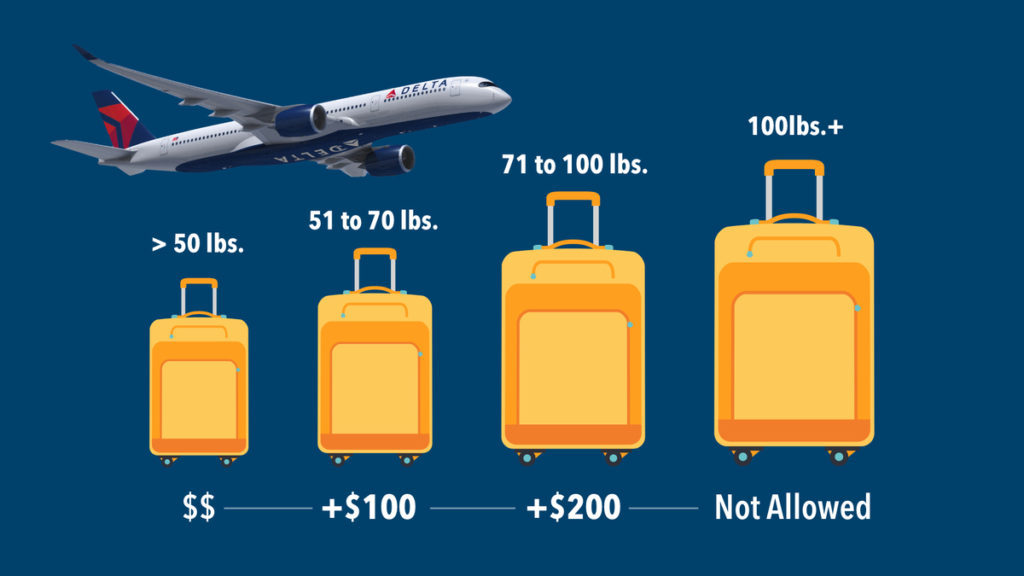
Even travelers who plan for regular checked bag fees sometimes get nailed by the next layer of charges. Overweight and oversize bag fees are separate from the basic bag charge, and they can be much steeper. Delta says an overweight bag from 51 to 70 pounds costs $100 each way on many domestic routes, and 71 to under 100 pounds costs $200. Oversize bags measuring 63 to 80 total inches can also trigger a $200 fee. American has similar penalty ranges depending on size and weight.
One Heavy Bag Can Cost More Than the Fare

This is where packing badly gets expensive. On American, a bag over 53 pounds and up to 70 pounds can cost $100 each way on many routes, while a bag over 70 pounds can cost $200. Oversize bags in certain ranges can also cost $200. That means a single heavy or bulky suitcase can turn into a $200 to $400 round-trip mistake. Weigh bags at home, leave extra room for souvenirs, and spread heavy items across multiple bags if you are traveling with family.
5. Vacation Rental Cleaning Fees Are Real

©"Rosemary Beach Cottage on the Green Vacation Rental" by brightcd is licensed under BY 2.0. - Original / License
Vacation rentals can still be a strong value, especially for families or groups, but the nightly rate rarely tells the full story. Cleaning fees are one of the biggest reasons. Airbnb describes the cleaning fee as a one-time charge set by the host, and it is part of the total price. Some properties keep it modest, but others make short stays look much cheaper than they really are. A two-night booking can feel affordable until the cleaning fee is layered on top and changes the math completely.
Service Fees Make Rentals Even Pricier

©Travel Guide Blog
Cleaning fees are only part of it. Airbnb says guests also pay a service fee that can range from 14.1% to 16.5% of the booking subtotal. That subtotal includes the nightly price and any additional fees charged by the host, but not taxes. On a $1,500 booking, that kind of service fee can add roughly $212 to $248 before taxes, and that is before any cleaning fee or extra guest fee. Vacation rentals can still make sense, but travelers should compare the total, not the nightly rate.
6. Rental Car Protection Add-Ons Add Up

©Travel America Blog
Rental car quotes have a habit of looking cleaner online than they do at the counter. One major reason is optional protection products. Enterprise says its damage waiver, personal accident insurance, and personal effects coverage are optional products that may be purchased at the time of rental and are not included in the quoted total. Avis says its Loss Damage Waiver is not mandatory and is available for an additional daily charge, with rates advertised as low as $9 per day. Over a week, even that low-end rate adds another $63.
Toll Programs and Other Car Fees Keep the Meter Running
©Toll Advisory Board
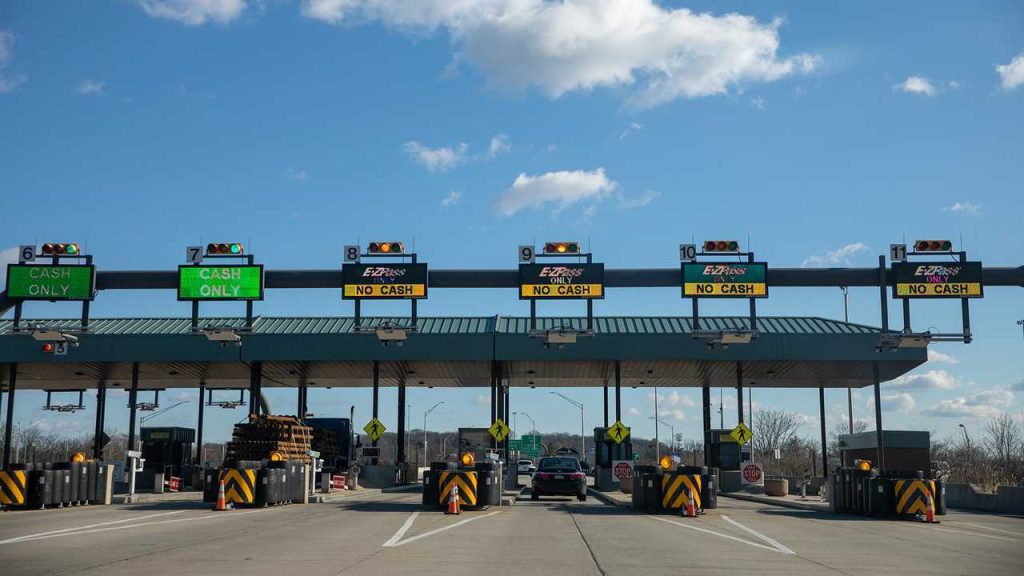
Rental car fees do not stop with insurance-style add-ons. Electronic toll programs can create another layer of cost. Enterprise says its TollPass service can charge $4.95 per day, with a maximum of $34.65 per rental period, plus the tolls themselves. Budget says its standard e-Toll fee is $6.95 for each day a toll is incurred, up to $34.95 per rental period, plus toll charges. In other words, a few toll roads can lead to both the toll bill and the convenience fee. Read the rental terms before you drive off.
7. Cruise Gratuities Are Usually Automatic

©"DSC01166, The Rotterdam and Celebrity Cruise Ship Century" by jimg944 is licensed under BY 2.0. - Original / License
Cruises are often marketed as easy, all-in-one vacations, but some important costs sit outside the base fare. Daily gratuities are the biggest example. Royal Caribbean says guests who do not prepay gratuities will have them automatically added to their account at $18.50 per guest, per day for most staterooms and $21 per guest, per day for suites. Holland America lists automatic Crew Appreciation at $18 per guest, per day for non-suite staterooms and $20 for suites. That is standard practice across much of the cruise industry.
Cruise Service Charges Keep Stacking

©"Staff on cruise ship" by moron noodle is licensed under BY 2.0. - Original / License
The daily gratuity is only the start. Royal Caribbean also says an 18% gratuity is automatically added to beverage packages, specialty dining, room service, and mini bar purchases, while spa and salon purchases get a 20% gratuity. For two people in a standard cabin on a seven-night sailing, Royal Caribbean’s daily gratuities alone come to $259 before any drink package, specialty dinner, or spa treatment. Cruise pricing can still be a solid value, but travelers should budget for these charges before they fall in love with the headline fare.
8. International Roaming Fees Can Sneak In Later

©Cell Phone Tips and Tricks
Phone charges do not feel like travel fees until the bill arrives. Many travelers use international day-pass style plans, which are convenient, but convenience is not the same thing as cheap. AT&T says its International Day Pass costs $12 per day to use your phone abroad on land, and $20 per day for cruise use on more than 400 ships. If you forget to plan ahead or assume your regular wireless plan covers you everywhere, it is easy to turn a simple vacation into an expensive billing cycle.
A Phone Plan Can Quietly Add a Big Extra Cost

©Justin Sullivan / Getty Images
On a seven-day international trip, a $12 per day roaming pass adds $84 for one line. On a cruise, $20 per day turns into $140. Add a second line, and the total can jump again depending on the carrier’s rules. None of that sounds catastrophic by itself, but it is exactly the kind of line item that pushes a trip over budget. Before leaving, check your carrier’s travel rates, download maps and entertainment in advance, and use hotel or public Wi-Fi when it is safe and practical.
Final Thought: Always Price the Whole Trip

©Travel Guide Blog
The lesson is simple. Base prices are marketing; total prices are reality. A reasonable airfare, a decent hotel rate, or an attractive cruise fare can still be a good deal, but only if you understand the extra charges that come with it. Before booking, look at the full checkout total, read the fee disclosures, and do a quick estimate for bags, parking, cleaning fees, gratuities, and anything else tied to your style of travel. A few minutes of homework up front can save a few hundred dollars later.

