

Some airports are places you pass through and forget five minutes later. Others have been part of American aviation since flying itself was still new.
Across the country, a handful of airports and airfields have been operating for nearly a century or more. Some started as military training grounds. Others began as small municipal fields before growing into major transportation hubs. A few still serve commercial airlines today, while others remain active as general aviation airports with museums, historic terminals, and plenty of stories tucked around the runway.
What makes these places worth a look is not just their age. They are living pieces of aviation history, still in use long after the first pilots took off from their fields.
Here are some of the oldest airports in America that are still operating today.
College Park Airport – College Park, Maryland (Established: 1909)
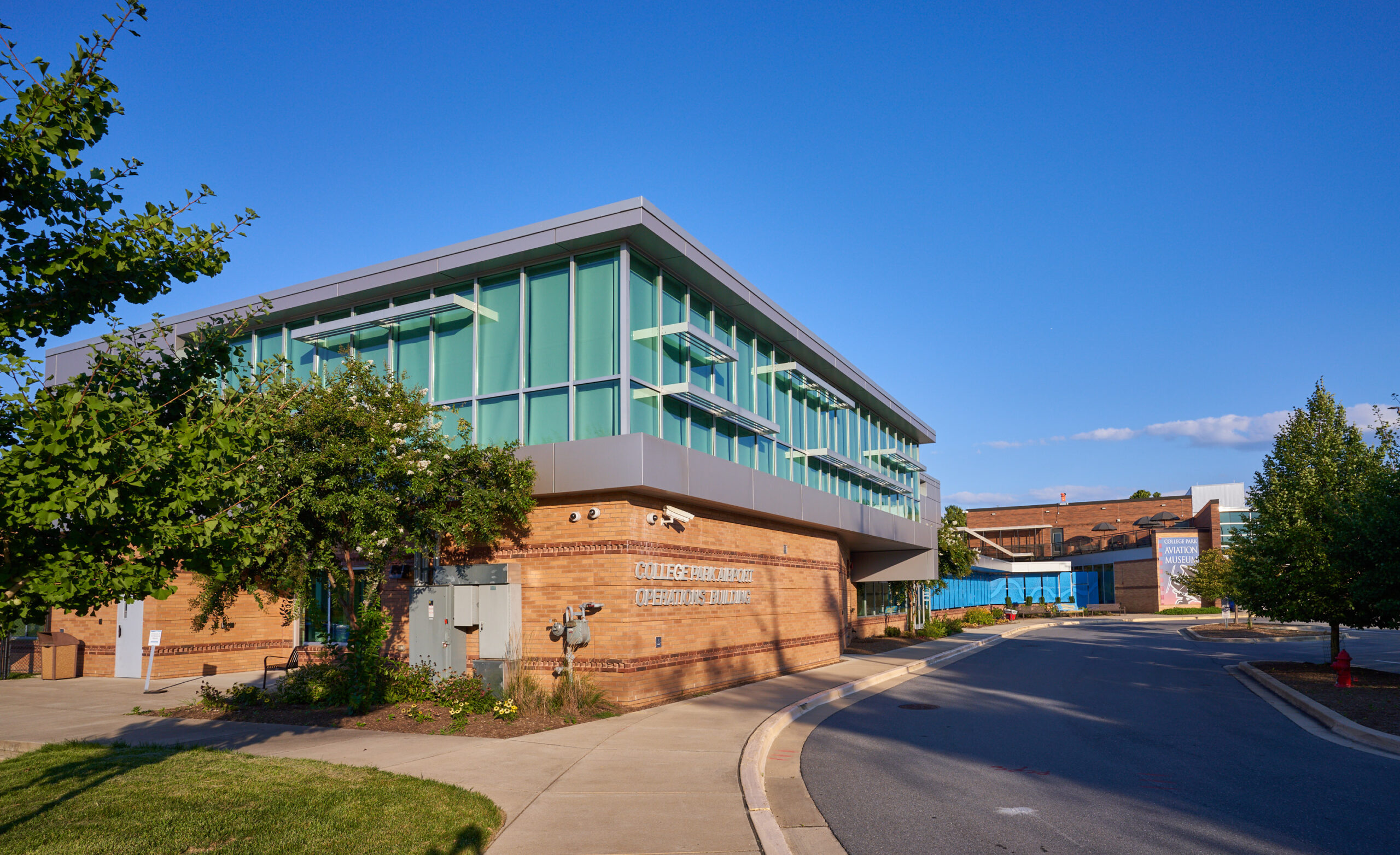
©"College Park airport building" by Blacktupelo is licensed under BY-SA 4.0. - Original / License
College Park Airport dates to 1909, when the U.S. Army leased the field and Wilbur Wright began teaching Lieutenants Frank Lahm and Frederic Humphreys to fly the government’s first Wright airplane. The field became home to the Army’s first aviation school in 1911 and went on to host a long list of aviation firsts. Because it has remained an active airfield since 1909, College Park is recognized as the world’s oldest continuously operating airport.
Significance of College Park Airport
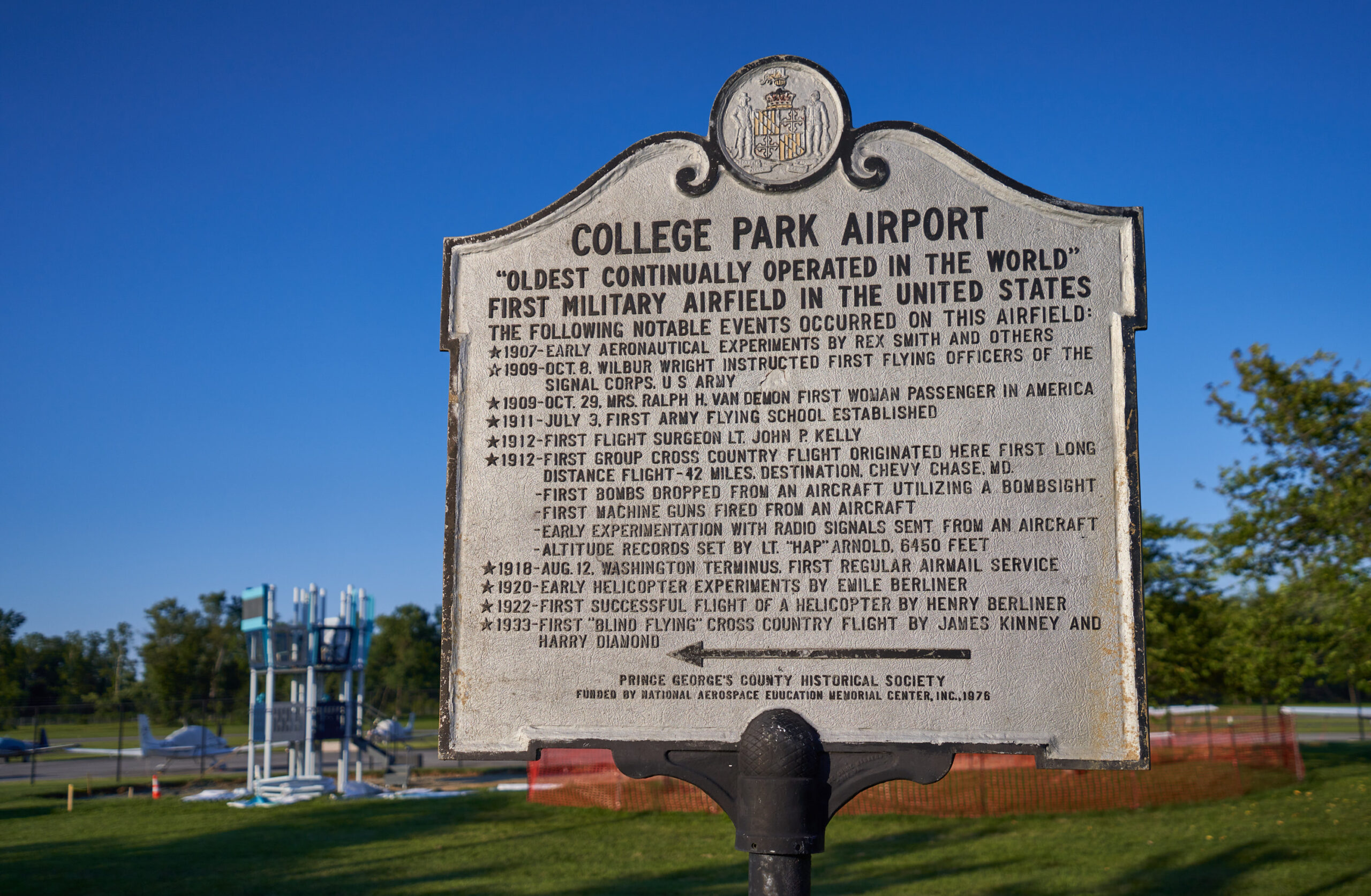
©"Airport sign College Park MD" by Blacktupelo is licensed under BY-SA 4.0. - Original / License
College Park is still an active general aviation airport rather than a preserved field that only looks the part. Its runway measures 2,600 feet by 60 feet, and the airport offers tenant and transient parking for more than 100 aircraft. The College Park Aviation Museum sits on the airport grounds and tells the story of the “Field of Firsts” through historic and reproduction aircraft, artifacts, photographs, and exhibits.
Pearson Field – Vancouver, Washington (Aviation Activity Began: 1905)
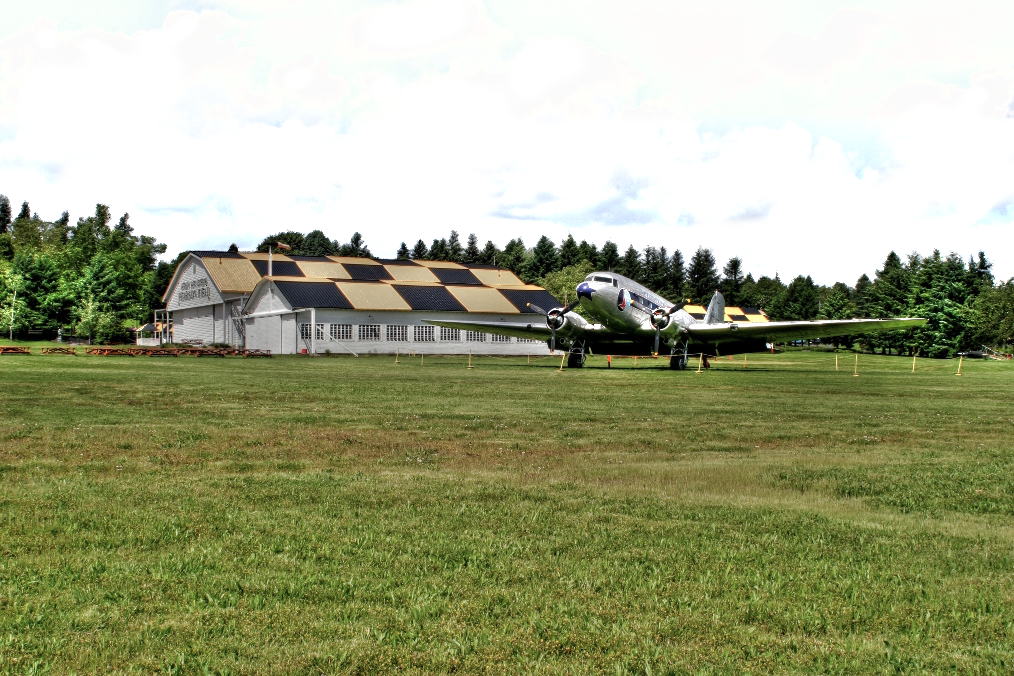
©"Pearson Field 1 edit" by John Kloepper, aka Shelka04 at en.wikipedia is licensed under BY-SA 3.0. - Original / License
Pearson Field in Vancouver, Washington, is one of the oldest continuously operating airfields in the United States. Aviation activity at the site dates to 1905, when Lincoln Beachey piloted the dirigible Gelatine to Vancouver Barracks in the first aerial crossing of the Columbia River. The first airplane landed there in 1911. The City of Vancouver operates the airport today, and the American Institute of Aeronautics and Astronautics recognized Pearson as a Historic Aerospace Site in 2012.
Significance of Pearson Field
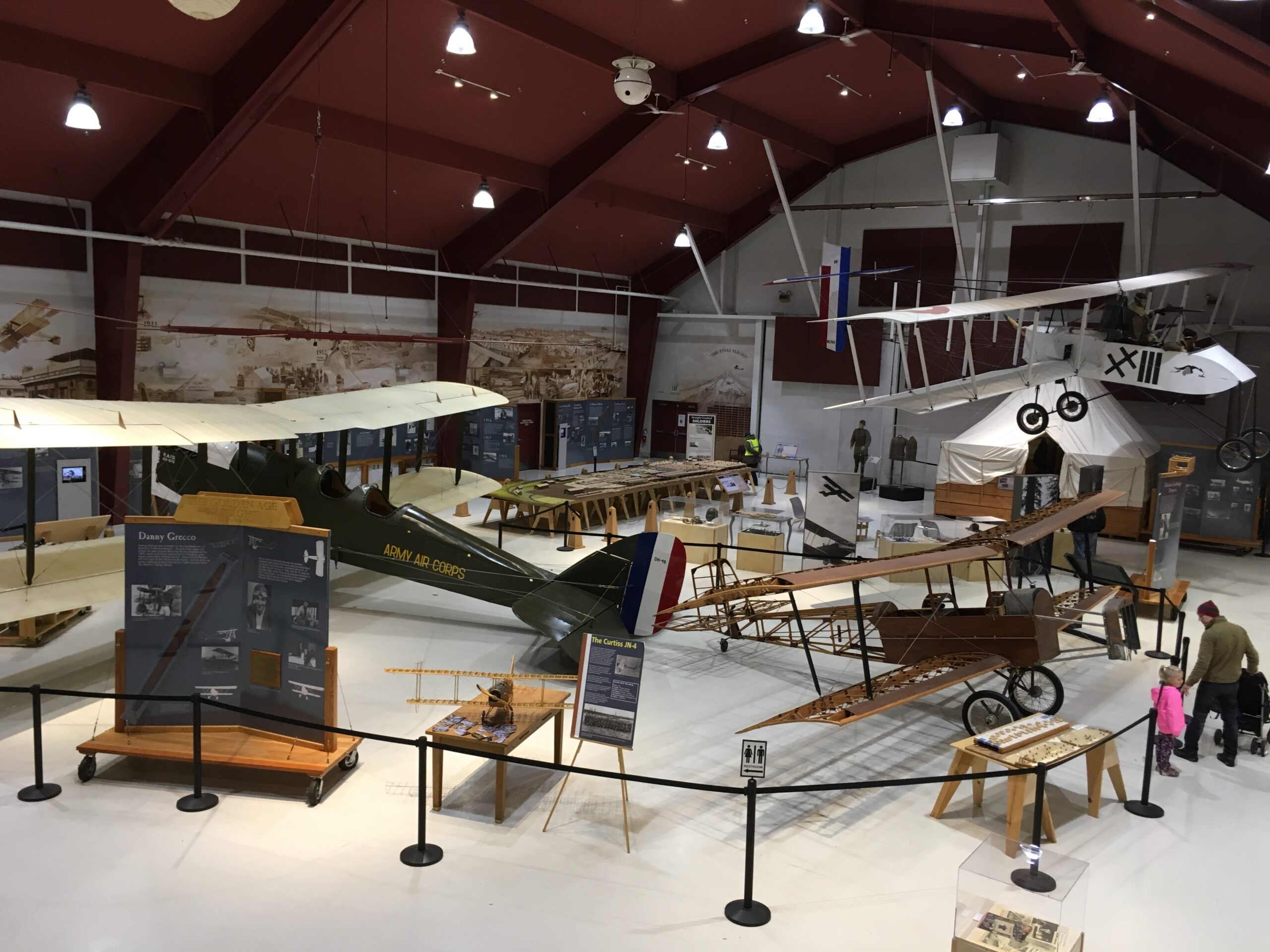
©"Pearson Air Museum interior 1 - Vancouver Washington" by Ian Poellet is licensed under BY-SA 4.0. - Original / License
Pearson’s history stretches across both military and civilian aviation. The field was named for Lt. Alexander Pearson in 1925 and became a municipal airport after the City of Vancouver acquired it in 1947. Today it operates entirely within the boundaries of the Vancouver National Historic Reserve, with part of the airport property owned by the National Park Service. Nearby Pearson Air Museum, part of Fort Vancouver National Historic Site, explores the field’s early aircraft, World War I spruce production, and its role during aviation’s early decades.
Stinson Municipal Airport – San Antonio, Texas (Established: 1915)
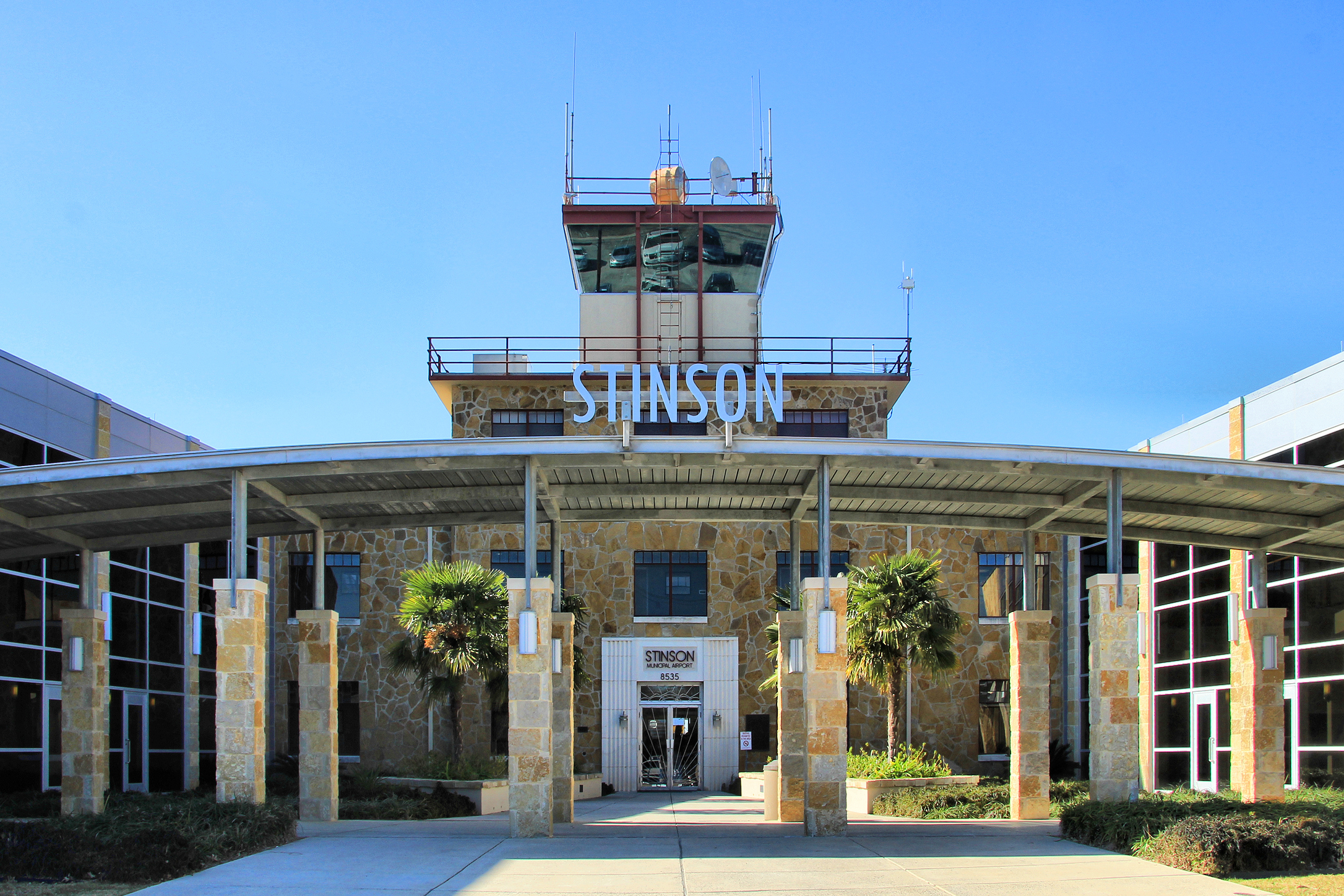
©"Stinson field tower 2014" by Larry D. Moore is licensed under BY 4.0. - Original / License
Stinson Municipal Airport dates to 1915, when siblings Marjorie, Katherine, and Eddie Stinson established the Stinson School of Flying on 500 acres leased from the City of San Antonio. The school trained civilian pilots until U.S. entry into World War I brought a ban on civilian flying, after which the city operated the airfield. San Antonio now describes Stinson as the nation’s second-oldest continuously operating general aviation airport.
Significance of Stinson Municipal Airport
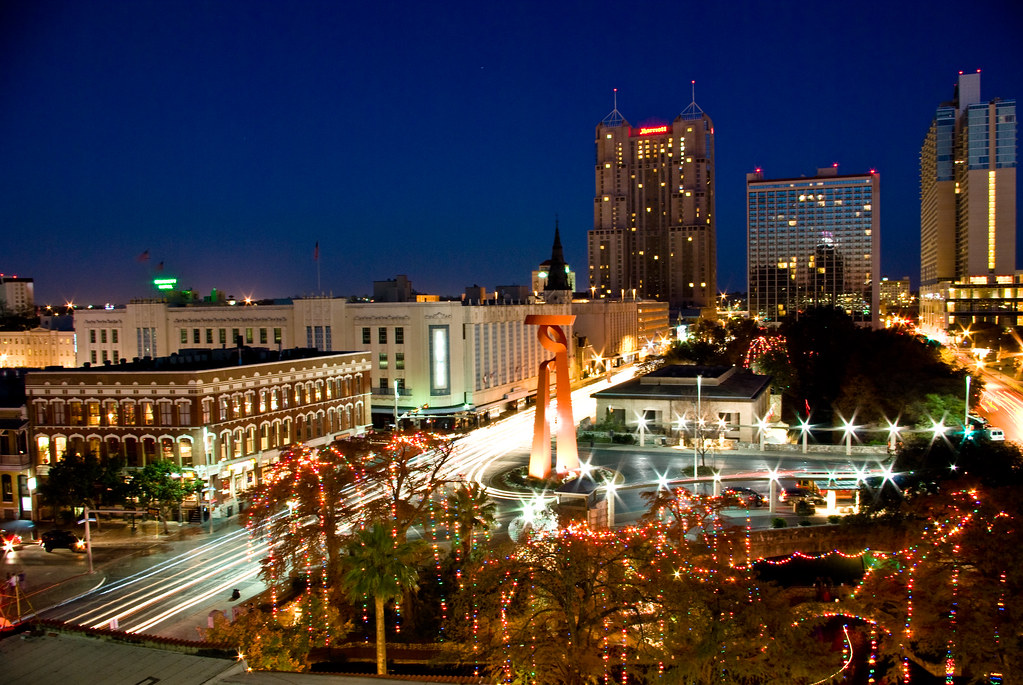
©"San Antonio Christmas" by Corey Leopold is licensed under BY 2.0. - Original / License
The City of San Antonio still owns and operates Stinson, which serves as a general aviation reliever airport for San Antonio International Airport. It has two runways and a terminal whose original core dates to a Works Progress Administration project of the 1930s. The airport also sits along the Mission Reach area, putting it close to the San Antonio Missions, the only UNESCO World Heritage Site in Texas.
Long Beach Airport – Long Beach, California (Established: 1923)
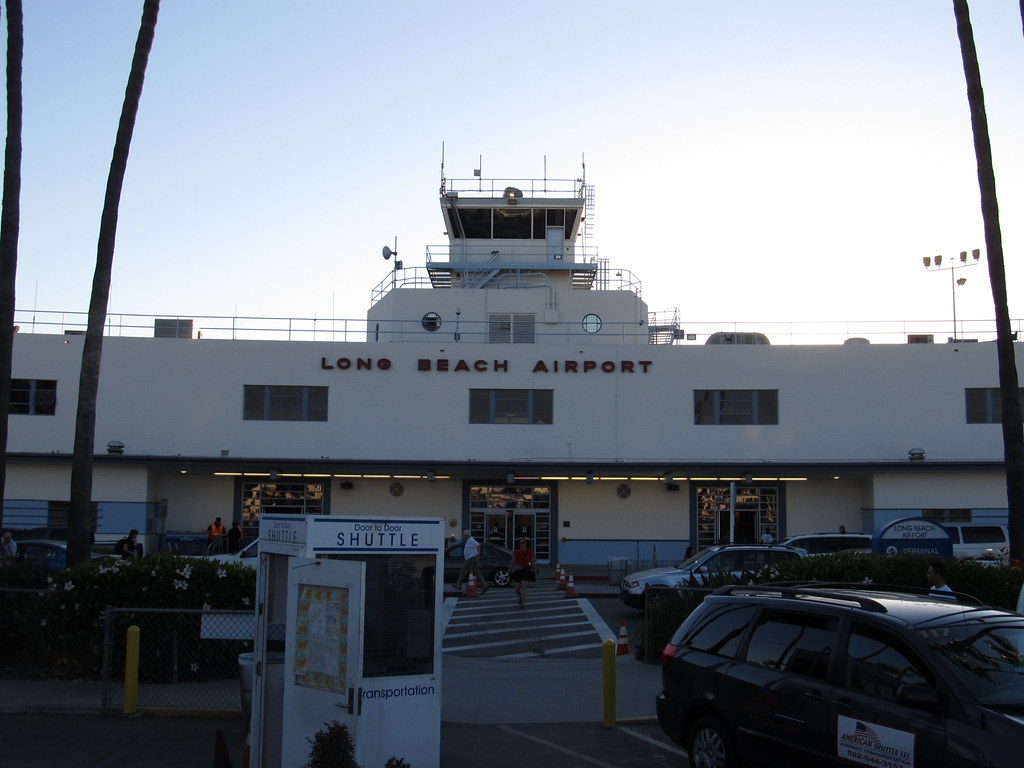
©"Long Beach Airport, Long Beach, California" by Ken Lund is licensed under BY-SA 2.0. - Original / License
Long Beach Airport, also known as Daugherty Field, was officially established in 1923 after the City Council purchased 150 acres and broke ground on Nov. 26. The airport is named for pioneering local aviator Earl S. Daugherty. Long Beach’s aviation history goes back even farther: Calbraith “Cal” Rodgers completed the first transcontinental flight across the United States on a Long Beach beach on Dec. 10, 1911, years before the current municipal airport opened.
Significance of Long Beach Airport
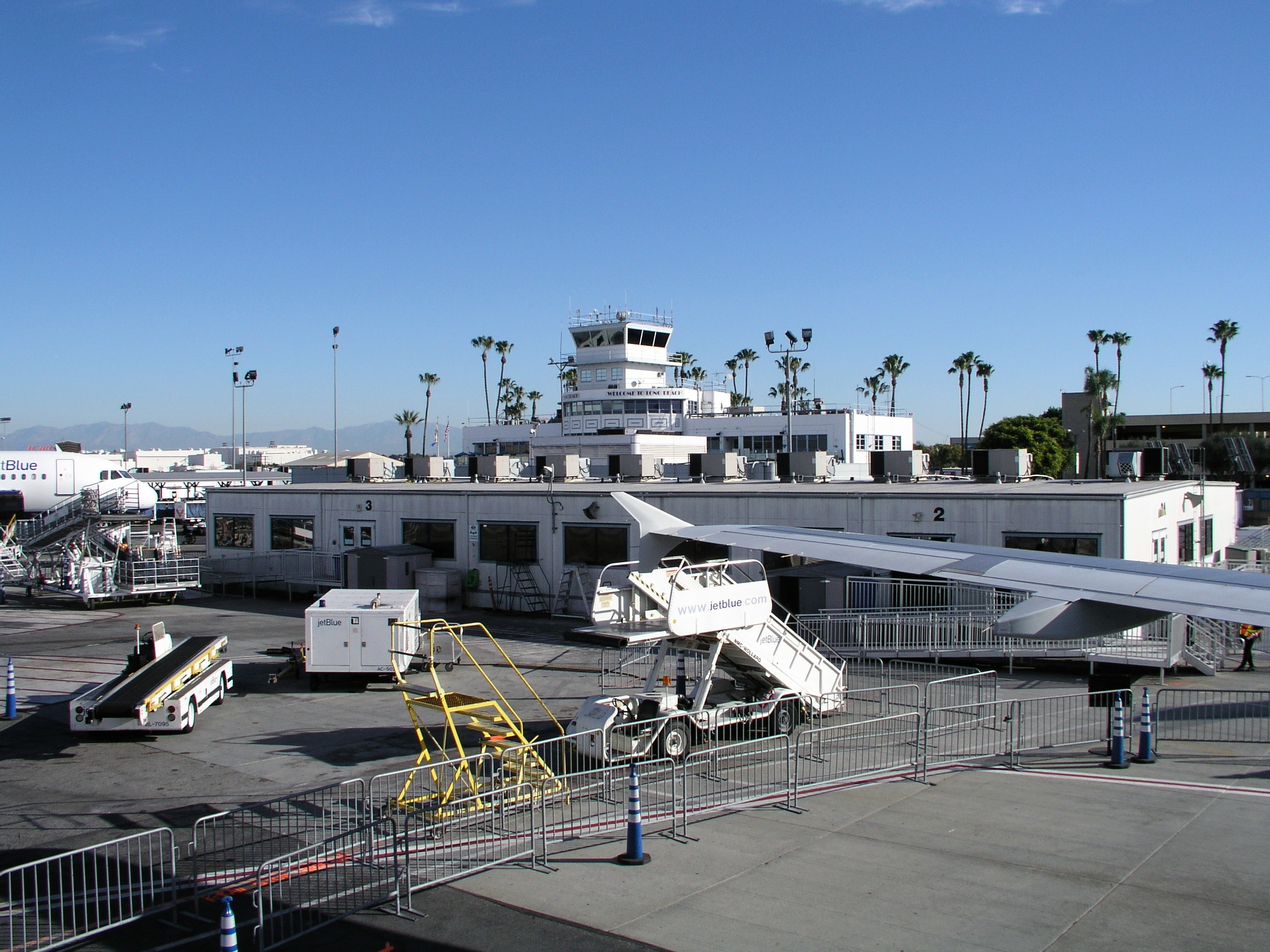
©"Long-Beach-airport-terminal" by Melikamp is licensed under BY-SA 3.0. - Original / License
Long Beach Airport is still owned and operated by the city. As of 2026, LGB lists 21 nonstop destinations served by three airlines. Its Historic Terminal, completed in 1941 and formally opened in 1942, reopened in July 2024 after a $17.8 million seismic retrofit and restoration that preserved its classic design features. Long Beach has also regulated airport noise for decades; the city adopted one of the country’s early airport noise ordinances in 1981.
Chicago Midway Airport – Chicago, Illinois (Established: 1927)
©Getty Images
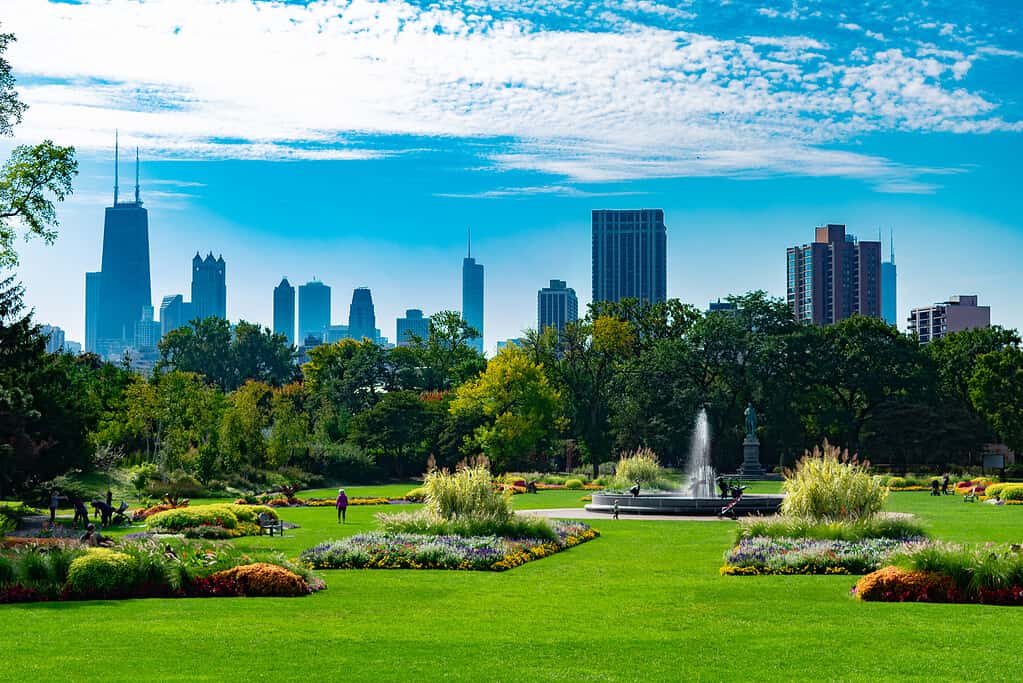
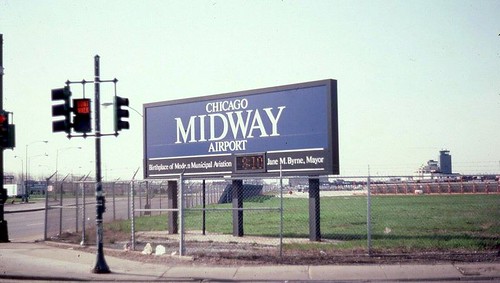
Chicago Midway International Airport was dedicated as Chicago Municipal Airport in 1927. By 1932, it had become the world’s busiest airport, and it remained Chicago’s dominant commercial airport until O’Hare began passenger service in 1955. O’Hare surpassed Midway in commercial flights in 1961. Midway is still a major airport today, handling more than 21 million passengers in 2024.
Significance of Midway Airport
©"Chicago MIdway Airport - Sign on 55th and Cicero" by twa1049g is licensed under BY 2.0. - Original / License
Midway occupies about 775 acres on Chicago’s Southwest Side and is operated by the Chicago Department of Aviation. As of 2025, it had 43 gates and four active runways. Southwest Airlines is by far its largest carrier, accounting for about 91% of scheduled departing seat capacity in the Chicago Department of Aviation’s 2025 guide. The CTA Orange Line connects the airport directly with downtown Chicago and the rest of the city’s rapid-transit system.
Minneapolis-Saint Paul International Airport – Twin Cities, Minnesota (Established: 1920)
©"Terminal 1, Minneapolis-Saint Paul International Airport, Minneapolis, MN" by w_lemay is licensed under BY-SA 2.0. - Original / License
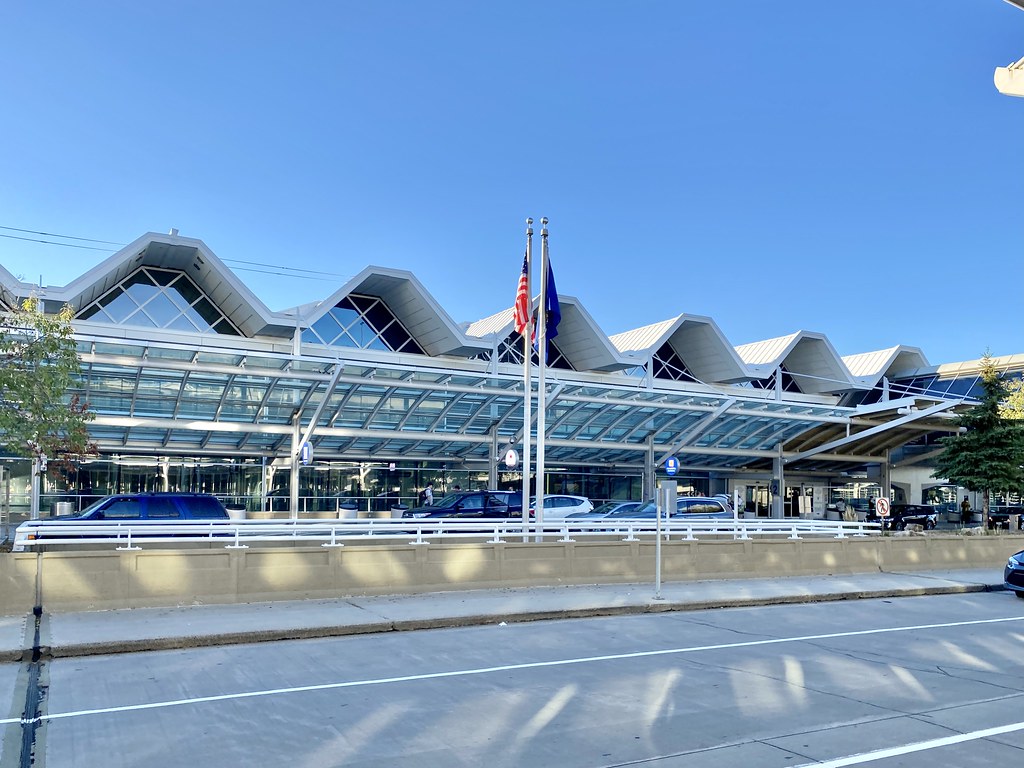
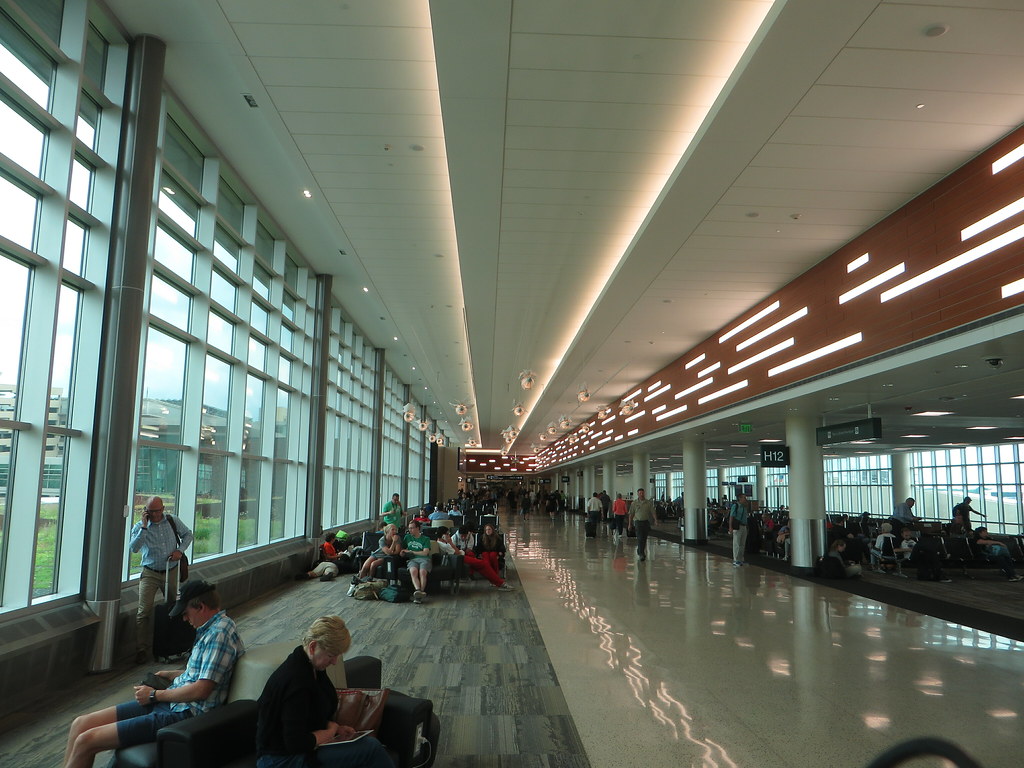
Minneapolis-Saint Paul International Airport’s roots go back to 1920, when the former Snelling Speedway property became Speedway Field and its first landing strip and hangar were developed. Passenger service began in 1929. Despite its name, MSP is not actually inside either Minneapolis or St. Paul. It sits on land that is not part of any city and is surrounded by Minneapolis, St. Paul, Bloomington, Eagan, Mendota Heights, and Richfield. The airport has four runways and two passenger terminals and is owned and operated by the Metropolitan Airports Commission.
Significance of Minneapolis-Saint Paul International Airport
©"Minneapolis–Saint Paul International Airport, Fort Snelling, Minnesota" by Ken Lund is licensed under BY-SA 2.0. - Original / License
MSP is Delta Air Lines’ second-largest hub and a base for hometown carrier Sun Country Airlines. The airport also hosts the Minneapolis-St. Paul Air Reserve Station, home to the Air Force Reserve’s 934th Airlift Wing and the Minnesota Air National Guard’s 133rd Airlift Wing. A 2024 economic-impact study cited by MSP says the airport supports or facilitates 93,350 jobs and contributes $21.3 billion in economic output for Minnesota.
Albert Whitted Airport – St. Petersburg, Florida (Opened: 1929)
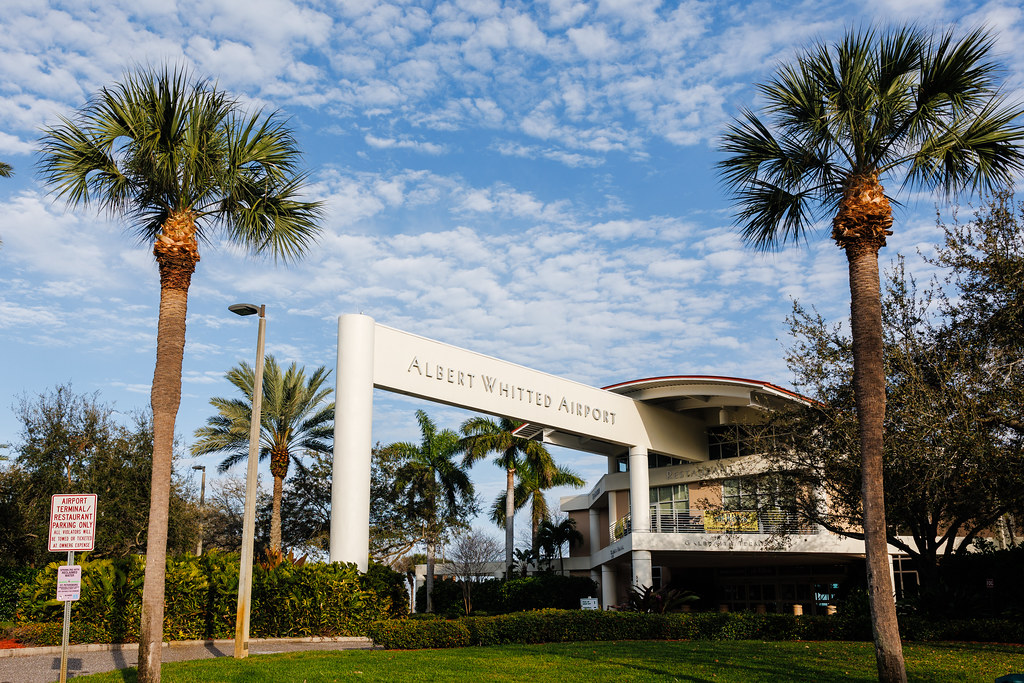
©"Albert Whitted Airport" by CityofStPete is licensed under BY-ND 2.0. - Original / License
Albert Whitted Airport is a city-owned general aviation airport on St. Petersburg’s downtown waterfront. The City Council authorized construction of the field in October 1928, and the airport opened in 1929. It was named for Lt. James Albert Whitted, a St. Petersburg native and early naval aviator who became a prominent figure in local aviation before his death in a 1923 plane crash.
Significance of Albert Whitted Airport
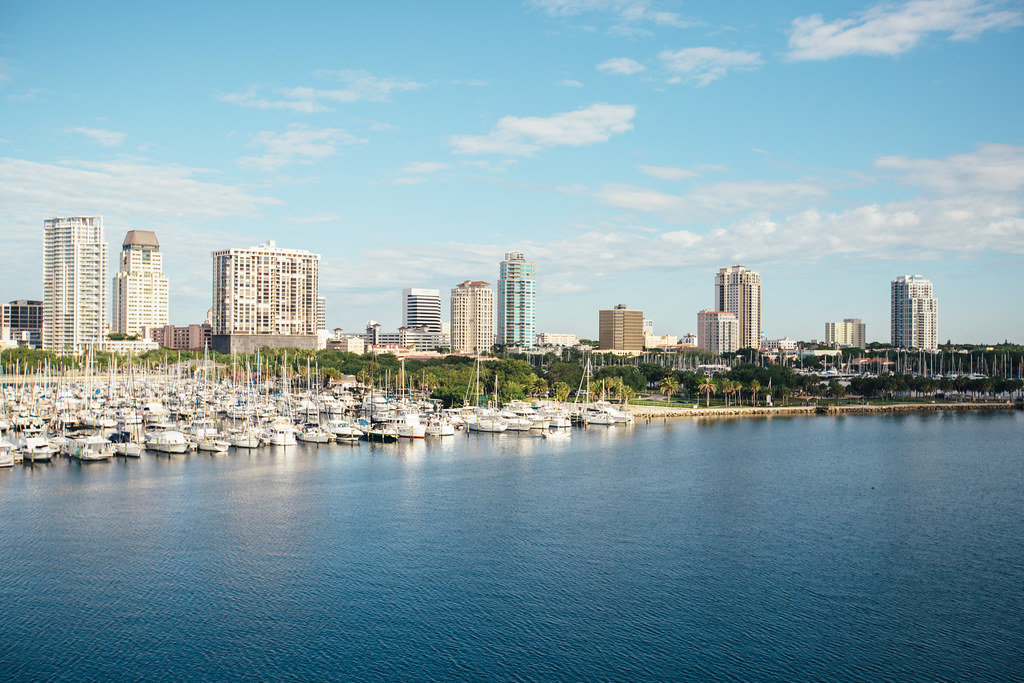
©"Albert Whitted Airport" by CityofStPete is licensed under BY-ND 2.0. - Original / License
Whitted was one of the U.S. Navy’s first 250 naval aviators and later served as chief instructor for advanced flying at Naval Air Station Pensacola during World War I. After leaving active duty, he returned to St. Petersburg and helped introduce more local residents and visitors to flying. The airport that bears his name remains active nearly a century after it opened and continues to serve St. Petersburg’s general aviation community.
Albany International Airport – Albany, New York (Current Site Opened: 1928)
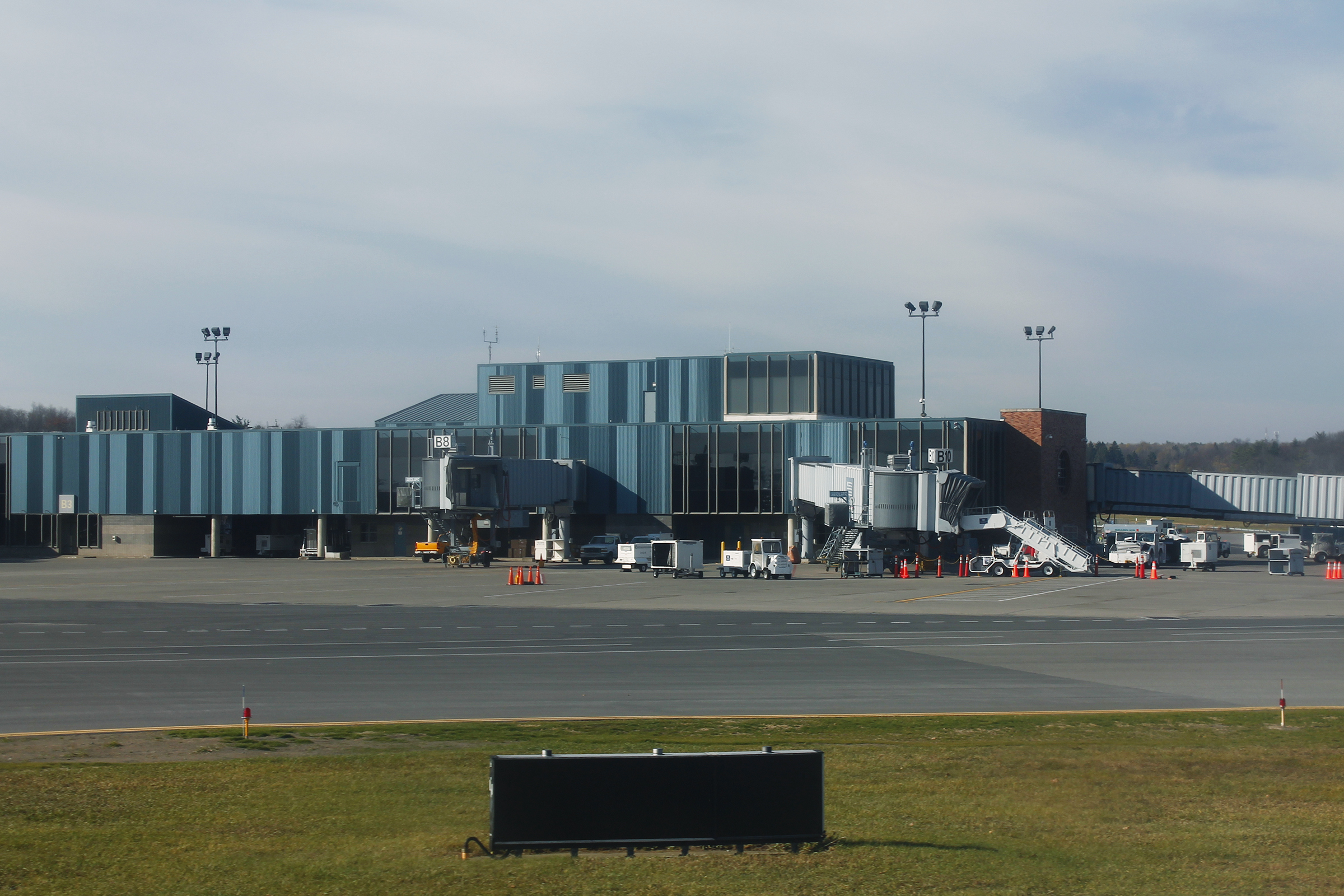
©"Albany International Airport Terminal (33296878875)" by formulanone from Huntsville, United States is licensed under BY-SA 2.0. - Original / License
Albany’s municipal aviation history stretches back to 1909, when an airfield was developed along the Hudson River on Westerlo Island. The airport later moved to its current location in the Town of Colonie and officially opened there as Albany Municipal Airport on Oct. 1, 1928. Today Albany International Airport occupies 1,157 acres about seven miles northwest of downtown Albany and is operated by the Albany County Airport Authority. Just shy of 3.2 million travelers passed through the terminal in 2025, making it the busiest year in the airport’s history.
Significance of Albany International Airport
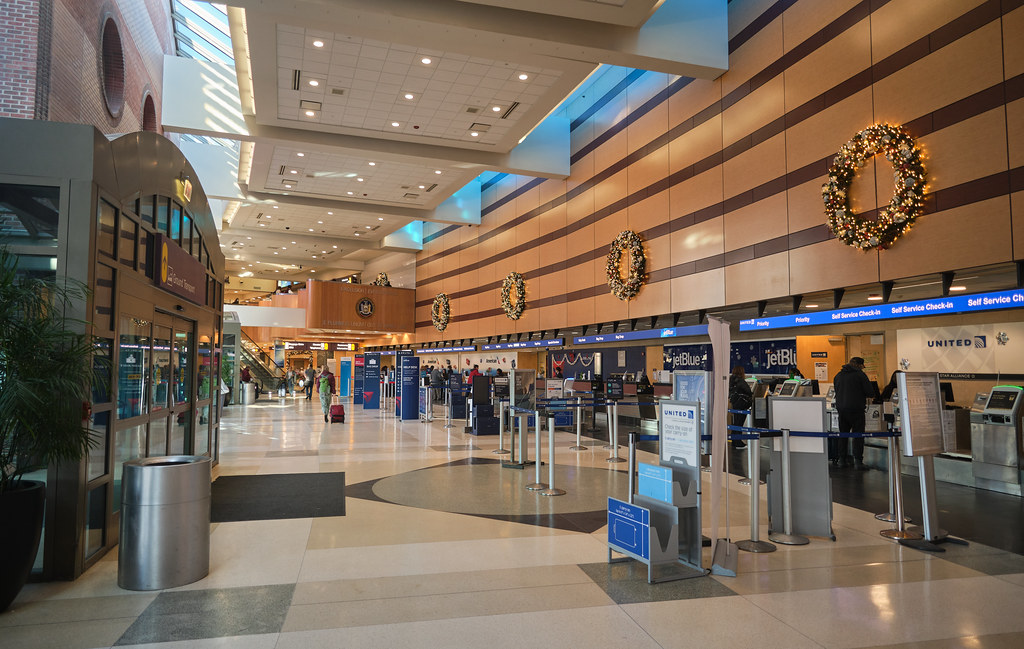
©"Concourse in Albany International Airport" by chris.rycroft is licensed under BY 2.0. - Original / License
Albany’s roots make it an important part of early municipal aviation in the United States. The original city airfield opened decades before commercial air travel became routine, while the current airport has continued to evolve with the region around it. A roughly $100 million terminal transformation is now modernizing security, ticketing, concessions, passenger amenities, and other facilities, with work expected to continue into early 2027.
Spartanburg Downtown Memorial Airport – Spartanburg, South Carolina (Established: 1927)
©"File:Spartanburg Downtown Memorial Airport terminal building.jpg" by PegasusRacer28 is licensed under BY-SA 3.0. - Original / License
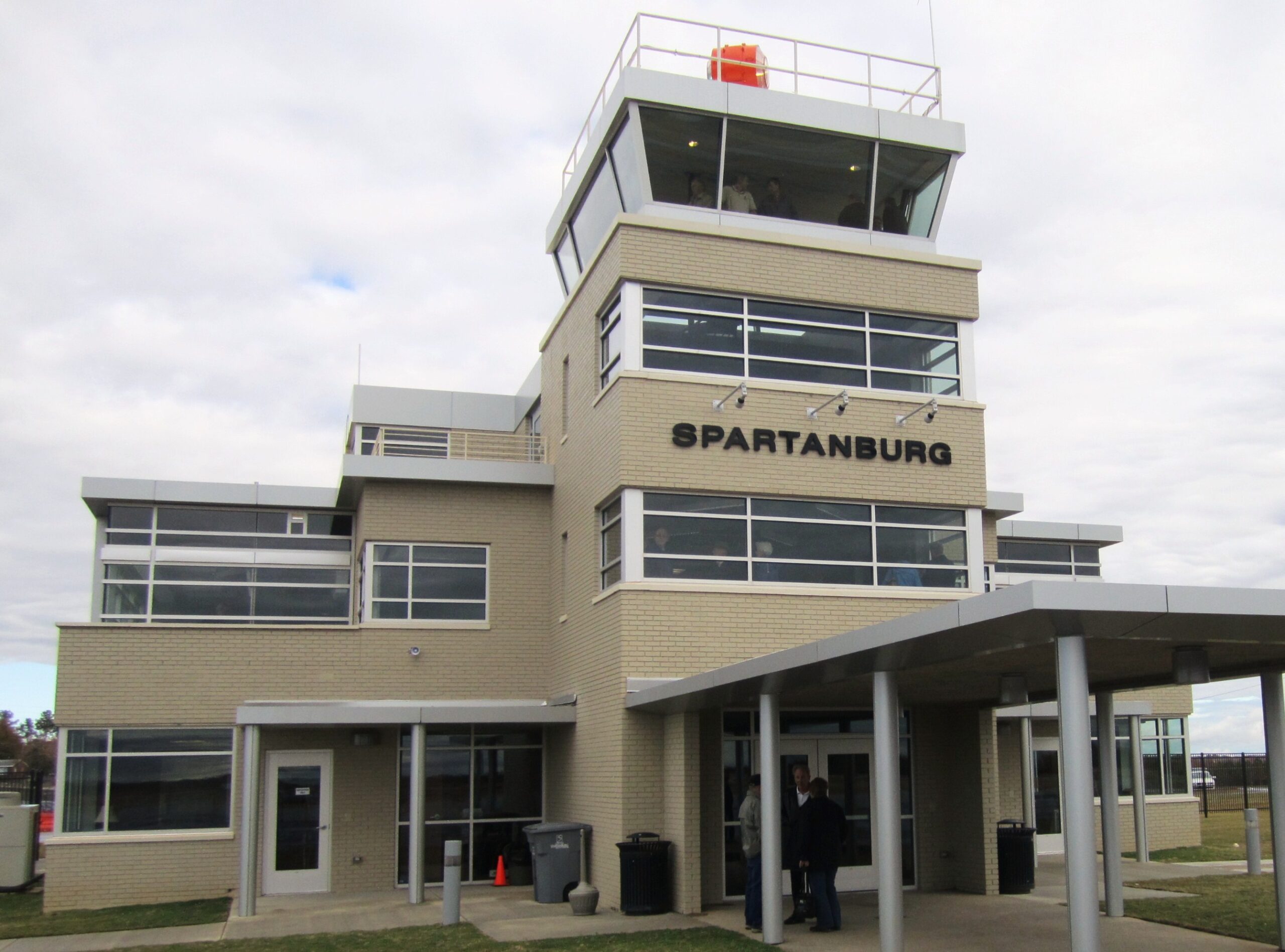
Spartanburg Downtown Memorial Airport opened in 1927 as South Carolina’s first commercial airport. It is now a city-owned general aviation airport in the southwest section of Spartanburg off Ammons Road. The field serves more than 100 local aircraft along with business and recreational aviation, and its paved instrument runway measures 5,852 feet by 100 feet.
Significance of Spartanburg Downtown Memorial Airport
©"File:Fountain at Morgan Square, Spartanburg, SC IMG 4821.JPG" by Billy Hathorn is licensed under BY-SA 3.0. - Original / License
Charles Lindbergh landed in Spartanburg on Oct. 12, 1927, during the nationwide tour that followed his solo transatlantic flight earlier that year. Commercial passenger service eventually shifted away from the downtown field after Greenville-Spartanburg International Airport opened in 1962, but Spartanburg Downtown Memorial Airport remained active. Today it is staffed by eight full-time employees and one part-time employee, with services that include flight instruction, aircraft rental and sales, charter operations, maintenance, fueling, and hangar storage.
Conclusion

©"airplane" by Kuster & Wildhaber Photography is licensed under BY-ND 2.0. - Original / License
What makes these fields remarkable is not simply that they are old. They survived because they kept changing. Some shifted from military training to general aviation, some grew into major commercial hubs, and others found a second life as city airports with museums and historic terminals nearby. Together, they trace more than a century of American aviation, from fragile early aircraft to modern airline and business operations.
Many of the names, terminals, and facilities have changed along the way, but the basic idea has not. People are still taking off from places where aviation history was being made before commercial air travel became routine.

