

Washington State is falling behind on the national retirement rankings and has been doing so for several years now. Extremely high real estate costs in the Seattle area and in the Puget Sound region have put Washington well outside the top 10 national rankings that it once topped. But the national ranking systems don’t account for the small cities that are attracting retired folks in droves.
What makes these cities attractive to the next generation of retirees? It’s not just about the cost of living. Washington is a top-ranking state when it comes to long-term care quality, and it offers distinctly different living options depending on which side of the Cascade Mountains you find yourself on.
Today, we’re looking at small Washington cities that are quietly becoming magnets for retirees looking for a place to settle.
Sequim
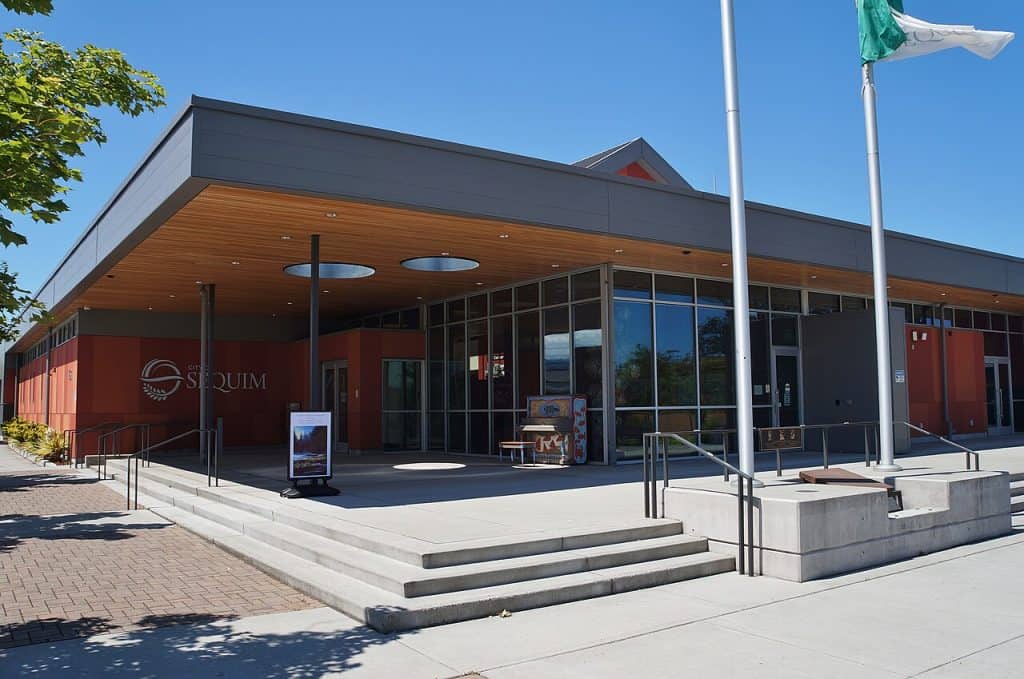
Sequim is located in what locals call the “blue hole.” It’s a rain shadow created by the Olympic Mountains that results in an average annual precipitation of about 16 inches on the northern tip of the Olympic Peninsula. Seattle, by comparison, gets about 37 inches of rainfall. That alone makes the city popular, but that’s not the only thing pulling retirees in.
More than 40 percent of residents are senior citizens, meaning that facilities have been built accordingly. There are plenty of senior living communities, and paths in the Dungeness National Wildlife Refuge are flat and well-maintained. The Saturday farmers’ market opens in spring and closes in autumn, and has become a familiar ritual among locals. The Olympic Medical Center also covers most care needs locally, which means patients don’t need to drive all the way to Tacoma or Seattle for routine treatment.
The trade-off here is that Sequim is fairly pricey compared to other parts of Washington. For those looking to get the experience of the Olympic Peninsula without breaking the bank, Port Angeles is just a little further down the road. But for those seeking a tried-and-tested retirement destination, the wide range of senior-oriented facilities speaks volumes.
Port Townsend
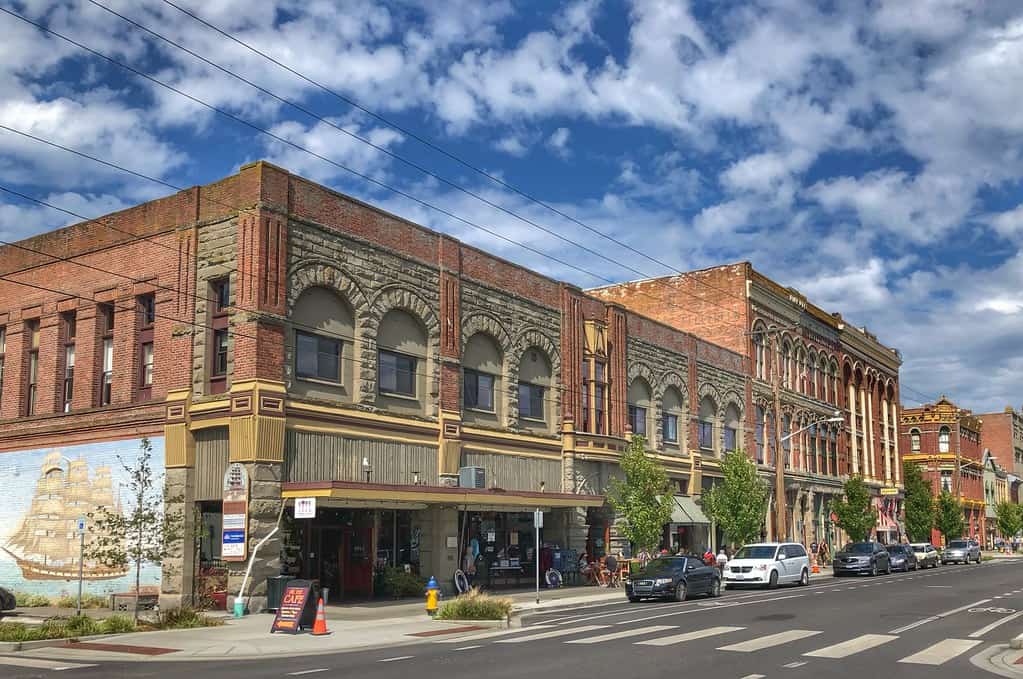
©"Historic Downtown Port Townsend" by valeehill is licensed under BY-ND 2.0. - Original / License
Port Townsend feels like a New England coast town dropped onto Washington, with its Victorian architecture adorning the town’s streets. It has two National Historic Landmark Districts nearby, and its working waterfront still has actual ships in it. It’s the kind of place that you could mistake for a movie set.
Seniors make up almost half of the population in Port Townsend, and at least two recreation centers are available for every thousand people. The art scene is vibrant all year round in Port Townsend, which is why retirees with creative aspirations or backgrounds go there. The Jefferson Healthcare hospital system handles health care in the immediate surroundings, while a ferry provides access to the rest of the Puget Sound region.
There are a few things to be aware of. It’s in the Olympic Peninsula, which means that the trip to Seattle is a long drive, along with the ferry ride. While that works perfectly fine for those planning a day trip, it may be less than ideal for people who need to move around frequently. Housing prices are also on the rise, with average costs breaking the $500,000 mark. Rentals are also getting harder to come by.
Centralia
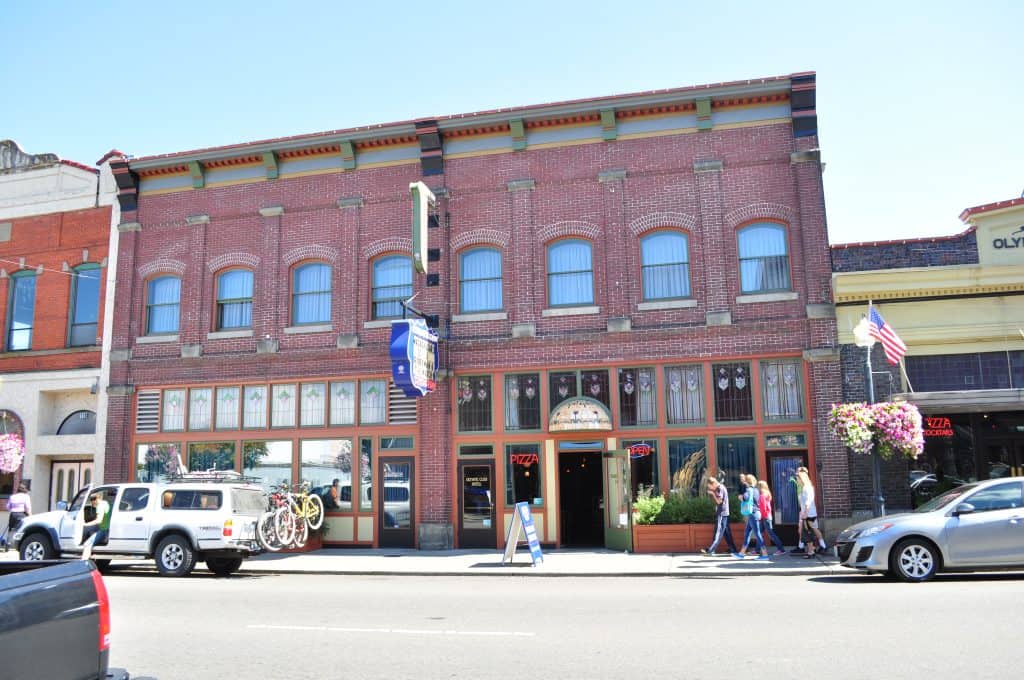
©"Centralia, WA - Olympic Club Hotel 04" by Joe Mabel is licensed under BY-SA 3.0. - Original / License
Centralia is a mid-state city with a population of about 18,000 people located about halfway between Seattle and Portland along the I-5. It has some of the most affordable home prices in Washington State, ranging from $370,000 to $385,000.
While it lacks the scenic branding of Sequim or Port Townsend, there is still a lot to see. Borst Park and the Chehalis River trail provide accessible natural beauty for anyone looking for a quality outdoor experience. There is also a downtown area with landmarks like the Fox Theatre as well as an antique district. Being close to two major cities comes in handy when visiting grandchildren or accessing medical care.
There are several assisted living centers in Centralia, including the Centralia Point Assisted Living and the Providence Rossi House. It’s the most affordable choice on this list and it’s a great pick as long as you don’t mind the lack of waterfront or mountains.
Anacortes
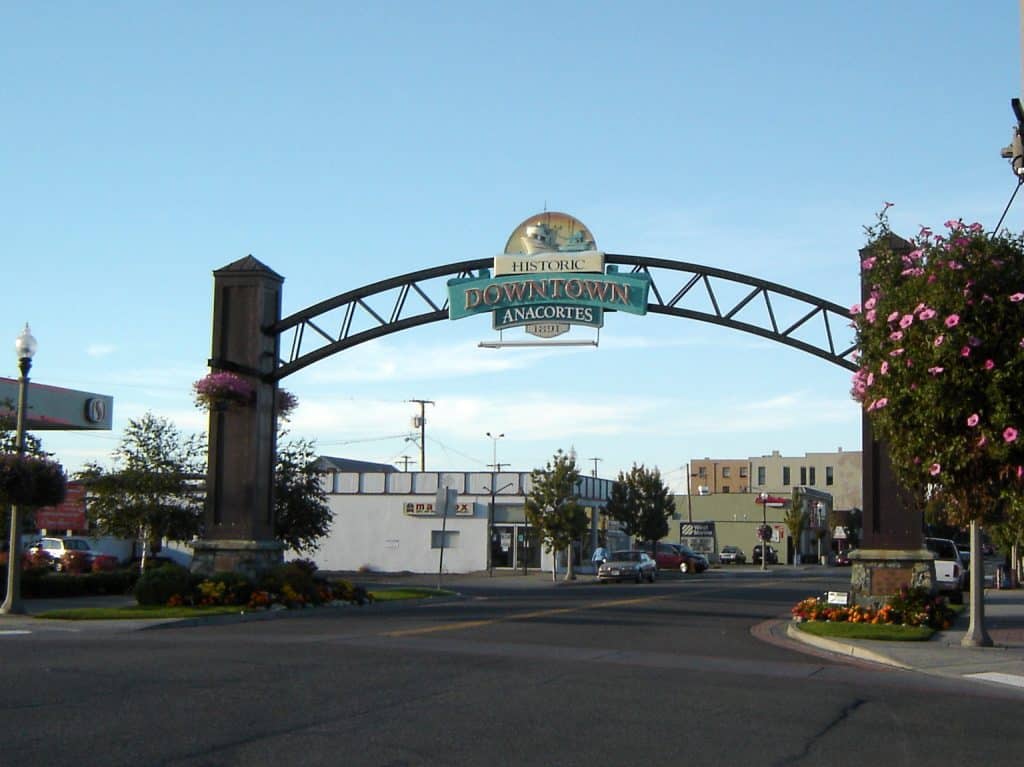
©"Welcome Downtown Anacortes Washington - panoramio" by Chanilim714 is licensed under BY-SA 3.0. - Original / License
Anacortes is on Fidalgo Island. It’s connected to the mainland through a small bridge, but it feels more like an island community due to being the starting point for ferries traveling to Orcas Island and San Juans.
Cap Sante Park offers a magnificent view of both the San Juan Islands and the Cascades. There are also over 50 miles of maintained hiking paths in the Anacortes Community Forest Land trails. In terms of healthcare, it’s also one of the best places in the state. Island Health, the local hospital, has a 5-star Medicare rating, and it’s recognized as one of the top 100 rural hospitals in the country.
The cost of living in Anacortes is considerably higher than that of Centralia or other towns in eastern Washington. Houses cost around $500,000 or more, but the prices come with convenience. Residents can easily reach specialist hospitals in Burlington and Bellingham if needed, and have access to some of the most beautiful islands via the ferry.
Leavenworth
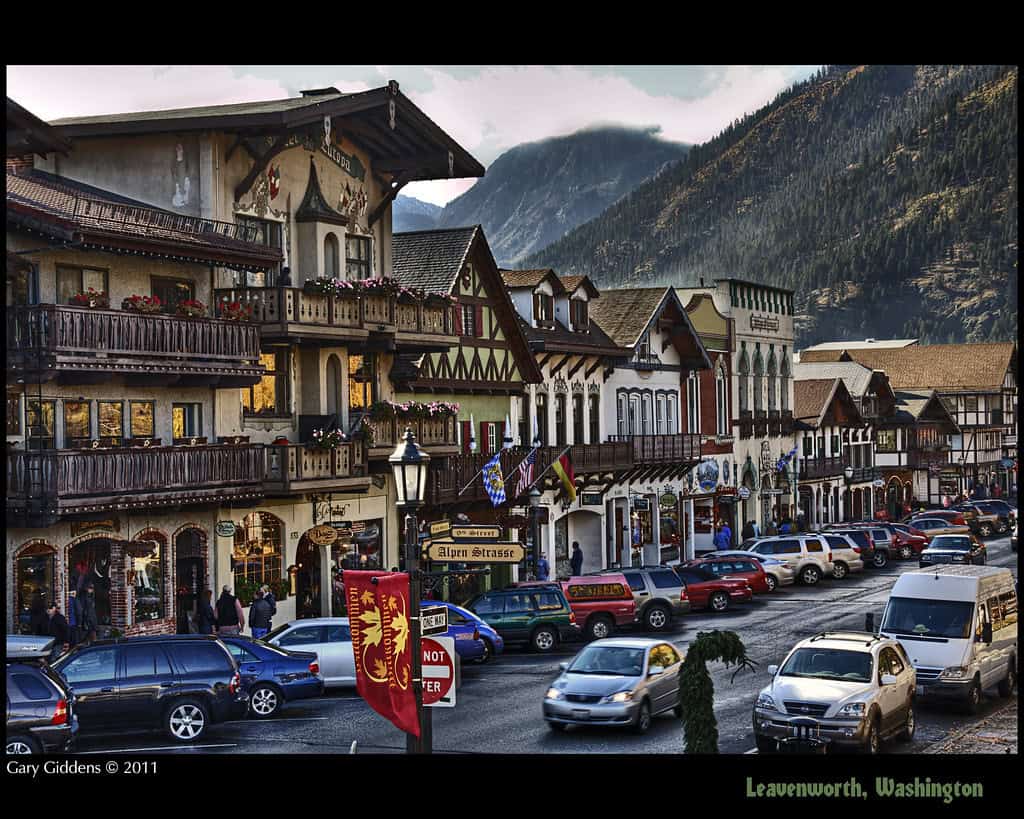
©"Leavenworth, Washington" by The Gidinski is licensed under BY 2.0. - Original / License
Leavenworth is one of the most unusual options on this list. The town has a Bavarian-themed village look that was created by the locals to match the Alpine feel of the scenery during the 1960s. The railroad had been rerouted, and this small mountain town needed a gimmick to attract tourists. The bet paid off as it has become a notable tourist attraction, and walking around the city feels like you took a wrong turn somewhere and ended up in a southeastern German village.
It is a quirky town to say the least, but the Bavaria theme is not what’s driving retirees to settle there. The town sits at the base of the Cascade Mountains, a place that gets tons of sunlight. There are great options for outdoor activities like hiking and skiing, since the town borders the Icicle Creek and its trail system. There is also the Wenatchee River, which is very close to Leavenworth.
The festival calendar also gives Leavenworth a unique feeling if you don’t mind the tourists. The Christmas lighting festivities attract hundreds of thousands of people, which is not for everybody, especially those looking for peace and quiet.
Housing in Leavenworth is not exactly cheap compared to the majority of Washington’s retirement towns. Given the tourist activity and the presence of short-term rentals, house prices can range from $635,000 to $690,000, which makes it the most expensive entry on this list. For those put off by the price tag, Wenatchee is 22 miles east with much of the same outdoor access at lower costs.
Walla Walla
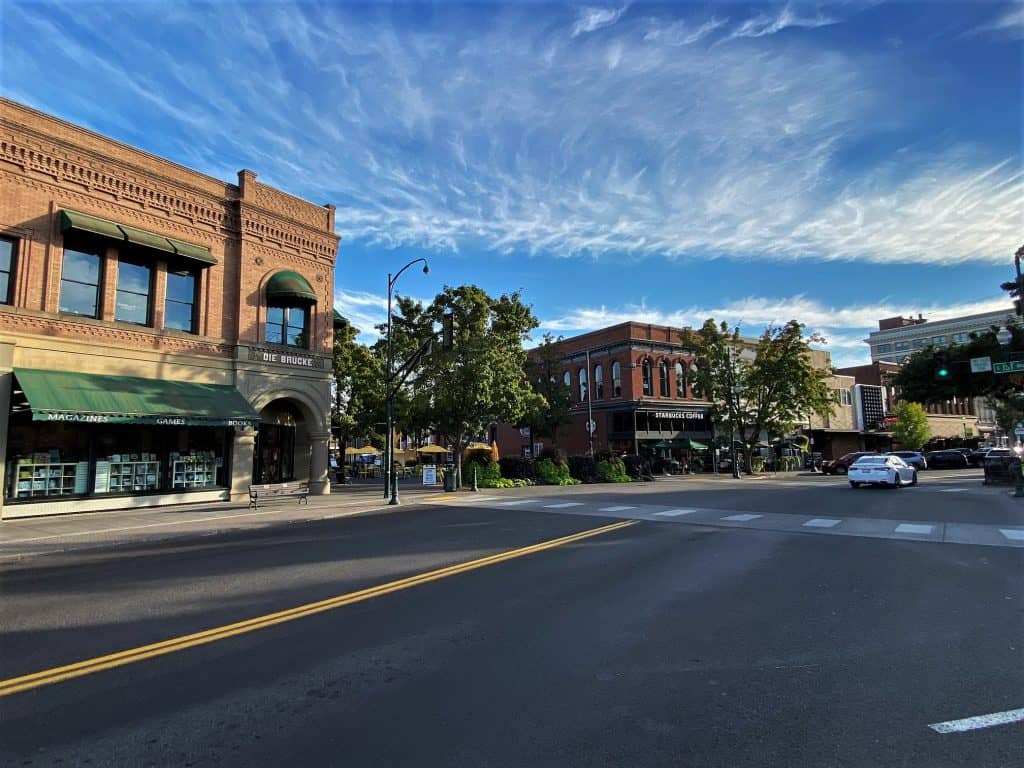
©"Walla Walla Downtown HD7 NRHP 100006868 Walla Walla County, WA" by Jon Roanhaus is licensed under BY-SA 4.0. - Original / License
Walla Walla is an eastern Washington college town with a wine country overlay, resulting in a lifestyle that very few towns of 35,000 people could pull off. Whitman College ensures the town stays culturally active year-round, and the culinary scene is also quite good. There are more than 120 wineries in close proximity, which sounds promotional, but that’s just what a Saturday afternoon looks like when you live there.
The valley is located on an expansive agricultural plain, which allows for the experience of wide-sky views without feeling as if you are boxed in by surrounding mountains. Given its location, you can expect hot summers and cold winters, which can be a deal-breaker for some. The Providence St. Mary Medical Center handles most serious care needs locally, so residents don’t need to worry about making the trip back to Seattle.
Walla Walla home prices have been rising, with median prices at around $410,000 to $420,000, but it is still significantly cheaper than the waterfront towns of western Washington. For retirees who enjoy a good meal and a glass of fine wine while staying in a moderately priced location, Walla Walla is an unlikely gem.
Omak

Omak was listed as one of Travel and Leisure’s “50 Best Cities to Retire in the U.S. in 2025.” It is the largest city in Okanogan County in the north-central part of Washington, with a population of 5,000 and a median home price of about $282,000.
The Okanogan Highlands is perfect for those who love hiking and hunting. The Okanogan River flows through town, and the climate isn’t too far off from that of Phoenix or Las Vegas. The regional economy runs on agriculture and outdoor recreation rather than tech or tourism, which means the pace of life is entirely different from anywhere west of the Cascades. There is a regional hospital in Omak named Mid-Valley Hospital, along with a medical network that covers the whole valley.
Fair warning: Not everyone will enjoy Omak. You’ll spend four hours driving from Seattle, and there are no railway alternatives. The winters can be very cold when compared to those on the Olympic Peninsula. But if what you’re looking for is real tranquility and an area that does not need an Instagram filter to look spectacular, all while staying within budget, then Omak is one of the best options on this list.

