

Summers in Washington give visitors and residents a brand new experience every year. With the melting of the snow comes the discovery of terrain that was locked away for half the year behind closed roads and heavy snowpack. But every other visitor makes this discovery at the same time, and the window is shorter than it looks. Get the timing wrong by a few weeks, and the wildflowers are gone, and the road you needed is already closed again.
Today, we’re looking at twelve trips where timing plays an important role. Most of them either peak in summer or simply cannot be reached any other time of year, which means that picking the right month is the difference between the trip you planned and a closed gate.
Hiking the Skyline Trail at Mount Rainier
©"Foggy Wildflowers on Mt. Rainier, (3 of 3)" by louelke - on and off is licensed under BY 2.0. - Original / License
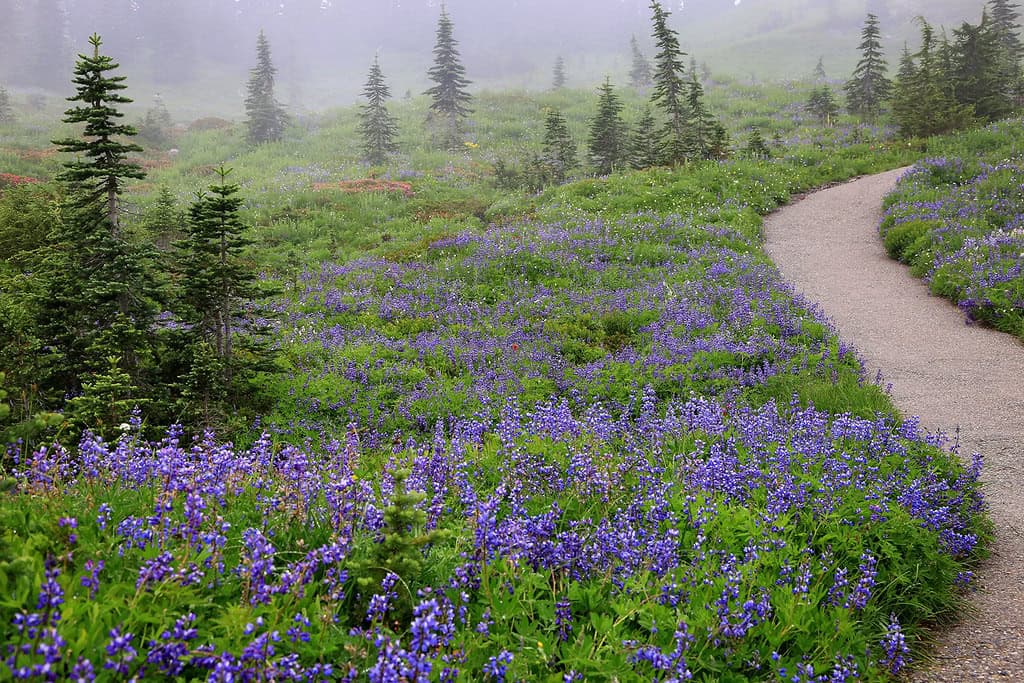
Skyline Trail is a 5.5-mile-long loop trail that takes you up to 7,000 feet and puts you in the middle of the wildflower meadows of Rainier. The flowers bloom from mid-July to August. If you come in late June or in early September, you will be faced with brown fields.
The trail starts at Paradise around 5,400 feet, climbs approximately 1,700 feet, and tops out just above 7,000 feet at Panorama Point, where views include the Nisqually Glacier, while on clear days Mount Adams and Mount St. Helens can be seen to the south.
Choose a weekday for your hike. Paradise parking fills up by 9 AM on summer weekends, and the trail starts to feel more like a queue than an adventure.
Whale Watching Out of Friday Harbor
©qingqing/Shutterstock.com
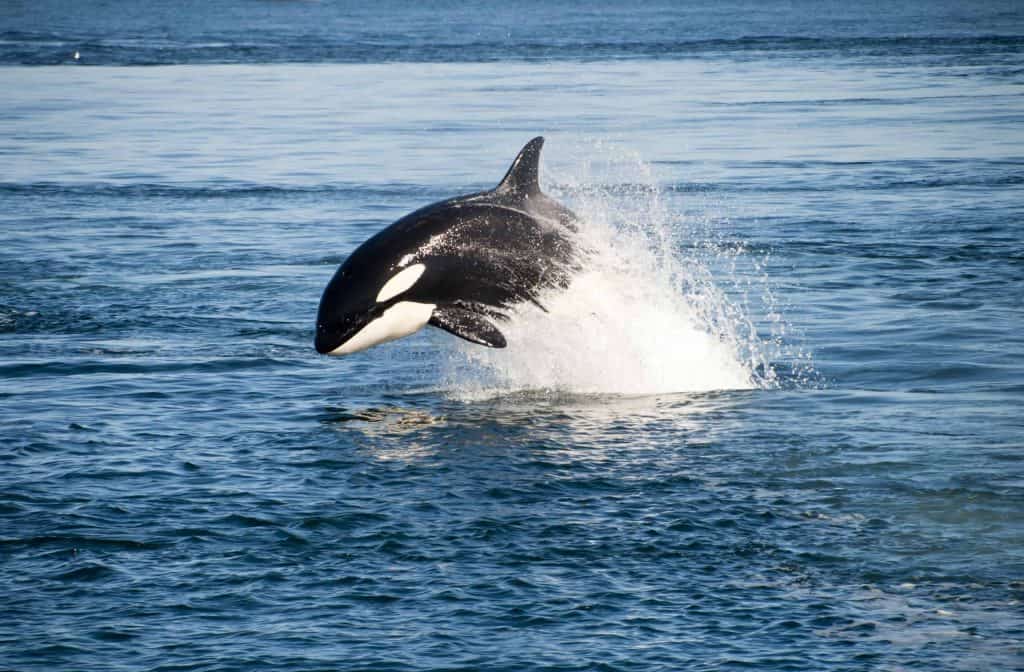
San Juan Islands are located in the Haro Strait, where the orca pods follow every year as they track Chinook salmon returning to coastal rivers. Bigg’s orcas and humpback whales gather in abundance during July and August. Friday Harbor on San Juan Island is as close to the orca migration corridor as you can get without being on a boat.
The tours take around three to four hours. Most operators use marine naturalists who know the individual animals by name and dorsal fins. The ferry ride from Anacortes takes an hour, and it’s worth taking. You should pre-book the tours in case you’re planning to visit in July or August since the good departure times sell out weeks ahead.
Backpacking the Enchantments
©"Alpine lake in Mission Mountains" by Bitterroot is licensed under BY-ND 2.0. - Original / License
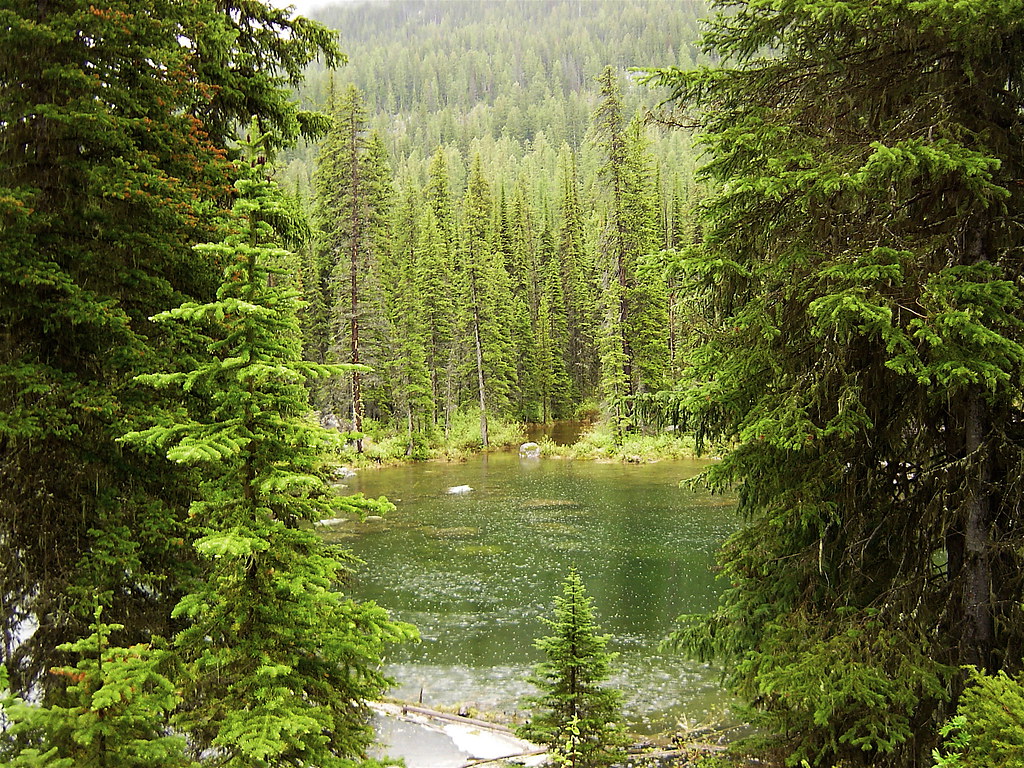
The Enchantments, sitting within the Alpine Lakes Wilderness area near Leavenworth, are among the most sought-after backpacking permits in the western United States, and it’s easy to understand why. It’s located at an altitude of over 7,000 feet in a glacier-cut granite area, surrounded by more than 20 alpine lakes, and the water color seems almost unnatural. Mountain goats move about the area with the confidence of animals that have never been hunted. The entire route covers a distance of about 18 miles with nearly 4,800 feet of elevation gain.
Demand far exceeds supply, so backcountry camping permits can be acquired by participating in a lottery that opens on February 15 each year on the recreation.gov website. Day hikes are possible without permits, but the payoff is in the overnight. There is still some snow in late June due to the higher altitude. If you didn’t get a permit this year, enter the lottery the moment it opens next February.
Whitewater Rafting the Wenatchee River
©"Salt River Rafting" by Gonzo fan2007 is licensed under BY 2.0. - Original / License
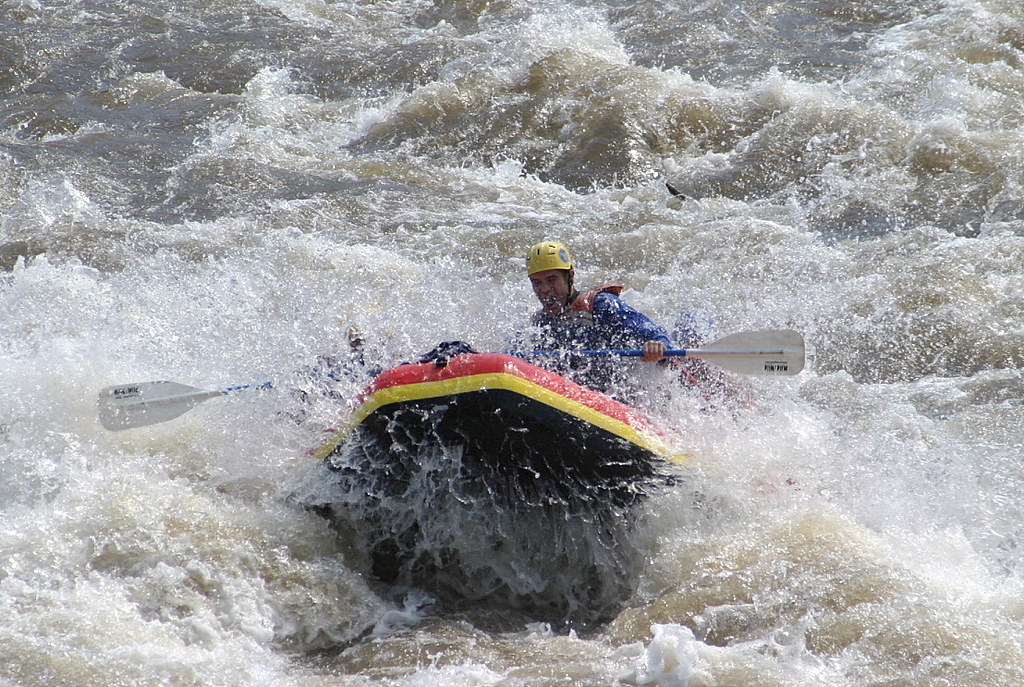
The Wenatchee passes through central Washington, descending through Class III rapids starting from Leavenworth and ending at Cashmere. During summer, snowmelt from the Cascades increases the flow in the river and makes its water temperature tolerable. The river is long enough to feel like a full day on the water but accessible enough that first-timers do fine with a guided trip.
Several outfitters are working in Leavenworth, and most of them provide a lunch stop by the bank of the river. The most spectacular part of the river is the one passing through the Tumwater Canyon.
The water level is lower in September, making it a bit more technical. For the full experience though, July and August give you the warmth and the volume that make it feel properly alive.
Walking the Hoh Rainforest
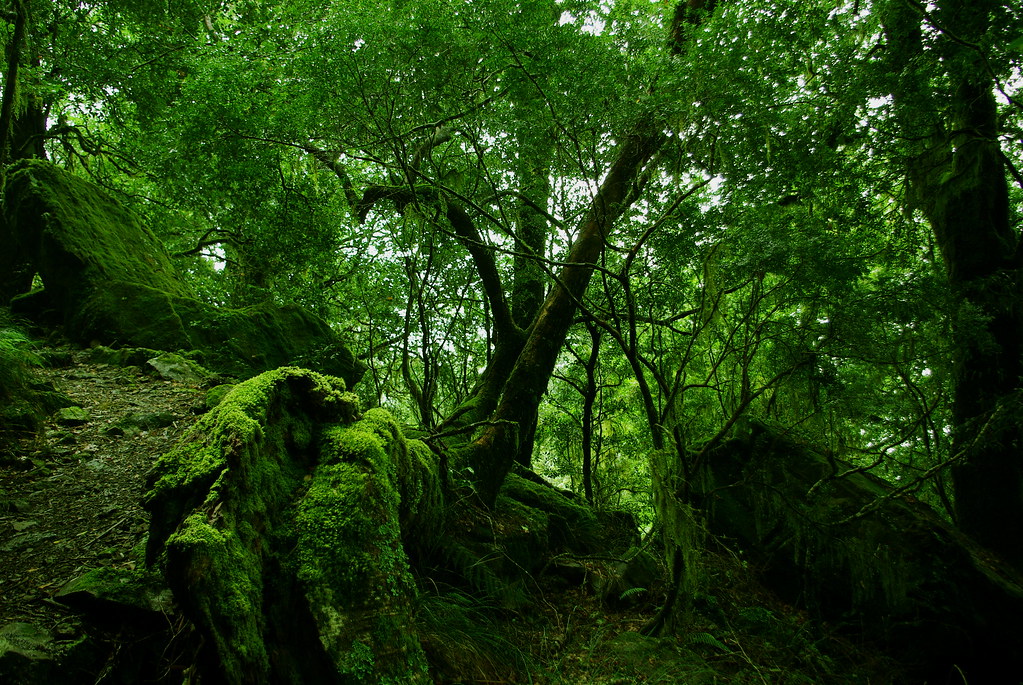
©"Rainforest & Moss" by Tim√ is licensed under BY 2.0. - Original / License
The Hoh Rainforest in Olympic National Park gets 140 inches of rainfall every year, making it different from anywhere else in the contiguous U.S. Moss hangs in thick curtains from the big-leaf maples and elk wander the Hall of Mosses trail, without much concern for people. It’s the type of silence you notice because you’re not used to it.
Summer is the right season here. July is the driest month on the Olympic Peninsula, and a dry day in the Hoh is truly rare. If you want a backpacking objective, the Hoh River Trail runs 17 miles to the base of Mount Olympus. If you just want to see what the fuss is about, the Hall of Mosses loop is 0.8 miles long and justifies the drive on its own.
Paddleboarding on Lake Chelan
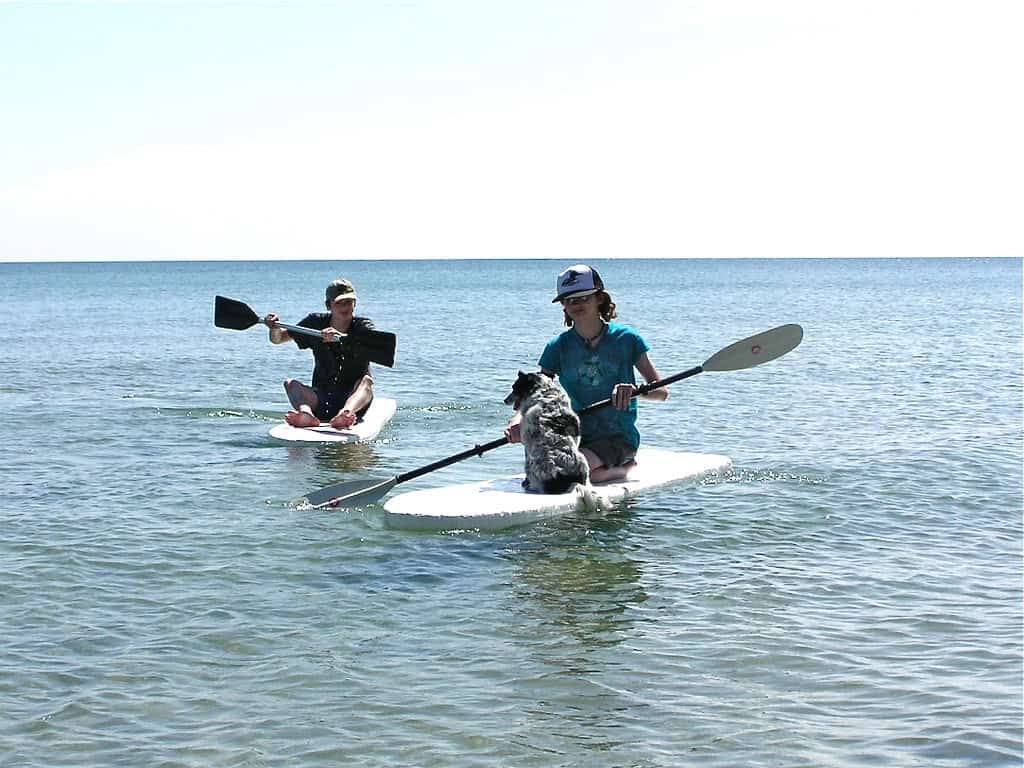
©"paddleboards" by normanack is licensed under BY 2.0. - Original / License
Lake Chelan is in the dry east side of the Cascades. During the summer, you’ll get blue skies and considerable heat. The water is warm enough for swimming by late June. At 1,486 feet deep, it’s the third deepest lake in the United States. It stretches for just over 50 miles, and the southern town of Chelan has some great restaurants and resorts you can visit on weekends during the summer.
The northern end of Stehekin, in contrast, is peaceful. There are no roads leading to it. You get in by ferry or by floatplane. All the paddleboarding and kayaking take place in the part of the lake that regular visitors never see. If you take the Lady of the Lake ferry up and spend the night there, you can experience a version of Chelan that feels completely separate from the winery-and-waterpark energy down south. Both are worth it. They’re just different trips.
Climbing Mount St. Helens
©Zack Frank/Shutterstock.com
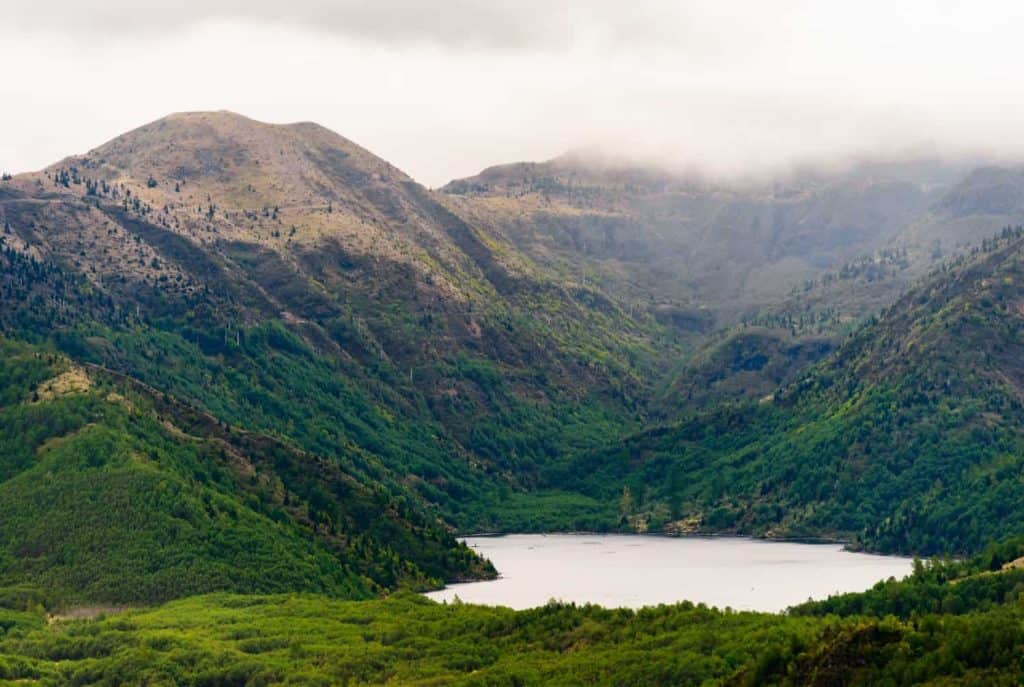
Most people see Mount St. Helens from the Johnston Ridge Observatory. It’s a perfectly fine viewpoint, but you won’t have a feel of what it means to be standing on the crater rim of an active volcano until you make the trek yourself. The Monitor Ridge route from the Climber’s Bivouac is non-technical, so no ropes or specialized equipment is needed, but it’s also worth knowing that 4,500 feet of elevation need to be gained in just five miles of walking until you reach the 8,365-foot rim.
There are permits issued during April and October, limited to only 110 daily climbers in the summer. These are available on recreation.gov each month and get snatched up pretty quickly.
The snow melts off the trail during July and August, and you can see steam coming off the crater, with views extending to Rainier, Adams, Hood, and on the best days even to Glacier Peak. The scramble through loose volcanic rock above treeline has a texture unlike any other hike in the state.
Swimming and Kayaking at Diablo Lake
©Strekoza2/iStock via Getty Images
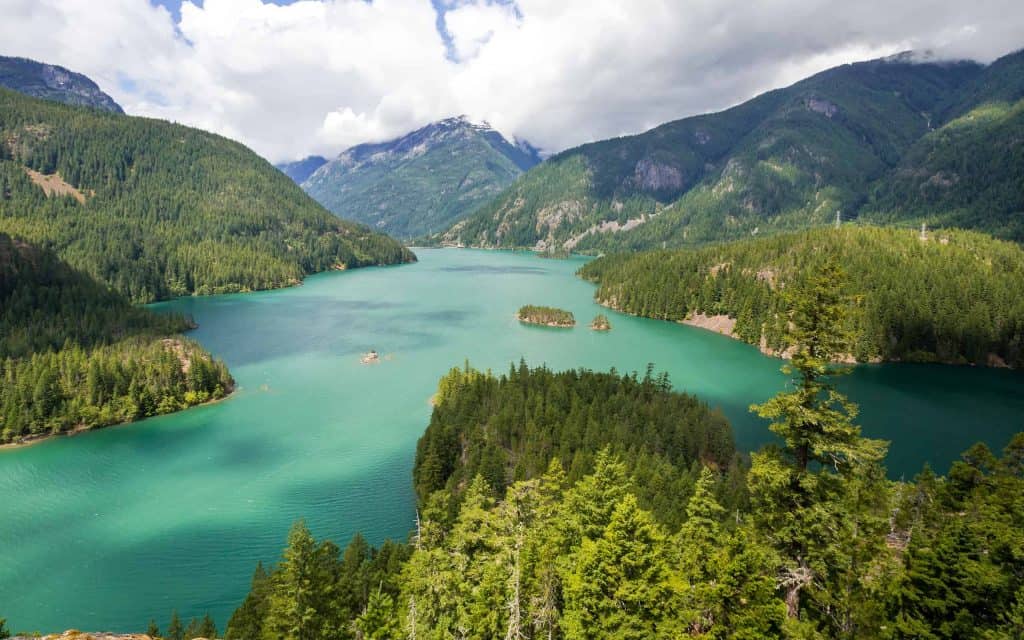
During the summer, Diablo Lake in the North Cascades National Park shines in a striking color that seems unnatural until you know the reason behind it. Tiny rock particles are ground down by retreating glaciers and delivered to the lake by snowmelt streams. They are suspended in the water and refract light, making it look almost neon turquoise. The effect is most pronounced during July, August, and September when seasonal glacial meltwater is at its highest.
Diablo Lake is located close to Highway 20, which is closed for most of the year but considered one of the most picturesque roads in Washington once it opens. Visitors can kayak the lake and swim in designated areas (water temperature in the lake remains at about 50 degrees even in summer, so you better be ready for it). You can also stay overnight in Colonial Creek Campground on the south side of the lake.
Seattle City Light offers boat tours of the lake between mid-June and early September. With North Cascades being the least visited of the three national parks in Washington, Diablo Lake attracts a fraction of the crowds that Paradise or Hurricane Ridge do during the same summer days.
Tide Pooling Along the Kalaloch Coast
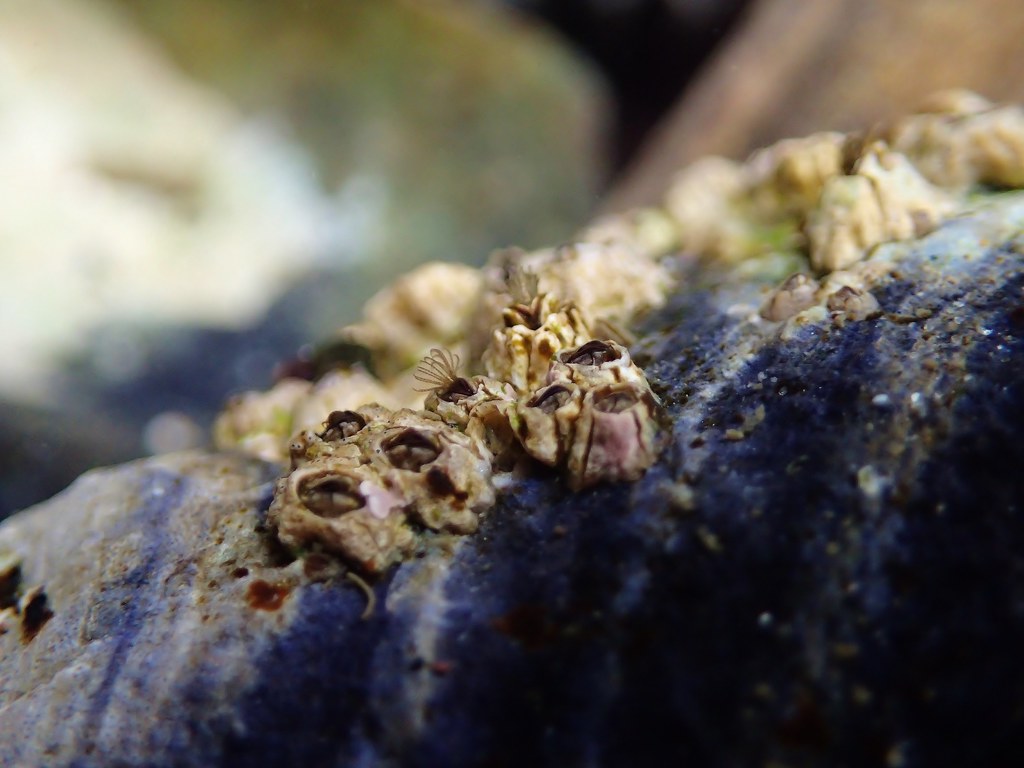
©"Yaquina Head tide pools, barnacles" by BLM Oregon & Washington is licensed under BY 2.0. - Original / License
The Kalaloch coast, located on the Olympic Peninsula, contains some of the most easily accessible tide pools along the Pacific coast. Beach 4 is the main spot, with intertidal rocky zones filled with sea stars, anemones, sea urchins, and hermit crabs when the tide is low.
Tide pool walks are organized by the rangers during the lowest tides in summer, and those are worth joining if it fits your schedule. The lowest tides at the coast take place during daytime in the summer, which is the only time when tide pooling is possible.
Ruby Beach is located a bit further north of Kalaloch with its larger sea stacks and more dramatic scenery. There isn’t as much tide pooling activity there, but it’s still worth a visit.
Wildflower Hiking in the North Cascades
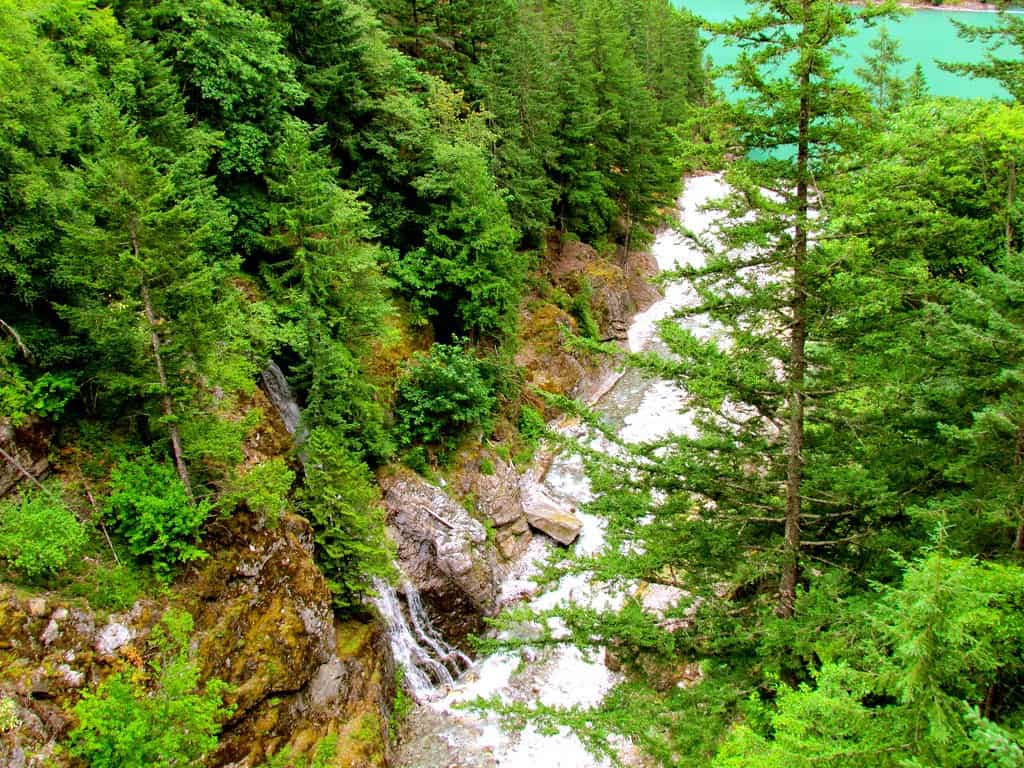
©"North Cascades National Park" by jeffgunn is licensed under BY 2.0. - Original / License
While most tourists head to Rainier to see the wildflowers, the North Cascades National Park is an alternative where you can see the flowers with even fewer people around and without having to pay an entry fee. Highway 20 goes through the park, but it’s closed from around November to April, so you get maybe five months before the road closes again.
The Maple Pass Loop Trail, close to Rainy Pass, is considered one of the better wildflower trails in the state. It’s a 7-mile circuit with views of Lake Ann and the rocky ridgelines above it. In the park, there is more glaciated land than in any other area aside from Alaska. On a clear August day, the glaciers are visible in every direction.
River Tubing the Methow or Wenatchee
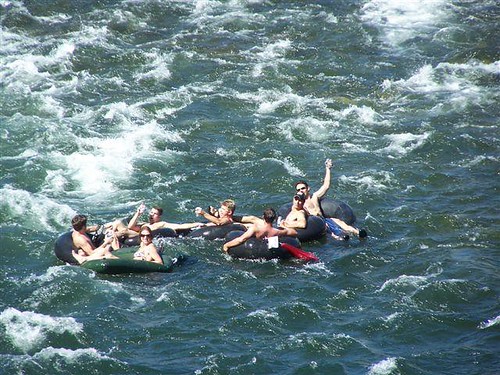
©"Tubing the Methow!" by Dan Nevill is licensed under BY-ND 2.0. - Original / License
Not all the summer activities in Washington State require a permit or an early morning call. Floating down the Methow and the Wenatchee on a Tuesday afternoon is a popular activity among the locals. Tourists hardly ever bother to try it out. You can go down the river and float there in your inner tube for a couple of hours while the canyon walls drift past.
The snowmelt from the Cascades keeps flows high enough through late July, and the water warms as the summer progresses. Winthrop in the Methow Valley is an underestimated starting place for tubing. It’s a small town with a purposefully created atmosphere of the frontier era and decent food. There’s absolutely nothing else for tourists, considering the landscape around it.
Stargazing and Camping at Ross Lake
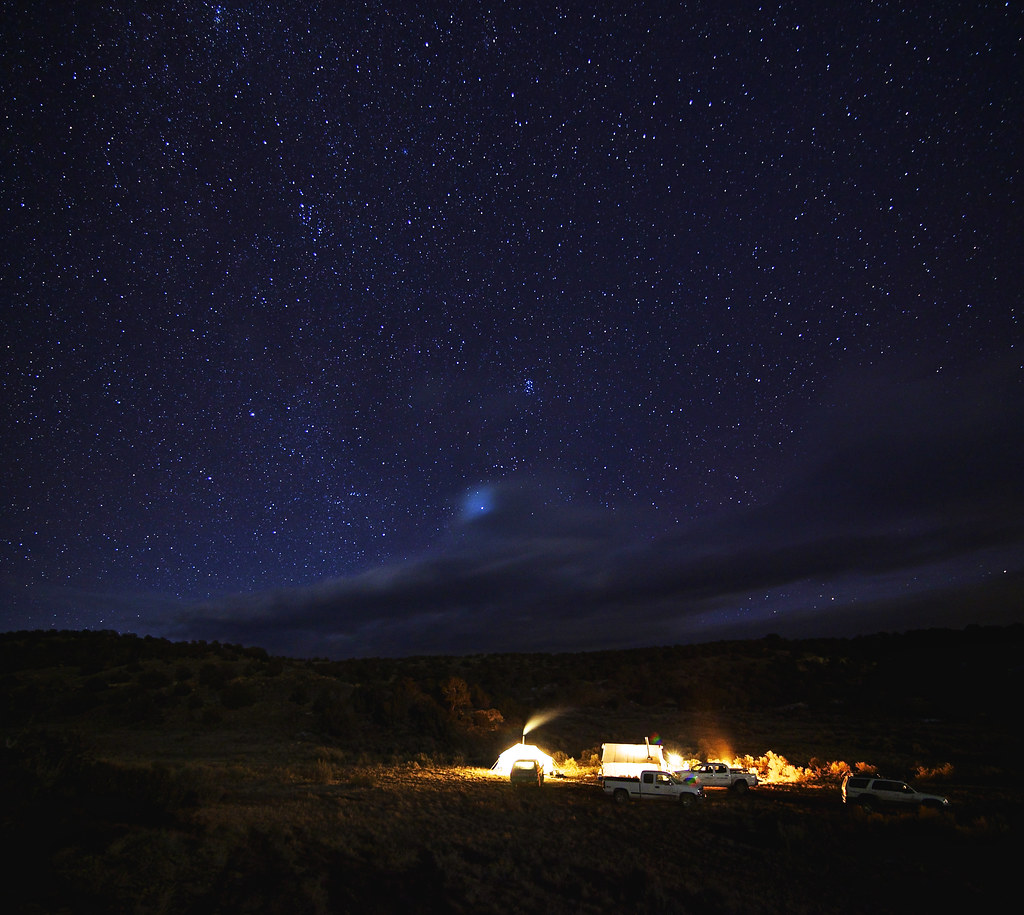
©"Hunt Camp Under the Stars" by Zach Dischner is licensed under BY 2.0. - Original / License
Ross Lake stretches for 23 miles to the north starting from the Ross Dam and reaching the British Columbia province in Canada. The lake is located within one of the least light-polluted corridors in the lower 48. You can access the area in the summertime via a water taxi departing from Diablo Lake. It does require you to travel along Highway 20, which is closed all winter. The access logistics alone keep the crowds thin.
During the summer months, Ross Lake Resort has floating cabins and tent platforms on the lake. Summer nights away from any city glow are dark enough to see the Milky Way with a clarity that most people raised near urban areas have never experienced. Elevation and lake air drop the temperature fast after sunset, even in August, so make sure to bring a sleeping bag suitable for the cold weather.

