
Known for stunning landscapes and abundant marine life, Pacific Northwest beaches also offer some really strange finds left behind by ocean currents. From the rugged shorelines of Vancouver Island to those of Oregon, this coastline lies at the end of huge gyres of the Pacific Ocean, which have been collecting debris, cargo, and many other odd things from across the ocean for centuries. Some items feel like they belong in a museum. Others are just strange. The best of them are a little bit of both.
Detached Human Feet in Running Shoes

©"Running Shoes" by Josiah Mackenzie is licensed under BY 2.0. - Original / License
Since 2007, more than 20 human feet inside running shoes have washed ashore in British Columbia and Washington State. The mystery made international headlines and sparked countless theories.
Scientists eventually revealed the unsettling reason behind the mystery. When human corpses float on seawater, their feet, encased in buoyant modern sneakers, decompose and eventually detach from the submerged remains. These end up floating independently. DNA testing has identified the people to whom several of the feet belonged, although not all of them.
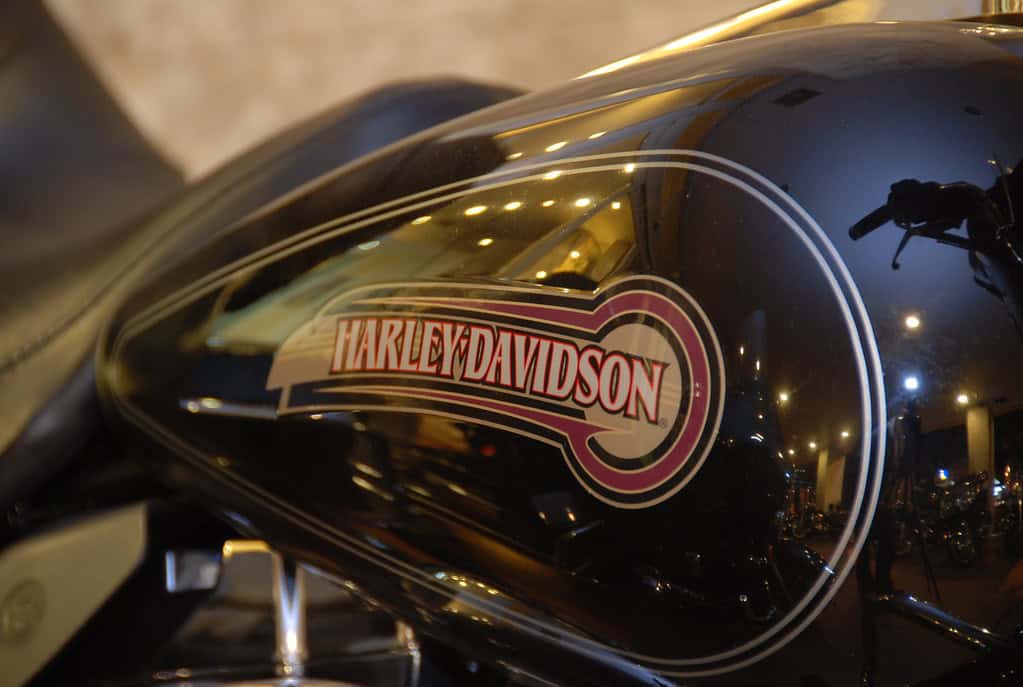
Tsunami Swept Harley-Davidson
©"Harley Davidson" by Cristian Janke is licensed under BY-SA 2.0. - Original / License
A rusted Harley-Davidson motorcycle was found inside a shipping container on Haida Gwaii, located in northern British Columbia, in April 2012. The container had been carried from Japan’s coast by the 2011 tsunami.
This motorcycle was traced back to its owner in Miyagi Prefecture, whose home had been destroyed in the disaster. Harley-Davidson offered to restore the motorcycle and return it, but the owner decided to donate it to the Harley-Davidson Museum in Milwaukee as a reminder of the tsunami’s destructive reach.
Beeswax from an 18th-Century Spanish Galleon
©"Shipwreck" by RodneyRamsey is licensed under BY 2.0. - Original / License
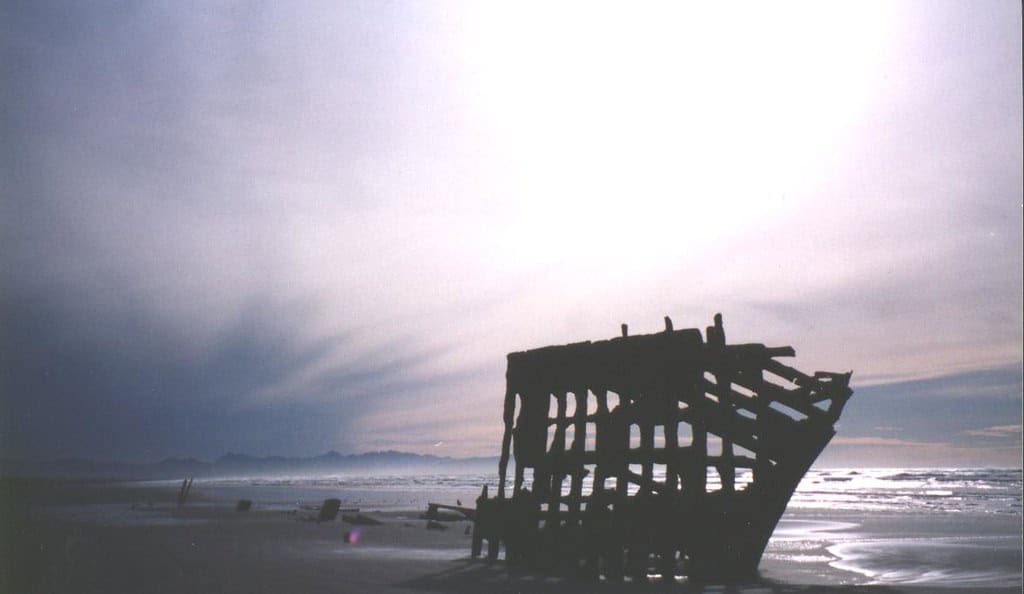
Since the early 18th century, chunks of beeswax have been washing up on beaches near Nehalem Bay in northern Oregon. It has since been discovered that the beeswax blocks belonged to a Manila galleon that wrecked somewhere off the coast around 1705, while bringing trade cargo from the Philippines.
Local Indigenous communities had incorporated the wax into their lives long before European settlers arrived. Researchers and beachcombers still find pieces today, some stamped with Catholic markings from the original cargo.
165-Ton Japanese Dock
©"Japanese Dock" by Oregon State University is licensed under BY-SA 2.0. - Original / License
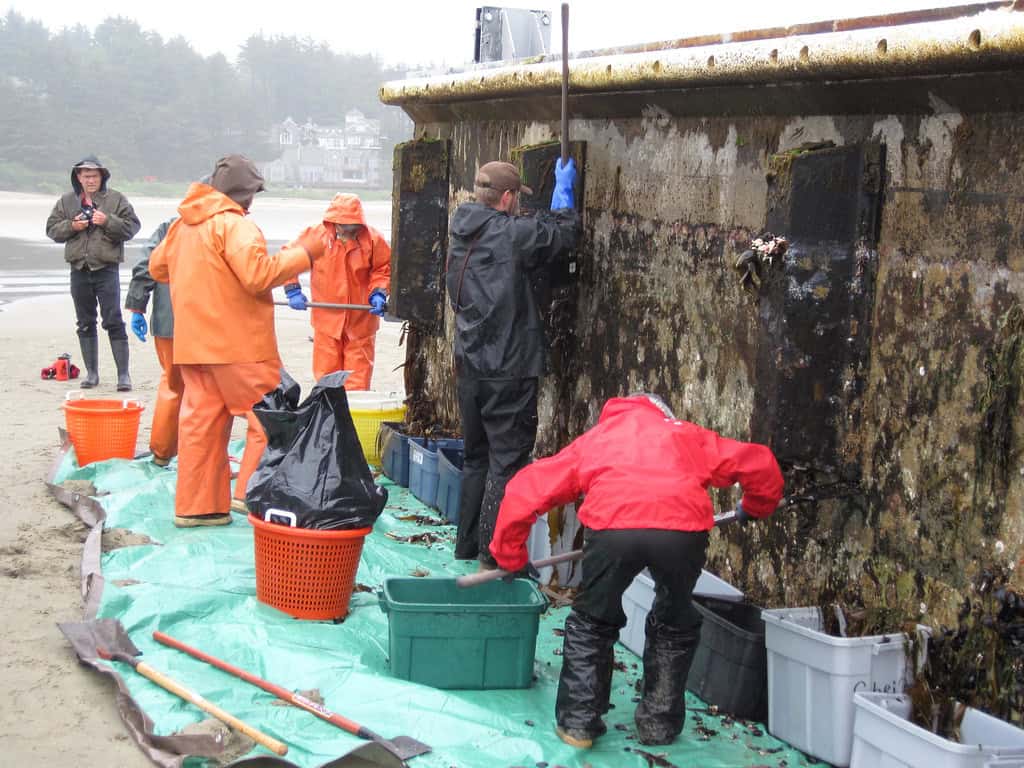
In June 2012, a concrete dock measuring 66 feet long and weighing 165 tons was found at Agate Beach in Newport, Oregon. The dock contained over 100 species of non-native Japanese marine life clinging to its surface. Marine biologists flocked to the scene immediately to investigate. There were sea stars, mussels, and brown algae, among other creatures that survived the journey.
The dock was swept out to sea by the 2011 Tohoku earthquake and tsunami and traveled across the entire Pacific Ocean to the West Coast.
Giant Oarfish
©"Giant Oarfish (Regalecus glesne)" by Bernard DUPONT is licensed under BY-SA 2.0. - Original / License
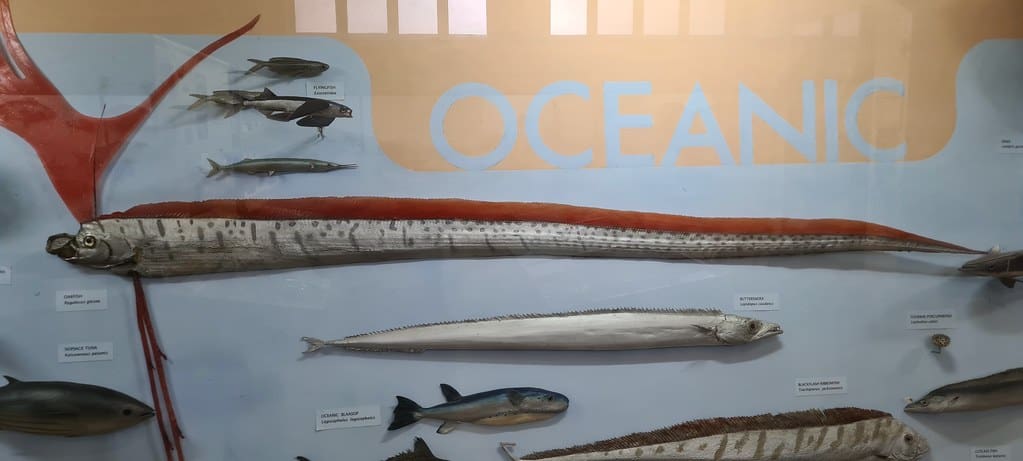
Oarfish are among the longest bony fish in the world, capable of reaching 26 feet or more. These animals feature a silvery body and a bright red dorsal fin running their entire length. They live in the deep ocean and are rarely seen alive.
Several oarfish have been found on the beaches of Washington and Oregon over the years. Understandably, coming across one on the beach tends to cause a scene. Their unusual look is widely thought to have inspired ancient sea serpent legends among Pacific maritime cultures.
Japanese Hand-Blown Glass Fishing Floats
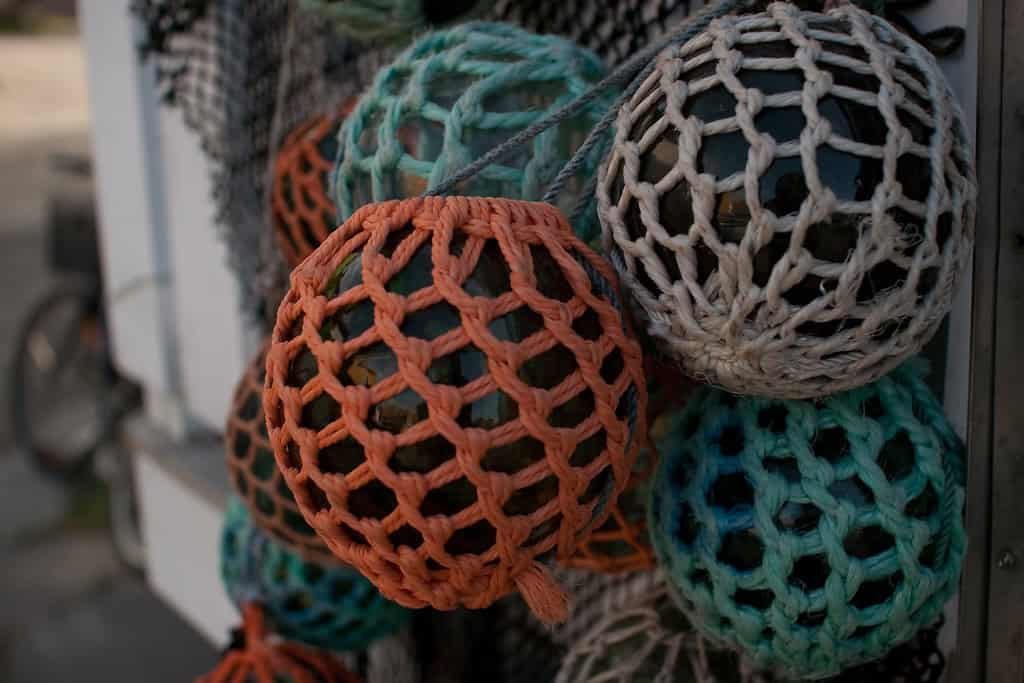
©"Fishing net float" by Jon Olav is licensed under BY 2.0. - Original / License
Before synthetic buoys replaced them in the 1970s, the Japanese fishermen used hand-blown glass spheres to keep their nets afloat. When nets broke, the buoys could drift on Pacific currents for years before being washed ashore in the Pacific Northwest.
Oregon beaches, particularly around Lincoln City, became so reliably covered with them that the city now runs an annual event hiding glass floats made by local artists along the shoreline. Original Japanese floats still turn up occasionally, their green and blue glass worn soft by decades at sea.
World War II Naval Mines
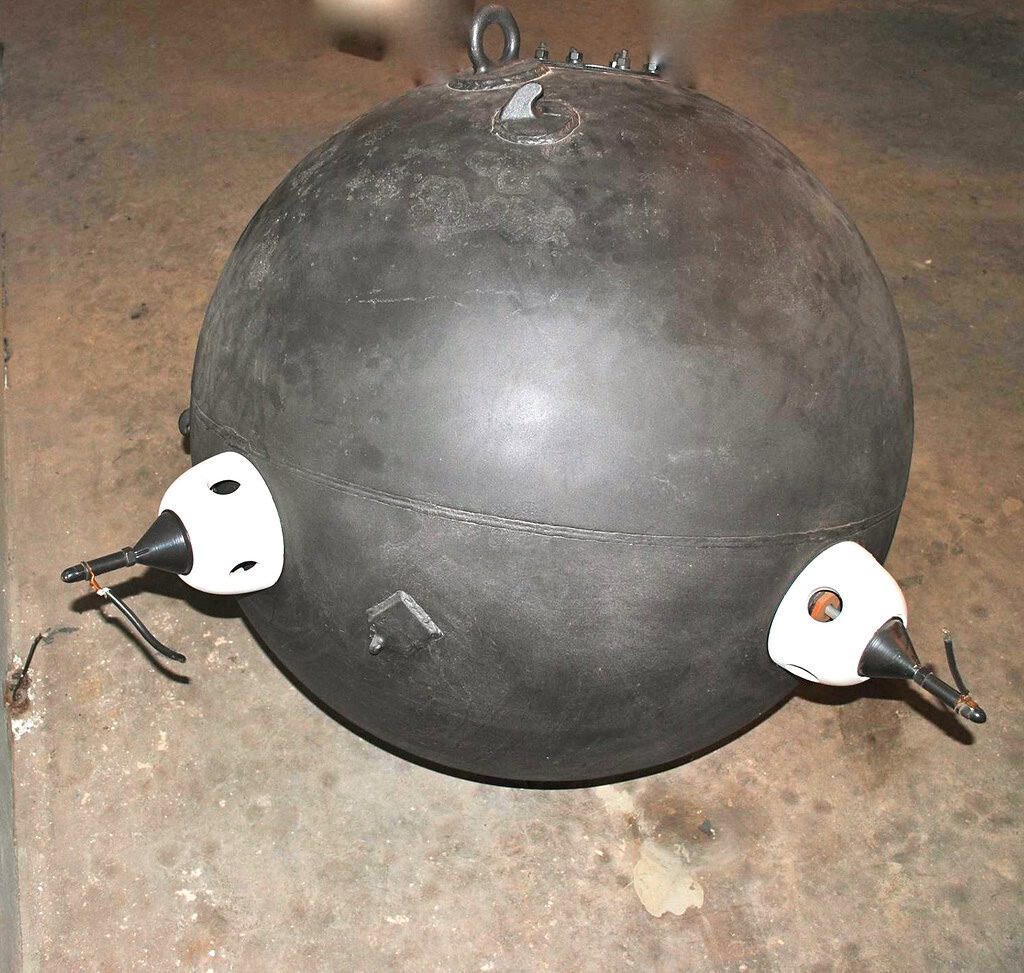
©"World War II Naval Mines" by Lee Cannon is licensed under BY-SA 2.0. - Original / License
The waters off the Pacific Northwest were used by both American and Japanese military forces during World War II, and the ocean has been returning reminders ever since. Several live naval mines, including some that are still armed on arrival, have been found on the beaches of Washington and Oregon over the decades.
Most of them belong either to America or Japan, swept loose from their moorings by tides and time. Incidents have prompted evacuations and bomb disposal responses. Beachcombers are advised to immediately report any unusual metal spheres with protruding spikes to authorities.

