
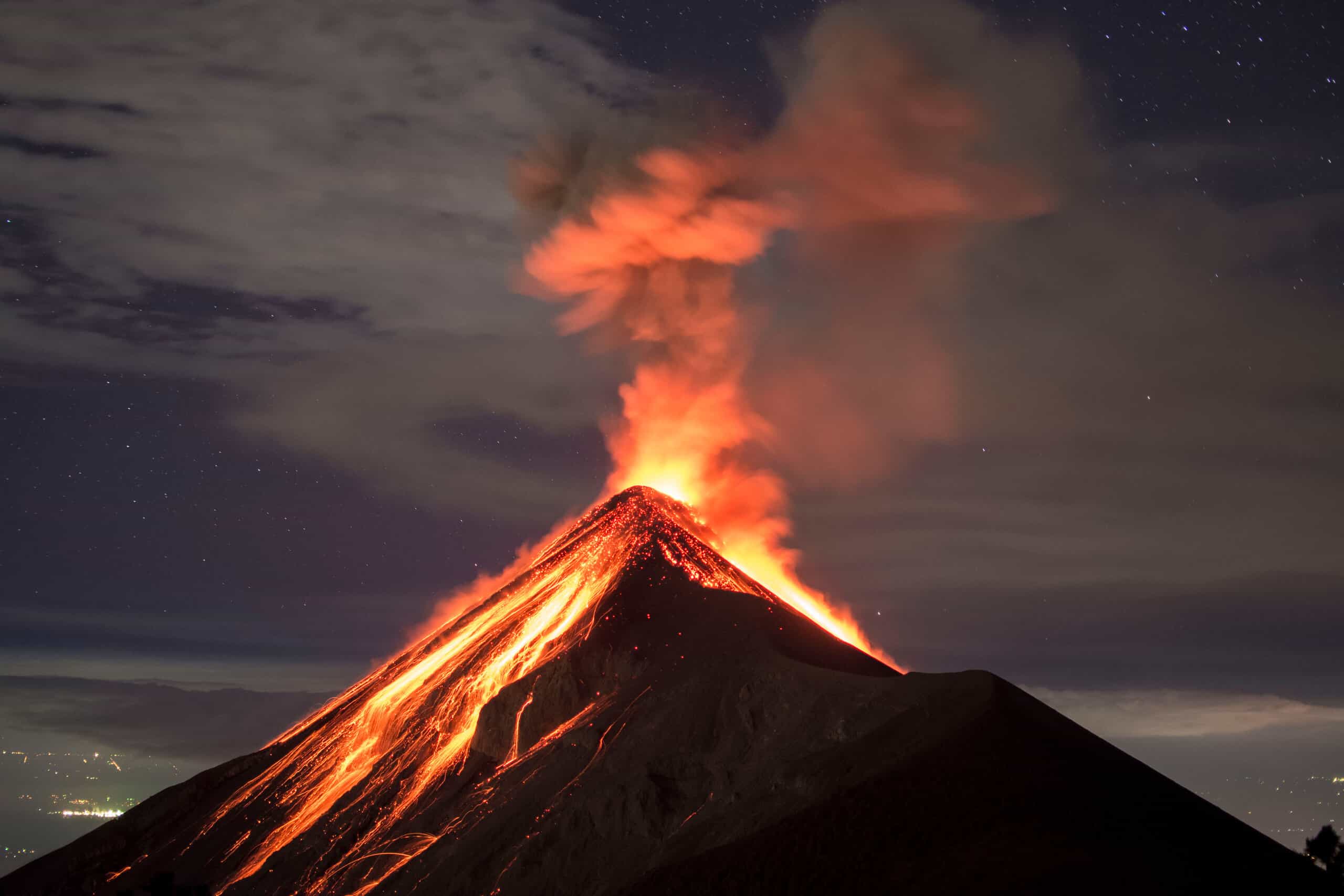
There are many reasons to love the Pacific Northwest, and one is the region’s mountains. The PNW is home to dramatic peaks, including several volcanoes that have appeared in headlines over the years. Volcanoes are part of what makes the region so striking, but active volcanic systems can also produce dangerous hazards.
Seattle Travel takes a closer look at active and closely monitored volcanoes, from Washington State to Hawaii, Mexico, and Italy. Volcanoes can be tricky to classify, so we’ve relied on information from the U.S. Geological Survey, National Park Service, Smithsonian Global Volcanism Program, Italy’s National Institute of Geophysics and Volcanology, and Mexico’s CENAPRED and UNAM.
“Active” is not a perfectly rigid label. The U.S. Geological Survey notes that many volcanologists use the Holocene, which began about 11,650 years ago, as a practical cutoff, while also considering a volcano active if other evidence shows it has the potential to erupt again. That broader definition matters for systems such as Yellowstone, where the last lava eruption was tens of thousands of years ago, but magma and a vigorous hydrothermal system remain beneath the surface. Here are seven active or persistently restless volcanic systems in the PNW and beyond.
Stromboli
©Marek Poplawski/Shutterstock.com
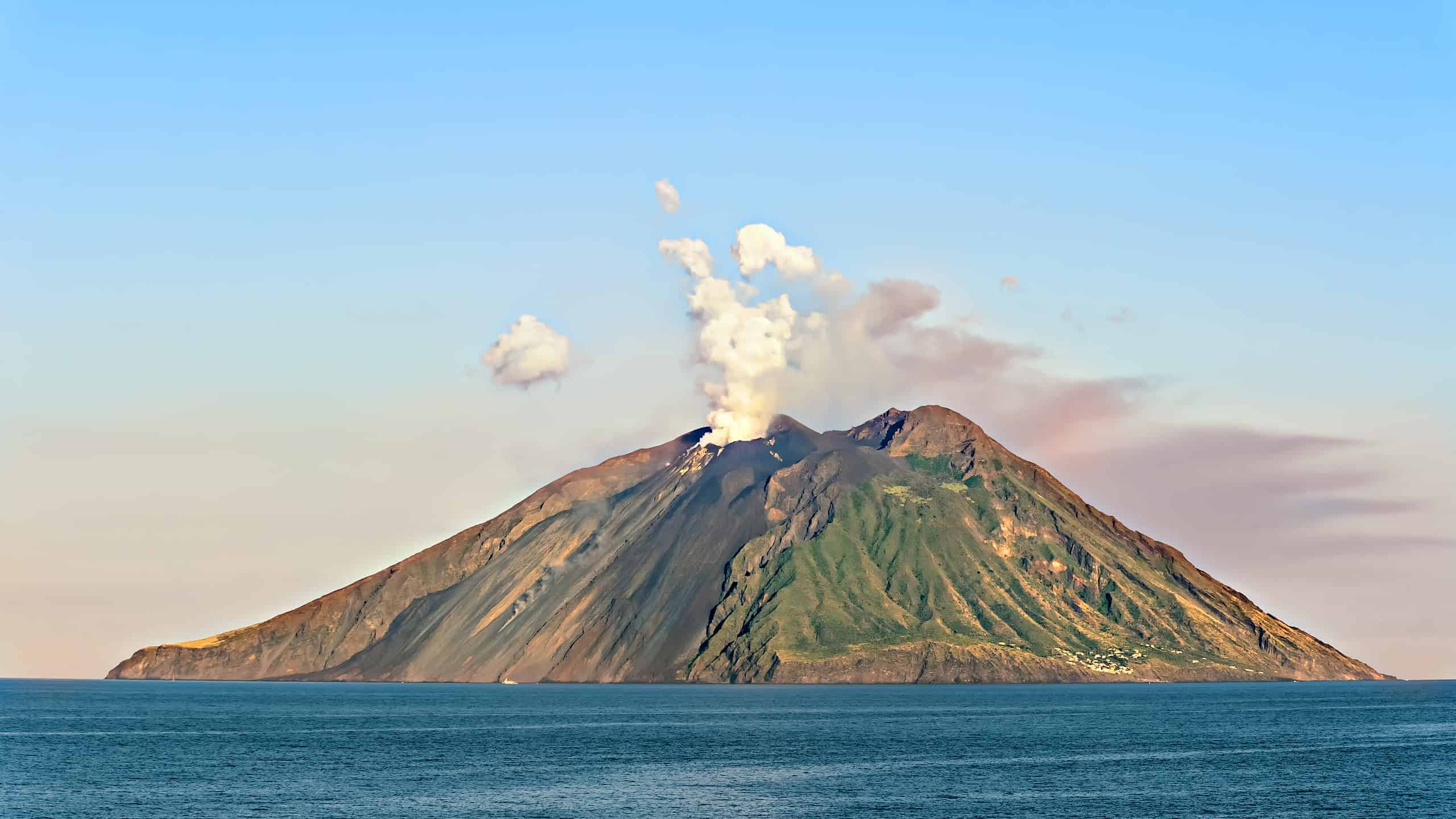
Stromboli, in the Aeolian Islands north of Sicily, is one of the few volcanoes on Earth with persistent eruptive activity. It is the northernmost of the seven Aeolian Islands, and its regular explosive activity is the origin of the term “Strombolian” eruption.
Stronger events can occur within that persistent activity. On August 28, 2019, a powerful paroxysm began at 10:17 UTC. The partial collapse of the eruption column generated a pyroclastic flow that traveled down the Sciara del Fuoco and continued more than 500 meters out over the sea. It was one of two major paroxysms at Stromboli that summer, the other occurring on July 3.
Stromboli rises to about 926 meters, or roughly 3,038 feet, above sea level, while the base of the volcanic edifice lies about 2,000 meters below sea level. The island covers about 12.2 square kilometers, or 4.7 square miles. Its characteristic bursts of incandescent lava fragments gave volcanology the term “Strombolian eruption.”
Mount St. Helens
©Checubus/Shutterstock.com
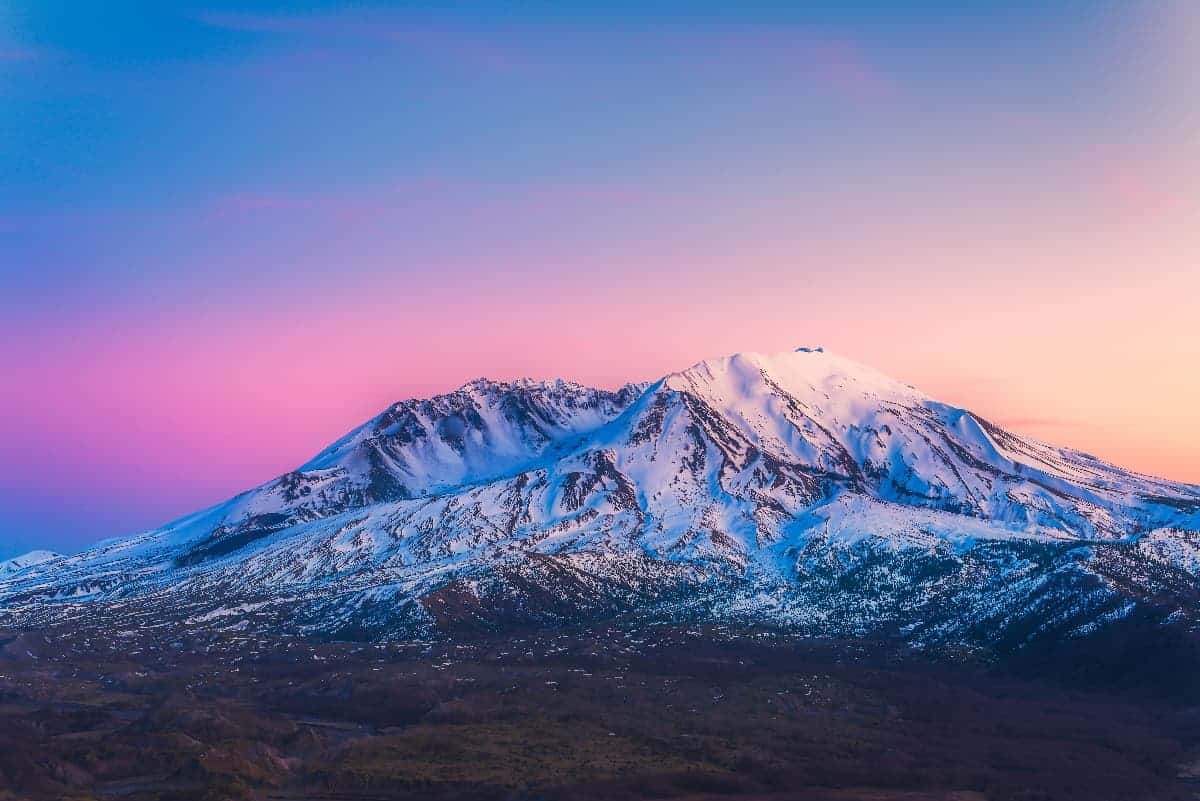
Mount St. Helens in Washington State is the most active volcano in the Cascade Range, according to the U.S. Geological Survey. It is part of the Cascade volcanic arc and the broader Pacific Ring of Fire.
Mount St. Helens (continued)
©"Mount St Helens Summit Climb" by billautomata is licensed under BY 2.0. - Original / License
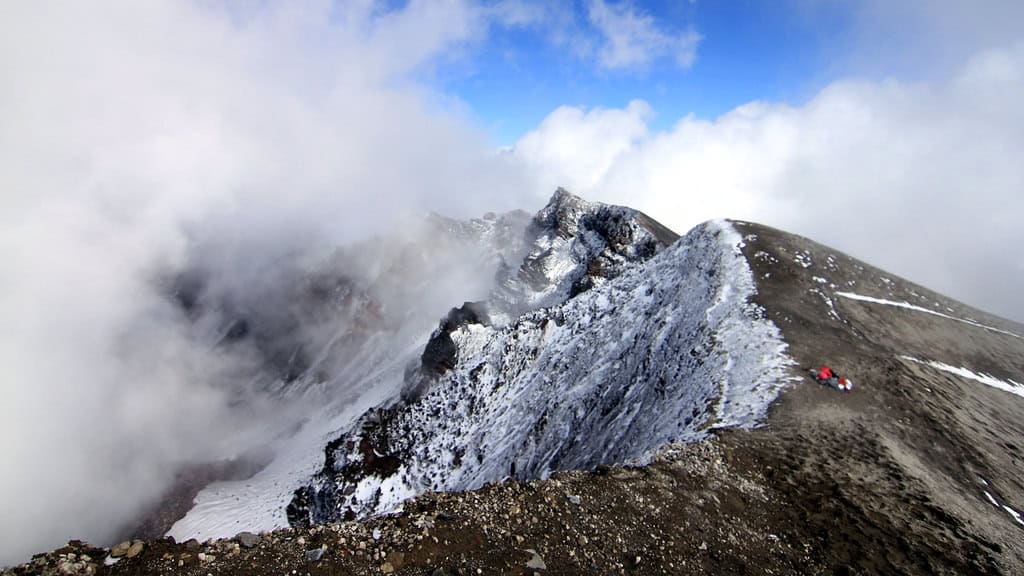
On May 18, 1980, the upper 1,300 feet of Mount St. Helens was removed by a massive debris avalanche and explosive eruption. From 2004 through 2008, the volcano erupted again, extruding lava into the crater and building a new lava dome alongside the dome formed during the 1980s.
The U.S. Geological Survey lists the 2004-2008 event as Mount St. Helens’ most recent eruption. Mount Rainier National Park also preserves identifiable tephra layers from older eruptions of Mount St. Helens, along with ash from other Cascade volcanoes and Mount Mazama in Oregon.
Kilauea
©Catmando/Shutterstock.com
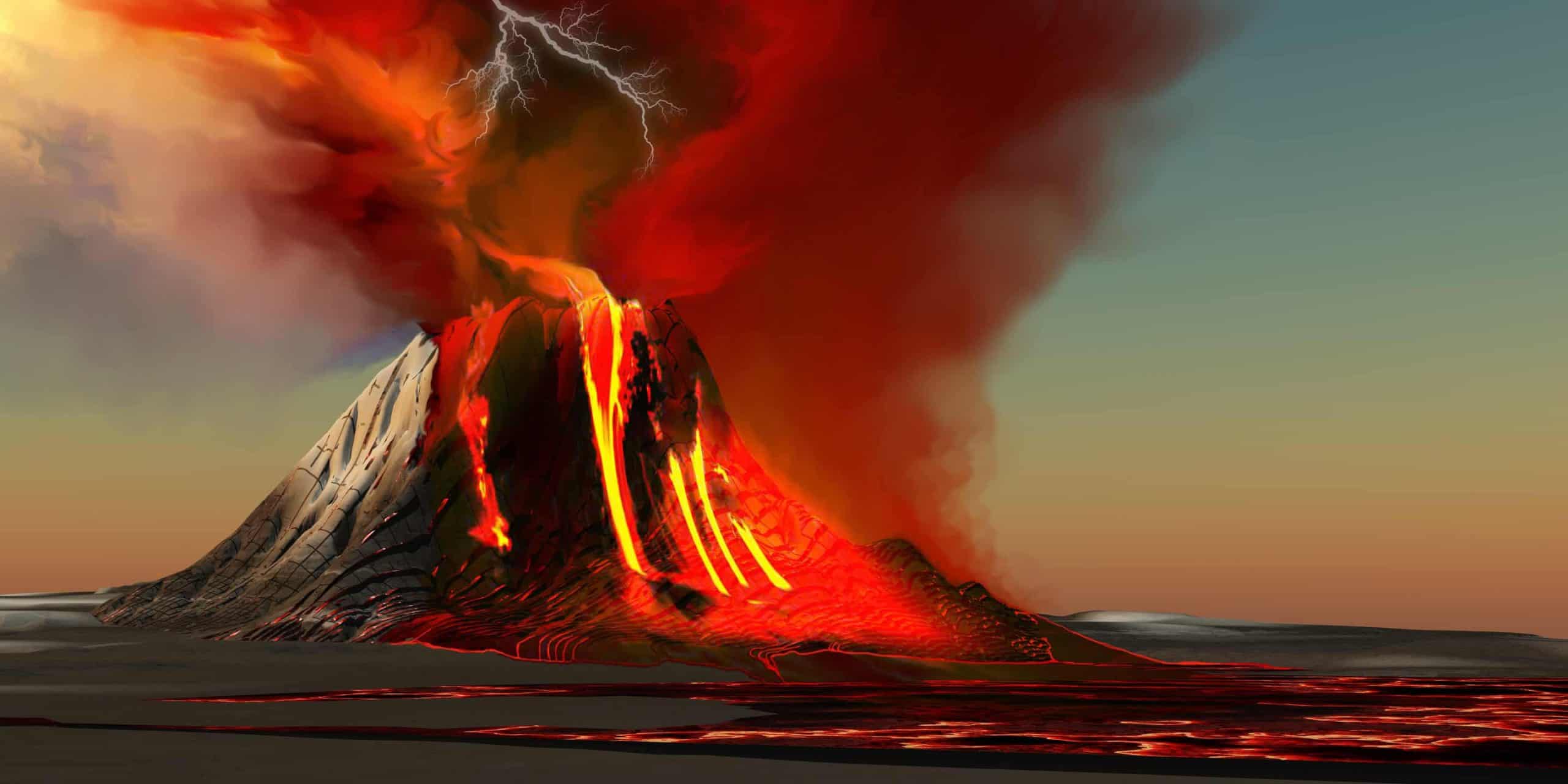
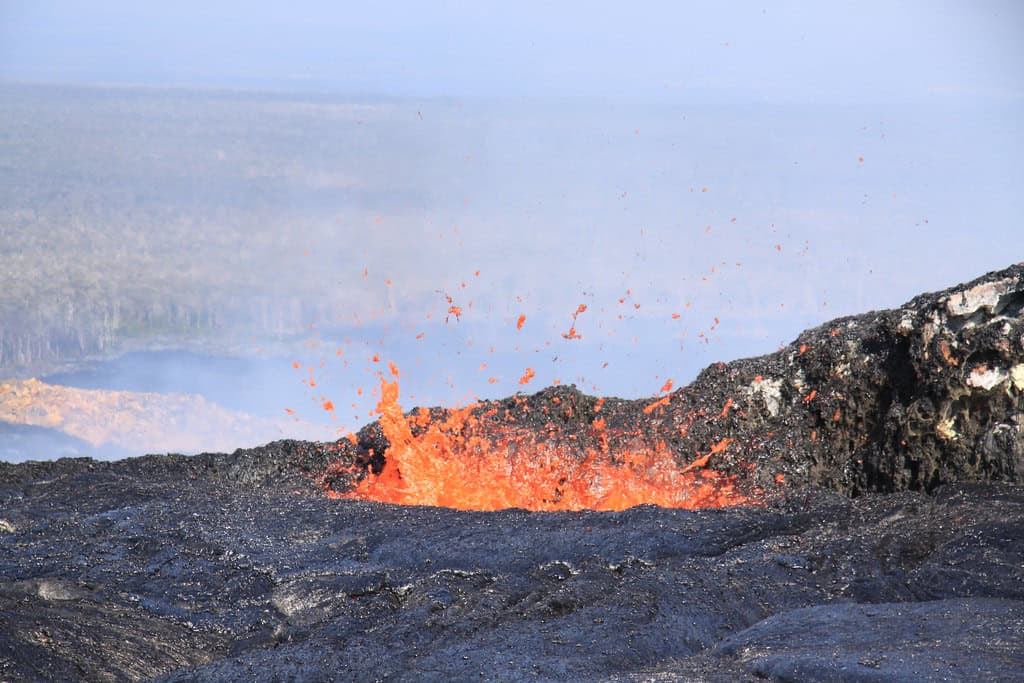
Kīlauea is a shield volcano on the Island of Hawaiʻi. Current research indicates that its earliest lava flows erupted onto the ocean floor between about 210,000 and 280,000 years ago, and the volcano entered its shield-building stage about 155,000 years ago. It remains one of the most active volcanoes in the world. A summit eruption within Halemaʻumaʻu has occurred episodically since December 23, 2024. Episode 53 began at about 3:45 p.m. HST on August 12, 2026, and ended at 1:23 a.m. HST on August 13. As of the U.S. Geological Survey’s August 18 update, the eruption was paused.
Kilauea (continued)
©"Spattering at Kilauea" by U.S. Geological Survey is licensed under CC0 1.0. - Original / License
In Hawaiian tradition, Halemaʻumaʻu is the home of Pelehonuamea, the volcano deity Pele. The National Park Service describes Pele as both a creative and destructive force associated with lava, volcanic eruptions, and the creation of new land.
The Hawaiian-Emperor seamount chain is a long line of islands and mostly submarine volcanoes formed as the Pacific Plate moved over the Hawaiian hot spot. The volcanoes generally become younger toward the southeast. Kīlauea is among the youngest volcanoes above sea level in the chain, while Kamaʻehuakanaloa, a submarine volcano southeast of Hawaiʻi Island, is younger.
Mount Rainier
©iStock.com/RomanKhomlyak
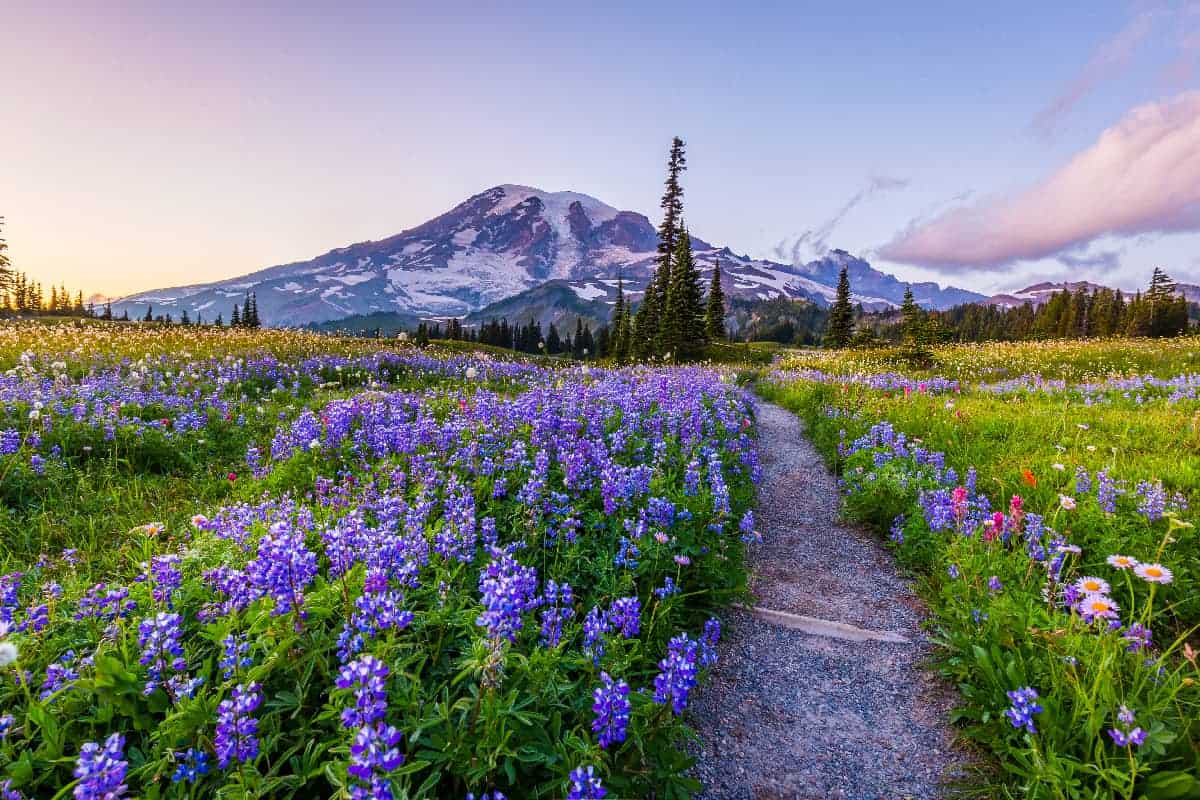
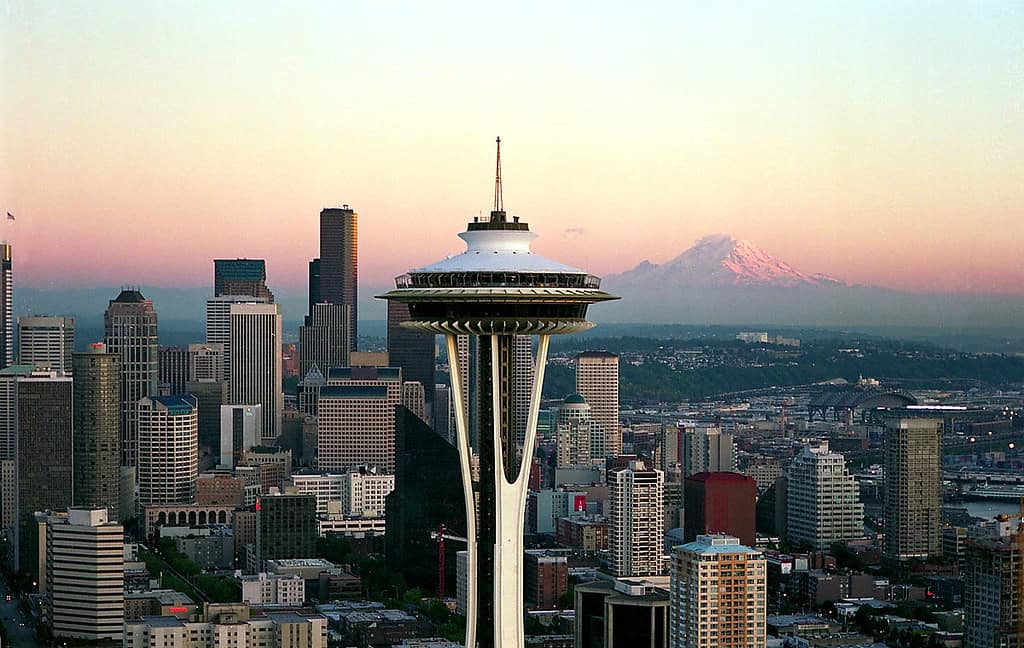
Mount Rainier rises 14,410 feet above sea level, making it the tallest mountain in Washington State and the highest peak in the Cascade Range. It is an active stratovolcano that the U.S. Geological Survey expects to erupt again, although scientists cannot predict when. Its location near populated river valleys is one reason the USGS classifies Mount Rainier as a very high-threat volcano.
Mount Rainier (continued)
©"Space Needle with skyline and Mount Rainier at sunset, 2000" by Seattle Municipal Archives is licensed under BY 2.0. - Original / License
Lahars are one of the biggest hazards associated with Mount Rainier. A 2015 U.S. Geological Survey study estimated that more than 90,000 people lived within Mount Rainier lahar-hazard zones. Lahars are fast-moving mixtures of water, mud, rock, and other debris that can travel far down river valleys. They commonly accompany volcanic eruptions, but they can also begin with landslides on a volcano without an eruption.
Mount Rainier is the most glaciated peak in the contiguous United States, with more glacier ice than any other mountain there. Snow and glacier ice can provide water for eruption-generated lahars, but some past lahars also began when weakened rock collapsed from the volcano. Ancient lahar deposits extend into populated river valleys downstream from Mount Rainier.
Mount Etna
©Alberto Masnovo/Shutterstock.com
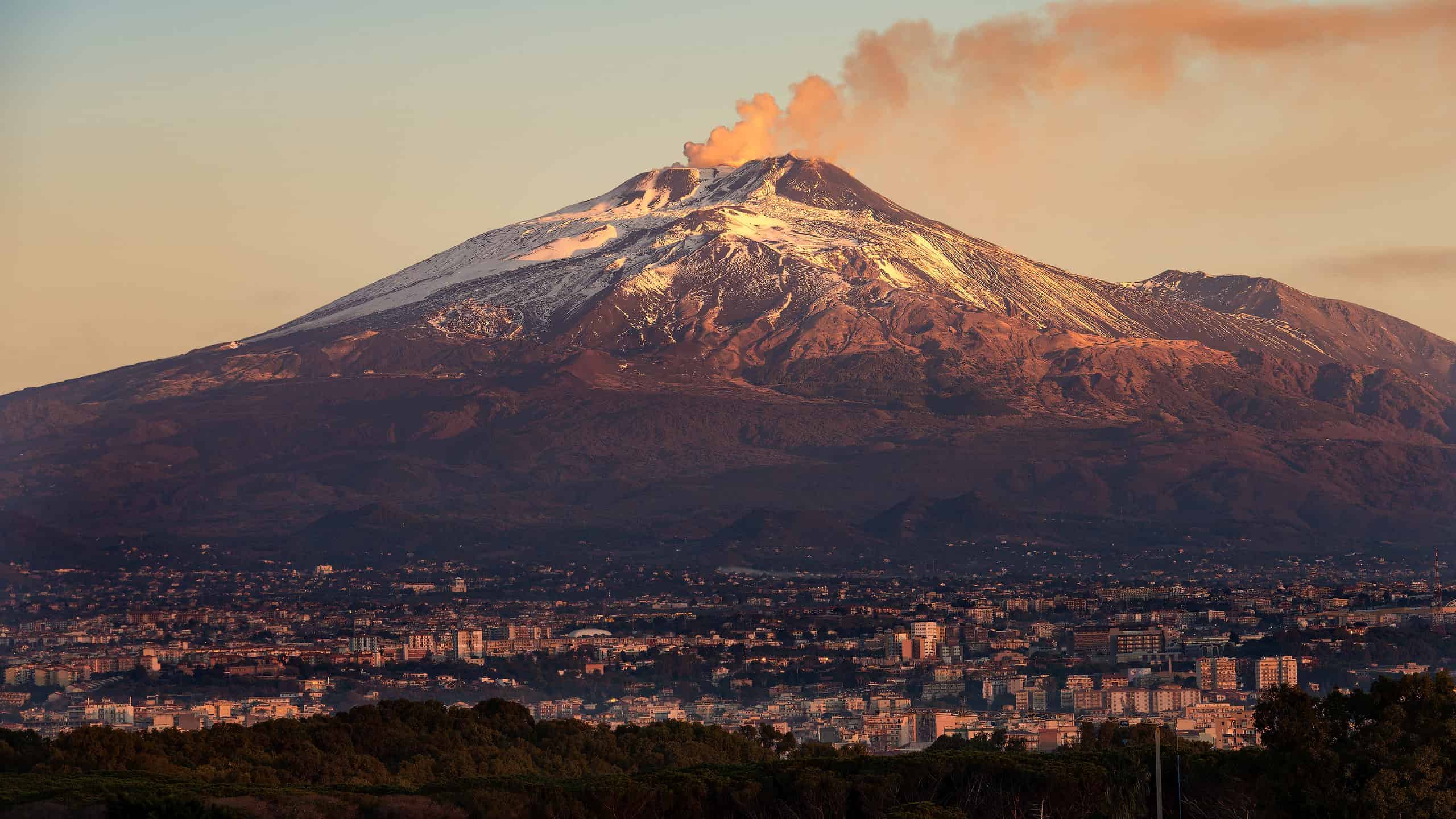
Mount Etna on the island of Sicily has one of the world’s longest documented records of volcanic activity, with recorded eruptions dating back to about 1500 BCE. Italy’s National Institute of Geophysics and Volcanology notes that summit activity can continue for years or even decades, sometimes interrupted by powerful explosive episodes, while flank eruptions occur at irregular intervals. Etna remains one of the most active volcanoes on Earth.
Etna can also produce striking volcanic vortex rings, often called “smoke rings.” Italy’s National Institute of Geophysics and Volcanology documented repeated steam rings from the Bocca Nuova crater during early 2024, including during April.
Yellowstone Caldera
©Busara/Shutterstock.com
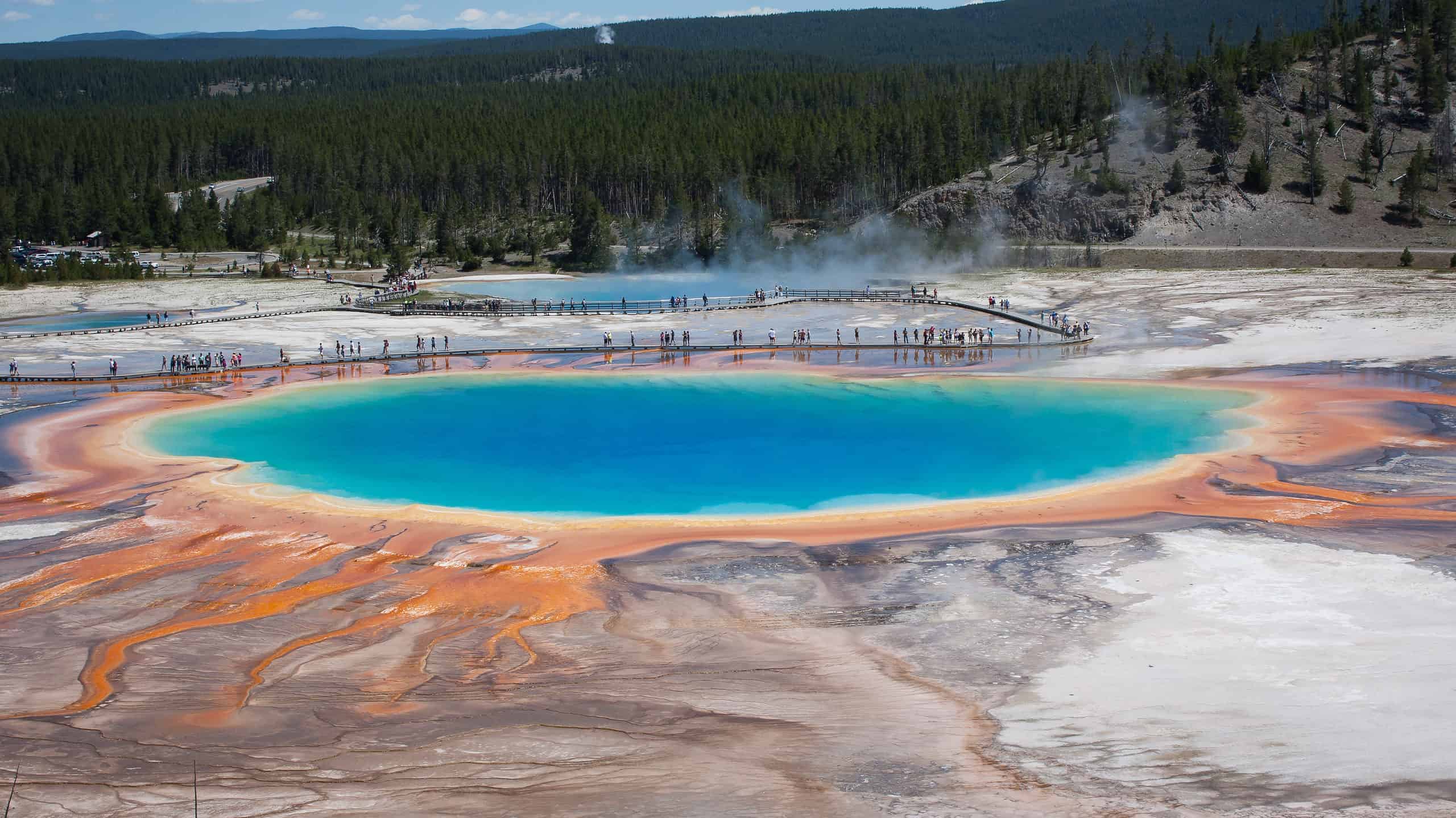
The present Yellowstone Caldera in Yellowstone National Park formed about 631,300 years ago, with an uncertainty of about 4,300 years, during the eruption of the Lava Creek Tuff. Yellowstone is the youngest part of roughly 17 million years of hot-spot volcanism that progressed northeastward across the Snake River Plain as the North American Plate moved over the hot spot.
Yellowstone Caldera (continued)
©"Welcome to Yellowstone National Park, Wyoming" by Ken Lund is licensed under BY-SA 2.0. - Original / License
The track of Yellowstone hot-spot volcanism can be traced southwest from Yellowstone across the Snake River Plain. Three extraordinarily large caldera-forming eruptions occurred in the Yellowstone region about 2.08 million, 1.3 million, and 631,000 years ago. The Huckleberry Ridge and Lava Creek eruptions rank among the world’s largest known volcanic events.
The most recent magmatic eruptions at Yellowstone were thick rhyolitic lava flows roughly 70,000 years ago. Yellowstone nevertheless remains geologically active, with earthquakes, ground deformation, magma beneath the surface, and one of the world’s largest hydrothermal systems. Hydrothermal explosions can still occur without a magmatic eruption, including a small explosion at Biscuit Basin on June 13, 2026.
Popocatépetl
©iStock.com/Eduardo Cabanas
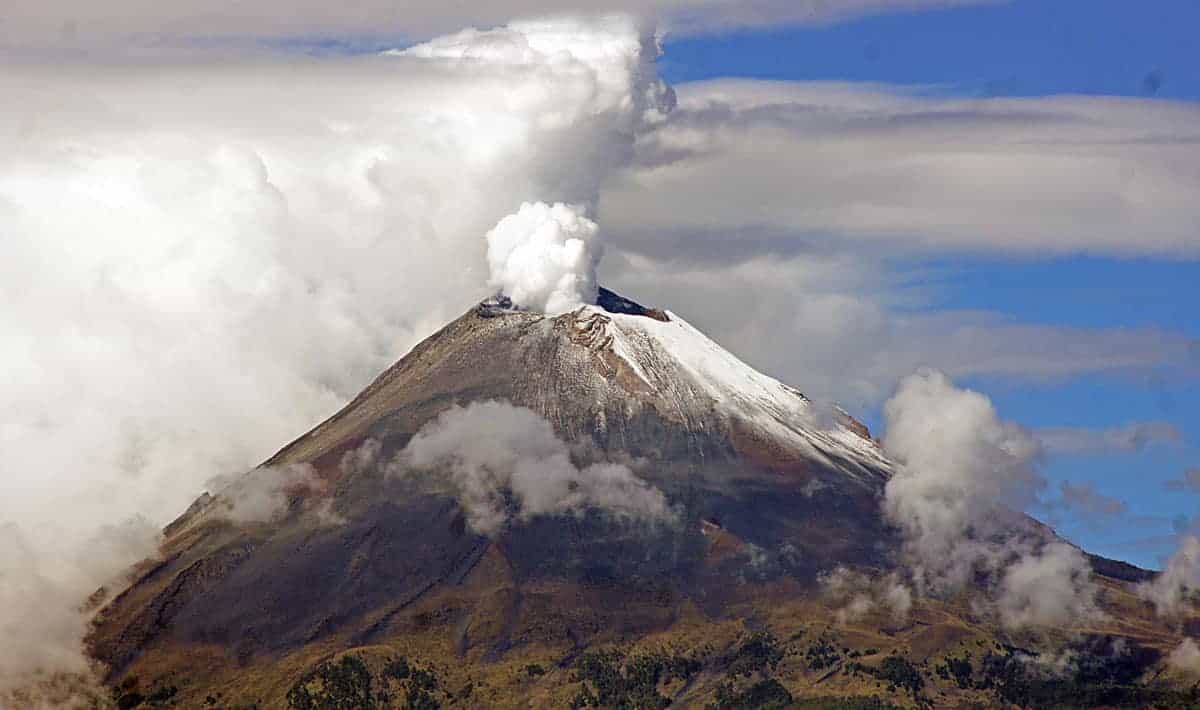
Popocatépetl, often called El Popo, is an active stratovolcano in central Mexico’s Trans-Mexican Volcanic Arc. Its Nahuatl name is commonly translated as “Smoking Mountain.” The modern volcano was built south of the older El Fraile cone, and at least three earlier major volcanic cones were destroyed by large collapses during the Pleistocene.
Popocatépetl (continued)
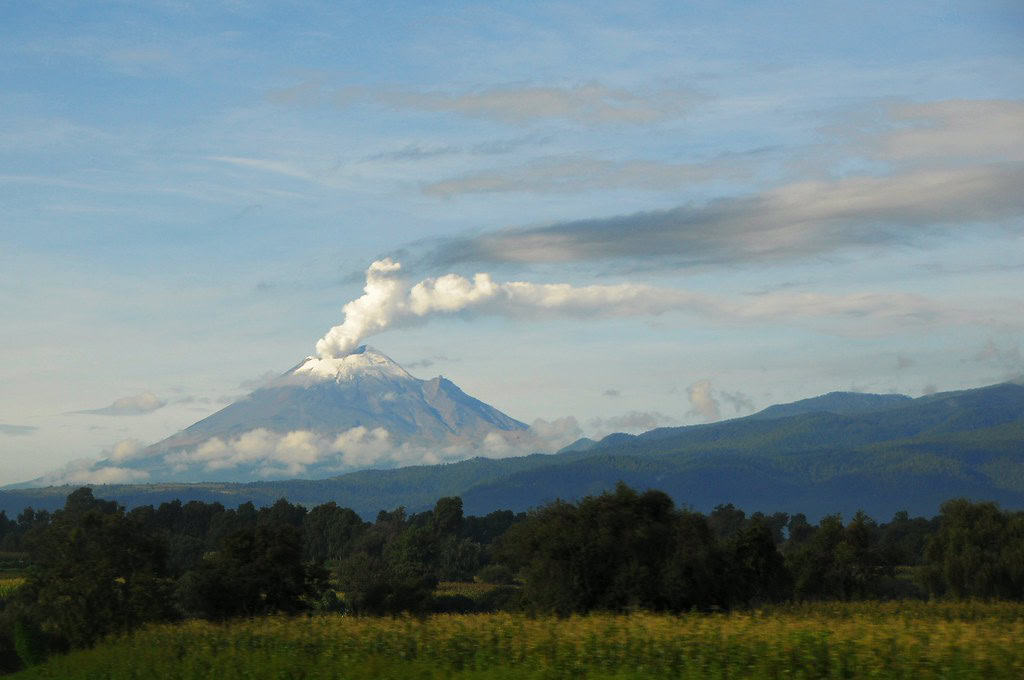
©"Popocatépetl" by RussBowling is licensed under BY 2.0. - Original / License
Popocatépetl has a long history of eruptions, with records extending back to pre-Columbian times. The volcano erupted on December 21, 1994, after decades of relative quiet, beginning the renewed eruptive period that continues today. As of August 18, 2026, Mexico’s CENAPRED maintained the volcano at Yellow Alert Phase 2.
El Popo is part of the Trans-Mexican Volcanic Belt and is North America’s second-highest volcano. Its former summit glaciers were declared extinct in 2001 after decades of retreat. Long-term climate warming contributed to the decline, while the eruptive activity that resumed in 1994 accelerated the loss of ice.

