
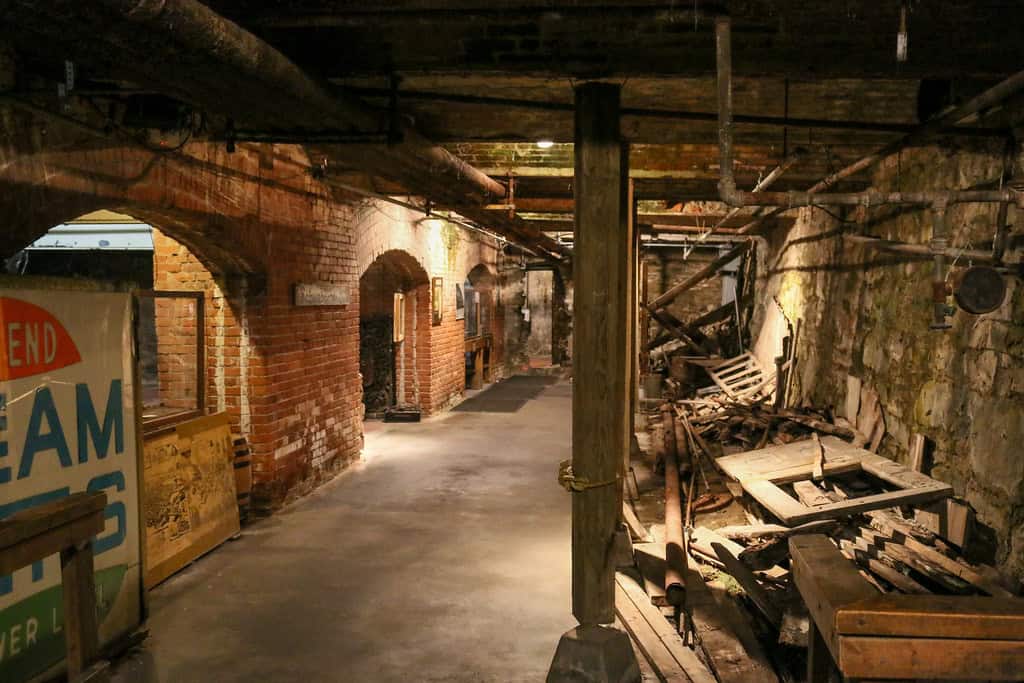
Most cities have something going on beneath their streets. Usually, it’s nothing particularly exciting: utility lines, parking garages, or the occasional subway station. But in some places, there’s an entirely different story waiting underground. We’re talking about forgotten building foundations, former street-level storefronts, and even an enormous business complex carved into solid limestone.
Seattle has one of the better-known examples, thanks to an underground network that developed after the devastating Great Fire of 1889. But the Pacific Northwest certainly doesn’t have a monopoly on unusual underground history. Cities across the country have found some pretty creative ways to use the space beneath their streets, whether for transportation, storage, business operations, or something else entirely.
Here are five U.S. cities with fascinating underground spaces and the stories behind them. Some offer guided tours, while others are active workplaces or restricted areas that visitors can’t enter. Either way, they prove there’s sometimes a lot more to a city than what you see at street level.
Indianapolis, Indiana
©Alexander Lukatskiy/Shutterstock.com
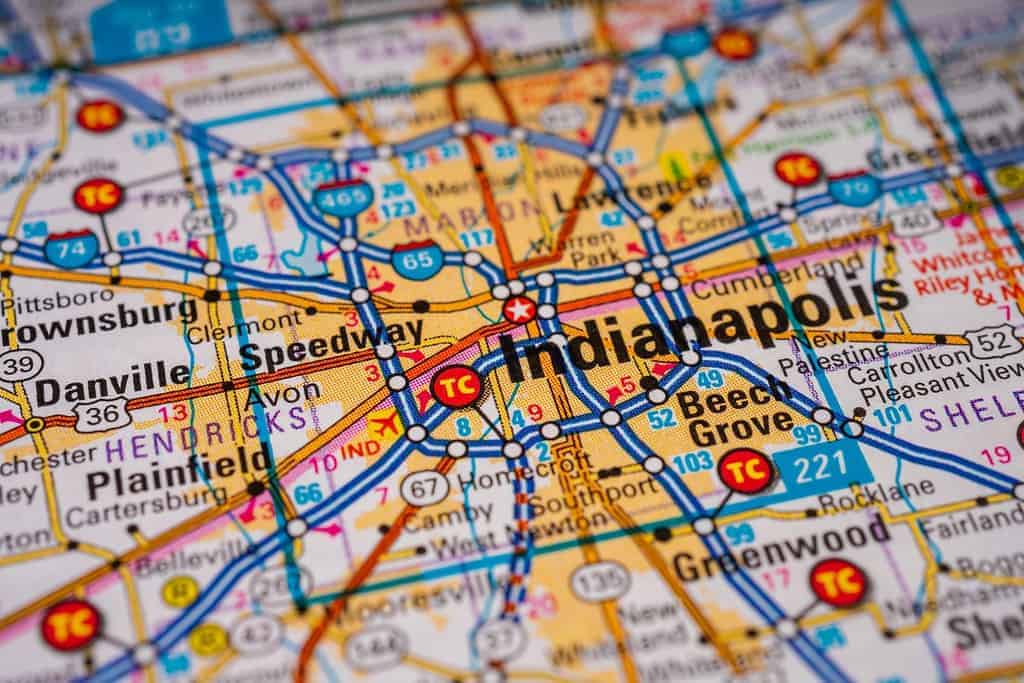
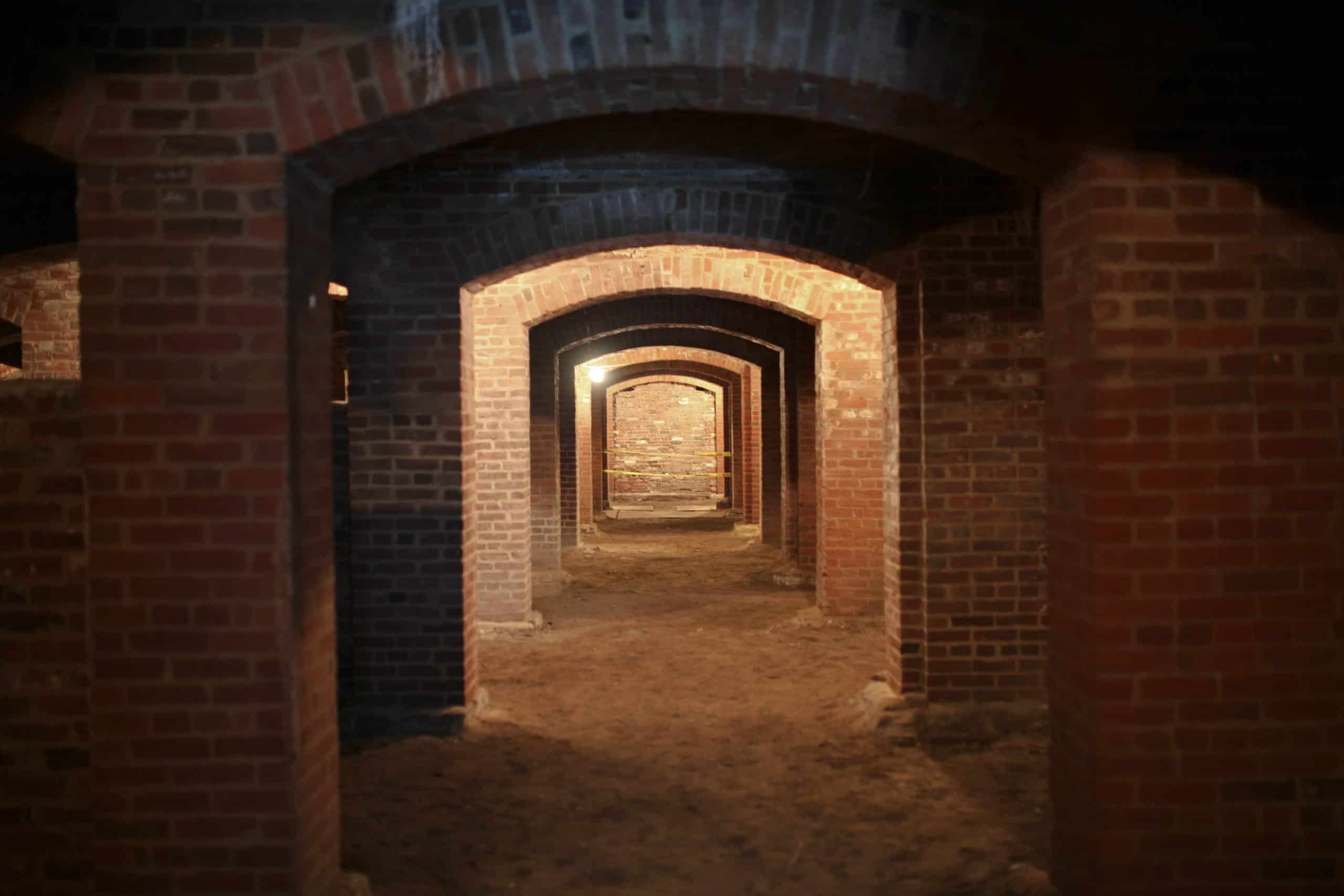
Indianapolis might not be the first place that comes to mind when you think about underground attractions, but beneath part of its historic City Market complex is something pretty remarkable. Known as the Indianapolis Catacombs, this underground space features a series of brick arches and columns dating back to the 19th century. Despite the name, you won’t find ancient burial chambers or human remains down there. Instead, the catacombs are the surviving remains of Tomlinson Hall, a massive public auditorium built in 1886. The building was damaged by fire and demolished in 1958, but much of its basement structure survived. Today, those underground remains offer a fascinating glimpse into a building that once played an important role in the city’s public life.
Indianapolis (continued): What Are the Catacombs?
©"Indianapolis Catacombs" by Valerie Keinsley, Indiana Humanities is licensed under BY 2.0. - Original / License
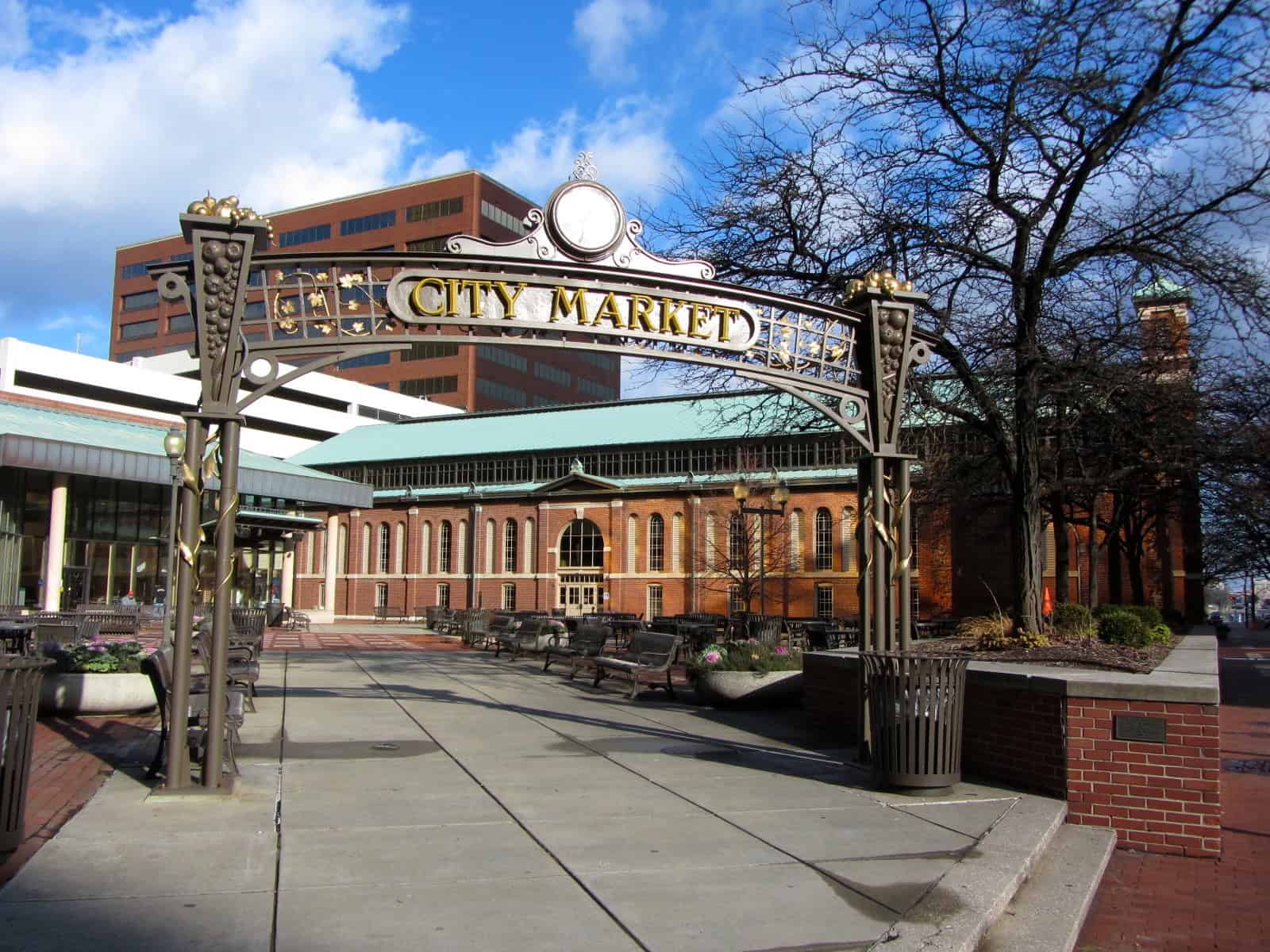
Unlike the famous catacombs beneath Paris, Indianapolis’s underground chambers were never intended as a place to bury the dead. They’re essentially the remains of a building’s lower level, with rows of brick-barrel-vaulted arches supporting the structure above. Tomlinson Hall once accommodated thousands of people for public gatherings, performances, and other events. Although the auditorium itself disappeared decades ago, its basement survived beneath what is now the City Market’s west plaza. Walking among the old arches offers a completely different perspective on downtown Indianapolis. It’s not an ancient underground city or an elaborate tunnel network, but it is an impressive piece of architecture that most people passing through the area would never realize was beneath their feet.
Indianapolis (continued): Can You Visit?
©"Indianapolis City Market - Jan 2012" by Richie Diesterheft is licensed under BY-SA 2.0. - Original / License
For years, Indiana Landmarks organized guided tours of the catacombs, giving visitors a chance to explore an unusual chapter of Indianapolis history. However, there’s an important update for anyone thinking about making the trip. According to Indiana Landmarks, catacombs tours are unavailable in 2026 and 2027 because of construction surrounding the historic City Market. The broader redevelopment project includes plans to improve the surrounding public space and bring greater attention to the surviving underground architecture. That could eventually make the catacombs an even more interesting destination, but visitors shouldn’t assume they can simply show up and head downstairs. If this is on your travel list, check the Indiana Landmarks website for updates before planning your visit.
Kansas City, Missouri
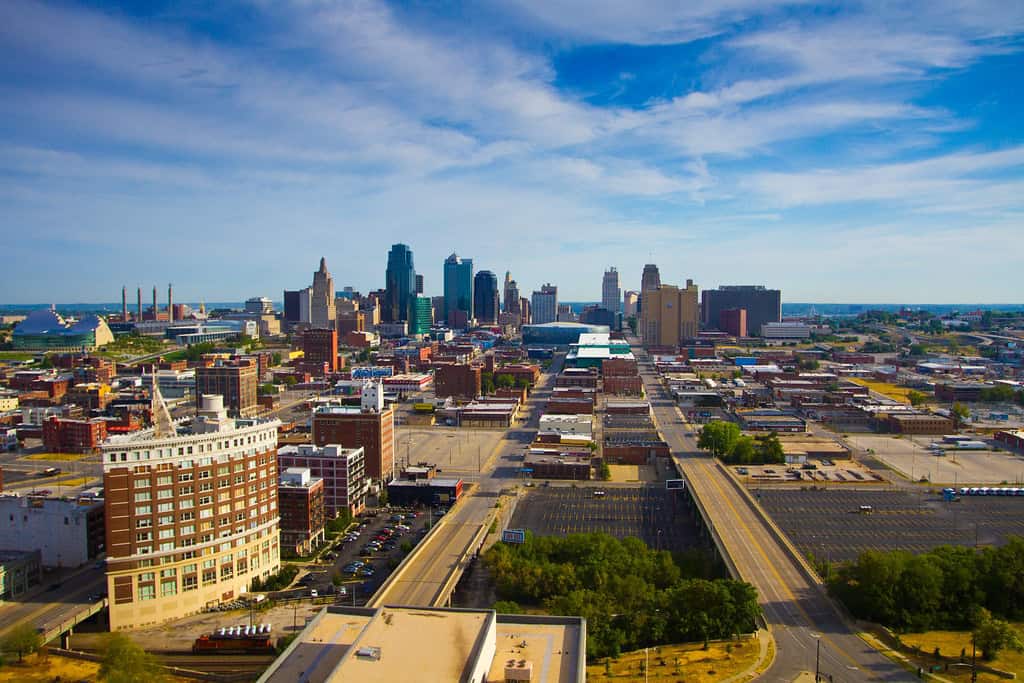
©"Downtown Kansas City Missouri" by StuSeeger is licensed under BY 2.0. - Original / License
Imagine going to work every morning, driving through a tunnel, and arriving at an office or warehouse deep inside a former limestone mine. That’s everyday life for some people working at SubTropolis in Kansas City, Missouri. Developed by Hunt Midwest, this enormous underground business complex occupies part of a limestone deposit that has been mined since 1945. Instead of leaving the excavated space sitting empty, developers transformed it into a functioning commercial facility with roads, loading areas, storage facilities, and businesses operating beneath the surface. And we’re not talking about a small cave with a couple of rooms. SubTropolis contains millions of square feet of developed commercial space, making it one of the most unusual business environments in the country.
Kansas City (continued): An Underground Business Complex
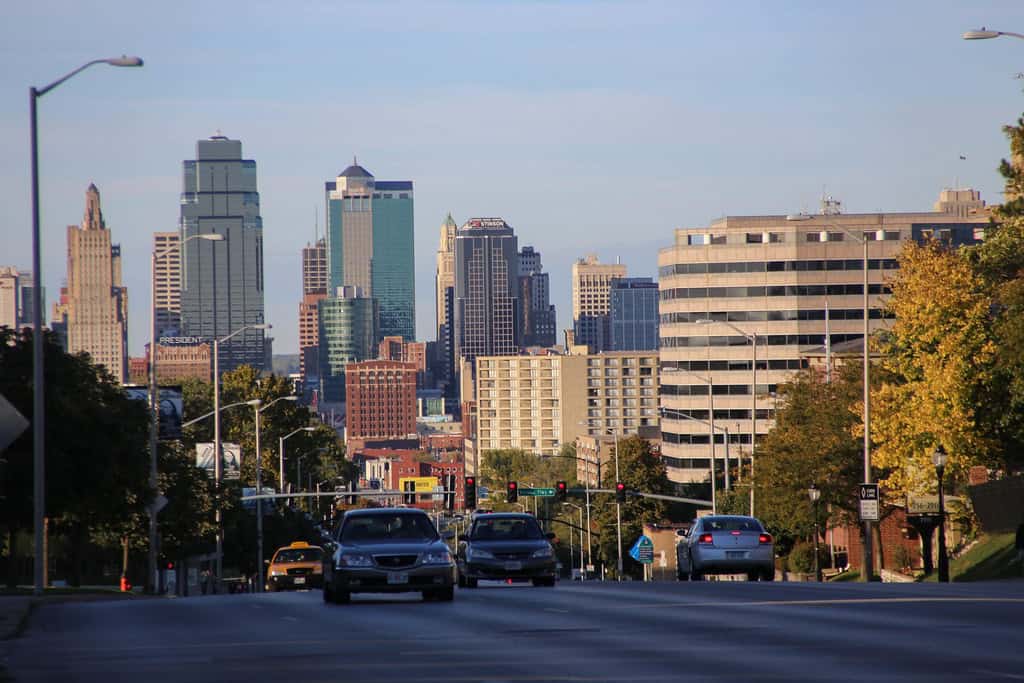
©"Kansas City, MO" by pasa47 is licensed under BY 2.0. - Original / License
SubTropolis is more than an oversized storage basement. Hunt Midwest describes a facility encompassing approximately 14 million square feet, with around 10 million square feet developed for commercial use. Companies use the underground space for warehousing, distribution, storage, and other business activities. The complex has paved roads, loading docks, and infrastructure you’d normally associate with an industrial park above ground. One major advantage is its naturally stable underground environment, which can reduce the energy needed to maintain comfortable temperatures. That’s particularly useful for businesses storing temperature-sensitive materials or operating large facilities. Unlike the historic underground spaces in Seattle and Indianapolis, SubTropolis wasn’t created as a tourist attraction. It’s an active business complex, with access controlled for employees, tenants, and authorized visitors.
Kansas City (continued): Built Into Ancient Limestone
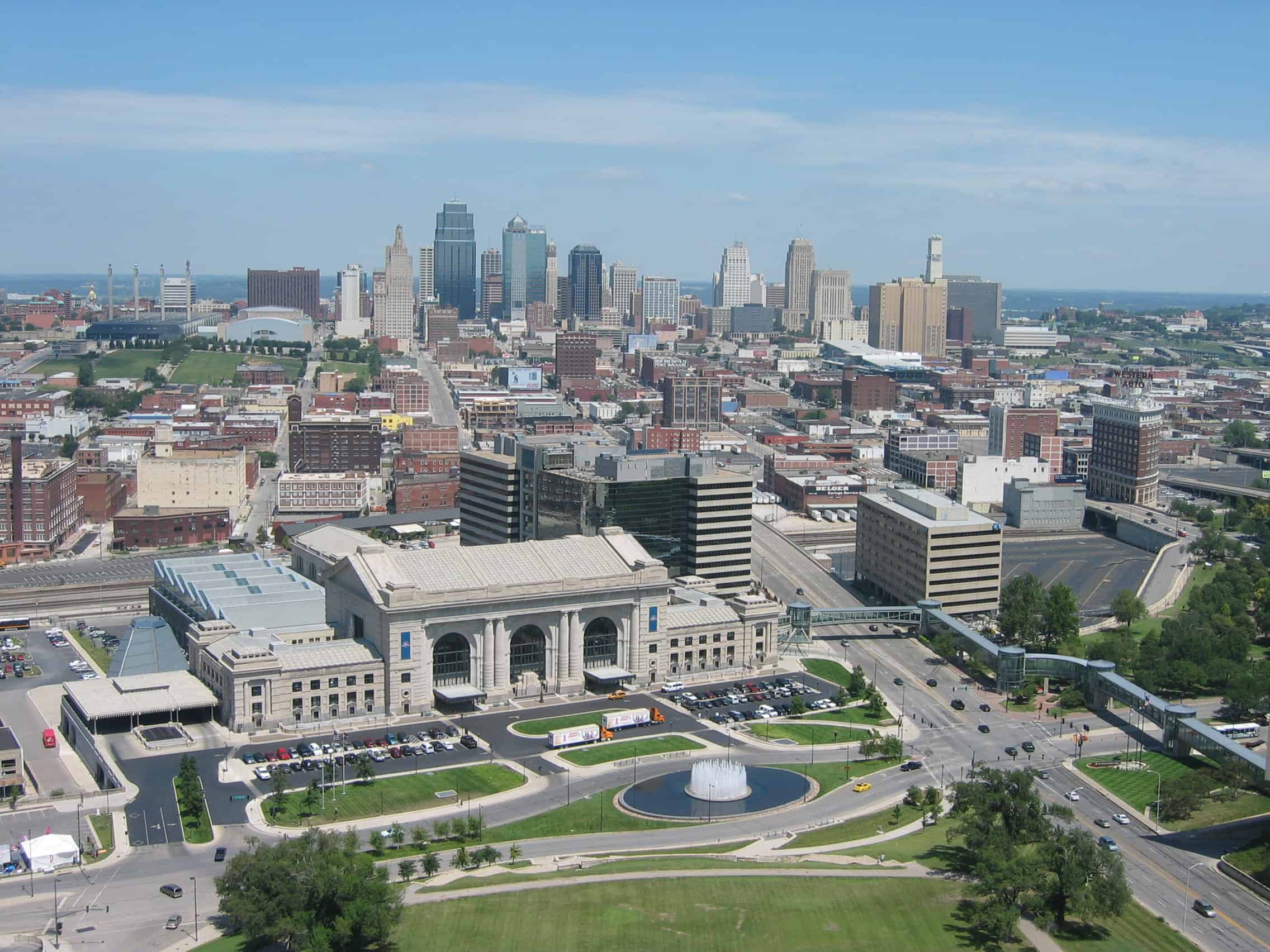
©"Jrb kansas city union station downtown 001" by Jesper Rautell Balle is licensed under BY 3.0. - Original / License
One of the most interesting things about SubTropolis is the geology that made it possible. According to Hunt Midwest, the underground complex was created through mining a limestone deposit approximately 270 million years old. Miners used a room-and-pillar approach, removing sections of rock while leaving massive limestone columns to support the ceiling. Those remaining pillars now help support the underground commercial spaces between them. The result looks less like a natural cavern and more like an industrial facility that happens to have solid rock for walls and ceilings. The complex has continued to develop over the decades, turning a former mining operation into valuable commercial real estate. Visitors interested in learning more can explore information on the Hunt Midwest website, although regular public sightseeing tours are not offered.
Seattle, Washington

©"tellers cage, seattle underground tunnels" by eschipul is licensed under BY-SA 2.0. - Original / License
Of all the underground destinations on this list, Seattle is probably the most recognizable, particularly for travelers exploring the Pacific Northwest. Beneath portions of the historic Pioneer Square neighborhood are passageways and former storefront spaces that tell the story of a city rebuilding itself after a major disaster. The Seattle Underground isn’t a mysterious ancient civilization or an abandoned subway system. It’s the result of changes made to the city’s streets during the late 19th century, when Seattle was recovering from a devastating fire. Today, visitors can explore selected sections through guided tours that combine local history, unusual architecture, and some pretty entertaining stories about the city’s early residents. It’s one of those attractions that makes you look at the sidewalks above a little differently afterward.
Seattle (continued): The Great Fire of 1889
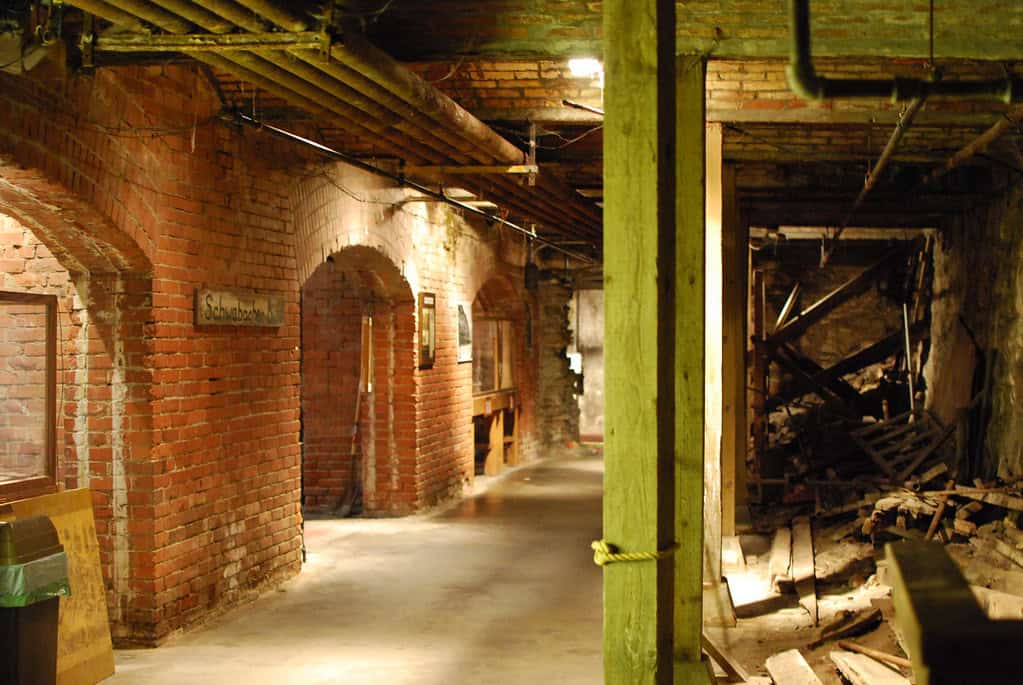
©"Underground Seattle" by karen_neoh is licensed under BY-SA 2.0. - Original / License
The story of Seattle’s underground begins on June 6, 1889, when a fire broke out in a paint and woodworking shop near Front and Madison streets. What started as a relatively small incident quickly became a disaster. According to the Seattle Municipal Archives, the flames spread through approximately 100 acres of the city’s commercial district and waterfront, destroying 25 blocks over roughly 18 hours. Much of downtown Seattle was built from wood at the time, making the fire especially destructive. Remarkably, the city began rebuilding almost immediately. Local officials adopted new construction requirements emphasizing fire-resistant brick and stone, while also addressing longstanding problems involving drainage and low-lying streets. The rebuilding process ultimately changed the elevation of parts of downtown, creating the underground spaces visitors can still explore today.
Seattle (continued): How the Underground Was Created
©"Underground Seattle" by Dougtone is licensed under BY-SA 2.0. - Original / License
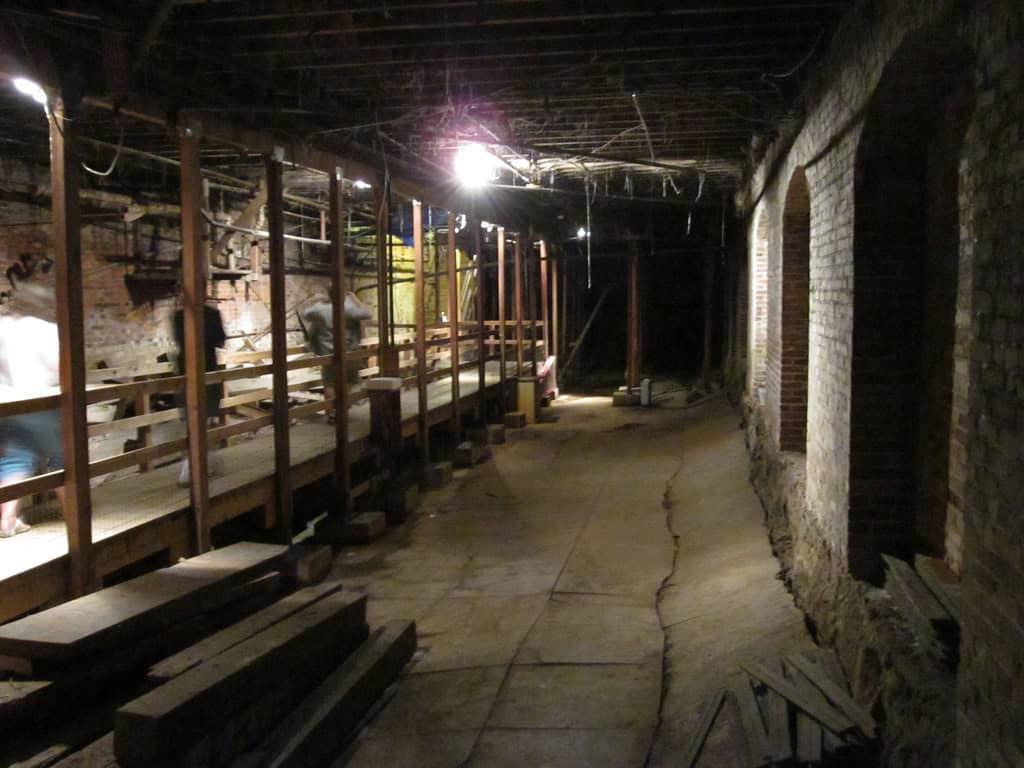
Seattle didn’t simply bury its old downtown beneath a new one overnight. Following the fire, buildings were reconstructed while the city gradually raised street levels in portions of what is now Pioneer Square. Some streets eventually stood considerably higher than their original elevations, leaving parts of older storefronts and sidewalks below the new street level. What had once been accessible at ground level became basement-like spaces beneath the sidewalks. Many of these areas were eventually closed off or fell out of regular use as the city continued to develop. Over time, the surviving passages became a fascinating reminder of Seattle’s early growth. The neighborhood above is still filled with historic buildings, but the underground offers another perspective on how the city responded to a disaster and reshaped its streets for future generations.
Seattle (continued): Exploring the Underground Today
©"Seattle Underground Tour" by ljguitar is licensed under BY 2.0. - Original / License
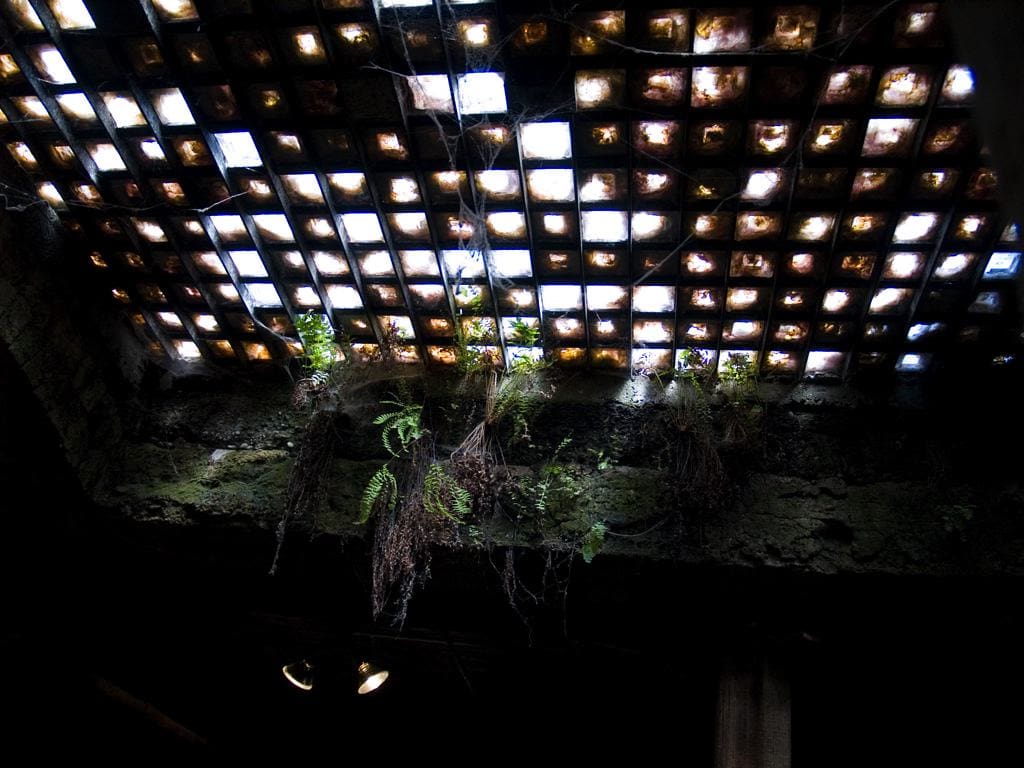
Unlike some of the underground spaces on this list, portions of Seattle’s historic passageways are open to visitors through organized tours. Bill Speidel’s Underground Tour has introduced people to the city’s buried history for decades, with guided walks through former storefront areas and passages beneath Pioneer Square. Another operator, Beneath the Streets, offers its own guided experience through selected sections of the neighborhood’s underground. These aren’t opportunities to wander freely through an abandoned city, however. Access is limited to designated tour areas, and visitors should expect stairs, uneven surfaces, and other features associated with historic spaces. Still, it’s a fascinating way to experience Seattle’s history firsthand. If you’re planning a visit, check the Underground Tour website or the Beneath the Streets listing for current tour information.
Dallas, Texas
©"File:DallasPedestrianNetwork.jpg" by Dfwcre8tive is licensed under BY-SA 3.0. - Original / License
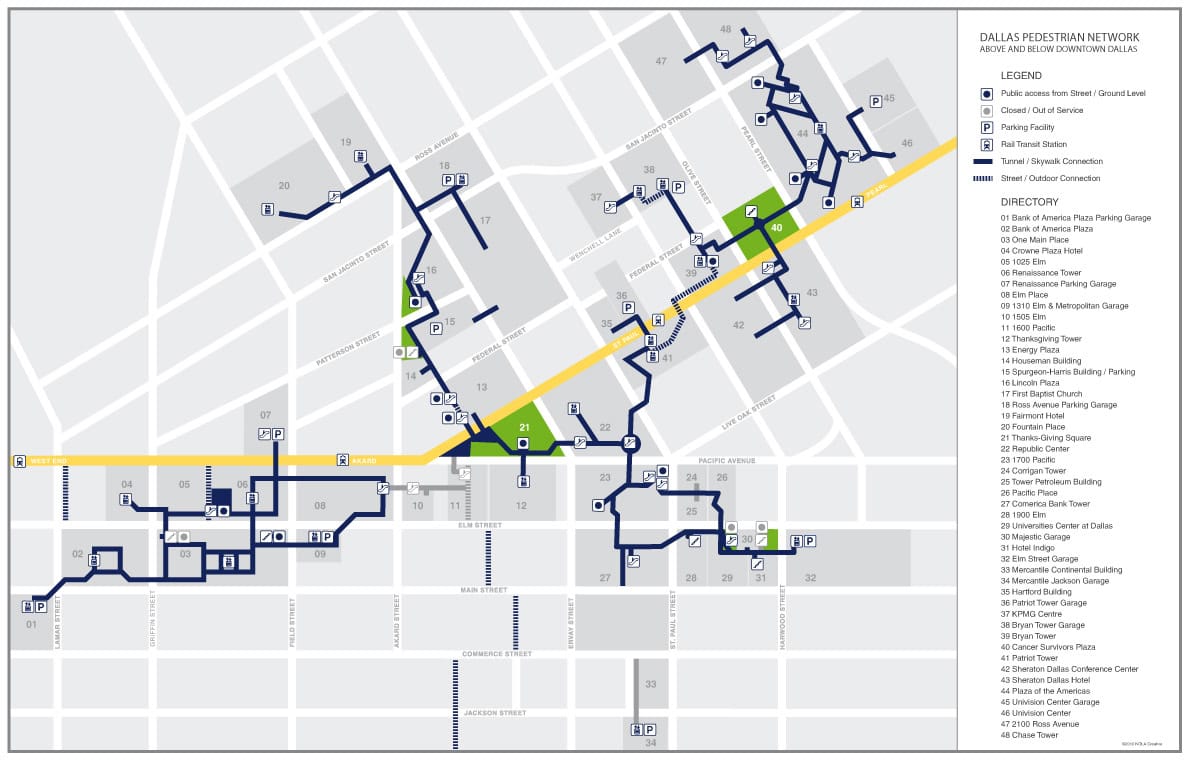
Dallas offers a completely different approach to life below street level. Instead of preserving the remains of historic buildings, the city developed a pedestrian network that connects portions of downtown through underground tunnels and aboveground skybridges. The idea was straightforward: give people a way to move between major office buildings without spending quite so much time dealing with traffic or the Texas heat. The network includes passageways associated with commercial buildings, and some sections have historically featured shops and restaurants serving downtown workers. It’s less of a hidden historical attraction and more of an alternate way to get around parts of the business district. However, visitors shouldn’t expect a continuous underground shopping mall beneath the entire city. Access varies between buildings, and parts of the network may be unavailable outside normal business hours.
Dallas (continued): The Pedestrian Network
©"File:ThansgivingSquareTunnel.jpeg" by Dfwcre8tive is licensed under BY 3.0. - Original / License
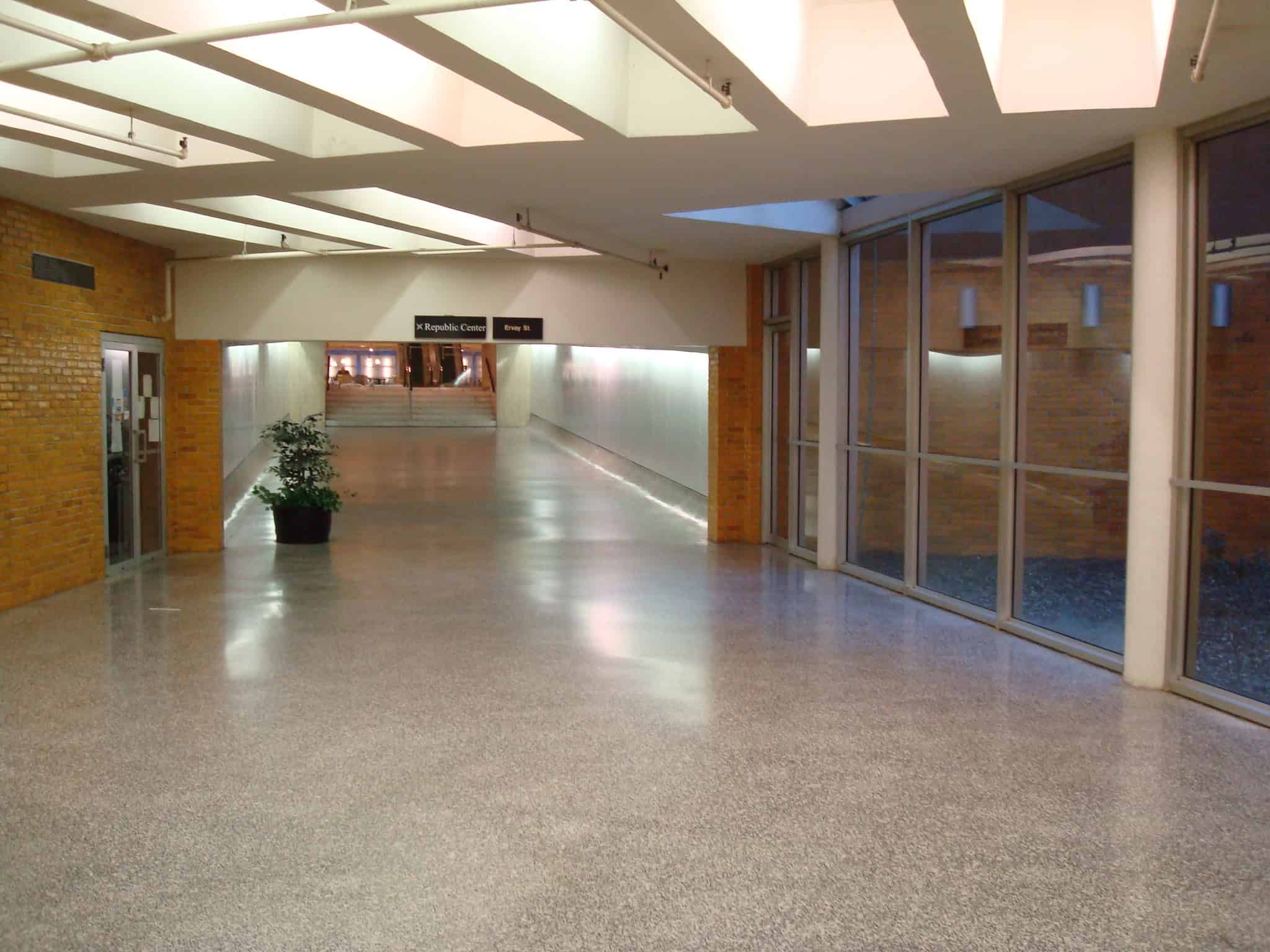
The Dallas Pedestrian Network emerged from downtown planning ideas developed during the late 1960s, including proposals associated with urban planner Vincent Ponte. The concept was to separate some pedestrian traffic from busy streets by using connected tunnels and elevated walkways. Over time, this approach created an alternate circulation system through portions of downtown Dallas. The underground spaces provided convenient connections between office buildings, while some areas attracted restaurants and other businesses serving the daytime workforce. However, the network also generated debate about its effect on street-level activity. When pedestrians spend more time moving between buildings without going outside, fewer people may visit businesses along the sidewalks. Dallas has since placed greater emphasis on creating an active, walkable downtown at street level, making the underground network an interesting example of how urban planning priorities can change.
Dallas (continued): Can Visitors Explore the Tunnels?
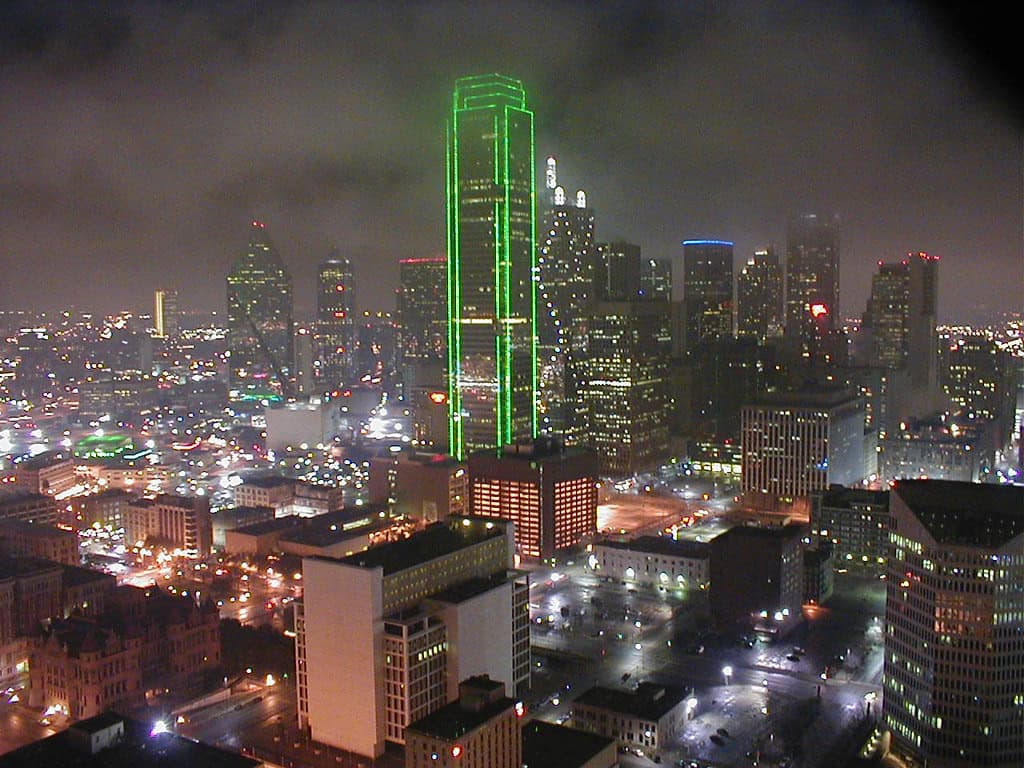
©"Dallas at Night" by Bart Fields is licensed under BY-ND 2.0. - Original / License
According to Visit Dallas, the city’s underground tunnel and skybridge system includes approximately three miles of passages and elevated connections. The tourism organization identifies access points around locations such as Thanks-Giving Square, Renaissance Tower, One Main Place, and Bank of America Plaza. However, this isn’t an attraction you can necessarily visit whenever you feel like exploring. The network is generally closed during evenings and weekends, and access to individual sections can depend on the buildings connected to them. Businesses and amenities within the system can also change over time. For visitors interested in unusual urban design, the pedestrian network offers an interesting look at a different approach to downtown transportation. Just check current accessibility before making a special trip, and don’t confuse the network with an organized underground history tour.
Denver, Colorado

©"Denver Skyline at Sunset" by Larry Johnson is licensed under BY 2.0. - Original / License
Not every underground passage was designed for pedestrians or commercial activity. Beneath the Colorado State Capitol in Denver is a tunnel system that once served a much more practical purpose: transporting coal to heat the building. During the Capitol’s earlier years, coal-powered heating required a steady supply of fuel, and the underground passages helped move it where it was needed. The original coal carts and furnaces are no longer part of the building’s daily operations, but the tunnel system remains. Today, portions of the underground infrastructure carry utilities and provide access for maintenance. Some passages also connect the Capitol with nearby government buildings. It’s a fascinating reminder that major historic structures often have complicated infrastructure operating out of sight, even if most visitors never realize it’s there.
Denver (continued): What’s Beneath the State Capitol?
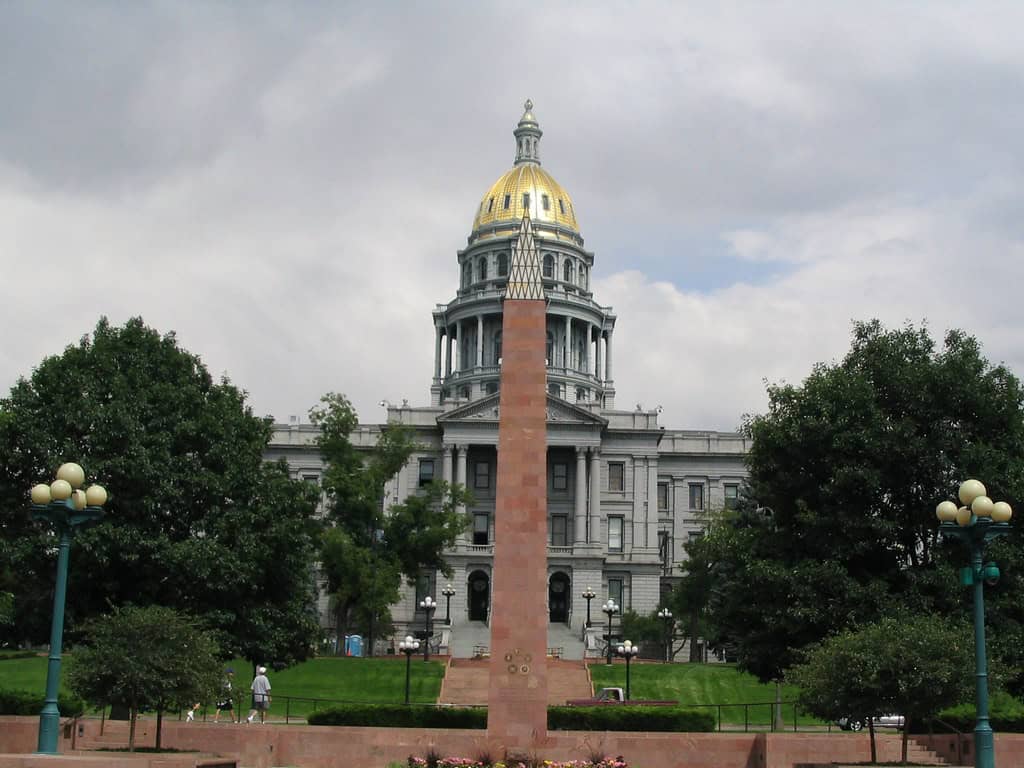
©"Colorado State Capitol, Denver, Colorado" by Ken Lund is licensed under BY-SA 2.0. - Original / License
The underground passages beneath Colorado’s Capitol have changed considerably since the days when workers used them to move coal. Modern infrastructure, including utility lines and other building systems, now occupies portions of the tunnels. While stories about hidden spaces beneath government buildings can make them sound like something from a mystery novel, these passages have a thoroughly practical purpose. They’re also restricted areas, so visitors can’t include them in a regular sightseeing trip. Fortunately, the Capitol itself is open for public visits and offers free guided tours that explore the building’s architecture, history, and government functions. Depending on tour availability, visitors may also be able to climb to the dome observation area for a view of Denver. The tunnels might remain out of reach, but the building above them still offers plenty to explore.

