

A good Michigan road trip doesn’t have to begin and end with Detroit or Grand Rapids. Around the Great Lakes, you’ll find waterfront communities, historic downtowns, dune-lined beaches, vineyards and forests that can hold their own against scenery in the Pacific Northwest. Some places on this list are tiny villages; others are small cities with enough restaurants, museums and outdoor activities to keep visitors busy for several days.
This route covers 18 destinations, including two neighboring Benzie County communities that share one set of slides. Along the way, expect ferry rides, old fishing harbors, unusual architecture, seasonal festivals and a few important practical details that have changed since earlier versions of this guide. From the car-free streets of Mackinac Island to the cliffs near Munising, these are Michigan towns worth putting on the road-trip map.
1. Mackinac Island
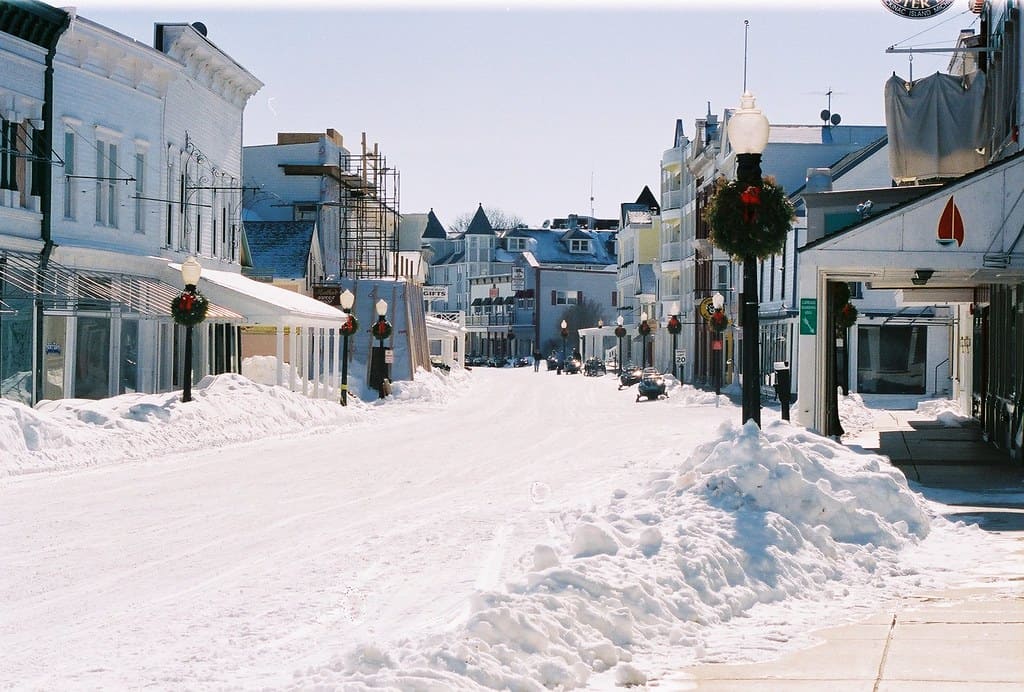
©"Downtown Winter Day Mackinac Island" by Mary McGuire | Mackinac Design is licensed under BY 2.0. - Original / License
Mackinac Island feels like the Great Lakes decided to build their own version of a coastal resort town and then politely refused to join the automobile age. Set in Lake Huron between Michigan’s two peninsulas, the island is known for Victorian-era buildings, historic hotels, carriage traffic and fudge shops that seem to compete on every block. Downtown is busy during the main visitor season, but a short walk away, limestone formations and forested paths offer room to wander. Fort Mackinac, a military post dating to the Revolutionary War era, adds a worthwhile stop for anyone interested in history.
The waterfront and historic streets are the obvious draw, but don’t skip the interior of Mackinac Island State Park. It covers much of the island and includes overlooks, wooded roads and the famous Arch Rock limestone formation. You can experience plenty without committing to an ambitious hike, although comfortable walking shoes are a much better investment than dressing for the perfect postcard photo.
1. Mackinac Island (continued)
©iStock.com/Michael Deemer
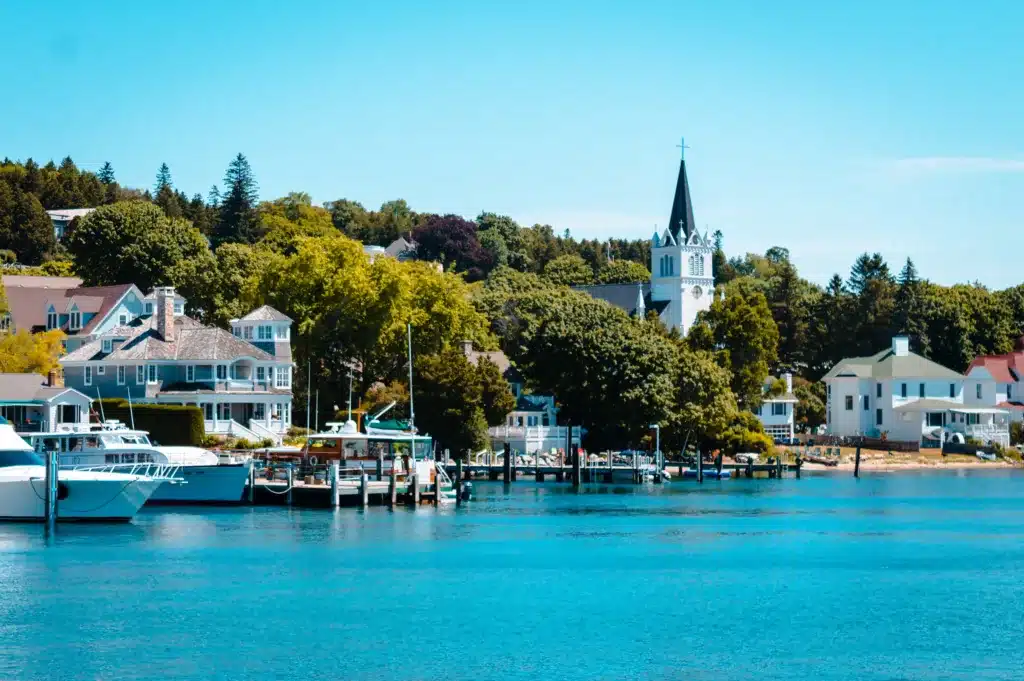
The absence of ordinary private cars changes the rhythm of Mackinac Island. Most visitors get around on foot, on bicycles or by horse-drawn carriage, while permitted service and emergency vehicles are exceptions. Winter residents also use snowmobiles when conditions allow, so calling it an island without any motorized vehicles would be misleading. In the busy months, ferries generally connect Mackinac Island with Mackinaw City and St. Ignace; schedules become much more limited outside the main tourism season. The bridge between the peninsulas does not connect directly to the island.
June’s Lilac Festival is one of the best-known reasons to visit, but fall brings quieter streets and colorful trees. The island remains inhabited year-round even though many hotels, restaurants and attractions close after the peak season. Anyone planning a winter trip should confirm transportation and lodging before leaving the mainland. This is one destination where showing up without a plan can turn into an expensive lesson in geography.
2. Traverse City
©"Traverse City, MI" by NOAA Great Lakes Environmental Research Laboratory is licensed under BY-SA 2.0. - Original / License
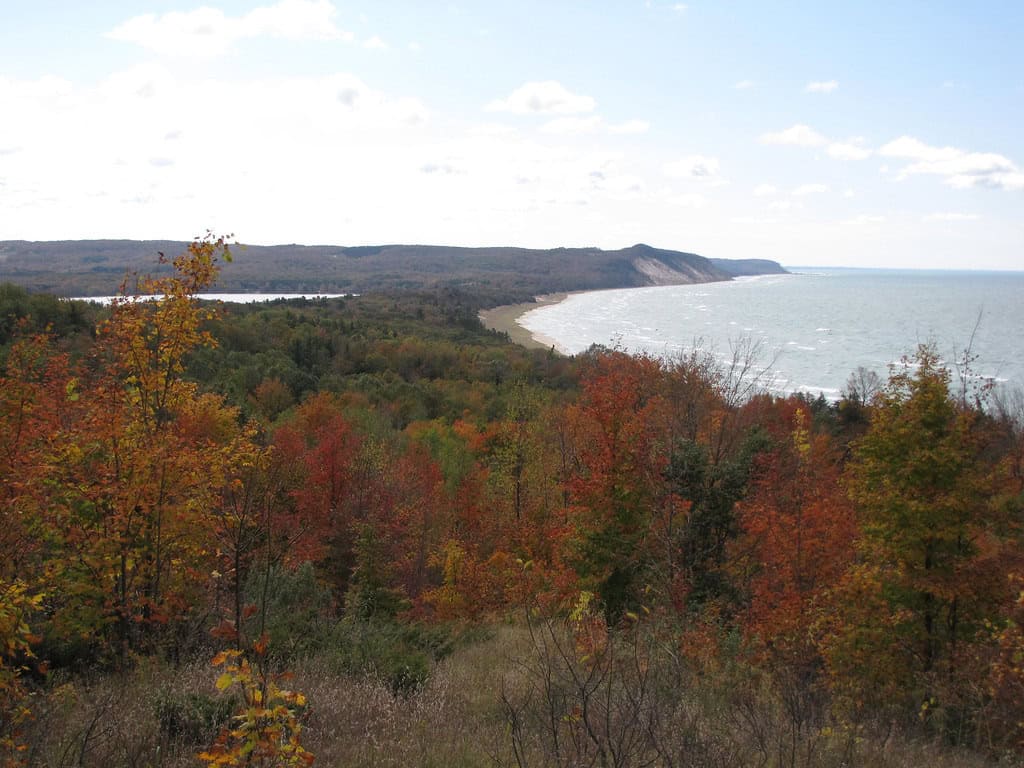
Traverse City is bigger and busier than many of the villages on this list, but its combination of water, orchards and a lively downtown makes it an easy addition to a northern Michigan road trip. The city sits beside the West Arm of Grand Traverse Bay on Lake Michigan, and its waterfront can look almost tropical on a clear summer afternoon. The region is closely associated with tart cherries, which appear in everything from pastries and preserves to sauces and drinks. The annual National Cherry Festival celebrates that agricultural history, although festival dates change from year to year.
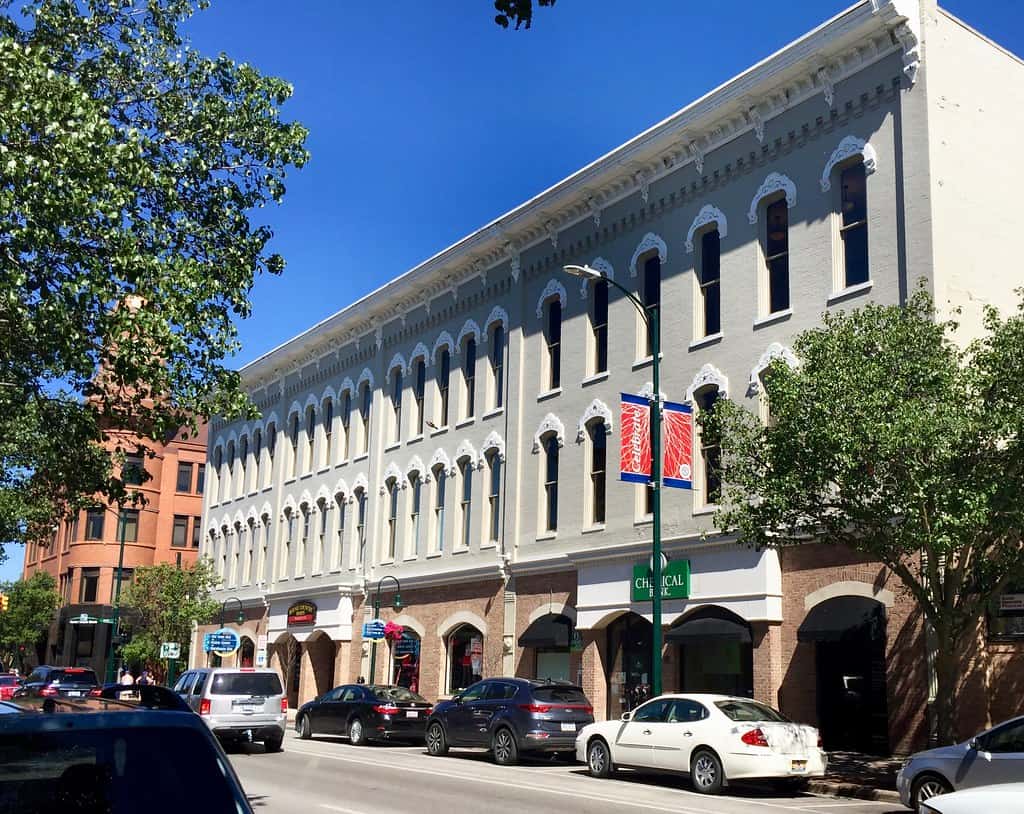
Away from the shoreline, Front Street is a good starting point for browsing independent shops, restaurants and coffee stops. There are plenty of reasons to stay longer than a lunch break, especially if you want to explore the nearby peninsulas. Traverse City works particularly well for travelers who enjoy the food-and-waterfront combination found in places like Bellingham or Hood River, with Michigan’s own distinctive character.
2. Traverse City (continued)
©"Front Street, Traverse City, MI" by w_lemay is licensed under CC0 1.0. - Original / License
Wine is another reason Traverse City gets attention, but the important geography lies mostly outside the downtown blocks. Old Mission Peninsula divides the two arms of Grand Traverse Bay, while nearby Leelanau Peninsula has its own collection of vineyards and tasting rooms. Both areas benefit from the moderating effect of the surrounding Great Lakes water, which helps shape their growing conditions. Riesling, Chardonnay and other cool-climate wines are especially prominent. Rather than relying on an exact winery count, which changes as businesses open and close, plan on finding numerous tasting options across the wider region.
The area sits near the 45th parallel, a detail often used in marketing because it sounds similar to famous European wine regions. Latitude alone, however, doesn’t create a matching climate or identical grapes. The interesting story is how local growers use lake-influenced conditions to develop wines with a personality of their own. Designate a driver or arrange a tour if multiple tastings are on the agenda.
2. Traverse City (continued)
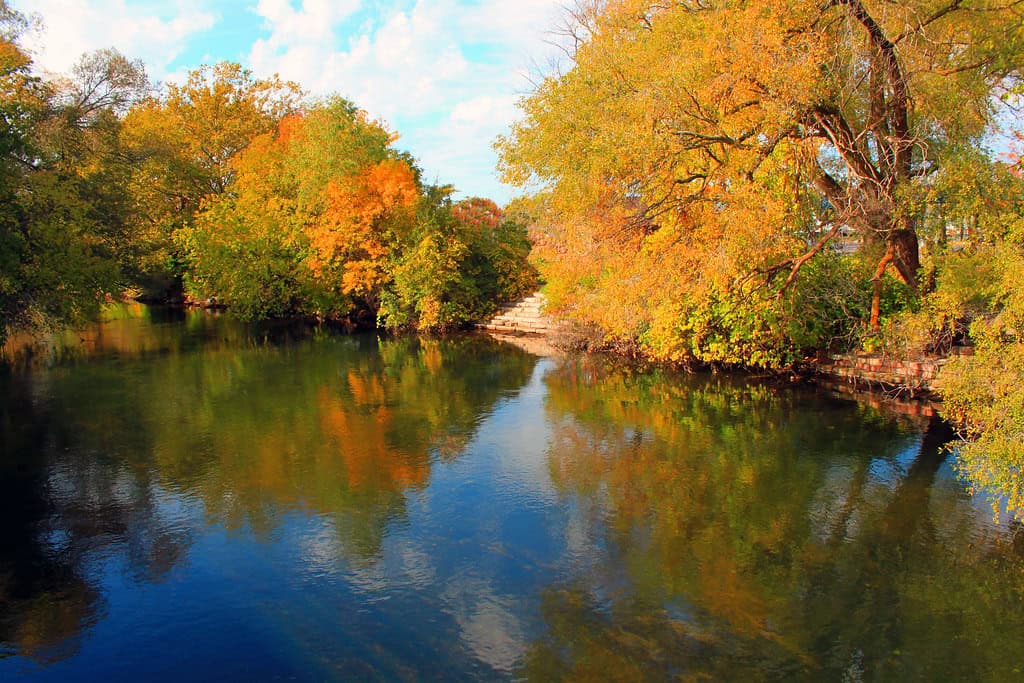
©"Boardman River - Traverse City, Michigan" by gabepopa is licensed under BY 2.0. - Original / License
Traverse City also makes an excellent base for anyone who would rather spend the day outside than working through a restaurant list. The Boardman-Ottaway River moves through the city toward Grand Traverse Bay, and paddling options, nearby beaches and regional trails create plenty of ways to enjoy the water. Cyclists can use portions of the TART trail network, while longer outings lead toward the peninsulas and the wooded countryside. Conditions on the Great Lakes can change quickly, so a sunny forecast is not a substitute for checking wind and water advisories before getting into a kayak.
Birdwatching and photography are worthwhile in the quieter seasons, when waterfront paths aren’t as crowded. Summer brings the biggest tourism rush and a packed calendar of events; spring and fall are more relaxed but less predictable for weather. Plan for a town with real restaurants, traffic and year-round residents rather than treating it as a secluded village. That’s part of its appeal: you can spend a morning outdoors and still find plenty going on after sunset.
3. Saugatuck
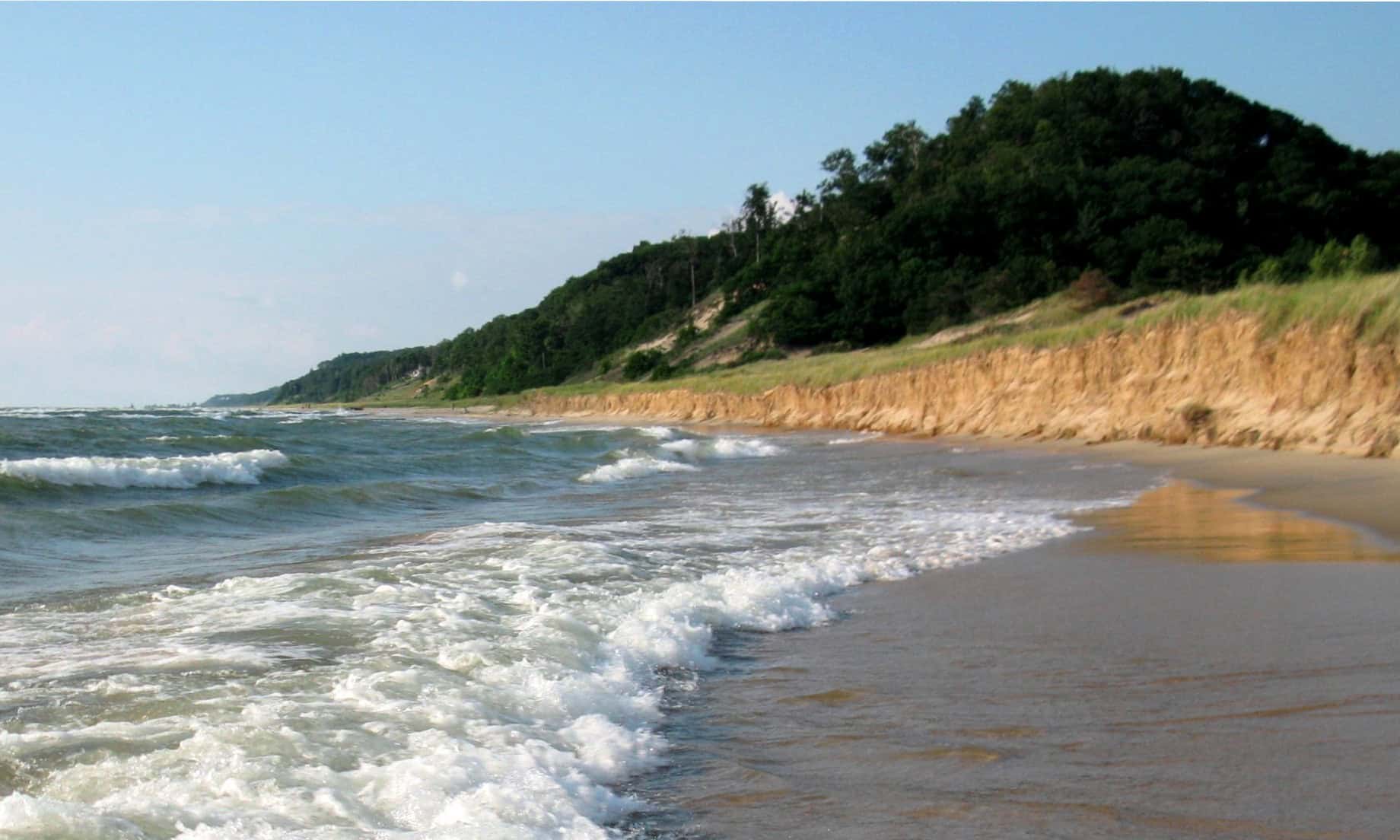
©"File:Water and Covered Dune, Looking North, Saugatuck Dunes State Park, Michigan.jpg" by John Haberstroh is licensed under BY-SA 3.0. - Original / License
Saugatuck sits near the mouth of the Kalamazoo River, where marinas, wooded hills and Lake Michigan beaches create a distinctly vacation-oriented landscape. Oval Beach is the headline attraction, with a broad sandy shoreline and sunsets that can make it easy to forget you’re nowhere near the ocean. The nearby Saugatuck Dunes State Park offers wooded trails through a protected dune landscape, although the hike to its beach requires more effort than simply parking near the water. These are real Great Lakes shorelines, so check swimming advisories and respect warning flags when waves or currents are strong.
For a different perspective, visitors can tackle the steps at Mount Baldhead and look out over the river, town and surrounding shoreline. The climb is a workout, but the view helps explain why the area has attracted vacationers for generations. Saugatuck is an easy choice for a summer beach day, and it also rewards visitors who come in the cooler months for scenery instead of swimming.
3. Saugatuck (continued)
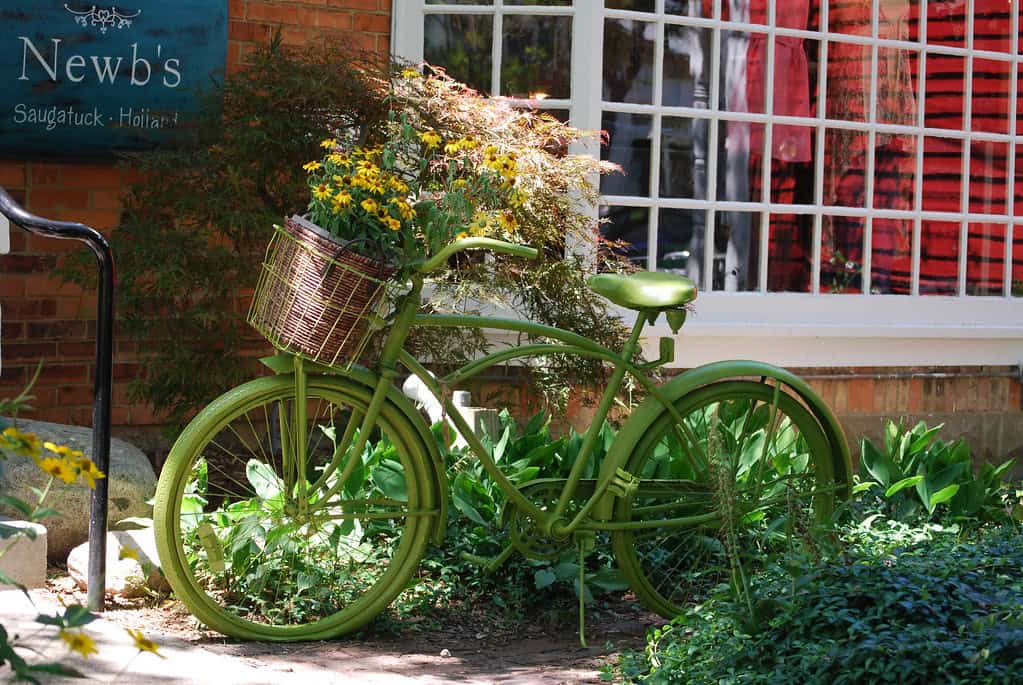
©"Newbs Painted Green Bike in Downtown Saugatuck" by njenney is licensed under BY 2.0. - Original / License
The town has a creative side that goes well beyond beach souvenirs. Artists have been drawn to the Saugatuck area for generations, and that influence still shows up in galleries, studios and seasonal exhibitions. The Saugatuck Center for the Arts hosts performances, films, exhibitions and community programming, making it worth checking the schedule before a visit. Downtown storefronts mix art with boutiques, restaurants and places to stop for coffee, so even someone with no intention of buying a painting can spend a pleasant afternoon wandering between the shops.
Across the river, neighboring Douglas adds another small downtown and more arts-oriented stops. The two communities make a useful pairing for a long weekend, especially when the weather doesn’t cooperate with beach plans. Don’t confuse a lively summer arts scene with guaranteed year-round opening hours, though. Many businesses operate shorter schedules in the off-season. The best strategy is to decide on one or two must-see stops and leave the rest of the day open for exploring.
3. Saugatuck (continued)
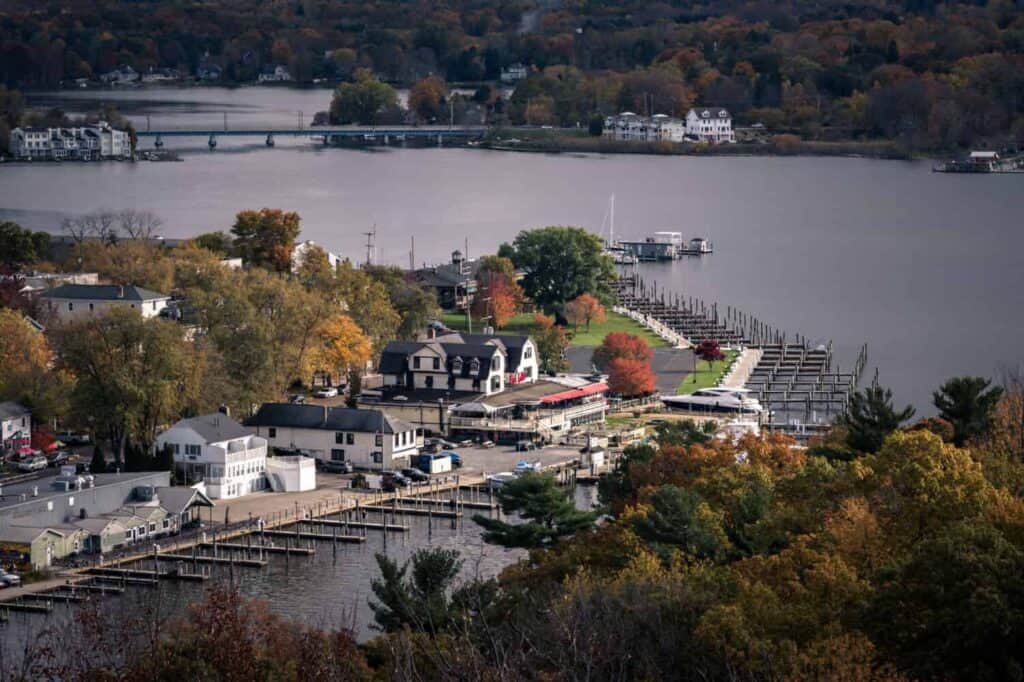
©Haniah Kring/Shutterstock.com
Saugatuck is at its best when the itinerary isn’t overloaded. Start with the waterfront, wander through the downtown streets, and leave time to explore a beach or dune trail. Boat tours and seasonal river activities are popular when conditions cooperate, but walking the town and watching boats move along the Kalamazoo River can be just as enjoyable. Historic buildings sit alongside modern businesses, which gives the shopping district a more lived-in atmosphere than a purely manufactured resort. Weekend traffic and parking can become difficult during summer events.
For travelers familiar with Oregon’s coastal arts communities, the mix of galleries, water and comfortable places to eat may feel familiar. The landscape is unmistakably Michigan, however, from its freshwater beaches to the wooded dunes behind them. Visiting in spring or fall trades some seasonal attractions for fewer crowds. That can be a very good deal if your idea of a getaway involves more walking and fewer lines.
4. Frankenmuth
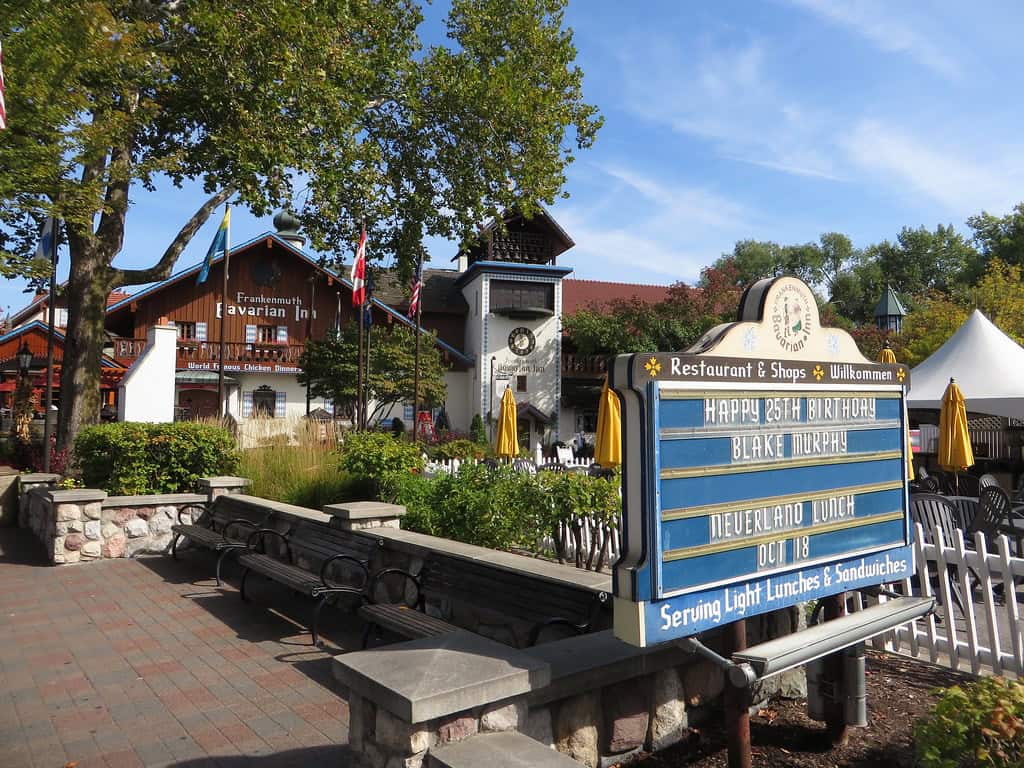
©"Bavarian Inn, Frankenmuth, Michigan" by Ken Lund is licensed under BY-SA 2.0. - Original / License
Frankenmuth is not a Lake Michigan beach town, and that’s precisely what makes it a useful change of pace on this list. This small city along the Cass River leans into the Bavarian heritage of its 19th-century German settlers. Half-timbered-looking facades, decorative signs and carefully kept flower displays give its main streets a distinctly themed appearance. The nickname ‘Little Bavaria’ is well earned as a description of the modern visitor experience, although the community’s story is more than the architecture and costumes tourists tend to photograph.
Visitors can spend an afternoon walking through downtown shops, exploring the riverfront or learning about the area’s history at local museums. It is a good stop for families, holiday travelers and anyone who enjoys towns that turn a specific cultural identity into a full weekend destination. Expect busy shopping periods, especially near major events and the winter holidays. If you prefer quiet historic neighborhoods, try exploring beyond the most heavily decorated blocks.
4. Frankenmuth (continued)
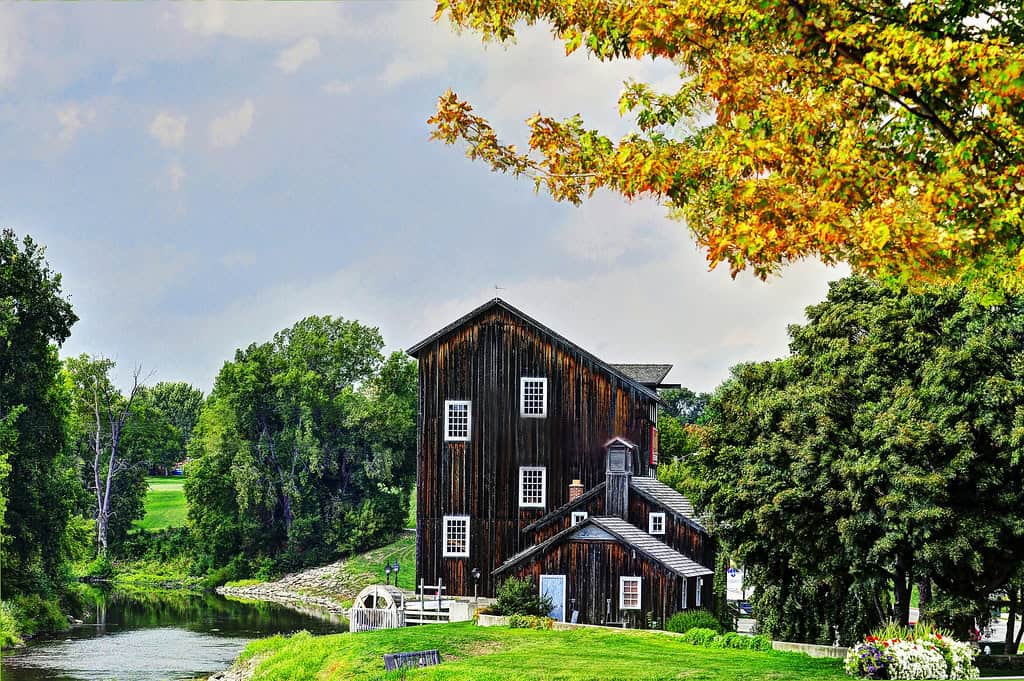
©"Old Mill Frankenmuth Michigan" by AcrylicArtist is licensed under BY 2.0. - Original / License
Few places take the Christmas-shopping business as seriously as Frankenmuth. Bronner’s CHRISTmas Wonderland promotes itself as the world’s largest Christmas store, and its huge selection of ornaments and holiday decorations is the attraction whether you celebrate in December or prefer your tinsel months earlier. The nearby Silent Night Memorial Chapel is another stop for travelers interested in the store’s holiday traditions. Elsewhere, the River Place Shops and seasonal activities along the Cass River give families something to do when they need a break from souvenir hunting.
Frankenmuth also hosts festivals and cultural events throughout the year, including celebrations connected to its German heritage. The exact dates and schedules vary, so check the local calendar rather than assuming a favorite event happens on the same weekend each year. Riverboat rides and some outdoor activities are seasonal. The easy approach is to build a visit around a meal, a few shops and one or two attractions instead of trying to see absolutely everything before dinner.
4. Frankenmuth (continued)
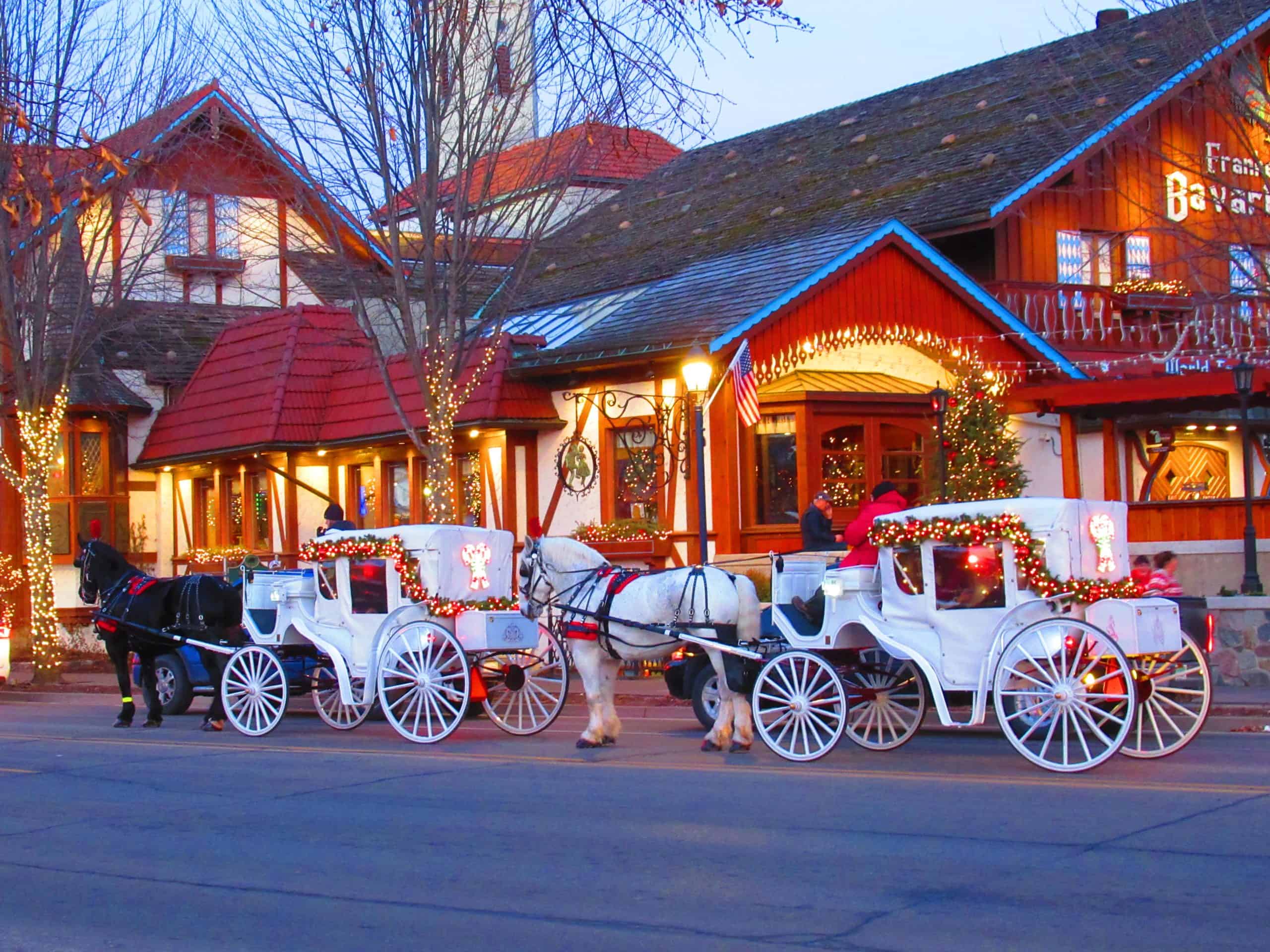
©"Frankenmuth horse and carriage" by Notorious4life (talk) (Uploads) is licensed under CC0 1.0. - Original / License
Food is a major part of the Frankenmuth experience, and the town has made family-style chicken dinners something of a local institution. The Bavarian Inn Restaurant and Zehnder’s of Frankenmuth are longtime destinations for generous plates and a dining experience designed to feel like an occasion. German-influenced specialties, breads and baked goods also appear throughout town, alongside the usual range of American restaurants and snack counters. It may not be the place to visit on a strict eat-and-leave schedule, especially when holiday traffic swells.
There is more to Frankenmuth than the two famous dining rooms. The Frankenmuth Historical Museum and St. Lorenz Lutheran Church provide context for the settlement’s history, and a stroll along the Cass River offers a quieter break from downtown shopping. If the Pacific Northwest comparison seems a stretch here, think of it as a cultural detour rather than a coastal lookalike. The appeal is a very specific sense of place, not rugged beaches or mountain views.
5. Petoskey
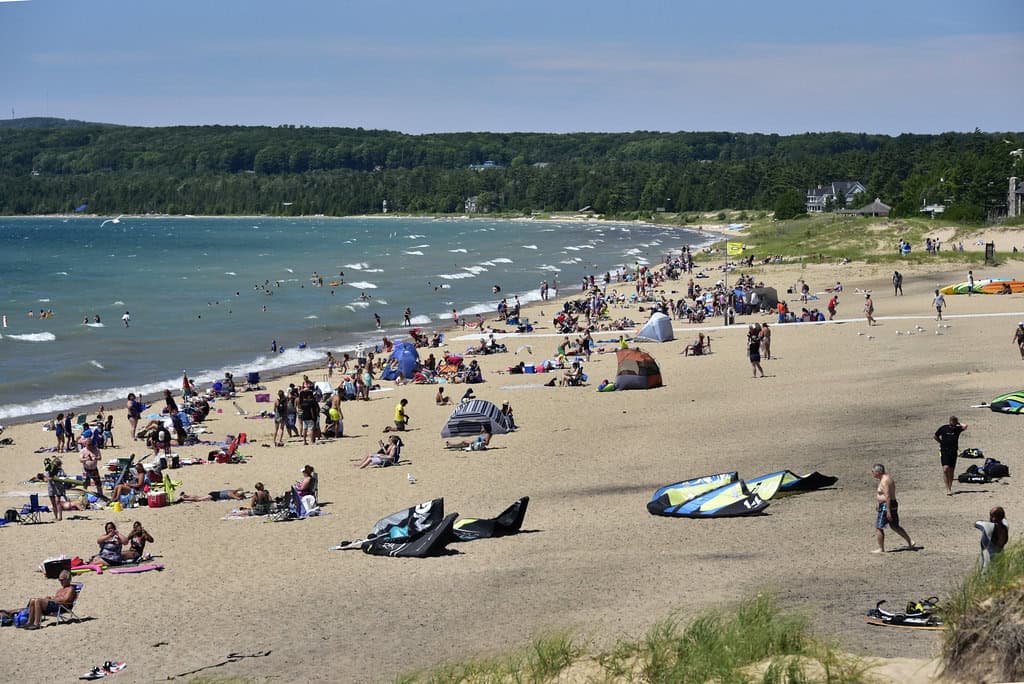
©"State park beach near Petoskey, MI 07-08-2018 002" by Richard Hurd is licensed under BY 2.0. - Original / License
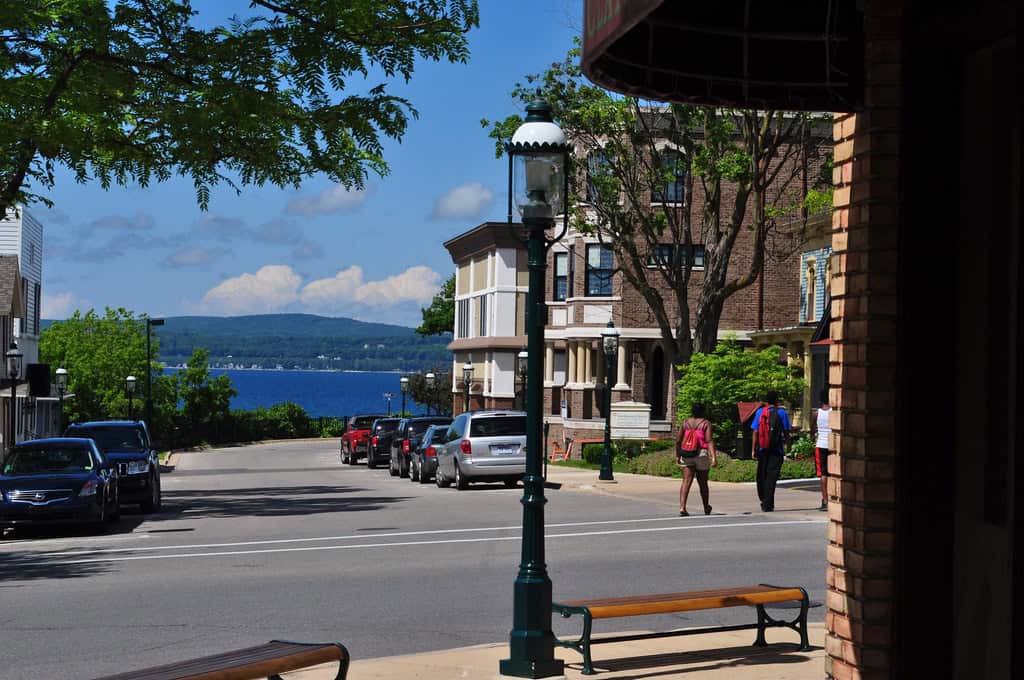
Petoskey overlooks Little Traverse Bay, a wide curve of Lake Michigan that gives the town some of northern Michigan’s prettiest waterfront views. Downtown streets climb away from the water into a compact shopping district, while nearby parks and beaches make it easy to combine a little browsing with a walk outside. Petoskey State Park, just northeast of town, is a popular place for sand, dunes and views across the bay. The best weather tends to arrive in summer, but fall colors can make the surrounding hills and shoreline worth the trip even when swimming is out of the question.
The town is often used as a base for exploring Harbor Springs and the northern end of the Lower Peninsula. Mackinac Island is also a possible day trip, but a detail from the original article needs correcting: ferries to the island depart from Mackinaw City and St. Ignace, not from Petoskey itself. Allow driving time to the ferry docks before you start working out how long you’ll spend on the island.
5. Petoskey (continued)
©"Little Traverse Bay in Downtown Petoskey in the Summertime Photo by Michigan Municipal League" by Michigan Municipal League (MML) is licensed under BY-ND 2.0. - Original / License
The Historic Gaslight District gives Petoskey a downtown personality of its own, with vintage-style lighting, galleries, bookstores, restaurants and specialty shops. Another local claim to fame is the Petoskey stone, Michigan’s state stone. It is fossilized colonial coral, and its honeycomb-like pattern becomes especially clear when the stone is wet or polished. Searching along beaches can be fun, but it’s worth knowing the rules before filling a bag: Michigan limits collecting to 25 pounds per person per year on state-owned land, and some locations have stricter restrictions.
The stones are part of a much older story than the town itself, dating to an era when warm seas covered what is now Michigan. For visitors, they’re also a reminder to look down occasionally while admiring the lake. Spend enough time on a local beach and you may start examining every gray pebble. Just don’t confuse the shoreline with an unlimited souvenir bin; leaving fragile places in good condition matters as much as finding something to take home.
6. Marquette
©"Downtown Marquette, Michigan in Autumn (43657514144)" by Tony Webster from Minneapolis, Minnesota, United States is licensed under BY 2.0. - Original / License
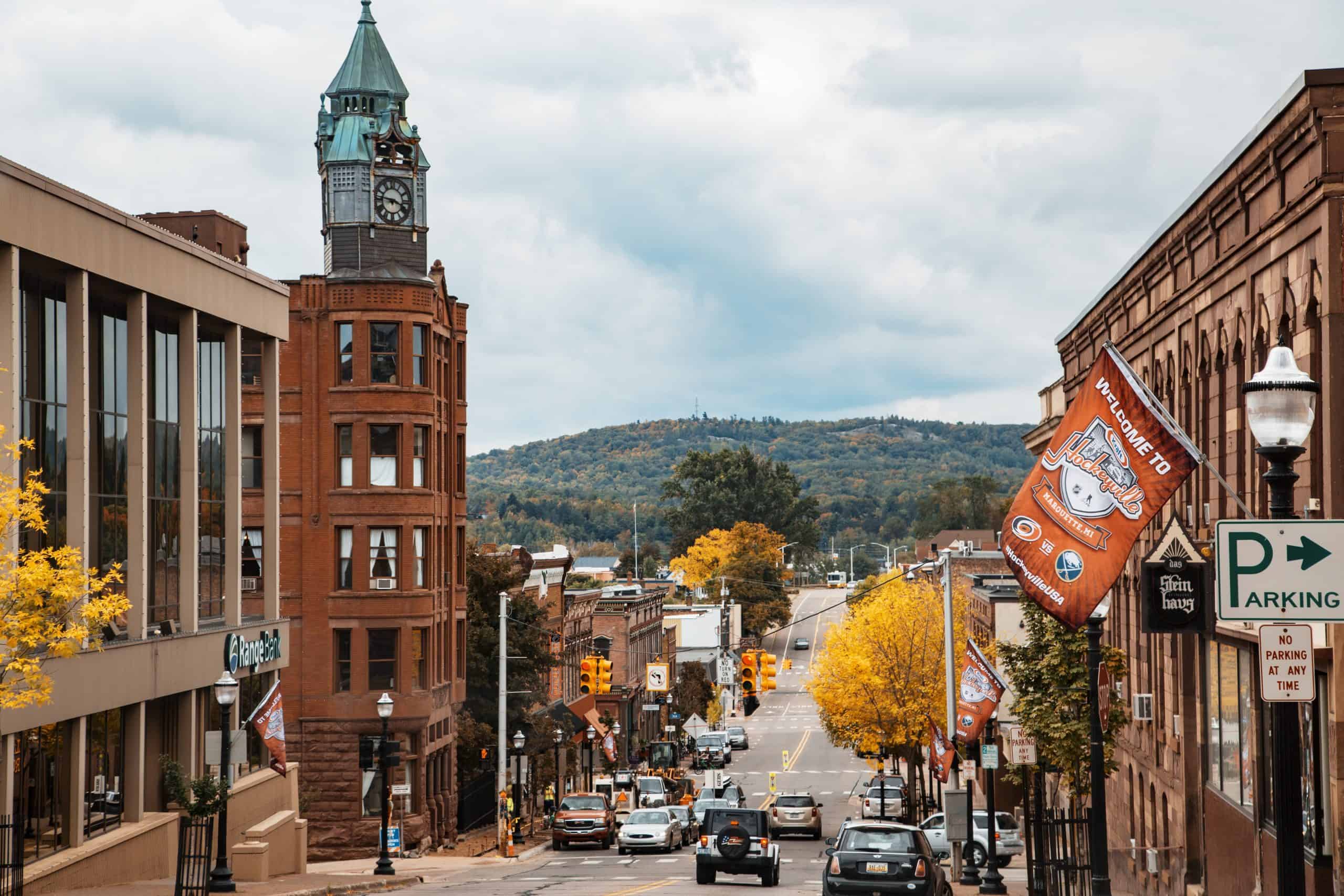
Marquette is one of the Upper Peninsula’s larger communities, so calling it a sleepy little village would be a stretch. What it does offer is a convincing mix of a working city, college-town energy and serious outdoor scenery. Northern Michigan University is based here, and Lake Superior sits right at the edge of town. The harbor, rocky shoreline and nearby wooded hills make outdoor time feel built into the daily routine. Presque Isle Park offers lakeside viewpoints and walking routes, while the downtown provides places to warm up, eat and explore between outings.
The city’s industrial and maritime past remains visible, including the landmark ore dock near the waterfront. That history adds texture to a place that could otherwise be described only by its beautiful shoreline. If you enjoy the contrast between outdoor recreation and lively downtown neighborhoods around the Pacific Northwest, Marquette may be one of the more familiar-feeling stops on this Michigan trip. Just remember that Lake Superior weather does not negotiate with anyone’s vacation schedule.
6. Marquette (continued)
©"View from Sugarloaf Mountain, Marquette Michigan" by rkramer62 is licensed under BY 2.0. - Original / License
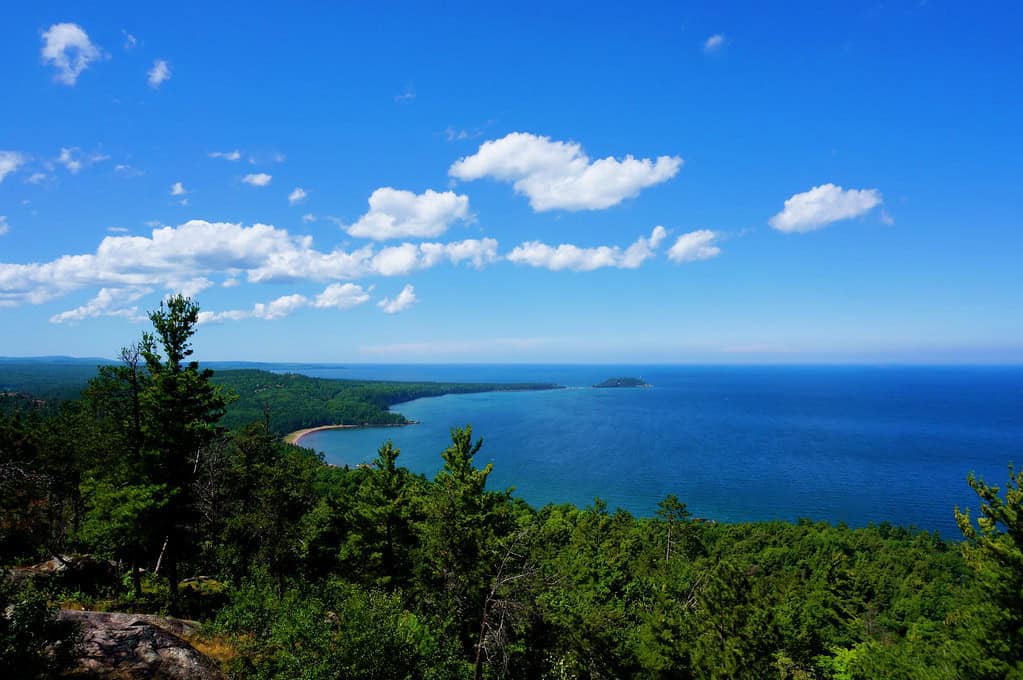
Outdoor plans in Marquette change considerably with the season. During warmer months, hikers can tackle Sugarloaf Mountain for broad views of Lake Superior, mountain bikers can explore the area’s established trail systems, and paddlers have access to the lake when conditions are suitable. Winter brings a different crowd: cross-country skiers, snowshoers and downhill skiers use area trails and facilities, including Marquette Mountain. Weather can be severe and snowfall substantial, so visitors should treat winter outings as genuine cold-weather adventures rather than a simple change of footwear.
Marquette also works well as a base for shorter drives to waterfalls and forest trails across the central Upper Peninsula. For anyone arriving from coastal Washington or Oregon, the mix of evergreen forests, dramatic water and serious winter conditions will seem familiar in some ways. The lake, however, has a personality all its own. Check trail conditions, available daylight and weather warnings before setting out, particularly outside summer.
7. Charlevoix
©"Round Lake Harbor in Charlevoix, Michigan" by jmenard48 is licensed under BY-SA 2.0. - Original / License
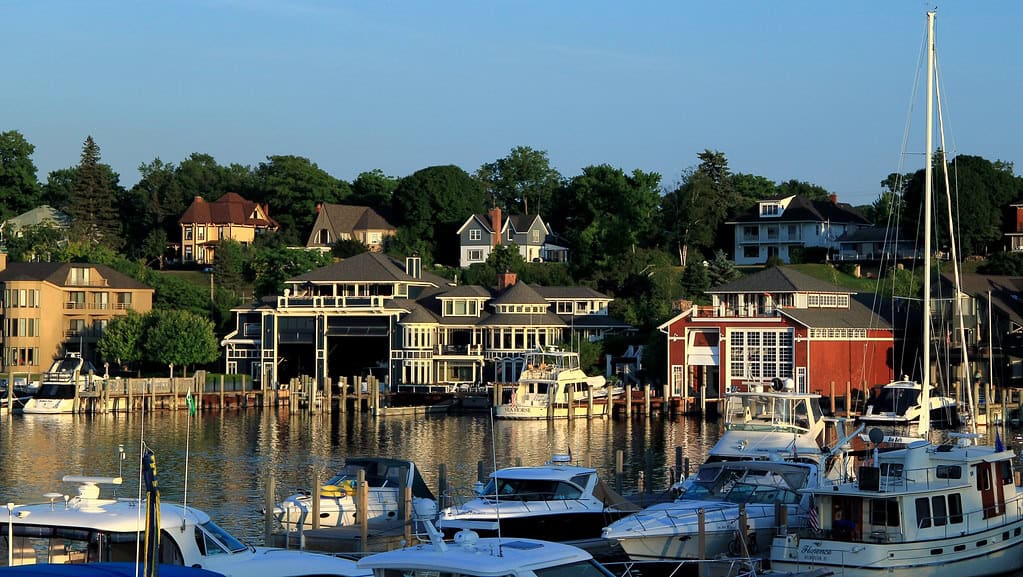
Charlevoix has something many resort towns would happily trade for: waterfront access to both Lake Michigan and Lake Charlevoix, connected by a channel through its small downtown. Boats gather near Round Lake, shops sit close to the harbor and a short walk can lead from a restaurant table to open-water views. The town’s most unusual architectural attraction is the collection of ‘mushroom houses’ created by designer Earl Young. Built with stone, curved roofs and storybook proportions, the houses look as though they grew out of the landscape rather than being dropped into it.
Many of Young’s buildings are private residences, so sightseeing should stay on public streets or be arranged through an authorized tour. That’s an important detail when a neighborhood becomes a tourist attraction. The downtown and harbor are easy to explore on foot, but leave time for the nearby beaches or lakefront parks. Charlevoix works best as a relaxed weekend destination rather than a place where every minute needs to be scheduled.
7. Charlevoix (continued)
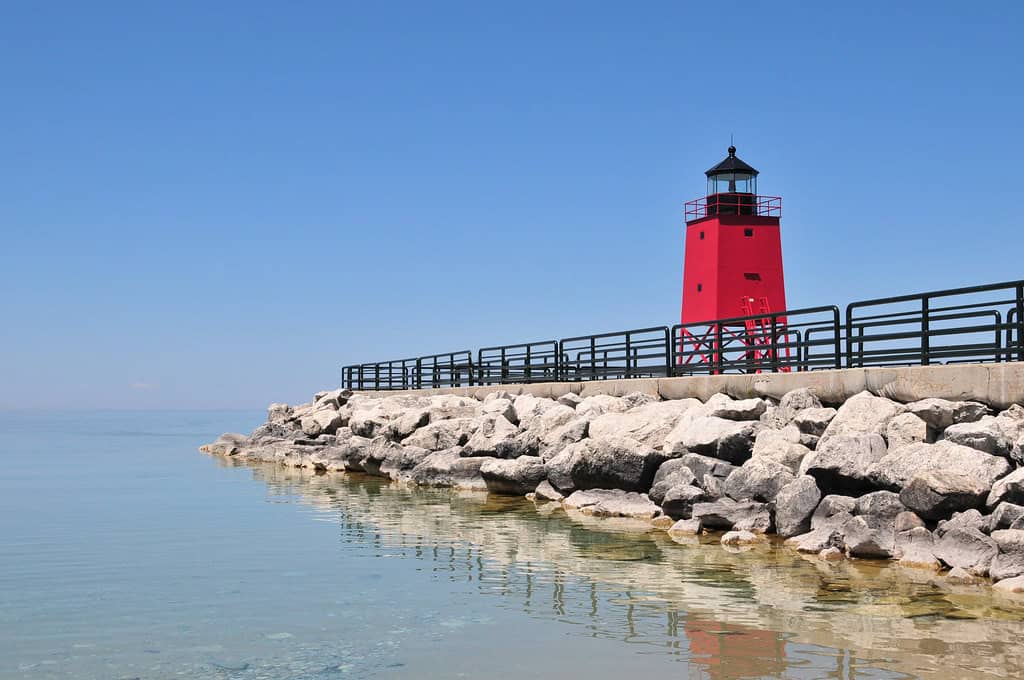
©"Lake Michigan and the Charlevoix Light." by abarndweller is licensed under BY 2.0. - Original / License
There is more around Charlevoix than its fanciful houses. Fisherman’s Island State Park, just outside town, preserves stretches of Lake Michigan shoreline and wooded habitat. It’s a good place for a walk or a quiet shoreline stop, although conditions and access can vary by season. Back in town, the Charlevoix South Pier Light and waterfront parks provide classic Great Lakes photo opportunities. The annual Venetian Festival usually brings boat-centered festivities and entertainment in summer, while fall events celebrate the region’s harvest and changing colors.
For a simpler visit, park near downtown and give yourself time to explore the shops, harbor and waterfront without rushing. The town is busy when summer visitors and festival crowds arrive, but quieter stretches of the year have their own appeal. The historic homes and colorful harbor are attractive in almost any weather. It’s the kind of place where the best part of a trip might turn out to be a short walk you hadn’t planned.
8. Leland
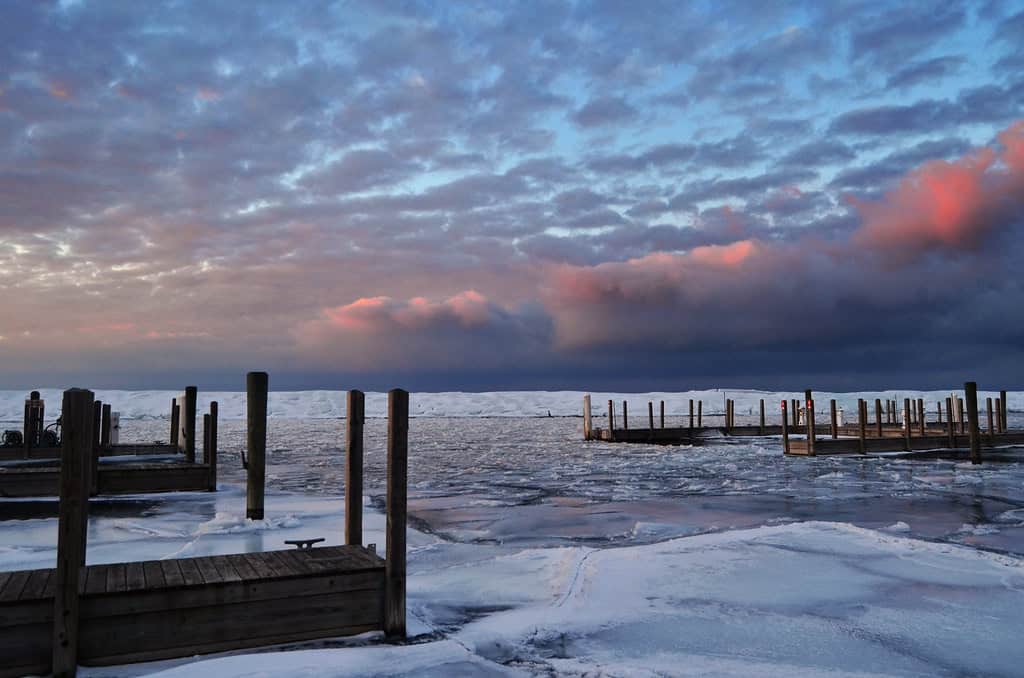
©"Harbor at Leland Michigan at sunset on a winter day 01-18-2018 012" by Richard Hurd is licensed under BY 2.0. - Original / License
Leland sits on the Leelanau Peninsula between Lake Michigan and Lake Leelanau, with a small harbor that still reflects its commercial fishing history. It’s a handsome stop on a drive around northern Michigan, particularly for travelers who prefer working waterfronts to oversized resort complexes. The compact downtown has shops and places to eat, but the main attraction is Fishtown, a cluster of weathered wooden shanties, docks and historic fishing structures along the Leland River. The buildings give the harbor a distinct character that isn’t easy to reproduce with a new development.
The original article placed Leland inside Sleeping Bear Dunes National Lakeshore, which is inaccurate. Leland is north of the park, not in its center, although the national lakeshore is close enough to combine with a wider Leelanau Peninsula itinerary. That distinction matters for driving time and route planning. Come for the harbor and village first, then decide how much of the surrounding shoreline you want to explore.
8. Leland (continued)
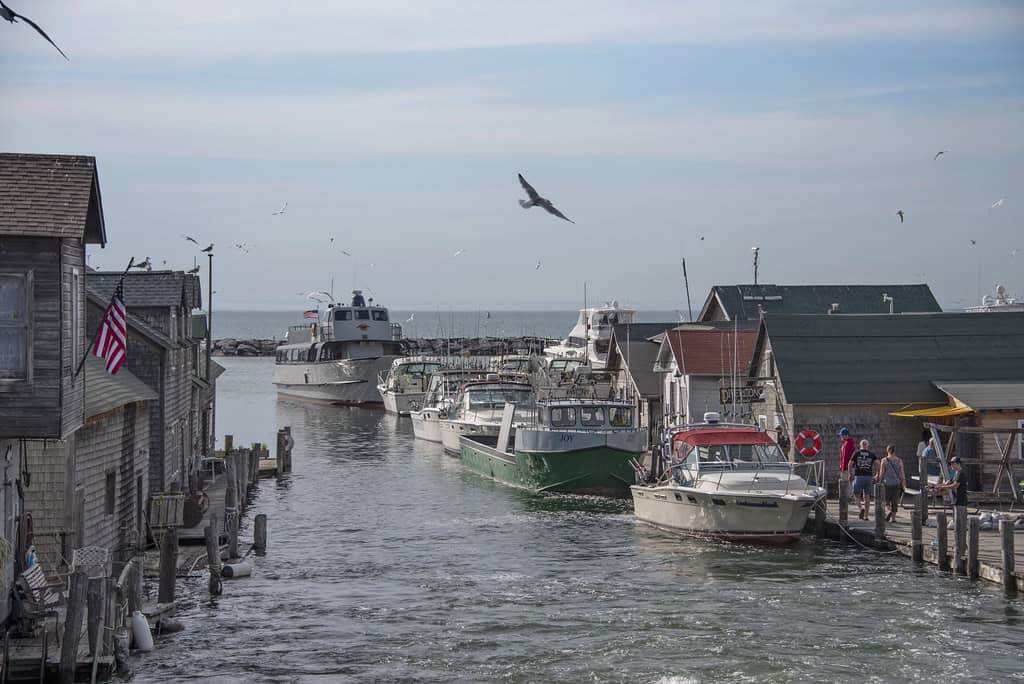
©"Fishtown, on Lake Michigan along M-22 in Leelanau County, MI, at Leland 06-08-2019 036" by Richard Hurd is licensed under BY 2.0. - Original / License
Fishtown is worth lingering over because it isn’t simply a waterfront shopping set built for visitors. The district preserves a piece of Leland’s fishing heritage, with old shanties, working docks and businesses that now share the area with galleries and specialty shops. Depending on the season, visitors may find smoked fish or other regional products, watch boats move through the harbor and learn about preservation efforts that have kept the waterfront from losing its character. It’s small enough to explore on foot, but there is plenty of visual detail to reward someone who enjoys photography.
The nearby docks also connect Leland with ferry excursions to the Manitou Islands when seasonal services operate. Those trips are a very different commitment from a casual hour in Fishtown, so check schedules, weather and National Park Service requirements before making plans. Even without a ferry ticket, the fishing shanties, lake breeze and harbor atmosphere make Leland an unusually memorable stop on Michigan’s northern coast.
8. Leland (continued)
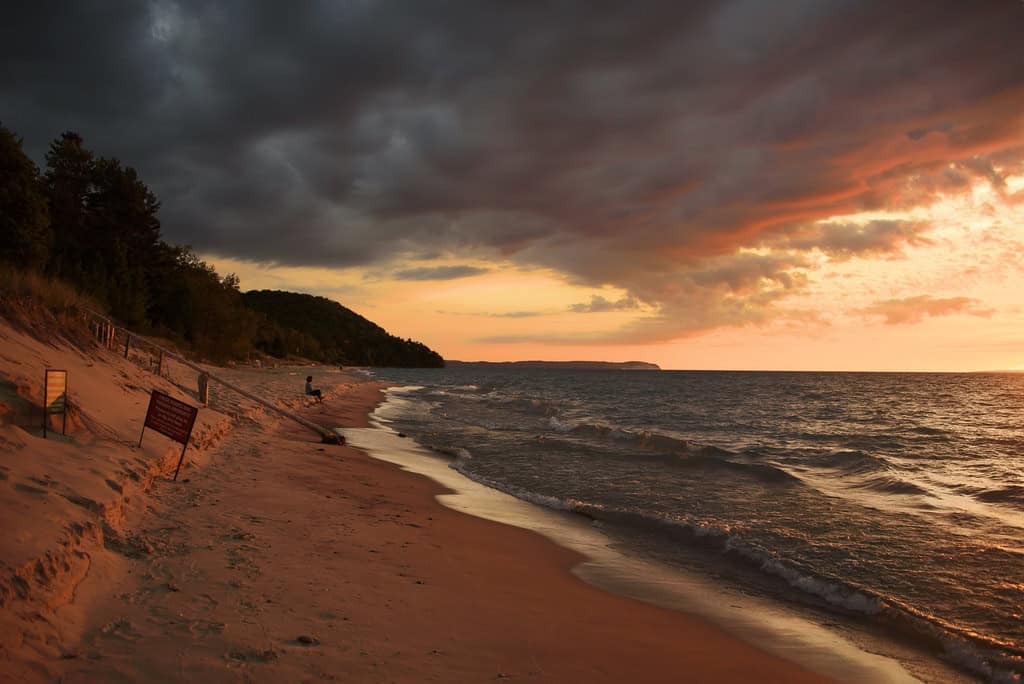
©"Lake Michigan beach at Leland MI 09-17-2021 010" by Richard Hurd is licensed under BY 2.0. - Original / License
Leland pairs nicely with a drive along M-22, a scenic route that passes orchards, small communities and views of Lake Michigan. Nearby Sleeping Bear Dunes National Lakeshore is famous for towering sand dunes, beaches and forested overlooks, but it covers a broad stretch of shoreline rather than sitting in the middle of town. Allow enough travel time to reach specific trailheads or the Dune Climb instead of assuming the park begins at the next intersection. Paddling on the Crystal River is another regional outing, generally accessed farther south around the Glen Arbor area.
For a lower-effort visit, walk Leland’s shoreline and watch the light change over the lake. Sunset can be spectacular, but Great Lakes weather can shift quickly, and water conditions deserve respect even on a seemingly calm day. The appeal here isn’t a huge list of attractions packed into a few blocks. It’s the chance to mix historic waterfront scenery with a broader landscape of beaches, orchards and wooded roads.
9. Honor
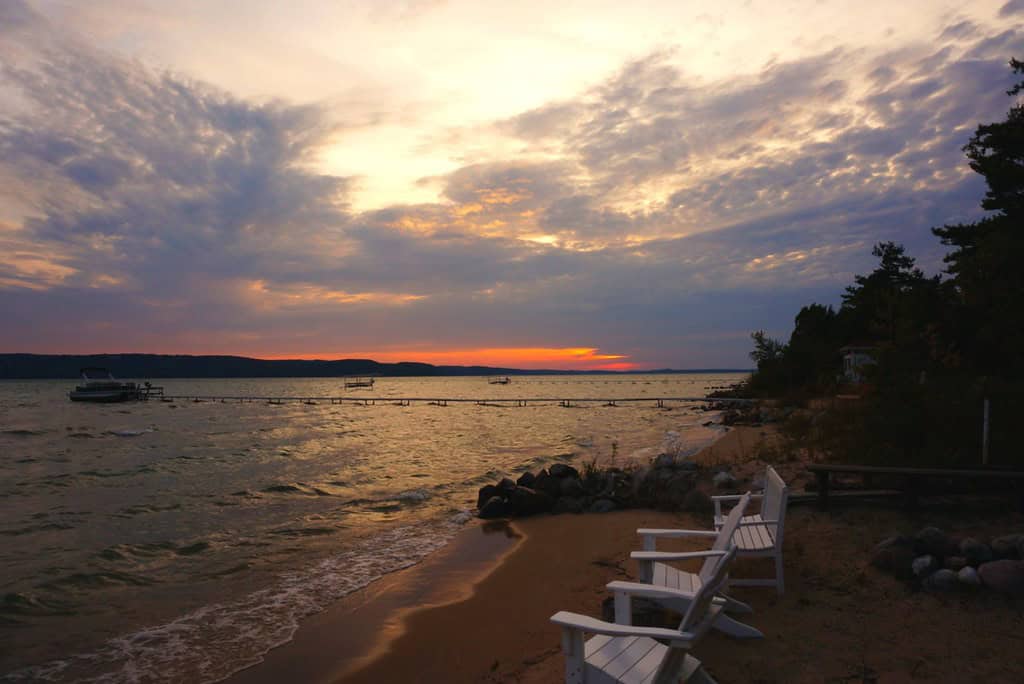
Crystal Lake in Benzie County, a drive from Honor.
©"Crystal Lake sunset" by rkramer62 is licensed under BY 2.0. - Original / License
Honor is the type of place that can disappear from a rushed itinerary, which is a shame if your goal is to slow down. This small Benzie County village sits in northwestern Lower Michigan, within reach of the Platte River, nearby lakes and the southern part of Sleeping Bear Dunes National Lakeshore. It makes a practical base for fishing, paddling, camping and quieter drives through the countryside. Unlike some resort towns, Honor itself is modest in size, so the attraction is the surrounding landscape rather than a dense downtown full of boutiques.
The original article treated Crystal Lake as though it were directly in Honor. The lake is actually farther south and west, near Beulah and Frankfort, and is better described as a short drive rather than a feature of the village itself. Visitors who want a beach day can plan a route toward Lake Michigan or Crystal Lake, while those interested in rivers and forests may find plenty to do closer to Honor. This is a destination that rewards a little map-reading before the car is packed.
9. Honor (continued)
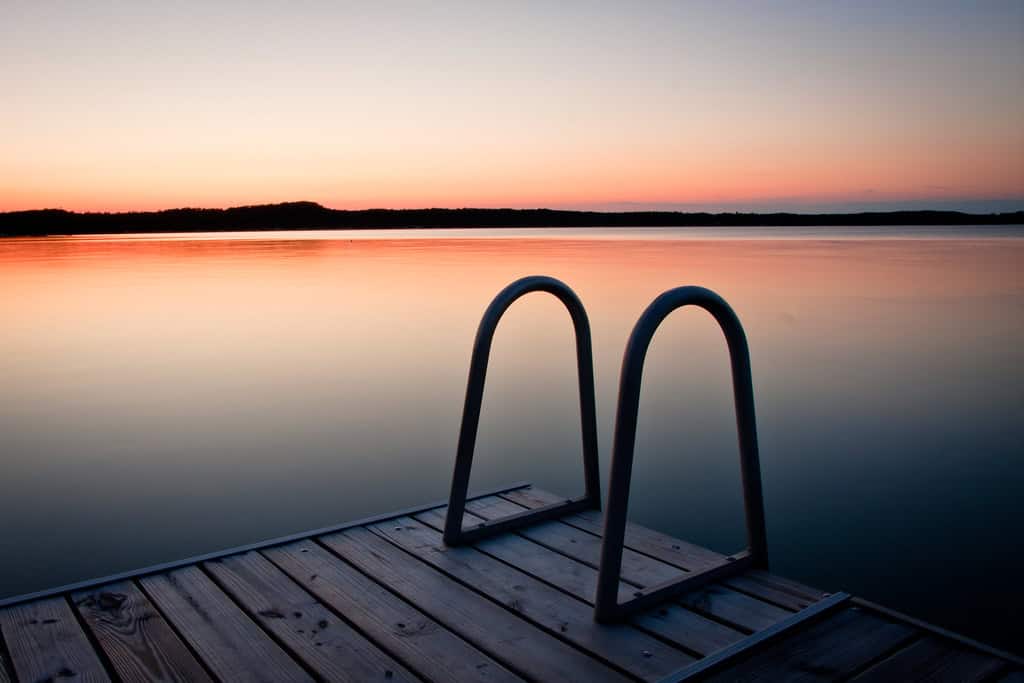
Crystal Lake in Benzie County, a drive from Honor.
©"Crystal Sunset" by I am Fry is licensed under BY-ND 2.0. - Original / License
The broader Benzie County area is orchard country, with cherries among the crops that have helped shape northern Michigan’s food traditions. Timing matters: cherry blossoms are a spring event, while fresh cherry harvesting generally happens in summer. The original article mixed those seasons together, which could leave visitors expecting blossoms during picking season. Farm stands and small markets are worth checking for local produce, but offerings naturally change through the year and depend on the weather.
Honor also gives travelers access to river recreation, including stretches of the Platte River known for paddling and fishing. Trips involving the river should be planned around water levels, access points and any applicable regulations, particularly where the river enters protected national lakeshore land. For a relaxed getaway, spend one day on the water and another exploring the nearby villages and beaches. No elaborate checklist is required, and that may be Honor’s strongest selling point.
10. Ludington
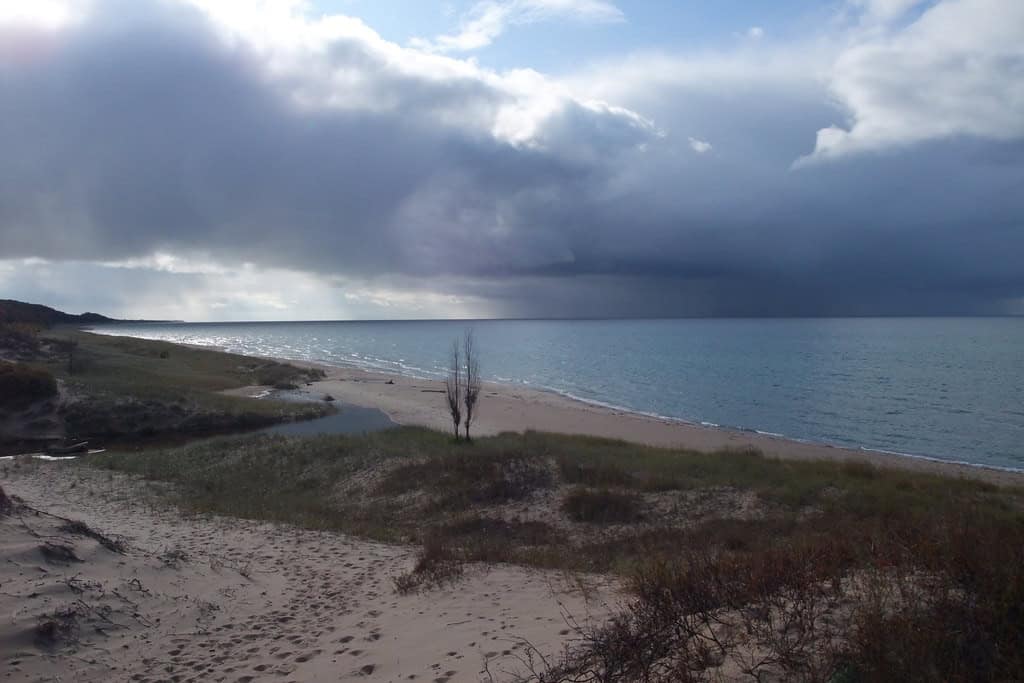
©"Lake Michigan shoreline (near Ludington)." by NOAA Great Lakes Environmental Research Laboratory is licensed under BY-SA 2.0. - Original / License
Ludington delivers the straightforward pleasures of a Lake Michigan beach town: a broad shoreline, a working harbor and enough nearby outdoor space to fill a long weekend. Stearns Park Beach is close to downtown and offers a convenient place to enjoy the sand and the sunset. Families can combine beach time with a walk along the waterfront, while the city’s restaurants and shops make it easy to stay around after the sun goes down. The harbor area also reminds visitors that Lake Michigan remains an important transportation route, not just a scenic backdrop.
Ludington is a good base for exploring the surrounding Mason County countryside, and it has more going on than a single stretch of sand. Historic sites and small museums provide an alternative when lake winds make swimming unappealing. Michigan’s freshwater beaches can resemble ocean beaches in photographs, but waves, currents and water temperatures require their own precautions. Pay attention to the beach flag system and local advisories rather than assuming that a lake is automatically gentle.
10. Ludington (continued)
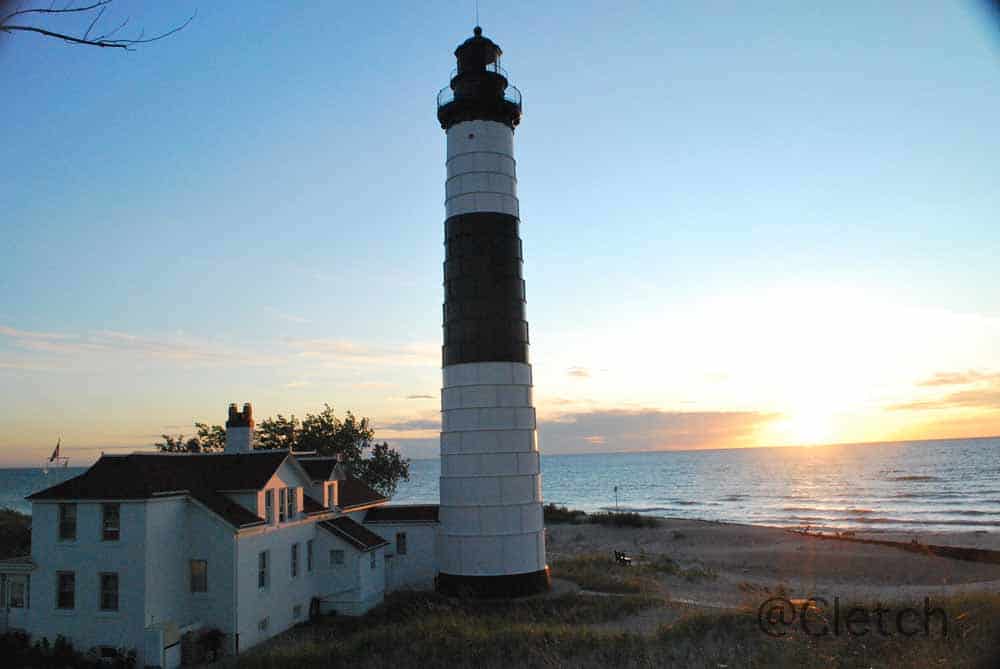
©"Ludington State Park" by cletch is licensed under BY 2.0. - Original / License
Ludington State Park, north of town between Lake Michigan and Hamlin Lake, offers dunes, forest trails, campgrounds and water access. One of its best-known landmarks is Big Sable Point Lighthouse, an 1867 tower reached by an approximately two-mile walk from the main park area. Seasonal tours may allow visitors to climb the lighthouse, but getting there involves sandy stretches and relatively little shade. Bring water, check tour availability and give yourself enough time to make the return trip without rushing.
There is an important current access update: Michigan’s Department of Natural Resources says the park’s Skyline Trail and intersecting routes are closed for an improvement project scheduled through mid-2027. Other areas of Ludington State Park remain available, but it is worth checking the official park notice before choosing a hiking route. The rest of the park is still a strong reason to visit, with lake scenery and natural areas that can easily occupy a full day. Don’t let an outdated trail description decide where you park.
11. Cross Village
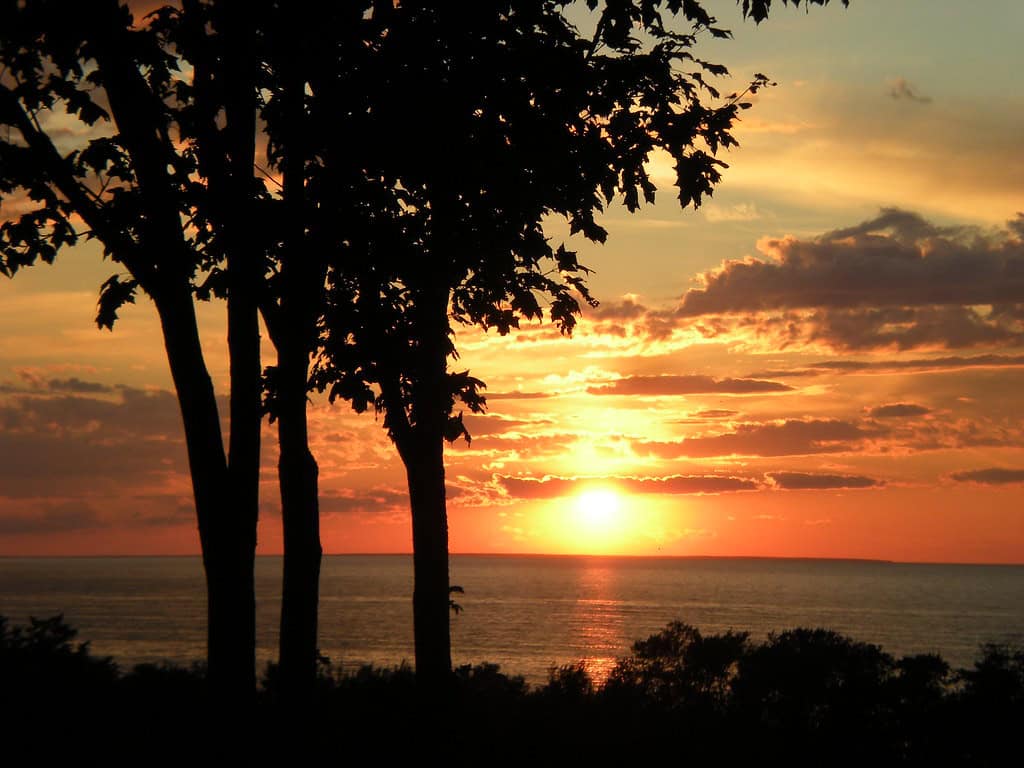
©"cross village" by bagaball is licensed under BY 2.0. - Original / License
Cross Village is a small community near Lake Michigan at the northern end of M-119, a winding scenic road often called the Tunnel of Trees. The route between Harbor Springs and Cross Village passes through wooded stretches and offers occasional views toward the lake, making it especially appealing during fall color season. Road construction or closures can affect the drive, so check current conditions instead of assuming every segment is open. Cross Village itself is quiet, with a history shaped in part by the Odawa people, whose communities and culture remain part of the region today.
A stop here is less about browsing a long row of stores and more about the drive, landscape and a few distinctive local destinations. It’s a good place to slow down after busier towns around Little Traverse Bay. Treat the community as a real place rather than a staged roadside attraction, and allow time for views along the shore. If the weather cooperates, the combination of wooded roads and Lake Michigan scenery makes the trip worthwhile even without a packed itinerary.
11. Cross Village (continued)
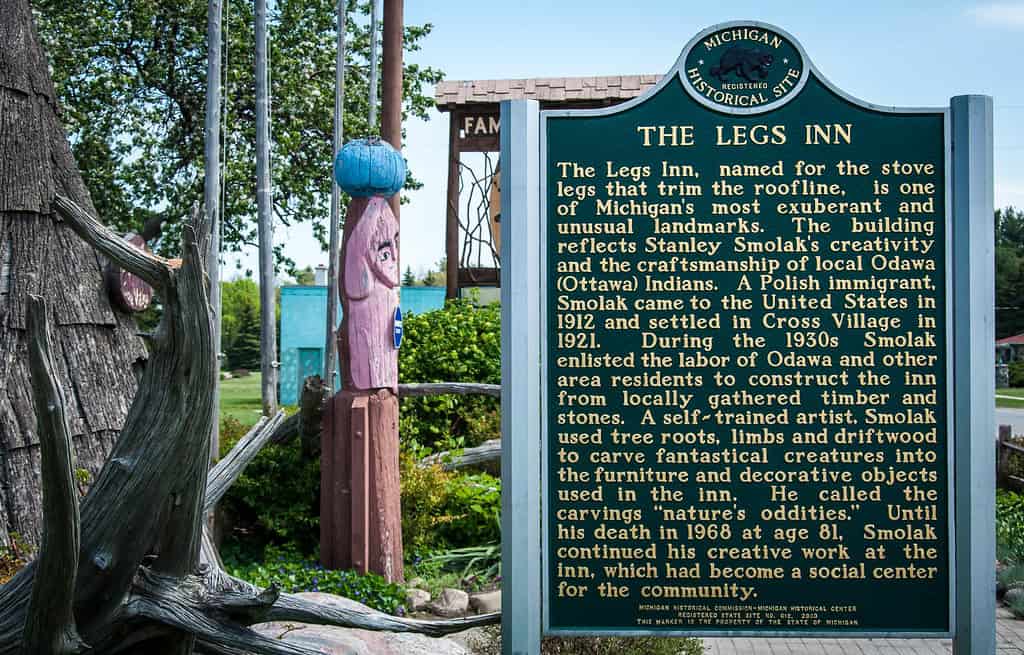
©"Cross Village - Legs Inn-6.jpg" by John Freeland is licensed under BY 2.0. - Original / License
Legs Inn is the landmark most travelers associate with Cross Village, and it deserves the attention. Polish immigrant Stanley Smolak developed the restaurant with help from local Odawa craftspeople and other residents, using fieldstone, wood and imaginative carvings. The iron stove legs along the roofline explain the curious name. Inside, the handmade details create a setting unlike an ordinary roadside restaurant, and the menu has long emphasized Polish dishes and regional favorites. Its location near Lake Michigan also makes it a scenic stop on the northern end of the Tunnel of Trees route.
One scheduling detail matters: Legs Inn is a seasonal business, and its published 2026 season ended on October 25. The restaurant says it will return in 2027, but travelers should confirm next year’s opening date and hours before making the drive. There is no reason to plan a winter road trip around a guaranteed meal here. Even when the dining room is closed, the broader area still has wooded countryside and shoreline scenery to explore, provided road and weather conditions cooperate.
12-13. Benzonia and Beulah
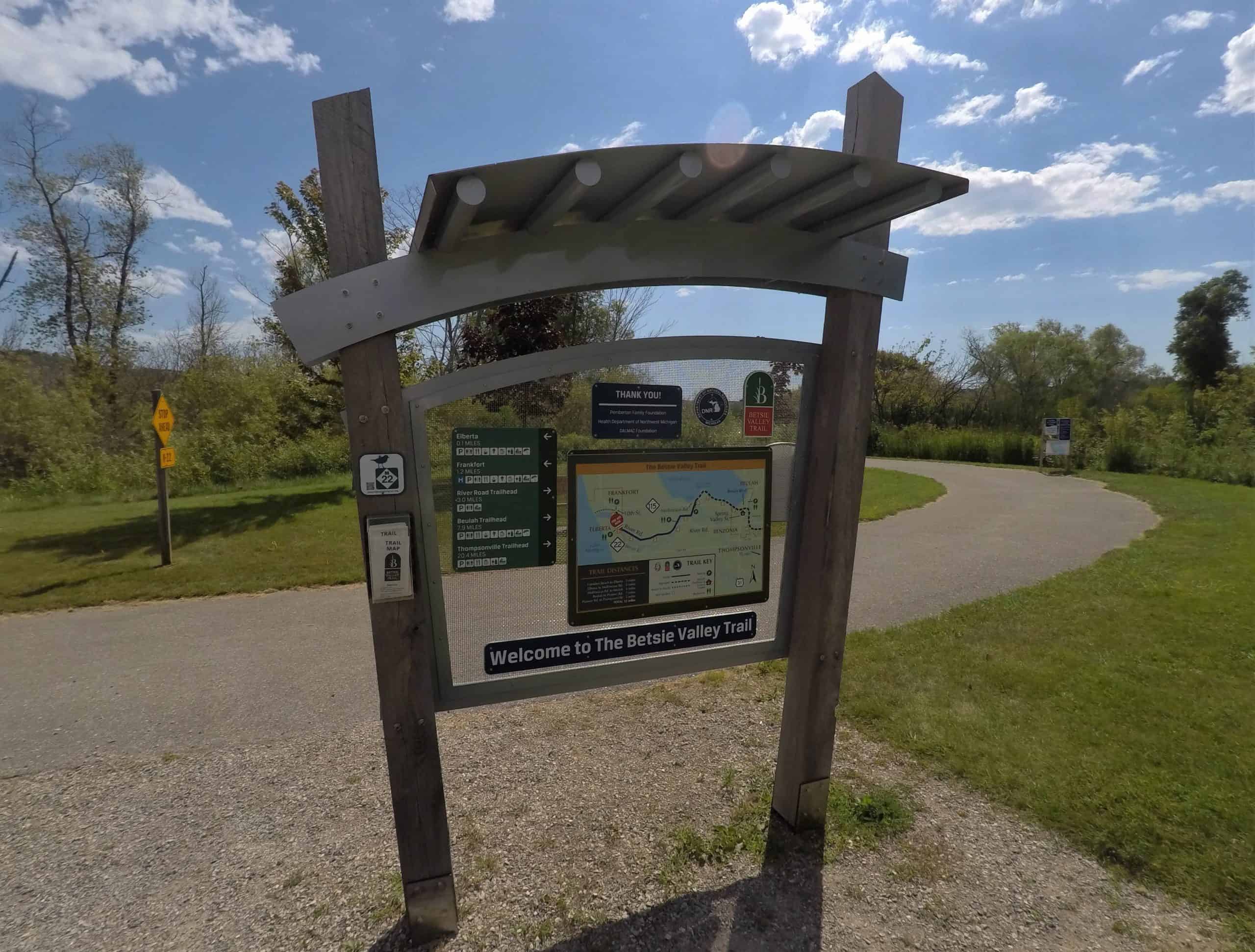
©"Betsie Valley Trail parking" by Gpwitteveen is licensed under BY-SA 3.0. - Original / License
Benzonia and Beulah are neighboring communities in Benzie County, so keeping them together makes more sense than pretending they are unrelated destinations. Beulah sits along Crystal Lake, a large inland lake known for clear water and summer recreation, while Benzonia occupies higher ground nearby. Both offer access to northern Michigan’s mix of quiet downtown streets, forests and lakes. It’s the sort of area where a bike ride, a coffee stop and a few hours along the shoreline can provide more satisfaction than racing between attractions.
The nearby towns are also convenient for visiting Frankfort and the Lake Michigan coast, especially on a longer Benzie County itinerary. Crystal Lake is the obvious warm-weather draw, but spring and fall can be lovely for shoreline walks and scenic drives. Parking, beach access and boating opportunities vary by location, so look for designated public access areas rather than assuming every stretch of lakefront is open to visitors. The appeal here is a slower pace with plenty of options within a short drive.
12-13. Benzonia and Beulah (continued)
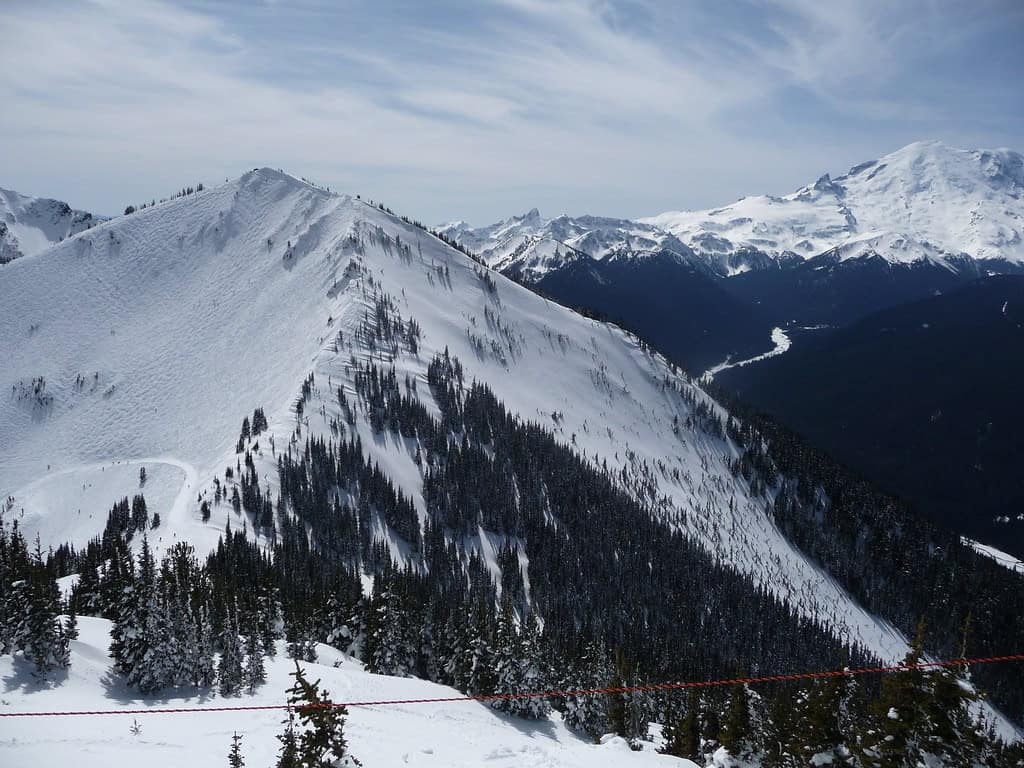
©"Crystal Mountain skiing" by Matt-Zimmerman is licensed under BY 2.0. - Original / License
The Betsie Valley Trail is a major reason to bring a bicycle to the Benzonia-Beulah area. The approximately 22-mile route follows a former railroad corridor from Frankfort toward Mesick, passing marshes, woods and views of the Betsie River and Crystal Lake. The surface changes along the route, with a paved stretch near Frankfort and other segments better suited to tires that can handle gravel or packed paths. Michigan’s Department of Natural Resources reports a long-term closure at the Manistee River Bridge in Mesick, with a road detour in place. Check that notice before attempting the full distance.
Winter sports are another draw across the wider region. Crystal Mountain, located in Thompsonville rather than downtown Beulah, offers downhill skiing and other resort activities when the season and conditions permit. That makes Beulah and Benzonia useful bases for a longer stay, but travel times still matter. A vacation built around skiing, cycling or snowshoeing will work better with a few destinations selected in advance than with the assumption that everything is next door.
12-13. Benzonia and Beulah (continued)
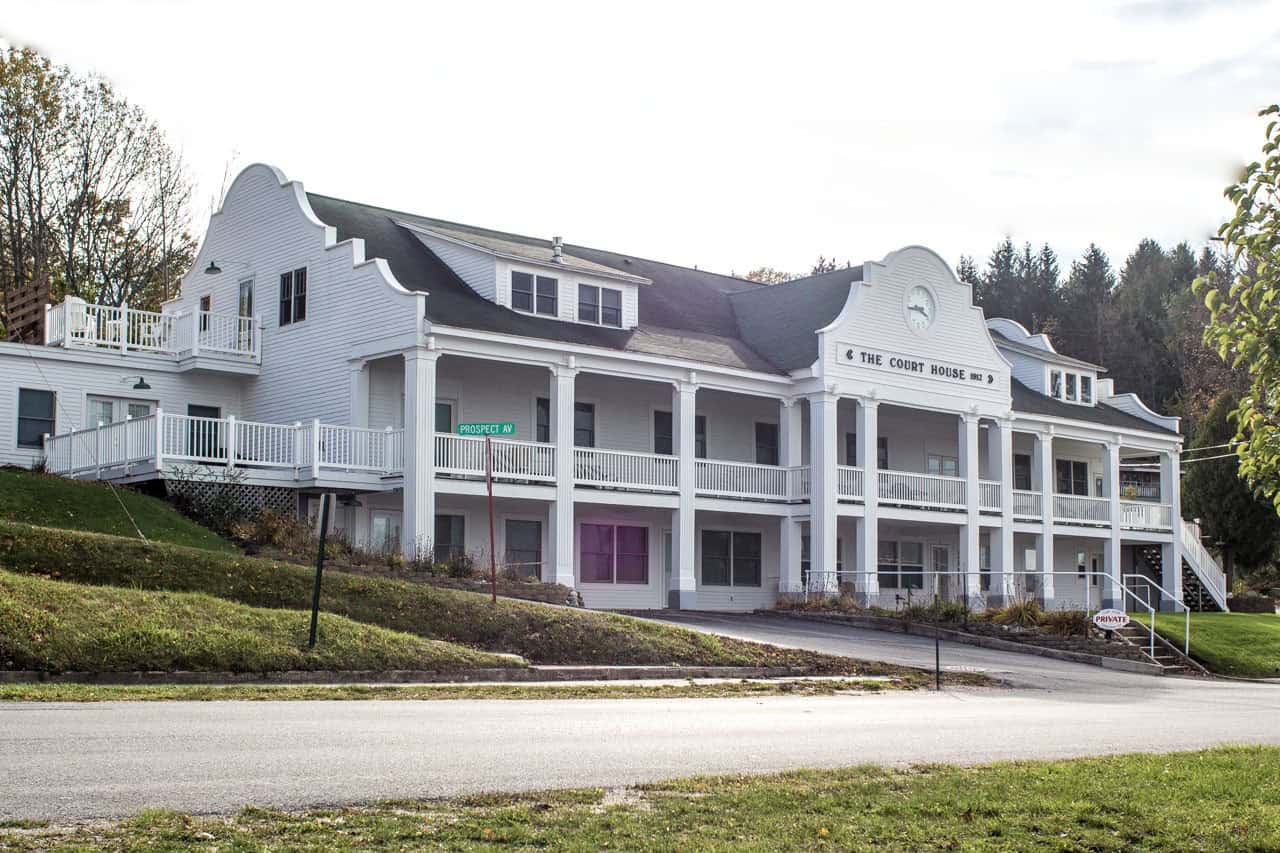
©"File:Benzie County Courthouse.jpg" by rossograph is licensed under BY-SA 3.0. - Original / License
History gives Benzonia an appeal that isn’t dependent on beach weather. The Benzie Area Historical Museum, in a former church building, preserves photographs, objects and stories connected to the county’s communities. Exhibits and museum hours can change seasonally, so anyone hoping to spend time inside should check before making a special trip. The surrounding streets and older buildings also provide context for a region that developed around transportation, farming, timber and lake tourism. It may be a modest museum stop, but it adds substance to a route otherwise dominated by scenic viewpoints.
Beulah’s connection to Crystal Lake rounds out the visit, offering a place to walk beside the water or find a casual meal after an afternoon of exploring. This pair is particularly good for travelers who prefer small communities without a crowded entertainment district. Give yourself time to wander between the two and perhaps continue toward nearby Frankfort. The roads are part of the experience, especially during fall when the surrounding trees turn color.
14. Mackinaw City
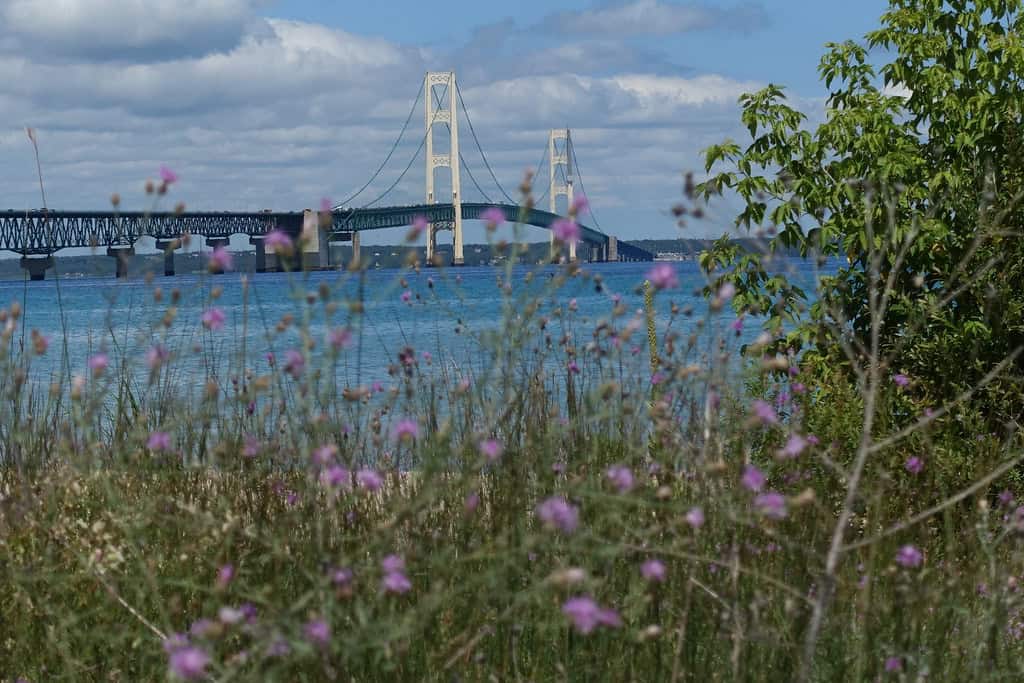
©"Mackinaw City" by Roller Coaster Philosophy is licensed under BY 2.0. - Original / License
Mackinaw City sits at the northern tip of Michigan’s Lower Peninsula, overlooking the Straits of Mackinac. The Mackinac Bridge rises above the water and connects the Lower Peninsula with St. Ignace in the Upper Peninsula. At about five miles long, it is one of Michigan’s most recognizable engineering landmarks. Travelers can photograph it from public waterfront areas or drive across it, subject to weather and traffic conditions. What they generally cannot do is walk across whenever they please, despite the claim in the original article.
Pedestrians are normally prohibited from the bridge. The exception is the annual Labor Day Bridge Walk, when special traffic arrangements allow participants to walk on the span. That event requires its own planning and is not a regular sightseeing option. On a typical visit, enjoy the views from shore, explore downtown Mackinaw City, and let someone else handle the driving if you’d rather concentrate on the scenery. Strong winds and severe weather can affect bridge travel, so check official advisories when conditions look questionable.
14. Mackinaw City (continued)
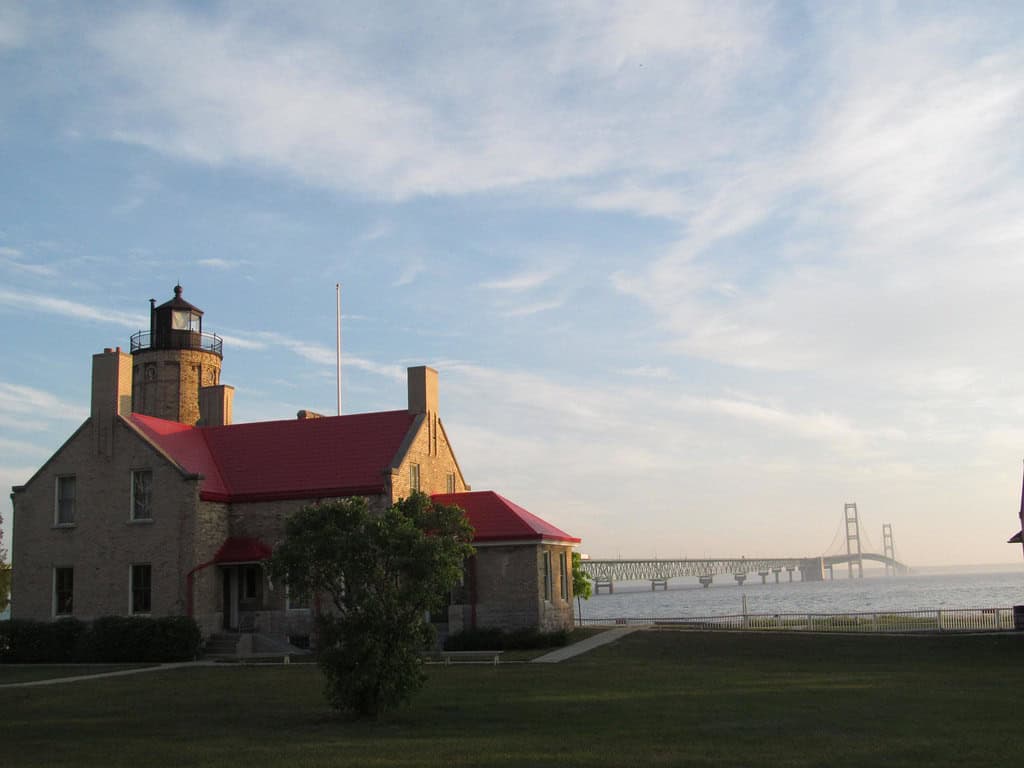
©"Old Mackinac Point Lighthouse - Mackinaw City, Michigan" by Dougtone is licensed under BY-SA 2.0. - Original / License
Mackinaw City is also a practical base for visiting Mackinac Island, with seasonal passenger ferries departing from the mainland docks. It’s important to keep the names straight: Mackinaw City is on the mainland, while Mackinac Island lies offshore in Lake Huron. The two are connected by boat, not by the Mackinac Bridge. Ferry schedules change during the year, and island visitors should plan for walking, biking or carriage travel once they arrive. Leaving the car behind is part of the experience, but it also means luggage and accessibility details deserve a little attention.
For history closer to the hotel, Colonial Michilimackinac and Old Mackinac Point Lighthouse are well-known attractions near the waterfront. Exhibits about the region’s military and trading past add depth to a trip dominated by bridge photography. Mackinaw City can be crowded during summer and holiday weekends, so booking lodging in advance is sensible. Even travelers simply passing between the peninsulas may find it worth stopping for a waterfront walk and a view of the bridge.
15. Sault Ste. Marie
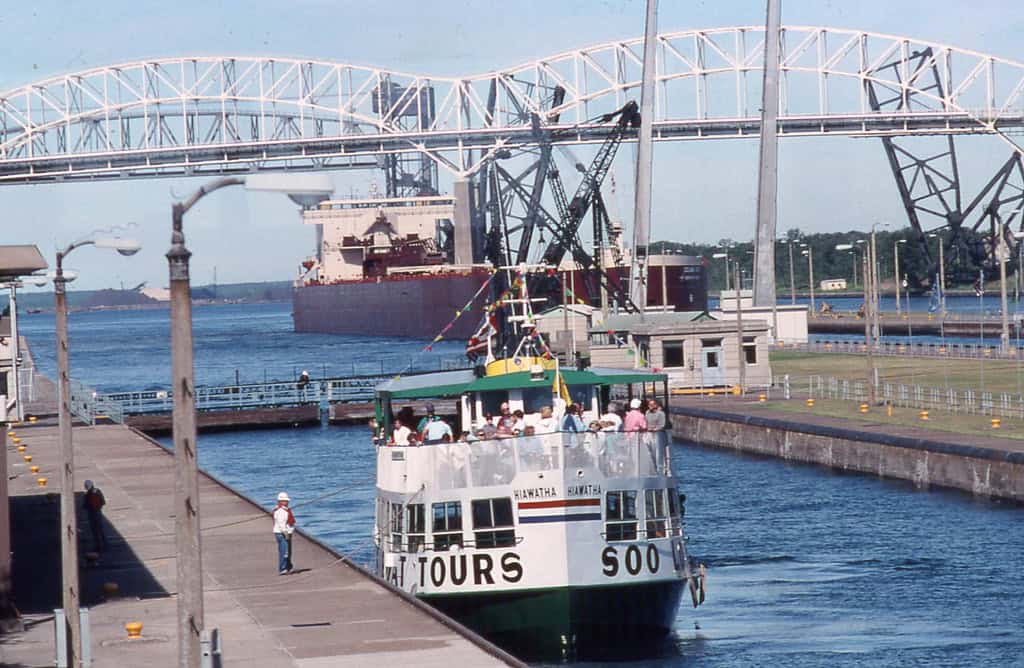
©"19970722 01 Sault Ste. Marie, Michigan" by davidwilson1949 is licensed under BY 2.0. - Original / License
Sault Ste. Marie occupies one of the most interesting locations in the Upper Peninsula, where the St. Marys River links Lake Superior with the lower Great Lakes. There are actually two neighboring cities with the same name: one in Michigan and one across the border in Ontario, Canada. The International Bridge connects them, while the river and shipping channels show how closely the two communities are tied to Great Lakes transportation. Visitors interested in ships can watch large freighters move through the area, often with a downtown restaurant or waterfront path nearby.
The setting is urban rather than secluded, but there’s a strong sense of place in the riverfront and historic streets. The area has been significant to Indigenous communities for centuries, long before European settlement. Anyone planning a cross-border visit should check the documents required to enter Canada and return to the United States. For a simpler trip, there is plenty to see from the Michigan waterfront, including views of the locks and the ships that keep this inland shipping route busy.
15. Sault Ste. Marie (continued)
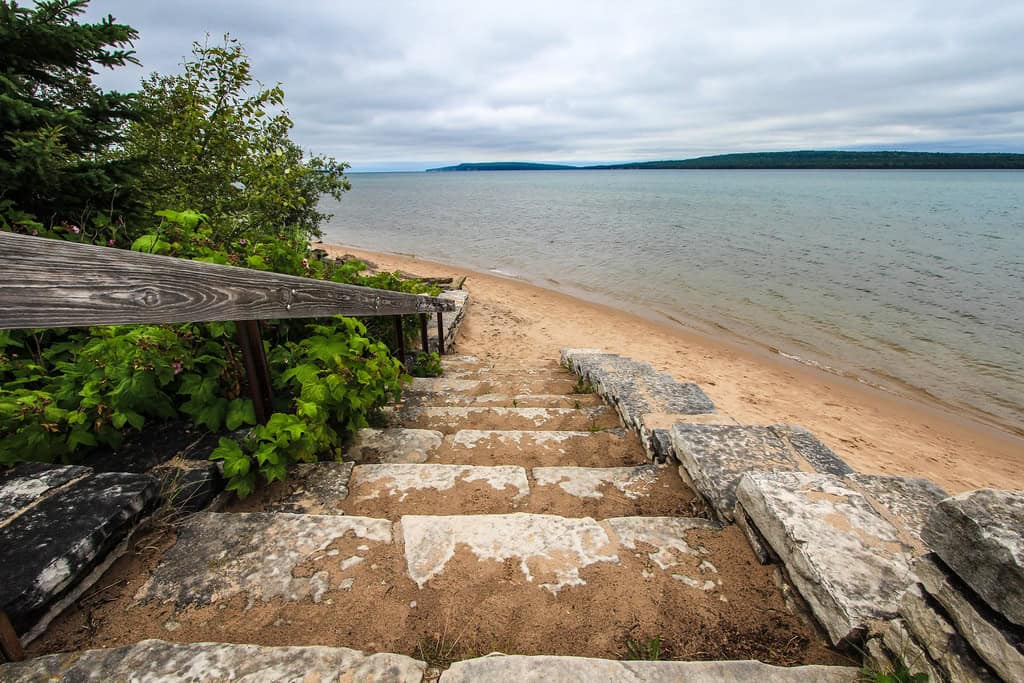
Hiawatha National Forest near Munising, not Sault Ste. Marie.
©"Stairs To A Beautiful Sandy Beach In Michigan. Winding stone stairs lead to a sandy beach on the shores of Lake Superior in Michigan's Upper Peninsula. Hiawatha National Forest. Munising, Michigan." by usfs_Eastern_Region is licensed under PDM 1.0. - Original / License
Sault Ste. Marie is often described as Michigan’s oldest city, with a European settlement established there in 1668. That description should not erase the much longer history of the Anishinaabe peoples, for whom the rapids and surrounding waterways were important well before French missionaries and traders arrived. The region developed around movement between Lake Superior and the lower lakes, and that transportation history still shapes the waterfront today. Museums and historical exhibits can help visitors understand the place beyond its most photographed attraction.
The Upper Peninsula’s forest scenery is also worth exploring on a broader road trip, although not every forest photograph associated with the Soo was taken nearby. One of the original images in this slideshow depicts a Lake Superior beach in Hiawatha National Forest near Munising, considerably farther west. It is a useful illustration of regional scenery, not a photograph of downtown Sault Ste. Marie. If you’re building an itinerary across the peninsula, allow realistic driving times between the Soo and those western forest destinations.
15. Sault Ste. Marie (continued)
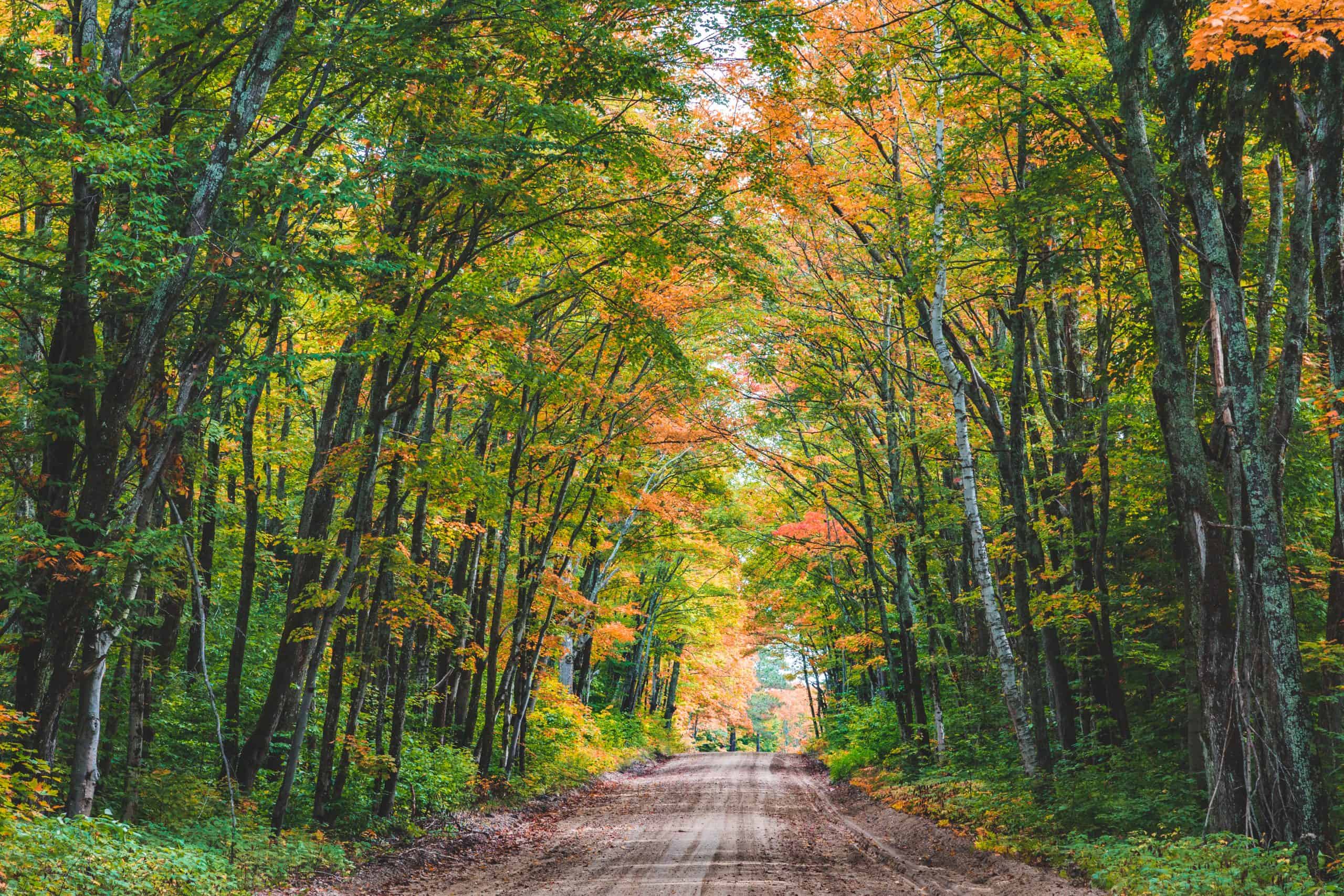
An autumn road in Hiawatha National Forest, farther west in the Upper Peninsula.
©"Autumn Dirt Road - Hiawatha National Forest, Michigan (30354315253)" by Tony Webster from Minneapolis, Minnesota is licensed under BY-SA 2.0. - Original / License
The Soo Locks are the main attraction for many Sault Ste. Marie visitors, and the engineering is impressive even if you have no particular interest in cargo ships. The lock system lets vessels navigate an elevation difference of roughly 21 feet between Lake Superior and the lower Great Lakes. Watching a large freighter slowly rise or sink in a chamber makes the mechanics easier to understand than any diagram. Visitor facilities and observation areas provide opportunities to see the process, although access and hours can vary by season and during construction.
The U.S. Army Corps of Engineers is also building a new lock to provide another chamber capable of handling the largest vessels that use the route. Construction remains a major project, so visitors should follow current notices rather than relying on old estimates of completion or access. The ships are the stars of the show, but the industrial setting and history of the St. Marys River are equally fascinating. Come with a little patience: freighters do not arrive on a tourist schedule.
16. Munising
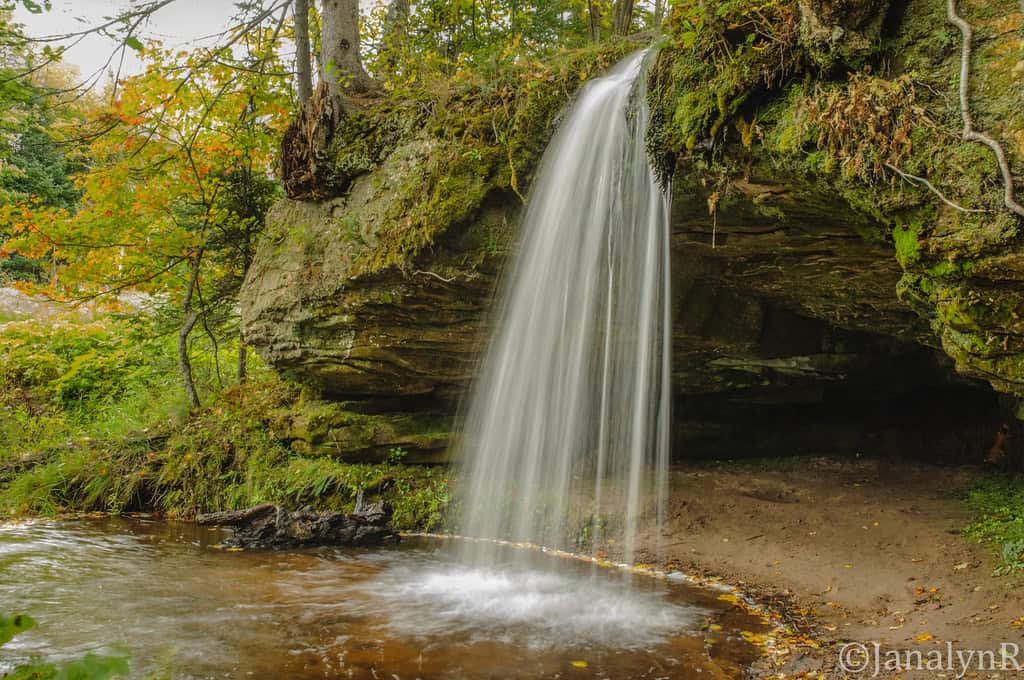
©"Scott Falls, Munising, Michigan" by Jan Davis Ruthig is licensed under BY-ND 2.0. - Original / License
Munising is the western gateway to Pictured Rocks National Lakeshore, one of the Upper Peninsula’s most dramatic landscapes. The protected shoreline extends about 42 miles along Lake Superior, including colorful sandstone cliffs, wooded trails, sandy beaches and waterfalls. From town, seasonal boat cruises provide an especially memorable look at the cliffs, while land-based outings lead to overlooks and trailheads farther along the lakeshore. Check weather and tour schedules before making the drive, because conditions on Lake Superior can change a beautiful afternoon into a very rough boat ride.
Munising Falls is another familiar attraction, but an important update changes the visitor advice. The National Park Service says the trail to the falls is closed until further notice following storm damage in April 2025. It would be misleading to describe it as a quick, currently available walk. Other park features, including Miners Castle and Miners Falls when their access routes are open, can provide alternatives. The park itself remains open year-round, although many roads and services are seasonal.
16. Munising (continued)
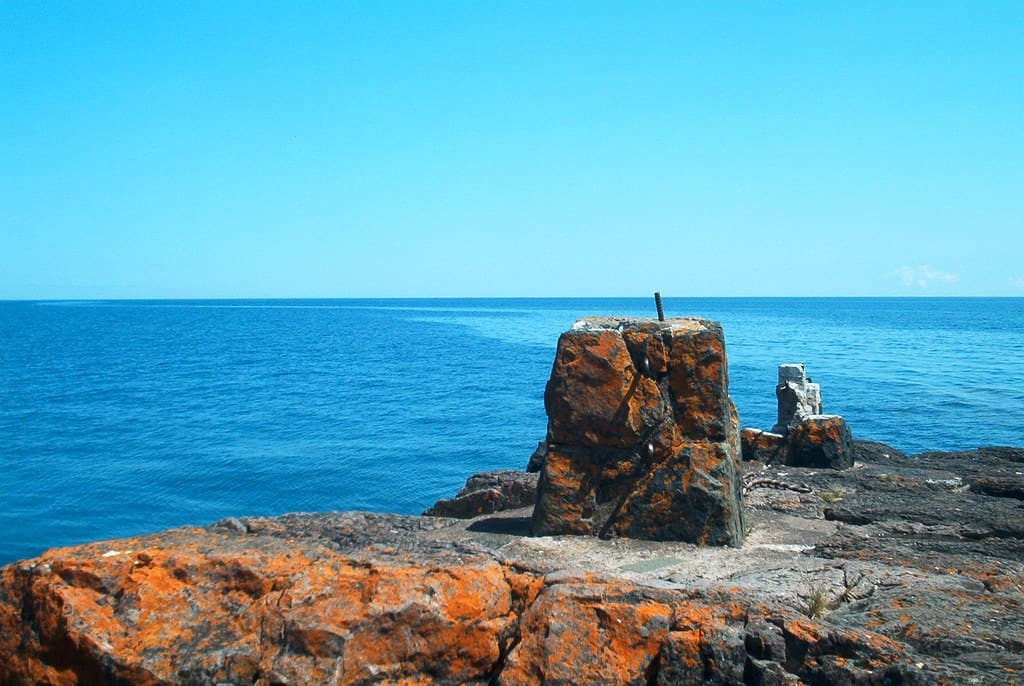
©"Lake Superior" by kjell is licensed under BY-SA 2.0. - Original / License
Lake Superior is the deepest of the five Great Lakes, and its cold, unpredictable water has played a major role in the region’s maritime history. Munising is known for boat excursions that interpret local shipwrecks, including tours that let passengers view submerged remains through glass-bottom sections when conditions permit. The original article called Lake Superior the deepest freshwater lake in the world, which is wrong; Russia’s Lake Baikal holds that distinction. There is no need to exaggerate Superior’s statistics to make its cliffs, storms and shipwreck stories compelling.
The lake can be extremely dangerous for inexperienced boaters and paddlers, especially near cliffs where landing opportunities are limited. Guided tours are generally a better introduction than attempting an ambitious route without appropriate equipment and experience. If the wind rules out a cruise, Munising still has museums, shops and nearby scenic drives. This destination is worth a little schedule flexibility, because seeing Pictured Rocks under safe conditions is far more important than checking a box on an itinerary.
17. Ironwood
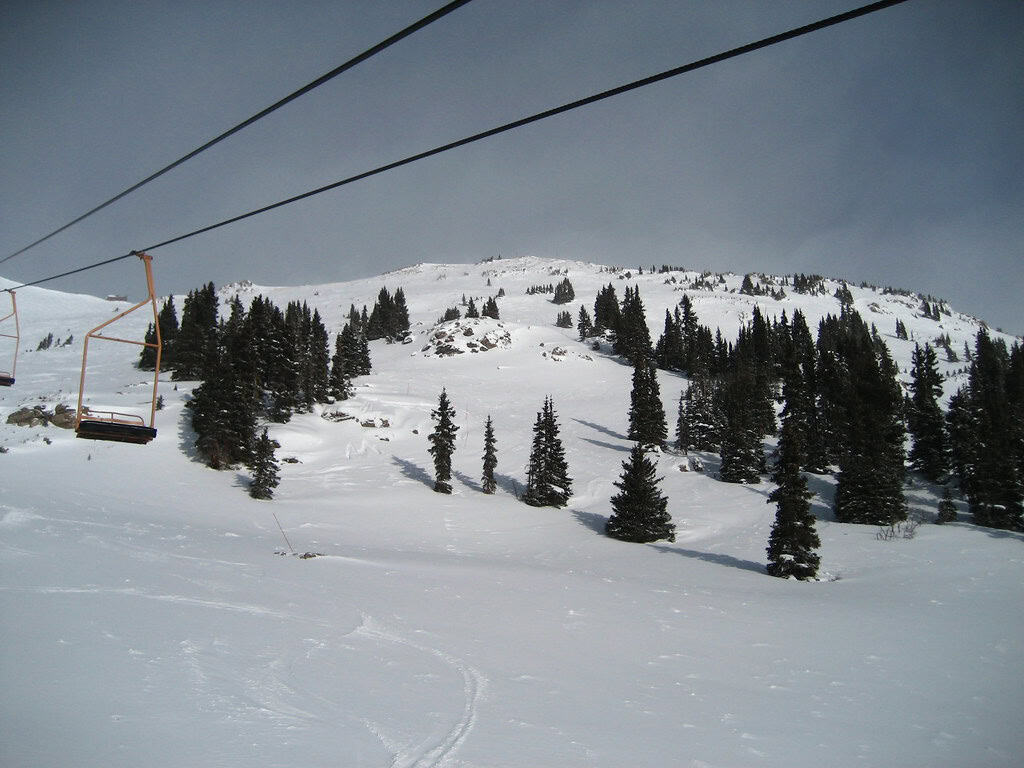
©"The backside of Copper Peak" by randomduck is licensed under BY-SA 2.0. - Original / License
Ironwood sits in the far western Upper Peninsula near the Wisconsin border, an area shaped by iron mining, forests and serious winter sports. One of its most distinctive landmarks is Copper Peak, a towering ski-flying facility northwest of town. The structure was built for an extreme form of ski jumping and remains an unmistakable sight against the wooded hills. The original article described it as the largest artificial ski jump in the world, a claim that needs qualification; Copper Peak is better known as a major ski-flying hill in the Western Hemisphere.
There is also an important update about its future. Copper Peak is undergoing a renovation project costing tens of millions of dollars, not multiple billions. The work aims to modernize the facility and eventually restore its role in high-level ski jumping. Construction can affect visitor access, so it is wise to check the site’s announcements before driving out. Even without a competition on the calendar, the scale of the jump makes it a fascinating piece of Upper Peninsula sporting history.
17. Ironwood (continued)
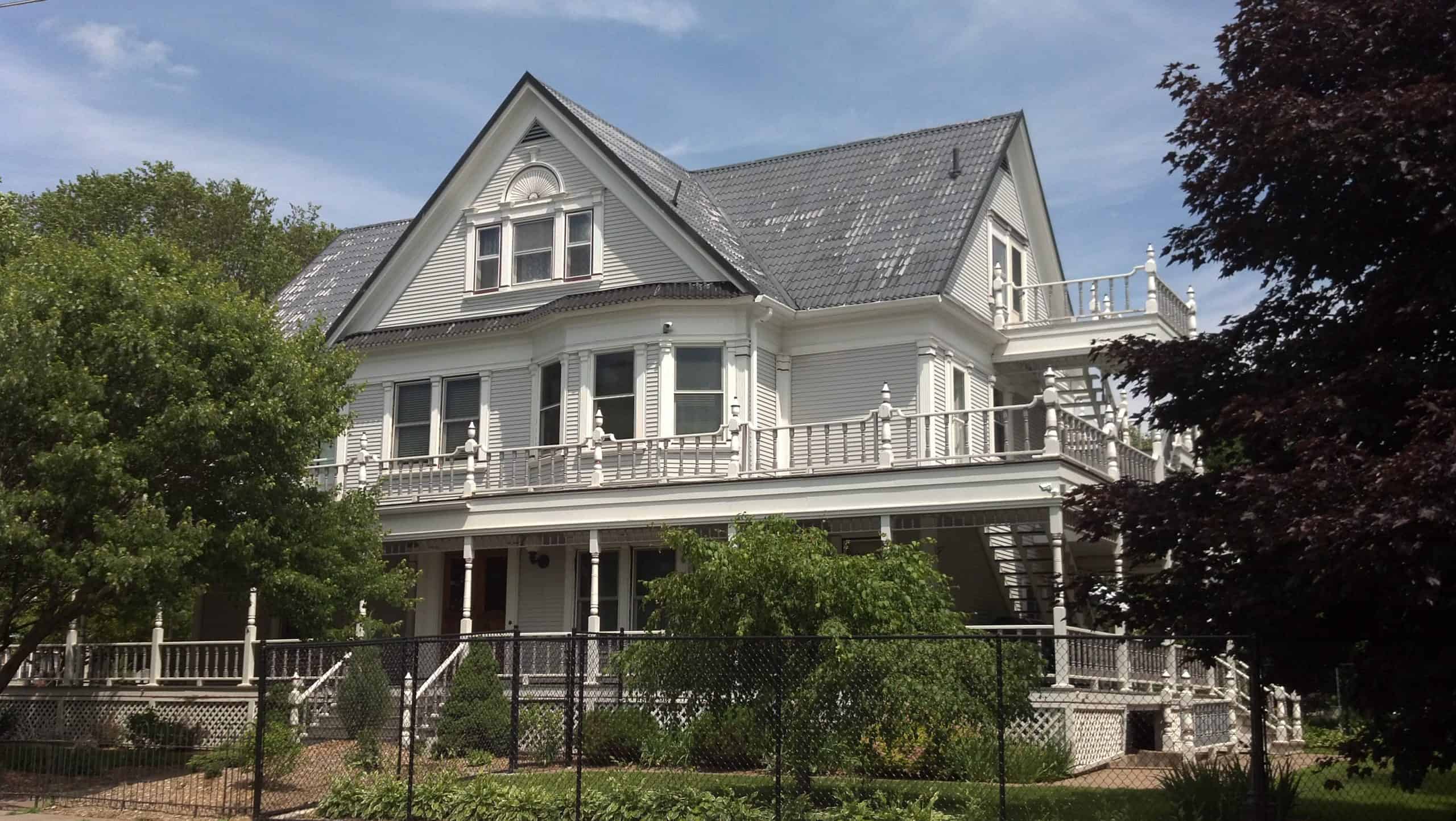
The historic Solomon S. Curry House in Ironwood.
©"File:2013-07-13 Solomon S. Curry House, 634 McLeod Ave, Ironwood, MI, side view.jpg" by Sa magnuson33 is licensed under BY-SA 3.0. - Original / License
Ironwood has plenty to offer beyond Copper Peak. The city grew alongside the Gogebic iron range, and its older homes and downtown buildings reflect a period when mining was central to the local economy. That heritage is visible in surviving architecture and local historical sites, including houses built for prominent residents during the mining era. The original photograph of the Solomon S. Curry House fits that side of the story far better than a description of a ski jump. A walk around town can add useful context before heading toward the hills.
Winter recreation remains a major draw in the surrounding area, with downhill skiing, cross-country skiing and snowshoeing options depending on current conditions. Warmer months bring hiking and scenic drives through the wooded highlands. Ironwood is not a polished lakeside resort, and that’s part of the appeal: it feels like a community with a real industrial past and outdoor opportunities close by. Check trail and ski-area operations before traveling, especially between seasons.
17. Ironwood (continued)
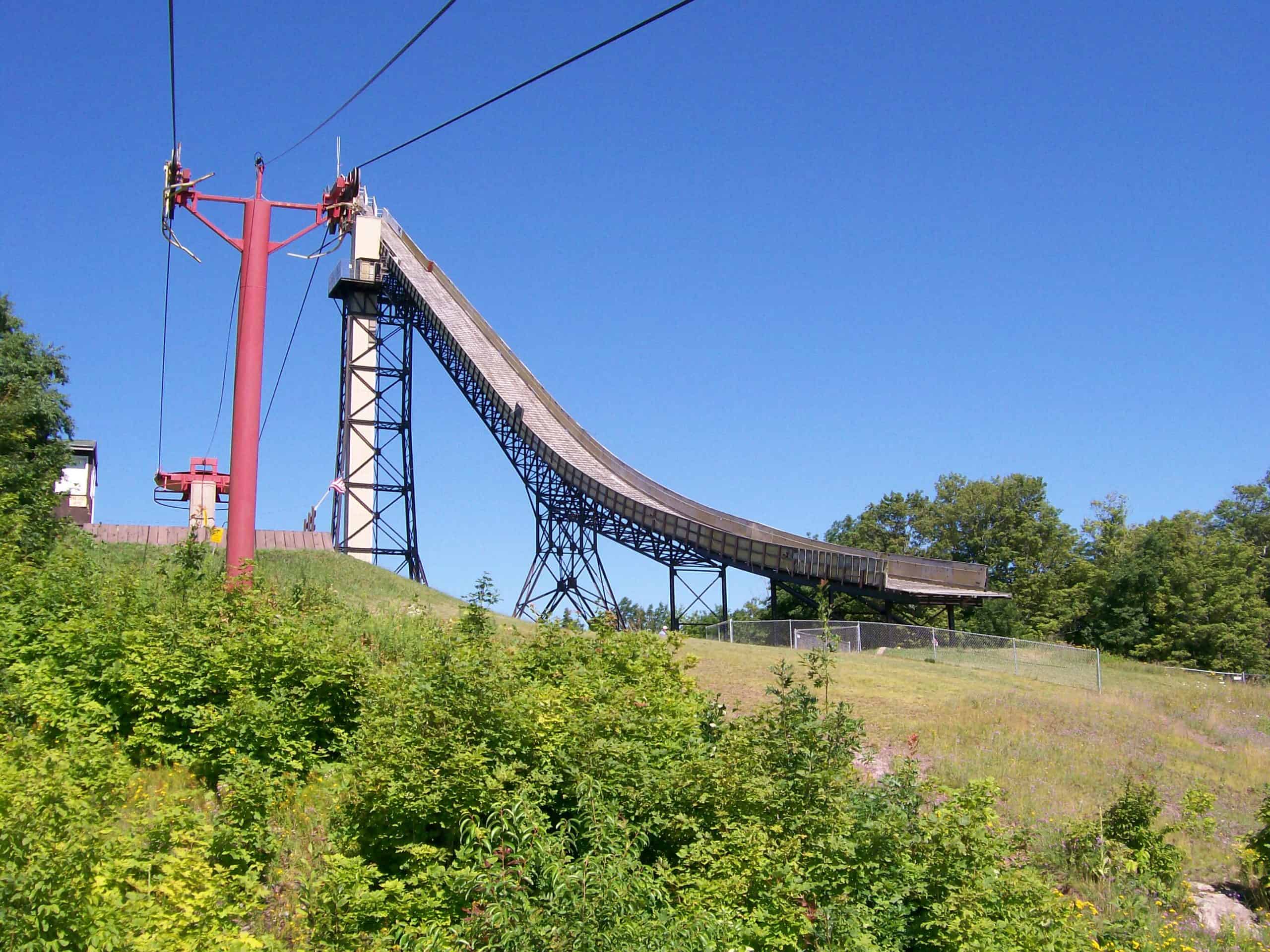
©"File:Copper Peak Ski Flying Hill.JPG" by Cbradshaw (talk) is licensed under BY-SA 3.0. - Original / License
The Copper Peak Adventure Ride is the way most non-athletes experience the ski-flying hill. Its chairlift carries visitors toward the hilltop, where an elevator reaches a main observation area and additional stairs lead to a higher starting platform when available. On clear days the panorama takes in a tremendous expanse of woods and distant Great Lakes country. It’s an unusual sightseeing experience, and visitors who dislike heights should think carefully before committing to the upper levels. Weather conditions can shut down the ride even when the posted schedule otherwise looks promising.
During the 2026 season, Copper Peak limited Adventure Ride operations to Sundays because of continuing construction, and it warned that parking and walking routes could change. That schedule should not be assumed for 2027 or later. The facility is still being improved, and the return of major ski competitions is a future goal rather than a current attraction. Check the official site for the latest access information; a scenic drive is nice, but arriving to find the ride closed is a different story.
18. Marshall
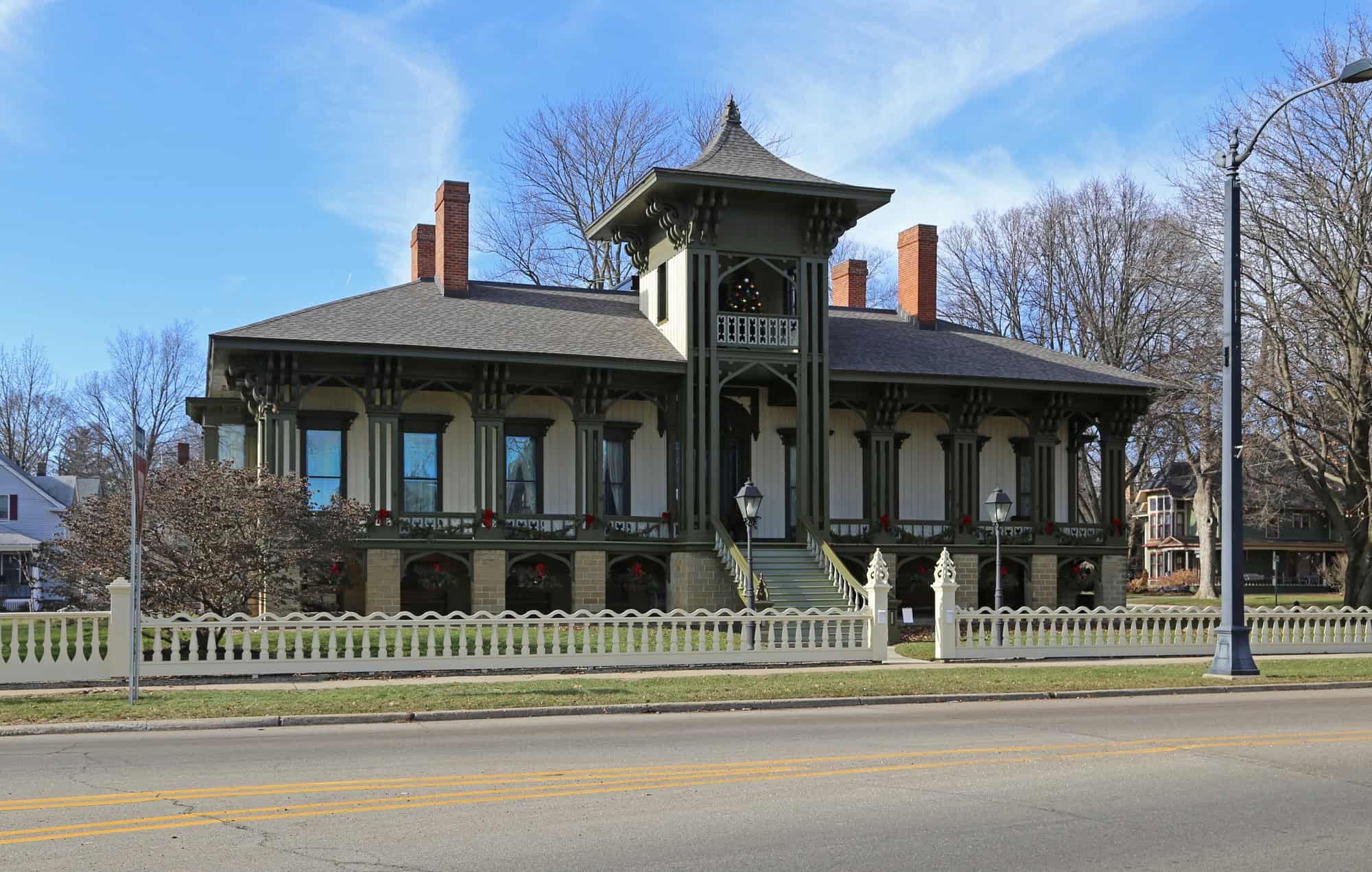
©"Honolulu House — Marshall, Michigan" by Christopher L. Riley is licensed under BY-SA 4.0. - Original / License
Marshall is one of Michigan’s best destinations for travelers who enjoy old buildings and the stories attached to them. The city has a large National Historic Landmark District filled with 19th-century houses and public buildings in architectural styles such as Greek Revival, Gothic Revival and Italianate. Many structures have been carefully preserved, making a walk through the neighborhoods feel like an open-air introduction to American design history. The downtown adds independent shops and places to eat, so visitors can break up an architecture-focused afternoon without getting back in the car.
One of the most recognizable buildings is Honolulu House, whose unusual design stands out even among Marshall’s ornate historic homes. The district is large enough that an organized walking route can help, especially if you want to identify particular houses rather than just admire the streets. Respect private property: many historic houses remain homes, not museums. For travelers coming from the Pacific Northwest, Marshall offers a very different landscape but a familiar appreciation for preservation and neighborhood character.
18. Marshall (continued)
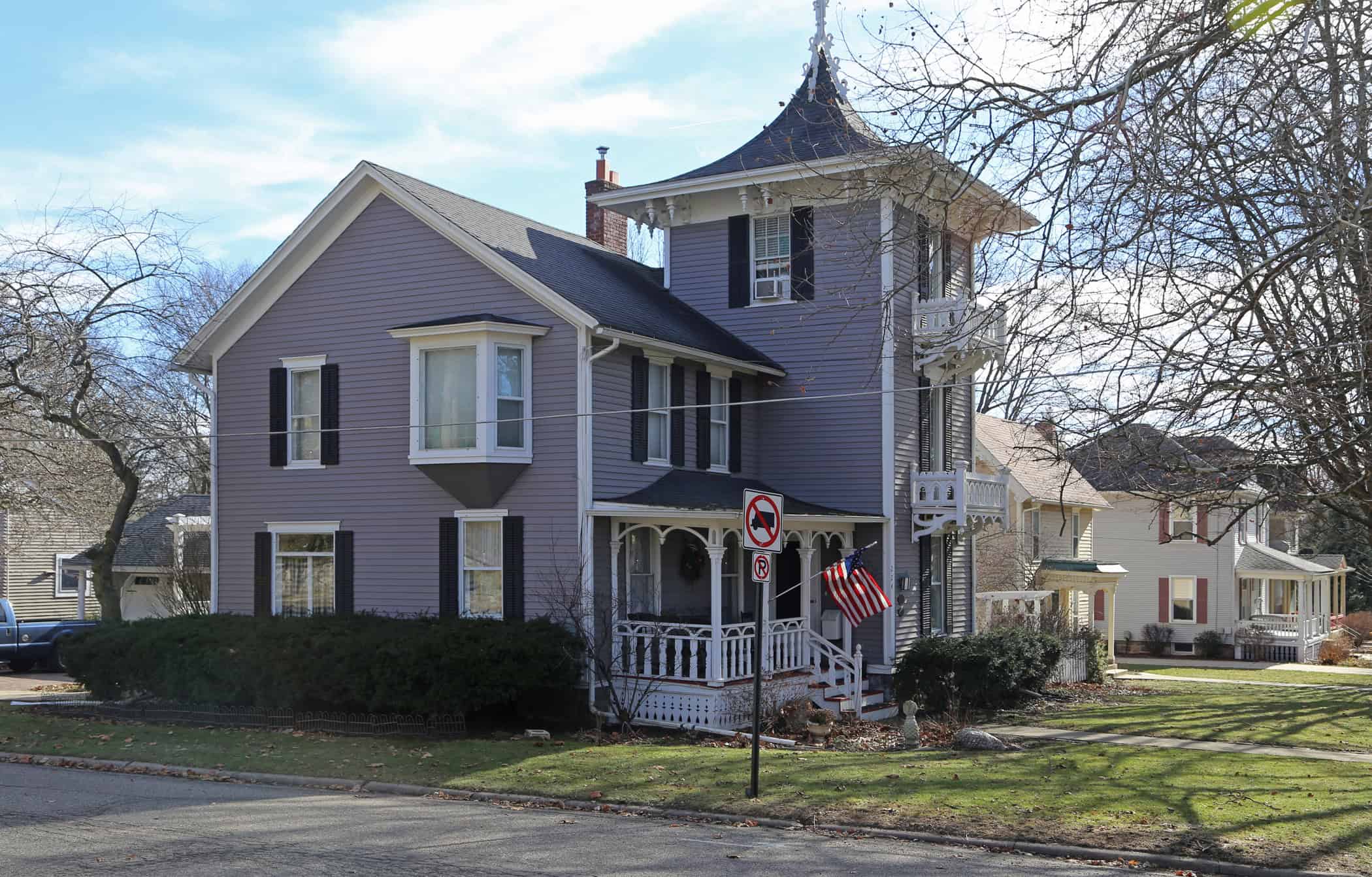
©"Joy House — Marshall, Michigan" by Christopher L. Riley is licensed under BY-SA 4.0. - Original / License
Marshall’s historic downtown and Fountain Circle make useful stops between its residential streets. Brooks Memorial Fountain is a local landmark, and the surrounding park area offers a natural place to pause on a walking tour. Nearby buildings tell a story of a city that grew during Michigan’s 19th-century development, leaving behind an unusually varied collection of architecture. Rather than assigning unverified details to every sculpture and decorative feature, visitors are better served by using an official walking guide or museum exhibit to learn the specific history of what they’re seeing.
The city is manageable enough for a relaxed visit, but the best experience comes from exploring more than one block. Historic homes, civic buildings and small museums are scattered through the district, and some interiors are open only at designated times. Marshall is not trying to compete with a beach resort or ski town. Its strength is the opportunity to see an extraordinary number of historic buildings close together, then have dinner in a downtown that still functions as a community center.
18. Marshall (continued)
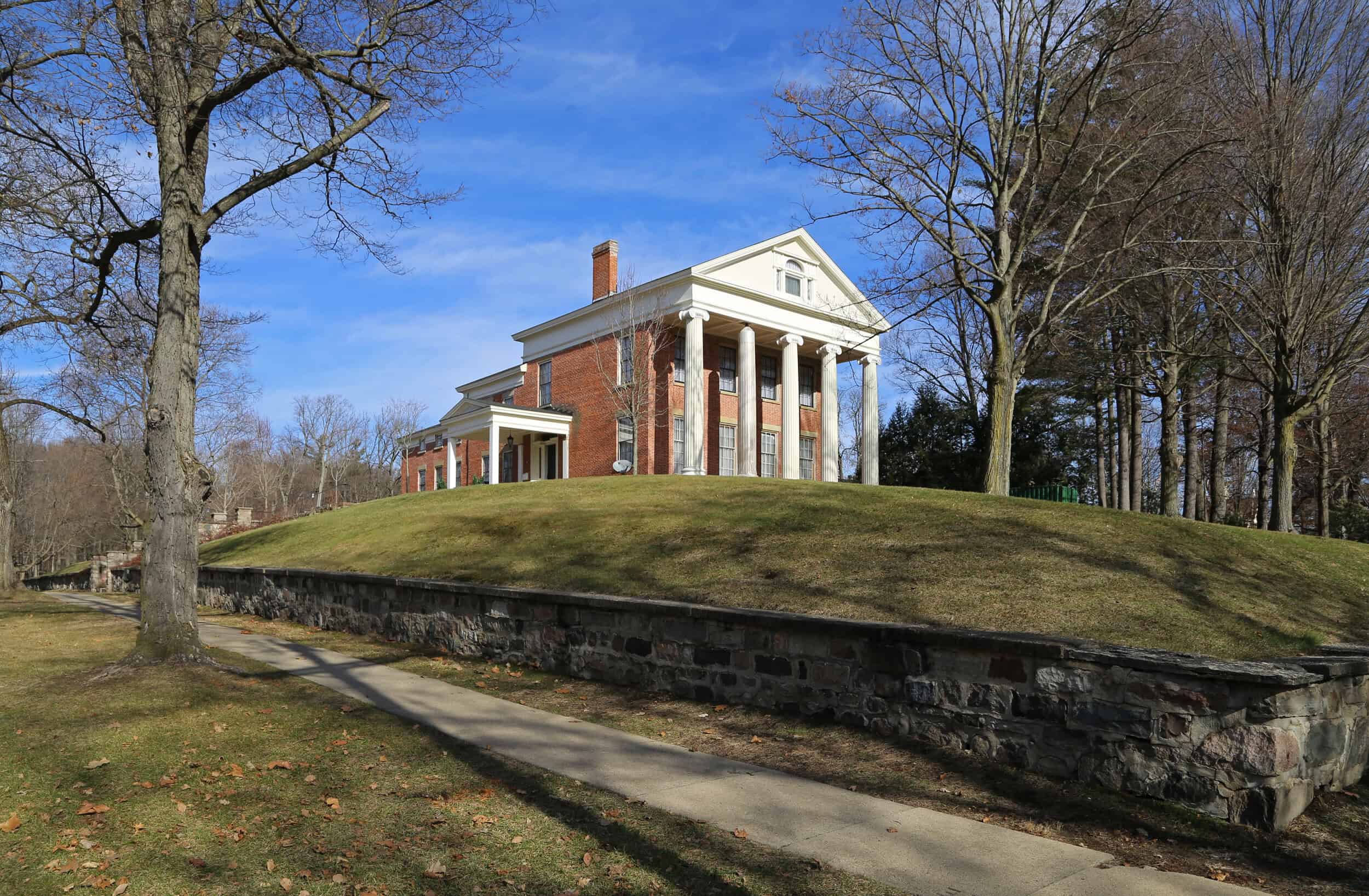
©"Jabez Fitch House — Marshall, Michigan" by Christopher L. Riley is licensed under BY-SA 4.0. - Original / License
Honolulu House may be Marshall’s most memorable historic interior. Built in 1860 for Abner Pratt, a former Michigan Supreme Court chief justice who served as U.S. consul in Hawaii, the house incorporates Italianate, Gothic Revival and Polynesian-inspired details. Pratt wanted a reminder of his time in the islands, and the result looks unlike the surrounding Midwestern homes. The house now operates as a museum associated with the Marshall Historical Society, and its decorative rooms and unusual architecture help explain why the city attracts history enthusiasts.
The original article called the owner ‘Jude Abner Pratt,’ but the documented name is Abner Pratt. Touring arrangements and museum hours are seasonal, so confirm access before planning a trip around an interior visit. Other homes in the historic district, including structures like the Jabez Fitch House, are worthwhile from public streets even when they are not open for tours. For a final stop on a Michigan road trip, Marshall offers something different: less sweeping shoreline, more architectural detail and a long list of stories hiding behind old front doors.

