
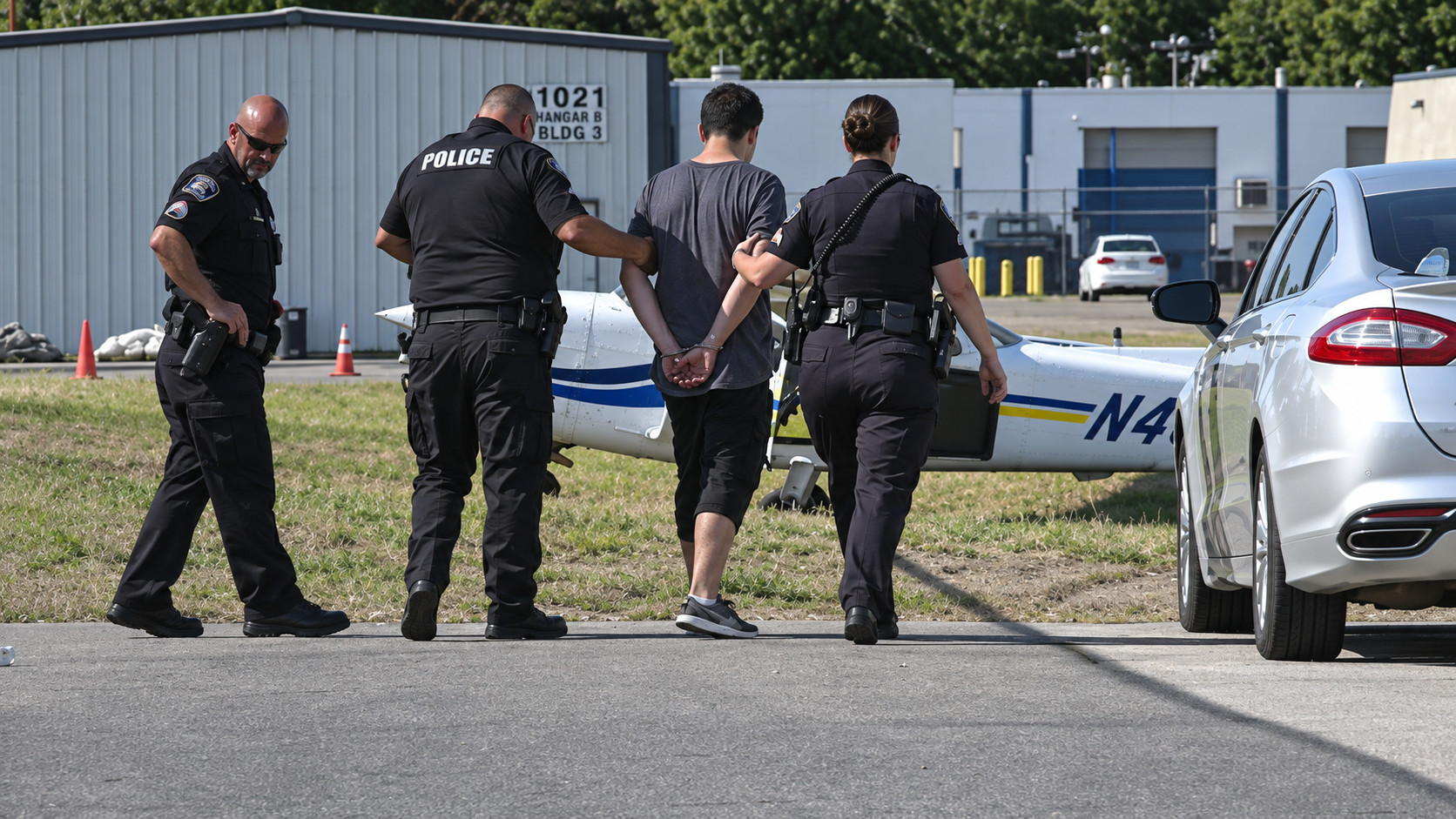
Flying comes with a pretty simple understanding: follow the crew’s instructions and don’t make the trip miserable for everyone else. Yet some passengers manage to turn an ordinary flight into a police matter, an unscheduled landing, or a ban from an airline. A few cases involve genuinely dangerous behavior. Others are just plain bizarre, which doesn’t make them any less disruptive for everyone stuck on board.
There’s an important distinction here. The federal No Fly List is a terrorism-related security measure. It isn’t a master list of everyone who has argued with a flight attendant, caused a scene, or been kicked off a plane. Individual airlines can refuse future service to disruptive travelers, and courts can impose their own travel restrictions. Those are separate things, and the consequences aren’t necessarily permanent.
Seattle Travel looks at documented flight disruptions, airport security incidents, and mistaken-identity problems to explain what actually happened. Some ended with criminal charges or fines. Others led to a passenger being removed or a plane turning around. Here’s what these incidents tell us about how getting grounded really works.
What the Federal No Fly List Actually Covers
©"Airplane" by Sean MacEntee is licensed under BY 2.0. - Original / License
The government’s No Fly List is part of the federal terrorist watchlisting system, and the TSA uses it to prevent certain individuals from boarding flights within, to, from, or over the United States. It isn’t a disciplinary list for rude passengers or people who get into arguments on airplanes. Airlines can maintain their own lists of travelers they won’t carry, and a judge can separately restrict someone’s ability to fly. Getting removed from a flight, being banned by one carrier, and being on the federal No Fly List are three very different situations. That distinction matters throughout these stories.
When a Dispute Over Peanuts Becomes a Crew Issue
©"Lufthansa A380 inside" by chinaoffseason is licensed under BY 2.0. - Original / License
Peanuts may seem like an awfully small thing to fight about at 35,000 feet, but a disagreement over food or another passenger’s allergy can become a bigger problem if someone refuses crew instructions or starts making threats. Airlines have to manage safety and passenger disputes in the cabin, and they can remove someone whose behavior escalates. What they can’t do is automatically put that person on the federal terrorism-related No Fly List. The important distinction is that the problem is the behavior, not the snack. An argument can get someone removed from a flight without becoming a federal watchlist case.
The Sunwing Party Flight That Stranded Travelers in Cancún
©"E-Cigarette/Electronic Cigarette/E-Cigs/E-Liquid/Vaping/Cloud Chasing" by Vaping360 is licensed under BY 2.0. - Original / License
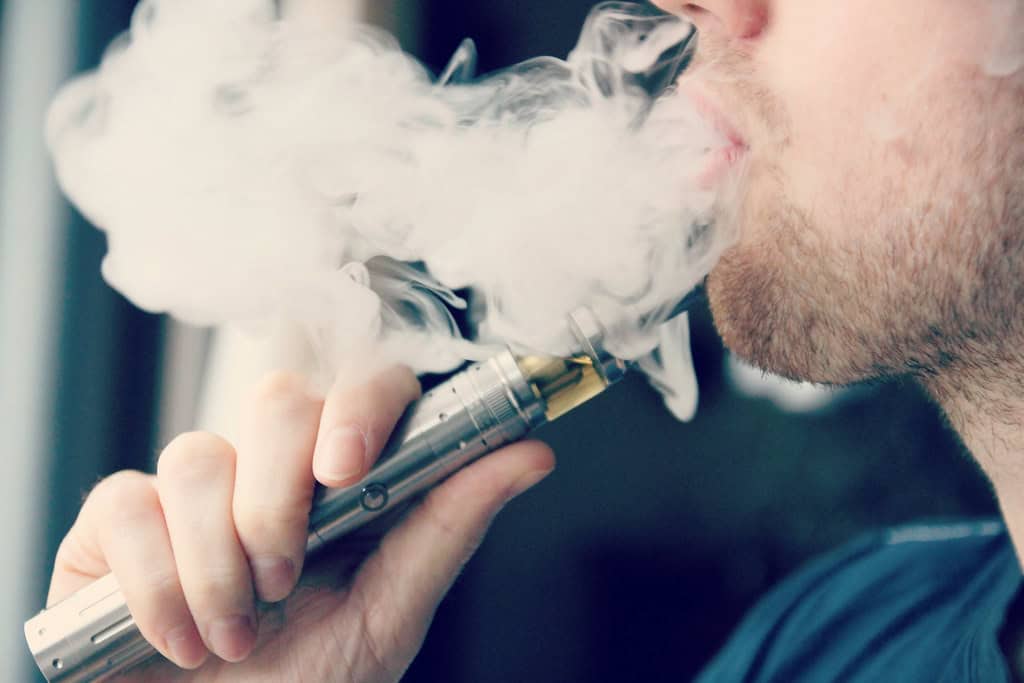
A chartered Sunwing flight from Montreal to Cancún on December 30, 2021, turned into a very public mess when videos showed passengers dancing, drinking, vaping, and ignoring the mask rules in effect at the time. Sunwing canceled the group’s return flight after disputes about the conditions for bringing them home, and other Canadian airlines also declined to carry some members of the group. Canadian officials investigated, and passengers later faced fines. The key distinction is that these were airline decisions and Canadian enforcement actions, not proof that the travelers were added to the U.S. federal No Fly List.
Threatening Flight Attendants Can Lead to Prison
©"Flight Attendant" by peter burge is licensed under BY 2.0. - Original / License
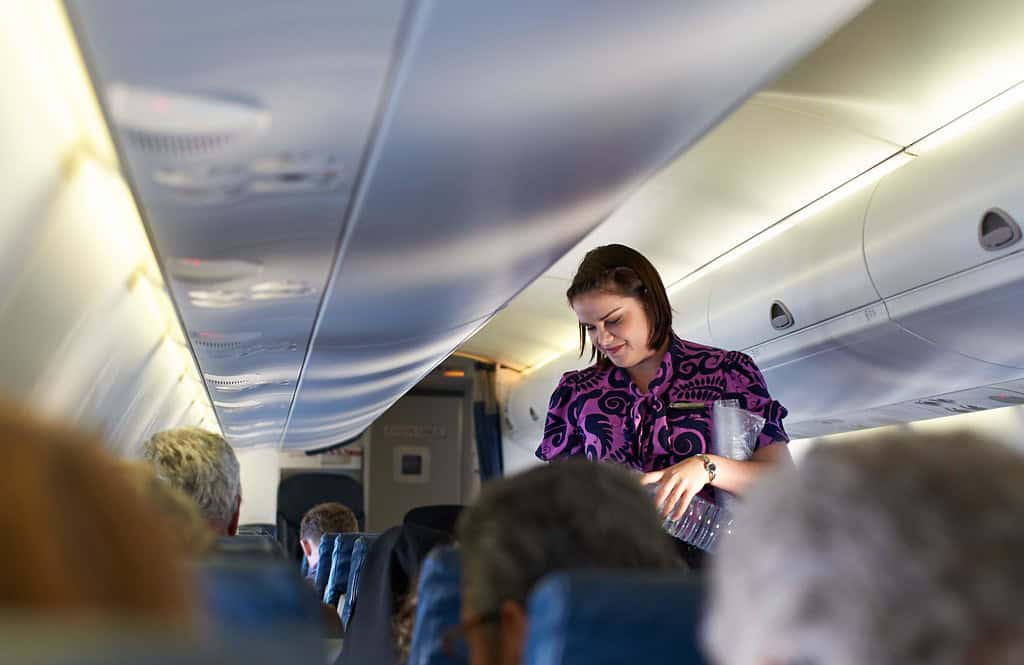
A flight from Tampa to San Juan hadn’t even taken off on April 21, 2024, when a passenger refused repeated requests to end a phone call, then threatened flight attendants. The captain returned to the gate so law enforcement could remove her. In January 2026, federal prosecutors announced that Jennifer Rodriguez had been sentenced to five months in prison after pleading guilty to interfering with crew members through assault and intimidation. That’s a serious consequence for ignoring the crew, but the government’s criminal case did not establish that she had been placed on the federal No Fly List.
Trying to Bring a Replica Explosive Through Security

©"TSA Security Official Photo i081 by Grant Wickes" by Grant Wickes is licensed under BY 2.0. - Original / License
Testing airport security with something that looks like a bomb is about as bad an idea as it sounds. TSA rules prohibit replicas of explosives, including imitation grenades, in both carry-on and checked bags. A suspicious object can lead to additional screening, police involvement, missed flights, or potentially criminal charges, depending on what happened. But there’s no rule that possessing a fake explosive automatically creates a lifelong federal No Fly List ban. That’s plenty of reason to leave the fake explosives at home, without inventing an automatic lifetime flying ban that federal rules don’t provide.
The Whitney Houston Singalong That Diverted a Flight

©IMDB.com
On May 9, 2013, an American Airlines flight from Los Angeles to New York diverted to Kansas City after a passenger reportedly kept singing Whitney Houston’s ‘I Will Always Love You’ and would not cooperate with the crew. A federal air marshal restrained her, and officers escorted her off the plane. American Airlines did not allow her to reboard that flight. It’s certainly one of the stranger reasons a flight has been interrupted, but reports do not establish that she received a lifetime airline ban or was added to the federal No Fly List. Being removed from one flight isn’t the same as being barred from every flight.
When Mask Refusals Disrupted Flights During COVID-19
©"Man wearing mask on plane" by smays is licensed under BY 2.0. - Original / License
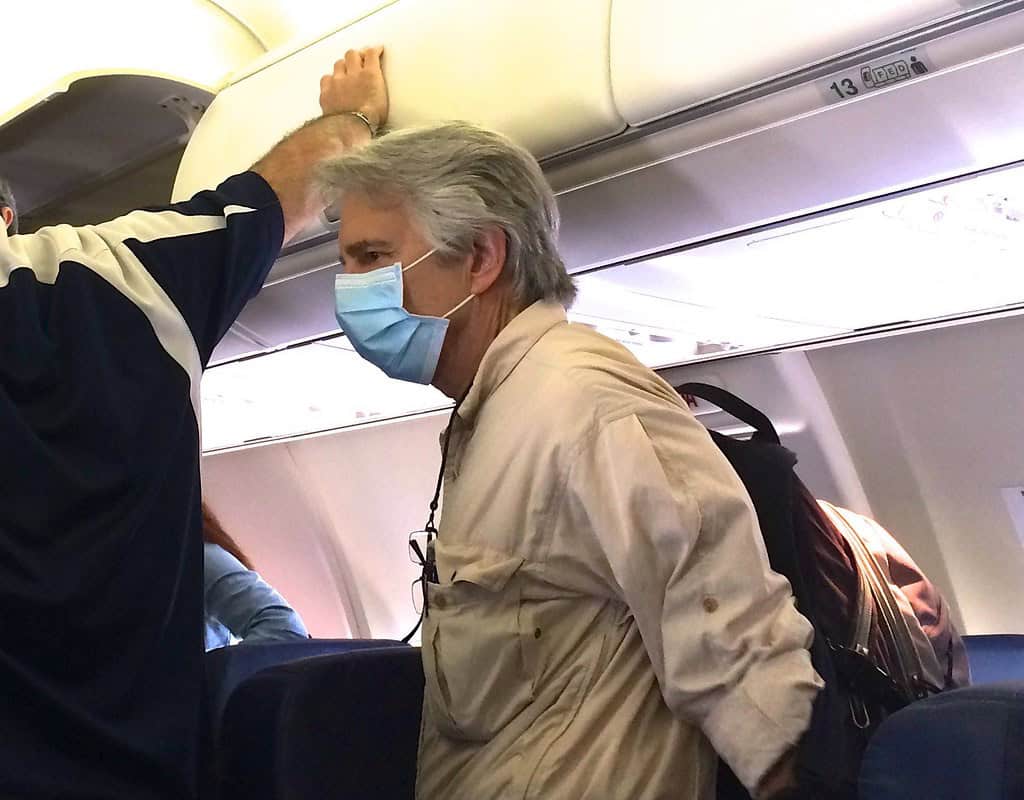
During the pandemic, disputes over federal airline mask requirements led to a wave of reported unruly-passenger incidents. Airlines could remove or ban travelers who refused instructions, particularly when an argument escalated into threats or interference with crew members. The federal transportation mask requirement stopped being enforced on April 18, 2022, so this is a historical example rather than a current masking rule. And even then, a carrier’s decision not to transport someone was different from a federal terrorism-related No Fly List designation. It wasn’t the act of disagreeing about a mask that automatically made someone a nationwide flight-security threat.
Trying to Open an Aircraft Door and Attacking a Crew Member
©"JASDF U-680A (02-3032) emergency exit door at Hamamatsu Air Base October 23, 2022" by Hunini is licensed under BY-SA 4.0. - Original / License
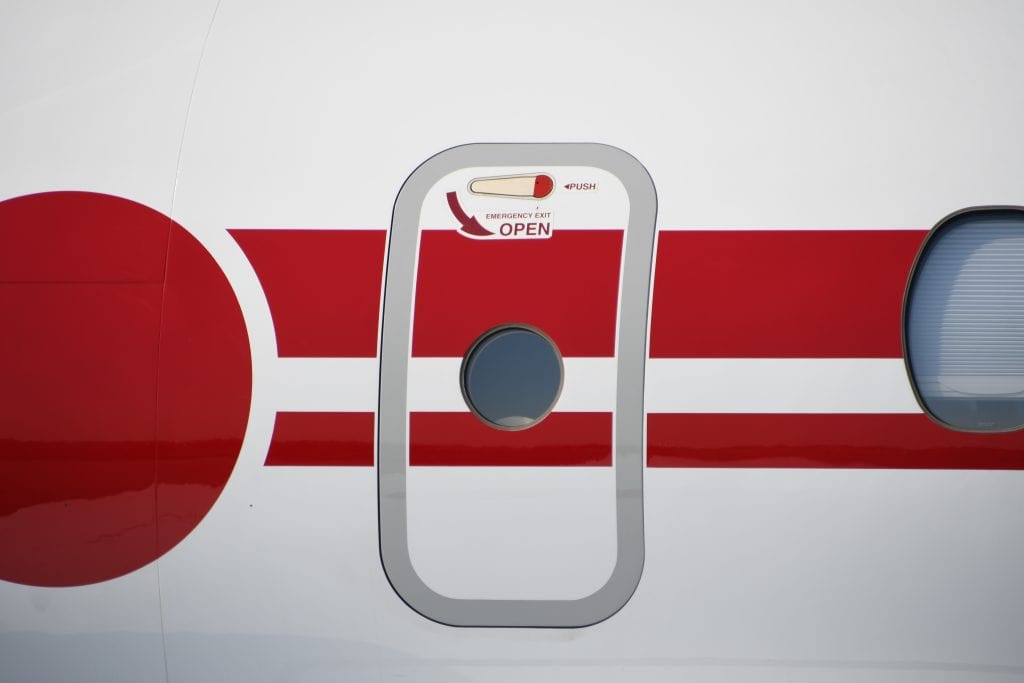
On a United Airlines flight from Los Angeles to Boston in March 2023, Francisco Severo Torres tampered with a cabin door and later attacked a flight attendant with a broken metal spoon, according to federal prosecutors. Other passengers helped restrain him. He pleaded guilty in May 2025, and in July 2025 a judge sentenced him to time served and five years of supervised release. During that supervision, he is prohibited from flying on commercial aircraft. This is a documented court-imposed flying restriction, not evidence that he was placed on the federal No Fly List. It’s also worth remembering that cabin doors generally can’t be opened at cruising altitude because of pressure differences.
Racial Slurs and a Midflight Altercation

©"girl fight" by moron noodle is licensed under BY 2.0. - Original / License
A Breeze Airways flight from Norfolk, Virginia, to Los Angeles diverted to Grand Junction, Colorado, in August 2025 after an unruly passenger caused a disturbance. Police said the man shouted racist slurs, waved a skateboard, and twice broke free after being restrained. The airline reported a physical altercation, and police took the passenger into custody after the diversion. It’s the kind of situation airlines can take into account when deciding whether to allow future bookings. But public reporting on the incident did not establish a permanent ban from all airlines, much less placement on the federal No Fly List.
Filming a Rant Does Not Automatically Mean a Flying Ban
©"The revolution will be live streamed at OccupyMN - Day 20" by Fibonacci Blue is licensed under BY 2.0. - Original / License
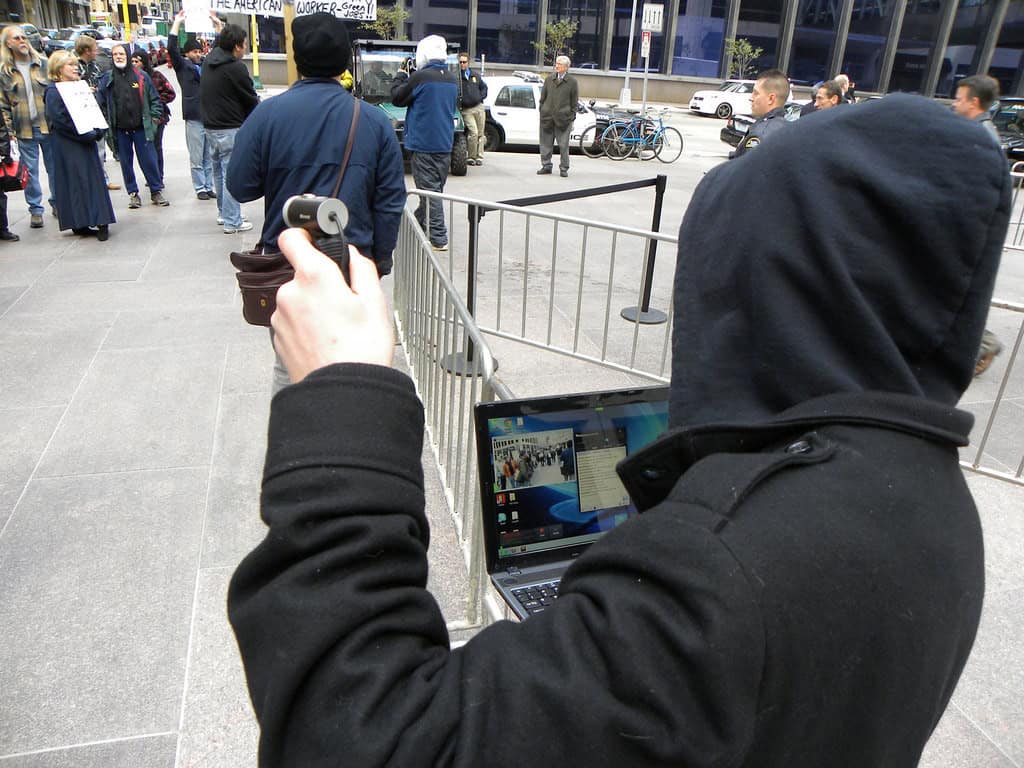
Passengers can record videos, complain, or express opinions about an airline, even if the rest of the cabin would rather not hear them. Trouble starts when someone interferes with the crew, refuses lawful safety instructions, threatens others, or makes it impossible for the flight to depart safely. An airline can remove a disruptive traveler and may later refuse service. But livestreaming conspiracy claims by itself isn’t a basis for the federal No Fly List. Being removed from a flight after a disruptive outburst is serious enough without turning it into an unverified story about a federal watchlist.
Repeated Harassment Can Get a Passenger Banned by an Airline
©"Flight attendants are pretty cute too" by Tom Purves is licensed under BY 2.0. - Original / License
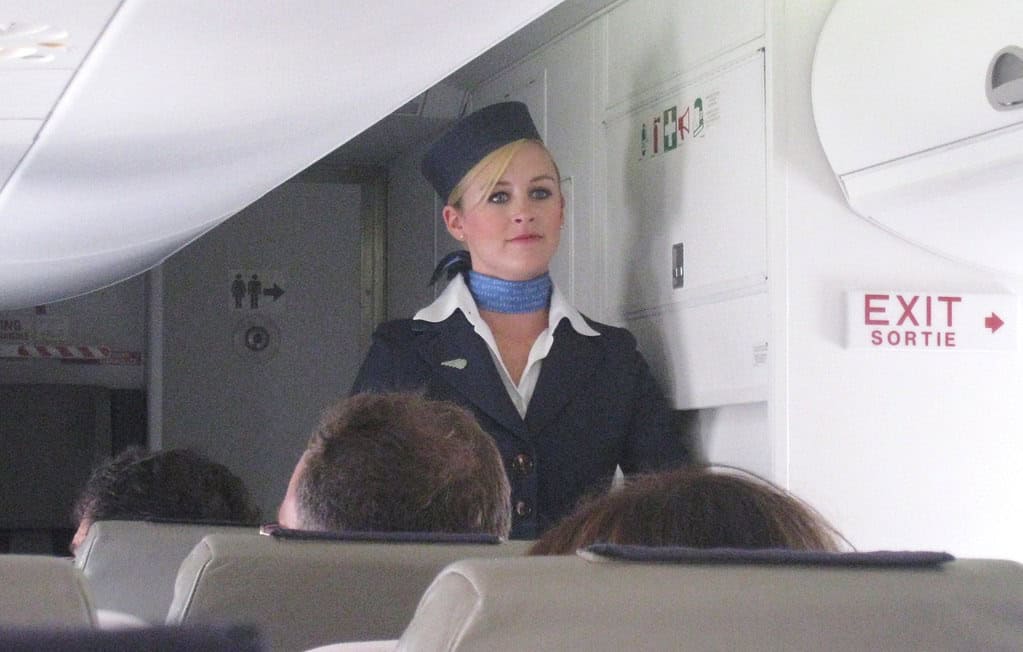
A passenger doesn’t necessarily have to cause one enormous incident to lose the privilege of flying with a particular carrier. Airlines can review repeated threats, harassment, and refusals to follow crew instructions when deciding whether to accept a future reservation. The FAA also investigates reported unruly-passenger cases, with potential civil penalties and referrals for criminal prosecution. What the FAA doesn’t do is put rude customers on the federal No Fly List. Repeated misconduct can convince an airline it doesn’t want a customer back, but that is a carrier decision, not a federal terrorist-screening designation.
The Traveler Caught Hiding a Turtle in His Pants
©"Turtle Hatching at Mon Repos" by jemasmith is licensed under BY 2.0. - Original / License
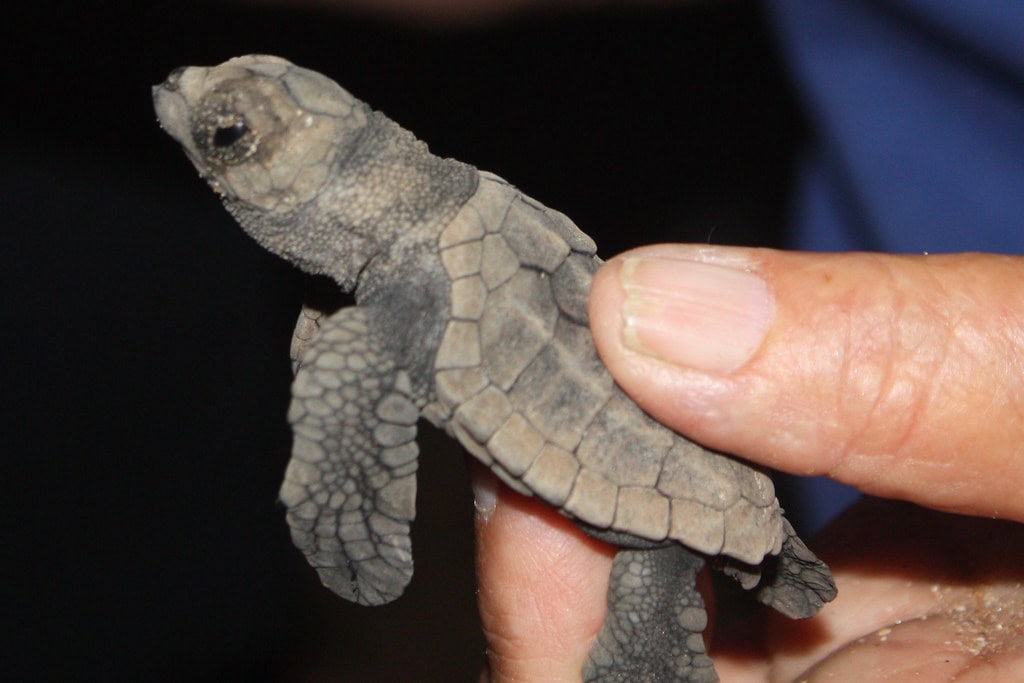
Here’s one airport security story that actually happened. In March 2025, TSA officers at Newark Liberty International Airport found a live turtle concealed in a traveler’s pants after a body scanner flagged the area. The man missed his flight, and Port Authority Police took possession of the animal. Officials said the turtle did not appear to be harmed. It’s a reminder that trying to sneak an animal through screening can bring travel plans to an immediate halt. It isn’t, however, evidence of a permanent airline ban or placement on the federal No Fly List, and the published account did not establish either outcome.
A Fake Bomb Threat Made to Delay His Own Flight
©"woman on phone with coffee" by jseliger2 is licensed under BY 2.0. - Original / License
In October 2016, Dana Carter of Ohio called Cincinnati/Northern Kentucky International Airport to falsely claim that a bomb was on a United Airlines flight to Dallas. According to the U.S. Department of Justice, Carter admitted that he was running late and wanted to delay his own flight. The flight was canceled, and authorities found no bomb. In 2018, he was sentenced to four months in prison for the hoax. In other words, he didn’t just miss his plane. He ended up with a criminal sentence, although the case was not publicly reported as a federal No Fly List designation.
Boarding a Plane With Another Passenger’s Boarding Pass

©"Customer drops off checked bag using facial recognition option" by DeltaNewsHub is licensed under BY 2.0. - Original / License
In March 2024, Wicliff Yves Fleurizard photographed other travelers’ boarding passes and used the information to board a Delta flight from Salt Lake City to Austin, Texas. He moved between aircraft lavatories, but crew members realized he had no assigned seat, and the plane returned to the gate. He later pleaded guilty to being a stowaway on an aircraft. In May 2025, a federal judge sentenced him to time already served in custody, about six months, plus three years of supervised release and a $5,000 fine. The incident was discovered before departure, not during a random midair check, and no federal No Fly List designation was established.
When a Traveler Is Mistaken for Someone on a Watchlist
©"airplane" by Kuster & Wildhaber Photography is licensed under BY-ND 2.0. - Original / License
Not every traveler delayed or denied boarding is actually on the federal No Fly List. People can be mistaken for someone with a similar name, and screening delays can happen for other reasons entirely. The Department of Homeland Security says most travelers who use its Traveler Redress Inquiry Program are not connected to the terrorist watchlist. Someone repeatedly stopped or wrongly denied boarding can apply through DHS TRIP and may receive a redress number to use when making reservations. That doesn’t guarantee a trouble-free trip, but it provides a formal way to address mistaken identity instead of accepting that a computer mix-up has permanently ended someone’s flying days.
Frontier Passenger Restrained After Assaulting Flight Attendants
©KTLA News 9
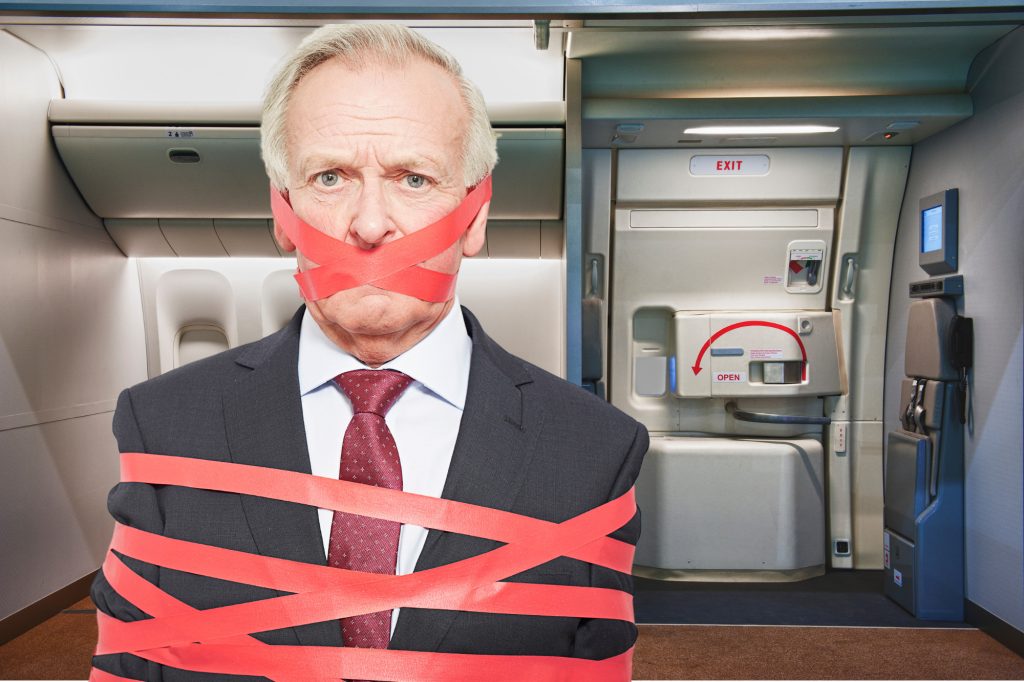
An August 2021 Frontier Airlines flight from Philadelphia to Miami became a widely reported incident after passenger Maxwell Berry groped two flight attendants and punched a third. Crew members restrained him with tape to a seat until the aircraft landed. Berry later pleaded guilty to three assault counts and was sentenced in May 2022 to 60 days in jail, followed by a year of supervised release. The footage made the story memorable, but the consequences were more serious than an embarrassing viral video. Reports of the criminal case do not, by themselves, establish that he was added to the federal No Fly List.
Passenger Opened an Asiana Exit Door Before Landing
©"Airplane Seats" by Bestpicko is licensed under BY 2.0. - Original / License
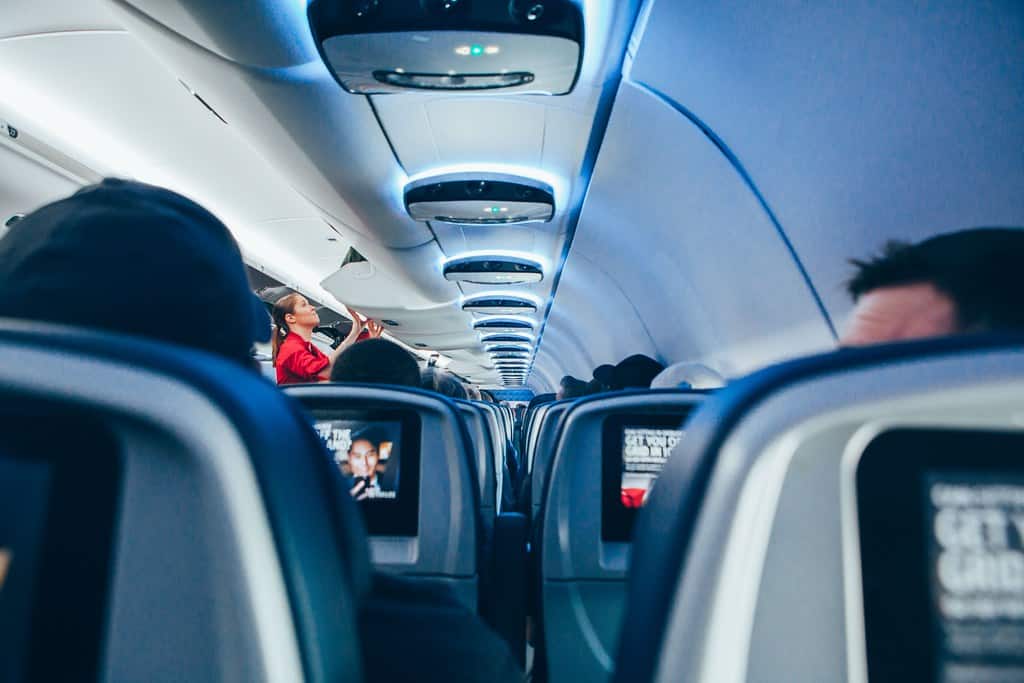
In May 2023, a passenger aboard an Asiana Airlines flight in South Korea opened an emergency exit when the plane was only a few hundred feet above the ground and approaching Daegu. The aircraft landed safely, but the rush of air frightened passengers and several people needed medical attention. Authorities detained the man for suspected aviation-security violations. Unlike an aircraft at cruising altitude, a plane close to landing may have much less pressure difference between the inside and outside, which helps explain how the door could open. This happened under South Korean law, not the U.S. No Fly List system.
An Unticketed Passenger Was Found on a Sea-Tac Flight
©Rob Wilson/Shutterstock.com
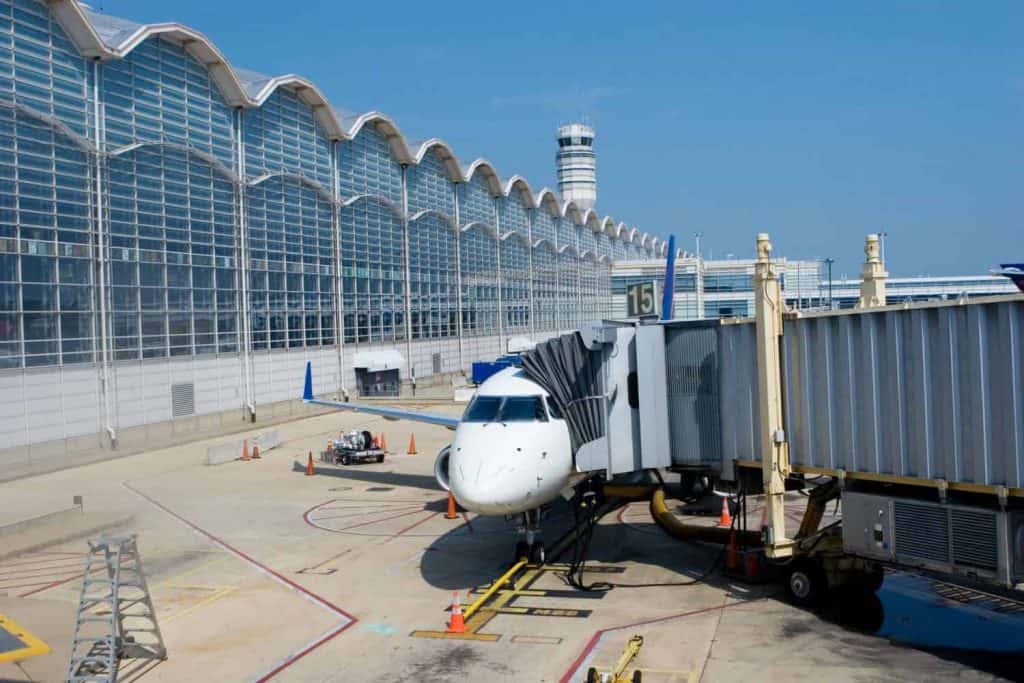
On Christmas Eve 2024, a person managed to board a Delta Air Lines flight from Seattle-Tacoma International Airport to Honolulu without a ticket. The plane had started taxiing when the crew learned that someone on board had no valid boarding pass, so the pilots returned to the gate. Airport police located and arrested the individual for trespassing. TSA said the person had passed through standard security screening but bypassed identity and boarding-status checks. It’s a particularly relevant Pacific Northwest example of a serious airport access lapse, although officials did not announce a permanent federal No Fly List ban.
A 2026 Cabin Disturbance Forced a Delta Flight Back to Houston

©"Police Crime Scene Tape" by JobsForFelonsHub is licensed under BY 2.0. - Original / License
In February 2026, Delta Flight 2557 from Houston to Atlanta returned to Hobby Airport shortly after takeoff because of an unruly passenger. Police detained a man after the flight landed, and the FAA said it would investigate. Early reports suggested an attempted cockpit breach, but Delta later clarified that the passenger had not attempted to enter the flight deck. The flight eventually continued after a delay. It’s a good example of why these stories need careful wording: the disruption and police response were documented, while the initial cockpit claim was disputed by the airline. No confirmed federal No Fly List designation was reported.

