
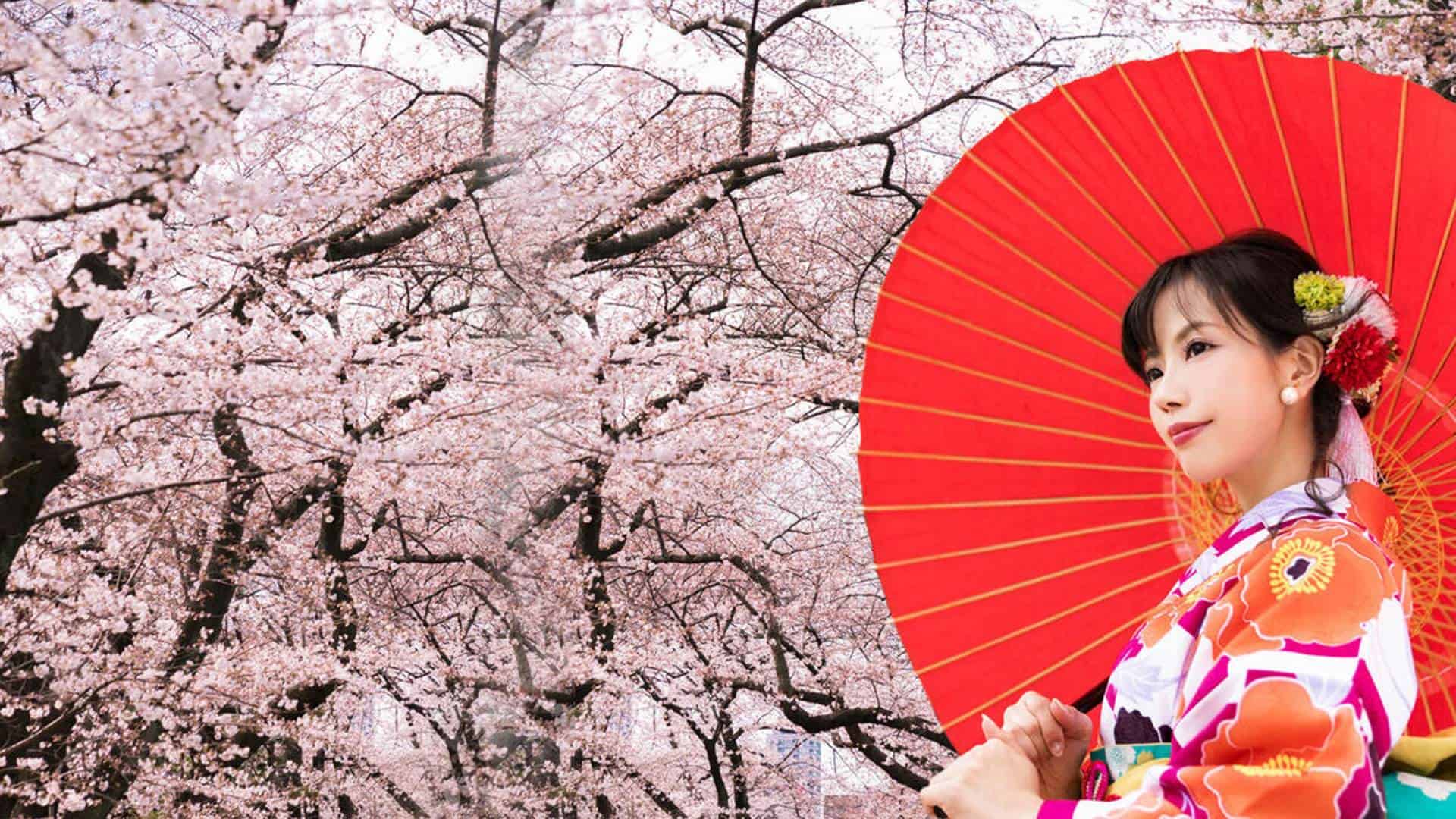
Spend enough time exploring the Pacific Northwest, and you’ll notice that some of its most recognizable traditions have roots thousands of miles away. From the Norwegian-inspired storefronts of Poulsbo to the peaceful Japanese gardens of Seattle and Portland, the region’s history reflects generations of immigration, hard work, and cultural exchange.
Japanese and Scandinavian immigrants helped build the Northwest we know today, working in industries like fishing, logging, agriculture, and shipping while establishing communities that continue to influence the region. Their experiences weren’t always easy, and their histories are very different in some important ways. But both left lasting marks that extend well beyond the neighborhoods where they first settled.
Today, those influences can be found in everything from local restaurants and architecture to museums, festivals, and public gardens. Some are obvious, while others are easy to overlook. Here’s a closer look at how Japanese and Scandinavian communities helped shape the Pacific Northwest and where you can still experience their contributions today.
Early Japanese Immigration to the PNW
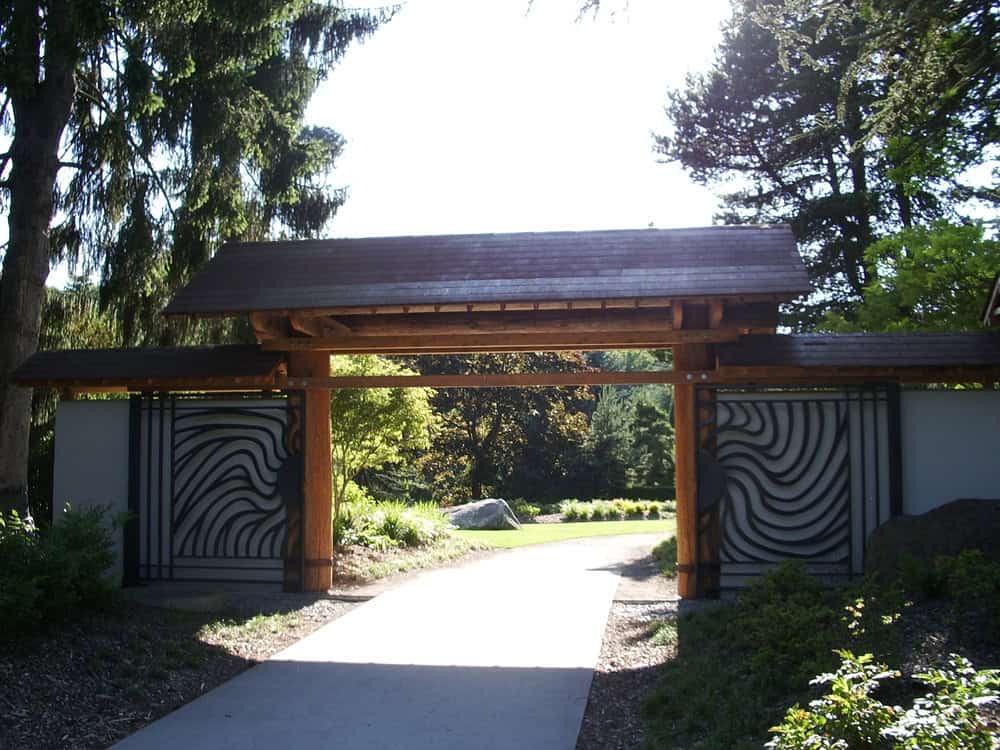
©"Kubota Garden" by InSapphoWeTrust is licensed under BY-SA 2.0. - Original / License
Japanese immigrants began arriving in significant numbers in the Pacific Northwest during the 1890s, finding work in railroad construction, lumber mills, fishing, and agriculture. Seattle and Tacoma became major entry points, while Portland developed its own thriving Japanese community. Over time, immigrants established farms, restaurants, shops, and other businesses that helped support the region’s growing economy. Their success came despite discriminatory immigration restrictions and laws limiting property ownership. By the early 20th century, Japanese American communities had become an important part of life in Washington and Oregon, building institutions and traditions that would survive some of the most difficult chapters in the region’s history.
Scandinavian Settlers and Fishing Communities
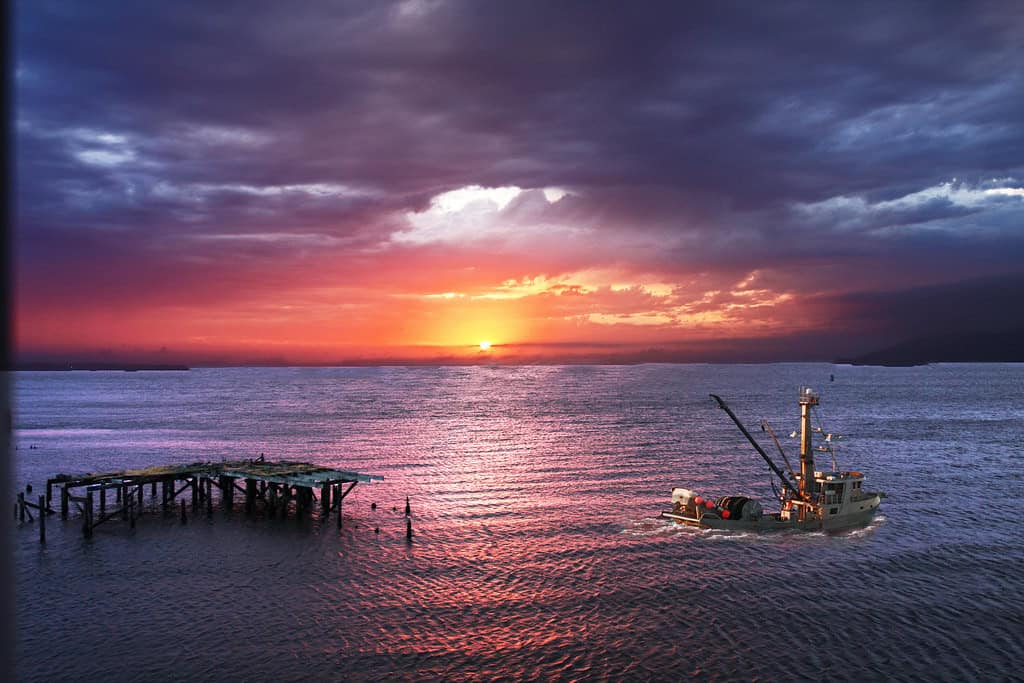
©"Sunset on the Columbia River" by Rennett Stowe is licensed under BY 2.0. - Original / License
For Norwegian, Swedish, and Danish immigrants arriving in the late 1800s, parts of the Pacific Northwest probably looked surprisingly familiar. The rugged coastline, forests, mountains, and cool climate offered reminders of home, along with opportunities in fishing, logging, farming, and shipbuilding. Seattle’s Ballard neighborhood became a major center of Scandinavian settlement, while Astoria, Oregon, attracted immigrants from across the Nordic region, including a substantial Finnish community. These newcomers helped develop commercial fishing operations, built boats, established businesses, and organized churches and community associations. Their influence remains especially visible along the waterfront, where generations of families have maintained connections to the maritime industries that first brought many of their ancestors west.
Seattle’s Historic Nihonmachi (Japantown)
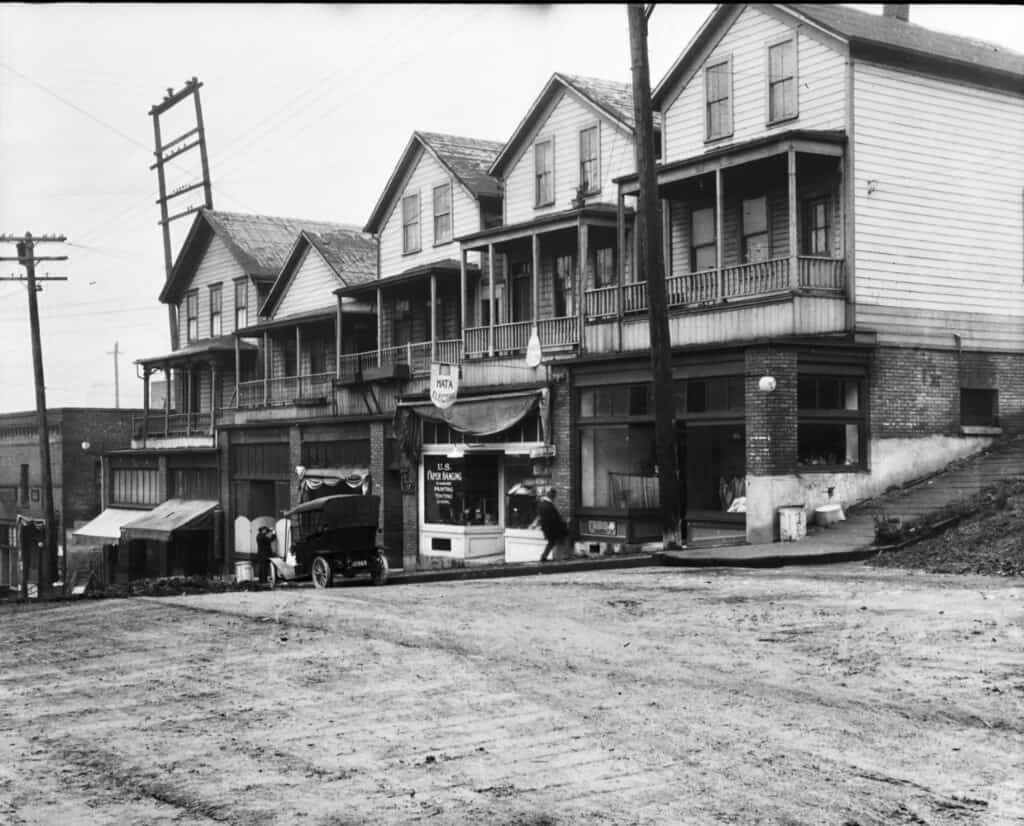
©"Maynard and Main, 1915" by Seattle Municipal Archives is licensed under BY 2.0. - Original / License
Long before Seattle’s Chinatown-International District became the neighborhood visitors recognize today, a thriving Japanese American community occupied much of the surrounding area. Known as Nihonmachi, or Japantown, it was home to restaurants, grocery stores, hotels, theaters, and businesses serving local families and newcomers. That community was devastated in 1942 when Japanese Americans were forcibly removed and incarcerated during World War II. Many businesses never reopened, and the neighborhood never fully recovered its prewar identity. Today, the Wing Luke Museum, historic businesses such as Maneki, and the Nihonmachi Alley public exhibit help preserve that history. Visitors can also explore Kobe Terrace and other nearby landmarks that reflect the neighborhood’s Japanese American heritage.
Ballard: Seattle’s Scandinavian Neighborhood
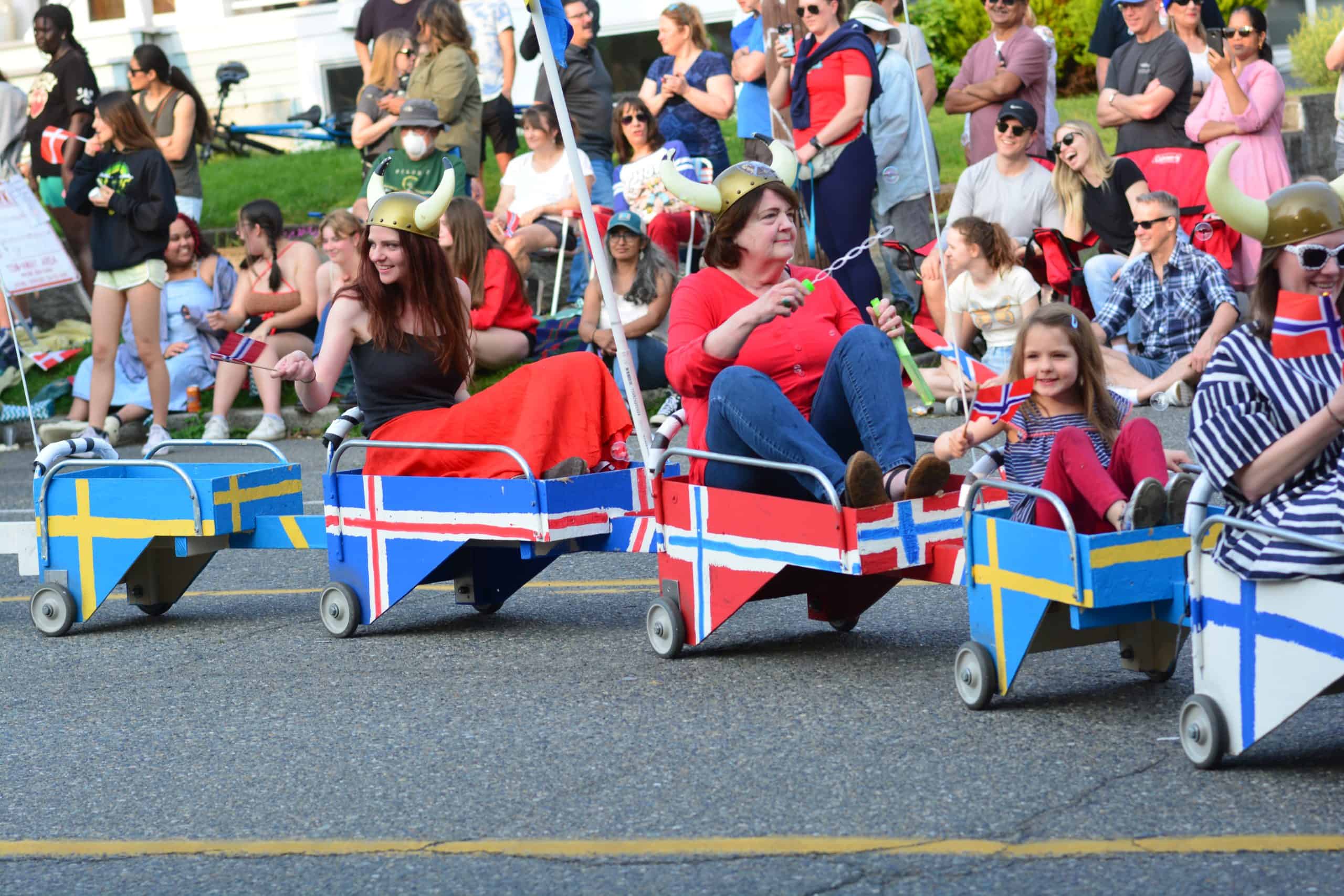
©"Syttende Mai 2023 - Ballard - 169 - Swedish Club" by Photo by Joe Mabel is licensed under BY-SA 4.0. - Original / License
Ballard has changed considerably over the years, but its Scandinavian roots are still hard to miss. Norwegian and Swedish immigrants helped turn the neighborhood into a center of fishing, shipbuilding, and maritime commerce during the late 19th and early 20th centuries. Those industries remain part of Ballard’s identity, even as breweries, restaurants, and newer businesses have transformed its streets. The neighborhood is also home to the National Nordic Museum and Seattle’s annual Syttende Mai celebration, held on May 17 to commemorate Norwegian Constitution Day. Between the historic waterfront, cultural institutions, and traditional celebrations, Ballard remains one of the best places in the Northwest to explore the region’s Scandinavian heritage.
Japanese Gardens Across the Pacific Northwest
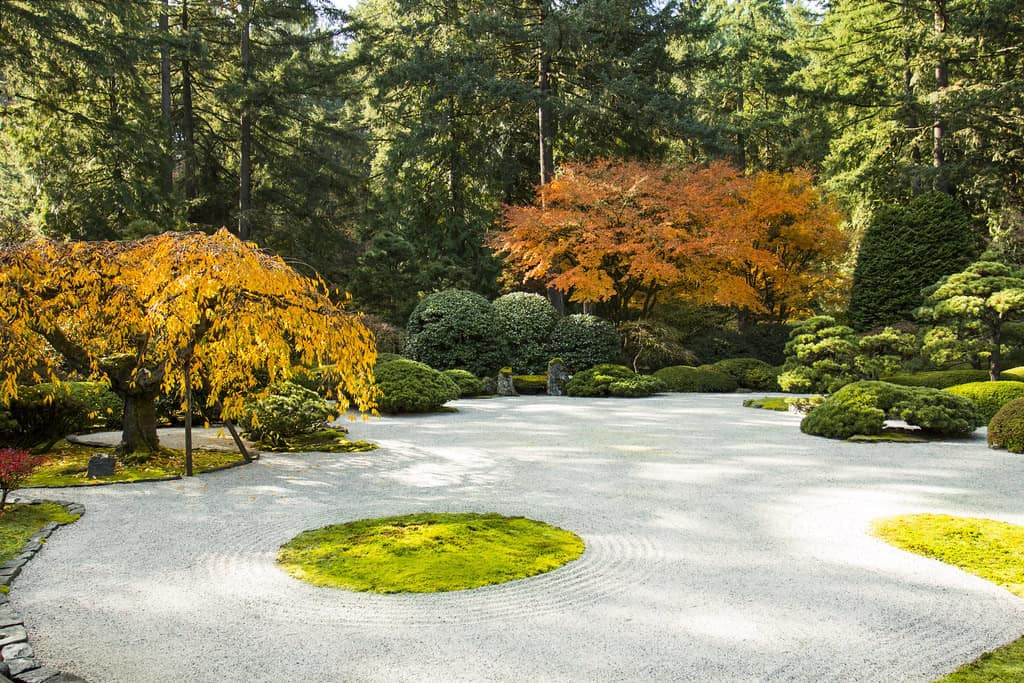
©"Portland Japanese Garden, Oregon" by Bonnie Moreland (free images) is licensed under CC0 1.0. - Original / License
Some of the most beautiful examples of Japanese cultural influence in the Pacific Northwest are its public gardens. Portland Japanese Garden, which opened in 1967, was developed partly to strengthen cultural understanding and friendship between Oregon and Japan after World War II. Its carefully arranged landscapes feature traditional Japanese garden styles, stonework, water features, and seasonal plantings. In Seattle, Kubota Garden offers a different but equally interesting story. Japanese immigrant Fujitaro Kubota began developing the property in 1927, combining Japanese landscaping techniques with plants native to the Northwest. Today, the 20-acre garden is a public park, preserving both his work and his family’s legacy. Together, these spaces demonstrate how Japanese landscape traditions adapted to the Pacific Northwest.
Seattle’s National Nordic Museum
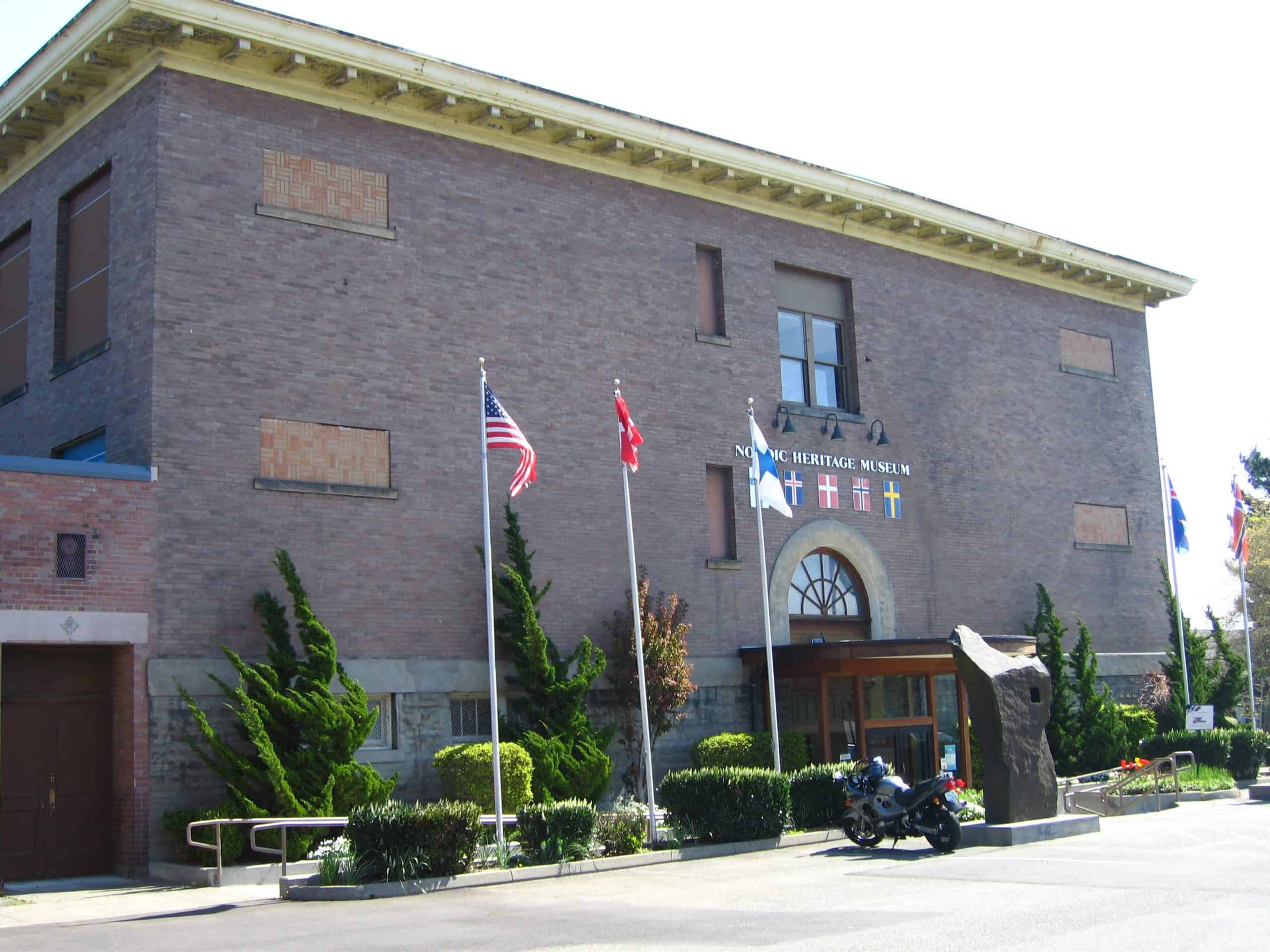
©"Seattle Ballard Nordic Heritage Museum 1" by HMPinnsvinet is licensed under BY-SA 3.0. - Original / License
If you’re interested in the history of Scandinavian settlement in the Northwest, the National Nordic Museum in Ballard is one of the best places to start. Originally opened as the Nordic Heritage Museum in 1980, the institution spent decades operating from the former Webster School building, pictured above. In 2018, it moved into a purpose-built museum on NW Market Street. Its exhibitions explore the histories and cultures of Denmark, Finland, Iceland, Norway, and Sweden, along with the experiences of Nordic immigrants in North America. Visitors can explore everything from Viking history and traditional crafts to contemporary art, design, and the maritime industries that helped build Seattle. It’s also worth remembering that Nordic culture includes Finland and Iceland, while Scandinavia traditionally refers to Denmark, Norway, and Sweden.
How World War II Changed Japanese American Communities
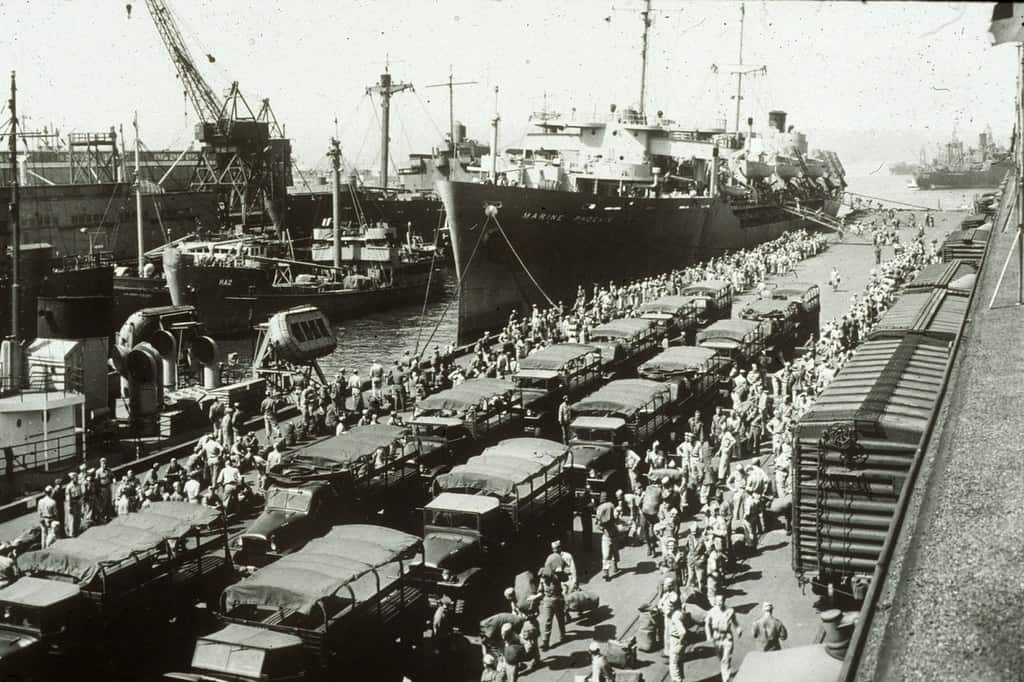
©"Ship loading at Pier 39, probably 1946" by Seattle Municipal Archives is licensed under BY 2.0. - Original / License
One of the darkest chapters in Pacific Northwest history began in 1942, following President Franklin D. Roosevelt’s Executive Order 9066. The federal government forcibly removed people of Japanese ancestry from West Coast communities, including American citizens, and confined them in incarceration camps without due process. More than 120,000 people were incarcerated during the war. In Washington and Oregon, families lost homes, businesses, farms, and years of their lives. Seattle’s Japantown was devastated, while Japanese American farming communities around Puget Sound suffered enormous disruption. Some families returned after the war, but many had little left to return to. Today, museums, historic sites, and community organizations preserve these experiences and recognize the resilience of those who endured them.
Scandinavian Design in Pacific Northwest Architecture
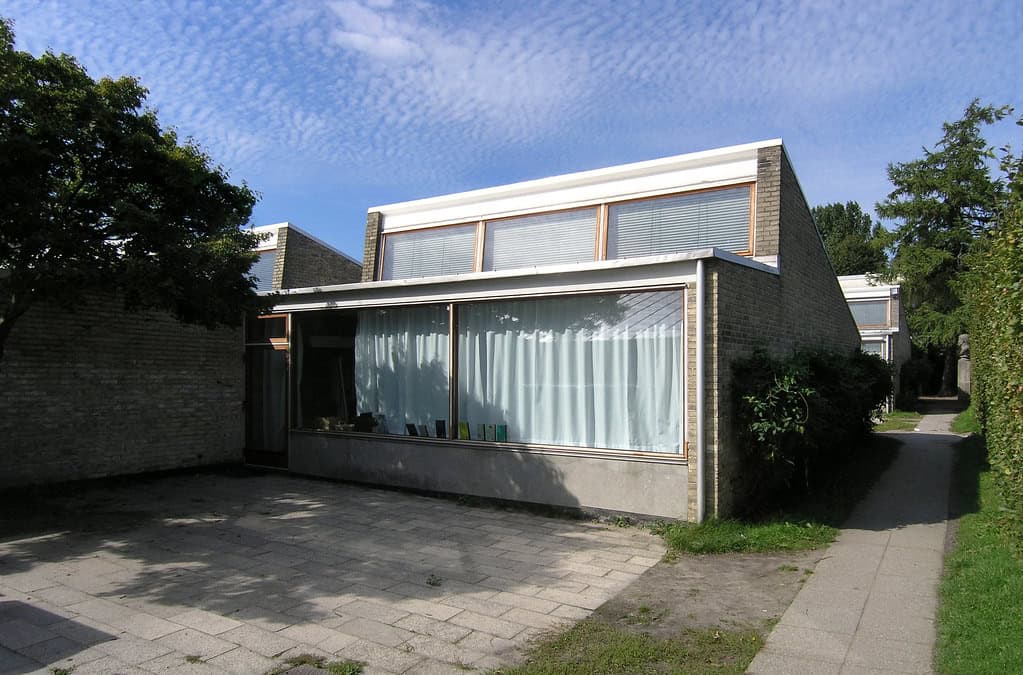
©"arne jacobsen, munkegårdsskolen, munkegaard school, 1948-1957" by seier+seier is licensed under BY 2.0. - Original / License
Wood, natural light, practical spaces, and relatively simple designs are familiar features of both Scandinavian and Pacific Northwest architecture. That doesn’t mean every timber-framed house around Seattle was inspired by Norway or Sweden, but there are clear examples of Nordic design influencing modern regional buildings. The National Nordic Museum is a particularly good one. Its contemporary Ballard building uses a central passage called Fjord Hall, with architecture intended to evoke Nordic landscapes and the relationship between Scandinavia and the Northwest. Douglas fir, hemlock, and other natural materials connect the design to the surrounding region. Similar ideas can be found in contemporary homes and public spaces where craftsmanship, functionality, and connections to the outdoors take priority over unnecessary decoration.
Japanese Cuisine in the Pacific Northwest
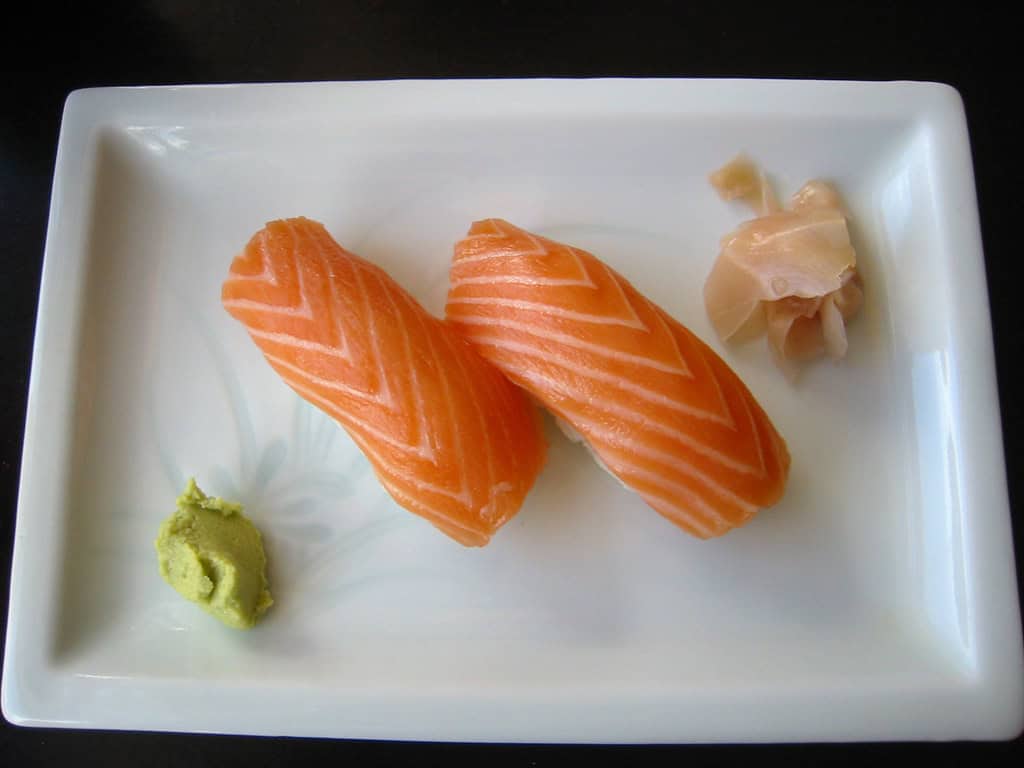
©"Salmon sushi" by adactio is licensed under BY 2.0. - Original / License
Sushi, ramen, teriyaki, and other Japanese dishes are now familiar parts of the Pacific Northwest’s food scene, but those traditions have deeper roots than many people realize. Seattle’s Japanese American community established restaurants and food businesses long before Japanese cuisine became mainstream. Maneki, which dates to 1904, is one of the best-known examples of that history. Japanese food traditions have also evolved alongside the region’s seafood industry and access to fresh produce. Today, Seattle and Portland offer everything from traditional Japanese dining to modern interpretations featuring locally available ingredients. The popularity of these restaurants reflects both the lasting contributions of Japanese American communities and the Northwest’s continuing connections with Japan.
Scandinavian Food Traditions
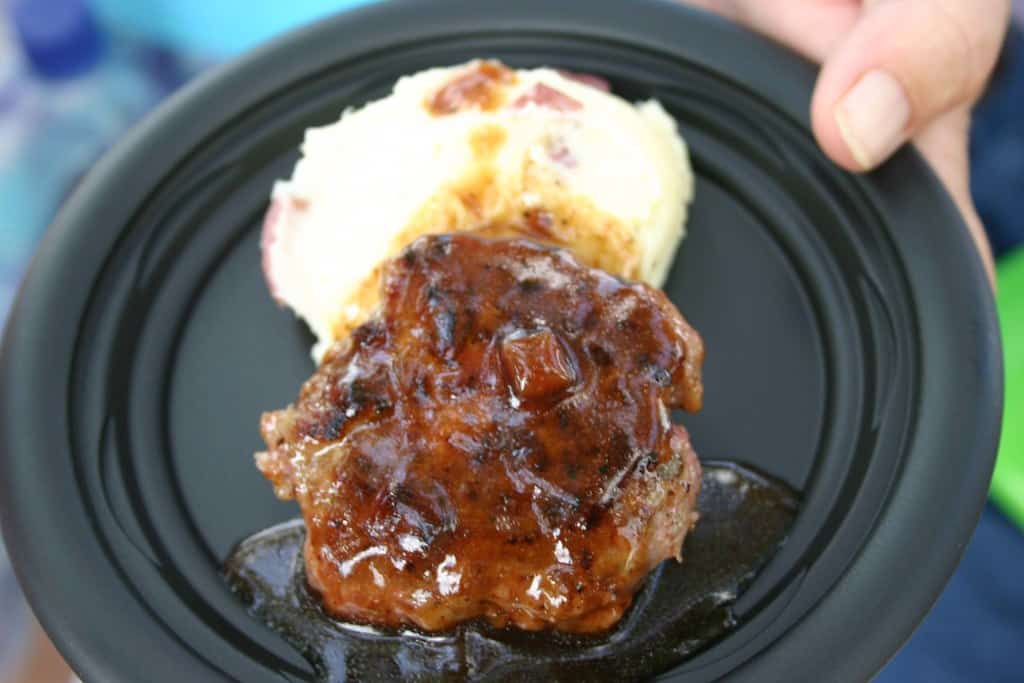
©"Food & Wine Festival Traditional Kjøttkaker" by meshmar2 is licensed under BY 2.0. - Original / License
You don’t have to travel to Norway or Sweden to sample traditional Scandinavian food. Communities throughout the Pacific Northwest have preserved family recipes and holiday traditions for generations. Lefse, a soft Norwegian flatbread, remains a favorite, while krumkake, Scandinavian meatballs, cured salmon, and cardamom-flavored baked goods are also familiar sights at Nordic gatherings. Poulsbo is especially well known for its Norwegian heritage and bakeries, while Seattle’s Ballard neighborhood continues to celebrate Nordic food through restaurants and community events. Astoria’s Scandinavian Midsummer Festival is another opportunity to sample traditional dishes. These foods are more than a novelty for visitors. For many families, they’re a connection to the people and places their ancestors left behind.
Bainbridge Island Japanese American Exclusion Memorial
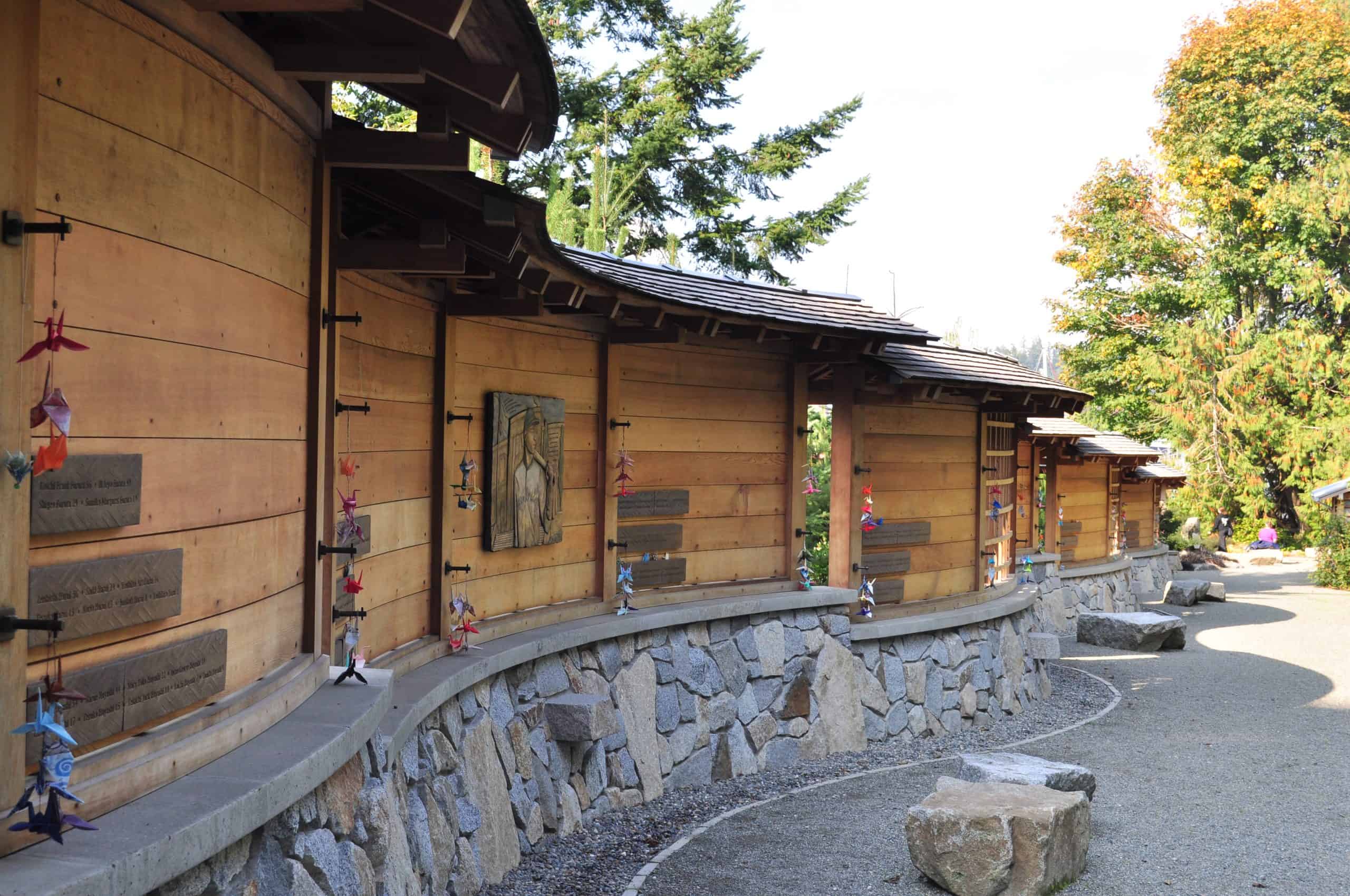
©"File:Bainbridge Island Japanese American Exclusion Memorial 19.jpg" by Joe Mabel is licensed under BY-SA 3.0. - Original / License
On March 30, 1942, 227 Japanese Americans were forced to leave Bainbridge Island, becoming the first group removed under the military’s wartime exclusion orders. Families were given just days to prepare before being taken by ferry from the island’s Eagledale dock. Many were subsequently incarcerated at Manzanar in California and Minidoka in Idaho. Today, the Bainbridge Island Japanese American Exclusion Memorial stands near the historic departure site. Its curved wall incorporates cedar, stone, and the names of those who were exiled, offering visitors a place to reflect on what happened. The memorial carries the message “Nidoto Nai Yoni,” meaning “Let It Not Happen Again.” It is one of the most important places in Washington for understanding the human consequences of Japanese American incarceration.
Poulsbo: Washington’s Little Norway
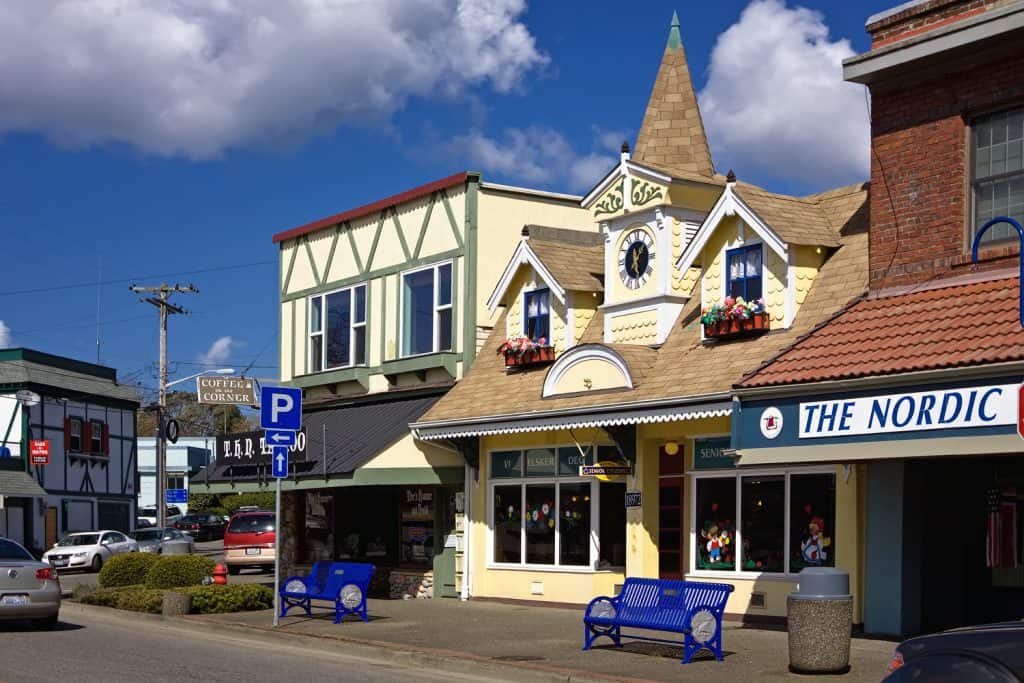
©"Buildings in Poulsbo, WA" by Steven G. Pavlov is licensed under BY-SA 3.0. - Original / License
Poulsbo is one of those Pacific Northwest towns where the cultural influence is obvious before you even step inside a shop. Located on the Kitsap Peninsula along Liberty Bay, the community was established by Norwegian settlers in the late 19th century, although the surrounding land had been home to the Suquamish people for thousands of years. Norwegian immigrants found a landscape that reminded them of their homeland, with forested hills, sheltered water, and nearby mountains. Today, downtown Poulsbo embraces its “Little Norway” identity through Norwegian-inspired storefronts, bakeries, specialty shops, and cultural celebrations. Its waterfront and walkable downtown make it an appealing stop for visitors interested in Scandinavian heritage without having to travel far from Seattle.
Japanese and Scandinavian Cultural Festivals
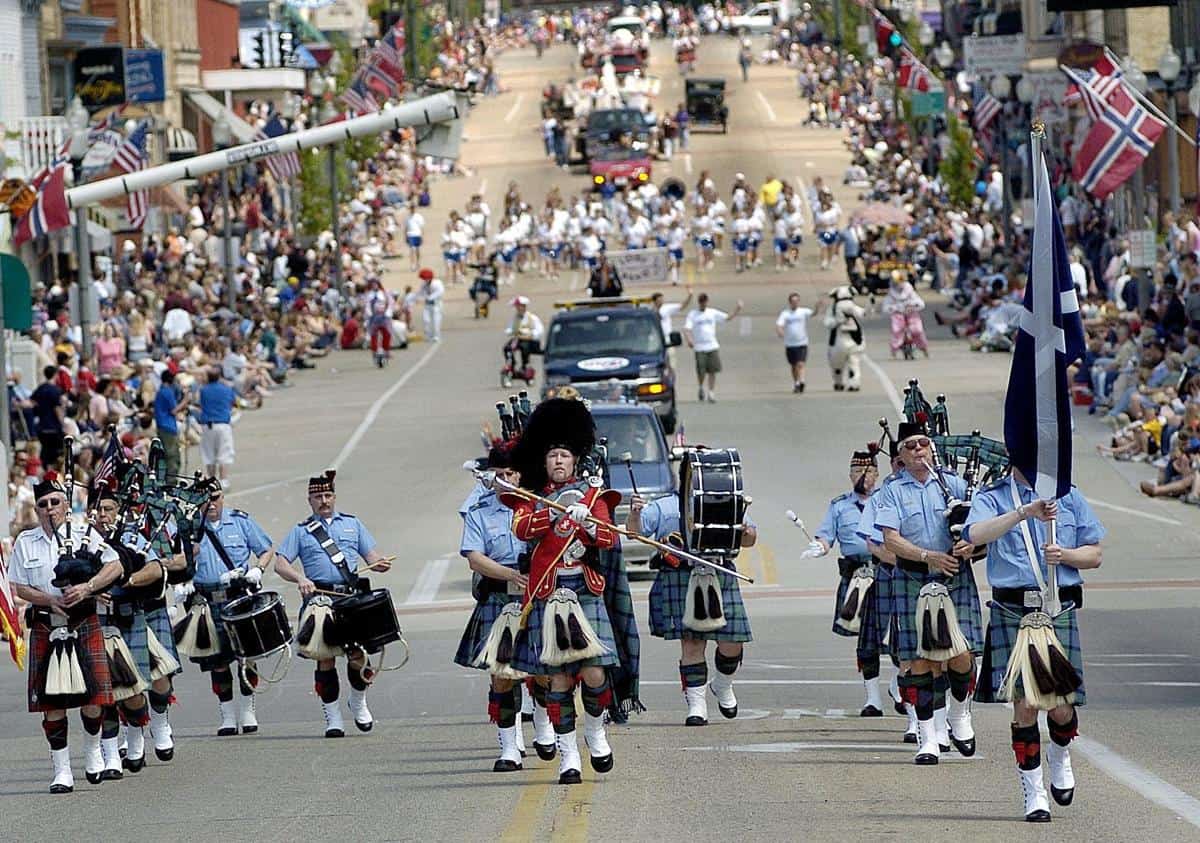
©"Syttende Mai Parade" by Localculturefanatic is licensed under BY-SA 4.0. - Original / License
One of the easiest ways to experience the Northwest’s Japanese and Scandinavian traditions is to attend a cultural festival. Seattle’s Cherry Blossom & Japanese Cultural Festival began in 1976, following a gift of cherry trees from Japan, and has grown into a celebration of Japanese art, food, performances, and cultural traditions at Seattle Center. In Ballard, the annual Syttende Mai parade celebrates Norwegian Constitution Day each May 17, bringing traditional dress, music, and community festivities to the neighborhood. Farther south, Astoria, Oregon, hosts its Scandinavian Midsummer Festival in June, highlighting the region’s Nordic heritage through food, dancing, and other events. These gatherings keep traditions visible while welcoming people who simply want to learn more about the communities behind them.
Japanese Influence on Northwest Art
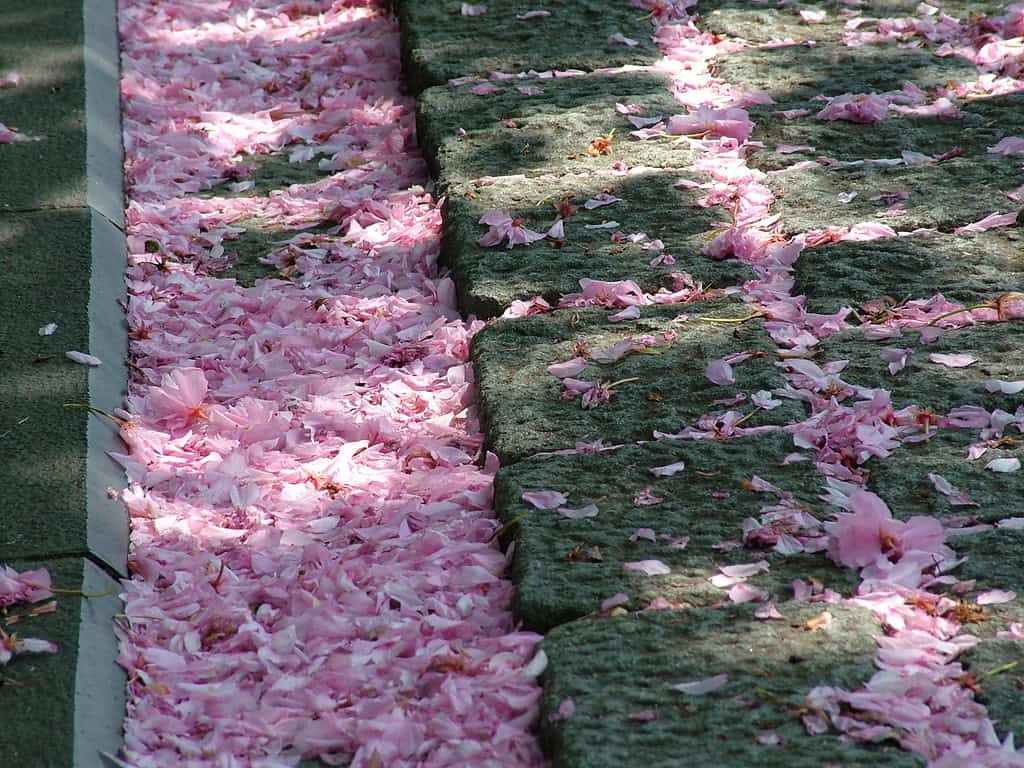
©"mono no aware" by monkist is licensed under BY 2.0. - Original / License
Japanese artistic traditions have helped shape the Pacific Northwest’s creative identity, particularly through the work of Japanese American artists who became prominent figures in regional modernism. Seattle artists such as Kenjiro Nomura, Kamekichi Tokita, Paul Horiuchi, and George Tsutakawa brought different perspectives and techniques to the local art scene. Their work included painting, sculpture, and approaches influenced by Japanese artistic traditions, often combined with modern American styles. The Seattle Art Museum has highlighted their contributions through exhibitions examining Japanese American modernism. Beyond museums, Japanese influences can also be found in regional ceramics, printmaking, calligraphy, and garden design. It’s another reminder that the Northwest’s artistic identity developed through exchange, rather than from a single cultural tradition.
How These Traditions Continue to Shape the PNW
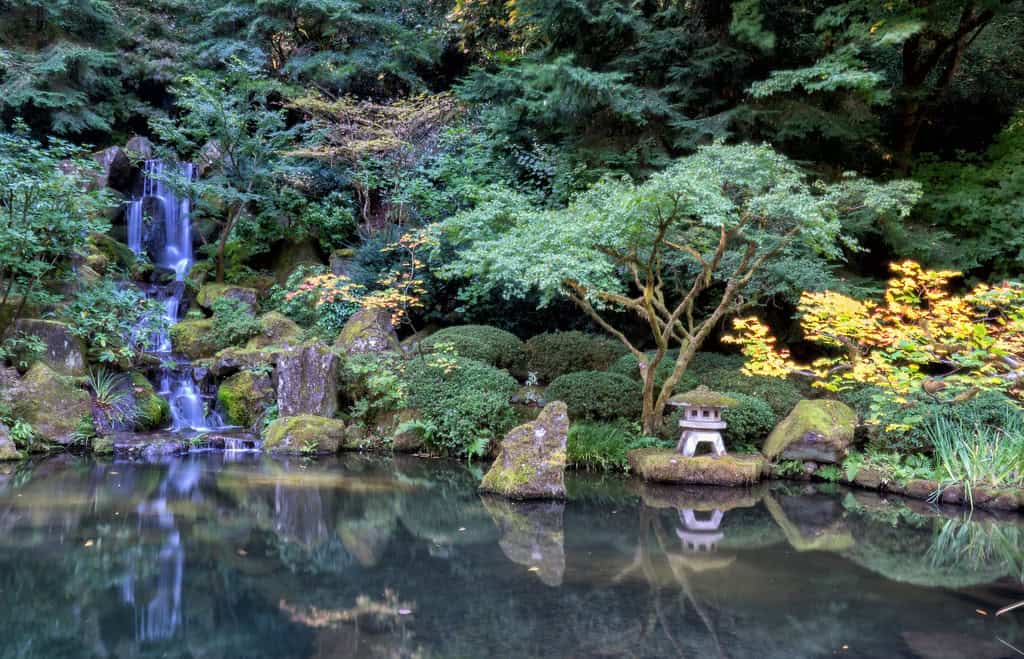
©"Portland Japanese Garden" by snowpeak is licensed under BY 2.0. - Original / License
Japanese and Scandinavian cultures have different histories, but both have helped give the Pacific Northwest some of its most recognizable places and traditions. Their contributions can be seen in the fishing communities around Puget Sound, the gardens of Seattle and Portland, the shops of Poulsbo, and the museums and festivals that preserve local history. Their stories also offer important reminders about the region’s past, including both the opportunities immigrants found here and the discrimination some communities faced. Of course, the Northwest was shaped by many cultures, including Indigenous peoples whose histories long predate European and Asian settlement. Japanese and Scandinavian heritage represents two important parts of that larger story, and both continue to influence how the region looks, eats, celebrates, and remembers its past.

