
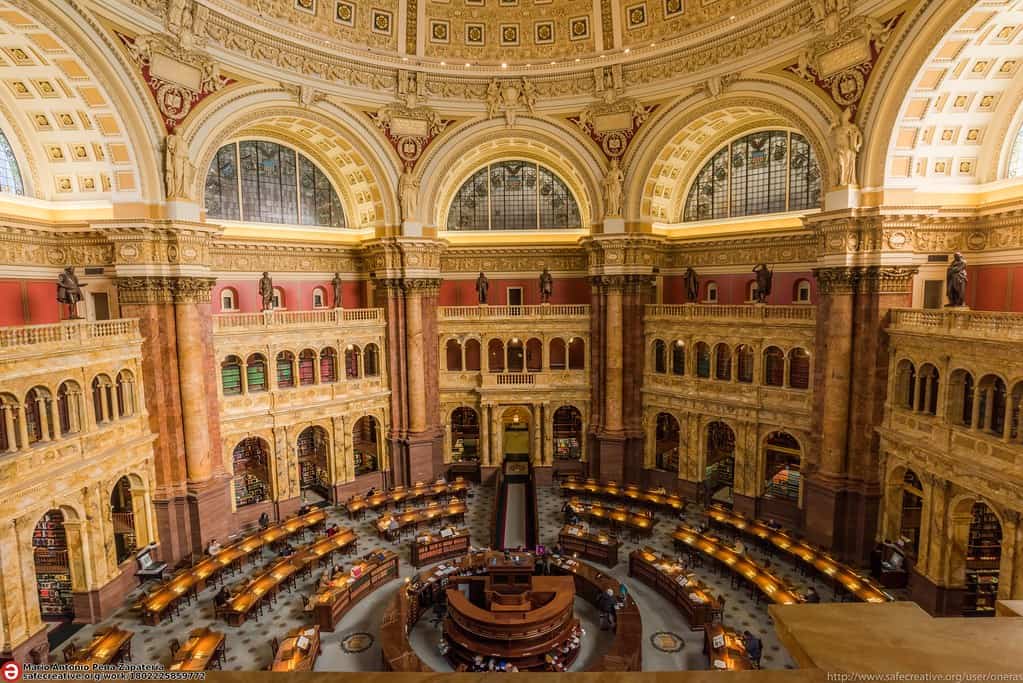
The Library of Congress isn’t your average library. You won’t find a checkout desk where someone hands you a stack of beach reads, but you will find spectacular architecture, rare books, historic documents, and enough material to make any book lover seriously reconsider their free time.
This Washington, D.C., landmark is also surprisingly easy to visit. You don’t need a congressional connection or a research project to explore its public spaces. Here’s what makes the Library of Congress worth a stop, what visitors can actually see, and how to plan a trip without running into a locked door.
How big is the Library of Congress?
©Galina Mikhalishina/Shutterstock.com
It’s enormous, but there’s an important distinction between books and everything else on the shelves. According to its fiscal 2025 annual report, the Library of Congress held 184,149,182 items. That includes books, maps, manuscripts, photographs, films, sheet music, sound recordings, and digital materials, not 184 million individual books. The collections represent roughly 470 languages, and the library continues adding material as new works are published and historical collections become available. It is widely recognized as the world’s largest library. Think of it less as an unusually ambitious bookshelf and more as a record of centuries of human creativity, research, and history.
How a small library grew into a national institution
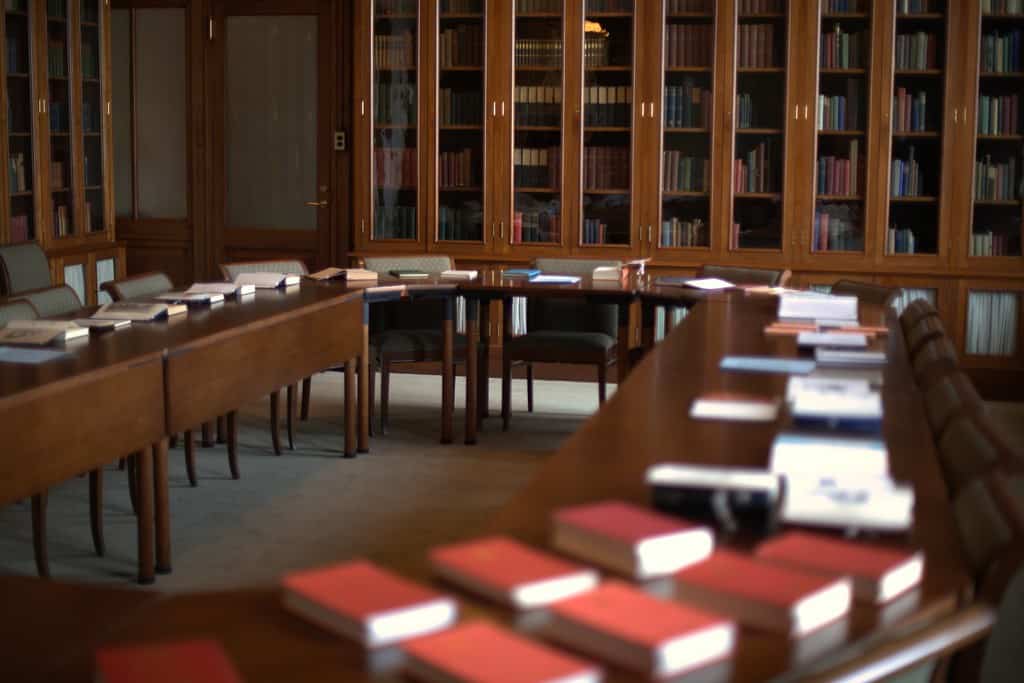
Photo: Project Khalid (CC BY 2.0).
©"Library of Congress Display of Ameen RIhani's Books" by Project Khalid is licensed under BY 2.0. – Original / License
The Library of Congress began on April 24, 1800, when President John Adams approved funding for books needed by lawmakers in the new capital. Its original order included 740 books and three maps. Then came the War of 1812: British troops burned the Capitol in 1814, destroying the library’s holdings. Thomas Jefferson offered his personal collection as a replacement, and Congress purchased 6,487 books for $23,950 in 1815. Jefferson’s books covered far more than politics and law, helping establish the broad collecting philosophy the institution still follows. You can see a re-creation of his library in the Jefferson Building today, including surviving original volumes.
Three buildings on Capitol Hill
©"James Madison Memorial Building, Washington D.C." by Ken Lund is licensed under BY-SA 2.0. – Original / License
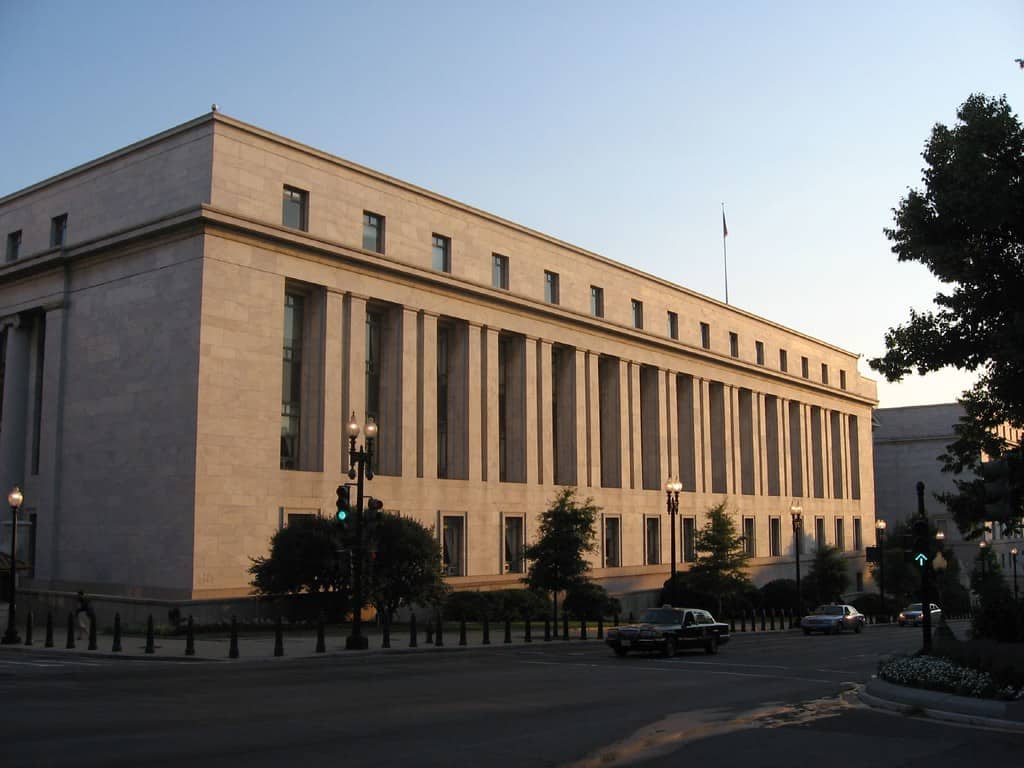
The library’s main Washington campus occupies three buildings on Capitol Hill. The Thomas Jefferson Building opened in 1897 and is the one most tourists come to see. The John Adams Building followed in 1938, while the James Madison Memorial Building was completed in 1981. Together they house collections, research spaces, offices, and public programs. For a first visit, start with the Jefferson Building rather than assuming every building offers the same sightseeing experience.
Why the Thomas Jefferson Building steals the show
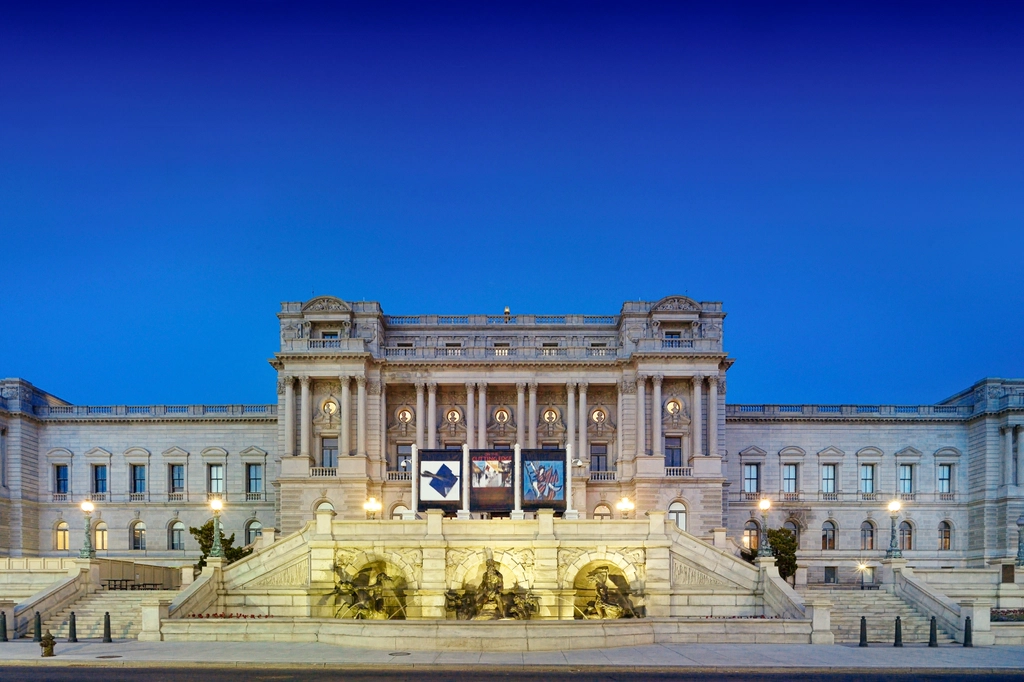
©"Library Congress Thomas Jefferson Building" by Carol M Highsmith is licensed under CC0 1.0. – Original / License
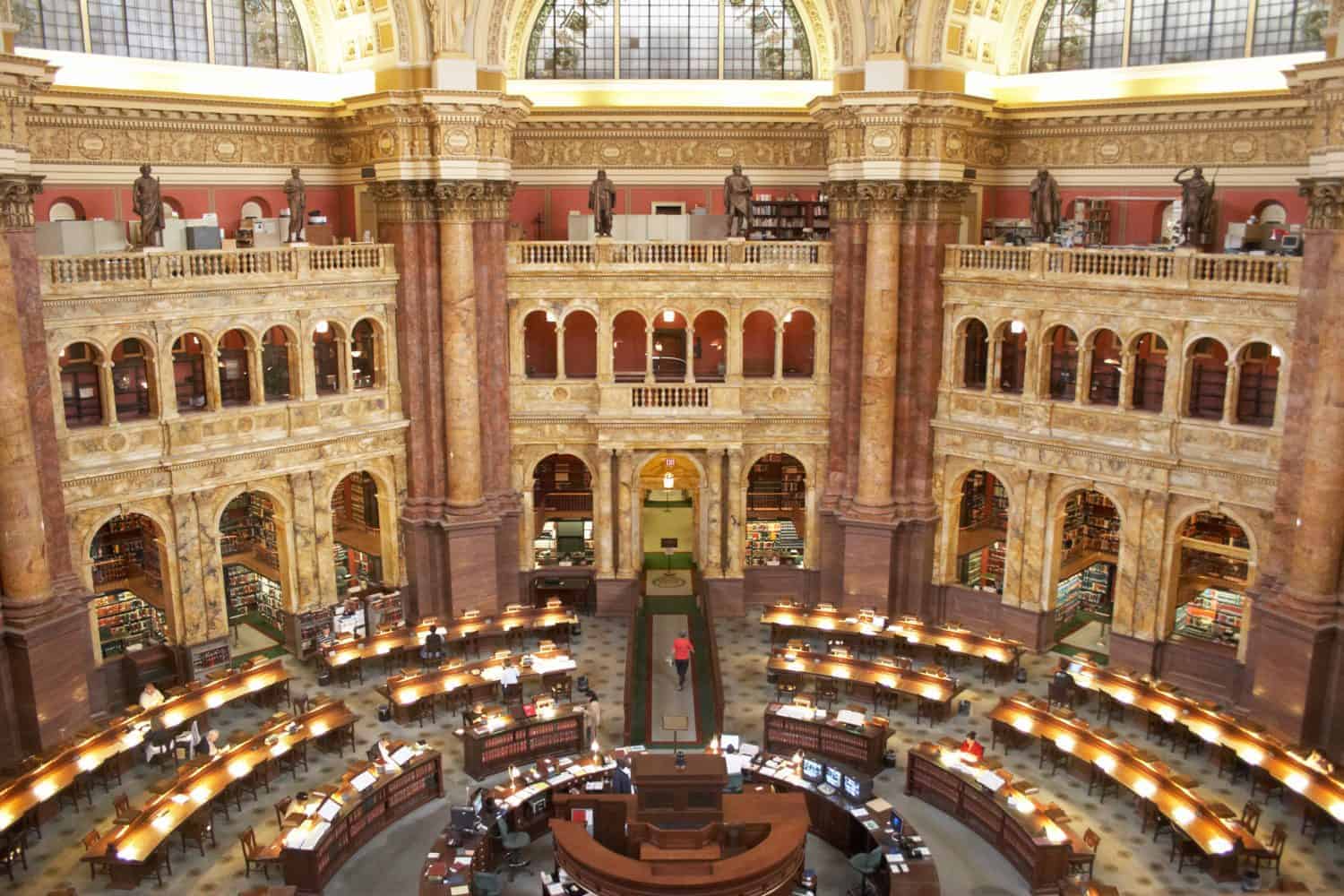
Even if you never open a book here, the Thomas Jefferson Building makes an impression. Its Great Hall rises about 75 feet from the marble floor to the stained-glass ceiling, with decorated staircases, mosaics, sculptures, and enough ornate detail to keep your camera busy. The building opened in 1897 as the library’s first home separate from the Capitol. The celebrated Main Reading Room is another highlight, although casual visitors generally see it from an overlook rather than wander between the research desks. The library also offers limited short walkthroughs of the room at scheduled times. This is one of those places where looking up is half the experience.
The rare books and exhibitions worth seeking out
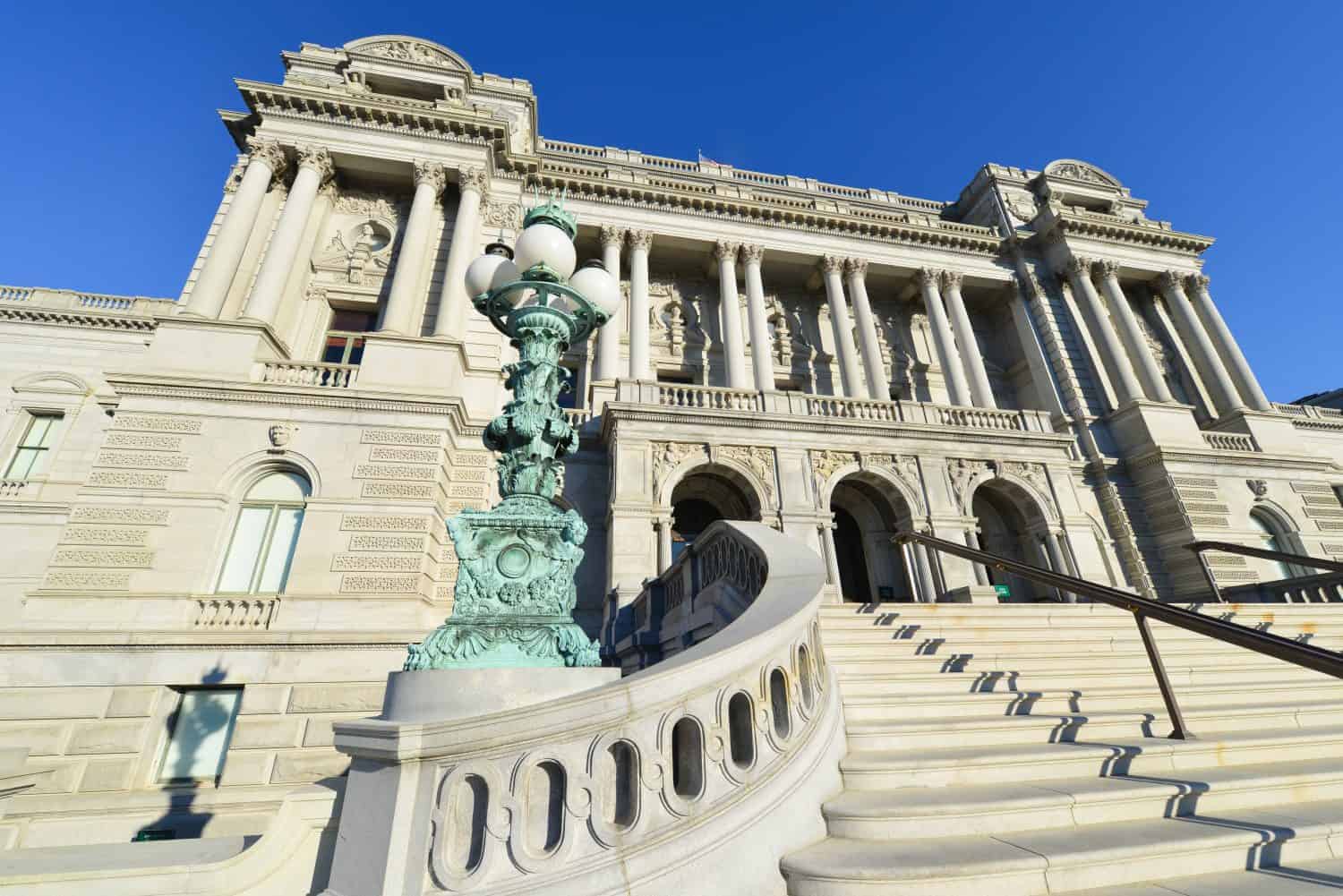
©Orhan Cam/Shutterstock.com
The public areas offer considerably more than handsome hallways. One standout is the Gutenberg Bible displayed in the Great Hall, a landmark of movable-type printing in 15th-century Europe. Upstairs, visitors can explore a re-creation of Thomas Jefferson’s personal library and exhibitions drawn from the institution’s collections. For visits through July 3, 2027, the David M. Rubenstein Treasures Gallery is presenting ‘The Declaration’s Promise,’ an exhibition marking the Declaration of Independence’s 250th anniversary. Its featured objects include Jefferson’s rough draft and Abraham Lincoln’s Gettysburg Address. Displays can change, so check the current exhibitions before visiting.
How to visit the Library of Congress for free
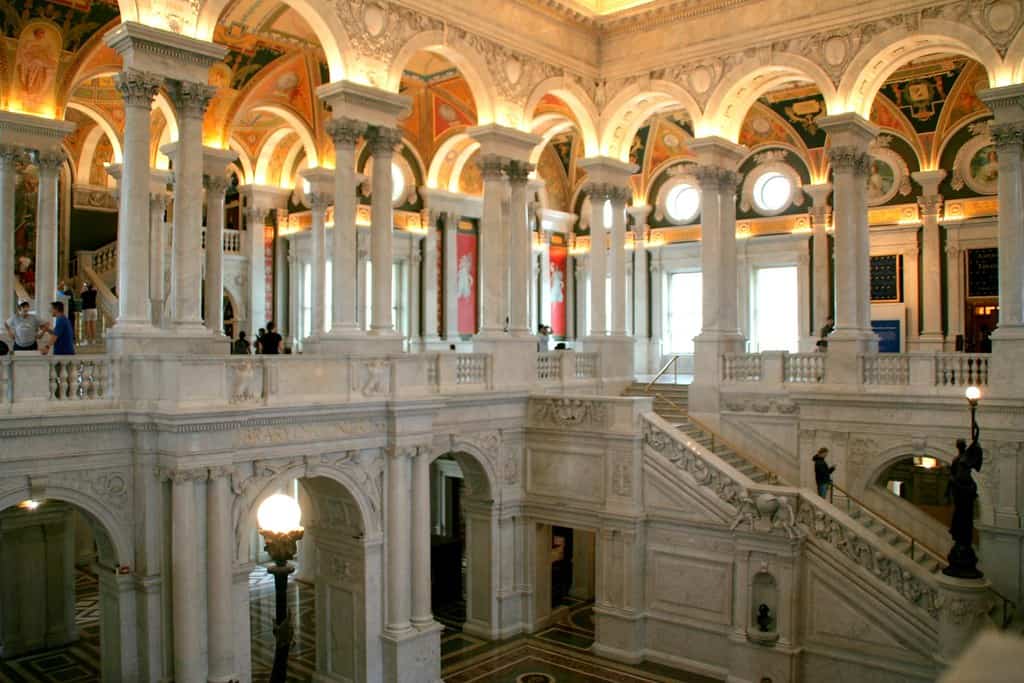
Photo: mrdannynavarro (CC BY-SA 2.0).
©"Library of Congress Interior 1" by mrdannynavarro is licensed under BY-SA 2.0. – Original / License
Admission to the Thomas Jefferson Building is free, but visitors need a timed-entry ticket. You can reserve one online up to 30 days in advance, and additional same-day passes are released online at 9 a.m. Eastern. The building generally welcomes sightseeing visitors Tuesday through Saturday starting at 10 a.m.; Thursday evening hours may extend later, while Sundays, Mondays, and certain holidays are closed. Leave time for security screening and the popular Main Reading Room overlook. The library estimates that seeing its public spaces can take about 90 minutes. If you want one of the limited five-minute reading-room walkthroughs, check the current schedule before heading over.
Can you actually read or borrow books?
Yes, you can research there, but this isn’t a neighborhood lending library. Researchers generally must be at least 16, register for a Reader Identification Card, and show valid government-issued photo identification. Books from the general collections are requested for use in designated reading rooms rather than borrowed to take home. You also can’t stroll freely through miles of closed stacks. For a casual visit, the exhibitions and historic rooms provide plenty to explore without registering as a researcher. Save the deep dive into the catalog for another day—or plan a return trip if curiosity gets the better of you.

