
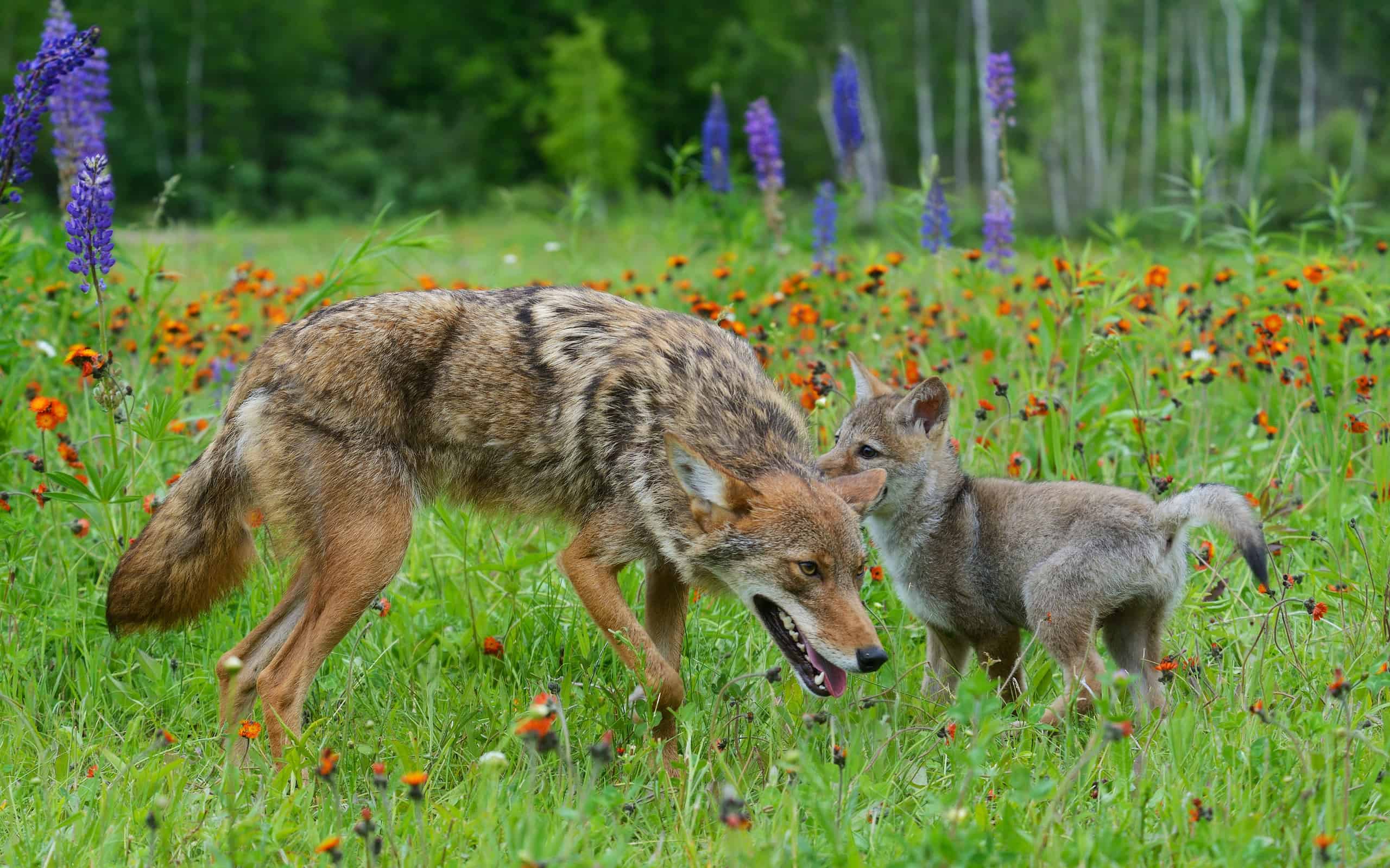
Coyotes (Canis latrans) have made themselves at home in an impressive range of Western landscapes. They hunt in desert scrub, move through mountain forests, and travel along greenbelts that cut straight through major cities. You might spot one beside a hiking trail, but you could just as easily hear one calling after sunset in a suburban neighborhood.
These nine states offer a look at how coyotes live across the Pacific Northwest and the broader West. They’re examples, not an exhaustive list of states with coyotes or a ranking by population. Reliable statewide counts are difficult to compare, so the focus here is on habitat, common encounter settings, and what visitors should know.
Washington
©Emily_M_Wilson/iStock via Getty Images
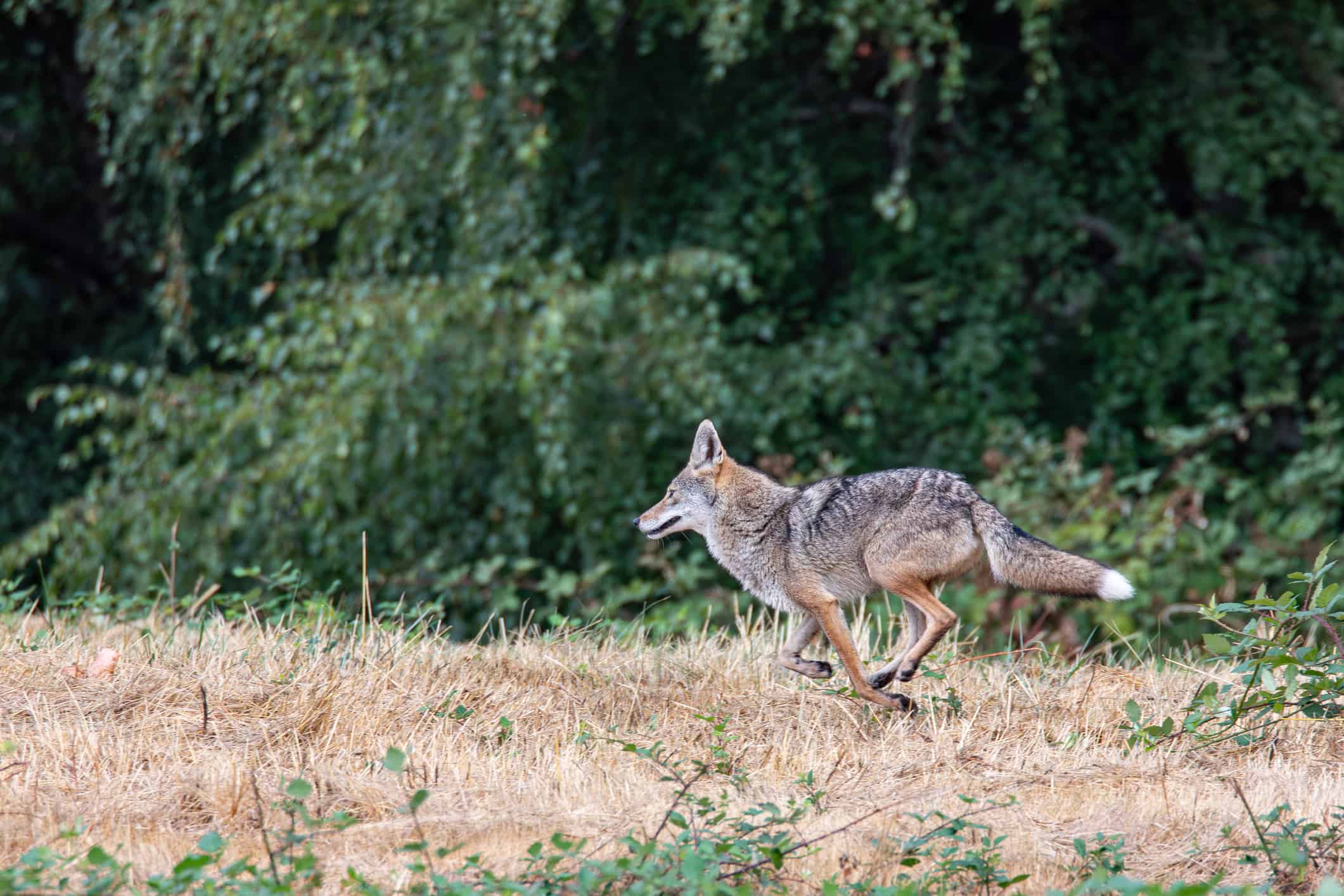
Washington’s coyotes aren’t confined to remote stretches of the Cascades or ranch country east of the mountains. The Washington Department of Fish and Wildlife reports them across nearly all the state, from shrubsteppe and forests to city parks and suburban greenbelts. They’re regular residents of larger wooded spaces around Seattle and Spokane, too. You may hear their yips and howls more often than you spot one, but a coyote crossing a trail in daylight isn’t automatically a cause for alarm.
Oregon
©michaelschober/iStock via Getty Images
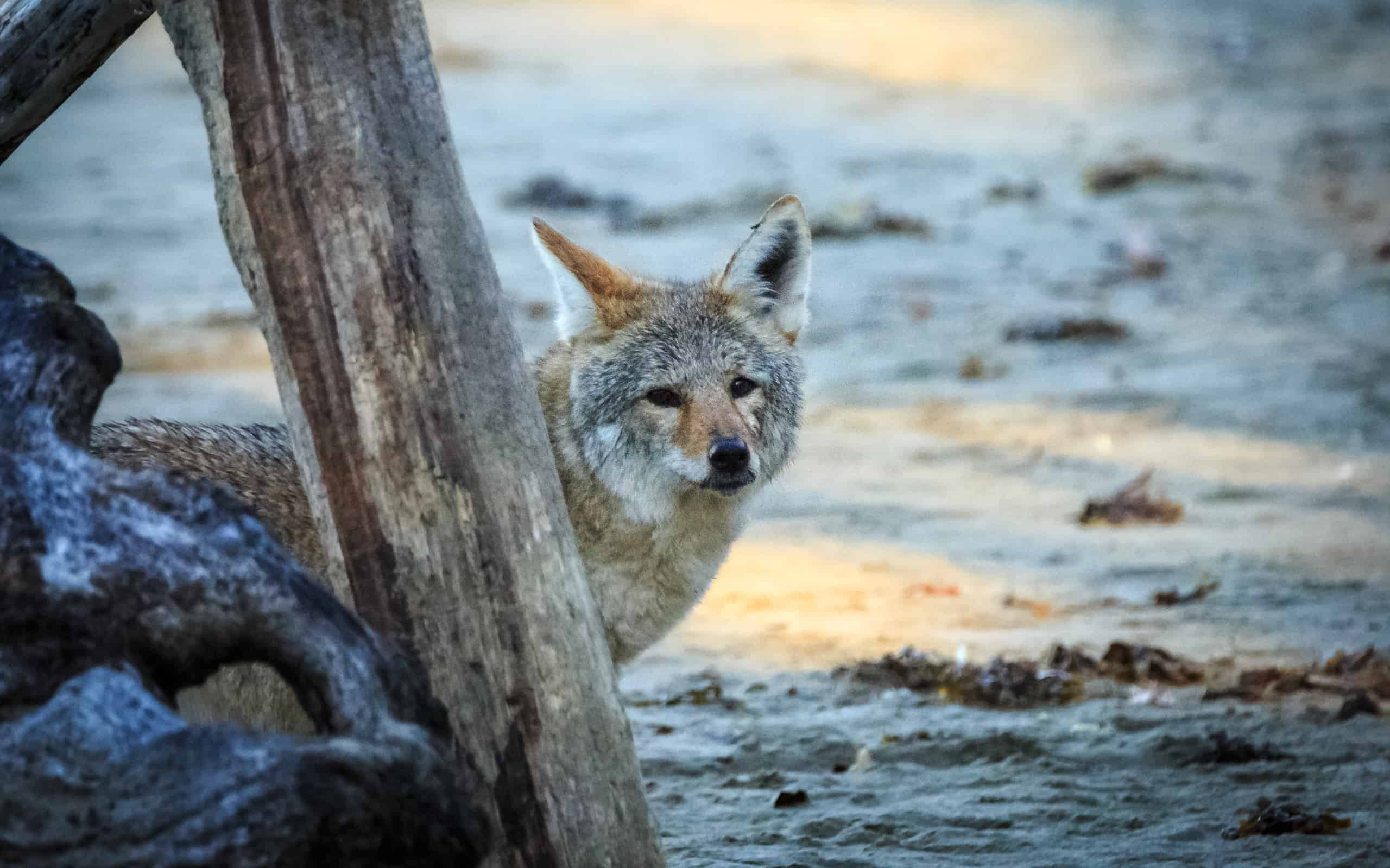
From eastern Oregon’s rangelands to forests and city neighborhoods, coyotes have a broad footprint. The Oregon Department of Fish and Wildlife describes them as fairly evenly distributed across much of the state, apart from its northwestern corner. That doesn’t mean Portland is coyote-free: sightings are regularly reported in the metro area. And seeing one during the day doesn’t automatically mean it’s sick.
Idaho
©gjohnstonphoto/iStock via Getty Images
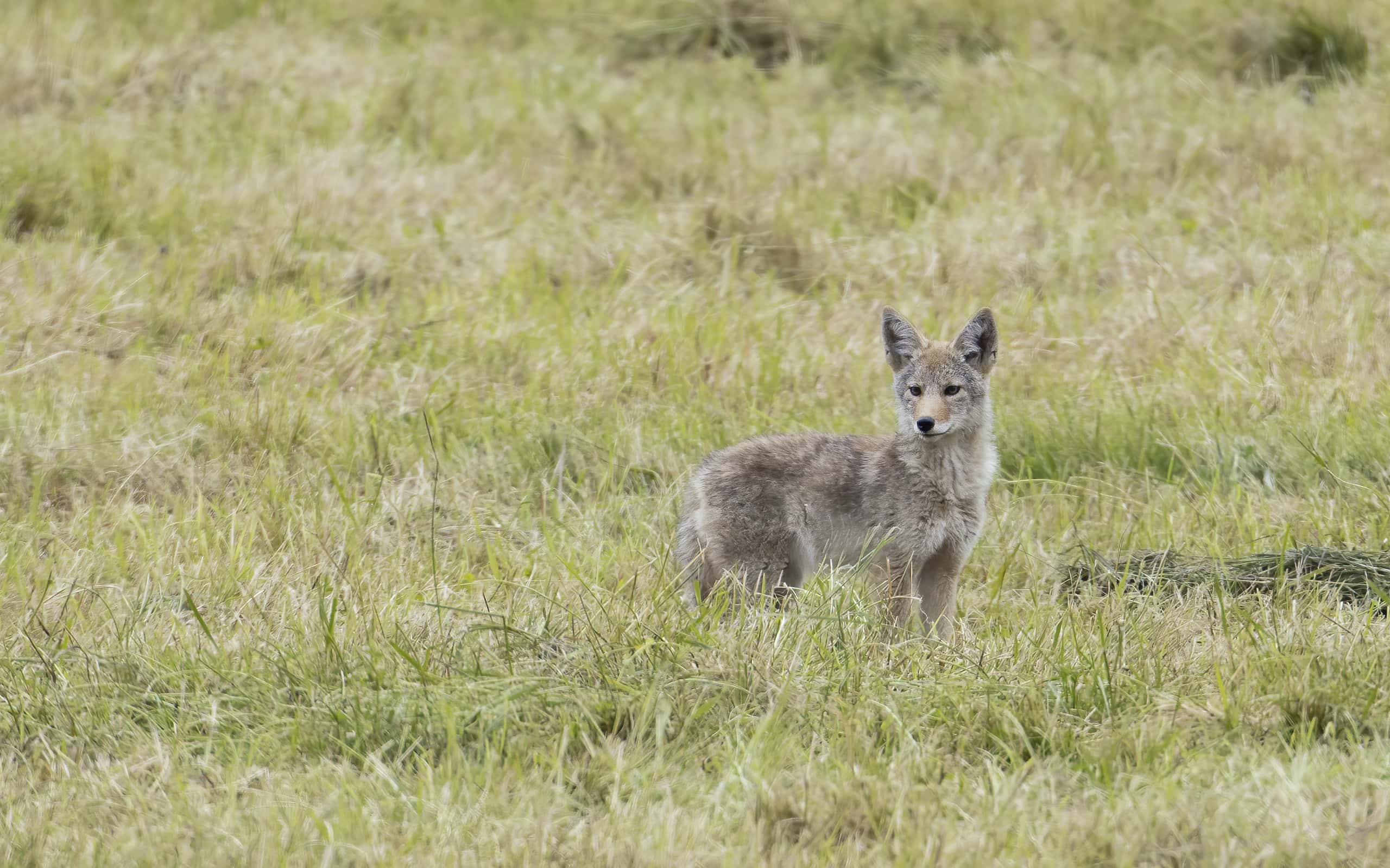
Idaho Fish and Game says coyotes use habitats throughout the state, including sagebrush country, agricultural valleys, forests, mountains, and developed areas. The Boise Foothills are a good example of where recreation trails, nearby homes, and coyote territory overlap. Wildlife officials recommend keeping dogs leashed there during the breeding and pup-rearing months, roughly February through June. Coyotes generally avoid people, but an animal defending a den may be less tolerant of a passing dog.
California
©hpzima/ via Getty Images
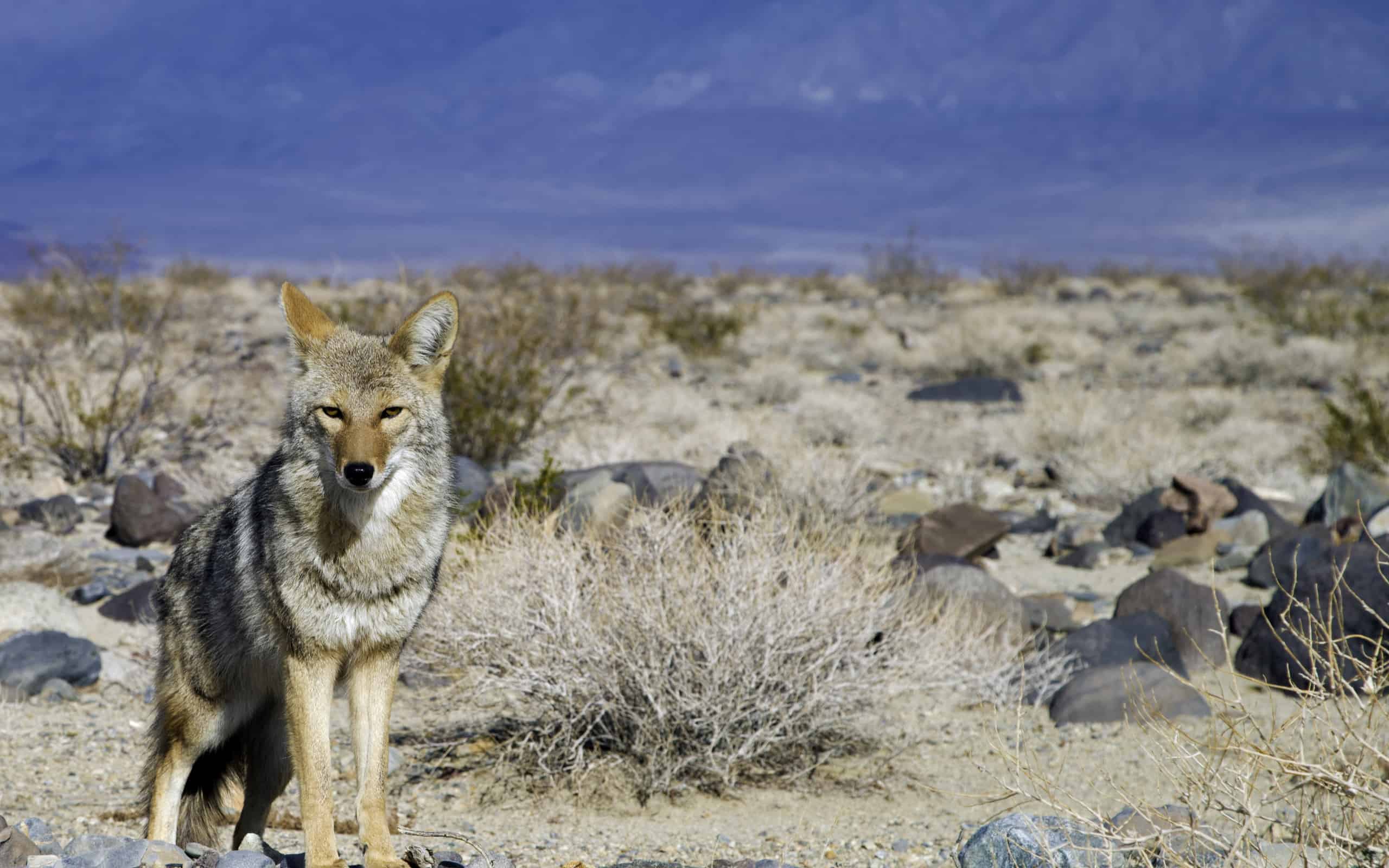
Coyotes aren’t just creatures of California’s deserts and foothills. They’re also established in coastal landscapes, parks, and urban neighborhoods. A 2025 study around Bakersfield found that rabbits and rodents remained major food sources even for coyotes living in urban areas. In other words, city coyotes aren’t automatically living on discarded fast food. Still, accessible garbage, outdoor pet food, and unattended small pets can create problems when coyotes become accustomed to finding easy meals near homes.
Nevada
©TerryKelly/iStock via Getty Images
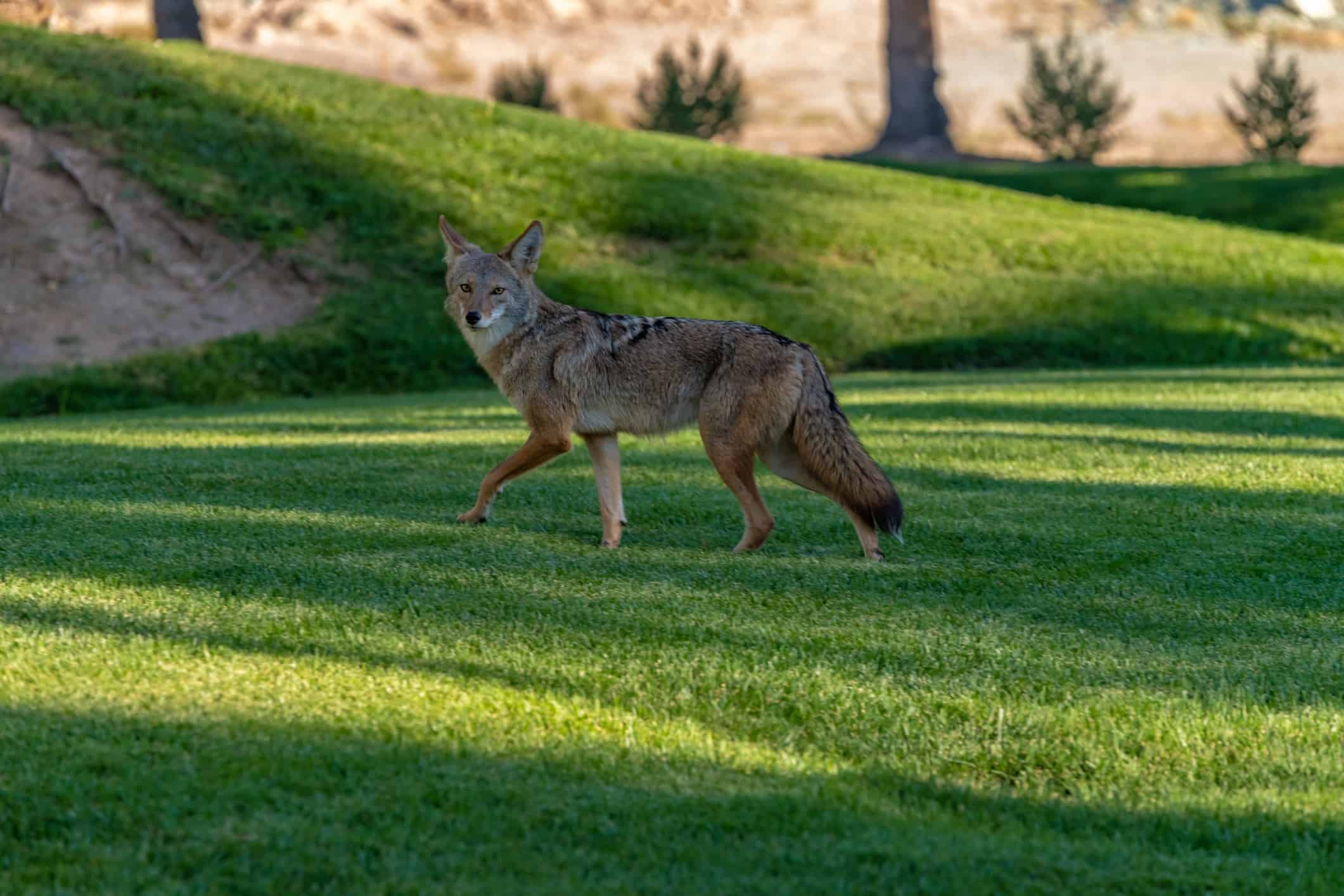
Nevada coyotes inhabit far more than desert flats. The Nevada Department of Wildlife lists sagebrush, desert shrubland, upland forests, and developed areas among their habitats. They also turn up around Las Vegas, where water, shelter, and leftover food can be easy to find. If you’re camping or renting a place near open country, secure trash and keep pet food indoors.
Arizona
©JayPierstorff/Shutterstock.com
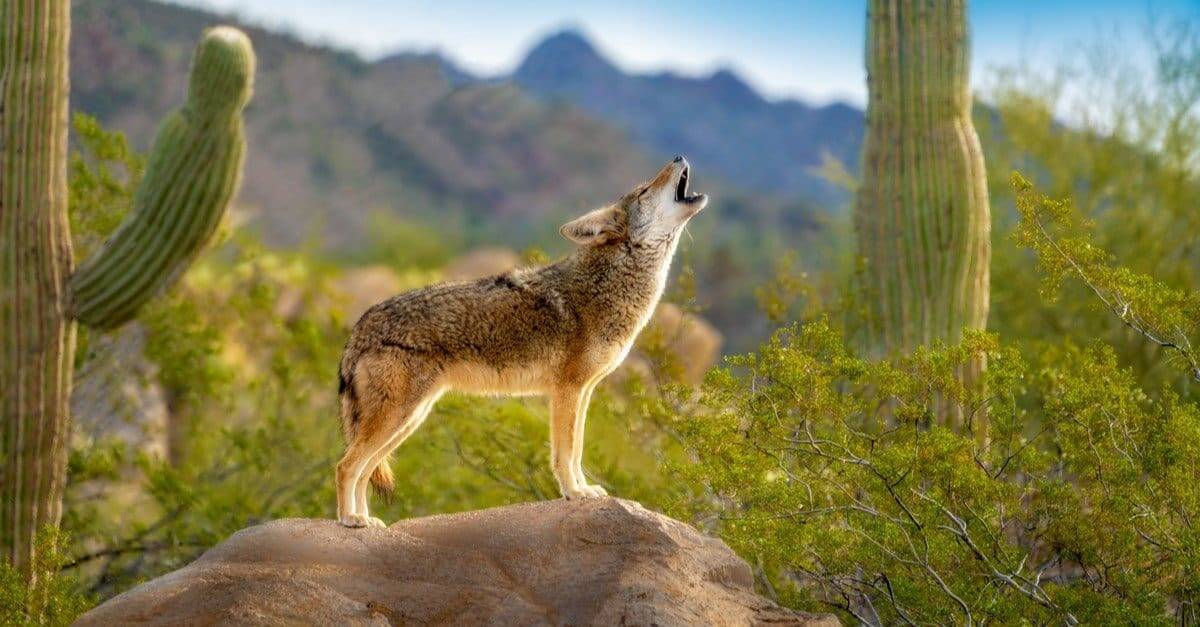
Coyotes are common throughout Arizona, from desert scrub and grasslands to higher forests and the edges of Phoenix and Tucson. Arizona Game and Fish notes that they can show up in backyards, parks, and even golf courses, particularly around dawn and dusk. They’re usually wary of people, but a dependable food source can change that. Feeding coyotes, leaving pet dishes outdoors, or allowing fallen fruit to accumulate can make a neighborhood far more attractive to these adaptable hunters.
New Mexico
©Frank Fichtmueller/Shutterstock.com
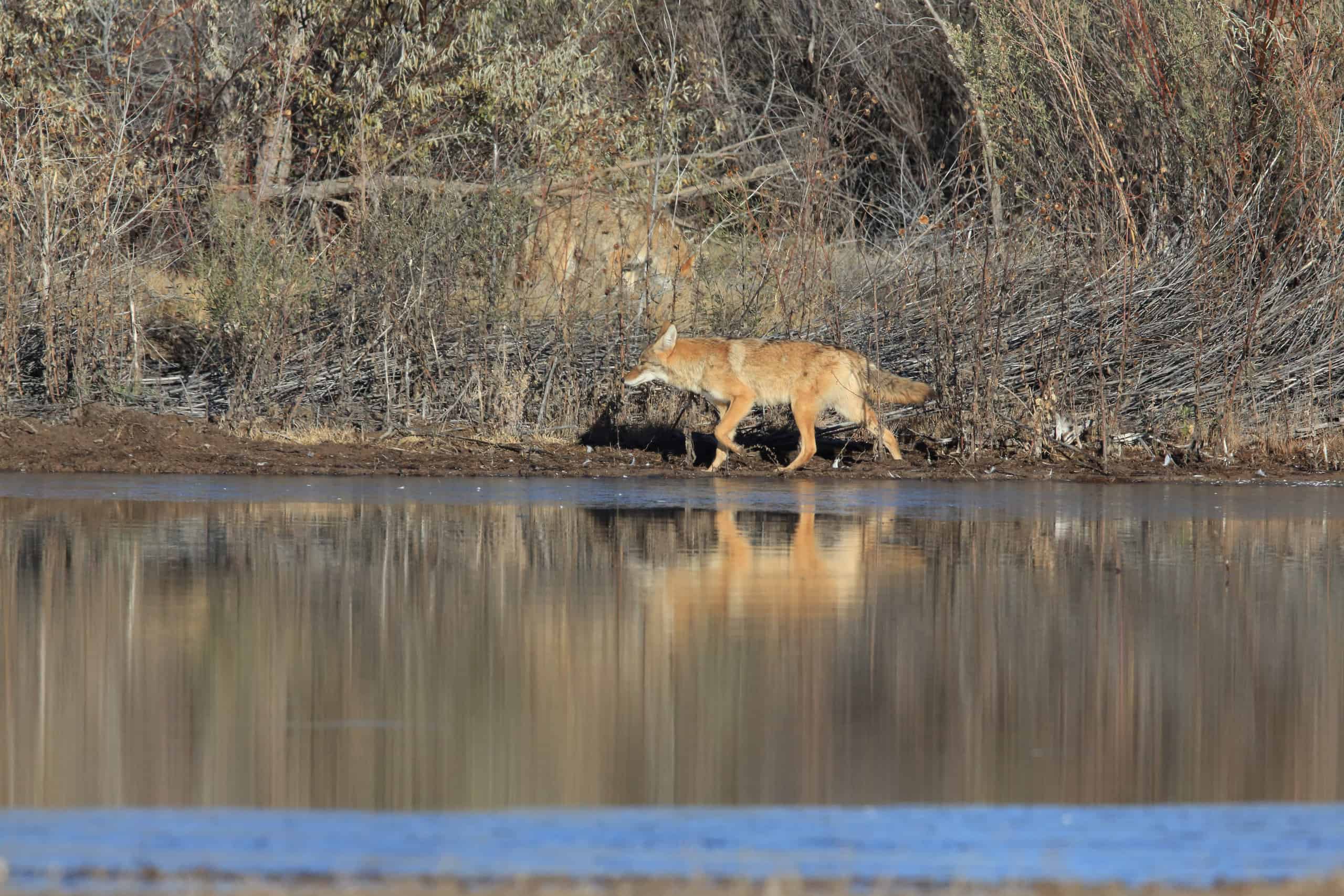
From low desert basins to alpine meadows, coyotes inhabit most of New Mexico, including urban areas. The state game and fish department describes them as widespread and common. They hunt rabbits, rodents, and other small prey in ranch country and near open trails. On a quiet evening, you’re often more likely to hear a distant chorus of howls than spot the animals themselves.
Colorado
©Wirestock/iStock via Getty Images
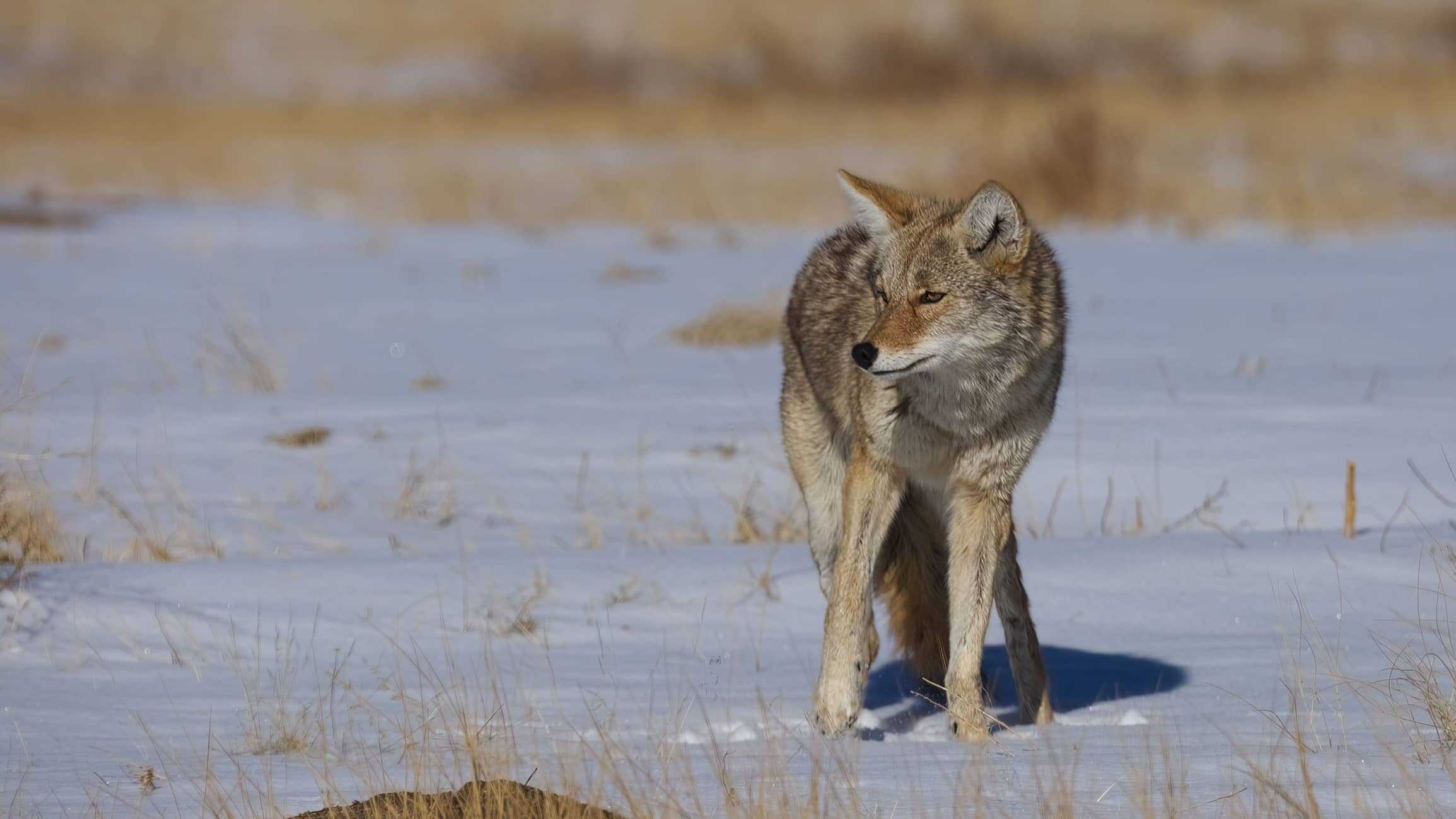
Coyotes live statewide in Colorado, not just on the plains. Colorado Parks and Wildlife documents them in forests, high mountains, towns, and cities wherever they can find food and shelter. They’re often active around dawn and dusk, when open fields and trail edges make useful hunting grounds. Seeing one near a trailhead doesn’t automatically mean it’s behaving aggressively. Give it space, especially when you’re walking a dog near an area where coyotes may be raising pups.
Wyoming
©Jeremiah Psiropoulos/iStock via Getty Images
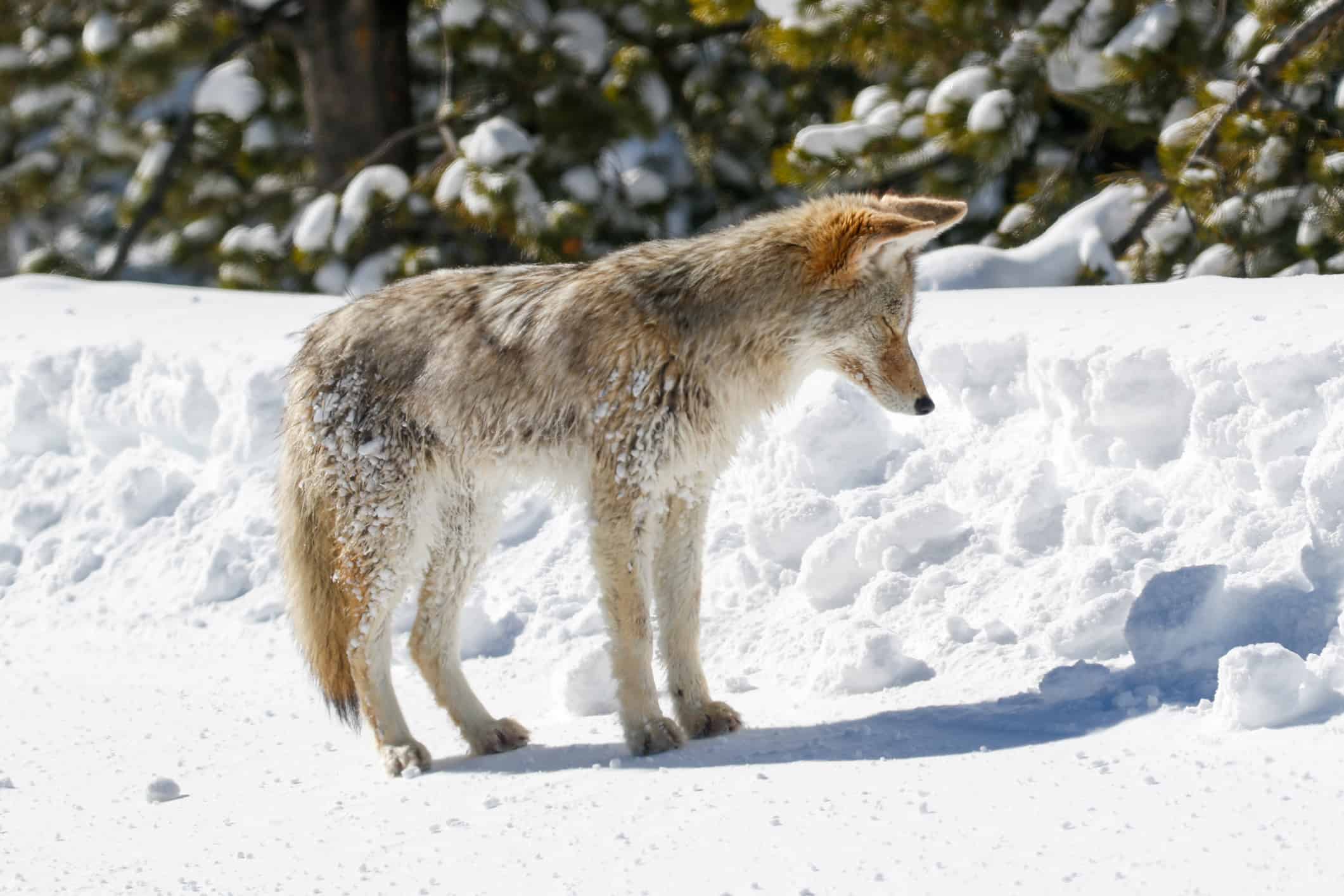
Coyotes live in Wyoming’s sagebrush basins, grasslands, mountain valleys, and forests. Wyoming Game and Fish says they’re found in habitats throughout the state, unlike gray wolves, which mainly inhabit the forested northwest. At a distance, a coyote can resemble a lean dog, but its narrower muzzle and pointed ears help give it away. Enjoy the sighting without moving closer.
What Coyotes Eat
©Sandyjim/Shutterstock.com
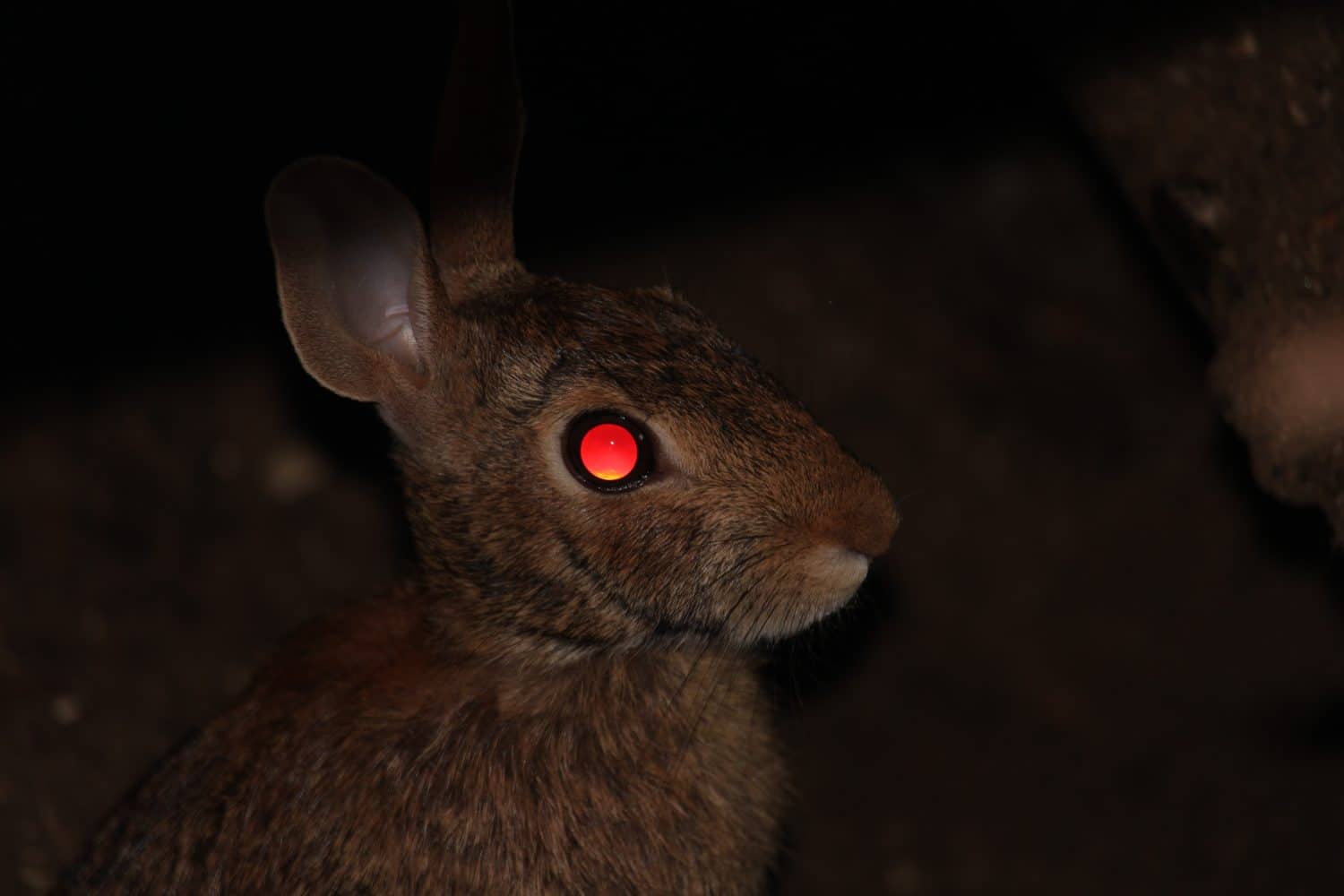
Coyotes are opportunistic omnivores, meaning their menu changes with the season and whatever food is available. Rabbits, rodents, birds, insects, carrion, berries, and other plant material can all be part of the mix. They sometimes take livestock or small pets, but wild prey remains important, even in some urban settings. That adaptability helps explain why the same species thrives in mountain country, desert scrub, and neighborhoods.
Staying Safe
©Eivor Kuchta/Shutterstock.com
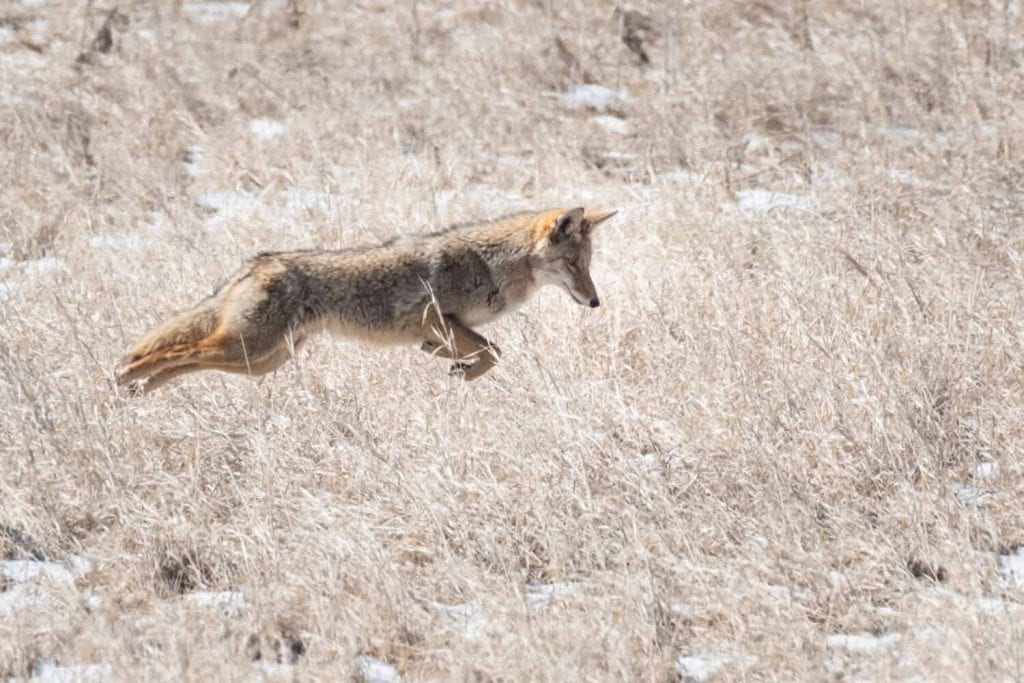
For visitors, the basic rules are simple: never feed a coyote, secure trash and food, and keep dogs close and leashed on trails. If one approaches, don’t run. Give it room to leave, back away calmly, and make yourself look larger and louder if it continues toward you. A sighting from a distance is usually just that: a chance to watch a wild animal go about its day.

