
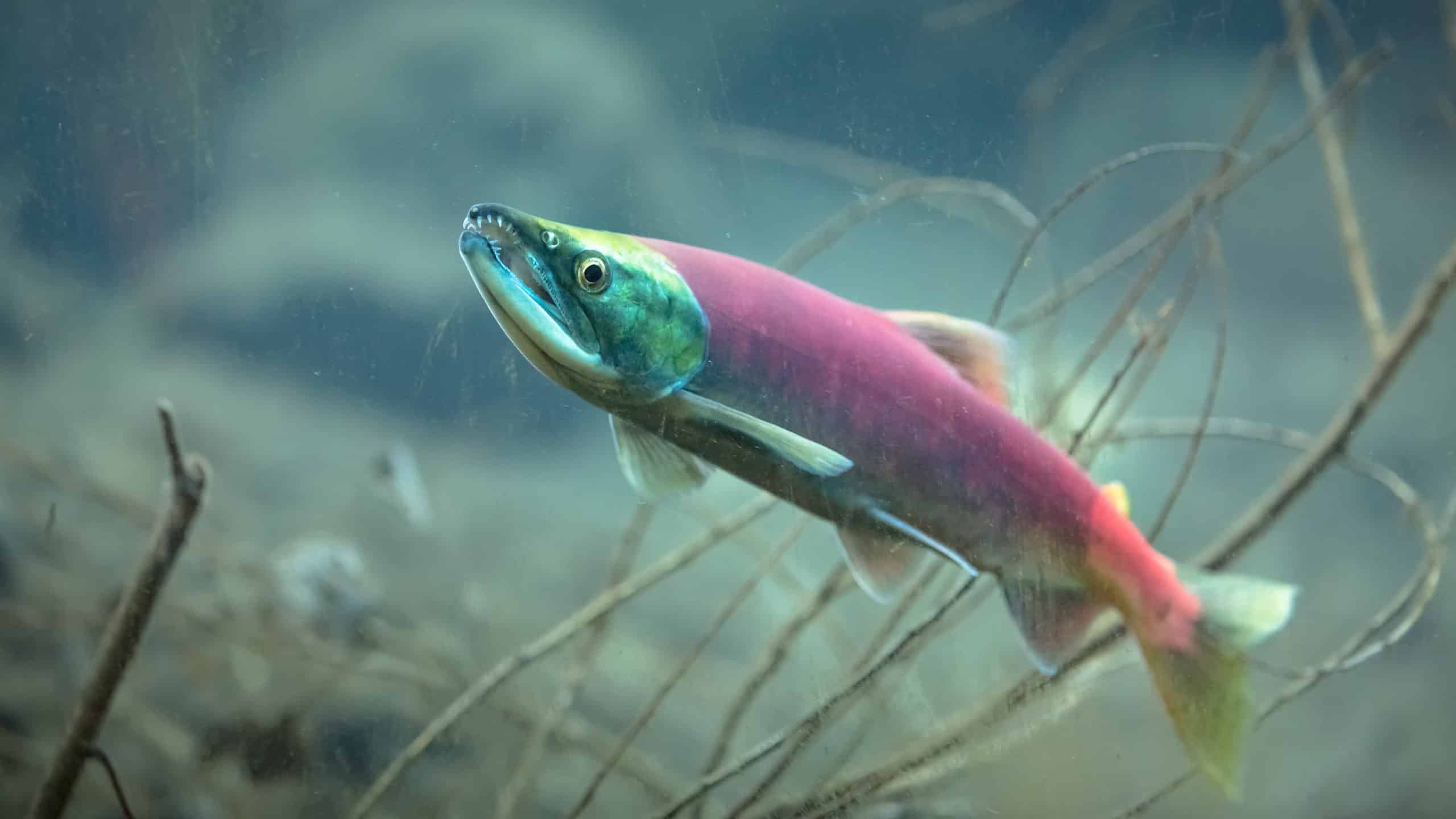
Every year, salmon make one of the Pacific Northwest’s most remarkable journeys: leaving the ocean and fighting their way back into the rivers and streams where their lives began. Some arrive in spring or summer. Others wait until the fall rains. And depending on where you stand, you might watch them through glass, from a bridge, or beside a forest creek.
Washington and Oregon have some terrific places to see the return, but timing matters more than people think. A hatchery that’s busy in June may be quiet in October, and the most famous viewing spot isn’t always the closest to the fish. Here’s where to go, what to expect, and how to enjoy the spectacle without getting in the salmon’s way.
What Is the Salmon Run?
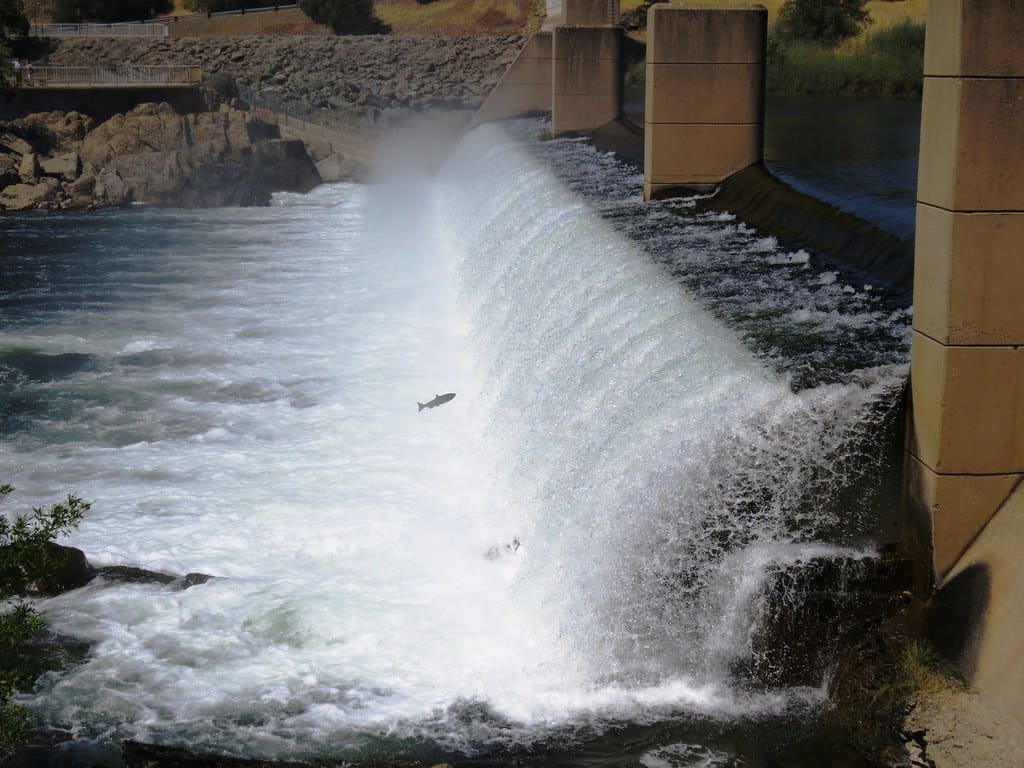
©"Salmon Run , Feather River, California" by moonjazz is licensed under PDM 1.0. - Original / License
The salmon run is nature's version of an endurance race, except the finish line is where it all began. After growing up in streams and spending time in the ocean, adult Pacific salmon navigate back toward their home waters to reproduce. Chinook, coho, sockeye, chum, and pink salmon follow different schedules, and some travel hundreds of miles against the current. Females lay eggs in gravel nests called redds. Most Pacific salmon die after spawning, leaving the next generation to begin the cycle.
Why Salmon Runs Matter to the Entire Northwest
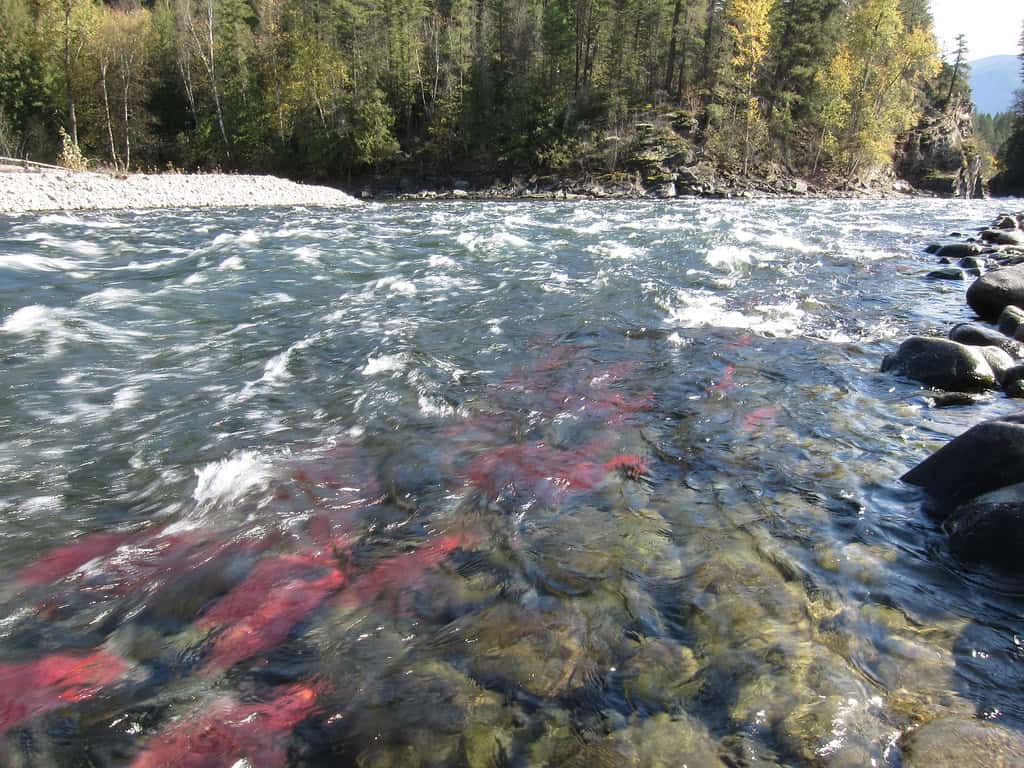
©"Salmon run at Adams River 2010" by GoToVan is licensed under BY 2.0. - Original / License
Salmon don't just feed people. They help feed an entire landscape. Eagles, bears, and other wildlife take advantage of the returning fish, while salmon carcasses release ocean-derived nutrients into streams and nearby forests. Their health also tells scientists a great deal about water quality and habitat conditions. For many Northwest tribal nations, salmon have been central to food, trade, culture, and stewardship since long before modern states and hatcheries existed.
When Is the Best Time to Watch Salmon?
©"Day 18" by David W. Siu is licensed under BY 2.0. - Original / License
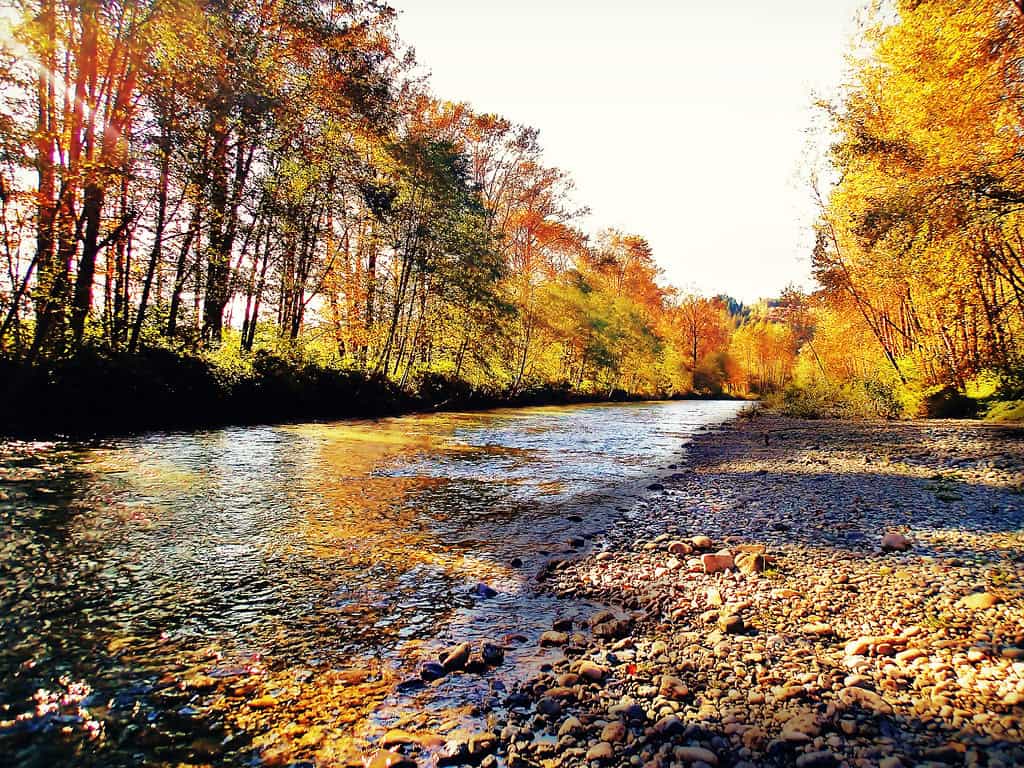
There isn't one magic weekend when every salmon in the Northwest decides to head home. Washington wildlife officials point to July through November as prime viewing months, while many Oregon spawning streams are busiest from September into December. But location matters: sockeye are often easiest to spot at Seattle's Ballard Locks in June and July, Chinook in August, and coho in September. Check current fish counts and local conditions before making the drive. And stay out of spawning streams; it's surprisingly easy to damage eggs hidden in the gravel.
Ballard Locks: Watch Salmon Through a Window (WA)
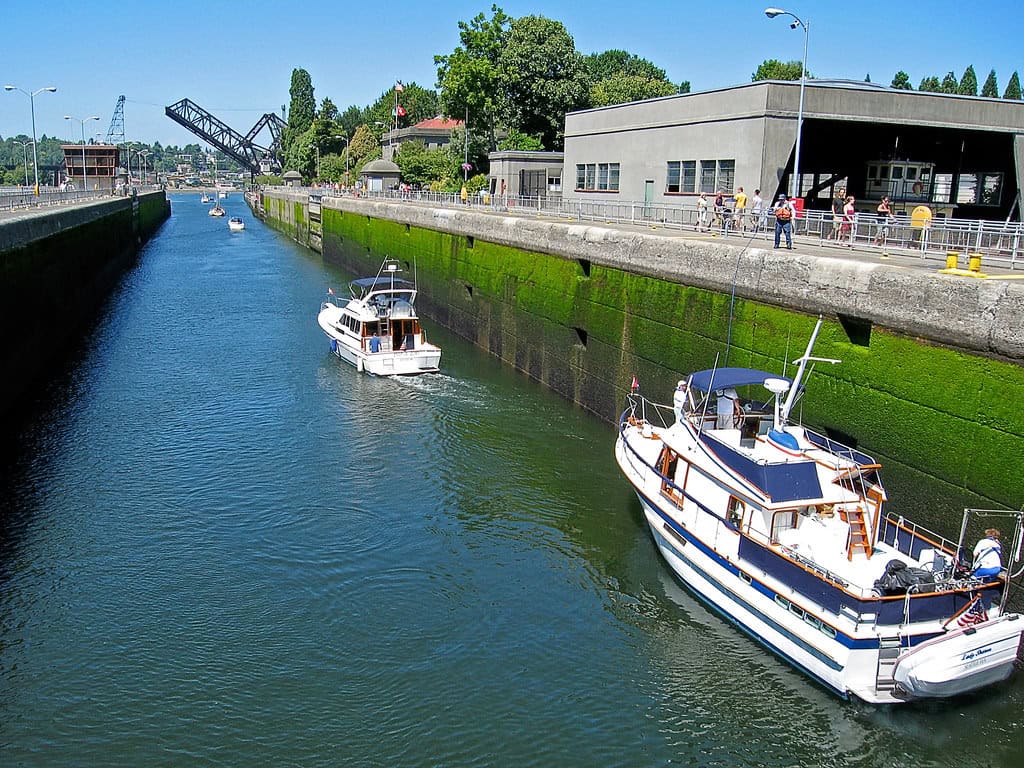
©"Out to Sea" by pfly is licensed under BY-SA 2.0. - Original / License
Seattle's Hiram M. Chittenden Locks are hard to beat for an easy, close-up look. The fish ladder has underwater windows, so you can watch salmon push upstream without getting your shoes wet. Sockeye viewing typically peaks from mid-June to mid-July, Chinook in August, and coho in September. The Washington Department of Fish and Wildlife tracks returning fish, which makes planning easier. Just remember: a peak season isn't a guarantee. Some days the windows are bustling; other days the fish apparently have somewhere else to be.
Bonneville Hatchery and Dam: Two Salmon Stops (OR)
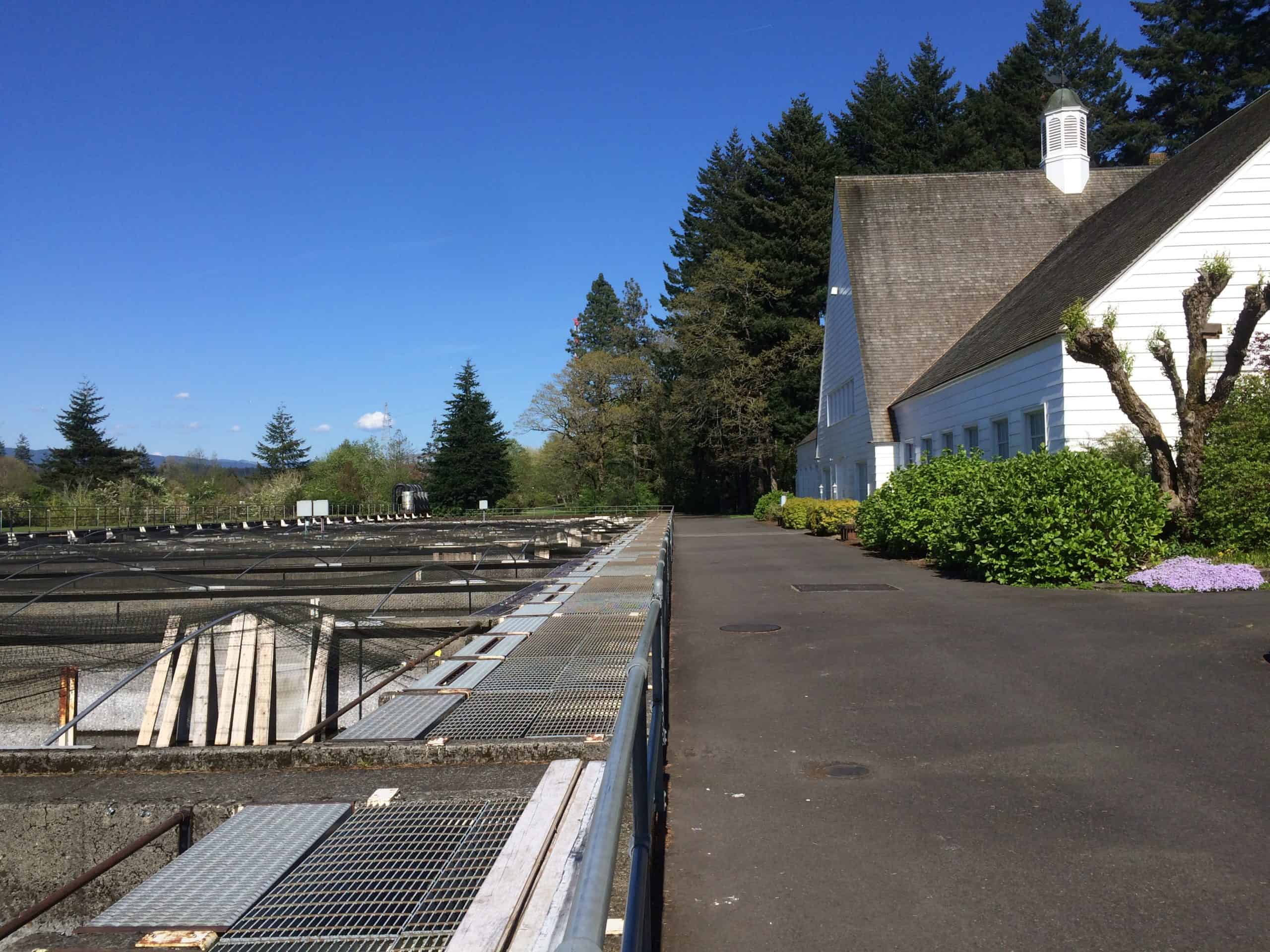
©"Bonneville Fish Hatchery 2 - April 2015" by Rhododendrites is licensed under BY-SA 4.0. - Original / License
Bonneville offers two different fish-watching experiences, and they're easy to confuse. At the Oregon Department of Fish and Wildlife's Bonneville Fish Hatchery, September and October are good months to learn about returning fall Chinook and coho. The hatchery also houses Herman, a famously enormous white sturgeon. Nearby Bonneville Dam has the underwater windows where visitors can actually watch migrating salmon pass through the fish ladder. Make time for both if you're traveling through the Columbia River Gorge.
Eagle Creek National Fish Hatchery Near Estacada (OR)
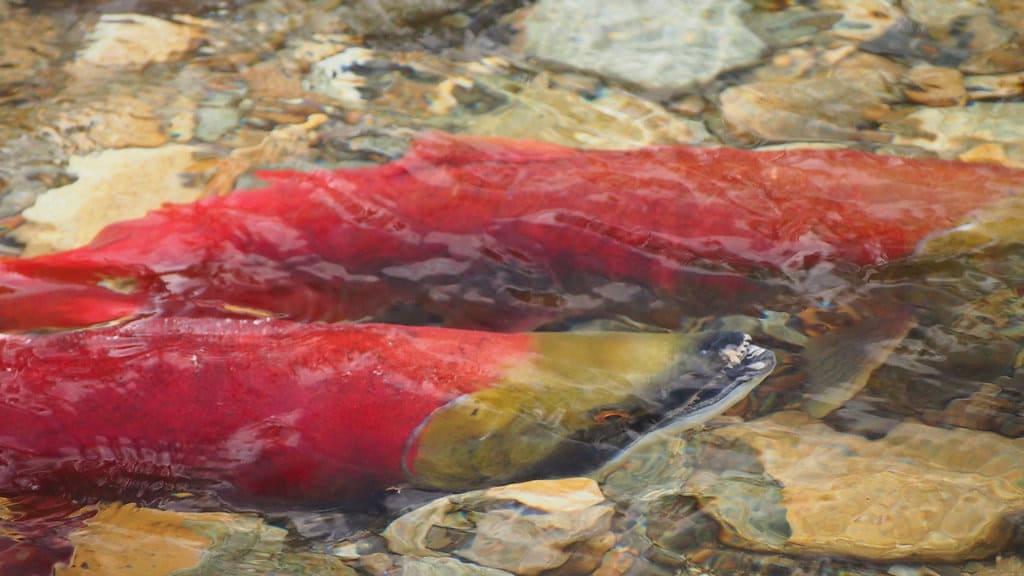
©"Sockeye Salmon Run" by Wilson Hui is licensed under BY 2.0. - Original / License
First, a location correction: this hatchery is near Estacada, not the Eagle Creek Trail by Cascade Locks. Its specialty today is coho salmon. According to the U.S. Fish and Wildlife Service, the hatchery raises about 850,000 coho annually, including 500,000 transferred to the Yakama Nation for watershed restoration work. Returning adults arrive from late September through November, and October and November are especially good for viewing them in adult ponds. Younger fish can be seen at other times of year, too.
Issaquah Hatchery and Salmon Days (WA)
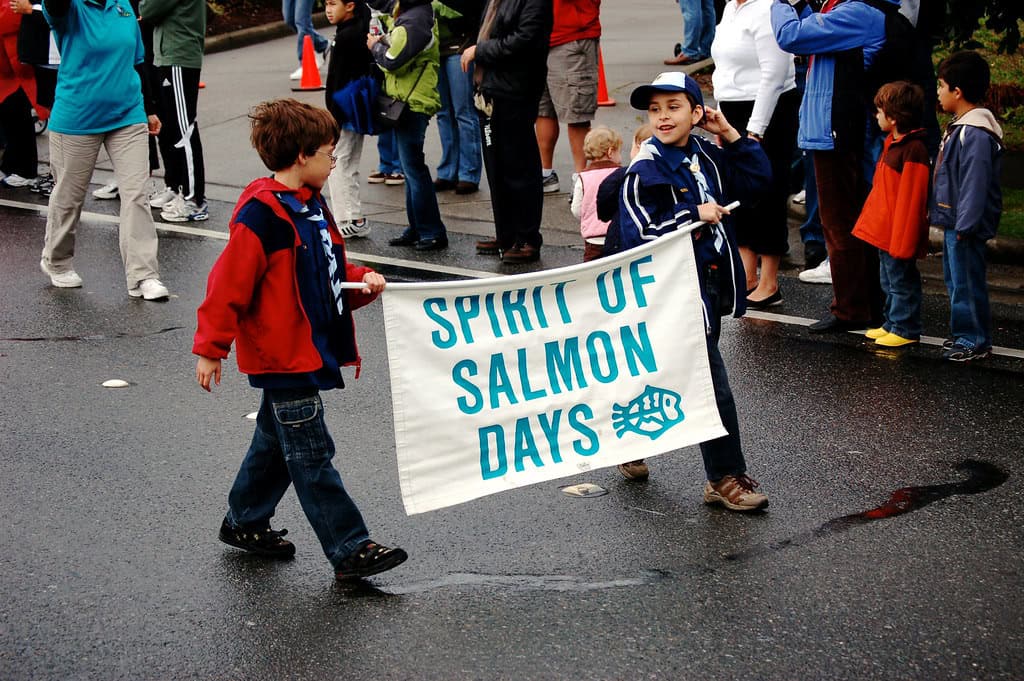
©"Salmon Days Issaquah, WA." by jc.winkler is licensed under BY 2.0. - Original / License
Issaquah doesn't just welcome the salmon back. It throws them a festival. The city's salmon hatchery on West Sunset Way is the main attraction, with Chinook generally arriving in late August and spawning into mid-October. Coho follow from late September through November. The annual Salmon Days festival adds music, art, food, and a parade to the fish-watching. The 2026 celebration was October 3–4; organizers have announced October 2–3 for 2027. You can visit the hatchery outside festival weekend, when the crowds are much thinner.
Brewery Park at Tumwater Falls (WA)
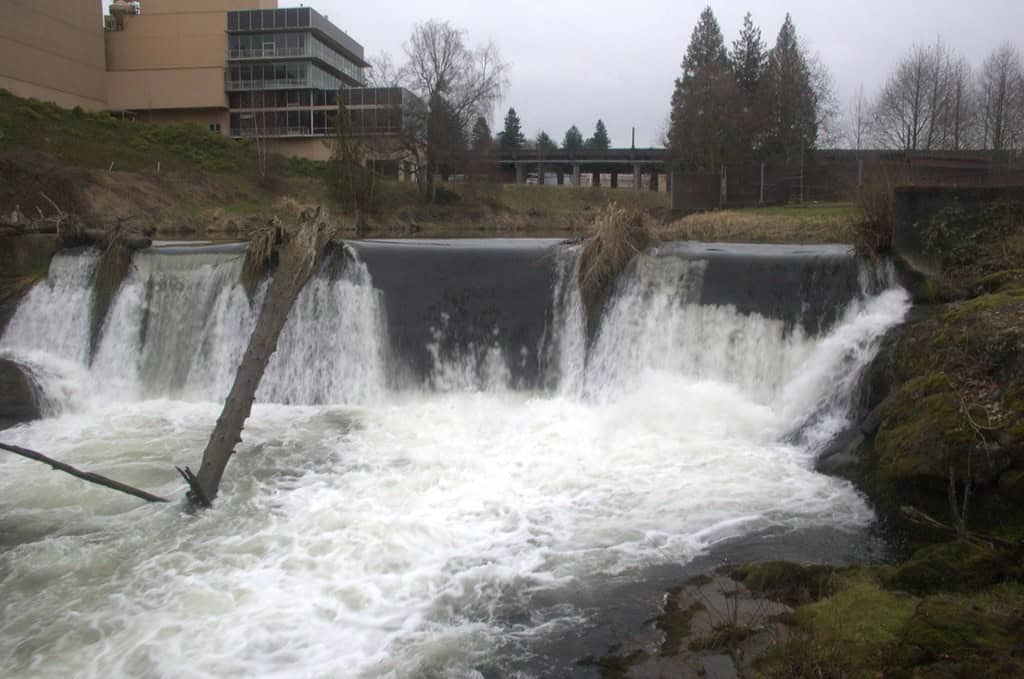
©"Tumwater Falls" by Teresa Trimm is licensed under BY-SA 2.0. - Original / License
Just south of Olympia, Brewery Park at Tumwater Falls puts visitors alongside the Deschutes River as Chinook salmon return upstream. The season usually begins in late August, with good viewing around September and into mid-October. Trails, bridges, and the fish-ladder area offer different angles on the action. It's a convenient family stop, but don't assume you'll see fish leaping every minute. Their movement changes with water conditions, tides farther downstream, and the timing of that year's run.
Leavenworth National Fish Hatchery: Think Summer (WA)
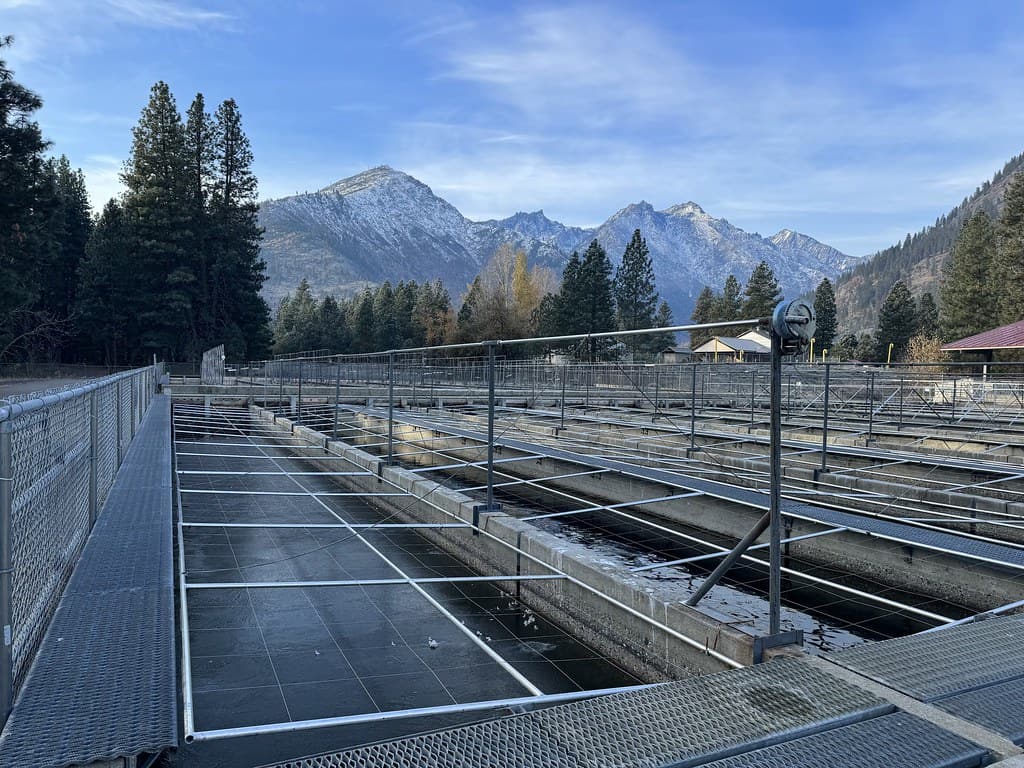
©"Leavenworth National Fish Hatchery" by USFWS Pacific is licensed under PDM 1.0. - Original / License
This is where the original article had the timing backward. Leavenworth National Fish Hatchery, beside Icicle Creek, focuses on spring Chinook, not a dependable August-to-October fall run. The U.S. Fish and Wildlife Service says returning adults can generally be viewed in its ponds from June through August, depending on the run and access to viewing areas. The facility raises roughly 1.2 million juvenile spring Chinook annually. Check current hatchery information before heading out; some observation areas may be closed when staff are unavailable.
Eagle Creek Trail and Cascade Hatchery (OR)
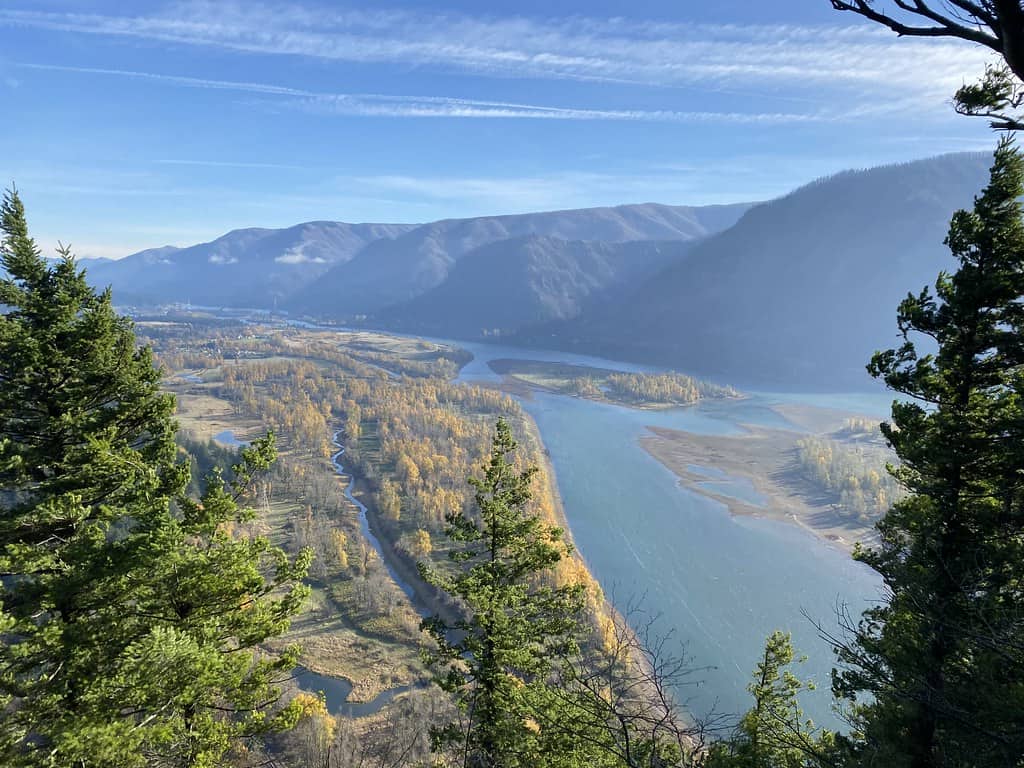
©"Pierce National Wildlife Refuge, Columbia Gorge" by USFWS Pacific is licensed under PDM 1.0. - Original / License
This is a different Eagle Creek from the national hatchery near Estacada. Along the Columbia Gorge's Eagle Creek recreation area, the lower creek near Cascade Hatchery can offer views of fall Chinook and coho returning to spawn. The famous Eagle Creek Trail is terrific for waterfalls and cliffside scenery, but its higher stretches aren't automatically good salmon-viewing spots. Stick to safe, designated creekside access around the lower reaches, check for closures, and never step into spawning gravel to get a closer picture.
Columbia River Tributaries: Klickitat and Umatilla
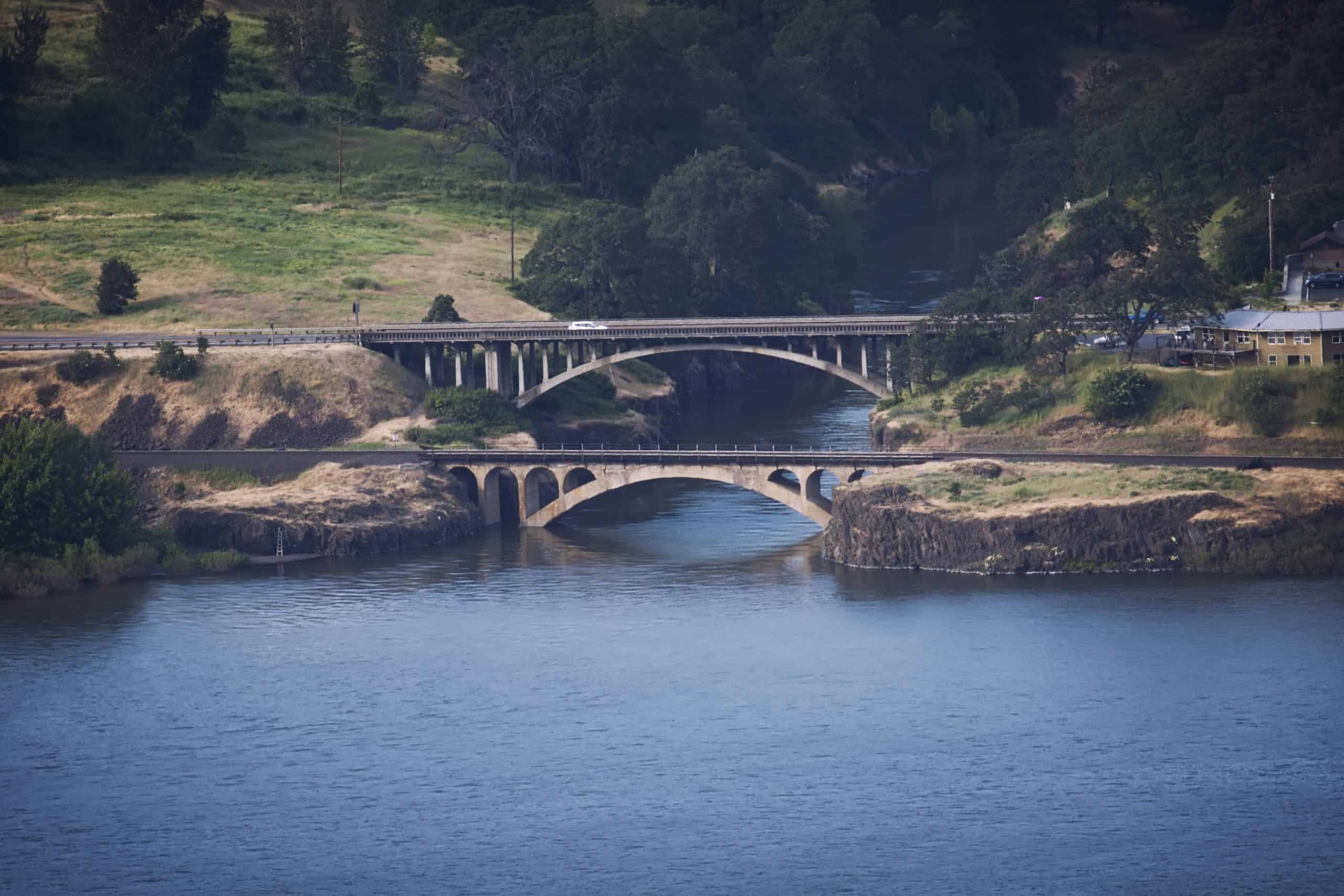
©"Klickitat River Bridges from Rowena Crest Viewpoint" by Steven Pavlov is licensed under BY-SA 4.0. - Original / License
Not every salmon run happens at a famous visitor center. Tributaries such as Washington's Klickitat River and Oregon's Umatilla River carry migrating salmon through beautiful country. The timing, viewing conditions, and public access can vary greatly from one stream to the next. The Klickitat also supports longstanding Yakama Nation fishing traditions, so respect tribal fishing sites and posted restrictions. For a more predictable fish-ladder experience on the Columbia, the McNary Dam visitor area has a fish-viewing window.
Puyallup River Watershed: Follow the Smaller Creeks (WA)
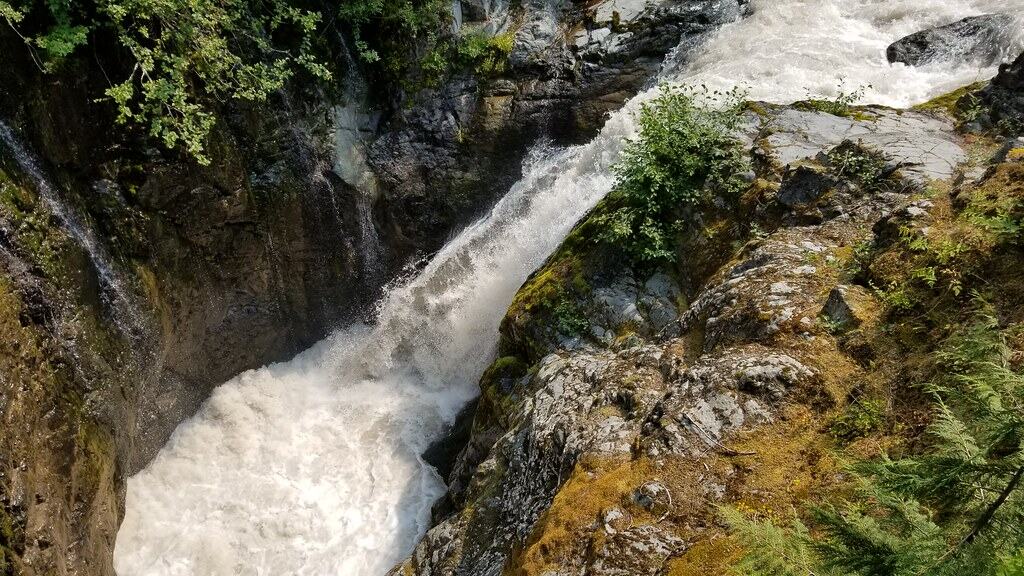
©"North Puyallup River falls" by Dan Nevill is licensed under BY 2.0. - Original / License
The glacier-fed Puyallup River isn't always the easiest place to spot a salmon through murky water. Smaller tributaries can be much better bets. Pierce County identifies Clarks Creek Park in Puyallup for chum and coho viewing and the Foothills Trail bridge near Orting for several salmon species. Watch from public bridges or established paths, especially after autumn rains bring fish upstream. It's a far better plan than wandering down a random riverbank and hoping a salmon happens to swim past.
Elwha River: A Salmon Comeback Still in Progress (WA)
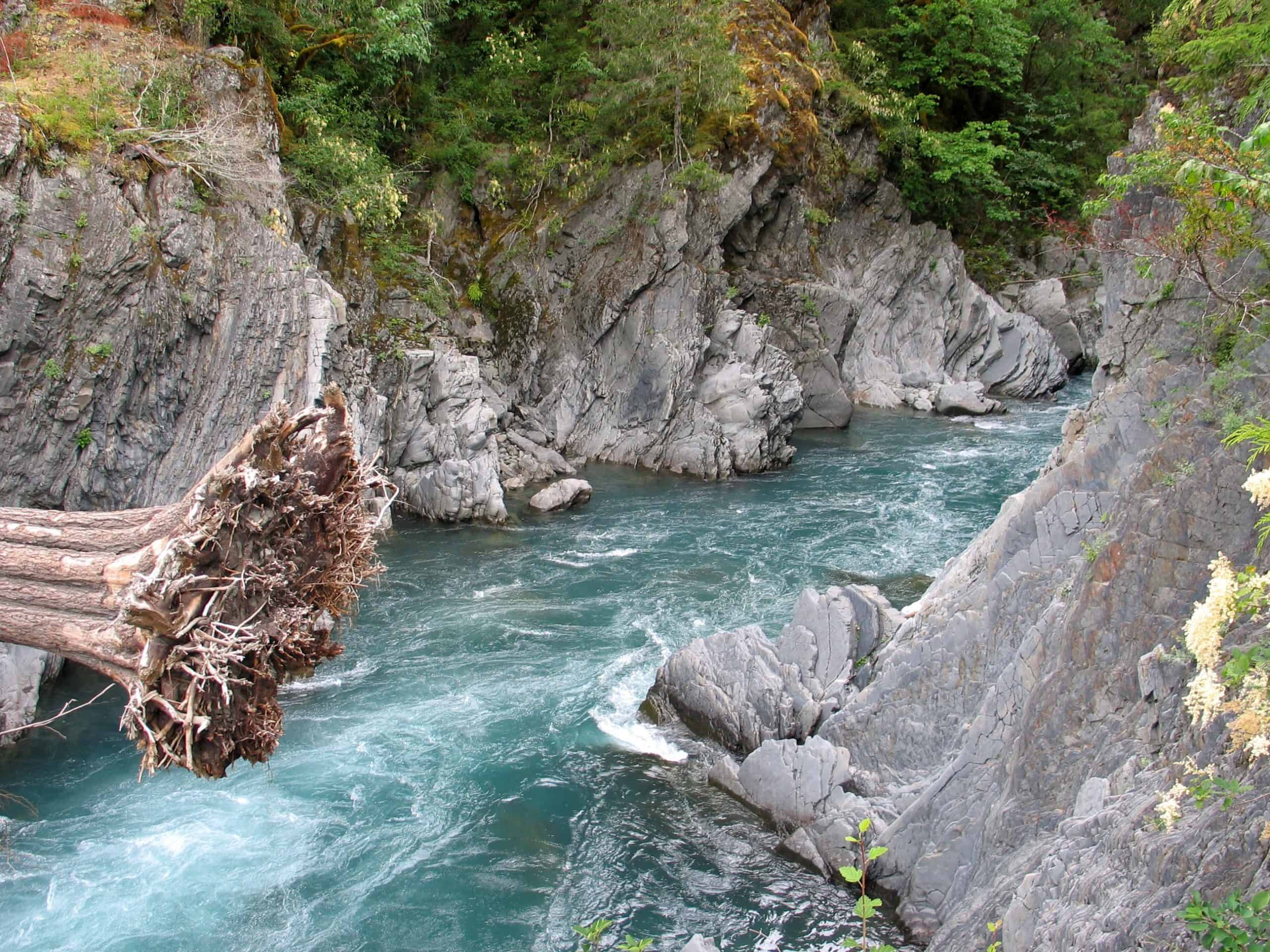
©"Elwha River at Goblins Gate1" by Elwhajeff / [email protected] (talk) is licensed under BY-SA 3.0. - Original / License
The Elwha River on the Olympic Peninsula has one of the Northwest's biggest restoration stories. Two dams, removed between 2011 and 2014, had blocked fish from more than 70 miles of upstream habitat. Chinook and coho have since spread into stretches they couldn't reach for generations. That doesn't mean every salmon population is fully recovered; pink and chum remain especially vulnerable. Treat the Elwha as a chance to understand an extraordinary recovery project, not a guaranteed roadside salmon show. Check park access and trail notices before visiting.
Why Salmon Matter to Pacific Northwest Tribes
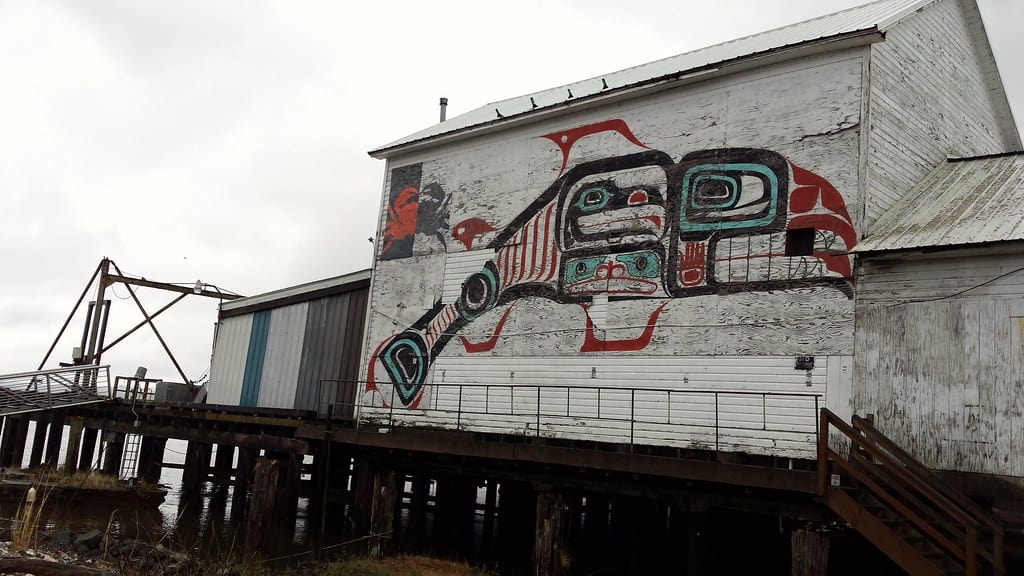
©"Totemic style mural of a salmon, hand, eyes, fins, clapboard, cannery and processing plant, crab, red turquoise black, paint, wood, peeling, walkway, dock, South Bend, Washington, USA" by Wonderlane is licensed under BY 2.0. - Original / License
For many Indigenous nations in Washington and Oregon, salmon are more than a seasonal attraction. They're central to living food traditions, economies, treaty-protected fishing rights, and relationships with the rivers themselves. First Salmon ceremonies honor the fish's return, though practices and meanings differ among nations. Tribes also lead or partner in modern hatchery work, fisheries management, and habitat restoration. Visitors can appreciate the migration while remembering that these waterways are still places of active cultural stewardship.

