
Finding a good international airfare out of Seattle can feel like you’ve already won half the battle. Then you land, check into the hotel, buy dinner, arrange transportation and discover that the flight may have been the inexpensive part of the trip.
These are not necessarily the five most expensive destinations on Earth in a strict ranking. Instead, they are five incredible international trips where everyday costs, tourism fees or simply getting around can make a vacation budget disappear faster than expected. They are still absolutely worth dreaming about, but this may be the time to finally cash in those airline miles and hotel points.
1. The Maldives
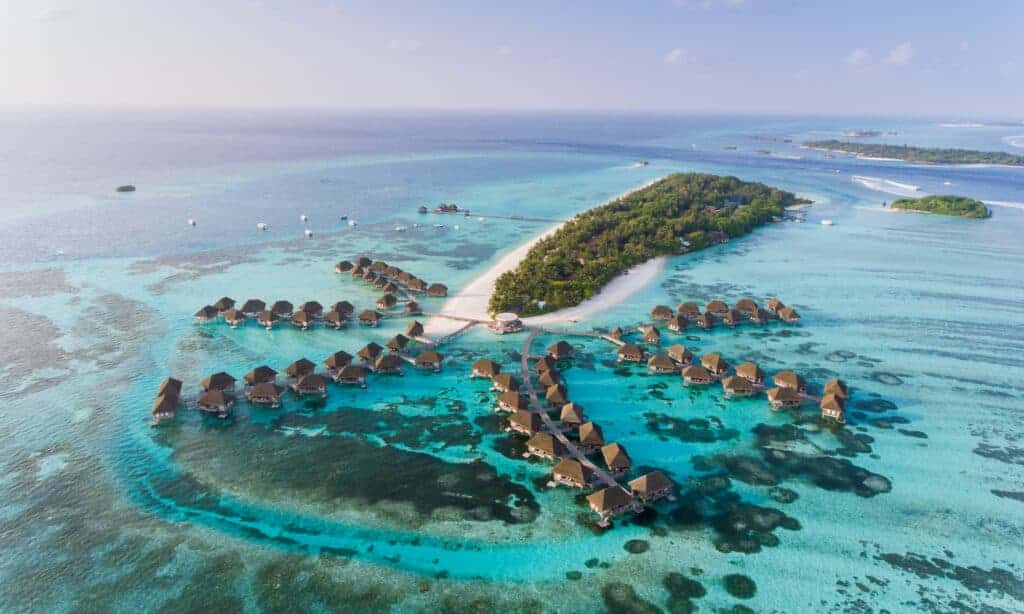
The Maldives looks almost engineered to empty a traveler’s savings account. Tiny coral islands, clear lagoons and rows of overwater villas have turned the country into one of the world’s most recognizable luxury destinations. The catch is that many resorts occupy private islands, so arriving at Velana International Airport is often only the beginning. Depending on where you are staying, the final leg can require a speedboat, domestic flight or seaplane transfer. Add that transportation to resort accommodations, meals and activities, and the cost of a tropical escape can climb remarkably quickly. There are cheaper ways to see the Maldives, but the postcard version most travelers picture is rarely a bargain vacation.
1. The Maldives (continued)

The good news is that a Maldives vacation no longer has to mean spending every night at a private-island resort. Guesthouses and smaller hotels on inhabited local islands can bring accommodation costs down considerably while still putting travelers next to the same turquoise Indian Ocean. That trade-off can also provide a closer look at everyday Maldivian life. Even then, geography matters. Island transfers, excursions, diving trips and meals can add up because almost everything involves boats or air travel. Travelers comparing hotels should look beyond the nightly room rate and check exactly what transfers, meals and taxes are included. A cheaper room on a distant island can stop looking cheap once the transportation bill arrives.
1. The Maldives (continued)
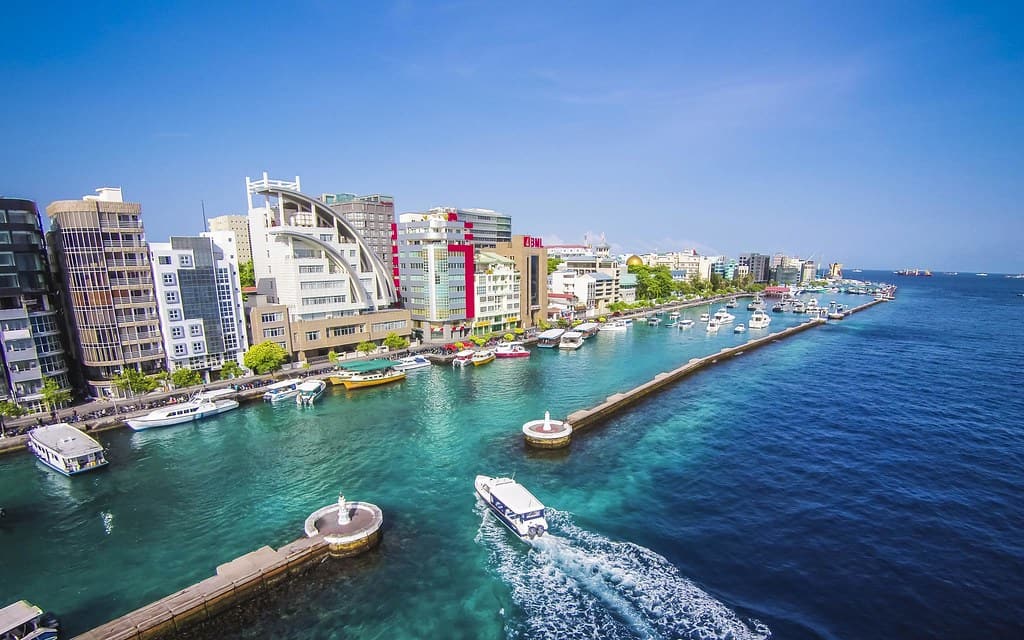
Taxes make the final bill even more important to read carefully. Since July 2025, the Maldives has charged a 17% Tourism Goods and Services Tax on tourism-sector goods and services. The country’s Green Tax also increased in 2025. Most resorts, tourist vessels and larger tourist properties charge $12 per person for each day of a stay, while qualifying hotels and guesthouses with 50 or fewer rooms on inhabited islands charge $6. Children under age two are exempt from the Green Tax. None of that means the Maldives should come off the bucket list, but it does mean a seemingly manageable room price can understate what the trip will actually cost once taxes, transfers and resort expenses are included.
2. Iceland
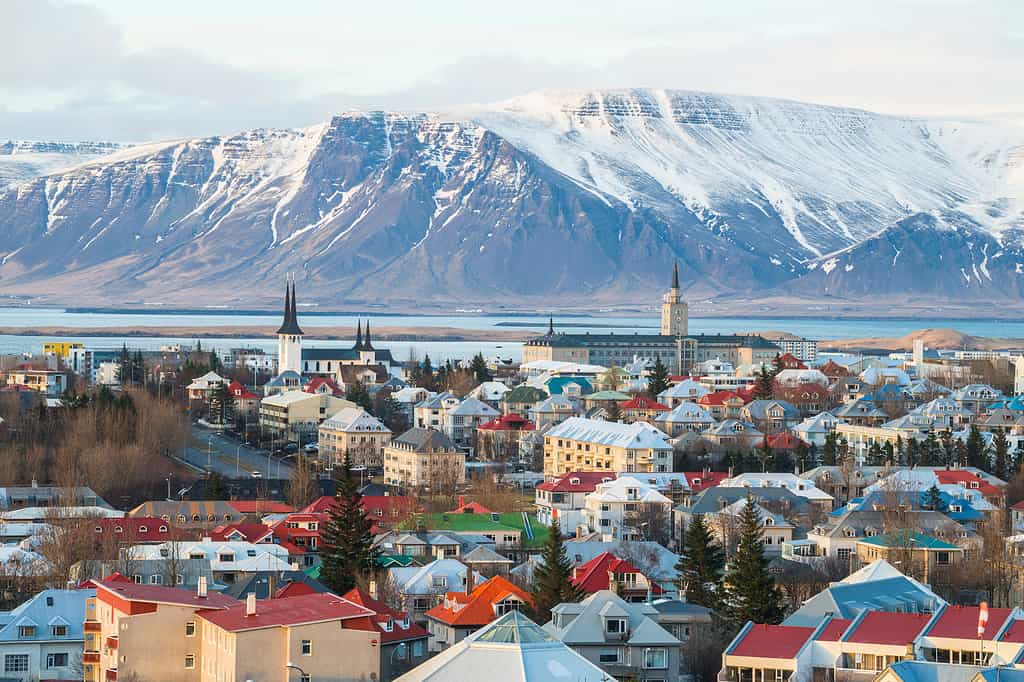
Iceland is one of those places where the scenery can talk you into almost any expense. Waterfalls, glaciers, volcanoes, geothermal pools, black-sand beaches and the possibility of seeing the northern lights have transformed the island into one of Europe’s signature adventure destinations. Unfortunately, the price tags can be nearly as dramatic as the landscapes. Eurostat’s 2025 comparison put Iceland’s overall household consumer price level at roughly 174% of the European Union average, the highest among the 36 European countries in that comparison. That difference becomes noticeable quickly when a traveler starts stacking hotel nights, restaurant meals, a rental vehicle and organized tours onto the cost of getting across the North Atlantic.
2. Iceland (continued)
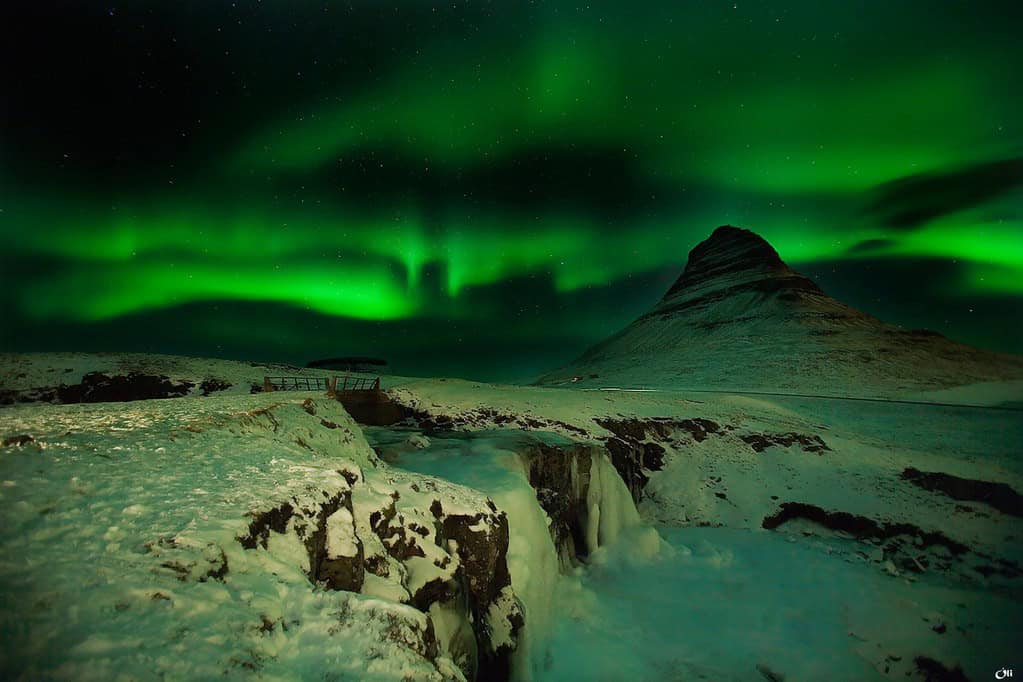
Even the ordinary parts of an Iceland vacation can cause sticker shock. Eurostat put the country’s 2025 price level for food and non-alcoholic beverages at roughly 159% of the EU average. Iceland’s small population, high wages, remote geography and dependence on imported products all play a role in what visitors see at restaurants and grocery stores. Travelers exploring beyond Reykjavík also have to decide whether to rent a vehicle, book guided excursions or rely on buses and organized transfers. None of those choices are automatically inexpensive. A road trip can still be a fantastic way to experience Iceland, but fuel, insurance, accommodations and meals deserve just as much attention in the budget as the airfare.
2. Iceland (continued)
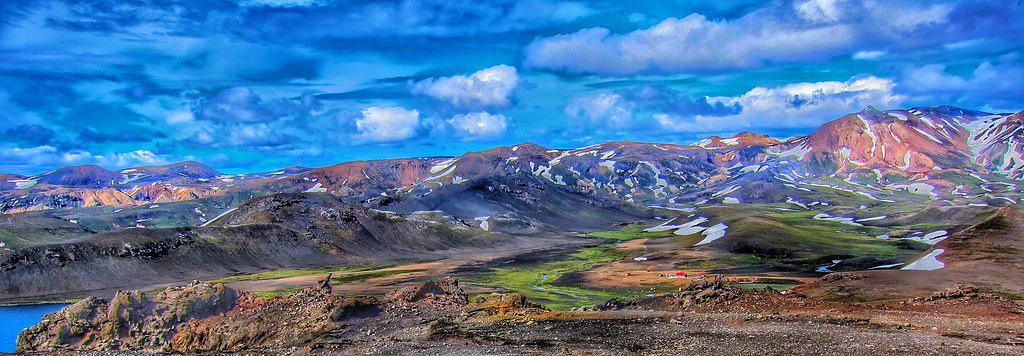
Iceland does offer one major advantage to travelers watching their spending: some of its greatest attractions are the landscape itself. Waterfalls, lava fields, beaches, scenic overlooks and huge stretches of countryside can be enjoyed without buying an admission ticket at every stop. That makes planning the rest of the budget even more important. Visiting outside the busiest summer period, booking accommodations early and choosing lodging with kitchen access can take some pressure off food and hotel costs. Iceland probably will not become anyone’s definition of a dirt-cheap getaway, but spending strategically on the things that matter most can make one of the world’s great road-trip destinations considerably easier to justify.
3. Bhutan

Bhutan is expensive for a very different reason. The Himalayan kingdom does not simply rely on high hotel prices or an unfavorable exchange rate. Tourism policy is deliberately designed around attracting fewer visitors who contribute more during their stay. For most international travelers, that means paying Bhutan’s Sustainable Development Fee before the normal costs of a vacation are even considered. The approach is intended to support conservation, infrastructure, education, cultural preservation and other development priorities while limiting the pressures associated with mass tourism. The result is a destination that can feel unusually peaceful and carefully managed, but also one where budget travelers need to understand the mandatory costs before falling in love with photos of mountain monasteries.
3. Bhutan (continued)

As of 2026, most international adult visitors pay a Sustainable Development Fee of $100 for each night spent in Bhutan. Children ages six through 11 receive a reduced rate, while children under six are exempt. Most travelers who require a visa also pay a one-time $40 application fee. Put that into practical terms and a seven-night trip for one adult begins with $700 in Sustainable Development Fees before paying for airfare, a hotel, meals, ground transportation or sightseeing. That makes Bhutan difficult to compare with an ordinary destination where travelers can simply hunt for a cheaper hotel. Some of the expense is baked into the trip before you choose where to sleep.
3. Bhutan (continued)

Bhutan has become more flexible than it once was. Travelers are no longer required to purchase every element of a rigid prepaid tour package, and many arrangements can be made independently. However, guides remain an important part of the tourism system, including requirements for entering monuments and dzongs, and specialized trekking comes with additional planning. That makes Bhutan less of a spontaneous backpacking destination and more of a trip worth organizing carefully. The high entry cost is intentional, but so is the experience it helps create. Travelers who are comfortable paying for a quieter, highly managed destination may see the value differently than someone simply searching for the cheapest possible Himalayan vacation.
4. Switzerland
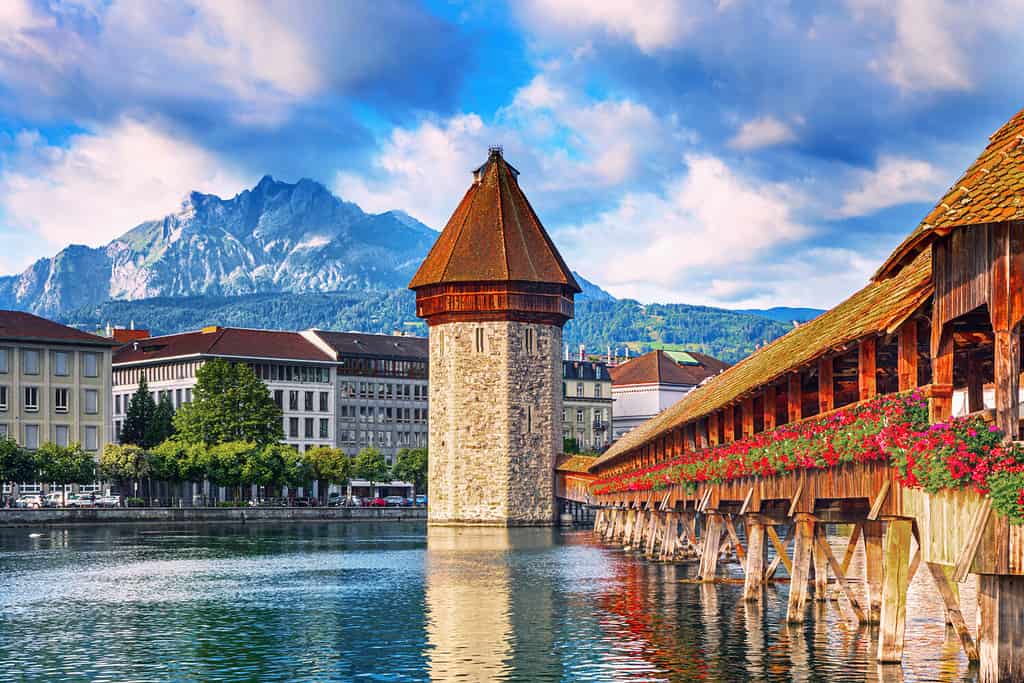
Switzerland is one of those destinations that seems almost unfairly beautiful. Alpine peaks rise above blue lakes, trains connect postcard-worthy villages and cities like Zürich, Lucerne and Geneva can look polished enough to have been designed for a travel brochure. The bill can be just as memorable. Eurostat’s 2025 comparison put Switzerland’s overall household consumer price level at roughly 171% of the European Union average. Only Iceland ranked higher among the European countries in that dataset. Those prices reflect Swiss wages and living standards, but an American arriving with a vacation budget quickly discovers that ordinary purchases can feel much less ordinary once they are converted back into dollars.
4. Switzerland (continued)
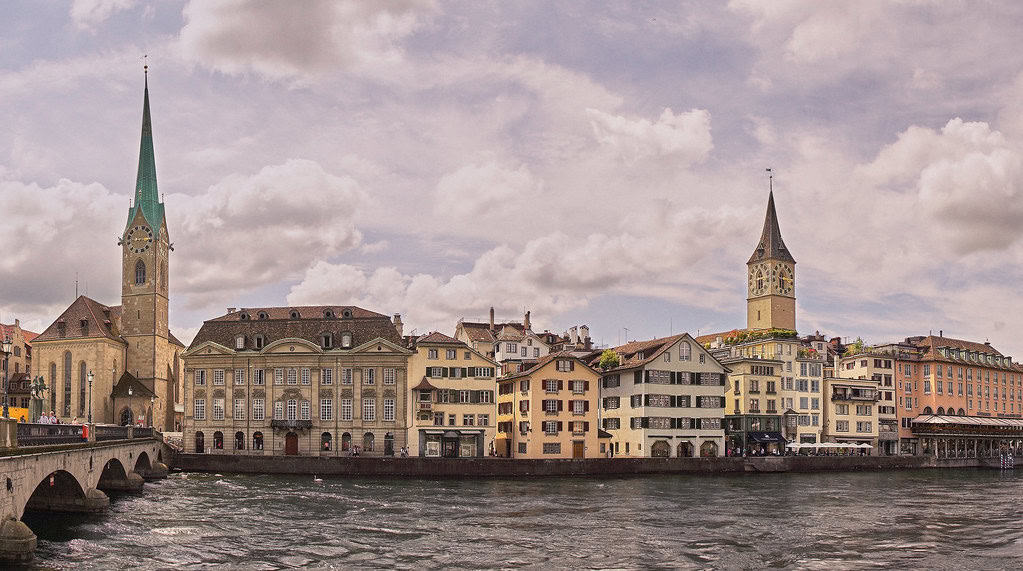
Food is a good example of how Switzerland’s high cost of living follows travelers throughout the day. Eurostat put food and non-alcoholic beverage prices at roughly 159% of the EU average in 2025. A traveler does not need to be ordering tasting menus or staying at luxury resorts to notice the difference. Café stops, groceries and casual meals can all push the daily budget higher. Then come the experiences people actually traveled to Switzerland for, including mountain railways, cable cars and long scenic train journeys. The transportation system is famously good, but that does not mean every ticket is inexpensive. Switzerland rewards advance planning just as much as it rewards a good camera.
4. Switzerland (continued)
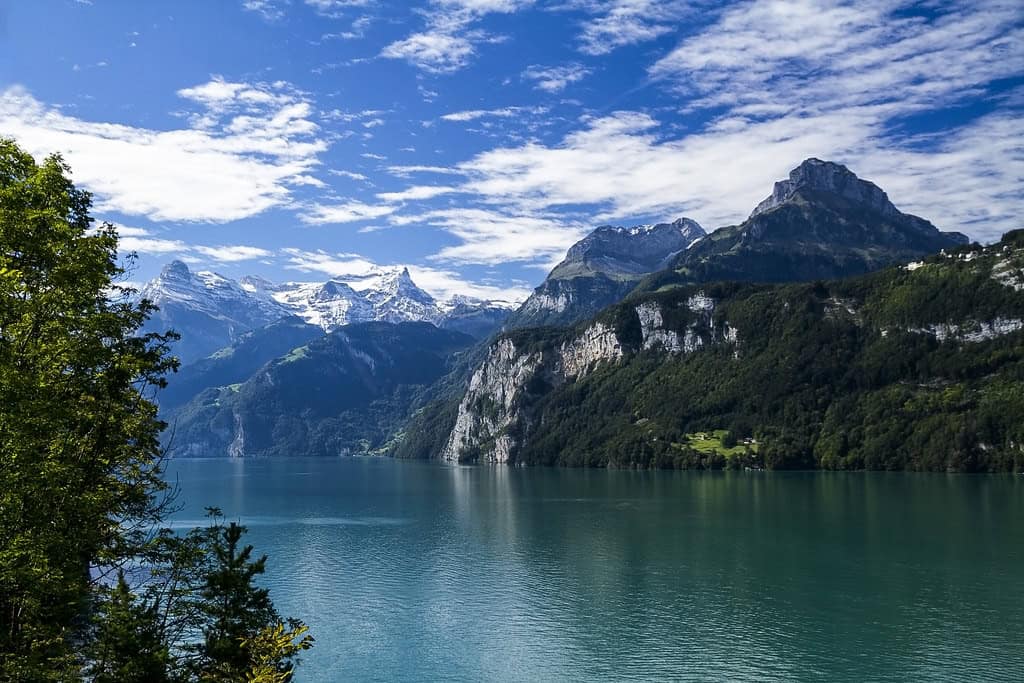
The good news is that Switzerland does not require a luxury budget at every turn. Staying outside the most famous resort towns, buying groceries for some meals and comparing transportation passes against individual tickets can make a meaningful difference. This is also exactly the kind of destination where airline miles or hotel rewards can earn their keep. Taking even one major expense out of the equation leaves more room for the mountain trains, lake cruises and scenic detours that make the country worth visiting in the first place. Switzerland may never be the cheapest choice in Europe, but thoughtful planning can keep an expensive trip from becoming an absurdly expensive one.
5. Denmark
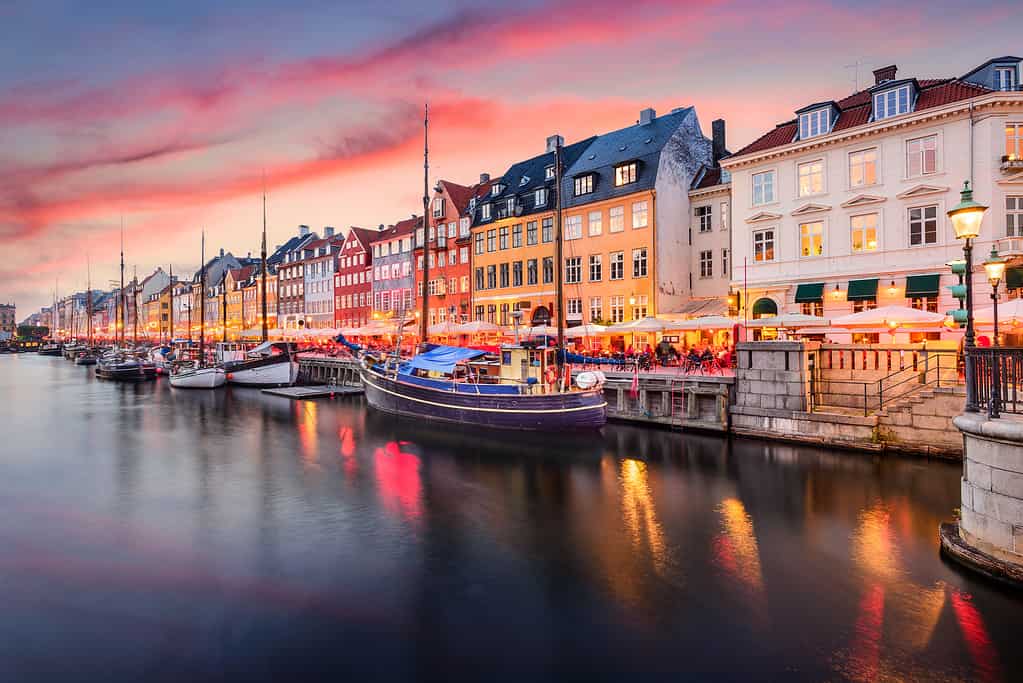
Denmark may not have the tropical-resort reputation of the Maldives or the dramatic mountain imagery of Switzerland, but travelers should not mistake understated Scandinavian style for low prices. Eurostat found Denmark had the highest overall household consumer price level inside the European Union in 2025, at roughly 140% of the EU average. Copenhagen is where many visitors notice it first. Hotels, restaurant meals, drinks and everyday purchases can make a short city break considerably more expensive than expected. The trade-off is an exceptionally walkable and bike-friendly capital filled with waterfront neighborhoods, palaces, museums, parks and architecture that make simply wandering around one of the better parts of the experience.
5. Denmark (continued)
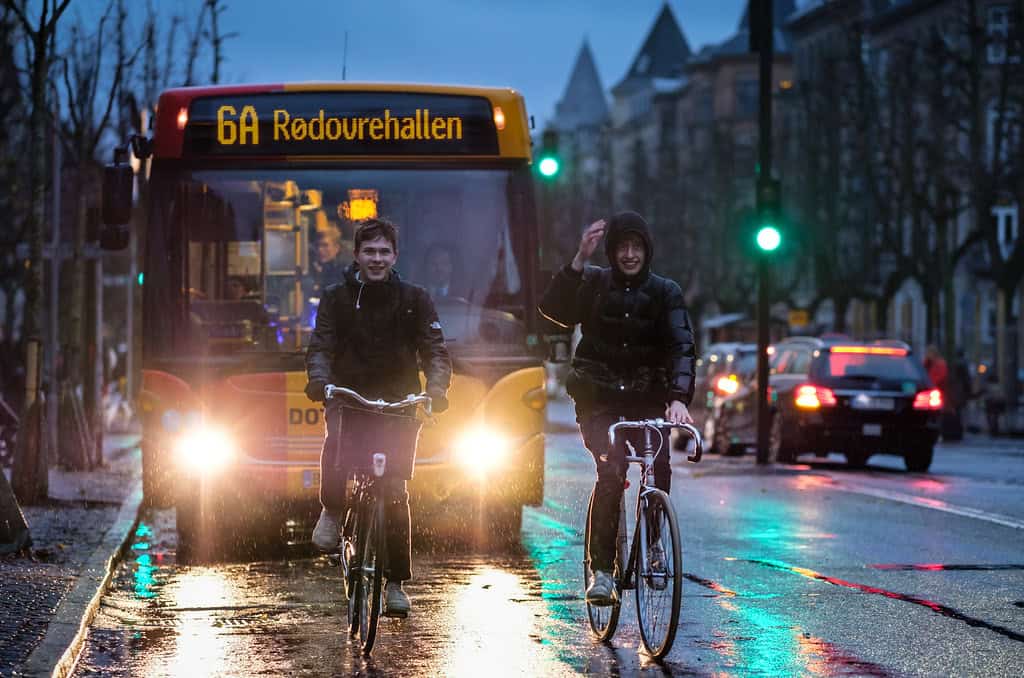
Copenhagen’s transportation culture can at least help travelers avoid some expenses that pile up elsewhere. The city is famously bicycle-friendly, public transportation is extensive and many central neighborhoods are close enough together to explore on foot. Dining is where budgets can get into trouble faster. Denmark’s high wages and broader cost structure are reflected in restaurant and hospitality prices, so multiple sit-down meals each day can become a significant part of the trip. Mixing restaurant reservations with bakeries, markets and supermarket meals is one easy way to keep the total under control without feeling like you flew all the way to Scandinavia just to spend the vacation staring at a spreadsheet.
5. Denmark (continued)
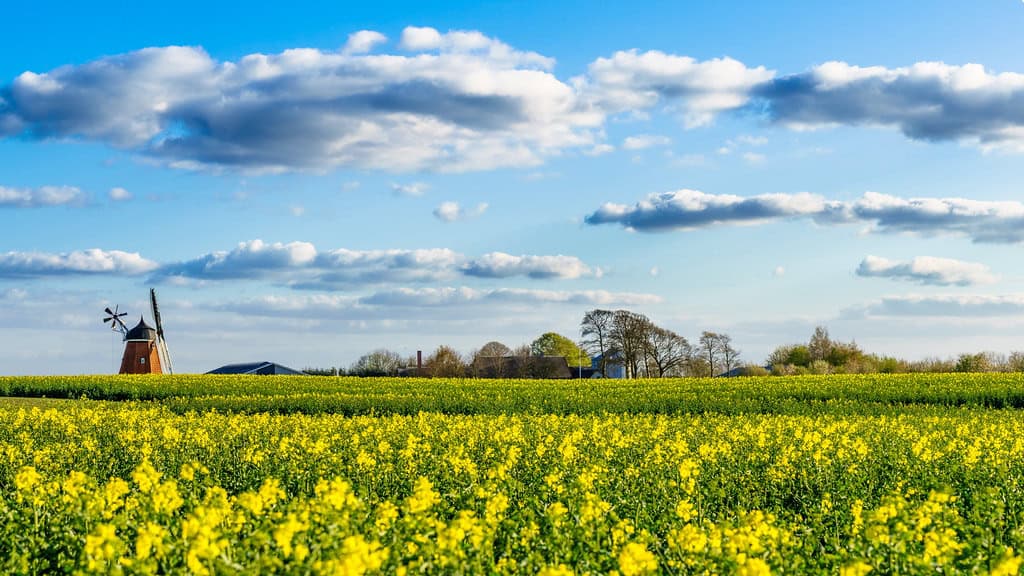
It is also worth remembering that Denmark is much more than Copenhagen. Historic towns, coastal communities, castles and rural landscapes can give travelers a completely different side of the country, although the national price level remains high wherever you go. Fortunately, enjoying Denmark does not require putting an admission ticket on every hour of the itinerary. Harbors, historic streets, parks, beaches and cycling routes can fill plenty of time without another charge appearing on the credit card. Denmark is expensive because Denmark itself is expensive, not because every attraction is trying to squeeze tourists. That distinction makes it surprisingly manageable for travelers willing to balance a few splurges with plenty of simple exploring.

