
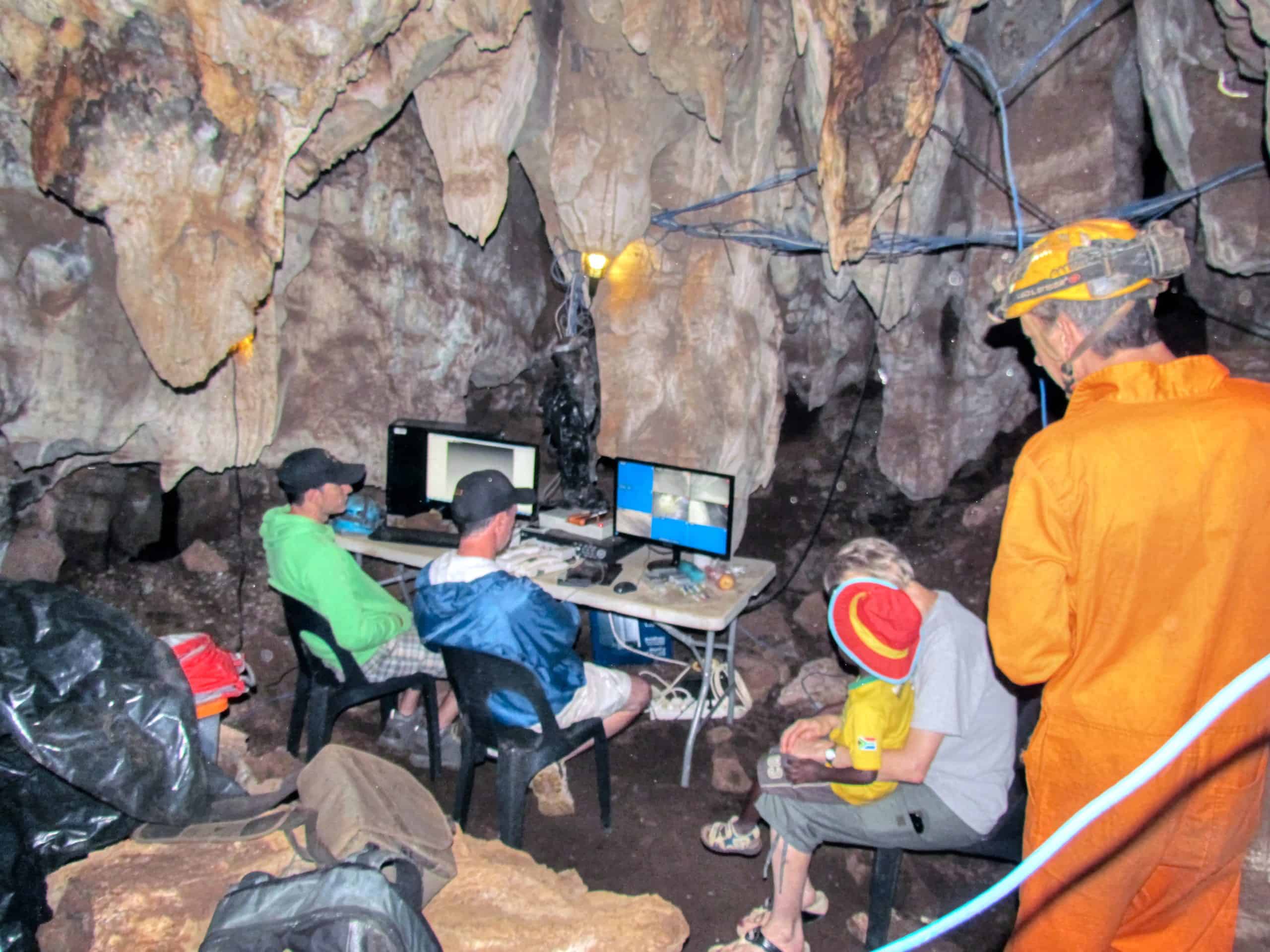
A cave can turn an ordinary injury into a logistical nightmare. On the surface, a broken leg might mean a short ambulance ride. Underground, it can mean narrow crawls, flooded passages, vertical drops, falling rock, near-freezing water, and miles of cave between the patient and daylight.
That is why cave rescue is a specialty all its own. Teams may need divers, doctors, blasting experts, underground communications, and hundreds of volunteers working in relays to move one person a few feet at a time. The 17 incidents below range from extraordinary survivals to heartbreaking recoveries, but all of them show how quickly a trip underground can become one of the most complicated rescue operations imaginable.
Floyd Collins – Sand Cave, Kentucky – 1925
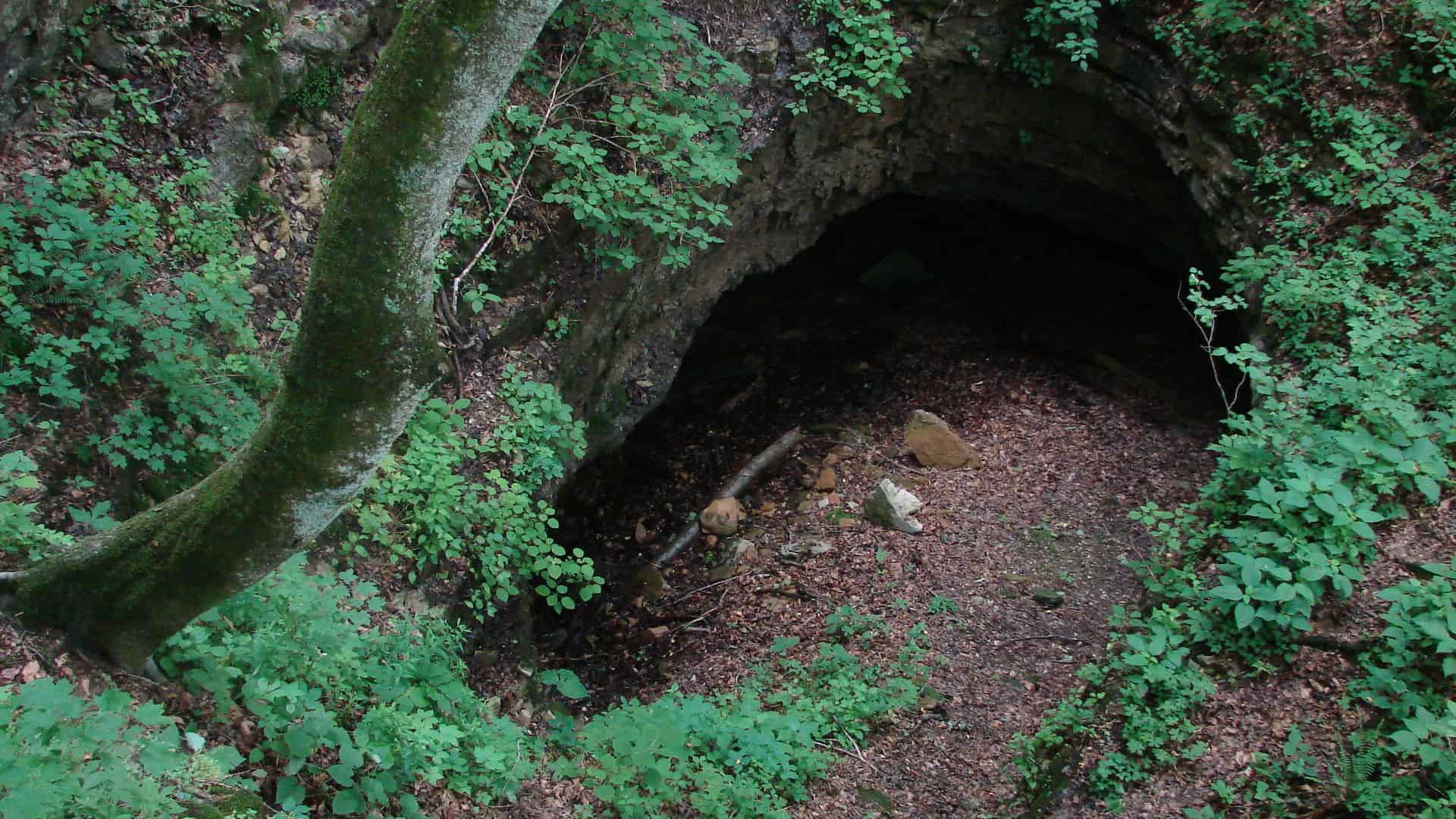
Kentucky cave explorer Floyd Collins entered Sand Cave on January 30, 1925, hoping to find a cavern he could develop as a tourist attraction. On his way out, his foot dislodged a 27-pound rock that pinned his ankle about 60 feet below the surface. Early rescuers could crawl in with food, water, light, and blankets, but a collapse soon cut off direct access. Workers then started digging a 55-foot shaft from above while winter weather, unstable ground, and a growing crowd turned the scene into a national spectacle. Rescuers finally broke through on February 16, after 17 days, and found that Collins had died. The failing shaft made an immediate recovery too dangerous, so his body remained in the cave until it could be removed months later. The tragedy became one of the first breaking-news events of the radio era and forever changed how America viewed Kentucky’s cave country.
Marcel Loubens – Gouffre de la Pierre-Saint-Martin, France – 1952
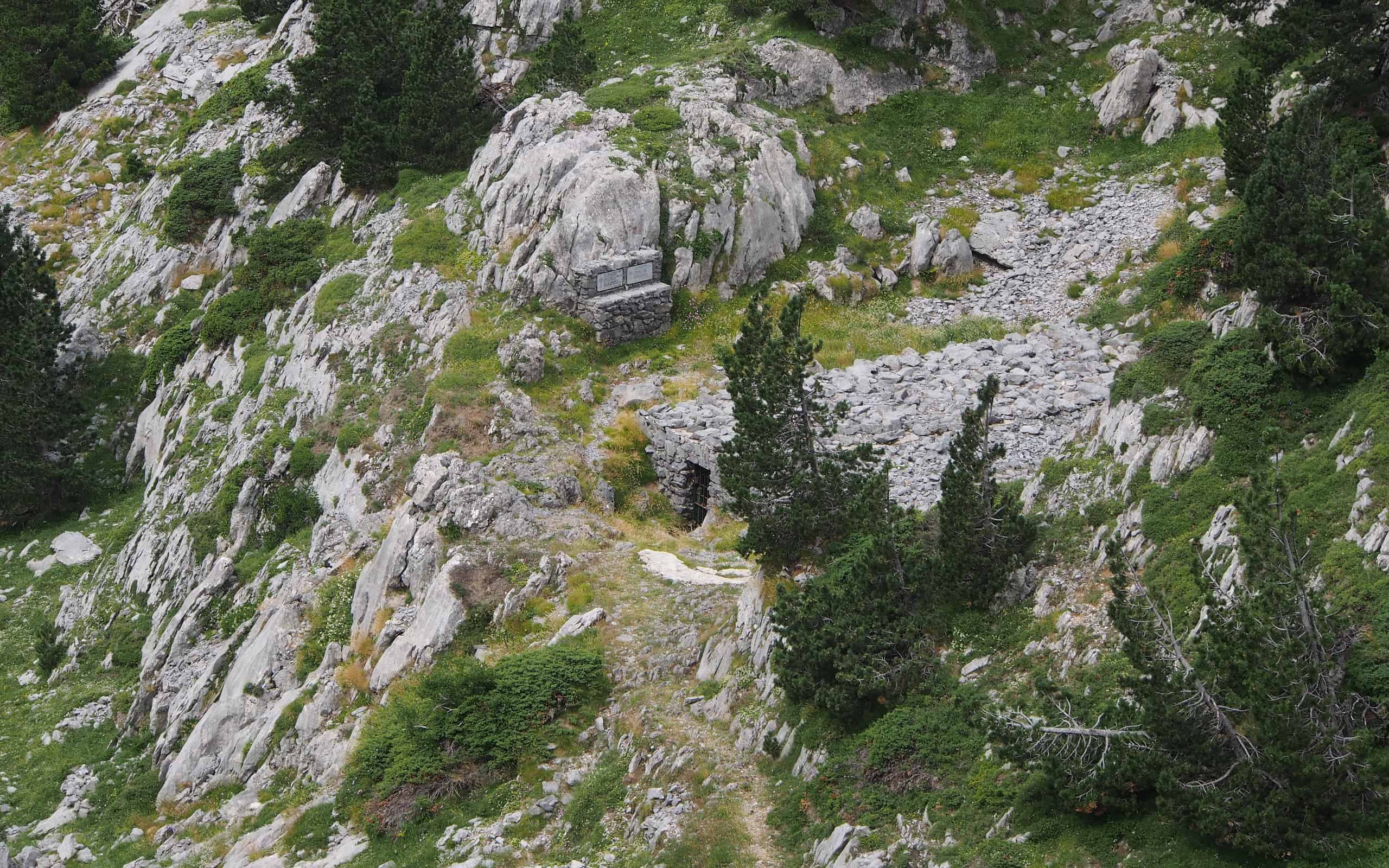
French speleologist Marcel Loubens was being hauled up the enormous entrance shaft of the Gouffre de la Pierre-Saint-Martin in August 1952 when the attachment connecting his harness to the cable failed. He plunged back down the shaft and suffered catastrophic injuries. A doctor and Loubens’ fellow explorers cared for him underground, even attempting a blood transfusion in conditions that would challenge a modern rescue team, but he died about 36 hours after the fall. The same vertical shaft that had made the expedition possible also made recovery extraordinarily dangerous, and the team had to leave his body behind. Two years later, a specially prepared expedition returned with a redesigned hauling system. After an exhausting overnight operation, Loubens’ remains were finally brought to the surface in August 1954. The accident became one of the defining events in European caving and an early lesson in just how much engineering a deep-cave rescue can require.
Neil Moss – Peak Cavern, England – 1959
©"Searching for bat guano in Oregon caves" by BLM Oregon & Washington is licensed under BY 2.0. - Original / License
Twenty-year-old Oxford student Neil Moss was exploring an unfamiliar shaft in England’s Peak Cavern on March 22, 1959, when he became tightly wedged roughly 1,000 feet from the entrance. What initially looked like a difficult but manageable extraction quickly spiraled. Hauling ropes snapped or sheared against the rock, and carbon dioxide began collecting in the confined space. Several rescuers became disoriented or lost consciousness while trying to reach him. An oxygen line was eventually run into the shaft, but Moss could no longer assist the teams working above him and was declared dead on March 24. At his father’s request, rescuers did not risk more lives attempting to recover the body; the fissure was closed with loose rock and the chamber was later renamed for him. The failed rescue became a turning point for British cave rescue, prompting hard questions about equipment, command, communications, and the danger of foul air underground.
James G. Mitchell – Schroeder’s Pants Cave, New York – 1965
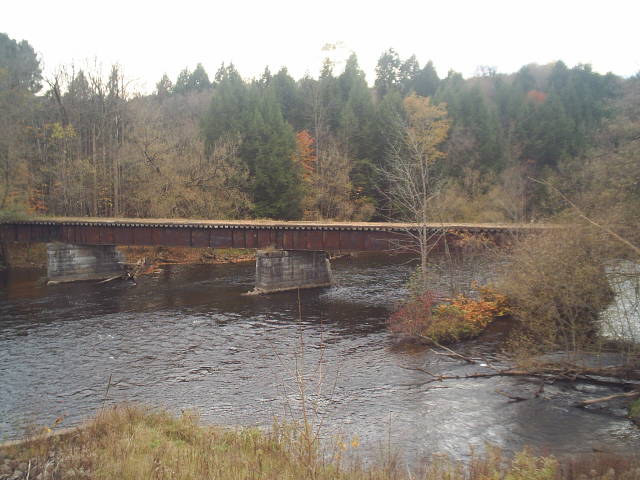
On February 13, 1965, 23-year-old chemist James G. Mitchell became stranded on a rope in a 75-foot pit inside Schroeder’s Pants Cave near Dolgeville, New York. Cold water and air relentlessly pulled heat from his body as rescuers struggled through the cave’s tight, wet vertical passages. Mitchell died of hypothermia before he could be freed. A major recovery effort followed, including specialists flown in from Washington, but repeated difficulties and a partial collapse made the operation too dangerous to continue. The entrance was eventually sealed with Mitchell still inside. More than four decades later, a team returned with the support of his family and local officials. On June 24, 2006, rescuers finally recovered his remains, closing a case that had stayed with the region’s caving community for 41 years.
Six Cavers – Mossdale Caverns, England – 1967
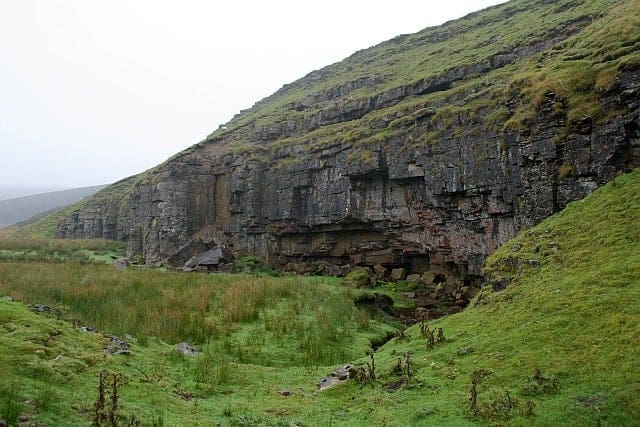
Six experienced cavers were deep inside Mossdale Caverns in the Yorkshire Dales on June 24, 1967, when thunderstorms sent Mossdale Beck surging into the cave. Companions who had turned back discovered that the entrance was completely submerged and ran across the moor to raise the alarm. More than 300 people became involved, but rescuers could not safely enter until crews diverted part of the stream and the water finally began to fall. Five bodies were found the next day in the far reaches of the system; the sixth was located a day later. Recovery through the flood-prone passages was judged too dangerous, and the entrance was sealed. In 1971, with the families’ agreement, fellow cavers moved the victims farther into the system and buried them in Mud Caverns. Mossdale remains the deadliest single accident in British caving history and a permanent warning about how violently an underground stream can change.
Eight Cavers – Precinct 11 Cave, Kentucky – 1983
©iStock.com/zrfphoto
Eight members of the Greater Cincinnati Grotto entered Precinct 11 Cave in Rockcastle County on April 23, 1983, for an ongoing mapping project. Six were experienced cavers and two were novices, but all went in during unsettled weather through a low entrance passage with only a few inches of air above the water. By the time the group tried to leave that evening, heavy rain had turned the passage into a full sump. They retreated to a high ledge near an emergency cache and waited. Cave divers reached the far side on Monday, found a note confirming that everyone was alive, and carried in warm clothing and sleeping bags. On the surface, mining companies supplied high-capacity pumps to lower the water just enough for an escorted exit. The first four cavers emerged late Tuesday morning and the other four followed around noon, after roughly 70 hours underground. Fifteen minutes after the pumps stopped, the passage flooded shut again.
Emily Davis Mobley – Lechuguilla Cave, New Mexico – 1991
©Dave Bunnell / Under Earth Images / Creative Commons - Original / License
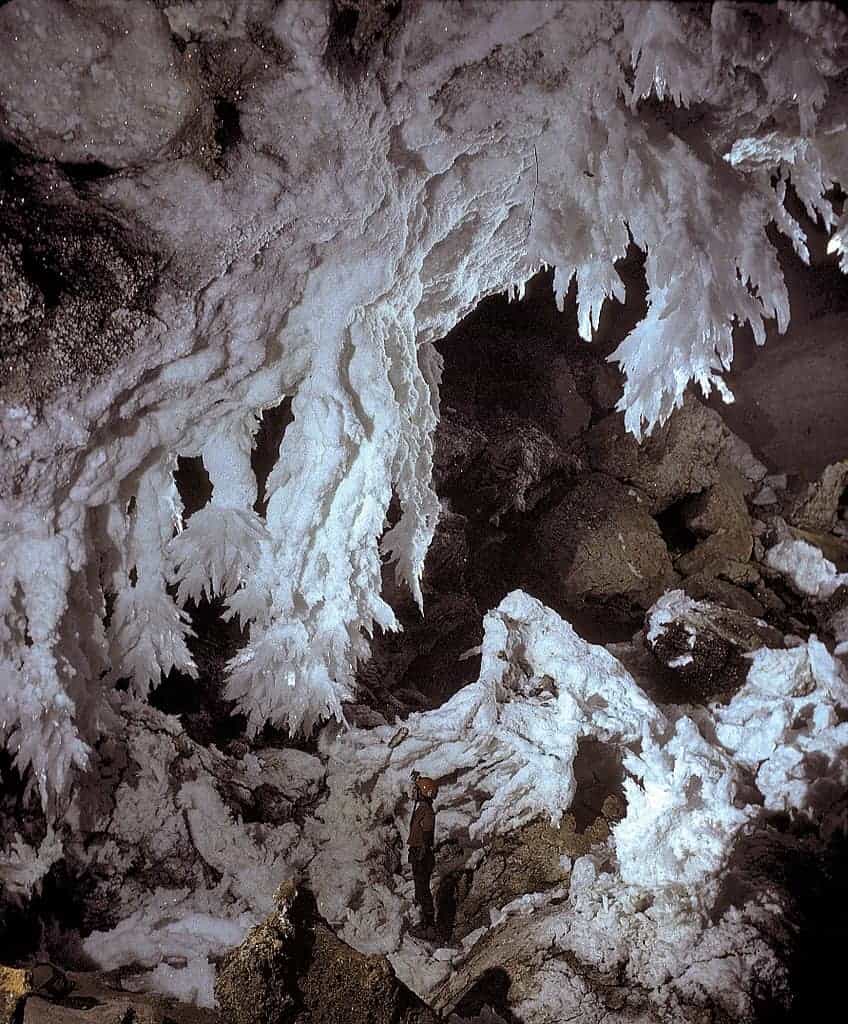
Experienced caver Emily Davis Mobley was surveying a remote section of Lechuguilla Cave on March 31, 1991, when a handhold came loose during a short fall and a large rock struck her left leg. The impact fractured her tibia roughly two miles from the entrance and about 1,200 feet underground. Getting her out became a 91-hour relay through pits, ledges, breakdown, and passages where rescuers sometimes had to pass the litter overhead while kneeling. More than 200 people from the National Park Service, federal agencies, rescue organizations, and the caving community supported the operation. Mobley remained alert enough to help direct parts of her own evacuation and famously asked for pizza along the way. She reached the surface shortly after midnight on April 4 and went to the hospital in good condition apart from the broken leg. The rescue is still regarded as one of the deepest and most complicated ever completed in the United States.
Gustavo Badillo – Rito de Acarite, Venezuela – 1991
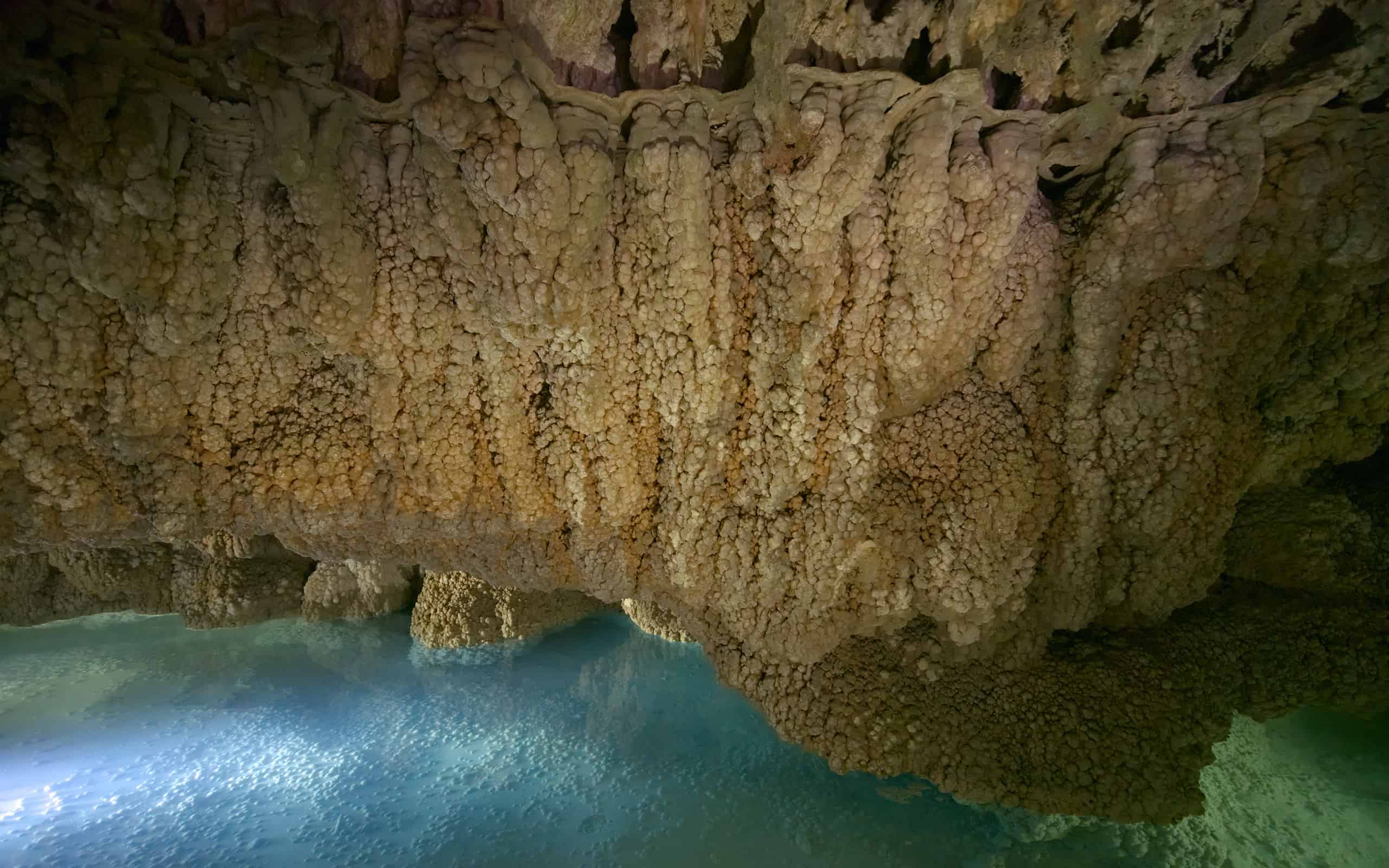
Gustavo Badillo and Eduardo Wallis entered the Rito de Acarite spring cave in Falcón, Venezuela, on July 13, 1991. Both were experienced open-water divers, but neither had formal cave-diving training, and they entered without a continuous guideline or the redundant breathing equipment now considered essential. Silt reduced visibility to zero, the pair became separated, and Wallis eventually felt his way back out. Badillo found a large air chamber and waited. Friends arranged a private flight from Florida for cave-diving instructors Steve Gerrard and John Orlowski, who entered the muddy water expecting a recovery rather than a rescue. Instead, they surfaced in the chamber and found Badillo alive. He was extremely cold but still responsive after about 37 hours underground. After glucose and a short rest, he followed the rescuers out while breathing from Orlowski’s spare regulator. Against almost every expectation, all three reached the entrance safely.
Gerald Moni – McBrides Cave, Alabama – 1997
©SaraJo/Shutterstock.com
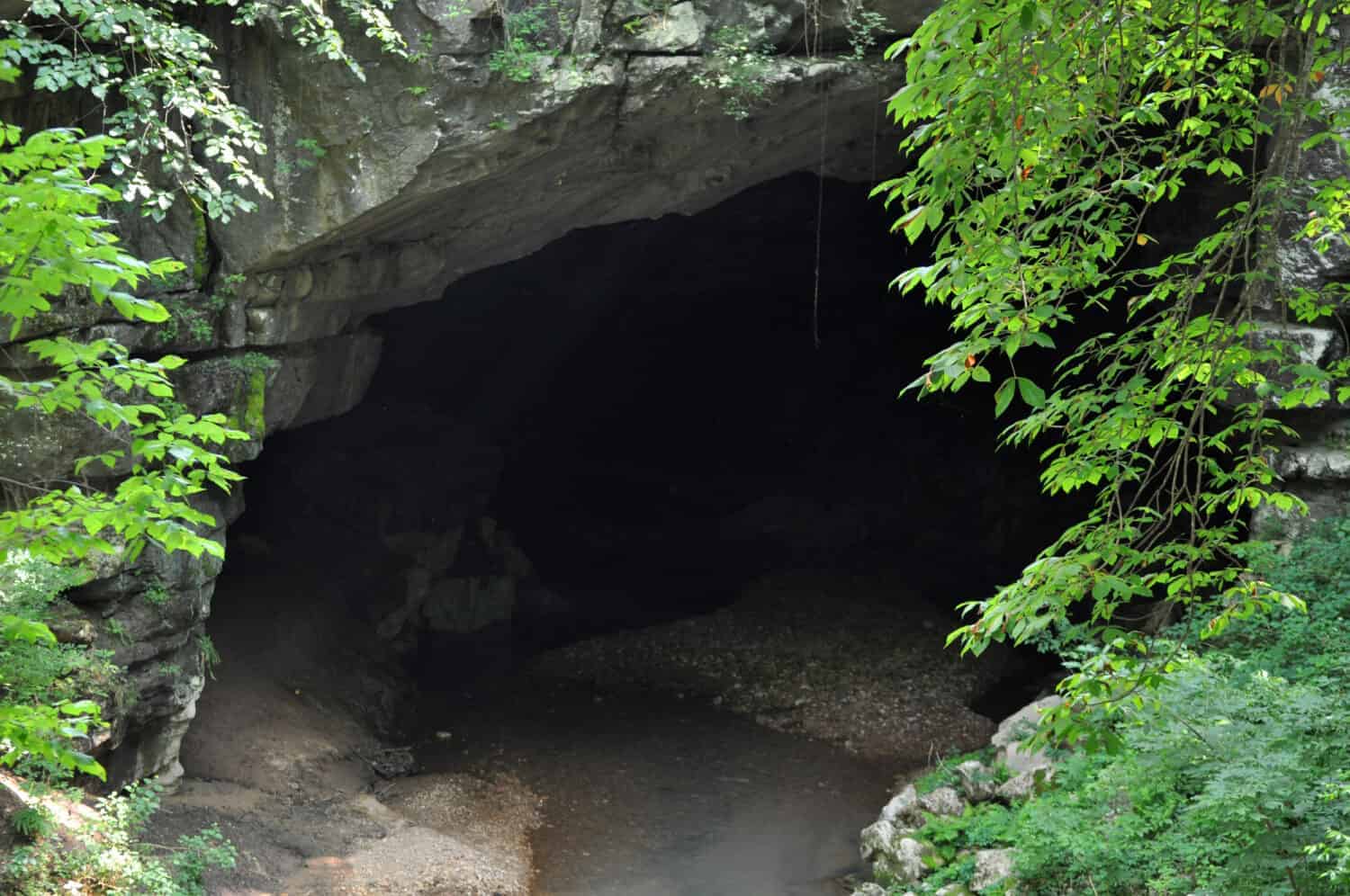
A group of 11 cavers entered McBrides Cave on May 31, 1997, despite days of rain and a forecast calling for more. The high water complicated nearly every stage of their pull-down trip. One caver, Forrest Platt, broke her lower leg after striking a submerged ledge, but the group continued toward the lower entrance. At the seventh drop, the passage had shrunk to a low crawl with about two inches of air above a strong current. Gerald Moni lost his grip while trying to descend and fell nine feet onto a ledge, fracturing his left femur. Several companions made it through the lower cave to raise the alarm, while Moni and four others were cut off as the water rose. Rescuers tried both entrances, waited for the stream to drop, and finally reached the stranded group before dawn. Moni was packaged in a litter, floated through low-airspace passage, and hauled through the cave. He emerged at 1:45 p.m. the next day and ultimately made a full recovery.
Alpazat Cave Rescue – Mexico – 2004
©Eric Poulin/Shutterstock.com
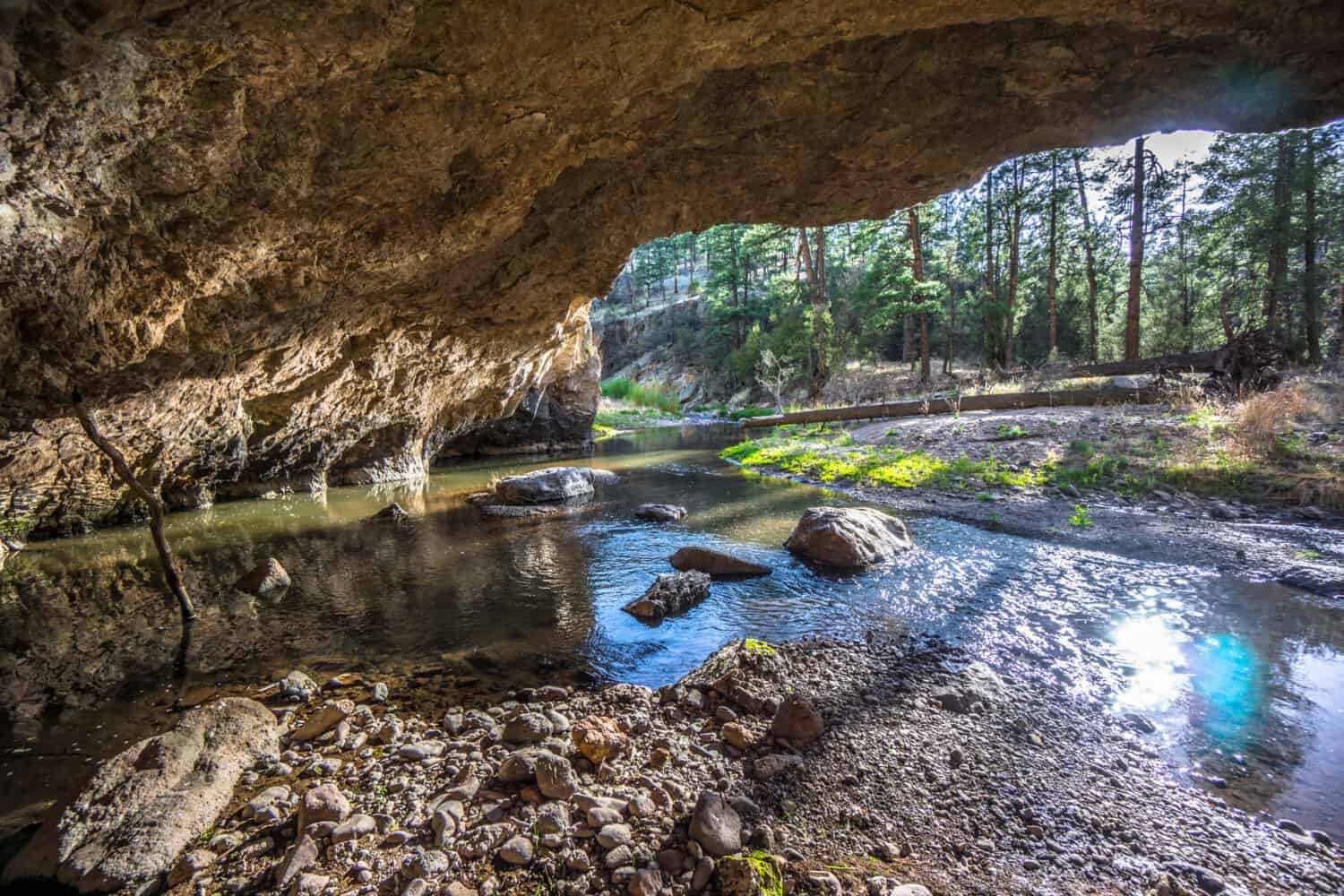
Six members of Britain’s Combined Services Caving Association became trapped in Mexico’s Alpazat cave system after rain flooded the route to the entrance in March 2004. The underground party included four serving military members, a retired officer, and a civilian scientist. Fortunately, the wider expedition had planned for exactly this possibility: the group retreated to a stocked emergency camp and maintained limited radio contact with teammates outside. After eight days underground, British cave divers Richard Stanton and Jason Mallinson reached the camp through the flooded passage. Over the next several hours, they fitted each trapped caver with diving equipment and escorted the six out one at a time. Everyone emerged safely on March 25. Outside the cave, however, the operation had grown into a diplomatic dispute over the military-linked expedition, its paperwork, and why the team had initially declined local assistance. The rescue itself was careful, controlled, and successful; the international uproar was considerably messier.
John Edward Jones – Nutty Putty Cave, Utah – 2009

On the evening of November 24, 2009, 26-year-old John Edward Jones crawled headfirst into a steep, dead-end passage in Utah’s Nutty Putty Cave. He continued roughly 30 feet down the constriction before realizing that gravity would not let him back out. By morning, about 100 responders were on the scene, although the cramped cave allowed only a small number to work near him. A two-line hauling system eventually helped Jones inch upward, but the final redirect had been rigged to a natural rock feature. Its anchor rope was gradually cut against a sharp edge and snapped, injuring a rescuer and dropping Jones about a foot. Contrary to a common retelling, he did not fall all the way back to his starting point, but the failure cost precious time as his condition deteriorated. Jones became unresponsive and died late on November 25 after more than 24 hours inverted. Recovery was judged too dangerous, and the landowner sealed the cave with his body still inside.
Finnish Cave Divers – Pluragrotta, Norway – 2014
©Alex Spatter/Shutterstock.com
Five Finnish cave divers attempted a demanding underwater traverse through the Pluragrotta system in northern Norway in February 2014. Two divers died in separate accidents deep inside the flooded passages, while the other three escaped and were treated for decompression sickness. Norwegian authorities organized an international recovery effort, but specialists who reached the area concluded that bringing the bodies out through the submerged restrictions would put more divers at unacceptable risk. Officials canceled the operation and temporarily banned diving in the cave. A 17-person Finnish team then returned without authorization for a private five-day mission from March 22 to 26. Working in stages and documenting the dives with helmet cameras, the team moved both bodies into a dry section of the system. Norwegian police and supporting divers then completed the recovery to the surface. The operation was technically successful, but it also reignited a difficult question that follows many cave tragedies: how much additional risk is acceptable when a rescue has become a recovery?
Johann Westhauser – Riesending Cave, Germany – 2014
©via Wikimedia Commons - Original
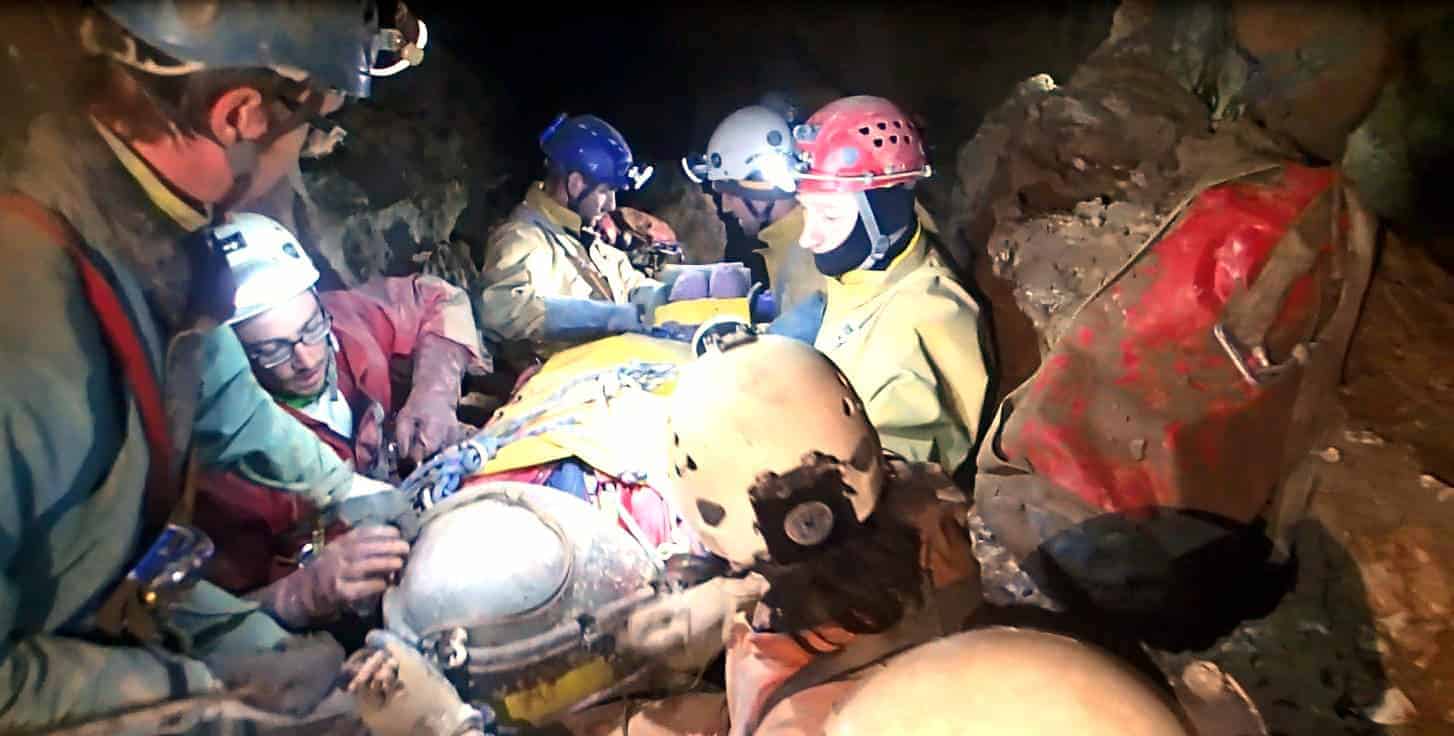
German cave researcher Johann Westhauser suffered a serious head injury after being struck by falling rock roughly 1,000 meters below the entrance of Bavaria’s Riesending cave in June 2014. One companion stayed with him while another began the many-hour climb to raise the alarm. What followed was an international underground operation on a scale Europe had rarely seen. Rescuers established communications, rigged pitch after pitch, created underground supply points, and passed Westhauser between fresh teams as they moved his stretcher toward daylight. According to the European Cave Rescue Association, 202 cave rescuers worked underground and 522 more supported the operation in the field, with police, firefighters, military personnel, helicopter crews, and others bringing total participation to roughly 1,000. Westhauser reached the surface alive on June 19 after 11 days, 10 hours, and 14 minutes of rescue work. At that depth, even a direct route out had become a 274-hour marathon.
Tham Luang Cave Rescue – Thailand – 2018

©Kathi Hinz/ via Getty Images
On June 23, 2018, 12 boys from Thailand’s Wild Boars soccer team, ages 11 to 16, and their 25-year-old assistant coach entered Tham Luang Nang Non cave in Chiang Rai province. Rising water blocked their return, and they remained missing until British cave divers found all 13 alive on July 2, roughly 2.5 kilometers from the entrance. The way out included long submerged sections that would challenge an expert, let alone children who could not dive. In the final plan, each boy wore a full-face mask, was medically sedated, and was guided through the cave by specialist divers while thousands of people supported pumping, logistics, medicine, and communications. Four boys emerged on July 8, four more on July 9, and the remaining four boys and their coach came out on July 10. All 13 survived. Former Thai Navy SEAL Saman Kunan died while delivering air cylinders during the preparations, a reminder that the celebrated outcome came at a terrible cost.
Ogof Ffynnon Ddu Rescue – Wales – 2021
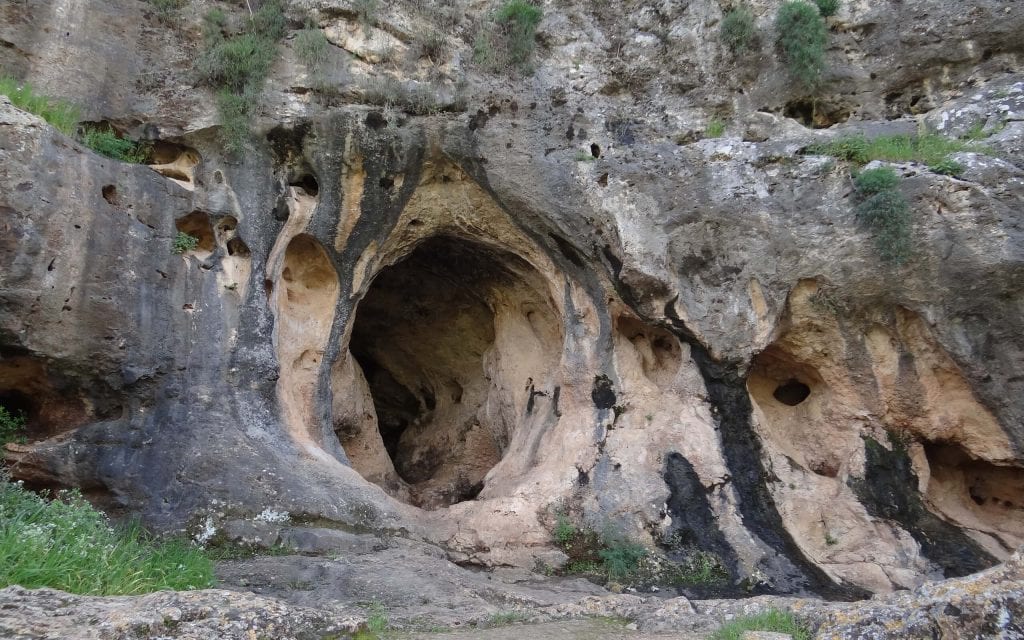
A seriously injured caver deep inside Wales’ Ogof Ffynnon Ddu system triggered one of the largest cave rescues in British history on November 6, 2021. The shortest potential exit ran through crawls and a boulder choke that could not accommodate a full-length stretcher, so teams had to take the much longer route through the main streamway and out the cave’s Top Entrance. The journey involved constricted rifts, short vertical drops, slippery slopes, waterfalls, deep pools, and chambers filled with loose rock. Specialist crews went ahead to rig ropes and build scaffold bridges while medical teams treated and monitored the patient at underground rest stops. Through-rock communications kept the cave linked to surface control. The caver finally reached daylight on November 8 after a 54-hour operation. The British Cave Rescue Council reported that 256 cave rescuers were deployed, with another 19 ready to assist when the operation ended. It was a staggering volunteer effort to move one injured person safely through terrain where an ordinary stretcher barely fit.
Mark Dickey – Morca Cave, Turkey – 2023
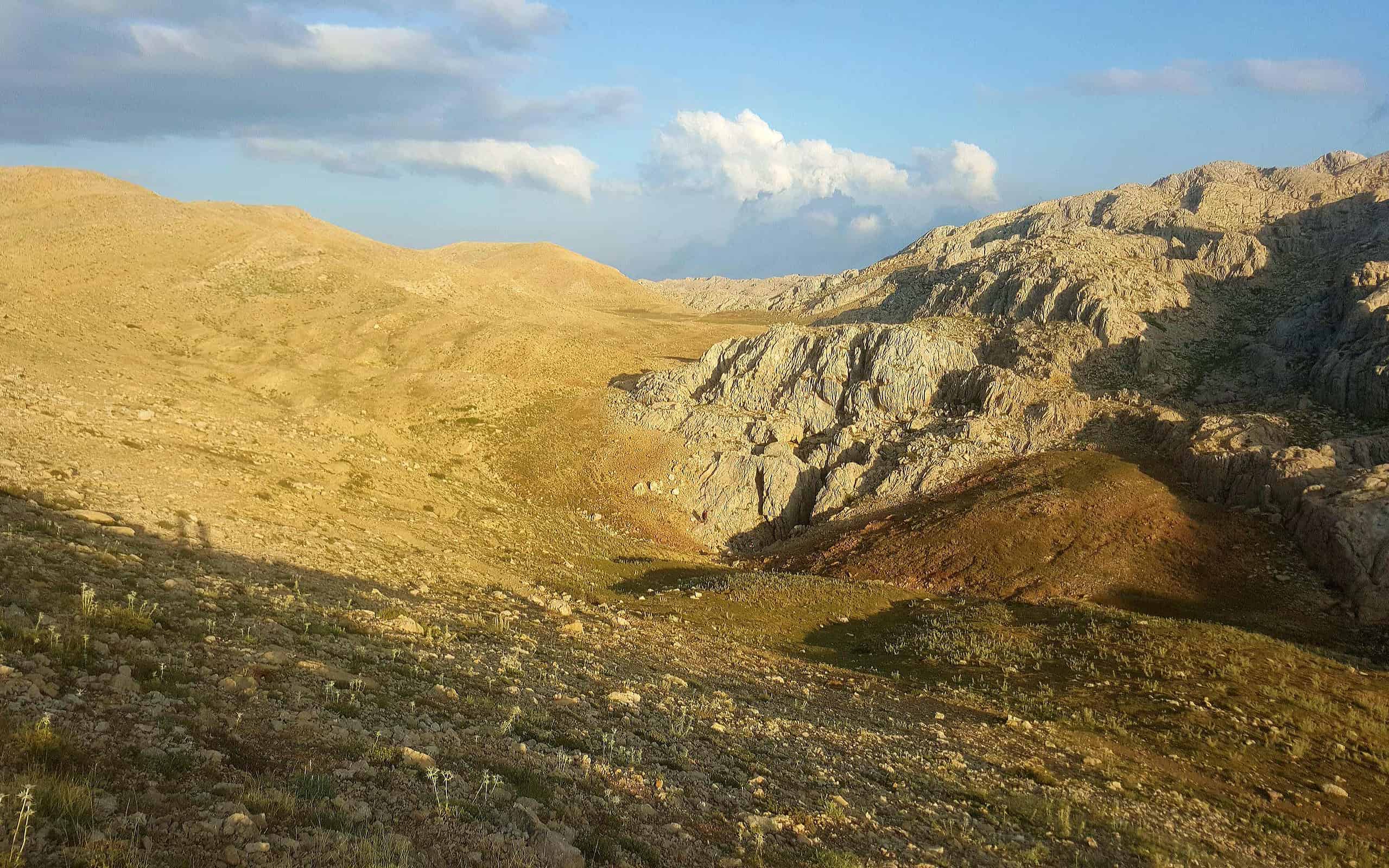
American cave researcher and rescue instructor Mark Dickey developed severe gastrointestinal bleeding during an expedition in Turkey’s Morca Cave on September 2, 2023. He was about 1,040 meters, or 3,400 feet, below the entrance when his condition became critical. Medical teams descended to stabilize him and administered multiple blood transfusions underground while an international network of rescuers prepared the route above. Crews widened tight passages, rigged vertical sections, established camps, and organized a stretcher relay through one of Turkey’s deepest cave systems. The European Cave Rescue Association said more than 150 cave rescuers from several countries were directly involved, with additional organizations standing by. Dickey’s evacuation began once doctors considered him stable enough to move, and he reached the surface shortly after midnight on September 12. He appeared remarkably well after the ordeal and was flown to a hospital for further care. Rescuing a rescue instructor from that depth required the same international community he had spent years helping to train.
Ottavia Piana – Bueno Fonteno Cave, Italy – 2024
©"Recreation Interpretive tour of Ape Cave, Mt St Helens National Volcanic Monument, Gifford Pinchot National Forest" by Forest Service Pacific Northwest Region is licensed under PDM 1.0. - Original / License
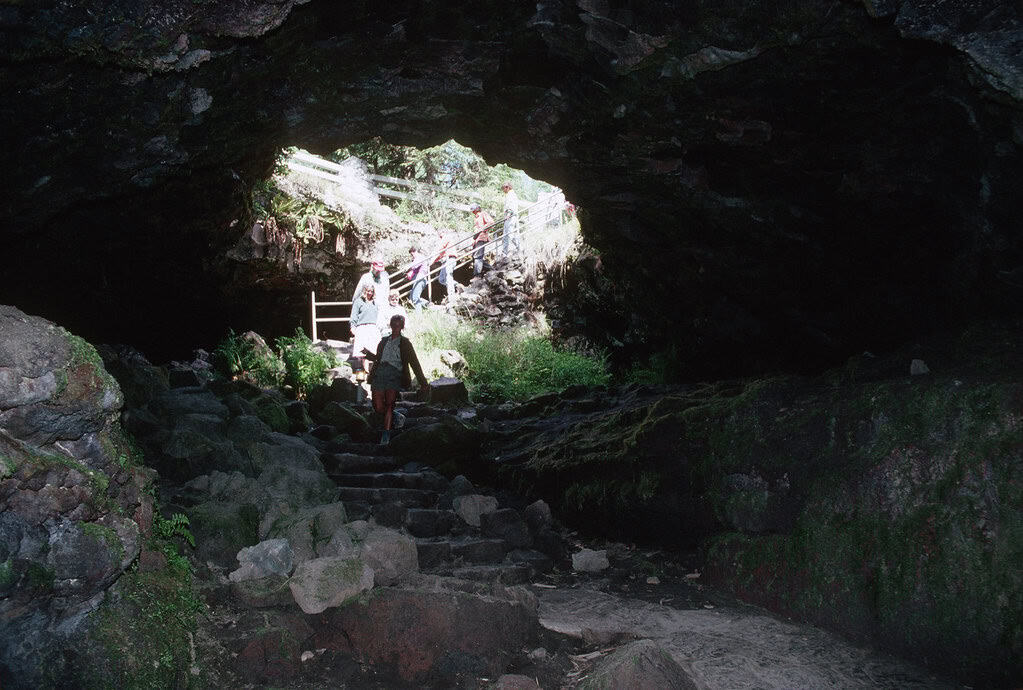
Italian cave explorer Ottavia Piana was mapping an unexplored branch of the Bueno Fonteno cave near Lake Iseo on December 14, 2024, when she fell about five meters and suffered multiple injuries. She was roughly six hours of travel from the entrance, beyond a twisting section that a stretcher could not clear. Rescuers built a heated underground base, installed a telephone line, and began widening about 100 meters of tight passage, at times using carefully placed micro-charges. Medical checks dictated the pace: teams moved the stretcher for about 90 minutes, then stopped so doctors and nurses could reassess Piana before the next relay. She reached the entrance at 2:59 a.m. on December 18, ending 75 hours of continuous rescue work. Italy’s National Alpine and Speleological Rescue Corps said the operation involved 159 technicians from 13 regions, along with six doctors and eight nurses. It was a modern cave-rescue machine at full scale, and it worked.

