
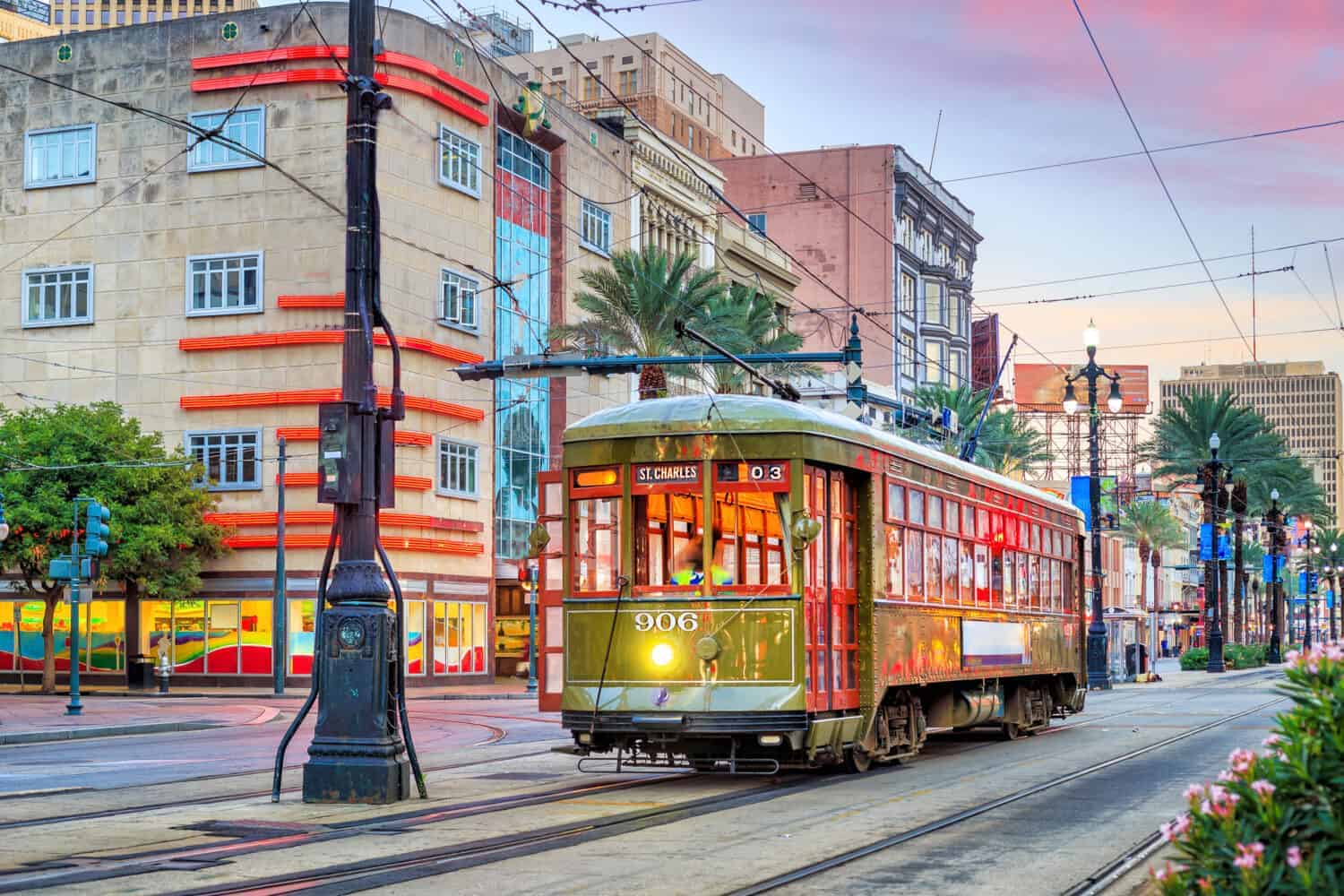
Seattle knows this balancing act better than most. Tourism brings billions of dollars into the region, supports tens of thousands of jobs, and helps keep restaurants, attractions, hotels, and small businesses busy. At the same time, anyone who has tried to cross Pike Place Market on a summer weekend or navigate the waterfront when multiple cruise ships are in town knows that success can create pressure of its own.
That is the better way to look at this list. These are not 31 American destinations being “ruined” by tourists. They are places where visitor demand has become large enough that cities and towns are actively managing traffic, short-term rentals, housing, cruise arrivals, crowded public lands, or seasonal infrastructure. In many cases, tourism is also one of the biggest reasons these communities thrive. The challenge is keeping a great place to visit from becoming a harder place to live.
Seattle, Washington
©"City of Seattle : Two" by Tregoning is licensed under BY 2.0. - Original / License
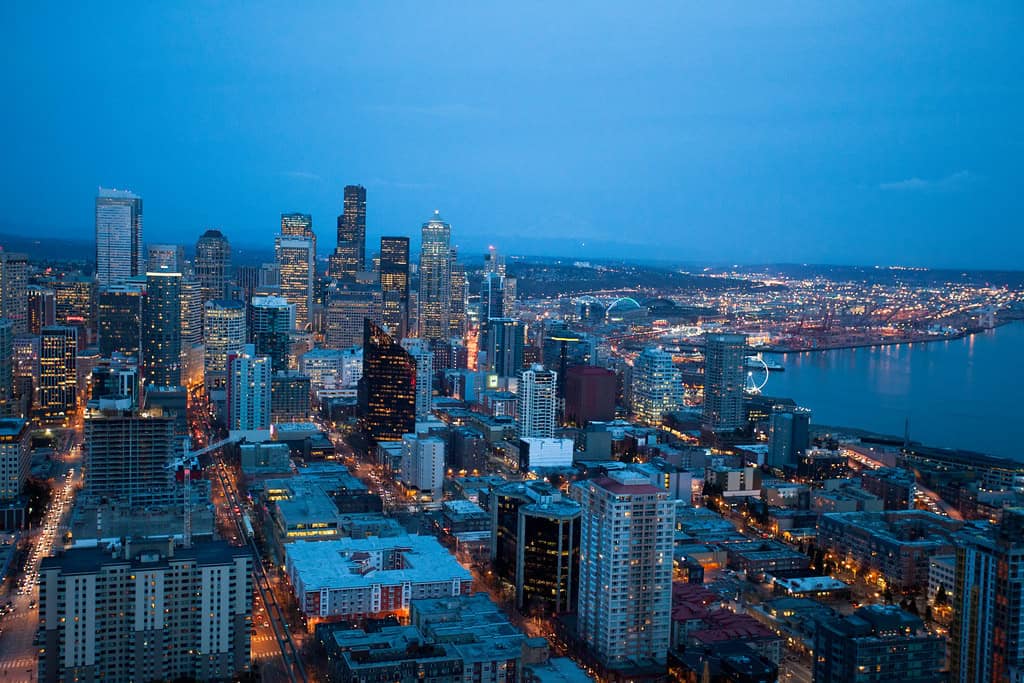
Seattle belongs on this list, but not for the reason the original version suggested. Tourism is a huge economic engine here, not the sole cause of the city’s housing or traffic problems. Seattle and King County welcomed about 39.7 million visitors in 2025, while the Port of Seattle handled a record 1.9 million cruise passengers. That kind of volume is great for hotels, restaurants, attractions, and local jobs, but anyone who has tried to cross Pike Place Market or the waterfront on a busy summer weekend knows the other side of the equation. Seattle’s challenge is managing sharp seasonal surges without letting the places residents use every day feel like they belong only to visitors.
Sedona, Arizona
©"File:Sedona - Route 89A.jpg" by Ken Lund is licensed under BY-SA 2.0. - Original / License
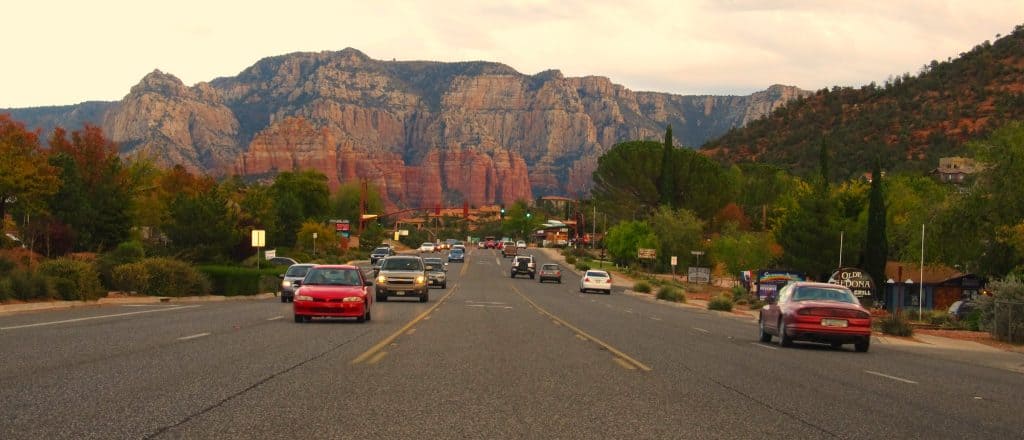
Sedona is a perfect example of a place where the scenery is the attraction and the scenery can only absorb so much traffic. The city has invested heavily in trailhead shuttles because congestion and parking near popular hikes became a real problem. By fiscal 2025, the Sedona Shuttle’s trailhead routes logged a record 358,813 rides, and city outreach still identified traffic congestion and limited parking as top concerns. That does not mean visitors are “ruining” Sedona. It means a town surrounded by famous red-rock trails has to actively manage how millions of sightseeing and hiking trips move through a relatively small road network. The better visitors use the shuttles and respect trail rules, the better the experience is for everyone.
Key West, Florida
©Stuart Monk/Shutterstock.com
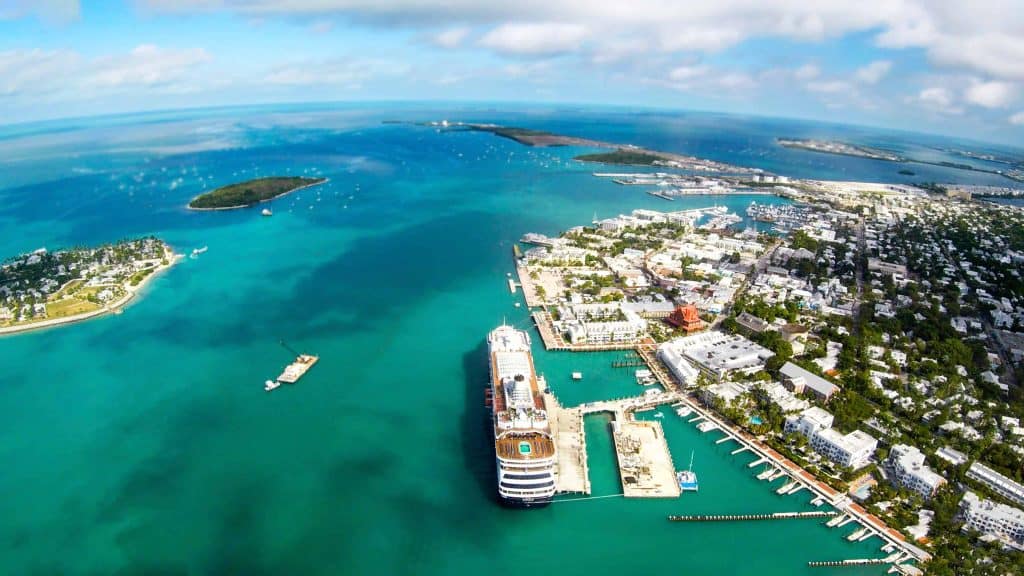
Key West packs an enormous tourism economy into a very small island. The city is only about seven square miles, yet it supports hotels, bars, restaurants, excursions, festivals, and three cruise docking facilities. On a busy cruise day, thousands of people can pour into the same few blocks around Old Town and Duval Street in a matter of hours. That is why debates over cruise traffic in Key West have always felt different from the same conversation in a sprawling city. The visitor economy is essential here, but there simply is not much physical room to spread everyone out. For travelers, the best version of Key West is the one where you slow down, walk, explore beyond Duval, and remember that people actually live behind those postcard facades.
New Orleans, Louisiana
©f11photo/Shutterstock.com
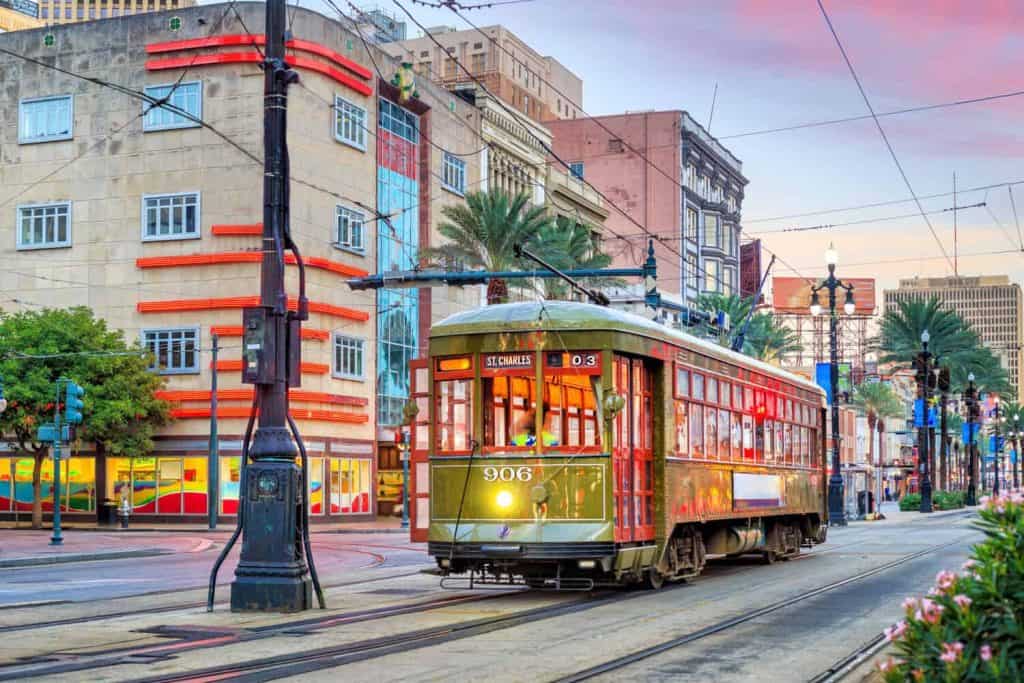
New Orleans welcomed about 19.46 million visitors in 2025, with visitor spending reaching roughly $10.8 billion. That is an enormous benefit to a city whose food, music, festivals, and hospitality industries are part of its identity, but the pressure is real in residential neighborhoods. New Orleans has repeatedly tightened short-term rental rules, including limits on non-commercial rentals and requirements designed to keep an on-site operator tied to the property. That tells you the issue is more complicated than “tourists versus locals.” Tourism helps preserve and fund much of what people travel to New Orleans to experience, while unchecked visitor lodging can compete with neighborhood life. The sweet spot is keeping the culture alive without turning every block into temporary lodging.
Breckenridge, Colorado
©Sean Pavone/Shutterstock.com
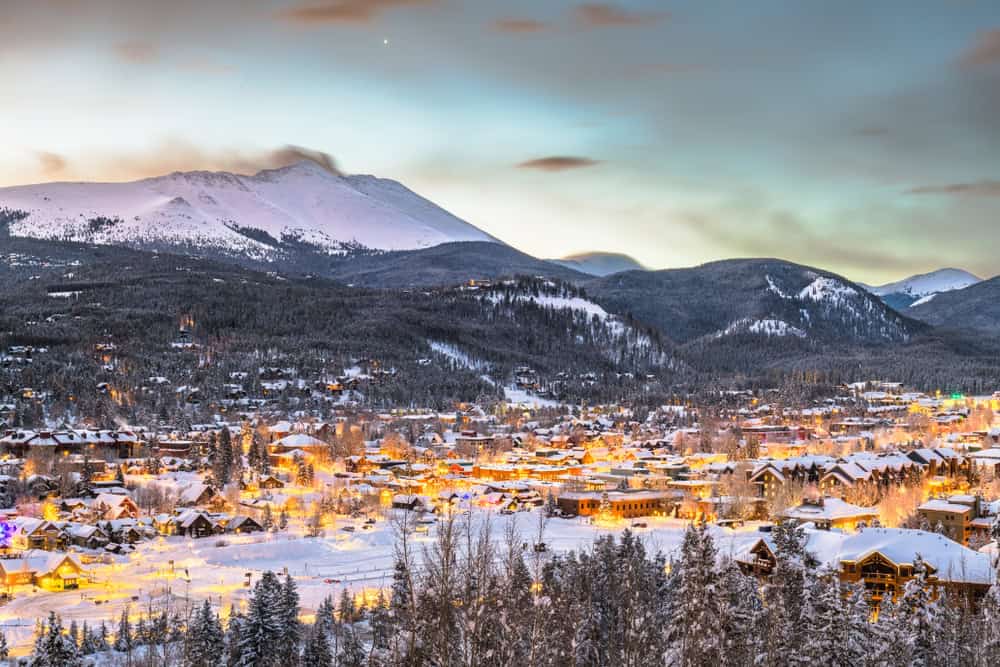
Breckenridge does not hide from the tourism question. The town actually maintains a capacity dashboard that tracks things like traffic, parking, transit use, lodging occupancy, sewer demand, and visitor activity to see when the destination is starting to strain. It also uses fees from short-term rentals to support housing programs and offset some of the impacts that come with a large vacation-rental market. That makes sense in a mountain town where the population can swell dramatically during ski season and busy summer weekends. Visitors are the reason much of Breckenridge’s economy exists, but workers still need somewhere to live and residents still need to get through town. This is one of the better examples of a resort community trying to manage success instead of pretending there is no downside.
Savannah, Georgia
©Sean Pavone/Shutterstock.com
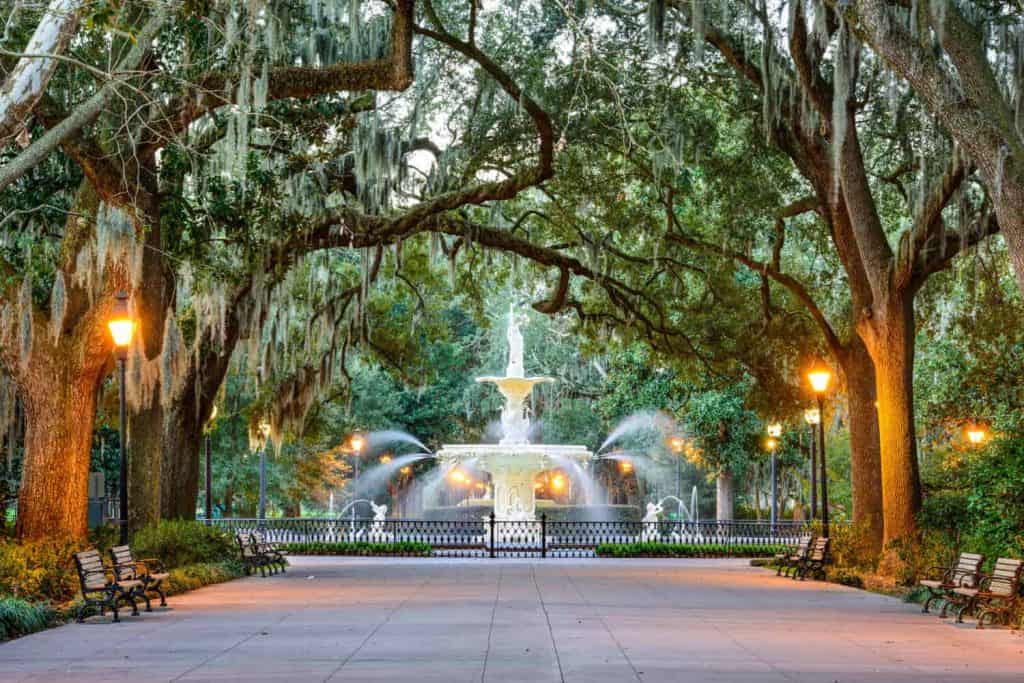
Savannah welcomed an estimated 12.9 million visitors in 2025, generating about $4.1 billion in visitor spending. For a city known for a compact historic district, that is a lot of foot traffic, carriage tours, trolley tours, ghost tours, restaurant reservations, and overnight stays moving through the same beautiful squares. Savannah has also put real limits on short-term vacation rentals. In parts of the Downtown and Victorian historic districts, non-owner-occupied rentals are subject to a 20% cap by ward. That is a more useful way to frame the tourism debate here than simply calling the city overrun. Savannah clearly wants visitors, but it also wants historic neighborhoods to remain neighborhoods. Travelers can help by treating the city as a living community instead of an outdoor movie set.
Honolulu, Hawaii
©SCStock/Shutterstock.com
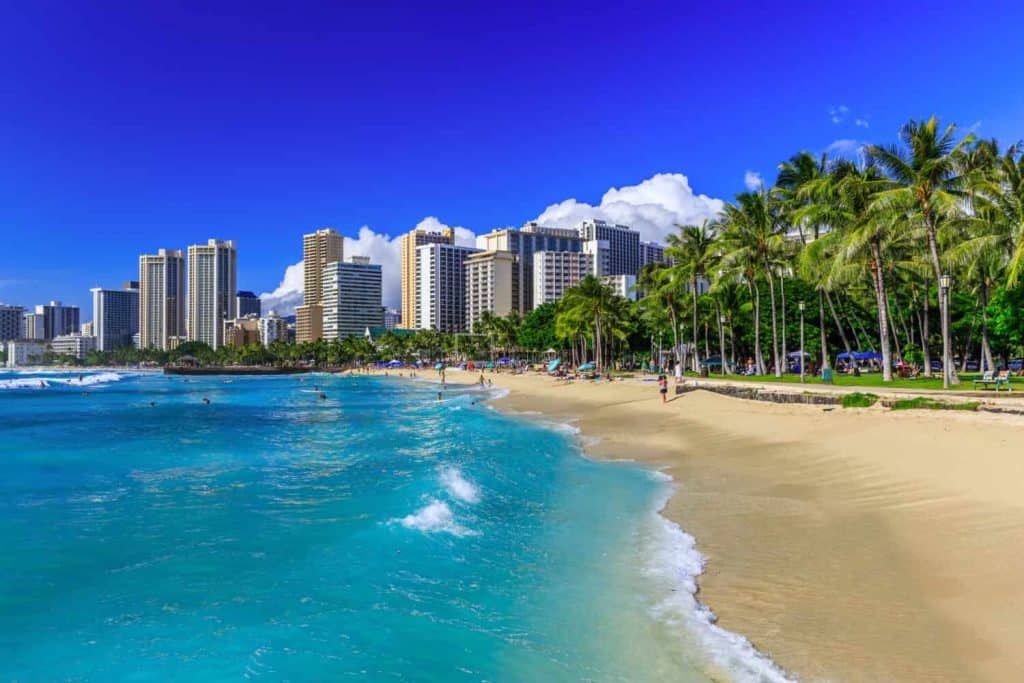
Oahu received about 5.68 million visitors in 2025, and those visitors spent roughly $9.42 billion. Tourism is deeply tied to Honolulu’s economy, but Hawaii has also moved toward a more deliberate model of destination management. The latest Oahu plan specifically talks about reducing congestion at visitor hotspots, protecting natural and cultural resources, and improving resident quality of life. Honolulu also tightly restricts where short-term rentals can legally operate, with most permitted units concentrated in resort-zoned areas and other specifically eligible districts. That is a much fairer picture than saying the island has simply become a resort. The real issue is scale. On an island with limited land and infrastructure, tourism has to work for residents too, not just the people arriving with a suitcase.
Moab, Utah

©"Moab Landscape" by Zach Dischner is licensed under BY 2.0. - Original / License
Moab is tiny compared with the amount of outdoor recreation surrounding it. Arches and Canyonlands sit nearby, off-road trails crisscross the desert, and Grand County’s visitor economy generates millions in transient-room taxes. The housing side is harder. A regional housing plan found that short-term rentals made up a meaningful share of Grand County’s housing stock and noted that outside demand has helped push prices higher and reduce workforce options. Both Moab and Grand County restrict where new short-term lodging can operate. None of that makes tourism the villain. Tourism pays a huge portion of the bills here. But when a desert town becomes the launching point for world-famous public lands, the challenge is making sure the people serving those visitors can still afford to live anywhere near the place they work.
Nashville, Tennessee
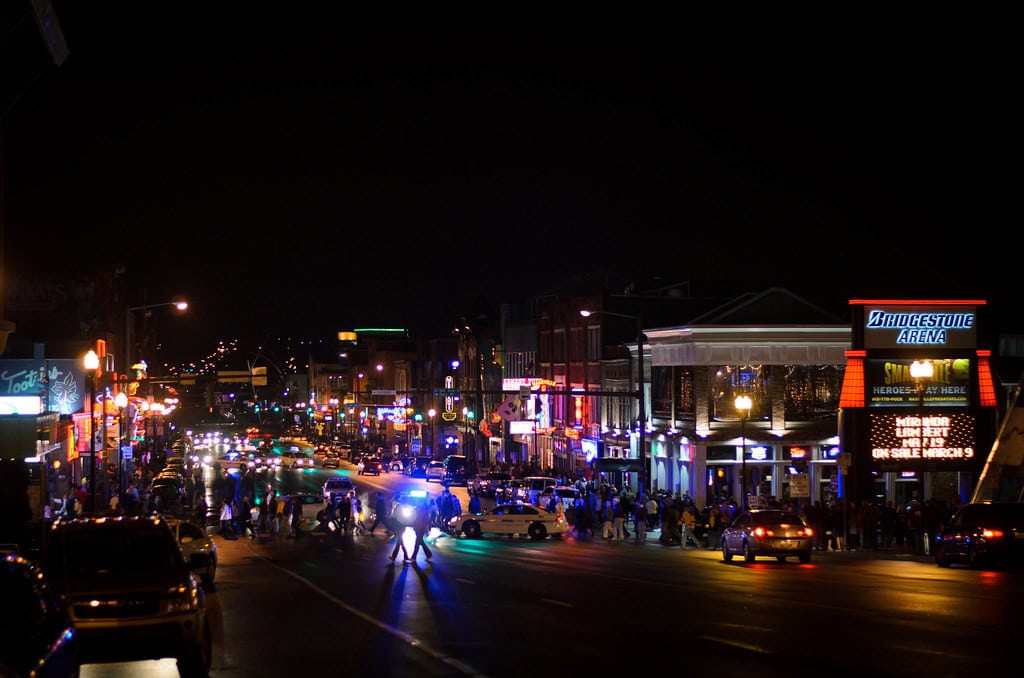
©"Downtown Nashville at Night" by robert.claypool is licensed under BY 2.0. - Original / License
Nashville recorded about 17.4 million visitors in 2025, and visitor spending in Davidson County hit a record $11.6 billion. Live music, major concerts, conventions, sports, and festivals make tourism one of the city’s defining industries. They also create some wild spikes in downtown demand. CMA Fest, major stadium shows, and holiday events can fill hotel rooms and pack Broadway almost overnight. Short-term rentals are part of that lodging ecosystem too, with thousands of active listings in recent years. The original piece went too far by suggesting Nashville’s authentic music culture is disappearing because of visitors. The more accurate story is that the city is trying to protect what made it famous while handling a tourism economy that has grown into a massive business of its own.
Charleston, South Carolina
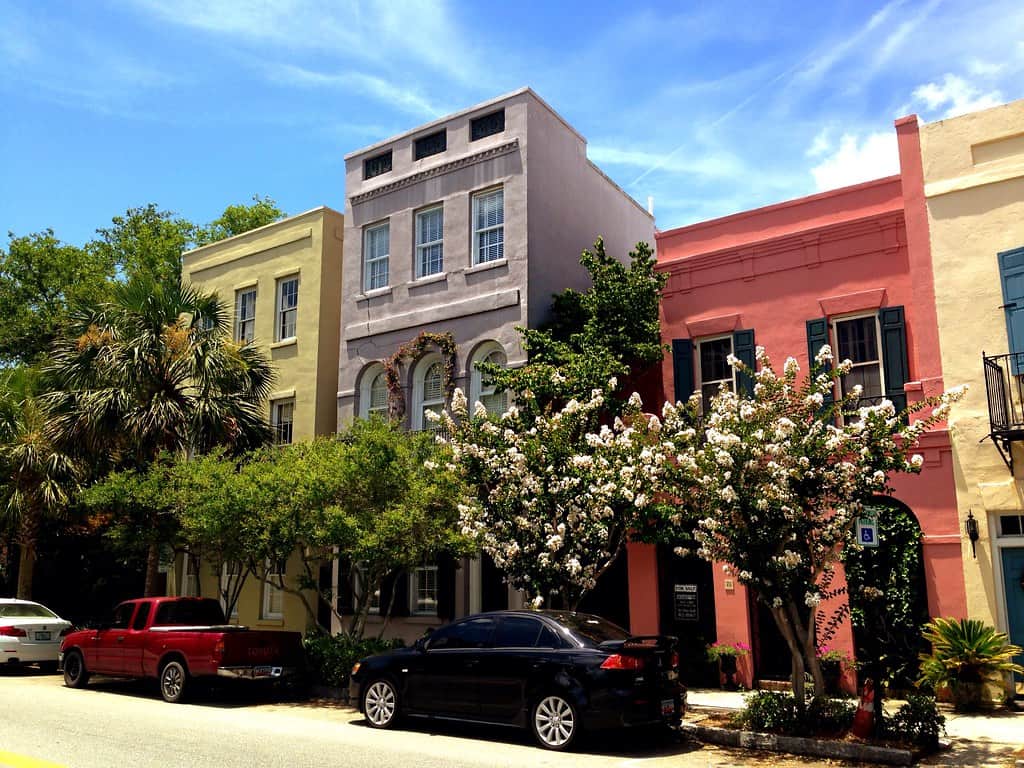
©"Historic Rainbow Row in Charleston South Carolina" by david_shankbone is licensed under BY 2.0. - Original / License
Charleston understands the balancing act so well that the city literally has a Department of Livability and Tourism. Its job includes enforcing rules involving tours, residential standards, short-term rentals, sanitation, and other quality-of-life issues. Charleston also limits most residential short-term rentals to an owner’s primary residence, with additional restrictions in the historic peninsula. That matters because the same narrow streets, old homes, and walkable neighborhoods that make Charleston appealing to visitors are also where people live. Tourism is not some outside force the city can simply switch off. It supports restaurants, hotels, tours, historic attractions, and a huge hospitality workforce. The challenge is making sure preservation does not quietly turn into commercialization of every block.
Lake Tahoe, Nevada/California
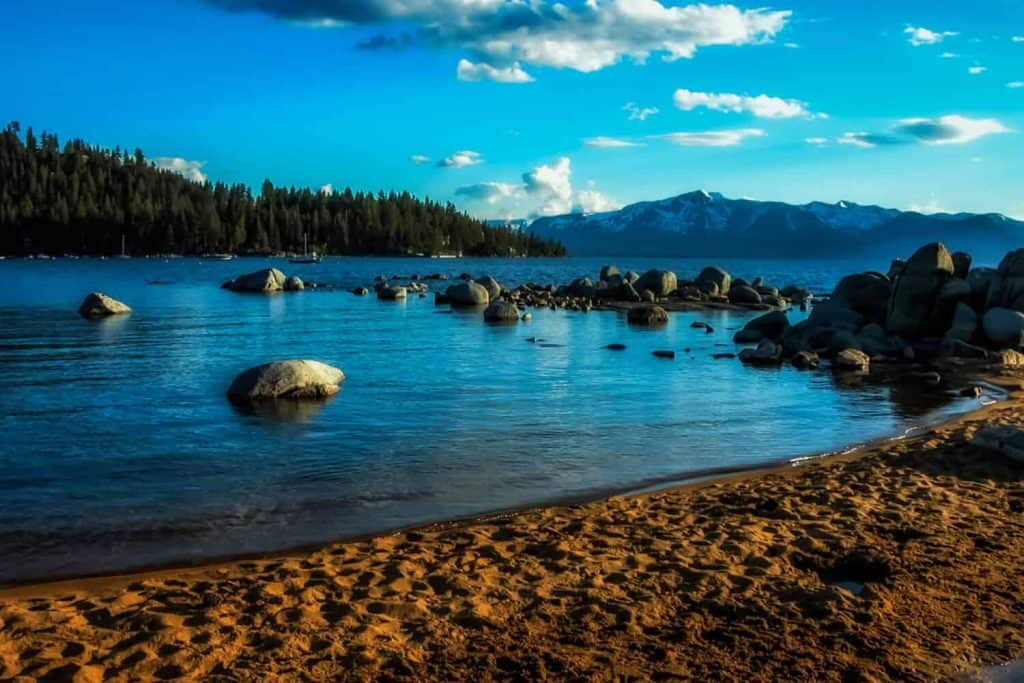
©Malachi Jacobs/Shutterstock.com
Lake Tahoe’s tourism problem is really a housing-and-land-use problem wrapped around one of the most beautiful lakes in America. The Tahoe Regional Planning Agency says second-home demand and short-term rentals have contributed to a highly competitive housing market and a shortage of long-term rental options. In early 2024, its data showed only about 28% of residents could afford the basin’s median home price of roughly $980,000. Add heavy weekend traffic, ski-season surges, beach crowds, and limited routes around the lake, and the strain becomes obvious. Visitors are not the only reason Tahoe is expensive, but tourism and second-home demand absolutely shape the market. For travelers, staying longer, using transit where possible, and avoiding peak arrival times can make a surprisingly big difference.
Bar Harbor, Maine
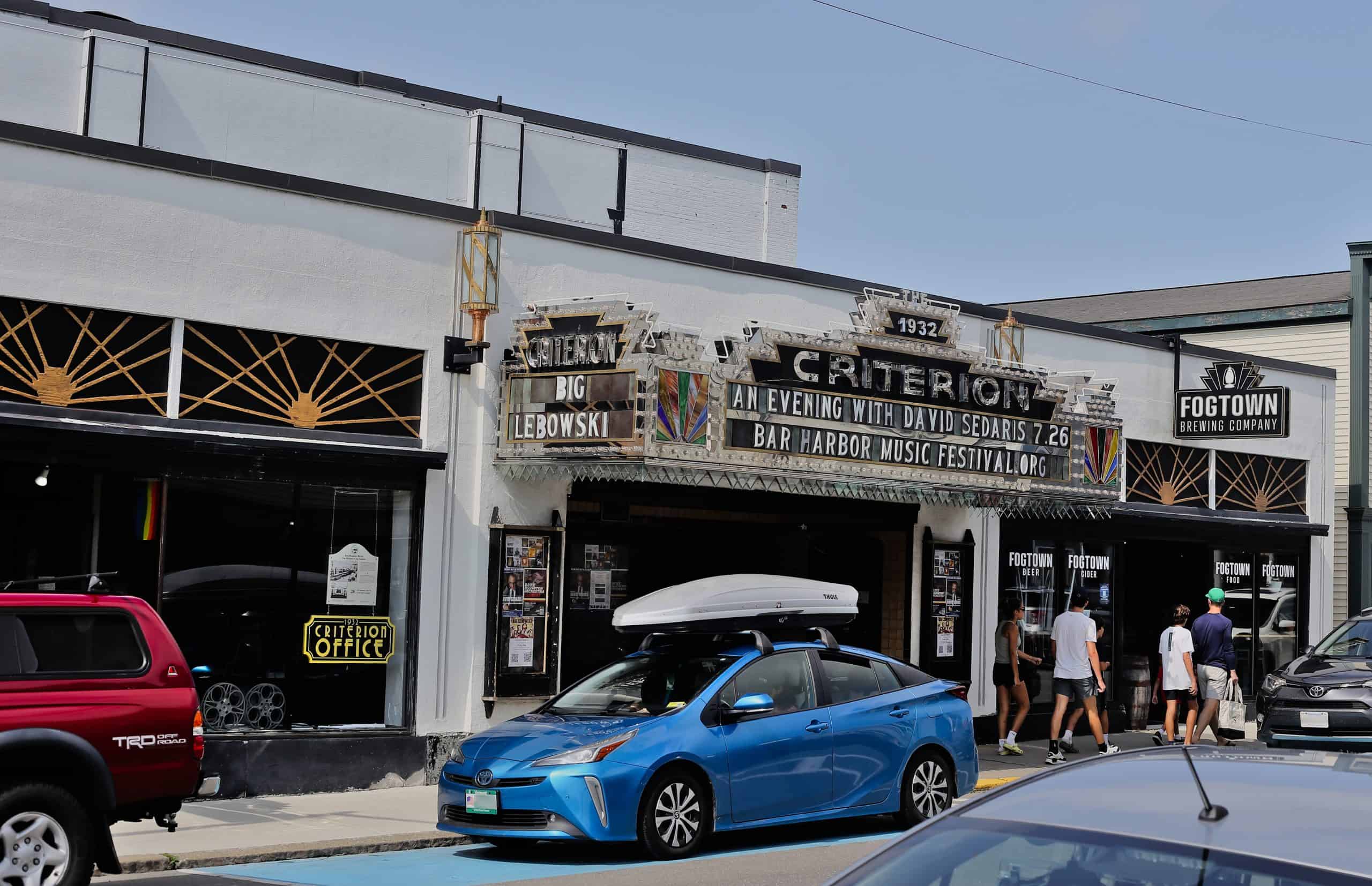
©"US-ME-BarHarbor-Criterion-Theatre-2921" by DutchTreat is licensed under BY-SA 4.0. - Original / License
Bar Harbor has become one of the clearest examples of a community openly wrestling with cruise tourism. The town sits beside Acadia National Park, and large ships can unload a noticeable wave of passengers into a very compact downtown. The policy picture is also still moving. A federal judge ruled in May 2026 that Bar Harbor’s voter-approved 1,000-passenger daily disembarkation cap could remain in effect during July and August but not the rest of the cruise season, and the dispute remains tied up in appeals and related litigation. That makes the larger point even stronger: Bar Harbor values tourism, but residents and businesses have spent years arguing over how much cruise traffic a small coastal town can comfortably absorb at once.
Orlando, Florida
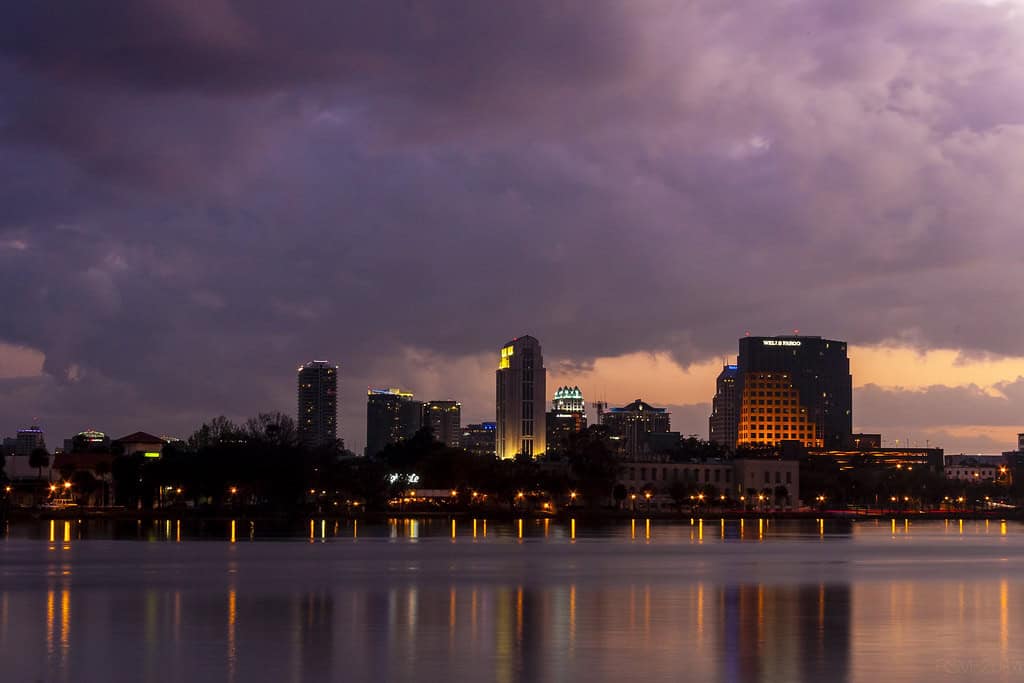
©"Downtown Orlando skyline" by RyanSMcKee is licensed under BY-ND 2.0. - Original / License
Orlando welcomed a record 76.7 million visitors in 2025, keeping its place as the most visited destination in the United States. In other words, tourism is not something that happened to Orlando. Tourism is one of the reasons modern Orlando looks the way it does. The theme-park corridor, convention center, sprawling hotel inventory, restaurants, and entertainment districts were built to handle extraordinary visitor demand. The pressure shows up in traffic, service work, and the sheer amount of regional infrastructure devoted to travelers, but calling Orlando a city that has been “ruined” by tourism misses the point. A better question is how a metro area that welcomes tens of millions of people every year keeps improving transportation, worker quality of life, and neighborhoods that have nothing to do with theme parks.
Aspen, Colorado
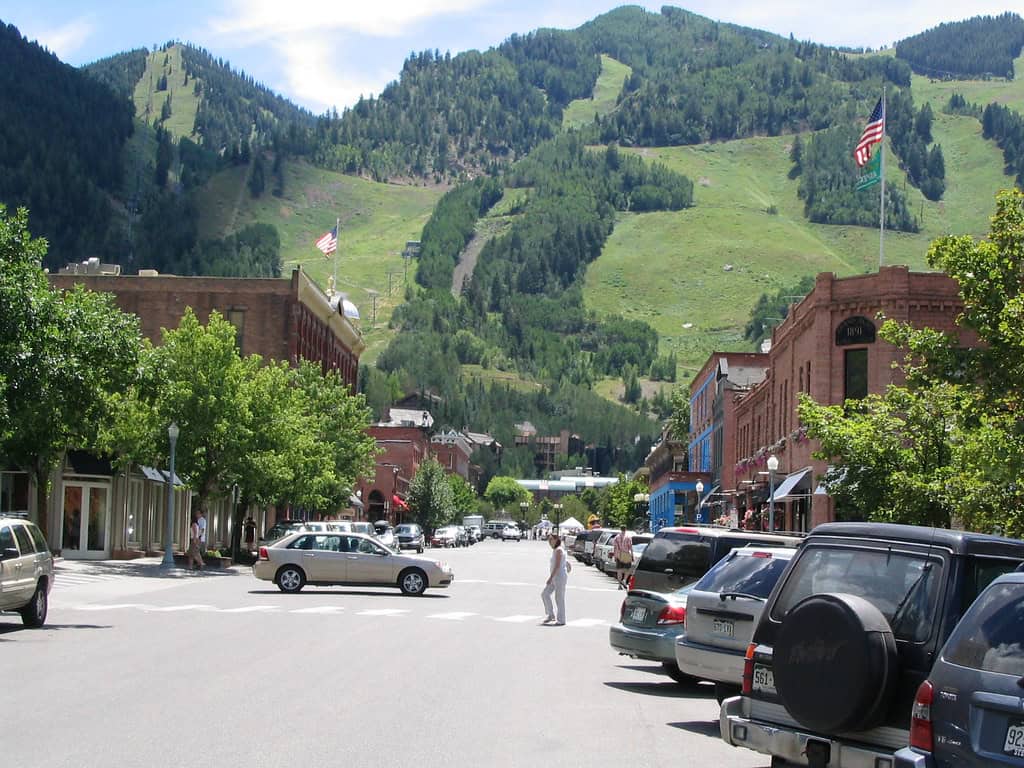
©"Aspen, Colorado" by Ken Lund is licensed under BY-SA 2.0. - Original / License
Aspen welcomed more than 1.1 million visitors in 2025, generating about $1.7 billion in direct visitor spending. That is incredible economic output for a small mountain community, but it also helps explain why housing is such a constant concern. The city regulates short-term rentals, and Aspen-area employers have invested heavily in employee housing because the private market can be brutally expensive for the people who actually keep the resort economy running. Aspen One says it now provides more than 1,300 employee beds after decades of investment, with more projects planned. The story here is not simply rich tourists driving out locals. It is a world-famous resort economy trying to solve the basic math of needing a large workforce in a place where land and housing are extraordinarily expensive.
Portland, Maine
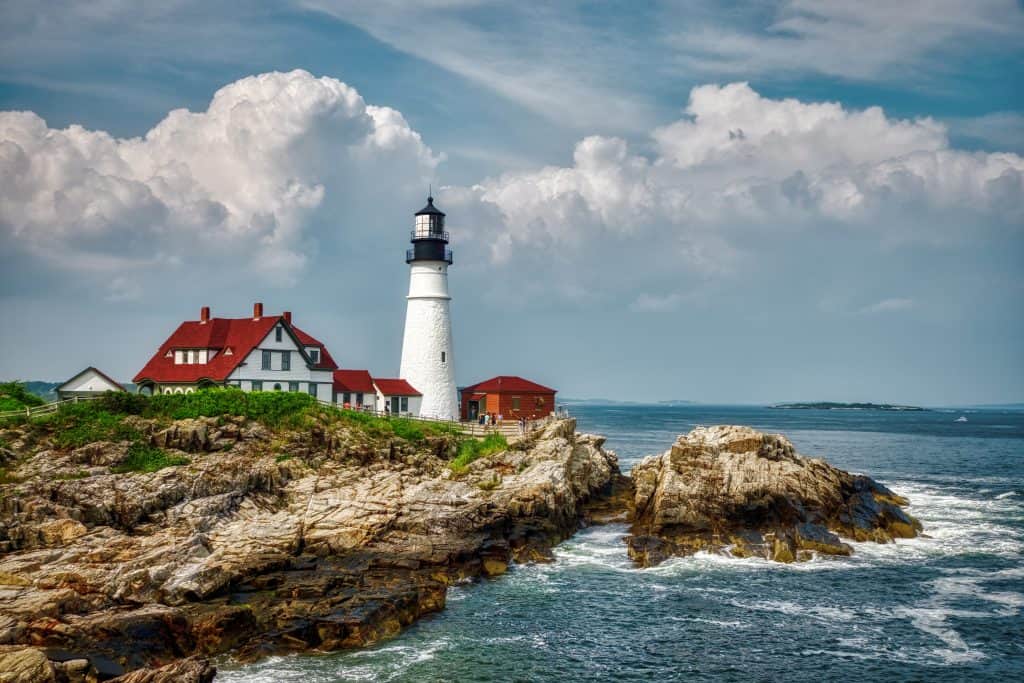
©"Portland Head Light - Cape Elizabeth - Maine - USA" by Chuck Homler d/b/a Focus On Wildlife is licensed under BY-SA 4.0. - Original / License
Portland, Maine, feels much bigger in summer than it does on a gray February morning. In 2025, the port welcomed about 197,500 cruise passengers across 105 ship visits, making Portland Maine’s busiest cruise port. Those passengers arrive in a compact waterfront district already packed with restaurants, breweries, ferries, shops, and working marine businesses. That can create some intense days in the Old Port, especially when cruise traffic overlaps with peak summer road trips. The visitor economy is a major asset, but Portland’s appeal comes partly from the fact that it still feels like a real working coastal city. The goal should be keeping it that way, not treating every wharf and side street as space that exists solely for vacation photos.
Las Vegas, Nevada
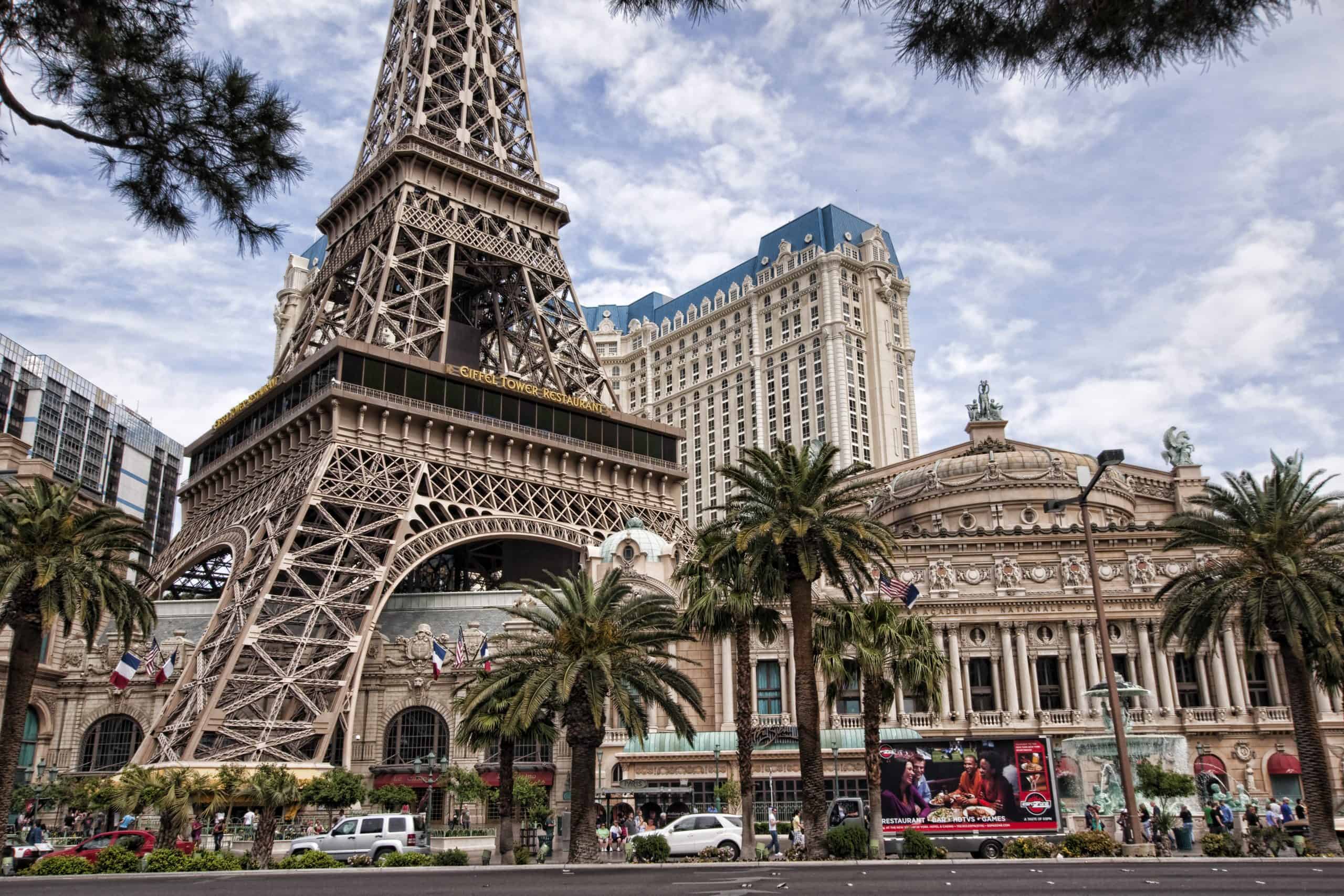
©"LasVegas - ParisLasVegas" by Jean-Christophe BENOIST is licensed under BY 3.0. - Original / License
Las Vegas welcomed about 38.5 million visitors in 2025 and still operated roughly 150,300 hotel rooms. If any city in America was designed around visitor volume, it is Vegas. That makes it a weak fit for the old idea that tourism somehow swallowed an otherwise quiet local culture. The Strip is supposed to be a giant tourism machine. The more interesting tension is what happens beyond it. Hundreds of thousands of people live ordinary lives in the Las Vegas Valley, while a huge share of the region’s jobs, roads, water planning, events, and economic cycles are tied to hospitality. Tourism is the product here, but residents still need a city that works when the convention halls empty and the weekend crowds fly home.
Jackson, Wyoming
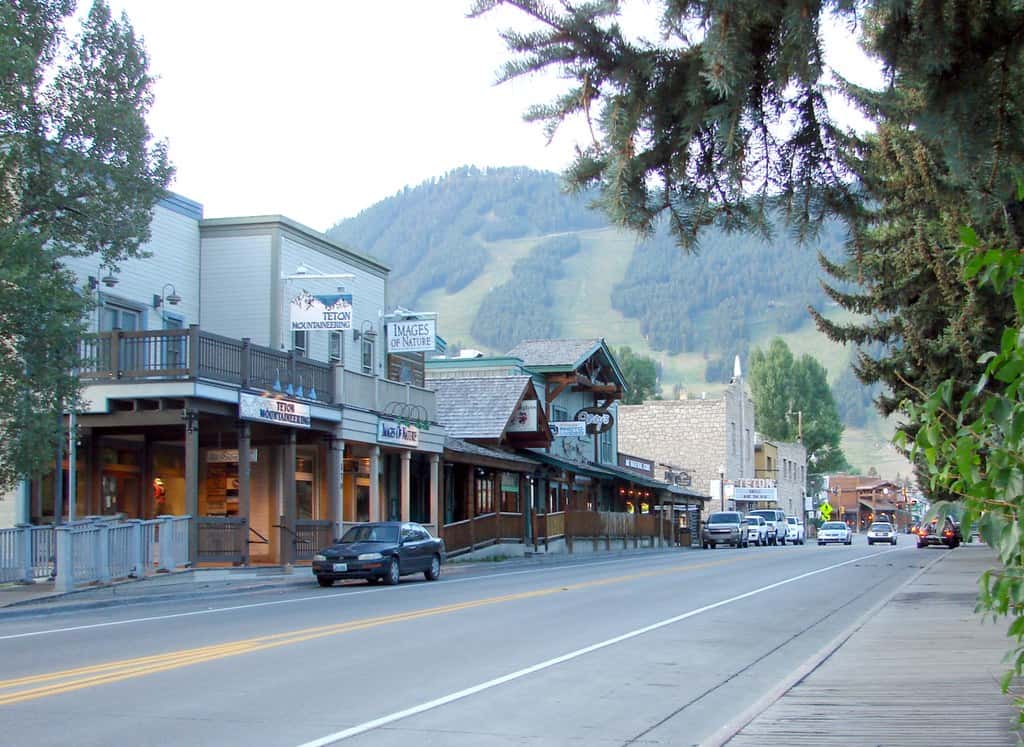
©"Snow King Ski Slopes Above Glenwood St., Jackson, WY 9-2011" by inkknife_2000 (11 million views) is licensed under BY-SA 2.0. - Original / License
Jackson Hole’s tourism numbers are enormous relative to its population. The local travel and tourism board reported about 3.3 million overnight visitors during fiscal 2025, while travel generated more than $1.7 billion in spending across Teton County. Housing is especially complicated because roughly 97% of land in the county is federally owned, leaving a very limited amount available for development. Local government continues to build and protect workforce housing while also regulating short-term rentals. That makes Jackson a textbook example of a place where tourism is both the engine and the pressure point. Visitors fund jobs, transit, public safety, and conservation efforts, but the community still has to find a way for teachers, restaurant workers, guides, and public employees to live nearby.
Gatlinburg, Tennessee
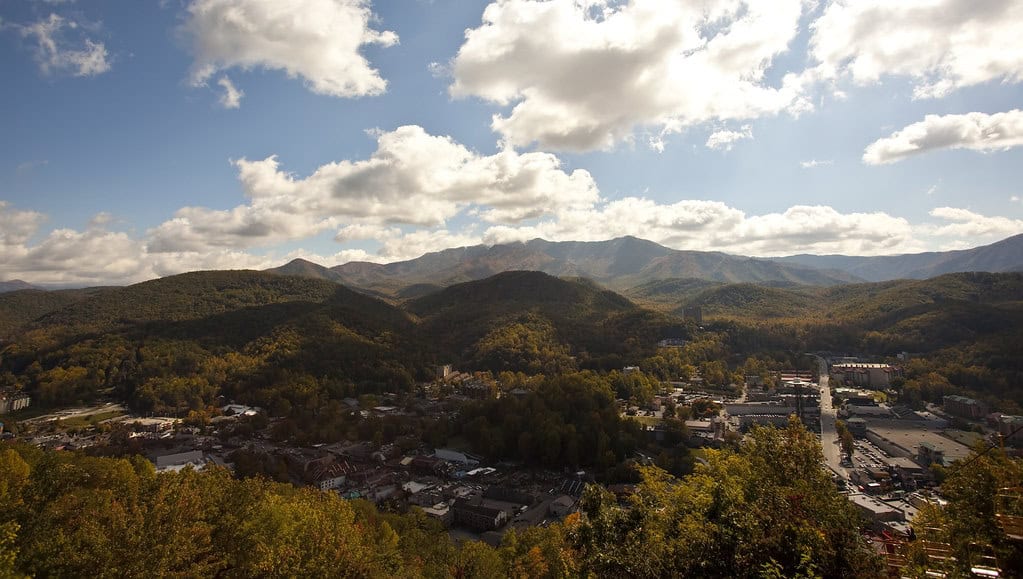
©"Gatlinburg View" by Eoin McNamee is licensed under BY-ND 2.0. - Original / License
Gatlinburg sits beside the most visited national park in the country, and that alone explains a lot. Great Smoky Mountains National Park recorded about 11.5 million recreational visits in 2025. Many of those trips funnel through gateway communities such as Gatlinburg, especially during fall color, summer vacation, and holiday weekends. The result can be serious traffic and crowded sidewalks even though the permanent population is tiny by comparison. The original draft was too dismissive of the attractions and shops built around that demand. Gatlinburg is intentionally a tourism town. The real challenge is keeping access to the Smokies enjoyable when millions of people want the same mountain roads, trailheads, overlooks, restaurants, and hotel rooms at the same time.
Miami, Florida
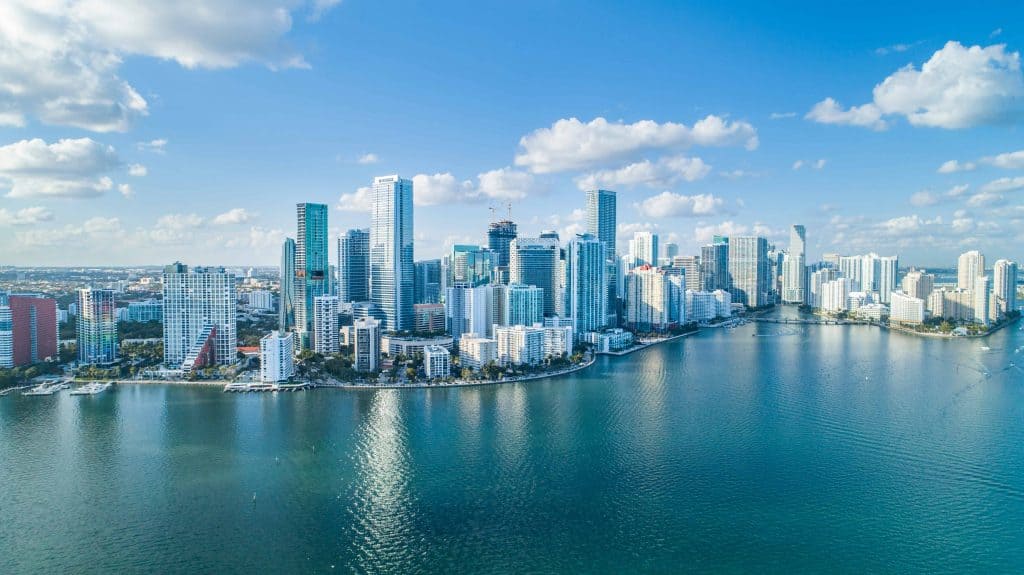
©Demetrius Theune/Shutterstock.com
Greater Miami and Miami Beach welcomed about 28.3 million visitors in 2025, making tourism one of the region’s biggest economic forces. Beaches, cruises, nightlife, international events, art fairs, sports, and convention business all create different waves of demand throughout the year. That can make places like South Beach feel packed even when another part of Miami-Dade feels completely normal. It would be misleading to blame Miami’s housing affordability problems on tourists alone. The region’s real-estate pressures are much broader than that. Tourism does, however, shape where hotels, vacation rentals, restaurants, and entertainment districts grow. For a traveler, the easiest way to see a more livable side of Miami is to leave the most obvious tourist zones and spend time in the neighborhoods that give the city its actual personality.
Vail, Colorado
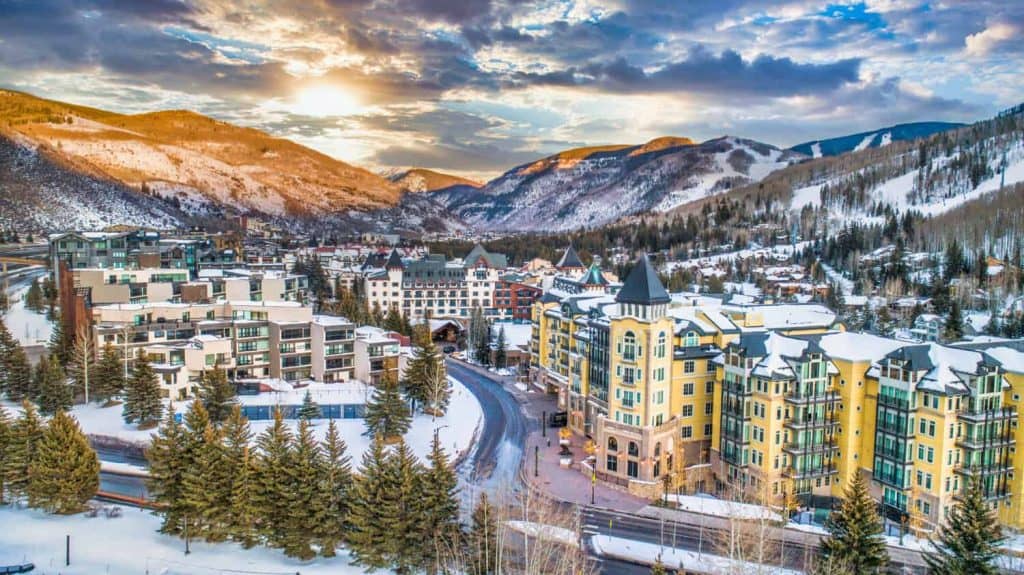
©Kevin Ruck/Shutterstock.com
Vail has roughly 5,000 permanent residents and another large population of part-time residents tied to vacation properties, yet the resort economy needs thousands of additional workers during peak season. That creates a housing equation the town has spent years trying to solve. In 2025, Vail moved forward with Southface Vail, a 268-home locals-only rental development designed for people working in Eagle County. The town also regulates short-term rentals and has made resident housing a central policy goal. Tourism is the reason Vail exists in its modern form, so saying visitors have “taken over” does not make much sense. The better story is whether a premier resort can remain an actual community when property values and visitor demand make year-round housing difficult.
Asheville, North Carolina
©Kevin Ruck/Shutterstock.com
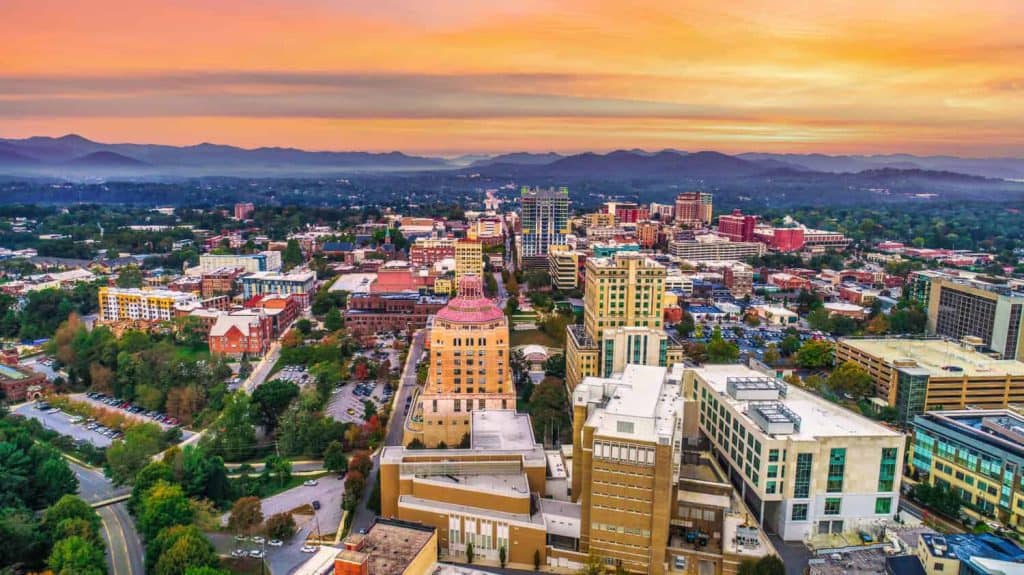
Asheville’s tourism economy has been rebuilding strongly after the disruption of Hurricane Helene, but the city has long tried to draw a line between welcoming visitors and converting residential neighborhoods into lodging. Whole-home short-term vacation rentals are generally not allowed in residential zoning, while permitted homestays require the resident to live in the home and rent only a limited number of rooms. That policy tells you a lot about Asheville’s approach. Tourism is important to breweries, restaurants, galleries, music venues, the Biltmore Estate, and the broader mountain economy, but neighborhood housing is treated differently from commercial lodging. The city can be both a great weekend destination and a place where people actually live, but that balance does not happen automatically.
San Diego, California

©"downtown San Diego aerial" by sanvin1 is licensed under BY 2.0. - Original / License
San Diego welcomed about 32.4 million visitors in 2025, with direct visitor spending of roughly $14.4 billion. Beaches, conventions, the zoo, major events, coastal neighborhoods, and near-perfect weather spread tourism across a huge county, so the pressure is not identical everywhere. Mission Beach on a summer weekend is a completely different experience from a residential neighborhood miles inland. The original version blamed tourism too broadly for changing whole communities. A better way to look at San Diego is that heavy visitor demand concentrates parking, traffic, short-term lodging, and crowds in a handful of already popular places. If you are visiting, public transit, off-peak beach times, and exploring beyond the obvious waterfront stops can make the city feel dramatically less congested.
Santa Fe, New Mexico
©"Downtown Santa Fe (7727204516)" by Rennett Stowe from USA is licensed under BY 2.0. - Original / License
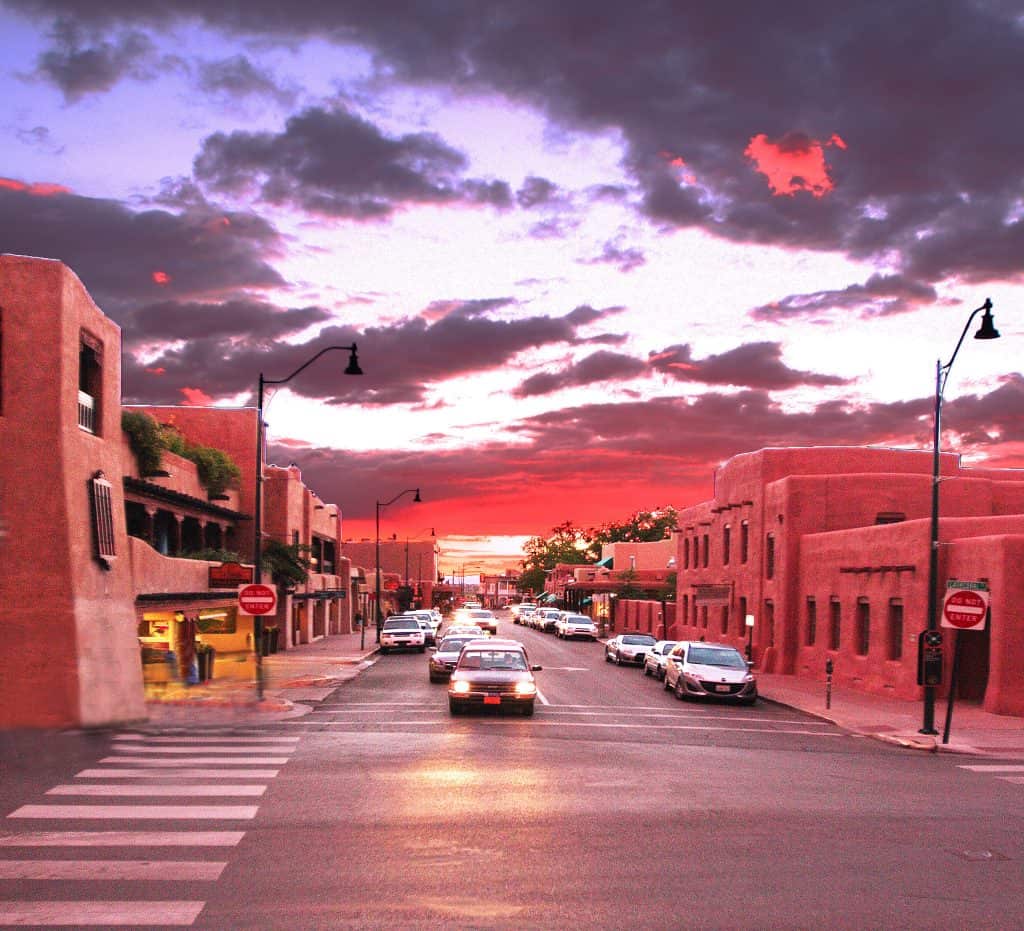
Santa Fe’s art, adobe architecture, food, history, and high-desert setting make it feel unlike almost any other U.S. city. That uniqueness is also why visitor demand can become concentrated in a relatively small historic core. The city regulates short-term rentals through permits, business registration, and limits that are meant to keep residential lodging from expanding without controls. In 2026, the city also clarified reservation-frequency rules for permitted residential rentals. Tourism is essential to galleries, restaurants, hotels, museums, and cultural institutions, so the answer is not fewer people discovering Santa Fe. The challenge is preserving the thing they came to see. A historic city stops feeling special pretty quickly if every home becomes lodging and every storefront starts selling the same souvenir.
Myrtle Beach, South Carolina
©"Day 2 of Weekend to Remember Conference. Let's hope today is as good as last night! #MyrtleBeach #weekendtoremember" by myrtlebeachblog is licensed under BY-ND 2.0. - Original / License
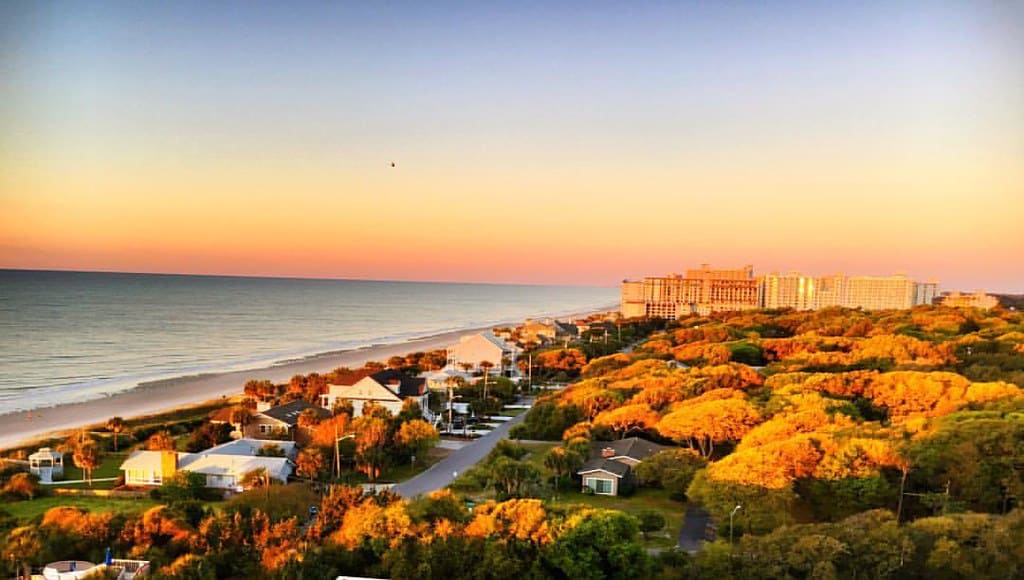
The Myrtle Beach area welcomes more than 18 million visitors in a typical year, so seasonal crowding is not a side effect. It is part of how the Grand Strand functions. Sixty miles of beaches, golf courses, amusement attractions, restaurants, hotels, and vacation rentals were built around a massive drive-to tourism market. That can make summer traffic and oceanfront areas feel relentless, but the old draft went too far in acting as if there is no local community left. Plenty of people live and work here year-round. The real tension is seasonality. Businesses need the crowds, workers have to serve them, residents still need to move around, and the region has to maintain roads, beaches, and public services that experience wildly different demand depending on the month.
San Francisco, California

©Bertl123/Shutterstock.com
San Francisco welcomed about 23.7 million visitors in 2025, generating roughly $9.4 billion in spending. Tourism matters enormously to hotels, restaurants, museums, retail, conventions, and neighborhood businesses, but it is not a credible explanation for the city’s entire housing crisis. That problem has much deeper roots in supply, zoning, construction costs, job growth, and decades of regional policy. Where tourism is obvious is in concentrated areas like Fisherman’s Wharf, Union Square during events, the waterfront, and major convention periods. Those crowds can make parts of the city feel like they belong to visitors, even while most San Francisco neighborhoods remain overwhelmingly local. The better travel move is simple: see the landmarks, then keep going.
Branson, Missouri
©"Branson Landing" by Branson Missouri is licensed under BY-ND 2.0. - Original / License
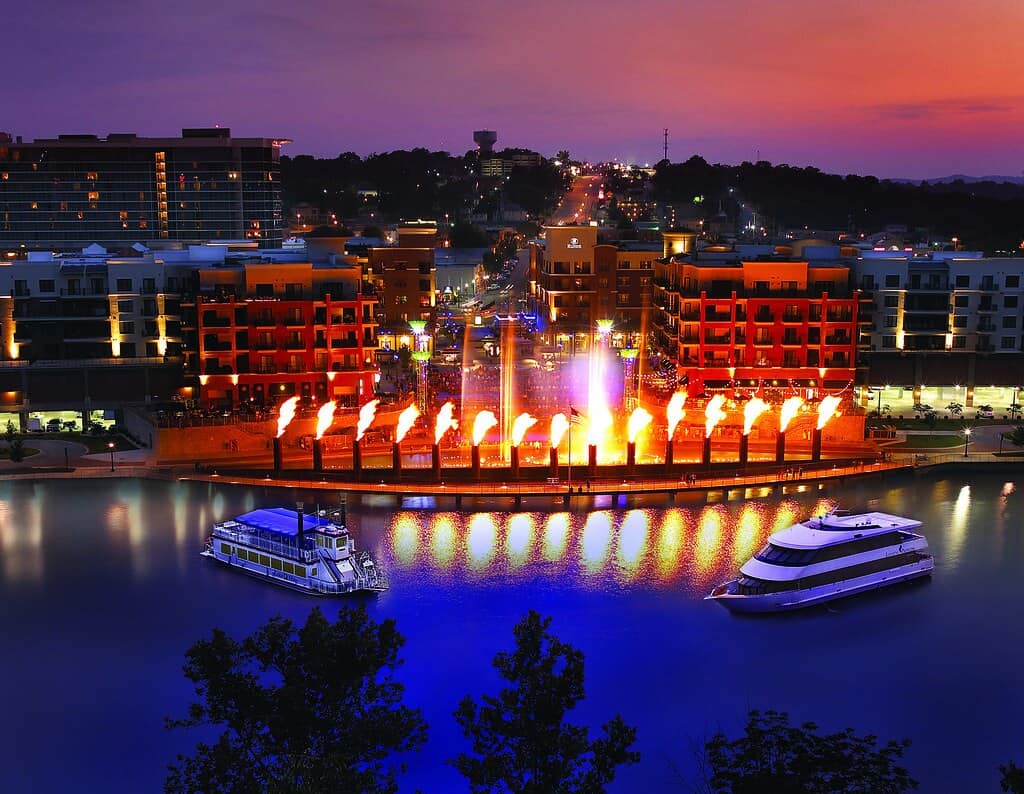
Branson is another place where calling tourism an invasion misses the basic history of the town. Live shows, family attractions, resorts, lakes, shopping, and entertainment are central to Branson’s identity and economy. City tourism reports track millions of trips and substantial tourism-tax revenue, because visitors are the business model. The pressure comes from scale and seasonality. A relatively small community has to handle traffic, staffing, roads, utilities, theaters, and lodging for a visitor population that can dwarf the number of year-round residents. That can absolutely be exhausting during busy periods, but it is also what supports thousands of jobs and businesses. Branson’s challenge is less about reclaiming the town from tourists and more about keeping a tourism town livable between the shows.
Austin, Texas
©Roschetzky Photography/Shutterstock.com
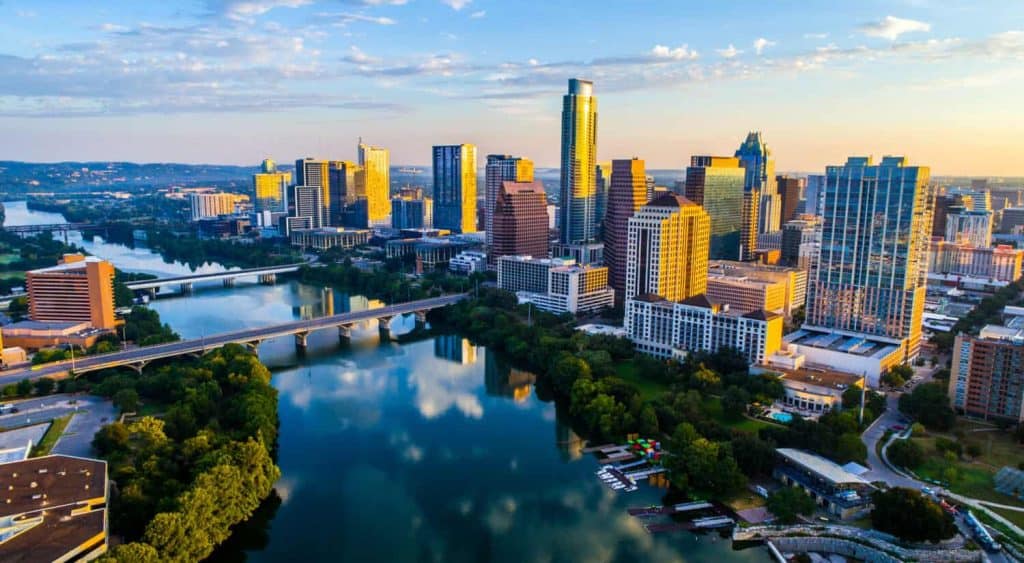
Austin attracts roughly 30 million visitors a year, helped by live music, food, sports, conferences, SXSW, Austin City Limits, and a nonstop calendar of events. The city has also spent years wrestling with short-term rental rules, updating its regulations again in 2025 and 2026 to license operators and require platforms to play a larger role in compliance. Tourism clearly adds pressure during major event weeks, but it would be a stretch to blame visitors for Austin’s entire affordability problem. Population growth, technology jobs, development patterns, and housing supply matter far more. Where travelers do have an impact is in the neighborhoods and entertainment districts where lodging and nightlife concentrate. Austin works best when the weirdness still belongs to the people who live there.
Palm Springs, California
©"File:Downtown Palm Springs CA.JPG" by Patrick Pelster is licensed under BY-SA 3.0. - Original / License
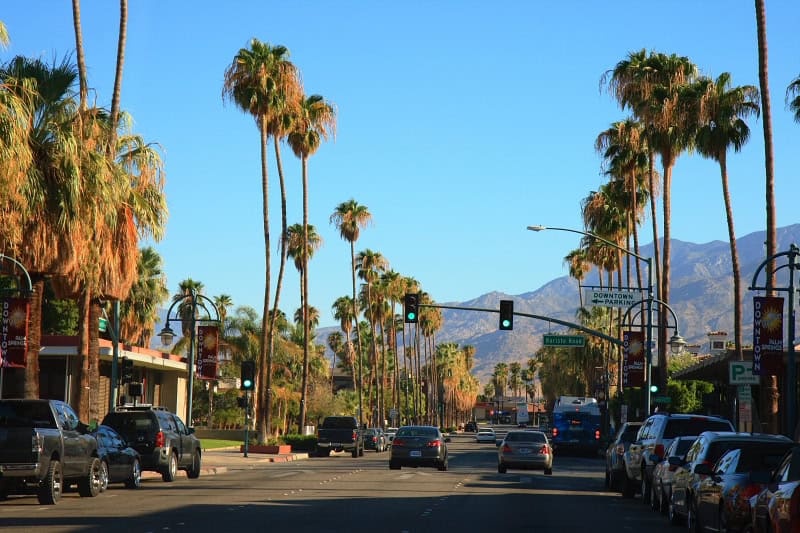
Tourism is the largest industry in Greater Palm Springs, which welcomed about 15 million visitors in 2025. Palm Springs itself has spent years tightening vacation-rental rules, including neighborhood caps designed to keep short-term rentals from becoming too large a share of the housing stock in any one area. The city reported 2,819 registered vacation rentals at the end of fiscal 2025, down from the previous year. That is a more nuanced story than saying locals are simply fed up with festivals and visitors. Tourism pays for a lot here, but the city is also trying to prevent residential blocks from feeling like rotating hotel corridors. The desert getaway can stay fun without every house on the street becoming part of the hospitality industry.
Anchorage, Alaska
©"Anchorage Downtown" by Luke Jones is licensed under BY 2.0. - Original / License
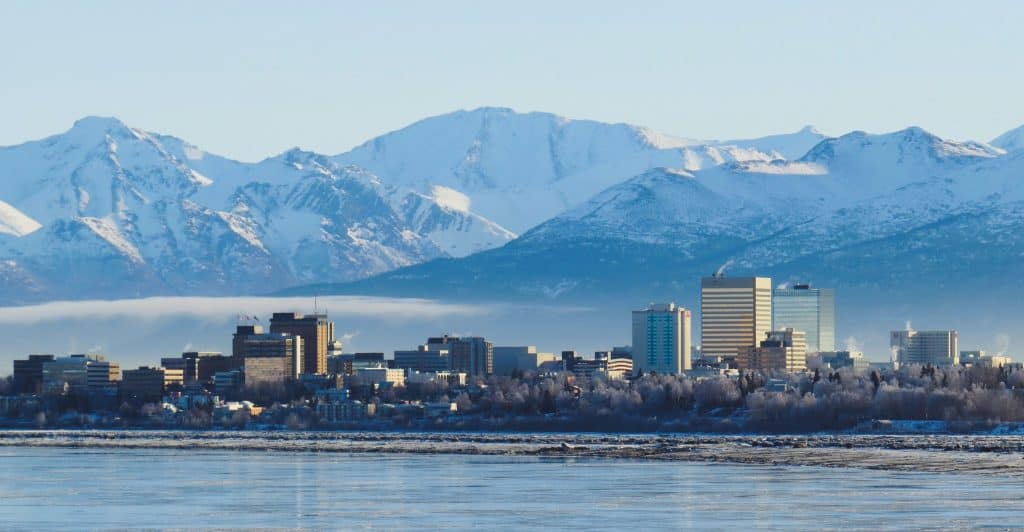
Anchorage is not overwhelmed by cruise ships in the same way as a tiny Alaska port town, and the original draft blurred that distinction. Anchorage is more often a transportation and lodging hub for travelers beginning or ending wider Alaska trips. Visit Anchorage reported increased cruise visitation in 2025, while Southcentral Alaska cruise capacity reached about 492,000. The city also benefits from air travel, road trips, rail connections, and visitors heading toward national parks and wilderness areas. Summer definitely changes the rhythm of downtown and the hospitality industry, but Anchorage remains a full-scale city with an economy far broader than tourism. The pressure is seasonal rather than all-consuming, which makes it a better example of how visitor surges can reshape a city’s busiest months without defining the entire place.
Boston, Massachusetts
©iStock.com/Sean Pavone
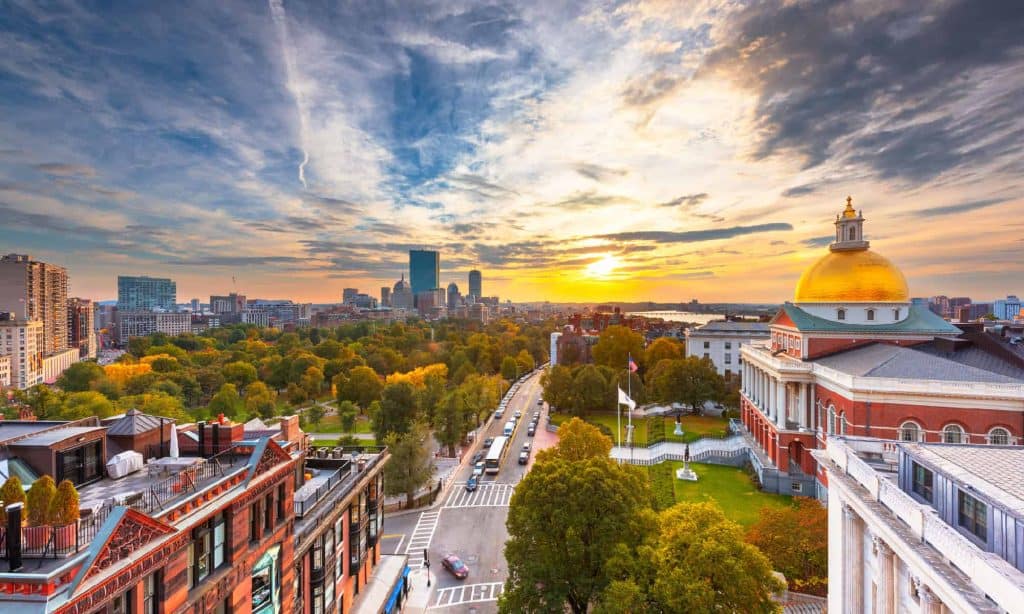
Greater Boston recorded about 38.7 million domestic visitors and another 2.2 million international visitors in 2025. That is a huge tourism market, but Boston is also a major university, medical, finance, sports, and technology center, so visitors are only one layer of a very busy city. The pressure is easiest to feel in the historic core, around the Freedom Trail, Faneuil Hall, Fenway Park, and during major events. Housing affordability is a serious regional issue, but the old version overreached by tying it too directly to tourists. Boston’s bigger tourism challenge is crowd concentration. A few famous blocks can feel slammed while nearby neighborhoods remain mostly untouched. Walking a few streets away from the standard itinerary usually changes the experience fast.
Denver, Colorado

© f11photo/Shutterstock.com
Denver welcomed a record 37.6 million visitors in 2025, generating about $10.5 billion in tourism spending. That makes tourism a major business, but Denver is a large and diverse metro area, not a resort town whose identity revolves entirely around outsiders. Visitors cluster around downtown events, conventions, sports, breweries, and the city’s role as a gateway to the Rockies. The original draft stretched the case by suggesting hotels and tourists are swallowing Denver neighborhoods. The more defensible issue is that Denver absorbs both its own visitor traffic and a huge flow of travelers using the city as a launching point for mountain trips. Tourism adds demand, especially around events and weekends, but affordability and growth are much broader regional challenges.

