

The United States has exported plenty more than products. Its food, movies, sports, landmarks, and big ideas have traveled so widely that people often recognize them before ever setting foot in the country. Familiar does not always mean universally loved, though. Some American staples inspire genuine affection. Others start arguments almost on cue.
These 19 things have all become part of America’s image at home and abroad, for better, worse, or a little of both. Some are foods and places. Others are ideals, institutions, and cultural habits that reveal just how complicated the country’s reputation can be.
Peanut Butter and Jelly
©"Peanut butter and jelly sandwich" by Matias-Garabedian is licensed under BY-SA 2.0. - Original / License
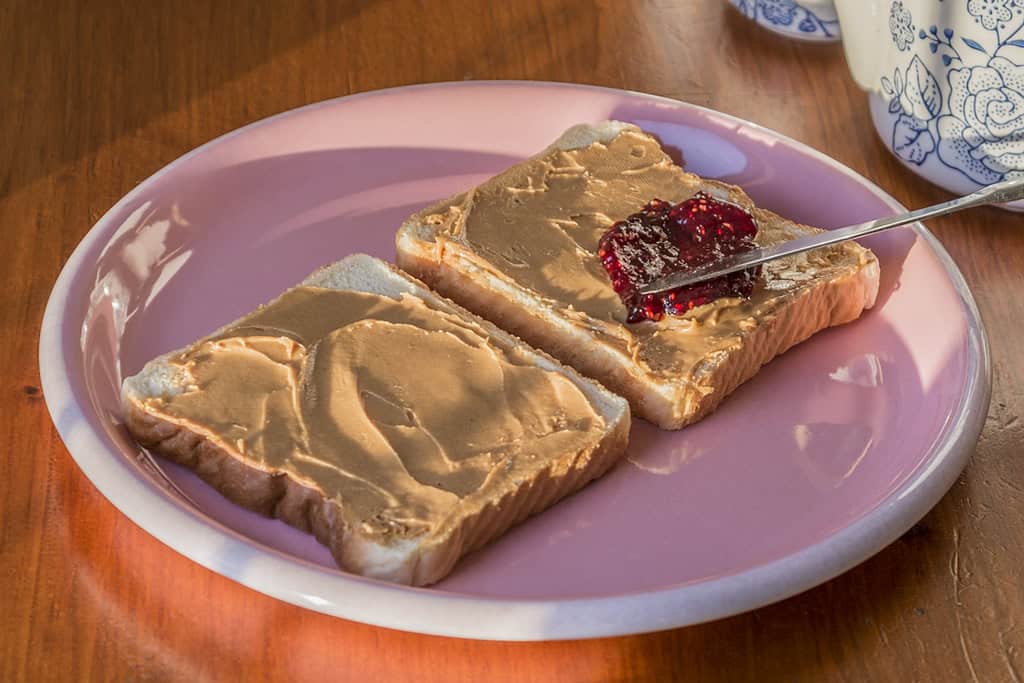
Peanut butter exists well beyond the United States, but pairing it with jelly between two slices of bread is a distinctly American move. The sandwich became a lunchbox fixture because it is cheap, filling, easy to make, and almost impossible to mess up.
Peanut Butter and Jelly (continued)
©"PBJ sandwich (peanut butter and jelly)" by pablo em is licensed under BY-SA 2.0. - Original / License
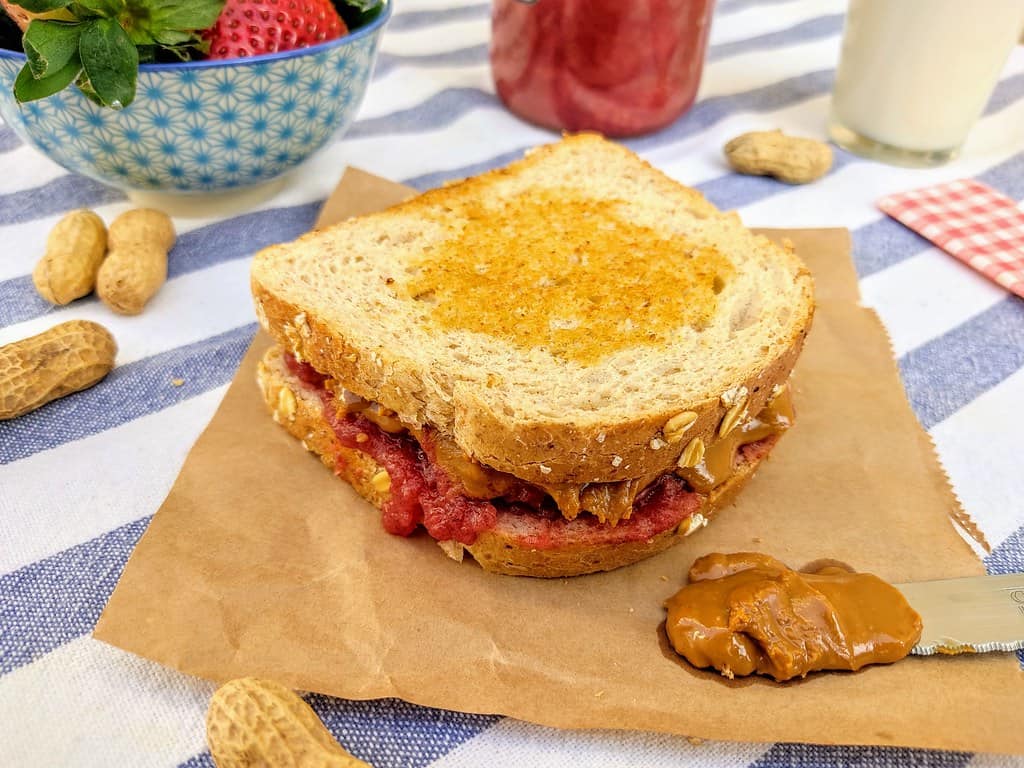
Ground peanut pastes are much older than the modern American spread, and several inventors helped shape peanut butter as we know it. The earliest known printed recipe for a peanut butter and jelly sandwich appeared in 1901. More than a century later, plenty of Americans still consider it a perfectly acceptable lunch.
Fast-Food Chain Restaurants
©"McDonald's" by JeepersMedia is licensed under BY 2.0. - Original / License
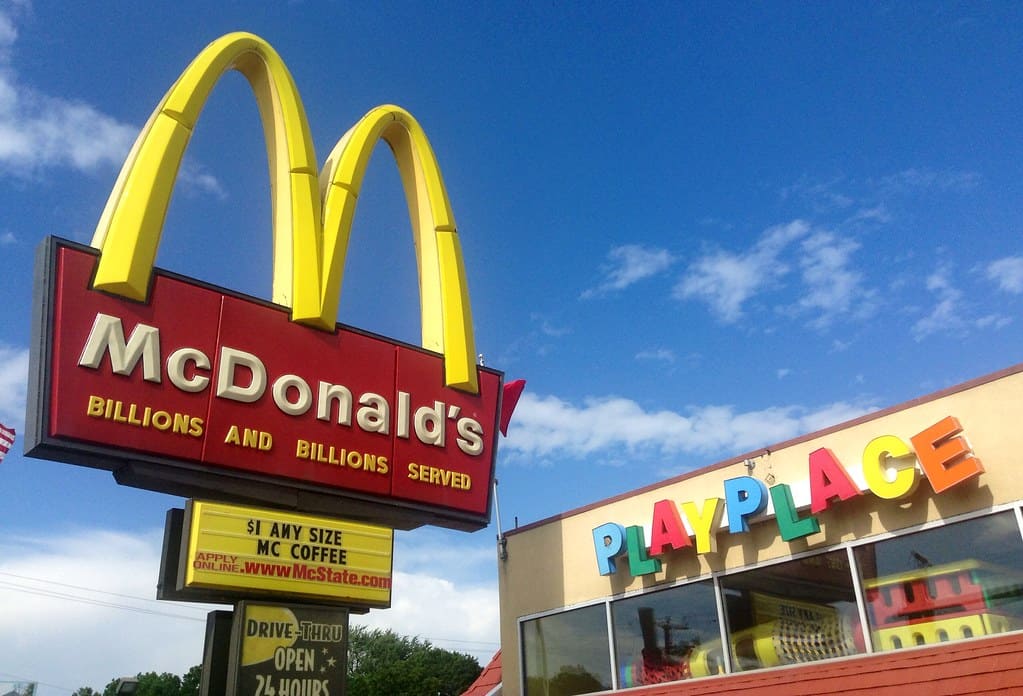
Many of the world’s most recognizable fast-food and quick-service brands started in the United States. McDonald’s, Burger King, Taco Bell, Pizza Hut, and Starbucks all began here before expanding internationally. In Australia, Burger King operates under the Hungry Jack’s name, a branding wrinkle that has confused more than a few visitors.
Fast-Food Chain Restaurants (continued)
©"Starbucks" by Open Grid Scheduler / Grid Engine is licensed under CC0 1.0. - Original / License
Fans like the convenience, familiar menus, and usually predictable prices. Critics point to nutrition, labor practices, environmental costs, and the way the same chains can make cities thousands of miles apart feel oddly interchangeable. Even overseas, though, many locations add regional dishes that never appear on the standard American menu.
Mobsters

©"Mobster Guy (Me, Self-Portrait)" by tim-johnson is licensed under BY 2.0. - Original / License
Prohibition, which lasted from 1920 to 1933, helped make bootlegging enormously profitable and turned figures such as Al Capone and Chicago rival Dion O’Bannion into national names. John Dillinger belonged to the next chapter: He was a Depression-era bank robber, not a Prohibition mob boss. Movies and television have since bundled all of them into one sharply dressed mythology.
Mobsters (continued)
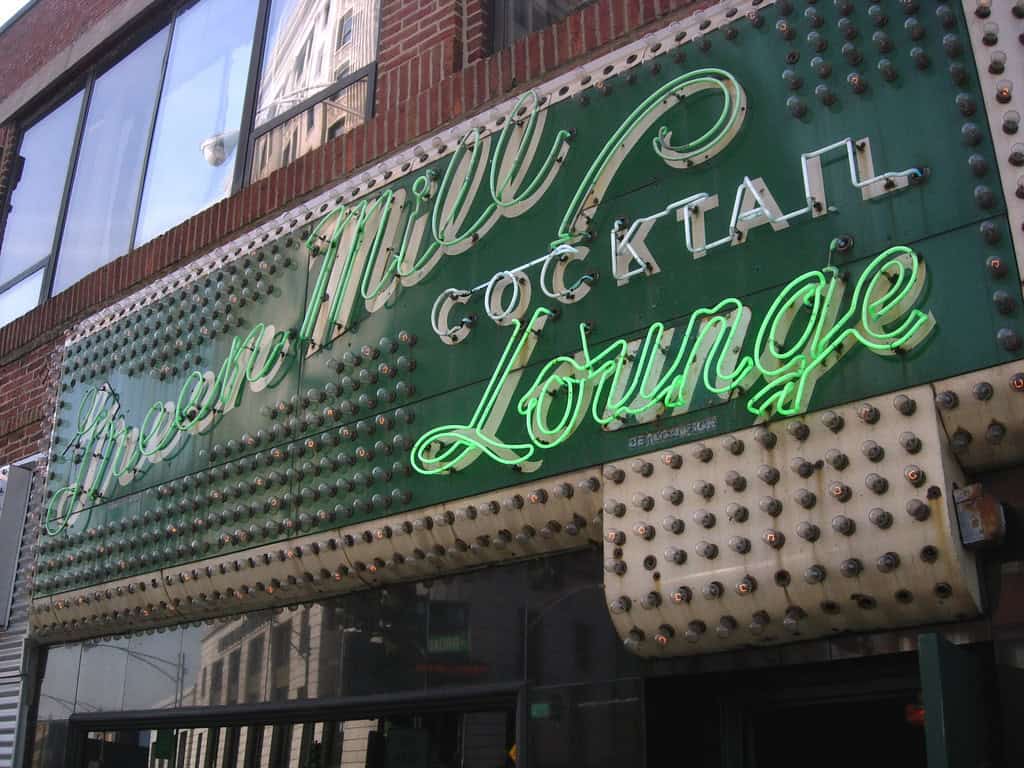
©"Green Mill Lounge (Gangsta's Paradise)" by Cooperweb is licensed under BY 2.0. - Original / License
Chicago bars, hotels, and tour companies still trade heavily on Capone-era stories, and the Green Mill keeps its gangster reputation alive. The atmosphere is fun to visit; the real history was not. Organized crime depended on extortion, corruption, and violence, even if a century of movies has given the men involved better tailoring and far more charm than they deserved.
Hotdogs
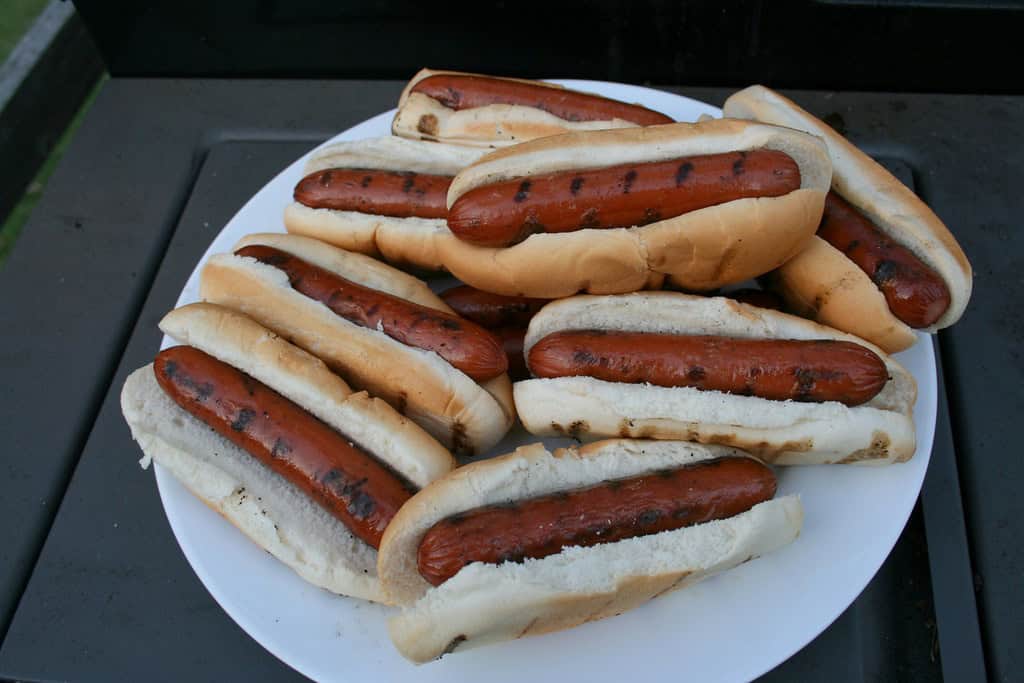
©"Hotdogs for Mother's Day!" by OakleyOriginals is licensed under BY 2.0. - Original / License
The hot dog has European sausage roots, while the familiar American version took shape around street carts, ballparks, and buns. Its exact origin is disputed, which is normal for any food simple enough for several people to invent at roughly the same time. What is not disputed is that the United States made it a national institution.
Hotdogs (continued)
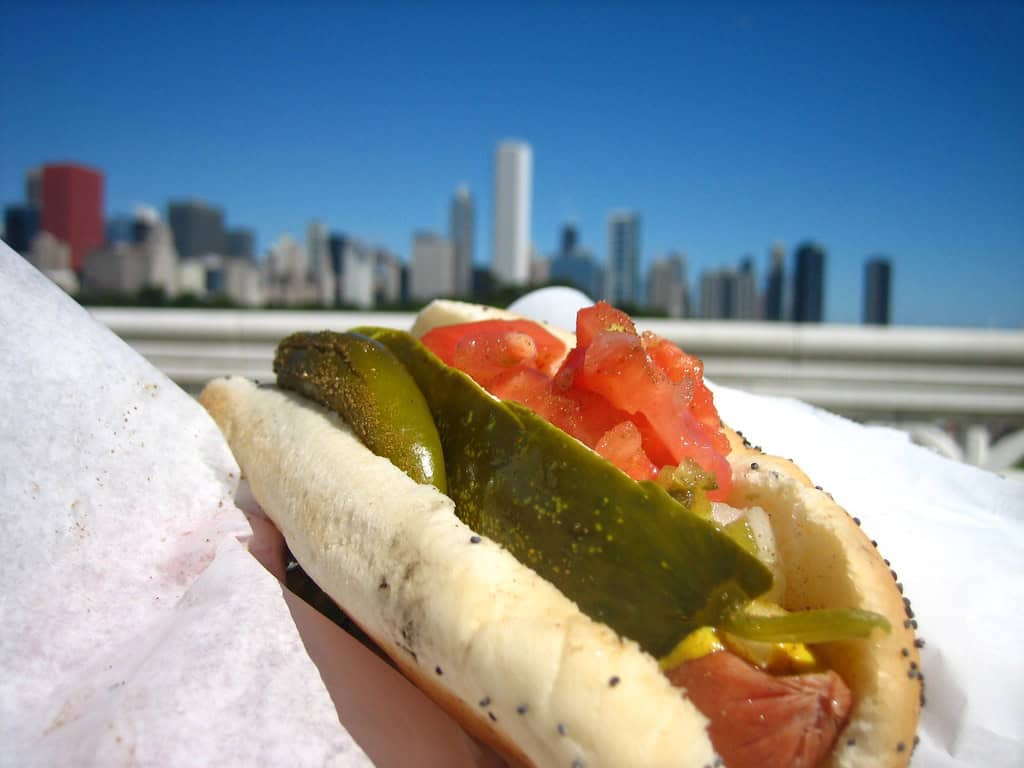
©"Chicago hot dog" by adactio is licensed under BY 2.0. - Original / License
Regional loyalty does the rest. A Chicago-style dog arrives loaded with toppings and, traditionally, no ketchup. New York versions are usually simpler, often finished with mustard, sauerkraut, or onions. Cheap, portable, and built for cookouts and stadium seats, the hot dog remains one of America’s most dependable meals in a bun.
The Grand Canyon
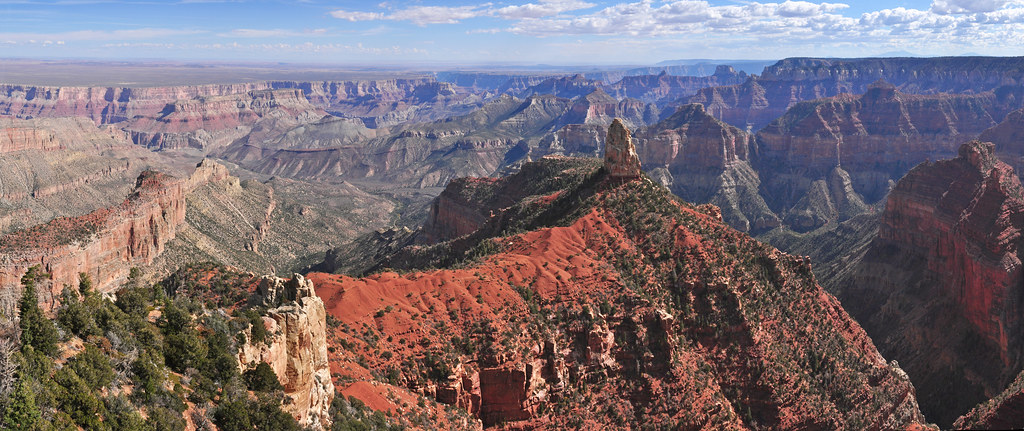
©"Grand Canyon National Park: North Rim Point Imperial 0612" by Grand Canyon NPS is licensed under BY 2.0. - Original / License
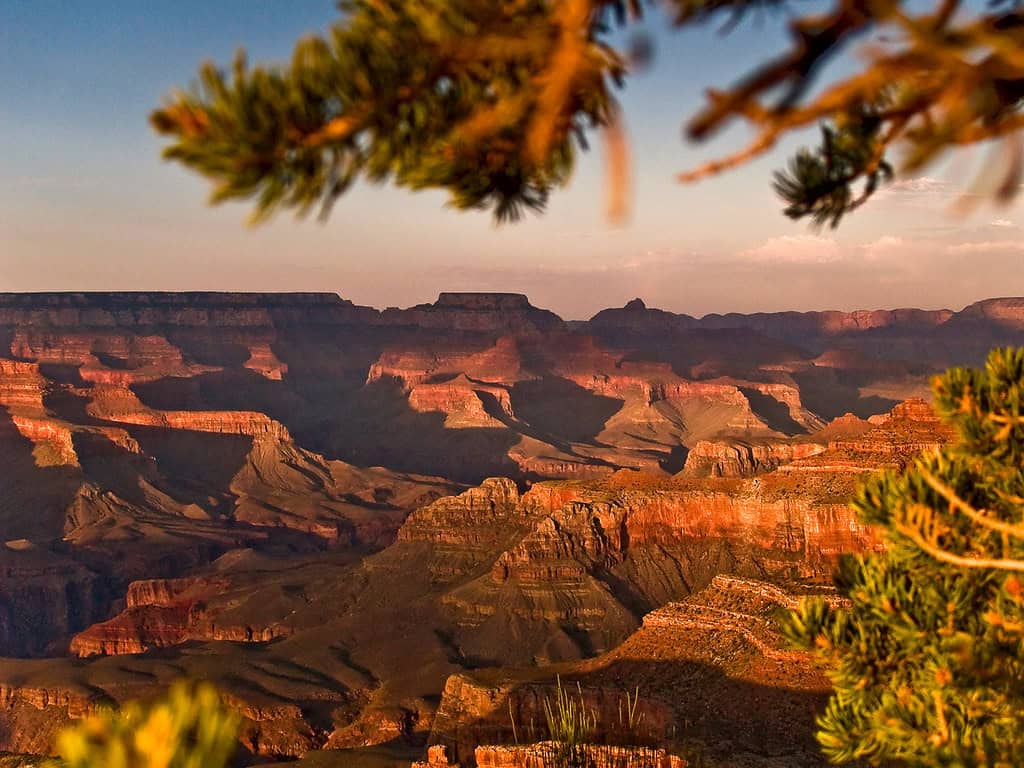
The Grand Canyon in Arizona is one of the country’s most recognizable natural landmarks and draws millions of visitors in a typical year. Grand Canyon National Park protects much of it, but the canyon extends beyond the park’s boundaries. Its cliffs, side canyons, desert trails, and waterfalls make it far more than one spectacular overlook.
The Grand Canyon (continued)
©"Grand Canyon" by Paul Fundenburg is licensed under BY 2.0. - Original / License
The landscape is also the ancestral homeland of Indigenous peoples, not an empty wilderness discovered by tourists. The National Park Service recognizes 11 federally recognized tribes with enduring cultural connections to the canyon. Tribal lands border sections of the park, including the Hualapai Reservation to the west, where the Hualapai Tribe operates Grand Canyon West.
Mount Rushmore
©Getty Images
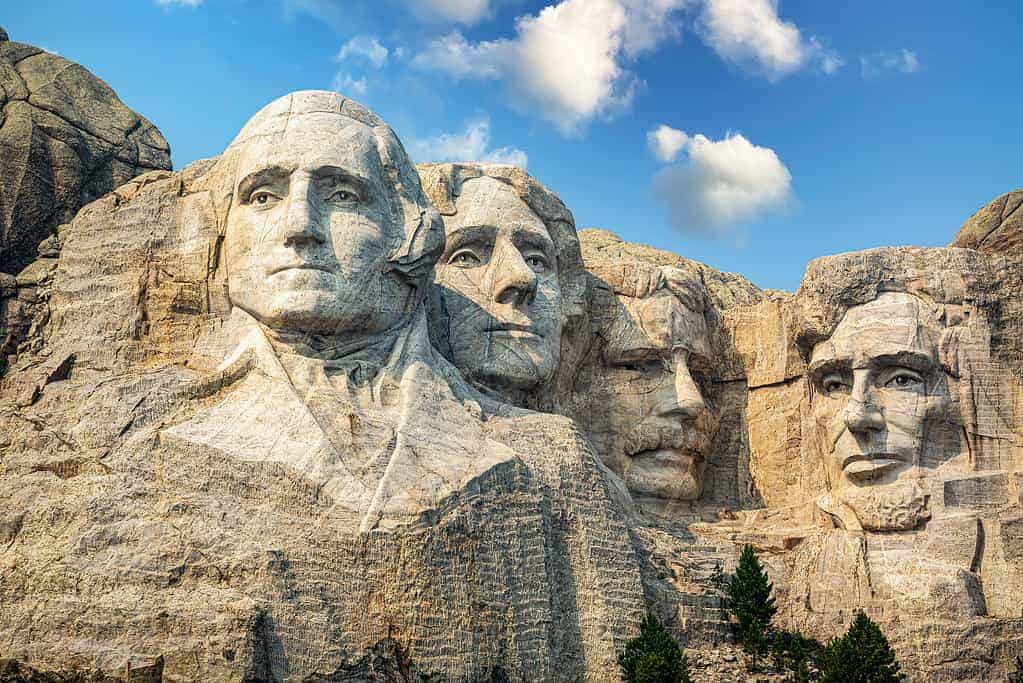
Mount Rushmore is one of those landmarks people recognize even if they have never considered planning a South Dakota vacation. The enormous presidential portraits carved into granite have appeared in postcards, movies, advertisements, and enough souvenir snow globes to qualify as their own weather system.
Mount Rushmore (continued)
©"Mount Rushmore detail view (100MP)" by Thomas Wolf, www.foto-tw.de is licensed under BY-SA 3.0. - Original / License
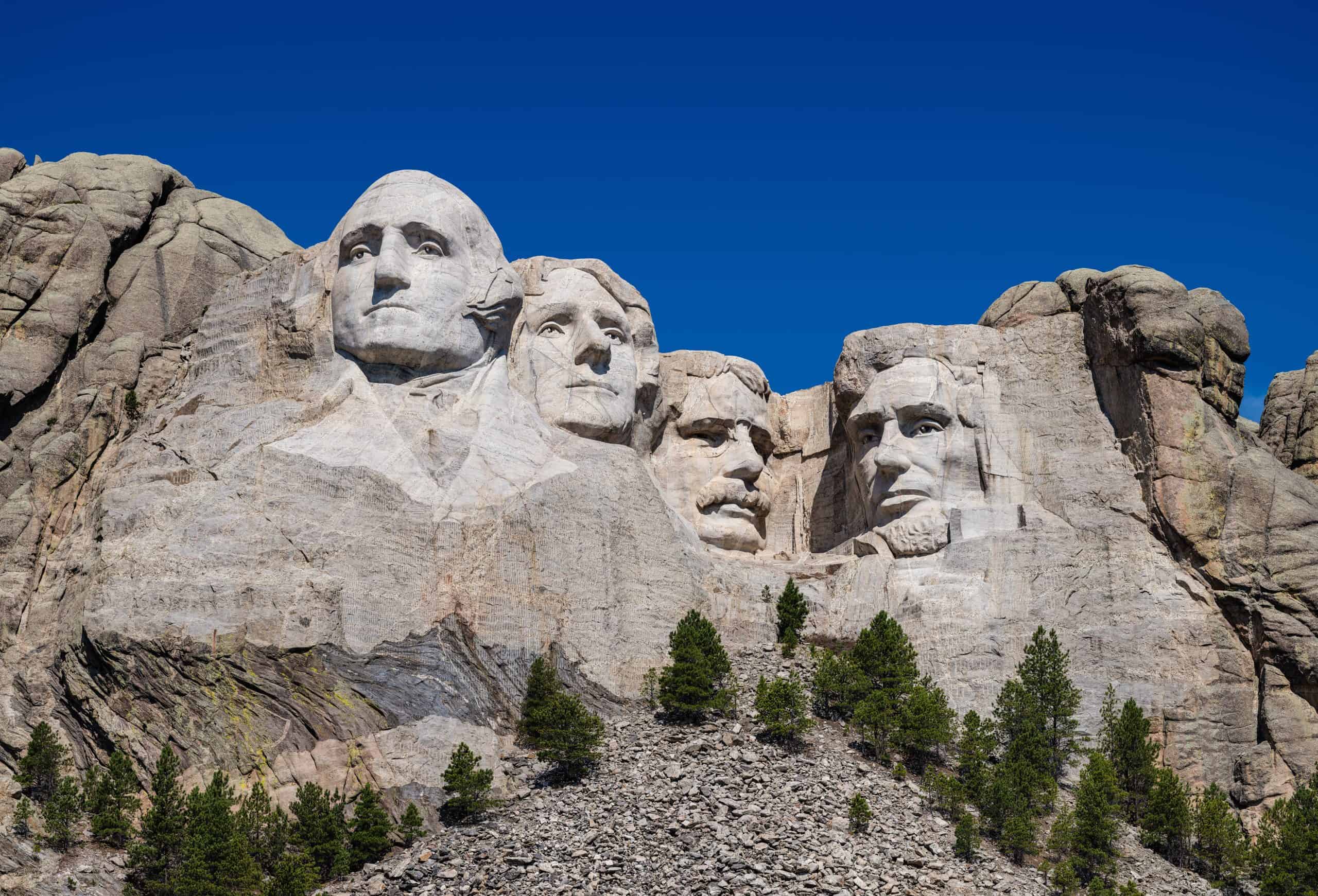
The memorial depicts George Washington, Thomas Jefferson, Theodore Roosevelt, and Abraham Lincoln. Crews worked on it from 1927 until 1941, when construction ended before the larger original design was finished. The location remains deeply contentious: The Black Hills are sacred to several Indigenous nations, and the United States took the land from the Lakota in violation of treaty obligations.
The American Dream
©"Dollar" by Images_of_Money is licensed under BY 2.0. - Original / License
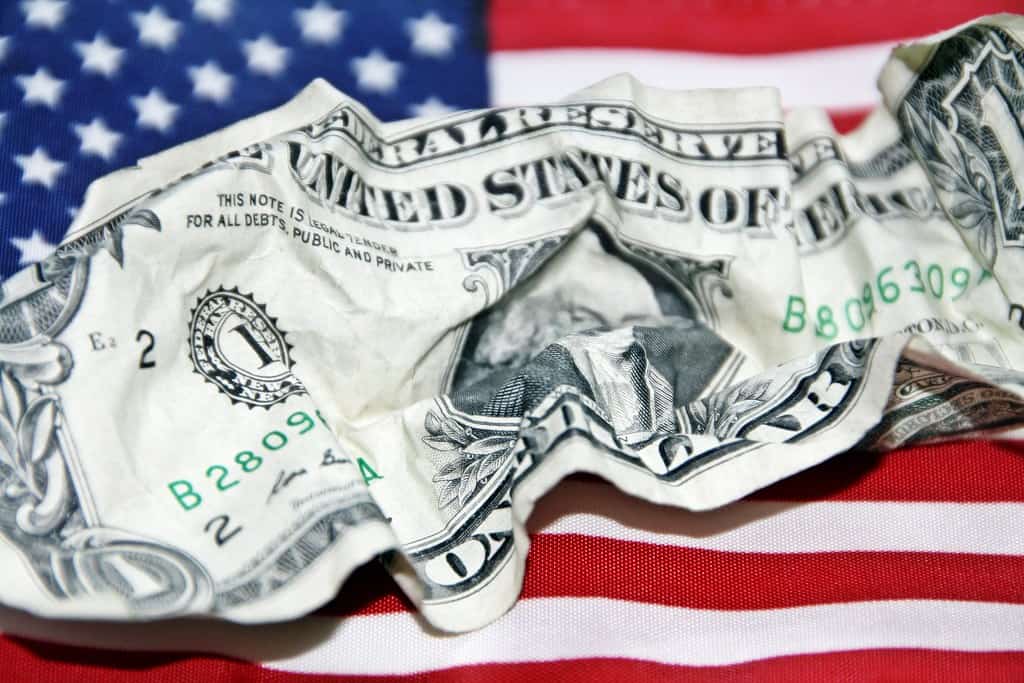
The American Dream is the belief that people should have a fair chance to build a better life, regardless of where they started. Depending on whom you ask, that might mean owning a home, finding meaningful work, starting a business, or giving the next generation more opportunities than the last.
The American Dream (continued)

©"Foreclosure" by taberandrew is licensed under BY 2.0. - Original / License
The argument is over how closely reality matches the promise. Research shows that economic mobility varies sharply by location, race, and family circumstances, so effort alone does not put everyone on equal footing. Admirers see an ideal worth pursuing. Critics see a phrase that can hide structural barriers and reduce a good life to a house, a paycheck, and a garage full of things.
All Things Disney
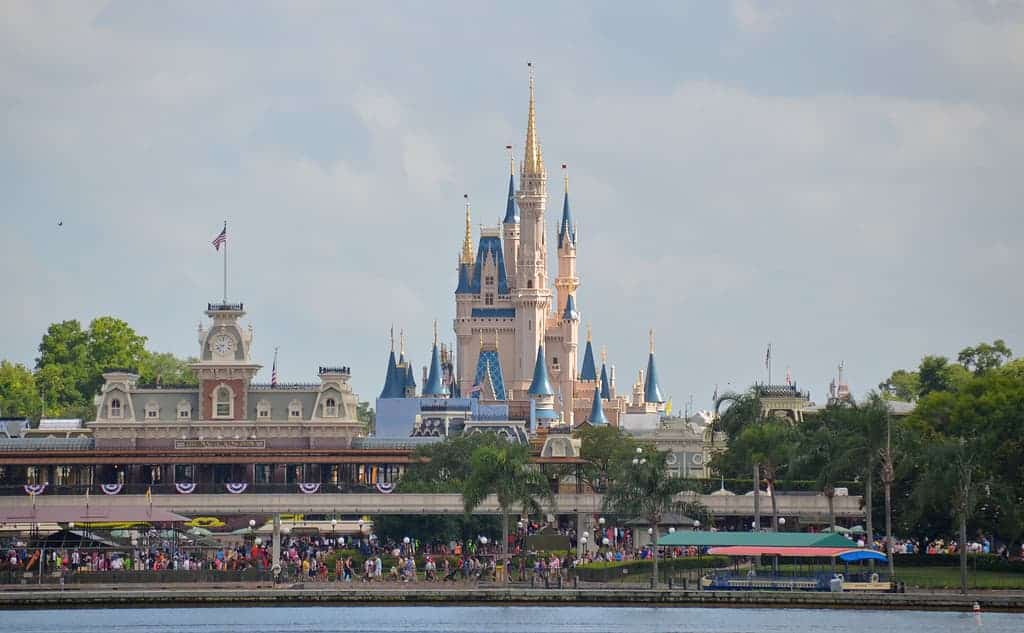
From Disneyland in California to Walt Disney World in Florida, Disney has become one of America’s largest cultural exports. Walt Disney was born in Chicago, and the company that bears his name grew from an animation studio into a sprawling entertainment business. Disney acquired Pixar in 2006 and Marvel in 2009, helping turn the Marvel Cinematic Universe and modern Pixar catalog into even bigger global forces.
All Things Disney (continued)
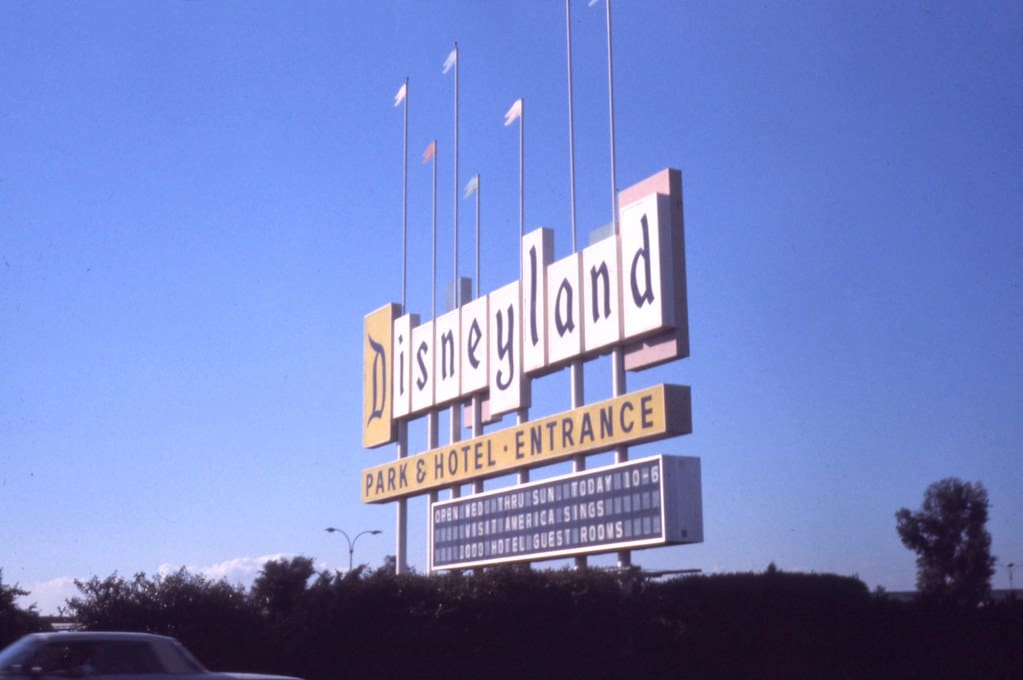
©"Disneyland sign, Harbor Blvd, Anaheim, 1974" by Orange County Archives is licensed under BY 2.0. - Original / License
Not everyone is enchanted. Critics point to the cost of the parks, the company’s enormous reach, labor disputes, and racial stereotypes in some older productions. Fans see beloved characters, ambitious attractions, and a remarkable talent for turning childhood memories into an entire vacation budget. Disney remains popular partly because people cannot seem to agree on whether it is magic, marketing, or both.
Hollywood
©Andrey Bayda/Shutterstock.com
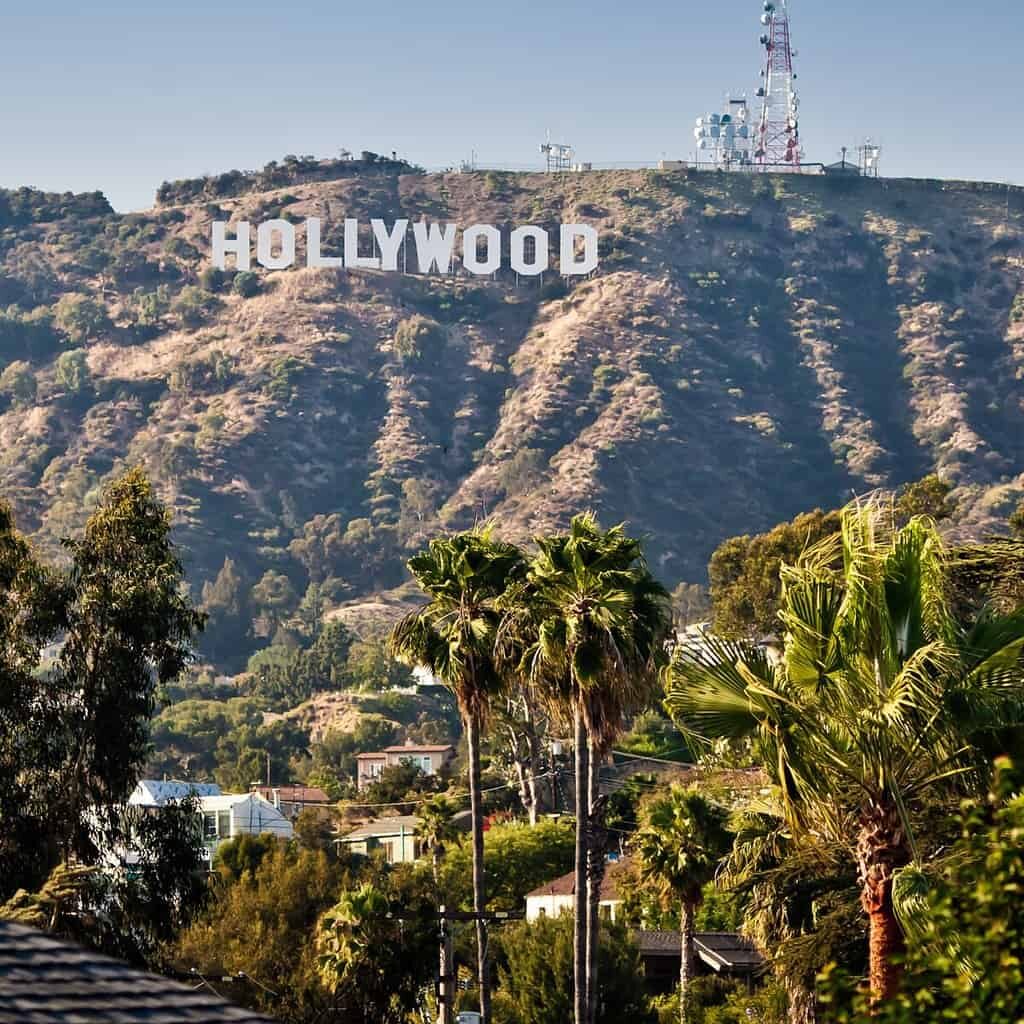
For generations, many people encountered an idealized version of America through Hollywood movies and television. The Los Angeles neighborhood remains a tourist magnet, thanks to the Hollywood Sign, the Walk of Fame, historic theaters, and tours promising a glimpse of celebrity life. Whether anyone actually spots a celebrity is another matter.
Hollywood (continued)
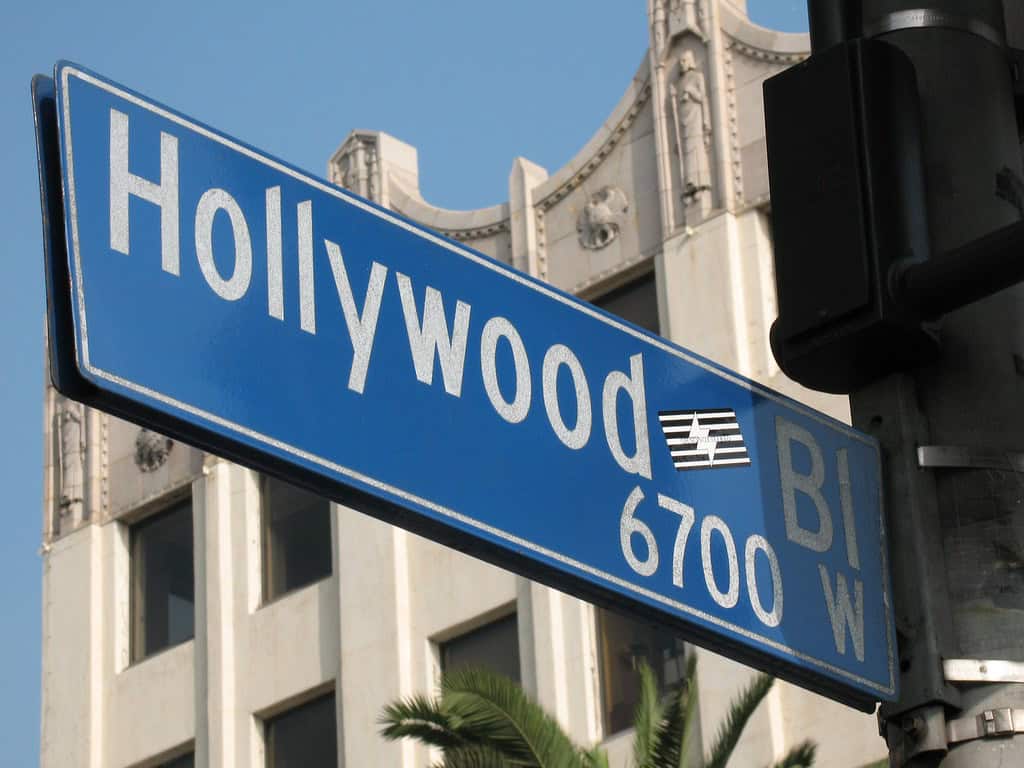
©"Hollywood Blvd ." by Simon Shek is licensed under BY 2.0. - Original / License
American film was not born in Hollywood. Early production was concentrated on the East Coast and in Chicago before companies began moving to Southern California around 1910; by 1914, Los Angeles had become the industry’s center. Today, “Hollywood” is shorthand for the broader American entertainment business, even as major film industries thrive around the world.
Yellowstone National Park
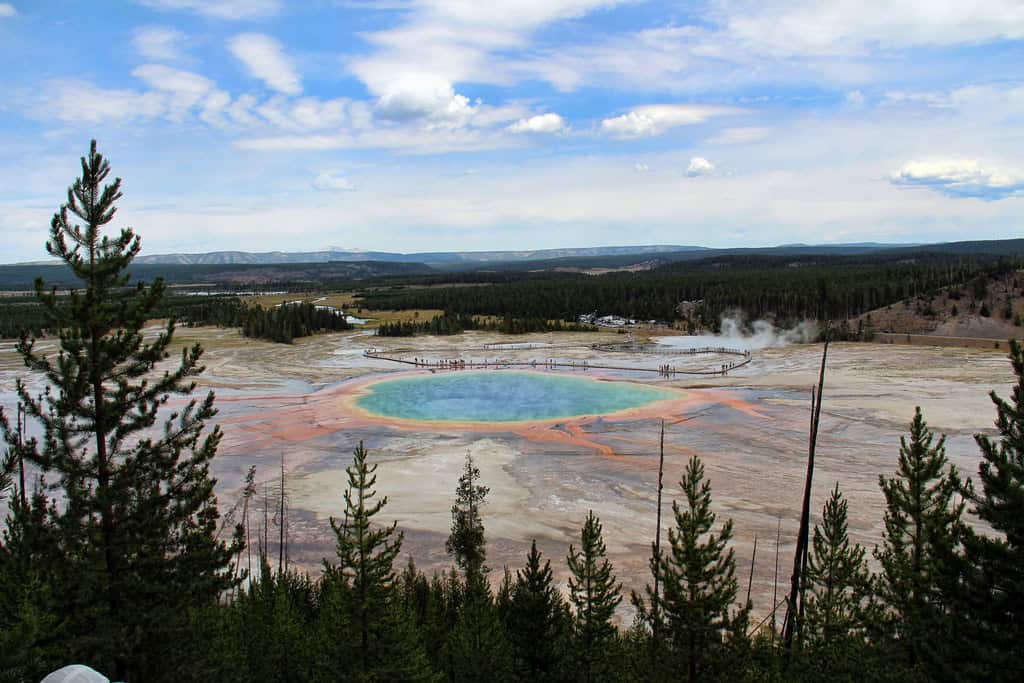
©"Grand Prismatic Spring: Yellowstone National Park - 2014" by Kyla Duhamel is licensed under BY 2.0. - Original / License
Yellowstone is the park that started the American national park system. Established in 1872, it is widely described as the world’s first national park. Most of it lies in Wyoming, with smaller sections in Montana and Idaho, and its mix of wildlife, canyons, forests, and hydrothermal features is difficult to mistake for anywhere else.
Yellowstone National Park (continued)
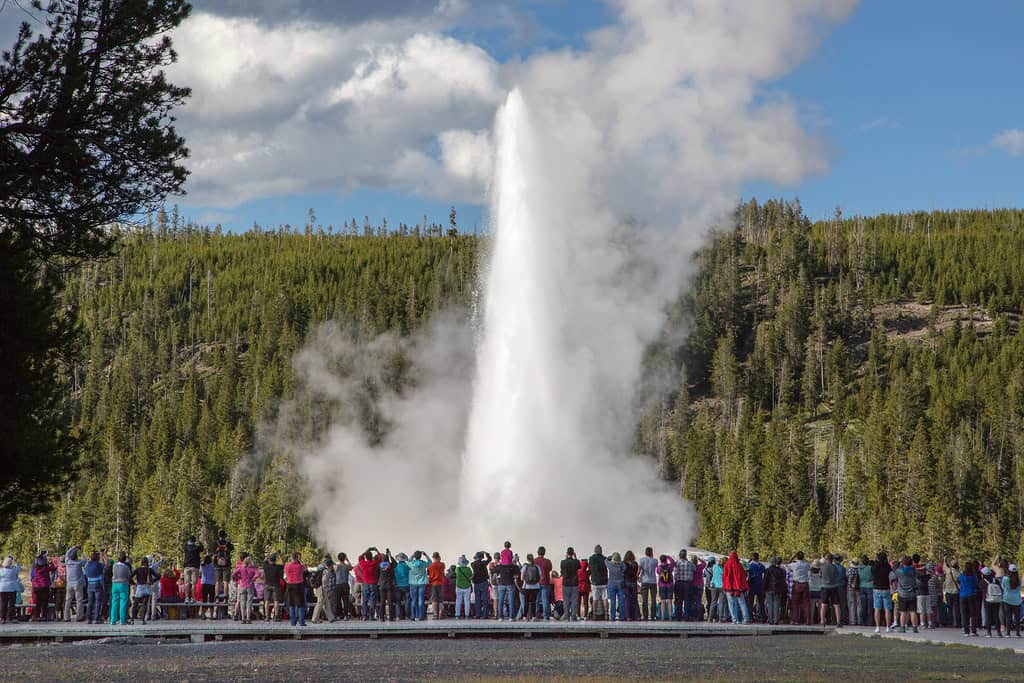
©"Early summer crowd at Old Faithful" by YellowstoneNPS is licensed under PDM 1.0. - Original / License
The park covers about 2.2 million acres and contains more than 10,000 hydrothermal features, including the famously predictable Old Faithful. Heat from Yellowstone’s volcanic system powers its geysers and hot springs. The enormous caldera produced supereruptions in the distant past, although the U.S. Geological Survey cautions that the popular “supervolcano” label is more dramatic than scientifically useful.
Baseball
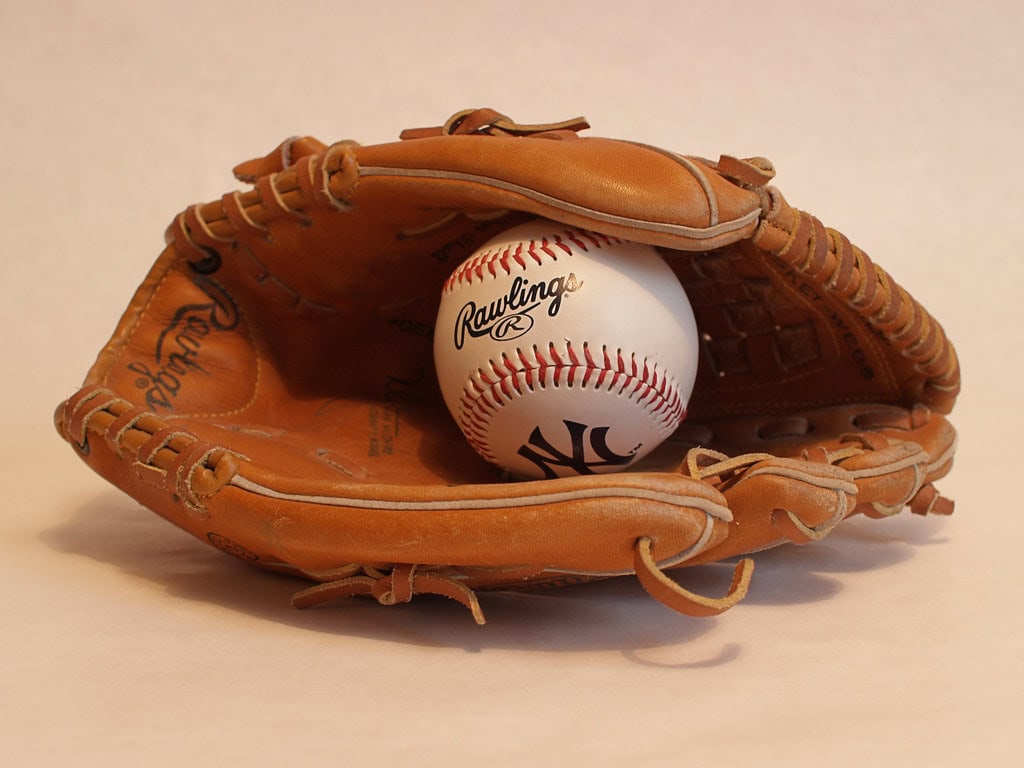
©"Baseball glove" by Andrei! is licensed under BY-SA 2.0. - Original / License
Baseball developed in the United States from older English and European bat-and-ball games, then spread across the country during the 19th century. It became so closely tied to American life that an afternoon at a major-league ballpark still feels like a cultural outing, even for visitors who cannot explain the infield fly rule.
Baseball (continued)
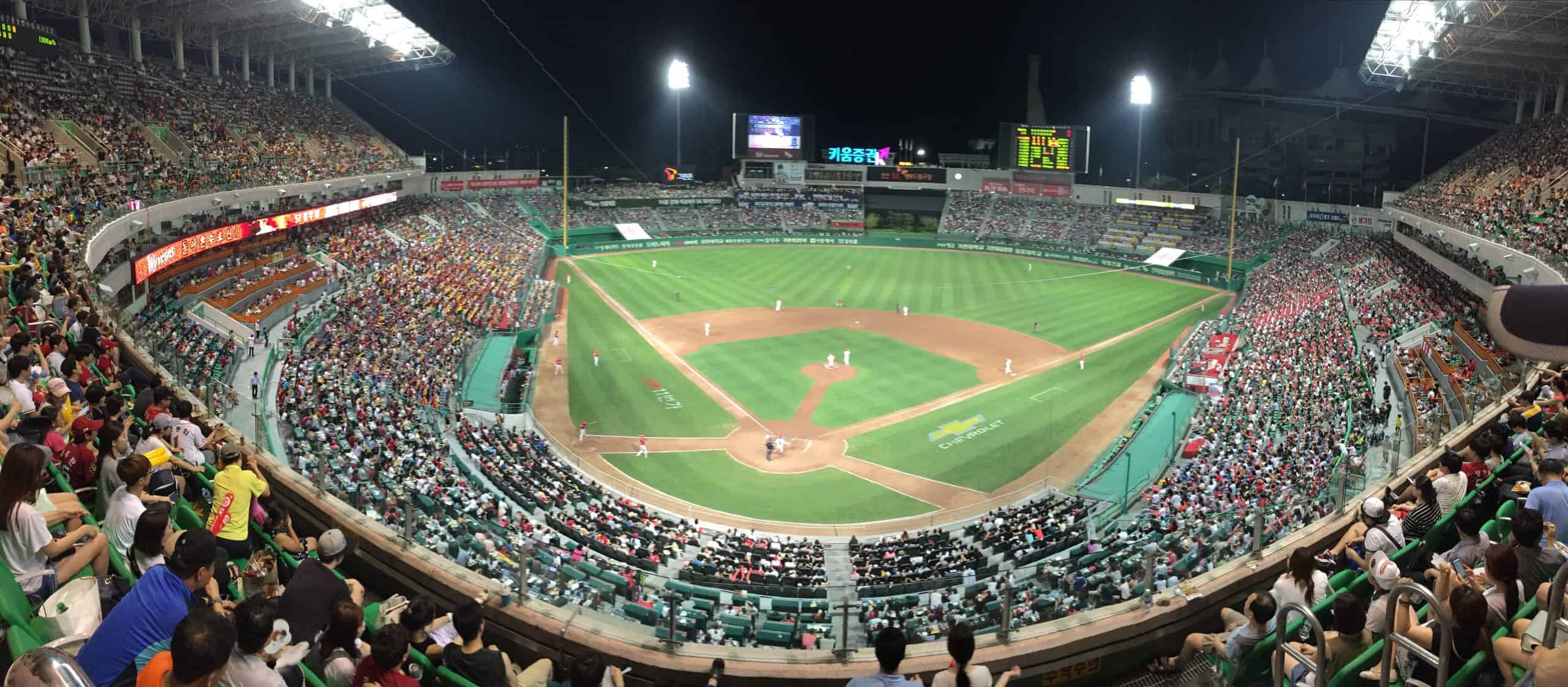
©"Munhak Baseball Stadium 20150711 SK vs Kia" by https://www.flickr.com/people/redjef25/ is licensed under BY 2.0. - Original / License
The sport is hardly confined to the United States. Japan, South Korea, the Caribbean, and much of Latin America have built rich baseball traditions of their own. Collecting is nearly as old as organized baseball: early card-like souvenirs appeared in the 1860s, and commercial baseball cards became popular in the 1880s.
The American Diner
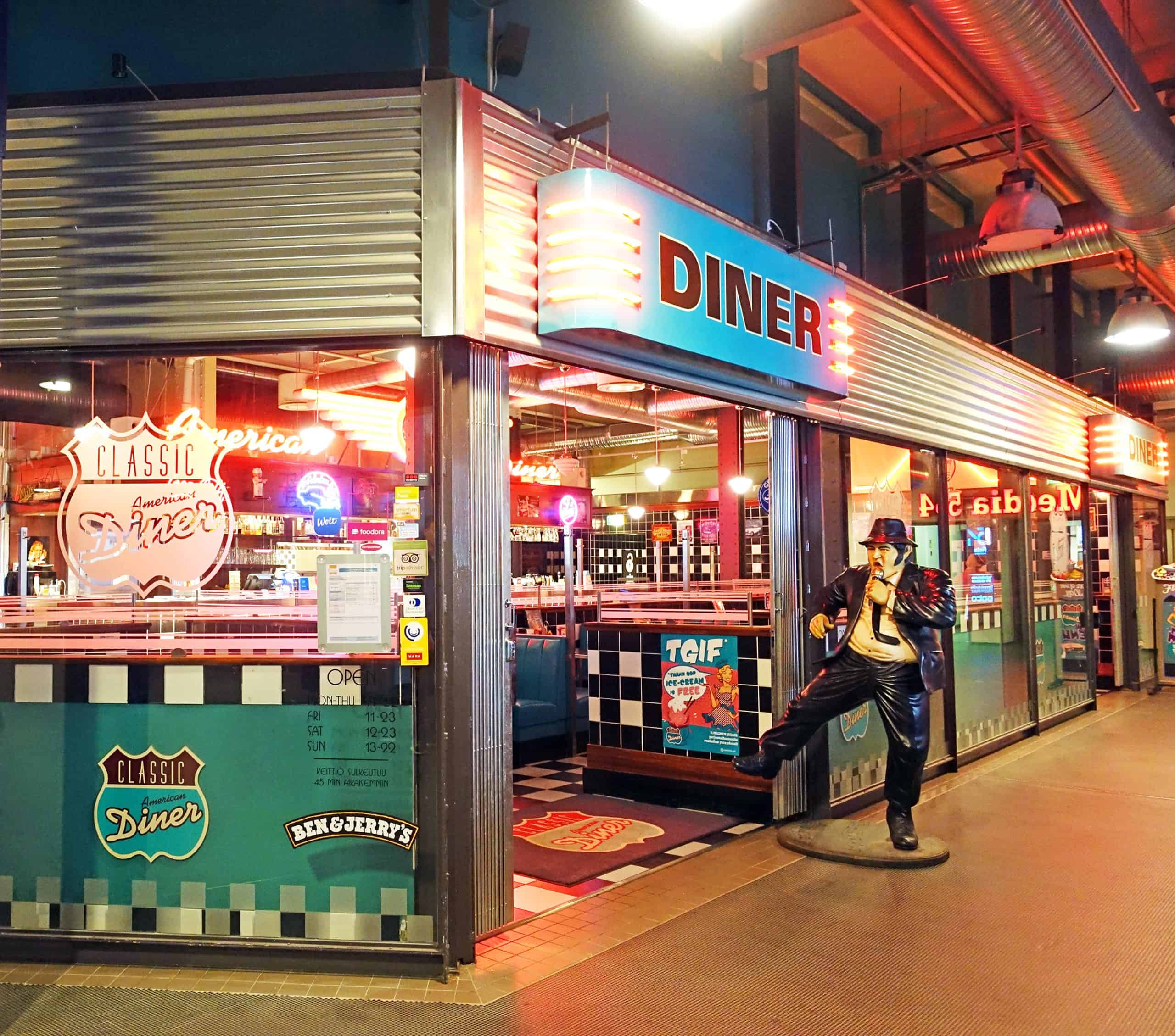
©"Classic American Diner" by Tiia Monto is licensed under BY-SA 3.0. - Original / License
The classic American diner grew out of late-19th-century lunch wagons and evolved into the prefabricated roadside restaurants that spread during the 20th century. Menus vary, but burgers, eggs, pie, milkshakes, and bottomless-looking cups of coffee are reliable members of the cast.
The American Diner (continued)
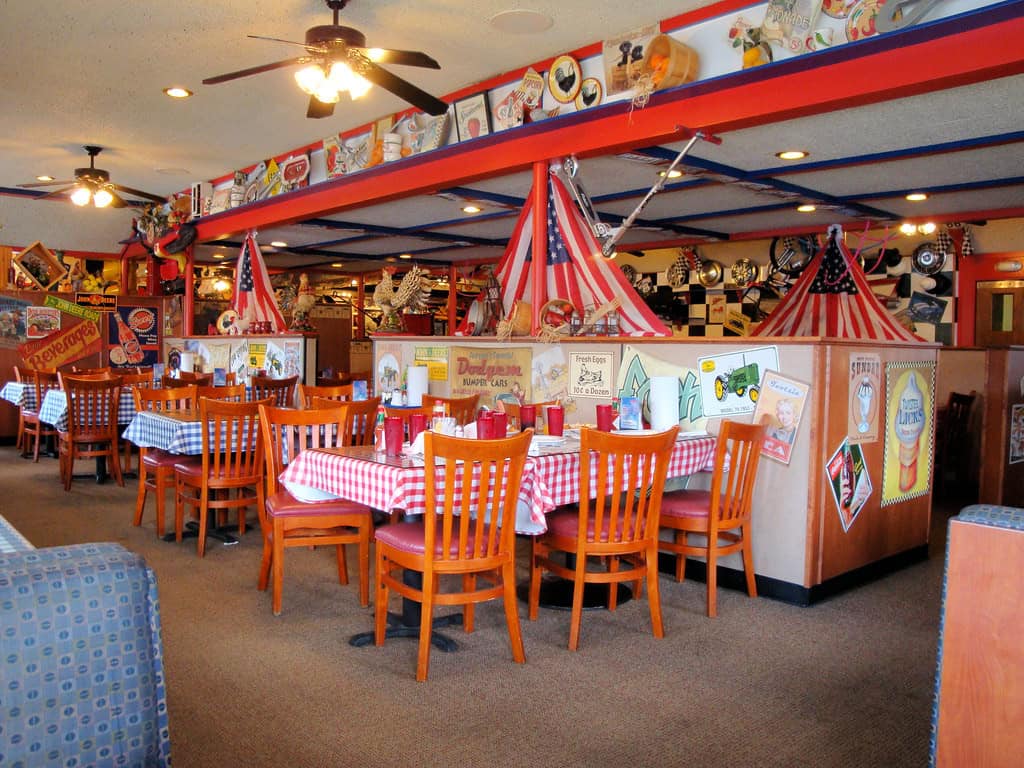
©"DSC28889, American Diner, Sunnyvale, CA, USA" by jimg944 is licensed under BY 2.0. - Original / License
Chrome trim, counter stools, neon, and jukeboxes helped turn the diner into shorthand for midcentury America. Carhops on roller skates belonged more to drive-ins, but the nostalgia has long since blended together. Some diners still stay open around the clock, ready with coffee and fries when good judgment has already gone to bed.
New York City, Los Angeles, & Chicago
©Deliris/Shutterstock.com
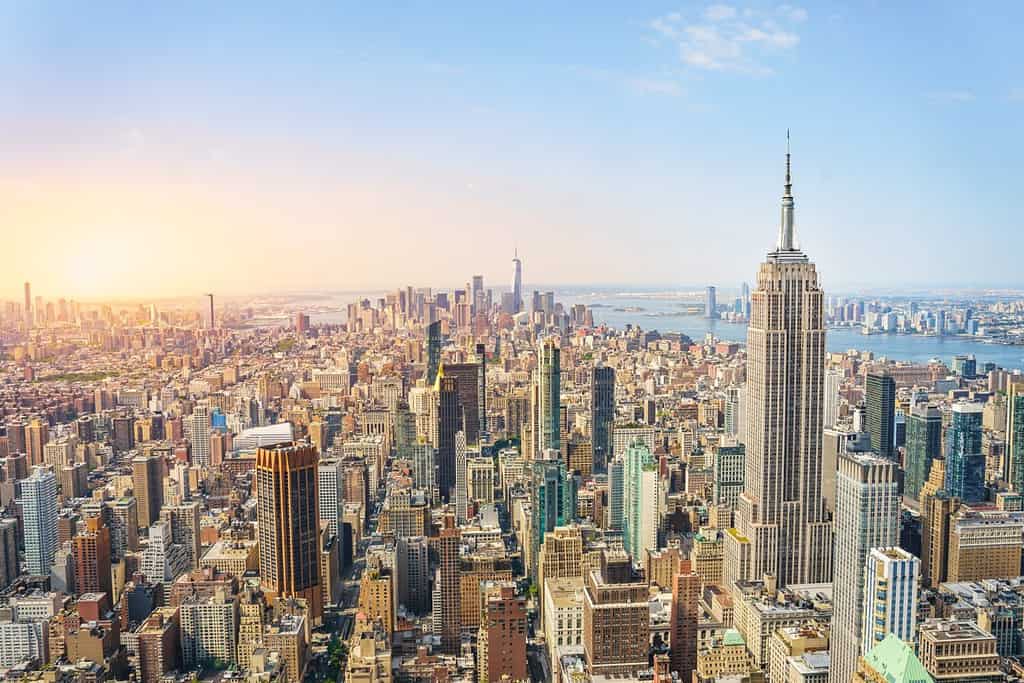
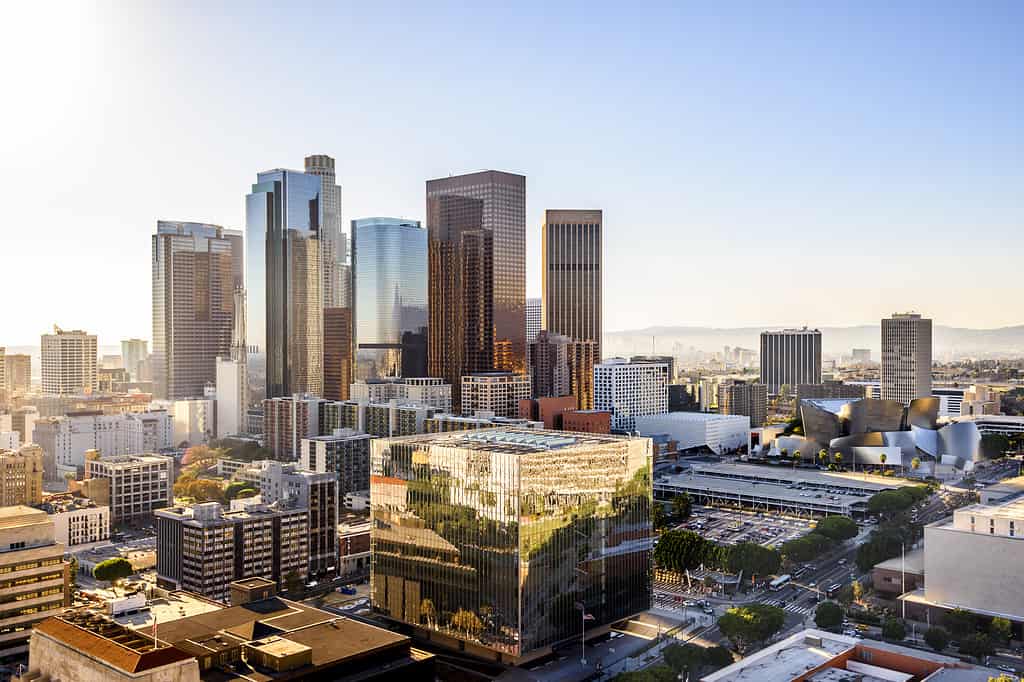
New York City, Los Angeles, and Chicago are not the only cities that define the country, but they may be the three most familiar abroad. All are major transportation and cultural hubs: New York grew around an Atlantic harbor, Los Angeles has one of the nation’s busiest port complexes nearby, and Chicago became a powerhouse through the Great Lakes, railroads, and aviation.
New York City, Los Angeles, & Chicago (continued)
©iStock.com/choness
Each city sells a different version of urban America. New York has Broadway, Wall Street, and a skyline built for movie montages. Los Angeles mixes beaches, film history, and endless freeway. Chicago brings bold architecture, blues, deep-dish pizza, and a lakefront large enough to make first-time visitors check the map.
New York City, Los Angeles, & Chicago (continued)
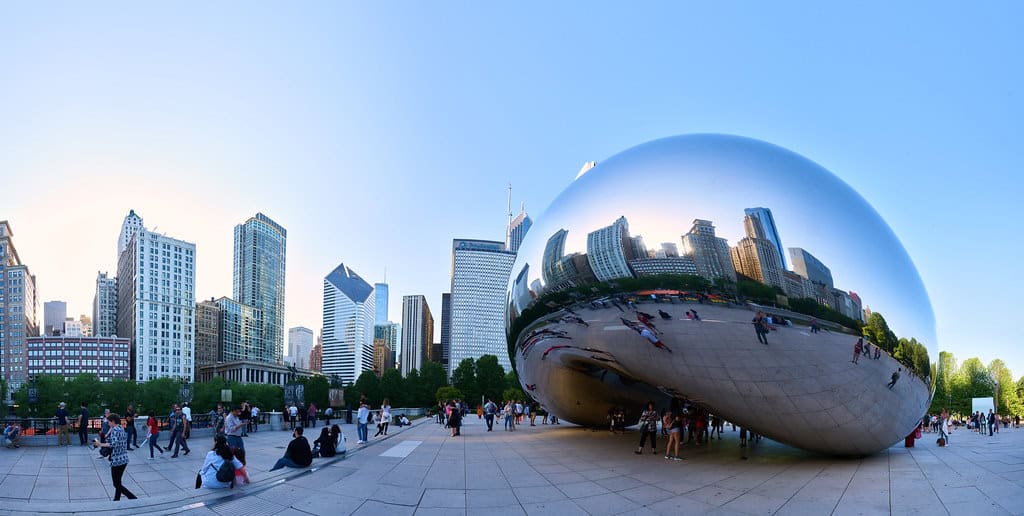
©"Chicago" by szeke is licensed under BY-SA 2.0. - Original / License
The rivalries are mostly a matter of local pride and personal taste. One person’s exciting density is another person’s crowded nightmare; one person’s sunshine is another person’s traffic jam. Loving one city does not require hating the other two, although sports fans may need that explained slowly.
Hamburgers
©"Hamburgers" by niklasrhose is licensed under CC0 1.0. - Original / License
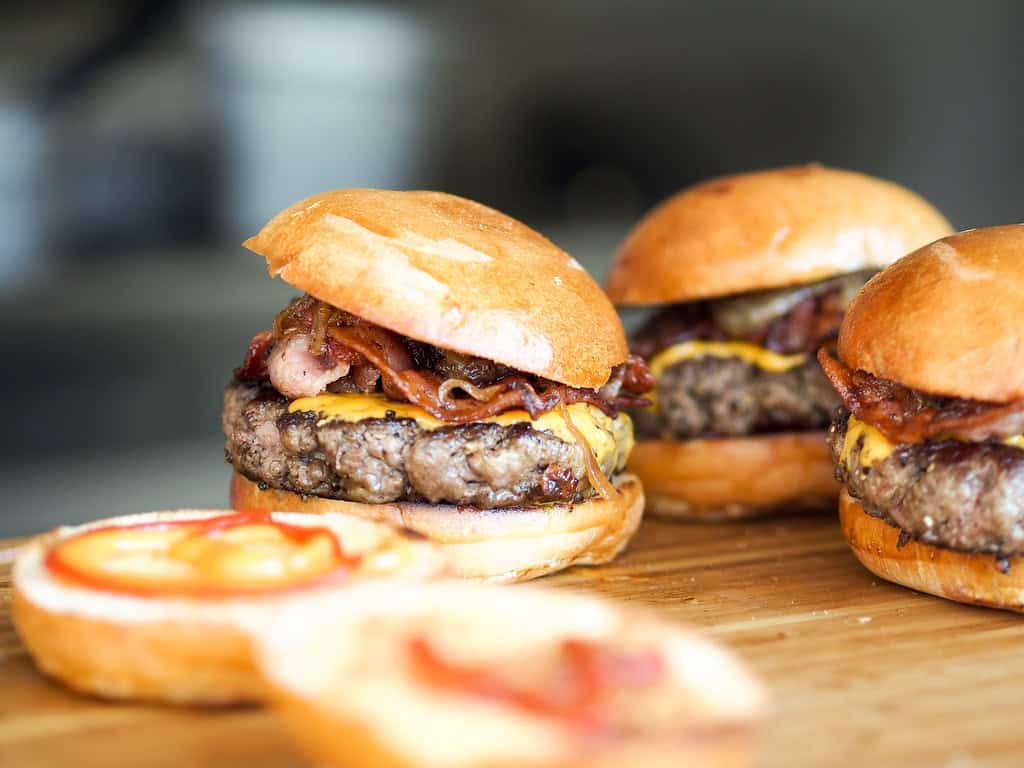
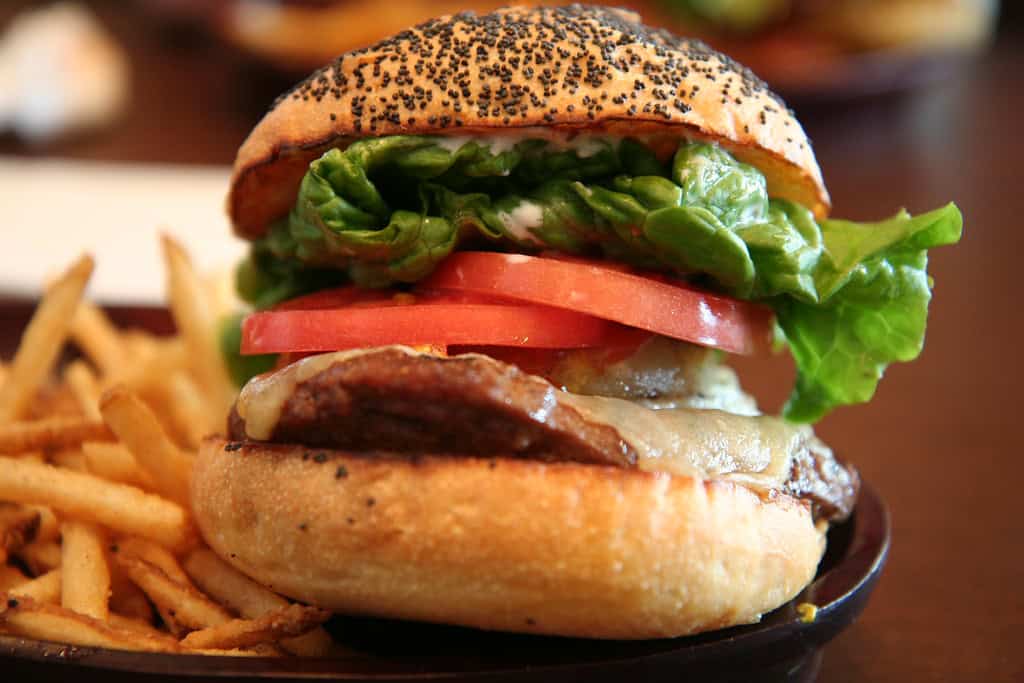
The hamburger’s exact inventor remains disputed. Its family tree includes Hamburg steak and other ground-meat dishes, but the meat-patty sandwich was popularized in the United States around the turn of the 20th century. The basic formula—patty, bun, toppings—proved flexible enough to accommodate cheese, bacon, mushrooms, turkey, beans, plants, and almost anything else that will sit still long enough.
Hamburgers (continued)
©"Here's another shot of Hamburger!" by chichacha is licensed under BY 2.0. - Original / License
Not everybody loves burgers, and the objections go beyond taste. Beef production raises concerns about climate, land use, and animal welfare, while health guidance generally recommends limiting red and processed meats and choosing leaner proteins more often. Still, a burger’s nutritional profile depends heavily on the patty, portion, toppings, and the rest of a person’s diet. The bun is not automatically a medical emergency.
NASA
©"nasa" by Willy D is licensed under BY 2.0. - Original / License
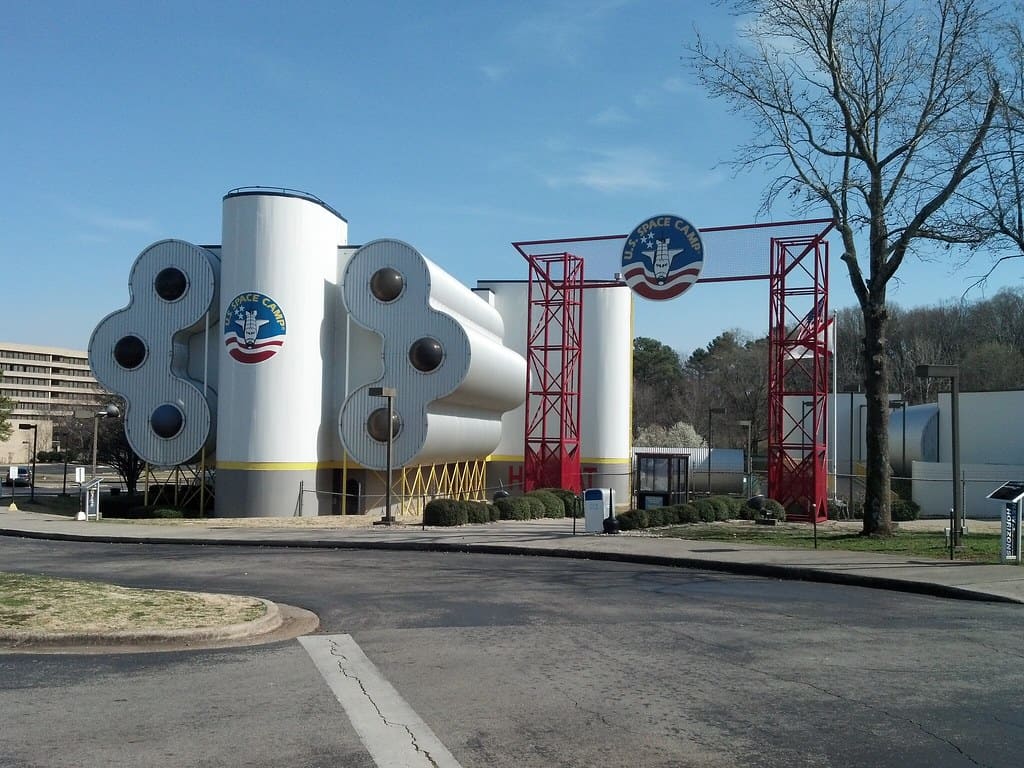
NASA—the National Aeronautics and Space Administration—is the civilian federal agency behind many of the country’s best-known achievements in air and space. Its work has included the Apollo Moon landings, Mars rovers, robotic missions across the solar system, Earth-observing satellites, the International Space Station, and decades of aeronautics research.
NASA (continued)
©"Alabama" by US Department of State is licensed under BY-SA 2.0. - Original / License
President Dwight D. Eisenhower signed the law creating NASA in July 1958, and the agency began operations on October 1 of that year amid the Space Race with the Soviet Union. Its current work includes the Artemis campaign to return astronauts to the Moon, preparation for eventual human exploration of Mars, Earth and climate science, commercial space partnerships, and quieter aviation research that rarely gets the movie treatment.
Guns

©"GR16 R4 Carbine (M4 RIS) Assault Rifle" by brian.ch is licensed under BY 2.0. - Original / License
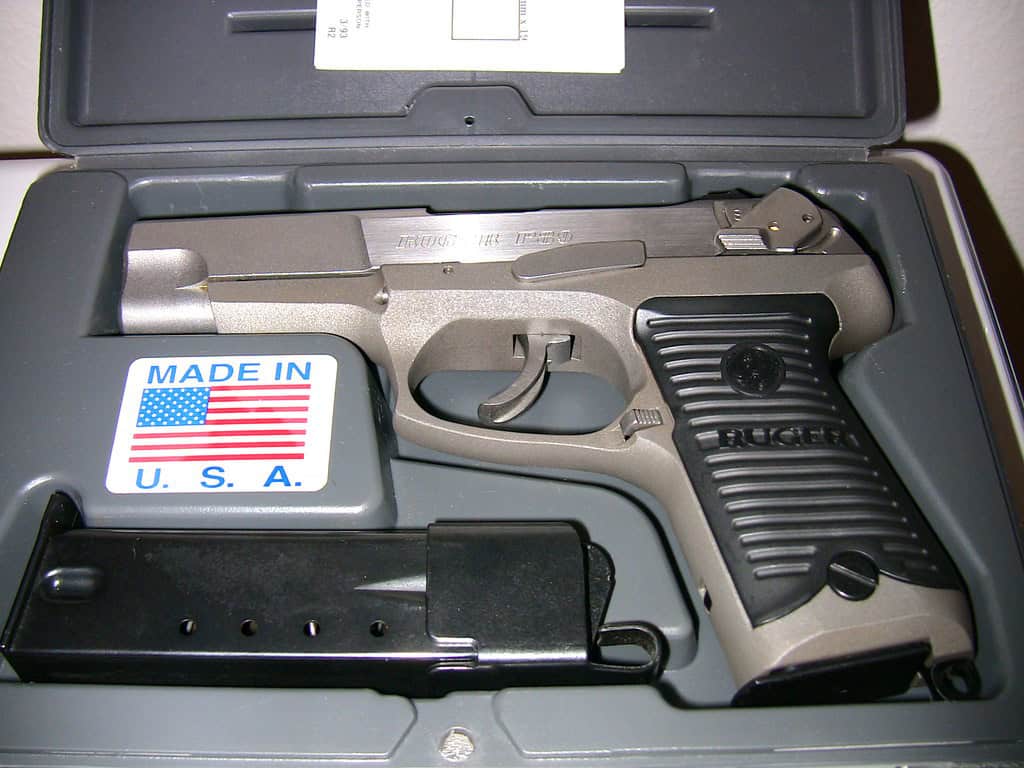
Few subjects expose America’s political divide as quickly as guns. The Second Amendment protects an individual right to keep and bear arms, according to the U.S. Supreme Court, but the Court has also made clear that the right is not unlimited. Federal, state, and local governments regulate who may possess firearms, where they may be carried, and which weapons or transactions are lawful.
Guns (continued)

©"Truce with gun, taken by Magi [ http://www.magifesn.cz/ ]" by overdrive_cz is licensed under BY-SA 2.0. - Original / License
Supporters commonly emphasize self-defense, hunting, sport, and a constitutional check on government power. Supporters of tighter restrictions point to firearm homicides, suicides, accidental shootings, and the lasting harm suffered by survivors and communities. It is a serious public-safety debate, not just another colorful national quirk.
Guns (continued)
©"handgun" by robertnelson is licensed under BY 2.0. - Original / License
A Small Arms Survey study estimated that U.S. civilians held about 393 million firearms in 2017, or roughly 120.5 guns for every 100 residents—the highest estimated rate in the world. That is a count of firearms, not gun owners. Many Americans own none, while some own several. That uneven distribution is one reason the statistic is both striking and frequently misunderstood.
Empire State Building
©"New York City Skyline from Top of Empire State Building" by jody.claborn is licensed under PDM 1.0. - Original / License
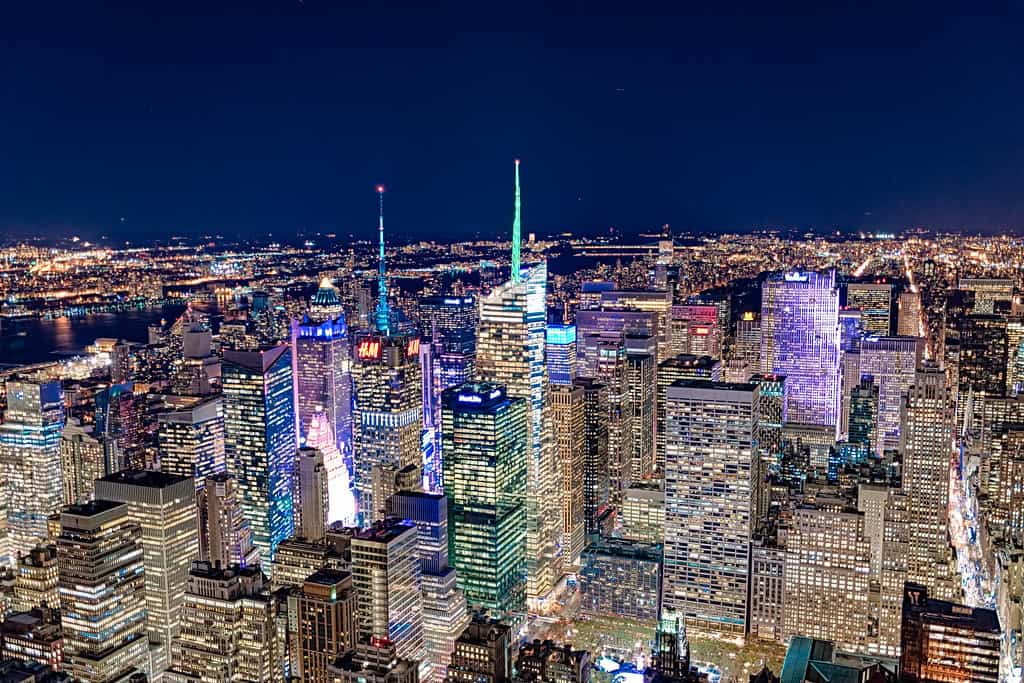
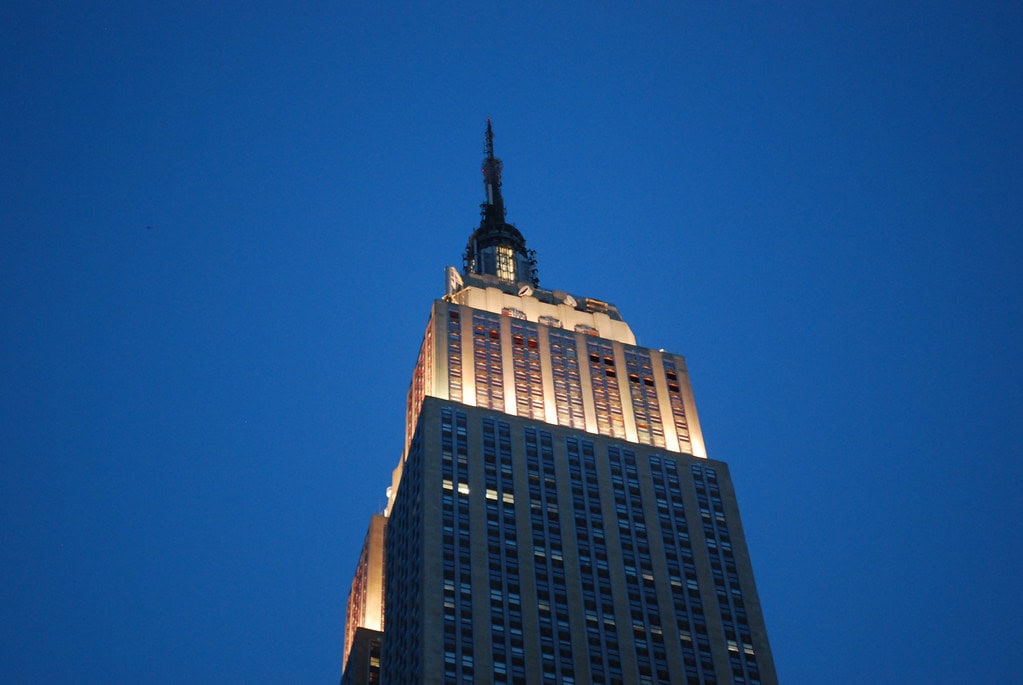
The Empire State Building is no longer close to being the world’s tallest, but its 1,454-foot silhouette remains instantly recognizable. The 102-story Art Deco skyscraper opened in 1931, became the first building with more than 100 stories, and held the world height record for nearly 40 years. King Kong made it cinematic shorthand for New York; Sleepless in Seattle made it romantic.
Empire State Building (continued)
©"Empire state Building, NY" by Ami's is licensed under BY 2.0. - Original / License
Its observation decks offer sweeping views across New York City, which explains the steady supply of visitors, proposals, and carefully framed skyline photos. It is thoroughly touristy, certainly, but some clichés earn their reputation.
Statue of Liberty
©"NY Statue of Liberty" by Celso Flores is licensed under BY 2.0. - Original / License
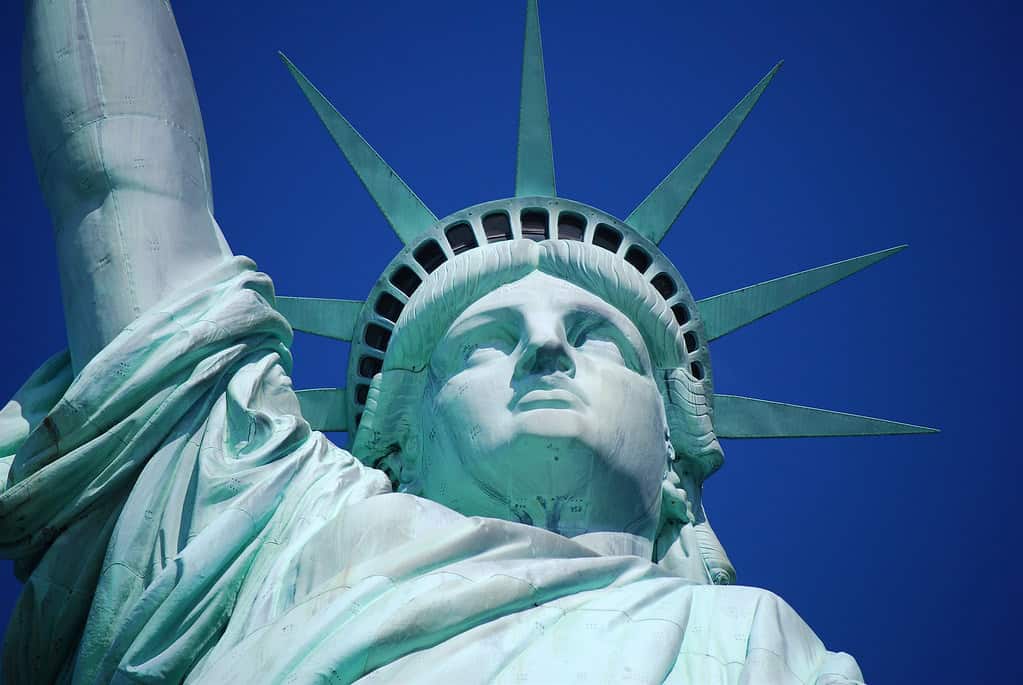
The Statue of Liberty was a gift from the people of France, conceived to celebrate the United States’ centennial, the end of the Civil War, and friendship between the two countries. Dedicated in New York Harbor on October 28, 1886, it later became closely linked with immigration as millions of newcomers passed through nearby Ellis Island.
Statue of Liberty (continued)
©"Statue of Liberty" by aa7ae is licensed under BY 2.0. - Original / License
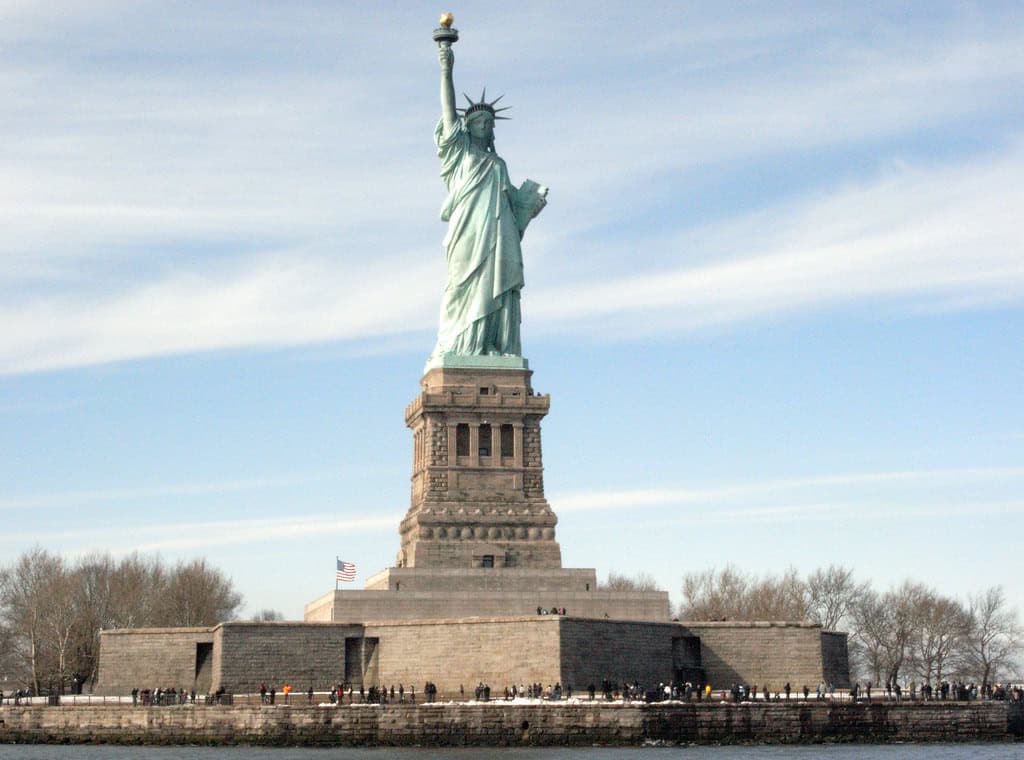
From the ground to the tip of the torch, the monument stands 305 feet, 1 inch tall. Its copper skin gradually oxidized into the familiar green patina. The statue was completed in France, disassembled, shipped to New York in 1885, and reassembled before its dedication the following year—a little more involved than opening a gift box.
BBQ
©"BBQ" by Jun Seita is licensed under BY 2.0. - Original / License
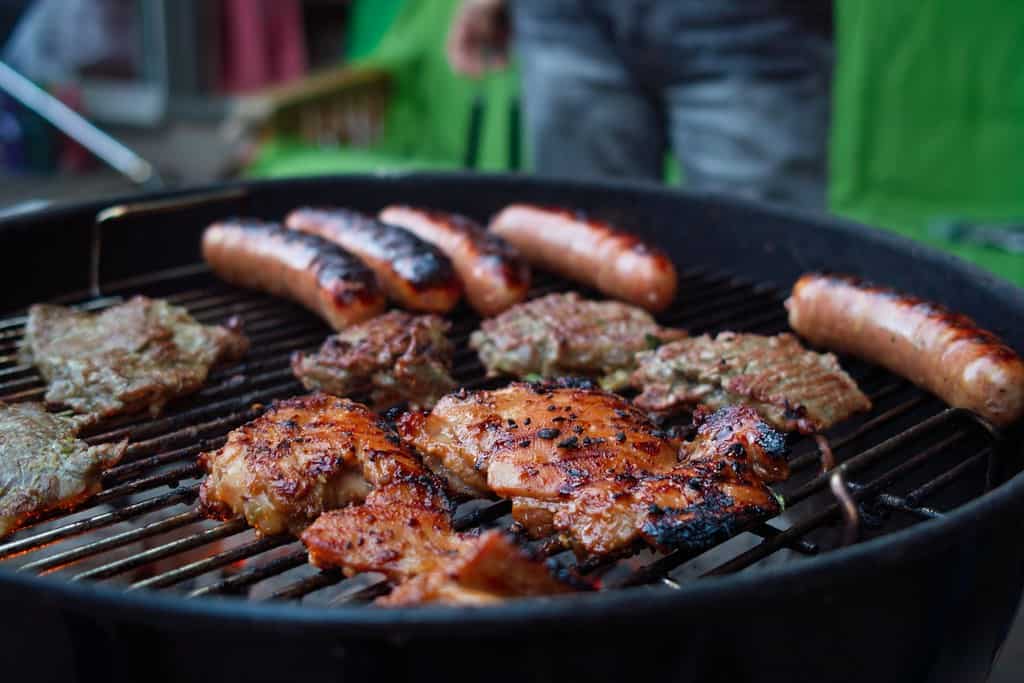
Cooking meat slowly over fire and smoke is hardly unique to the United States, but American barbecue developed into a collection of fiercely defended regional traditions. Eastern North Carolina favors whole hog with a vinegar-and-pepper sauce, while Texas is especially known for beef brisket seasoned simply and cooked low and slow.
BBQ (continued)
©"Memphis Style BBQ Ribs" by Numinosity by Gary J Wood is licensed under BY-SA 2.0. - Original / License
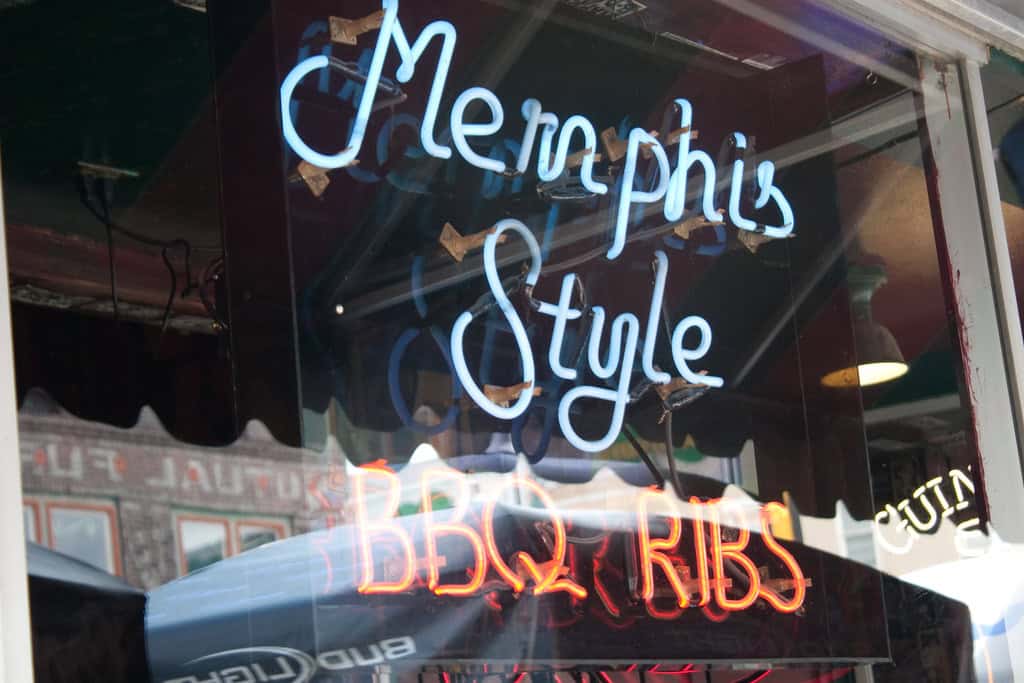
Memphis is famous for pork ribs served dry-rubbed or sauced. Kansas City barbecue covers several meats and usually comes with a thick, sweet, tomato-based sauce. South Carolina has a strong mustard-sauce tradition, and northern Alabama is known for white sauce. People disagree about which style is best because apparently slow-cooked meat was not already dramatic enough.

