

Cities are supposed to change. New neighborhoods grow, old ones are redeveloped, businesses come and go, and each generation leaves something behind. But sometimes the changes happen quickly enough that longtime residents begin talking about their hometown almost like it was a different place.
There is rarely one explanation. Housing costs can push out residents and independent businesses. Tourism can transform neighborhoods that were once primarily residential. New industries bring jobs and money while changing who can afford to live nearby. Other cities are still dealing with population loss, disinvestment, natural disasters or the long tail of the pandemic.
None of that means these places are no longer worth visiting. Every city on this list still has neighborhoods, restaurants, landmarks and cultural institutions that make it special. But if you knew them 10, 20 or 30 years ago, you may notice just how much has changed. These are 10 American cities where the difference is especially hard to miss.
Chicago, Illinois
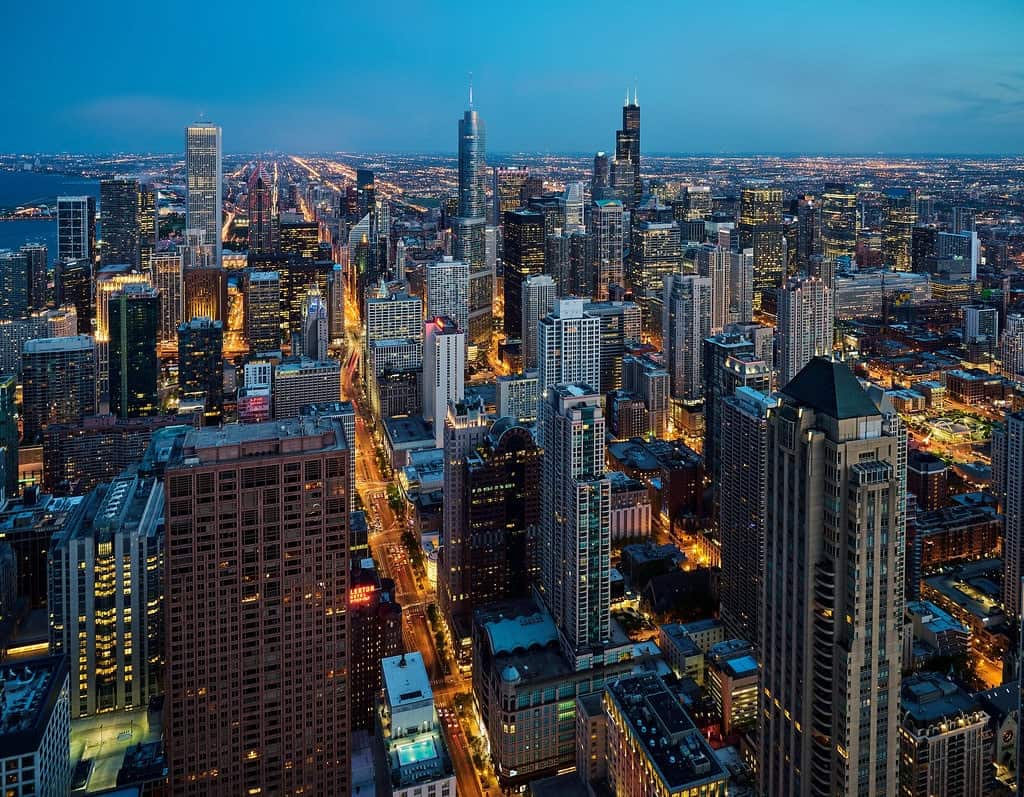
Chicago has never had trouble establishing an identity. Its architecture, lakefront, neighborhood restaurants, blues clubs, sports culture and unmistakable skyline make it one of the easiest American cities to recognize. What has changed is the experience from one neighborhood to another.
The idea that Chicago is simply emptying out is exaggerated. The Census Bureau estimated the city’s 2025 population at about 2.73 million, only 0.6% below its 2020 population base. Cook County was down about 1.6% over the same period. Those relatively modest countywide numbers, however, hide much bigger neighborhood-level changes. Some communities have gentrified rapidly, while portions of the South and West sides have experienced long-term population loss and disinvestment.
Housing costs and property taxes add another layer. Cook County officials reported that Chicago homeowners took on a larger property-tax burden after the city’s 2024 reassessment cycle. Visitors can still find plenty of classic Chicago in neighborhoods across the city, but the economic divide between booming areas and places still waiting for reinvestment has become harder to ignore.
Baltimore, Maryland
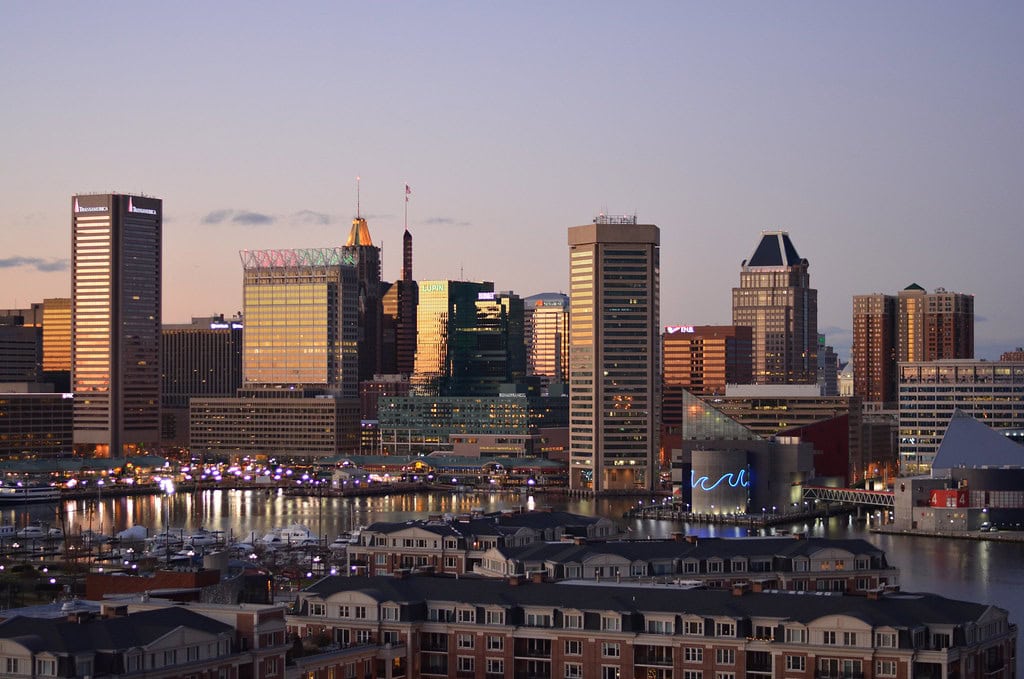
Baltimore’s “Charm City” nickname grew out of a tourism campaign in the 1970s, but the phrase stuck because the city really does have a character of its own. Rowhouse neighborhoods, local markets, waterfront attractions and fiercely local traditions have long separated Baltimore from the other big cities along the Northeast Corridor.
The city has also endured major population loss. Baltimore counted 620,961 residents in the 2010 census and 585,708 in 2020, a decline of about 35,000 people in a decade. The Inner Harbor has gone through its own transition, and a major redevelopment of Harborplace is now planned, with construction expected to begin in 2026 and continue in phases through the end of the decade.
One important update is that Baltimore’s crime story has changed considerably. The city recorded 133 homicides in 2025, down 31% from the previous year, while nonfatal shootings fell 24%. That does not erase Baltimore’s longstanding challenges, but it does make older descriptions of ever-worsening violent crime badly outdated. Neighborhoods including Hampden, Federal Hill and Fells Point still offer plenty of the personality that earned Baltimore its nickname in the first place.
New Orleans, Louisiana
©Kevin Ruck/Shutterstock.com
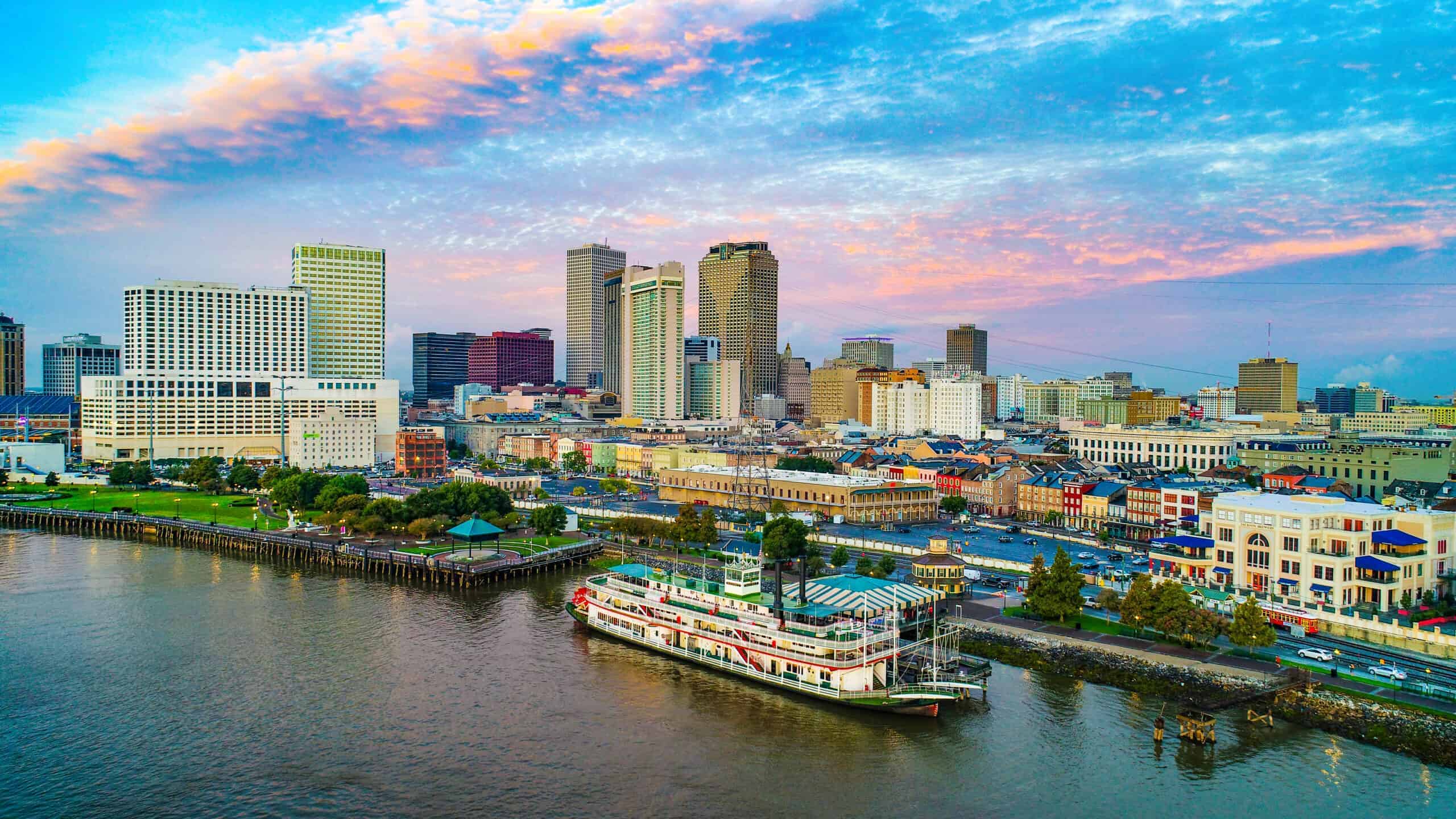
Few American cities have influenced music, food and culture as deeply as New Orleans. Jazz, Creole and Cajun cooking, neighborhood parades and architecture unlike almost anywhere else have made it one of the country’s most distinctive destinations. They have also made tourism an enormous part of the local economy.
New Orleans welcomed a record 19.75 million visitors in 2019. That tourism supports restaurants, hotels, musicians and countless other businesses, but the growth of visitor-focused development and short-term rentals has also created tension in residential neighborhoods. The city has repeatedly tightened its short-term-rental rules, including limits on how many non-commercial rentals can operate on a block.
The bigger transformation began long before the Airbnb era. Hurricane Katrina devastated New Orleans in 2005 and permanently altered its population and neighborhoods. The city had recovered to nearly 384,000 residents by the 2020 census, but the Census Bureau estimated roughly 362,000 residents in 2025, a further decline of nearly 6%. New Orleans remains unmistakably New Orleans, but the balance between a living city and one of America’s most heavily visited destinations is an ongoing struggle.
Asheville, North Carolina
©Kevin Ruck/Shutterstock.com
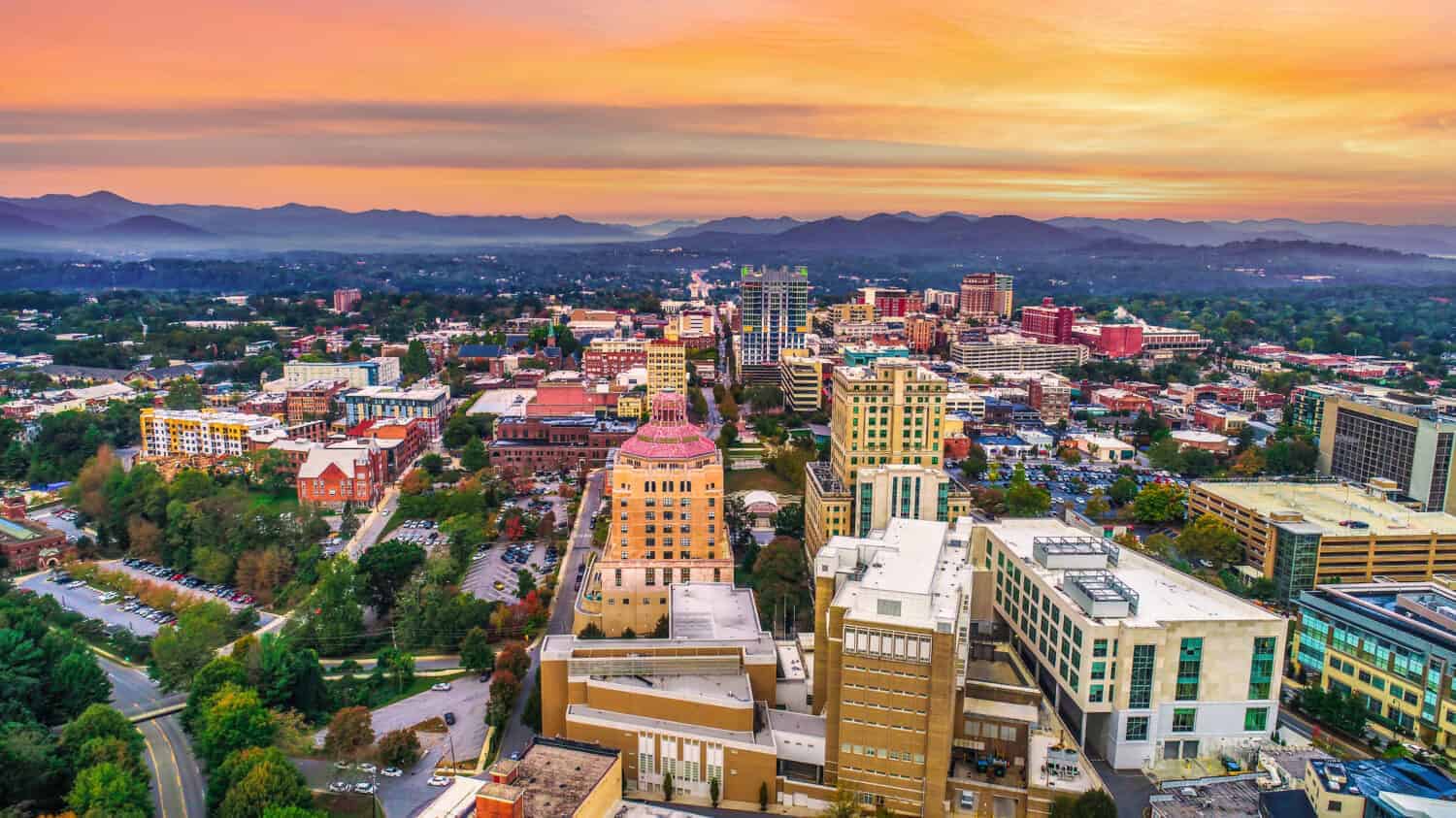
Asheville built much of its modern reputation around things travelers tend to love: independent restaurants, breweries, galleries, live music, mountain scenery and a creative community that rarely felt manufactured. Eventually, that reputation became an economic engine of its own.
Visitors spent about $2.65 billion in Buncombe County in 2024, even with Hurricane Helene severely disrupting the region during the final months of the year. Meanwhile, the City of Asheville acknowledges a substantial housing-affordability gap, with many local wages and salaries unable to support typical housing costs. That makes it harder for some of the artists, hospitality workers and other residents behind Asheville’s culture to remain in the city.
Helene added an entirely different challenge in September 2024. Businesses, studios and communities across the area were damaged, and recovery is still underway in 2026. Downtown Asheville, its restaurants and much of its arts scene are open again, but the city is now trying to recover from a natural disaster while also preserving the creative identity that made so many people want to visit in the first place.
San Francisco, California
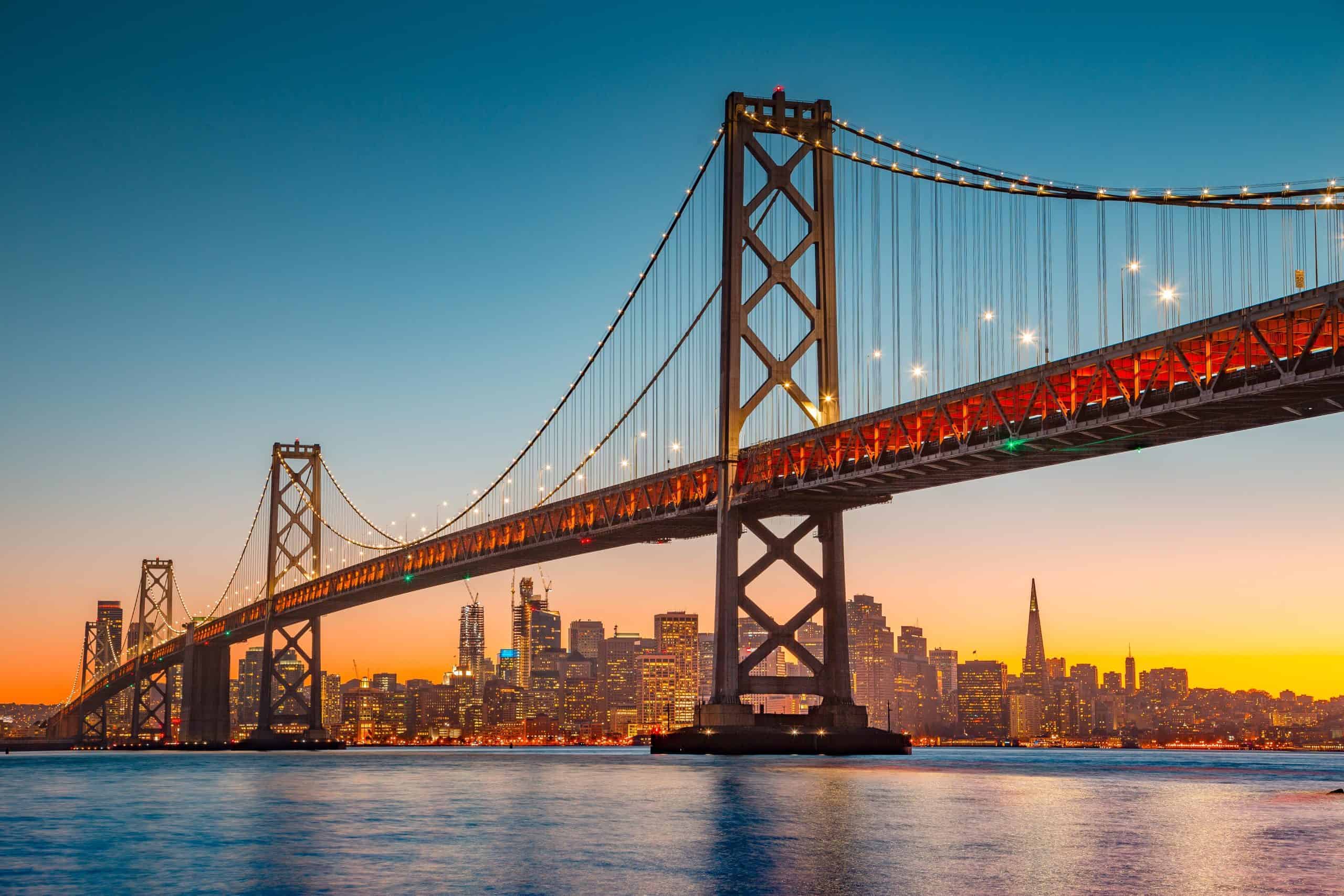
©bluejayphoto / iStock via Getty Images
San Francisco has spent generations attracting people who wanted to do things differently. Artists, musicians, immigrants, activists and counterculture movements all left their mark, and neighborhoods including the Haight, Castro and Mission developed identities strong enough to become destinations themselves.
The city’s extraordinary housing costs have made preserving that culture increasingly difficult. San Francisco Planning’s own Mission Action Plan reports that the Mission District has experienced a steady decline in its Latino population since 2000 as housing affordability worsened. Average home prices in the neighborhood rose from about $380,000 in 2000 to roughly $1.1 million in 2023.
The Mission is hardly devoid of Latino culture, independent businesses or neighborhood institutions today, and San Francisco remains one of the country’s great cities to explore on foot. What has changed is who can afford to stay. That tension between preserving neighborhood identity and accommodating one of America’s most expensive housing markets has become part of modern San Francisco itself.
Portland, Oregon
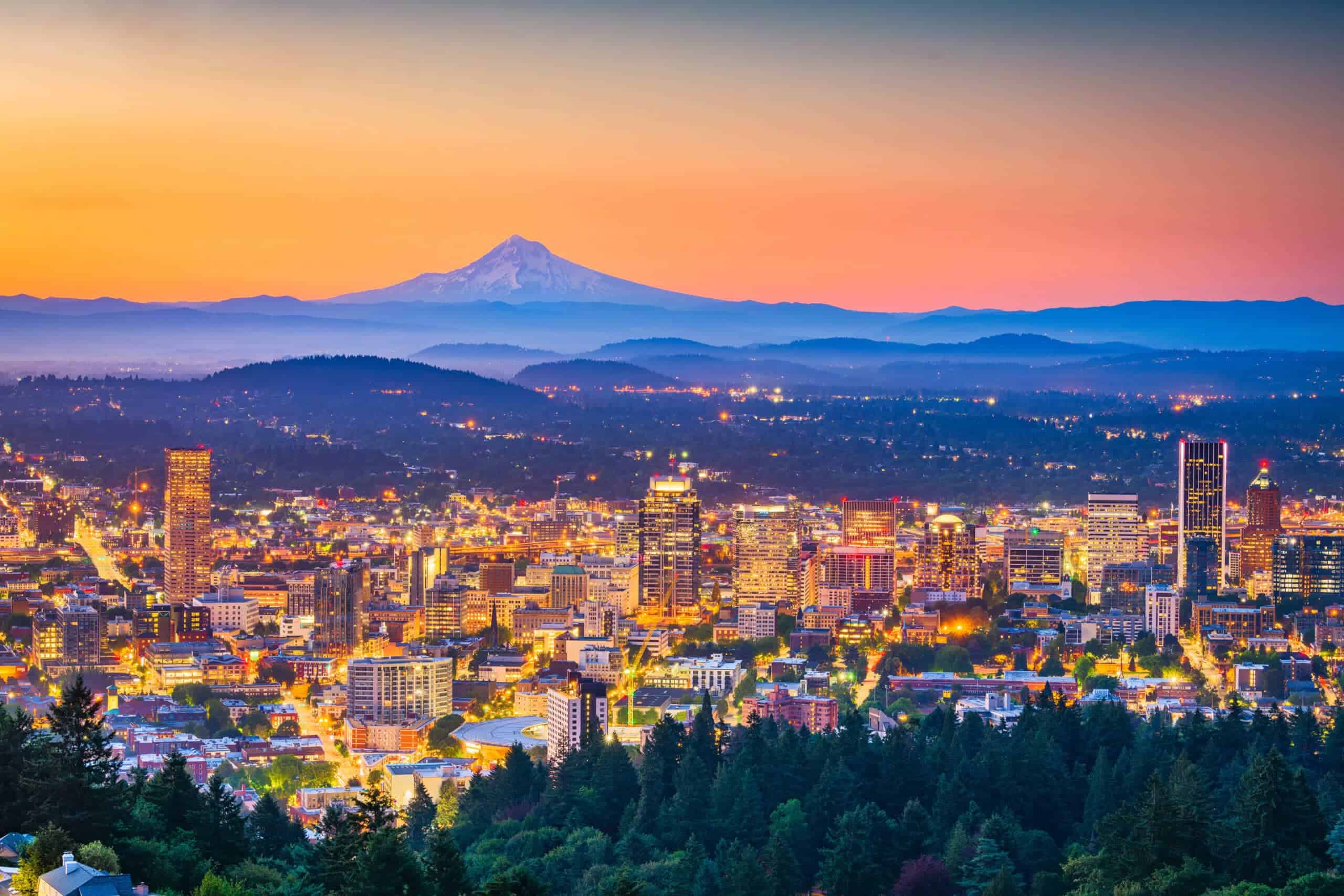
Portland spent years building a national reputation around being proudly different. Food carts, bicycle culture, neighborhood bars, independent bookstores and an unusually strong collection of small businesses helped turn “Keep Portland Weird” into something closer to a civic philosophy than a slogan.
Downtown Portland changed dramatically after 2020. Hybrid work reduced the daily office population, and the Portland Metro Chamber reported that Central City office vacancy reached a record high in 2025, with more than 10 million square feet of vacant office space on average. Oregon’s Measure 110, approved by voters in 2020, also decriminalized possession of small amounts of certain drugs, but it would be too simplistic to blame Portland’s homelessness or downtown struggles on that policy alone. The state recriminalized possession of those drugs in 2024.
There are also signs of recovery that the gloomier version of Portland’s story misses. Downtown recorded more than 32 million pedestrian visits in 2025, up 5.5% from the previous year, and foot traffic improved year over year in 11 of 12 months. A 2026 Portland Metro Chamber poll still found 47% of voters across the metro region believed the area was on the wrong track, but perceptions of downtown conditions and nighttime safety had improved. Portland hasn’t gone back to its pre-2020 self. It may simply be becoming something new.
New York City, New York
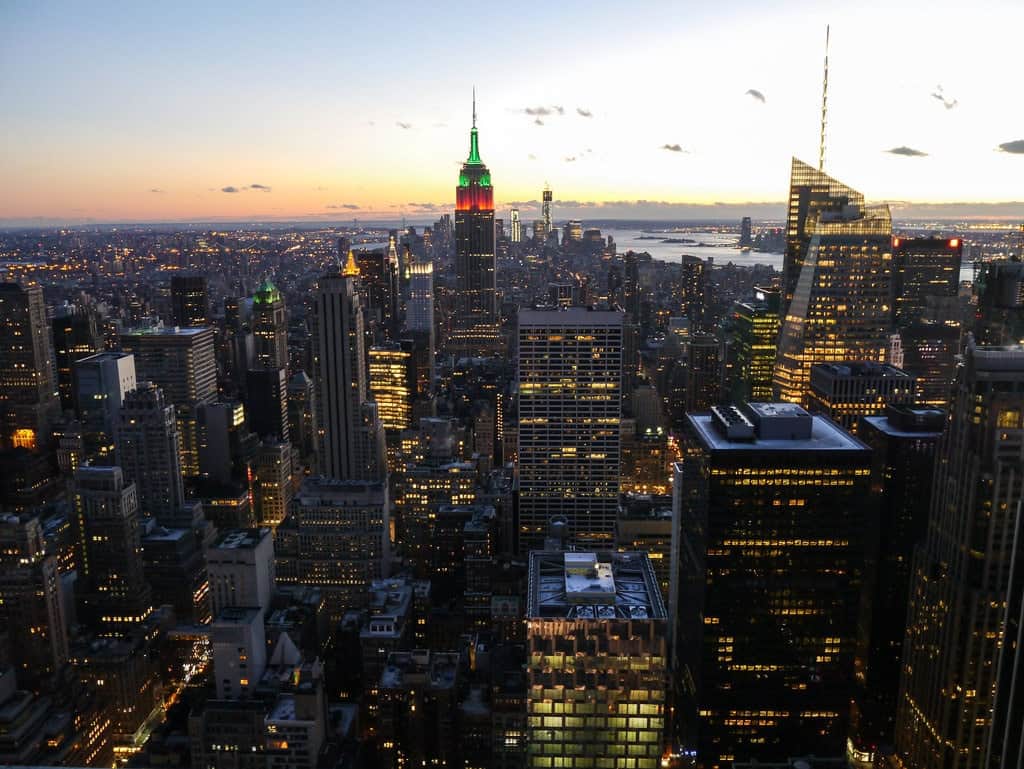
New York has reinvented itself so many times that arguing over which version was the “real” New York is practically a local pastime. Yet one change is difficult to debate: living in the city has become extraordinarily expensive, even by New York standards.
StreetEasy reported a citywide median asking rent of $4,080 in August 2025. Manhattan reached $4,722, Brooklyn $3,850 and Queens $3,383. Those prices affect more than where people sleep. They influence which restaurants survive, which artists can stay, which families remain in a neighborhood and whether small businesses can afford storefronts.
New York is certainly not empty. Streets, restaurants, theaters and parks remain packed, and some areas have recovered strongly from the disruptions of the pandemic. The subtler change is the gradual loss of inexpensive spaces that once allowed people with very little money to carve out a life here. The city still has tremendous energy. Getting a piece of it just costs considerably more.
Seattle, Washington
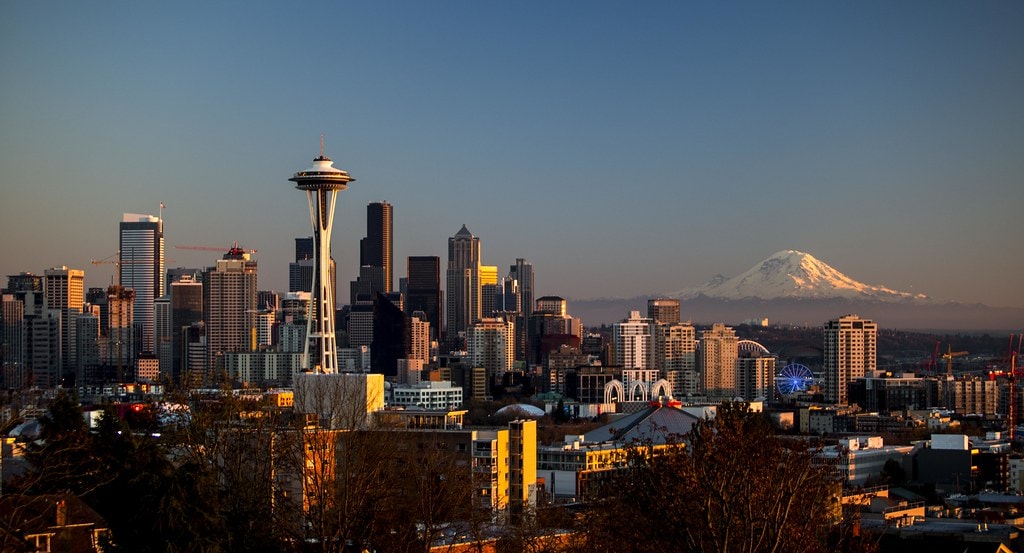
Seattle’s transformation is especially obvious in neighborhoods that once defined its counterculture. Capitol Hill has long been a center of LGBTQ life, nightlife, music and independent art. Seattle designated its Pike/Pine area as the city’s first official Arts & Cultural District in 2014, in part because rising rents and redevelopment were already threatening cultural organizations.
At roughly the same time, South Lake Union was undergoing an entirely different transformation. Amazon announced its headquarters move there in 2007 and began relocating employees in 2010. What had historically been a lower-rise mix of industrial, commercial and residential uses rapidly became one of the city’s densest employment and development centers.
That growth brought thousands of jobs, new housing, restaurants and investment, but it also changed Seattle’s cost and character. The city’s own planning documents continue to warn that rising rents and gentrification threaten arts organizations in Capitol Hill. Seattle’s old personality isn’t gone. Pike Place Market, neighborhood coffee shops, music venues and the waterfront are still here. They’re now sharing the city with a much larger tech economy and a skyline that residents from a generation ago would barely recognize.
Los Angeles, California
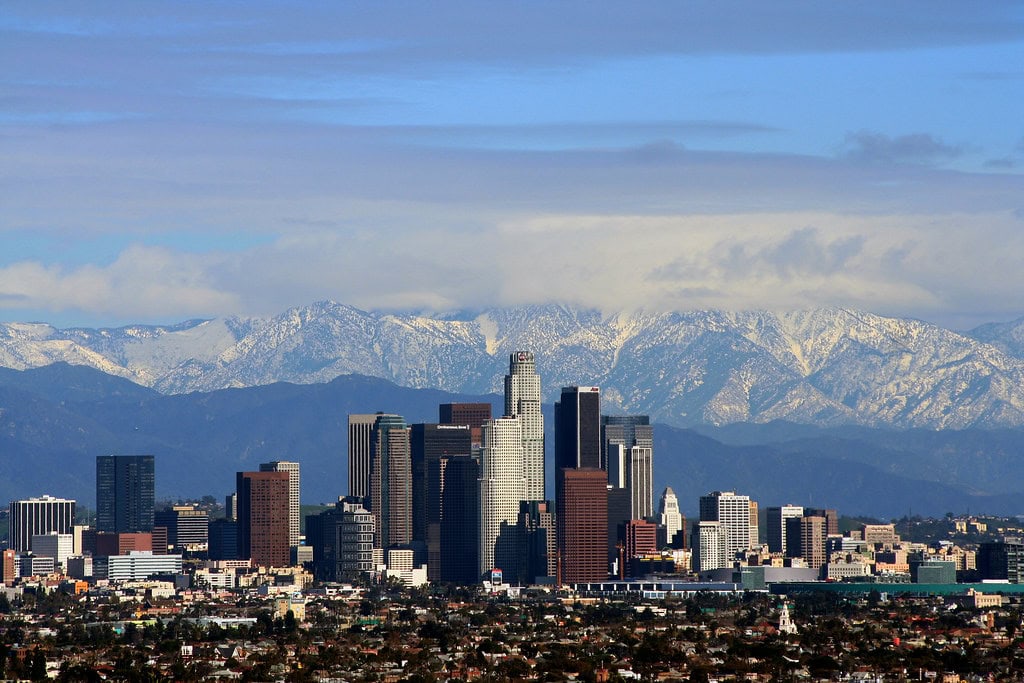
Los Angeles has always been a collection of neighborhoods more than a single unified place. Hollywood, East L.A., Venice, Koreatown, Silver Lake and the San Fernando Valley can feel like completely different cities, which is part of what has allowed L.A. to reinvent itself again and again.
Housing costs and redevelopment have changed the makeup of neighborhoods including Silver Lake, Echo Park and Highland Park, while longtime music venues, restaurants and independent businesses have had to compete in an increasingly expensive market. Then came a much more sudden transformation.
The January 2025 wildfires devastated communities across the Los Angeles area. The Palisades Fire destroyed 6,845 structures and killed 12 civilians, while the Eaton Fire around Altadena and Pasadena destroyed more than 9,400 structures and killed 19 people. Rebuilding homes and businesses is only part of the challenge. Communities also have to figure out how to keep longtime residents and local institutions from disappearing during the recovery. For some Angelenos, that question is now inseparable from what Los Angeles will look and feel like in the years ahead.
Savannah, Georgia
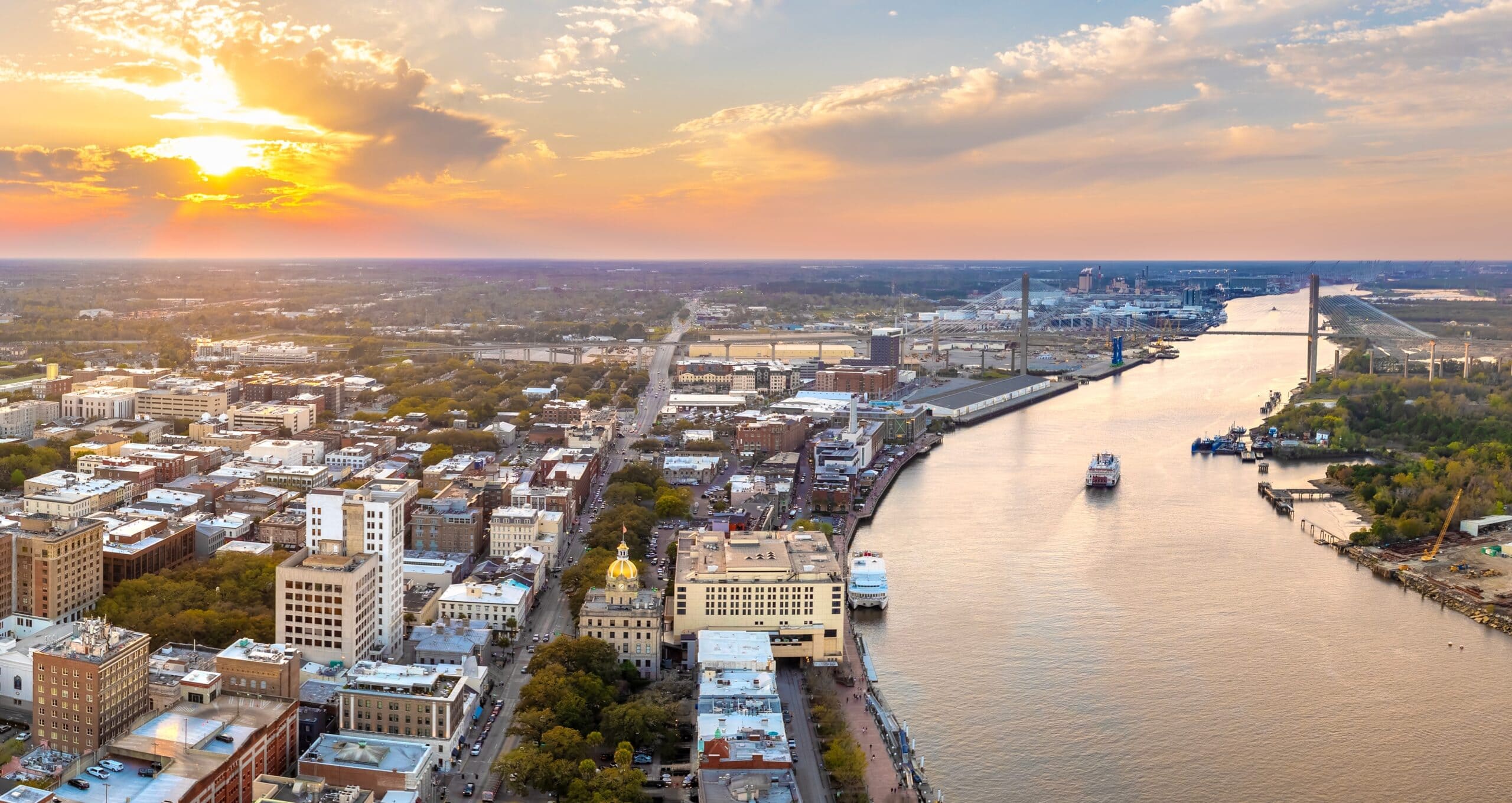
Savannah’s appeal is almost unfair. Live oaks draped in Spanish moss, historic squares, old homes and streets that seem designed for wandering have made its Historic District one of the most recognizable urban landscapes in the South. Even Chippewa Square became part of movie history after appearing in the bus-bench scenes from “Forrest Gump.”
More people have discovered Savannah, and tourism has become an enormous part of the local economy. The Savannah/Chatham County area welcomed about 12.9 million visitors in 2024, including 7.2 million overnight visitors. That activity generated roughly $4.1 billion in visitor spending.
Short-term rentals have grown alongside that popularity, particularly in and around the historic core, but saying they have simply “gutted” Savannah’s residential neighborhoods goes too far. The city regulates them through a designated overlay, and new short-term vacation rentals in residential portions of the Downtown and Victorian districts are generally capped at 20% of residential parcels within each ward, with some exemptions. Savannah remains one of America’s most beautiful walking cities. Its challenge is making sure the neighborhoods visitors come to experience remain neighborhoods rather than becoming accommodations for visitors alone.

