
Some places really are off-limits. Others are private, protected, dangerous, or open only with special permission. Then there are places whose “forbidden” reputation has grown far beyond the facts. This list covers the whole range, from military test sites and protected islands to private retreats, historic archives, and one very persistent conspiracy theory.
Here is what is actually restricted, who can get in, and why.
1. Dulce Base (Alleged)
©Cavan Images/iStock via Getty Images
- There’s a base near Dulce, New Mexico in the US.
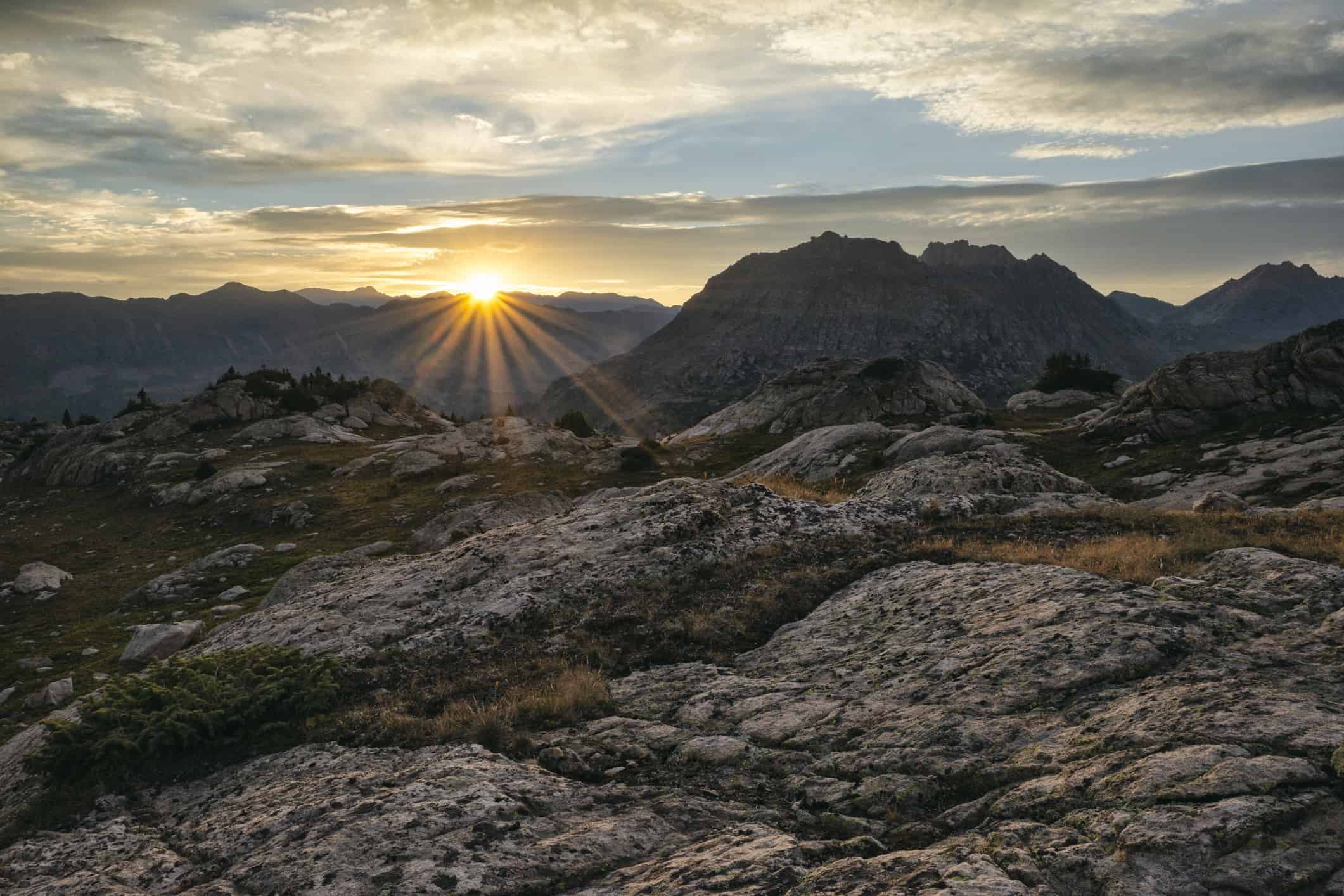
Dulce Base is the odd one out because there is no verified base to visit in the first place. The story is a long-running conspiracy theory claiming there is a hidden base beneath or near Dulce, New Mexico, where the US government supposedly conducts secret experiments, sometimes involving aliens. No credible evidence has established that such a facility exists, so this one belongs in the legend column rather than the travel-ban column.
2. Poveglia Island
©Pietro Basilico/Shutterstock.com
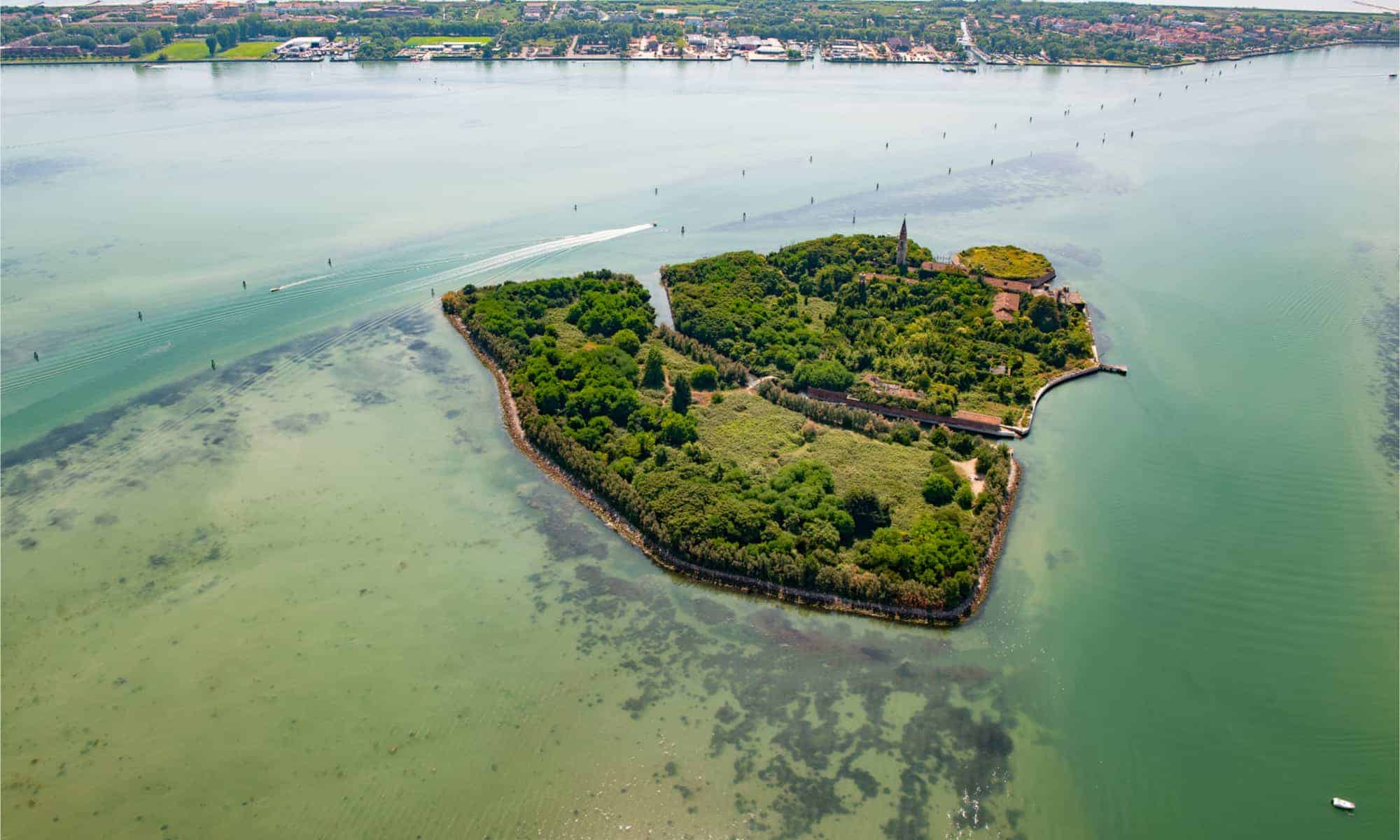
- Povegllia is a small island in Italy.
Poveglia has a grim public-health history, but some of its most famous stories belong more to folklore than the historical record. The Venetian island was used as a quarantine station beginning in 1782 and later housed a geriatric sanatorium. Stories of 160,000 plague victims, doctors torturing mental patients, and soil made largely from human remains are not backed by solid historical evidence. Today, landing on the built-up part of the island remains prohibited, while the undeveloped northern section has been under concession to the local group Poveglia per Tutti since August 2025 and can be reached only under limited conditions, generally by private boat or organized events.
3. North Brother Island
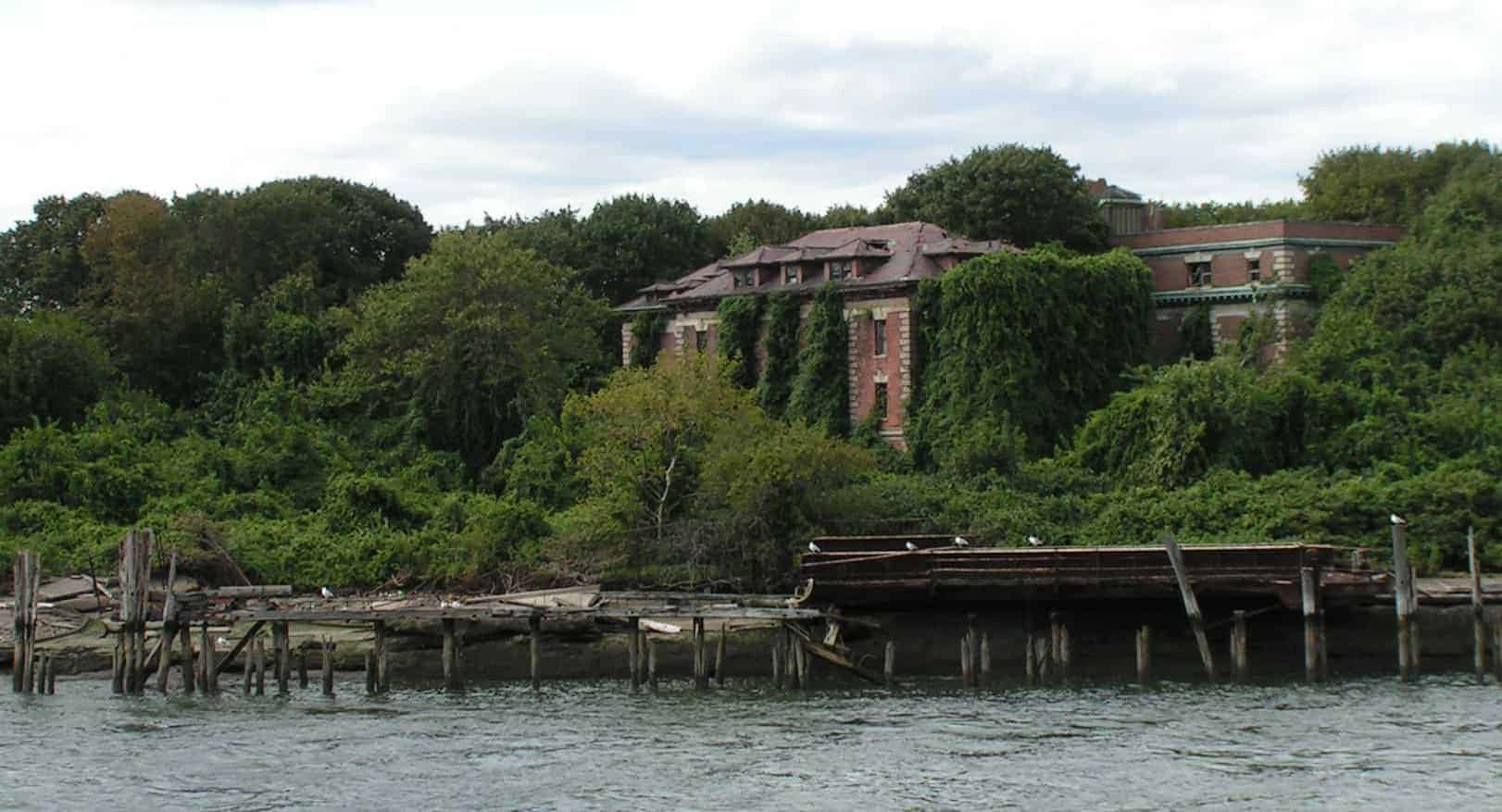
- North Brother Island is just off of New York City in the US.
North Brother Island has a documented history that is strange enough without embellishment. Riverside Hospital moved to the island in 1885 to treat people with contagious diseases, and Mary Mallon, better known as “Typhoid Mary,” was confined there for years. The island later housed veterans and their families before becoming a rehabilitation center for teenagers with drug addiction. That program closed in 1963. Today, New York City manages North Brother Island as a protected natural area, and it is closed to ordinary public access for safety and habitat protection.
4. Heard Island
©NASA, Public domain, via Wikimedia Commons - Original / License
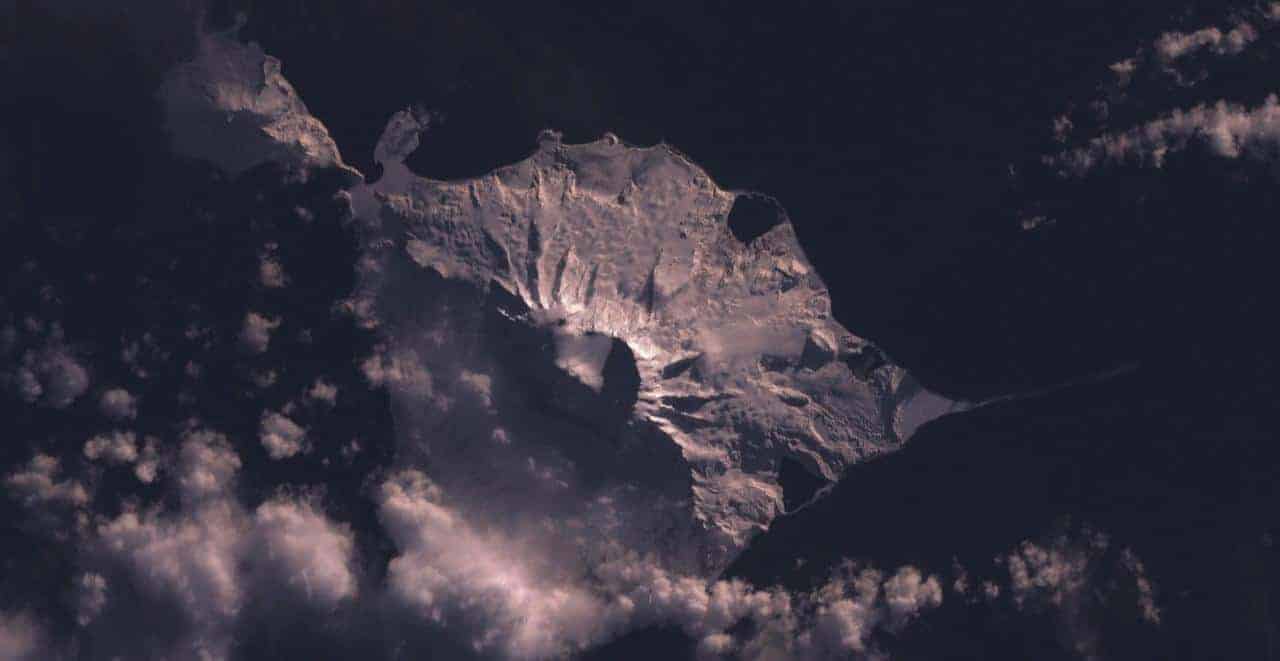
- Heard Island is between Antarctica and Madagascar and is owned by Australia.
Heard Island is part of the Australian external territory of Heard Island and McDonald Islands in the southern Indian Ocean. Big Ben, the volcano that dominates Heard Island, remains active, and nearby McDonald Island has also been volcanically active. The real barrier to visiting is protection, not lava tourism. Anyone planning to enter the territory needs a permit under Australian law, and access is tightly controlled to protect its remote subantarctic ecosystem.
5. Bohemian Grove
©SevenMaps/Shutterstock.com
- This gentlemen’s club is in California, US.
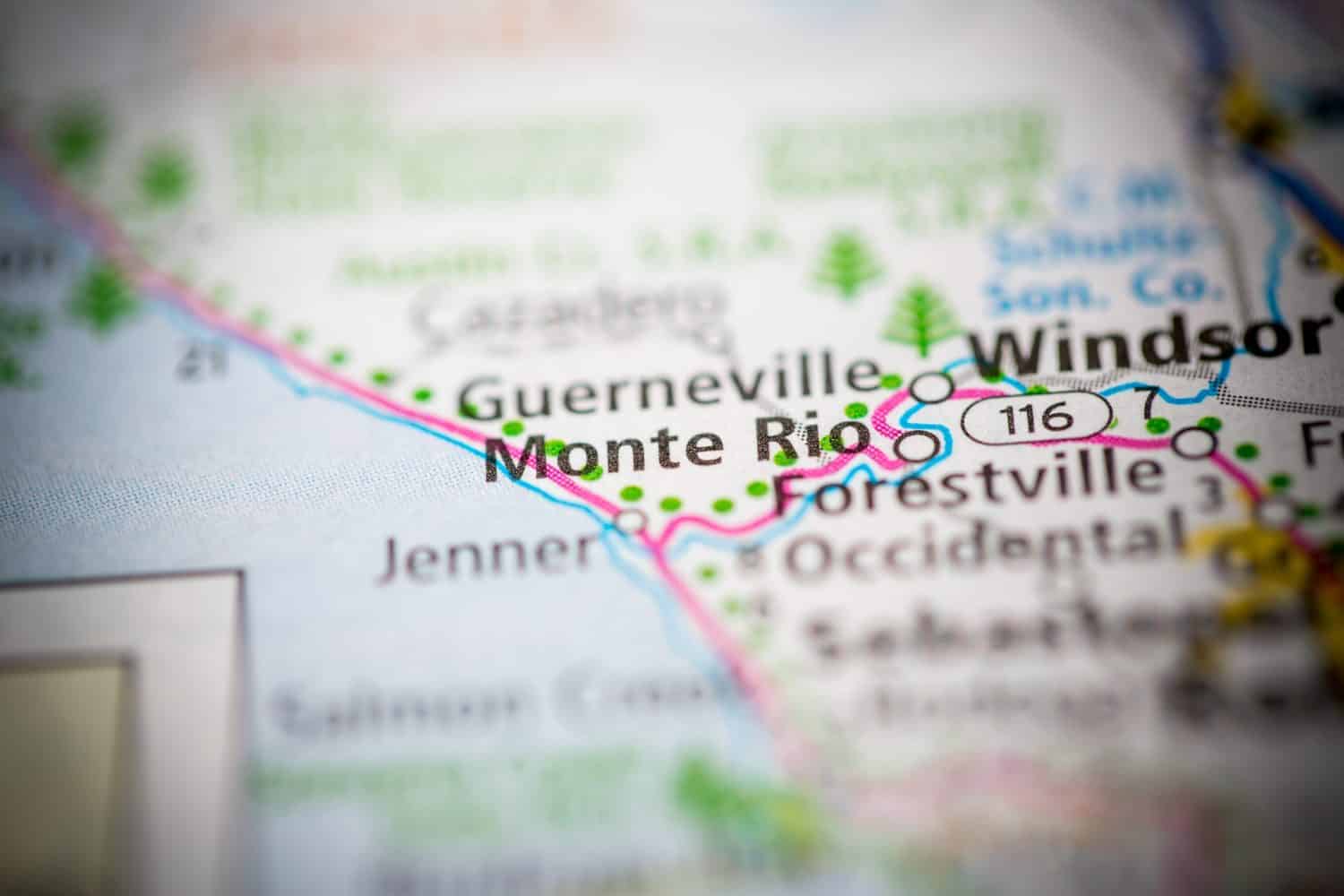
Bohemian Grove is a private retreat near Monte Rio, California, used by San Francisco’s Bohemian Club. The property covers roughly 2,700 acres and has hosted influential figures from business, government, and other fields. The important distinction is that this is private property, not a government-declared forbidden zone. You do not wander in as a tourist; access is controlled by the club and its guests.
6. Ise Grand Shrine
©Sean Pavone/Shutterstock.com
- The Ise Grand Shrine is one of the most expensive shrines in Japan.
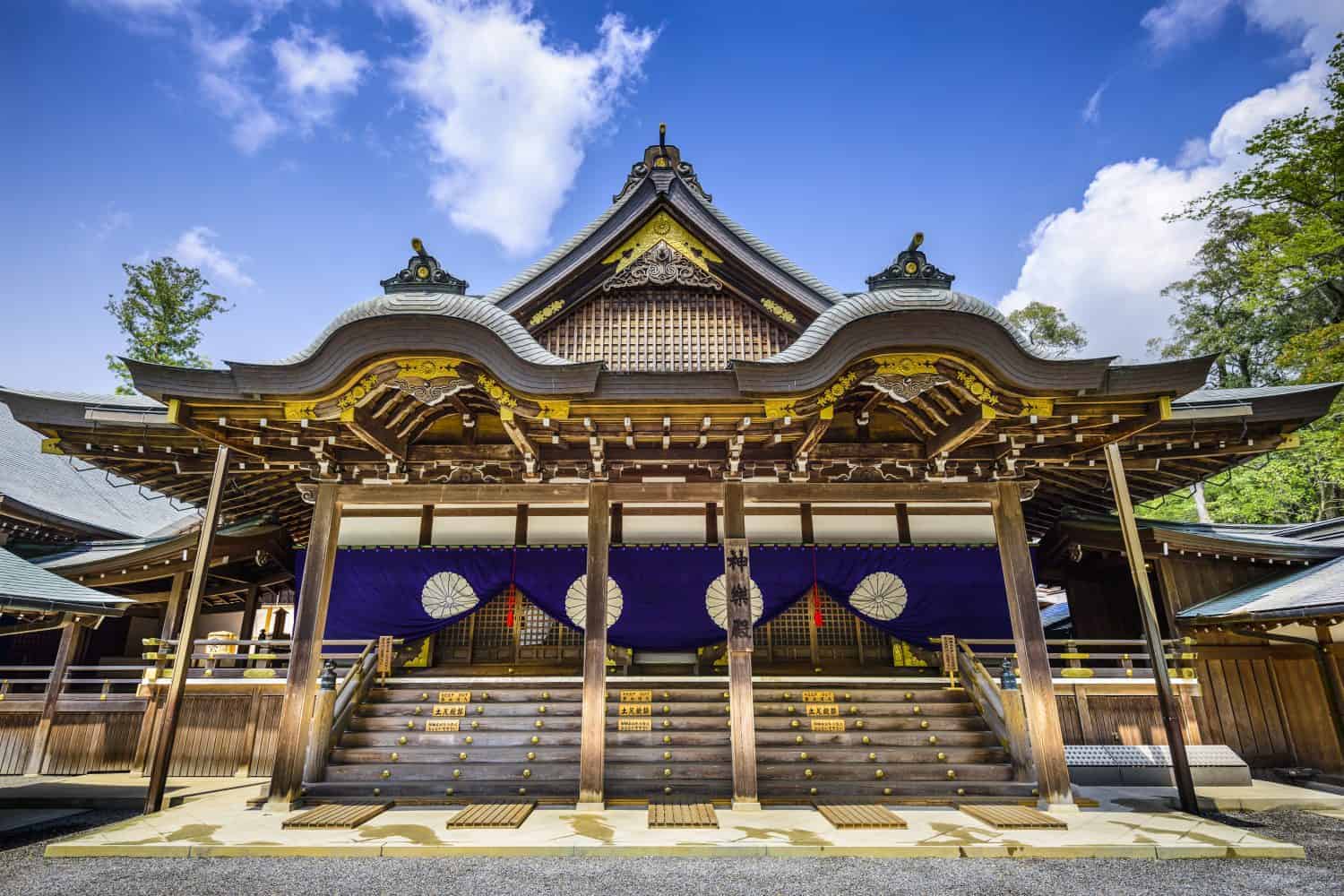
Ise Jingu is not closed to the public. Visitors are welcome to worship at the shrine complex, but they cannot enter the courtyard of the Shogu, or main sanctuary. The shrine also follows Shikinen Sengu, a tradition in which the main sanctuary buildings, sacred furnishings, and treasures are renewed every 20 years. The latest Shikinen Sengu was completed in 2013, and the next main transfer is scheduled for 2033. The restricted part is the innermost sacred space, not the entire shrine.
7. Area 51
©Dragan Mihajlovic/iStock via Getty Images
- This not-so-secret military base is in Nevada, USA.
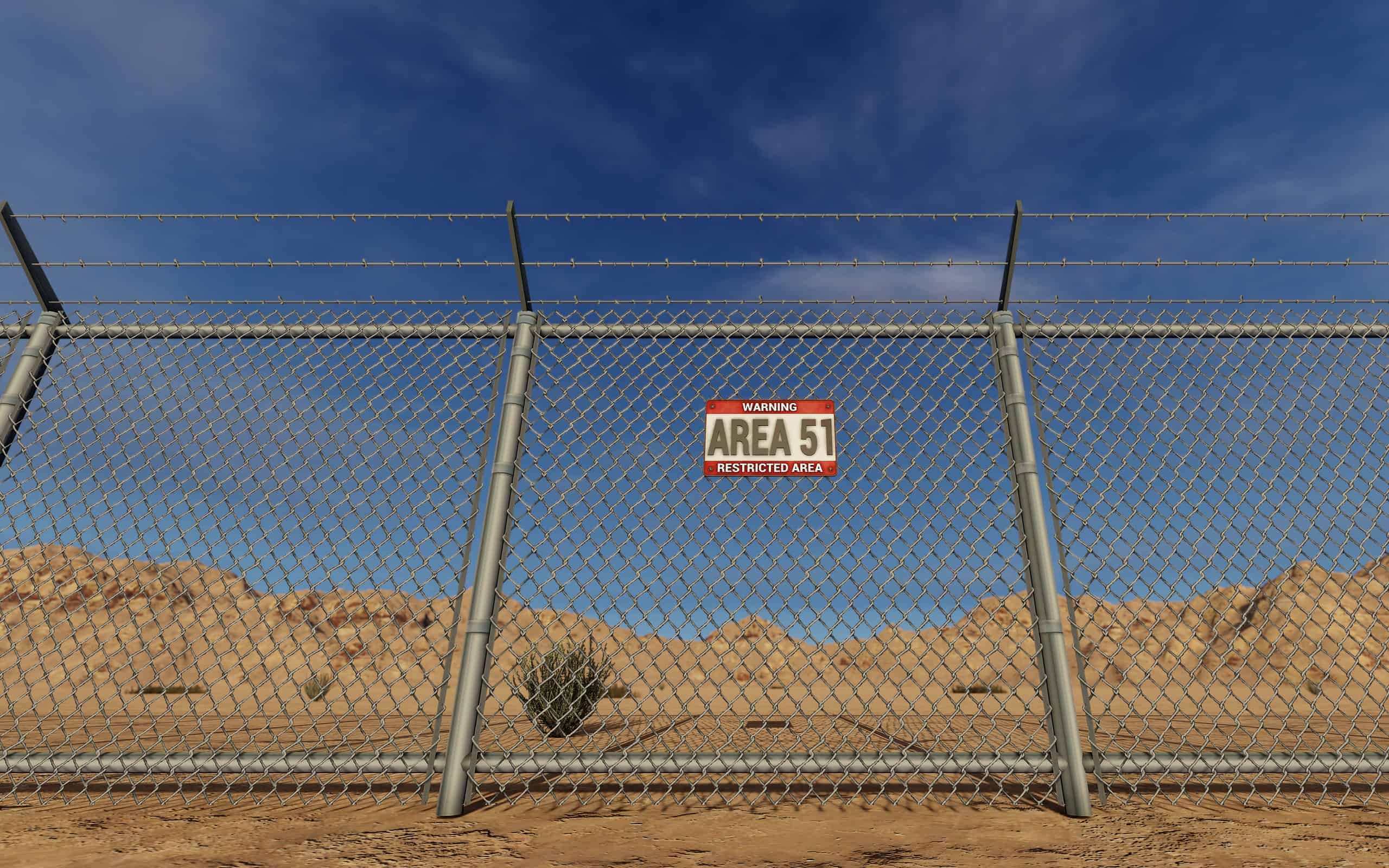
Area 51, also known as Groom Lake, sits within a vast restricted military testing area in Nevada and is not open to casual visitors. The CIA has confirmed that the site was used to test highly classified aircraft including the U-2 and A-12 OXCART. That real history explains a lot of the secrecy. The alien stories are another matter. The CIA has explicitly said the familiar claims about stored flying saucers and extraterrestrials are not true.
8. Snake Island
©Cindy Creighton/Shutterstock.com
- Ilha da Queimada Grande, commonly known as Snake Island, is an Island off of Brazil.
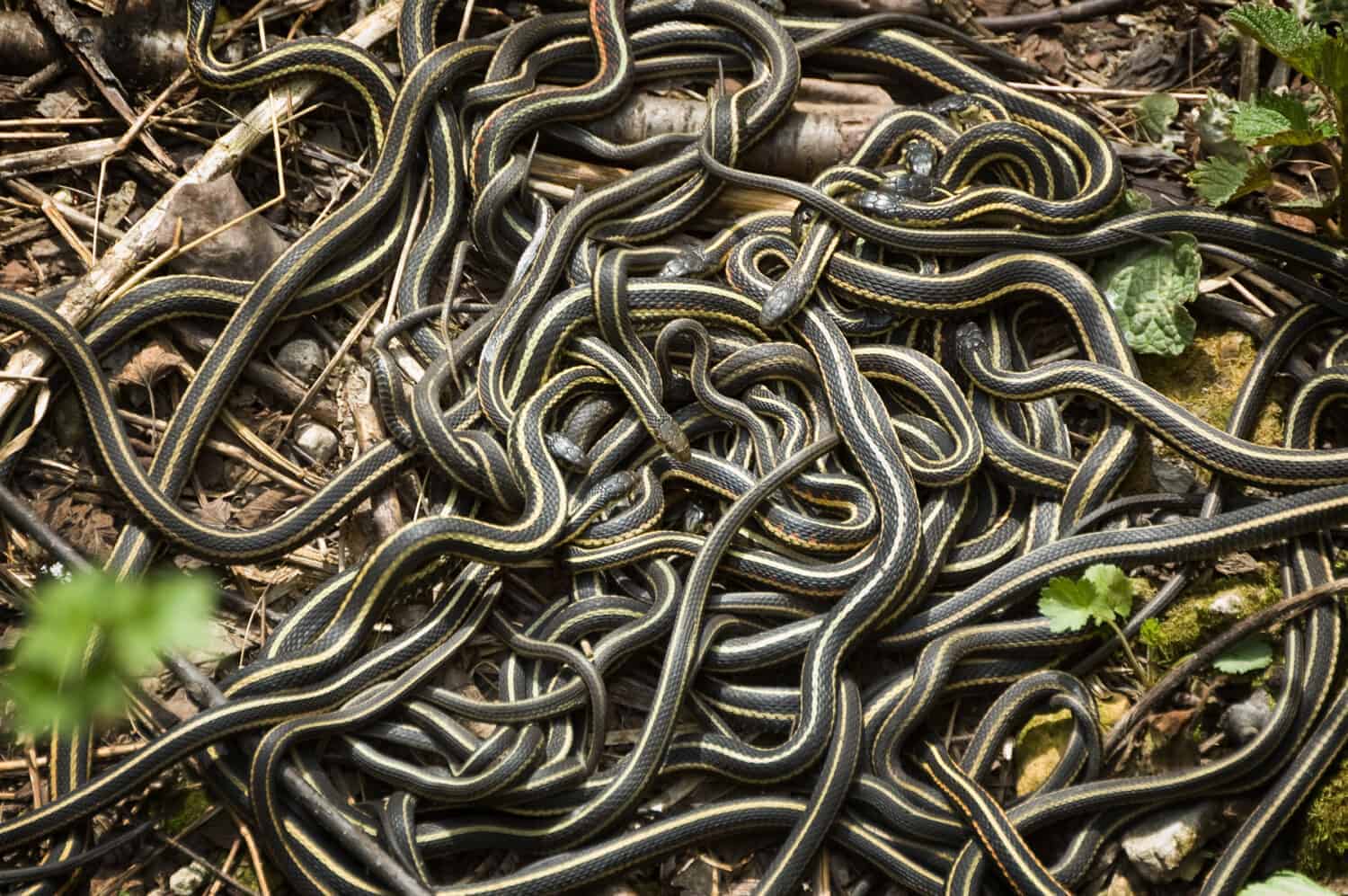
Ilha da Queimada Grande is a federally protected island off the coast of São Paulo, and unauthorized landings are prohibited. It is also the only natural home of the golden lancehead, Bothrops insularis, a venomous pit viper found nowhere else in the wild. The island’s snake population has inspired plenty of lurid numbers, but claims that it has the world’s highest concentration of pit vipers are difficult to substantiate. The solid reason ordinary tourism is off-limits is conservation and controlled access, not a blanket declaration that the island is simply too deadly for humans.
9. Surtsey Island
©Thomas Males/Shutterstock.com
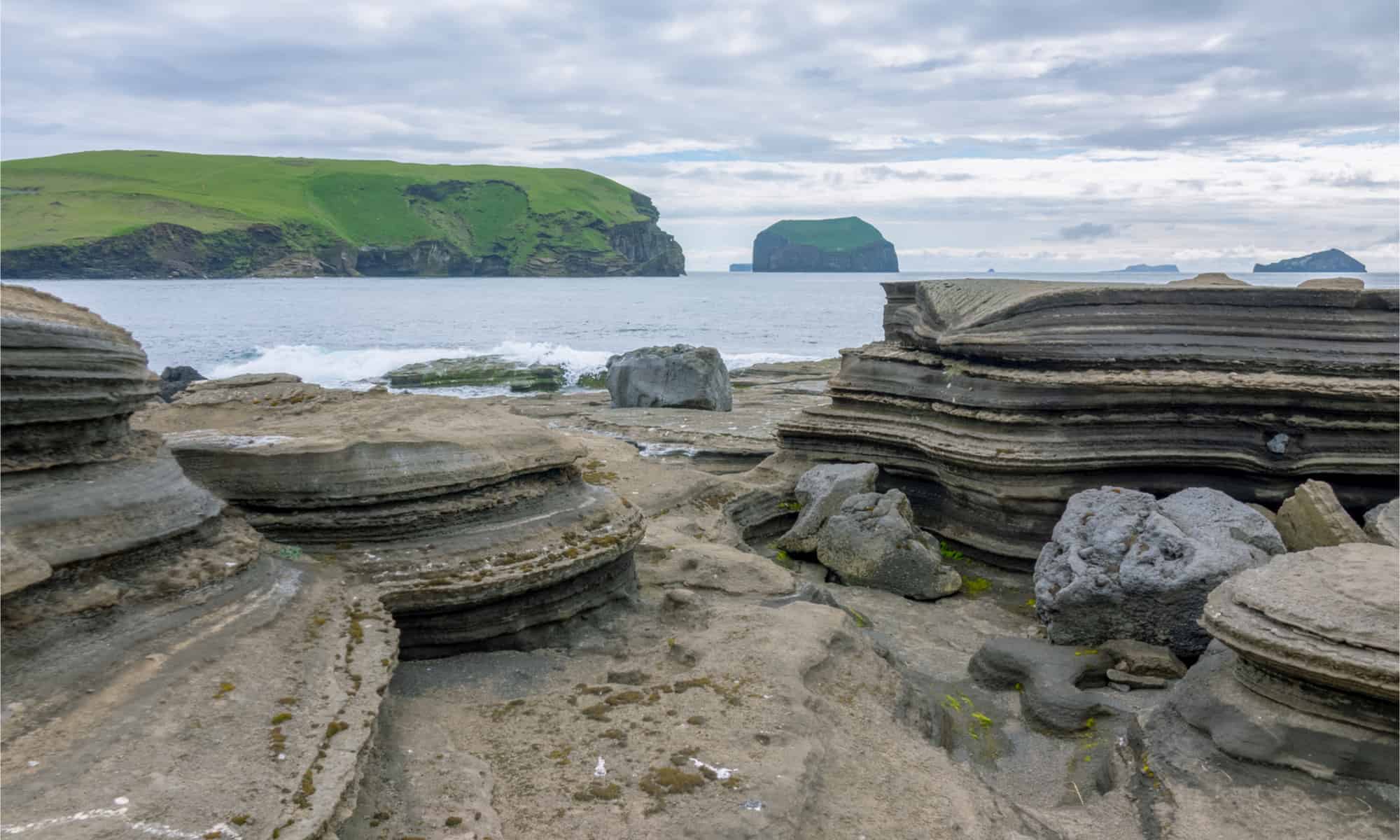
- Surtsey is an island off of Iceland.
Surtsey rose above the ocean south of Iceland during an eruption that began in 1963 and continued until 1967. Scientists recognized almost immediately that the new island offered a rare chance to watch an ecosystem develop with minimal human interference, and it has been protected since 1965. Tourist traffic is prohibited unless Iceland’s Environment Agency grants permission. Researchers do receive access, but the rule is broader than “scientists only”: anyone entering needs authorization.
10. Tomb of Qin Shi Huang
©dndavis/iStock via Getty Images
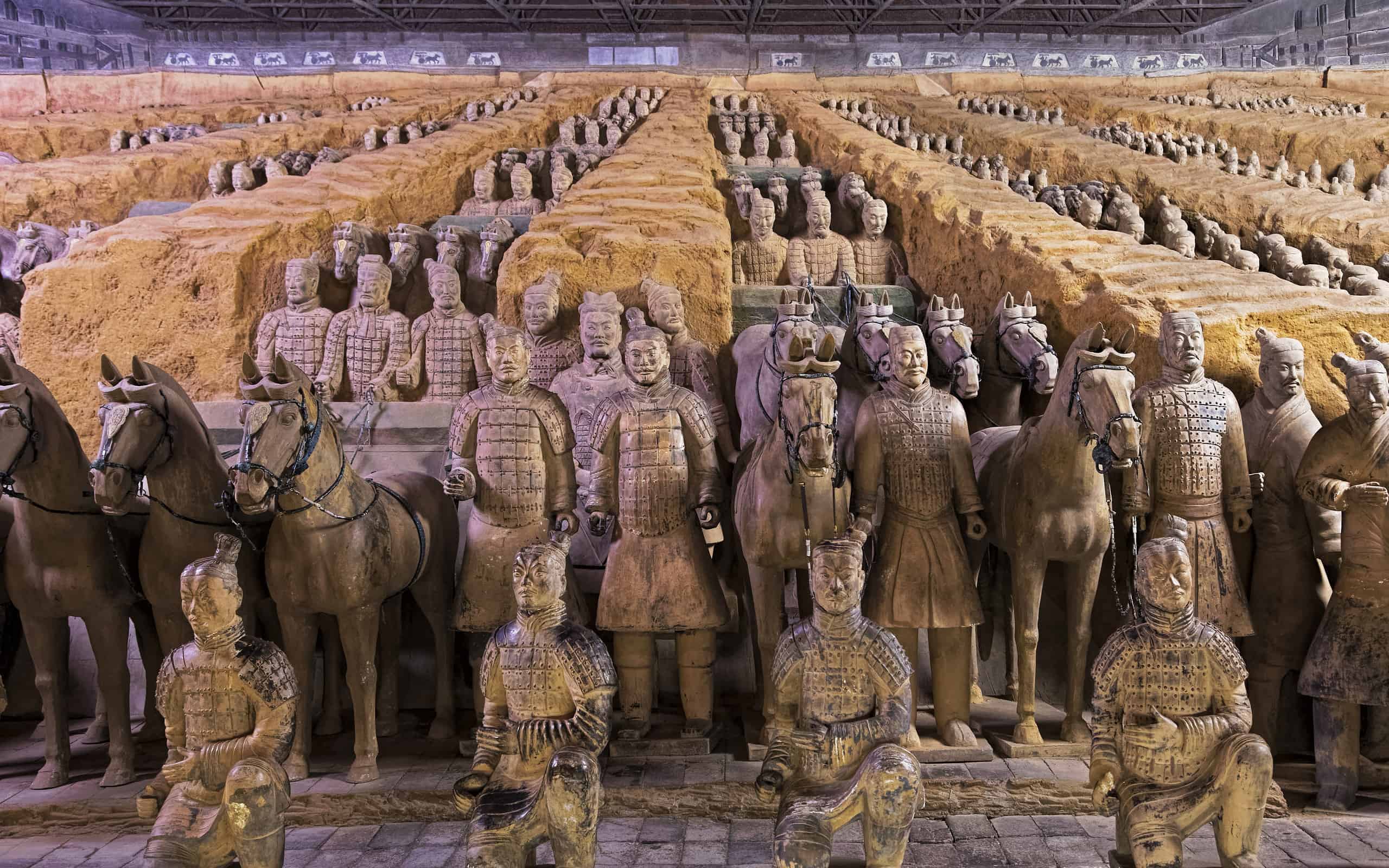
- This terracotta army was found in China.
The mausoleum of Qin Shi Huang is not completely sealed off. Visitors can tour the museum complex and see the famous Terracotta Army, discovered in 1974, while archaeological work has continued in parts of the larger site. What remains unopened is the emperor’s central burial chamber beneath the mound. Archaeologists have left that chamber undisturbed for preservation reasons. The restricted space is the tomb chamber itself, not the entire mausoleum complex.
11. Vatican Apostolic Archive
©Sergii Figurnyi/Shutterstock.com
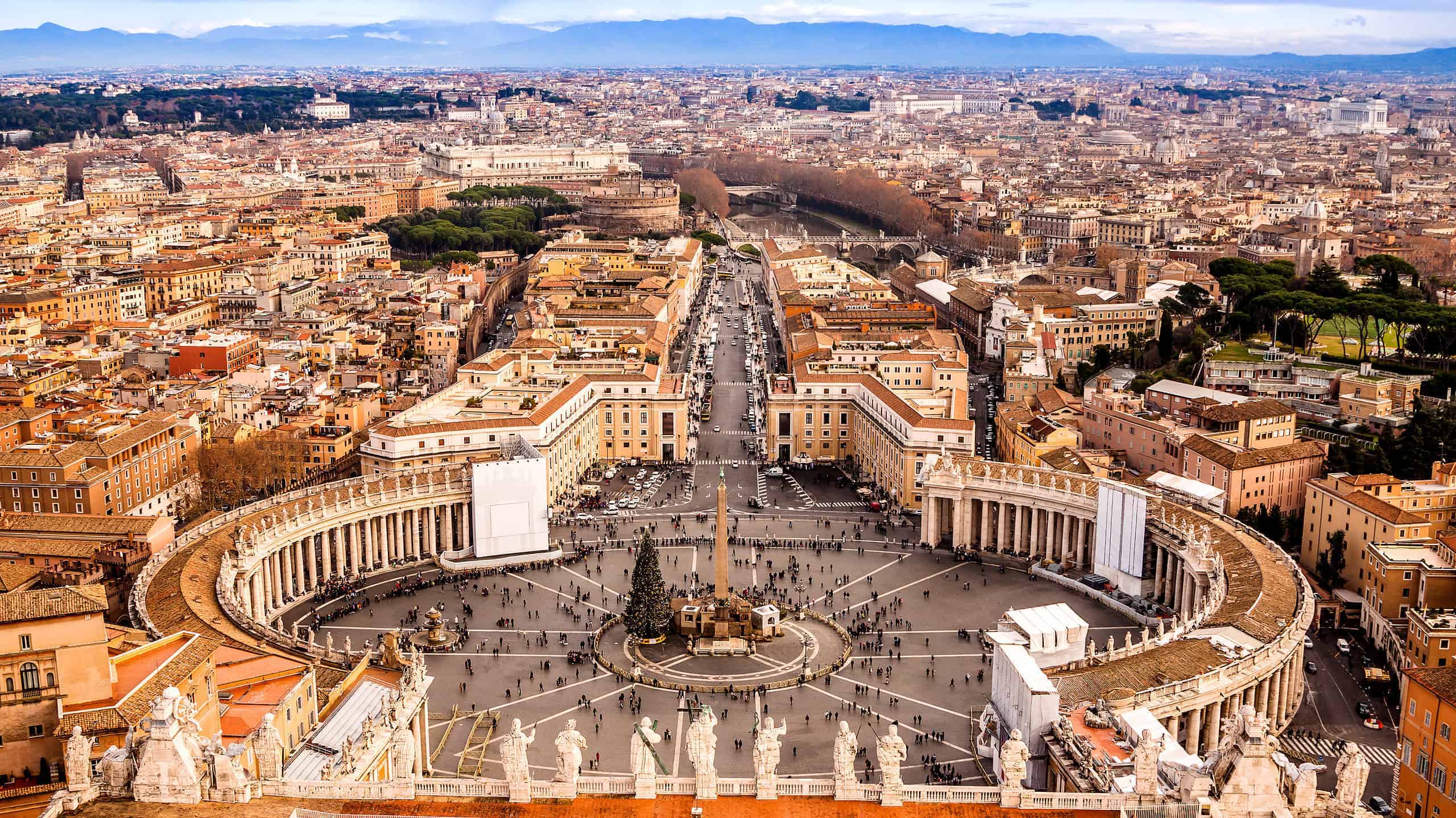
- As you might expect, the Vatican Secret Archives are in Vatican City.
The Vatican Secret Archives got a less mysterious name in 2019, when Pope Francis renamed them the Vatican Apostolic Archive. The old Latin word secretum meant private or reserved, not “secret” in the modern conspiracy-theory sense. The archive is not a tourist attraction, but it is open free of charge to qualified scholars of any faith who meet its academic requirements. Researchers currently have access to records through the end of Pope Pius XII’s papacy in October 1958.
12. Gruinard Island
©Robertsonpr/Shutterstock.com
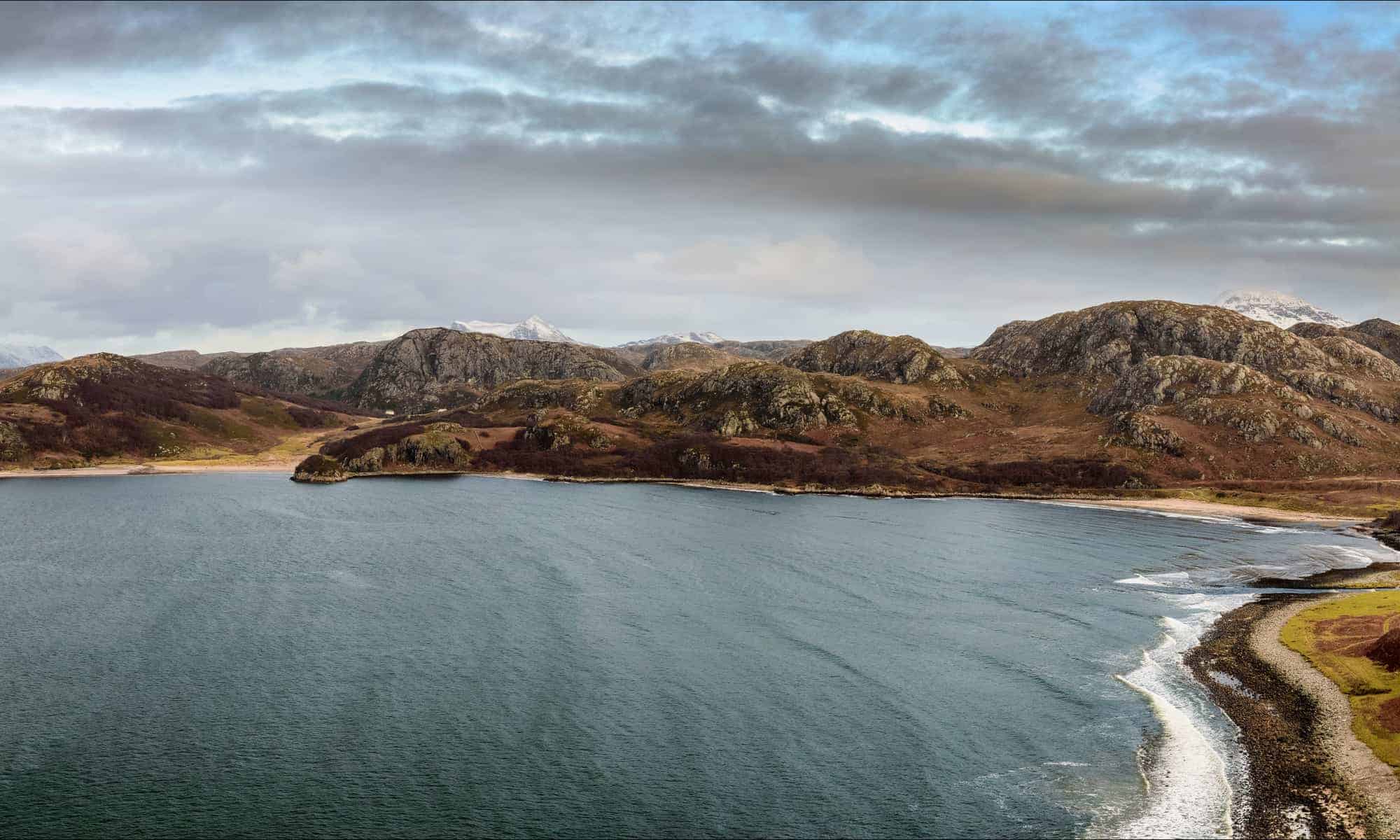
- Gruinard Island in Scotland was home to military tests in WWII.
Britain used Gruinard Island for anthrax weapon trials during World War II, and contamination kept the island off-limits for decades. Anthrax spores can persist for a long time, but Gruinard was decontaminated in 1986 and officially returned to its original owners in 1990. It is no longer a government quarantine zone. The island is privately owned, so access today is a property-rights issue rather than a lingering official ban caused by the wartime tests.
13. Niʻihau Island
©Robert Spriggs/Shutterstock.com
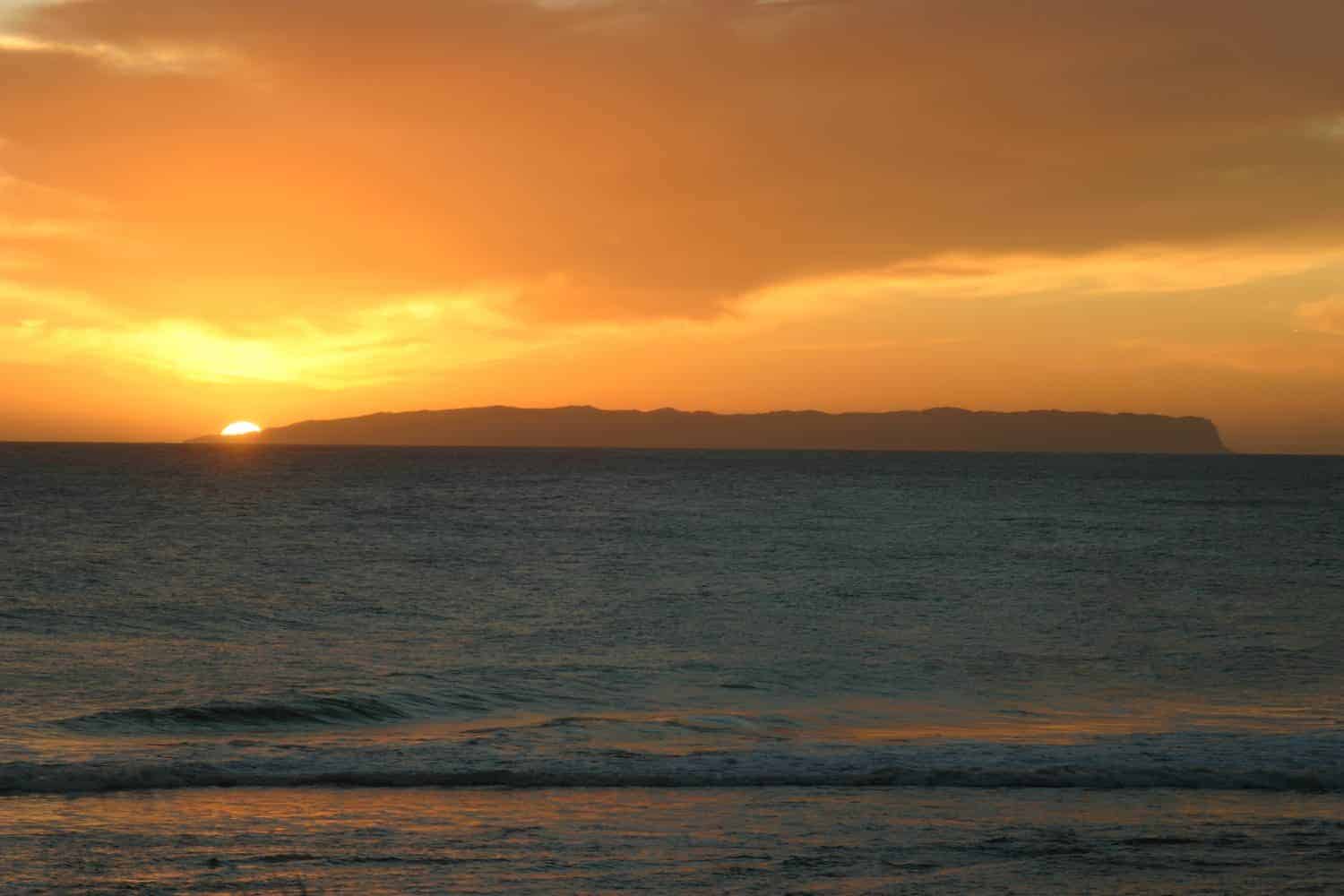
- Unless you’re part of the Navy, you’re likely never going to see the US-based island Niihau any closer than this.
Niʻihau is privately owned, and access is tightly controlled by its owners. The 2020 Census counted 84 residents. Hawaii state sources describe access as having been limited for more than a century, largely to the Hawaiian families who live and work there. Access is governed by private ownership rather than a federal military restriction. Niʻihau is also notable for its continuing Hawaiian language and cultural traditions.
14. Pravčická Brána
©Ondrej Prosicky/iStock via Getty Images
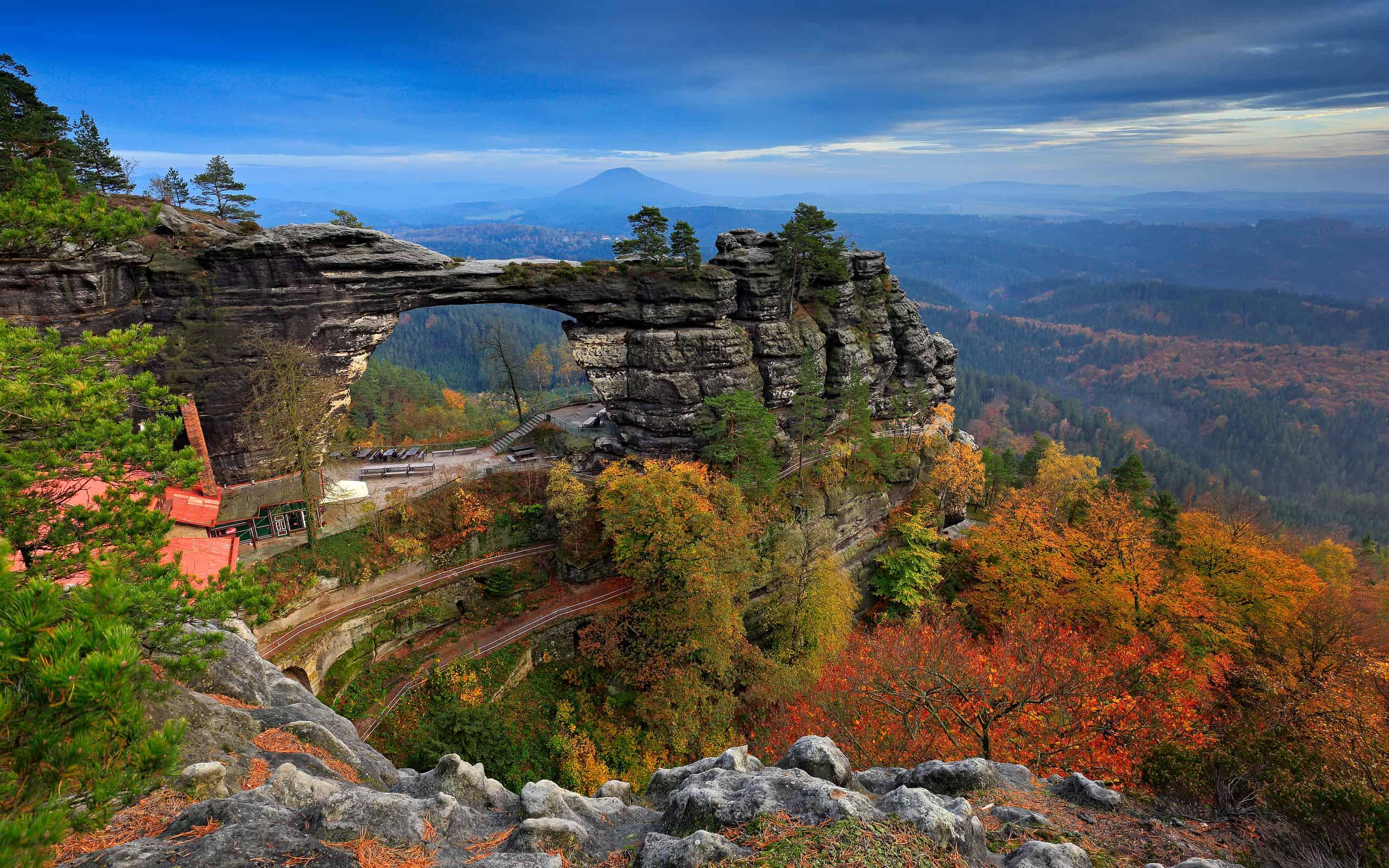
- This beautiful arch is in the Czech Republic.
Pravčická Brána is a natural sandstone arch in Bohemian Switzerland National Park and remains a major tourist attraction. Visitors can still reach the site and nearby viewpoints, but they cannot walk on top of the arch. Tourist access to the top was prohibited in 1982 after heavy foot traffic accelerated erosion of the fragile sandstone. The restriction is meant to reduce further erosion and preserve the formation, not because the entire site has been declared unsafe to visit.
15. Svalbard Global Seed Vault
©Theerasak Namkampa/Shutterstock.com
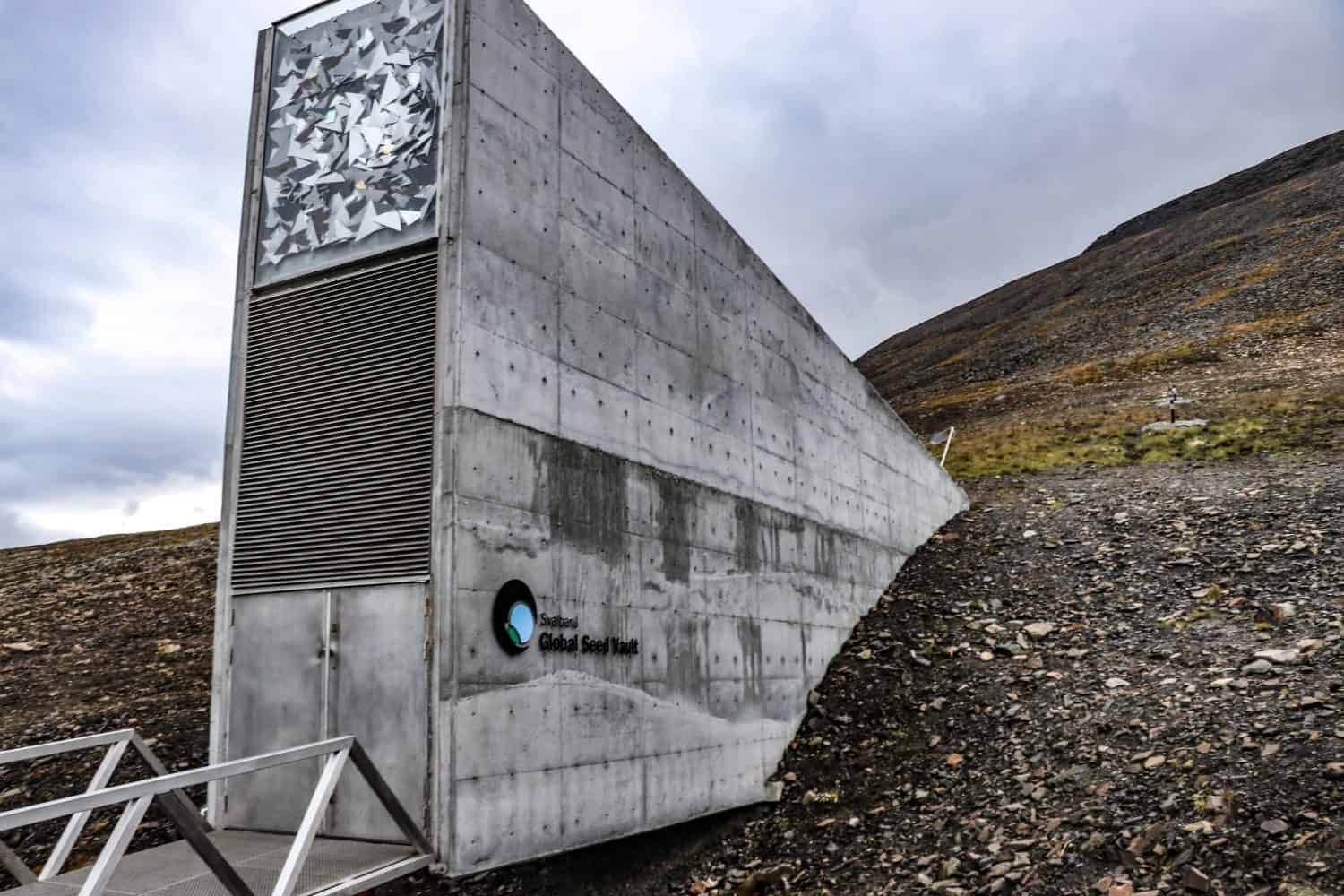
- This highly protected seed vault is in Norway.
Svalbard Global Seed Vault is the world’s largest backup facility for crop diversity. As of 2026, it safeguards more than 1.4 million seed samples from 134 depositing institutions. Genebanks send duplicate samples there for long-term storage so collections can be restored if the originals are lost or damaged. The seeds remain the property of the depositing institutions, and the vault’s mission is to protect agricultural diversity and the world’s food supply. The storage chambers are not open for ordinary tourism, although the facility offers a virtual tour.
16. Mezhgorye
©Mehaniq/Shutterstock.com
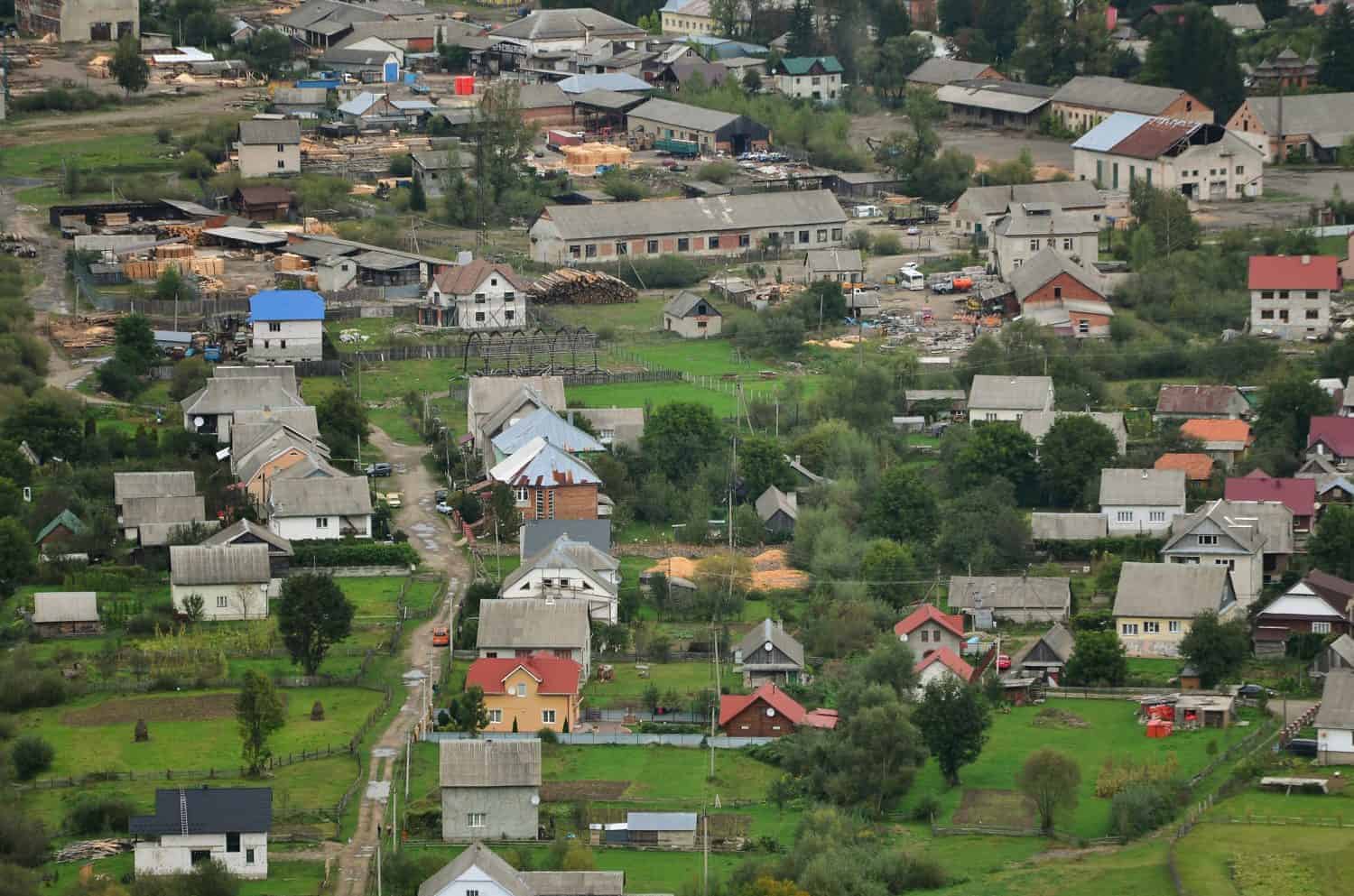
- Mezhgorye is a town in Russia.
Mezhgorye is a real town in Russia’s Republic of Bashkortostan, and it is officially classified as a closed administrative-territorial formation, or ZATO. That status comes with controlled access under Russia’s closed-city system. The area has long attracted speculation about military facilities near Mount Yamantau, but reliable public sources do not establish that the town itself stores nuclear weapons.
17. North Sentinel Island
©vivaswa/Shutterstock.com
- This is an island near, and technically owned, by India.
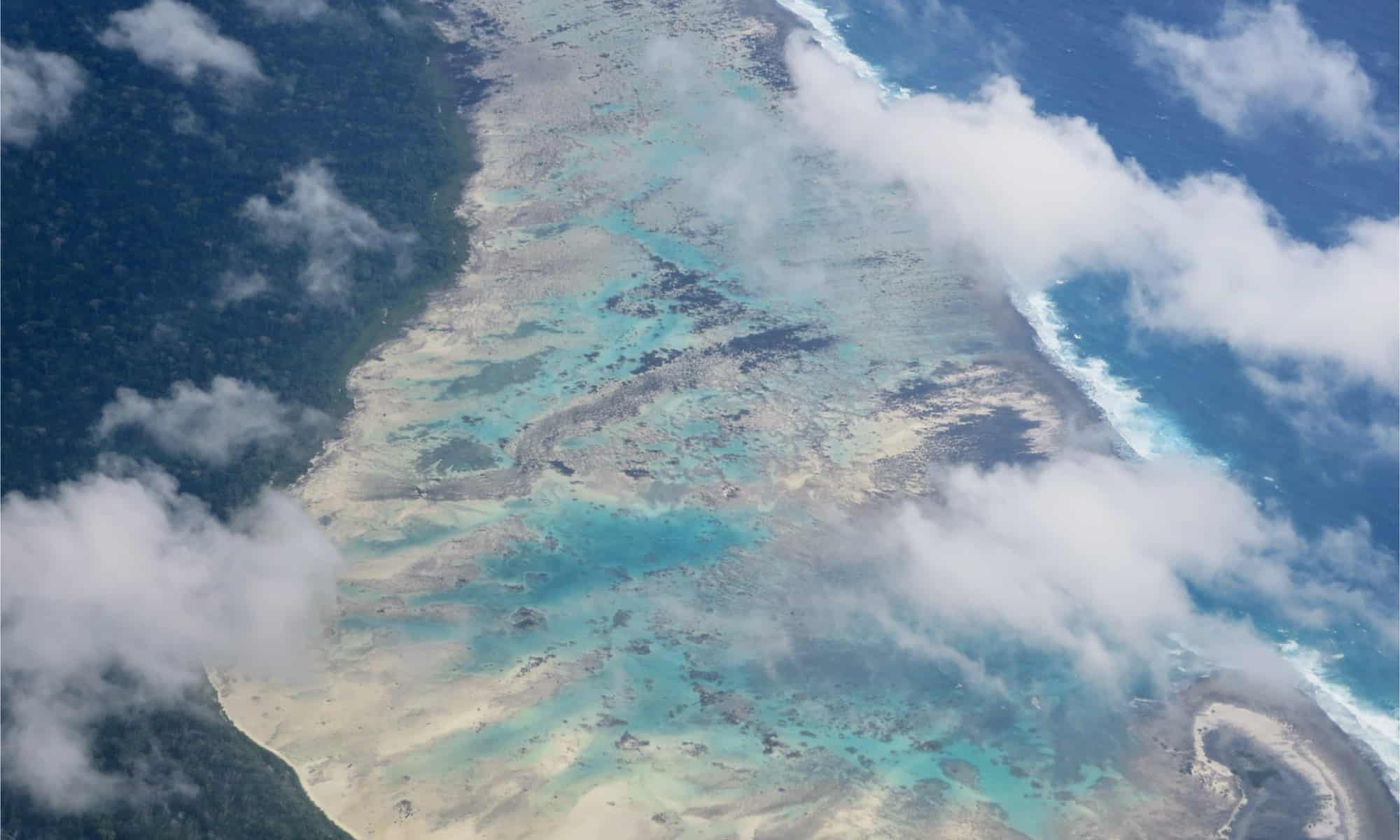
North Sentinel Island is part of India’s Andaman and Nicobar Islands and is home to the Sentinelese, an Indigenous people who remain largely isolated from outsiders. India has designated the entire island and the surrounding 5 kilometers of coastal sea as a tribal reserve. The government follows an “eyes-on and hands-off” policy and restricts outside contact to protect the Sentinelese, their rights, and their way of life. This is one of the clearest examples on the list where staying away protects the people who live there, not the visitor.
18. Lascaux Caves
©LACROIX CHRISTINE/Shutterstock.com
- Lascaux Cave is a series of cave paintings found in France.
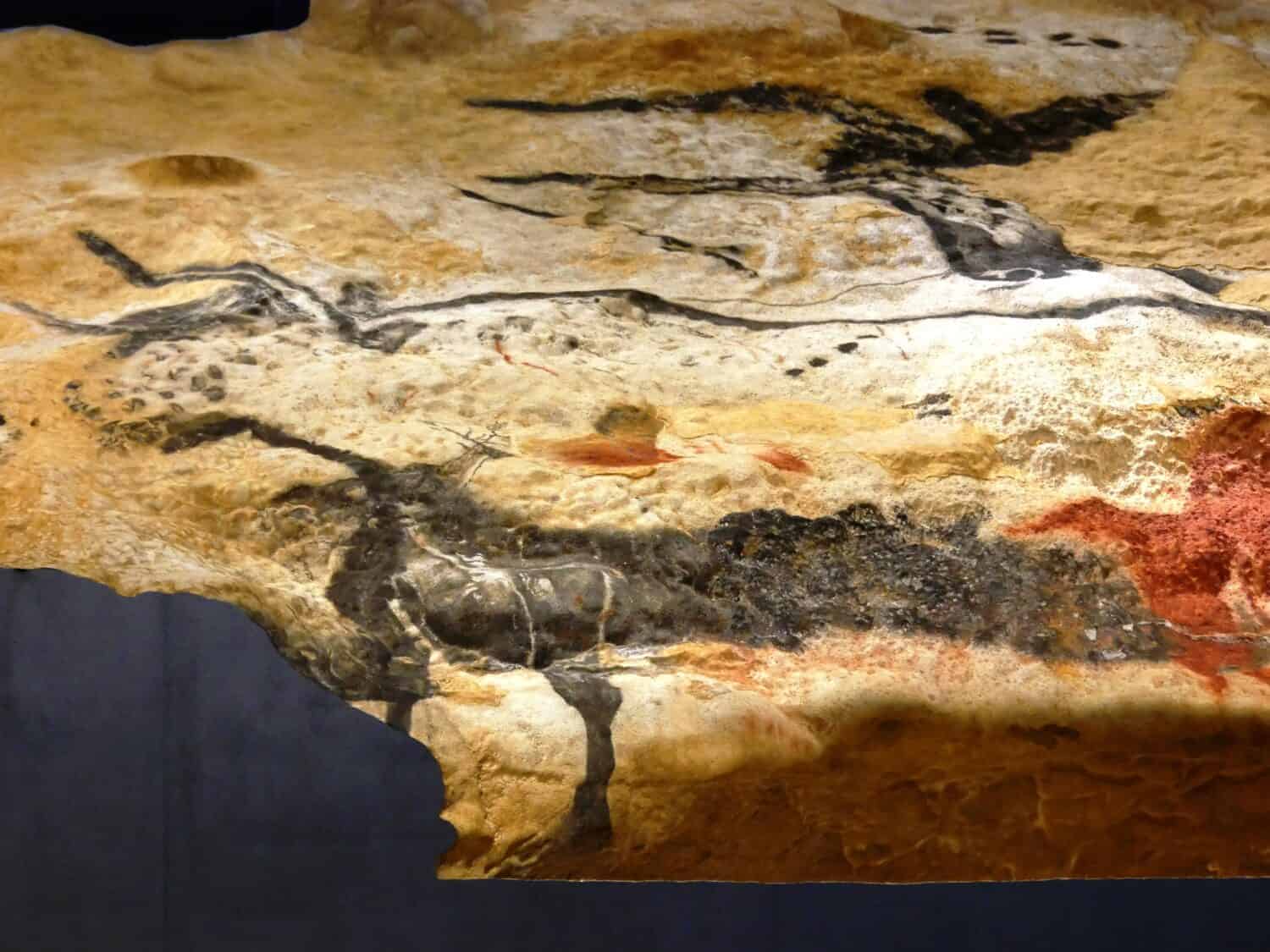
The original Lascaux cave in southwestern France has been closed to the public since 1963 to protect its prehistoric art. Heavy visitation altered the cave’s microclimate and contributed to serious conservation problems. Recent calibrated dating programs place Lascaux at roughly 21,000 to 21,500 years ago, although the cave’s exact chronology remains a subject of archaeological study. Visitors can see detailed replicas nearby, but not the original cave.
19. Coca-Cola’s Vault

- The Coca-Cola vault is in Georgia, US.
The Coca-Cola vault is actually part of a public exhibit at the World of Coca-Cola in Atlanta. In 2011, the company moved its written secret formula from a bank vault to the attraction, where visitors can see the exterior of the secure vault as part of “The Vault of the Secret Formula” exhibit. What visitors cannot do is open the vault and inspect the formula itself. So this is a restricted room inside a very visitable tourist attraction, not a forbidden place in the usual sense.

