
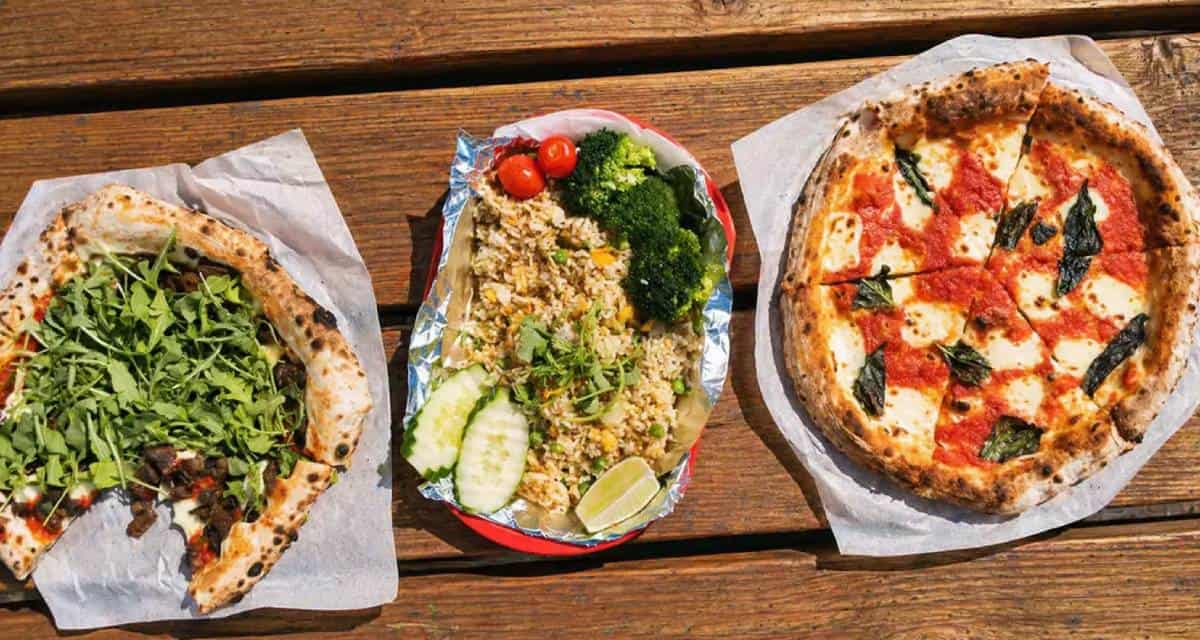
Portland, Oregon, has spent decades building a food scene where ambitious restaurants coexist with hundreds of food carts. The carts were around long before the 2000s, but the scene grew dramatically in the late 2000s, especially during the Great Recession, when relatively low startup and operating costs made carts attractive to chefs, immigrants, and first-time business owners. The pod model, with multiple carts gathered on the same property, became one of the city’s defining ways to eat.
That cart culture grew alongside a broader appetite for local and seasonal ingredients, independent operators, and cuisines from around the world. Casual and ambitious have never really been opposites here; some of Portland’s best-known food businesses started as carts or small counter-service operations before growing into something bigger.
Today, Portland’s food scene runs from tasting menus and wood-fired restaurants to food carts, doughnuts, noodles, and neighborhood brunch. If you want to understand how the city got here, these are some of the places, both open and closed, that helped define modern Portland dining.
Portland’s Culinary Reputation
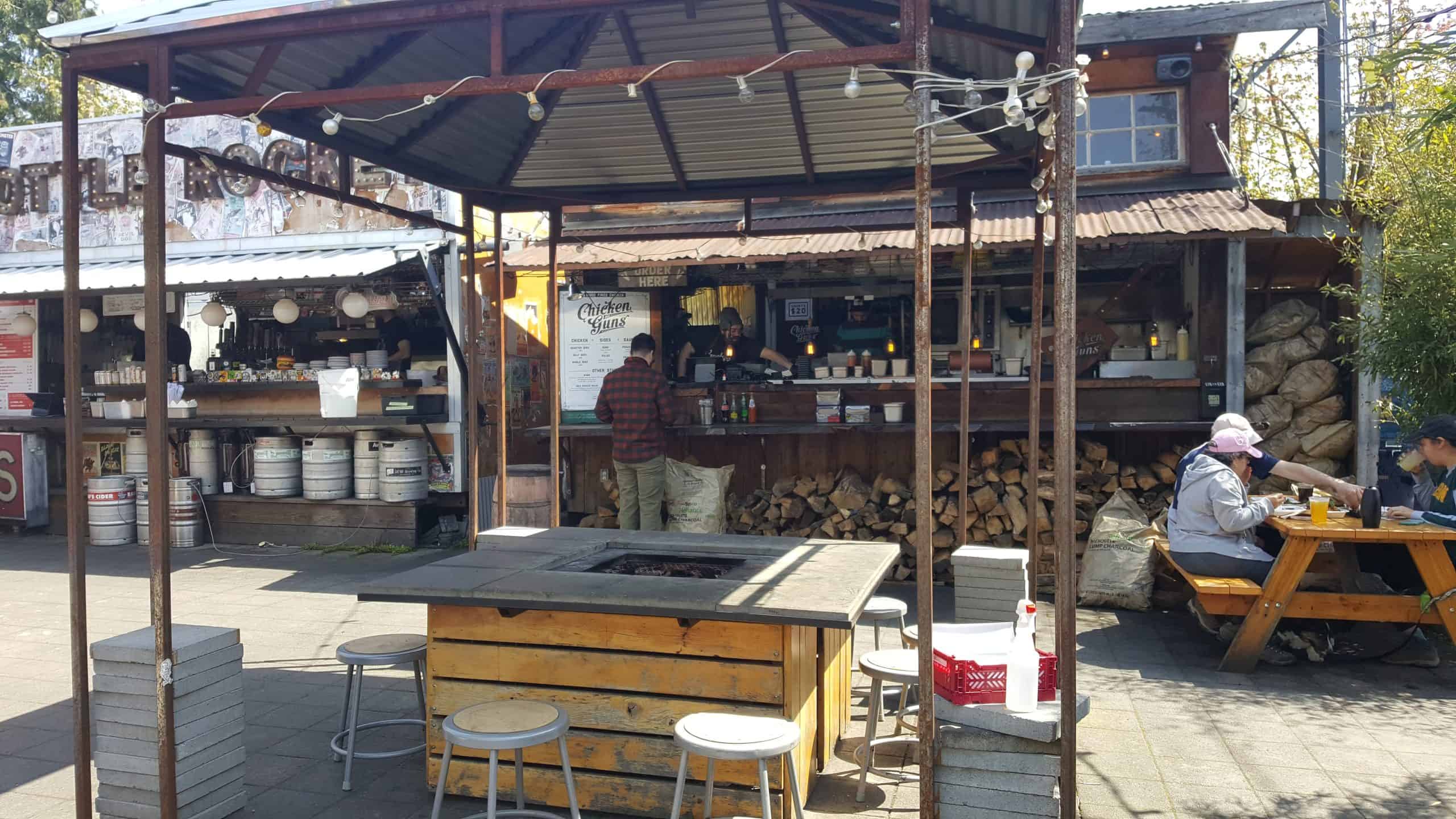
©"Chicken and Guns at Cartopia, Portland, Oregon - 2" by Another Believer is licensed under BY-SA 4.0. - Original / License
Portland does not have one defining cuisine, and that is part of the point. The modern scene mixes independent restaurants, food carts, seasonal Pacific Northwest ingredients, and cooking traditions from around the world. Chef-driven food can show up in a tasting room, a counter-service shop, or a trailer in a parking lot, sometimes within the same few blocks.
The Rise of the Food Cart Pod
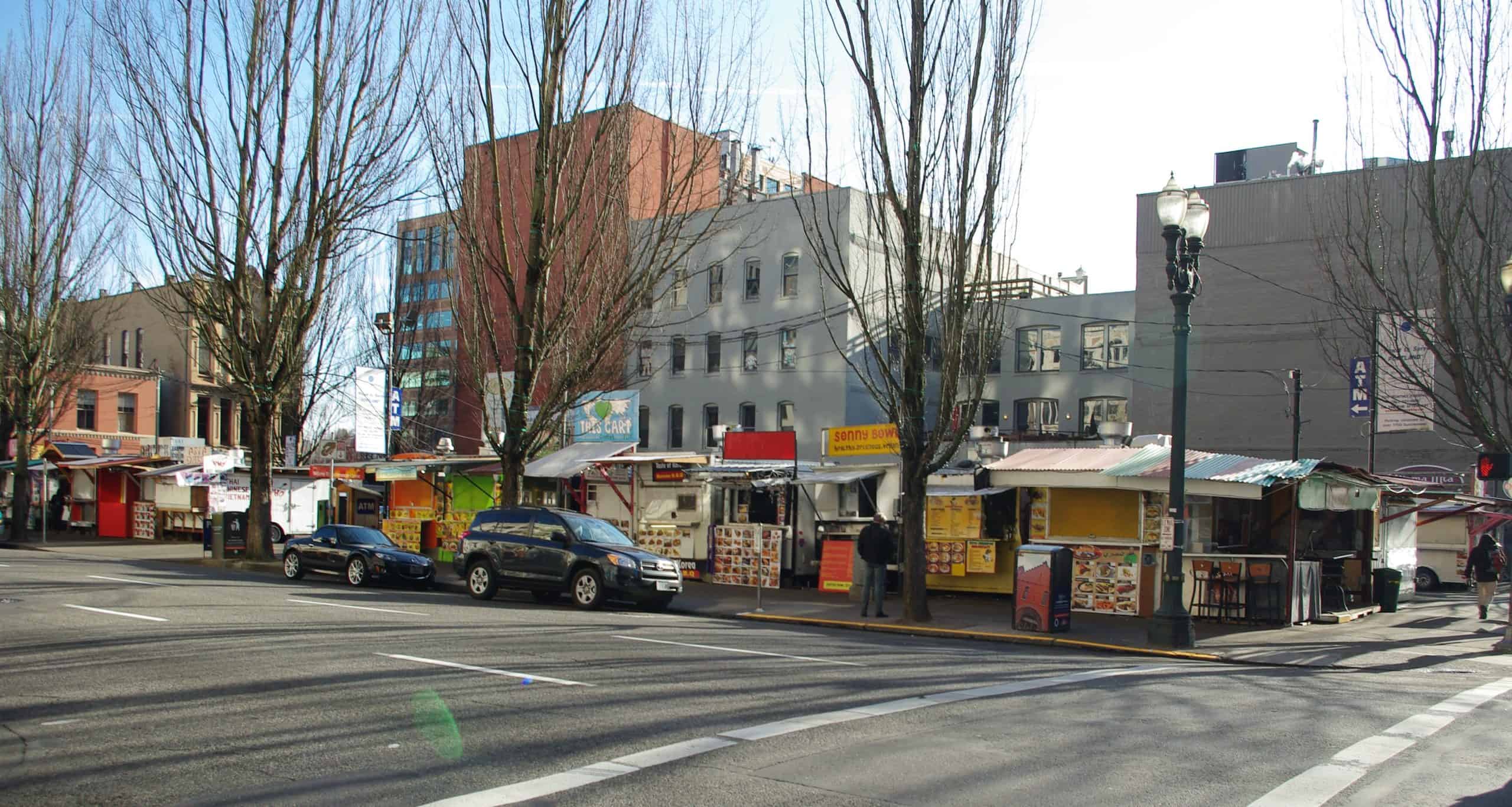
©"Food cart pod at 3rd and Washington - Portland, Oregon" by M.O. Stevens is licensed under BY-SA 4.0. - Original / License
Portland’s food-cart scene expanded dramatically in the late 2000s, especially around the Great Recession, when low startup and operating costs drew chefs, immigrants, and first-time business owners. A Portland food-cart pod is a group of two or more carts on the same property, often sharing services such as power, water, trash, or restrooms. Travel Portland lists well over 500 food carts in the city as of 2024.
From Farm to Table
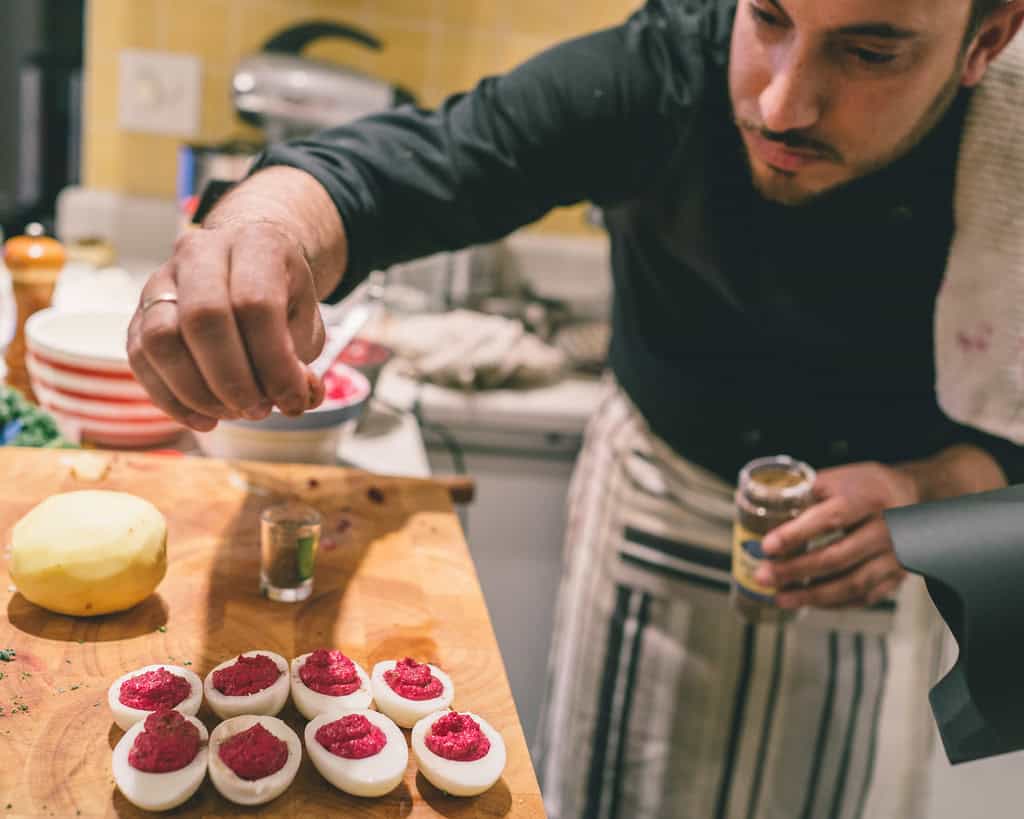
©"10 Mile Meal Preview" by Alistair Henning is licensed under BY 2.0. - Original / License
Portland did not invent farm-to-table dining, but local and seasonal sourcing is a visible part of the city’s food culture. The region’s farmers markets and nearby farms keep seasonal produce and other Oregon products close to the city, so the farm-to-table idea fits Portland naturally.
With that background, here are some Portland spots worth knowing, including a few influential restaurants that have since closed.
Fried Egg I’m In Love
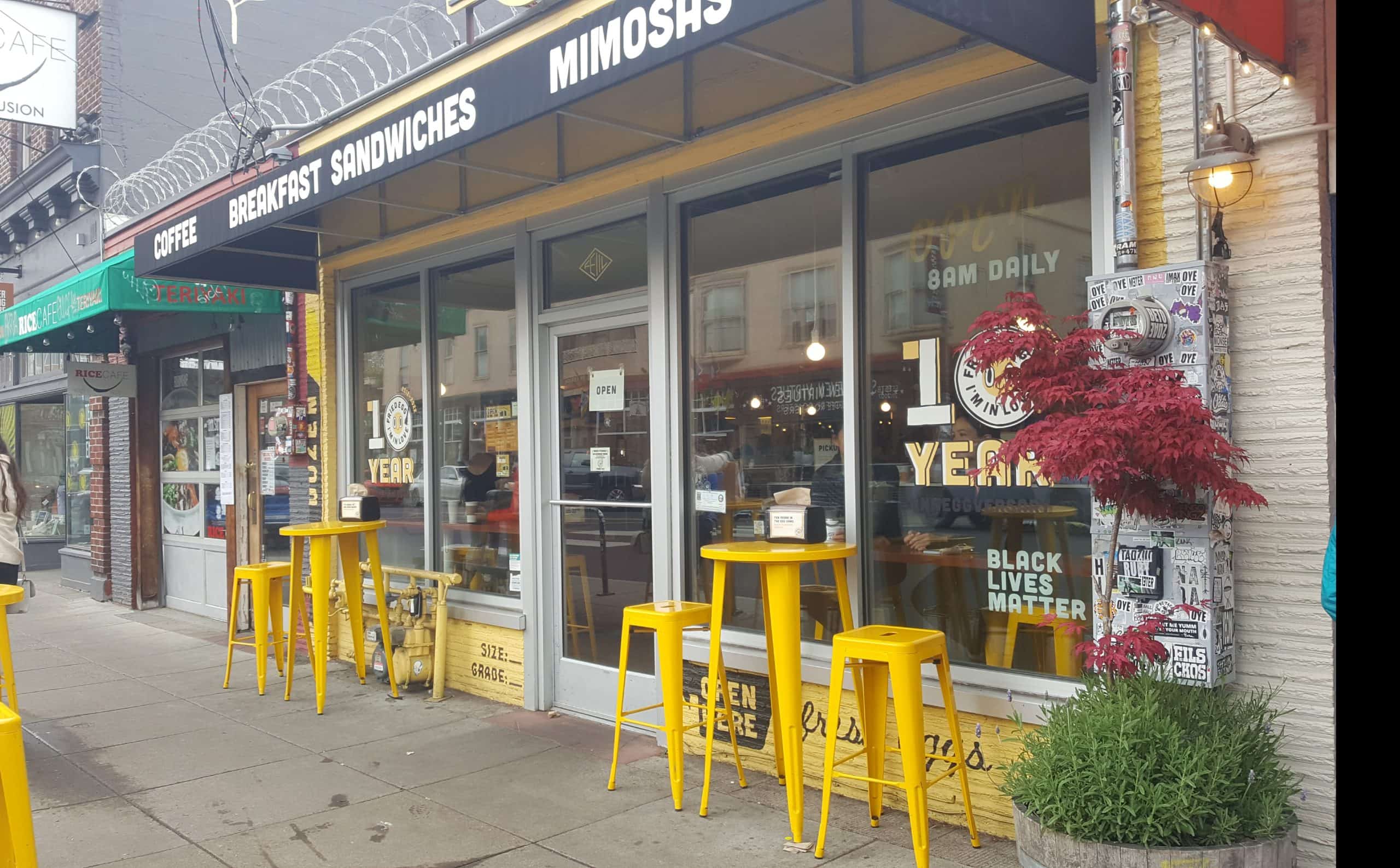
©"Fried Egg I'm in Love, Southeast Portland, Oregon (2022) - 5" by Another Believer is licensed under BY-SA 4.0. - Original / License
Fried Egg I’m In Love now has two Portland restaurants and a downtown food cart. Its signature Yolko Ono pairs a fried egg with homemade pesto and a hand-pressed house sausage patty, and the menu keeps the music-pun naming scheme going from there. A house vegan sausage is available too, so the concept has grown without losing the oddball food-cart personality that made it stand out.
Lardo
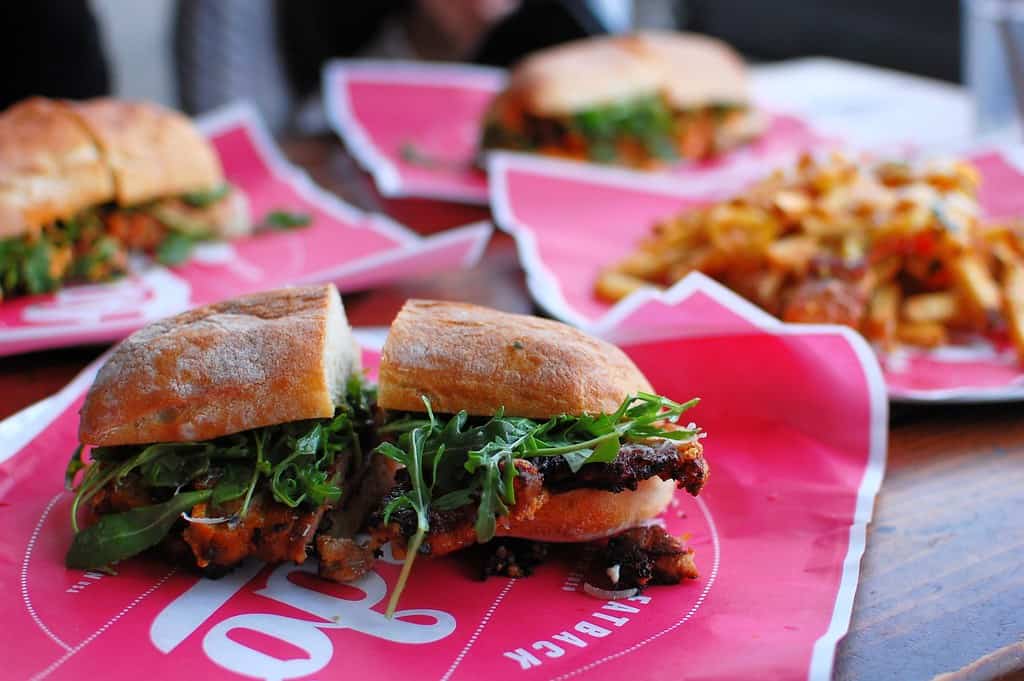
Rick Gencarelli opened Lardo as a Southeast Portland food cart in September 2010 before turning the concept into a brick-and-mortar sandwich shop. The menu is proudly meat-forward, built around old-world techniques, oversized sandwiches, hand-cut fries, and plenty of beer. It is not pretending to be subtle, and that is pretty much the point.
Radio Room
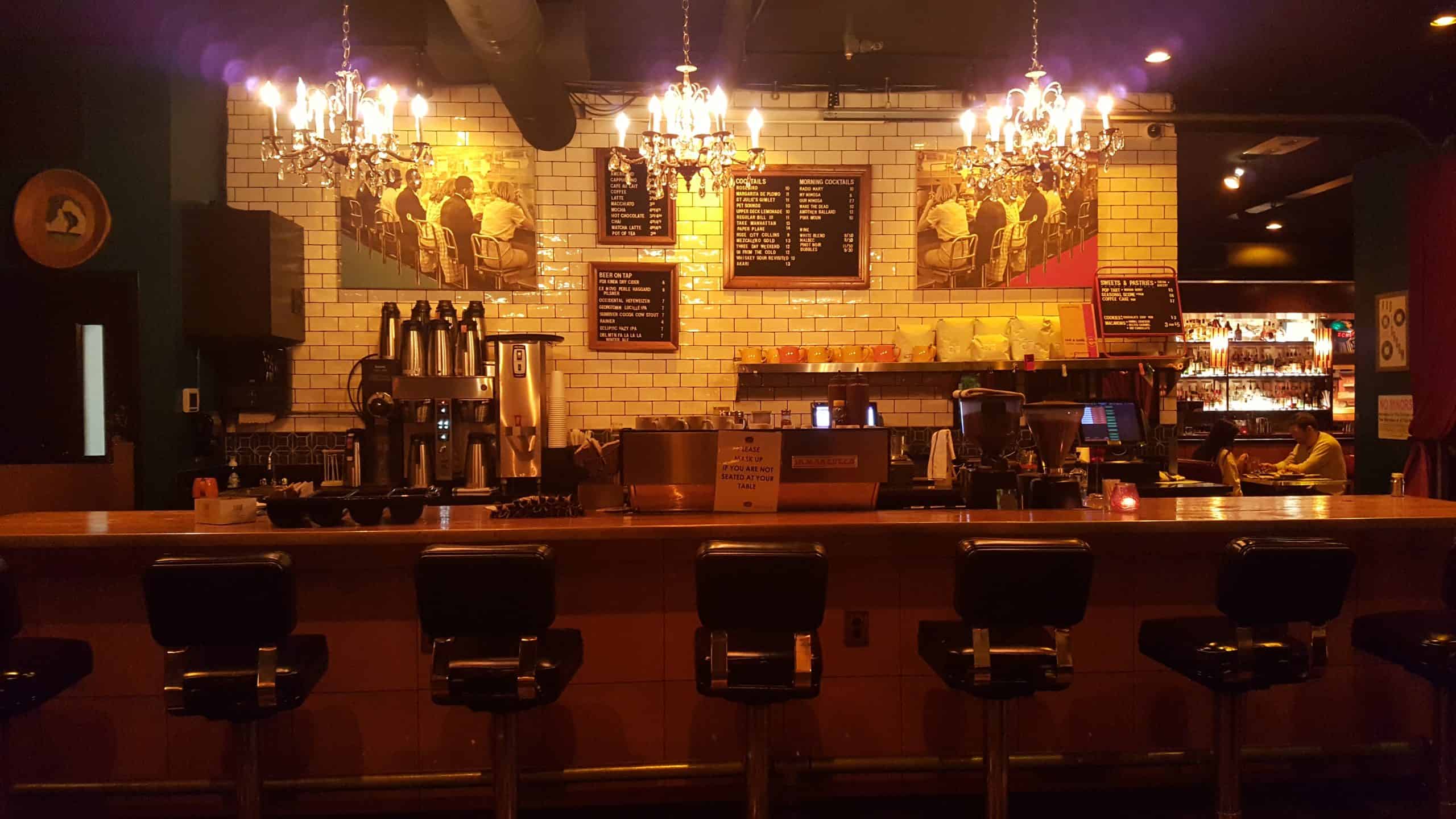
©"Radio Room, Portland, Oregon (2022) - 1" by Another Believer is licensed under BY-SA 4.0. - Original / License
Radio Room occupies a former Art Deco service station built in 1949. The original structure now forms part of the covered entry and main dining area, while the business operates as a full-service restaurant and cocktail lounge with daily brunch, heated and covered patios, and live jazz on Sundays.
Pok Pok (Legacy)
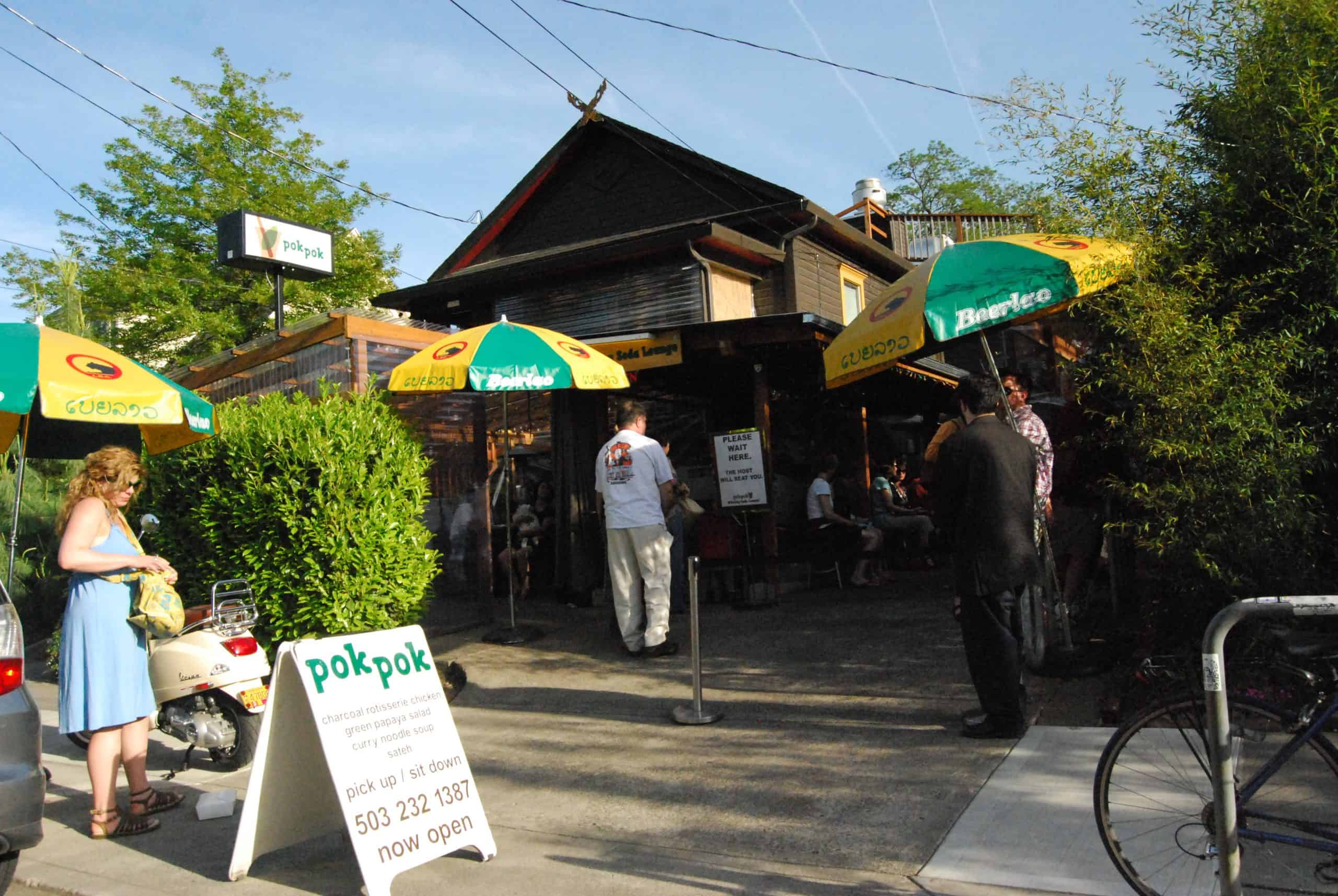
©"Pok Pok Restaurant & Whiskey Soda Lounge" by Paul Lowry from New York, EEUU de A is licensed under BY 2.0. - Original / License
Andy Ricker opened the first Pok Pok in 2005, focusing on Thai street foods and Northern Thai cooking. Ike’s Vietnamese Fish Sauce Wings, developed with employee Ich “Ike” Truong and based on a dish Ricker ate in Vietnam, became one of its signatures, and Ricker won the 2011 James Beard Award for Best Chef: Northwest. The Pok Pok restaurant group closed for good in 2020, but its national profile made it an important chapter in Portland’s modern restaurant history.
Le Pigeon
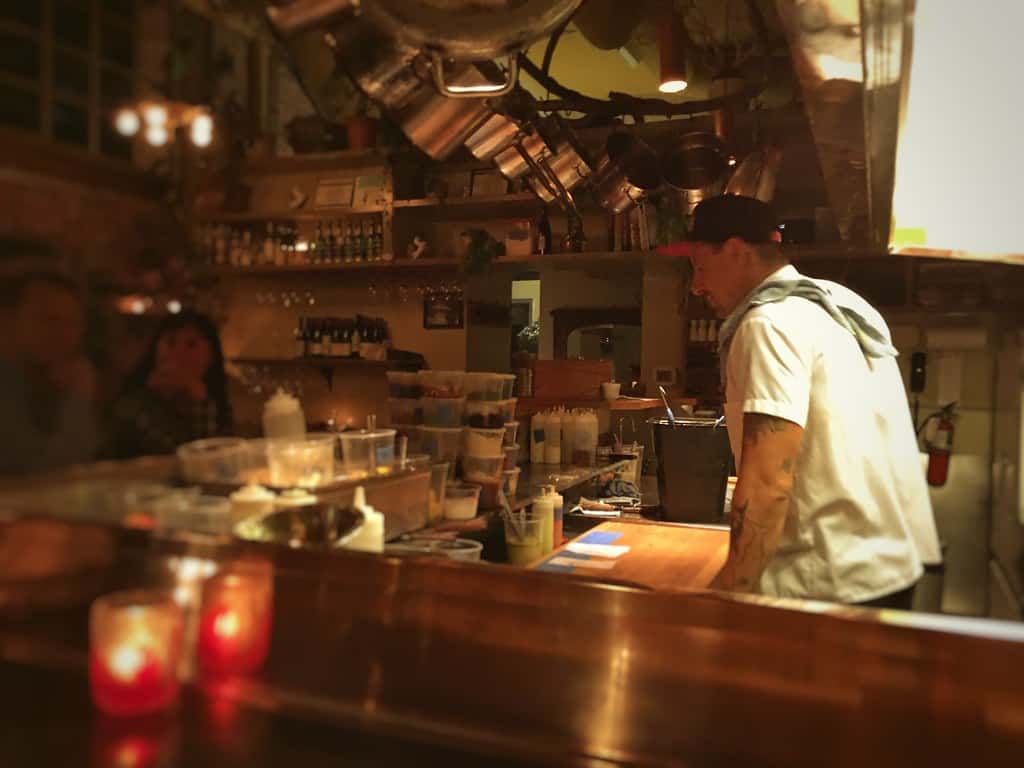
©"Le Pigeon, Portland, Oregon" by Sharon Hahn Darlin is licensed under BY 2.0. - Original / License
Gabriel Rucker’s Le Pigeon is still going on East Burnside, but the current format is tasting-menu only, with separate omnivore and vegetarian menus that change with the seasons. Rucker won the 2013 James Beard Award for Best Chef: Northwest. The restaurant has evolved plenty since its early days, but it remains one of the clearest links between Portland’s casual attitude and its serious fine-dining ambitions.
Tasty n Alder (Legacy)
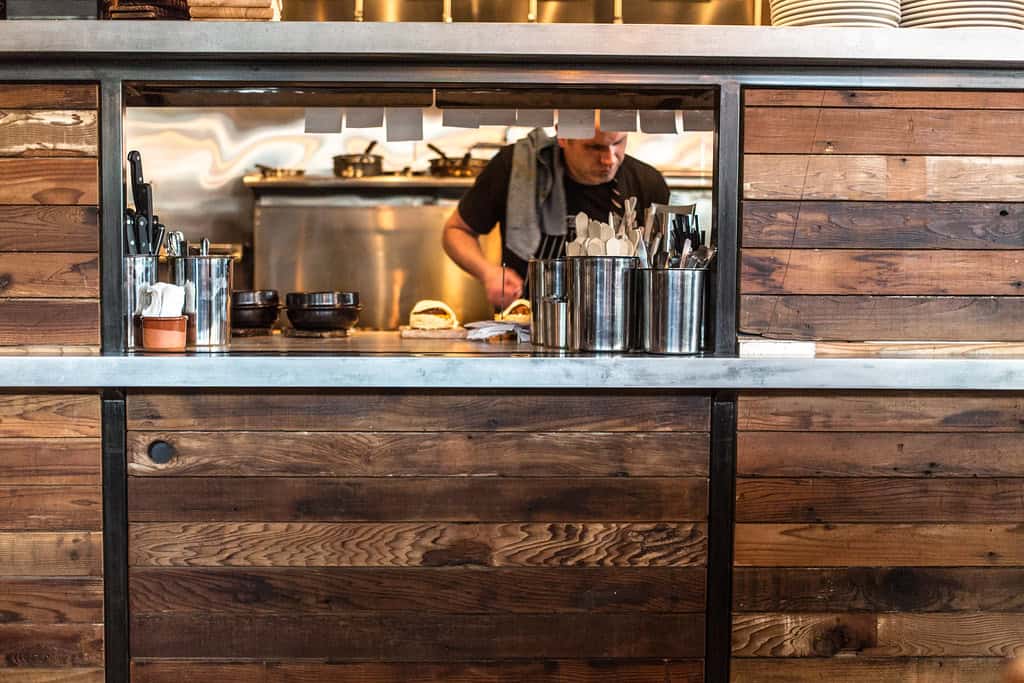
©"Tasty 'n Alder" by icathing is licensed under BY-SA 2.0. - Original / License
Tasty n Alder was part of the Toro Bravo restaurant group and became known for globally influenced brunch and dinner in downtown Portland. It stopped service in 2020 and did not reopen in its longtime Southwest 12th Avenue space; the Han Oak team later took over the address for Toki. Its run is a snapshot of the period when Portland brunch went from weekend meal to civic obsession.
Screen Door
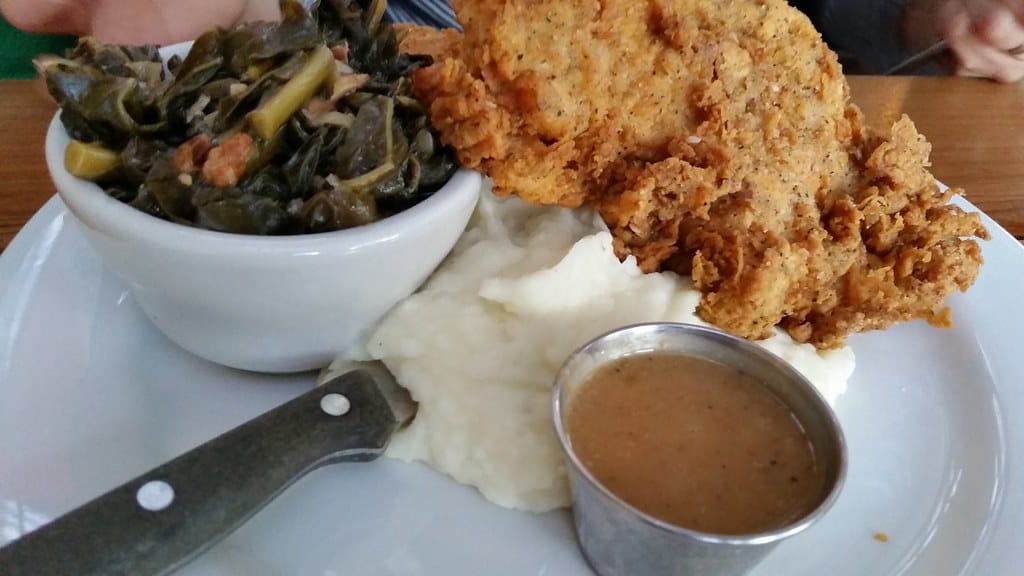
©"Fried chicken at the Screen Door tonight. Thanks for the #reco @wisemonkeysblog & @kickpleat! 20140601_201307" by roland is licensed under BY 2.0. - Original / License
Screen Door has been serving Southern-inspired comfort food in Portland since 2006, with fried chicken as the obvious headliner. It now has Eastside and Pearl District locations, both serving brunch and dinner. The menu combines Southern traditions with Pacific Northwest ingredients, which was part of founders Nicole and David Mouton’s idea from the start.
Ox
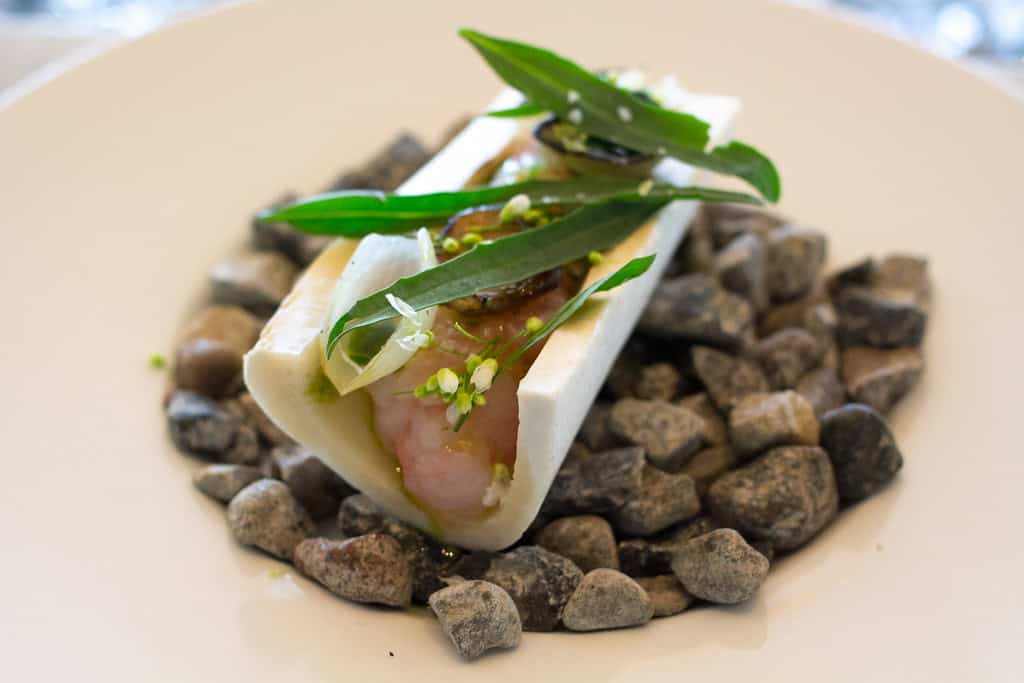
©"fiskebaren langoustine tartar, smoked bone marrow, ramson flowers, pickled onion" by goodiesfirst is licensed under BY 2.0. - Original / License
Ox draws from the wood-fired grilling tradition of Argentina along with culinary influences from Spain, France, and Italy. Chefs Greg Denton and Gabrielle Quiñónez Denton won the 2017 James Beard Award for Best Chef: Northwest, and the restaurant centers local meats, fish, and seasonal produce around that live-fire approach.
Nong’s Khao Man Gai
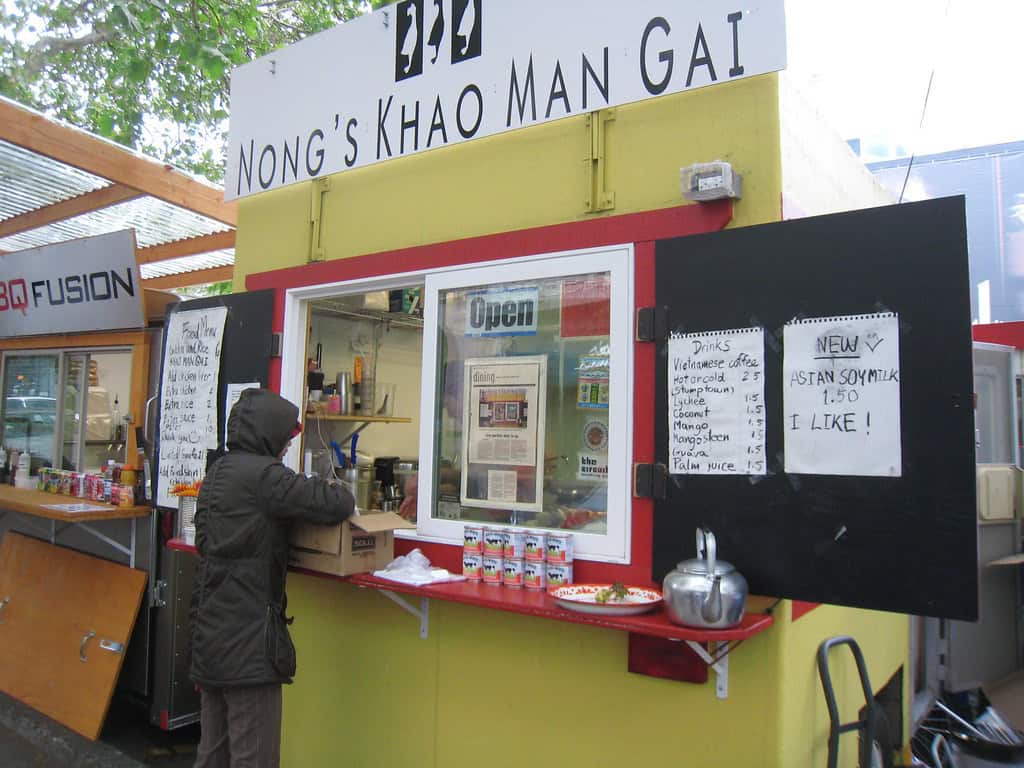
©"Nong's Khao Man Gai - Downtown Portland, OR" by dane brian is licensed under BY-SA 2.0. - Original / License
Nong’s Khao Man Gai built its reputation around one deceptively simple idea: Thai chicken and rice. Its signature khao man gai is served with Nong’s Sauce, cucumbers, cilantro, and a side of soup, while vegetarian and vegan versions use tofu. The business now has Southeast and downtown Portland locations, proof that doing one thing very well can take you a long way.
Blue Star Donuts
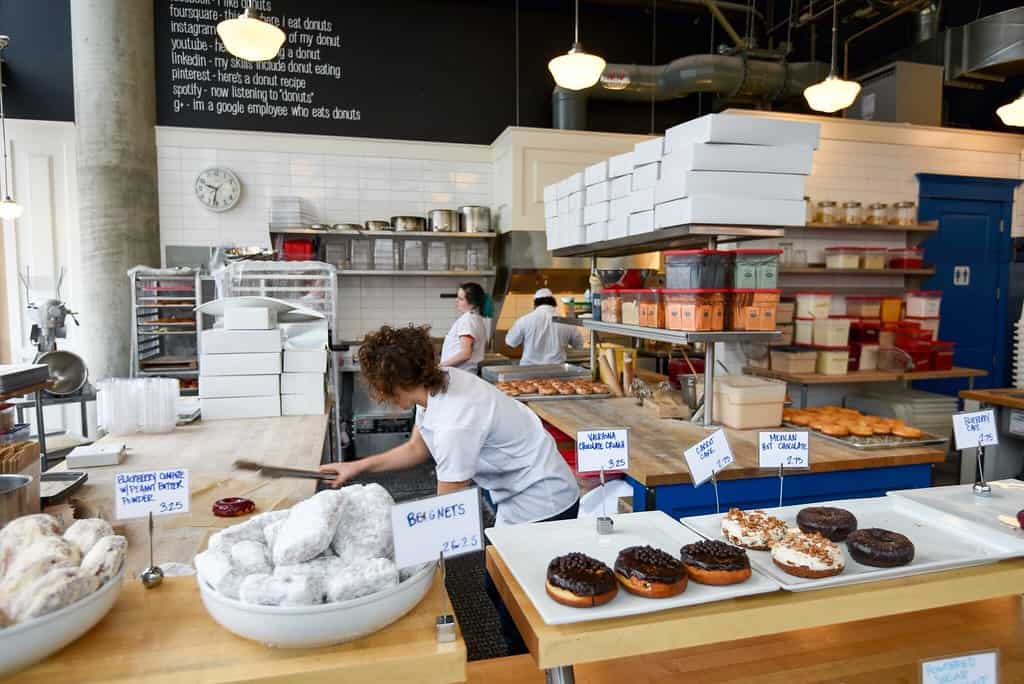
©"Blue Star Donuts" by JingKe888 is licensed under BY 2.0. - Original / License
Blue Star Donuts started in Portland in 2012 and made its name with creative flavors and an 18-hour brioche process. Blueberry Bourbon Basil was there from the beginning and is still on the menu, alongside old-fashioned and cake donuts. The company currently has four Portland locations, including a post-security shop at Portland International Airport.
Pine Street Market
©"Pine State Biscuits, Portland, OR" by Saucy Salad is licensed under BY 2.0. - Original / License
Pine Street Market is still operating as a downtown food hall, but the vendor lineup has changed quite a bit over the years. Current options include Matsunoki Ramen, Little Thai Peacock, Shanghai’s Best, Blends Juice Bar, Lil’ Funky Donuts, and Pine Street Taproom. It remains a useful one-stop example of Portland’s mix-and-match food-hall culture.
Luc Lac Vietnamese Kitchen
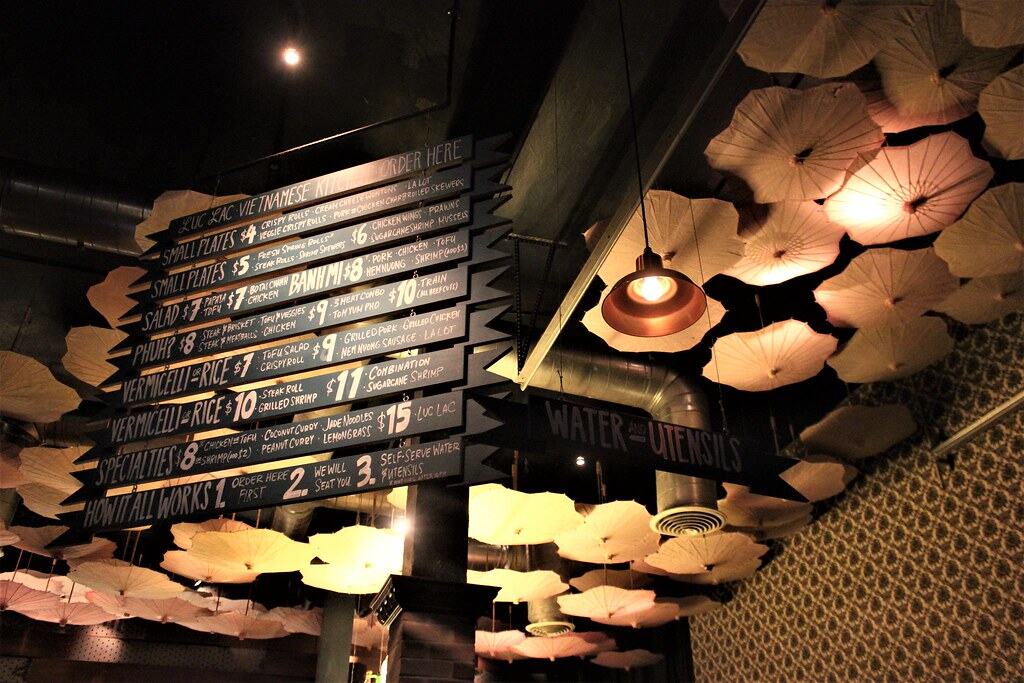
©"Portland City Guide - Luc Lac Vietnamese Kitchen" by CharlieOnTravel is licensed under BY 2.0. - Original / License
Luc Lac is a counter-service Vietnamese restaurant with a large menu of pho, rice and vermicelli bowls, banh mi, small plates, and cocktails. Pho is one of the centerpieces, while lemongrass-marinated chicken appears in rice bowls, vermicelli bowls, banh mi, and other dishes. Dinner currently runs until 11 p.m., making it one of the later options in central Portland.
Bamboo Sushi
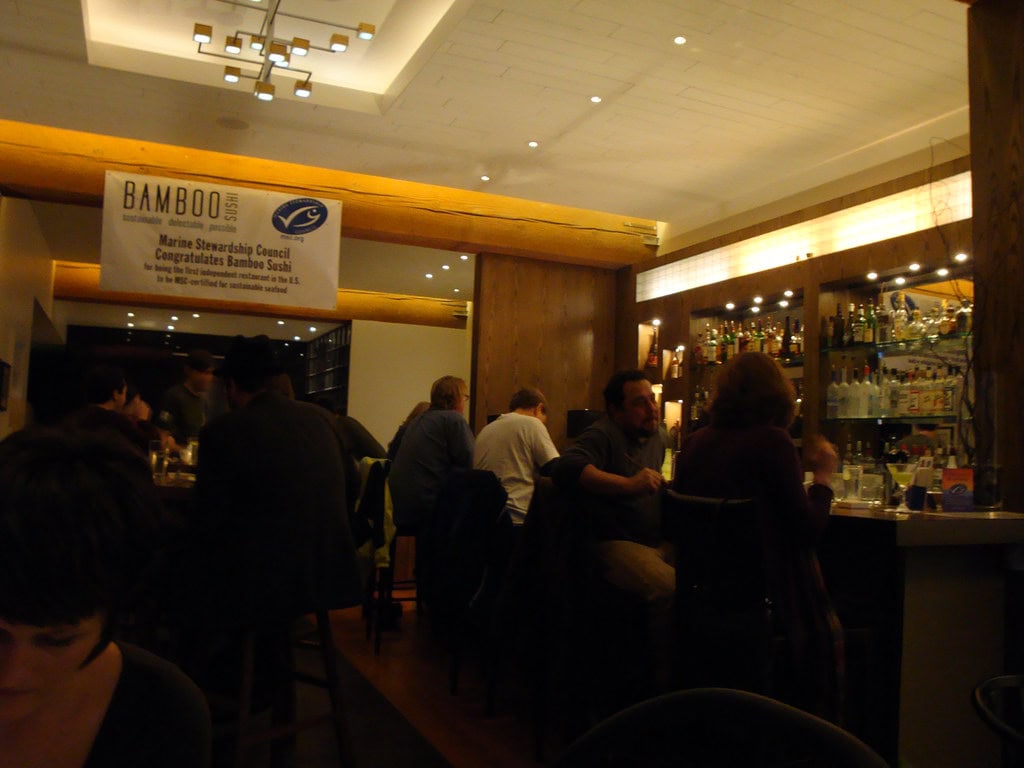
©"Bamboo Sushi" by Jason Lander is licensed under BY 2.0. - Original / License
In 2008, Bamboo Sushi became the first certified-sustainable sushi restaurant in the United States. Sustainability remains central to the business, which directs 1% of sales from its Green Machine roll and sushi boards to environmental nonprofits working on fisheries, watersheds, and ecosystems.
Grassa
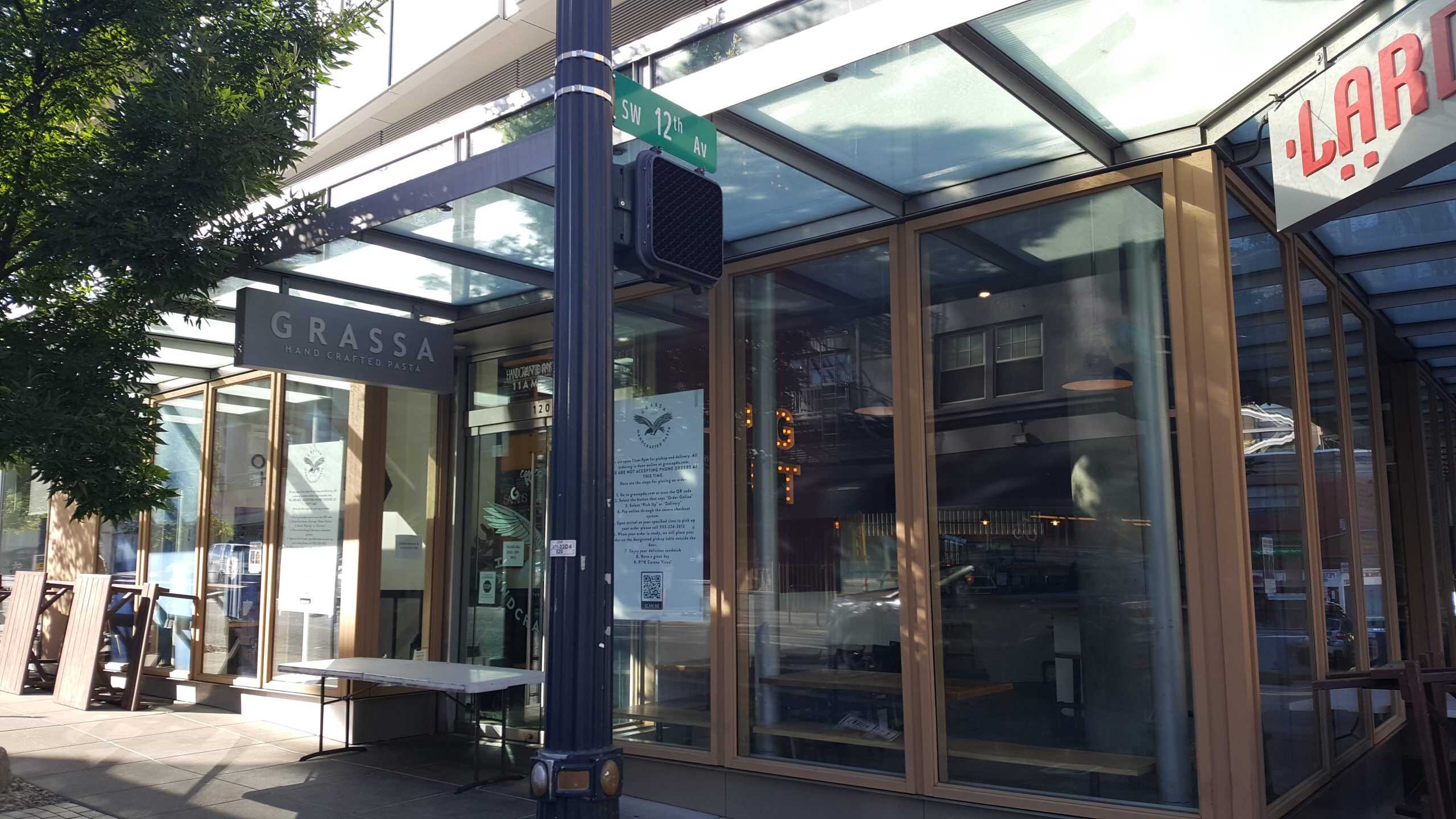
©"Grassa, Portland, Oregon (2020) - 1" by Another Believer is licensed under BY-SA 4.0. - Original / License
Grassa is Rick Gencarelli’s fast-casual pasta concept, built around fresh pasta without the white-tablecloth ceremony. It is a casual counter-service restaurant, and the Portland lineup currently includes Southwest, Northwest, Southeast, and PDX airport locations. The premise is simple: carefully made pasta without turning dinner into a production.
Hat Yai
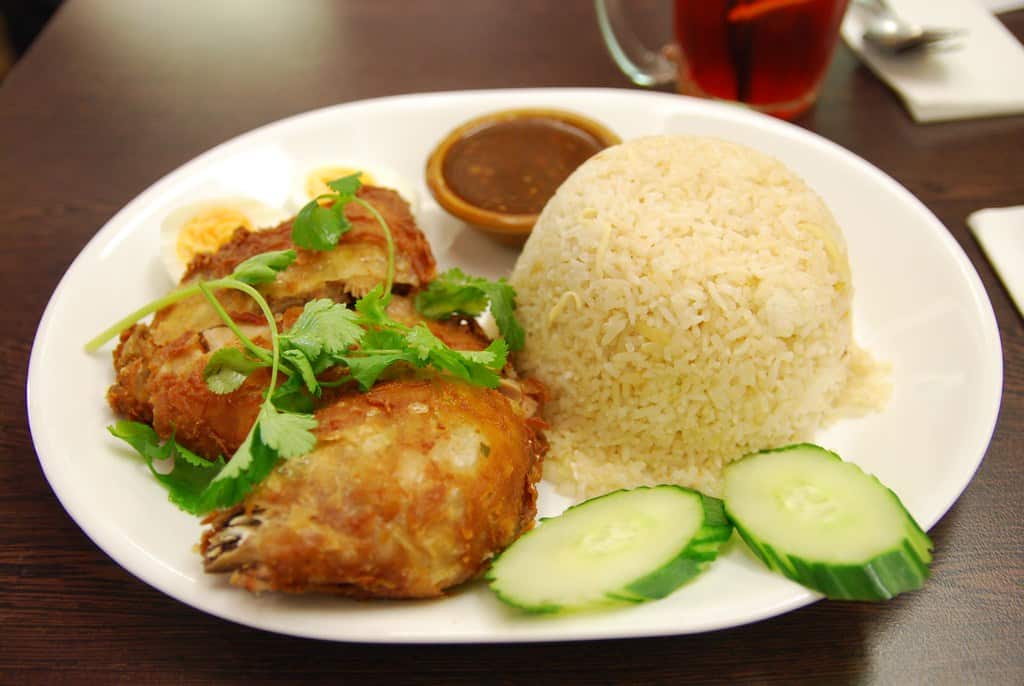
©"Thai-style Hainanese Crispy Fried Chicken Rice - Chilli Cafe AUD11.90" by avlxyz is licensed under BY-SA 2.0. - Original / License
Hat Yai takes its name from the Southern Thai city near the Malaysian border and draws directly from the region’s fried-chicken vendors and curry-and-roti shops. The roti is made by hand daily, and the fried chicken, curry, and roti combination gets straight to the point. There are two Portland locations, on Northeast Killingsworth and Southeast Belmont.
Cartopia
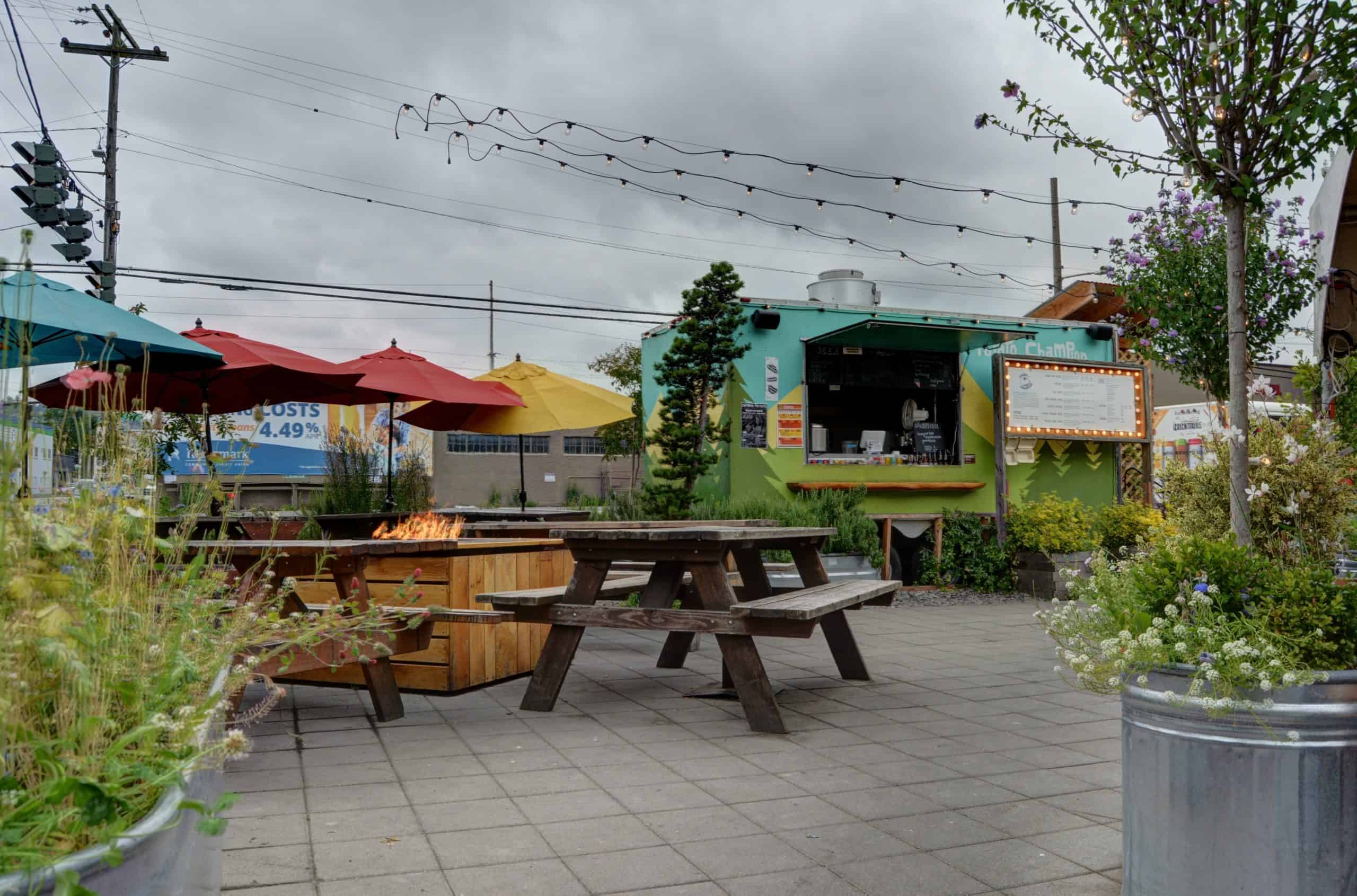
©"File:Set04.jpg" by Potatochampion is licensed under BY-SA 4.0. - Original / License
Cartopia has been serving Southeast Portland since 2008, making it one of the city’s older food-cart pods. Potato Champion and Pyro Pizza are still in the lineup, joined by carts serving Mexican, Egyptian, Thai, and dessert options. The pod stays open as late as midnight on Fridays and Saturdays, so the night-owl reputation is not just nostalgia.
Salt & Straw
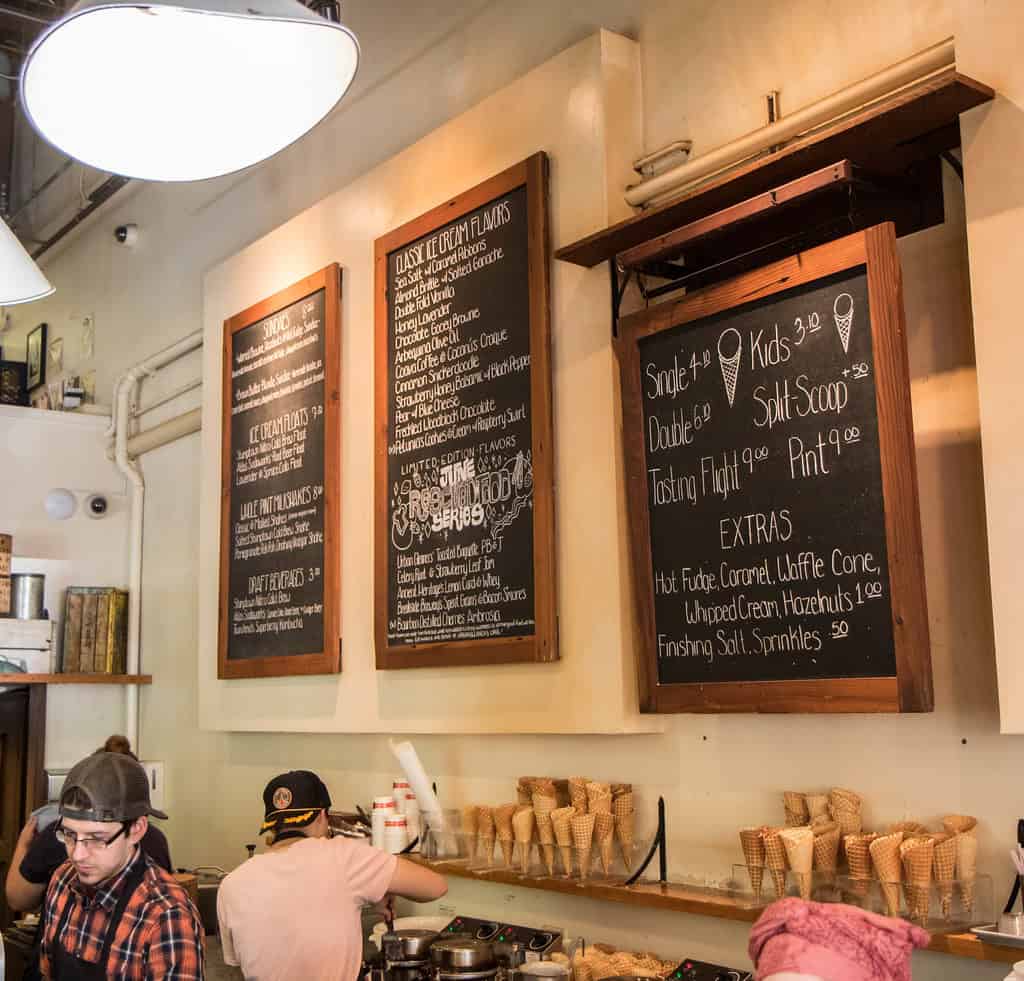
©"Salt and Straw 6-2-2017-1" by jdg32373 is licensed under BY 2.0. - Original / License
Salt & Straw began as a small cart in Portland in 2011 before opening its first shop on Alberta Street that year. Pear & Blue Cheese and Arbequina Olive Oil are both still part of its lineup, and the company has since expanded well beyond Oregon. The flavors can get weird on paper, but that has been part of the brand since the beginning.

