
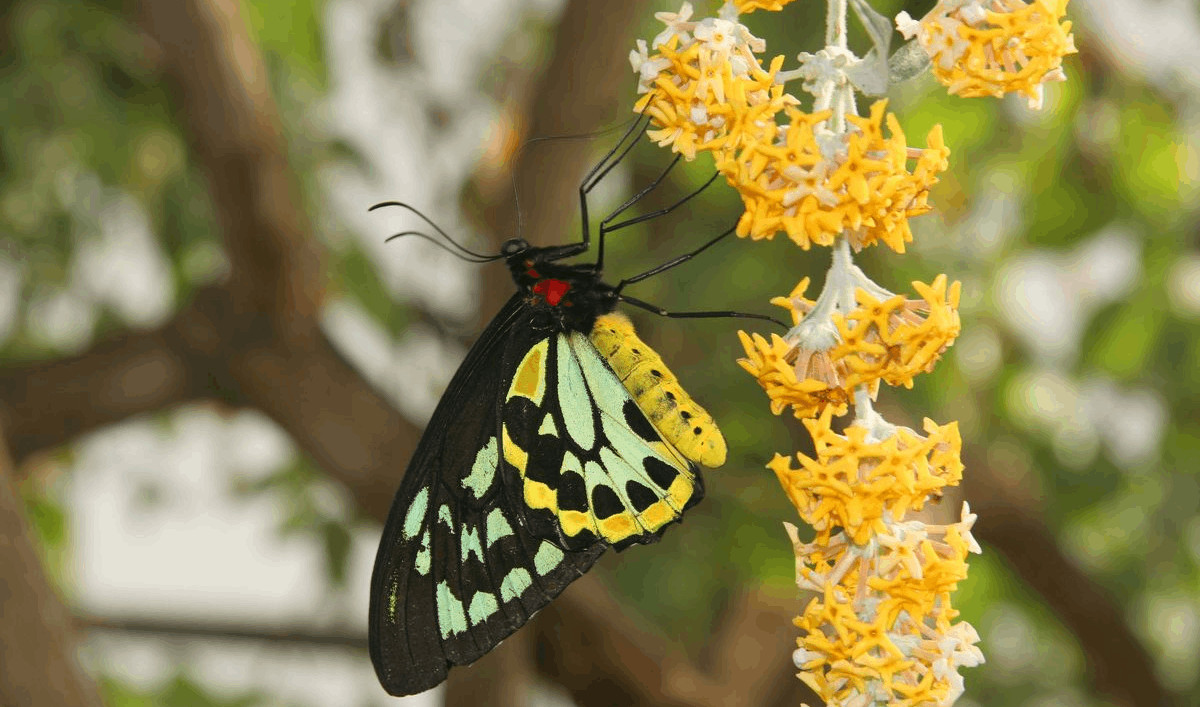
Florida has plenty of destinations competing for your attention, from massive theme parks to beaches that look suspiciously good in vacation photos. But in Coconut Creek, a city in Broward County, the main attraction has wings. The community calls itself the “Butterfly Capital of the World,” and it has built a reputation around butterfly gardens, wildlife-friendly spaces, and one remarkable nature park.
That park is Butterfly World, a roughly 10-acre attraction filled with tropical aviaries, birds, flowering gardens, and plenty of reasons to put the phone down for a minute. Here’s what makes it worth a visit, plus a few things to know before going.
Why Coconut Creek Is the Butterfly Capital
©MG_Photos/Shutterstock.com
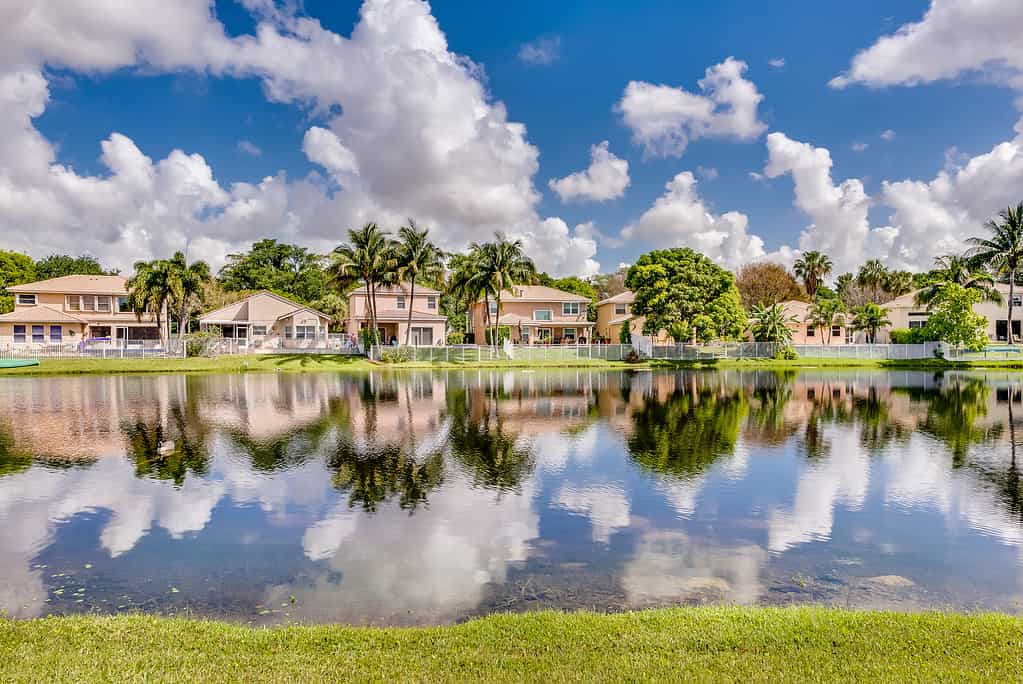
About 10 miles north of Fort Lauderdale, Coconut Creek has a rather ambitious nickname: the “Butterfly Capital of the World.” It is the South Florida city’s registered slogan, not a scientific ranking of the world’s butterflies. The name reflects a longstanding effort to make the community greener and friendlier to pollinators. In 2005, Coconut Creek became Florida’s first city certified through the National Wildlife Federation’s Community Wildlife Habitat program, recognizing efforts to create habitat in yards, schools, parks, and public spaces.
That identity is especially visible at Butterfly World, a nature attraction on the south side of Tradewinds Park. It is the sort of place where you can trade traffic and souvenir shops for tropical plants, bird calls, and butterflies moving past your shoulders. You do not need to know your swallowtails from your skippers to enjoy the visit.
How a Butterfly Hobby Became Butterfly World
©"Red butterfly in Coffs Harbour Butterfly House New South Wales." by denisbin is licensed under BY-ND 2.0. - Original / License
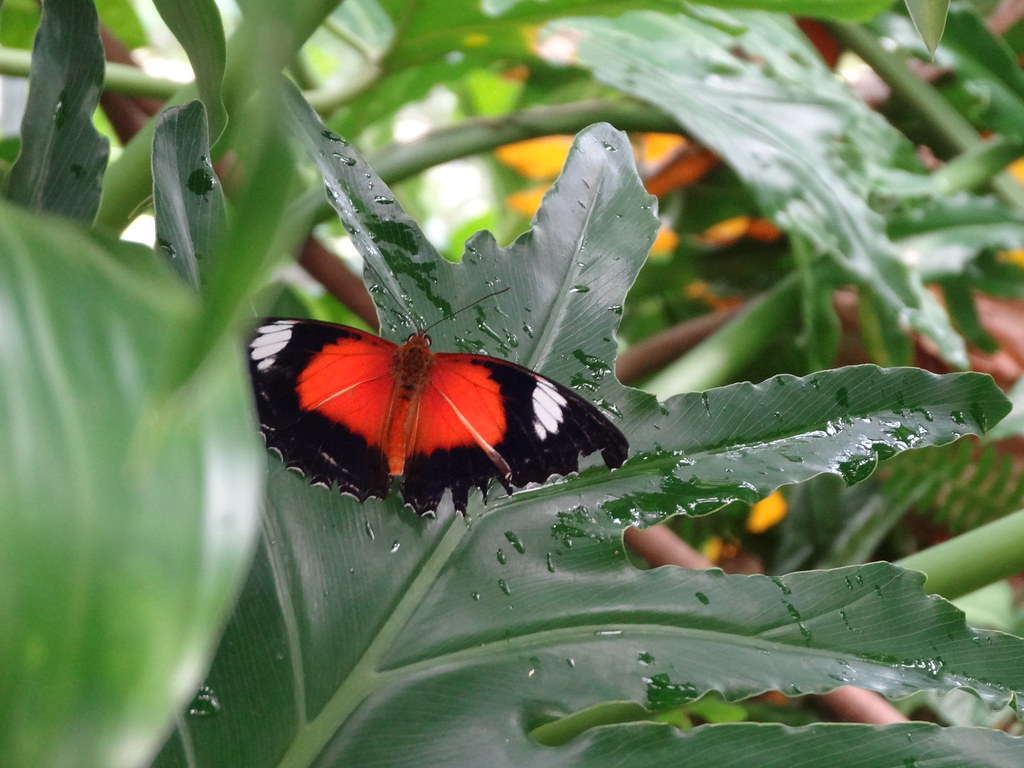
Butterfly World began with Ronald Boender, who developed an interest in butterflies while growing up on his family’s Illinois farm. He eventually became an electrical engineer and moved to Florida, but the fascination never quite went away. After retiring, Boender began raising butterflies and growing the plants their caterpillars needed. What started as a backyard interest developed into MetaScience, a butterfly-farming business he established in 1984 to supply institutions such as zoos and universities.
A trip to England in 1985 helped turn that hobby into a much bigger idea. Boender met Clive Farrell, who was involved with London’s butterfly house, and the two partnered on a public attraction in South Florida. Their goal was not simply to put colorful insects on display. They wanted people to see butterflies up close while learning about the plants, habitats, and specialized care that allow them to thrive.
Butterfly World Opened Its Doors in 1988
©"Parque Nacional do Iguaçú - Iguaçu National Park - Borboleta pegando uma carona - Butterfly taking a lift (14116176561)" by Deni Williams from São Paulo, Brasil is licensed under BY 2.0. - Original / License
On March 28, 1988, Butterfly World opened in Coconut Creek. Its founders described it as the first butterfly house in the United States, and the original attraction occupied roughly three acres. The project combined walk-through butterfly aviaries, botanical gardens, a working butterfly farm, and a research facility. Decades later, the grounds have expanded to about 10 acres, offering considerably more to explore than a single greenhouse full of fluttering wings.
Butterfly World (continued)
©Butterfly World, FL
Education was part of the mission from the beginning. That same year, Boender launched the Bring Back the Butterflies program, which encourages people across North America to grow plants that support local butterflies. The idea is straightforward: adult butterflies need suitable nectar sources, while caterpillars often depend on particular host plants. A good butterfly garden is more than a collection of pretty flowers, and the attraction has spent years helping visitors understand the difference.
Butterfly Conservation Is Part of the Mission
©"Butterfly" by fox_kiyo is licensed under BY-SA 2.0. - Original / License
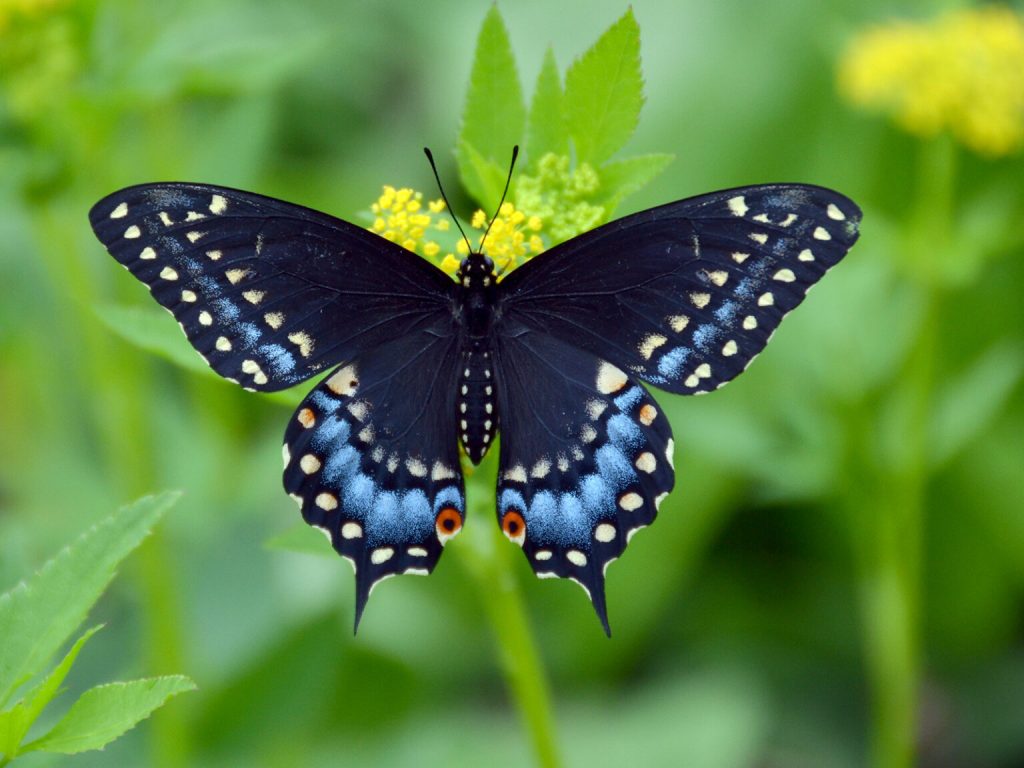
The butterflies at Butterfly World may be the main attraction, but the facility’s work has also extended into conservation. Boender supported the establishment of the Boender Endangered Species Laboratory at the University of Florida, and Butterfly World has contributed expertise to efforts involving the Schaus’ swallowtail, a federally endangered butterfly native to South Florida. Habitat loss has restricted the species to a small part of its former range, mainly around the Florida Keys and Biscayne National Park.
Conservation (continued)
©Butterfly World, FL
The swallowtail’s recovery is a collaborative project involving university researchers, federal and state wildlife agencies, parks, botanical gardens, and other partners. Captive rearing, habitat restoration, and releases have helped improve its outlook, although the species remains endangered. It is a useful reminder that conservation rarely comes down to one dramatic rescue. More often, progress is the result of years of unglamorous work protecting the right plants and places.
Walk Among Thousands of Live Butterflies
©Tomasz Szymanski/Shutterstock.com
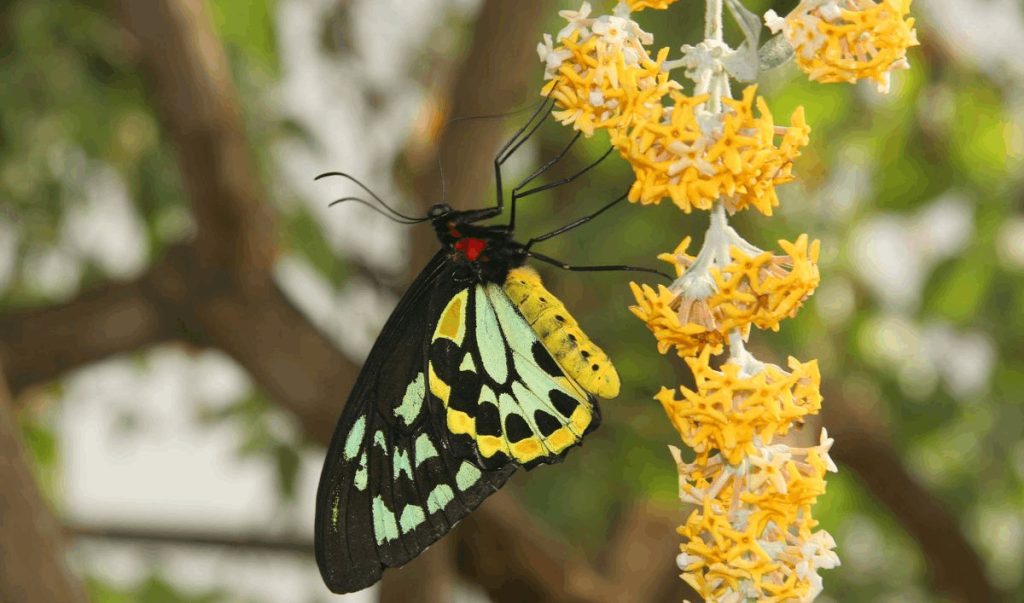
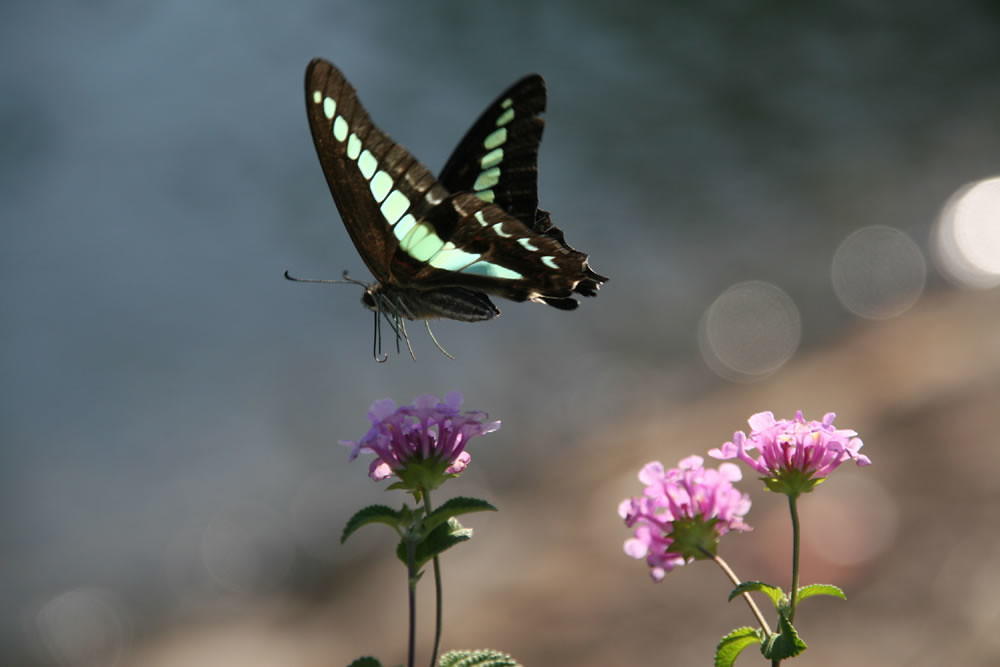
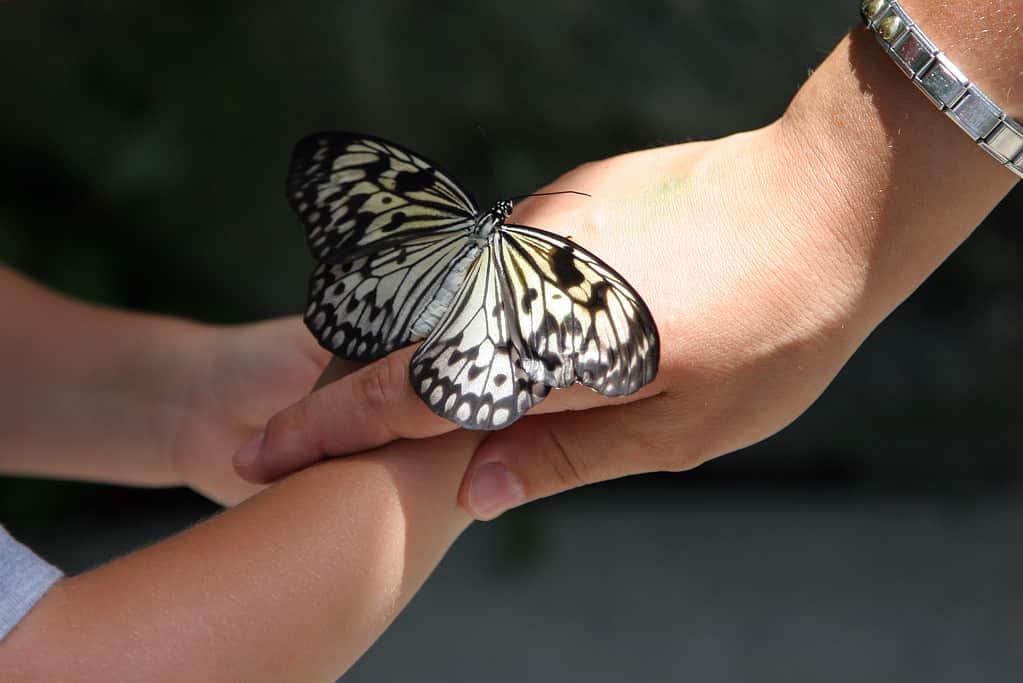
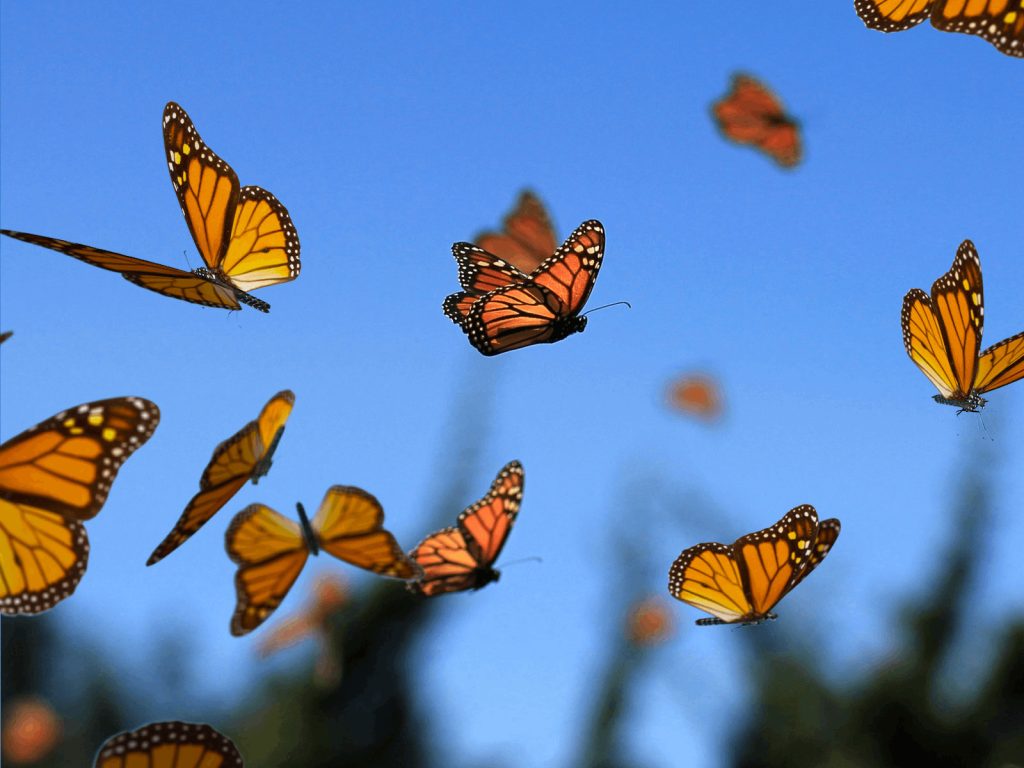
The star of the visit is the butterfly aviary experience. In spaces such as the Paradise Adventure Aviary, butterflies move freely among flowering plants, ponds, and lush tropical vegetation. Butterfly World says it maintains around 20,000 live butterflies on display, with as many as 50 species visible at a given time. That is a lot of wings, and a much better argument for bringing a camera than another roadside billboard promising a must-see attraction.
Walk Among Butterflies (continued)
©
There is more to the experience than photographing the adults. At the Hanging Garden and Butterfly Emerging Area, visitors can look for chrysalises and, with some luck, butterflies emerging into their adult stage. The breeding laboratory offers a look at the work involved in raising these delicate insects, while the Butterfly Museum and Bug Zoo add an educational stop for anyone curious about the wider insect world. Bright, sunny days generally bring the most butterfly activity.
There Are Tropical Birds and Lorikeets, Too
©"Rainbow Lorikeets - Trichoglossus haematodus, Butterfly World, Coconut Creek, Florida" by Judy Gallagher is licensed under BY 2.0. - Original / License
Butterfly World isn’t exclusively about butterflies. Tropical bird aviaries add another layer of color and movement, with birds flying among greenery, water features, and garden paths. The Tropical Rain Forest area is especially atmospheric, thanks to its waterfall, mist, and thick vegetation. If you enjoy birdwatching, it is worth slowing down rather than rushing straight to the next butterfly enclosure. Some of the most interesting moments happen when you stop looking for them.
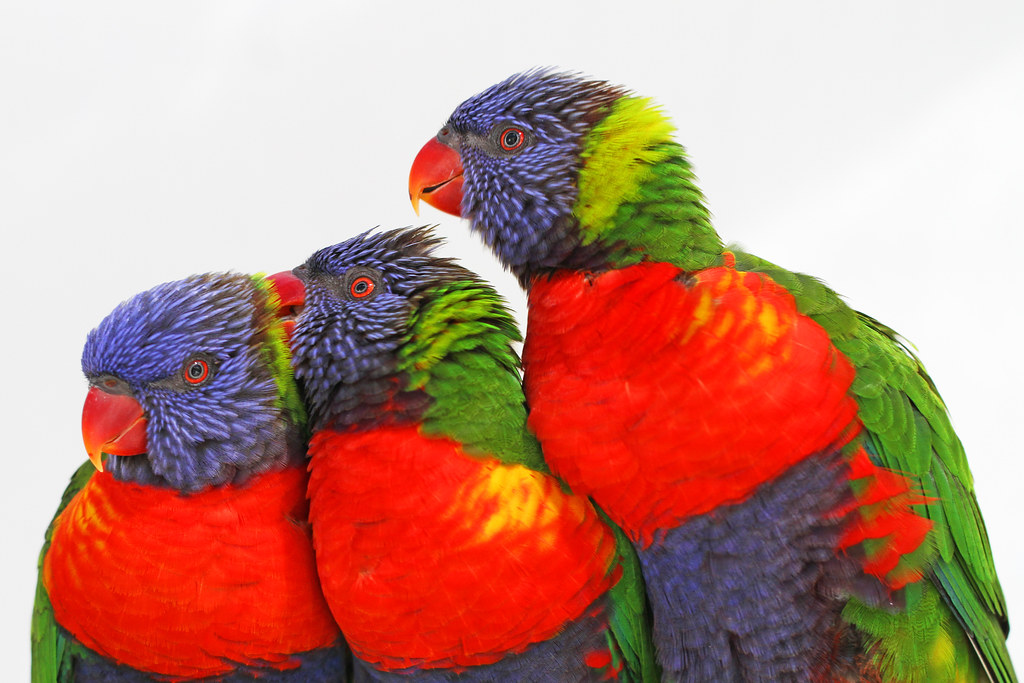
The Lorikeet Encounter is another popular stop. These brightly colored parrots are native to Australia and nearby parts of the Pacific, and guests can buy nectar to offer them in a supervised feeding experience. As of the attraction’s current published schedule, a cup costs $2 and feeding is cash only. The feeding ends before the park closes, so make time for it earlier in the visit if you want to take part.
Don’t Skip the Gardens and Passionflowers
©"Bunch of intense red roses in a flower garden" by Horia Varlan is licensed under BY 2.0. - Original / License
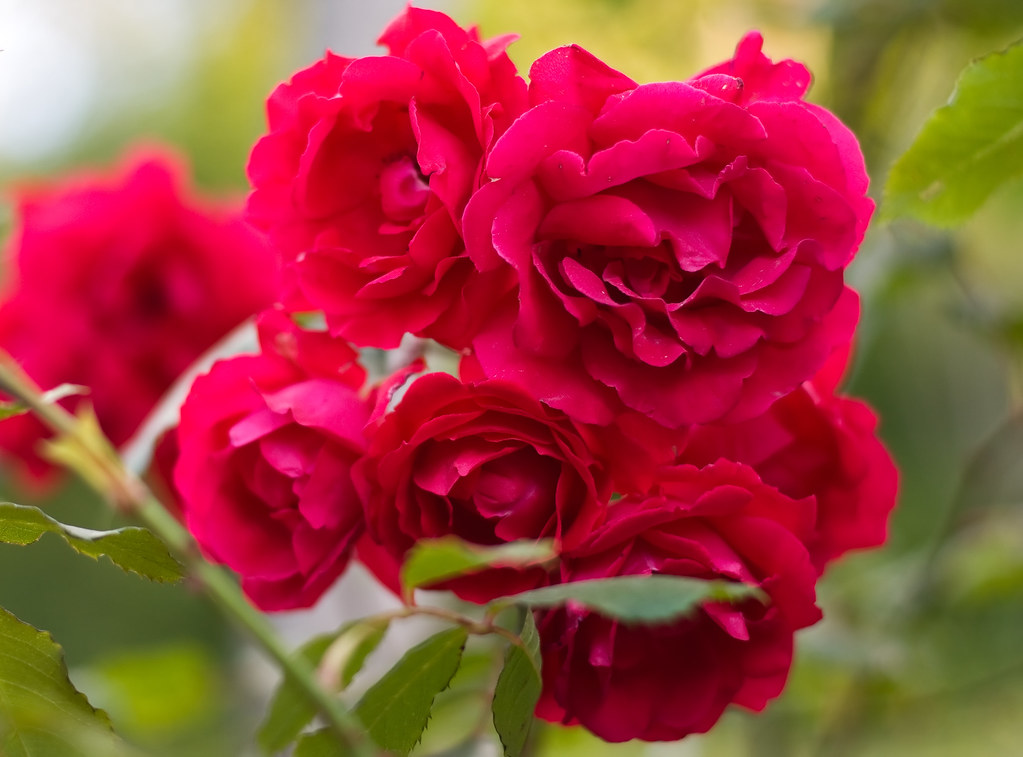
Once you’ve had your fill of flying insects and colorful birds, spend some time in Butterfly World’s botanical gardens. Grace Gardens features tropical flowering plants along the lake, while the English Rose Garden offers a more traditional change of scenery. Vine-covered paths and garden areas feature passionflowers, which are among the most interesting plants to see here. They are not merely ornamental: some passionflower vines also serve as host plants for the caterpillars of particular butterfly species.
The gardens help explain why butterfly conservation is so closely connected to gardening. A butterfly may visit many flowers for nectar, but its caterpillars can be remarkably selective about what they eat. That makes the right plant choices important, whether you’re landscaping a large public attraction or planting a small patch beside your porch. Before leaving, stop by the Butterfly Garden Center if you want ideas for making your own yard more welcoming to pollinators.
What to Know Before Visiting Butterfly World
©"fort lauderdale" by Dawn Ashley is licensed under BY-ND 2.0. - Original / License
Butterfly World is located at 3600 W. Sample Road, inside Tradewinds Park in Coconut Creek. It normally opens Monday through Saturday from 9 a.m. to 5 p.m. and Sunday from 11 a.m. to 5 p.m. The attraction recommends arriving by 3 p.m.; last admission is at 4 p.m., and the butterfly aviaries and lorikeet encounter close at 4:30 p.m. It closes on Easter Sunday, Thanksgiving, and Christmas Day. The posted admission prices are $32.50 for visitors 12 and older, $22.50 for ages 3 through 11, and free for children 2 and younger. Tickets are sold at the entrance without advance reservations.
Plan for two to three hours, wear comfortable shoes, and remember that much of the property is exposed to South Florida weather. The attraction says its grounds are wheelchair-accessible. A separate Tradewinds Park vehicle fee may apply on weekends and county holidays. Check current hours and pricing before leaving, especially when storms are in the forecast.

