
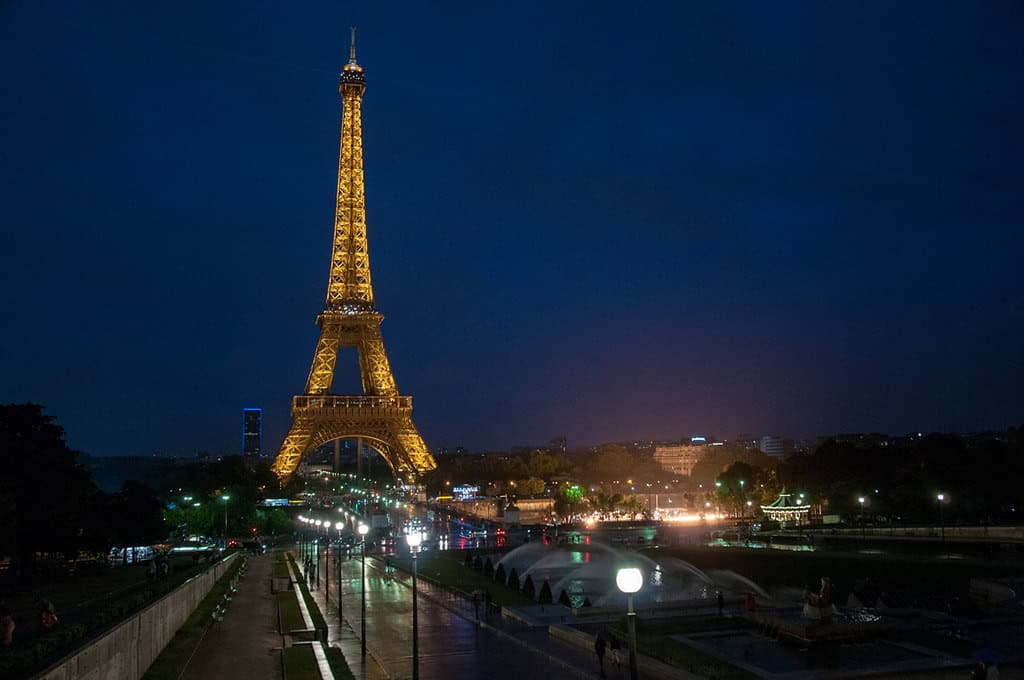
Europe is packed with cities that seem almost designed for wandering after dark. Paris glows along the Seine, Naples spills into the streets after dinner, and London, Brussels, Athens, and dozens of other cities can feel just as alive at midnight as they do at noon.
That does not mean every late-night walk deserves the same level of comfort. Crowded nightlife districts, major train stations, packed public transportation, quiet side streets, phone theft, pickpocketing, and alcohol-fueled crowds can change the equation once the sun goes down.
None of these cities should automatically be considered unsafe, and several are destinations where millions of visitors travel without incident every year. The point is knowing when to put the phone away, choose a bus or licensed ride instead of a long walk, stay around well-lit streets, and pay a little more attention to what is happening around you. Here are 18 beautiful European cities where tourists should stay especially alert after dark.
Paris: The City of Light Still Rewards Street Smarts

©"Louvre Museum, Paris" by szeke is licensed under BY-SA 2.0. - Original / License
Paris hardly shuts down when the sun disappears. Restaurants fill up, monuments glow, and neighborhoods that were crowded with sightseers all afternoon can stay busy well into the night. For most visitors, that is part of the appeal. The more realistic concern is opportunistic theft rather than some hidden “dangerous side” of Paris. French travel guidance continues to flag pickpocketing and phone theft in crowded places, particularly around tourist attractions, stations, airports, trains, and the Metro. A packed platform is not the place to leave an unlocked phone hanging loosely in one hand.
Paris: Late-Night Crowds Need Extra Attention
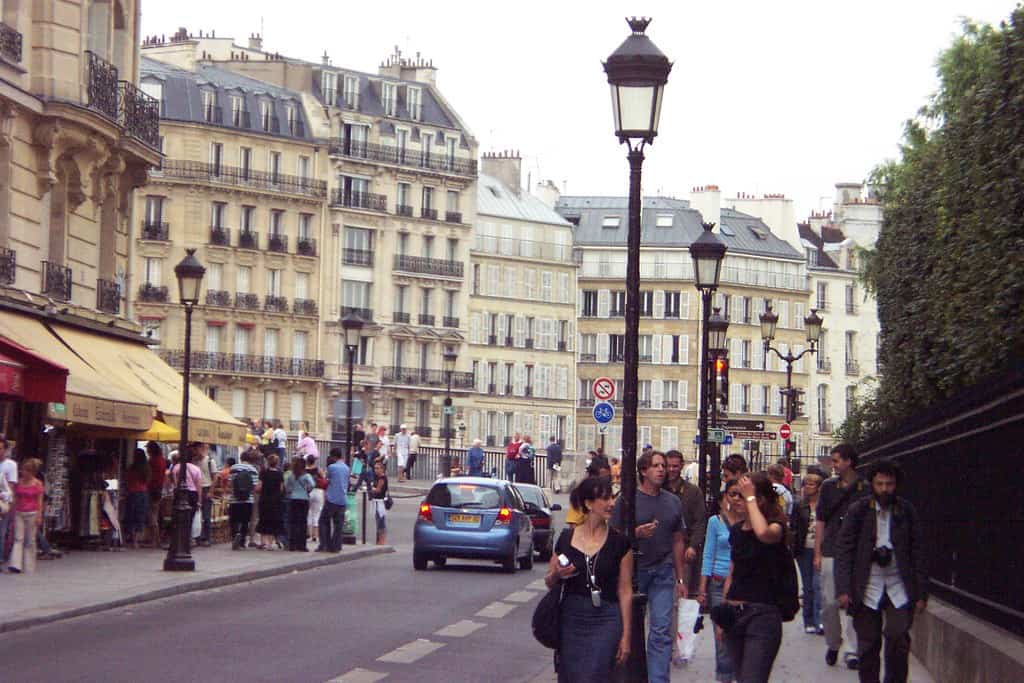
©"Streets of Paris" by Shaun Garrity is licensed under BY 2.0. - Original / License
The current U.S. guidance for France specifically recommends extra caution when walking alone at night. That does not mean visitors need to race back to the hotel after dinner. It means sticking with busy, well-lit routes, keeping valuables secure, watching drinks in bars and clubs, and reconsidering a long solo walk through unfamiliar streets at 2 a.m. Paris also sees frequent demonstrations and transportation disruptions, so an area that was easy to navigate earlier in the day can occasionally look very different by evening.
Naples: Energy, Crowds, and Opportunistic Theft
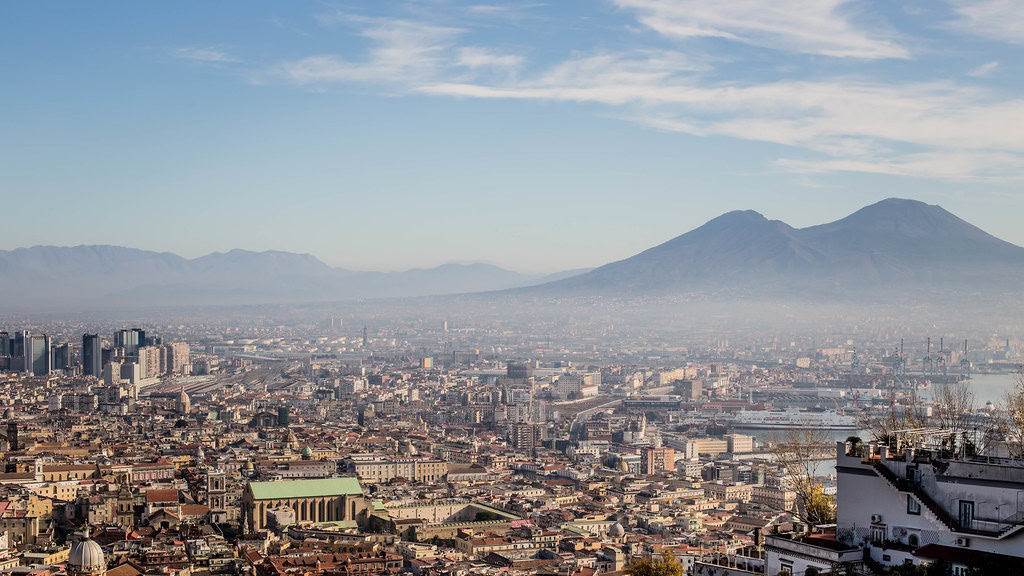
©"Naples - IMG_4877" by Nicola since 1972 is licensed under BY 2.0. - Original / License
Naples can be wonderfully chaotic in the best possible way. Scooters buzz through narrow streets, restaurants stay lively late, and entire neighborhoods seem built around people being outside. The old version of this story spent far too much time talking about the Camorra. That is real organized crime, but it is not the most useful threat model for the average visitor deciding whether to walk back from dinner. Italy’s current travel guidance says violent crime is relatively rare while pickpocketing, bag theft, vehicle break-ins, and other crimes of opportunity are much more relevant to tourists.
Naples: Keep Your Phone and Bag Close
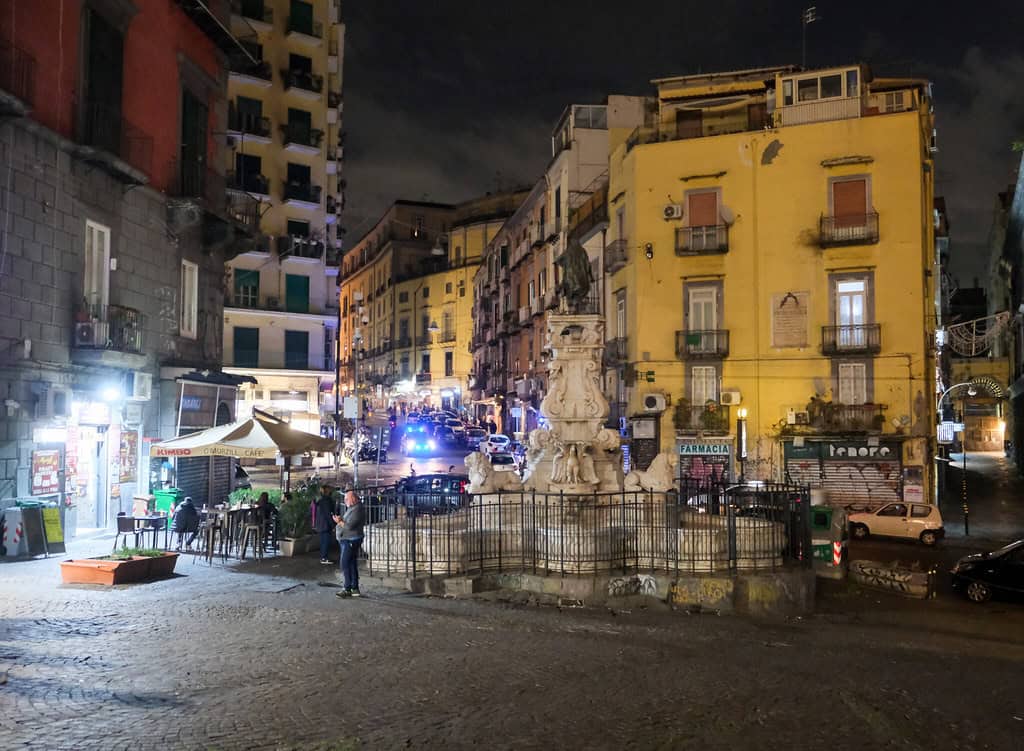
©"Naples at night" by Francisco Anzola is licensed under BY 2.0. - Original / License
Italian authorities and U.S. travel guidance both emphasize crowded public transportation, major stations, tourist destinations, restaurants, and busy streets as places where theft is more likely. Bag snatching from scooters is another reason not to carry a purse loosely on the traffic-facing side of the sidewalk. Naples is a city worth exploring after dark, but wandering while staring down at a phone is an easy way to look less like an adventurous traveler and more like an extremely convenient target.
London: The Biggest Nighttime Risk May Be in Your Hand
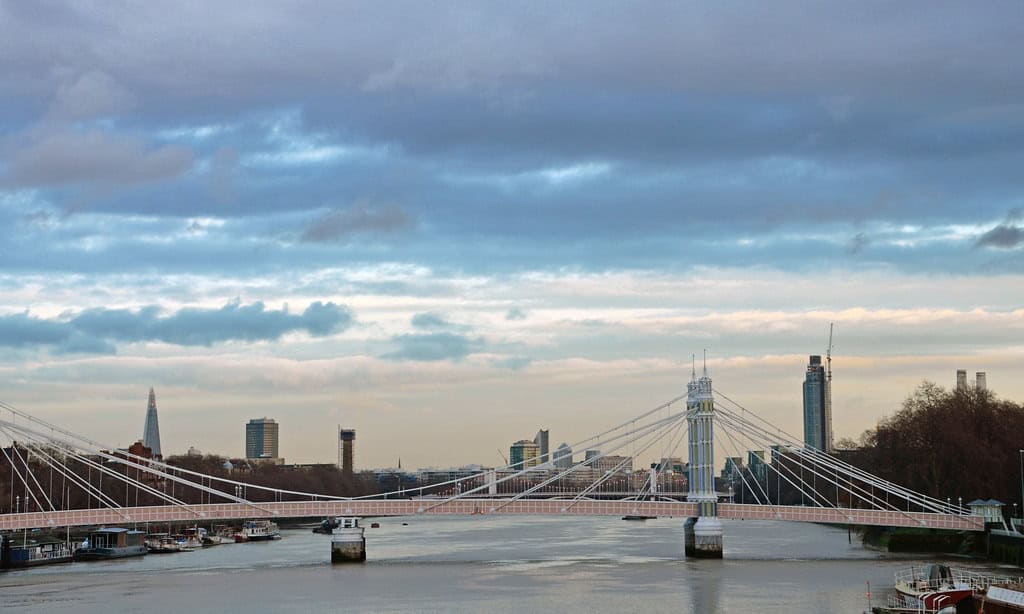
©"London Skyline" by It's No Game is licensed under BY 2.0. - Original / License
London is one of the world’s great cities for a late night out, whether that means theater, pubs, restaurants, concerts, or simply seeing familiar landmarks under completely different lighting. The original version of this slideshow accidentally supported its London crime claims with police statistics from London, Ontario. The more relevant warning in London, England, is much simpler: keep an eye on your phone and valuables. Metropolitan Police continue to target street theft and robbery in central areas heavily used by visitors.
London: Phone Snatching Remains a Real Concern
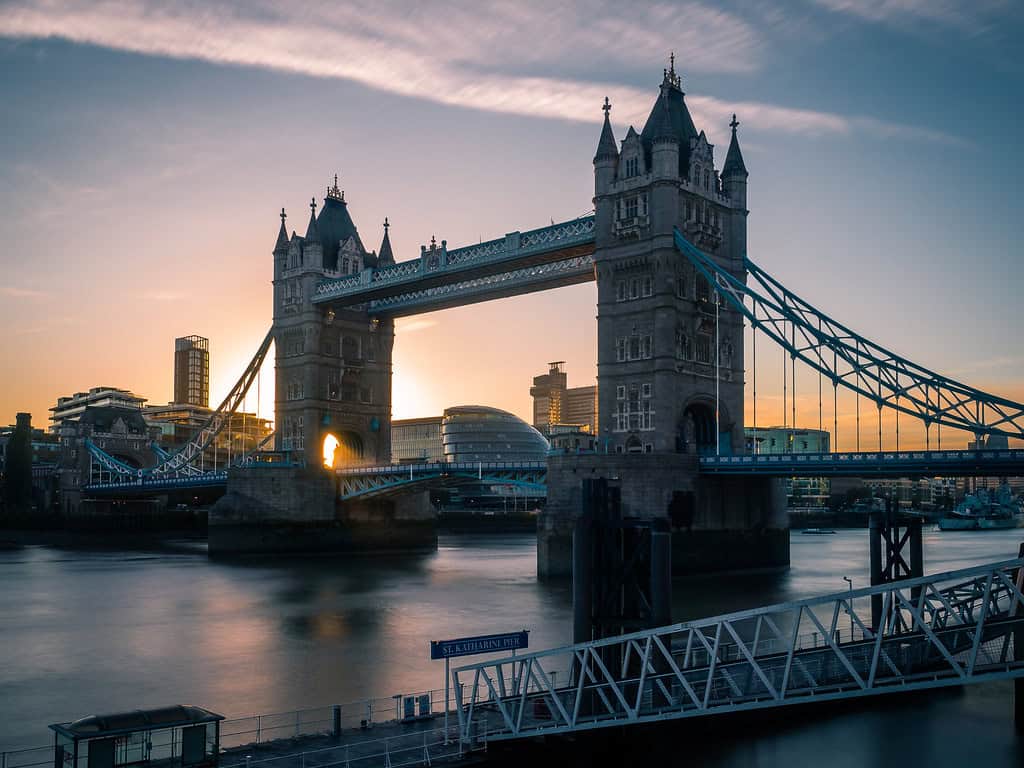
©"Tower bridge - London, United Kingdom - Travel photography" by Giuseppe Milo (www.pixael.com) is licensed under BY 2.0. - Original / License
London police specifically warn about thieves using bicycles, e-bikes, scooters, and mopeds to grab phones from pedestrians. Police say many of these thefts occur during the evening, particularly around stations, shopping areas, entertainment venues, and other busy locations. The problem has actually been improving, with Metropolitan Police reporting a substantial drop in phone theft during 2026, but tens of thousands of incidents still make basic precautions worthwhile. Check directions before stepping into the street, then put the phone somewhere secure instead of carrying it at arm’s length.
London: Plan the Ride Home Before the Night Starts
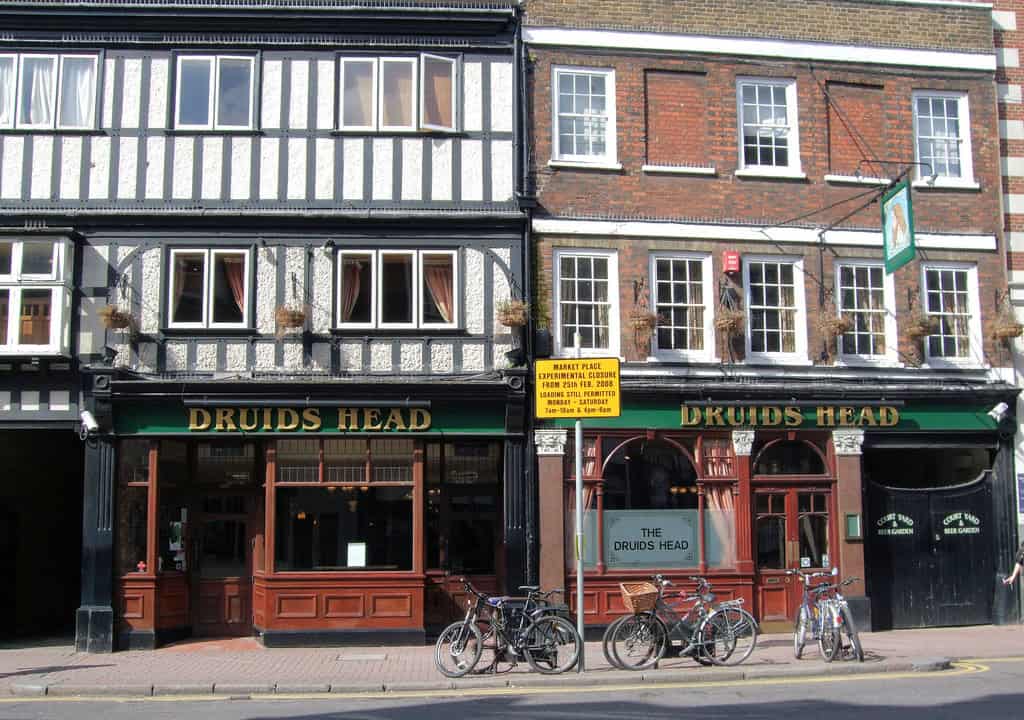
©"Druid's Head Pub, Kingston, London." by Jim Linwood is licensed under BY 2.0. - Original / License
London’s own police guidance recommends sticking to busy, well-lit streets at night and planning the journey home in advance. Visitors should also understand the difference between London’s taxis and private-hire vehicles. A traditional black cab can legally be hailed on the street, while a minicab must be booked. Getting into a random car offering a cheap ride after the pubs close is not a clever travel hack. It removes many of the protections that come with a legitimate, traceable booking.
Athens: Tourist Crowds Create Easy Targets
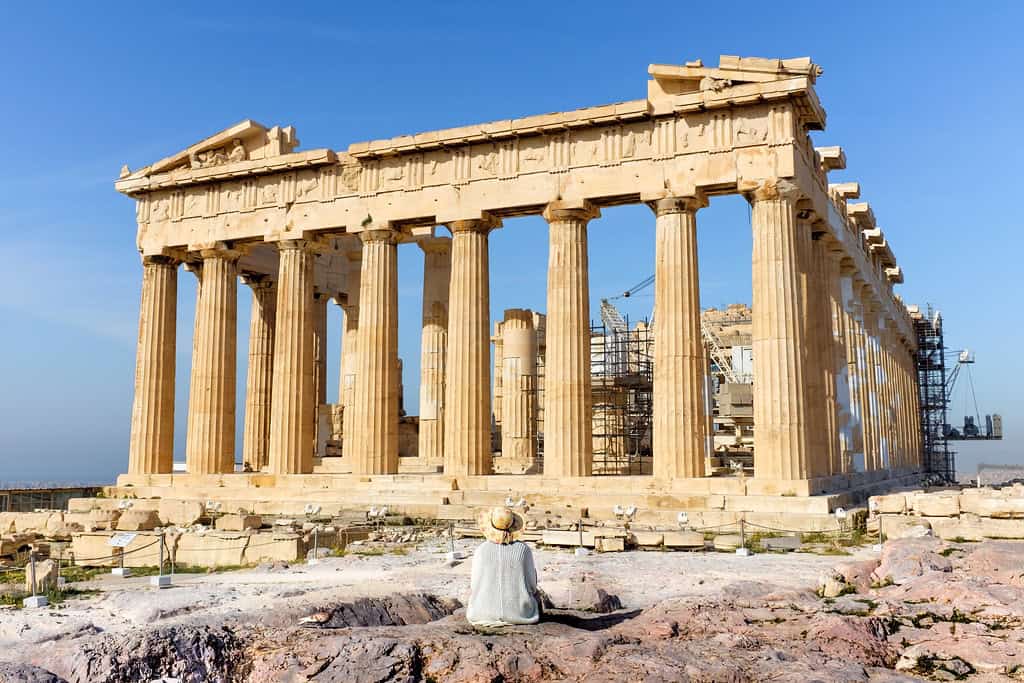
©"Lady sitting in front of Parthenon on Acropolis, Athens, Greece" by Kristoffer Trolle is licensed under BY 2.0. - Original / License
Athens is currently considered a generally safe destination by the U.S. State Department, which keeps Greece at its lowest advisory level. The caution for visitors is much more familiar: petty theft. Pickpockets target popular sights and public transportation, particularly crowded Metro cars where one person can create a distraction while another goes after a wallet, purse, or phone. After dark, the same rule applies as it does in any busy capital. Enjoy the city, but do not let the scenery completely switch off your situational awareness.
Athens: Demonstrations Can Change a Night Quickly
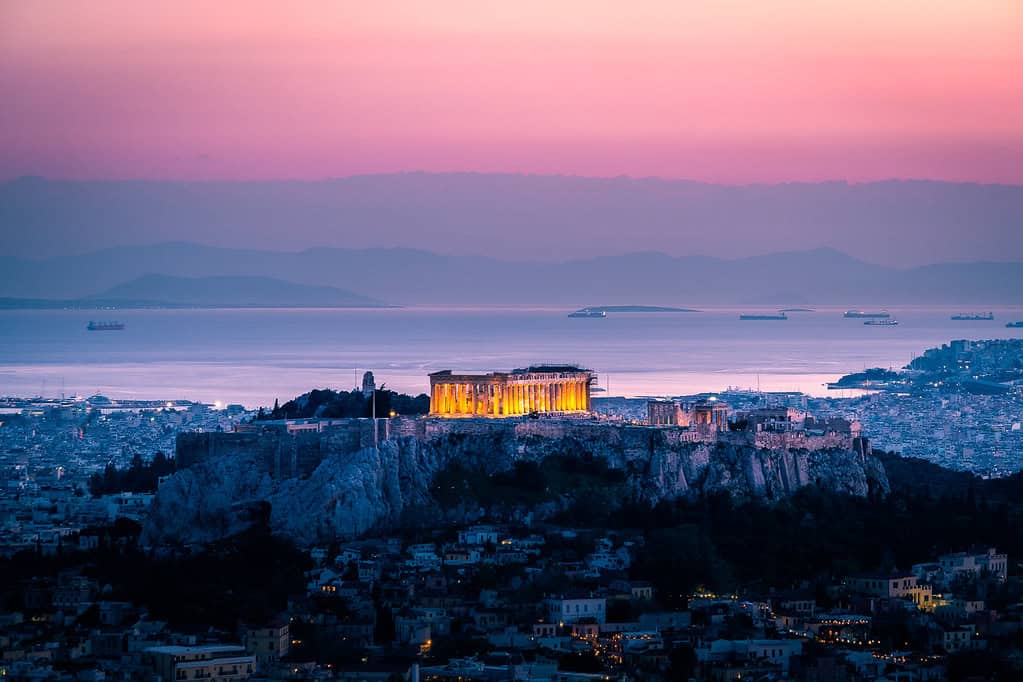
©"Acropolis - Athens, Greece - Travel photography" by Giuseppe Milo (www.pixael.com) is licensed under BY 2.0. - Original / License
Athens also sees frequent demonstrations, strikes, and political gatherings. Syntagma Square, Omonia, Exarchia, and the area around Polytechnic University are among the places where demonstrations may occur, and some past protests have involved clashes with police or vandalism. That does not make these neighborhoods automatic no-go zones. It does mean that a visitor who turns a corner and discovers a large demonstration forming should probably choose another route rather than deciding this is the perfect opportunity for some unscheduled political tourism.
Brussels: Train Stations Deserve Extra Attention
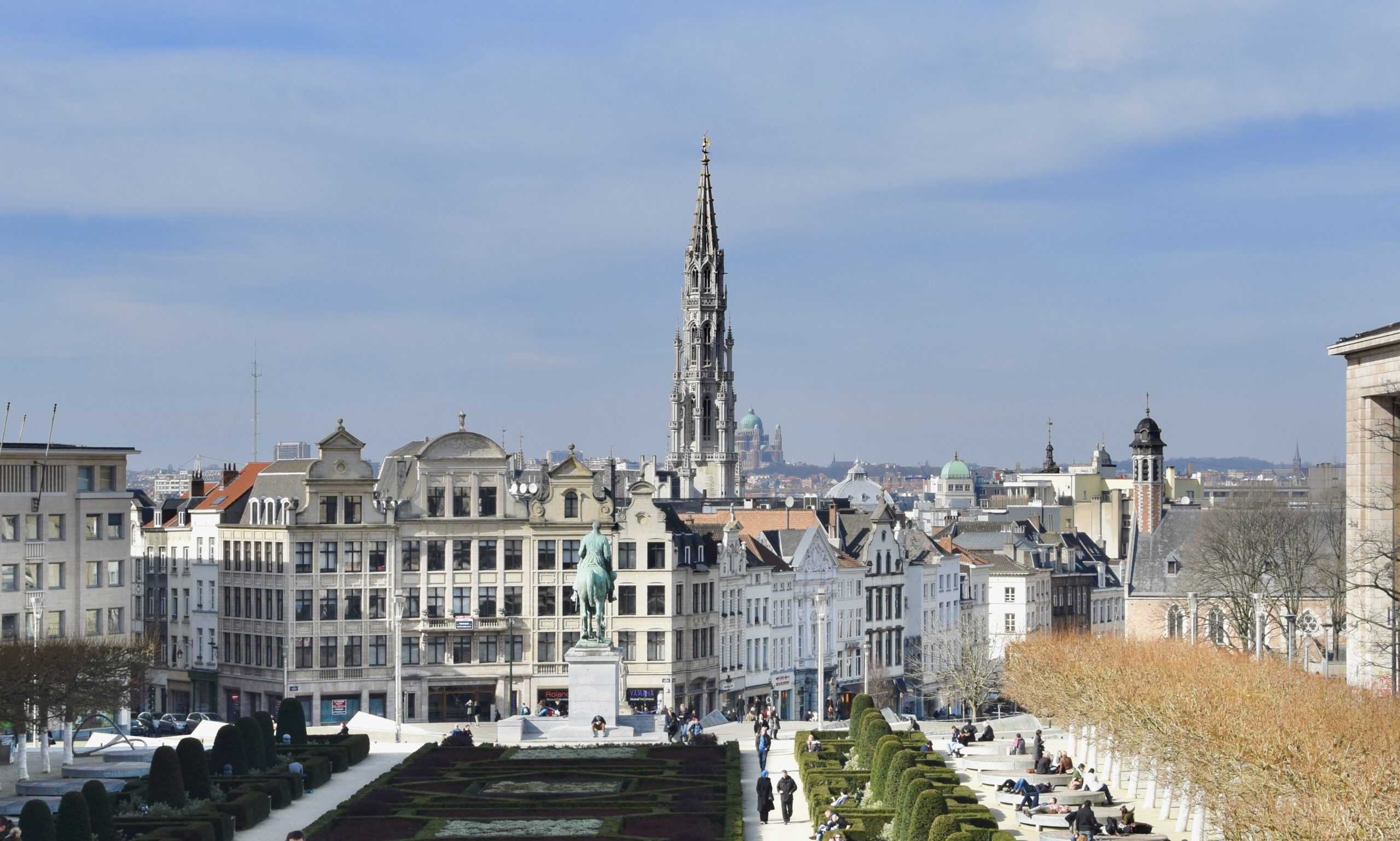
©"Brussels view from Mont des Arts, Brussels, Belgium (cropped)" by Ank Kumar is licensed under BY-SA 4.0. - Original / License
Brussels combines postcard architecture, excellent food, European institutions, and some very busy transportation hubs. Belgium’s current travel guidance says low-level street crime is common in major cities and specifically calls out train stations, public transportation, restaurants, and tourist areas as places where visitors should be alert. Thieves often work in teams and use bumping, crowding, or another distraction to separate a traveler from a wallet, phone, or bag.
Brussels: The Metro After Dark Calls for More Awareness
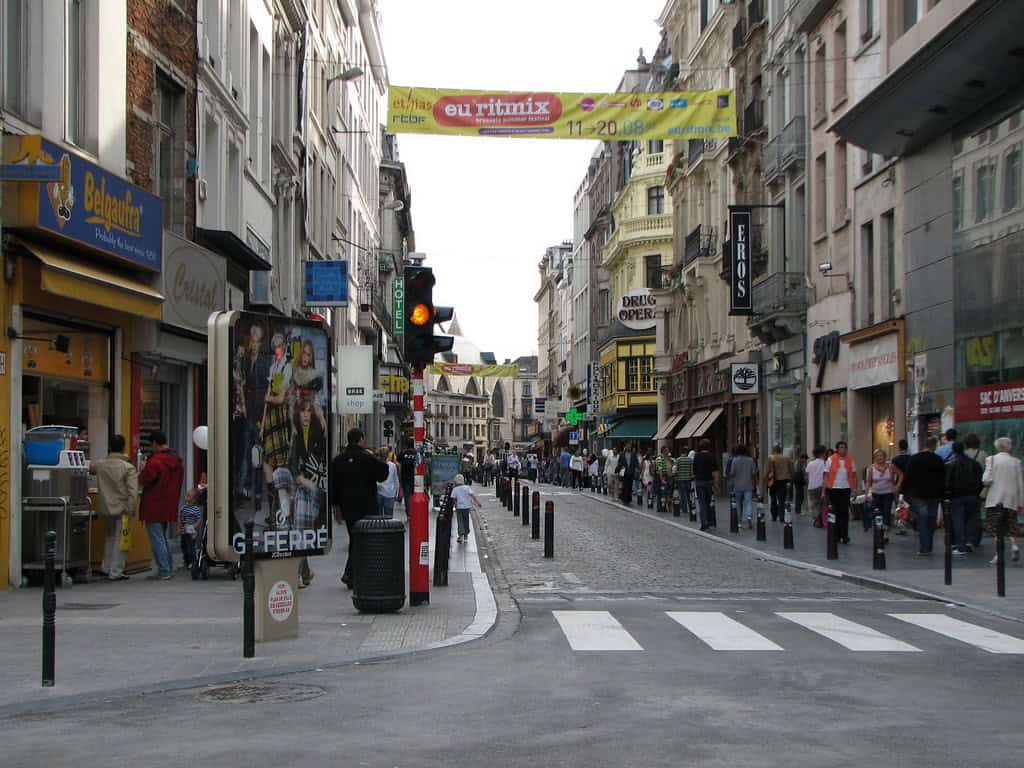
©"Brussels Downtown" by james. is licensed under BY 2.0. - Original / License
Current U.S. guidance specifically mentions the Brussels Metro at night along with buses, trams, and railway stations when discussing street crime. That is considerably more useful to a traveler than an old generic crime score. Keep luggage close instead of tossing valuables onto an overhead rack, stay aware when someone creates an odd distraction, and consider how far the hotel really is before choosing an unfamiliar late-night walk over a straightforward ride.
Catania: There Is a Better Reason for Caution Than the Mafia
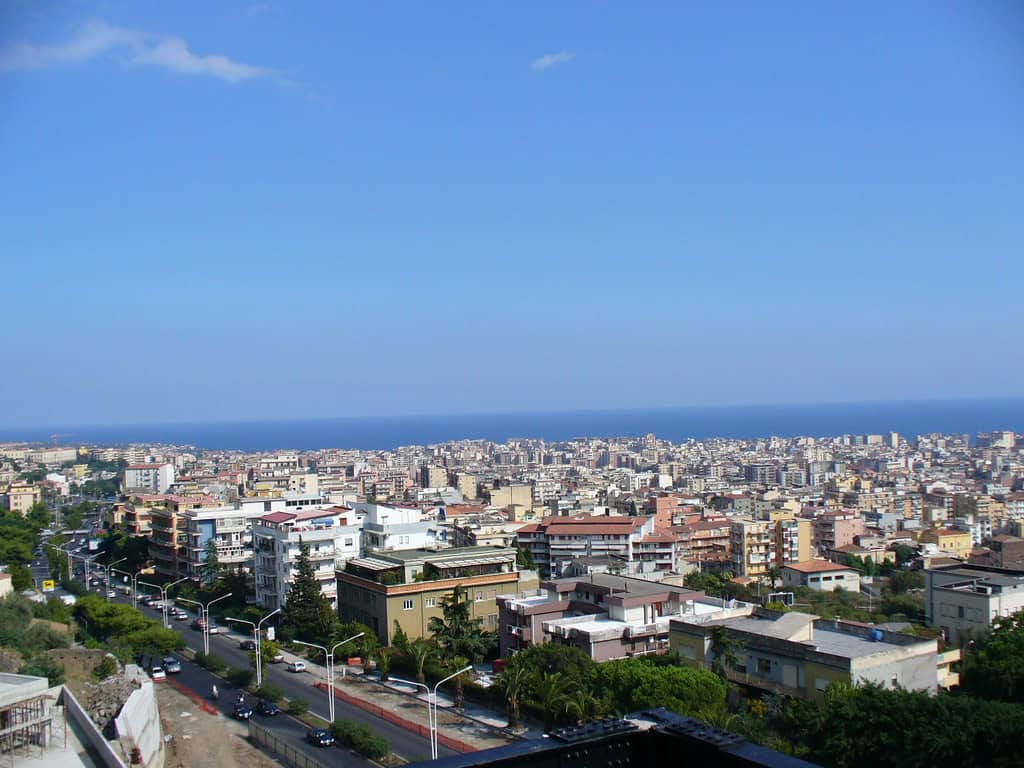
©"Vista de Catania" by Leandro's World Tour is licensed under BY 2.0. - Original / License
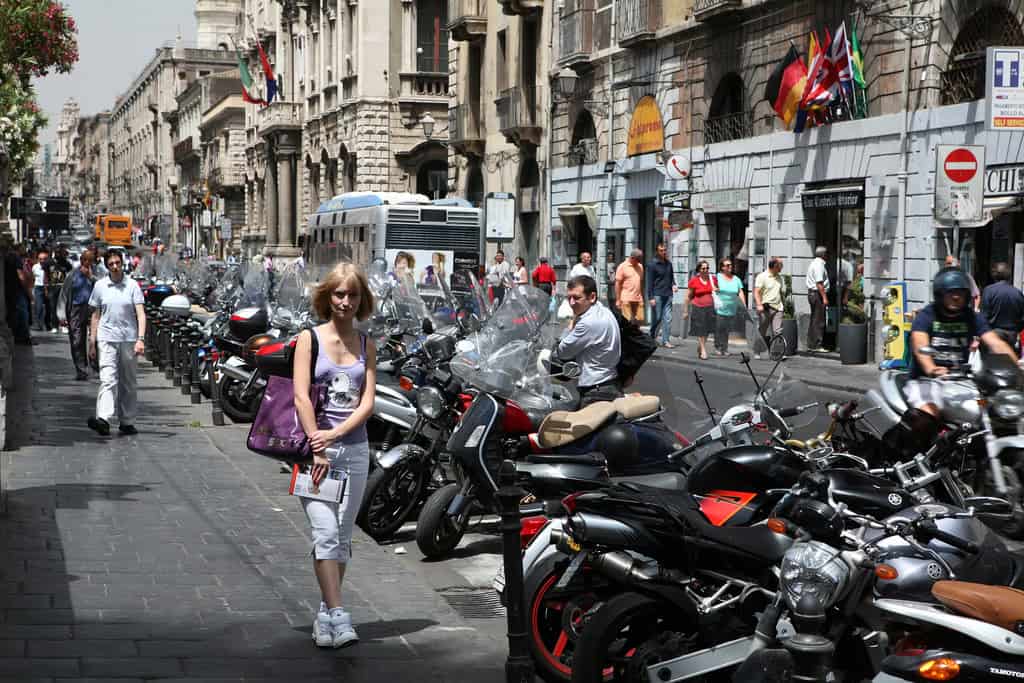
Catania sits beneath Mount Etna with historic streets, markets, churches, nightlife, and enough Sicilian food to make walking everywhere feel like a reasonable nutritional strategy. The original article framed its tourist danger largely around the possibility of encountering the Mafia, which is not especially useful advice. Organized crime has a long history in Sicily, but a visitor is far more likely to deal with the everyday theft risks Italian travel guidance actually emphasizes.
Catania: Watch the Bag, Not the Mob Movies
©"Catania streets" by askii is licensed under BY-SA 2.0. - Original / License
Across Italy, pickpocketing and purse snatching are most common around busy tourist areas, train stations, public transportation, restaurants, and crowded streets. Violent crime against visitors is far less common. That makes the practical advice in Catania pretty ordinary: secure valuables, do not leave luggage sitting unattended, keep bags away from passing traffic, and use normal judgment when deciding whether an empty side street at midnight is really the scenic shortcut Google Maps promised.
Manchester: Nightlife Is Part of the Appeal
©"Salford Quays, Manchester" by MartinSylvester Photography is licensed under BY 2.0. - Original / License
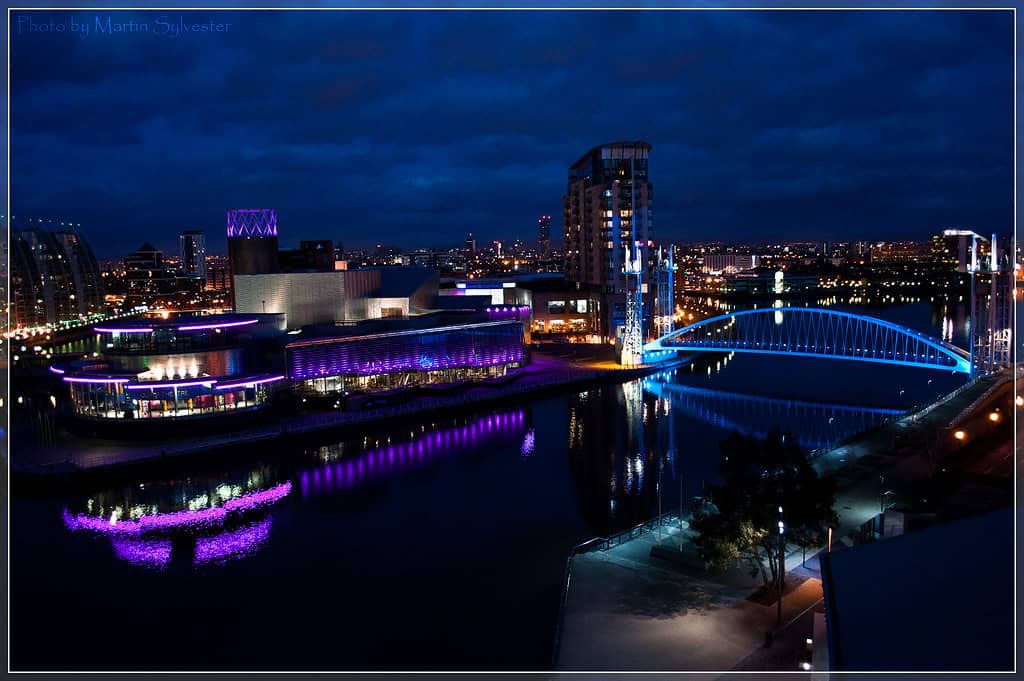
Manchester’s original slides somehow turned a story about walking alone at night into a discussion about potholes. The actual traveler angle is much better. This is one of Britain’s major nightlife and entertainment cities, with restaurants, music venues, pubs, sporting events, and crowded city-center streets keeping the area active well after dark. Greater Manchester Police regularly deploy extra officers around nightlife areas and licensed premises, especially during major events and busy weekends.
Manchester: Busy Nights Mean Big-City Precautions
©"Liverpool - Manchester UK 1952" by davecito is licensed under BY 2.0. - Original / License
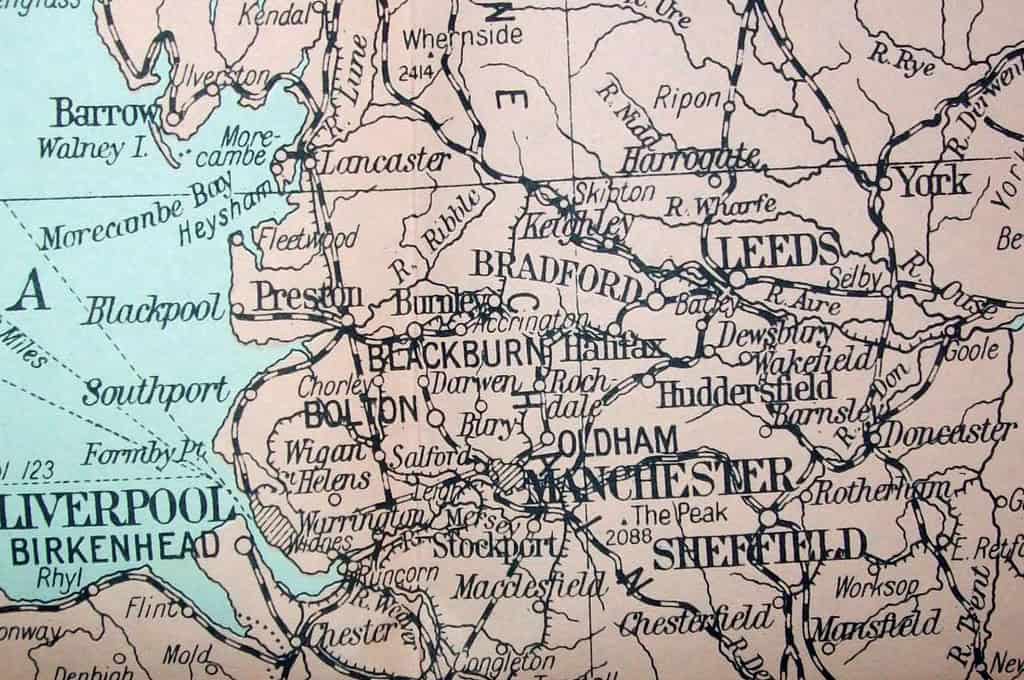
Manchester is not a city tourists need to fear after sunset. It is a city where a packed Friday night creates the same vulnerabilities seen in other major urban centers: alcohol, crowds, distracted pedestrians, theft, occasional disorder, and people trying to figure out transportation home at the same time. Keep valuables secure, stay with well-used routes, and use a legitimate taxi or app-based ride if the alternative is a long solo walk through a part of town you have never seen in daylight.
Minsk: This Is Bigger Than Walking Alone at Night
©"Minsk, Belarus" by Nigel Swales is licensed under BY-SA 2.0. - Original / License
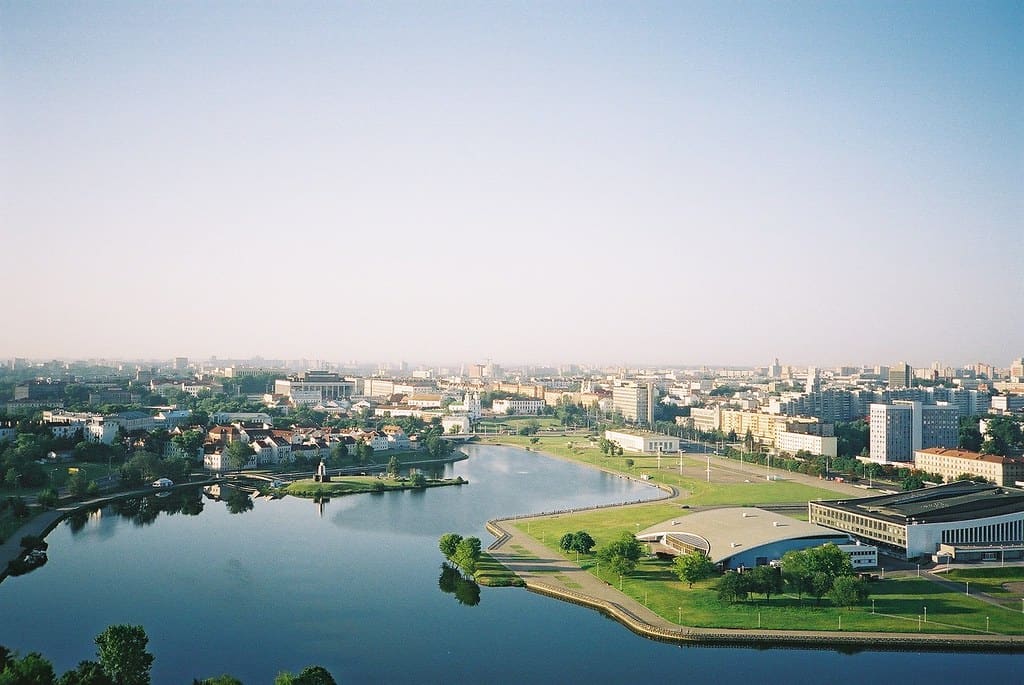
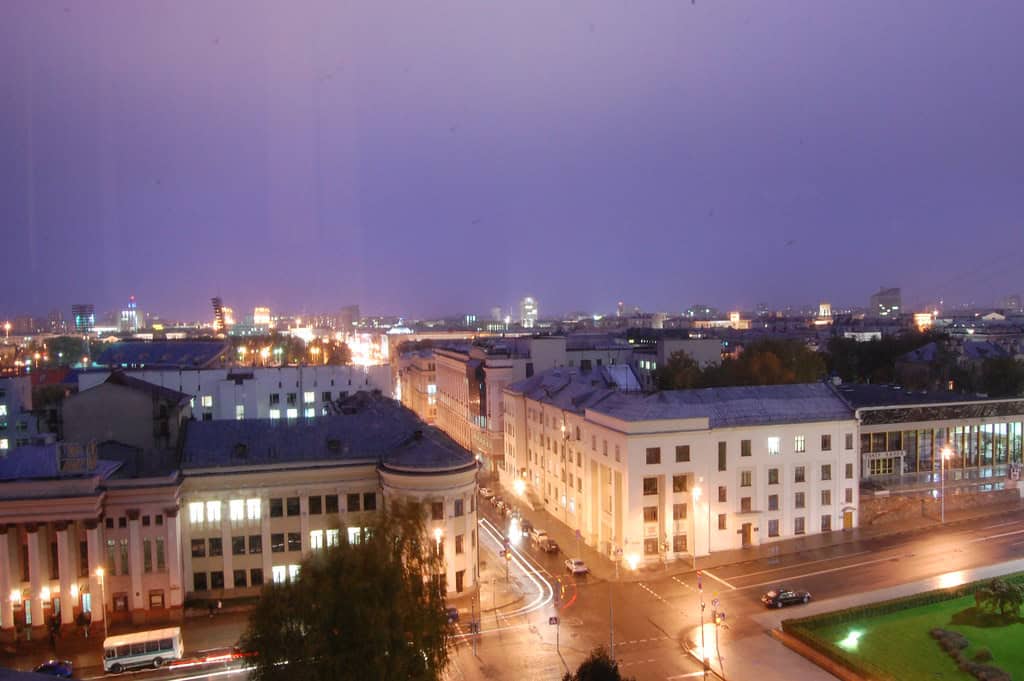
Minsk does not really belong in the same category as a city where tourists merely need to guard a wallet after dinner. As of October 2026, the U.S. Department of State continues to place Belarus at Level 4, its highest advisory level, and tells Americans not to travel there for any reason. The warning is tied to unrest, arbitrary detention risks, limited consular assistance, restrictions at borders, and Belarus’ continued relationship with Russia’s war against Ukraine.
Minsk: U.S. Travelers Are Currently Told Not to Go
©"Minsk at Night" by ubrennah is licensed under BY 2.0. - Original / License
The U.S. Embassy in Minsk has suspended operations, meaning American travelers cannot count on normal consular services if something goes wrong. The State Department also warns that foreign travelers can face detention and that border crossings may close with little notice. So while Minsk may be beautiful at night, the current advice for American readers is not simply to avoid walking alone. It is to reconsider the trip itself and follow the latest official guidance before making plans.
Nice: The Riviera Still Needs Big-City Awareness
©"Old City Nice, France from Castle Hill" by ellevalentine is licensed under BY 2.0. - Original / License
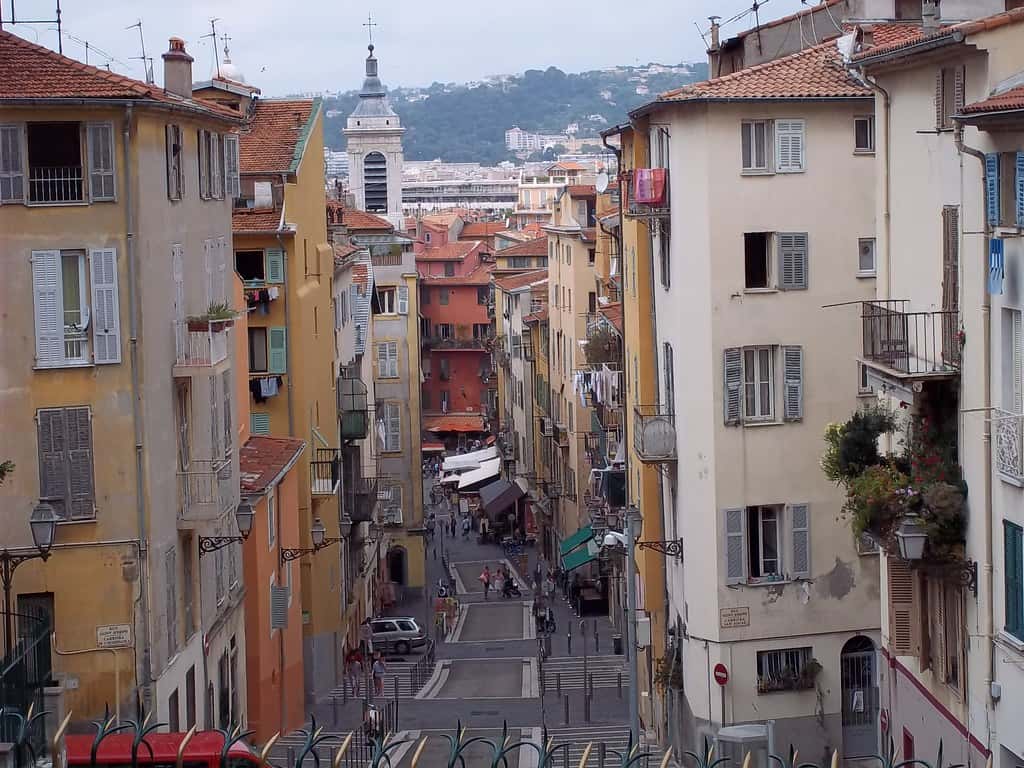
Nice is the sort of place where walking after dinner feels like part of the vacation. The waterfront, Old Town, restaurants, and warm Mediterranean evenings almost demand it. There is no reason to avoid doing that, but the same French travel guidance applies here as in Paris and Marseille. Phone theft and pickpocketing are frequent concerns in crowded places, while travelers are advised to be more cautious when alone late at night. Keep valuables secure, watch drinks in nightlife settings, and stick with active, well-lit routes when the crowds start thinning out.
Malmö: A Safe Country With Some Serious Urban Crime
©"Malmo, Sweden. Mixed-use, public space" by La Citta Vita is licensed under BY-SA 2.0. - Original / License
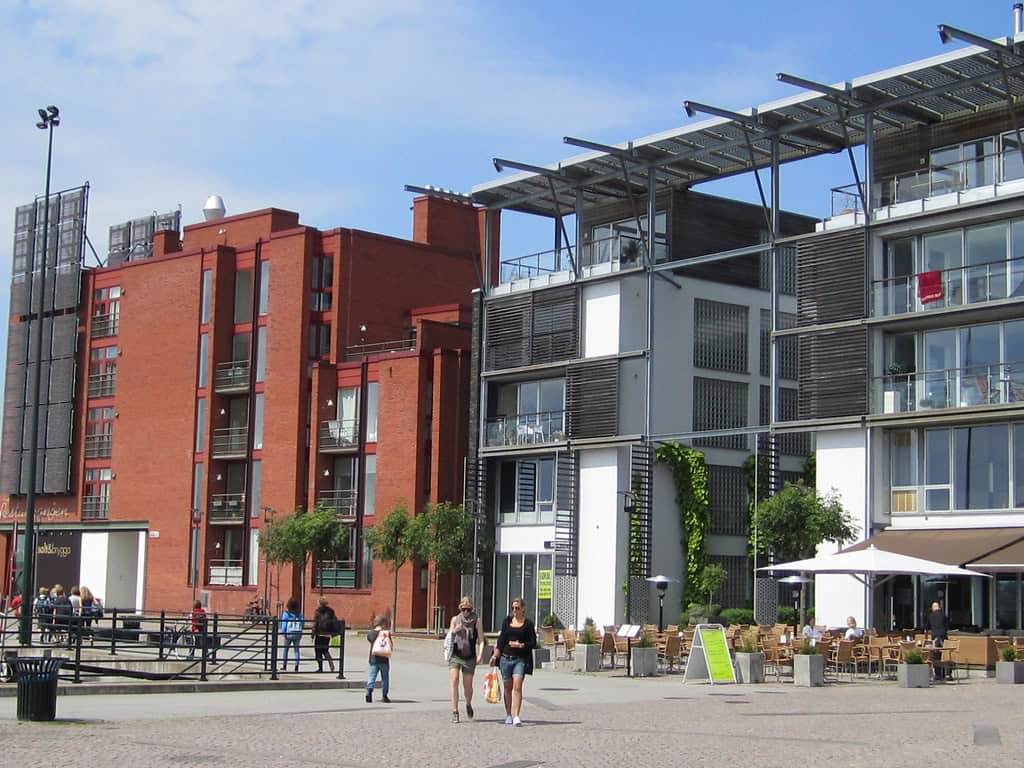
Malmö needs more nuance than an alarming crowd-sourced crime score. The current U.S. guidance describes Sweden as a country with a low overall crime rate and says most ordinary crime involves theft of personal property. It also acknowledges organized-crime violence in larger Swedish cities, including Malmö. That violence is serious, but armed attacks directed at the general public remain rare. Visitors should understand the distinction rather than assuming every nighttime street in Malmö is somehow hazardous.
Malmö: Keep the Risk in Perspective
©"Turning Torso, Malmö, Sweden" by Pete Casellini is licensed under BY-SA 2.0. - Original / License
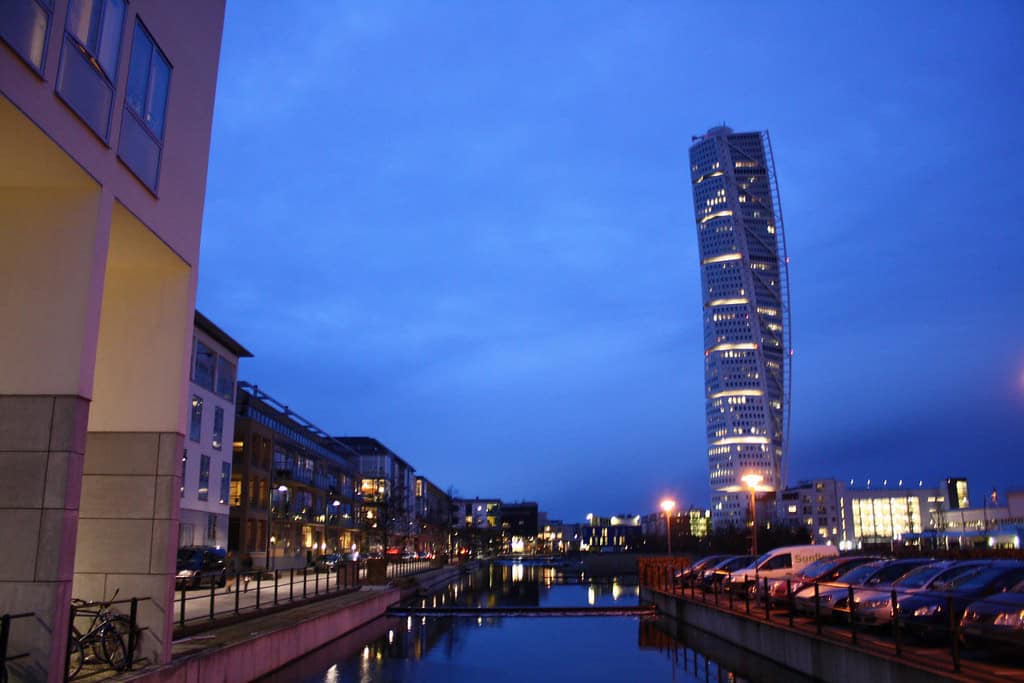
Malmö police increased preventative operations around stations and other areas in 2026 as part of efforts to interrupt serious criminal networks. Importantly, police also said those operations did not indicate a general threat to members of the public. For a tourist, that means normal urban precautions remain the better takeaway: protect valuables, stay aware around transit areas late at night, and do not confuse highly publicized gang violence with the probability that a random visitor will become involved in it.
Marseille: The Tourist Experience Is Not the Crime Headline
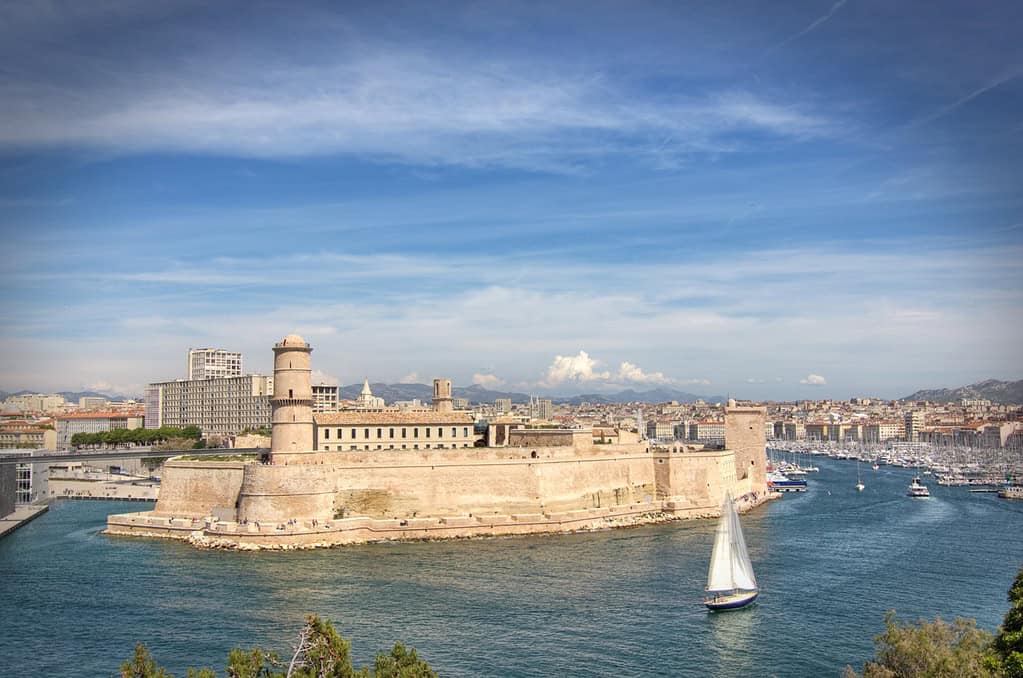
©"Fort St Jean Marseille, France" by decar66 is licensed under BY 2.0. - Original / License
Marseille’s reputation can sound considerably more intimidating than the experience most travelers actually have around the Old Port, waterfront, restaurants, museums, and central tourist districts. The city has experienced serious organized-crime violence, but presenting that as though visitors routinely wander into a drug war is misleading. The more common travel concerns are the same ones France highlights nationally: phone theft, pickpocketing, car break-ins, and street crime that can become more confrontational late at night.
Marseille: Late-Night Street Smarts Still Matter
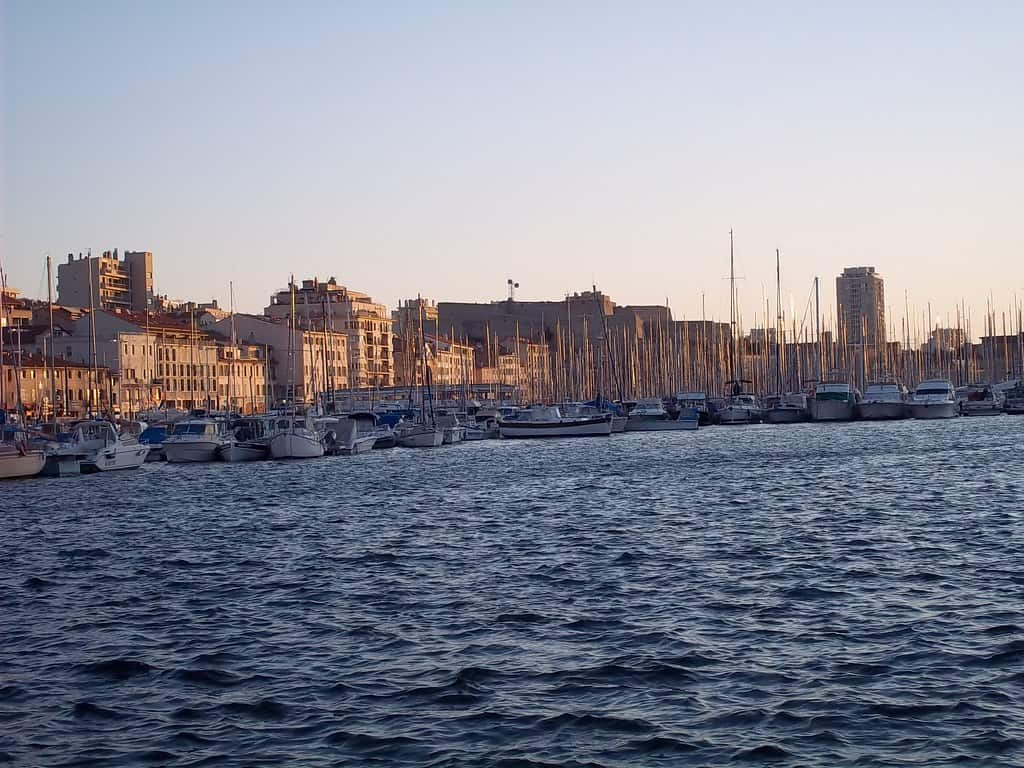
©"Marseilles" by ellevalentine is licensed under BY 2.0. - Original / License
The safest approach is not complicated. Stay around populated and well-lit areas, keep phones and wallets secure, avoid leaving anything visible inside a rental car, and use a legitimate ride if returning to accommodations requires crossing unfamiliar or deserted neighborhoods late at night. Marseille’s city government maintains significant police and security coverage in central and waterfront areas during busy periods. Enjoy the city’s energy, but do not let vacation mode turn into complete inattention.
Birmingham: A Huge Nightlife District Means More Variables
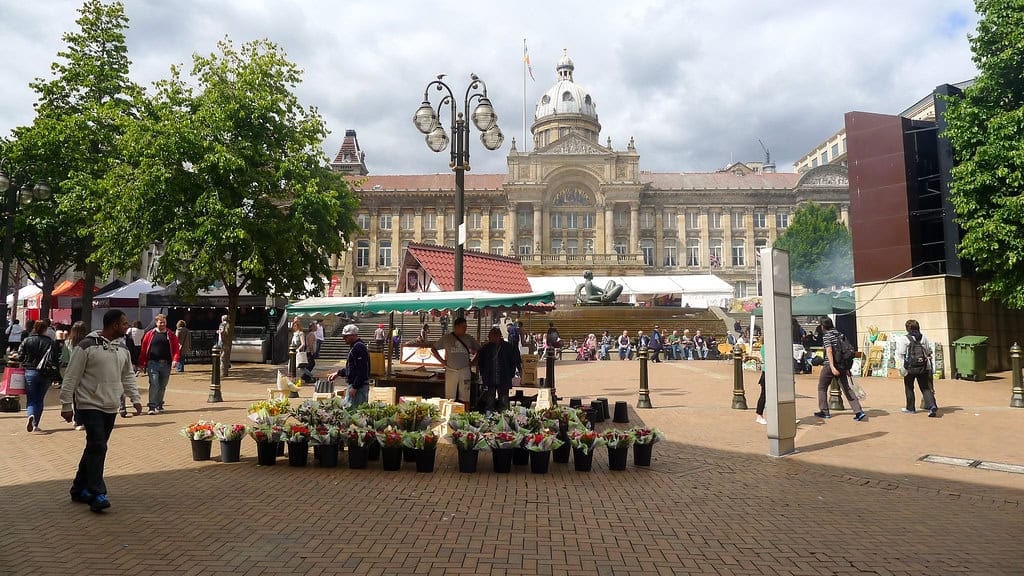
©"Birmingham City Centre, United Kingdom" by alvin.leong is licensed under BY-SA 2.0. - Original / License
Birmingham’s old entry leaned on badly interpreted statistics to label the entire city exceptionally dangerous. A traveler gets more value from looking at how the city actually manages the nighttime economy. Police maintain regular Friday and Saturday deployments around central nightlife areas, while dedicated Safe Spaces operate during peak periods to help people who become vulnerable, ill, harassed, or otherwise need assistance on a night out.
Birmingham: Use a Legit Ride Home
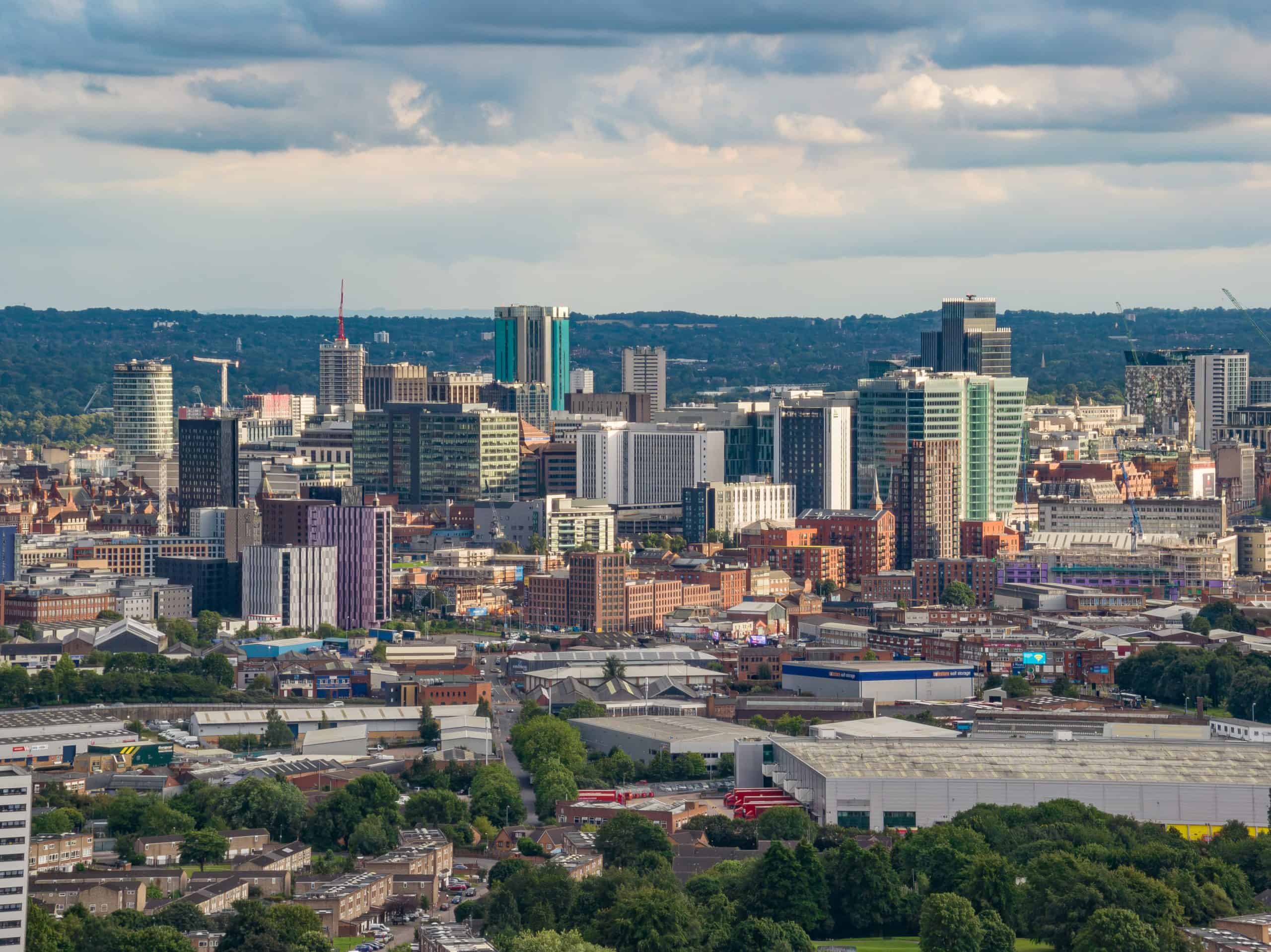
©"Skyline, Birmingham, England, UK" by Arne Müseler is licensed under BY-SA 2.0. - Original / License
One specific nighttime issue Birmingham police continue to warn about is illegal private-hire pickup. Private-hire vehicles need to be prebooked through a legitimate operator so the trip can be traced. A driver cruising nightlife streets and offering an unsolicited ride may not be operating legally, even if the vehicle looks like an ordinary cab. After a long night, saving five minutes is not worth giving up the protections of a documented booking.
Grenoble: Mountain City, Big-City Precautions
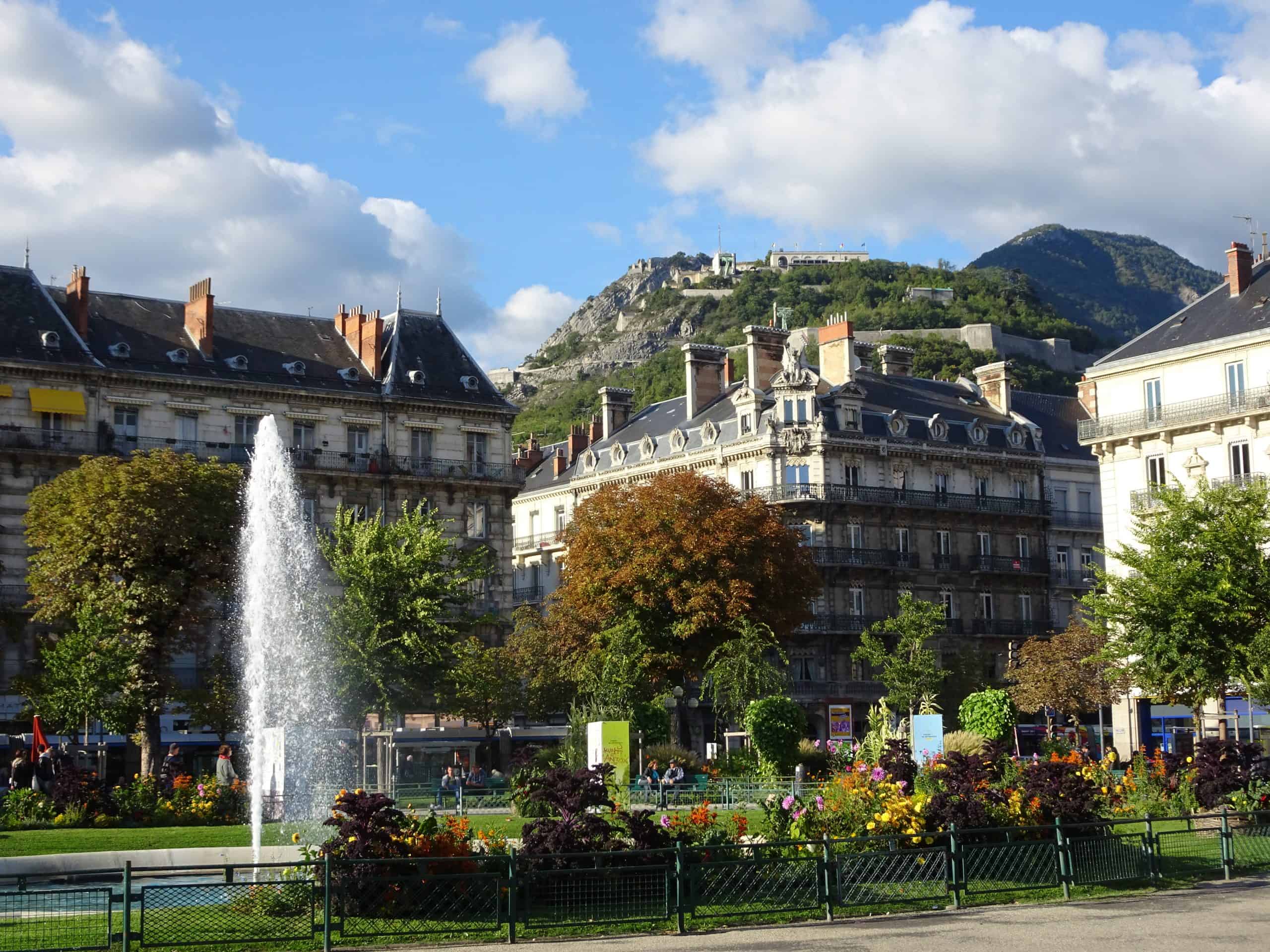
©"Place Victor Hugo dans l'hyper-centre de Grenoble" by WorldContributor is licensed under BY-SA 4.0. - Original / License
Grenoble’s spectacular Alpine backdrop can make it feel more like a mountain gateway than an urban destination, but it is still a sizable French city with transit, nightlife, busy commercial areas, and ordinary street crime. The old slideshow used a Numbeo score as though it proved visitors should fear walking outside after sunset. Current official French guidance offers a more useful standard: secure valuables in crowded areas and use extra caution if walking alone at night.
Grenoble: Quiet Streets Feel Different After Midnight
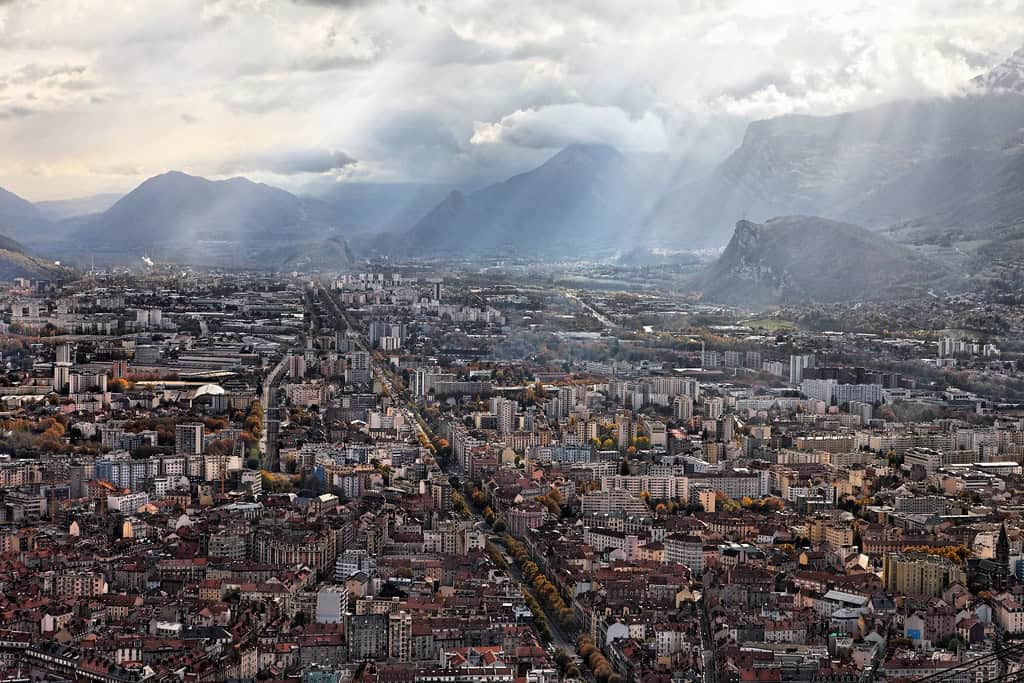
©"Eclaircies automnales sur Grenoble" by FrenchHope is licensed under BY 2.0. - Original / License
Grenoble’s central areas can stay active at night, especially around restaurants, bars, and transit. The equation changes once crowds disappear and a route starts leading through unfamiliar, poorly lit streets. Keep the phone put away while walking, know the route before leaving a venue, and consider public transportation or a legitimate ride if accommodations are well outside the active center. Those precautions are less dramatic than declaring the entire city unsafe, but they are much more useful.
Bradford: Plan the Night Out, Not an Escape Route
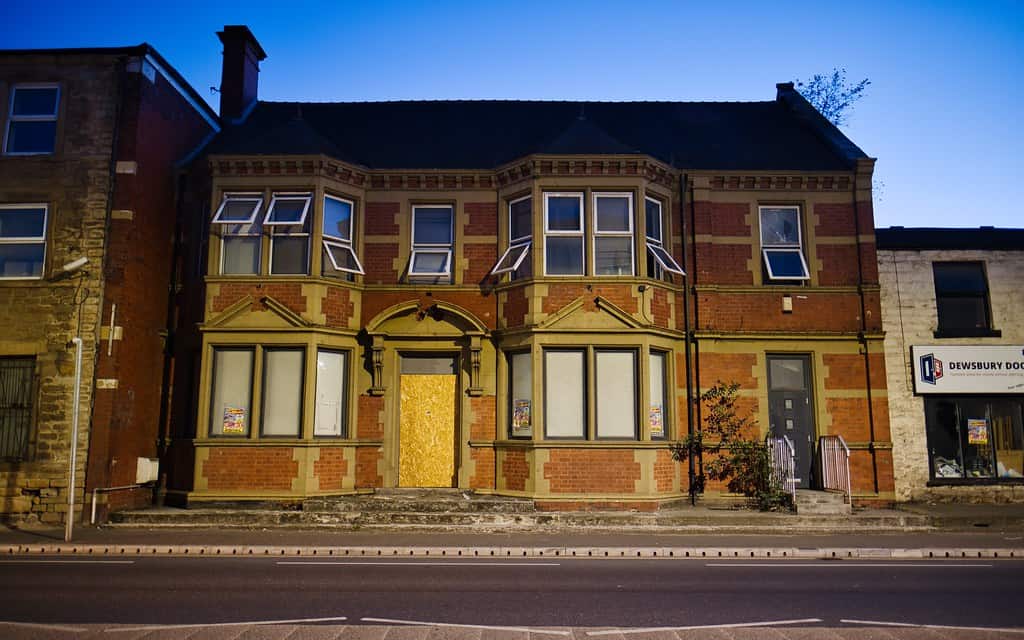
©"Boarded up house on Bradford Road (A652)" by chris.rycroft is licensed under BY 2.0. - Original / License
Bradford was previously presented here as essentially the most dangerous city in Europe using statistics that were badly misread. That claim does not survive scrutiny. Bradford does have nightlife-related crime and antisocial behavior that local police actively target, but it is not useful to tell travelers they are entering some uniquely lawless place. The better advice is the same you would use in another British city: stay around populated streets, protect valuables, watch alcohol consumption, and know how you are getting back to the hotel.
Bradford: Police Are Focused on the Nighttime Economy

©"Bolling Hall" by Tim Green aka atoach is licensed under BY 2.0. - Original / License
West Yorkshire Police currently list Bradford’s nighttime economy as a city-center priority, with Friday and Saturday operations aimed at alcohol-related disorder, spiking, antisocial behavior, and violence against women and girls. Police have also increased nighttime staffing around major events and entertainment venues. That does not translate to “do not go out.” If anything, it gives travelers a clearer picture of where local authorities are concentrating resources when the city is busiest.
Montpellier: The Center Stays Busy Long After Dinner
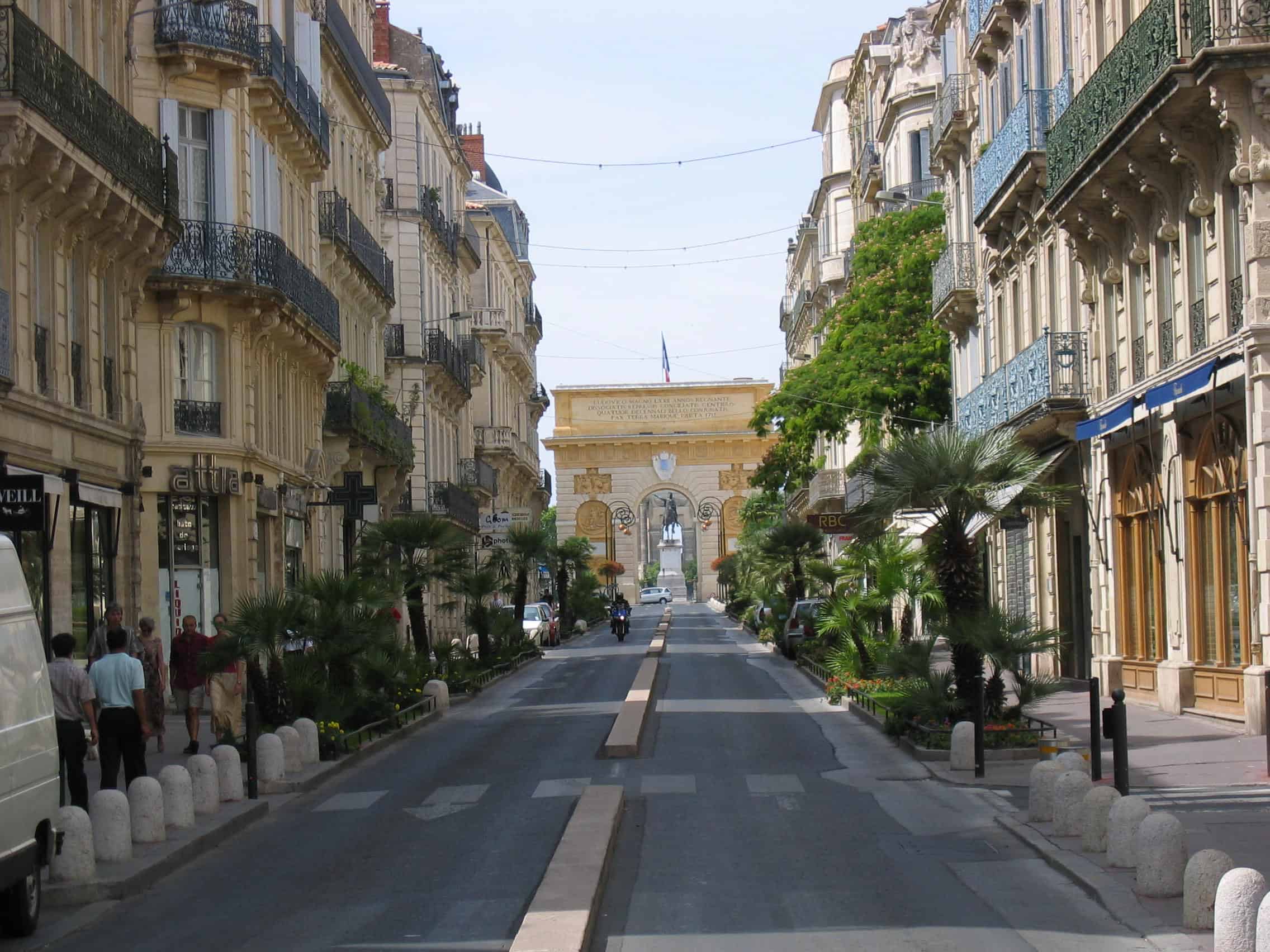
©"Montpellier(France)1.JL" by Jonaslange is licensed under BY-SA 3.0. - Original / License
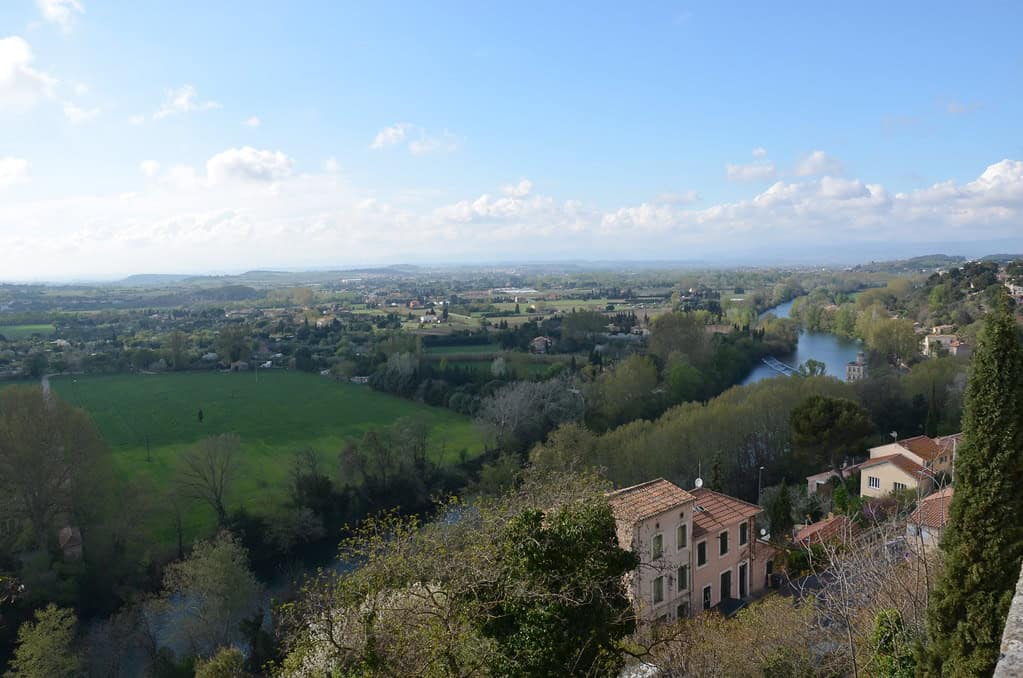
Montpellier has the ingredients for a great night out: a large student population, restaurants, bars, pedestrian streets, warm weather, and a center where people actually want to stay outside. Those same crowds can create opportunities for theft. French police have previously identified nighttime activity, public transportation theft, aggressive behavior, alcohol, and low-level dealing among issues requiring attention in the city center. The useful takeaway is awareness, not avoidance.
Montpellier: Crowds, Transit, and Late-Night Theft
©"Montpellier, France" by Robert Nyman is licensed under BY 2.0. - Original / License
Rather than relying on a crowd-sourced safety score, visitors can apply France’s current national guidance here. Keep phones and wallets secure around transportation and crowded nightlife areas, do not leave drinks unattended, and exercise more caution if heading back alone after the busiest streets start emptying. Montpellier is a city to enjoy after dark, but a lively plaza at 10 p.m. and a quiet route several blocks away at 2 a.m. are not necessarily the same environment.
Liège: Keep Your Guard Up Around Transit and Nightlife
©"Pont Atlas at night in Liege, Belgium (DSCF3324)" by Trougnouf is licensed under BY 4.0. - Original / License
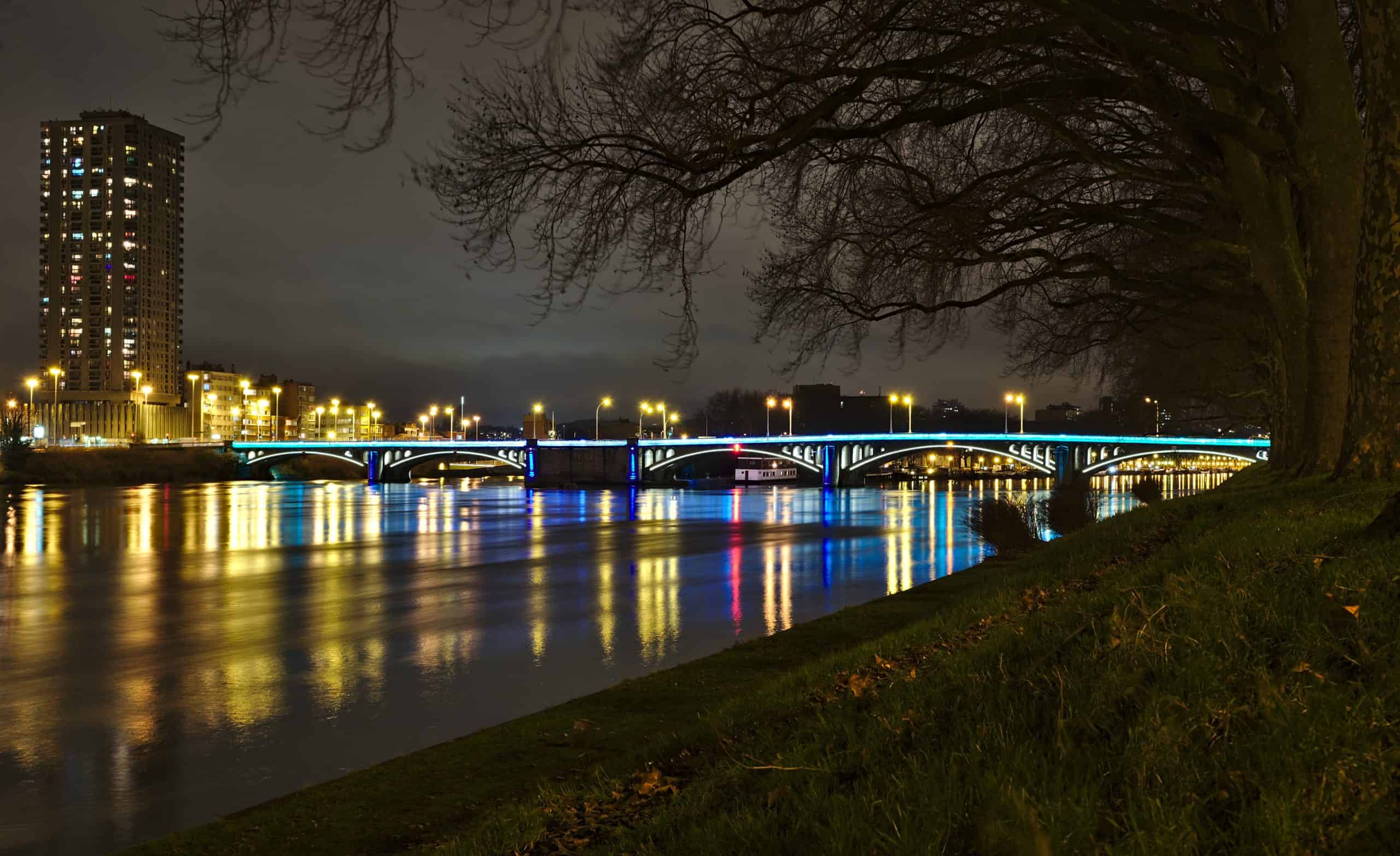
Liège offers historic architecture, a major railway connection, restaurants, bars, and a far different experience from the more heavily touristed streets of Brussels. Belgium’s current guidance says low-level street crime occurs in major cities and specifically warns travelers to remain alert in railway stations, restaurants, buses, trams, and other public areas. That makes the practical nighttime advice straightforward: secure valuables, pay attention around transit hubs, favor active streets, and take a legitimate ride rather than improvising a long walk through an unfamiliar part of town after everything closes.
Coventry: The Old Crime Stats Miss the Current Picture

©"Coventry City Centre (2020)" by Si Chun Lam (林詩雋) is licensed under BY-SA 4.0. - Original / License
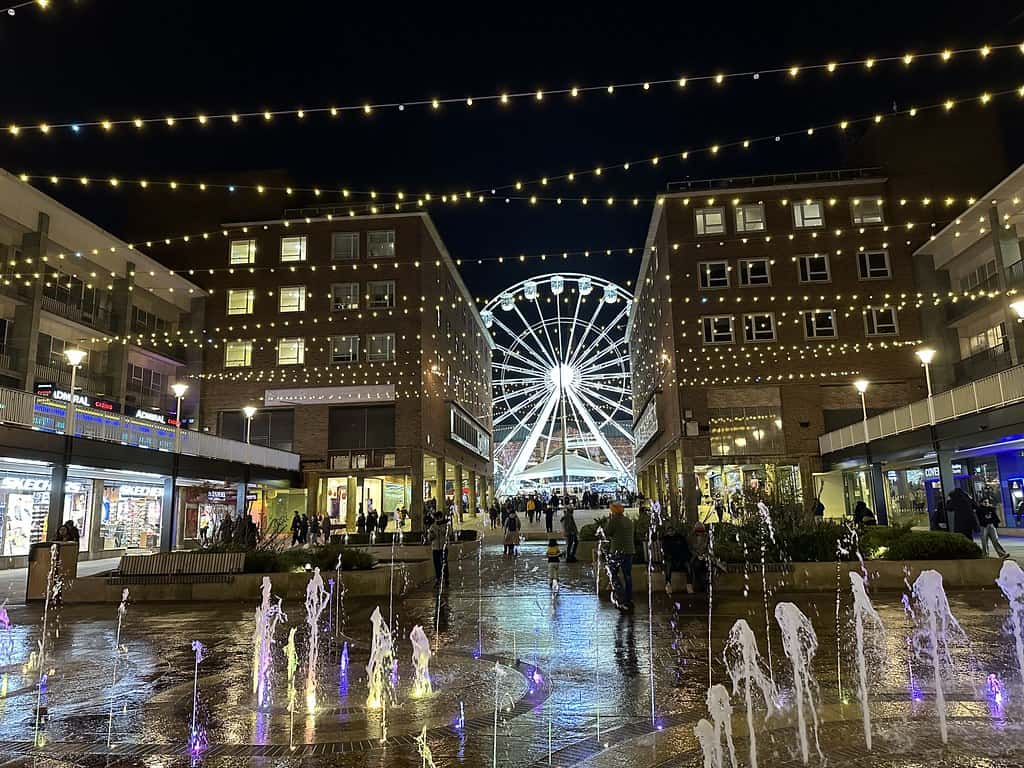
The old version of this slideshow claimed Coventry’s crime rate was roughly 40 times England’s national average. That was a misreading, not a meaningful statistic. Coventry certainly deals with robbery, alcohol-related disorder, and violence associated with nightlife, but there is an important piece of current context: its nighttime economy received Purple Flag accreditation in 2026, recognizing efforts to make central nightlife areas safer and better managed.
Coventry: A Safer Nightlife Push Is Already Underway
©"Upper Precinct, Coventry at night" by hazelnicholson is licensed under BY 2.0. - Original / License
West Midlands Police continue nighttime deployments in Coventry using uniformed officers, plainclothes teams, CCTV, security staff, and other partners, with particular attention to predatory behavior and violence against women and girls. Visitors still need the usual late-night judgment, especially around alcohol and quieter streets, but the modern story here is not simply “Coventry is dangerous.” Local officials are actively building safety measures around the places people are most likely to spend an evening.
Nantes: A Lively Center Still Rewards Extra Awareness
©"Nantes aerial skyline view" by ahtcx is licensed under CC0 1.0. - Original / License
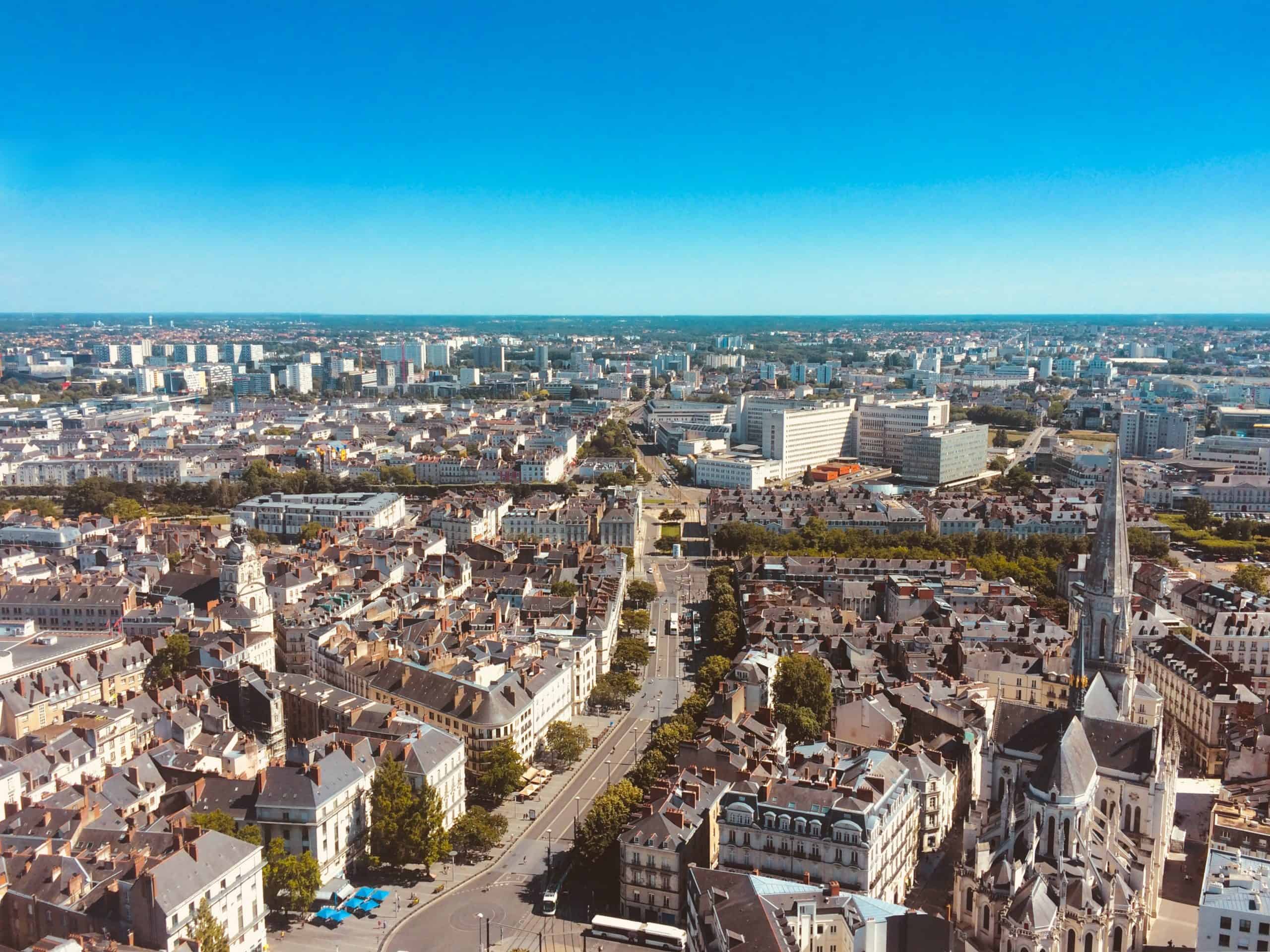
Nantes brings together historic architecture, waterfront areas, restaurants, nightlife, museums, and one of France’s more distinctive urban personalities. The old article used a third-party crime score to declare it one of Europe’s most dangerous cities, which is far too sweeping. France’s official guidance provides a better framework. Theft, phone snatching, and pickpocketing are the everyday concerns most relevant to visitors, while street incidents can become more confrontational late at night.
Nantes: Know How You Are Getting Back
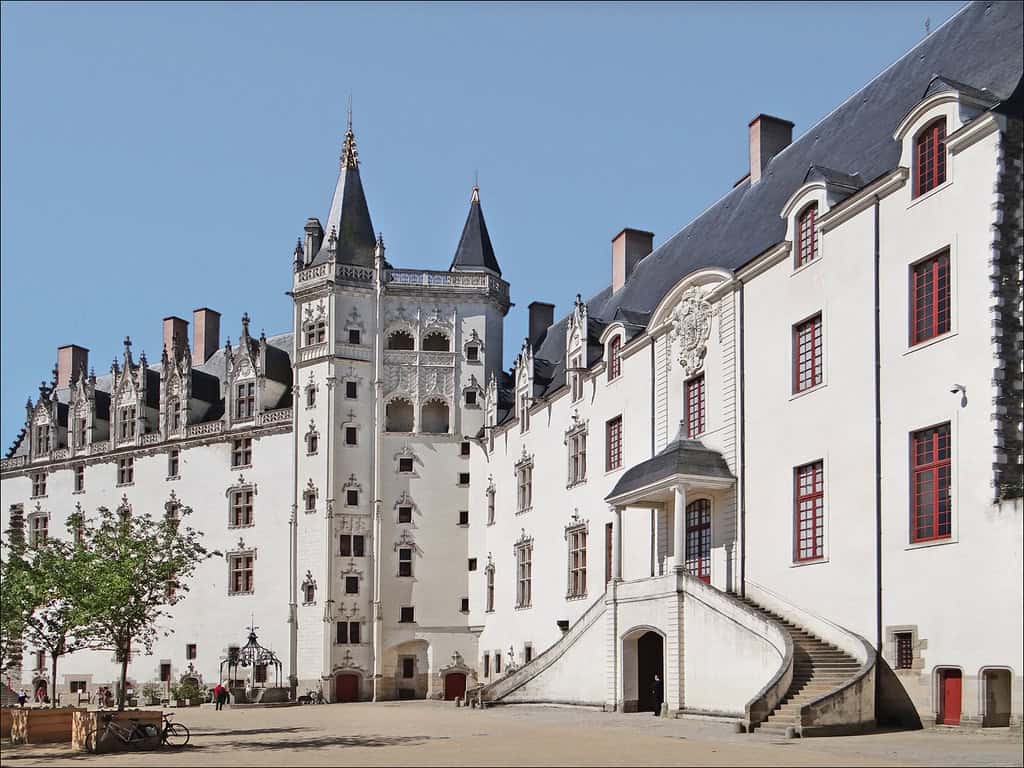
©"Cour intérieure du château des ducs de Bretagne (Nantes)" by dalbera is licensed under BY 2.0. - Original / License
A little planning solves most of the practical problem. Know when public transportation stops running, keep bags closed and phones secure in crowds, and avoid turning a late-night trip back to the hotel into an accidental walking tour through empty streets you have never seen before. French authorities continue publishing detailed local crime data rather than simple citywide “danger scores,” which is another reminder that risk varies dramatically by neighborhood, time, and situation.

