
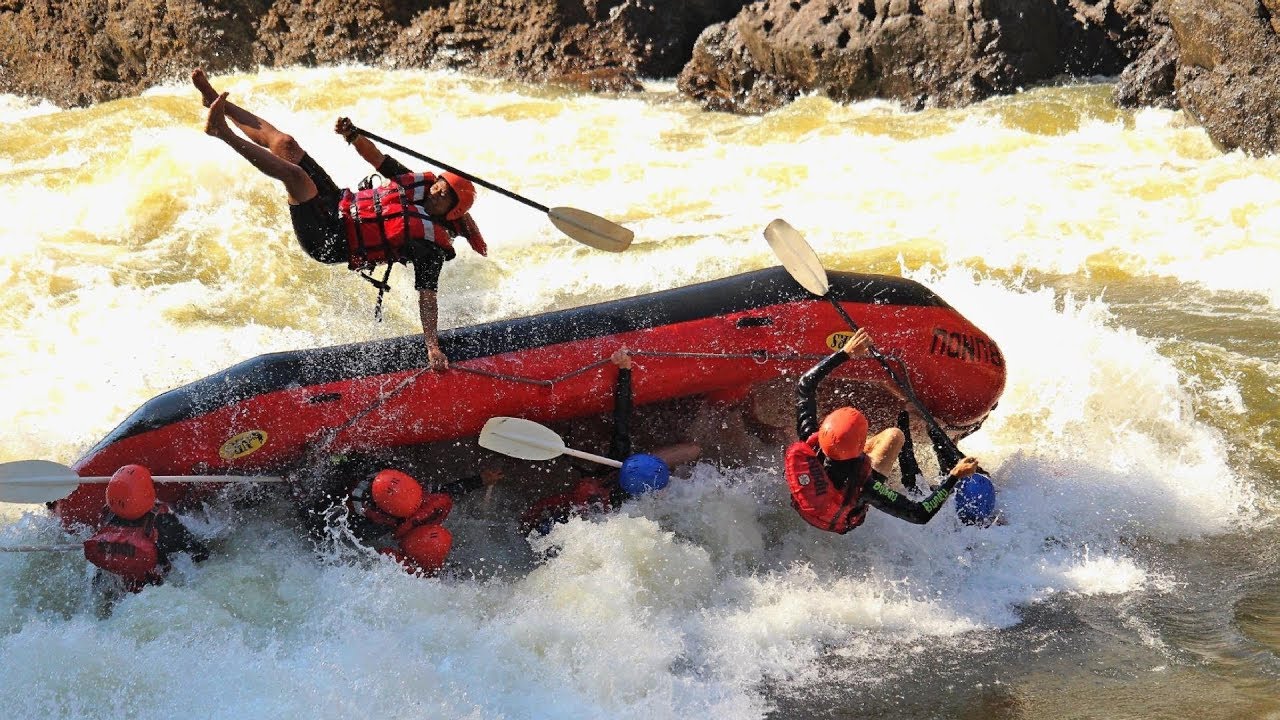
Pacific Northwest rivers have a way of looking postcard-perfect right up until the water gets serious. One minute, it is mossy cliffs, evergreen forests, and clear mountain water. The next, you are staring at a Class V rapid, a boulder-choked canyon, or miles of wilderness with no easy way out.
There is no official ranking of the region’s “most dangerous” rafting runs, so we focused on places where difficulty and consequences stack up: Class IV and V rapids, cold water, remote canyons, wood hazards, powerful hydraulics, rapidly changing flows, or individual drops that demand expert judgment. Some of these rivers are commercially guided under the right conditions. Others belong firmly in expert-boater territory. Either way, these are not casual float trips.
Wind River, Washington
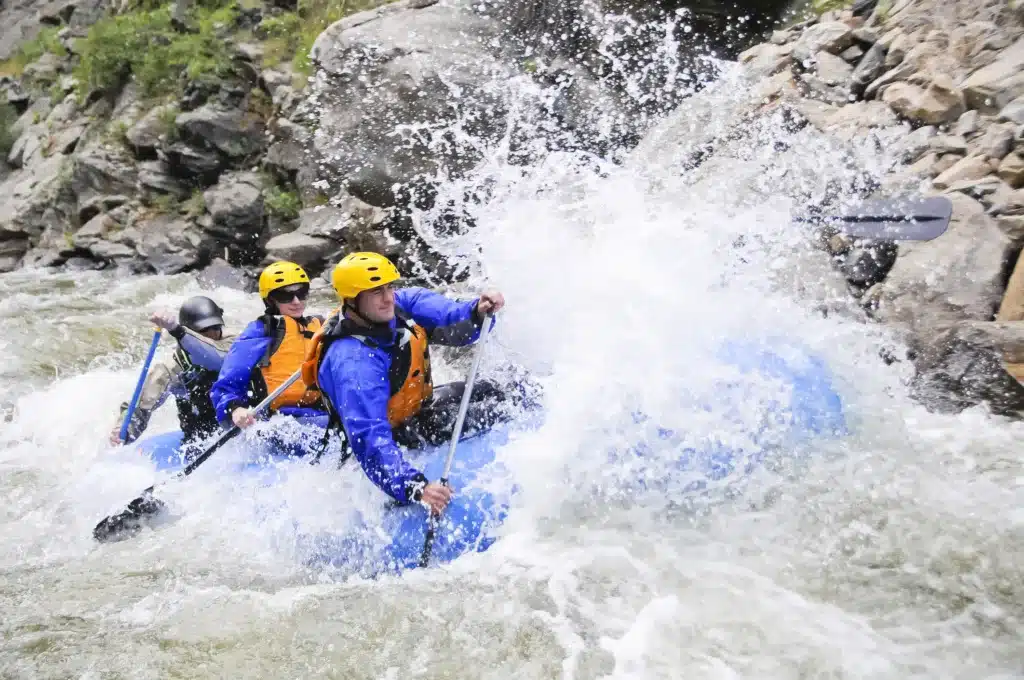
The Wind River is one of the clearest cases on this list where the difficulty rating alone tells you to pay attention. Washington’s whitewater regulations classify the Stabler-to-High Bridge section as Class V, while American Whitewater currently rates the Upper Wind as Class IV-V. The river squeezes advanced whitewater into a steep, boulder-heavy canyon, and the difficulty changes noticeably with flow. This is not the place to discover whether you enjoy serious rafting after the boat is already moving.
Commercial outfitters do run the Wind, but they market it as an advanced trip and commonly require previous whitewater experience. That distinction matters. Class V water can involve long, violent rapids, difficult maneuvering and limited recovery time if something goes wrong. The scenery in the Columbia River Gorge is spectacular, but on the Wind, the scenery is very much the background. The river itself demands nearly all of the attention.
Tumwater Canyon, Washington
©White Water Rafters INC
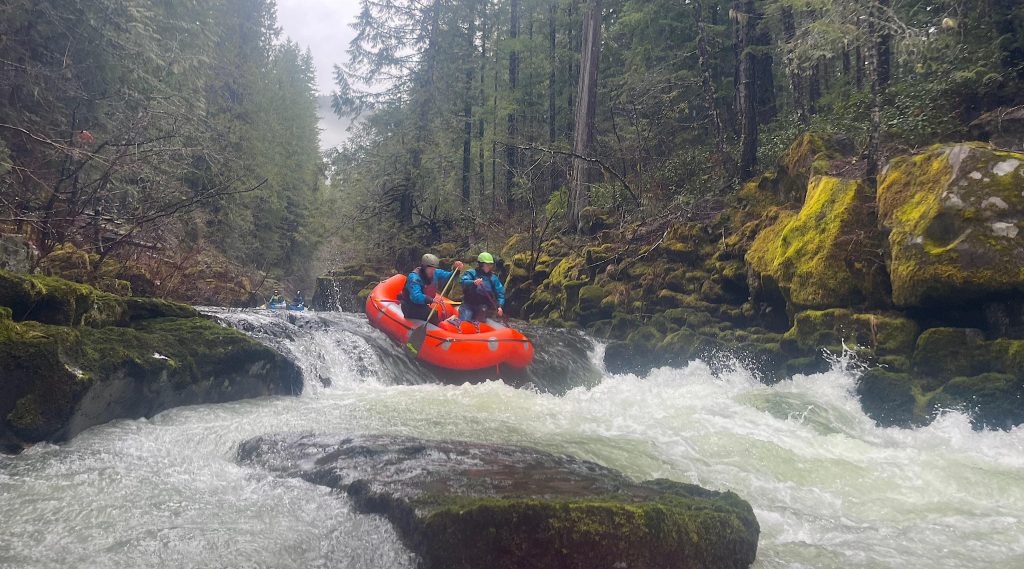
The Wenatchee River is famous for commercial rafting, but Tumwater Canyon is a very different animal from the friendlier stretches downstream of Leavenworth. Chelan County’s whitewater planning documents describe the canyon as big-water Class V in early summer, easing toward Class IV as flows fall. Local paddling guides likewise treat the roughly 7.5-mile canyon as expert territory.
That change in character is part of what makes Tumwater dangerous. The river above the canyon can look comparatively calm before the gradient steepens and the water becomes much more technical and powerful. Some rafters run portions of the canyon at appropriate levels, but it is better known as an expert paddling run than a standard sightseeing raft trip. Highway 2 follows much of the canyon, so the whitewater is unusually visible from the road. Easy viewing, however, should not be mistaken for easy boating. Water level can completely change the difficulty of the run.
Skykomish River, Washington
©"Kayaks on Skykomish River" by brewbooks is licensed under BY-SA 2.0. - Original / License
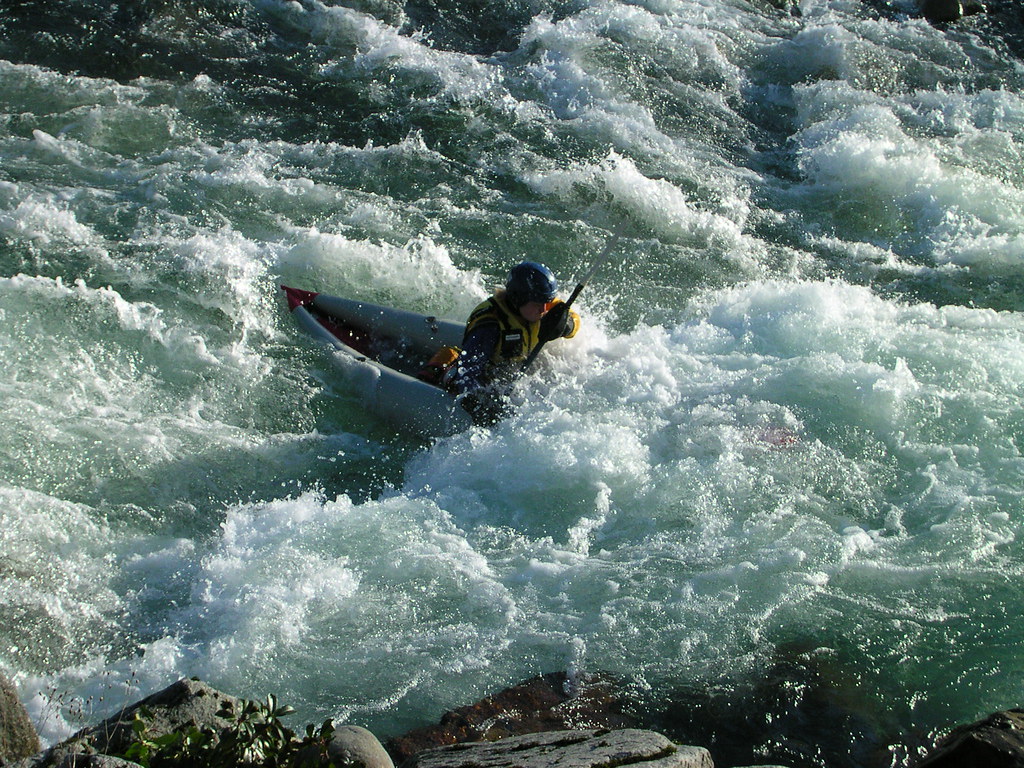
The Skykomish is close enough to Seattle to feel like backyard whitewater, but its signature rapid quickly erases any idea that this is just a convenient day trip. American Whitewater rates the Index-to-Split Rock run Class III+(IV), with Boulder Drop carrying the Class IV rating. The rapid is a maze of large boulders, strong current and multiple possible lines that change with river level.
The broader lesson on the Sky is that familiarity can hide consequence. It is a popular river and parts of the run are commercially rafted, but Class IV still means precise maneuvering and meaningful risk if a boat flips or a swimmer ends up in the wrong place. The river can also change after major floods. American Whitewater noted that the December 2025 flooding shifted features on this stretch, a reminder that yesterday’s line is not automatically today’s line. For experienced rafters, the Sky is a classic. For beginners, it is a river to experience with professionals, not improvise on.
White Salmon River, Washington
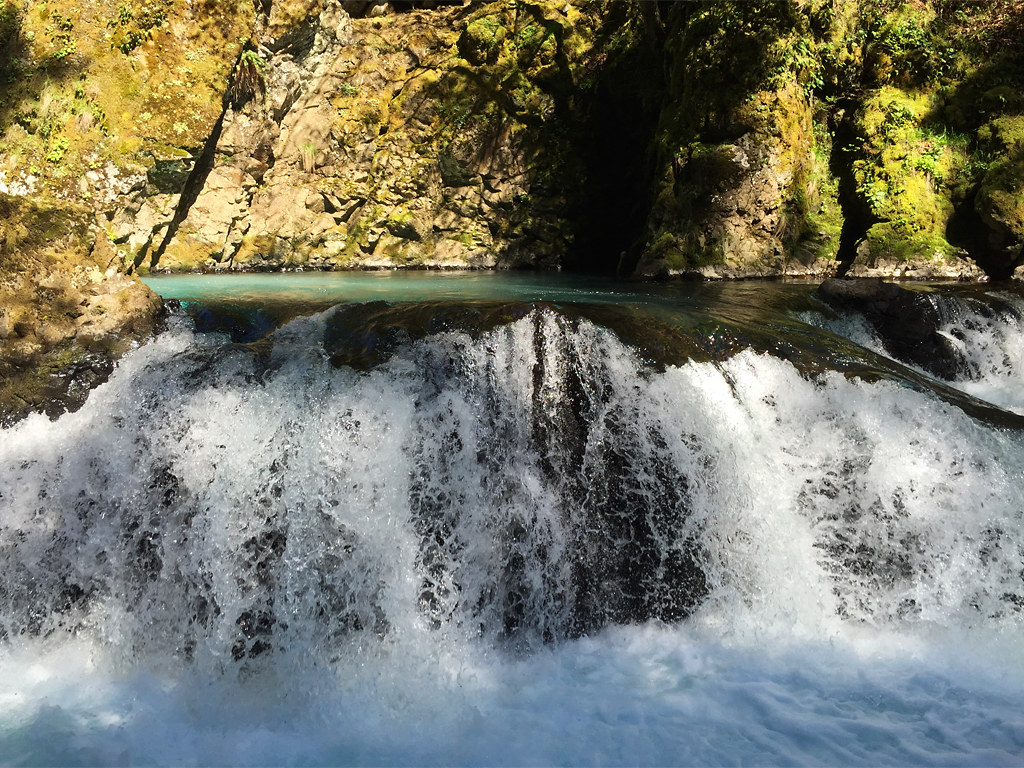
©"Spirit Falls Trail on Little White Salmon River in WA" by Landscapes in The West is licensed under PDM 1.0. - Original / License
The White Salmon is one of the Pacific Northwest’s best-known rafting rivers, with cold, clear water cutting through narrow basalt canyons beneath Mount Adams country. Rivers.gov describes the main whitewater as continuous Class I through III with occasional Class IV rapids, but one feature changes the risk calculation: Husum Falls. The federal Wild and Scenic Rivers site rates the falls Class V and says it should be portaged.
That is why the White Salmon belongs here even though much of the standard run is less difficult than the Class V rivers on this list. A river does not need to be relentless from start to finish to contain a high-consequence hazard. Commercial outfitters operate on the White Salmon and may use route-specific procedures based on conditions, but private boaters should not treat a waterfall simply because it appears on a popular rafting river. Cold water, confined canyon walls and quickly changing current add to the consequences of a mistake.
Illinois River, Oregon
©White Water Rafters INC
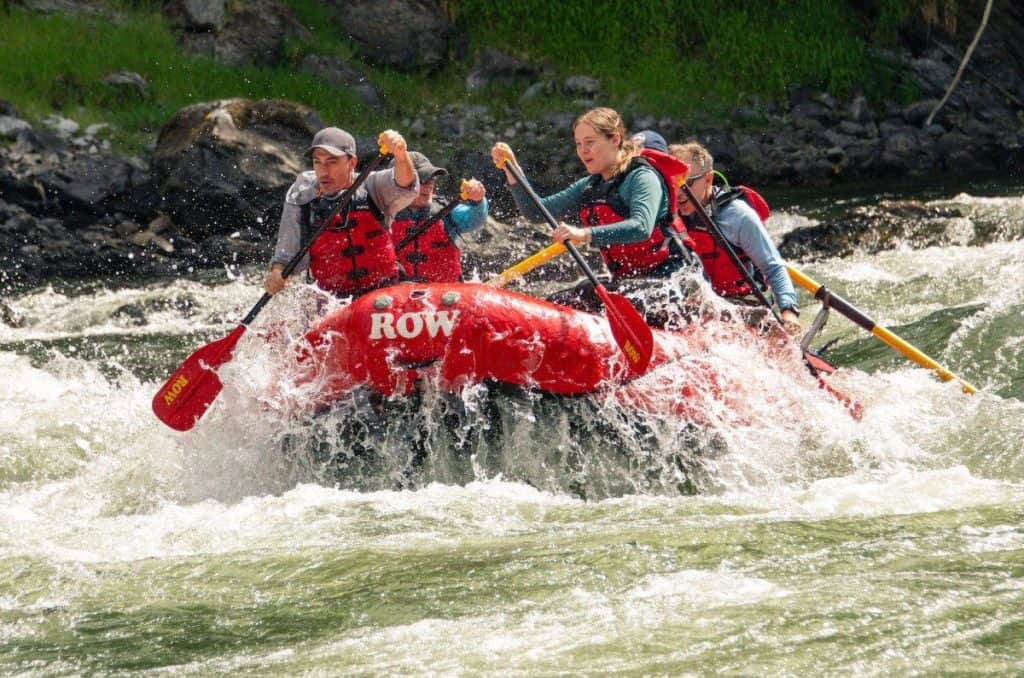
Southwestern Oregon’s Illinois River earns its reputation through a combination of difficult whitewater and serious isolation. Rivers.gov says the 29-mile wild section between Briggs and Nancy creeks contains about 150 rapids, including 11 Class IV rapids and one Class V. The federal site also describes the stretch as one of the most inaccessible wild-river segments in the country and recommends it only for highly skilled boaters.
That remoteness changes everything. A hard rapid on a roadside river is one problem; a hard rapid deep in a canyon where evacuation is difficult is another. The Illinois is primarily a spring run, with the main boating season generally from March through mid-May, and conditions can change quickly with rainfall and runoff. It is beautiful, raw and legitimately wild, but this is not a river where a group wants to discover a weakness in its rescue plan halfway through the trip. Experience, equipment and conservative decision-making matter as much as paddling ability.
Upper Klamath River, Oregon
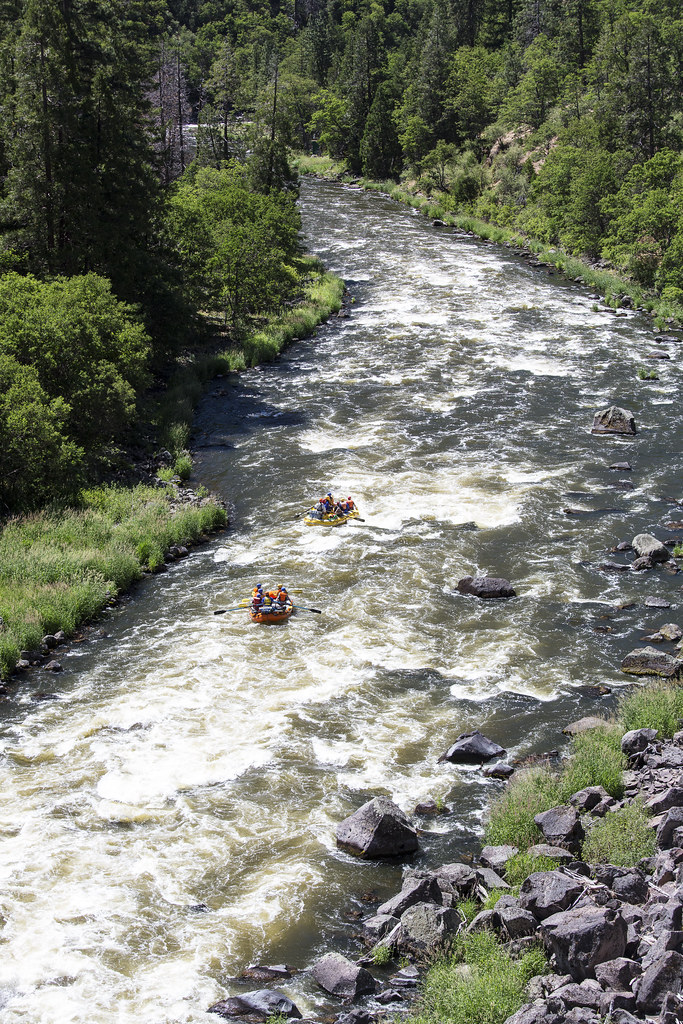
©"Klamath River" by BLM Oregon & Washington is licensed under BY 2.0. - Original / License
The Upper Klamath has changed dramatically in the last few years, so older rafting descriptions can be misleading. J.C. Boyle Dam was removed in 2024 as part of the Klamath River Renewal Project, returning this part of the river to free-flowing conditions. American Whitewater now rates the restored Big Bend Run Class IV(V) and the downstream Hells Corner Run Class III-IV+.
Big Bend is the sharper edge of the restored river, packing challenging whitewater into a relatively short canyon. Hells Corner is longer and slightly less severe on paper, but it still contains advanced water. The important update is that boaters are no longer dealing with the old daily release pattern from J.C. Boyle; flows now vary naturally with the season. That makes current river information especially important while boaters continue learning how the restored channel behaves. The Klamath’s return to free flow is an extraordinary restoration story, but it also created a new version of a river that demands fresh local knowledge.
Wild Rogue River, Oregon
©White Water Rafters INC
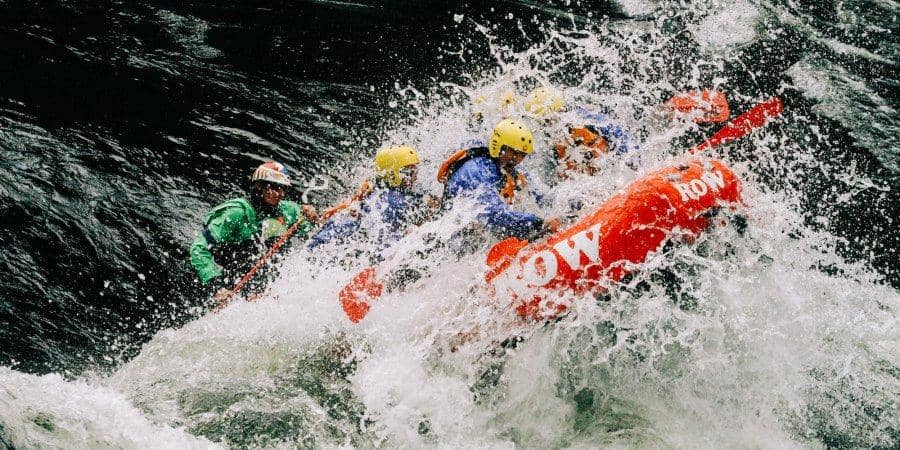
The Wild Rogue is not wall-to-wall Class V, but its hardest rapids sit inside a remote canyon where mistakes can become complicated fast. The Bureau of Land Management describes the wild section as primarily Class III with several Class IV rapids and says boat operators need Class IV skills. Blossom Bar is the best-known trouble spot. BLM specifically advises all boaters to scout the Class IV rapid and notes that incidents involving wrapped boats or blocked channels are common there.
The Rogue’s difficulty is also cumulative. A multi-day wilderness trip means gear, loaded boats, changing water levels and long stretches where simply pulling off the river is not a realistic solution. Rainie Falls, Mule Creek Canyon and Blossom Bar all demand attention for different reasons, and low water can be just as technical as high water. The Rogue is deservedly popular, but its reputation as a classic wilderness float should not blur the fact that competent boat handling and a real rescue plan are required.
Middle Owyhee River, Oregon
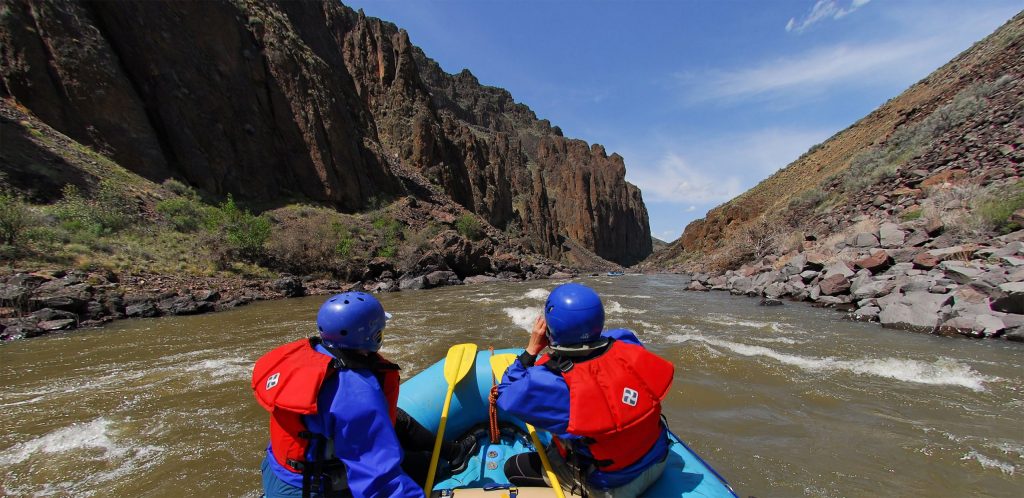
©White Water Rafters INC
The Owyhee already feels remote before the rafting starts. The middle section of the main river, from Three Forks to Rome, takes that isolation and adds difficult Class III, IV and V+ whitewater. The Bureau of Land Management recommends the roughly 39-mile section only for highly skilled whitewater boaters and warns of long boulder gardens, heavy hydraulics, steep drops and channels that can force portages depending on conditions.
There is not much margin for sloppy planning out here. Three Forks is one of Oregon’s most remote recreation sites, road access can become difficult or impassable when wet, and the canyon itself limits easy exit options. The Middle Owyhee is a pool-and-drop river, so stretches of calm water can separate very serious rapids. That rhythm can be deceptive. The quiet sections are recovery time, not evidence that the hard part is over. For experienced crews, the canyon is spectacular. For everyone else, it is a very long place to be underprepared.
Murtaugh Section of the Snake River, Idaho
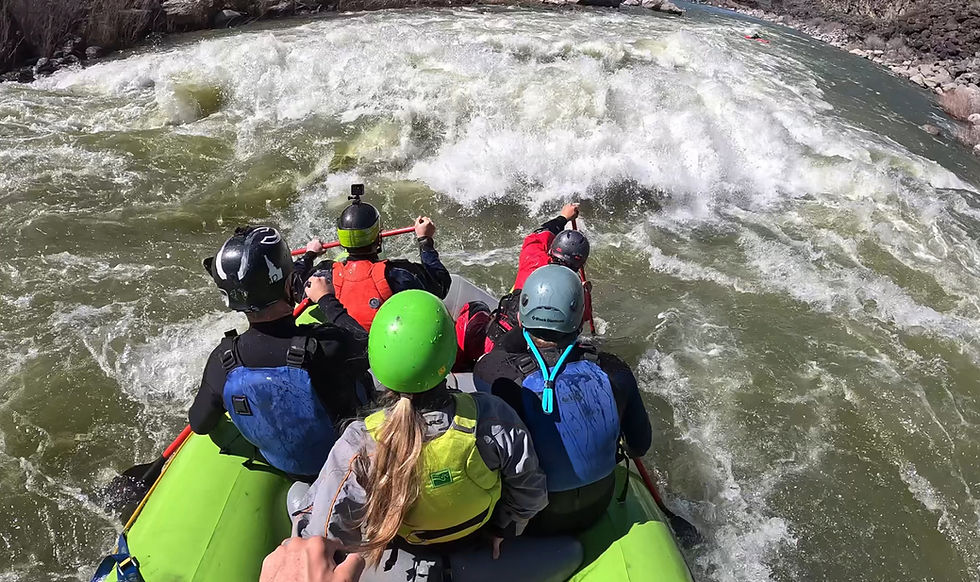
©White Water Rafters INC
The Murtaugh section of the Snake River is one of Idaho’s most flow-dependent whitewater runs. The Bureau of Land Management says the reach offers Class V whitewater opportunities when flows are sufficient, while American Whitewater rates the 13-mile run Class III-IV(V). In plain English, the same canyon can behave like a noticeably different river as the amount of water changes.
That variability is part of the danger. Large waves and holes dominate at higher flows, while lower water can expose steeper, rockier and more technical lines. Commercial outfitters run Murtaugh trips for advanced guests, and at least one current operator portages the Class V Pair-A-Dice rapid rather than treating every drop as something that needs to be run. That is a useful reminder of what advanced rafting actually looks like: good judgment includes walking around a hazard when conditions call for it. The Murtaugh can be an incredible day on the Snake, but it is not a beginner’s introduction to Idaho rafting.
Selway River, Idaho
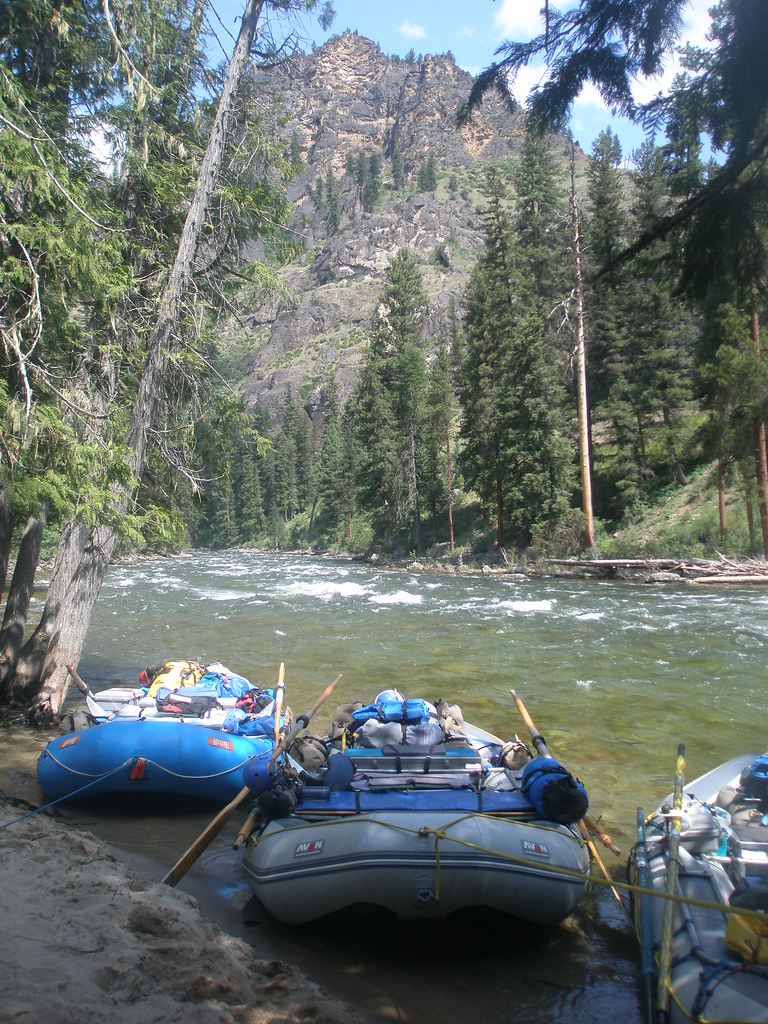
©"Selway River boats elevator mtn in bg" by Forest Service - Northern Region is licensed under BY 2.0. - Original / License
The Selway combines technical whitewater with one of the biggest risk multipliers in rafting: wilderness. Recreation.gov describes the 47-mile float from Paradise through the Selway-Bitterroot Wilderness as a technical run that challenges even expert boaters. American Whitewater rates the primary wilderness section Class IV, and the river becomes markedly more powerful at high water.
There is no roadside bailout once the trip is committed to the canyon. Rapids intensify below the confluence with Moose Creek, while cold spring runoff and rapidly changing flows can make rescue much harder. The Selway is also tightly managed during its main permit season, which helps preserve the solitude that makes the trip so special. That solitude has another side, though: help is not sitting around the next bend. The river rewards preparation, strong teamwork and conservative calls. It is one of the country’s great wilderness floats precisely because it still feels like wilderness, and that is also why mistakes carry more weight here.
Lochsa River, Idaho
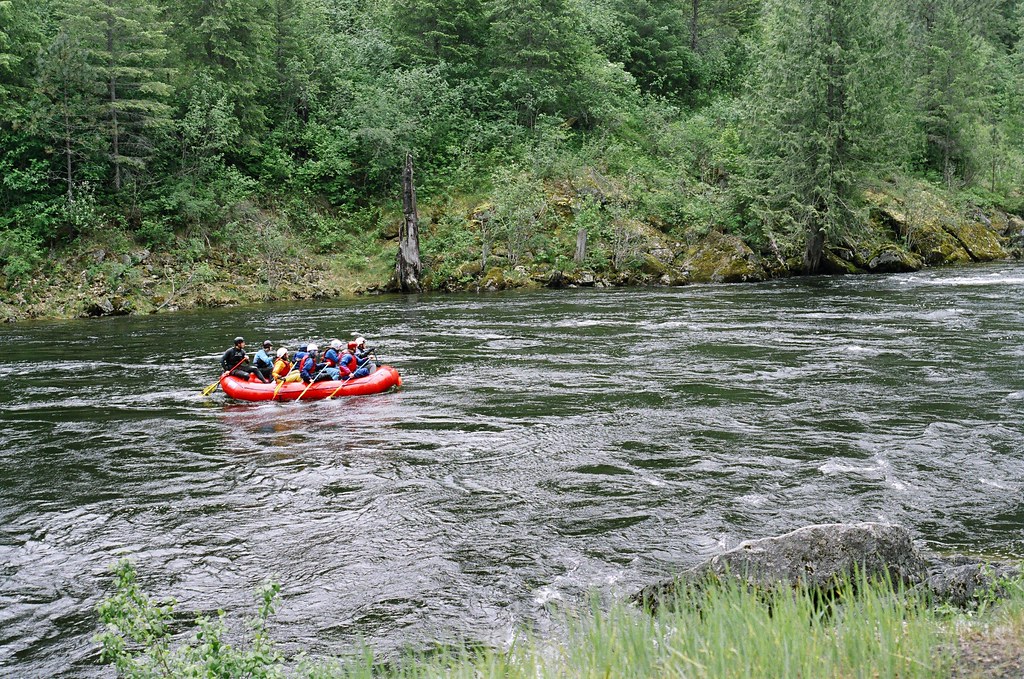
©"rafters along the Lochsa River in ID" by ozmafan is licensed under BY 2.0. - Original / License
The Lochsa has an unusual personality for a serious whitewater river: much of it runs right beside U.S. Highway 12. That accessibility can make the river look more forgiving than it is. Recreation.gov calls the Lochsa world-famous for whitewater rafting and says technical expertise is a must. American Whitewater rates the 16-mile Upper Lochsa Class IV and describes it as continuous Class IV whitewater.
The roadside setting does help with scouting and logistics, but it does not make the hydraulics, waves or boulder-strewn rapids any smaller. The river changes substantially with flow, and the Lower Lochsa can build from technical Class III-IV water into a much bigger, faster ride during high runoff. For commercial guests, this is exactly the sort of river where an experienced guide earns the job title. For private groups, the easy shuttle is not a substitute for Class IV skills. The Lochsa is accessible, famous and incredibly fun, but it is still very serious water.
Bruneau-Jarbidge River System, Idaho
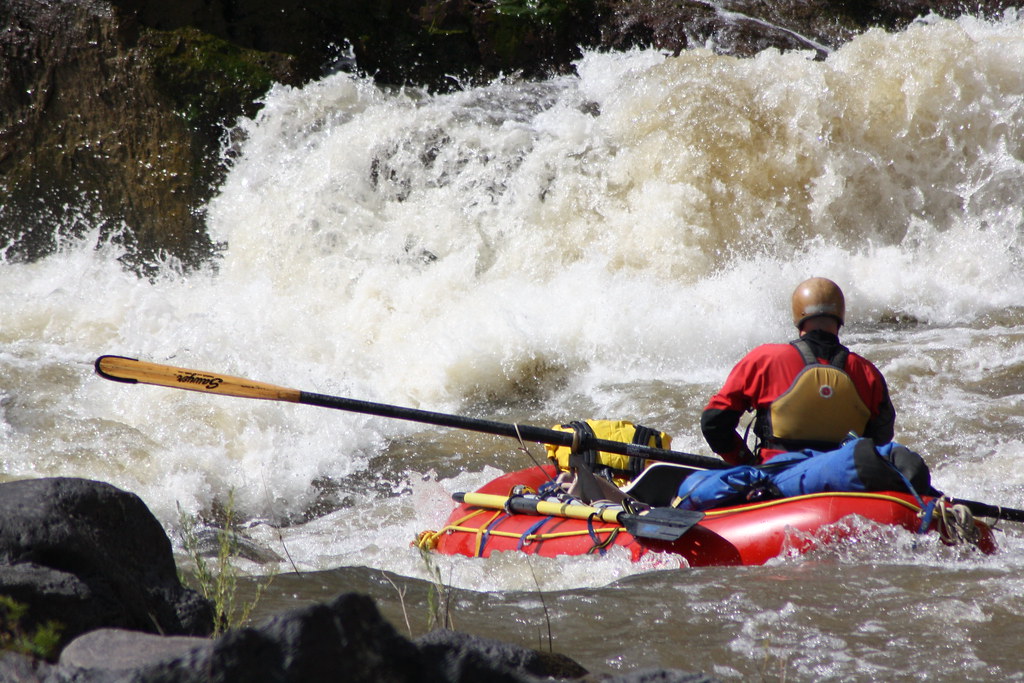
©"#conservationlands15 Social Media Takeover, July 15th, Wild and Scenic Rivers" by mypubliclands is licensed under BY 2.0. - Original / License
The Bruneau-Jarbidge system is dangerous for reasons that go well beyond a single rapid. The Bureau of Land Management says only very experienced boaters should attempt the combined 69-mile Bruneau and Jarbidge run because of challenging rapids, log jams and hazards that may not be visible until boaters are nearly on top of them. The most difficult part is Five Mile Rapids, a sustained Class IV stretch in the lower canyon.
Then there is the setting. This is remote high-desert canyon country with limited access and a short spring boating window. BLM warns that the lower Bruneau requires a lot of maneuvering and should be attempted only by experienced boaters, especially at high water. The drive to the put-in can be an adventure of its own, and that tells you something about how isolated the river becomes once the trip starts. There are harder individual rapids elsewhere in the Northwest, but few routes combine sustained technical water, wood hazards and remoteness quite like this one.

