
Portland and Seattle both know how to turn a parking spot into a pretty good meal. But order lunch from a food cart in each city, and you’ll notice that the experience isn’t quite the same. Portland is famous for its food cart pods, where several independent kitchens share a lot, tables, and sometimes a bar or fire pit. Seattle’s mobile food scene is more likely to take you to a street corner, a workplace lunch stop, a brewery, or a neighborhood event.
That doesn’t mean Portland has better food or Seattle has better chefs. Both cities have talented cooks turning out everything from familiar comfort food to dishes rooted in cuisines from around the world. The real difference is how you find those meals, where you eat them, and whether the outing feels like a planned gathering or a quick stop between other things.
Seattle Travel compares the two cities’ food cart culture, including some of the spots that help explain why each scene has its own personality. Just remember that these are small, independent businesses: cart lineups, prices, and operating hours can change, sometimes without much warning. If there’s one vendor you have your heart set on, check its latest schedule before heading across town.
Portland vs. Seattle: A Food Cart Face-Off
©"Food cart pod outside John's Marketplace on SE Powell, PDX, 2021 – 03" by Another Believer is licensed under BY-SA 4.0. – Original / License
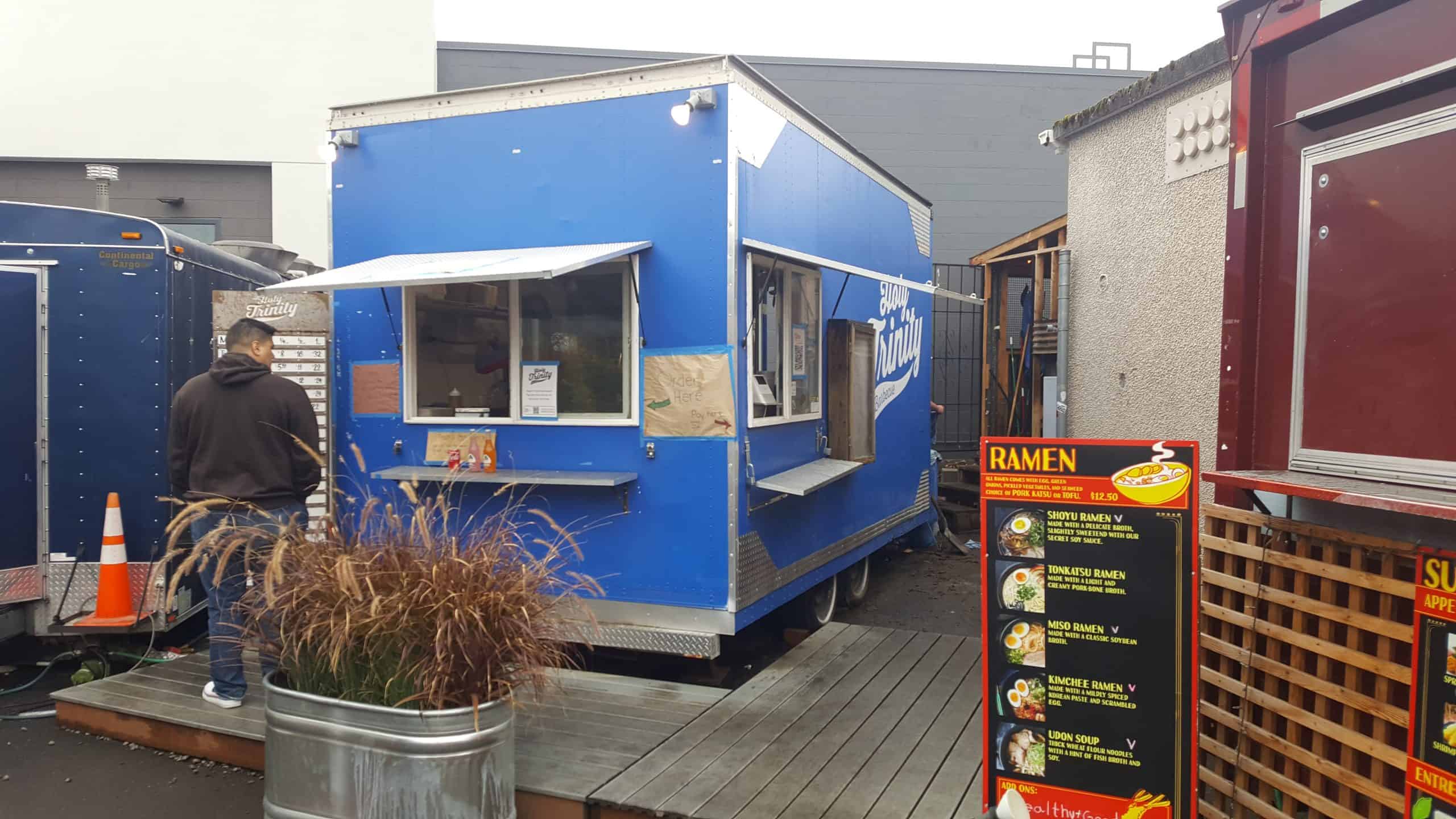
Portland and Seattle are both excellent places to eat out of a truck, trailer, or cart. The difference is less about which city has the more adventurous menu and more about how the whole experience is organized. In Portland, a visitor can arrive at a single food cart pod, walk past a dozen or more menus, and grab a seat while everyone in the group orders something different. Seattle has mobile vendors too, but their locations often depend on office lunch traffic, neighborhood permits, breweries, and scheduled events. That makes discovering a favorite truck feel a little more like tracking down a pop-up. Neither approach automatically guarantees cheaper prices, better food, or shorter lines. Portland has the edge if you want the convenience of one stop with lots of choices; Seattle rewards travelers willing to check a schedule and explore a few neighborhoods. Either way, arriving hungry is the easy part.
Portland: Cart Pods as Culinary Campuses
©"Grilled Cheese Grill" by Visitor7 is licensed under BY-SA 3.0. – Original / License
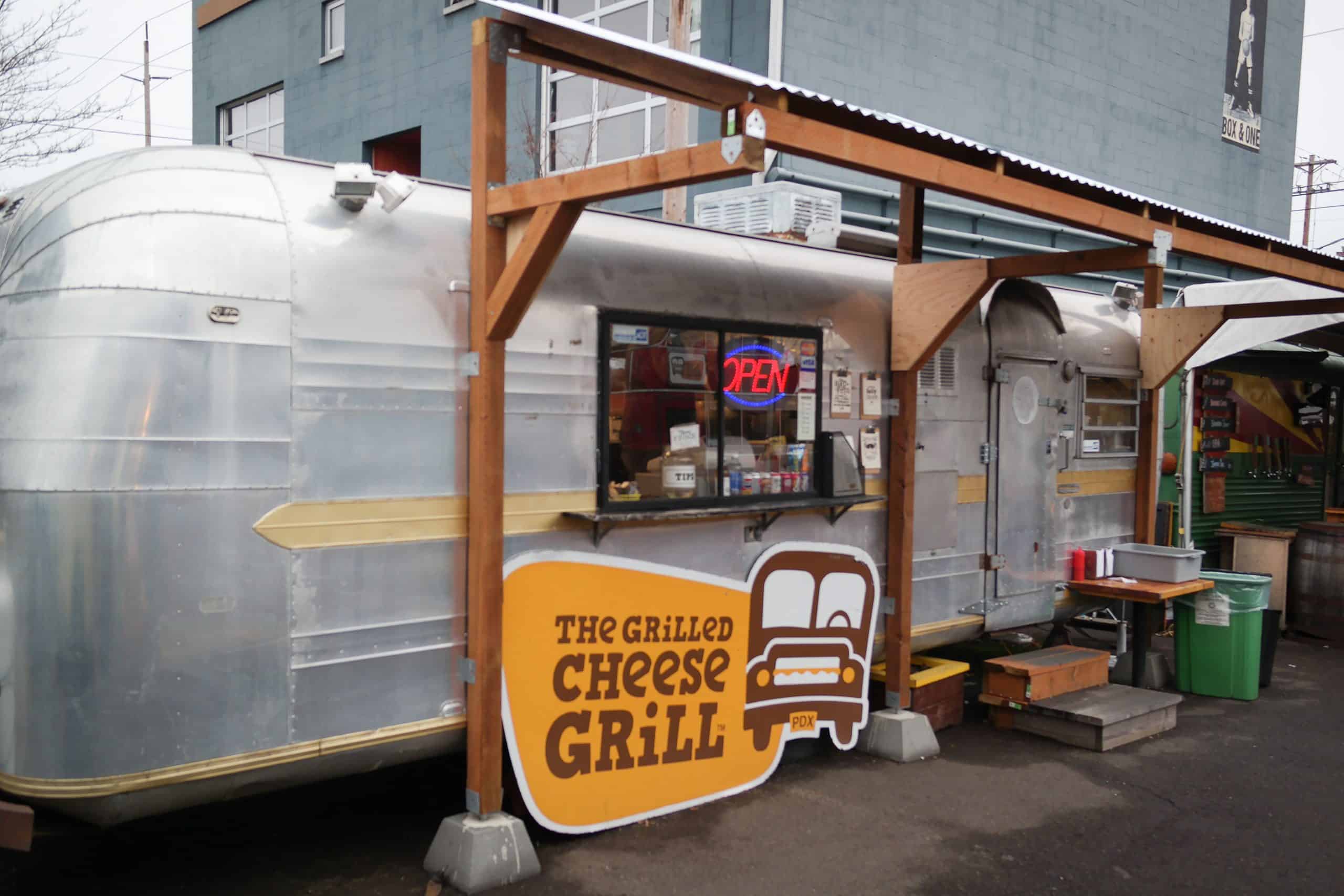
Portland has turned the food cart pod into a recognizable part of the city’s identity. Instead of requiring diners to follow a different truck every day, many operators work from established lots with shared seating and other amenities. That means you can choose dinner from one cart, dessert from another, and still sit together. Hawthorne Asylum, Cartopia, and Prost Marketplace are familiar examples, although their vendor lineups change. The setup is especially convenient for families and groups whose members never seem to agree on what to eat. Just remember that a pod’s listed hours don’t necessarily mean every individual cart is open.
Seattle: Street Food with a Global Twist
©"Seattle – Maximus Minimus food truck 03" by Joe Mabel is licensed under BY-SA 3.0. – Original / License
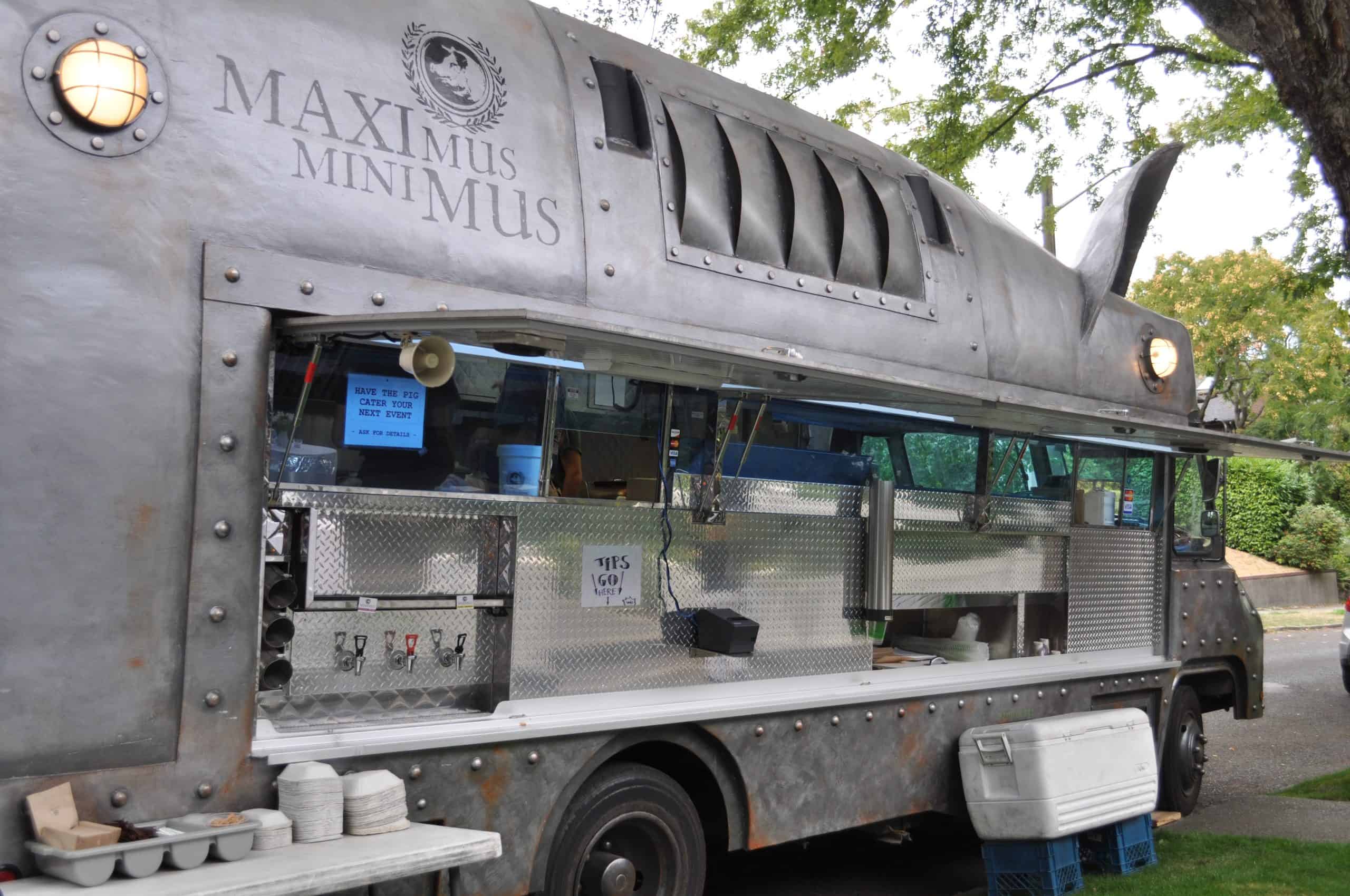
Seattle’s food trucks don’t all follow one playbook. Some keep fairly consistent locations, while others work events, private lots, breweries, and rotating weekday lunch stops. That moving-target approach can be part of the fun, especially when a truck introduces you to a dish you hadn’t planned on trying. Seattle’s mobile vendors draw on many culinary traditions, but so do Portland’s. It’s misleading to label one city ‘authentic’ and the other ‘experimental.’ A better approach is to look for operators who specialize in something they know and care about, then check where they’ll be serving before you leave the hotel.
Portland’s Hawthorne Asylum Pod
©"Hawthorne Asylum Food Pod" by thekirbster is licensed under BY 2.0. – Original / License
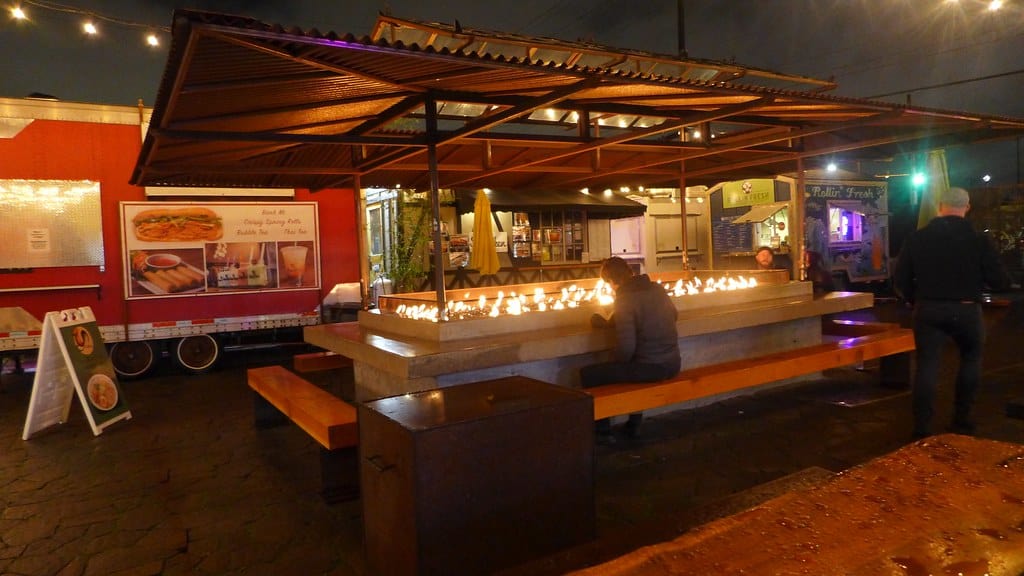
If you want to understand why Portland’s food cart pods have become destinations in their own right, Hawthorne Asylum is an excellent place to start. The Southeast Portland location opened in 2019 and has grown into a recognizable gathering spot with more than 20 carts, covered seating, distinctive metalwork, and an atmosphere that can feel more like a casual outdoor food hall than a parking lot. The variety is the selling point: one person can look for noodles, another can go in search of tacos, and nobody has to negotiate a restaurant menu first. There’s also an adjoining beverage spot and places to linger, so a quick lunch can easily become an afternoon stop. Its popularity has trade-offs, particularly when lines and tables fill up during peak periods. Go with an appetite and a little patience, and check individual carts if you need a particular dish or have dietary restrictions.
Seattle’s South Lake Union Food Trucks
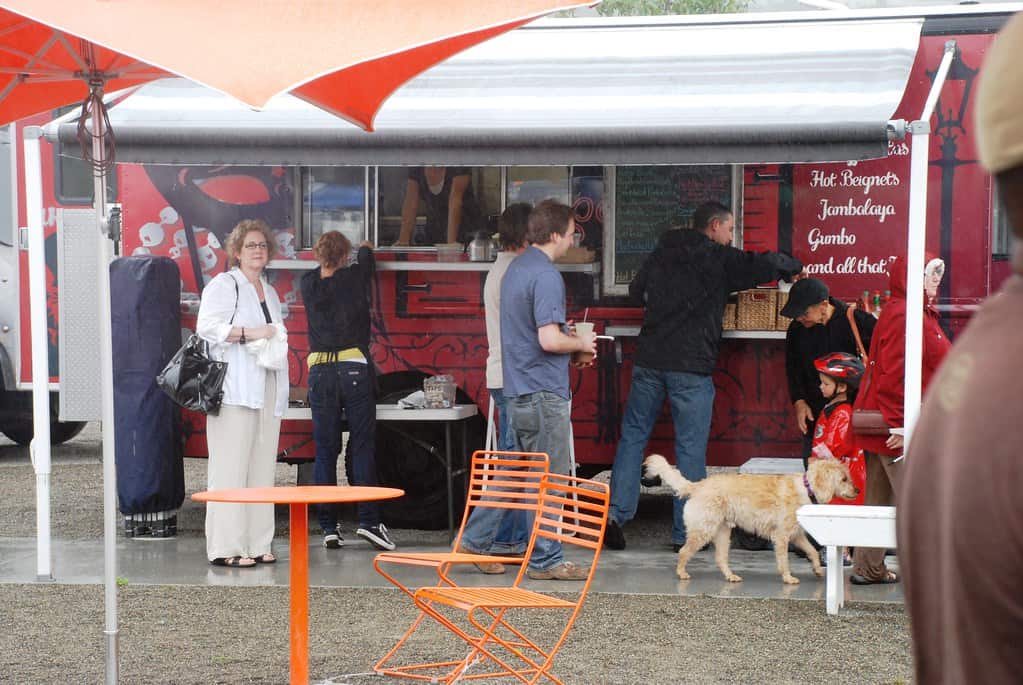
©"Mobile food trucks at Mobile Food Chowdown in South Lake Union Park" by Mayor McGinn is licensed under BY 2.0. – Original / License
South Lake Union makes a useful case study in Seattle’s mobile food culture. The neighborhood has offices, visitors, and people walking around Lake Union, all of whom make a quick lunch appealing. Food trucks and trailers can serve that demand, but they don’t necessarily assemble into one permanent pod the way Portland’s do. Menus and parking locations can change, and a truck you saw on one visit may not be there on the next. Check a current truck schedule or a vendor’s own updates before making the trip, especially if you’re heading over specifically for lunch.
Cartopia: Portland’s Late-Night Legend
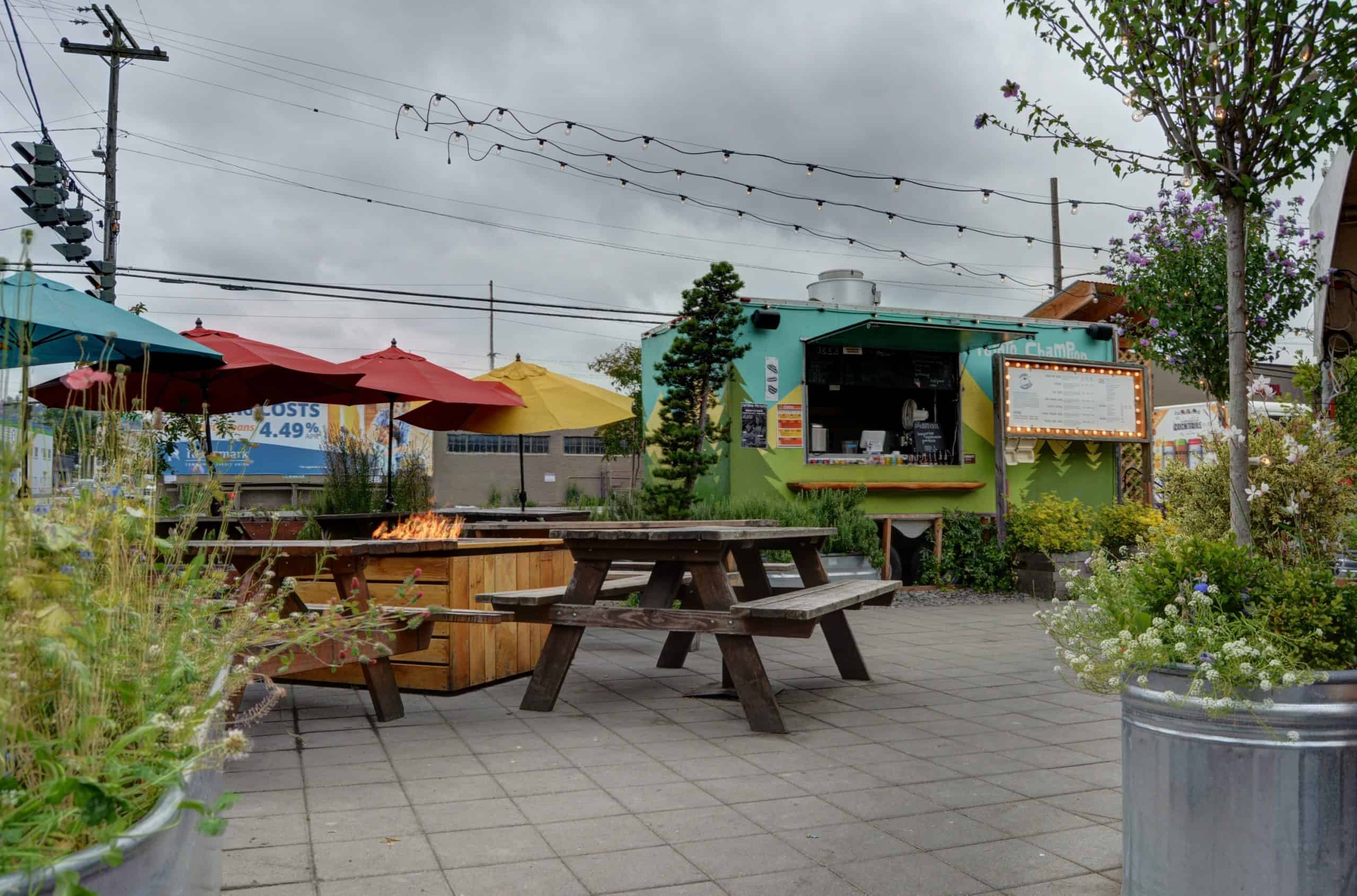
©"File:Set04.jpg" by Potatochampion is licensed under BY-SA 4.0. – Original / License
Cartopia has been part of Southeast Portland’s food cart scene since 2008, and it remains a good pick for visitors who want a lively evening without booking a table. The compact pod on Southeast Hawthorne Boulevard is known for longstanding food-cart favorites, including Potato Champion and Pyro Pizza. The outdoor setting, shared seating, and later operating hours distinguish it from a traditional lunchtime food court. Still, ‘late night’ doesn’t mean every cart serves until the same hour, and specific vendors can change. Check the individual business if a particular dish is the whole reason you’re going.
Seattle’s Belltown Curbside Gems
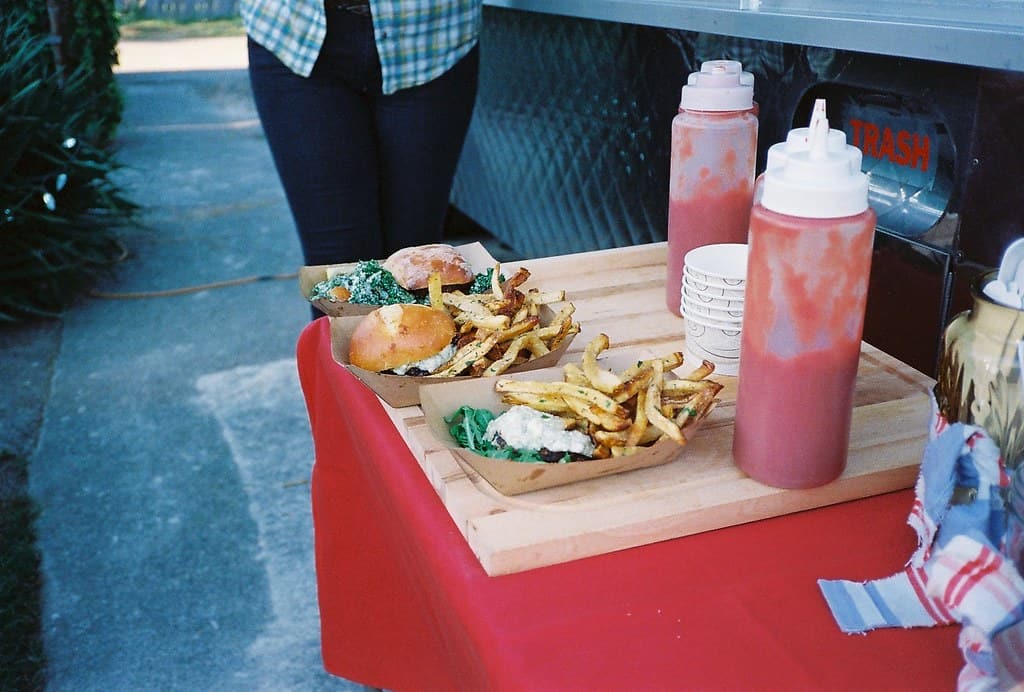
©"Incredible Wedding Food" by Milkbar Nick is licensed under BY-SA 2.0. – Original / License
Belltown’s appeal is that it puts Seattle’s food scene close to downtown hotels, busy streets, the waterfront, and nightlife. But the original version of this article made it sound as though specific blocks of Third and Fourth avenues were home to an established lineup of trucks serving particular cuisines every day. That’s not something visitors should count on. Seattle’s mobile vendors move between permitted sites and scheduled events, and a lunch stop that worked one week may look very different the next. The Port of Seattle even tested a rotating food-truck program near Pier 69 during 2026, but that temporary pilot ended in September. For a Belltown-area food-truck outing, check a current vendor calendar first, then treat whatever is available as part of the discovery. If you’re hoping to eat at a precise time, have a nearby restaurant as a backup. That may not sound romantic, but it beats walking six blocks for a truck that isn’t there.
Cuisine Variety: Portland’s Wild Card Edge
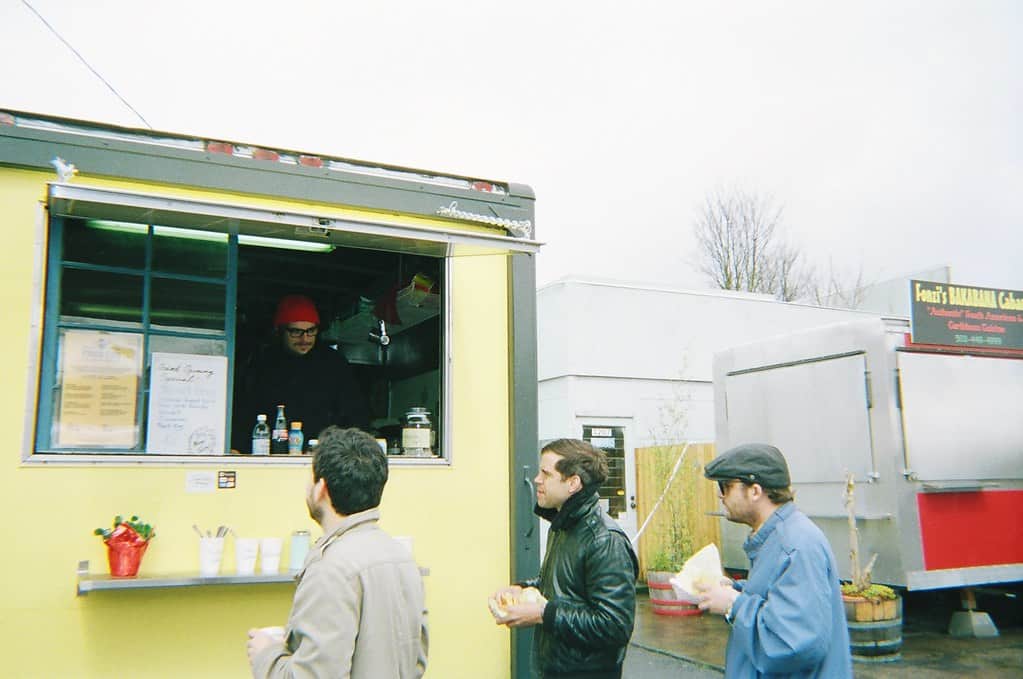
©"Fried Egg I'm In Love" by bradley j is licensed under BY 2.0. – Original / License
Portland’s cart scene makes experimentation easy because many pods offer several specialized kitchens within a few steps of one another. You might find a cart built around a single regional dish next to one serving sandwiches, bowls, barbecue, or plant-based food. The appeal isn’t that Portland chefs are inherently more daring than Seattle chefs; it’s that the pod format lets you sample different ideas without making a separate trip for each one. Carts can also be a way for cooks to build a following before opening a larger restaurant. For the customer, the strategy is simple: walk the whole lot before ordering.
Cuisine Variety: Seattle’s Global Influences
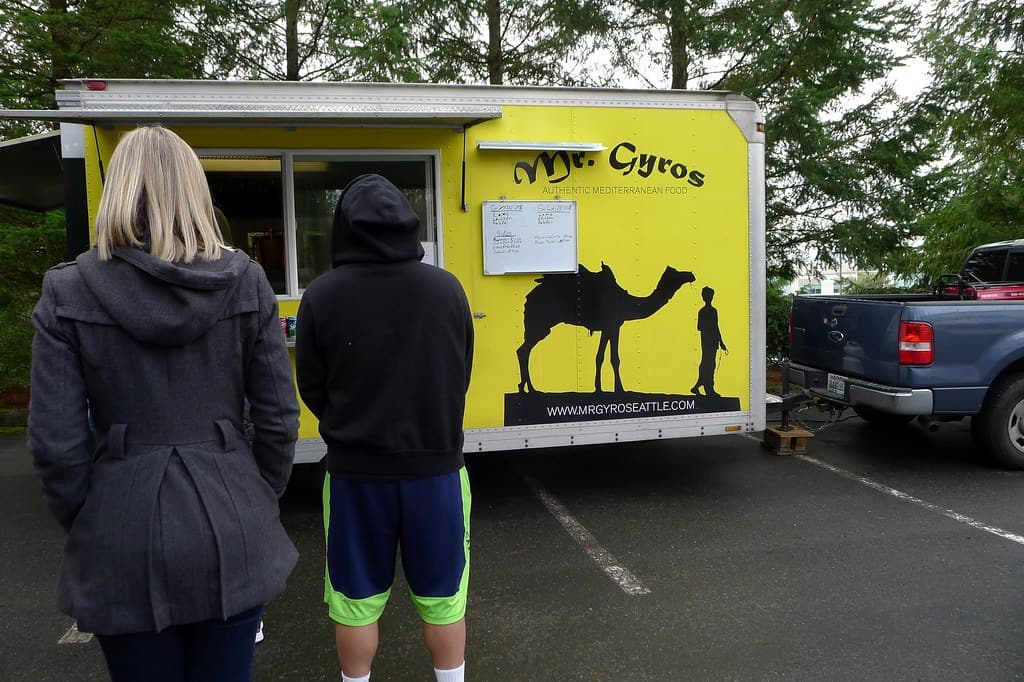
©"9-365 Food Truck" by Upupa4me is licensed under BY-SA 2.0. – Original / License
Seattle’s global influences are just as visible in its mobile kitchens, whether you’re looking for tacos, noodles, rice dishes, or other regional favorites. The mistake is assuming that food trucks here are automatically pricier, more traditional, or more ‘precise’ than Portland’s. Those judgments depend on the vendor, not the city. What Seattle does offer is a wide-ranging collection of independent operators who may be found at regular parking spots one day and special events another. Follow individual businesses for the most reliable menus and schedules, particularly when you have a specific dish in mind.
Portland’s Prost Marketplace
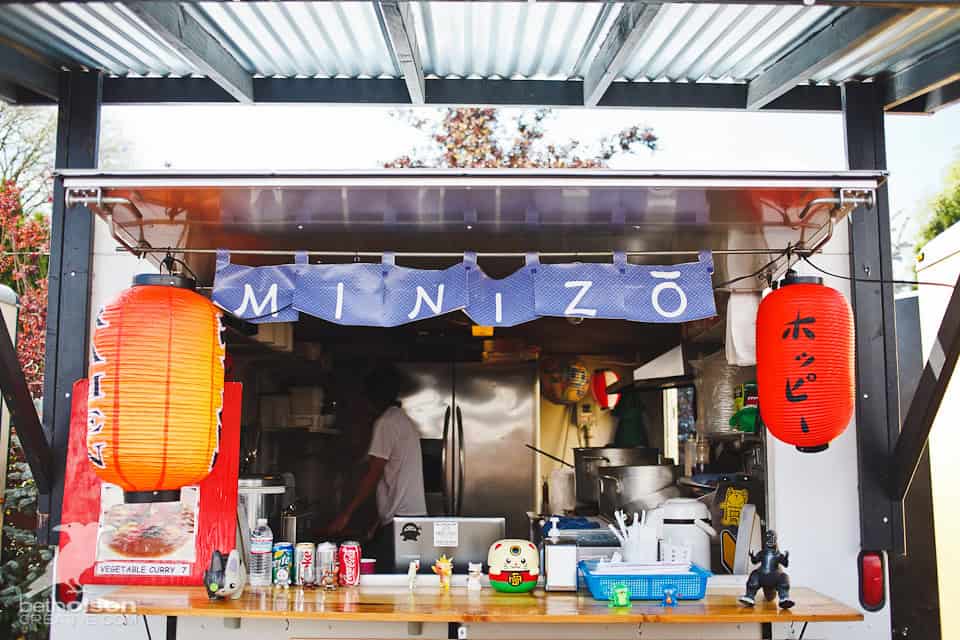
©"Mississippi-Marketplace-Food-Carts-002" by BethOlsonCreative is licensed under BY-ND 2.0. – Original / License
Prost Marketplace gives you another version of the Portland pod experience, this time on North Mississippi Avenue. The food carts sit beside Prost!, a German-style pub, creating a convenient meeting place for friends who want different dinners but still want to eat together. Recent official guides highlight vendors such as Matt’s BBQ, Mole Mole, and Native Bowl, although individual operators and menus can change. You can browse the carts, choose what sounds good, and settle into shared seating instead of hunting for a table at several restaurants. The neighborhood is part of the draw, too: Mississippi Avenue has shops and other places worth exploring before or after a meal. It’s an especially useful option for groups because the menu debate ends the moment everyone realizes they can order from somewhere different. Check cart hours separately from the adjoining pub’s hours; they aren’t necessarily the same.
Seattle’s Melrose Market: An Indoor Alternative
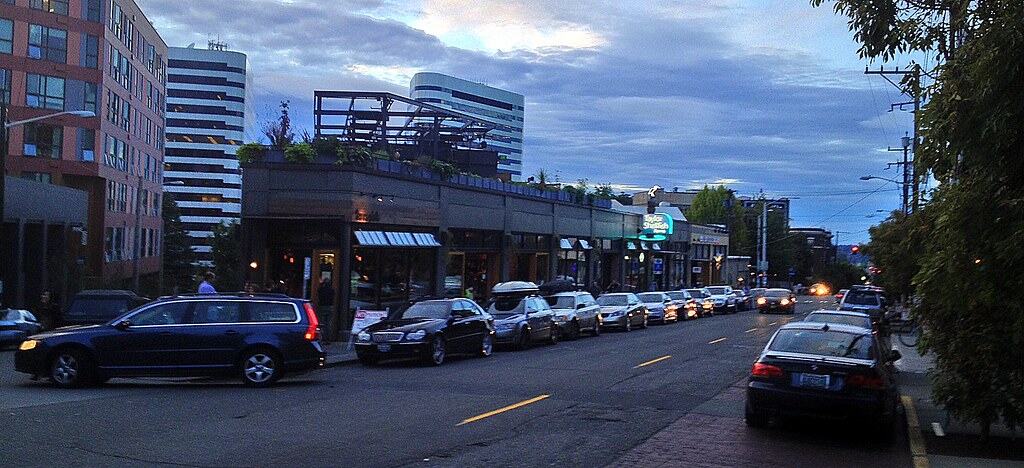
©"Vintage Wedge: Terra Plata at Melrose Market, Capitol Hill, Seattle WA" by JoeInSouthernCA is licensed under BY-ND 2.0. – Original / License
There’s an important correction here: Melrose Market on Capitol Hill is a specialty-food marketplace, not a food truck pod or a designated truck stop. Its appeal comes from the indoor collection of shops, specialty provisions, and places to grab a bite. It’s still a useful contrast with Portland’s pods because it shows another way Seattle brings food businesses together in one location, particularly when the weather makes outdoor dining less appealing. But if the goal is a meal ordered through a truck window, Melrose Market isn’t the example to use. Individual tenants also keep their own schedules, so check before visiting for a specific shop.
Price Point: Comparing Value in Portland and Seattle
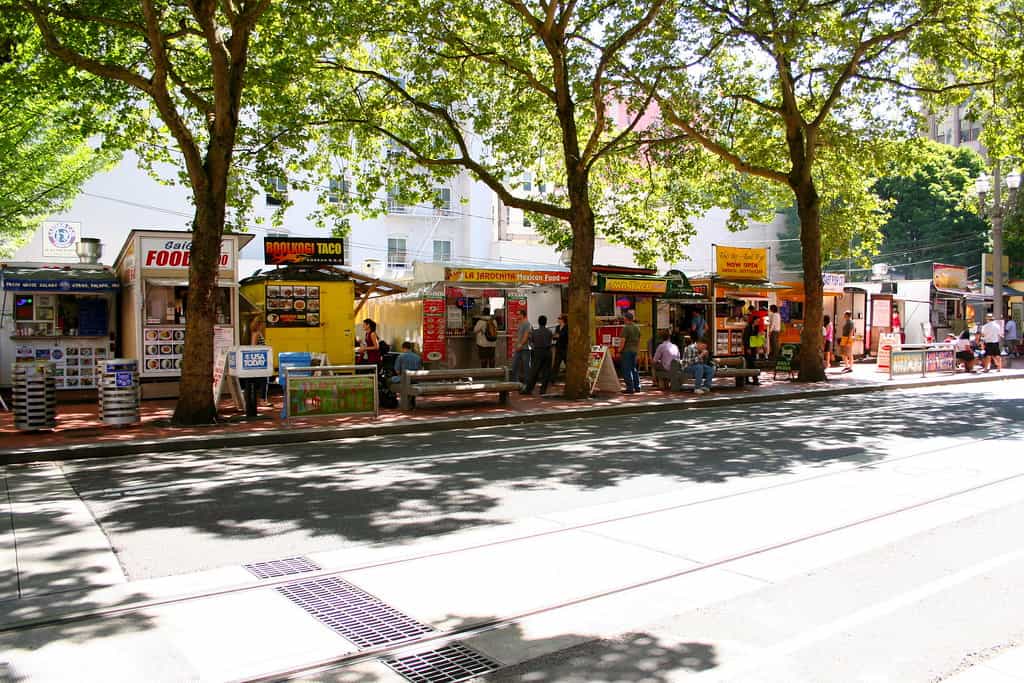
©"Portland Food Carts" by varrqnuht is licensed under BY-SA 2.0. – Original / License
Portland has a reputation for affordable food cart meals, and there are still plenty of good values. But the days when you could assume almost every cart served a complete meal for $10 or less are largely gone. Prices vary by dish, neighborhood, ingredient costs, and portion size in both cities. Portland has one small advantage for shoppers: Oregon doesn’t charge a general sales tax, while prepared-food purchases in Seattle may include local sales tax. Even so, comparing one Portland sandwich to a Seattle rice bowl won’t tell you much. Check the menu, taxes, and portions before declaring a winner, and remember that carts are independent businesses facing many of the same costs as restaurants.
Atmosphere: Seattle’s Urban Energy
©"Downtown Seattle" by Rob.Bertholf is licensed under BY 2.0. – Original / License
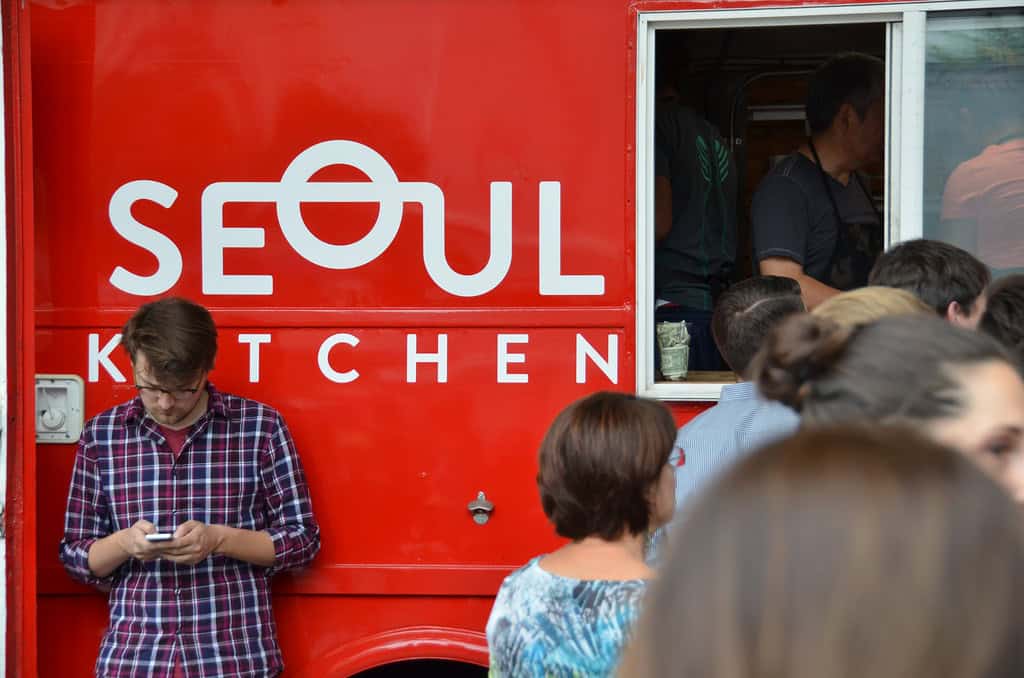
Seattle’s mobile food scene often fits the rhythm of the neighborhood around it. A weekday lunch truck might serve office workers and nearby residents, while another vendor appears at a brewery, festival, or community gathering. That mobility keeps the experience fresh, but it also means you can’t assume yesterday’s schedule will work tomorrow. In 2026, the Port of Seattle experimented with rotating trucks near Pier 69, an example of how temporary placements can bring more food options to a busy area without creating a permanent food cart pod. The pilot has since ended, so it shouldn’t be listed as a current stop. For visitors, a little planning goes a long way: use a current food truck finder, check the vendor’s own posts, and confirm where it’s actually parking. It’s less of a stroll-up-and-choose experience than Portland’s biggest pods, but finding a great lunch while exploring Seattle has its own charm.
Atmosphere: Portland’s Cart Pod Hangouts
©"Cartopia, Portland, Oregon (2022) – 1" by Another Believer is licensed under BY-SA 4.0. – Original / License
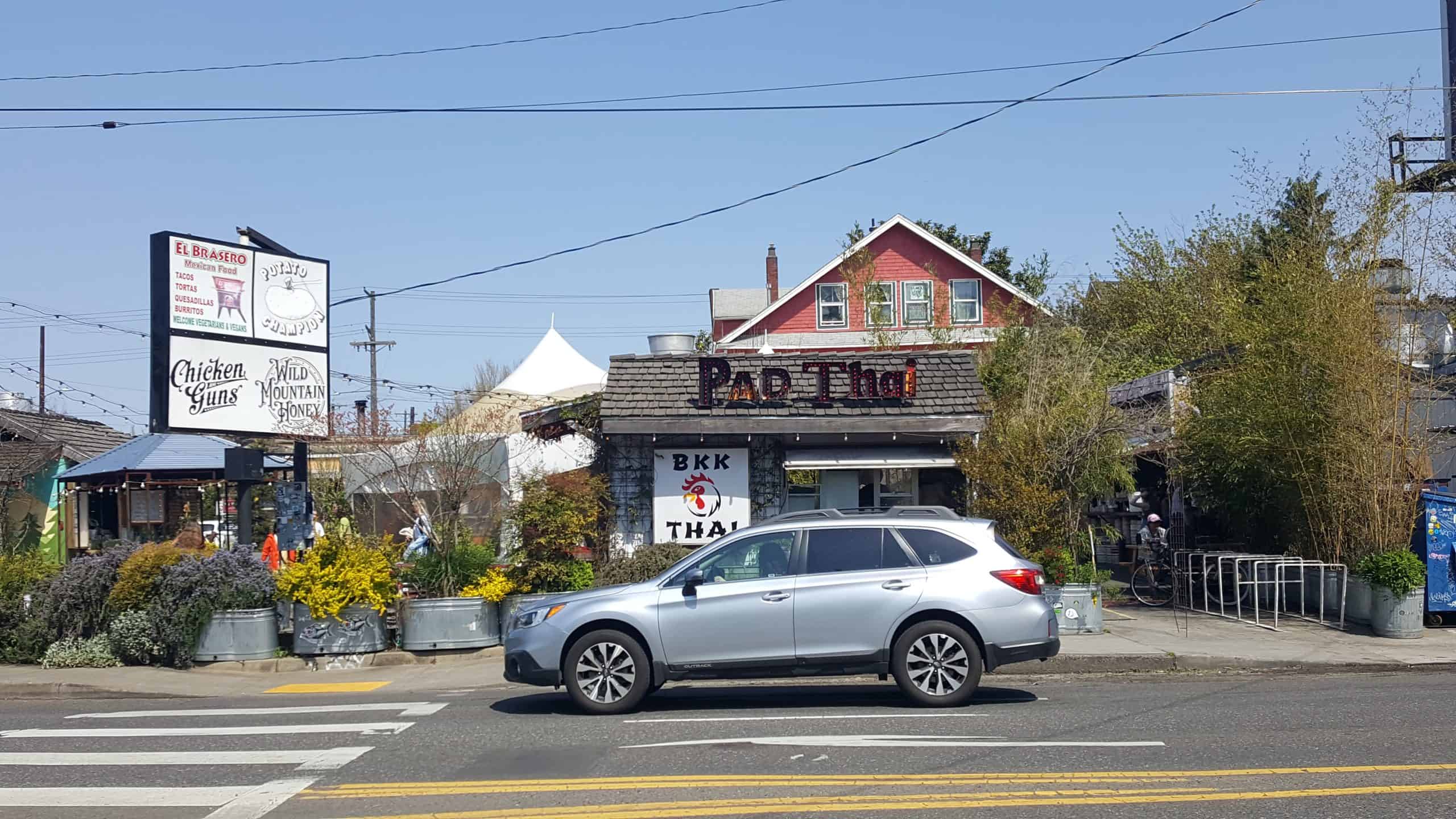
In Portland, some pods are designed for people to stay awhile. Shared picnic tables, covered seating, heaters, and gathering spaces turn a quick meal into a social outing, particularly for friends who can’t settle on one cuisine. Cartopia and Hawthorne Asylum are familiar examples, but the setup varies widely among pods. Some are simple lots with a few carts, while others feel closer to outdoor food halls. That’s worth considering when you visit during the rainy season. If you’re taking kids, meeting a group, or hoping to linger over several dishes, look for a pod with enough sheltered seating for everyone.
Final Verdict: A Delicious Draw
©"Chicken and Guns at Cartopia, Portland, Oregon – 2" by Another Believer is licensed under BY-SA 4.0. – Original / License
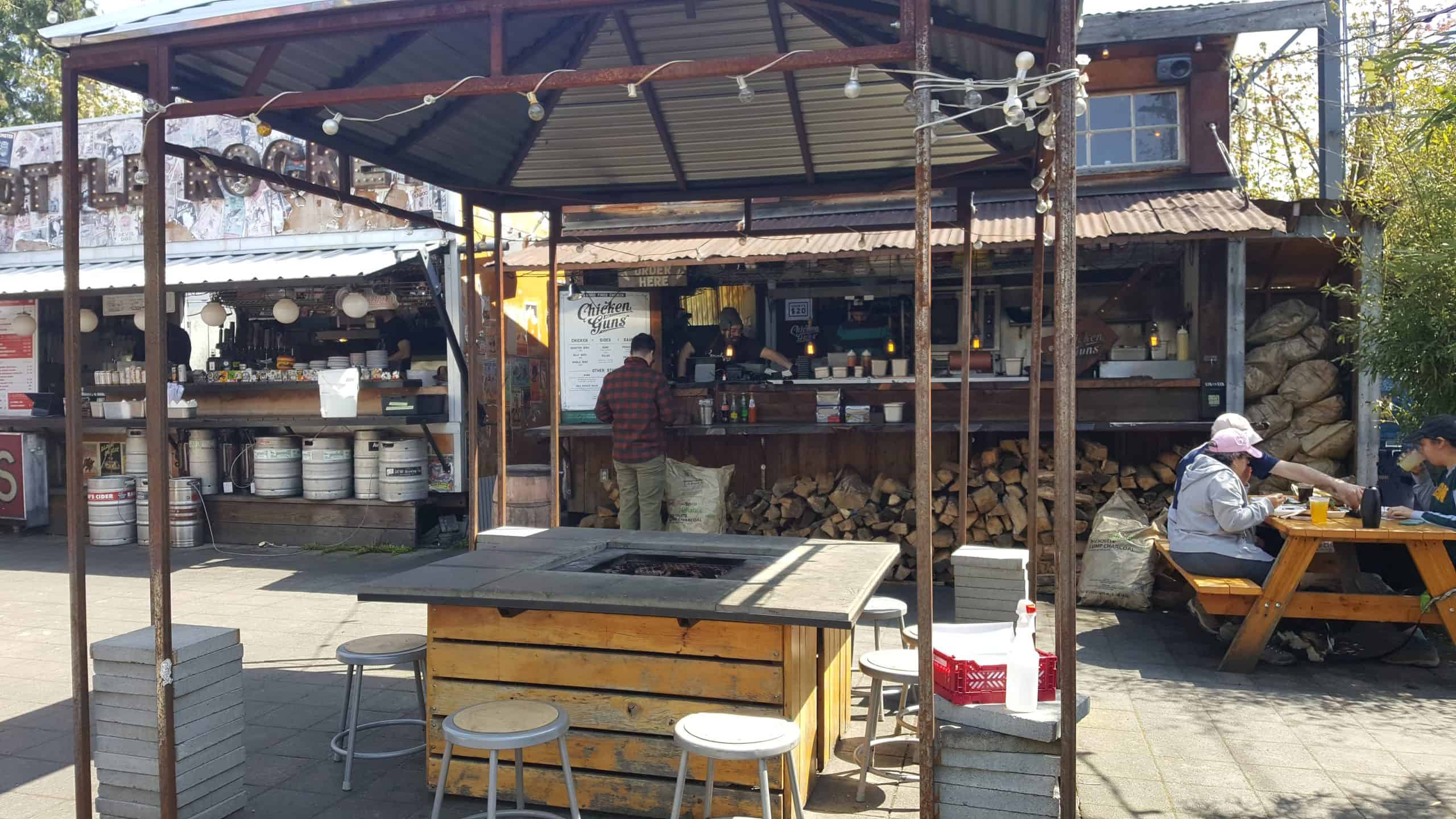
Portland is the easier pick if your ideal food cart experience involves wandering between several menus and settling in at a shared table. Seattle is the better adventure if you like discovering a truck while you’re exploring a neighborhood, heading to an event, or grabbing lunch near the office district. But there’s no need to award either city the title of best food. Both support independent cooks, both offer impressive variety, and both can produce a meal you’ll be talking about long after you’ve finished it. If you’re visiting Portland, start with an established pod; in Seattle, start with an up-to-date truck schedule. Then follow the one rule that works in either city: trust the food more than the hype.

