
The Pacific Northwest is famous for evergreen forests, snow-capped mountains, and the occasional bear crossing a hiking trail. But some of its most memorable animals are the ones that look completely out of place. Think puffins with bright orange bills, tiny fish that cling to rocks, sea slugs that look like lemons, and scorpions living in Idaho’s desert. You do not need to travel halfway around the world to find creatures this unusual.
Washington, Oregon, and Idaho offer an extraordinary mix of habitats, from cold ocean reefs and tide pools to alpine boulder fields, rainforests, and high-desert dunes. The trick is knowing where to look and when to go. Some animals are reasonably easy to find at the right season; others are elusive enough that an aquarium or a guided outing is the more realistic choice. Here are 15 of the Northwest’s strangest residents, along with places where travelers can look for them.
Wildlife sightings are never guaranteed. Check current park access, tides, and seasonal programs before traveling, and observe all animals without touching, feeding, or disturbing them.
1. Tufted Puffins
©"Tufted Puffin Alaska" by Alan D. Wilson is licensed under BY-SA 3.0. - Original / License
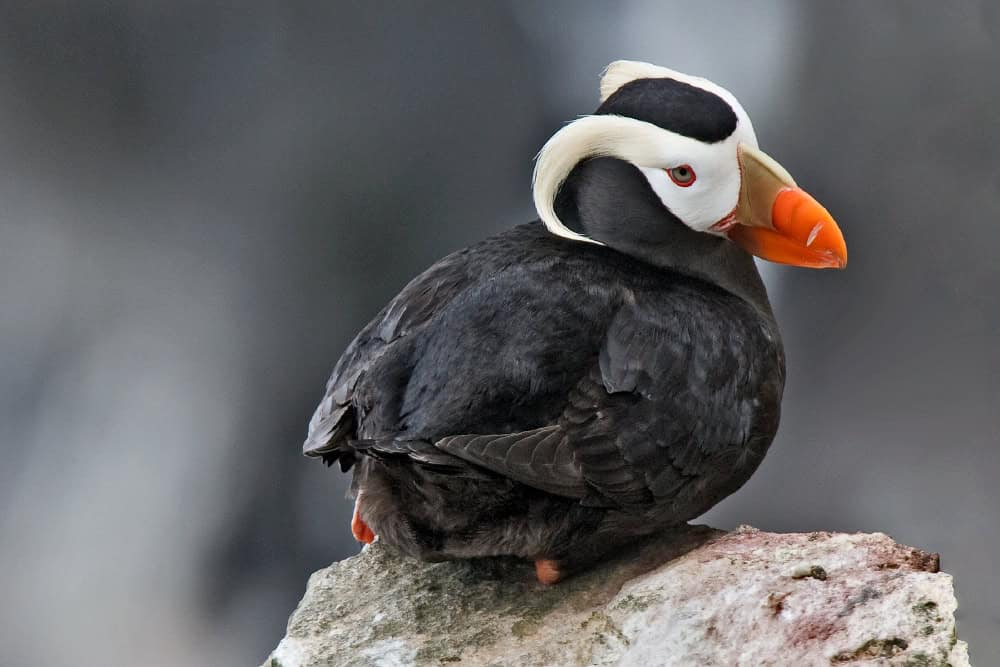
With an oversized orange bill, pale golden head feathers, and a face that looks almost painted on, the tufted puffin seems more like a tropical cartoon character than a resident of the Pacific Northwest. These seabirds spend most of their lives out on the open ocean. During breeding season, though, they return to grassy cliff tops and offshore rocks, where they dig burrows and raise their chicks. Their quick, almost frantic wingbeats make them surprisingly easy to recognize once you know what to look for.
Where to look: Head to Haystack Rock in Cannon Beach, Oregon, from roughly April through August. Puffins nest high on the rock, so a spotting scope or binoculars make a big difference. The local Haystack Rock Awareness Program recommends mornings, particularly around low tide, when interpreters may be on hand to help. You cannot climb the rock or approach nesting birds, but you can get an impressive view from the beach.
2. Scorpions
©Everything Animals Inc
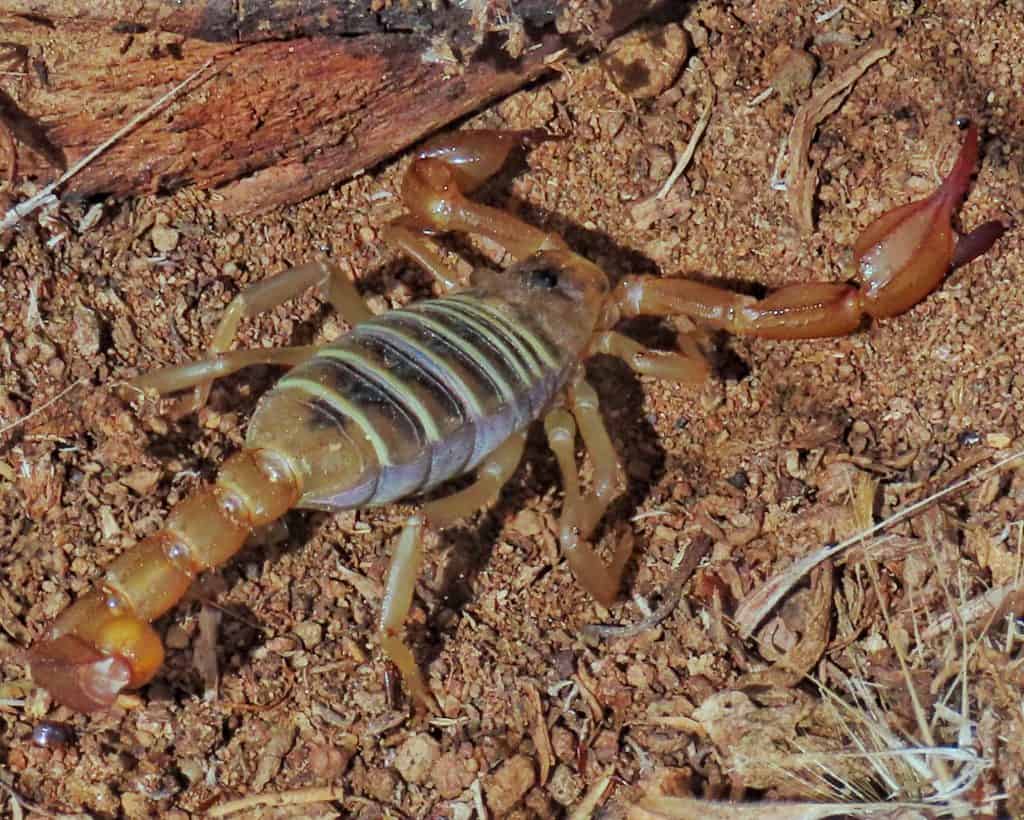
Scorpions in the Pacific Northwest? Absolutely. Southeastern Idaho has dry, sandy country that feels a world away from Seattle’s evergreens, and Bruneau Dunes State Park is home to three kinds of scorpions. These small arachnids spend much of the day sheltered from the heat, which is why the real adventure starts after dark. Under ultraviolet light, a scorpion’s outer covering can glow an eerie blue-green, turning an ordinary patch of desert into something straight out of a science-fiction movie.
Where to look: Bruneau Dunes offers guided scorpion walks on some Friday and Saturday nights in summer, generally when nighttime temperatures reach 70 degrees. Programs depend on the weather and park schedule, so check with the park before making the drive. This is one animal best appreciated from a respectful distance: stay with the guide, wear closed-toe shoes, and never pick up a scorpion.
3. Giant Pacific Octopuses
©Pacific North West Wildlife Coalition
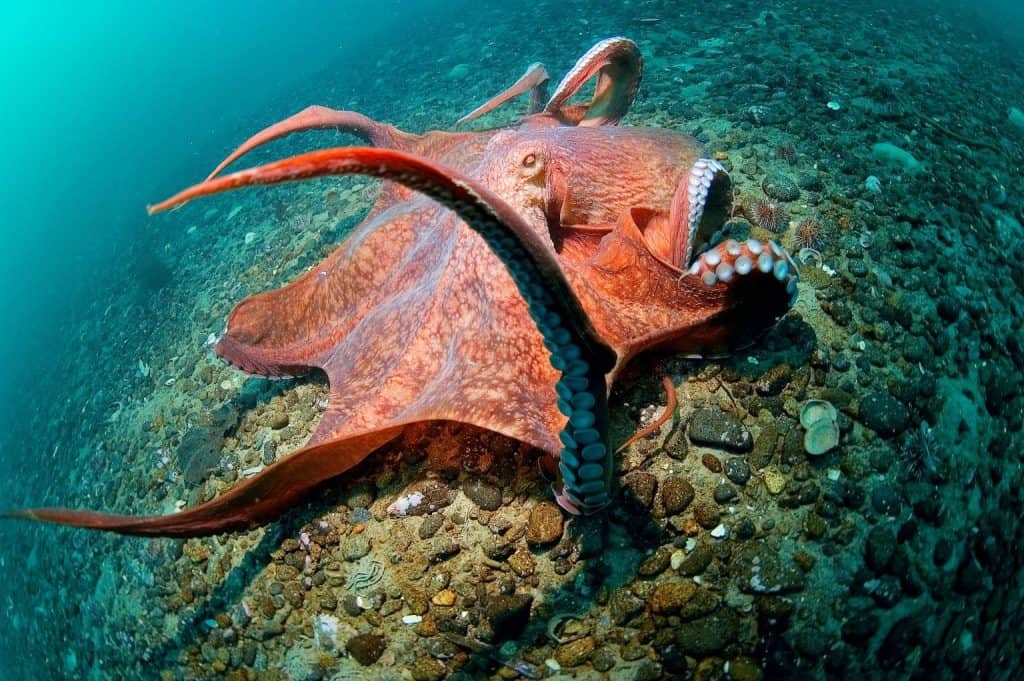
Hidden beneath the surface of Puget Sound is one of the most remarkable animals on Earth. The giant Pacific octopus has three hearts, blue blood, eight powerful arms, and an extraordinary ability to change its color and skin texture. It can solve problems, squeeze through surprisingly small openings, and vanish into a rocky den with almost no warning. An animal this impressive sounds as though it belongs in a tropical reef documentary, yet it lives in the cold, dark waters right beside Seattle.
Where to look: The Seattle Aquarium’s Pier 59 habitat is the dependable option for getting a close look at this local species. Certified divers sometimes encounter giant Pacific octopuses in Puget Sound, but there is no reason to expect one during a casual beach walk. Allow time to watch the animal carefully; it may be resting in its den rather than actively swimming, and that is part of what makes the sighting feel special.
4. Olympic Marmots
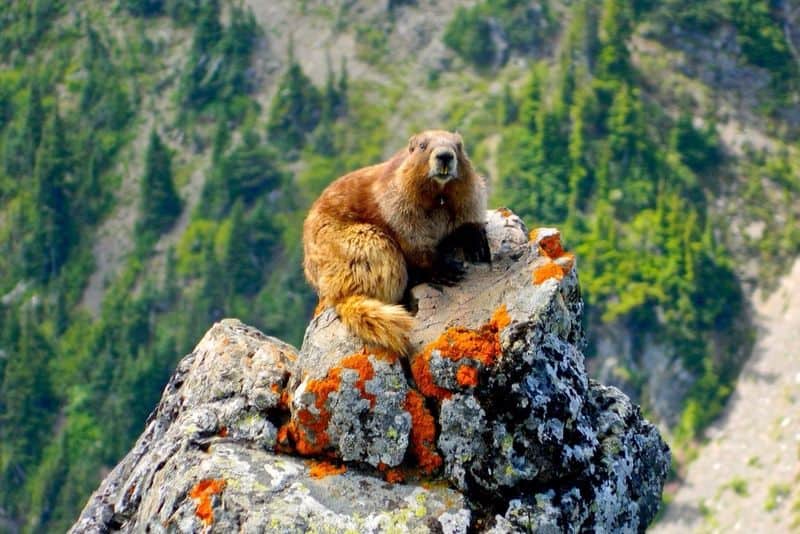
©Washington Park Service
This chunky, whistle-blowing rodent is one of the Pacific Northwest’s true originals. The Olympic marmot lives in Washington’s Olympic Mountains and nowhere else on the planet. It resembles an oversized ground squirrel with a bushy tail, but its behavior can be even more entertaining than its looks. Marmots lounge on rocks, feed in alpine meadows, and issue sharp warning calls when something catches their attention. Families often live in social groups, which makes a sighting especially memorable.
Where to look: Summer walks around Hurricane Ridge and other high-elevation trails in Olympic National Park offer a reasonable chance to spot one. Listen for whistles and scan the edges of grassy meadows near rocky slopes. Marmots spend a long winter in hibernation, so timing matters. Give them plenty of room, stay on established trails, and do not offer food, no matter how much they seem to be asking.
5. Gumboot Chitons
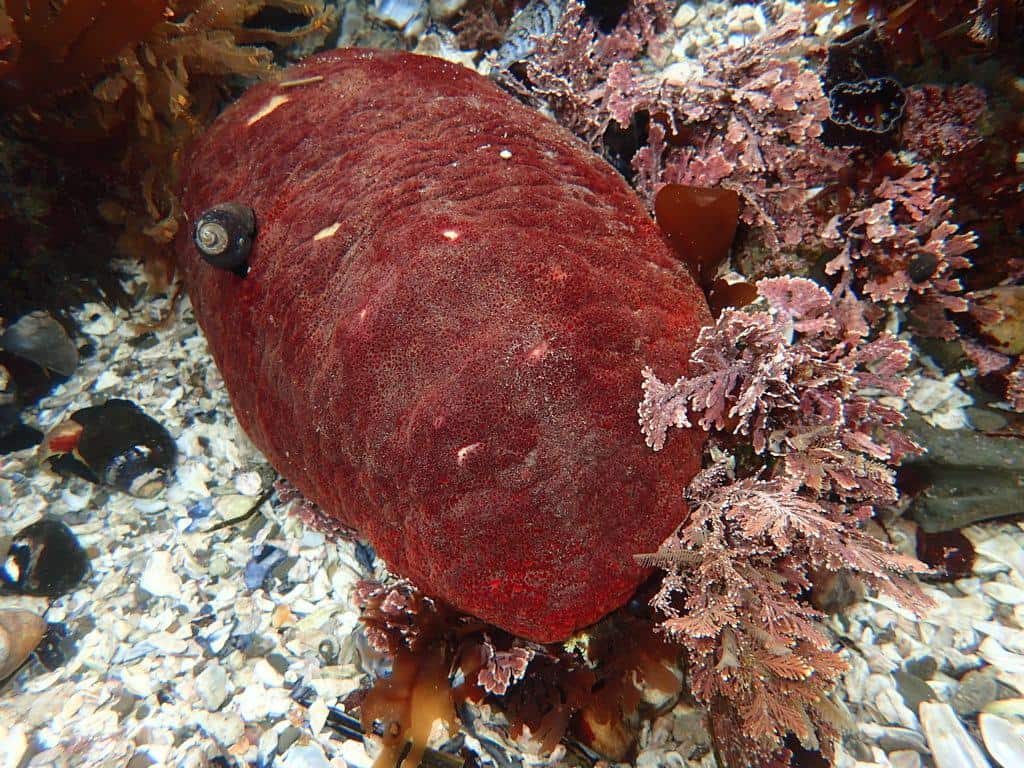
©Pacific North West Wildlife Coalition
Some tide-pool animals are colorful. Others look as though they landed here from another planet. The gumboot chiton falls firmly into the second category. Sometimes nicknamed the ‘wandering meatloaf,’ this large marine mollusk has a reddish, leathery outer covering and a broad oval body that barely resembles the shells most people associate with mollusks. Beneath that unusual covering are eight shell plates. It moves slowly across rocks and scrapes algae from surfaces while waves crash overhead.
Where to look: Yaquina Head Outstanding Natural Area near Newport is a good place to explore rocky tide pools, and the Bureau of Land Management includes gumboot chitons in its local identification guide. Visit during a safe low tide, keep an eye on the surf, and look carefully rather than overturning rocks or peeling animals off the surface. They are easy to overlook despite their size, which makes finding one that much better.
6. Wolf-Eels
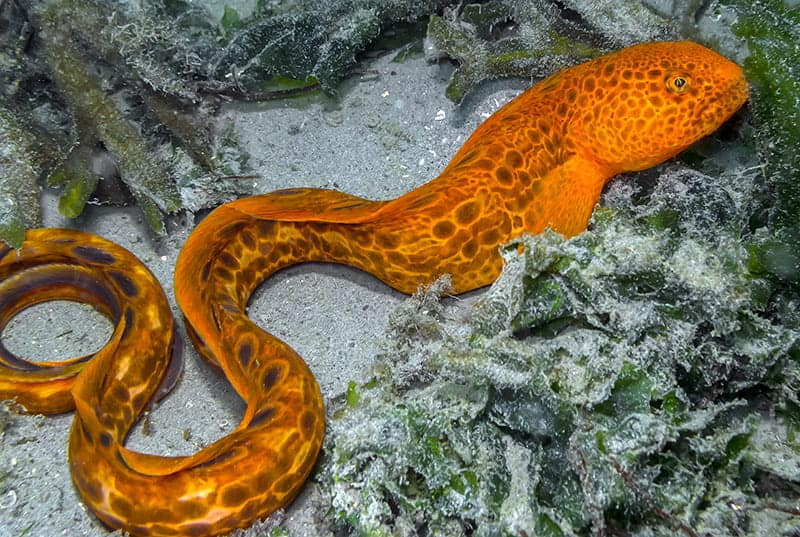
©Pacific North West Wildlife Coalition
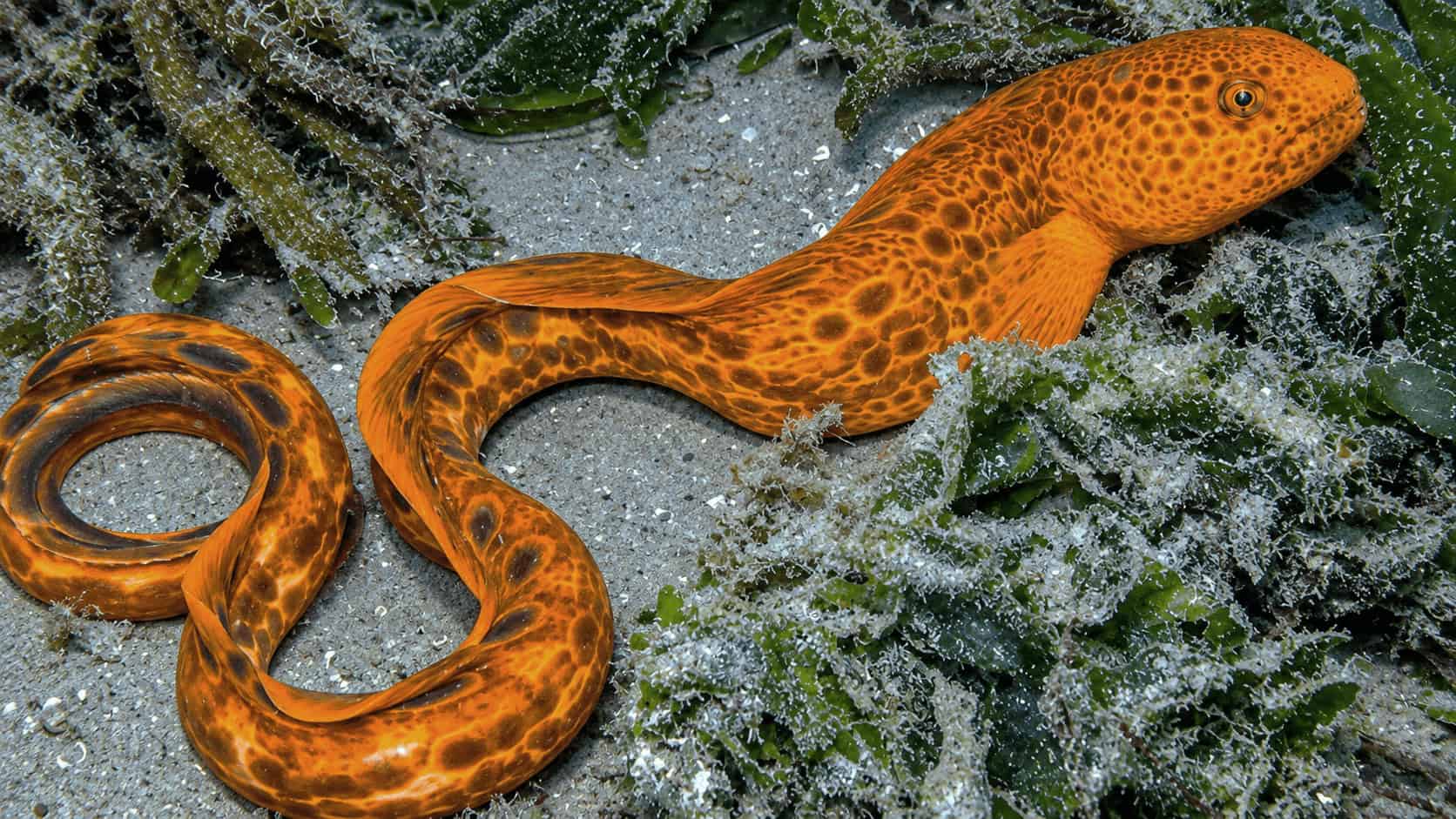
Meet the fish with the face of a grumpy sea monster. The wolf-eel has a long, eel-like body, a broad head, and a mouthful of teeth built for crushing tough prey such as shellfish. Despite its name, it is not a true eel. Adults spend much of their time in rock crevices, sometimes with just their imposing heads poking outside. Their appearance might suggest a terrifying predator, but wolf-eels are a fascinating part of the Northwest’s temperate reef communities, not a creature out to bother swimmers.
Where to look: The Seattle Aquarium displays wolf-eels in its Window on Washington Waters habitat at Pier 59. Divers can also encounter them in rocky Pacific Northwest waters, although an aquarium visit is a much more practical plan for most travelers. Look for an animal sitting calmly inside a den instead of expecting it to patrol the water. Wolf-eels may form long-lasting pairs, and both adults can help guard their developing eggs.
7. Sea Otters
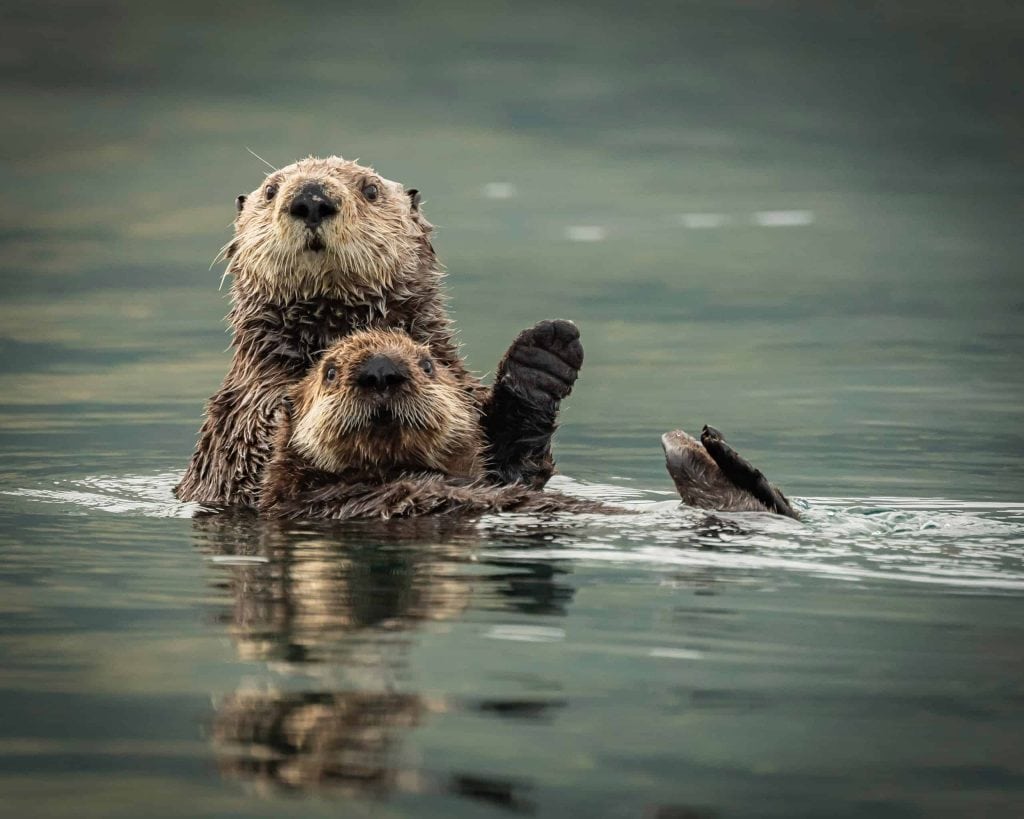
©Laura Hedien/Shutterstock.com
If you’ve only seen sea otters in photographs, the real animal can be surprisingly hard to believe. They float on their backs, wrap themselves in kelp, and use their dexterous front paws to handle shellfish. Their dense fur keeps them warm in the Pacific’s chilly water. Sea otters were wiped out from Washington’s coast during the fur-trade era, then reintroduced from Alaska in 1969 and 1970. Today they are an important part of the coastal ecosystem because their appetite for sea urchins can help protect kelp forests.
Where to look: Scan offshore kelp beds from overlooks along Olympic National Park’s outer coast, including the Kalaloch area. Look for a small dark shape floating belly-up, sometimes with a pale face above the water. These are wildlife encounters, not scheduled performances, and the park warns they can be difficult to spot. Bring binoculars and be prepared to spend some quiet time watching the surf.
8. American Pikas
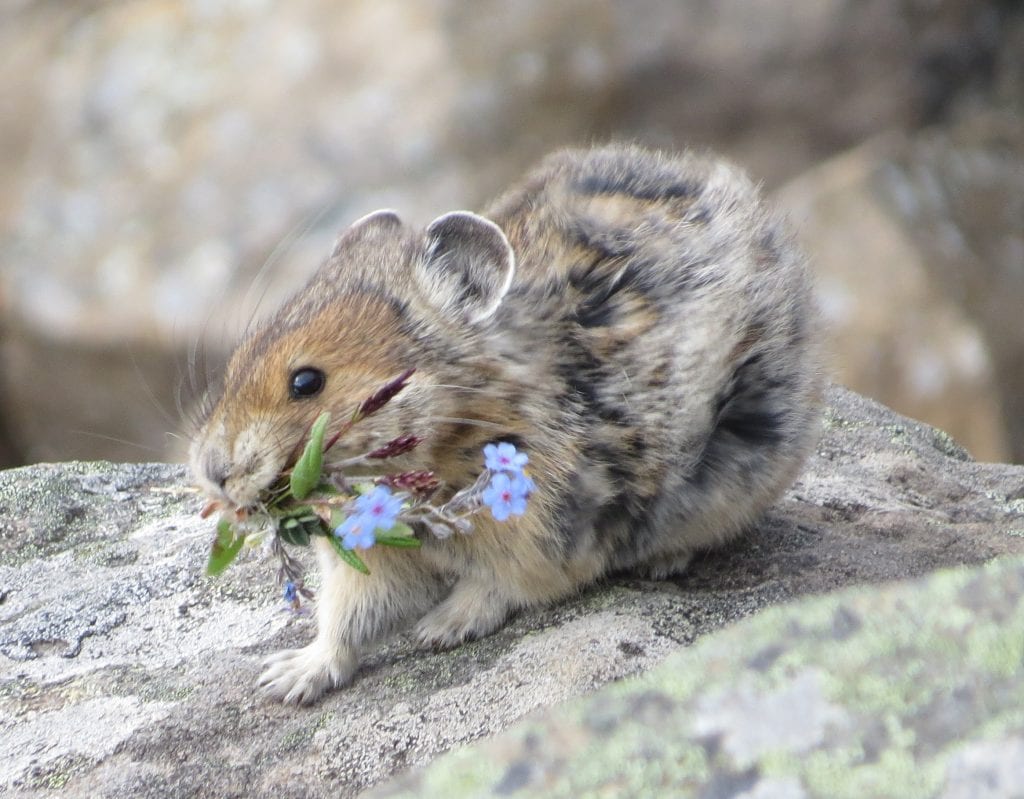
©"American pika (ochotona princeps) with a mouthful of flowers" by Frédéric Dulude-de Broin is licensed under BY-SA 4.0. - Original / License
A pika looks like a tiny rabbit that forgot to grow long ears. This round-bodied mountain mammal is actually a relative of rabbits and hares, not a rodent. It lives among boulder fields, where it races between rocks, gives sharp little warning squeaks, and spends the warmer months gathering plants for winter. Unlike many other alpine mammals, pikas do not hibernate. They survive the cold months using food caches tucked among the stones and tunnels beneath the snow.
Where to look: Scan rocky talus slopes in Mount Rainier National Park during summer hikes, including accessible high-country areas when the roads and trails are open. Hearing a high-pitched call often comes before seeing the animal itself. Watch quietly from the trail and resist the temptation to climb into unstable rock fields. One important distinction: pikas occur at Rainier, but they are not native to the nearby Olympic Mountains.
9. Sea Lemon Nudibranchs
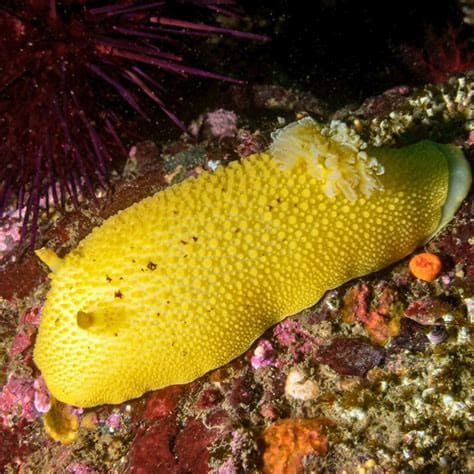
©Pacific North West Wildlife Coalition
The sea lemon looks as though someone dropped a piece of citrus fruit into a tide pool and it came to life. This bright yellow marine slug has a bumpy, citrus-peel-like surface and a delicate ring of exposed gills near its back end. It is a nudibranch, which means it is a shell-less sea slug, and it is much more interesting than its humble name suggests. Its color and unusual body shape make it a standout among the starfish, crabs, and anemones found along the Oregon coast.
Where to look: Yaquina Head’s rocky pools are known habitat for sea lemons; the Bureau of Land Management includes them in its local tide-pool species guide. You will need a low tide, steady footing, and a willingness to peer into the water without disturbing anything. These animals are not guaranteed at every visit. The best approach is to let your eyes adjust and take your time instead of moving rocks or handling marine life.
10. Rhinoceros Auklets
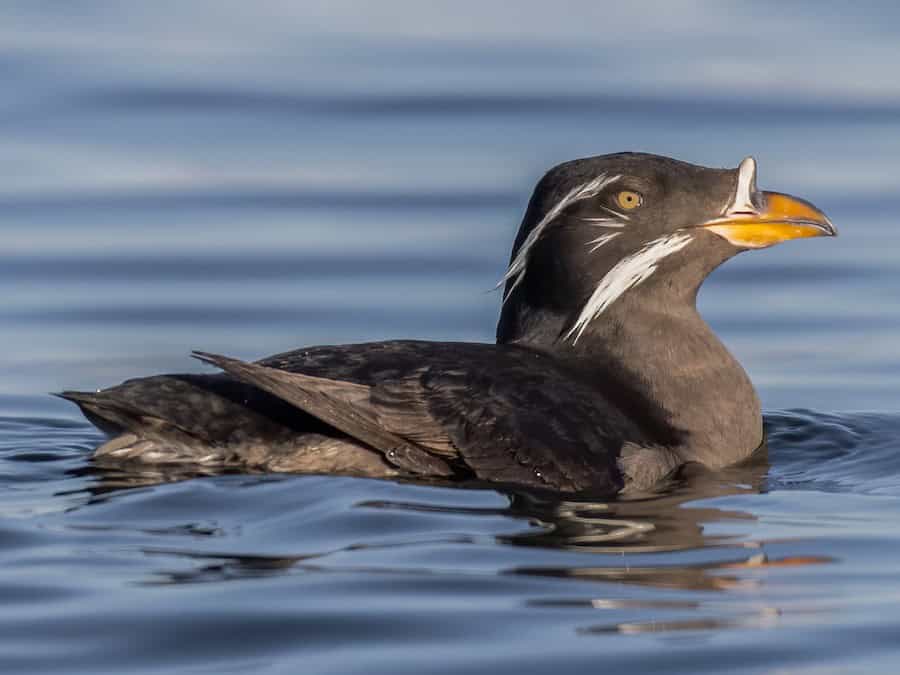
©Pacific North West Wildlife Coalition
A rhinoceros auklet might be mistaken for a small puffin until you notice its most unusual feature: a little pale horn above the bill that becomes prominent during breeding season. These stocky seabirds spend much of their time fishing offshore and return to burrows to raise their chicks. The waters around Protection Island, near Washington’s Olympic Peninsula, support an important nesting colony. Between the horn, bright bill, and dramatic dives, it is one of the Northwest’s stranger-looking birds.
Where to look: Boat-based wildlife excursions in the Strait of Juan de Fuca sometimes offer opportunities to see auklets on the water near Protection Island. Do not plan to land there: the refuge is closed to the public, and boats must respect a 200-yard protection buffer. Since these birds spend much of their time at sea and often approach colonies in low light, an encounter is never guaranteed. Binoculars are worth bringing.
11. Steller Sea Lions
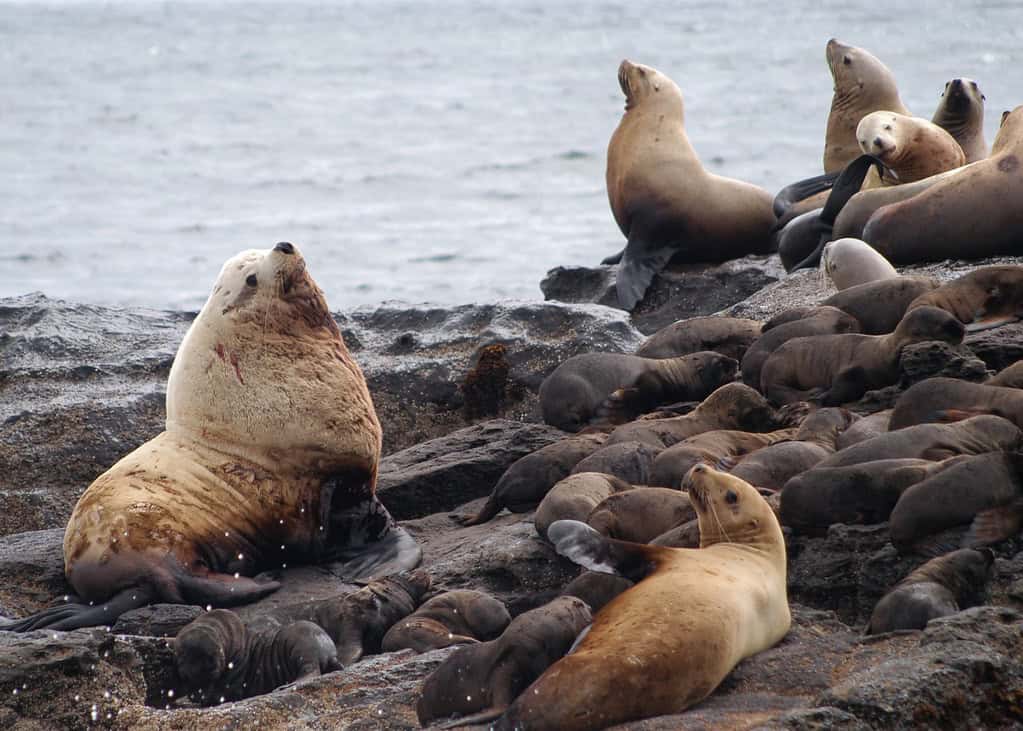
©"071203_steller_sea_lion_rookery_rogue_reef" by Oregon Department of Fish & Wildlife is licensed under BY-SA 2.0. - Original / License
A Steller sea lion looks like an ordinary sea lion after a serious growth spurt. These imposing marine mammals are much bulkier than the California sea lions visitors often see around waterfront docks. Their loud calls and the sight of several enormous animals crowded onto a rocky ledge make an unforgettable wildlife spectacle. Yet they are not zoo animals here: the sea lions move freely between the Pacific Ocean, offshore rocks, and a natural sea cave on Oregon’s central coast.
Where to look: Sea Lion Caves, about 11 miles north of Florence, gives visitors a chance to observe the animals from designated viewing areas. According to the attraction, they are generally in the cave during colder months and often gather on rocks outside during breeding season. The cave is a wild habitat, not a holding pen, so no visit comes with a guarantee. Check the current viewing information before heading down Highway 101.
12. Rough-Skinned Newts
©Pacific North West Wildlife Coalition
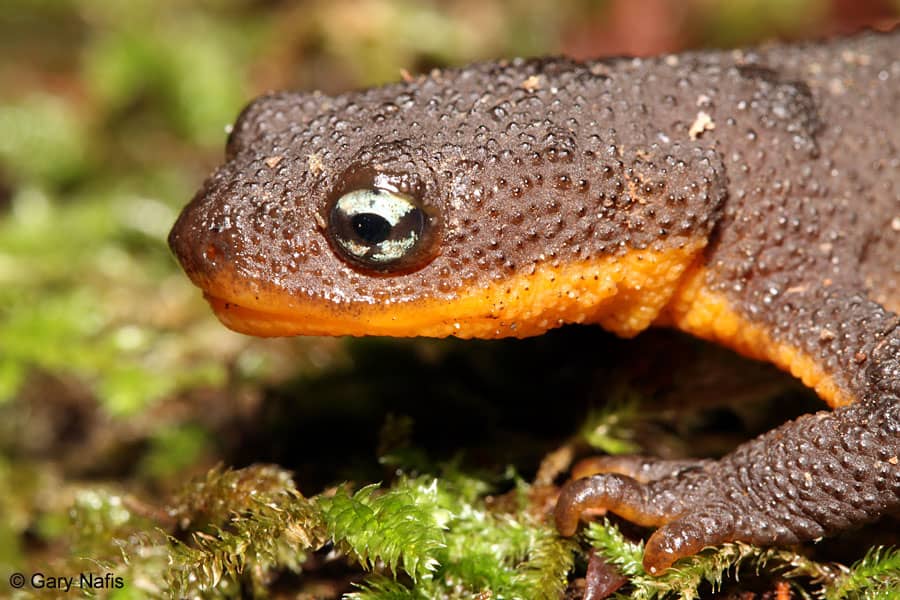
A rough-skinned newt does not immediately look extraordinary. Its back is a muted brown, and its movements are slow and deliberate. Then it reveals a bright orange underside that serves as a warning. This amphibian’s skin contains a potent toxin, which is why curious hikers should never pick it up. Newts are native to the damp forests of the Pacific Northwest and help illustrate how much life is hiding just beneath the towering trees and moss-covered logs.
Where to look: Olympic National Park lists rough-skinned newts among the amphibians of its lowland forests. Park materials mention them around the Heart O’ the Hills area, particularly on wet days when they may move across the forest floor. Watch the trail while hiking after rain, and enjoy any encounter without touching, moving, or handling the animal. These are not brightly colored pets; they are wild amphibians with a good reason for their warning colors.
13. Western Grebes
©Danita Delimont/Shutterstock.com
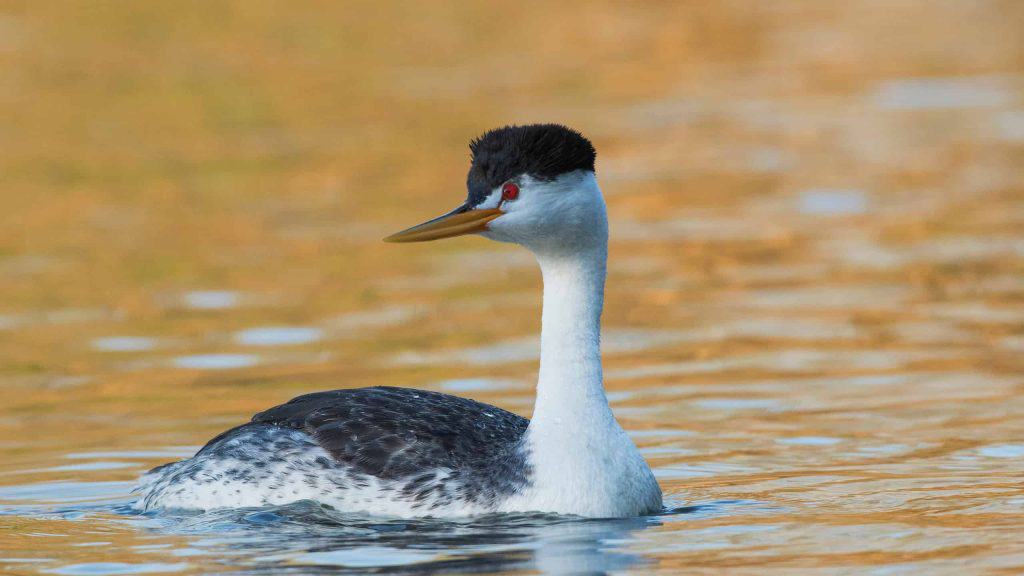
Some wildlife spectacles hardly seem possible until you see them. During courtship, pairs of western grebes may rush across the surface of the water together, their bodies held upright and their feet moving fast enough to keep them skimming along. These long-necked waterbirds have striking red eyes and an elegant black-and-white pattern, but it is their synchronized dance that makes them unforgettable. The display is part of a real breeding ritual, not a trained performance for spectators.
Where to look: Minidoka National Wildlife Refuge in southern Idaho specifically notes western grebes dancing on Lake Walcott in early summer. Bring binoculars and look across open water from permitted public viewing areas. Courtship activity depends on timing and behavior, so you may see grebes swimming or nesting rather than performing the famous dance. Even without the show, their sharp profiles make them beautiful birds to watch.
14. Pacific Spiny Lumpsuckers
©Animal Planet
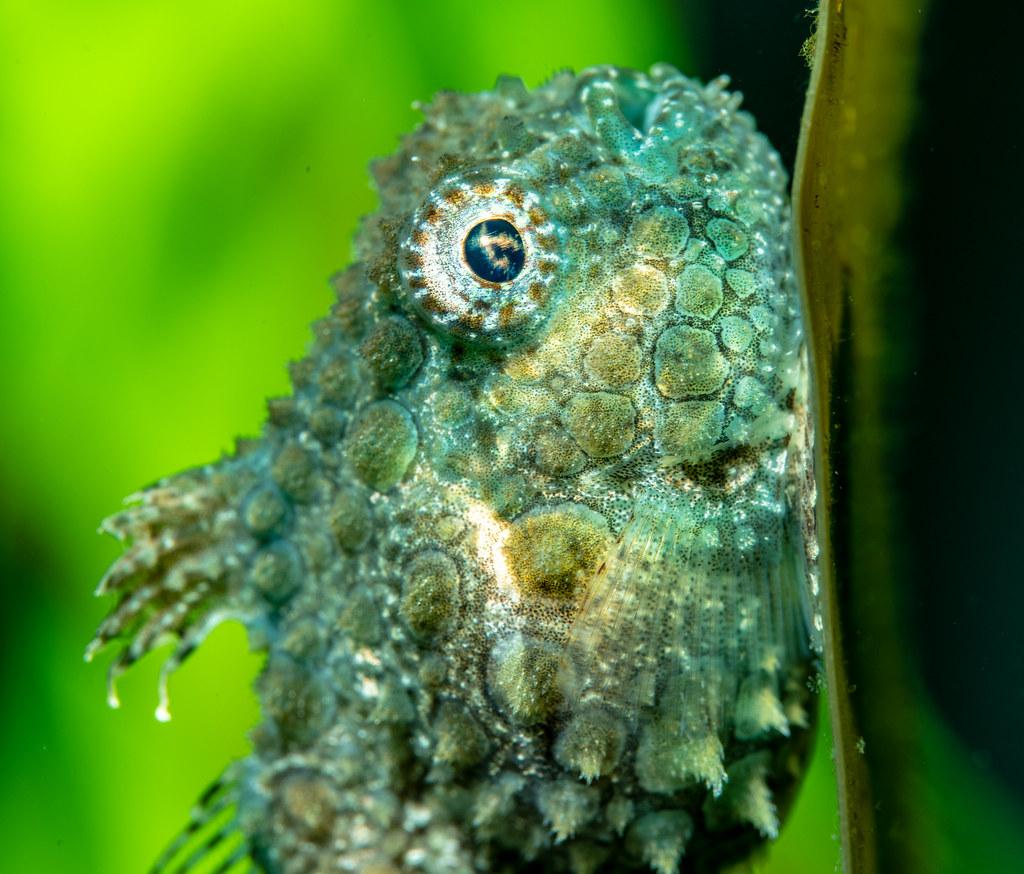
With a round, knobby body and an almost comically serious expression, the Pacific spiny lumpsucker could pass for a tiny underwater toy. But this is a real fish from the North Pacific, including Puget Sound. Its most impressive trick is hidden underneath: modified pelvic fins form a suction disc that helps it cling to rocks or other surfaces instead of fighting the current all day. That makes its peculiar shape a practical adaptation rather than just a great subject for an animal photograph.
Where to look: The Seattle Aquarium lists Pacific spiny lumpsuckers in its Puget Sound Fish habitat on Pier 60. They are small and easy to overlook, so slow down at the viewing window and look closely. Spotting one while swimming or walking along a beach would be a much tougher proposition; the aquarium is the accessible way for most visitors to meet this delightfully odd local resident.
15. Banana Slugs
©Animal Planet
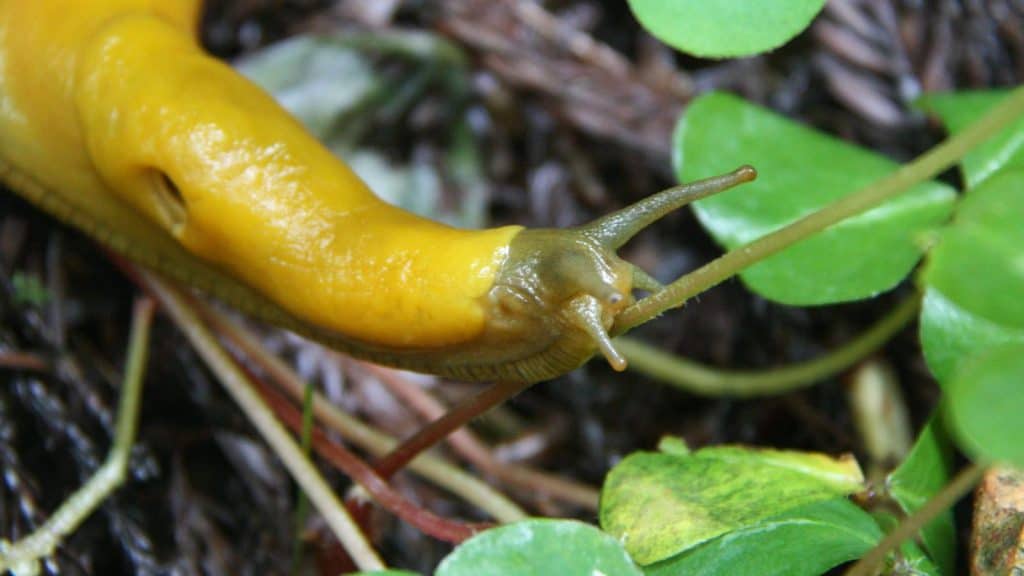
No, someone did not drop a banana on the trail. The banana slug is a large native mollusk that can appear bright yellow, mottled brown, or even dark and heavily spotted. Its slow crawl and glossy coat make it an unmistakable character of the Northwest’s temperate rainforests. Slugs might not get the attention that bears and elk receive, but these forest-floor recyclers play an important job breaking down plant material and returning nutrients to the soil.
Where to look: Take a slow walk through the Hoh Rain Forest in Olympic National Park after a shower or on a humid morning. Look along damp sections of trail, mossy wood, and leaf litter without wandering off established paths. The National Park Service identifies the Hoh and Quinault forests as particularly good banana slug habitat. They are often easier to find than many creatures on this list, and they make a fitting reminder that the PNW’s weirdest wildlife is sometimes right under your feet.

