
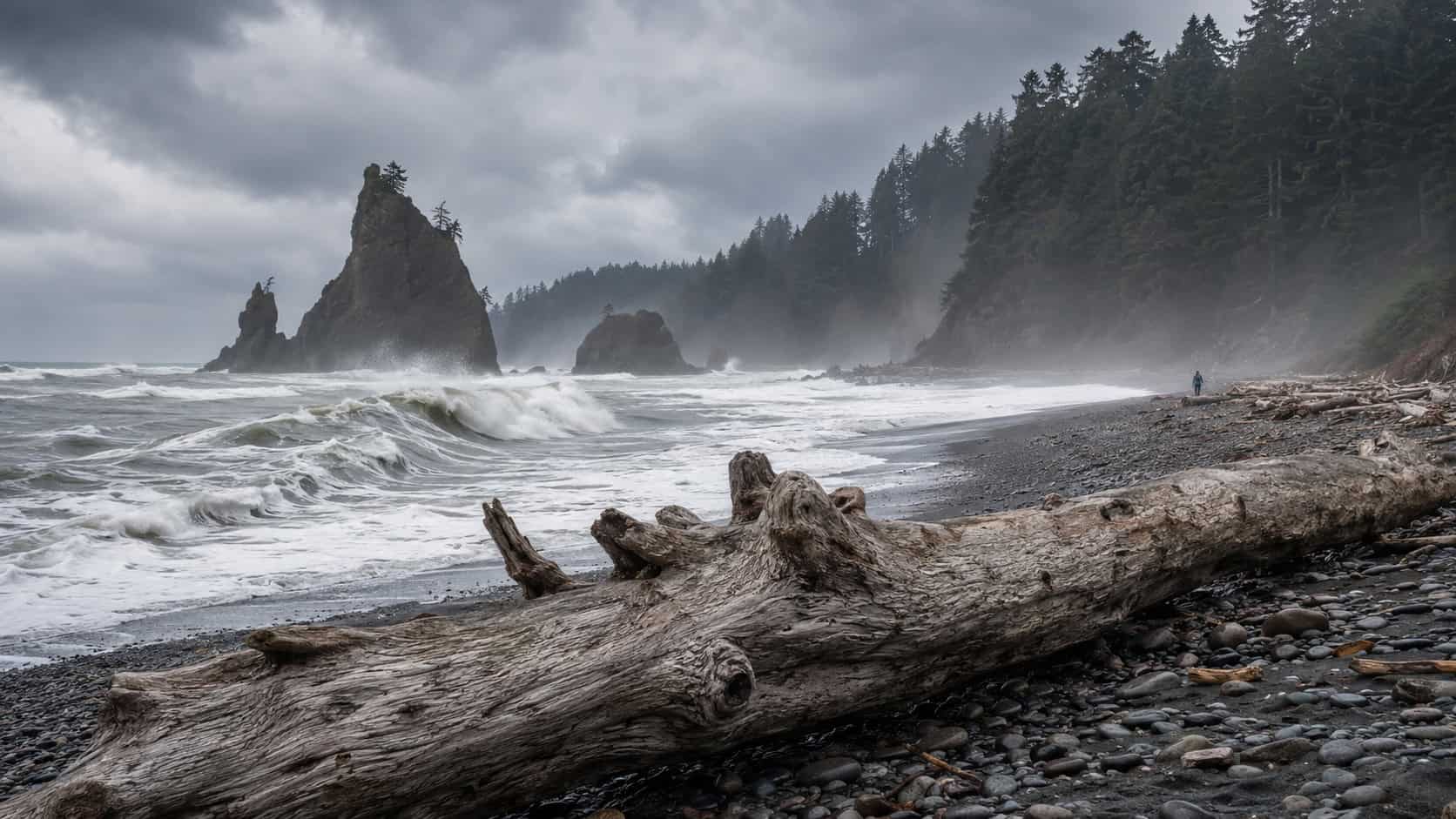
The Pacific Northwest has some of the most beautiful beaches in the country, but these are not warm, forgiving resort shorelines. Along Washington and Oregon, cold water, powerful surf, eroding cliffs, massive driftwood and shifting sandbars can turn a peaceful scene dangerous with little warning. Many stretches also lack lifeguards and immediate rescue services, making a routine walk or quick swim riskier than visitors may expect.
Sneaker waves are among the region’s most frightening hazards. These unusually large waves may arrive after a lull of 10 to 20 minutes, when the surf appears calm and predictable. The National Weather Service warns that some can surge more than 150 feet up the beach. They can knock down adults, cut off escape routes and pull people into frigid water before anyone has time to react.
Driftwood makes those waves even more dangerous. Logs that appear permanently lodged in the sand can be lifted by only a few inches of water. Once saturated, they may weigh hundreds of pounds or several tons. A wave can roll a log over someone, pin a person beneath it or turn it into a battering ram. Visitors should stay off logs near the surf, even when the water seems far away.

©"Beach" by Sean MacEntee is licensed under BY 2.0. – Original / License
Entering the ocean introduces another threat. Rip currents form when water pushed toward shore finds a narrow route back to sea. They can carry swimmers away from land faster than many people can swim. The Northwest’s cold water then accelerates exhaustion and can cause cold-water shock or loss of muscle control within minutes. With few lifeguards available, an impulsive rescue attempt can easily produce a second victim.
Tides also endanger people who never intend to swim. Rocky points and headlands that are passable at low tide can become barriers as the water rises. Hikers may find their return route covered by pounding surf, while storms can raise water above predicted levels. The National Park Service warns that some Olympic Coast routes can remain impassable during daylight for several consecutive days.
The danger continues above the waterline. Oregon’s sandstone headlands can crumble without warning, while rain, algae and sea spray make rocks exceptionally slippery. Tsunamis are far less common, but a locally generated event could reach some communities within minutes. Sharks and other animals inhabit Northwest waters, but waves, currents, cold water, tides, driftwood, unstable cliffs and isolation remain the greatest threats.
This is not a statistical ranking, since no single agency tracks every drowning, fall, rescue and near miss by beach. These locations were selected using documented incidents, official warnings and hazardous physical features. None must be avoided entirely, but each demands planning, constant attention and a willingness to leave when the ocean, tide or weather begins to change.
Long Beach, Washington
NW Escape; Long Beach Peninsula, WA
©PNW Travel Guide
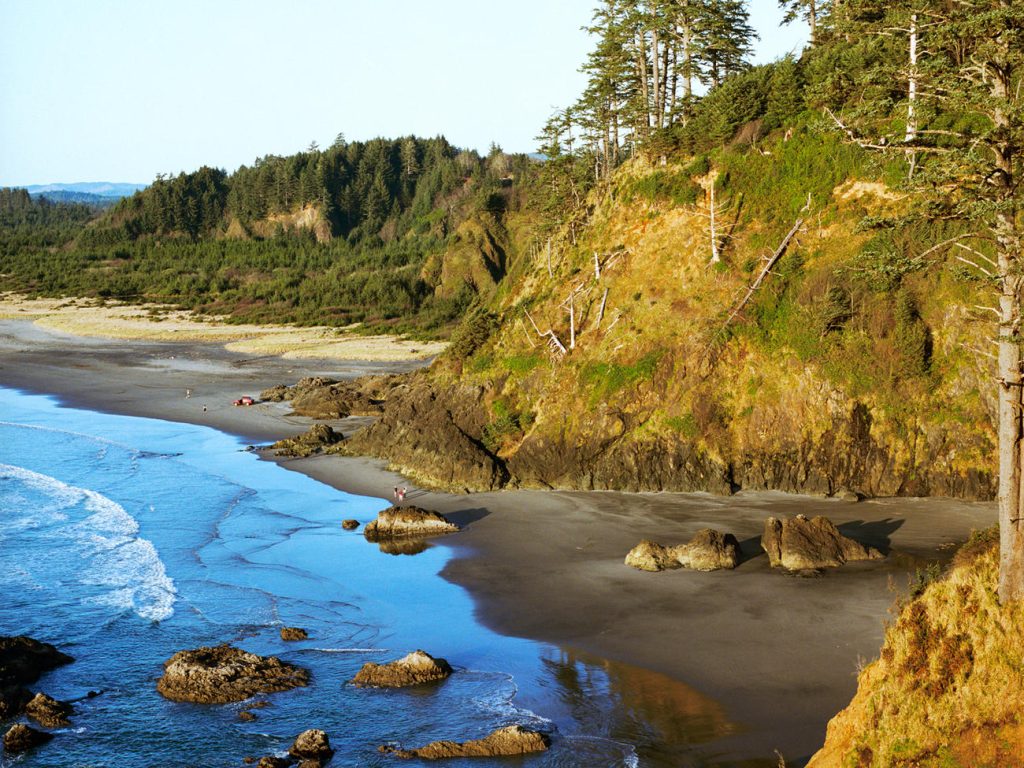
Long Beach looks welcoming because its broad sand seems to offer plenty of room between visitors and the Pacific. The danger is in the water, where shifting sandbars, steep drop-offs and strong rip currents combine with a coast that generally has no lifeguards. In May 2025, a 15-year-old swimmer disappeared and was presumed drowned. Two men who entered the surf to help him also had to be rescued and were taken to a hospital for possible hypothermia. The reported water temperature was only 54 degrees, a reminder that even modest waves can become deadly when cold shock and exhaustion arrive quickly.
Ocean Shores, Washington
Ocean Shores combines several hazards in one heavily visited stretch of coast. The city reports average water temperatures from the mid-40s to the mid-60s, warns that no lifeguards patrol the beach and recommends a life jacket even near the water’s edge. Rip currents, sneaker waves, unstable jetty rocks and rolling logs threaten people on foot, while cars share portions of the hard-packed sand with children, dogs and wildlife. The entire developed community also lies within a mapped tsunami-inundation area. Visitors must watch the water, incoming tide and beach traffic at the same time, making misplaced confidence especially dangerous here.
Half Moon Bay, Westport, Washington
Half Moon Bay sits beside the entrance to Grays Harbor, where tidal flow, ocean swell and nearby jetty structures can produce unpredictable water. The risk is not limited to swimmers. In January 2026, a 52-year-old man fishing with a friend was swept away by an incoming tide and wave action. Bystanders pulled him from the water, but he was unresponsive and was presumed drowned. The county coroner used the incident to urge visitors to monitor conditions and wear flotation devices. Anglers standing near the surf can be focused on their lines instead of the next wave, while cold water and rocks leave little margin for recovery after a fall.
Rialto Beach, Washington
©PNW Travel Guide
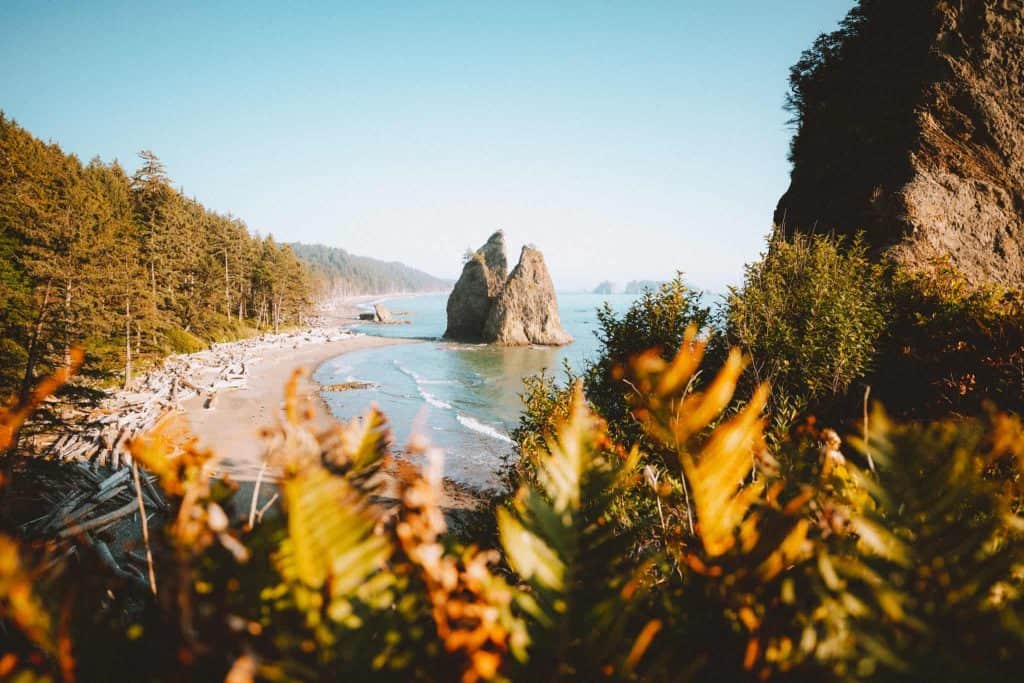
Rialto Beach is famous for pounding surf, sea stacks and enormous drift logs, all of which can become dangerous during rough weather. In September 2023, a 26-year-old woman was swept into the ocean by strong currents. The Coast Guard searched roughly 51 square miles for more than five hours before park rangers found a body matching her description. A gale warning and small-craft advisory were active as wind and heavy rain struck the coast. Visitors hiking toward Hole-in-the-Wall face another hazard: rising tides can cover passages around headlands and force a retreat. Checking the tide chart is essential, even when the outing begins under calm skies.
Shi Shi Beach, Washington
Shi Shi Beach rewards visitors with a wild coastline, but its remoteness raises the consequences of every injury, illness or navigation mistake. Reaching the beach requires a two-to-four-mile approach, and some headlands cannot be rounded even at the lowest tide. Campers must stay above the high-water line, carry a tide chart and treat stream water because giardia and cryptosporidium may be present. A July 2026 medical emergency required the Coast Guard to perform a 110-foot helicopter hoist for a sick 15-year-old, illustrating how difficult evacuation can be. Heavy rain can also make Petroleum Creek harder to cross and turn the access route into deep mud.
Ruby Beach, Washington
Ruby Beach is easy to reach compared with many Olympic wilderness beaches, which can make its hazards easier to underestimate. The shore is frequently covered with large driftwood, and the National Park Service warns that powerful waves can roll or tumble beach logs. Incoming tides can narrow the usable sand, while storms and strong winds elevate water levels and produce unpredictable surf. Cold water, rip currents and limited immediate rescue coverage make casual swimming particularly risky. Visitors exploring sea stacks or tide pools should keep an open route back to higher ground and avoid standing between the ocean and a pile of logs that could suddenly shift.
Indian Beach, Oregon
Indian Beach sits in a scenic cove at Ecola State Park, but the surrounding rocks and headlands can hide the strength of its currents. In January 2025, a father and his 15-year-old son were swept north while boogie boarding and became stranded on a rock. Ocean conditions prevented a simple shore rescue, so a Coast Guard helicopter hoisted them to safety. The Cannon Beach Fire District said it was one of five rescues handled during that week. Rip currents can carry swimmers toward rocks, while sneaker waves sweep over areas that looked dry moments earlier. The cove’s beauty should not be mistaken for protection from the open Pacific.
Falcon Cove, Oregon
©PNW Travel Guide
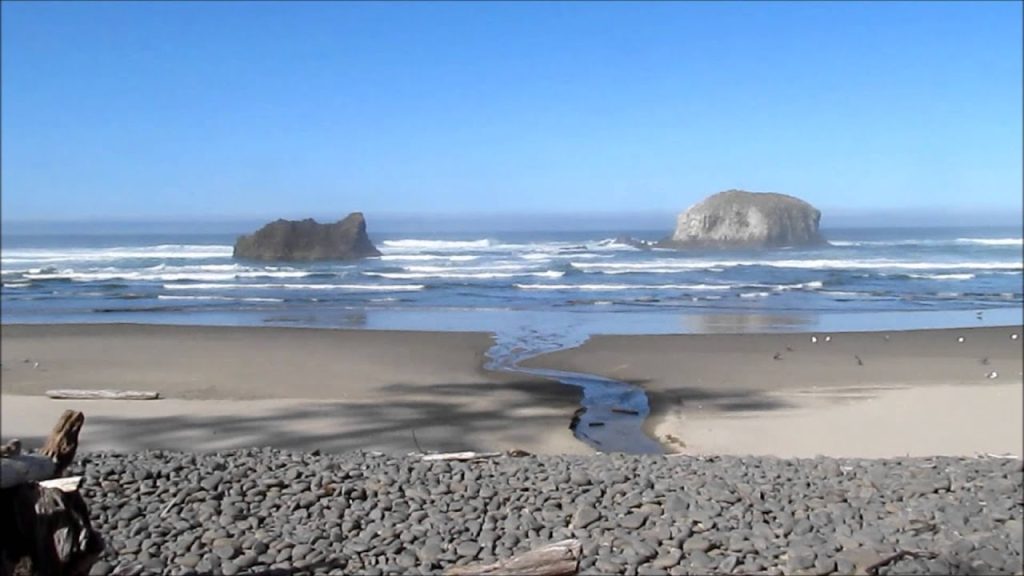
Falcon Cove demonstrates how far a dangerous wave can travel beyond the normal surf line. In January 2020, a father and his two young children were swept from an off-beach trail during a period of high waves. The father survived, but his 7-year-old daughter died and his 4-year-old son was not found. The family was not swimming when the water reached them. The tragedy shows why a bluff, trail or apparently dry stretch of sand should not automatically be considered safe during high-surf conditions. Falcon Cove’s confined shoreline and limited escape options make checking forecasts vital before approaching the water.
Cape Kiwanda, Oregon
Cape Kiwanda is dangerous above and below the surf. Its sandstone cliffs are actively eroding, and Oregon State Parks warns that the edge can crumble without warning. People have died after crossing the safety fences. In 2023, a 25-year-old man went beyond a barrier, slipped and fell about 20 feet to the water’s edge. He was knocked unconscious, swept away by waves and found dead the following day. Sea caves have also created sinkholes in the dune, prompting officials to move a fence back by about 50 feet. Visitors should treat every barrier as a warning about unstable ground, not as an obstacle between them and a better photograph.
Devils Punchbowl, Oregon
Devils Punchbowl is a collapsed sea cave where winter surf surges into a rocky basin with tremendous force. The spectacle draws visitors toward cliffs, wet stone and viewpoints above a steep drop. In June 2026, a woman fell onto rocks below the park. Firefighters rappelled down, delivered advanced life support and coordinated a Coast Guard helicopter hoist, but she later died from her injuries. Local responders warned visitors to avoid fenced areas and use extreme caution near coastal cliffs. Anyone exploring tide pools below the formation also has to time the visit carefully, because rising water can transform a walkable rock shelf into a violent surf zone.
Siletz Bay, Oregon
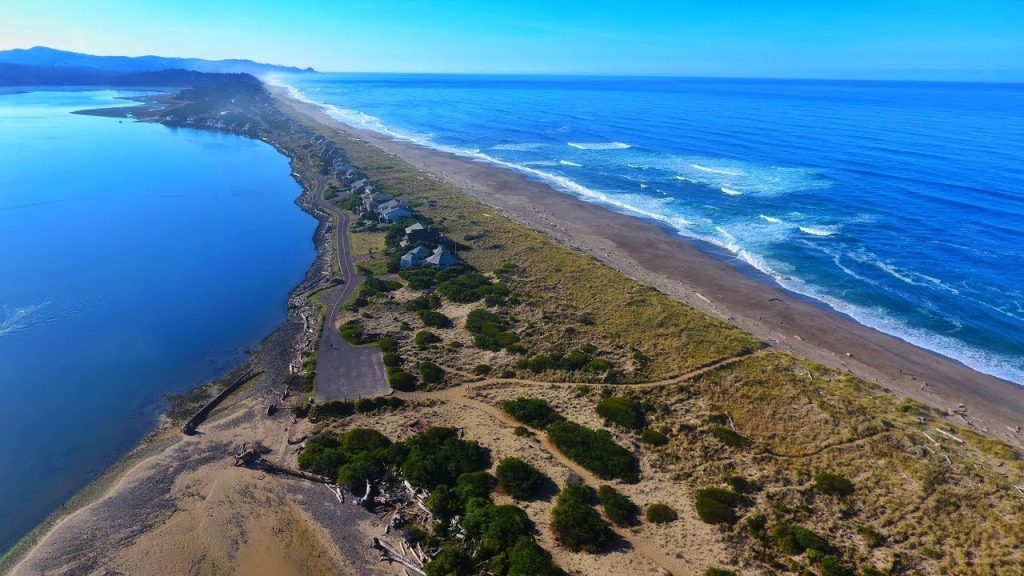
The mouth of Siletz Bay can create powerful, concentrated flow as tidal water moves between the bay and the Pacific. In October 2025, a person near the mouth became trapped in a strong current and was pulled out to sea. Fire crews launched two personal watercraft, while the Coast Guard sent boats and a helicopter and police searched with a drone. Despite the rapid response, the victim was found dead. River and bay mouths are especially deceptive because the surface may not resemble a classic breaking-wave rip current. Currents can change with tide, rainfall and surf, so wading or walking near the channel can become hazardous with little warning.
South Jetty Beach, Bandon, Oregon
South Jetty Beach offers a grim example of why driftwood should never be treated like playground equipment. In March 2017, a 14-year-old girl was standing on a waterlogged log with friends when wave action and the receding tide caused it to roll over her. She died from her injuries. The ocean can move logs that weigh hundreds of pounds or several tons, even when they appear firmly embedded in the sand. The nearby jetty adds another concern because hard structures can intensify and redirect currents. Visitors should stay off driftwood near the high-water line, avoid the jetty during rough surf, and never turn their backs on incoming waves.

