
America’s traditional shopping malls are changing, but their second acts look very different from place to place. Some have been demolished to make room for apartments and new retail streets. Others have been adapted into offices, senior housing, training centers, or community services. A few never fully closed and have simply added homes and public spaces alongside stores that are still in business.
These makeovers can help communities reuse well-located land, but they are not guaranteed success stories. Financing can fall apart, timelines can slip, and not every proposal makes it past the drawing board. Some projects on this list are fully operating, others are under construction, and a handful are still searching for a workable future.
Seattle Travel looks at 14 mall properties around the country, including major transformations in Kirkland and Seattle. The status updates draw on state and local government records, developers’ project information, and reporting from regional news outlets.
North DeKalb Mall, Georgia
©"Gadzooks - North DeKalb Mall (Fear Street Set) Atlanta, GA May 2019" by MikeKalasnik is licensed under BY-SA 2.0. - Original / License
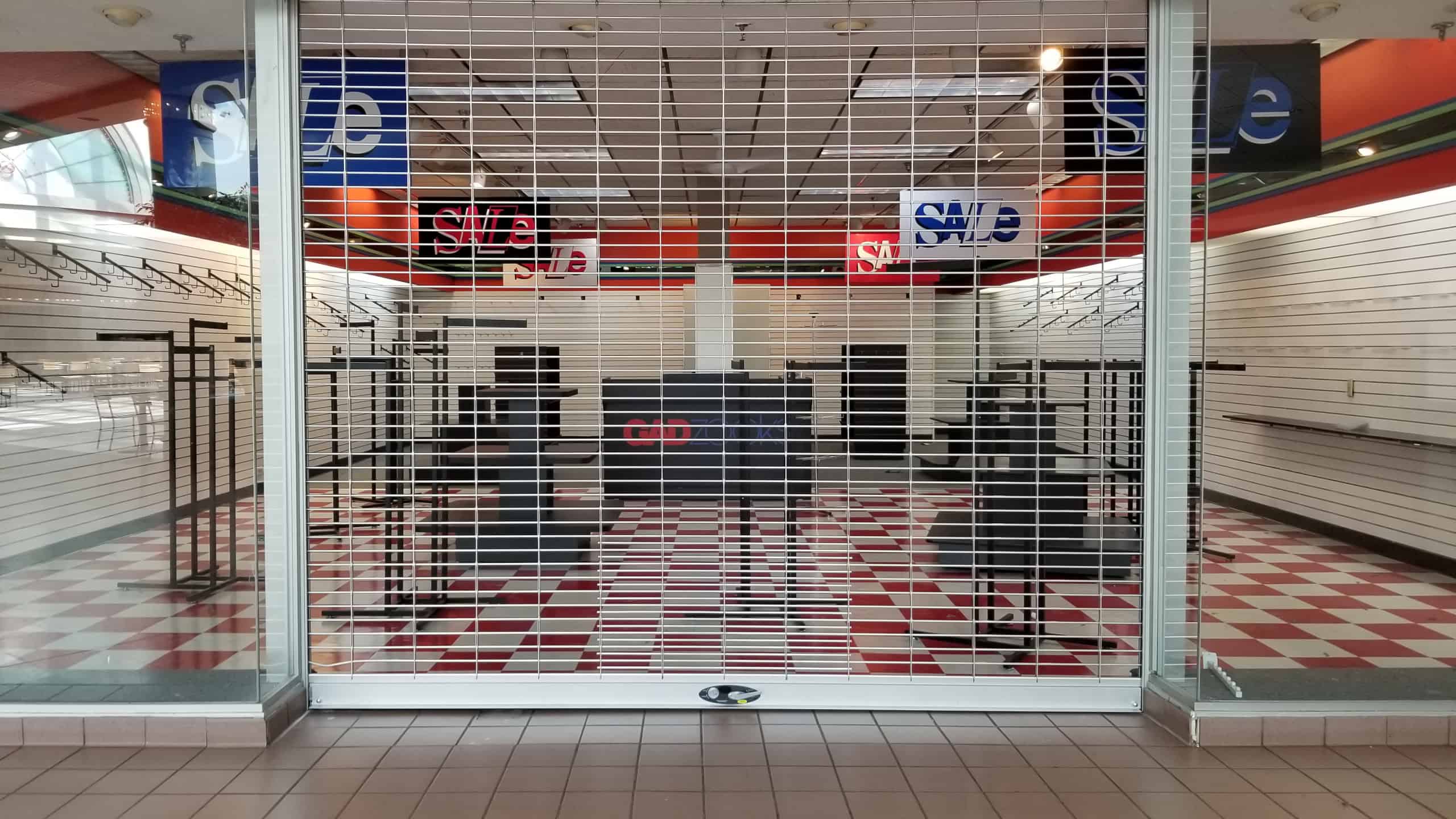
North DeKalb Mall near Decatur is giving way to Lulah Hills, a 78-acre mixed-use neighborhood with new shops, restaurants, homes, and green space. Demolition of the old enclosed mall began in 2024, and construction was visibly progressing throughout 2026. Developer EDENS plans roughly 1,700 apartments and 92 townhomes across the broader project, though those homes will arrive in phases rather than all at once.
The first wave of new retail is expected in 2027, with Publix, Anthropologie, and L.L.Bean among the announced tenants. The existing AMC theater and Marshalls remained open during construction. It is a major transformation of a shopping destination, but it is not a finished neighborhood yet.
Crystal Mall, Connecticut
©"Crystal Mall, (Waterford, Connecticut)" by jjbers is licensed under BY 2.0. - Original / License
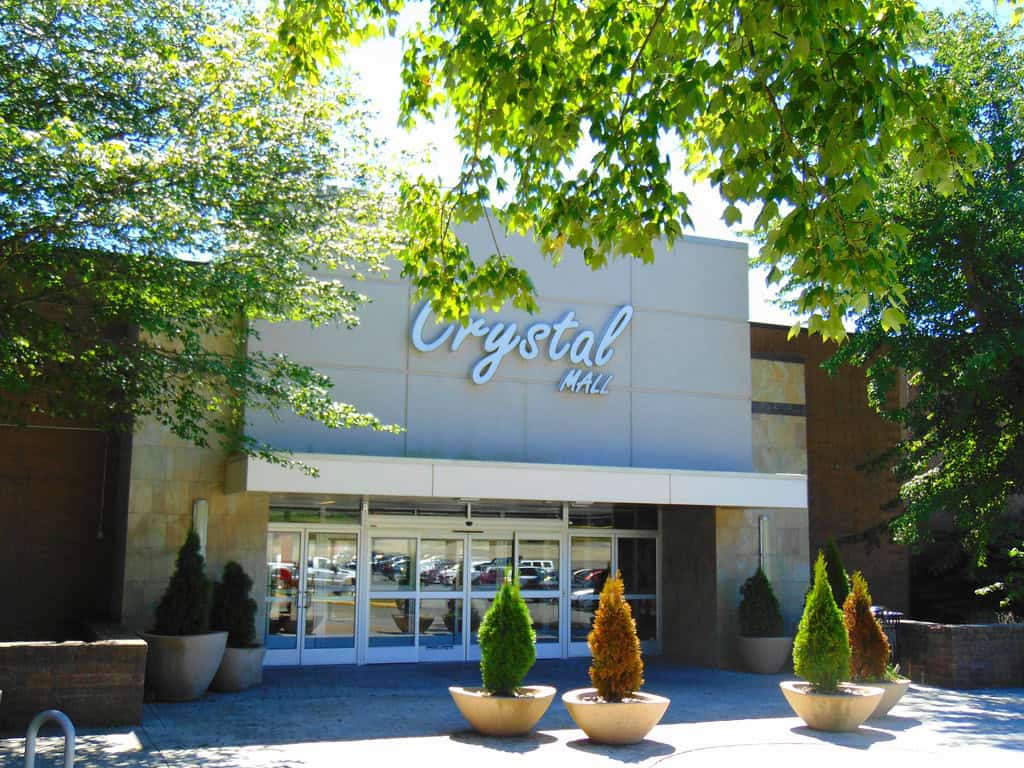
After more than four decades in Waterford, Crystal Mall closed in March 2026. General Dynamics Electric Boat acquired the property to create a satellite campus for engineering, training, software development, and other work supporting its submarine programs. Unlike projects centered on new apartments, this one is turning a former retail destination into a large employment site.
The conversion is taking place in phases, with training spaces among the first areas being adapted and work on the former Macy’s store planned for late 2026. Electric Boat has projected that about 4,000 to 5,000 employees could eventually work at the campus, with a broader opening target in 2027. The former Sears property was not part of the acquisition.
Pentagon Centre, Virginia
©"Fashion Centre at Pentagon City" by m01229 is licensed under BY 2.0. - Original / License
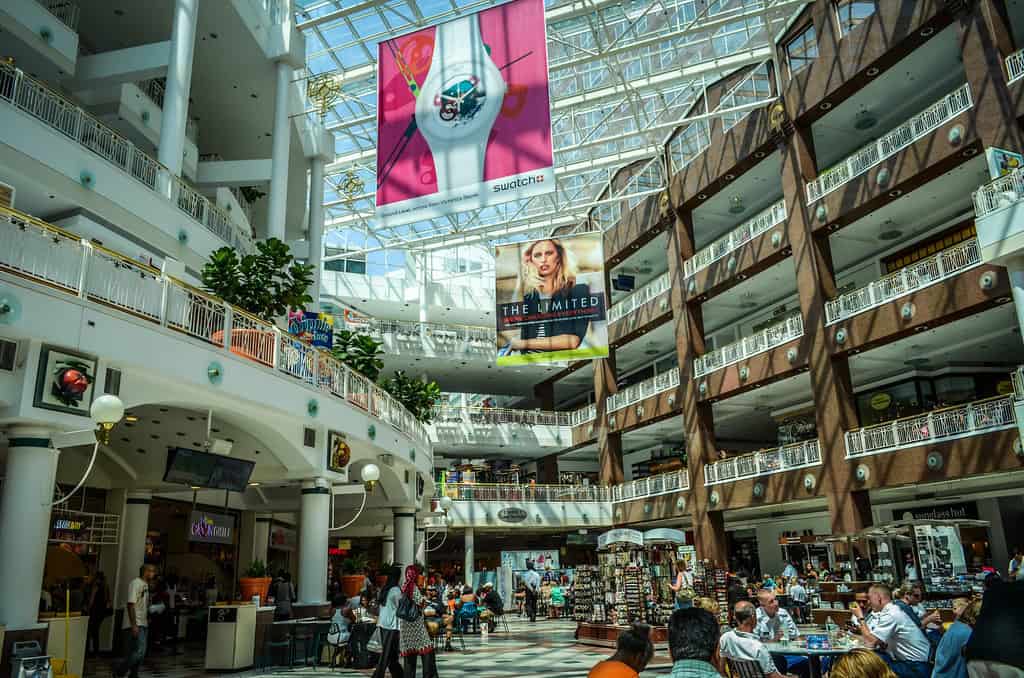
Pentagon Centre in Arlington shows how a busy retail property can add housing without disappearing altogether. The project did not begin as an abandoned indoor mall; it was an active shopping center anchored by stores including Costco. Its location beside the Pentagon City Metro station made the surrounding land a natural candidate for more apartments and ground-floor businesses.
The Witmer, a 440-apartment tower, opened in 2019. A second building, The Milton, added 253 apartments and new retail space in 2023. Together, they helped turn part of a conventional shopping district into a more residential, walkable neighborhood while retaining much of the existing retail.
Skyview on the Ridge, New York
©"Rochester Medley Centre" by Matthew D. Wilson (LtPowers) is licensed under BY-SA 2.5. - Original / License
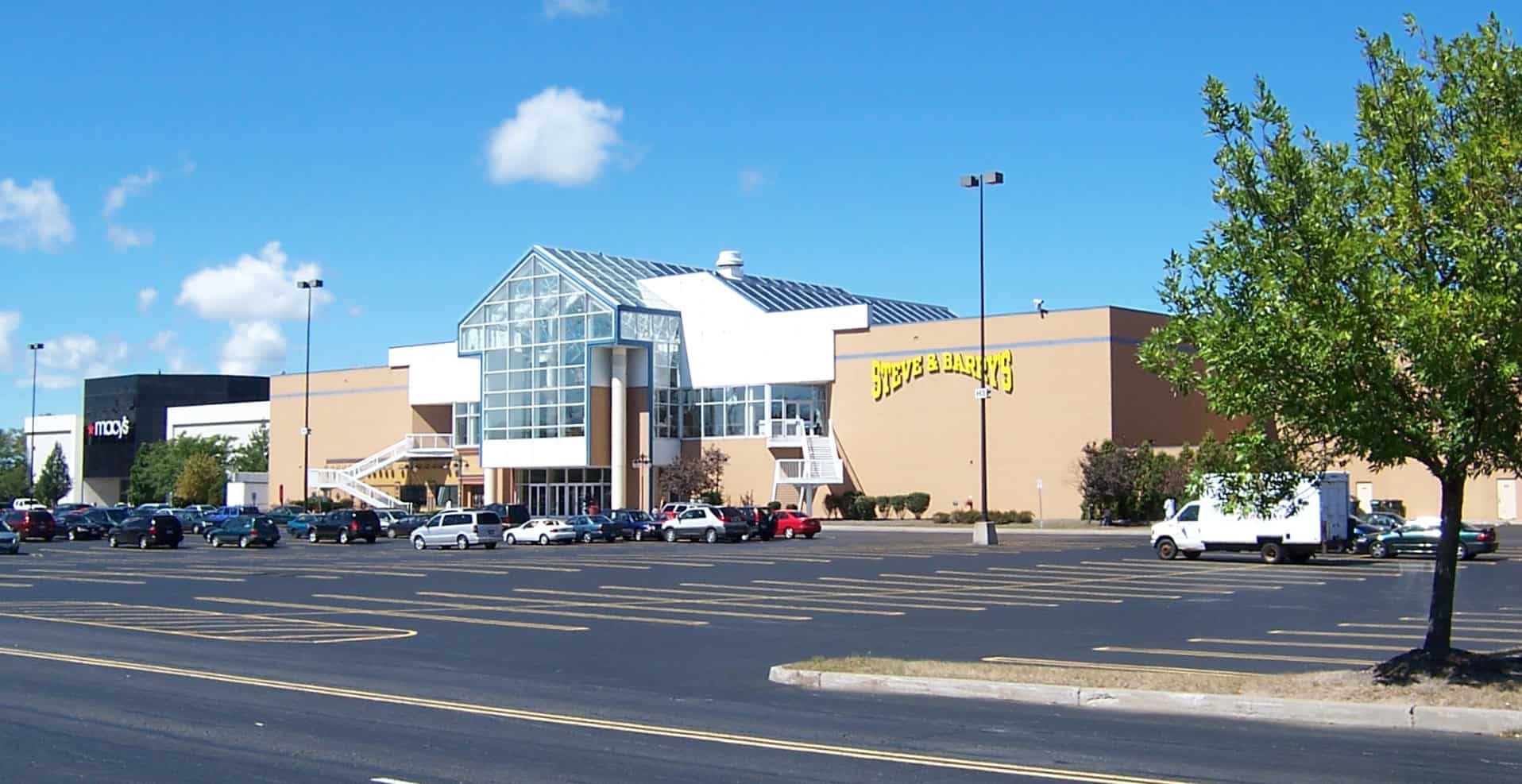
The former Irondequoit Mall near Rochester has already delivered one of the clearest examples of a mall-to-housing conversion. The old Sears store and adjacent land were transformed into Skyview Park Apartments, a 157-home affordable housing community for adults 55 and older. The $44 million development was completed in 2022, not merely proposed or awaiting investors.
Seventy-three apartments were created inside the former department store, with another 84 in a newly constructed building. Seventy-eight homes were designated for residents needing supportive services. The larger Skyview on the Ridge property also includes the Irondequoit Community Center and a nursing school, giving the former mall a new role in everyday community life.
The Village at Totem Lake, Washington
©"Totem Lake Mall" by Oran Viriyincy is licensed under BY-SA 2.0. - Original / License
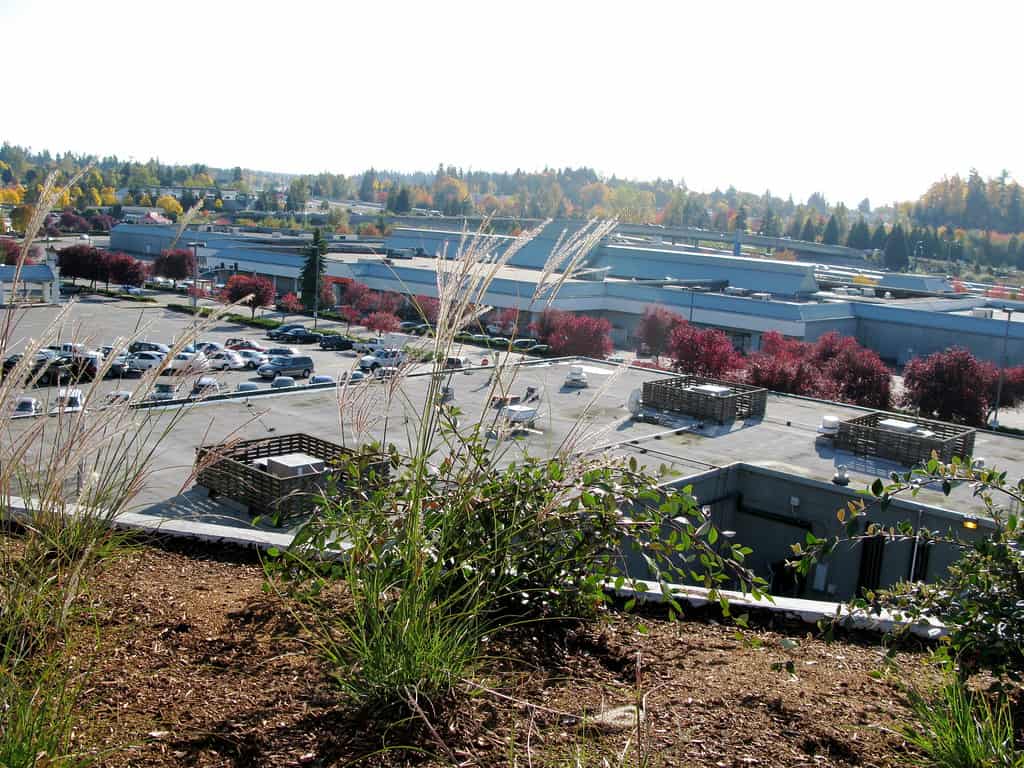
Kirkland’s old Totem Lake Mall and neighboring strip-center property have been reinvented as The Village at Totem Lake, an open-air destination where shopping, restaurants, housing, and entertainment share the same neighborhood. Rather than trying to revive a dated enclosed mall, developers rebuilt the area around pedestrian-friendly streets and gathering places.
By 2026, the project included about 852 apartments across three residential communities, along with roughly 330,000 square feet of commercial space and a movie theater. A 2026 industry case study described the retail space as 95% leased. For the Seattle area, it is a particularly useful example of a redevelopment that has moved well beyond the planning stage.
Voorhees Town Center, New Jersey
©"Voorhees Town Center Voorhees Township, NJ April 2019" by MikeKalasnik is licensed under BY-SA 2.0. - Original / License
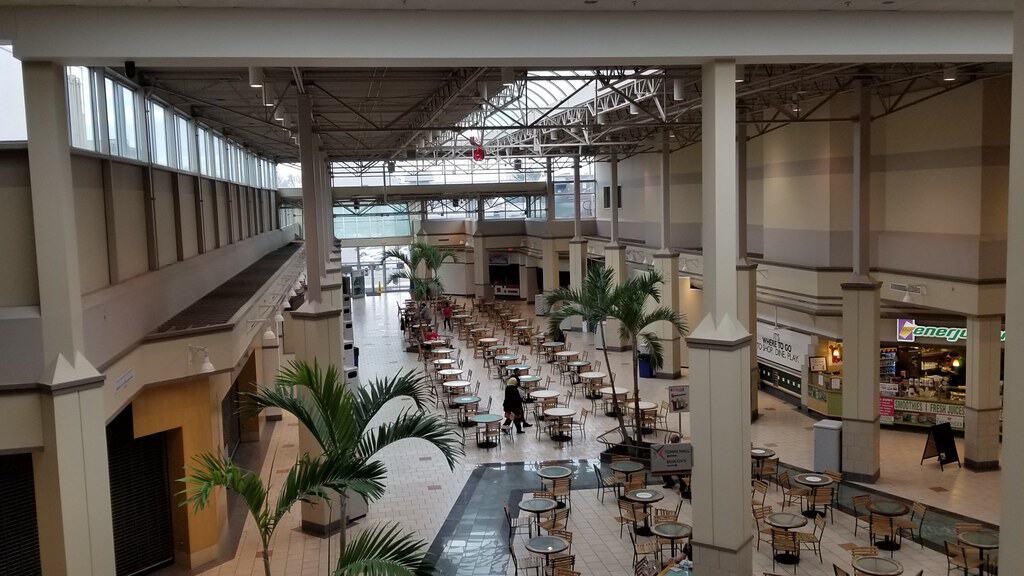
Formerly known as Echelon Mall, Voorhees Town Center has seen several attempts to reinvent its aging shopping property. Earlier redevelopment brought in municipal offices and nearby housing, but the enclosed mall continued to struggle and has been closed since a fire in 2024. The Voorhees Township offices and a separately owned Boscov’s department store remain part of the broader site.
A developer proposed a much larger makeover in 2026, with housing, restaurants, entertainment, and a revived mall interior. That proposal fell apart in November after the developer could not secure a crucial state tax credit. The town center’s future is therefore unsettled, making this a cautionary example of how financing can derail even ambitious redevelopment plans.
Eastgate Metroplex, Oklahoma
©"File:2013-04-13-eastgate-006.JPG" by DavidCary is licensed under BY-SA 3.0. - Original / License
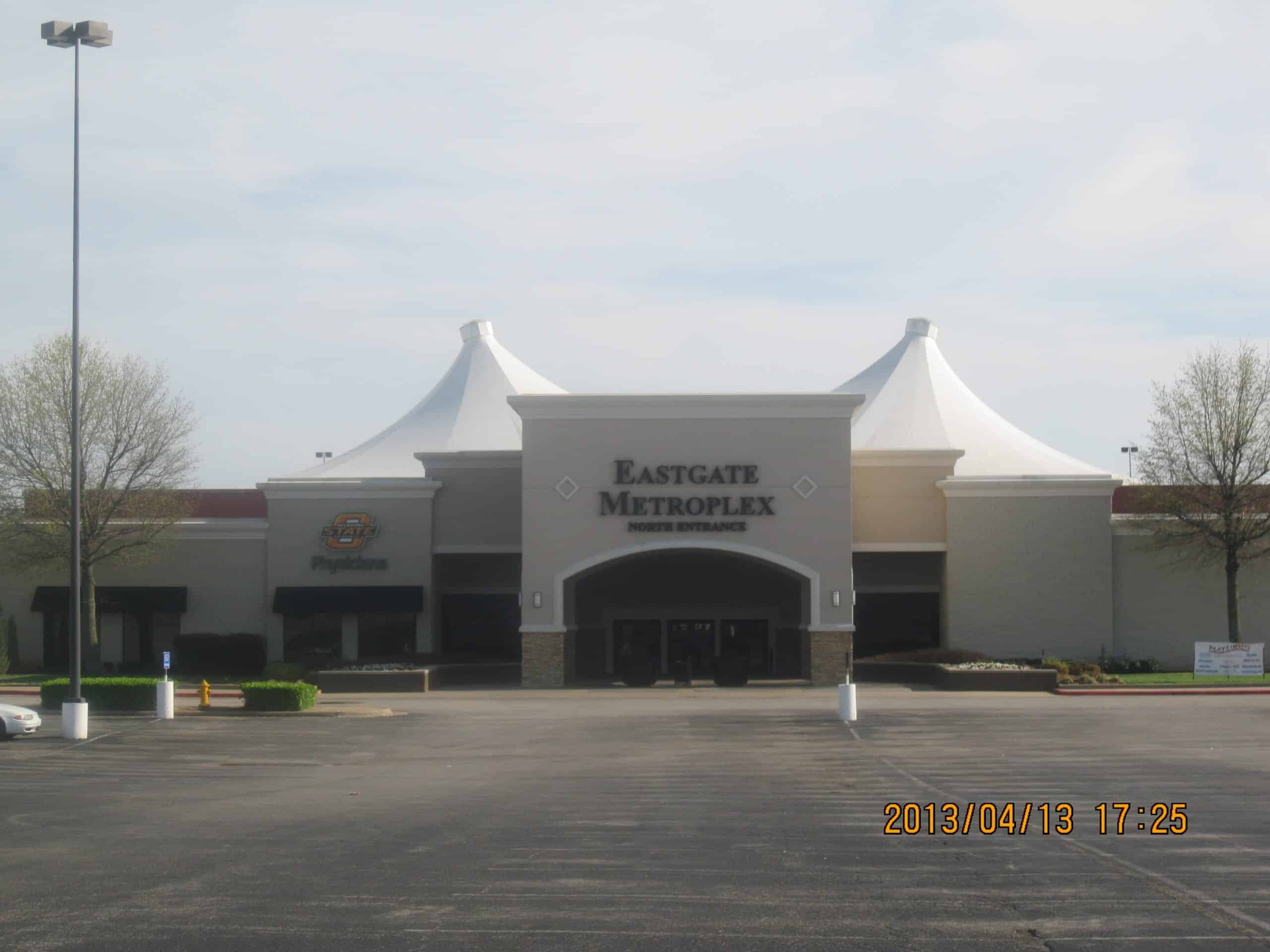
Tulsa’s former Eastgate Mall has already found a very different purpose. Repositioned as Eastgate Metroplex beginning in 2007, the roughly 1 million-square-foot property now operates primarily as a business and professional-services complex rather than a traditional shopping mall. Its large floor plans and extensive parking have attracted employers seeking space without developing an entirely new campus.
The property has hosted office tenants, call centers, agencies, and health-related services, with businesses such as Capital One and HireRight appearing on tenant lists. Renovations and upgrades have continued as its mix of occupants changes. The example shows that successful mall reuse does not always need apartments or a new entertainment district.
Paradise Valley Mall, Arizona
©"Paradise Valley Mall, South East Entrance" by Copperstate12 is licensed under BY-SA 4.0. - Original / License
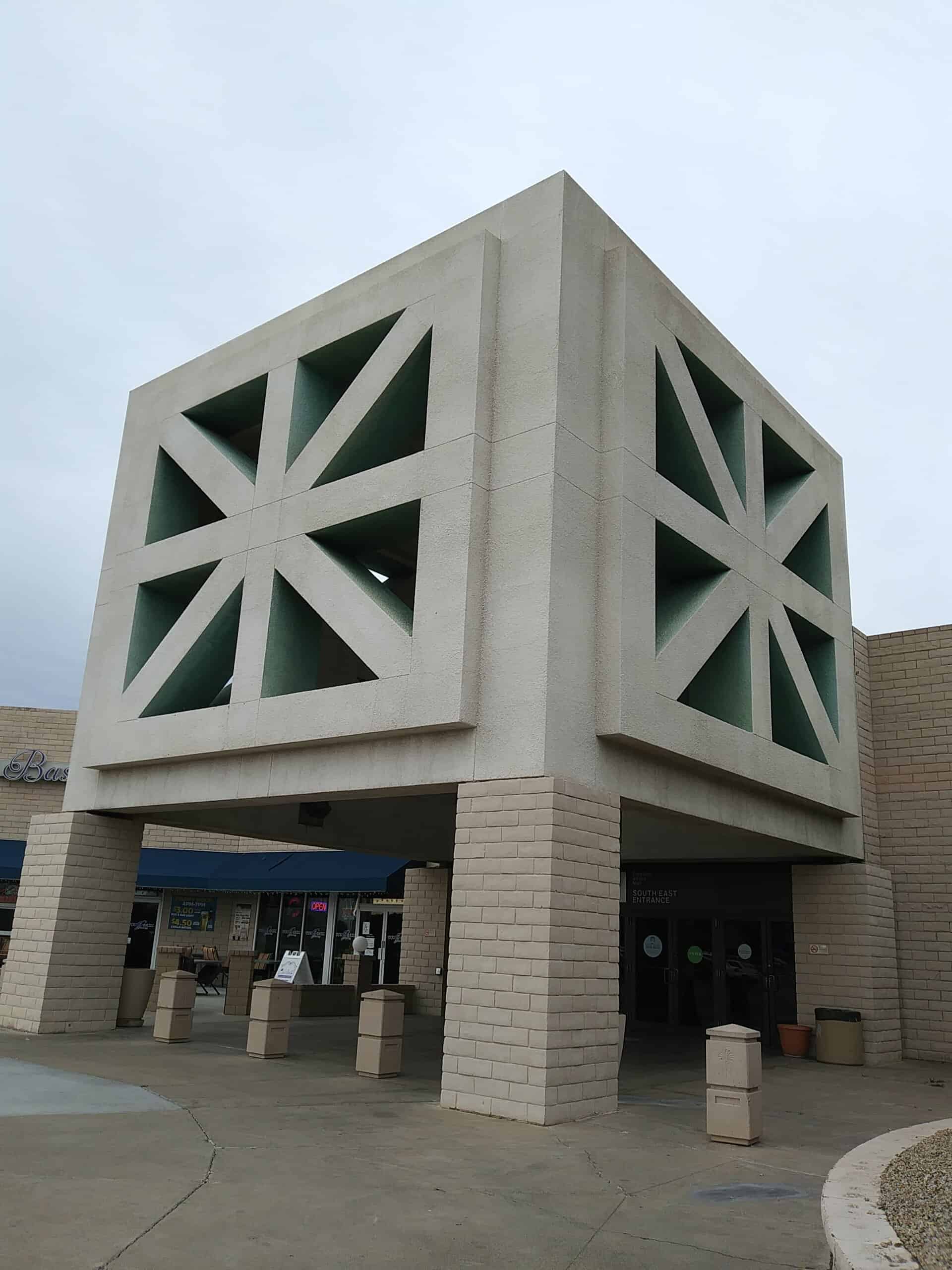
Phoenix’s Paradise Valley Mall has been replaced by PV, a mixed-use district built around shops, restaurants, apartments, and public gathering areas. Demolition of much of the former mall began in 2021, but this is no longer just a rendering: the first phase opened in 2025, bringing new dining and shopping options to the area.
Whole Foods Market is operating at the site, and The Blake added about 400 apartments to the neighborhood. Additional residential buildings, restaurants, entertainment, and other development are planned in phases. The goal is a walkable destination in a part of Phoenix once dominated by a conventional enclosed mall and large parking areas.
Mayfield Mall, California
©"Mayfield Mall Front Corner" by peptic_ulcer is licensed under BY-SA 2.0. - Original / License
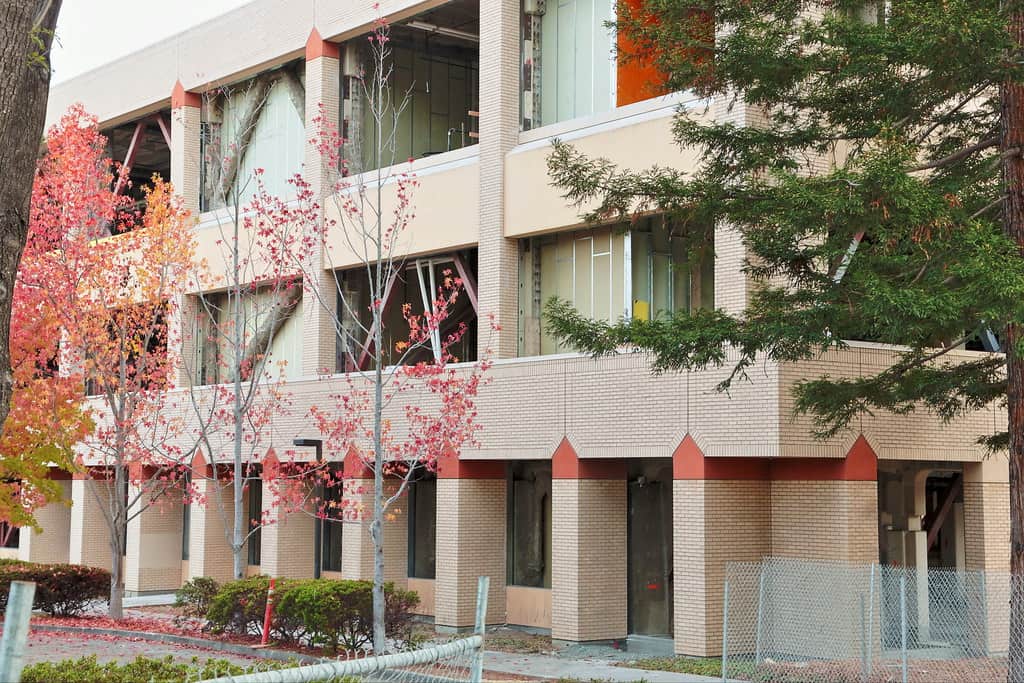
Mountain View’s former Mayfield Mall is an unusual Silicon Valley reuse story. Opened in the 1960s, the enclosed shopping center eventually lost its original retail role and later served as a Hewlett-Packard facility. In 2015, the building became home to X, Alphabet’s experimental technology division, often described as its ‘moonshot factory.’
Its old retail structure was adapted for offices, workshops, and collaborative research space rather than being demolished for a new shopping district. The transformation happened years ago, so it should not be confused with a newly announced 2026 project. Still, it shows how a mall building can outlive the business model it was built to serve.
Westminster Arcade, Rhode Island
©"Westminster Arcade (62464)" by Rhododendrites is licensed under BY-SA 4.0. - Original / License
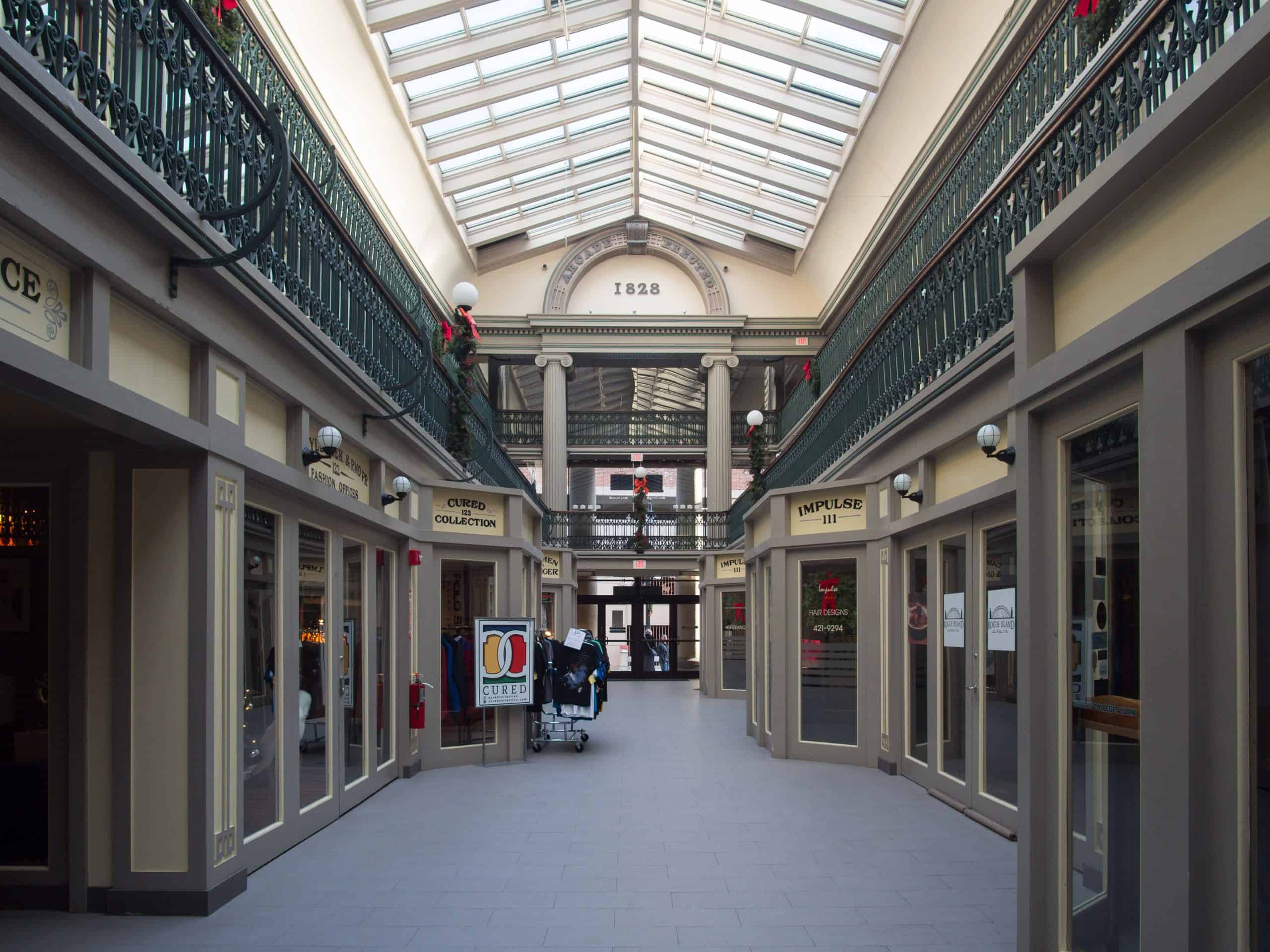
Providence’s Westminster Arcade, also called The Arcade, is considered America’s oldest enclosed shopping mall. Built in 1828, the Greek Revival landmark closed as a retail center in 2008 before reopening in 2013 with a different mix of uses. Instead of tearing down the historic building, its owners placed small shops and restaurants on the ground floor and converted upper floors into homes.
The redevelopment created 48 residential units, many designed as compact micro-lofts. The apartments remained a visible part of the building’s appeal in 2026, more than a decade after the conversion. It is a smaller project than most on this list, but an especially striking example of preservation and reuse working together.
Monmouth Mall, New Jersey
©"AMC - Monmouth Mall Eatontown, NJ July 2019" by MikeKalasnik is licensed under BY-SA 2.0. - Original / License
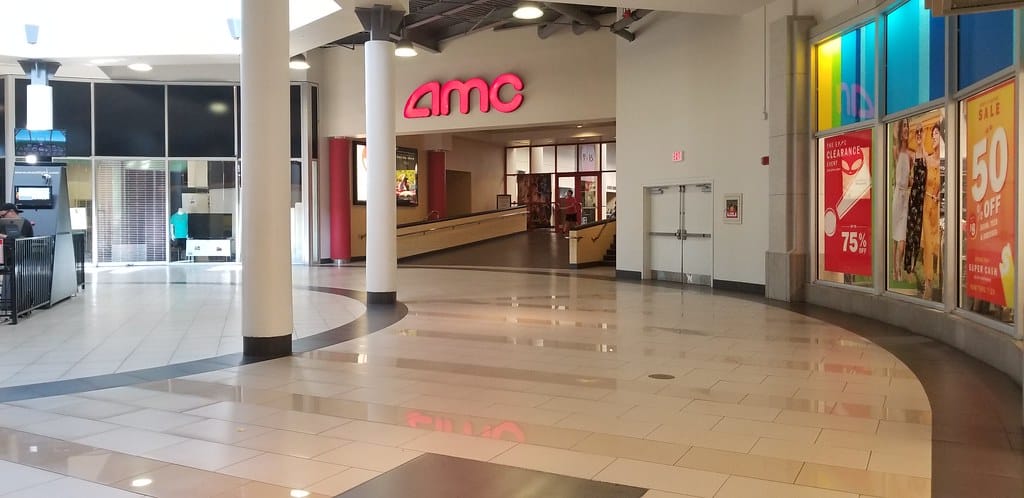
Eatontown’s former Monmouth Mall is being reshaped into Monmouth Square, a more open, mixed-use property with new shops, restaurants, pedestrian connections, and housing. Construction has proceeded in stages, which means parts of the old retail center have remained active while other sections are being rebuilt.
One major milestone arrived in July 2026, when a new Whole Foods Market opened at the site. Local officials have also reported work on new residential buildings, sidewalks, and bike connections. The project is still evolving, but it has already moved beyond the early proposals and demolition work that defined its first phase.
Redlands Mall, California
©"Redlands Mall (2009-07-04) 01" by Amin Eshaiker is licensed under BY-SA 4.0. - Original / License
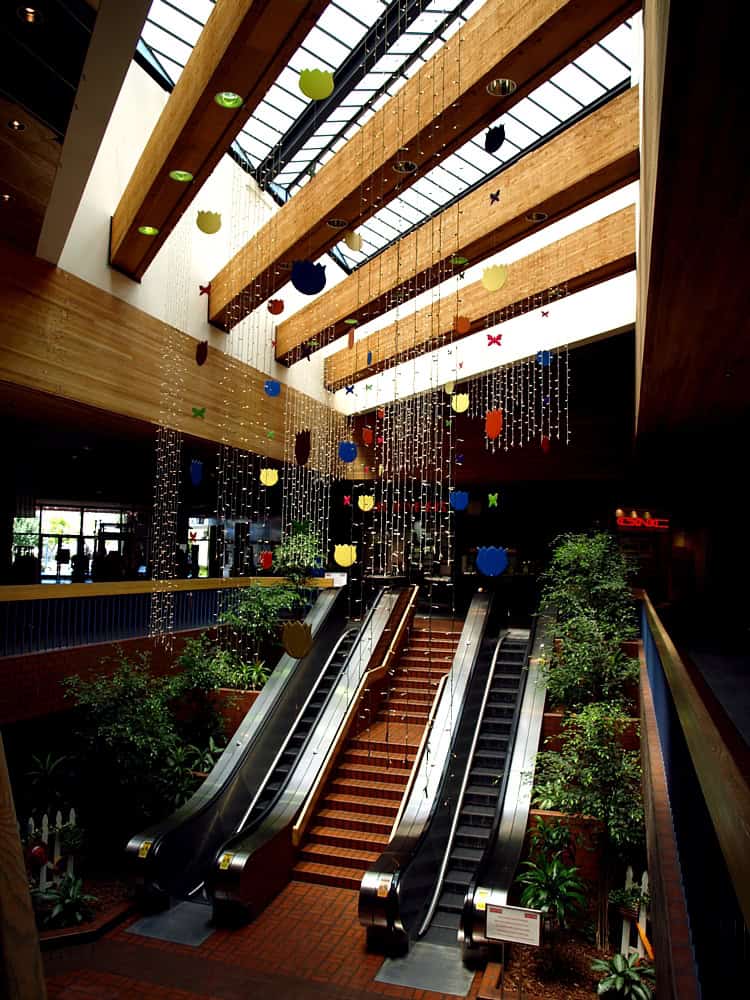
Downtown Redlands has long struggled with what to do with its largely vacant indoor mall. A plan approved in 2022 called for up to 700 homes, along with restaurants, shops, offices, and public plazas. That proposal stalled, however, and the site changed ownership in November 2025, so the earlier development plan should not be described as an active construction project.
In 2026, the new owner began preparing the site for demolition, including asbestos removal and work around an existing CVS store that is being preserved. City officials said revised development plans had not yet been submitted as of late August. The location still offers major potential, but what ultimately replaces the mall remains to be determined.
Regency Square Mall, Florida
©"Regency Square Mall Jacksonville FLORIDA" by 1950sUnlimited is licensed under BY 2.0. - Original / License
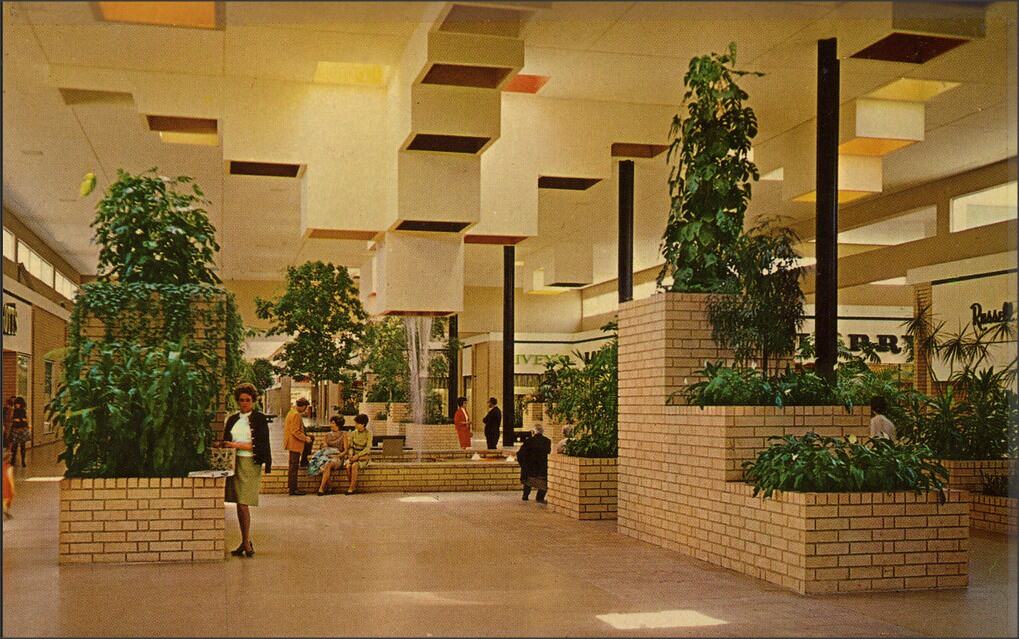
Jacksonville’s Regency Square Mall is finally seeing physical changes after years of decline, legal disputes, and vacant storefronts. Blackwater Development purchased much of the property in 2025 and introduced a redevelopment concept called The Nexus at Regency. In September 2026, crews began demolishing the long-closed east wing, marking a substantial step beyond earlier announcements.
The proposed replacement includes new retail, commercial outparcels, and possible residential development. Parts of the property are separately owned: Impact Church remains in its building, and the Dillard’s Clearance Center has continued operating. With demolition underway but much of the future project still unbuilt, Regency Square is best described as an active redevelopment rather than a completed turnaround.
Northgate Mall, Washington
©"Northgate Station on opening day, seen from the bridge - 03" by SounderBruce is licensed under BY-SA 4.0. - Original / License
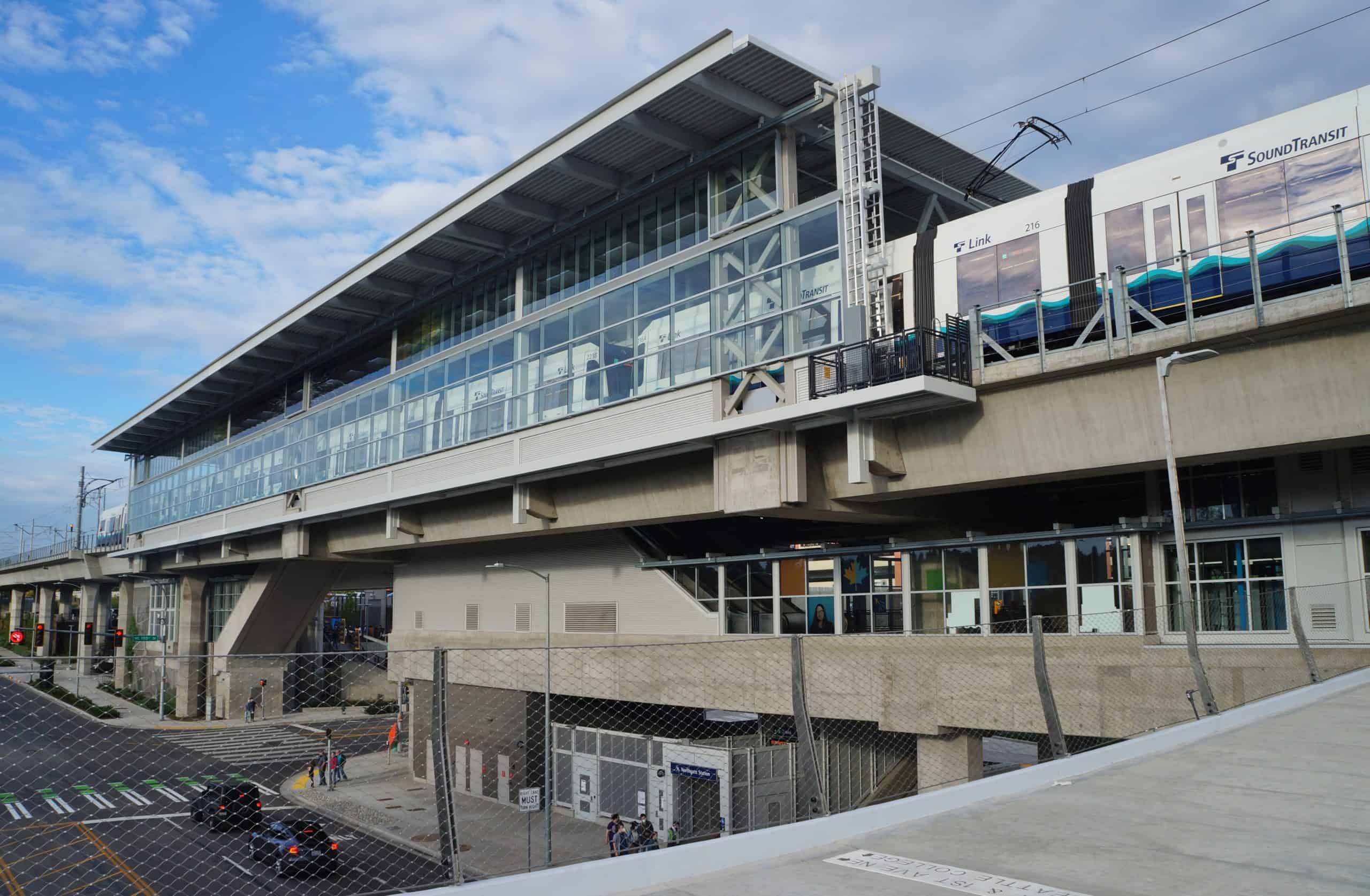
Seattle’s former Northgate Mall is being redeveloped in stages into a district tied closely to the Northgate light-rail station. A major piece is already complete: the Kraken Community Iceplex, which opened in 2021 and serves as the Seattle Kraken’s training facility. The remaining plans mix residences, restaurants, offices, hotel space, and a smaller retail footprint than the old mall once occupied.
Simon Property Group is now marketing the redeveloped property as The District at Northgate. A Residence Inn hotel has opened, and more apartments and storefronts are being added in phases. Northgate’s transit connection makes it particularly relevant to Seattle’s efforts to put more homes and services near frequent public transportation, though the full redevelopment is not finished.

