

From the rainy streets of Seattle to the small towns of Georgia, Americans don’t always see eye to eye on how people should behave. The South and West Coast have distinct cultural traditions, social customs, and political histories. What passes for friendliness in one region might seem downright strange in another.
For Pacific Northwest residents visiting Southern states, some differences become apparent almost immediately. Conversations with strangers, expectations around manners, local traditions, and attitudes toward newcomers can all take some getting used to. Of course, someone from Atlanta might have more in common with a Seattle resident than with someone living in rural Alabama.
These 12 cultural differences explore common regional perceptions, including those found in online discussions and personal accounts. They aren’t universal opinions or scientific measures of what people believe. Still, they offer a useful look at where Southern and West Coast cultures occasionally clash, and what travelers from both regions might learn from each other.
Southern Hospitality Meets West Coast Chill
©"Wunsche Bros. Cafe & Saloon, Old Town Spring, Texas 2103061203" by Patrick Feller is licensed under BY 2.0. - Original / License
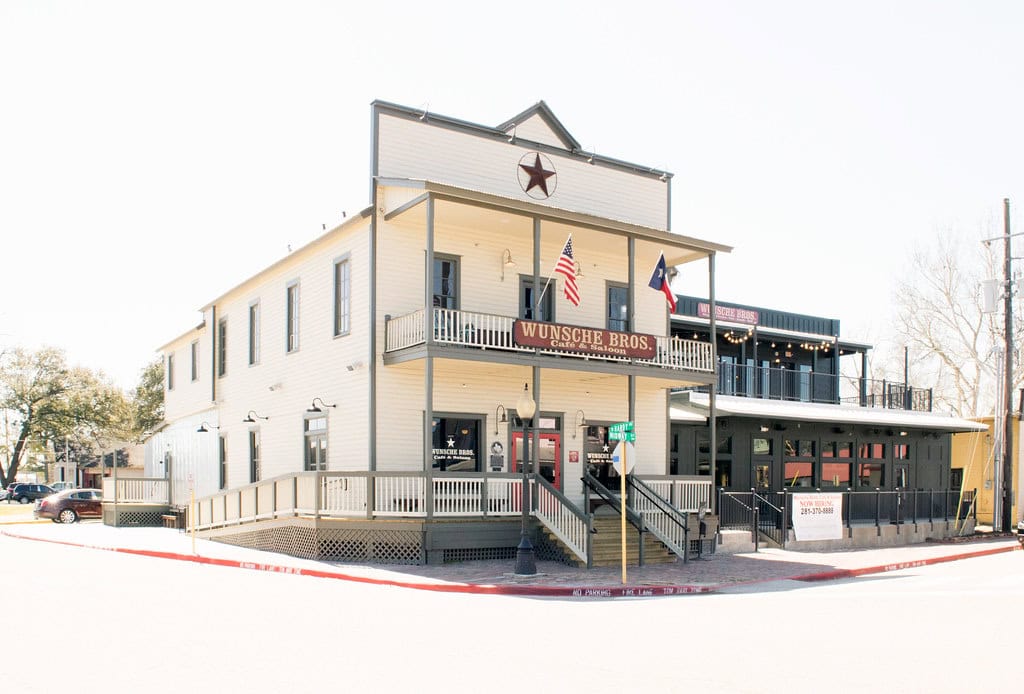
Southern hospitality isn’t just about being nice. In many communities, greeting strangers, making small talk, and checking on your neighbors are everyday social expectations. West Coast residents can be just as friendly, but their approach may be more reserved, particularly in larger cities. A visitor from Georgia might find Seattle’s quieter social atmosphere surprisingly cold, while someone from Portland could consider unsolicited conversation a little intrusive. Neither approach is necessarily better. They simply reflect different expectations about personal space, politeness, and how quickly people should become familiar with one another.
Perceptions of West Coast Snobbery

©"Los Angeles Palm Trees" by tiarescott is licensed under BY 2.0. - Original / License
Regional pride occasionally comes across as arrogance, especially when someone insists that their hometown does everything better. Some Southerners interpret West Coast conversations about progressive lifestyles, expensive restaurants, or environmental awareness as a kind of cultural superiority. Then again, Southern pride can be every bit as intense. Try suggesting that California barbecue is better than what they’re serving in Texas or the Carolinas. The resulting argument could last all afternoon. These perceptions usually have more to do with individual attitudes and regional rivalries than any measurable difference in how arrogant people actually are.
Newcomers Aren’t Always Unwelcome
©"@gastrofest #gastrofestjacksonville #gastrofest2017 #greengastrofest2017 #jacksonvillefl #jacksonville #florida #local #home #eatlocal #drinklocal #drinkbeerfromhere" by Dripping In Gold is licensed under BY 2.0. - Original / License
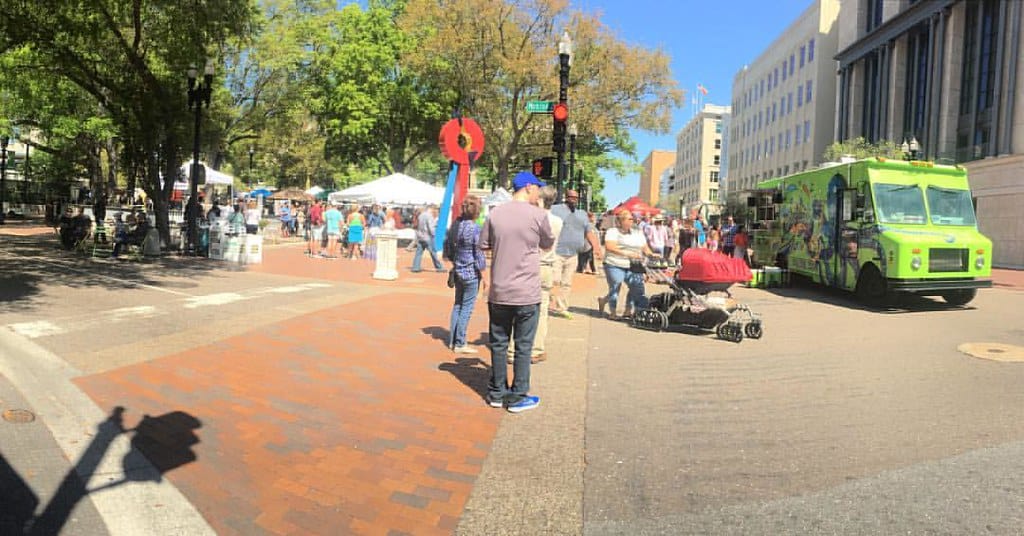
Despite the occasional complaints about Californians moving east, Southern communities aren’t universally hostile toward newcomers. Florida, Texas, Georgia, and the Carolinas have welcomed residents from across the country for decades. The tension often arises when rapid population growth creates competition for housing, increases traffic, or changes the character of established neighborhoods. Locals who complain about transplants may be frustrated with development rather than the newcomers themselves. For West Coast residents considering a Southern move, showing genuine interest in the community and respecting local customs can help make the transition considerably easier.
Political and Cultural Differences
©"Ferguson Protest - crowd" by Sarah Mirk is licensed under BY 2.0. - Original / License
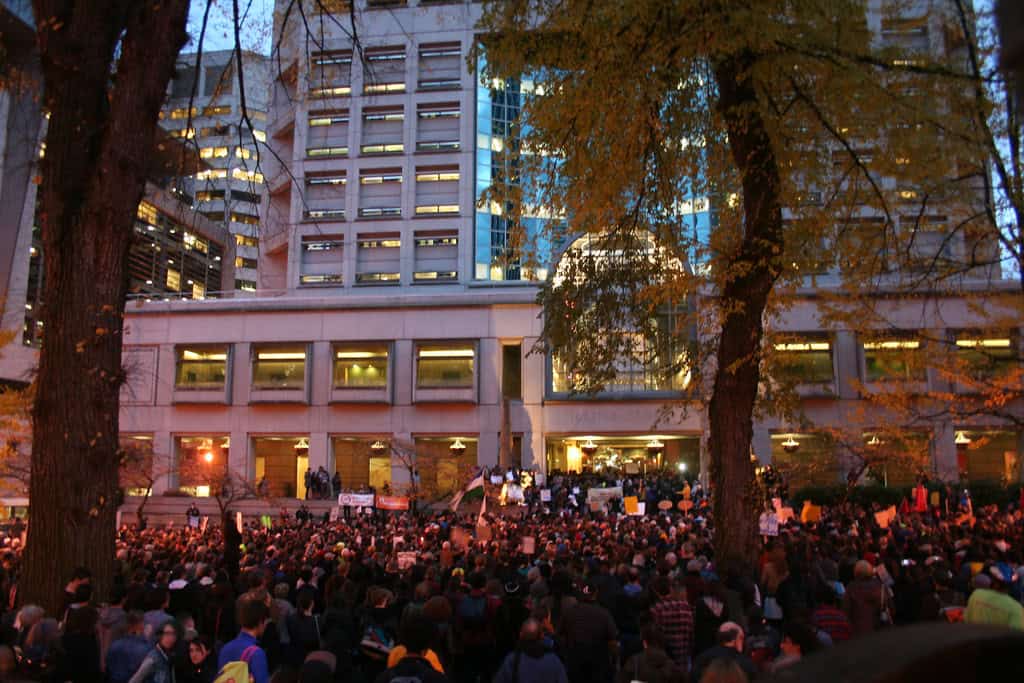
Politics can make the distance between the South and West Coast feel considerably greater than the miles separating them. California, Oregon, and Washington have generally supported Democratic presidential candidates in recent elections, while many Southern states have favored Republicans. Yet the political map becomes much more complicated at the local level. Atlanta, Austin, and other Southern cities contain substantial progressive communities, while conservative voters live throughout the Pacific Coast. Differences over religion, government, and social issues can create friction, but assuming someone’s political beliefs based solely on their home state is rarely a productive starting point.
Regional Stereotypes Rarely Tell the Whole Story

©Syda Productions/Shutterstock.com
Spend enough time reading regional arguments online and you’ll encounter plenty of unflattering descriptions of both places. Southerners get portrayed as stubborn traditionalists, while Pacific Northwest residents are sometimes dismissed as distant or overly concerned with appearances. Neither stereotype survives much scrutiny. The South includes thriving international cities, and the West Coast has countless small towns with deeply rooted traditions. Travelers often discover that ordinary conversations reveal considerably more common ground than internet arguments suggest. Sharing a meal, discussing local history, or asking for recommendations can quickly dismantle assumptions that seemed convincing from thousands of miles away.
Different Ways of Saying the Same Thing
©"Bourbon Street Between Bienville and Conti, French Quarter, New Orleans, Louisiana" by Ken Lund is licensed under BY-SA 2.0. - Original / License
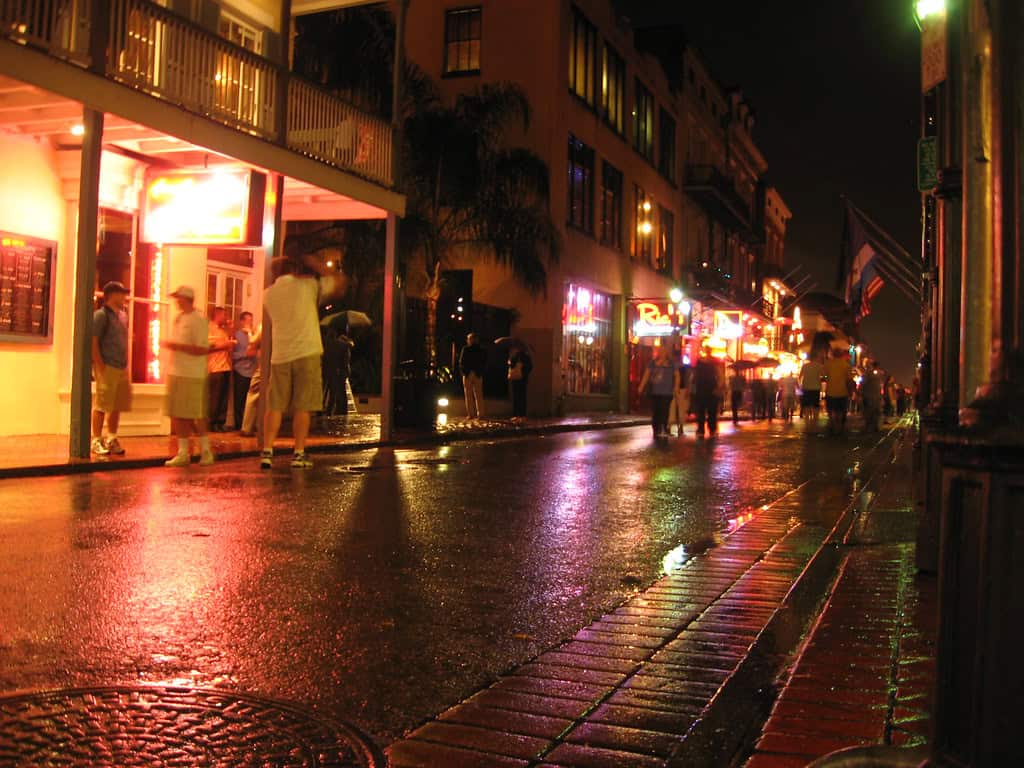
Words carry different social expectations depending on where you grew up. In many Southern households, children learn to address adults as “sir” and “ma’am,” and those habits can follow them into adulthood. Elsewhere, including much of the West Coast, first names and informal greetings may feel more natural. That difference sometimes causes confusion. What a Southerner considers respectful might strike another person as unnecessarily formal, while casual speech can sound dismissive to someone raised with stricter etiquette. Regional expressions, accents, and conversational habits add another layer, although none of these customs applies uniformly across either region.
The Pace of Life Depends on Where You Go
©"Family Meal" by Lee Edwin Coursey is licensed under BY 2.0. - Original / License
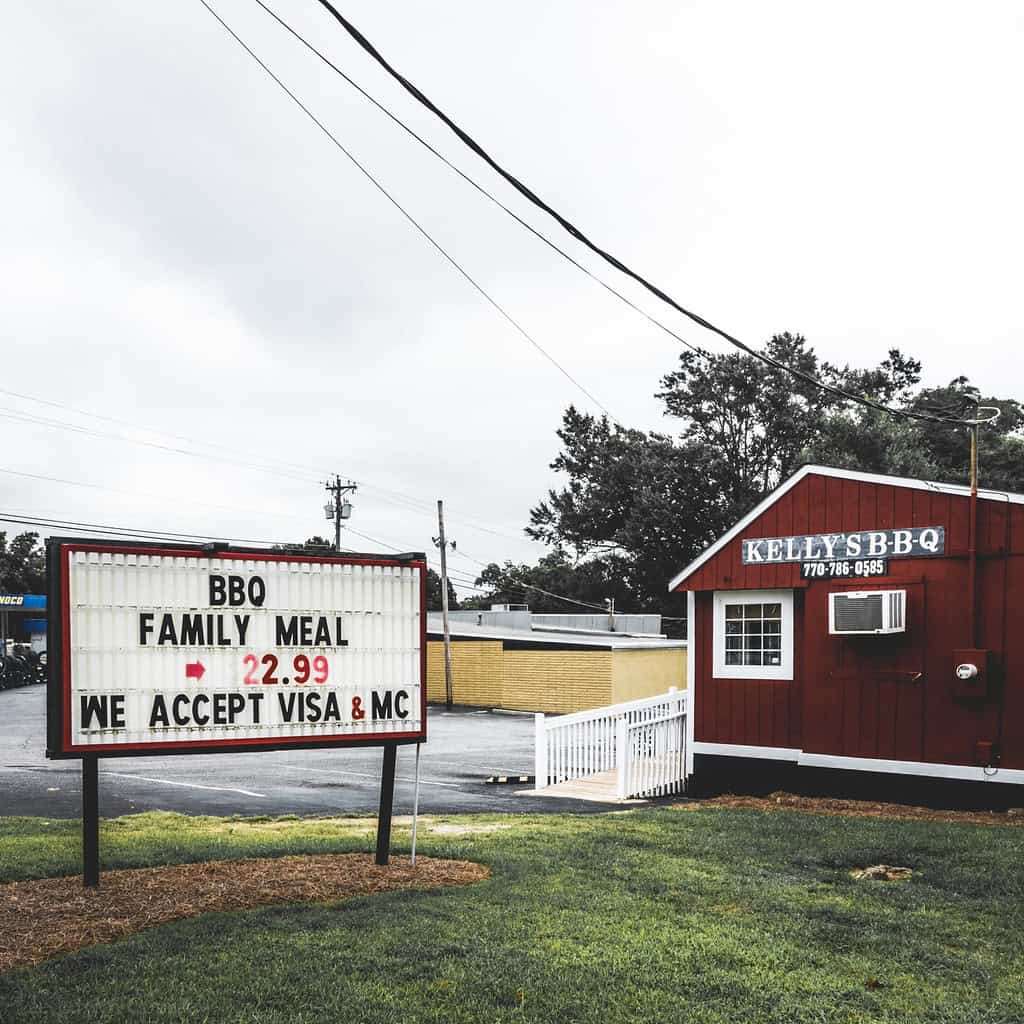
The idea that the South moves slowly while the West Coast races through life sounds familiar, but reality is more complicated. Atlanta traffic isn’t particularly relaxing, and a small Oregon coastal town may operate at a completely different pace from downtown San Francisco. In some Southern communities, extended conversations, family meals, and social gatherings play prominent roles in daily life. Similar priorities exist throughout the Pacific Northwest. Travelers should pay attention to the atmosphere of individual communities rather than assume one region is more punctual, structured, or laid-back than the other. City size and local circumstances generally matter more than geography alone.
Growth and Change Can Create Friction
©"Old Spanish home at 537 San Lorenzo for Sale - 18" by The Miami Story is licensed under BY 2.0. - Original / License
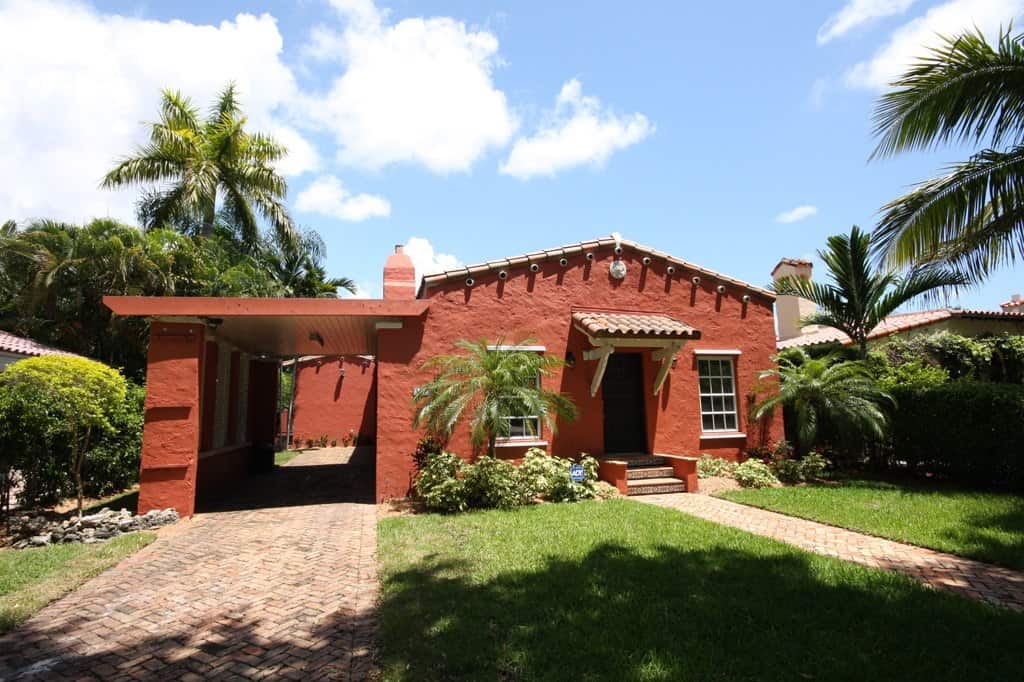
Population growth has changed communities across the South, particularly in states such as Texas, Florida, and North Carolina. New residents bring businesses, investment, and different perspectives, but growth also creates challenges involving housing affordability, transportation, and infrastructure. Some established residents worry about losing familiar neighborhoods or seeing local traditions overshadowed. West Coast cities have experienced many of the same tensions during their own periods of rapid development. The disagreement isn’t necessarily about rejecting progress. More often, it’s about who benefits from growth, who pays the costs, and whether communities can preserve what made them appealing in the first place.
A Shared Appreciation for the Outdoors

©"Hiker on Specimen Ridge" by YellowstoneNPS is licensed under PDM 1.0. - Original / License
For all their differences, the South and West Coast have something important in common: extraordinary natural landscapes and plenty of people who love exploring them. Pacific Northwest residents enjoy everything from mountain trails to rocky shorelines, while Southern states offer coastal wetlands, forests, rivers, and mountain communities of their own. Hunting and fishing are especially prominent traditions in parts of the rural South, although those activities also have strong followings in the West. Hiking, camping, kayaking, and wildlife watching offer easy common ground. Sometimes the quickest way past a regional disagreement is simply to start talking about the outdoors.
Local Traditions Still Matter
©"Welcome To Mississippi" by Shoshanah is licensed under BY 2.0. - Original / License
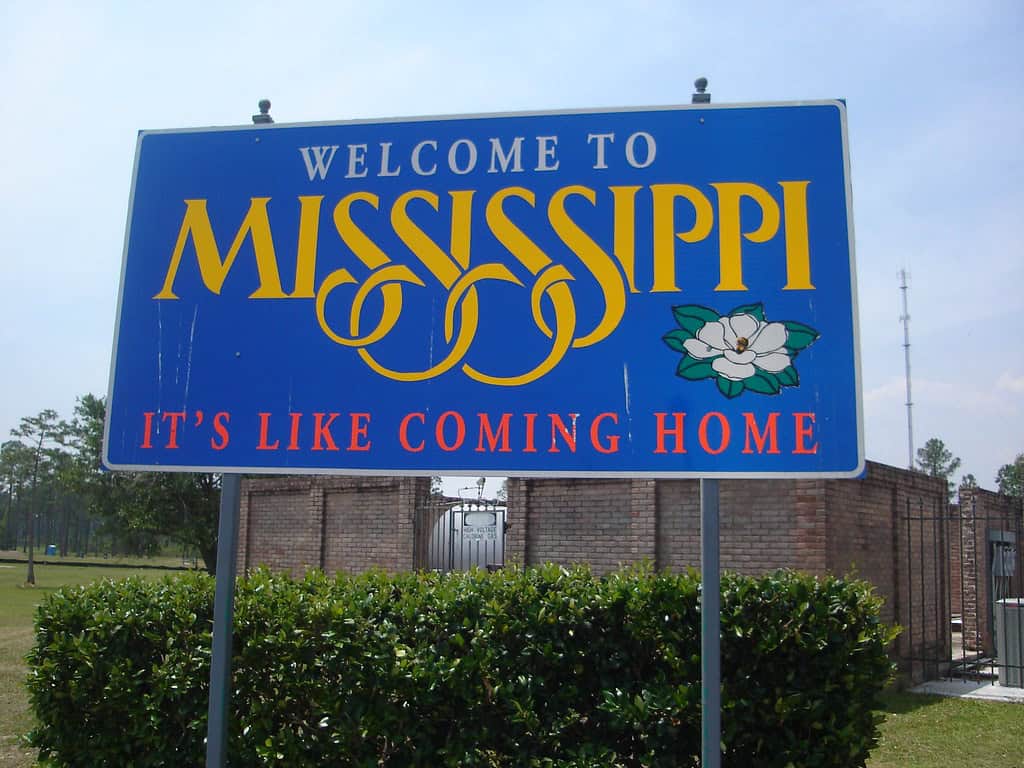
Food, family gatherings, music, and local celebrations help define communities throughout the South. Visitors might encounter strong traditions surrounding barbecue, college football, religious services, or annual festivals, depending on where they travel. The Pacific Northwest has equally meaningful customs, from Indigenous cultural traditions to maritime heritage and community events. The difference isn’t that one region respects its history while the other ignores it. Both have complex cultural identities shaped over generations. Travelers who ask thoughtful questions and show genuine interest in local traditions are likely to learn more than those who arrive expecting their own customs to take priority.
City Life and Rural Life Are Different Worlds

©"Rural florida - sharecropper's shack (2943062287)" by joiseyshowaa from Freehold, NJ, USA is licensed under BY-SA 2.0. - Original / License
Comparing Seattle with rural Mississippi tells you as much about urban and rural lifestyles as it does about the South and West Coast. Major Southern metropolitan areas such as Atlanta, Houston, and Nashville have diverse populations, international businesses, and rapidly changing neighborhoods. Smaller communities may have different social expectations and stronger connections to longstanding local institutions. Similar contrasts exist between Portland and rural eastern Oregon. Political research also consistently identifies meaningful differences between urban and rural voters nationwide. For travelers, the specific town or neighborhood they’re visiting is often a better guide to local culture than the state’s location on a map.
What West Coast Travelers Should Keep in Mind

©"Rust Never Sleeps" by ShuttrKing|KT is licensed under BY 2.0. - Original / License
Whether you’re visiting Tennessee from Seattle or relocating from California to North Carolina, a little cultural curiosity goes a long way. Learn about local customs, recognize that familiar expressions may carry different meanings, and resist the temptation to compare everything unfavorably with home. Don’t assume everyone shares the same political views, religious beliefs, or expectations about social interaction. Most importantly, remember that regional stereotypes rarely capture the people standing in front of you. The South and West Coast have plenty of differences, but neither region has a monopoly on friendliness, hospitality, good manners, or the occasional bad attitude.

