
Imagine walking along a quiet Washington beach and discovering the remains of an animal wildlife officers never expected to find there. That is exactly the mystery that unfolded near Cherry Point in Whatcom County in June 2022, when officials confirmed that a young bear found on the shoreline was actually a grizzly. The discovery raised immediate questions about where the animal had come from and how it ended up beside the water.
The case is even more interesting when you look at how rare grizzlies have become in western Washington, how close British Columbia is across the border, and what has changed in regional conservation since that day. Here’s what investigators actually knew, which explanations remain unproven, and why the story still matters for the Pacific Northwest. None of the images below depicts the specific 2022 carcass unless otherwise identified.
The Discovery That Stunned Wildlife Officers
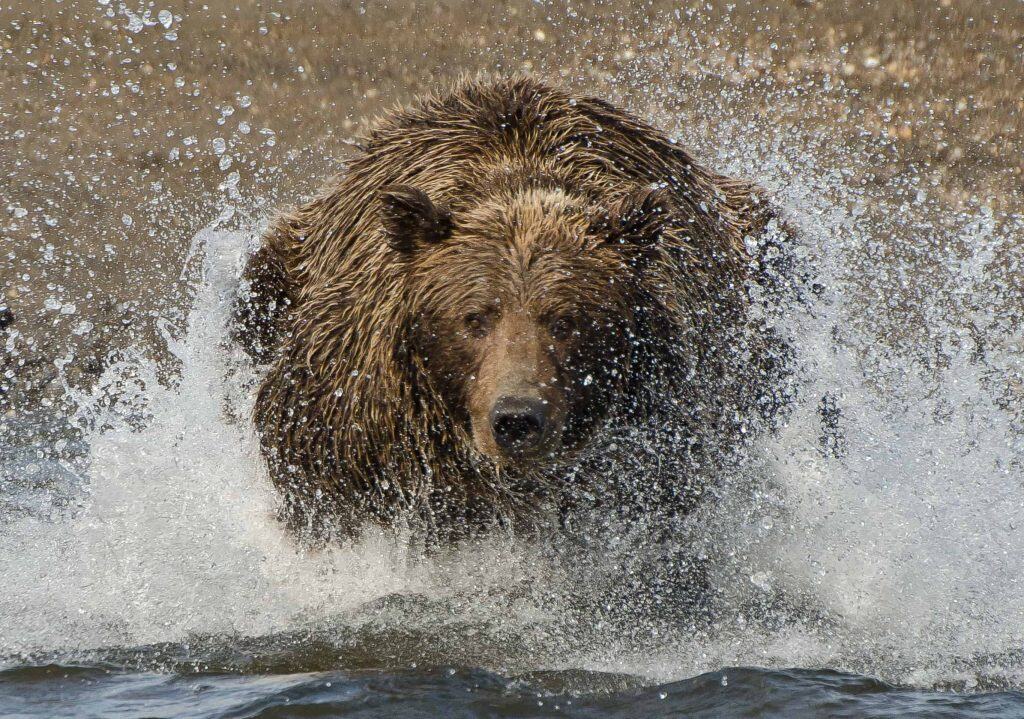
Original media credit: Canva; through-my-lens from Getty Images and SimpleFoto. Verify image-to-credit match.
©through-my-lens from Getty Images and SimpleFoto/ via Canva.com
In June 2022, a discovery on a beach near the Cherry Point refinery in Whatcom County left even experienced wildlife officials scratching their heads. The badly decomposed remains of a young bear were found along the saltwater shoreline. But this was no ordinary black bear. Washington Department of Fish and Wildlife game warden Dave Jones examined the carcass and confirmed that it was a grizzly, an animal almost never encountered in this part of western Washington.
The Bellingham Herald reported that the bear was a male estimated to be just one or two years old. Jones collected material for testing, while the head and claws were provided to a department biologist. With no established local grizzly population to point to, the obvious question was also the hardest one to answer: How did this bear get here?
A Washington Beach Far From Grizzly Country

Image credit: Alexander Lukatskiy / Shutterstock.com
©Alexander Lukatskiy/Shutterstock.com
The scene was not in downtown Seattle or even the city limits of Bellingham. Cherry Point is on the saltwater coast of Whatcom County, north of Bellingham and not far from the Canadian border. Its rocky shoreline, tidal waters, and industrial landmarks are a very different setting from the remote mountain country most people associate with grizzlies. That unusual geography is a big part of why the find made regional news.
Black bears are widespread in Washington and can appear in wooded areas much closer to populated communities. Grizzlies are a different story. Wildlife officials recognize a small grizzly population in the Selkirk Mountains of far northeastern Washington, along with occasional documentation in northern border areas. A young grizzly turning up dead on a marine beach in the northwest corner of the state was something officials did not have a straightforward explanation for.
Did the Bear Wash In From Canada?
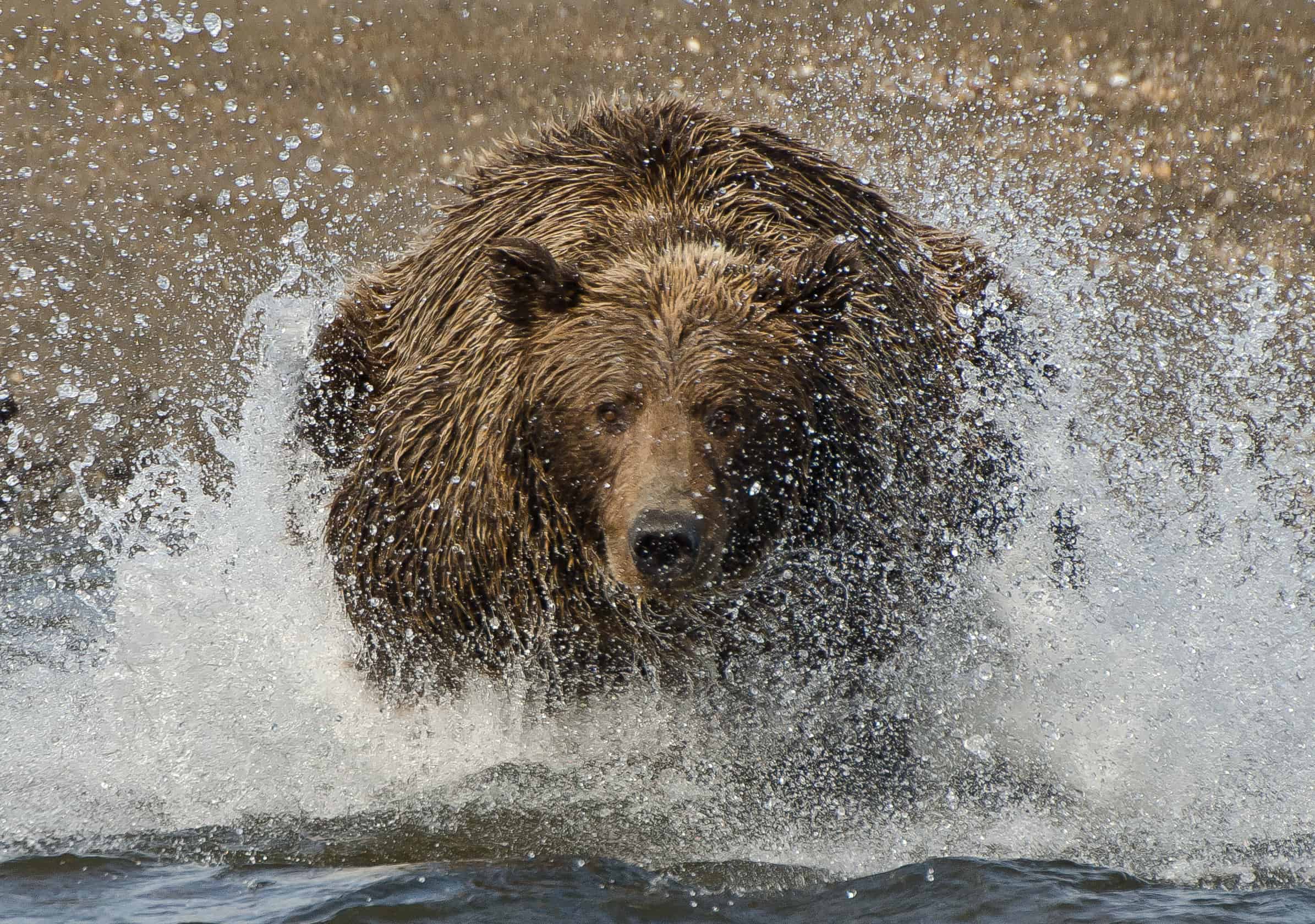
Image credit: David Rasmus / Shutterstock.com
©David Rasmus/Shutterstock.com
One possibility raised soon after the discovery was that the carcass had drifted in from British Columbia. Speaking to local radio station KGMI, game warden Dave Jones suggested that coastal currents could have carried the remains to the Cherry Point shoreline. Crucially, he described that as a guess, not a finding backed by evidence. The carcass being near salt water made the theory plausible enough to consider, but it could not establish where the animal lived or died.
Investigators hoped that biological testing might provide additional clues about the bear’s origin. The reporting available from the time did not establish a confirmed migration route or cause of death, and no verified later resolution was found during this update. That means claims that the animal definitely floated from Canada, drowned in a flood, or was killed elsewhere would go beyond the evidence. The mystery is compelling without pretending that it has been solved.
Could a Grizzly Have Swum That Far?
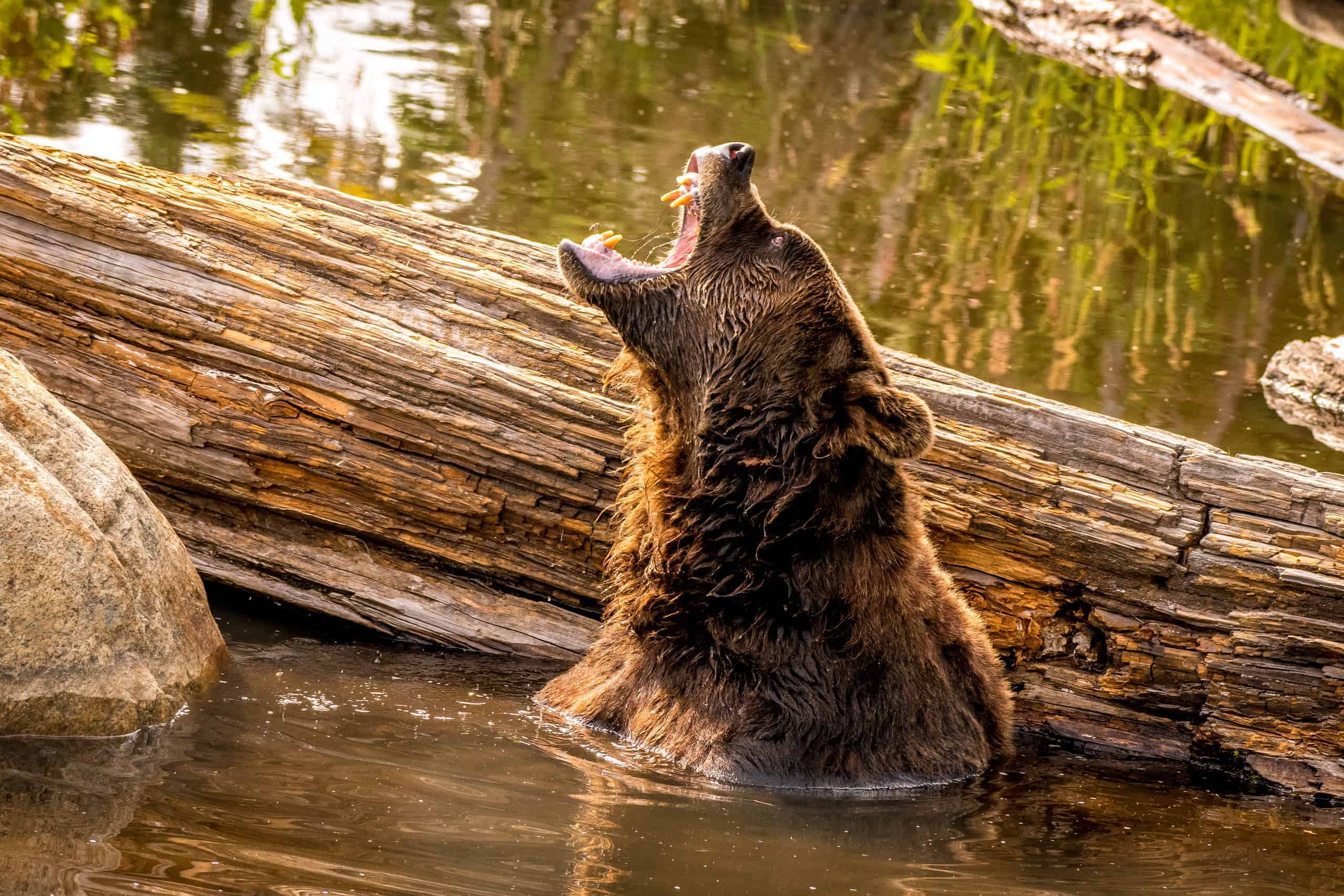
Image credit: toseeg / Shutterstock.com
©toseeg/Shutterstock.com
Grizzlies can swim, which adds another layer to the mystery. These powerful bears are comfortable crossing rivers and lakes when traveling, feeding, or reaching new habitat. Coastal brown bears are also capable of moving through salt water. Swimming ability alone, however, tells us very little about this particular animal. A bear that ends up on a beach may have entered the water alive, or its body may have moved after it died.
The Cherry Point discovery provides no reliable evidence that the young grizzly attempted a long-distance swim. Its remains were already decomposed when they were examined, and the scene offered no clear path back to a starting point. While it is tempting to picture a bear crossing an inlet from Canada, that image belongs in the category of possibilities, not established facts. The distinction matters because the story concerns an actual animal, not just a strange sighting.
British Columbia Is the Closest Major Grizzly Stronghold
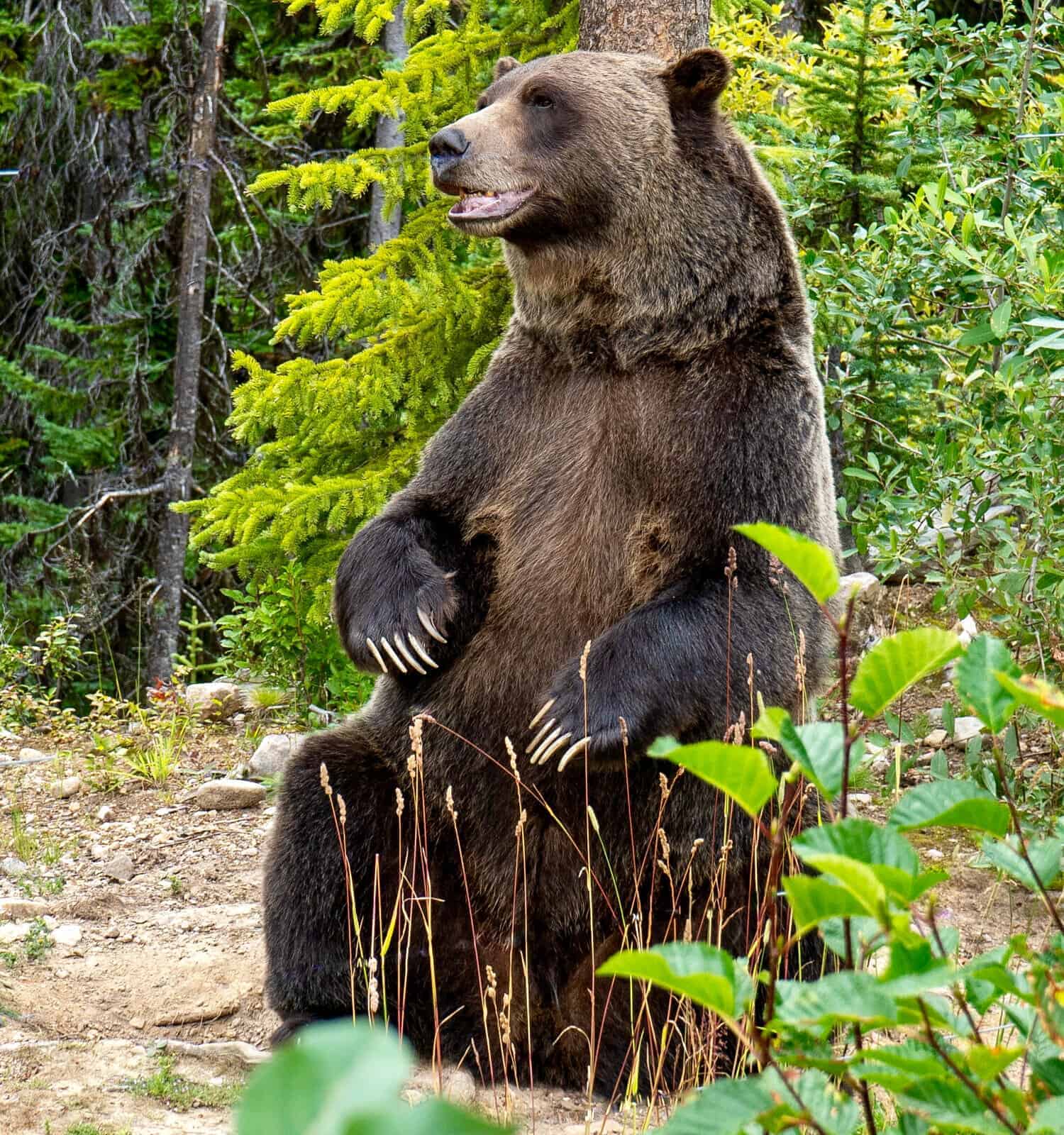
Image credit: Andrea C. Miller / Shutterstock.com
©Andrea C. Miller/Shutterstock.com
To understand why Canada entered the conversation, it helps to look north. British Columbia supports a substantial grizzly population across many of its mountain ranges and wilderness areas. That makes the province a logical place for wildlife officials to investigate when a grizzly appears unexpectedly near Washington’s northern coast. But having bears relatively close by does not prove that one reached Cherry Point under its own power.
The population picture also varies considerably across British Columbia. Some landscapes have robust numbers of grizzlies, while other areas in the southern part of the province have small or disconnected groups. Roads, development, and gaps in suitable habitat limit where animals can travel. A wandering young male is not impossible, but confirming the path of an individual bear would require more than a map and a plausible story. That is why the original DNA question was so important.
How Many Grizzlies Live in British Columbia?
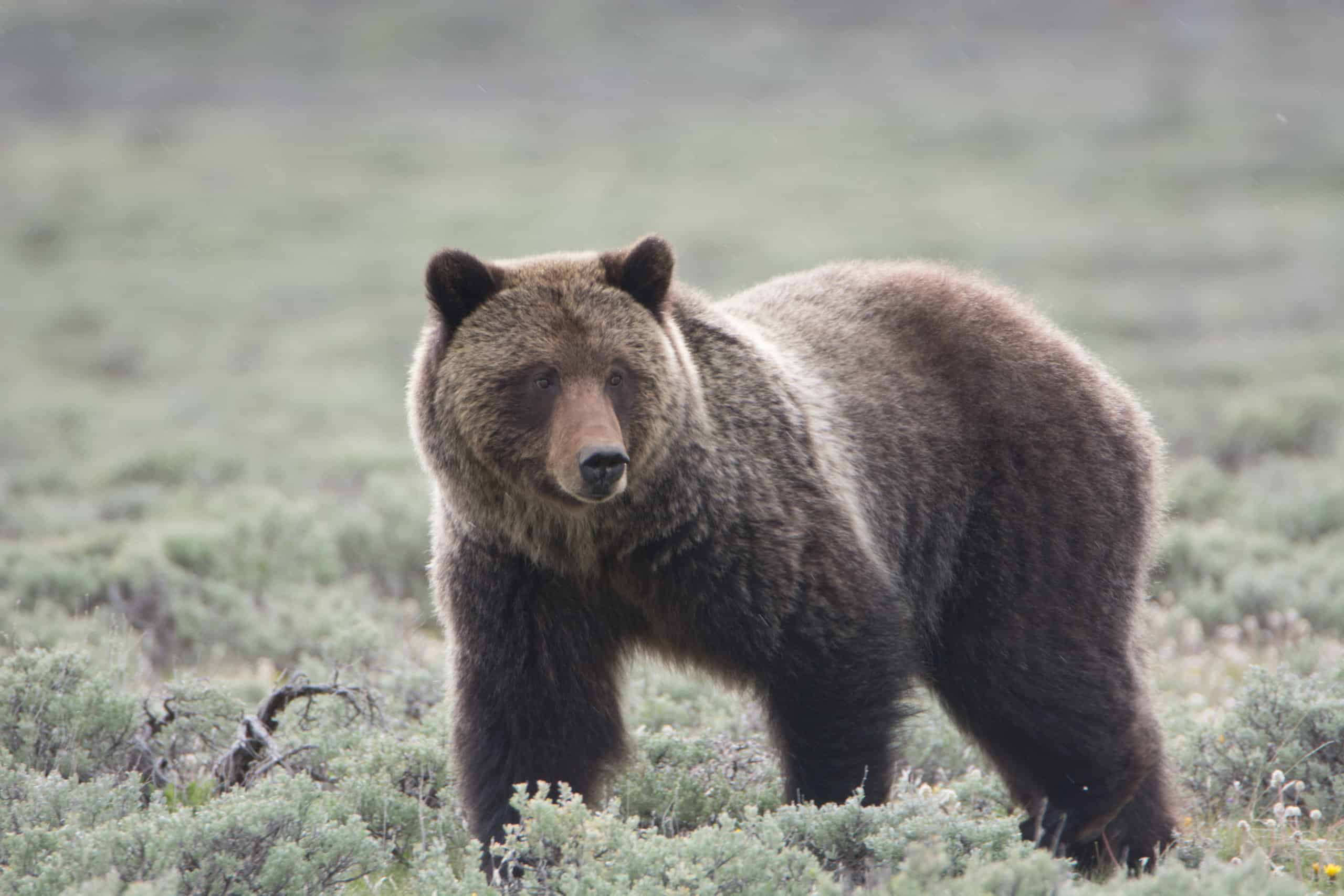
Image credit: Jilll Richardson / Shutterstock.com
©Jilll Richardson/Shutterstock.com
The provincial government estimates that approximately 15,000 grizzly bears live in British Columbia. It is a large share of the species’ North American population, although that broad number can hide important regional differences. Some local populations are relatively healthy; others remain vulnerable because their habitat is fragmented or numbers are low.
That is worth keeping in mind when considering a Washington beach mystery. Grizzlies are not evenly scattered along every stretch of the Canadian coast, and British Columbia is not one continuous, easily traveled bear habitat. Environmental barriers and human development can isolate populations even when they live within the same province. The 2022 Cherry Point case therefore raised a reasonable cross-border question, but it never supplied proof that a bear traveled from a specific B.C. population.
Washington Still Has Wild Grizzly Bears
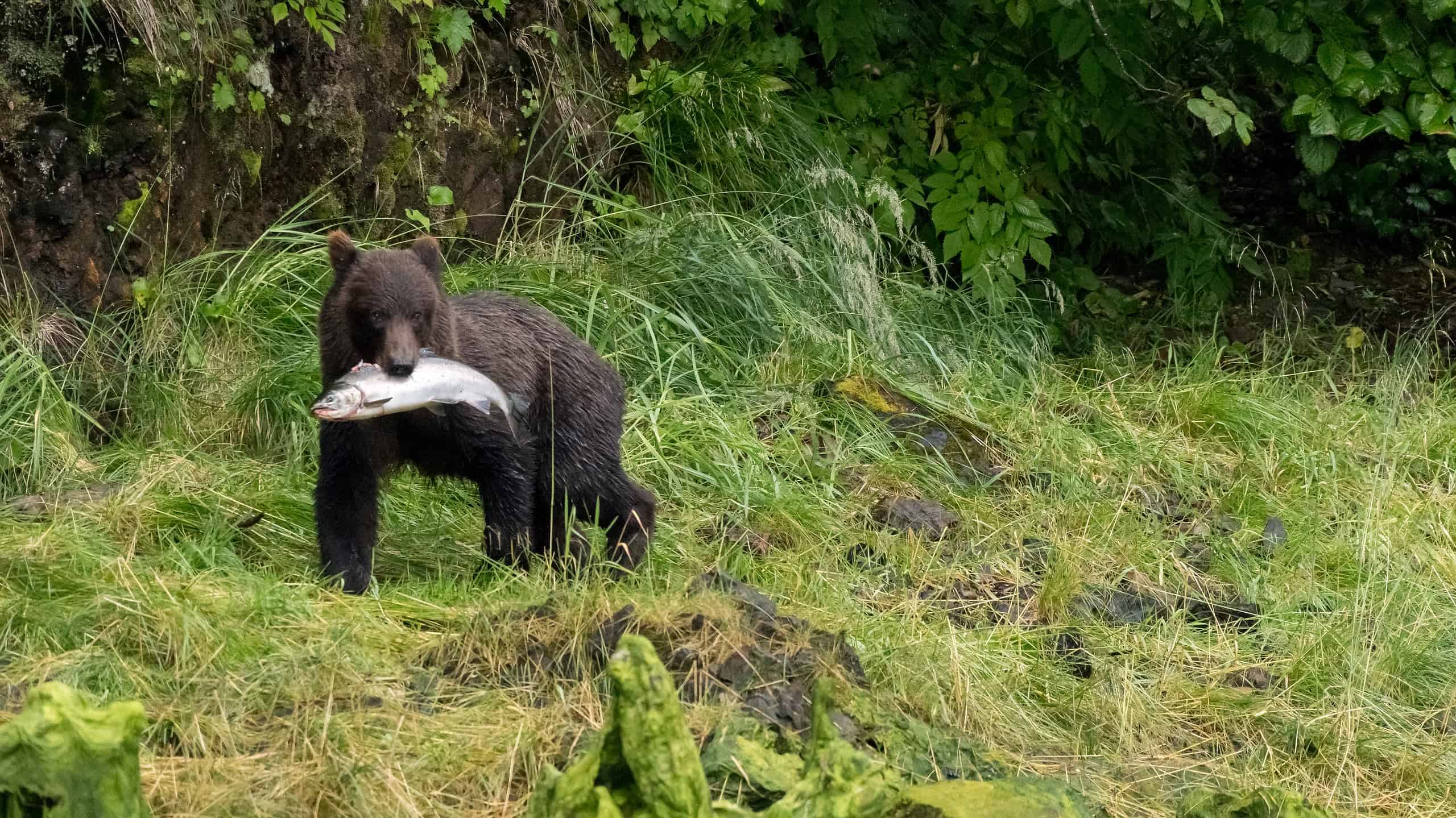
Image credit: Kirk Hewlett / Getty Images
©Kirk Hewlett/ via Getty Images
One of the original article’s most important errors was the suggestion that Washington has no wild grizzlies. That is not correct. The Washington Department of Fish and Wildlife confirmed in July 2026 that grizzlies remain present in the Selkirk Mountains of northeastern Washington. Bears are also occasionally documented near the Canadian border in northern Stevens and Pend Oreille counties. These are remote areas far from the populated western coast.
Washington classifies the species as endangered under state law, while grizzlies in the lower 48 states remain federally listed as threatened under the Endangered Species Act. Those are two different legal designations, not a contradiction. The population remains small and conservation concerns are real, but describing the entire state as grizzly-free erases the bears that wildlife biologists are still working to protect.
Why the Selkirk Population Matters
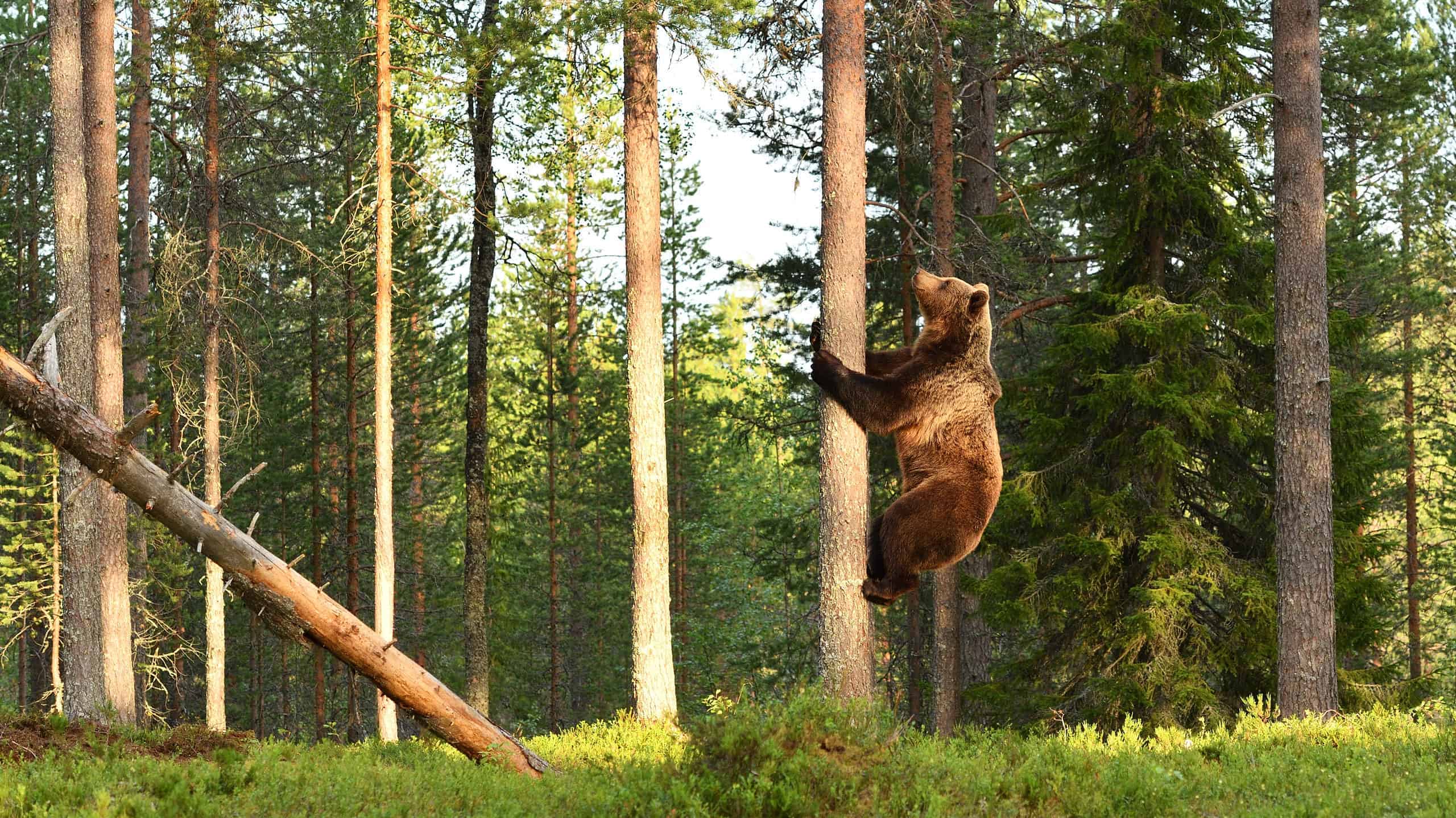
Image credit: ErikMandre / iStock.com
©iStock.com/ErikMandre
Washington’s Selkirk grizzlies are part of a cross-border population that extends into northern Idaho and southern British Columbia. A bear does not recognize the international boundary, and wildlife conservation cannot stop at a line drawn on a map. The Selkirk habitat forms a crucial foothold for a species that was once far more common across the Pacific Northwest. Its continued presence makes the population especially significant for conservation efforts.
The challenges involve more than the number of bears. Grizzlies reproduce slowly, need room to find food and mates, and can be vulnerable to human-caused deaths. Busy roads and extensive motorized access can make otherwise useful habitat less secure. Protecting the places where existing bears live is therefore as important as any proposal to introduce bears elsewhere. The Cherry Point carcass was unusual, but it also drew attention to the larger story of how limited Washington’s remaining grizzly range has become.
Grizzlies Once Roamed Much More of the West
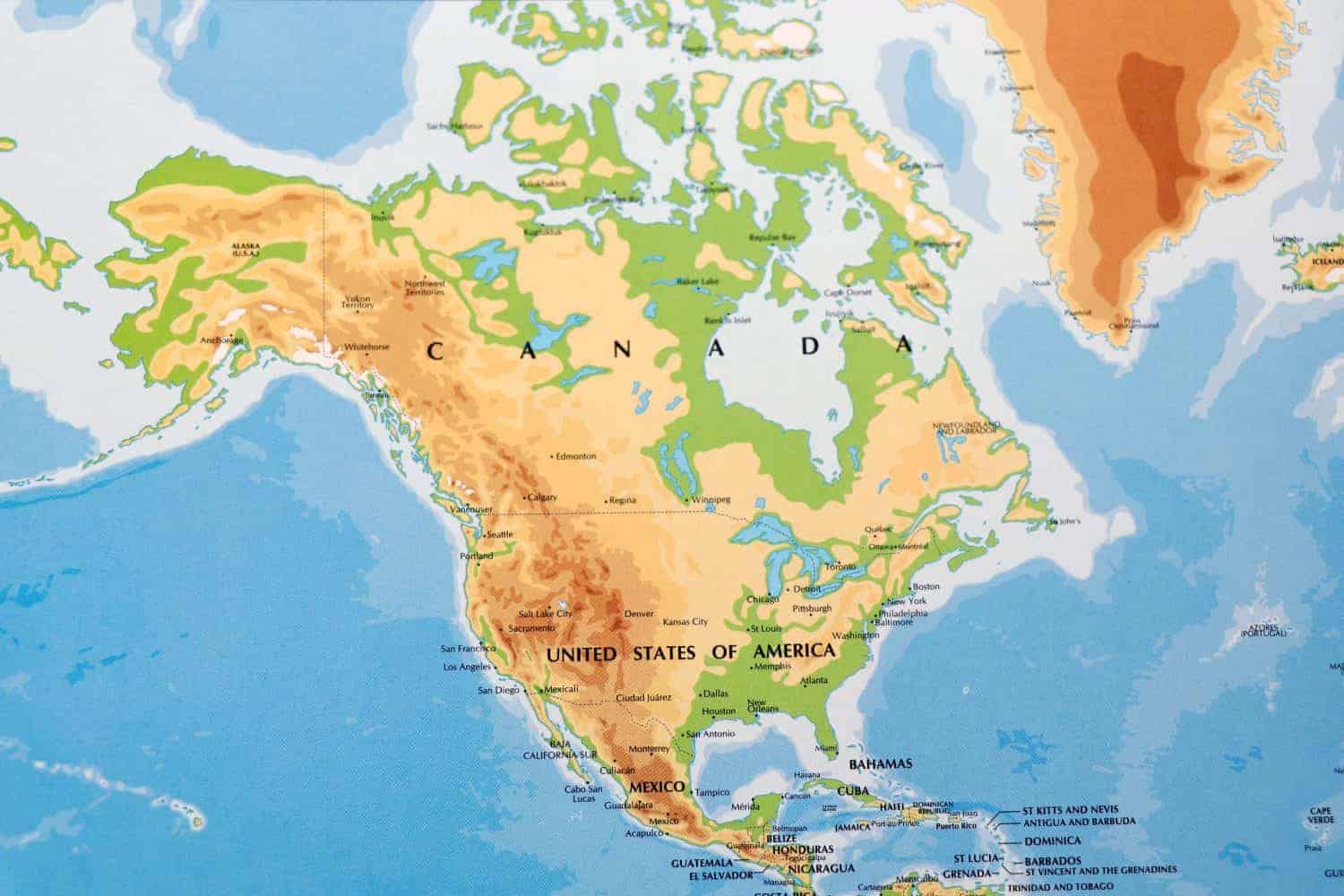
Image credit: Libin Jose / Shutterstock.com
©Libin Jose/Shutterstock.com
Grizzly bears were not always strangers to Washington’s forests and mountains. Historically they occupied much of the Cascade Range and eastern Washington, along with vast stretches of western North America. Their range contracted dramatically after generations of trapping, hunting, other direct killing, and development. The species disappeared from many places where it had once been a familiar part of the landscape.
Today, the main grizzly populations in the contiguous United States are concentrated in parts of Montana, Wyoming, Idaho, and northeastern Washington. Alaska and western Canada support much larger populations. Colorado should not be included as a state with an established modern wild grizzly population, as the original article suggested. That distinction is especially important for readers who might interpret a broad range map as a current guide to where wild grizzlies can be found.
Habitat Loss Changed the Grizzly Map
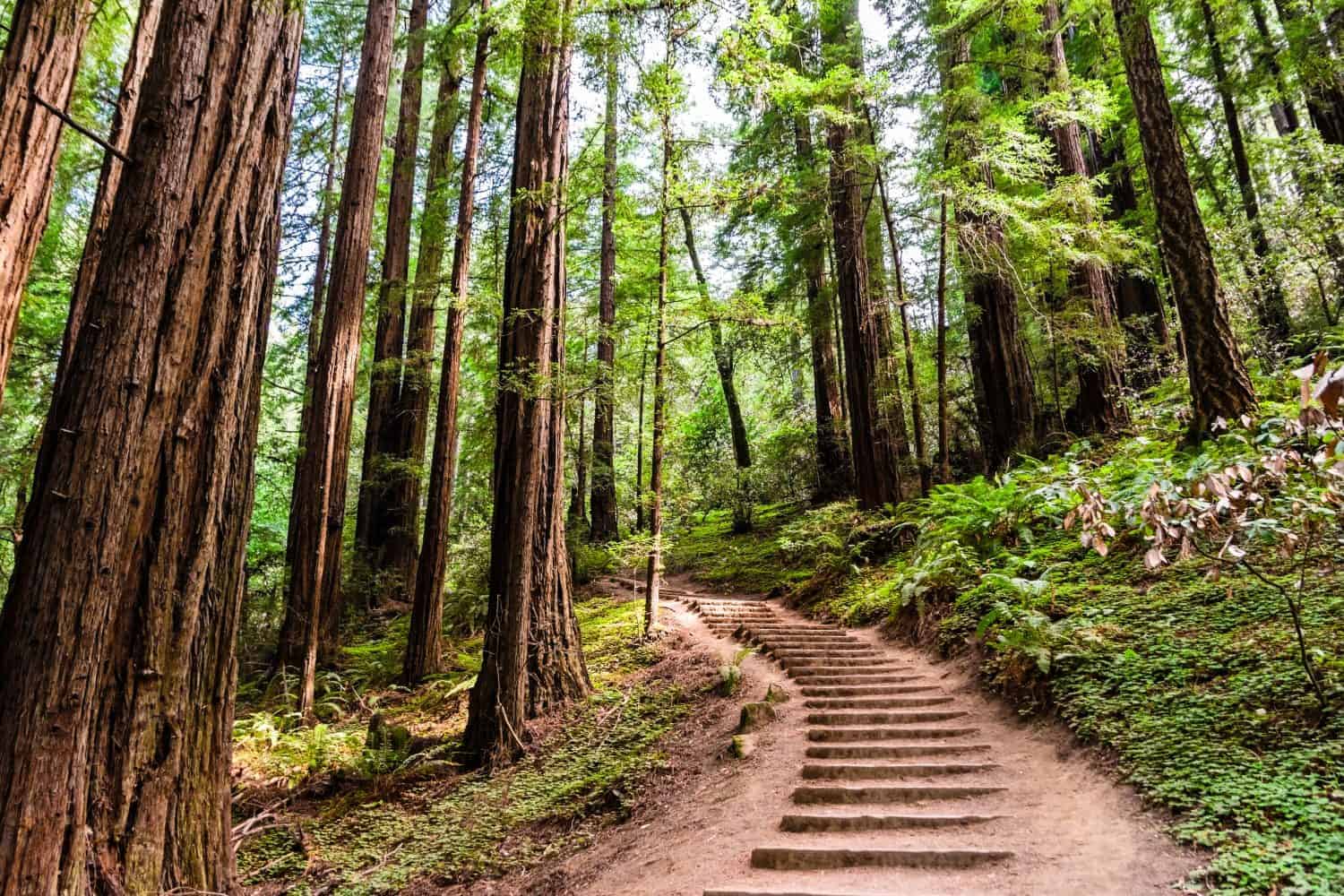
Image credit: Sundry Photography / Shutterstock.com
©Sundry Photography/Shutterstock.com
When wildlife agencies talk about grizzly recovery, habitat is always close to the center of the conversation. Bears need landscapes that provide seasonal food, denning opportunities, and enough secure space to move without frequent encounters with people. Large connected stretches of mountain and forest habitat are especially valuable because grizzlies may travel long distances over the course of a year. A suitable place for one bear can become much less useful when roads or development split it into smaller pieces.
The Northwest’s grizzly decline cannot be pinned on a single new road or one recent flood. It reflects a long history of direct killing and changes to the landscape. Federal and state biologists consider secure habitat and connectivity central to recovery planning. The image used here shows a California redwood forest, not Washington grizzly habitat, so it should be treated as illustrative until a Pacific Northwest forest photograph can replace it.
Why Bears Need Connected Wilderness
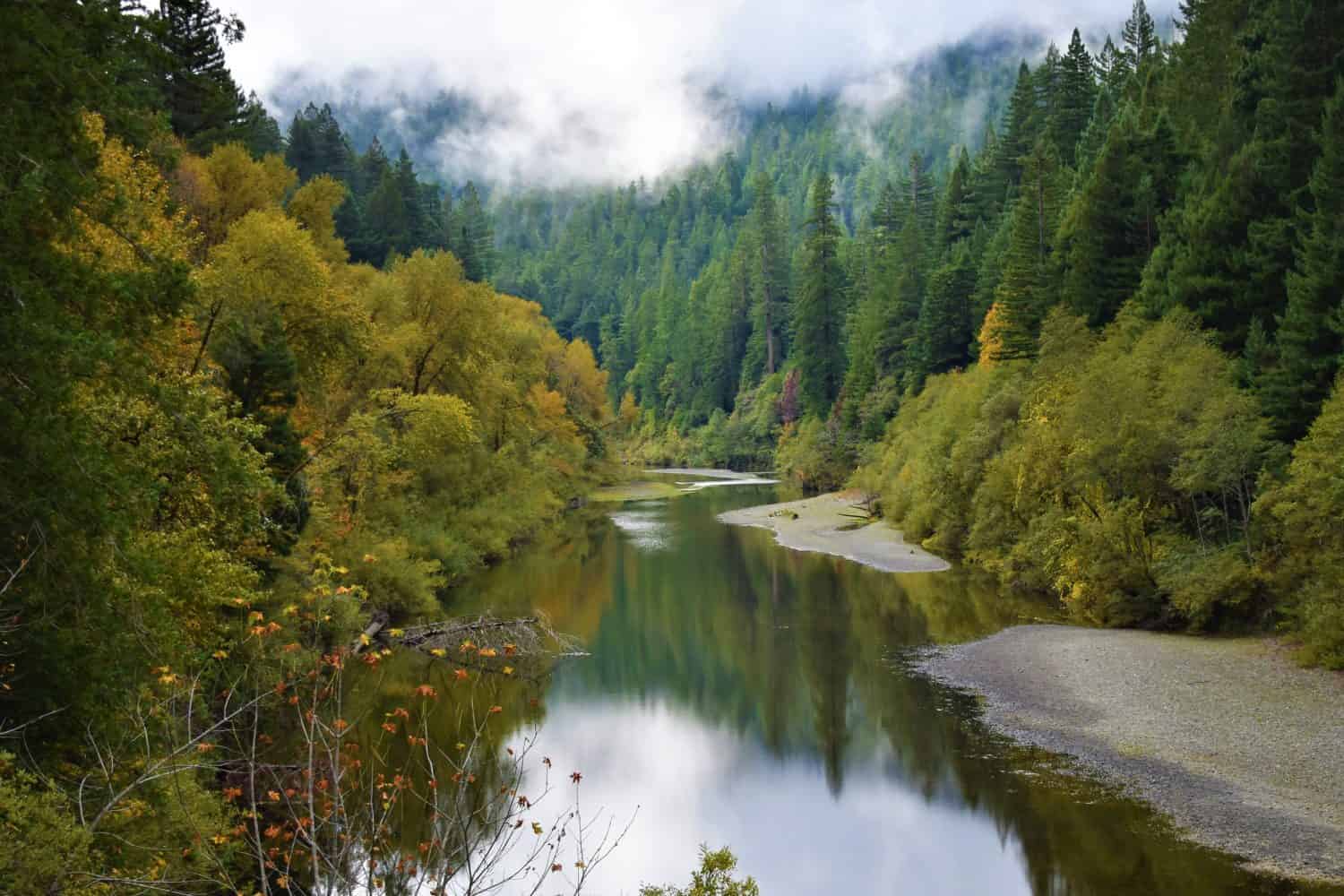
Image credit: Anna Westman / Shutterstock.com
©Anna Westman/Shutterstock.com
For grizzlies, the ability to move safely between suitable areas can make the difference between an isolated group and a healthier, connected population. Young animals need opportunities to disperse, while breeding adults need enough available territory and food to raise cubs successfully. Roads with heavy traffic, expanding communities, and other human activity can make those movements more dangerous or less likely.
This issue helps explain why experts do not expect grizzlies simply to repopulate the North Cascades on their own. The last confirmed grizzly sighting in the U.S. portion of that ecosystem was in 1996. Existing populations are separated from the region by distance and barriers that are difficult for bears to cross. Conservation is not just about protecting a patch of forest on a map. It is also about making that habitat practical for wildlife to use over time. The accompanying photograph is of a California redwood landscape and should not be mistaken for a North Cascades location.
Human Killing Drove Much of the Historical Decline
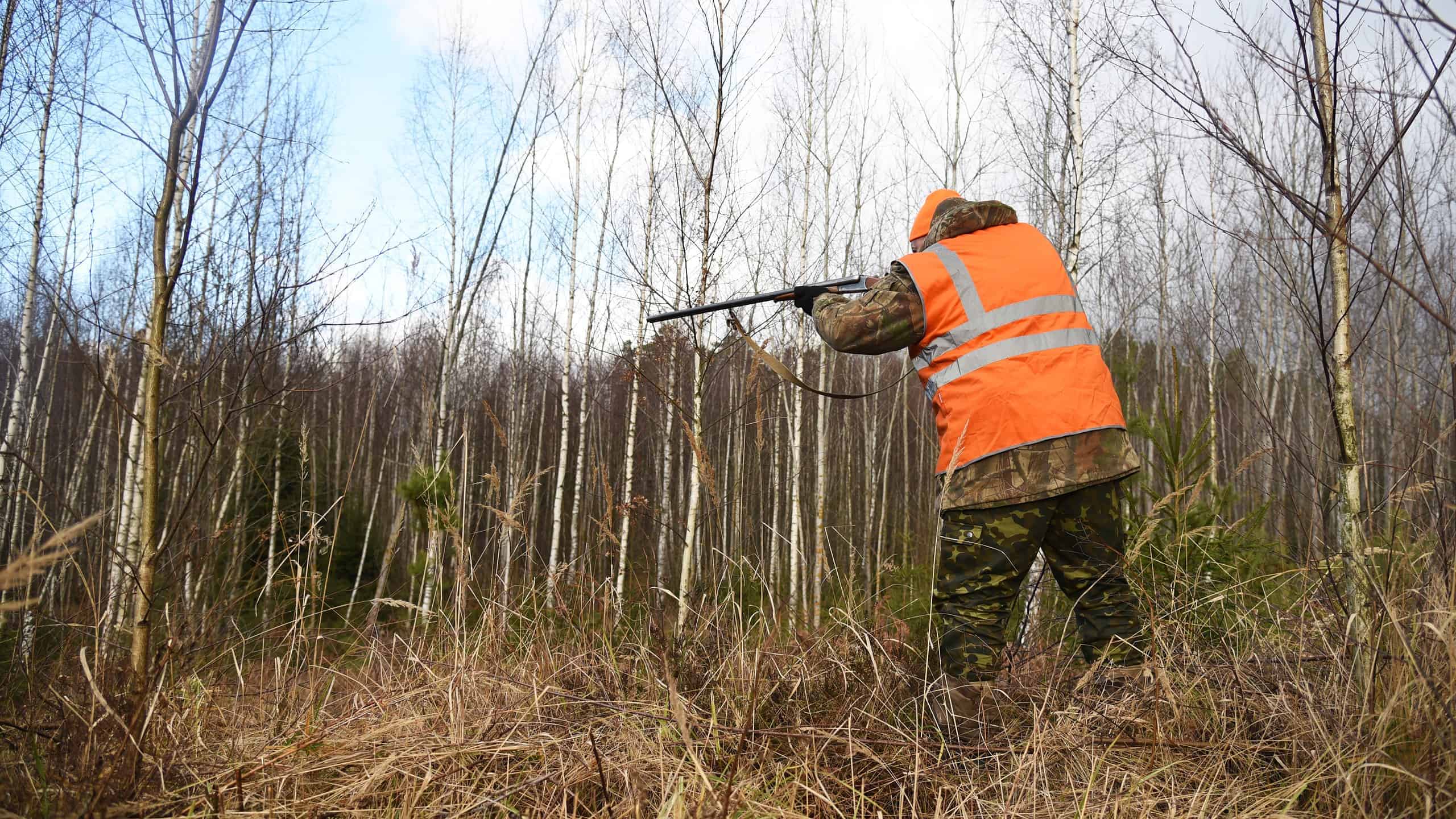
Image credit: Maksim Safaniuk / Shutterstock.com
©Maksim Safaniuk/Shutterstock.com
The steep reduction in grizzly numbers across Washington was driven in large part by people. Historically, bears were killed through trapping, hunting, and persecution, sometimes because they were viewed as threats to livestock or public safety. Habitat loss compounded those pressures. The result was the disappearance of grizzlies from landscapes where they had lived for thousands of years, including the U.S. portion of the North Cascades.
That history should not be confused with the cause of death in the Cherry Point case. The 2022 reporting said investigators saw no obvious bullet holes or other clear signs of trauma, although the carcass had been damaged by scavengers. It would be inaccurate to label this particular bear a poaching victim. The photograph here depicts a hunter tracking a wild boar, not a grizzly hunt, and is a candidate for replacement with a more directly relevant image.
British Columbia Ended Recreational Grizzly Hunting
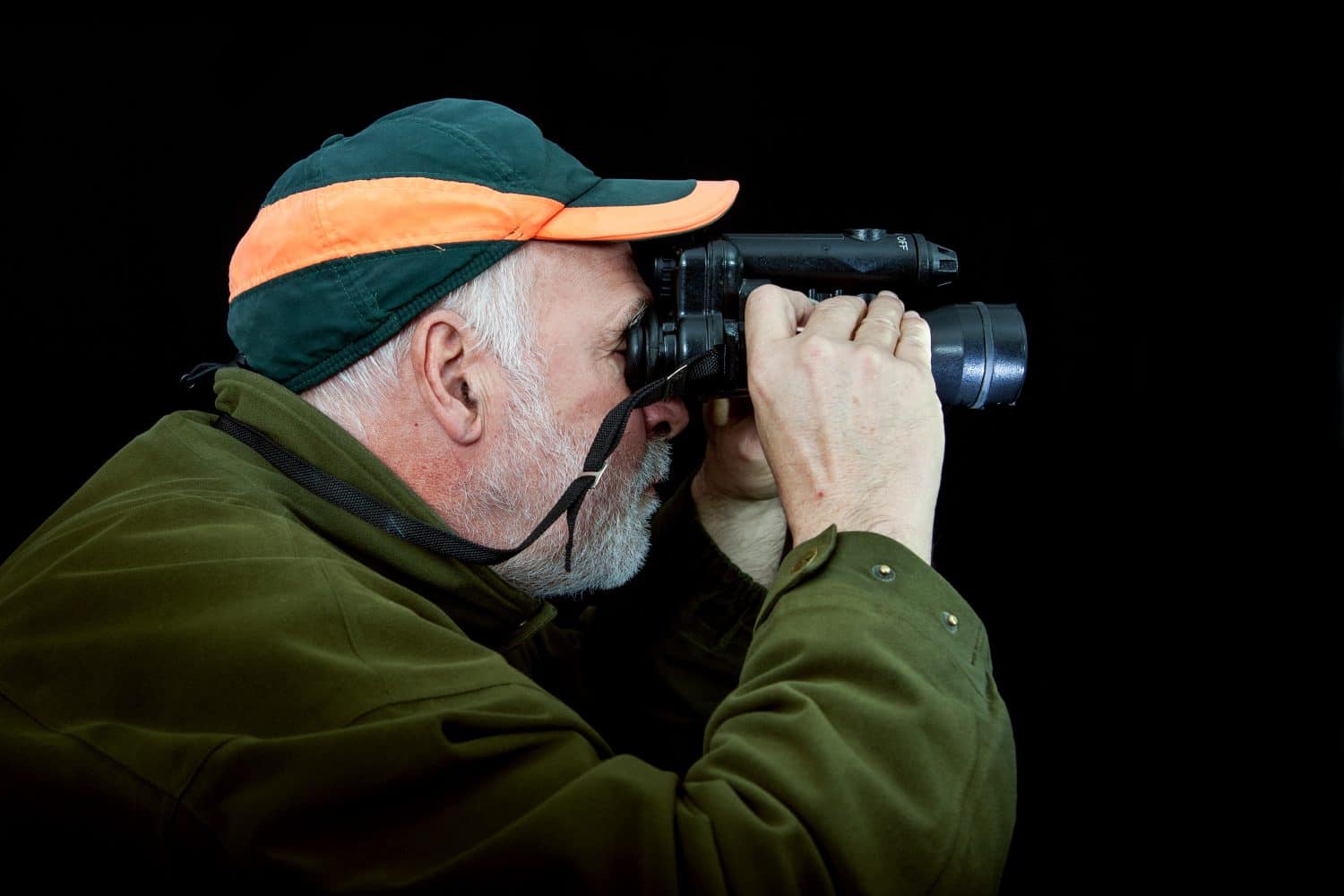
Image credit: Edgar G Biehle / Shutterstock.com
©Edgar G Biehle/Shutterstock.com
British Columbia made a major change in December 2017 when its government announced an end to grizzly hunting by resident and nonresident recreational hunters. The announcement followed years of debate about trophy hunting and the protection of one of the province’s most recognizable wild animals. The restriction did not eliminate every legal form of harvest: the province specifically preserved First Nations harvesting under applicable Aboriginal or treaty rights for food, social, or ceremonial purposes.
The provincial announcement also emphasized habitat conservation and wildlife management, because a hunting prohibition does not by itself solve every problem a bear population faces. Bears may still die in vehicle collisions, conflict situations, or other incidents. This photo is an illustrative hunting scene rather than an image of the British Columbia ban, so its context should not be represented as documentary evidence.
Protection Rules Are Not the Same Everywhere
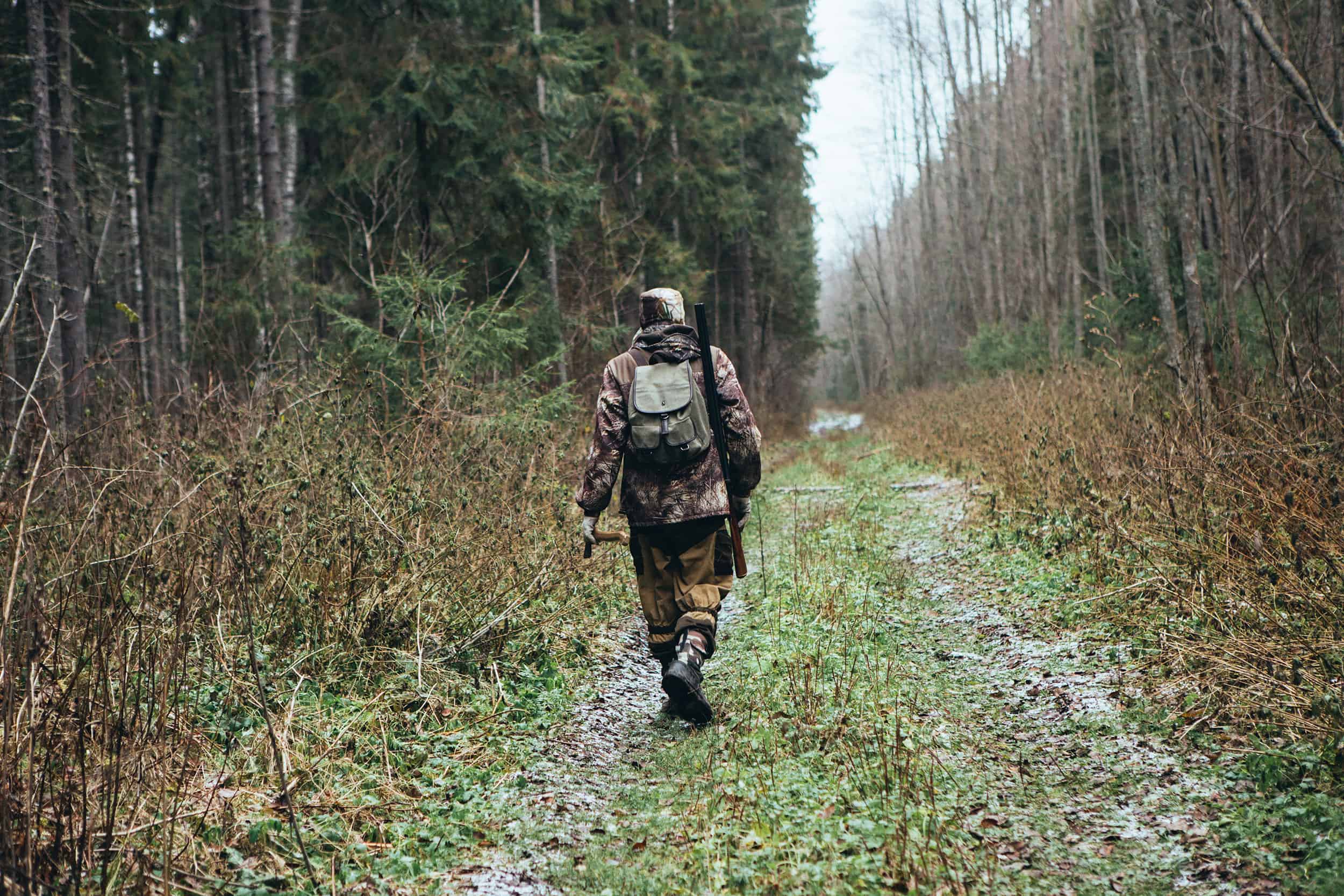
Image credit: Scharfsin / Shutterstock.com
©Scharfsin/Shutterstock.com
A grizzly’s legal status depends partly on where it is found. In Washington, it is classified as endangered by the state, and grizzlies in most of the lower 48 remain federally threatened. In July 2026, federal officials proposed revisions intended to give managers more flexibility in certain circumstances, but the U.S. Fish and Wildlife Service had not finalized those changes as of this update. The proposal did not itself remove the species’ threatened listing.
This is one reason broad claims about grizzly hunting rules are risky. The suggestion in the original story that there are no limits on how many bears can be shot in Washington was simply wrong. Legal protections are substantial, and the state also requires certain black bear hunters to complete identification training to help prevent grizzlies from being shot by mistake. The hunting-equipment image is generic and does not depict a documented grizzly incident.
Living Near Bears Requires Common Sense
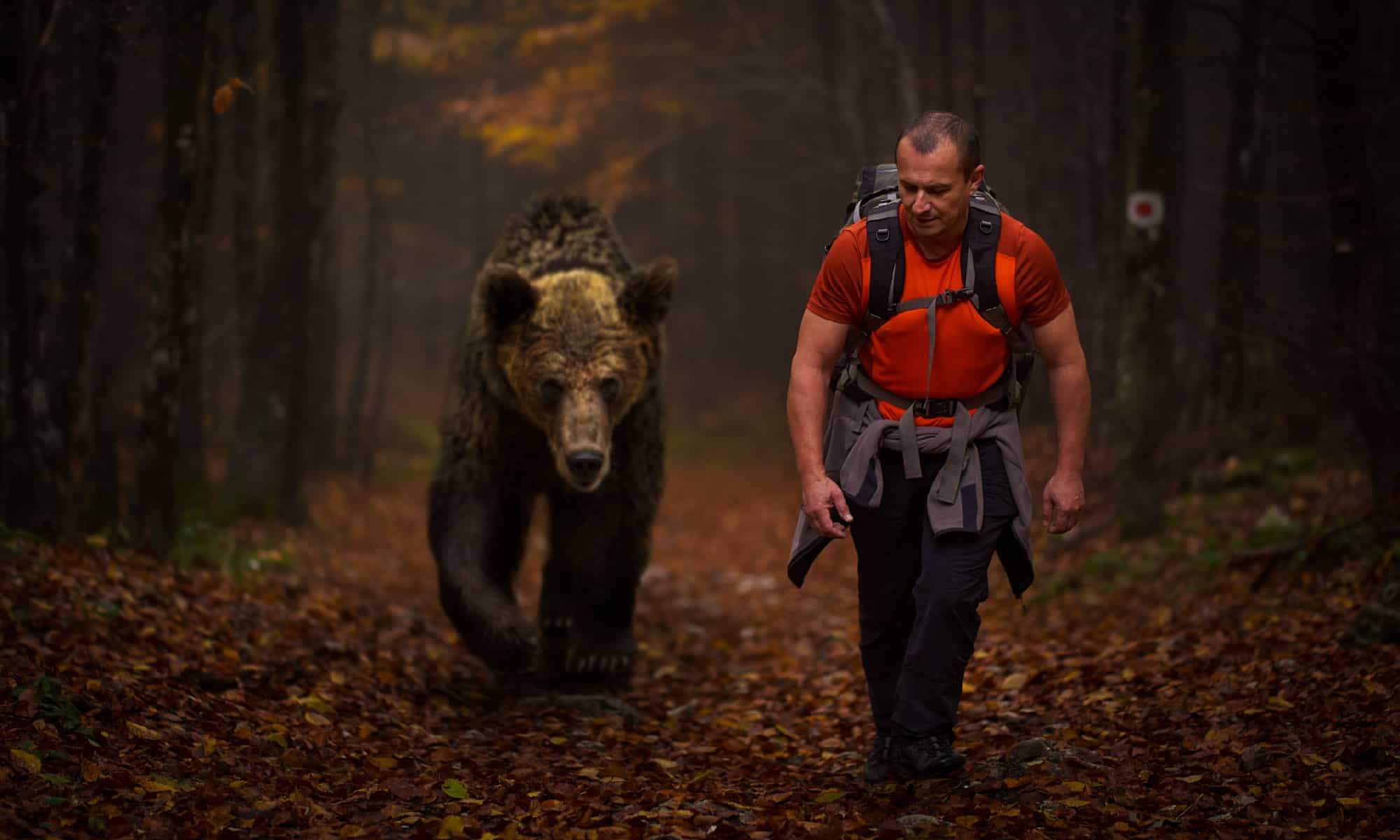
Image credit: xalanx / iStock.com
©iStock.com/xalanx
When grizzlies and people share the same landscape, the goal is to reduce encounters before they become dangerous. A grizzly is a powerful wild animal, but one sighting does not mean a bear is seeking conflict with people. Problems can arise when a bear is surprised at close range, when food or cubs are involved, or when an animal begins associating populated places with easy meals. Wildlife agencies emphasize prevention, distance, and learning appropriate bear-safety practices.
In established grizzly country, hikers should make noise where visibility is poor, give wildlife room, and follow local guidance about carrying accessible bear spray. If a bear is encountered, the proper response depends on its behavior and the situation. Do not approach for a photograph or assume that running is a safe escape. None of this means grizzlies are now wandering Seattle neighborhoods. The 2022 coastal discovery was remarkable precisely because the setting was so unusual.
Food Scraps Can Turn Into Bear Conflicts
Image credit: Dennis W Donohue / Shutterstock.com
©Dennis W Donohue/Shutterstock.com
Not all human-bear conflicts begin with a dramatic confrontation. Sometimes the problem is something as ordinary as a campsite with food left out or garbage a bear can easily reach. Once a bear learns that people provide an easy meal, it may repeatedly return to developed areas. That puts the animal and nearby residents at greater risk and can eventually require wildlife officers to intervene.
The solution starts with behavior people can control. Campers should pack out food scraps, store supplies according to local regulations, and avoid leaving scented items unattended. Even fruit peels and other food waste can attract wildlife. Homeowners in bear country can reduce problems by securing attractants such as garbage, pet food, and outdoor grills. These precautions matter across both Washington and British Columbia, even though the actual reason the Cherry Point grizzly died remains unknown.
Bear-Resistant Storage Makes a Difference
Image credit: Perpis / Shutterstock.com
©Perpis/Shutterstock.com
Preventing a bear from becoming accustomed to food around homes and recreation areas is easier than trying to change its habits afterward. Bear-resistant containers, properly managed dumpsters, and food-storage systems at campgrounds reduce the reward that attracts animals. They are practical tools for communities close to wild habitat and for visitors heading into the backcountry. The same principle applies to small food scraps as much as it does to overflowing trash cans.
These recommendations are about protecting both people and bears. A grizzly that consistently finds food around roads, homes, or campsites can become a recurring safety problem. Wildlife officers may then have fewer good options, particularly when an animal begins approaching people. For visitors to the Pacific Northwest, following posted food-storage rules is one of the simplest ways to support conservation. You do not need to encounter a grizzly yourself to make responsible choices in bear habitat.
Roads Can Be Dangerous for Wide-Ranging Bears
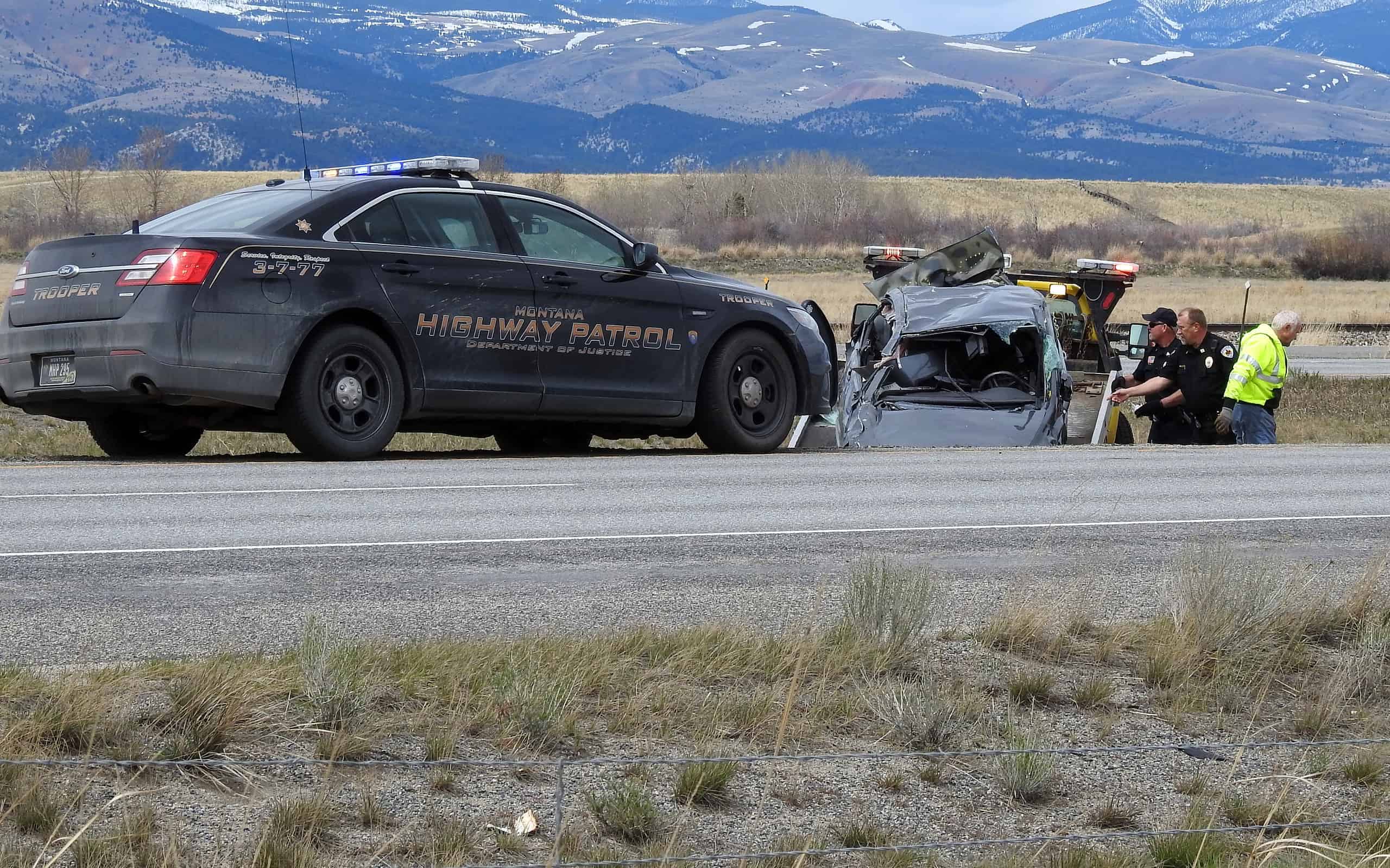
Image credit: Mark Holloway, CC BY 2.0, via Wikimedia Commons (license)
©Mark Holloway, CC BY 2.0, via Wikimedia Commons - Original / License
A grizzly may travel across a large area in search of seasonal food, mates, and safe habitat. Roads can interrupt those movements, and vehicle strikes are a documented threat to bears and other wildlife. Heavy traffic also creates barriers between habitat patches, even where the vegetation on either side looks suitable. Wildlife crossings, careful road planning, and conservation of connected habitat are among the ways managers can reduce these risks.
But there is no evidence that a vehicle struck the grizzly found near Cherry Point in 2022. The original reporting noted no obvious major trauma, and the actual cause of death was unresolved. The photograph in this block shows a road collision scene in Montana, not a grizzly collision and not the Cherry Point investigation. It can illustrate traffic risk in a broad discussion, but replacing it with a wildlife-crossing image would make the visual much more relevant and less likely to mislead readers.
B.C. Bears Still Face Pressure Outside Hunting
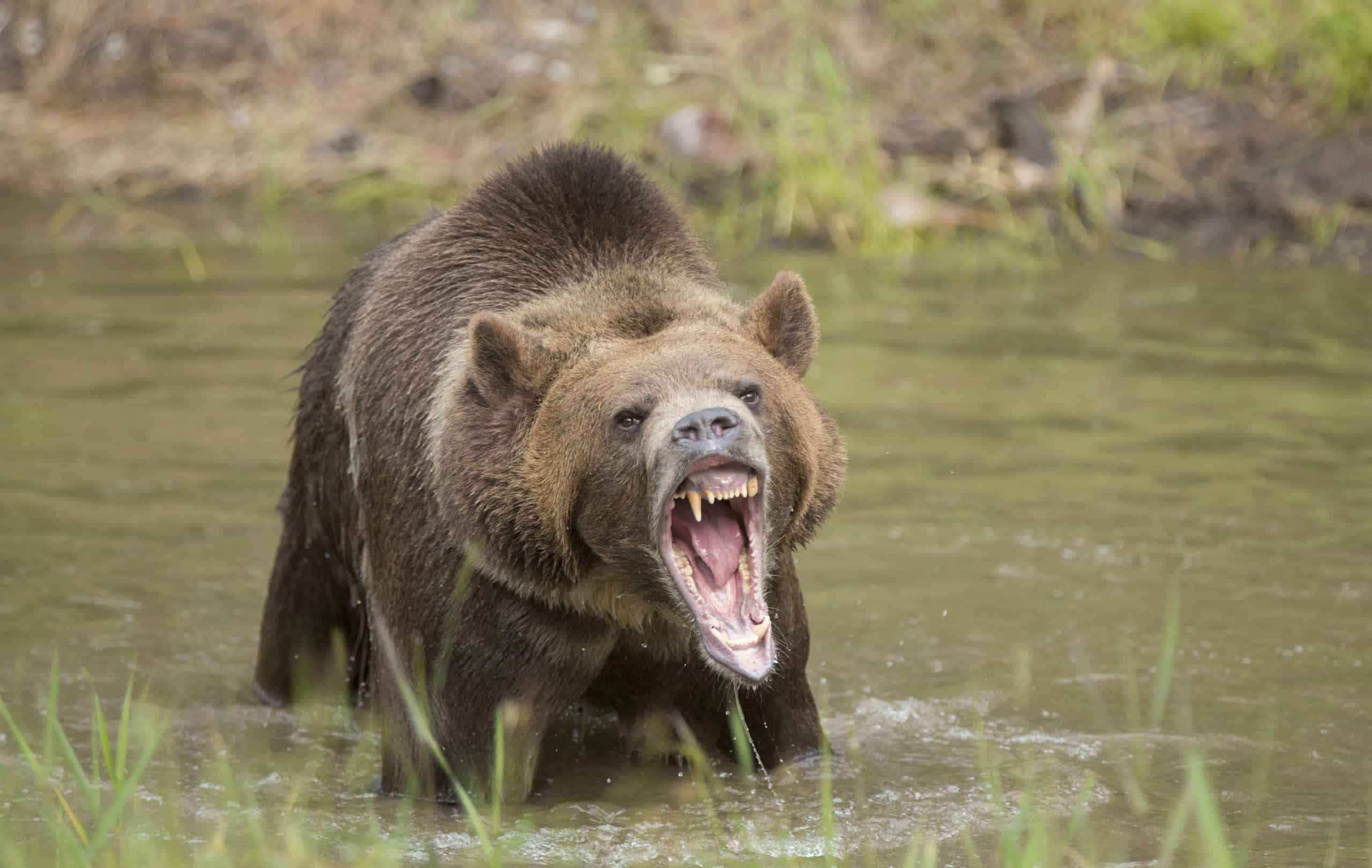
Image credit: Jack Nevitt / Shutterstock.com
©Jack Nevitt/Shutterstock.com
Ending recreational grizzly hunting does not make British Columbia’s bears immune to other threats. Habitat fragmentation, highways, rail lines, and conflicts involving human food attractants can still cause serious problems. Those pressures vary from one region to another, which is why an overall provincial population estimate cannot tell the complete conservation story. Some grizzly groups may be comparatively secure while smaller southern populations remain more vulnerable.
Protecting travel corridors and preventing conflicts are long-term challenges. A bear moving in search of salmon, berries, or a new home range can encounter people and transportation routes along the way. These concerns help explain the importance of cooperation among provincial, federal, tribal, and local wildlife managers. They also provide context for why investigators considered a Canadian origin for the Cherry Point carcass without being able to state where the animal actually lived.
Grizzlies Reproduce Slowly
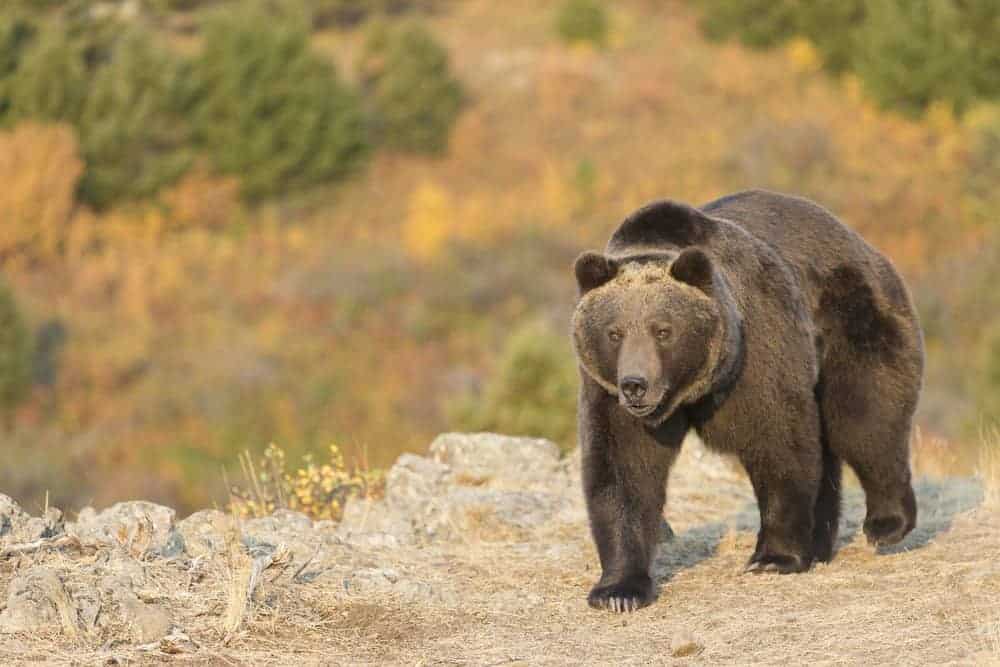
Image credit: Dennis W Donohue / Shutterstock.com
©Dennis W Donohue/Shutterstock.com
Grizzly conservation can be challenging because populations do not rebound overnight. Females generally give birth to small litters, then spend an extended period caring for their cubs before breeding again. Young bears face hazards as they learn to find food and navigate their surroundings. That slow reproductive pace makes losses of breeding adults especially consequential in small populations and helps explain why long-term recovery plans are measured in years and decades.
In the wild, many grizzlies can live into their 20s, though survival depends on food availability, habitat, and a range of natural and human-caused risks. Individual animals in managed care may live longer. Claims that all grizzlies top out at 25 years or that polar bears are automatically the longest-lived bear species oversimplify the picture. The important point for the Washington story is that rebuilding a viable grizzly population requires time, secure habitat, and enough bears to reproduce successfully.
The North Cascades Restoration Plan Is Approved
Image credit: marneejill / CC BY-SA 2.0 (license)
One of the biggest developments since the 2022 discovery came in April 2024. The National Park Service and U.S. Fish and Wildlife Service approved a plan to restore grizzly bears to the U.S. portion of the North Cascades through carefully managed relocations from other populations. The federal plan calls for moving roughly three to seven bears per year over five to ten years, with an initial goal of 25 animals.
The approval should not be confused with a completed reintroduction. As of the federal wildlife agency’s current status page reviewed for this October 2026 update, no translocations had taken place and no start date had been announced. That distinction is especially important for Seattle Travel readers planning hikes. Grizzlies have not suddenly been released across the North Cascades just because a restoration plan received federal approval. What has changed is the official roadmap for their possible return.
The Cherry Point Mystery Still Has No Confirmed Answer
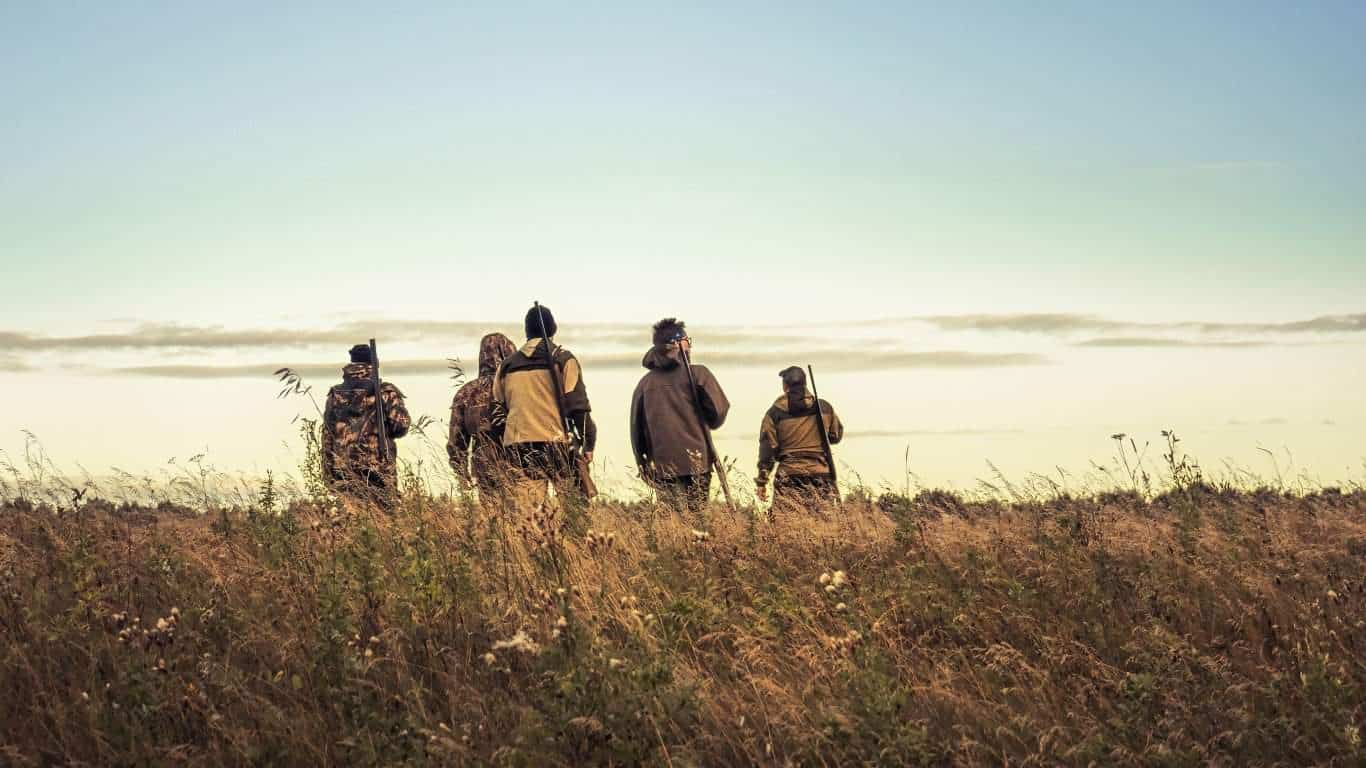
Image credit: splendens / iStock via Getty Images
©splendens / iStock via Getty Images
Four years after the coastal discovery, the most responsible way to tell this story is to separate what was found from what was suggested. Officials confirmed a young male grizzly on a Whatcom County beach in June 2022. The carcass showed no obvious bullet wounds or major trauma in the initial examination. Samples were taken for analysis, and a Canadian origin by way of coastal currents was raised as one possibility. None of those details established the animal’s cause of death or its final route to the shoreline.
The unanswered questions make the case unusual enough on their own. Washington still has grizzlies in its northeastern mountains, British Columbia remains an important neighboring stronghold, and a federal plan now exists to restore the animals to the North Cascades. But the bear found near Cherry Point remains a reminder that wildlife does not always appear where maps and expectations suggest it should. Unless new verified test results surface, its story ends with a mystery, not a solved case.

